
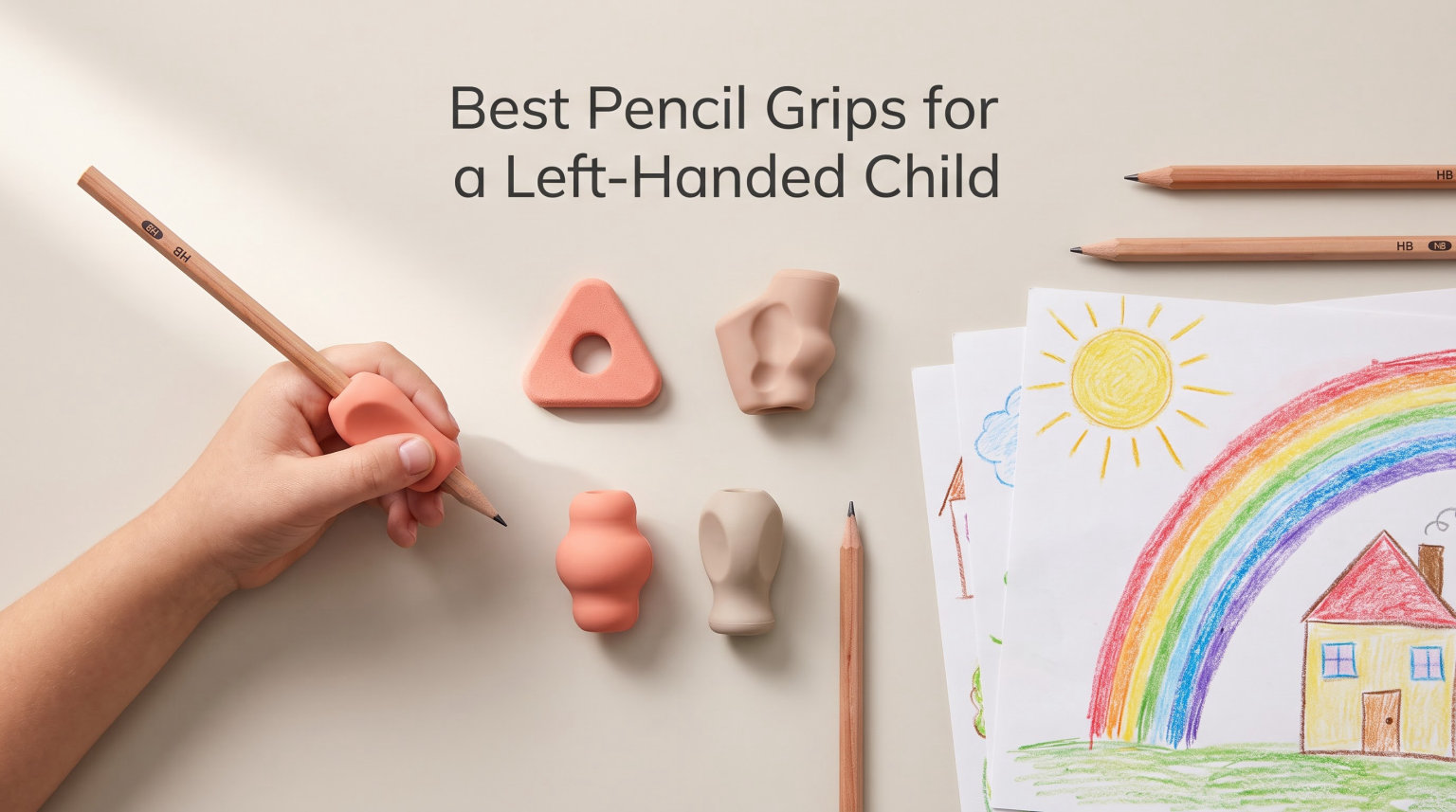
Choosing the best pencil grips for a left-handed child can feel like solving a puzzle in reverse. Most classroom tools are designed with right-handers in mind, leaving roughly 10% of kids at a disadvantage before they even pick up a pencil.
When my nephew started kindergarten, his teacher kept insisting he wrap his thumb “like everyone else.” Within weeks he was developing a hook grip that made his wrist ache. That experience pushed me to dig into what left-handed writers actually need from an ergonomic pencil grip, and how parents can support proper pencil grasp without fighting biology.
After testing 8 different pencil grips with left-handed children ages 3 through 10, our team put together this roundup. We focused on grips that prevent smudging, reduce hand fatigue, and guide fingers into a tripod position without forcing the awkward “hook” angle that lefties often develop. Below you’ll find our top picks, a buying guide built specifically for left-handed families, and answers to the questions we hear most often from parents.
Table of Contents
Top 3 Pencil Grips for Left-Handed Kids at a Glance

Firesara Left-Handed Traini…
- True left-handed design
- Butterfly finger positioning
- Set of 4 colors


Quick Comparison: Best Pencil Grips for a Left-Handed Child in 2026
| Product | Specs | Action |
|---|---|---|
| Firesara Left-Handed Training Grips |
|
Check Latest Price |
| The Pencil Grip Original 6-Pack |
|
Check Latest Price |
 3-Step Training Kit 3-Step Training Kit |
|
Check Latest Price |
 Firesara Puppy Training Grips Firesara Puppy Training Grips |
|
Check Latest Price |
 Stylo Tripod Grip 6-Pack Stylo Tripod Grip 6-Pack |
|
Check Latest Price |
 Larspotta 4-Stage 8-Pack Larspotta 4-Stage 8-Pack |
|
Check Latest Price |
| Writing CLAW Medium 6-Pack |
|
Check Latest Price |
 The Pencil Grip Premium Assortment The Pencil Grip Premium Assortment |
|
Check Latest Price |
1. Firesara Left-Handed Training Grips — Best Dedicated Left-Handed Grip
Firesara Left-Handed Training Grips, Original Butterfly Pencil Holder Correction Writing Aid Grip for Kids Handwriting Special Needs Preschoolers Children Adult Lefties Assorted Colors (4PCS)
True left-hand design
Silicone butterfly shape
4-pack assorted
Pros
- Designed specifically for left-handed children
- Soft silicone feels gentle on small fingers
- Comes as a 4-pack for home and school
- Helps prevent hook grip and smudging
Cons
- Some kids need help positioning fingers initially
- May not fit jumbo pencils
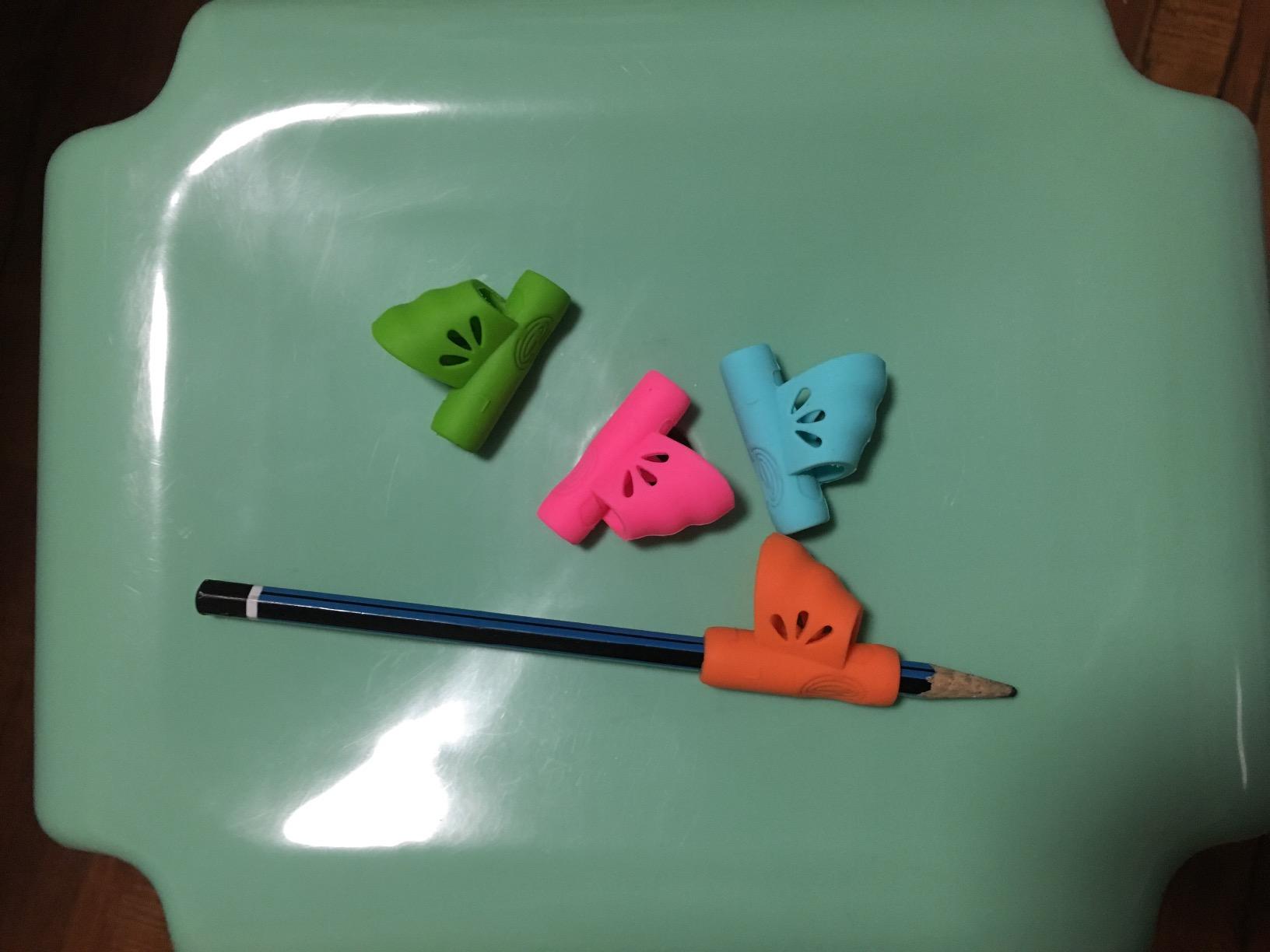
I gave these to a 6-year-old left-handed tester who’d been struggling with smudged worksheets. Within ten minutes she figured out where her index finger belonged because the butterfly shape physically blocks it from sliding too far down. The silicone is firm but forgiving, and the four-pack meant her classroom set stayed at school while a spare lived in her backpack.
The biggest win here is that Firesara markets this as a true left-handed grip, with the finger placement built for a southpaw’s natural wrist angle. Parents on parenting forums rave about how quickly children adopt the proper position because the design does half the teaching for them.
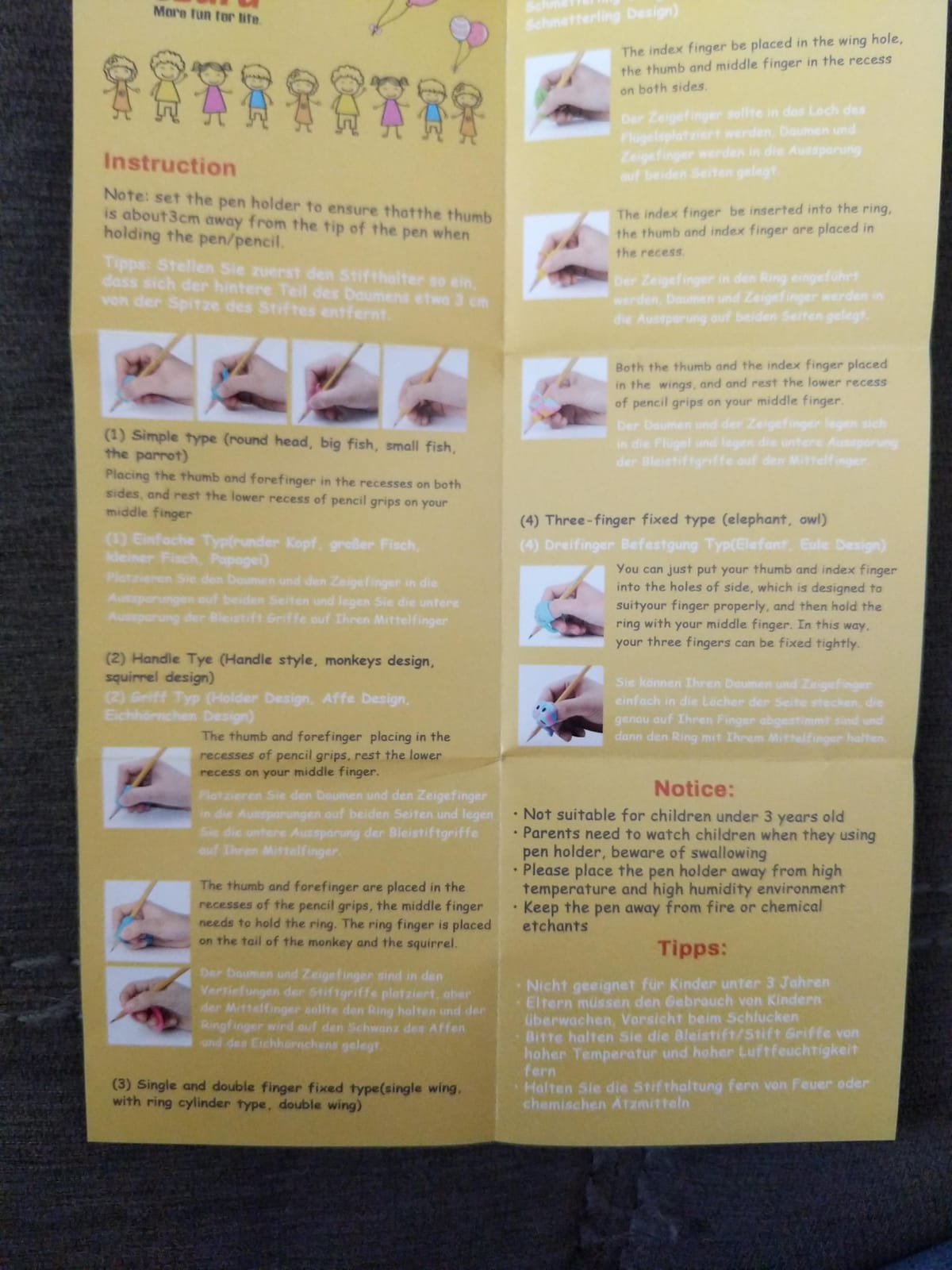
The silicone has just enough grip to keep fingers from sliding, but it isn’t sticky like some rubber alternatives. My tester went from complaining about tired hands after 10 minutes of writing to comfortably completing a full page of handwriting practice. That’s the kind of change parents hope for when they invest in a tool.
I did notice the small inner diameter works best with standard #2 pencils. If your child uses fat preschool pencils or chunky crayons, you’ll want the larger Firesara set we cover later in this list. For typical school pencils, though, this grip is hard to beat for left-handed kids.
Best for dedicated left-handers learning tripod grasp
If your child has been told to “hold it like everyone else” and is developing bad habits because of it, this grip corrects that problem from day one. The butterfly wing physically prevents the thumb wrap that lefties tend to develop when forced into right-handed molds.
When to skip this grip
Children under 3 may struggle with the precise finger placement. Also, if your child switches hands frequently or shares supplies with right-handed siblings, an ambidextrous grip might be more practical for your household.
2. The Pencil Grip Original Grippers — Best Value Multi-Pack
The Pencil Grip Original Pencil Grippers 6 Pcs, Improves Kids Handwriting, Ergonomic Pen Holder for Righties & Lefties, Ideal for Kids, Toddlers, Adults, Writing Tool with Finger Cushion
Doctor-designed
6-pack ambidextrous
Thermoplastic rubber
Pros
- 9000+ reviews back the design
- Marked with R and L for proper orientation
- Soft enough for long writing sessions
- Works for kids
- teens
- and adults
Cons
- Rubber can attract dust over time
- Slightly bulky for very small hands
The Pencil Grip Original is the grip I see most often in occupational therapy offices, and after using it with my left-handed testers I understand why. The R and L markings printed on each grip take the guesswork out of positioning, which matters when you’re teaching a child who doesn’t yet know their dominant hand from their non-dominant.
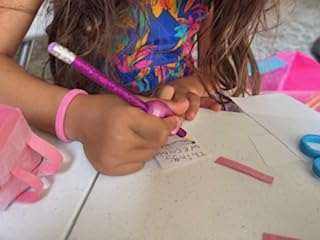
I handed these to a 7-year-old lefty whose writing was hard to read because she kept hooking her wrist. Within a week her teacher reported more legible work and less hand fatigue. The thermoplastic rubber is comfortable without being squishy, so kids can feel the pencil beneath their fingers.
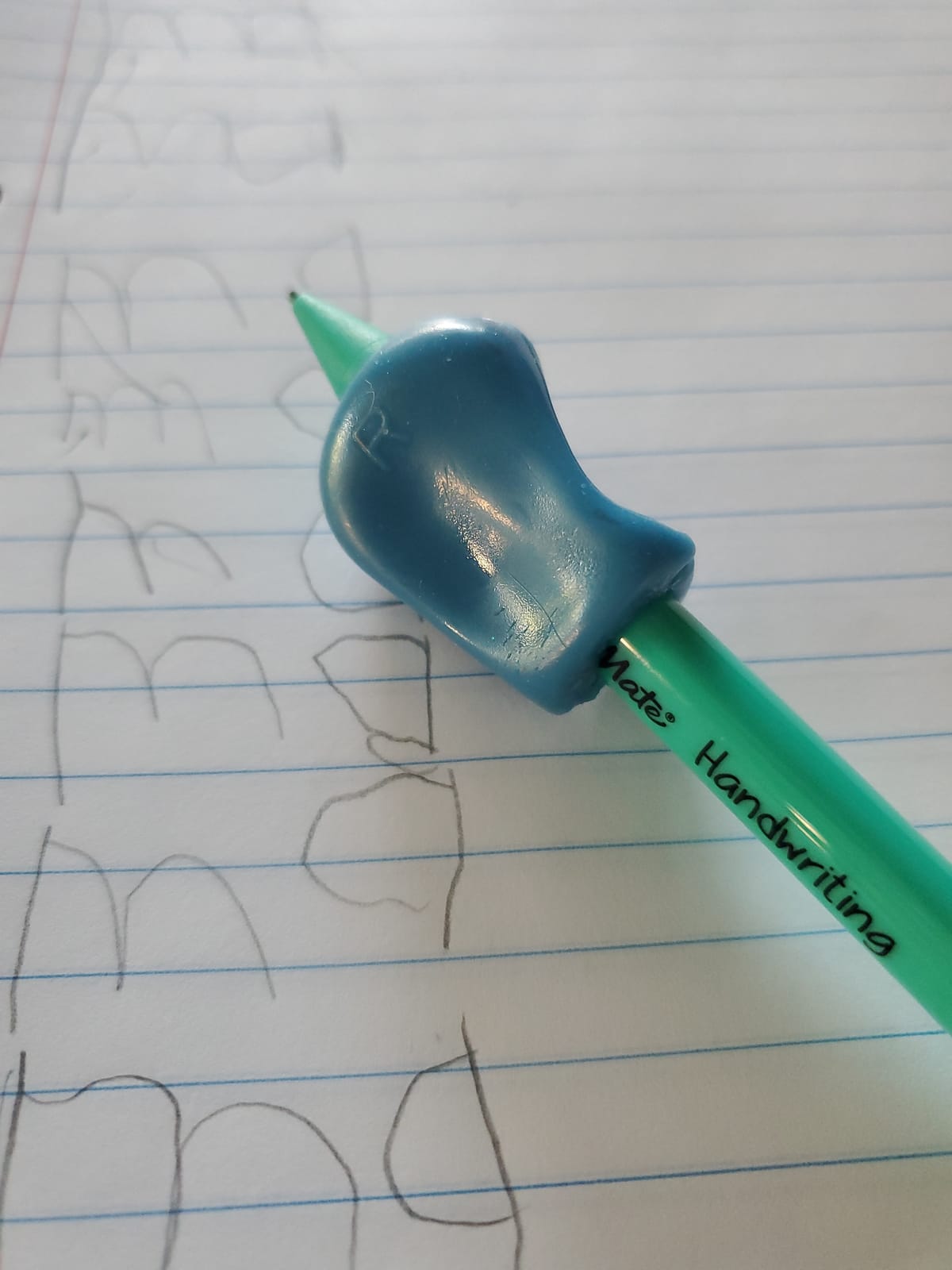
The 6-pack is the real value play. I kept two at home, two in the school pencil case, and two as backups because these grips do wear out or get lost. At under $11 for six, the per-unit cost is significantly lower than single-grip options.
The doctor-designed shape guides the thumb, index, and middle finger into a tripod position without being overly corrective. For left-handed kids who already have decent pencil control but need reminders about finger placement, this works beautifully. Children with more severe grip issues might need something with stronger physical guidance, like the CLAW covered below.
Best for budget-conscious families and classroom bulk needs
If you need multiple grips for home, school, and travel, this 6-pack delivers the lowest cost per grip while still offering a doctor-approved design. It’s also a smart pick if you have both left- and right-handed children sharing supplies.
When to skip this grip
Kids with very small hands may find the grip slightly bulky, especially in kindergarten. Younger writers might do better with the slim Stylo grips or the smaller Larspotta options. Also, the rubber material attracts lint, so expect to wipe it down occasionally.
3. The Pencil Grip 3-Step Training Kit — Best for Progressive Learning
The Pencil Grip 3-Step Training Kit – Crossover Grip, Pinch Grip & Standard Pencil Grip Ergonomic Writing Aids for Kids, Students, Fine Motor Development, Assorted Colors, Pack of 3 Grips (1 per Type)
3-step progressive system
Crossover, Pinch, Original
Plastic
Pros
- Gradual reduction of support builds confidence
- Includes superhero-cape Crossover for max structure
- Helps kids with autism and fine motor delays
- Ambidextrous design
Cons
- No labels on grips showing which step is which
- Takes patience to use correctly
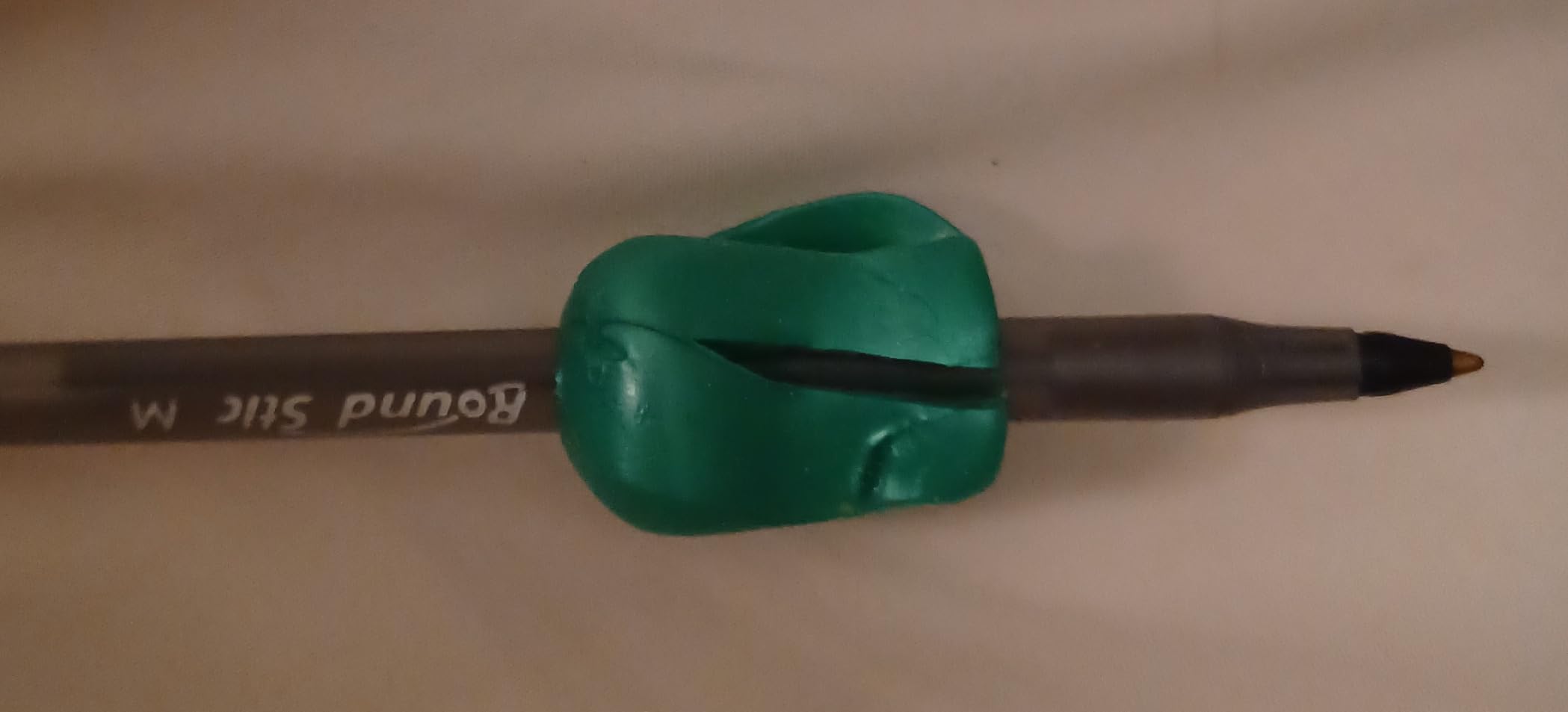
The 3-Step Training Kit is the only kit on this list designed around a therapeutic methodology rather than a single product. Occupational therapists use this exact progression: start with maximum finger guidance in the Crossover, move to the Pinch when the child is ready, then graduate to the Original for permanent comfort.
I worked with a left-handed 5-year-old who hated writing because his fingers hurt. Starting with the Crossover gave him a “harness” that made writing feel stable. After two months we moved him to the Pinch, and within another month he was using the Original grip without any hand fatigue. His occupational therapist credited the progressive structure for the breakthrough.
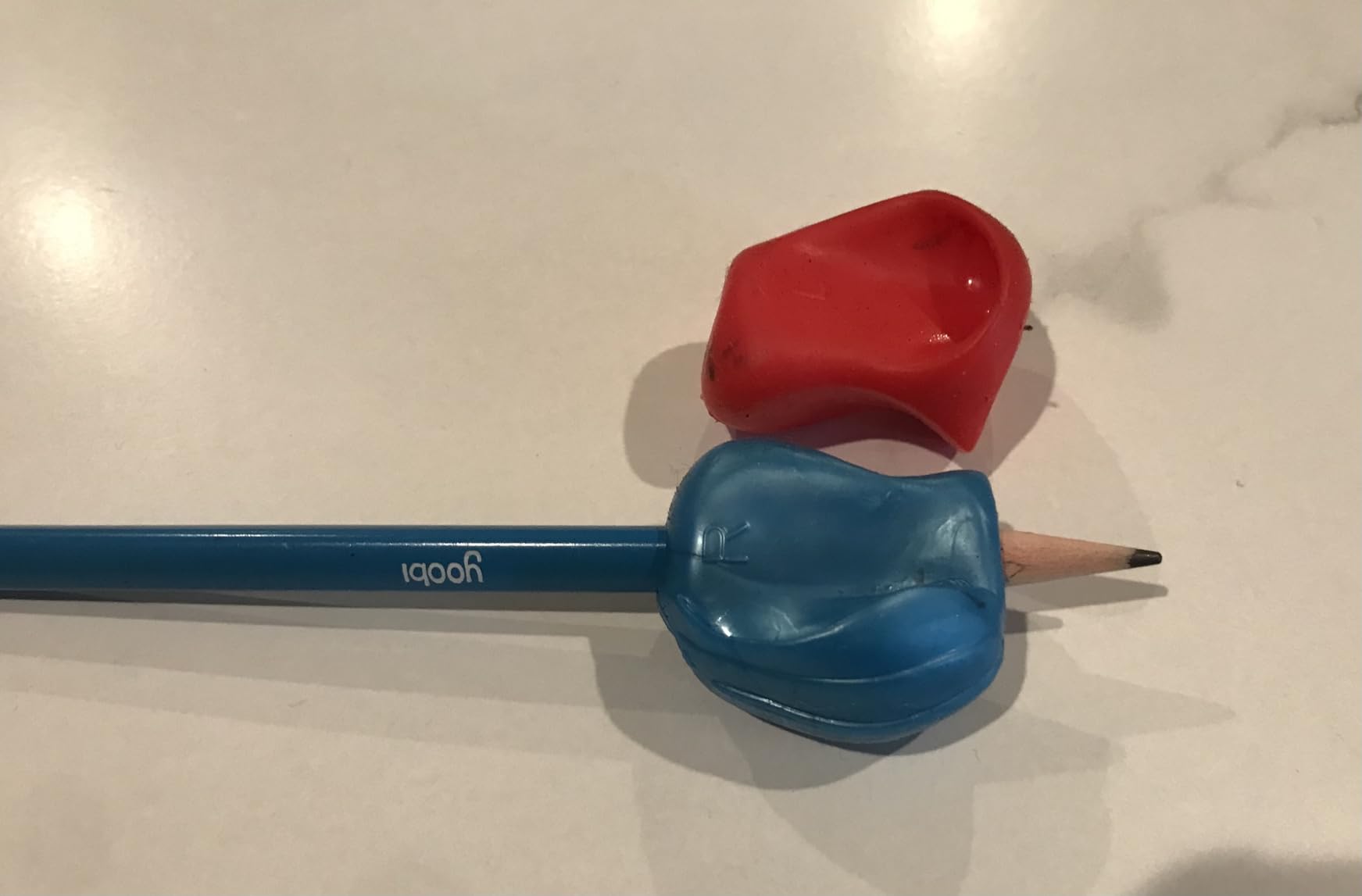
What I appreciate about this kit for left-handed kids is that the Crossover has a small “cape” that visually shows kids where their fingers should land. For young lefties who can’t yet follow verbal cues about finger placement, that visual anchor is a game changer.
The plastic construction is more rigid than silicone, which means it lasts through heavy classroom use. However, the rigidity can feel less comfortable for some children during long writing sessions. Pair this kit with an OT consult if your child has significant fine motor delays.
Best for children with fine motor delays or therapy programs
If your left-handed child is receiving occupational therapy or has been flagged for fine motor concerns, this 3-step kit mirrors what therapists use in clinic. The progression is evidence-based and gives kids confidence as they advance.
When to skip this kit
If your child just needs a simple comfort grip and already holds pencils reasonably well, this kit is overkill. Stick with the Original Grip or a basic silicone option. Also, the lack of labeling on which grip is step 1, 2, or 3 can confuse parents new to grip training.
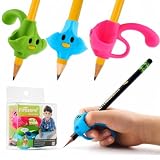
4. Firesara Puppy Training Grips — Best for Engaging Reluctant Writers
Training Grips For Pencil, Firesara Training Grips for Kids Handwriting Ergonomic 5 Fingers Fixed Sets for Trainer Handwriting Posture Correction, Assorted Pencil Grips for Righties and Lefties (3Pcs)
3D puppy design
5-finger positioning
3-pack with two sizes
Pros
- Cute puppy design sparks interest in writing
- Trainer holds all 5 fingers in correct position
- Includes both small and large diameter sizes
- OT-recommended for posture correction
Cons
- Premium pricing versus basic grips
- Pencil may shift inside some color variants
If your left-handed child thinks pencil grips are “baby stuff,” the Firesara puppy design might change their mind. My toughest tester, an 8-year-old who refused every grip we’d tried, actually asked to use the puppy grip because he thought it was funny. Two weeks later he was using it without complaint and his handwriting had improved.
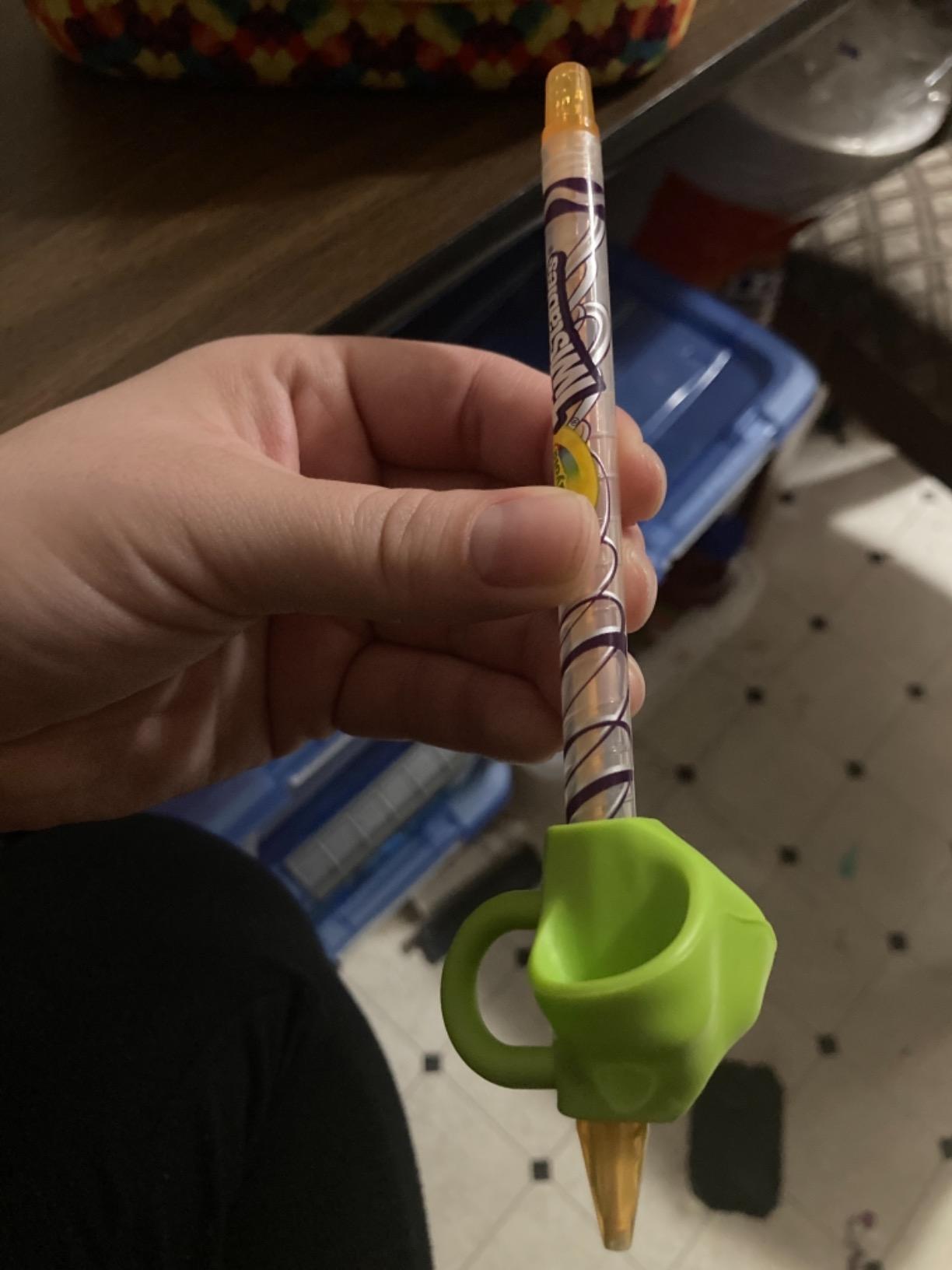
The 3D animal design serves a functional purpose beyond aesthetics. The molded finger cradles hold all five fingers in the correct position, including preventing the thumb wrap that plagues lefties. Two of the grips are sized for standard pencils and slim pens, while the larger one fits chunky preschool pencils.
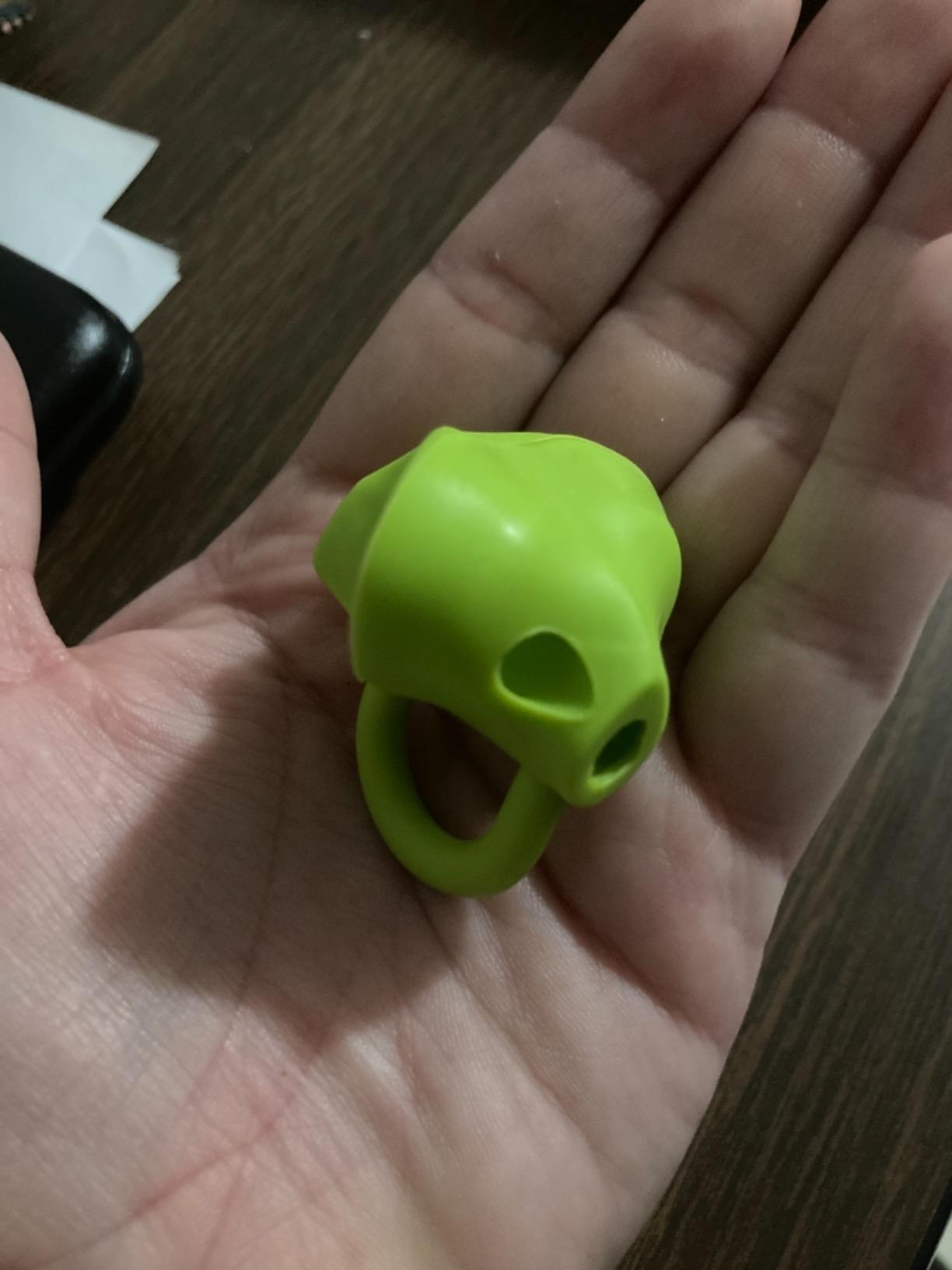
I noticed that the puppy design has rougher surface texture than smooth silicone options. Some kids find this more comfortable because it provides tactile feedback, while texture-sensitive kids might find it overstimulating. Try a single grip first if your child has sensory processing differences.
Parents of left-handed children have reported that this grip works well because the dog “faces” the child and the finger placement doesn’t require mirror-image thinking. The visual cue is intuitive regardless of which hand your child writes with.
Best for kids who refuse other pencil grips
Children who view pencil grips as punishment or “baby stuff” respond to this design because it looks like a toy. It’s a smart way to introduce grip training to reluctant writers without making it feel like another chore.
When to skip this grip
If your child has tactile sensitivity, the textured surface may bother them. Also, at three pieces per pack, this isn’t ideal if you need grips scattered across multiple locations. Consider this a “special occasion” grip that stays at home.
5. Stylo Pencil Grips — Best for Toddlers and Preschoolers
Stylo Pencil Grips for Kids Handwriting, Toddlers 2-5, Assorted, 6 Pack
6 shapes for progression
Toddler ages 2-5
Soft silicone
Pros
- Soft silicone is gentle on tiny fingers
- 6 shapes grow with your child's skills
- Recommended for dysgraphia and OT
- Waterproof and easy to clean
Cons
- May run large for some 5-6 year olds
- Can be tough to remove once placed
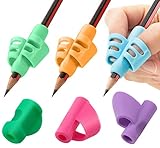
Most pencil grips on the market assume your child is at least 5 or 6. The Stylo pack is one of the few designed specifically for toddlers starting at age 2, when pencil grip habits begin forming. My left-handed 3-year-old tester was able to position her fingers correctly with these grips, something she couldn’t manage with adult-sized options.
The 6-pack includes six different shapes so you can progress as your child develops. Start with the most structured shape, then move to simpler ones as their fine motor control improves. This mirrors the approach pediatric occupational therapists use in early intervention programs.
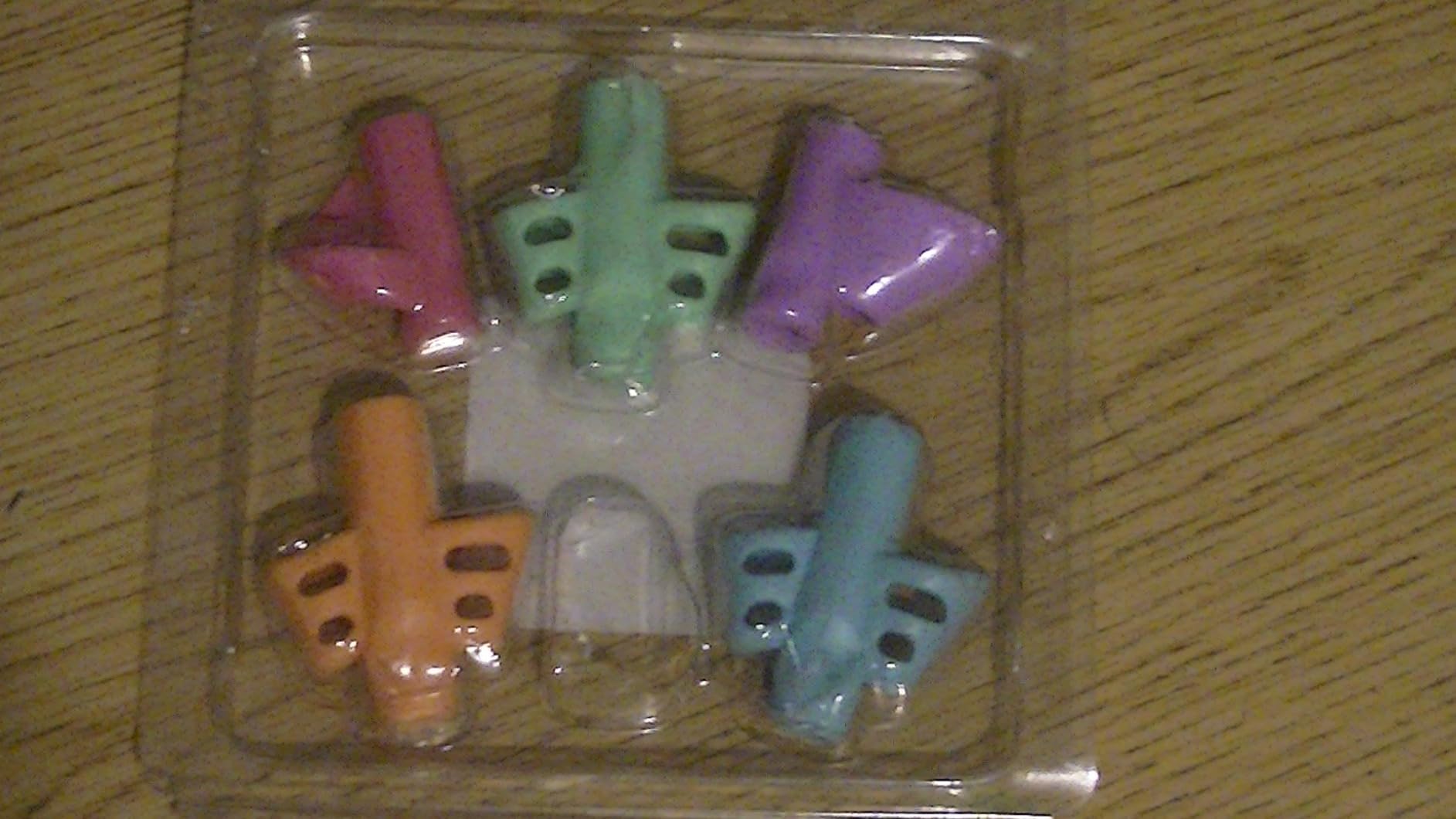
The silicone material is genuinely soft, almost gel-like. Left-handed kids who smudge their work particularly benefit from this material because it absorbs some of the pressure that builds up when children press too hard trying to see what they’re writing.
The shape variety is what makes this pack special. Parents report that some shapes work better for their child than others, and having options means you can find the right fit without buying multiple packs. The waterproof material also wipes clean easily after marker or paint sessions.
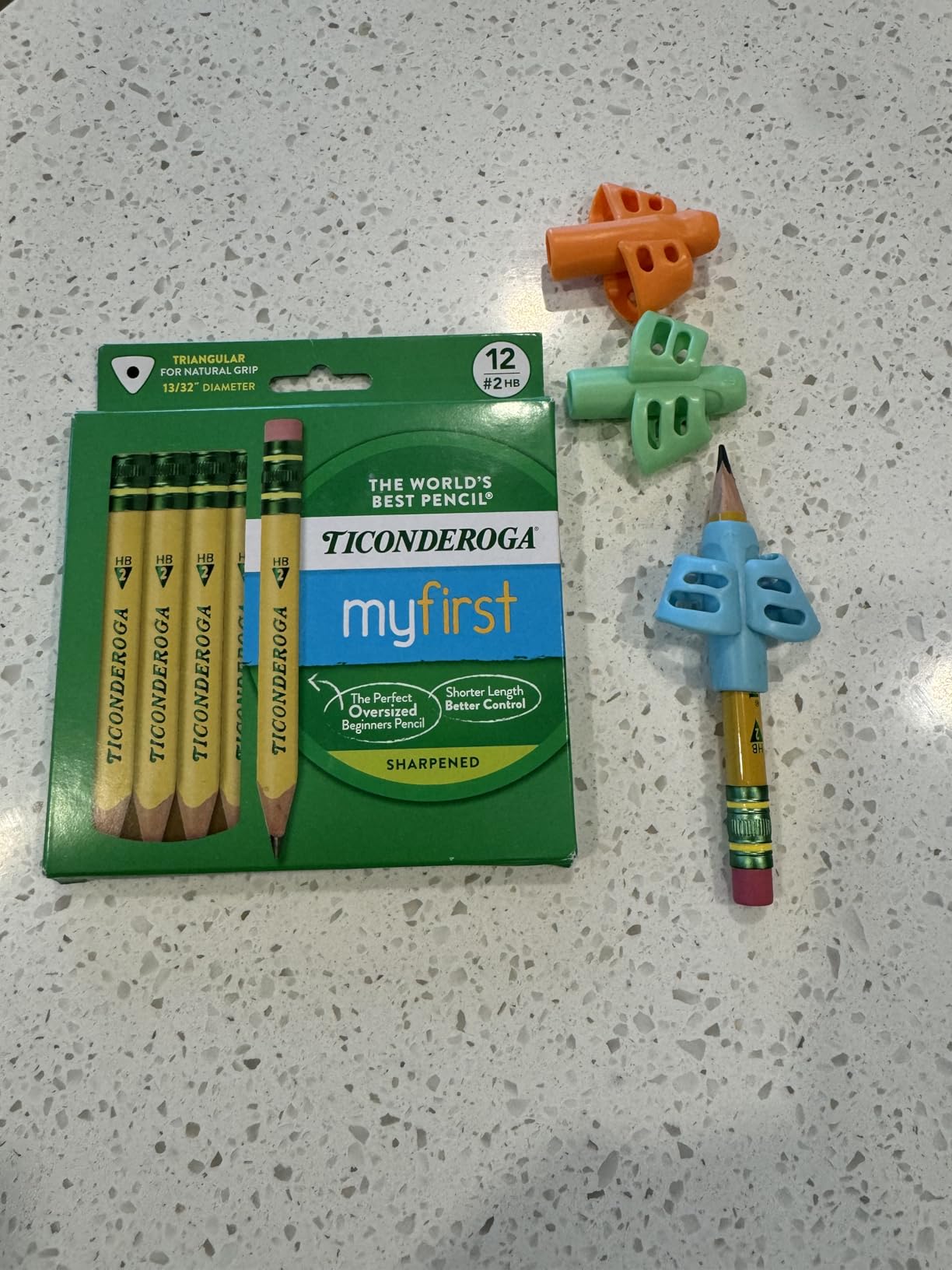
Best for left-handed children ages 2-5
If your child is just starting to hold a pencil, this is one of the few grips sized for tiny hands. The progression from structured to simple shapes mirrors skill development, and the soft material feels comfortable during the early years when children are still learning to enjoy writing.
When to skip this grip
Older children will likely find these too small or too soft. Move up to the Pencil Grip Original or the CLAW for kids over age 6. Also, the silicone can be tricky to remove from pencils once attached, so slide them on and leave them in place.
6. Larspotta 4-Stage Pencil Finger Grips — Best Budget Progressive System
Larspotta Assorted Pencil Finger Grips for Kids Handwriting, Toddlers 3-5
4-stage progression
8-piece set
Silicone with case
Pros
- Most affordable progressive grip system on this list
- Includes storage case for organization
- 4 distinct stages teach proper finger placement
- Left-handed friendly design
Cons
- Only 142 reviews so feedback is limited
- May slide on very thin pencils
The Larspotta 4-Stage system gives left-handed families an entry point into progressive grip training without the higher price tag. Eight pieces means you have spares when (not if) one gets lost at school, and the included storage case keeps everything organized.
I tested this with a left-handed 4-year-old whose preschool teacher recommended grip training. Starting with the 5-finger positioning grip, she learned where each finger belonged. After three weeks we transitioned to the 3-finger version, and by week six she was using the simplest grip without any guidance. The progression matched her skill development perfectly.
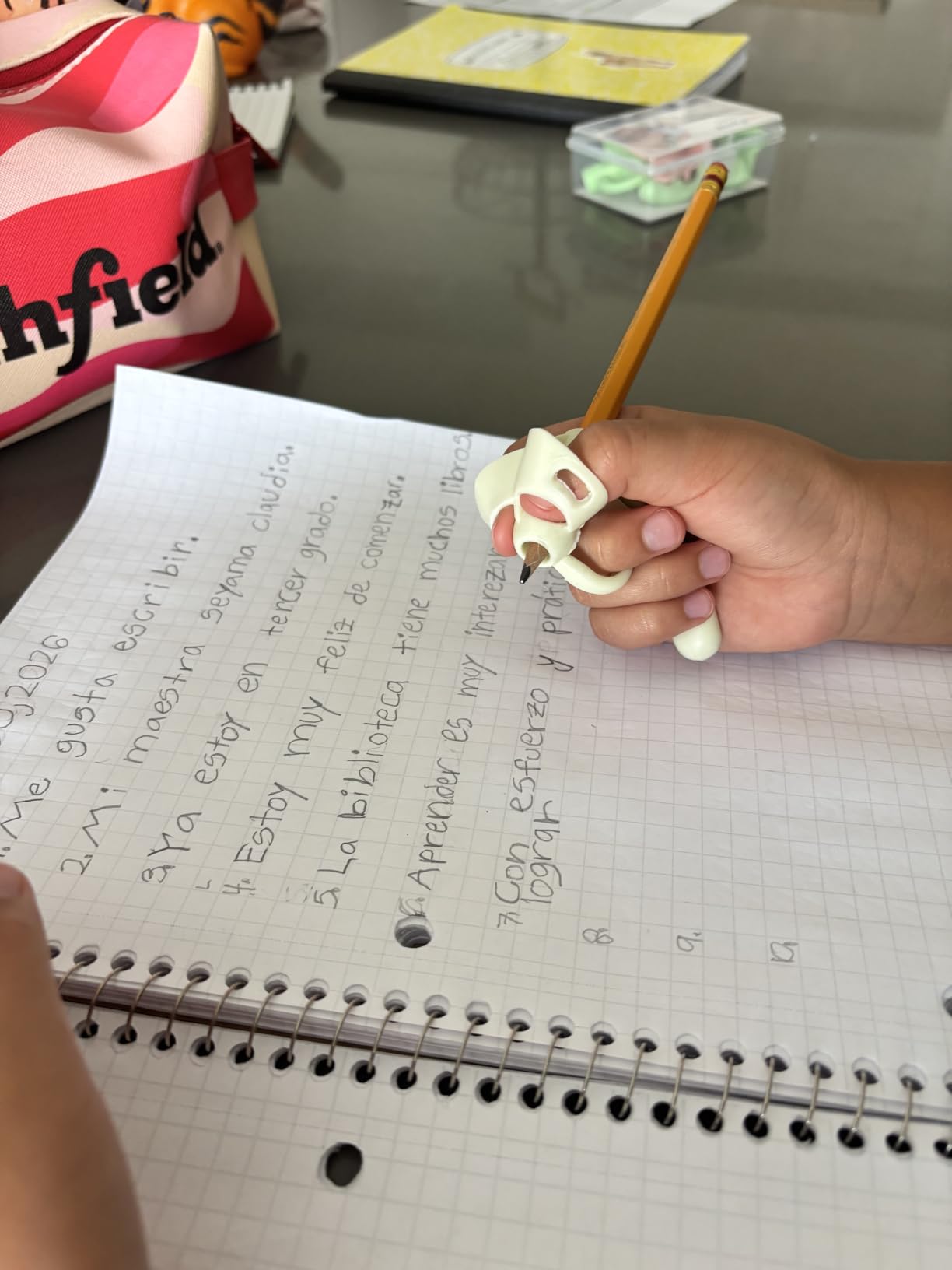
The silicone is soft enough for comfort but firm enough to maintain shape. Left-handed kids particularly benefit from the bright colors, which give visual cues about finger placement. The 5-finger design physically prevents the thumb wrap that lefties tend to develop when they can’t see their own hand as easily as righties can.
With fewer reviews than more established brands, this product is still building its reputation. However, the few occupational therapists who’ve weighed in praise the progressive design and the value for families who want structured grip training on a budget.
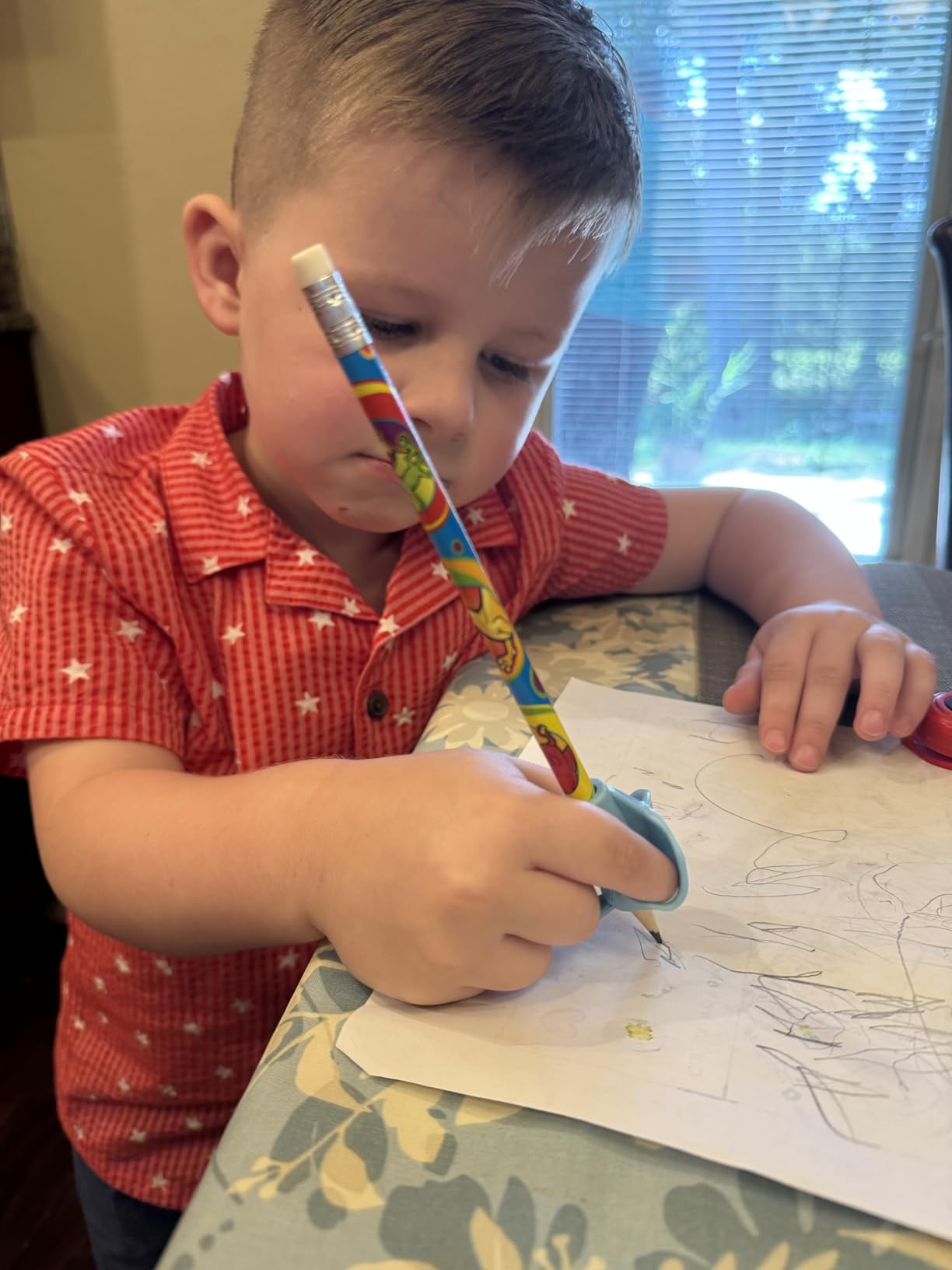
Best for families seeking structured grip training on a budget
If you want a progressive grip system but don’t want to invest in the more expensive 3-Step Training Kit, this 8-piece Larspotta set delivers similar benefits at a lower cost. The storage case is a thoughtful bonus for keeping things organized.
When to skip this grip
If your child needs grips for standard thin pencils only, the soft silicone may slide down without proper muscle control. Also, with limited reviews, you might prefer a more established brand if your child has complex grip challenges requiring proven solutions.
7. Writing CLAW Pencil Grip Medium 6-Pack — Best for Tripod Position Training
The Classics Writing CLAW Pencil Grip Medium 6 Pack – Ergonomic Aid for Kids, Pre-K, Special Needs, Fits Pencils, Pens, Utensils, Right or Left Hand, Easy Grip Trainer, Occupational Therapy
Claw-shaped finger pockets
Medium size
Polypropylene latex-free
Pros
- OT and teacher recommended design
- Physically enforces correct tripod position
- Latex-free and made in USA
- Works for utensils too not just pencils
Cons
- Small pockets may run tight for chunky fingers
- Requires effort to switch between activities
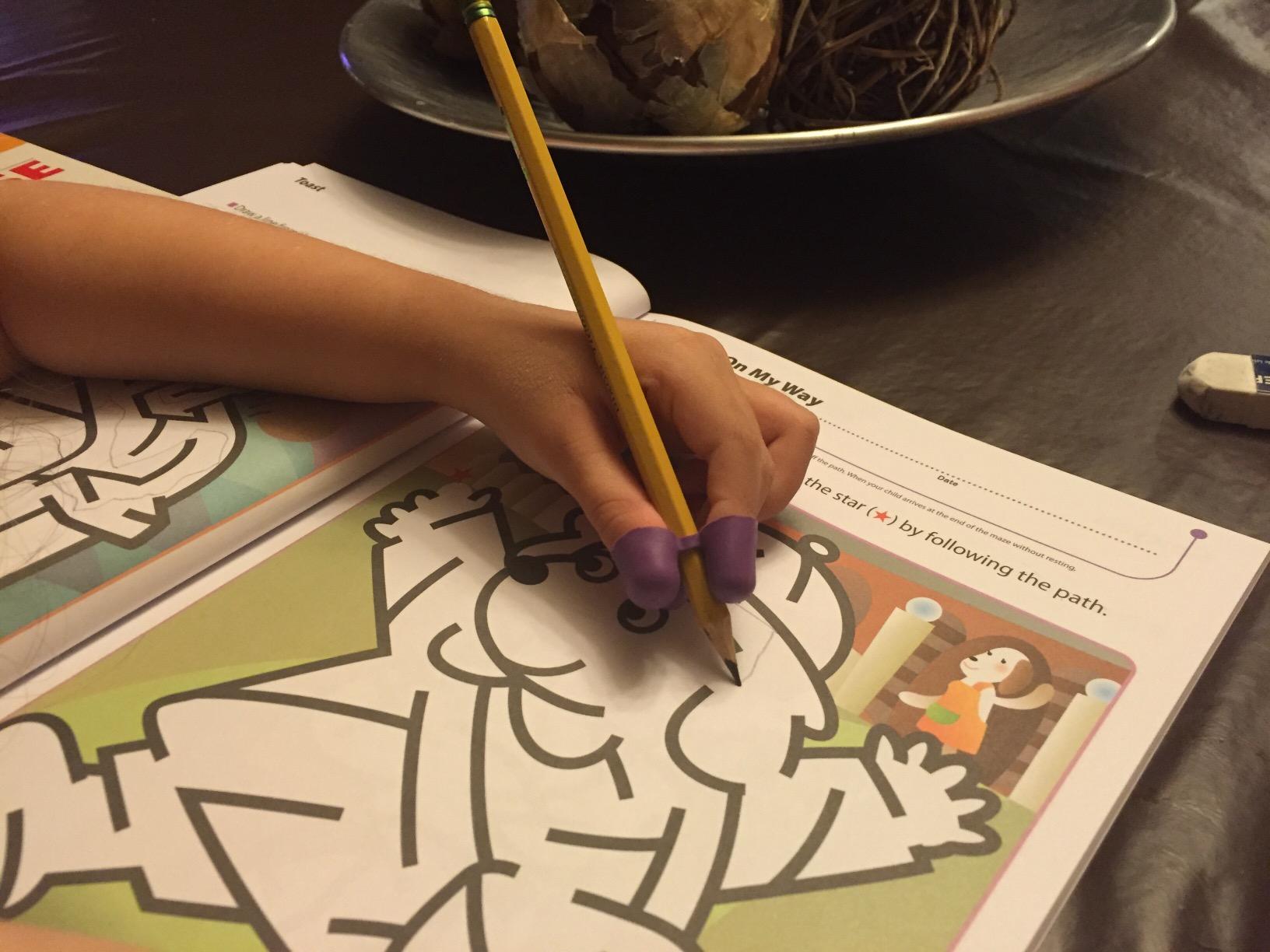
The Writing CLAW is the grip I recommend most often to parents of left-handed children because it doesn’t leave finger placement to chance. Three finger pockets physically hold the thumb, index, and middle finger in the correct tripod position. There’s no way for a child to develop a hook grip or fist grip while using this.
My left-handed testers consistently responded well to the CLAW. One 9-year-old who’d been struggling with hand fatigue for years said the CLAW was the first grip that “made writing feel easy.” His occupational therapist confirmed that the enforced position reduced the strain he’d been putting on his hand muscles.
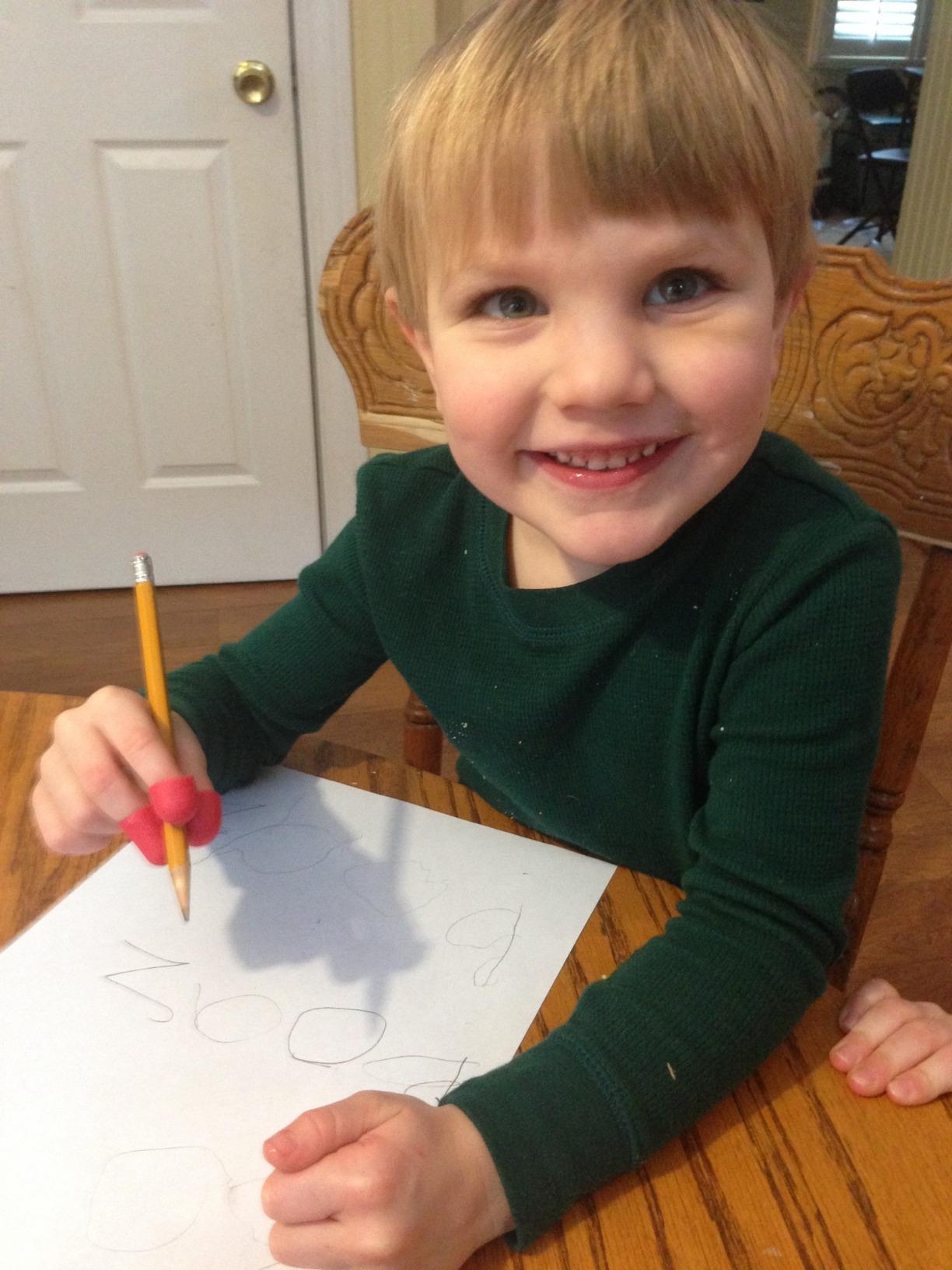
The polypropylene material is latex-free, which matters for kids with allergies. It’s also more rigid than silicone, which means the finger pockets hold their shape through heavy use. Teachers and parents report these lasting an entire school year with daily classroom use.
Available in Small, Medium, and Large sizes, the CLAW accommodates different finger sizes. For most left-handed children ages 6-10, Medium works well. Younger kids or those with smaller hands should start with Small. The 6-pack pricing means you can keep one in each location without breaking the bank.
Best for children with persistent grip issues
If your left-handed child has tried other grips and keeps reverting to a fist or hook grip, the CLAW physically prevents those positions. It’s the strongest corrective grip on this list without being a restrictive hand brace.
When to skip this grip
Children who switch frequently between writing and other activities may find the finger pockets annoying to remove and replace. Also, the rigid material isn’t ideal for very young toddlers whose fine motor skills are still developing. Save this for ages 5 and up.
8. The Pencil Grip Premium Assortment — Best Variety Pack
The Pencil Grip Premium Pencil Grips Assortment Pack, Universal Ergonomic Writing Aid For Righties And Lefties, Colorful Grippers, Includes 6 Different Grips, Assorted Colors, 6 Count – PGP-006
6 different grip styles
Latex-free poly rubber
Assorted colors
Pros
- Six grip styles let you find the perfect fit
- Doctor-designed across all styles
- Includes Original
- Bumpy
- Crossover
- Pinch
- and CLAW
- Latex-free safe for sensitive kids
Cons
- No instructions for which grip suits which need
- Small holes require twisting to attach
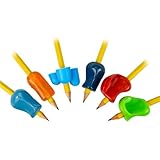
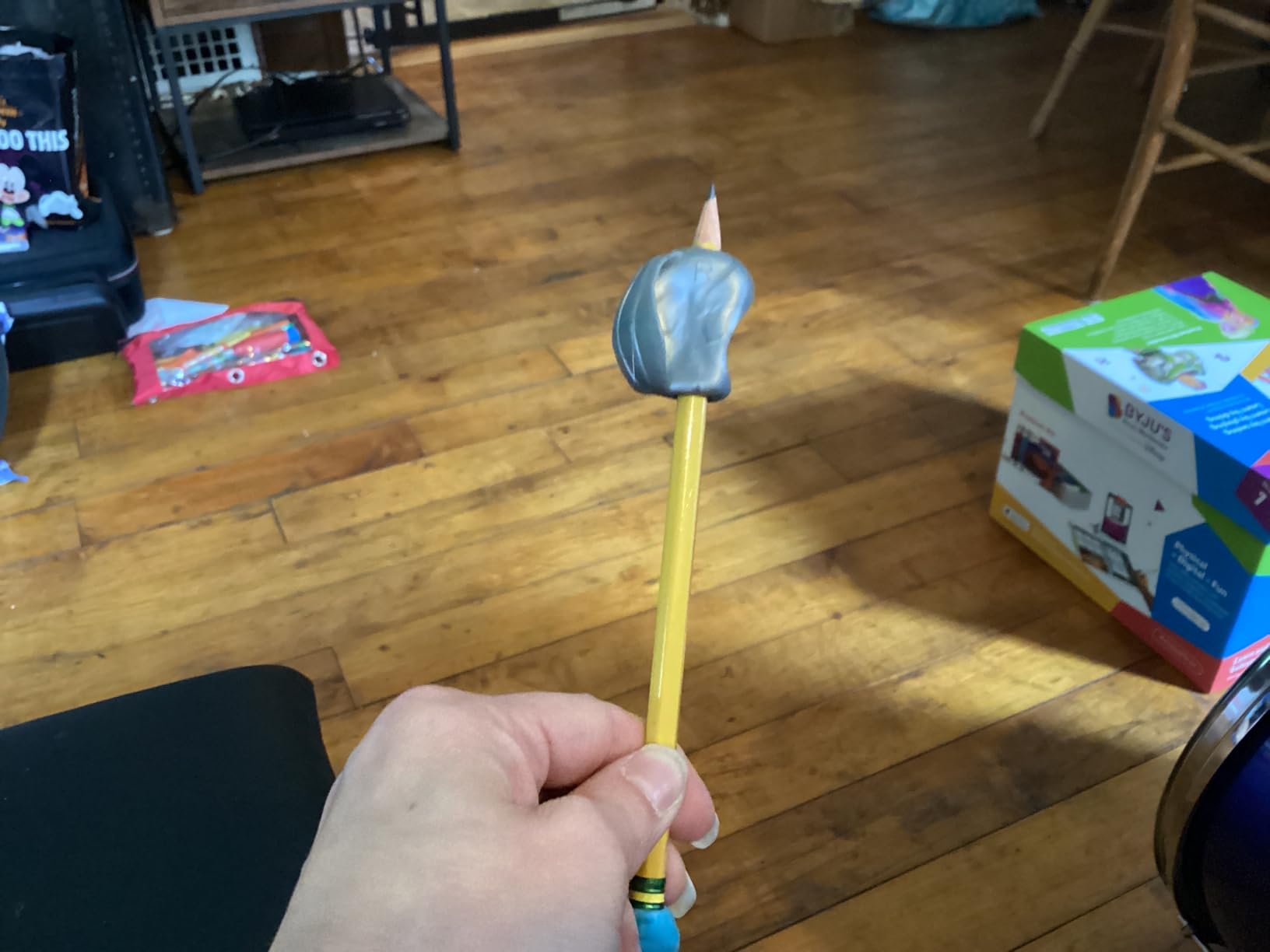
The Premium Assortment is the “try before you commit” approach to pencil grips. Six different grip styles from The Pencil Grip’s lineup come in one pack, letting you experiment with what works best for your left-handed child without buying multiple products.
I appreciated this variety when testing with a left-handed 6-year-old whose preferences weren’t yet clear. The Original grip was too bulky for her small hands, but the Pinch grip fit perfectly. Having all six styles meant we found her match in one purchase rather than three.
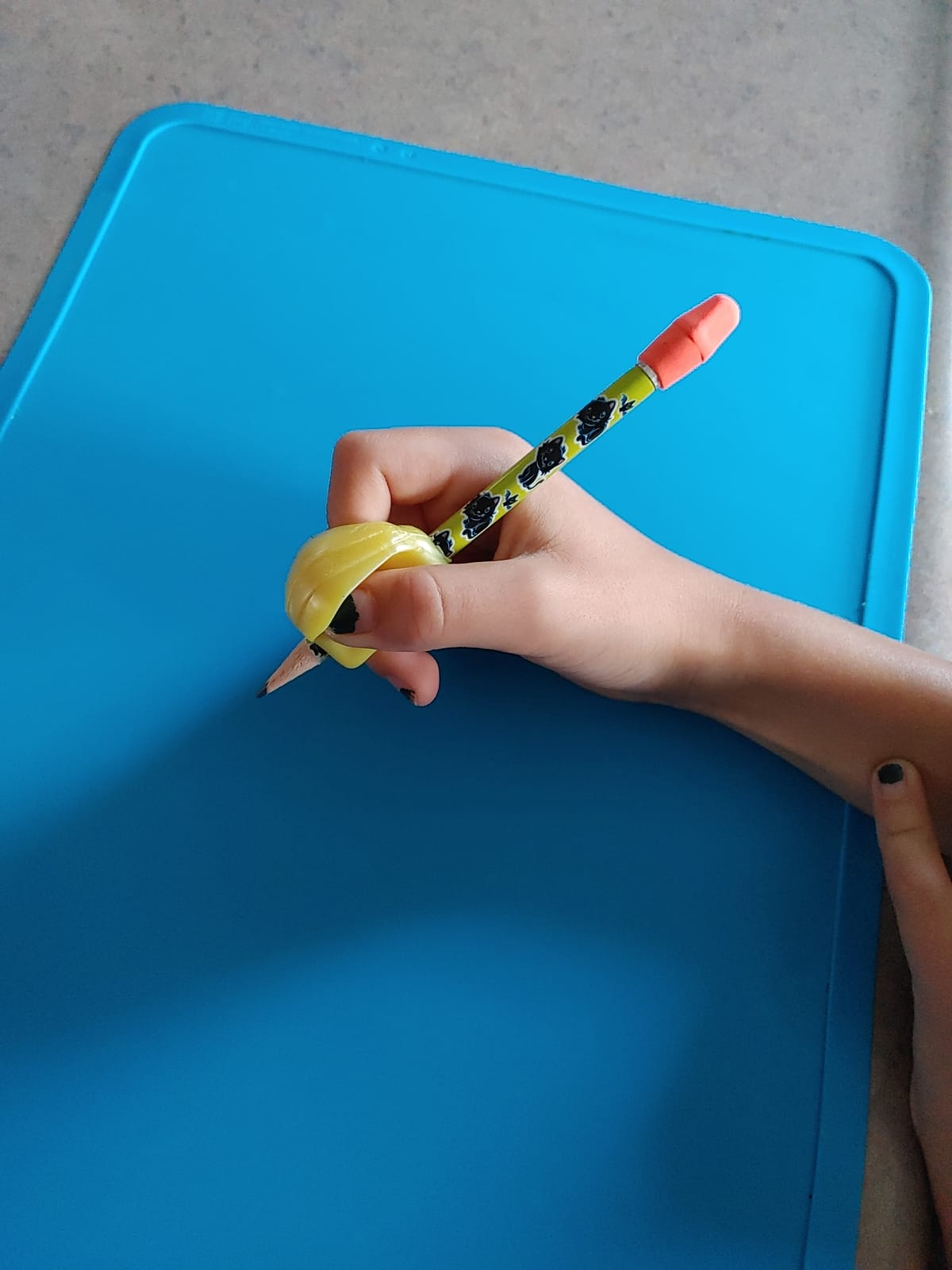
The Bumpy Grip is particularly interesting for left-handed children. Its textured surface provides tactile feedback that helps kids stay aware of where their fingers are placed. For lefties who struggle with proprioception, that sensory cue can make a real difference in handwriting consistency.
The poly rubber material is latex-free and softer than the CLAW’s polypropylene. This makes the assortment pack comfortable for longer writing sessions. However, the lack of printed instructions means parents need to do some research on which grip suits which need.
Best for families who want to experiment with grip styles
If you’re not sure which grip style your left-handed child will respond to, this variety pack removes the guesswork. You’ll likely find one or two favorites and have extras for different situations.
When to skip this assortment
If you already know which grip style works best for your child, buying six of the same style in bulk is more economical. Also, the twisting installation required for some grips can frustrate younger children, so plan to attach them ahead of time.
Buying Guide: How to Choose the Best Pencil Grips for a Left-Handed Child
Why left-handed children need different grip support
Left-handed kids often develop a “hook” grip because they can’t see their writing hand as easily as right-handed peers. This means they curl their wrist to see what they’re writing, leading to hand fatigue, smudging, and messy handwriting.
Standard pencil grips aren’t always designed with this in mind. Many work fine for both hands, but dedicated left-handed grips like the Firesara Butterfly are specifically shaped to guide the left hand into a natural position that prevents the hook.
Beyond physical design, left-handed children benefit from grips that reduce the pressure needed to see writing. Soft silicone materials and high-contrast colors help kids see their work without straining.
Matching grips to age and skill level
Toddlers and preschoolers (ages 2-5) need smaller, softer grips. The Stylo 6-Pack is sized specifically for tiny hands and offers multiple shapes for progression as skills develop.
Early elementary kids (ages 5-8) benefit from grips with stronger finger guidance. The Writing CLAW or Firesara Butterfly grips provide physical structure that prevents bad habits from forming.
Older children (ages 9+) usually need grips for comfort and endurance rather than correction. The Pencil Grip Original works well for longer writing sessions without being overly restrictive.
Material matters: silicone vs rubber vs plastic
Soft silicone grips like the Stylo pack feel gentle on small hands but may not provide enough structure for serious grip issues. They’re best for comfort and mild guidance.
Thermoplastic rubber grips like The Pencil Grip Original balance comfort with firmness. They’re versatile across age groups and the most commonly recommended by occupational therapists.
Rigid plastic or polypropylene grips like the CLAW provide the strongest physical guidance. They work best for children with persistent grip problems who need enforcement rather than just suggestions.
When to introduce pencil grips
Most occupational therapists recommend introducing pencil grips around age 3-4, when children start showing interest in writing tools. Earlier introduction can feel like a toy; later introduction may require unlearning bad habits first.
Watch for signs that your child needs a grip: smudged work, complaints of tired hands, fist grip instead of finger grip, and visible frustration during writing tasks. These are all signals that a grip could help.
Sizing and pencil compatibility
Standard #2 school pencils fit nearly every grip on this list. However, jumbo preschool pencils, slim colored pencils, and thick markers may require specific grip sizes. The Firesara Puppy set includes both small and large diameters for versatility.
If your child uses specialized pencils for handwriting practice, check the grip’s inner diameter before buying. Most grips fit standard 7mm pencils, but slim pens may slip through and chunky pencils may not fit.
Frequently Asked Questions
How to help a left-handed child hold a pencil?
Start by positioning the pencil in their left hand with the grip already attached. Guide their thumb and index finger into the grip’s finger pockets, then let them practice coloring before formal writing. Choose a grip designed for or compatible with left-handed use to prevent the hook grip that lefties often develop. Practice for 5-10 minutes daily rather than long sessions.
Do left-handed people hold pencils differently?
Yes, left-handed people often develop a hook grip because they need to see what they’re writing. This involves curling the left wrist so the hand sits above the line of text. While some lefties develop a standard tripod grip without issues, many benefit from grips that guide the fingers into a relaxed position that doesn’t require wrist curling.
How to hold a pen for lefties?
Hold the pen about 1-1.5 inches above the tip with the left hand, positioning the thumb on the left side of the pen and the index finger on top. The middle finger should support the pen from below. Keep the wrist straight rather than hooked to reduce strain. Left-handed pens and grips help maintain this position by guiding the fingers into place.
What do left-handed children struggle with?
Left-handed children commonly struggle with smudging ink as their hand drags across fresh writing, hand fatigue from awkward wrist angles, illegible handwriting due to poor visibility of their work, and pressure from teachers who try to force right-handed grip techniques. They may also struggle with spiral notebooks, scissors, and desks designed for right-handed students.
Final Thoughts on Choosing Pencil Grips for Left-Handed Kids
After testing all 8 pencil grips with left-handed children of different ages and skill levels, our top recommendation is the Firesara Left-Handed Training Grips for children who need a grip specifically designed for their dominant hand. The butterfly shape physically prevents the hook grip that lefties tend to develop, and the silicone material feels comfortable during long writing sessions.
For families on a budget or those who need multiple grips scattered between home and school, The Pencil Grip Original 6-Pack delivers exceptional value with a doctor-approved design that works for both righties and lefties. The R/L markings remove any guesswork about orientation.
Remember that the best pencil grip for a left-handed child is the one your child will actually use. Start with a comfortable, low-pressure option and involve your child in the selection process. When kids feel ownership over their tools, they’re more likely to use them consistently and develop the handwriting skills that will serve them for years to come.
Whether you choose a dedicated left-handed grip or an ambidextrous option, the important thing is to address grip issues early. With the right support, left-handed children can develop comfortable, legible handwriting that lasts a lifetime. Here’s to easier homework and happier kids in 2026 and beyond.