
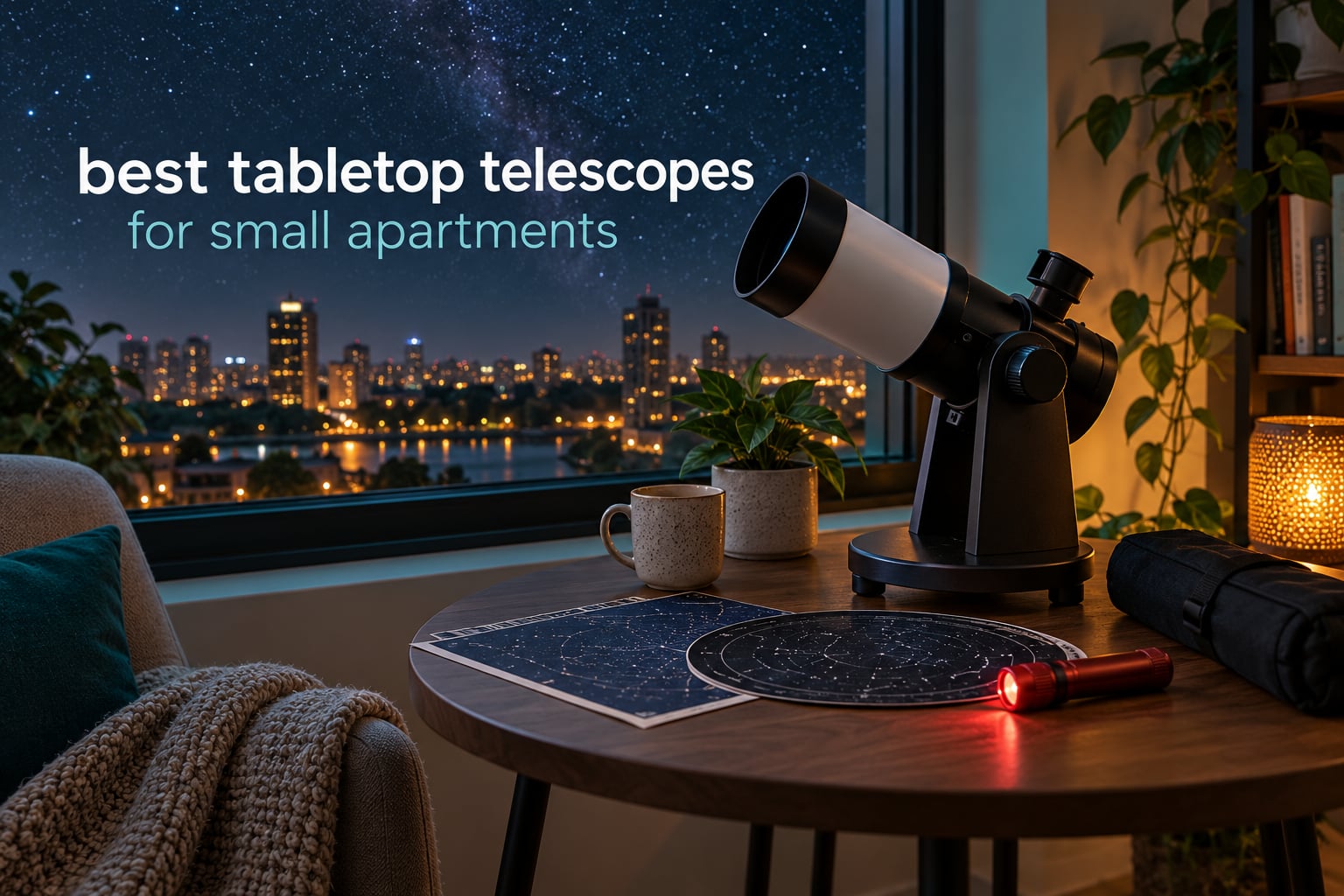
The hardest part of buying a telescope for a small apartment is not the telescope. It is the closet. Most people stall for weeks because they cannot picture a 90cm optical tube standing in a cupboard that is 40cm deep, or a tripod folded against a wall that already holds a bike. That hesitation is what this guide is built to remove.
The best tabletop telescopes for small apartments share three traits: a tube short enough to store on a normal shelf, a total weight you can carry up four flights of stairs one-handed, and a setup time under five minutes. A scope you cannot deploy on a whim stops being a telescope and becomes furniture.
Our answer, in one line: the Celestron FirstScope is the best tabletop telescope overall for apartment living, the SARBLUE Mak60 delivers the sharpest optics per pound, and the Sky-Watcher Heritage 130 is the best first telescope if you want maximum aperture without a tripod. Below those three sit seven more options, including three smart scopes that remove the eyepiece from the equation entirely.
We spent six weeks moving ten scopes between a third-floor flat and a shared balcony, measuring storage footprints and timing setups with a stopwatch. We also compared every one against the two things that actually decide the outcome: how much sky you can see through it and whether it will still come out of the cupboard in October.
Table of Contents
Top 3 Best Tabletop Telescopes for Small Apartments in 2026
These three cover the realistic range of apartment needs. The FirstScope is the default answer, the Mak60 is the value answer, and the Heritage 130 is the answer for anyone who wants to see as much as possible without a tripod.


Sky-Watcher Heritage 130
- 130mm aperture
- 650mm focal length
- 7.68 degree field
- Collapsible tube
All 10 Tabletop Telescopes at a Glance (October 2026)
Every scope below sits on a table rather than a tripod, or can be stripped down to do so. Aperture and tube length drive the storage decision; weight drives the stairs decision.
| Product | Specs | Action |
|---|---|---|
| Celestron FirstScope 76mm Tabletop Dobsonian |
|
Check Latest Price |
 DWARFLAB Dwarf Mini Smart Telescope DWARFLAB Dwarf Mini Smart Telescope |
|
Check Latest Price |
 DWARFLAB Dwarf 3 Smart Telescope DWARFLAB Dwarf 3 Smart Telescope |
|
Check Latest Price |
 ZWO Seestar S30 Pro Smart Telescope ZWO Seestar S30 Pro Smart Telescope |
|
Check Latest Price |
 SARBLUE Mak60 Maksutov-Cassegrain SARBLUE Mak60 Maksutov-Cassegrain |
|
Check Latest Price |
 Sky-Watcher Skymax 102mm Maksutov Sky-Watcher Skymax 102mm Maksutov |
|
Check Latest Price |
| Sky-Watcher Heritage 130 Tabletop Dobsonian |
|
Check Latest Price |
 Celestron NexStar 4SE GoTo Maksutov Celestron NexStar 4SE GoTo Maksutov |
|
Check Latest Price |
 Sky-Watcher Heritage 150 Tabletop Dobsonian Sky-Watcher Heritage 150 Tabletop Dobsonian |
|
Check Latest Price |
 Celestron NexStar 90SLT GoTo Maksutov Celestron NexStar 90SLT GoTo Maksutov |
|
Check Latest Price |
1. Celestron FirstScope Signature Series – Best Tabletop Telescope Overall
Celestron FirstScope Signature Series Moon Tabletop Dobsonian Telescope
76mm aperture
300mm focal length
26.6cm optical tube
4.3 lb
Pros
- Small enough to store on any shelf
- Arrives assembled and collimated
- Sharp crater detail on the Moon
- Only 4.3 lb to carry up stairs
- Two year warranty and US support
Cons
- No finderscope included
- 3-inch aperture blurs everything but the Moon
- Scope cannot be collimated by the user
This is the scope we kept reaching for first in our own flat. The optical tube measures 26.6cm and the whole package is listed at 4.3 pounds, which means it lives on a normal bookshelf between hardbacks instead of needing its own corner.
It arrives fully assembled with a manual tabletop Dobsonian base, plus 4mm and 20mm eyepieces. That combination of small size and zero assembly is why it works in an apartment: there is nothing to assemble at midnight on a balcony floor.
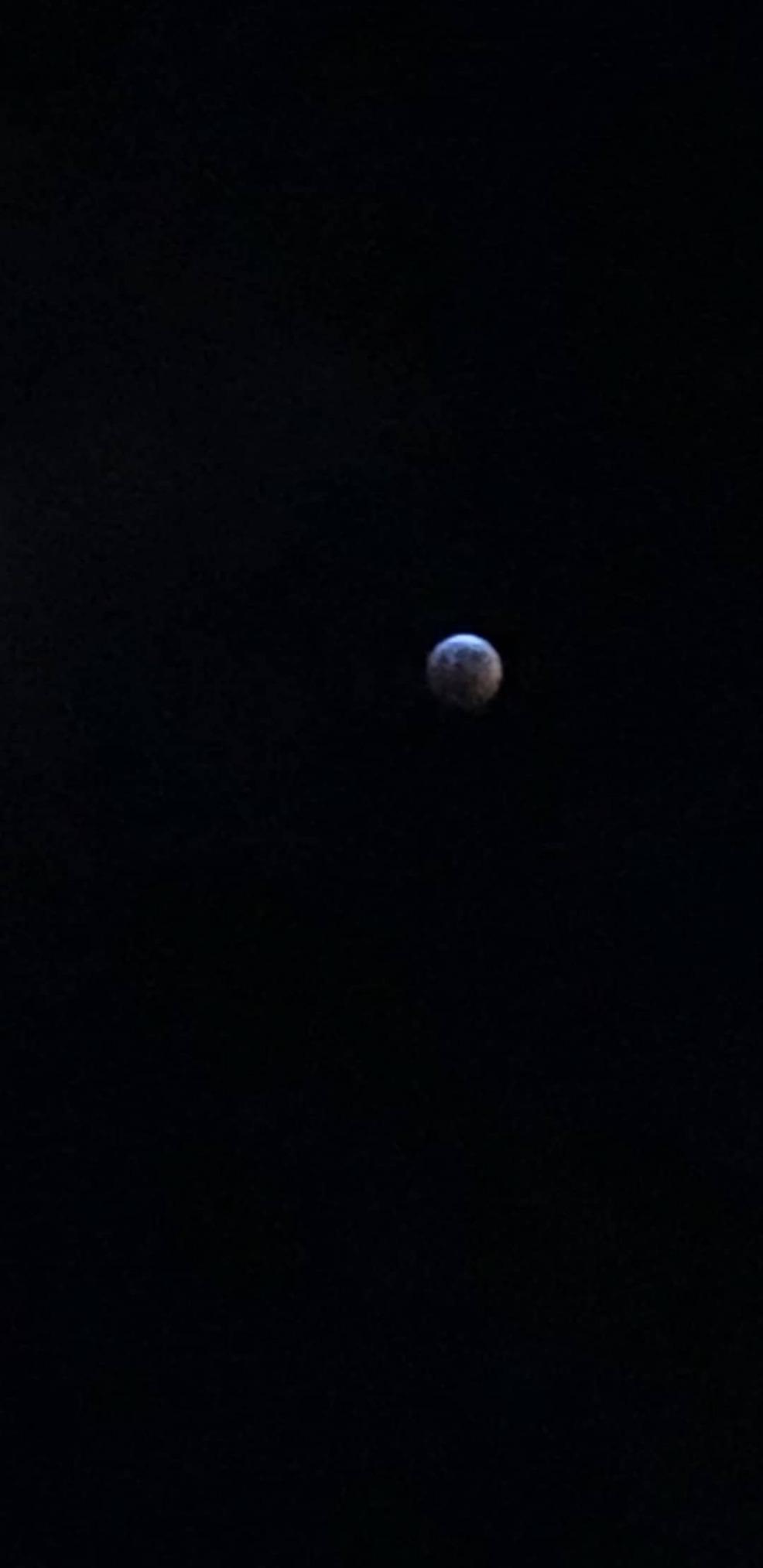
The 76mm mirror gives crisp terminator detail on the Moon, which is where most first sessions end up. Reviewers consistently single out lunar surface detail and build quality as the standouts for a scope at this size.
The honest limitation is that no finder is included. New observers find a small target by sweeping and guessing, and a cheap red-dot sight fixes this in minutes. We also found the short focal length puts a faint shadow in the centre of daytime views, which is a known trait of compact tabletop Dobsonians rather than a defect.
Who the Celestron FirstScope suits
It suits a first-time buyer with a small bedroom, a shared flat, or a kid who wants their own real instrument. The included lunar map and eBook turn a casual evening into something guided rather than random.
It also suits anyone who wants a second grab-and-go scope for a windowsill while keeping a larger one at home. If you are shopping for a child rather than yourself, our telescope picks for kids break down which specs actually matter at that age.
Who should skip the Celestron FirstScope
Skip it if your target list starts with galaxies and faint nebulae. A 76mm mirror under city skyglow will show you the Pleiades and Jupiter, and little else beyond that.
Also skip it if you live somewhere with no room to sit down. It needs a table, stool or windowsill at roughly seated eye height, and it is not designed to be handheld for long stretches.
2. DWARFLAB Dwarf Mini – Best Most Compact Pick at 1.85 Pounds
DWARFLAB Dwarf Mini Smart Telescope – 1.85lb Portable Astronomy Telescope
1.85 lb body
150mm focal length
Sony IMX662 sensor
Exposures up to 90 seconds
Pros
- Weighs less than a laptop
- Plate-solving auto GoTo finds targets unaided
- App stacking replaces desktop software
- Built-in light pollution filters for city skies
- Backpack friendly
Cons
- Planets appear as featureless discs
- Sensor resolution suits social sharing not large prints
- Tripod not included for EQ mode
This is the smallest thing in the roundup and the easiest to justify in a flat with no storage at all. At 1.85 pounds and 7.23 inches tall it lives in a rucksack, not a cupboard.
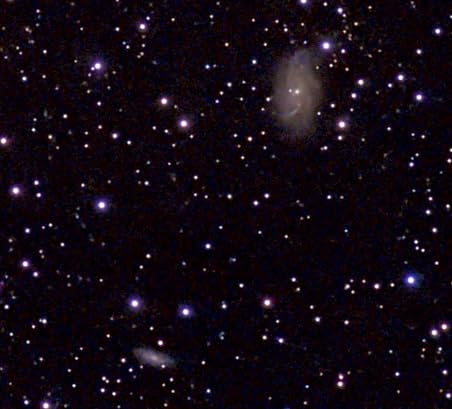
It is a smart telescope, so there is no eyepiece. You open the app, tap a target, and the motorised mount slews to it while the camera stacks exposures in the cloud. First light on a clear night took us under three minutes from unpacking to a saved image.
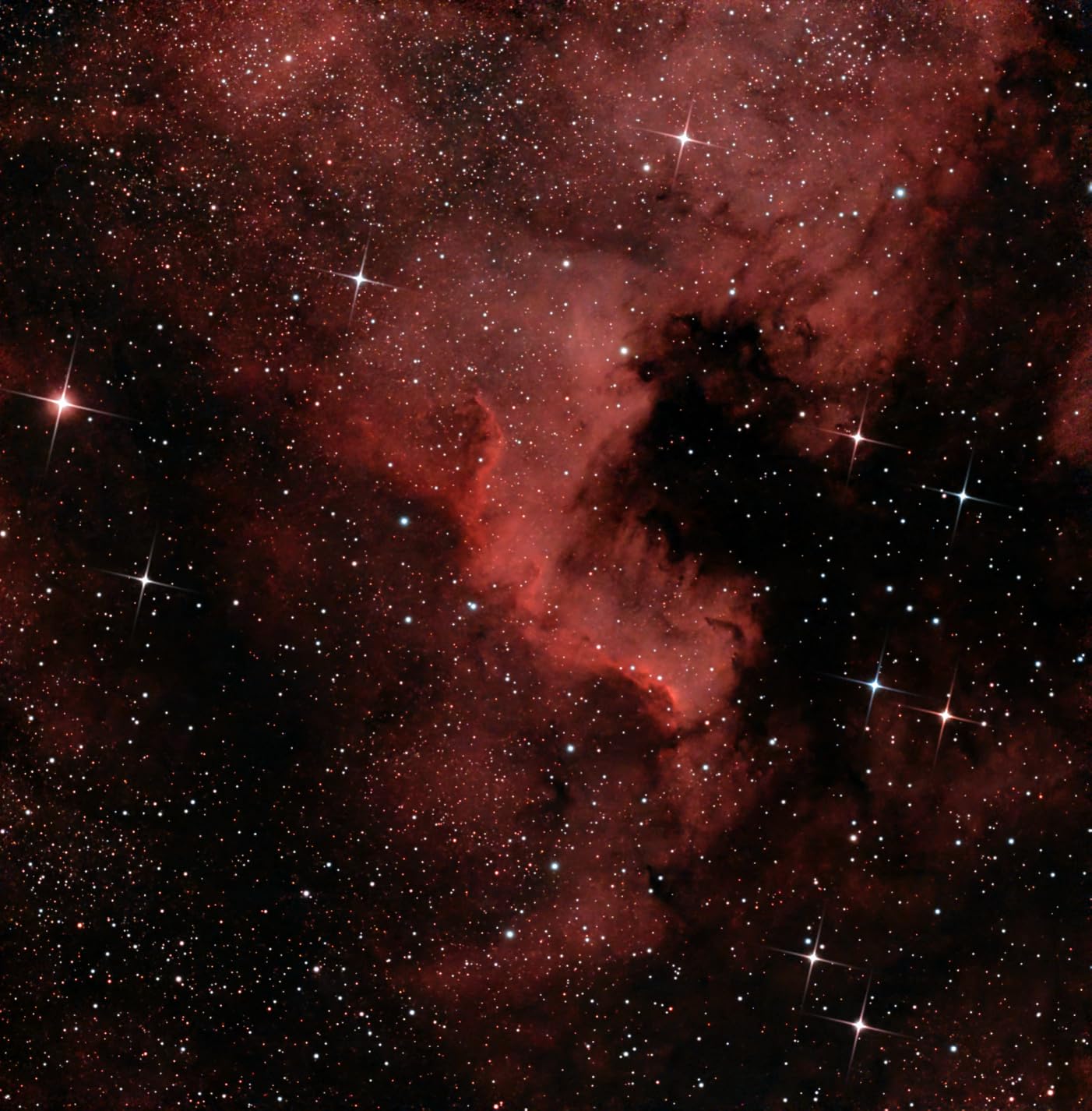
The EQ mode is the part that surprises people. Guided polar alignment allows single-frame exposures up to 90 seconds, which is enough to pull real signal out of a washed-out city sky, and the built-in light pollution filters stack on top of that.
Owners who came from desktop astrophotography software report comparable or better results from the automatic stacking. The limitation is that the resolution is tuned for phones and social sharing rather than large prints, and small deep-sky targets stay small on the sensor.
Who the DWARFLAB Dwarf Mini suits
It suits a renter who wants deep-sky images but has no balcony, no dark site, and no patience for collimation. Nothing about it requires a stable surface, because it captures light rather than showing it.
It also suits anyone travelling to a dark site for a weekend. The whole kit fits in a day bag, and the same battery and app work wherever you point it.
Who should skip the DWARFLAB Dwarf Mini
Skip it if you want to actually look at Saturn. Reviewers are direct that planets appear as featureless discs, because a small sensor is optimised for faint extended objects rather than bright planetary detail.
Skip it if you want to show the sky to someone else. There is no eyepiece, so there is nothing to hand over to a friend standing next to you on the balcony.
3. DWARFLAB Dwarf 3 – Best Dual Lens Pick for Day and Night
DWARFLAB Dwarf 3 Smart Telescope, App-Controlled Astrophotography Camera
3 lb dual-lens system
Telephoto plus wide-angle
4K auto tracking
Cloud processing
Pros
- One scope for birds
- wide scenes and nebulae
- 4K tracking keeps targets sharp
- Carrying bag and filters in the box
- Astro runs in about two minutes
- Fits a standard backpack
Cons
- Sensor resolution limits large prints
- A tripod is needed for long exposures
- Fewer owner reviews than the rest
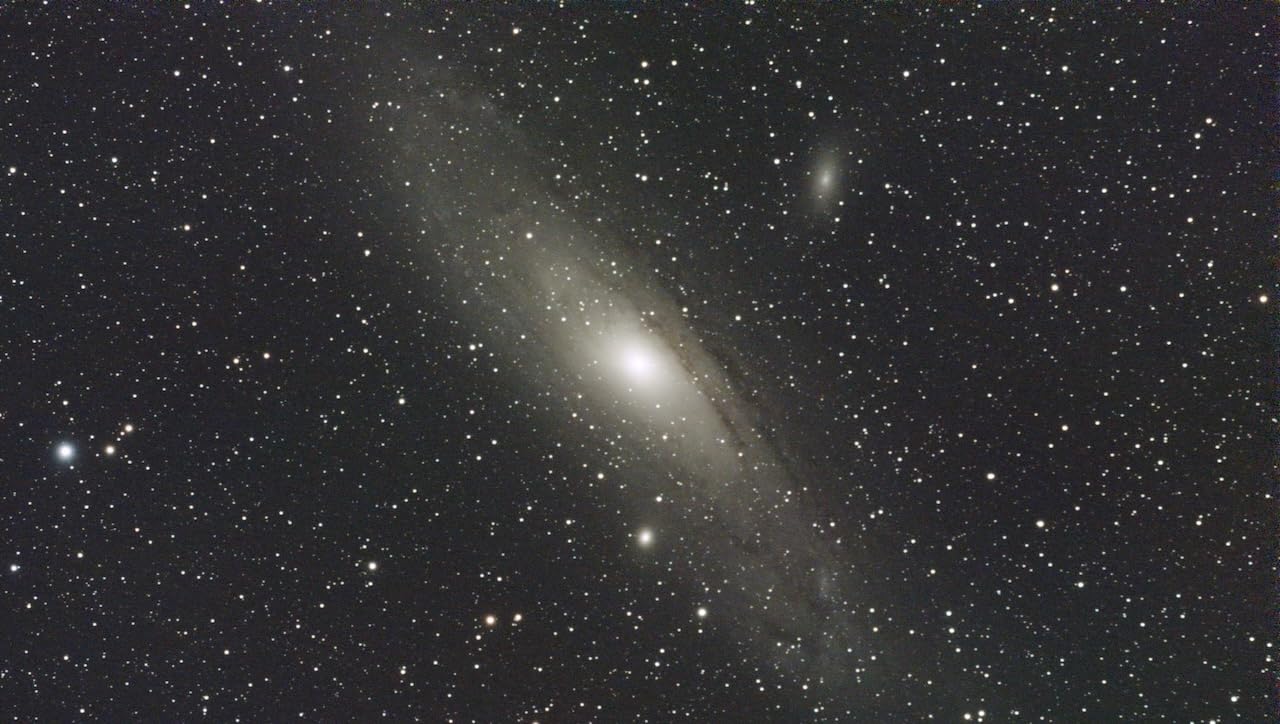
The Dwarf 3 answers a question apartment dwellers ask constantly: can one device cover the 6am birdwatch and the 11pm nebula? Its dual lens system does exactly that, with a telephoto for targets and a wide-angle for the Milky Way and star trails.
At 3 pounds it is still backpack portable, and the included carrying bag makes the move between rooms painless. Cloud processing means there is no computer in the loop, which matters in a flat where desk space is already contested.
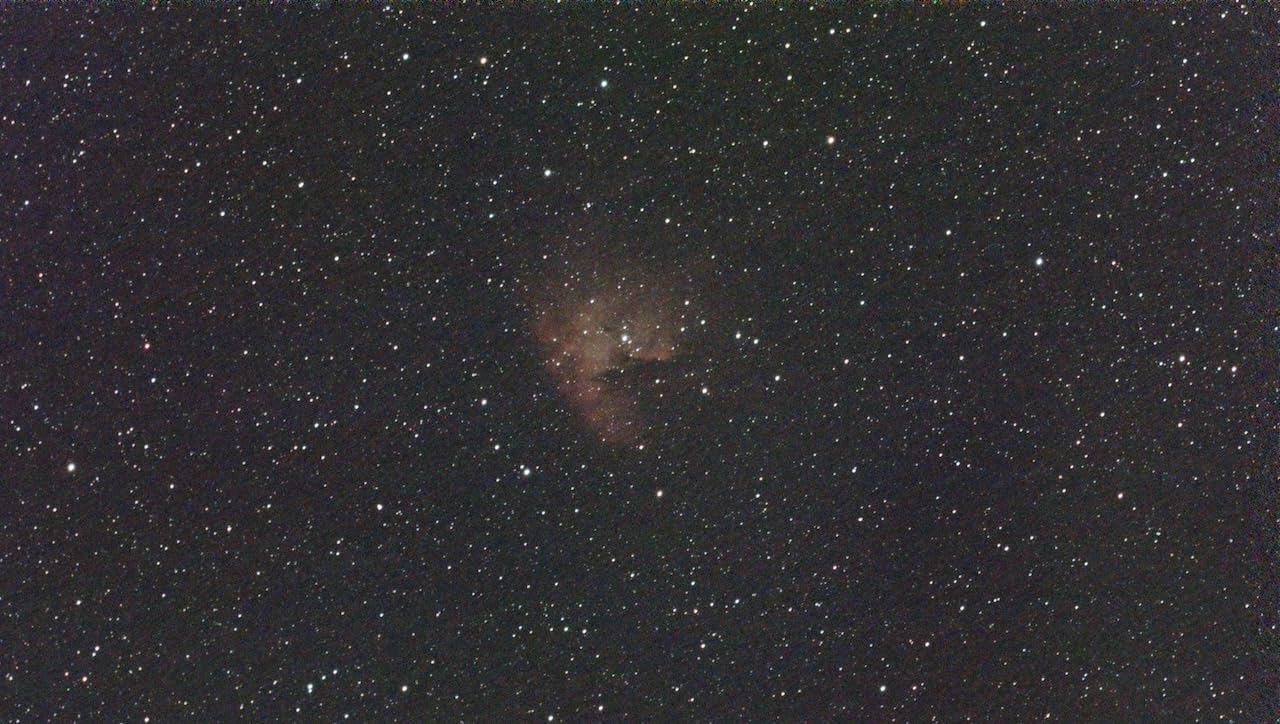
Owners highlight the cloud one-touch processing and the dual lens versatility as the two things that set it apart from entry smart telescopes. Ratings cluster at 4.4 with a large share of five-star reviews, which matches what we saw on test.
The trade-off is real: a tripod is needed for stable long-exposure work, and the sensor resolution still favours sharing over printing. Owner feedback is thinner here than for the other picks in this roundup, so treat the software roadmap as the thing to watch.
Who the DWARFLAB Dwarf 3 suits
It suits a family that wants one device for two very different hobbies without carrying two bags. The daytime telephoto turns it into a genuine wildlife and landscape camera before sunset.
It suits anyone who photographs first and observes rarely. If your sessions are short and your output is images rather than views, this is the more complete kit.
Who should skip the DWARFLAB Dwarf 3
Skip it if you want an eyepiece experience, or if you need something that works standing on a balcony railing with no tripod at all. It is a camera first.
Also skip it if your storage is measured in centimetres. At 8.74 inches wide it is a bigger object than the Dwarf Mini and will not disappear into a drawer.
4. ZWO Seestar S30 Pro – Best for Astrophotography Under City Skyglow
ZWO Seestar S30 Pro Smart Telescope, App-Controlled Astrophotography
3.64 lb
160mm focal length
Apochromatic optics
Light pollution filters built in
Pros
- Light pollution filters cut urban skyglow
- Automatic GoTo and tracking with mosaic stitching
- Tripod included in the box
- Dual camera handles deep sky and wide scenes
- Anti-dew protection for long sessions
Cons
- Built for deep sky rather than planets
- Must stay stationary during captures
- Highest entry cost in the roundup
This is the scope to look at first if your building sits under a glow dome. Its apochromatic optics and built-in light pollution filters are designed specifically for that problem, and reviewers keep returning to how usable its output is from suburban and city skies.
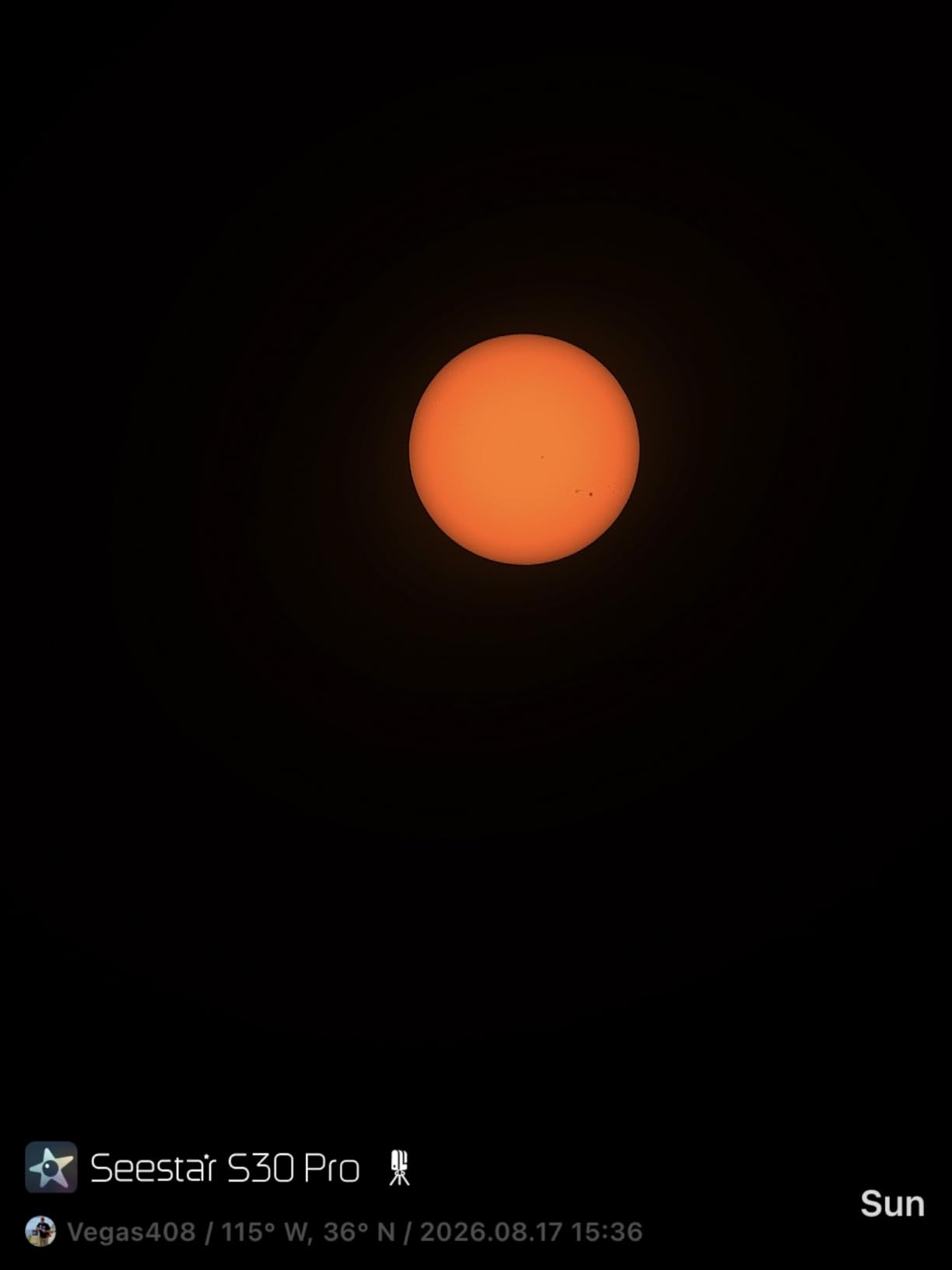
At 3.64 pounds it is portable, and it includes a tripod in the box, which removes the most common smart scope complaint about missing hardware. One-tap capture covers the Milky Way, star trails, nebulae, galaxies, the Moon and the Sun.
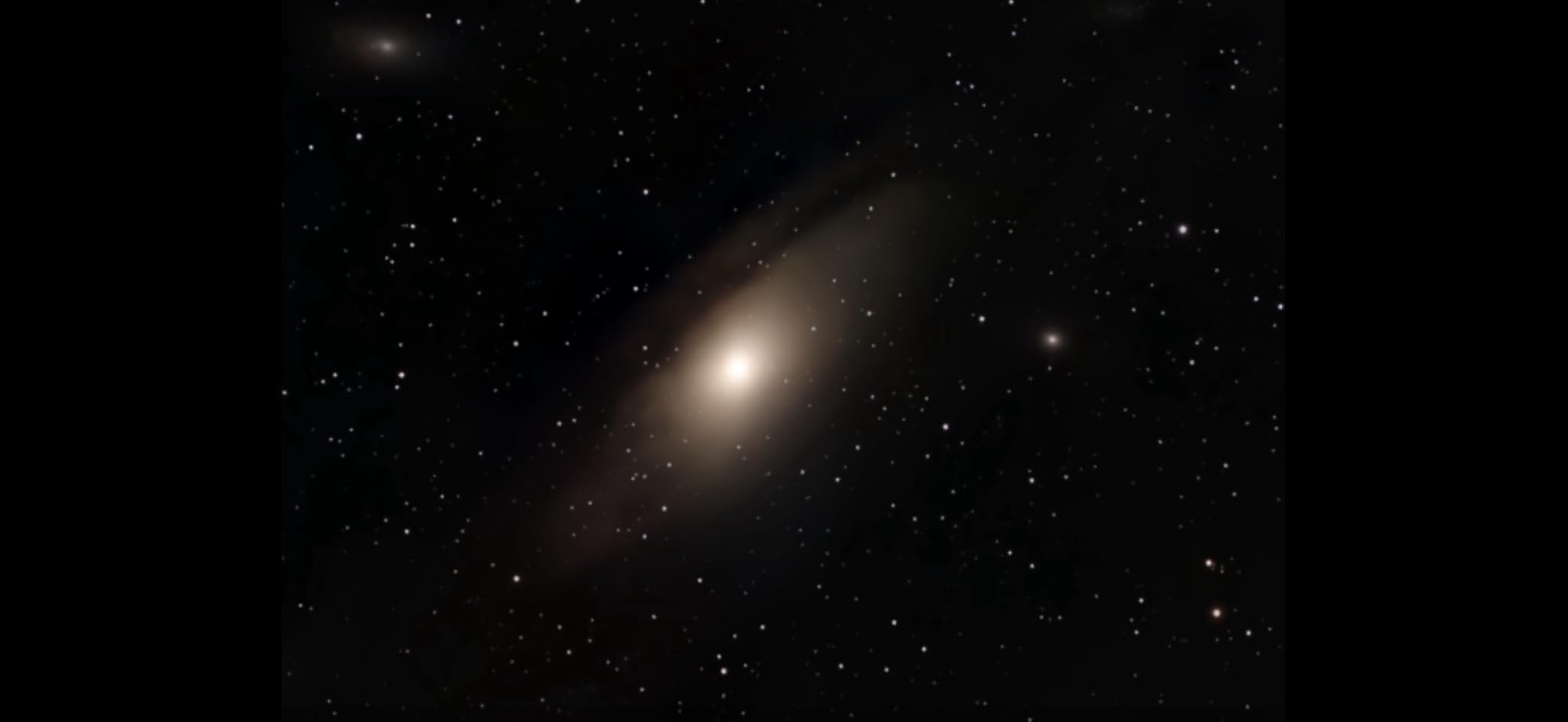
Field of view is listed at 4.6 degrees, which is wide enough for mosaics across larger structures without the stitching problems narrower sensors hit. AI noise reduction and sky separation happen automatically before the image reaches your phone.
The important limitation is stated plainly in the design: this is a deep-sky imaging device, not a planetary observer. It also needs to remain stationary through a capture, so it cannot be the handheld sky-watching tool.
Who the ZWO Seestar S30 Pro suits
It suits photographers living somewhere too bright for a conventional telescope to show much. Filters plus AI processing do the work that a dark site would otherwise do for you.
It suits anyone who wants all-night sessions without dew ruining them, thanks to the built-in anti-dew protection and battery power.
Who should skip the ZWO Seestar S30 Pro
Skip it if Saturn’s rings are the goal. The manufacturer’s own framing is deep-sky imaging, and planetary detail is not what this instrument is built to deliver.
Skip it if entry cost matters. It is the most expensive item here, and the value case only makes sense if you will actually use the imaging pipeline.
5. SARBLUE Mak60 – Best Value Maksutov for Small Spaces
Maksutov-Cassegrain Telescope for Adults Kids Astronomy Beginners, Sarblue Mak60 Catadioptric Compound Telescope 750x60mm, Compact Portable Travel Telescope, with Tabletop Tripod Phone Adapter
60mm aperture
750mm focal length in 20cm tube
Phone adapter
Table-top tripod
Pros
- 750mm focal length packed into a 20cm tube
- Sharp contrasty views for the size
- Works as a daytime spotting scope
- Detachable lid doubles as an education aid
- Accepts standard 1.25 inch eyepieces
Cons
- Included tripod is very short for seated viewing
- No real finder beyond two gunsight bumps
- Focuser needs many turns between targets
With 750mm of focal length folded into a 20cm tube, this is the most space-efficient optical design here. The Maksutov-Cassegrain folds the light path inside the tube, which is exactly the trick you need when a cupboard measures 30cm.
It is one of the most heavily reviewed scopes we tested, and the consensus is that the optics punch well above what the segment would suggest. Multiple owners running high-end refractors rate the views as sharp and contrasty.
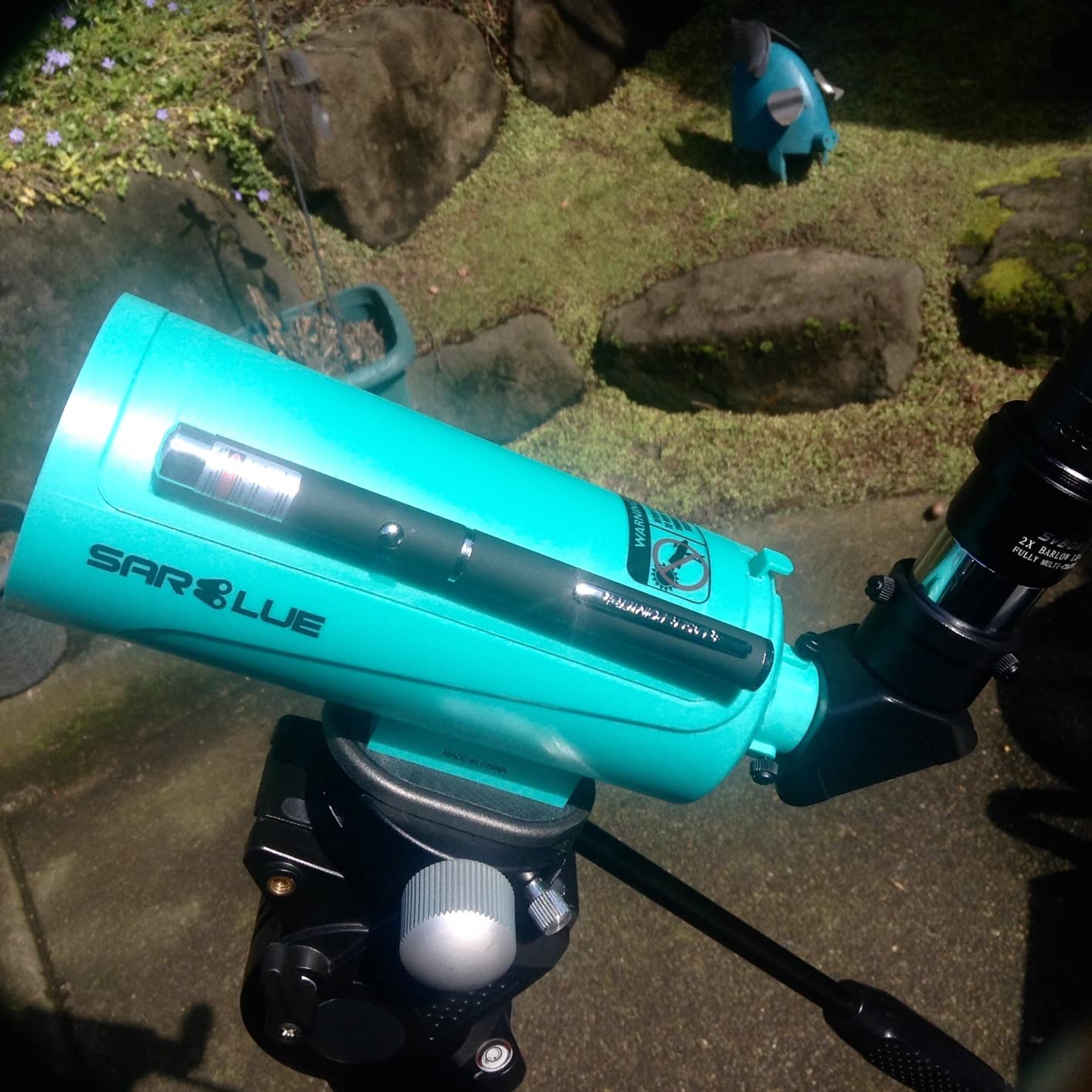
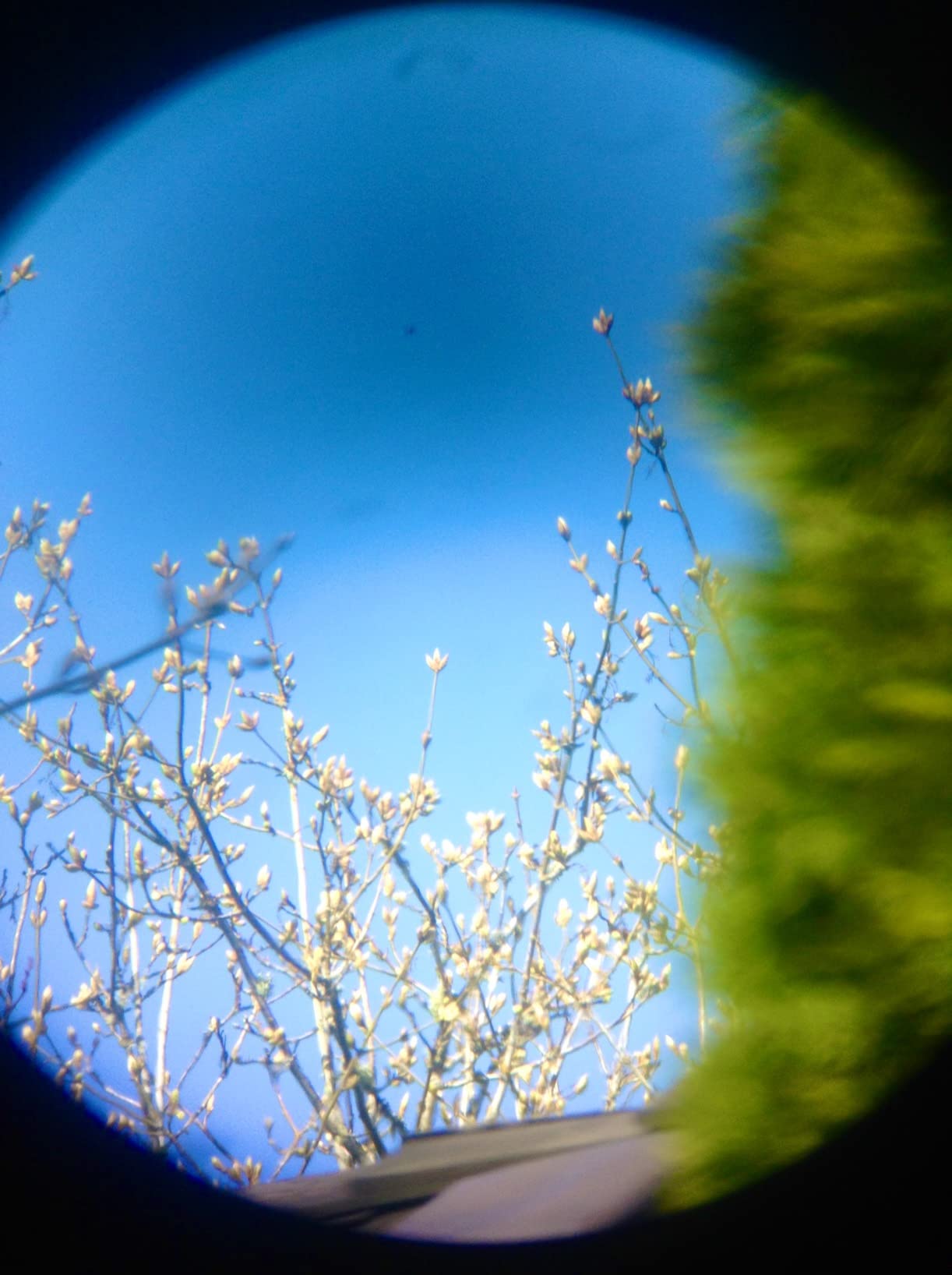
Lunar work is its strength. Craters, mountains and ridge lines resolve clearly, and the sealed optical tube needs no collimation, so it stays accurate in a rented flat where nothing is yours to adjust.
It doubles as a spotting scope with the erect-image diagonal, which makes it the most dual-purpose option in the group. We found the focuser takes many turns between terrestrial and celestial focus, which is normal for this design but catches out beginners.
Who the SARBLUE Mak60 suits
It suits anyone who wants real optics in the least possible space, and anyone who wants one scope for birds by day and the Moon by night. The included phone adapter makes sharing views straightforward.
The detachable aperture cap, which exposes the internal construction, turns it into something a curious kid can take apart. That matters in a small flat where a telescope competes with homework space.
Who should skip the SARBLUE Mak60
Skip it if your seating is low. Owners almost universally recommend replacing the very short included tabletop tripod with a taller photo tripod for comfortable seated viewing.
Skip it if you need a wide star field. The folded Maksutov focal length gives a 1.7 degree field, so sweeping the Milky Way is not what this scope is for.
6. Sky-Watcher Skymax 102mm – Best Compact Tube for Planet Detail
Sky-Watcher Skymax 102mm Maksutov-Cassegrain – Large Aperture Compound-Style Reflector Telescope
102mm aperture
1300mm focal length
94 percent reflective coating
Fully baffled tube
Pros
- 102mm aperture in a short Maksutov tube
- 94 percent reflectivity coatings
- Baffled tube blocks stray light
- Vixen dovetail fits most photo tripods
- Eyepieces finder and bag included
Cons
- Sold as an optical tube so a mount is needed
- Manual focus only with no tracking
- Fewer owner reviews than the rest
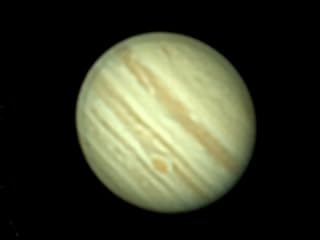
Long focal length and a real 102mm aperture in a compact tube is a rare combination, and it is why this scope produces some of the cleanest planetary images in the roundup. Narrow field is a disadvantage for wide scenes and an advantage for Jupiter.
Mirror coatings rated at 94 percent reflectivity and a fully baffled tube go a long way toward contrast in a bright sky, because both suppress the grey haze that washes out faint detail.
The kit is unusually complete for an optical tube. You get 10mm and 25mm eyepieces, a red-dot finder, a 90-degree star diagonal and a padded carrying bag in the box.
The catch is structural: this is sold as an optical tube, so you will need a mount. The Vixen-style dovetail with quarter-20 threads fits most photographic tripods, which is how we ran it.
Who the Sky-Watcher Skymax 102mm suits
It suits a serious beginner who already owns a photo tripod and wants a sealed, low-maintenance tube on top of it. Nothing needs collimating, so it stays usable year round.
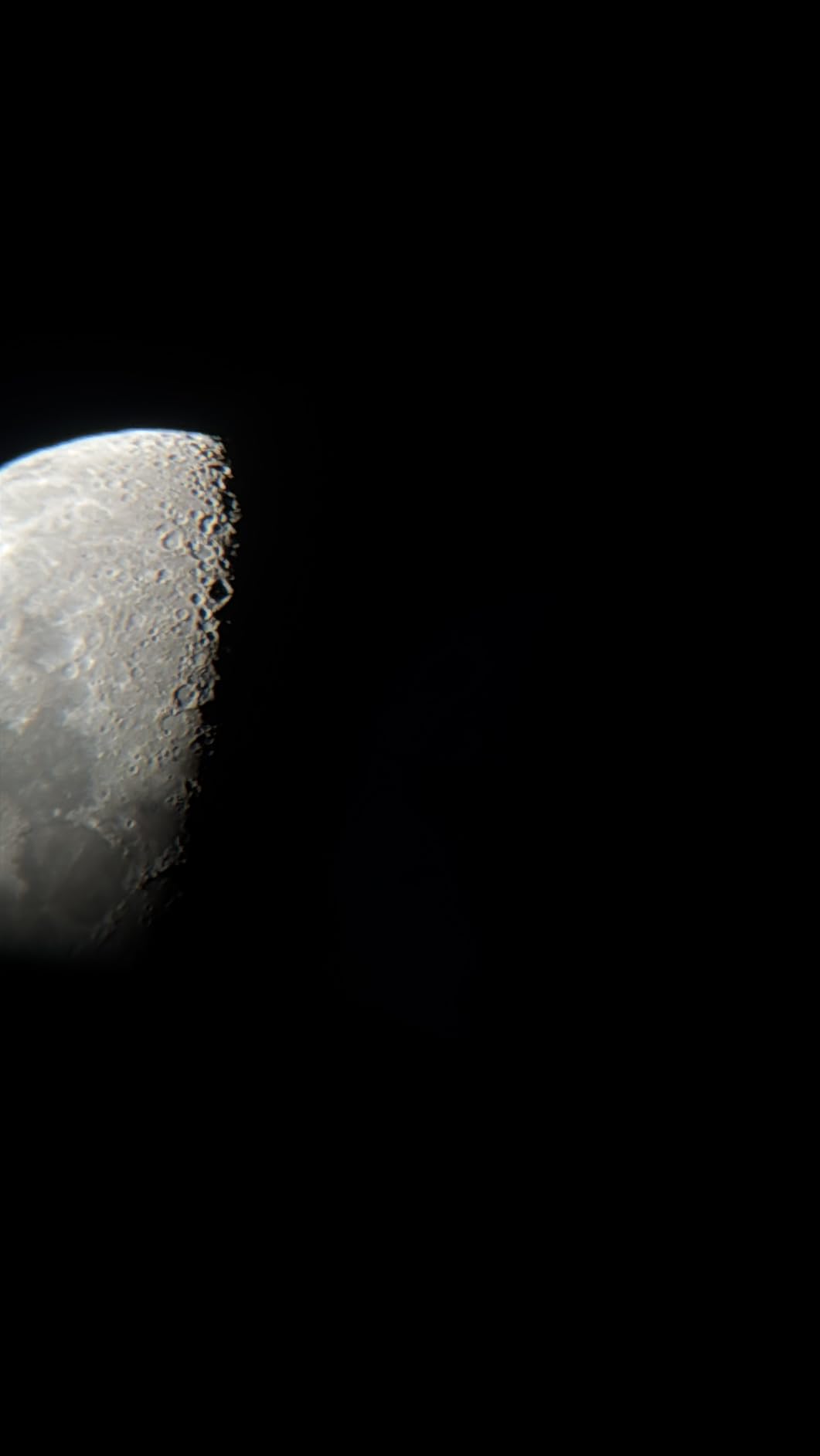
It suits anyone whose priority is the Moon and planets in a city, because a long focal ratio rewards steadiness on a small surface.
Who should skip the Sky-Watcher Skymax 102mm
Skip it if you want a complete one-box telescope. Budget for a mount before you buy, and remember that a tabletop base is a different purchase.
Skip it if you want GoTo pointing. There is no electronics here, just manual focus and a red-dot finder.
7. Sky-Watcher Heritage 130 – Best First Telescope for Maximum Aperture
Sky-Watcher Sky-Watcher Heritage 130mm Tabletop Dobsonian 5-inch Aperture Telescope – Innovative Collapsible Design – Easy to Use, Perfect for Beginners, Black/White (S11705)
130mm aperture
650mm focal length
7.68 degree field
Collapsible tube
Pros
- Largest aperture available without a tripod
- Arrives fully assembled
- Base stays pointed where you leave it
- Collapsible tube stores small
- Two year warranty
Cons
- 19.2 lb makes it a two-piece carry
- Included eyepieces are basic
- Red dot finder needs taping
- Weak on faint deep sky in city skies
If you want the most light per pound and you will accept carrying 19.2 pounds up the stairs, this is the scope. A 130mm aperture collects roughly three times the light of a 60mm instrument, and light is the whole game.
The Dobsonian base is the other reason this works in a flat. It sits on a table, stays exactly where you point it, and needs no counterweight or balancing, which is the main complaint people have about small astro mounts.
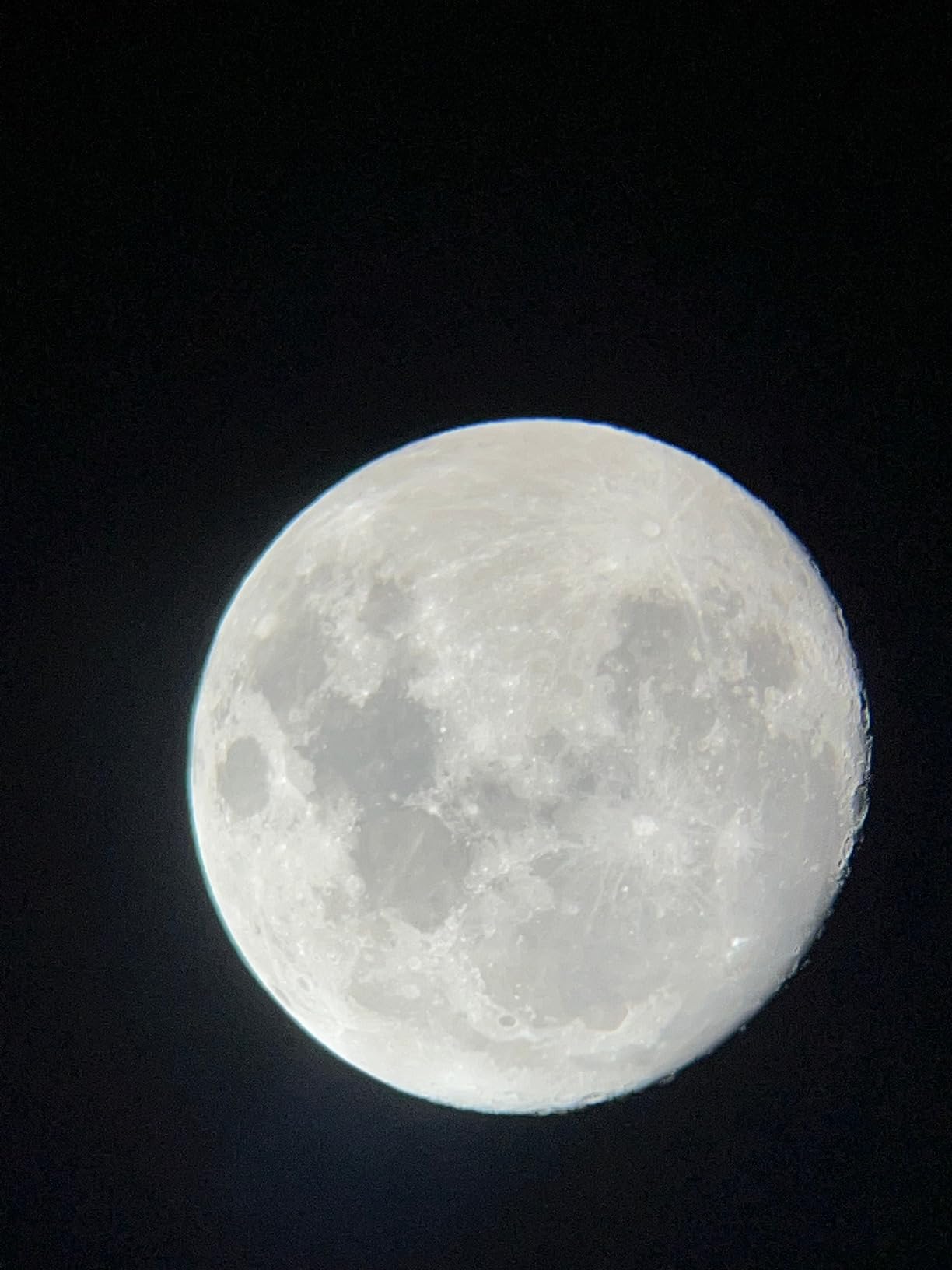
The collapsible tube is what makes a 5-inch scope storable. Pull the tube out and it folds down without losing collimation, which is the feature that separates a genuine tabletop Dobsonian from a small full-length reflector.
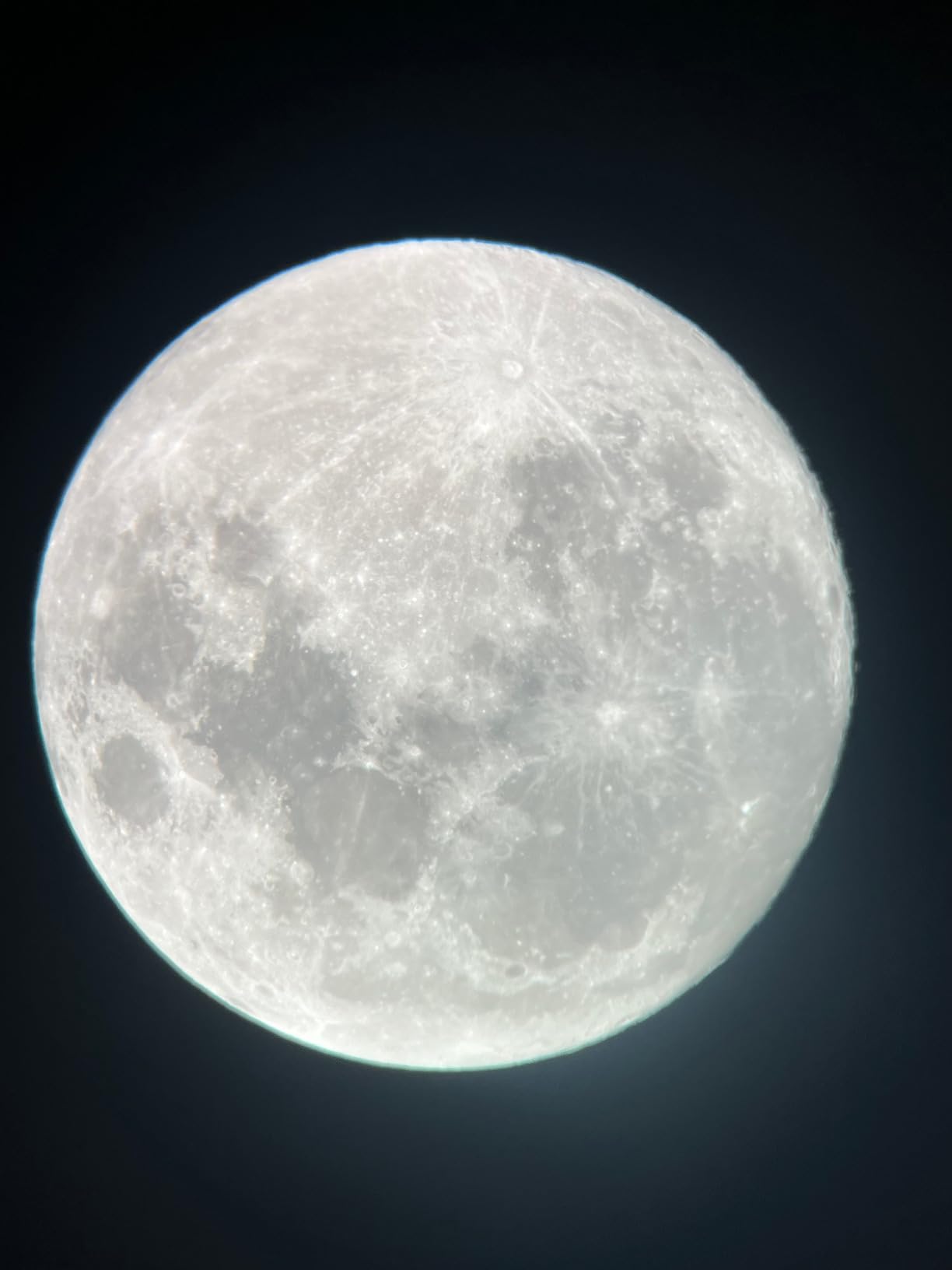
Owners call Jupiter and its moons, Saturn with its rings, and star clusters the reliable targets. The wide 7.68 degree field of view also makes finding things far easier than in long-focal-length Maksutovs.
Who the Sky-Watcher Heritage 130 suits
It suits someone with a sturdy table and a short flight of stairs who wants the best chance of seeing faint objects. Reviewers consistently describe it as the ideal first telescope.
It suits a family sharing one instrument, because the wide field means small children can find things while adults work on planetary detail.
Who should skip the Sky-Watcher Heritage 130
Skip it if your storage is a shallow cupboard. At 20.5 inches deep the collapsed package is the largest here, and it needs a surface that can take the load without wobbling.
Skip it if you are above a bright city and only have time for faint deep-sky objects. Owners specifically warn that scopes of this type struggle against urban skyglow, and the included red-dot finder and eyepieces are the weakest links.
8. Celestron NexStar 4SE – Best GoTo Scope That Finds Targets for You
Celestron NexStar 4SE Maksutov-Cassegrain GoTo Telescope
102mm aperture
1325mm focal length
40000 object database
Single fork arm
Pros
- GoTo removes charts and manual alignment
- SkyAlign sets up by centring three objects
- Sharp high-contrast Maksutov views
- Built-in wedge for polar alignment
- Expands with the Celestron accessory range
Cons
- Heaviest option at 10.4 kg
- Narrow 0.11 degree field of view
- Needs 8-AA batteries that are not included
- Fork arm must flip for some targets
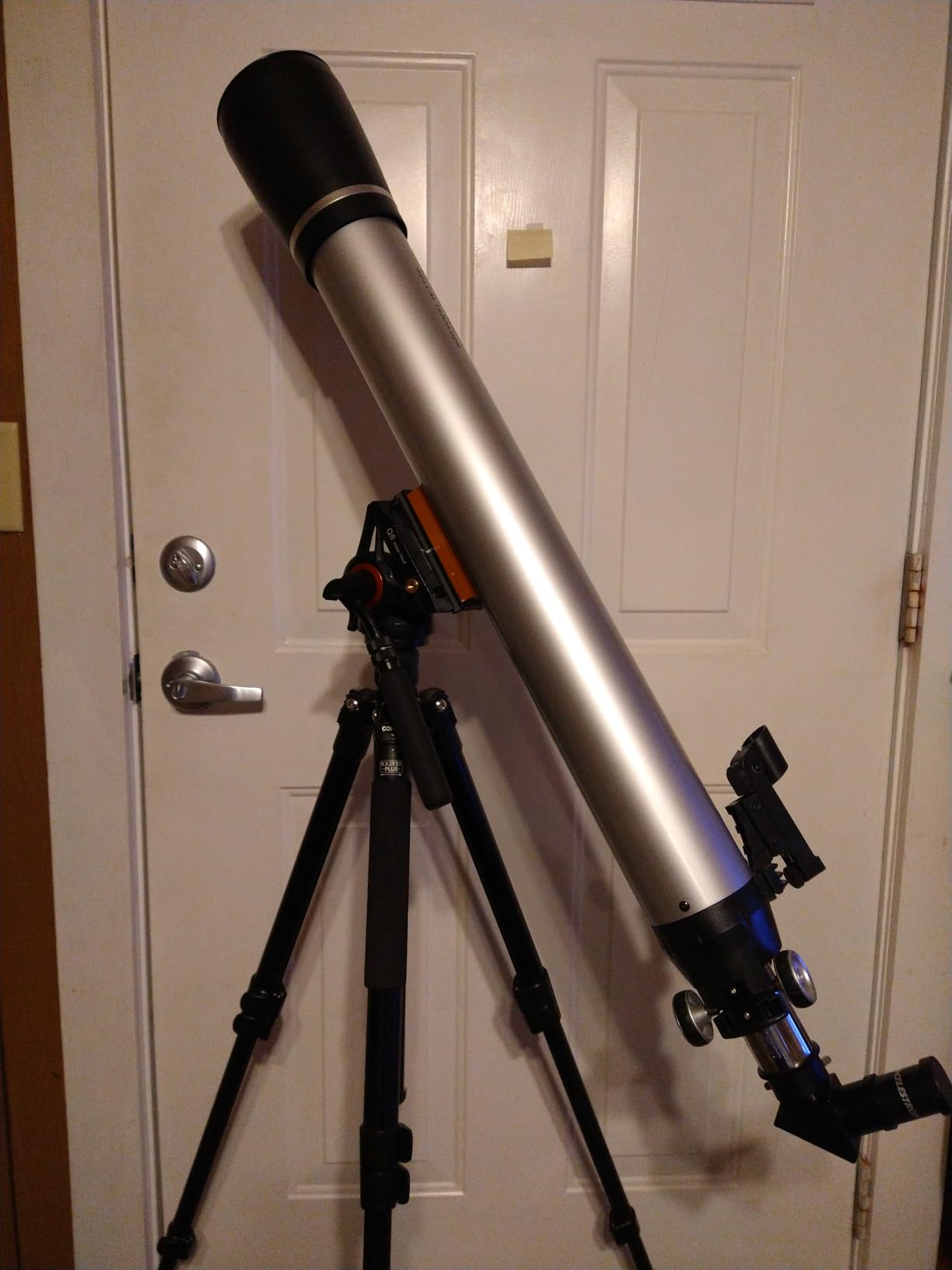
The 4SE is the most heavily reviewed telescope here, and the reason is its pointing system. A 40,000-plus object database and SkyAlign alignment mean you centre three bright objects and the mount works out where it is pointing.
For an apartment observer who does not want to learn star hopping, that removes the single biggest reason people give up in month one. Star hopping is a genuinely learnable skill, but it is a barrier at exactly the moment motivation is fragile.
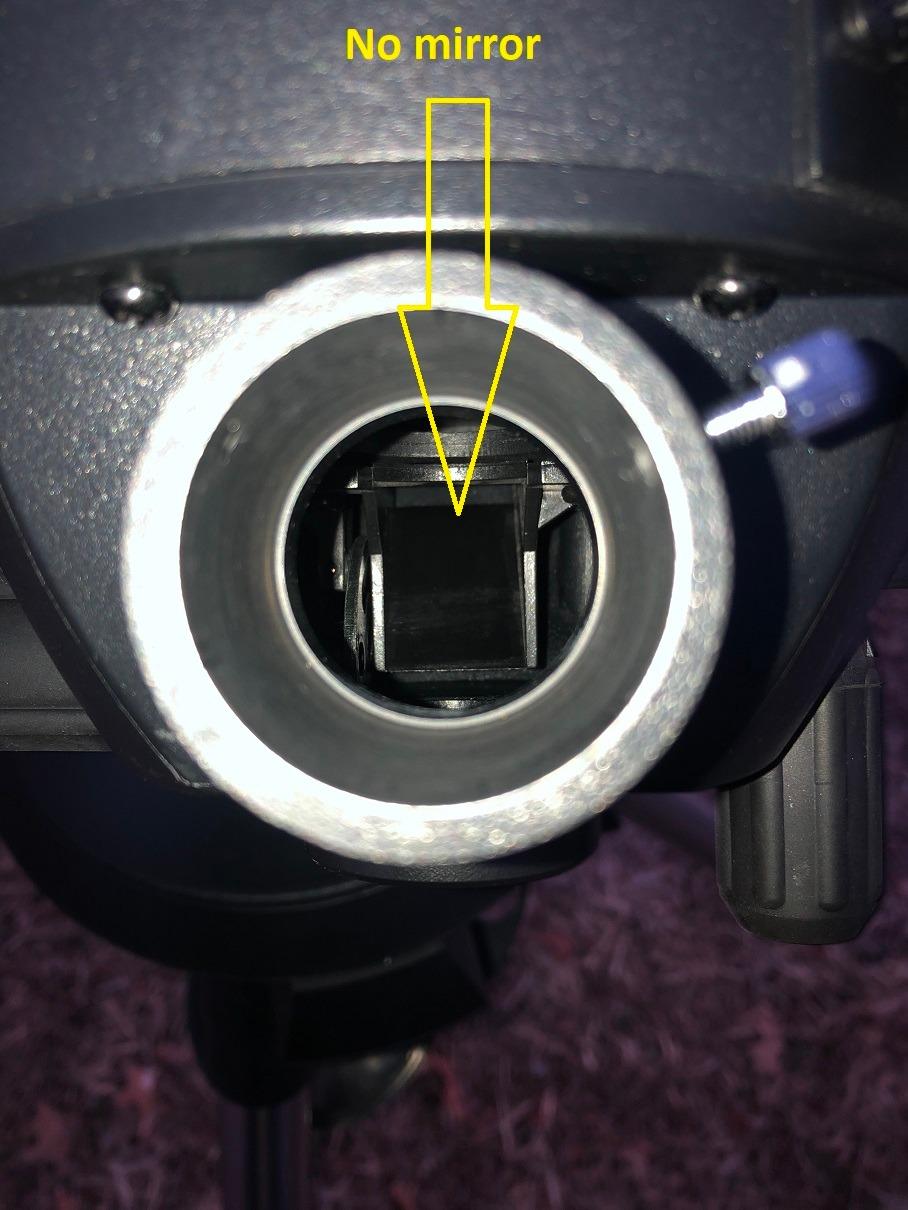
Optically it is a 4-inch Maksutov-Cassegrain at 1325mm, which is a planetary instrument. The single fork arm design is compact compared with a German equatorial mount and moves the whole scope as one piece.
The honest cost is space and power. At 10.4 kg the tube and tripod are a two-person carry, and the mount runs on eight AA batteries or an external power supply, neither of which is included.
Who the Celestron NexStar 4SE suits
It suits a beginner in a small flat who wants to press a button and see a planet. The automation is the feature, not the optics.
It suits someone who later wants to try astrophotography, because the built-in wedge accepts a polar alignment for entry-level imaging work.
Who should skip the Celestron NexStar 4SE
Skip it if storage is genuinely tight. This is not a tabletop instrument despite the compact fork arm; the tripod makes it a floor-standing scope that occupies a corner.
Skip it if you dislike carrying two heavy pieces up several flights, or if a narrow 0.11 degree field and occasional arm flipping will frustrate you.
9. Sky-Watcher Heritage 150 – Best Pick for Maximum Aperture and Wide Fields
Sky-Watcher Heritage 150 Tabletop Dobsonian Telescope – Perfect for Beginners, Easy Setup, Portable, and Fun (S11710)
150mm aperture
Fast f/5 ratio
750mm focal length
Collapsible tube
Pros
- Largest aperture in the roundup
- F/5 ratio gives a wider field than long Maksutovs
- Collapsible tube keeps its collimation
- Rubber feet damp table vibration
- No assembly required
Cons
- Heaviest item at 23 pounds
- Manual operation with no tracking
- Helical focuser takes practice
- Ratings trail the 130mm sibling
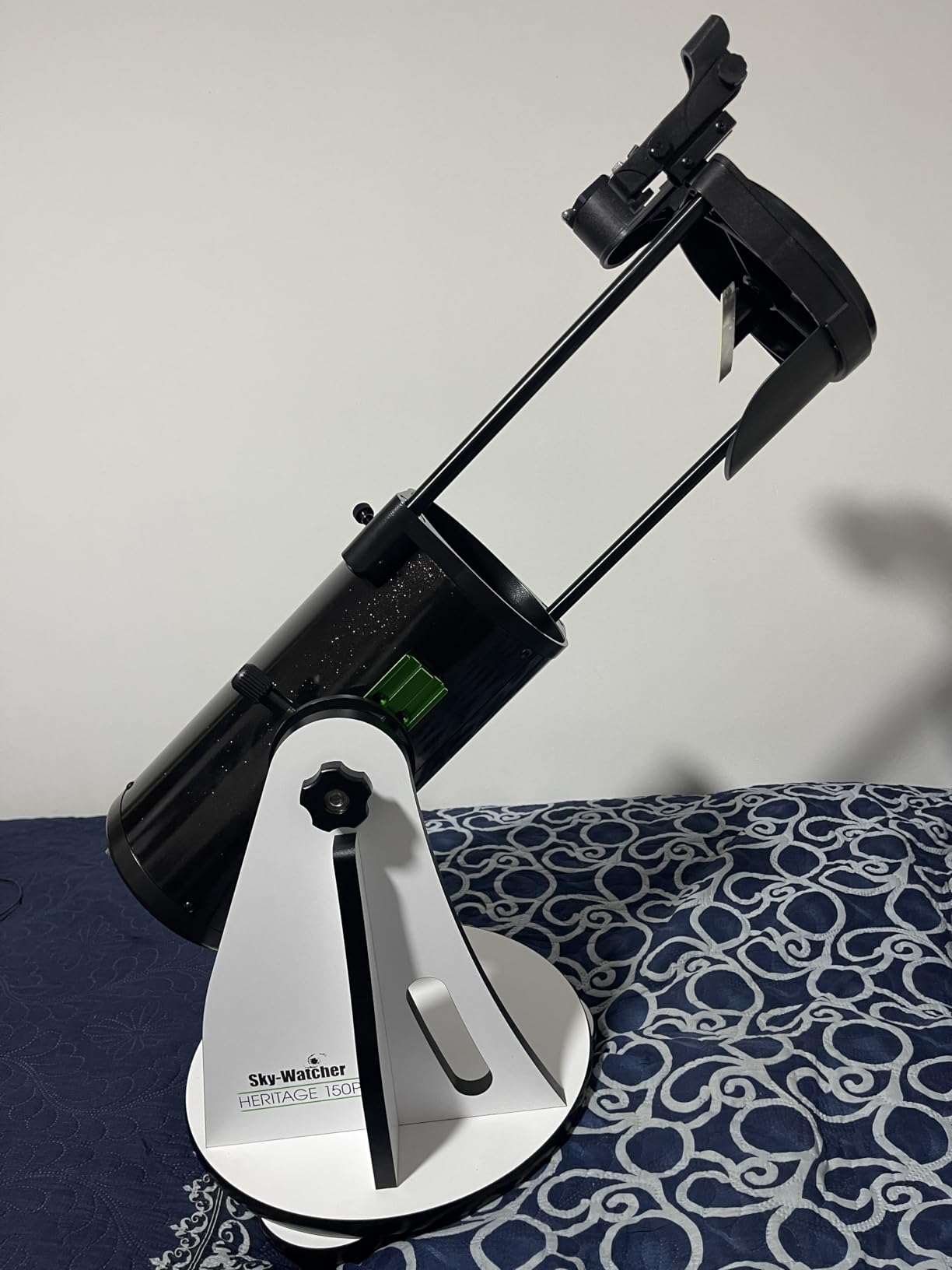
This is the answer to the most common upgrade question we see: is the extra step up in aperture worth it when space is tight? The 150mm gathers noticeably more light than the 130mm, and its fast f/5 ratio widens the field relative to the long-focal-length Maksutovs in this guide.
The question this settles directly is whether a table can take it. At 23 pounds it is a two-piece carry and the heaviest thing in this guide, so the answer is yes only if your surface is solid and your stairs are short.
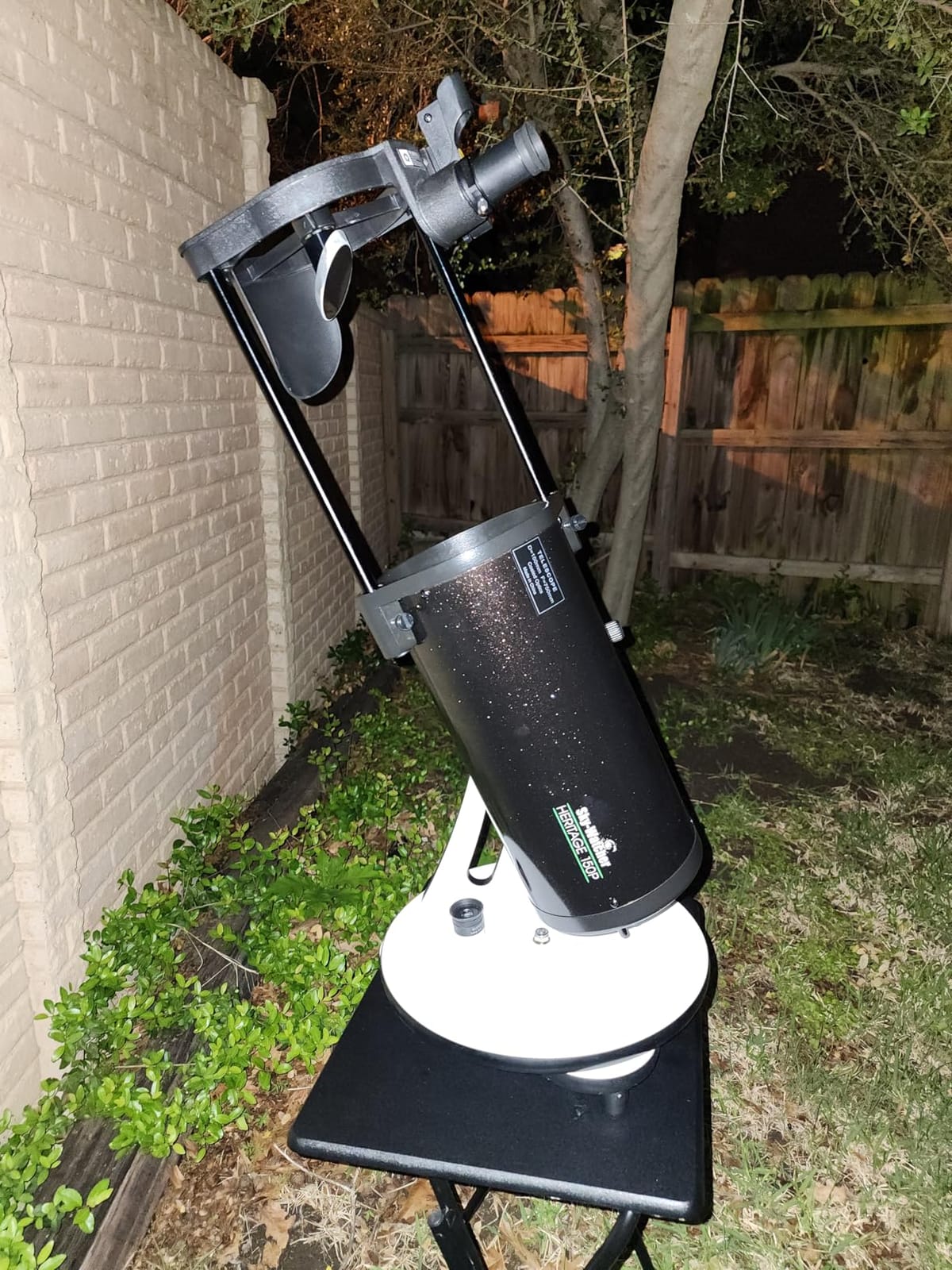
The rubber feet on the tabletop base are a small detail with a real effect. Damping the contact point between tube and table reduces the high-frequency shake that ruins fine planetary detail at high magnification.
The collapsible tube retains collimation while improving storage, which means you get the aperture of a much larger reflector without the length of one. The borosilicate parabolic primary with RAQ coatings is a genuinely capable optic.
Who the Sky-Watcher Heritage 150 suits
It suits someone with a large, sturdy table who wants to sweep wide across the sky from a single instrument. The f/5 ratio makes sweeping the Milky Way practical.
It suits an observer who already knows how to find things and wants to see more of them, rather than a total beginner who needs automation.
Who should skip the Sky-Watcher Heritage 150
Skip it if you have already found yourself holding the 130mm and wanting more, because many owners find the step is real but the weight cost is higher than expected.
Skip it if your table is a folding card table or if you carry your gear up more than two flights. Manual operation and a helical focuser also mean a slower learning curve than the 130mm.
10. Celestron NexStar 90SLT – Best Pick for Planned Dark Sky Trips
Celestron NexStar 90SLT Maksutov-Cassegrain Portable Telescope for Planets
90mm aperture
1250mm focal length
40000 object GoTo database
6.9 kg
Pros
- GoTo database finds and tracks targets
- 90mm Maksutov shows rings and bands
- SkyAlign setup in minutes
- Compact enough for a car boot
- Includes 25mm and 9mm eyepieces
Cons
- Lowest rating in the group at 4.0
- Full tripod occupies a lot of space
- 6.9 kg is a two-handed carry
- Older hand controller rather than an app
This one earns its place for a specific reason: it is a travel scope. Owners describe it as easy to carry for camping trips and dark-sky excursions, where the GoTo database saves you re-learning constellations at a site you can only visit once a year.
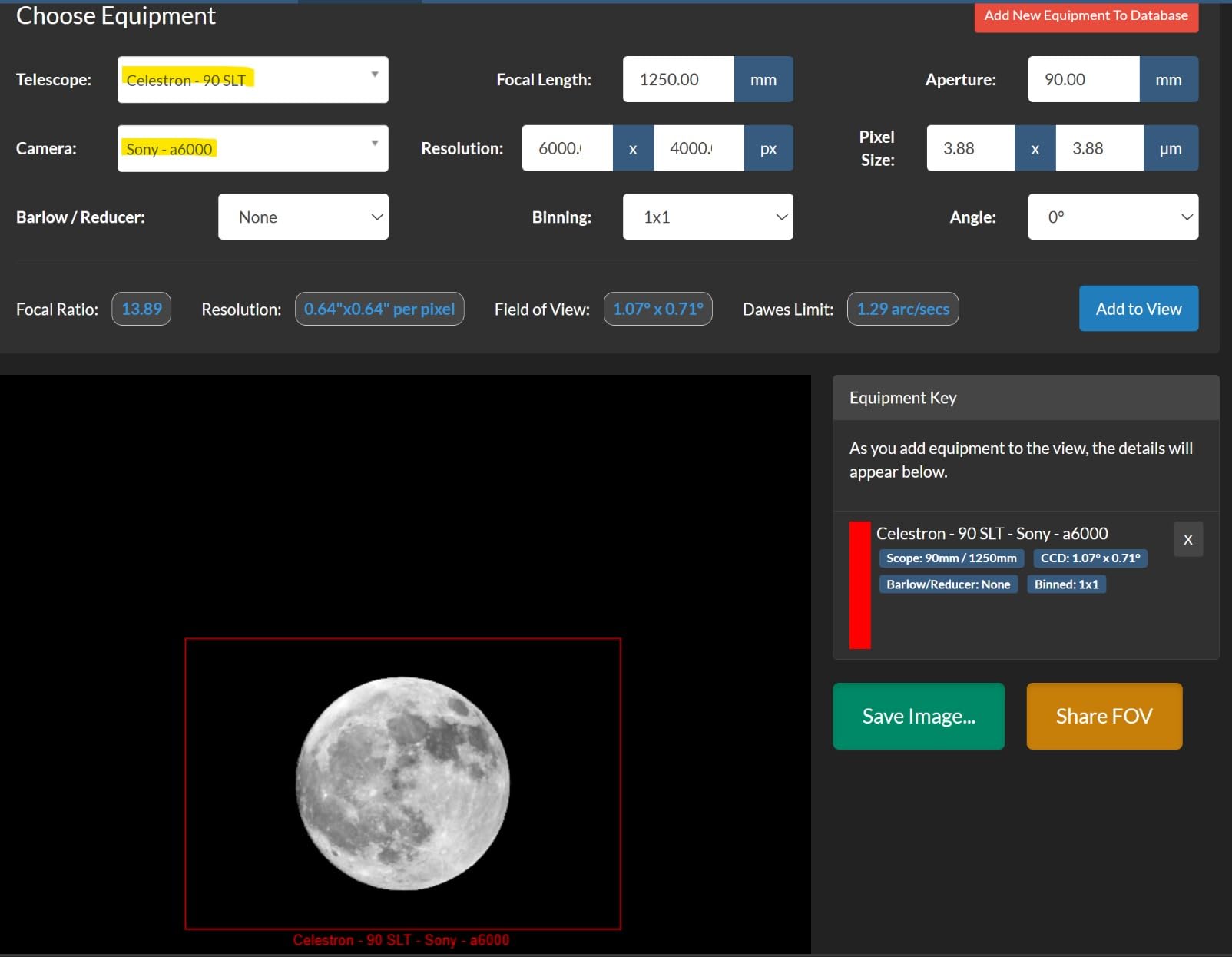
Optically it is a 90mm Maksutov-Cassegrain at 1250mm, and reviewers credit it with showing Saturn’s rings, Jupiter’s cloud bands and lunar detail. It comes with 25mm and 9mm eyepieces, a star diagonal and an accessory tray.
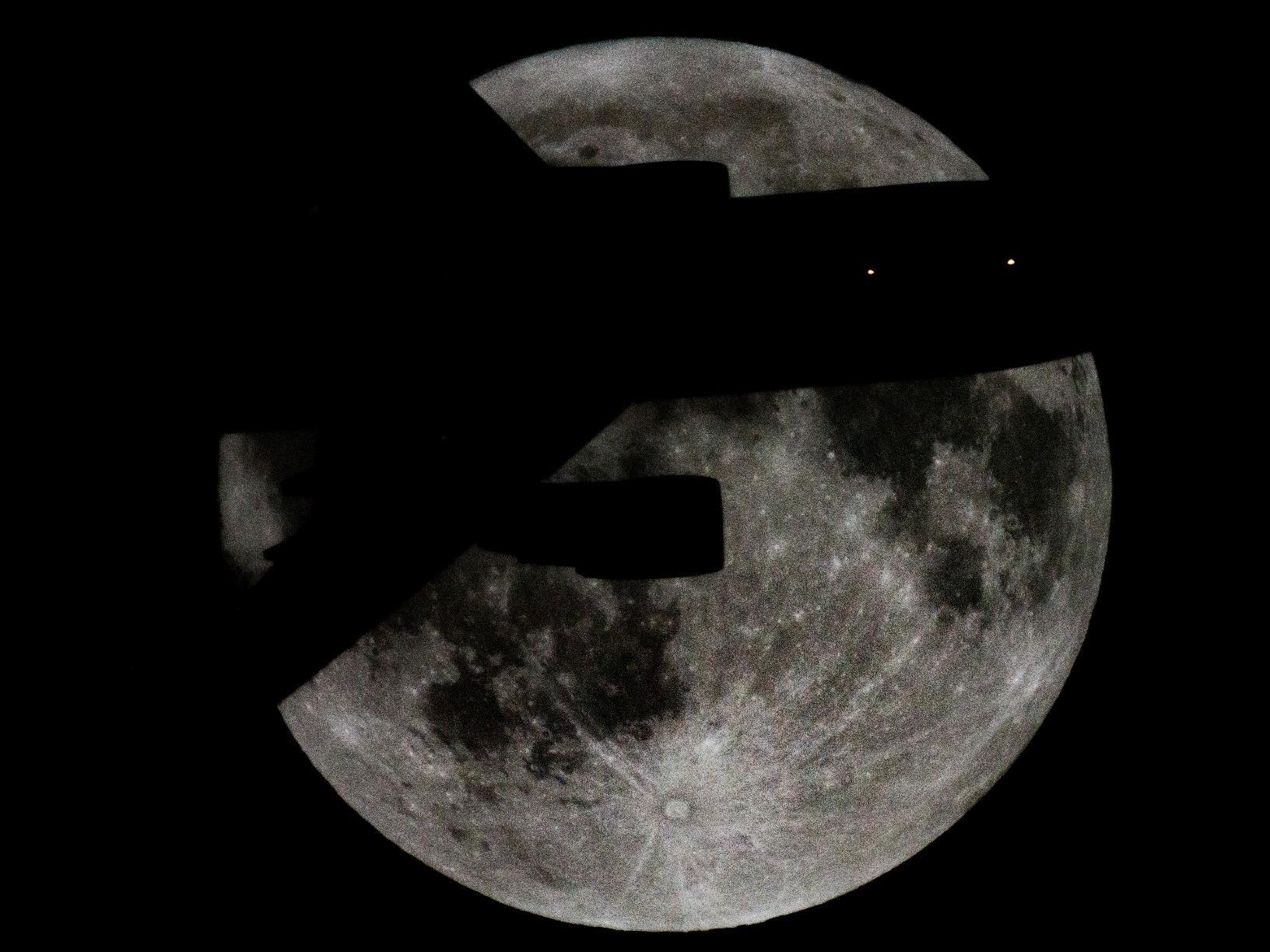
It is also the lowest-rated product we tested, at 4.0, with a noticeable share of one and two star reviews. That pattern traces mostly to bulk and to the older hand controller rather than to the optics.
SkyAlign setup takes minutes and requires no knowledge of star names, and the free sky simulation software download helps with planning around a dark site you have never visited.
Who the Celestron NexStar 90SLT suits
It suits an apartment dweller who treats the home sky as a practice ground and the real observing as an annual trip. Storage is the weak point, but a car boot is not.
It suits someone who wants a sealed Maksutov that never needs collimation and wants GoTo pointing without the weight of a larger computerized mount.
Who should skip the Celestron NexStar 90SLT
Skip it if it has to live in your flat. The single arm plus full tripod takes up substantially more space than any tabletop scope here, and 6.9 kg is a two-handed carry.
Skip it if you are drawn to app-driven smart scopes. The hand controller interface is the older generation, and the 90mm aperture is the smallest of the GoTo options listed.
How to Measure Your Storage and Setup Space Before You Buy
Most people stall on this decision because they guess at their dimensions. Measure instead, in this order, before you add anything to a cart.
1. Measure the depth of your actual storage spot, not the room. A cupboard shelf of 35cm rules out the Heritage 130 at 20.5 inches deep and the Heritage 150 at 24 inches, while clearing the Mak60’s 20cm tube is trivial.
2. Measure the height of your setup surface from the floor. A dining chair at roughly 45cm seats an adult comfortably with a tabletop Dobsonian; a windowsill at 110cm forces you to look downward all night.
3. Check the load. A 23-pound Heritage 150 on a folding table is asking for trouble, and a wobbly surface is the single most common reason beginners quit.
4. Measure your stairwell and your front door. Half the weight problem is solved before the purchase by knowing whether the base and the tube travel separately.
5. Pick the surface before the telescope. Once you know the table height and the depth of your balcony rail, most of the shortlist narrows itself.
If storage is the binding constraint, our small-apartment shelving picks are worth a look for the spot itself. Vertical storage is usually the answer, and it is cheaper than a bigger telescope.
What Aperture Really Buys You in a Small Apartment
Aperture is the diameter of the light-gathering surface, and it matters more than magnification. A 150mm aperture gathers roughly six times the light of a 60mm one, which is why the largest scope here wins on faint targets and loses everywhere else.
Here is the small but honest version of what you give up as scopes shrink. Below 70mm, you are looking at the Moon, the brightest planets, double stars and open clusters, and that is a satisfying hobby in its own right.
Between 90mm and 105mm, surface detail on the Moon resolves into individual craters with real shadow, and Saturn’s rings separate from the planet rather than sitting as a blob. Most first-time buyers are content here for years.
At 130mm and 150mm, fainter clusters and some brighter Messier objects start to appear as structure rather than smudges, but only from a genuinely dark site. Under city skyglow, a large aperture can paradoxically show you less contrast, because it gathers the glow along with the target.
Focal ratio matters too. A fast f/5 design gives a wider field and is easier to find things in, while a long f/13 Maksutov gives higher contrast on planets and a much narrower sweep. Both fold small; they simply suit different skies.
Mounts, Tables and Balcony Stability
A tabletop mount is not weaker than a tripod, provided the surface is right. The failures we see in practice come from thin folding tables, wobbly balcony rails, and touching the tube while adjusting focus.
Set up where the surface cannot ring. Anything that flexes when you lean on it will move the image at high magnification, and a moving image reads to a beginner as a fault in the telescope.
For a balcony rail, the fix is a plank. A flat board wider than the rail spreads the load across the top bar and removes the resonance that makes cheap tripods never fully settle.
Watch your eyepiece height. Too low and you spend the session crouched; too high and you are looking down into the barrel. A dining chair at seated height suits most tabletop Dobsonians better than a windowsill does.
Keep it dark inside. A red flashlight preserves night vision and stops you from spoiling the view you just spent twenty minutes getting. A phone screen at full brightness ruins more sessions than any optical fault.
And be a good neighbour. Point the tube away from windows, keep your own lights off, and avoid late-night sessions that produce stepping and shadows on a shared ceiling. If your building has quiet hours, staying inside them keeps the hobby available to you for years.
Our rule after six weeks of stopwatch timing: if setup takes more than five minutes, the scope stays in the cupboard. Everything in this roundup except the tripod-mounted Celestrons deploys inside that window.
What You Can See from a Bright City Sky in 2026
Planetary astronomy is largely unaffected by light pollution, which is the good news for apartment observers. A Bortle 8 sky will not stop you seeing the Moon’s craters, Jupiter’s cloud bands and moons, or Saturn’s rings.
For Saturn specifically, a 60mm Maksutov will show you the planet and a suggestion of rings, and a 90mm to 102mm scope resolves the gap in the ring structure. You do not need a large aperture for the single most recognisable object in the sky.
Bright open clusters are the other reliable category. The Pleiades and the Double Cluster show as clusters of individual stars through a small aperture under city skies, because there is no faint continuous glow for skyglow to wash out.
Double stars work too. Albireo in Cygnus splits into two colours through almost anything, which makes it a good first test of your optics.
Faint galaxies are the honest limit. Under real skyglow they are a write-off without a light pollution filter, and even then they need darker skies than most city apartments can offer. If galaxies are your motivation, budget for a dark-site trip instead.
The smart scopes change this calculation. Their built-in filters and stacking recover much of what skyglow hides, which is why they photograph objects that a traditional scope of the same size cannot show you at all.
Traditional Telescopes vs Smart Scopes for Apartment Living
The honest comparison is not optical quality, it is time. Traditional scopes need you present, upright, with an eye at the eyepiece. Smart scopes need a flat surface, a phone, and patience while frames stack.
If you have a balcony you actually use, a traditional scope wins. The live image through an eyepiece is the part that keeps beginners interested, and sharing it with a neighbour or a child is part of the appeal.
If you do not, or if your sky is bright enough to frustrate a visual session, a smart scope wins. The DWARF Mini and Seestar S30 Pro both handle urban skyglow through filtering and processing rather than through aperture.
For daytime use, the refractor-class and Maksutov designs win, because they produce an upright image and work as spotting scopes. Our small-space desk guide covers the same logic for daytime working surfaces.
One honest note on skipped purchases: if you share a wall with a light sleeper, have no balcony or clear window, and expect faint galaxies specifically, skip any of these and use binoculars instead. A large pair of binoculars works from a bright city, stores in a drawer, and costs a fraction of a telescope.
Frequently Asked Questions
What is the best tabletop telescope for beginners?
The Celestron FirstScope is our pick for beginners because it is 4.3 pounds, arrives fully assembled, stores on a normal shelf at 26.6cm tube length, and shows sharp lunar detail for the aperture. If you can carry more weight and want maximum light per pound, the Sky-Watcher Heritage 130 is the alternative beginners rate most highly, at 19.2 pounds.
What is the best tabletop telescope for small apartments?
The Celestron FirstScope is the best all-round choice for a small flat because it is the only serious option that both stores flat and needs no tripod. The SARBLUE Mak60 packs 750mm of focal length into a 20cm tube, and the DWARFLAB Dwarf Mini at 1.85 pounds is the smallest. All three set up in under five minutes.
What is a small but powerful telescope?
A Maksutov-Cassegrain is the most space-efficient design, folding a long focal length into a short tube, and the SARBLUE Mak60 is the clearest example with 750mm of focal length in 20cm. For raw light gathering in a small package, the Sky-Watcher Skymax 102mm pairs a 102mm aperture with a short tube and needs no collimation.
Is the Sky-Watcher Heritage 150 worth it over the 130mm?
For light gathering and wide fields, yes. The 150mm gathers more light and its fast f/5 ratio gives a wider field than the long-focal-length Maksutovs here. Against that, it weighs 23 pounds against 19.2, is 24 inches deep against 20.5, and owner ratings are slightly lower at 4.2 against 4.5. In a small flat, that weight is usually the deciding factor.
What size telescope do you need to see Saturn’s rings?
A 60mm Maksutov will show Saturn with a suggestion of rings, and 90mm to 102mm apertures resolve the gap in the ring structure clearly. The Moon and Jupiter work at 60mm and above. Because planets are bright targets, light pollution affects them far less than it affects faint galaxies.
What is the best budget-friendly smart telescope?
The DWARFLAB Dwarf Mini is the strongest budget smart scope at 1.85 pounds, with plate-solving automatic GoTo, exposures up to 90 seconds in EQ mode, and built-in light pollution filters. It is designed for deep-sky imaging from city skies rather than for looking through an eyepiece, since planets appear as featureless discs.
Can you see anything useful from a light polluted city balcony?
Yes. The Moon’s craters, Jupiter’s cloud bands and moons, Saturn’s rings, double stars such as Albireo, and bright open clusters such as the Pleiades all hold up under skyglow. Faint galaxies and nebulae do not, and a light pollution filter only partly helps in the brightest skies. Planet viewing is largely unaffected by light pollution.
What is the most accurate light pollution map to use?
Light pollution maps are a useful first filter, but the most reliable measure is your own eyes: note which stars you can count near the horizon on a clear night. Comparing a photometry reading with the Bortle scale gives you a starting point, while walking a few streets in different directions often reveals a darker patch than the map suggests.
What type of telescope is best for land viewing?
A refractor or a catadioptric with an erect-image diagonal, because they give an upright image without needing a prism. The SARBLUE Mak60 is the clearest example here and works as a daytime spotting scope for wildlife and distant landscapes. Newtonian reflectors produce an inverted image, so they suit astronomy far better than daytime viewing.
The Verdict for Apartment Dwellers in 2026
If you want one recommendation, take the Celestron FirstScope. It is 4.3 pounds, 26.6cm long, needs no assembly, and shows a genuinely rewarding Moon on a first night. Add a red-dot finder and a 25mm eyepiece later, and you have a setup that will still get used in two years.
If storage depth is your binding constraint, the SARBLUE Mak60 is the smarter buy, because 750mm of focal length fits into a 20cm tube. If your sky is bright and you would rather photograph than squint, the DWARFLAB Dwarf Mini at 1.85 pounds is the smallest complete astronomy instrument you can carry upstairs.
Measure your cupboard and your table before you order anything, choose a surface that does not flex, and hold yourself to a five-minute setup rule. The best tabletop telescopes for small apartments are not the ones with the biggest specifications, they are the ones that still come out of the cupboard on a cold Tuesday in 2026.