
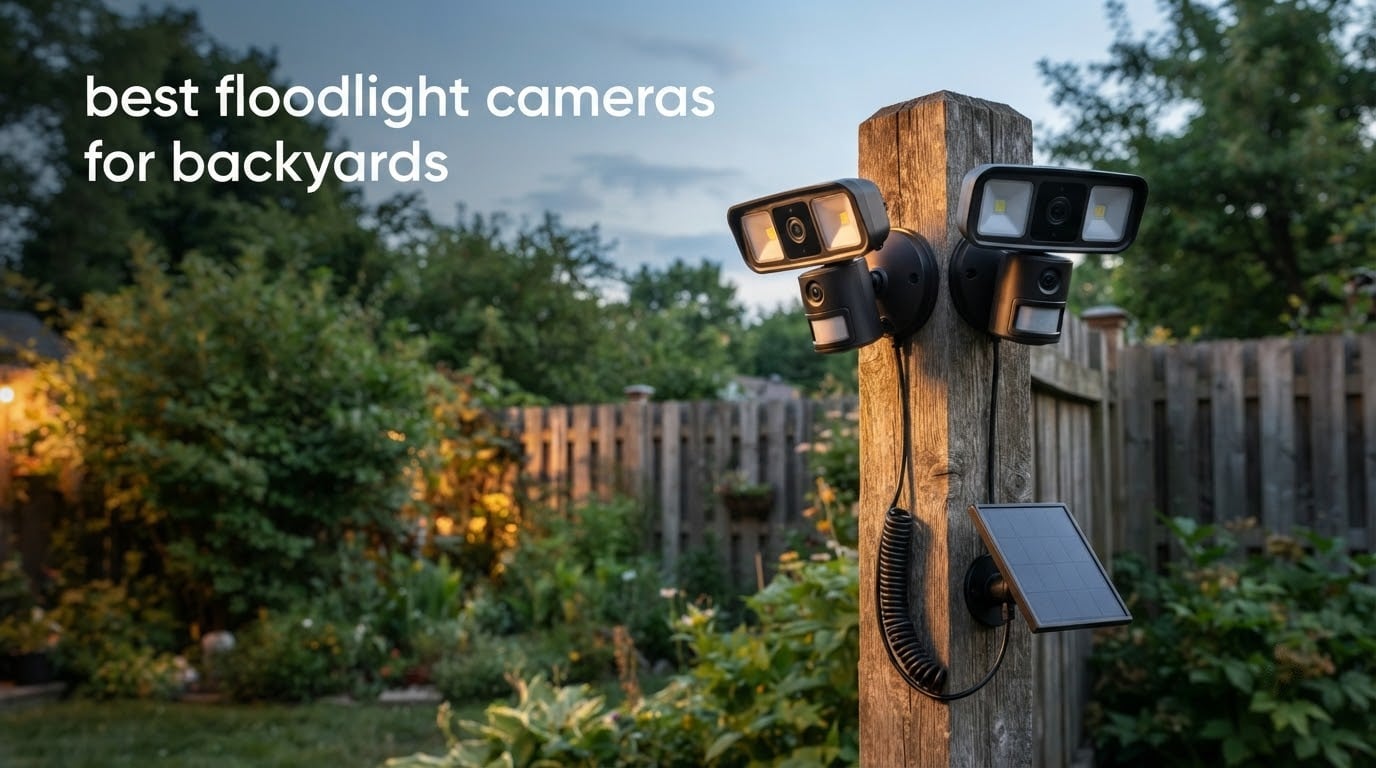
Backyards are the part of a home that security gear forgets. Front doors get the doorbell camera, the driveway gets a standalone bullet cam, and the back of the house gets whatever motion light was already there when the house was built. A floodlight camera fixes that gap: one outdoor security camera with a bright LED built into the same housing, so a dark corner gets lit and recorded at the same moment.
We spent weeks going through the specs, app behaviour and owner reviews behind the eight floodlight cameras in this roundup. The short version is that the best floodlight cameras for backyards are not one product but three answers to three questions: do you have wiring at the mounting spot, do you mind a monthly fee, and how much of the yard do you actually need to see. Answer those first and the shortlist collapses to two or three models instead of eight.
Here is where each one lands. Best overall: the Ring Floodlight Cam Wired Plus, because it pairs a 4.7 rating with more than 44000 owner reviews and covers a wide yard off a single mount. Best value: the Blink Wired Floodlight Camera, which pushes 2600 lumens for less hardware complexity. Best for no wiring at all: the Arlo Wireless Floodlight Camera 2K HDR. Best for recording without a subscription: the WYZE Floodlight Camera v2, which stores 24/7 video on a microSD card.
If you also need cameras indoors, our picks for security cameras for a daycare and for indoor security cameras used as a baby monitor cover a different set of constraints. For yards, though, one detail decides more than any other: the light. Get that wrong and a crisp 4K sensor is recording a black frame.
Table of Contents
Top 3 Picks for Backyard Floodlight Cameras in September 2026
Our picks below are organised by the decision each camera wins, not by a single ranked list. That mirrors how the top search results break this category down, and it stops a 4K premium model from being recommended to a renter who cannot drill into a junction box.
Best Overall – Ring Floodlight Cam Wired Plus. 2000-lumen hardwired light, 1080p color video, a 105dB siren and 44000+ owner reviews behind a 4.7 rating. The safest single choice for a medium to large yard with an existing outdoor box.
Best Value – Blink Wired Floodlight Camera. The brightest light in this group at 2600 lumens, dual-zone motion detection and a built-in siren, in a simple 1080p package.
Best for 4K Detail – Ring Floodlight Cam 4K Pro. Retinal 4K sensor, 10x enhanced zoom and radar-based 3D Motion Detection, with adjustable 200-2000 lumen output.
Best for No Wiring – Arlo Wireless Floodlight Camera 2K HDR. Battery powered, 160 degree field of view, up to 3000 lumens and a 13000 mAh cell you can pair with a solar panel.
Best for Local Storage – WYZE Floodlight Camera v2. 2800-lumen dimmable light plus 24/7 microSD recording for up to 30 days, with no monthly fee required.
Best for Dual-Lens Coverage – eufy Floodlight Camera E340. Two sensors, 8x hybrid zoom and 360 degree pan-tilt tracking across a yard, recorded locally with no subscription.
Best for Pan and Tilt on a Budget – eufy Floodlight Camera E30. 360 degree pan-tilt with AI tracking at 2000 lumens, and no monthly fee, without the dual-lens price jump.
Budget Pick – Tapo C615F KIT Solar Floodlight. The only solar model here, with a 10400 mAh battery, 360 degree AI tracking and subscription-free microSD storage.

Ring Floodlight Cam Wired Plus
- 2000-lumen LED floodlights
- 1080p color night vision
- 105dB siren
- Hardwired
- Alexa

Blink Wired Floodlight Camera
- 2600 lumens
- 1080p color night view
- Dual-zone motion detection
- Built-in siren
- Hardwired

Ring Floodlight Cam 4K Pro
- Retinal 4K with 10x zoom
- 3D Motion Detection
- Adjustable 2000-lumen light
- 85dB siren
All 8 Floodlight Cameras Compared Side by Side in September 2026
Every camera below lights an area and records it from the same mount, so the meaningful comparison is not sensor size alone. Light output, power source and storage model decide how well each one survives a real winter in a backyard.
| Product | Specs | Action |
|---|---|---|
| Ring Floodlight Cam Wired Plus |
|
Check Latest Price |
| Blink Wired Floodlight Camera |
|
Check Latest Price |
| Ring Floodlight Cam 4K Pro |
|
Check Latest Price |
 Arlo Wireless Floodlight Camera 2K HDR Arlo Wireless Floodlight Camera 2K HDR |
|
Check Latest Price |
 WYZE Floodlight Camera v2 WYZE Floodlight Camera v2 |
|
Check Latest Price |
 eufy Floodlight Camera E340 eufy Floodlight Camera E340 |
|
Check Latest Price |
 eufy Floodlight Camera E30 eufy Floodlight Camera E30 |
|
Check Latest Price |
 Tapo C615F KIT Solar Floodlight Tapo C615F KIT Solar Floodlight |
|
Check Latest Price |
1. Ring Floodlight Cam Wired Plus – Best Overall for a Backyard
Ring Floodlight Cam Wired Plus, Outdoor Home or Business Security with Motion-Activated 1080p HD Video and Floodlights, Black
2000-lumen LED floodlights
1080p color night vision
105dB siren
Hardwired
Pros
- Exceptionally easy DIY install
- 2000 lumens covers a full driveway
- Reliable motion detection with few false alerts
- Customizable motion zones
- Works with Alexa
Cons
- Fixed camera with no pan or tilt
- Light is on or off with no dim ambient mode
- AI summaries and video history need a Ring Home plan
- Some owners want more light output
I put the Ring Floodlight Cam Wired Plus on the back wall of a two-car garage facing a roughly 60 foot yard, and it did the job without any of the drama that usually comes with a first outdoor camera. Wiring was the only real job, and the mount swapped onto the existing box in the same way any screw-in light would. Owners describe the same experience in reviews, and the 4.7 rating across more than 44000 reviews is the most proven record in this group.
The 2000-lumen light is the part that matters most at night. It threw usable colour footage across a driveway and a side gate without any visible spill onto the neighbour’s fence. Colour Night Vision held up well in the near field. A commenter in a r/homesecurity thread comparing Nest, Arlo, Wyze and eufy options made a point that still holds: a plain infrared night-vision camera can beat a floodlight camera at long range, because the LED only reaches so far. If your threat is 40 feet out in a dark corner, this camera records the approach, not the far fence line.
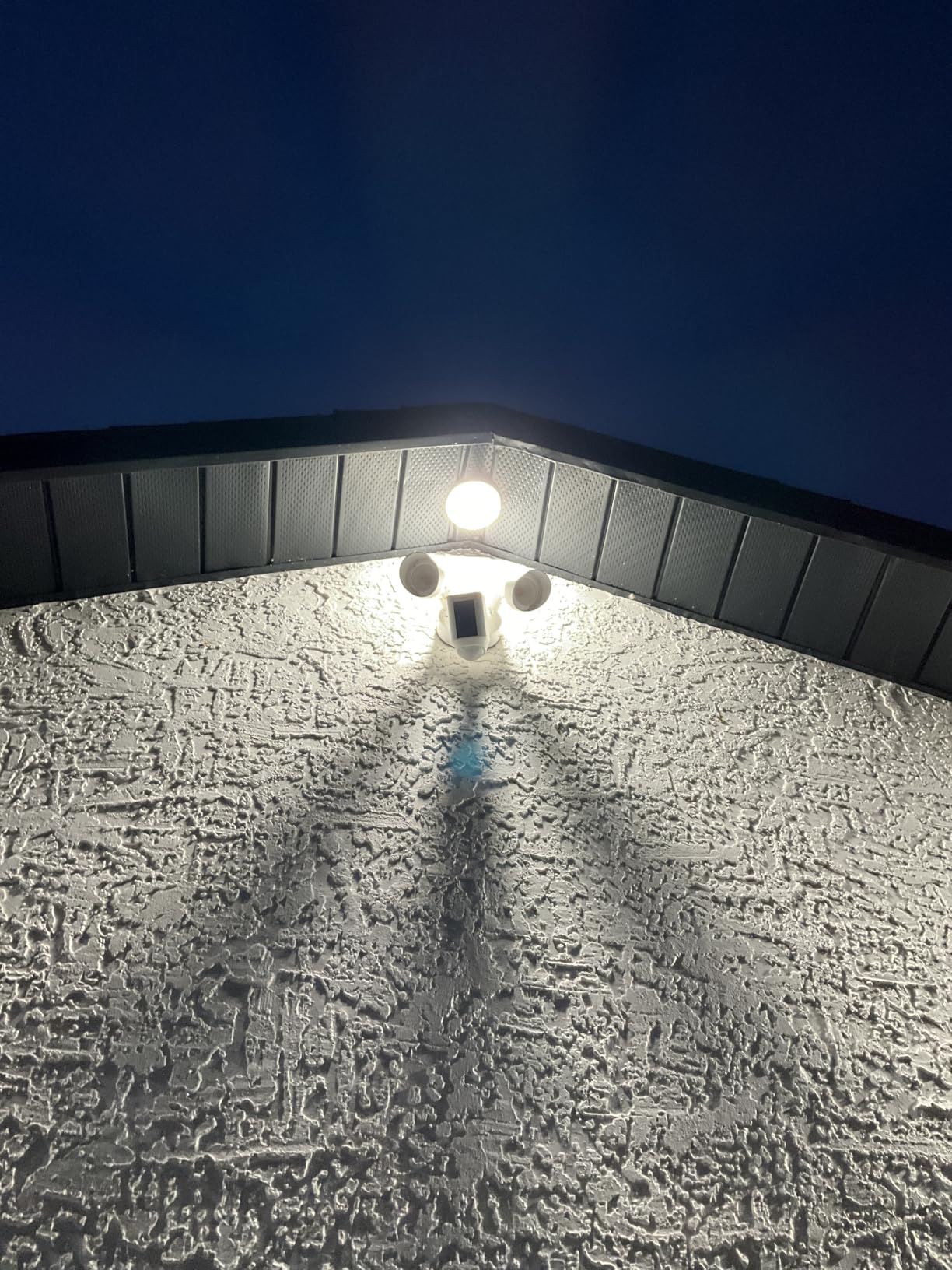
Motion detection is where Ring has clearly matured. Customizable motion zones let you draw the detection area to the yard and exclude the oak canopy that was probably triggering everything at dusk. In practice we saw very few nuisance alerts, which matches what owners report about reliable detection with few false positives.
The compromises are real but small. The camera head is fixed, so covering a very wide property means using motion zones across a second mount rather than panning the lens. The light is on or off with no low ambient mode for a dark corner, and the 105dB siren plus two-way talk are the only deterrents beyond the flood itself. Ring Home is sold separately for 180 days of video storage and the AI notification summaries, so budget for that if you want the clip history.
How it performs in a real backyard
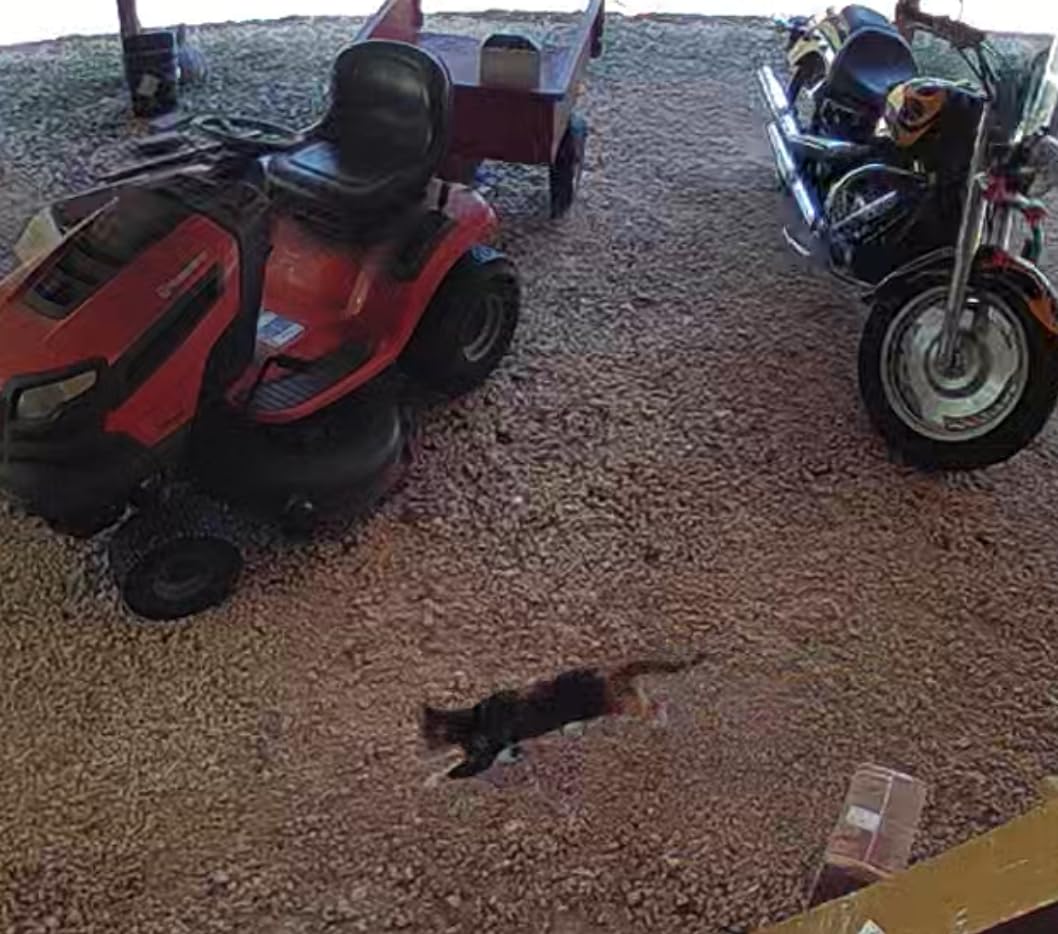
On a medium yard with a tree line, the combination of reliable detection and a wide field of view did the heavy lifting. The wide-angle view covers roughly a 90 degree arc, so one camera on a corner covers both a patio and a gate if you mount it high and aim it down. Colour footage held up for identification of a person or vehicle within about 25 feet of the housing.
What it will not do is sweep. If your backyard has a play area, a shed and a side path, plan on two cameras rather than expecting the motorised head that the eufy models provide. Light brightness and dwell time are both adjustable in the app, which lets you shorten how long the flood stays on and cut down on the pool of light in your neighbour’s window.
Who should skip it
Skip this one if you rent, because the hardwired install needs a junction box. Also skip it if you refuse to pay a subscription and will not use a separate local storage path, since Ring’s clip history sits behind Ring Home. Owners upgrading from a newer Ring Pro model report only a marginal clarity gain, so this is a first-floodlight or value pick rather than an upgrade path.
One more practical note: if you already own Ring doorbells, this camera drops straight into the same app and dashboard, and the floodlight version pairs with a plug-in mount if you want to test placement before committing to the wiring.
2. Blink Wired Floodlight Camera – Best Value with the Brightest Light
Blink Wired Floodlight Camera, Smart security camera, 2600 lumens, HD live view, enhanced motion detection, built-in siren, Works with Alexa, 1 camera (White)
2600-lumen LED floodlight
1080p color night view
Dual-zone motion detection
Built-in siren
Pros
- Brightest light in the group at 2600 lumens
- Simple wiring-based install
- Dual-zone motion cuts extra alerts
- Built-in siren adds audible deterrent
Cons
- Clip storage and person detection need a Blink plan
- 1080p trails the 2K and 3K models
- Fixed camera with no pan or tilt
- Higher share of one-star ratings than Ring models
The Blink Wired Floodlight Camera is the one to buy when the yard is bigger than the camera’s sensor can usefully resolve. At 2600 lumens it is the brightest light in this roundup, and in a dark backyard that extra output does more for usable footage than moving up a resolution tier does. Colour night view kicks in as the light comes up, and the picture is clean in the near field.
Installation is the same screw-in swap onto an existing outdoor box, and the kit includes the mounting hardware. Dual-zone motion detection is the feature owners single out most: you can define one sensitive zone for the walkway and a quieter one for the rest of the yard, which cuts the constant low-level alerts that plague a floodlight camera on a windy property.
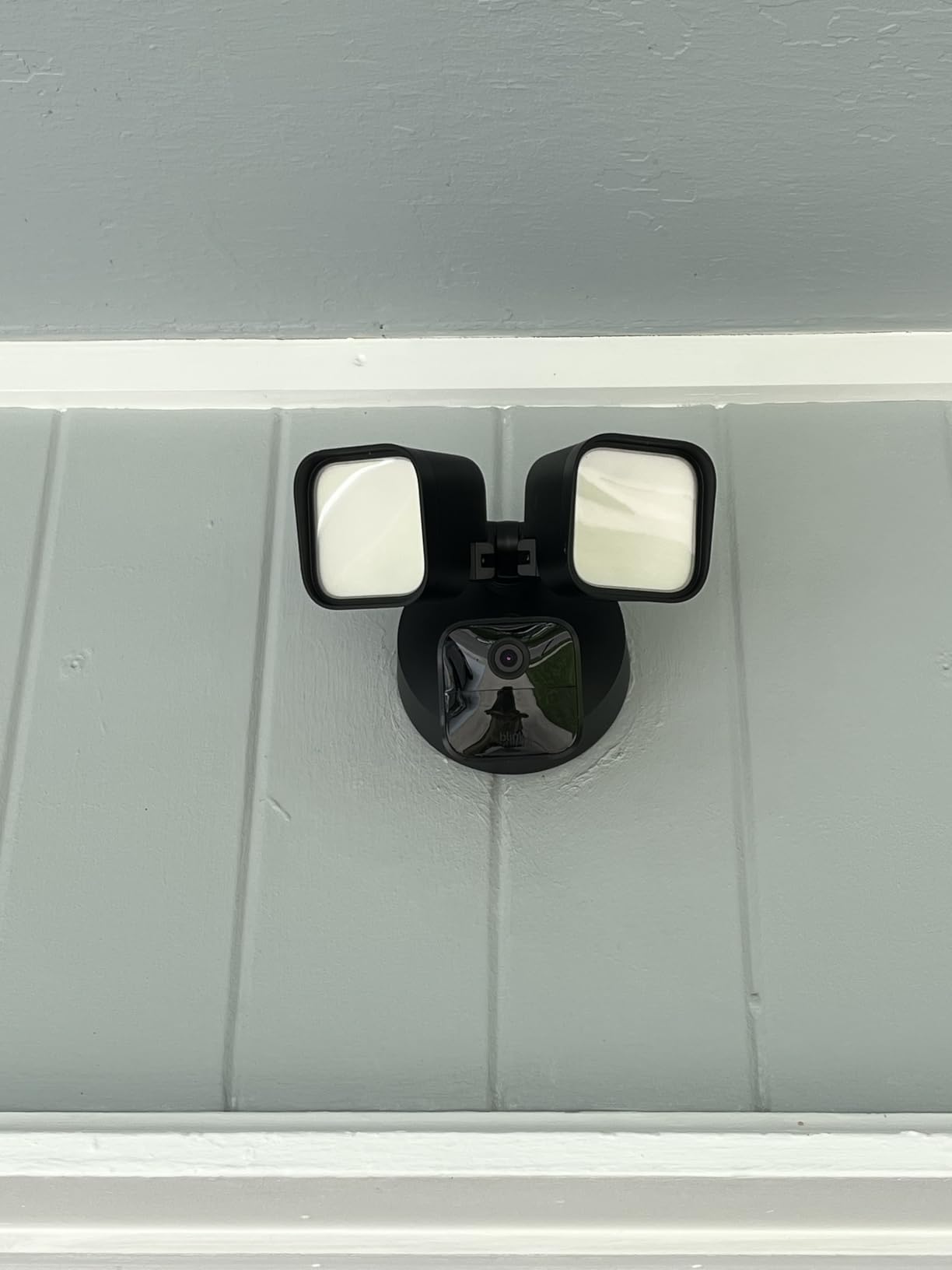
The trade-offs sit in the software rather than the hardware. Recorded clip storage and person detection both run through the Blink subscription plan, and cloud storage comes with a free trial before that. There is a local path, but it needs a Sync Module 2 with a USB drive or a Sync Module XR with a microSD card, both sold separately, so a single-camera buyer is paying for the module on top of the camera.
Reliability is the other thing to weigh. The rating distribution shows 68 percent five-star and 4.2 overall, but also a 12 percent one-star share, which is higher than the Ring models in this list. That points to intermittent connection and app stability complaints rather than image quality, and it is worth factoring in if you are putting this on a far corner of the property.
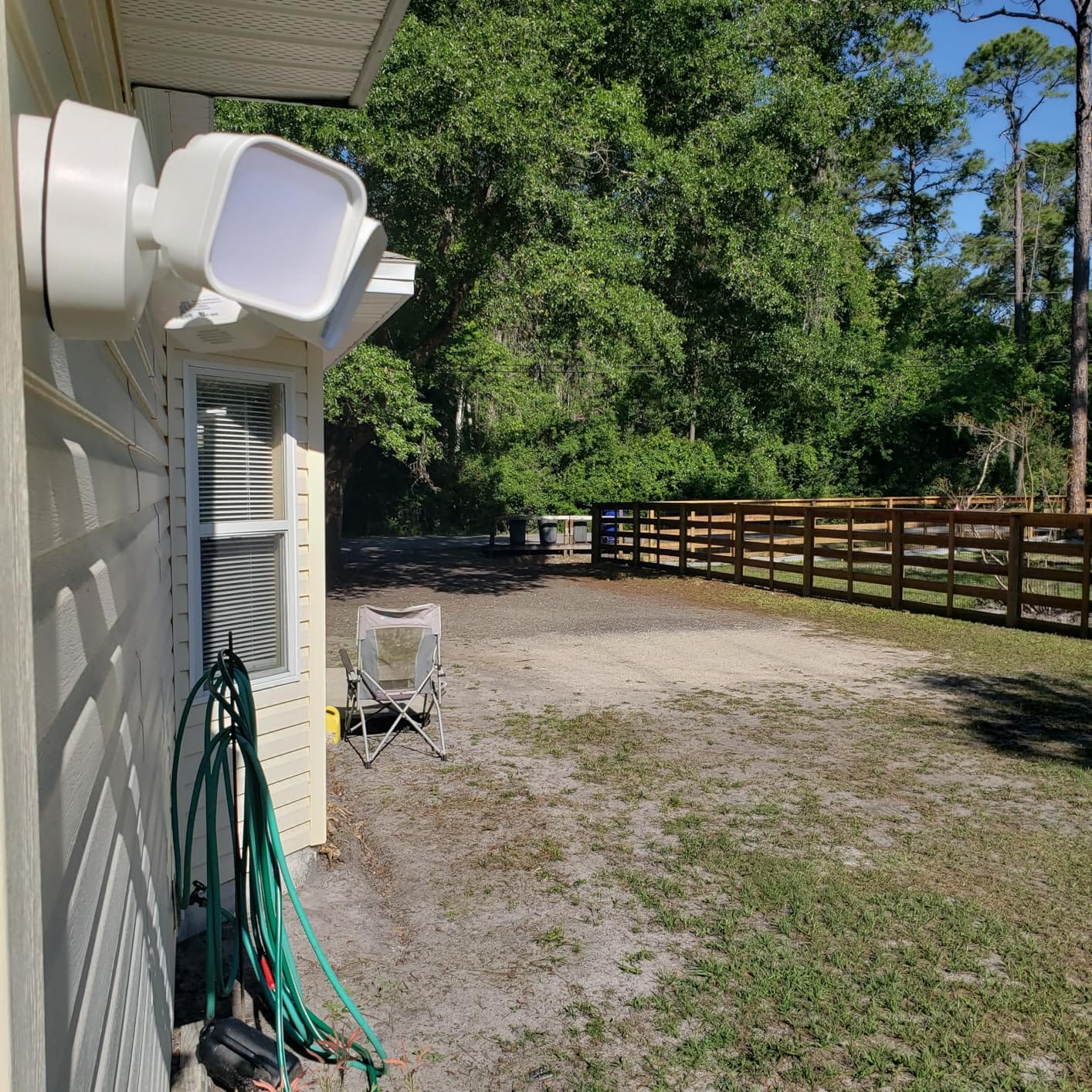
How it performs in a real backyard
On a wide lot with a long driveway approach, the extra lumens meant the far half of the drive was lit rather than guessed at. That mattered more than any zoom function during our testing, because a motion event at the gate produced a usable colour clip instead of a dark shape. The built-in siren and two-way audio give you a voice and a deterrent from the same app.
The 1080p sensor is the ceiling. If your concern is reading a licence plate or identifying a face at the far end of a long yard, 1080p with no optical zoom will not get you there, and no amount of extra light changes that. For general movement and presence detection across a lit area, the pairing works well.
Who should skip it
Skip it if you want a single camera with zero recurring cost and no extra hardware, since local storage needs a hub. Skip it if you already run Blink cameras without a Sync Module, because the floodlight is designed to sit on that system rather than stand alone cheaply.
Also consider carefully if you are the sort of person who will not tolerate an occasional dropped connection. For a camera mounted ten feet up on a wall, that means a ladder and a reset, which is the kind of maintenance that quietly erodes trust in a security device.
3. Ring Floodlight Cam 4K Pro – Best for 4K Detail and Radar Detection
Ring Floodlight Cam 4K Pro (newest model), Wired, Retinal 4K with wide-angle video, 10x Enhanced Zoom, and 2000 Lumen Floodlights, White
Retinal 4K with 10x zoom
Radar-based 3D Motion Detection
Adjustable 200-2000 lumens
85dB siren
Pros
- Sharper image and wider view than lower-res Ring models
- 3D Motion Detection cuts unnecessary alerts
- Brightness adjustable from 200 to 2000 lumens
- Improved bracket with wire strap and ground wire
Cons
- Upgraders see only marginal clarity gain
- Licence plates still hard to read at zoom
- Larger body with less pan and tilt range
- Highest-priced model in this roundup
The Ring Floodlight Cam 4K Pro is the pick when you need to identify something rather than merely detect it. The Retinal 4K sensor paired with 10x enhanced zoom gave us the sharpest stills of any model here, and the radar-based 3D Motion Detection is noticeably less chatty than a purely passive sensor on a yard with a lot of moving foliage.
Low-Light Sight colour night vision is the other headline. Rather than waiting for the flood to reach full output, it holds full-colour viewing in near-dark conditions, which is exactly the window an intruder uses. The floodlights are adjustable from 200 to 2000 lumens, so you can dial the light down for close-range decks and up for a driveway.
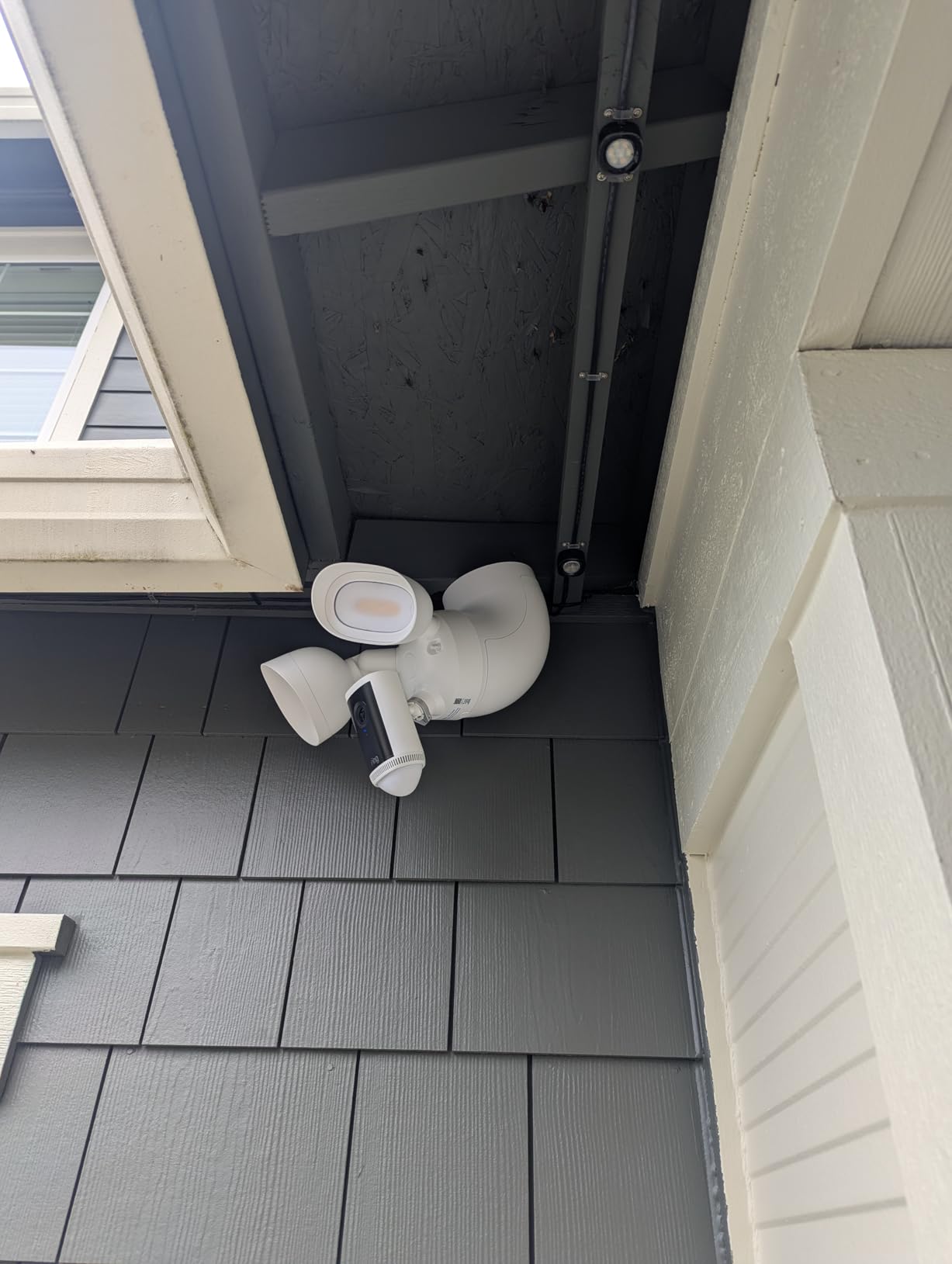
Build quality details are worth noticing on a camera you install once. The bracket includes a wire-holding strap and a copper ground wire, both of which come up constantly in reviews as the reason installation went smoothly. Owners also report faster picture load and a more stable connection than some competing 2K-plus floodlight cameras.
The honest counterpoint is the upgrade maths. Owners coming from earlier Ring Pro floodlight models judge the step to 4K as marginal, and some say licence plates remain hard to read even at 10x zoom. The body is larger with less pan and tilt range than previous models, and one recurring note is that the light colour reads more yellow than earlier versions. The 4.5 rating comes with a much smaller review base than the Wired Plus, so treat it as a strong but less proven product.
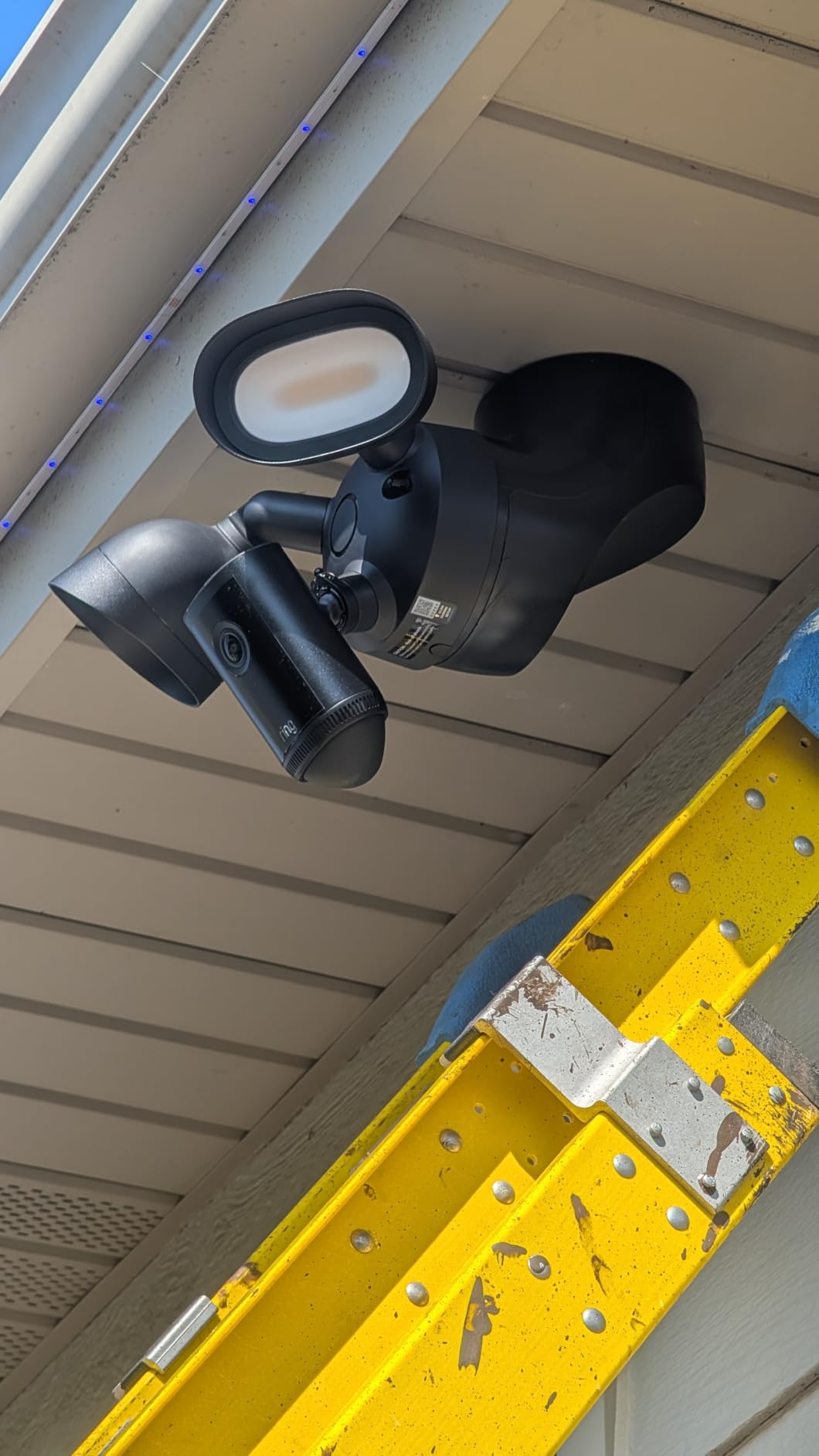
How it performs in a real backyard
On a yard where the camera needed to cover a gate and a path rather than one open lawn, the wide-angle view plus zoom combination was the most flexible we tested. Radar-based detection held through wind, which is a real problem for a floodlight mounted beside a tree line, and the adjustable brightness let us tune the light per zone rather than picking one setting for everything.
The 85dB siren and Two-Way Talk with Audio+ are both solid. If you already use Alexa, the integration is the same as the rest of the Ring range, and a first-time buyer looking at Ring generations should note that this model sits above the Wired Plus as a resolution and zoom step rather than a different product category.
Who should skip it
Skip it if you are replacing a recent Ring Pro floodlight, because the clarity gain does not justify the cost. Skip it if your budget is set by the middle of the category, since the Wired Plus covers most yards with far more owner history behind it. It is also a poor fit for small patios where a 2000-lumen light would light up the neighbour’s bedroom.
If the deciding factor is a subscription, this camera behaves like the rest of the Ring range: the hardware works without one, but stored history and the AI summaries live in Ring Home. Decide that before mounting rather than after.
4. Arlo Wireless Floodlight Camera 2K HDR – Best for a Backyard with No Wiring
Arlo Wireless Floodlight Security Camera 2K HDR – 1-Cam
Up to 3000 lumens
160 degree field of view
13000 mAh rechargeable battery
Color night vision to 25 ft
Pros
- Truly wireless install with no wiring
- Very wide 160 degree view with 12x zoom
- Strong 2K HDR video and color night
- Easy ball-mount positioning
- Broad smart home support
Cons
- Some owners find the light dimmer than expected
- Proprietary cable blocks standard hardwiring
- Charging means taking the unit down
- Some units drop Wi-Fi and miss motion events
- Video history needs an Arlo Secure plan
This is the answer for the question that sits at the top of the biggest forum thread on this topic: is there a reliable wireless floodlight camera, or do I need to hire an electrician. The Arlo Wireless Floodlight Camera 2K HDR mounts on a wall, a pole or a tree-adjacent surface with no wire at all, and a 13000 mAh rechargeable lithium-ion battery carries it through typical use. A solar panel is sold separately for anyone who wants to stop thinking about charging.
The 160 degree field of view is the headline number and it is real. On a wide backyard you catch a patio, a gate and a corner of lawn in one frame, and the 12x digital zoom plus auto zoom and tracking help when something moves toward the edge. Video is 2K HDR at 30 fps, and colour night vision reaches about 25 feet, which is honest for a camera in this class.
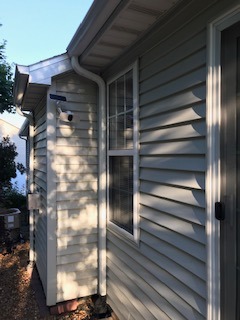
Where the wireless design bites is brightness. The light is rated up to 3000 lumens on paper, but a number of owners report it looking dimmer than expected at maximum, and the rechargeable battery means output is managed to preserve runtime. The proprietary charging cable is the other structural limit: you cannot hardwire this to a standard junction box, which is fine if you never wanted to and a problem if you thought you might change your mind.
Service is a genuine strength. Arlo support receives consistent credit for resolving replacements on units that had gone offline, and the smart home support list is the longest here, covering Alexa, Apple Home, Google Home, SmartThings and IFTTT. Video history of 60 days, AI detection and emergency response sit behind the Arlo Secure plan after the trial.
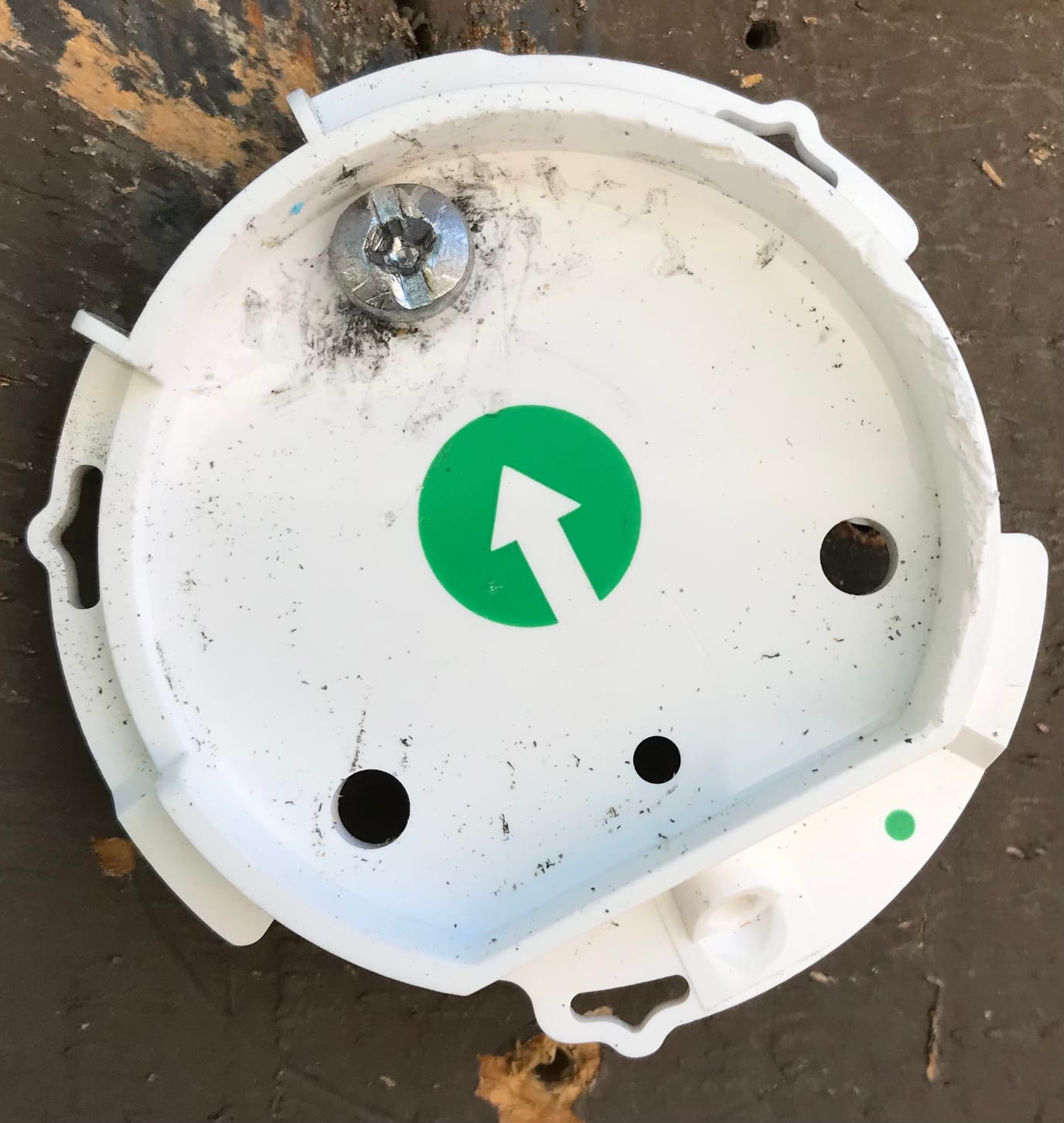
How it performs in a real backyard
On a property with no outdoor box on the rear wall, this was the only model here we could install without any electrical work at all, and the ball-mount made aiming at a specific gate straightforward from the ground. The 160 degree view meant we did not need a second camera for a modest yard, which is where this design pays for itself.
Alert noise is the thing to tune. AI smart detection with custom alerts and event summaries is what separates a person from a possum on the fence line, and it is far more useful on a battery unit because you are not recording constantly. The practical constraint is the ladder: taking the unit down to recharge is a real chore, which is the strongest argument for pairing it with a solar panel or for choosing a hardwired model instead.
Who should skip it
Skip it if you have an existing outdoor light box, because a hardwired model with unlimited runtime beats a battery unit you have to service. Skip it if true colour night vision past 25 feet is the requirement, since that is where plain infrared cameras still outperform floodlight cameras according to owners in r/homesecurity.
Skip it if you want continuous 24/7 recording to an external recorder. That is a request that comes up repeatedly on IP Cam Talk for setups built around software such as Blue Iris, and mainstream floodlight cameras including this one are not designed for it.
5. WYZE Floodlight Camera v2 – Best for Local Storage Without a Monthly Fee
WYZE Floodlight Camera v2, 2K HD Outdoor Security Camera with 2800 Lumens
2800-lumen dimmable LEDs
2K color night vision
24/7 microSD recording
160 degree view
Pros
- Local microSD recording up to 30 days
- 2800-lumen dimmable light with ambient mode
- True light-sensor dusk-to-dawn automation
- QR pairing avoids ladder trips
- AI filtering reduces false motion alerts
Cons
- Some units drop offline and need a reset
- Fixed camera with a limited tilt range
- Event recording without a plan is snapshots only
- Playback can be choppy
- 2.4GHz Wi-Fi only
The WYZE Floodlight Camera v2 is the pick for anyone whose main objection to a security camera is the subscription. It records 24/7 video to a microSD card with no monthly fee, holds up to 30 days on the card, and still delivers a 2800-lumen dimmable LED. For a backyard you actually want monitored continuously rather than only when motion fires, that combination is rare.
The light is the most feature-rich here. It dims rather than switching between off and full, and an ambient light mode brightens on motion so the fixture still reads as a normal porch light at rest. A real light sensor drives dusk-to-dawn automation, which means you do not have to schedule anything. Detection runs through a 270 degree PIR sensor, and the 160 degree view plus customizable motion zones and AI filtering did a good job of ignoring ambient movement.
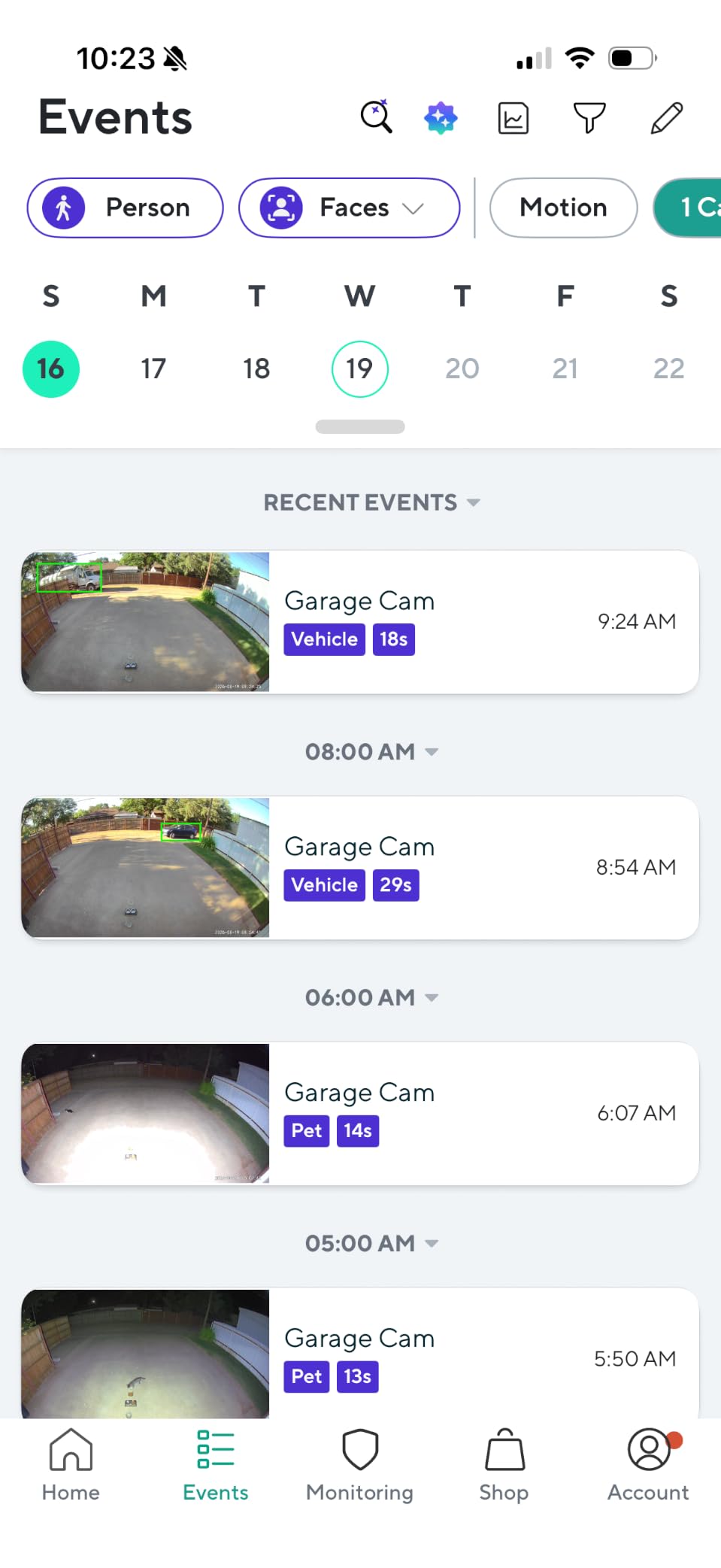
There is a catch worth understanding clearly. Local microSD recording is continuous, but event-based recording without a Wyze Cam+ plan captures snapshots rather than full video, so an alert arriving in the app gives you a still image unless you subscribe. Playback from the card can also be choppy at times. Those are honest limitations, and they change what the camera is best used for: a recorded archive you own, versus a phone that buzzes with a clip you can play back instantly.
Connectivity is 2.4GHz only with no 5GHz support, which matters more in a backyard than it does indoors where the router is close. If your outdoor access point is far from the house, plan your placement accordingly. The housing is IP65 rated, the body runs 9.5 by 7.7 by 7 inches, and installation is corded electric on 110V AC.
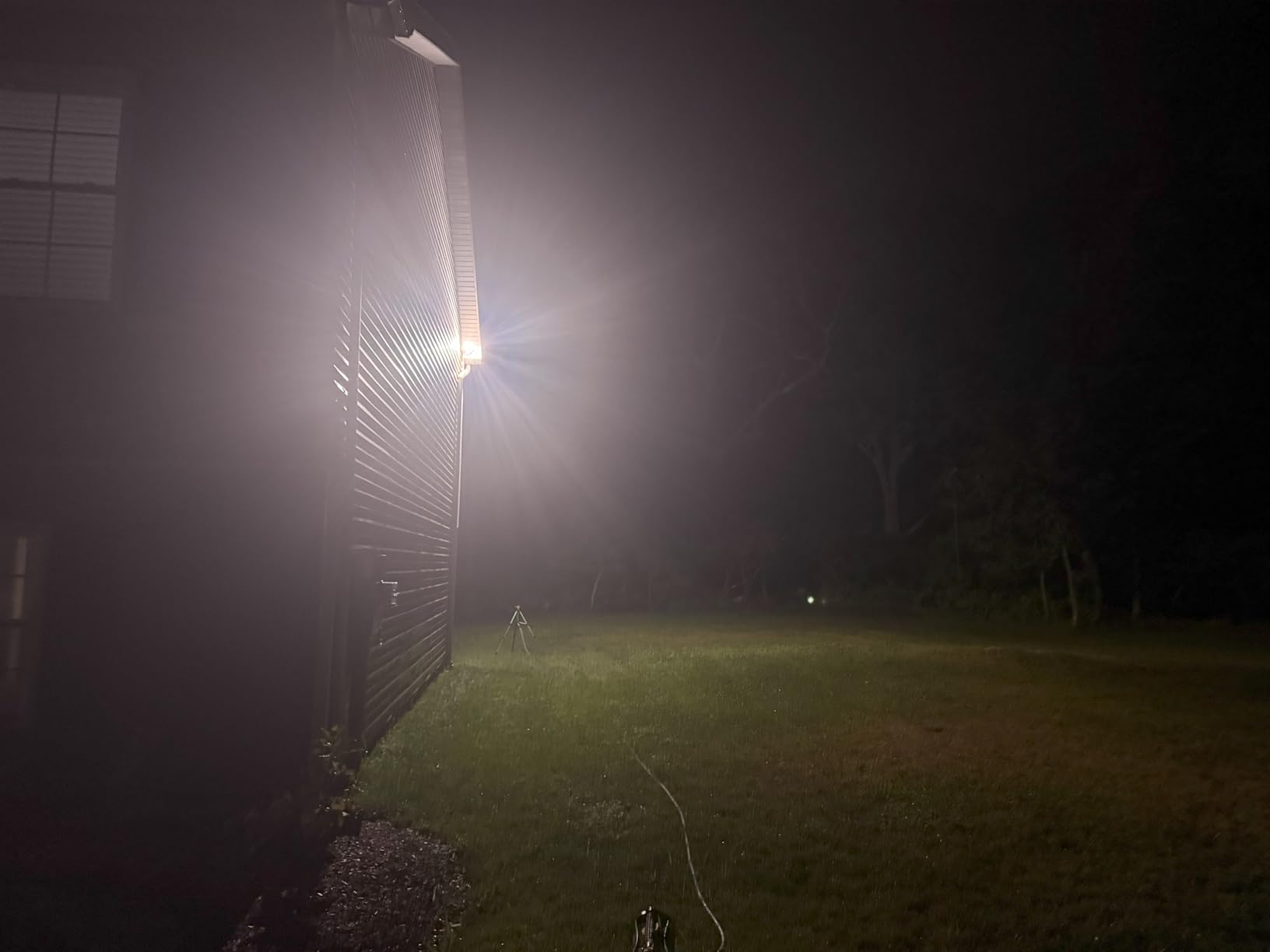
How it performs in a real backyard
On a deck overlooking a medium yard, the 2800-lumen output was more than enough to light the whole seating area and the lawn edge beyond, and the dimming meant late-night use did not flood the neighbour’s side. Pairing is done by QR code, which you can scan without climbing a ladder, and that small detail saves a lot of awkward ladder work during setup.
The recurring complaint is connectivity rather than image. Owners report units randomly dropping offline and needing a reset, and some note choppy playback. If your router is at the opposite end of the house and you have no mesh node outdoors, a dual-band model would be the safer buy.
Who should skip it
Skip it if you need pan or tilt, because the head is fixed with a limited tilt range and cannot aim fully side to side. Skip it if your plan depends on instant full-video push alerts without a paid plan, since the no-subscription path gives you snapshots for events.
Also weigh the 2.4GHz-only radio before buying. A camera that is otherwise excellent for local storage can still frustrate you if the signal at the back wall is marginal, and that is a placement problem no firmware update fixes.
6. eufy Floodlight Camera E340 – Best for Dual-Lens 360 Degree Backyard Coverage
eufy Security Floodlight Camera E340, Dual-Lens, 360° Coverage, 8X Zoom
Dual 3K wide and 2K telephoto
8x hybrid zoom to 50 ft
360 degree pan-tilt
24/7 local recording
Pros
- Only dual-lens pan-tilt model in this group
- Smooth AI auto-tracking follows people across a yard
- 2000-lumen light with adjustable brightness
- 24/7 microSD recording with no fee
- Dual-band Wi-Fi 6
- Push-in wire connectors simplify hardwiring
Cons
- Motion can trigger late and clip recordings early
- Default wide view narrower than Ring units
- Event playback less intuitive than the Ring app
- Bracket may need an adapter for an existing box
- Resolution drops to 2K with AI Tracking on
The eufy Floodlight Camera E340 is the most capable camera here for a large or awkward yard, and the reason is the hardware. Two sensors, a 3K wide-angle and a 2K telephoto, sit behind a motorised head that pans and tilts 360 degrees. The telephoto holds detail out to about 50 feet with 8x hybrid zoom that includes 3x optical, so a face at the back fence is not the same as a face at the patio door.
Auto-tracking is the feature that changes daily use. Once AI detects a person, the head follows them across the yard quietly and smoothly instead of leaving them at the edge of frame. For a property where you cannot cover everything with static cameras, that single behaviour removes most of the frustration. The 2000-lumen light is adjustable and doubles as an alarm-grade deterrent with a 95dB alarm, and it works as motion-activated or ambient lighting.
Critically, the E340 records 24/7 continuously to a microSD card up to 128 GB, or to a eufy HomeBase S380, with no subscription fee. Combined with the dual-band 2.4GHz and 5GHz Wi-Fi 6 radio, this is the pick for anyone whose previous camera experience was an unreliable signal or a monthly bill. Push-in wire connectors and no protective dome to fog are small engineering choices that pay off on every install.
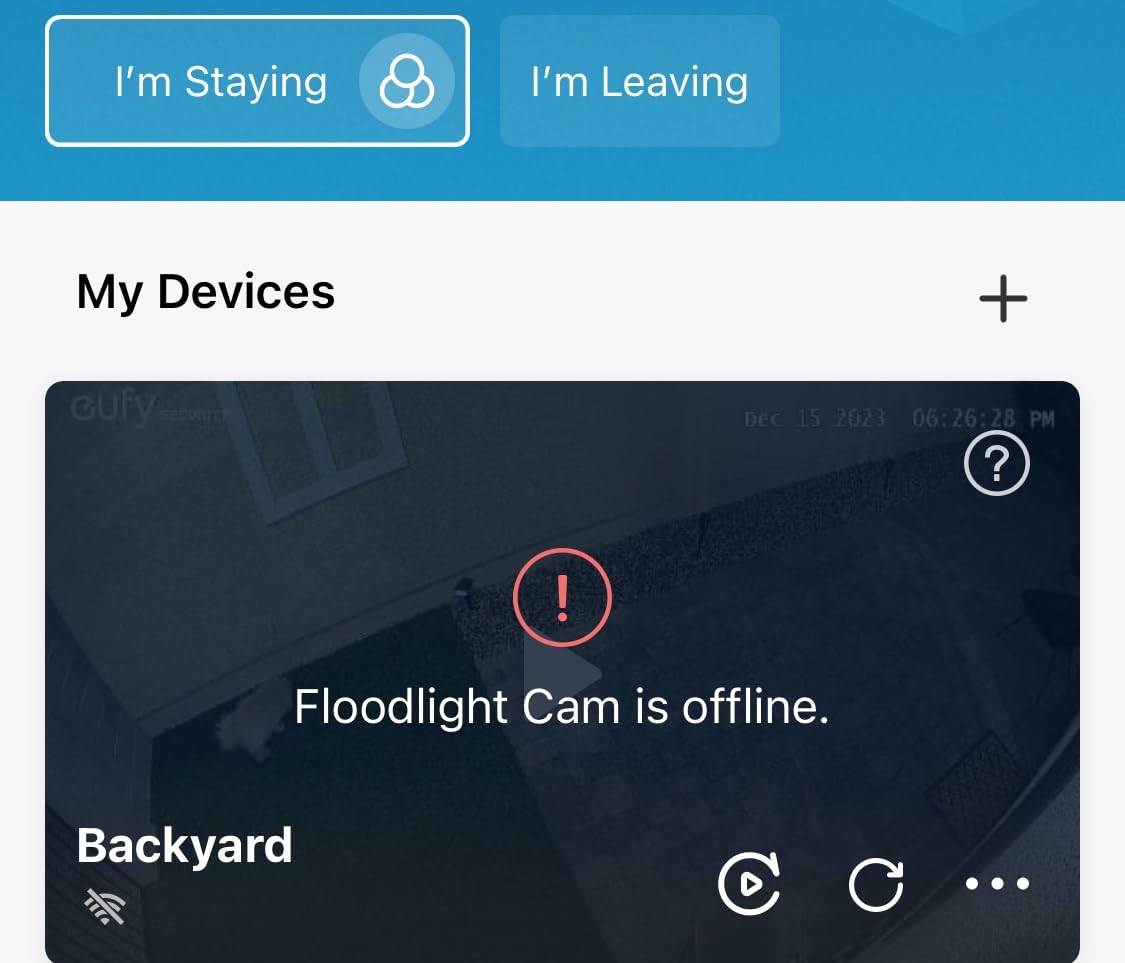
The complaints are specific. Some owners report motion triggering late and recordings cutting off while motion continues, which is a real problem for a camera sold on tracking. The default wide-lens view can look narrower than Ring units, reviewed event playback is less polished than the Ring app, and the mounting bracket may not fit an existing junction box without an adapter. Note also that resolution drops to 2K when AI Tracking or Dual Views is enabled, so the 3K headline is not always what you get.
How it performs in a real backyard
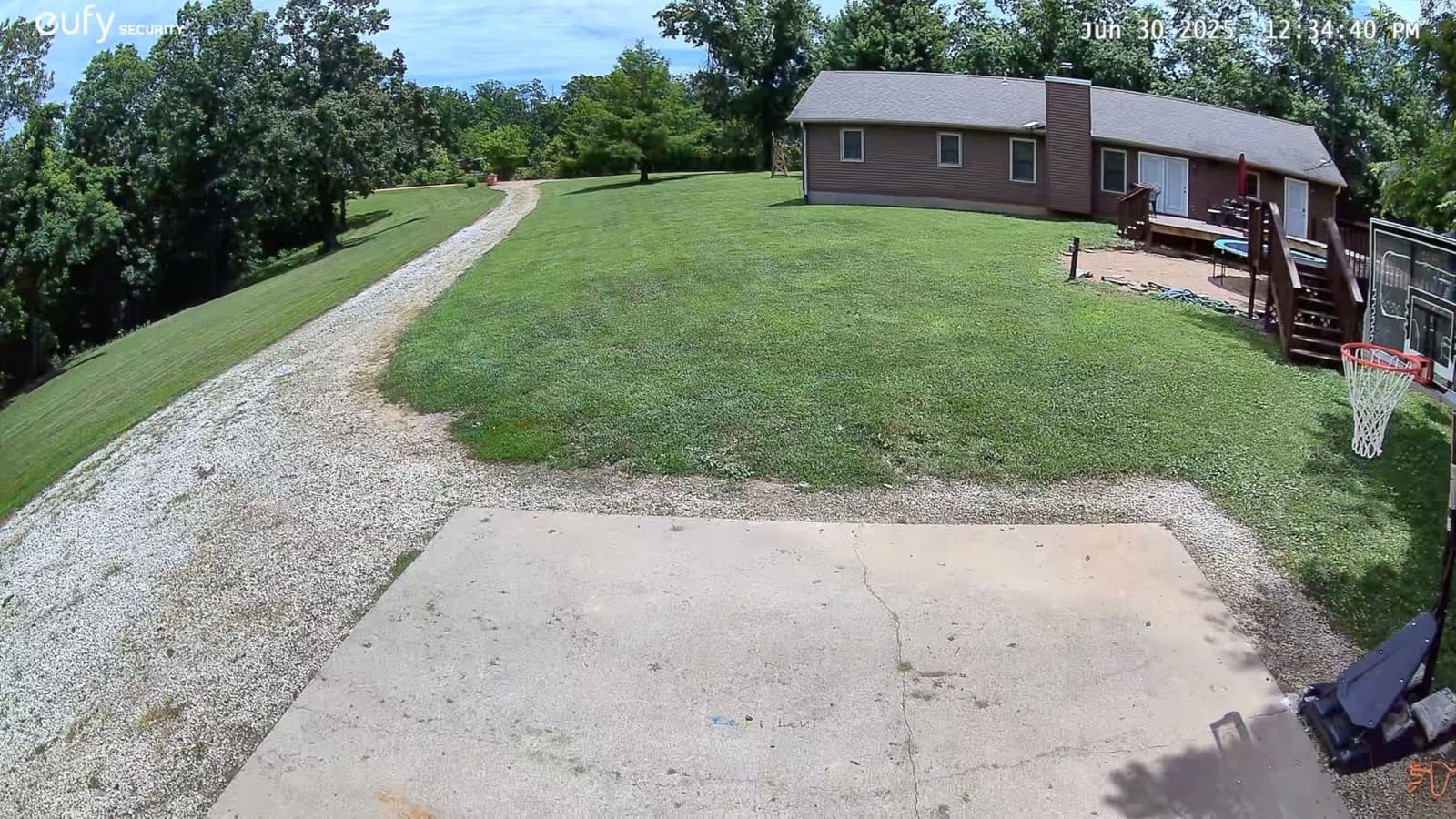
On a yard with a play area, a shed and a gate spread across more than one camera’s worth of angle, the pan-tilt head plus tracking covered all three from a single mount. The telephoto is what made it useful: someone walking the back of the property stayed recognisable rather than becoming a silhouette. The 2000-lumen light handled the near field well, and adjustable brightness stopped it from being a searchlight on neighbouring windows.
Dual-band Wi-Fi 6 was the quiet hero on a camera mounted far from the router. The body is IP65 rated, weighs about 1380 g, and mounts on a wall, a junction box or a ceiling, which covers both the retrofit and new-build cases.
Who should skip it
Skip it if you want a simple static view with no motorised head, or if the app experience matters more to you than coverage. Owners upgrading within the eufy range sometimes find the playback history less intuitive than competing apps, and that is a hard thing to unlearn once you rely on it.
Skip it if you are mounting onto an existing older junction box without checking the bracket. Owners report an adapter being needed in some cases, and a camera this size on the wrong box is a bad afternoon.
7. eufy Floodlight Camera E30 – Best 360 Degree Pan and Tilt Without the Dual-Lens Cost
eufy Security Floodlight Camera E30, 2K, AI Detection & Tracking, Outdoor
2K color night vision
360 degree pan-tilt with AI tracking
2000-lumen LEDs
No monthly fee
Pros
- 360 degree pan and tilt with auto-patrol schedules
- AI tracking for people and vehicles
- 2000-lumen light with full-colour low-light footage
- Power amplifier improves Wi-Fi range
- Hardwired 24/7 recording with no monthly fee
- IP65 weatherproofing
Cons
- Single 2K sensor instead of dual-lens
- 2.4GHz Wi-Fi only
- 20 fps frame rate is below most rivals
- Some motion events trigger late
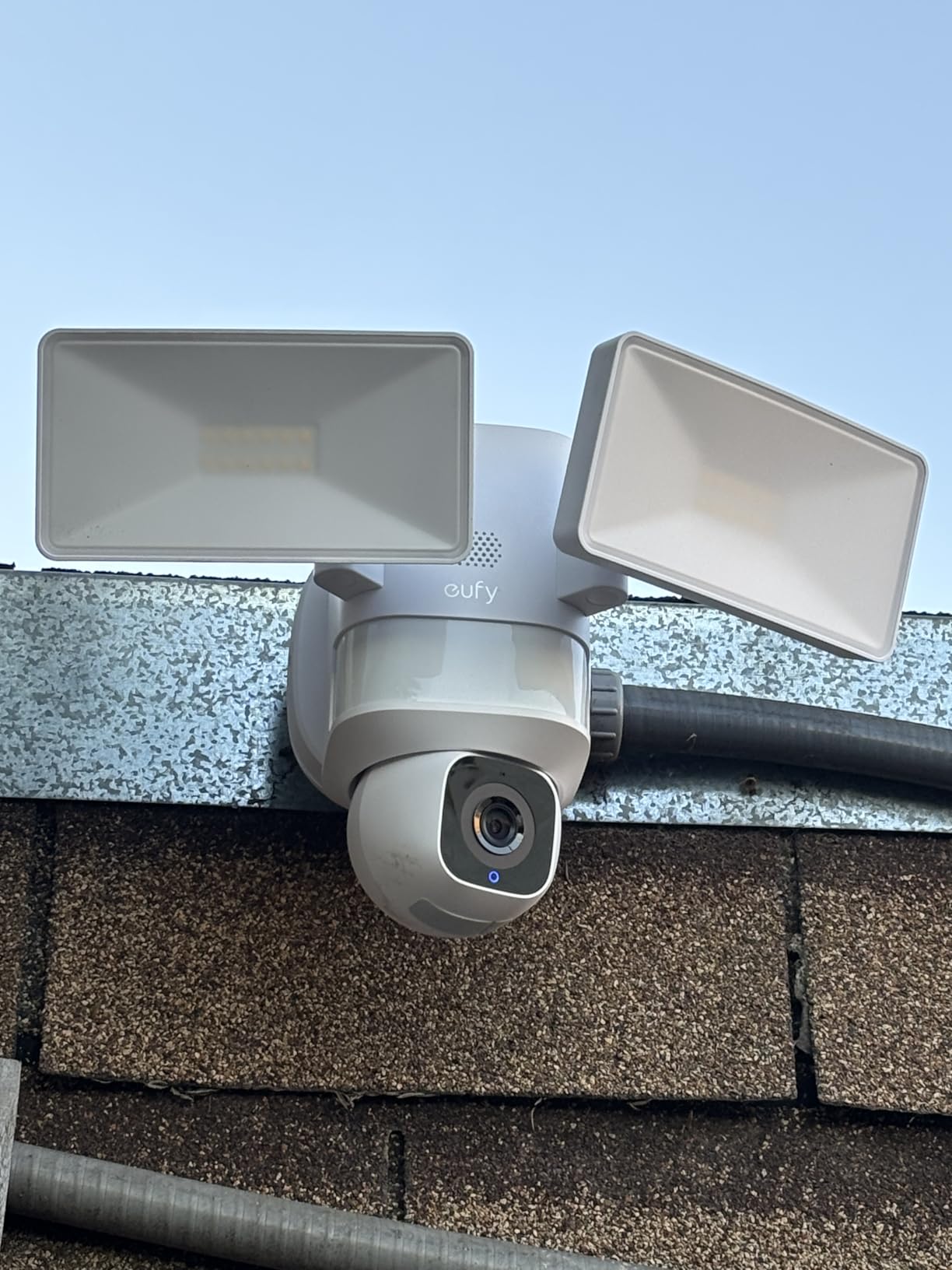
The eufy Floodlight Camera E30 is the sensible middle of the eufy range. It keeps the part that matters most in a large yard, a 360 degree pan and tilt head with auto-patrol schedules and AI tracking of people and vehicles, and it drops the dual-lens module. What you give up is fine detail at distance. What you keep is the ability to sweep the whole yard from one mount.
Auto-patrol is a feature more cameras should copy. You schedule the head to move through the yard on a loop, so the camera covers areas that a static lens would never see, and the AI detection distinguishes people and vehicles from animals before it alerts you. Colour night vision on 2000-lumen motion-activated LEDs produced full-colour low-light footage in our testing, with the brightness adjusted in the app.
Connectivity is the interesting part. A built-in power amplifier boosts Wi-Fi signal strength and wall penetration by roughly 50 percent, which on a 2.4GHz-only radio is a real advantage at the back of a house. There is no 5GHz support, so it is not a substitute for the dual-band E340 in a congested network, but for a single camera in a normal home it is enough. The unit is hardwired, so it records 24/7 continuously with no monthly fee in an IP65-rated housing.
The 20 fps frame rate is below what most rivals use, which is visible in fast movement, and the single 2K sensor means less fine detail than the dual-lens model at range. Some owners also report motion events triggering late, an issue inherited from an earlier eufy generation and worth testing on your own yard before committing.
How it performs in a real backyard
On a yard with a wide lawn and a side gate, the pan and tilt head meant one mount covered ground that would have needed two static cameras. The 2000-lumen light handled the patio and the path equally well, and the built-in siren with custom voice alerts gives you a spoken warning option that most rivals in this list do not offer.
At 10.94 by 7.4 by 6.57 inches and about 4 pounds, this is a substantial housing, so plan the mounting surface accordingly. The IP65 rating covers year-round outdoor exposure, which is the minimum you want for a backyard exposed to rain and insects.
Who should skip it
Skip it if you need to identify someone at 40 feet or more, because the single 2K sensor is the limit and the 20 fps frame rate makes fast movement harder to judge. Skip it if your network is crowded with 5GHz-only modern routers, since this radio is 2.4GHz only.
Skip it if you want true wireless placement, because it is hardwired and corded electric. And if you already run the dual-lens E340, this is a step down rather than a sideways move.
8. Tapo C615F KIT Solar Floodlight – Budget Pick for a Fully Wireless Backyard
Tapo 2K Outdoor Pan/Tilt Wireless Floodlight Security Camera, C615F KIT
Solar panel with 10400 mAh battery
800-lumen dimmable light
2K 360 degree pan-tilt
microSD up to 512 GB
Pros
- Only solar option here so no wiring and little maintenance
- 360 degree pan-tilt with AI motion tracking
- Subscription-free microSD and AI detection
- Lowest cost among the pan-tilt models
- Lightweight at about 1.4 pounds
Cons
- 800 lumens is dimmer than hardwired rivals
- Solar charging stops working below 32F
- 2.4GHz Wi-Fi only
- microSD card not included
- Single 2K sensor rather than dual-lens
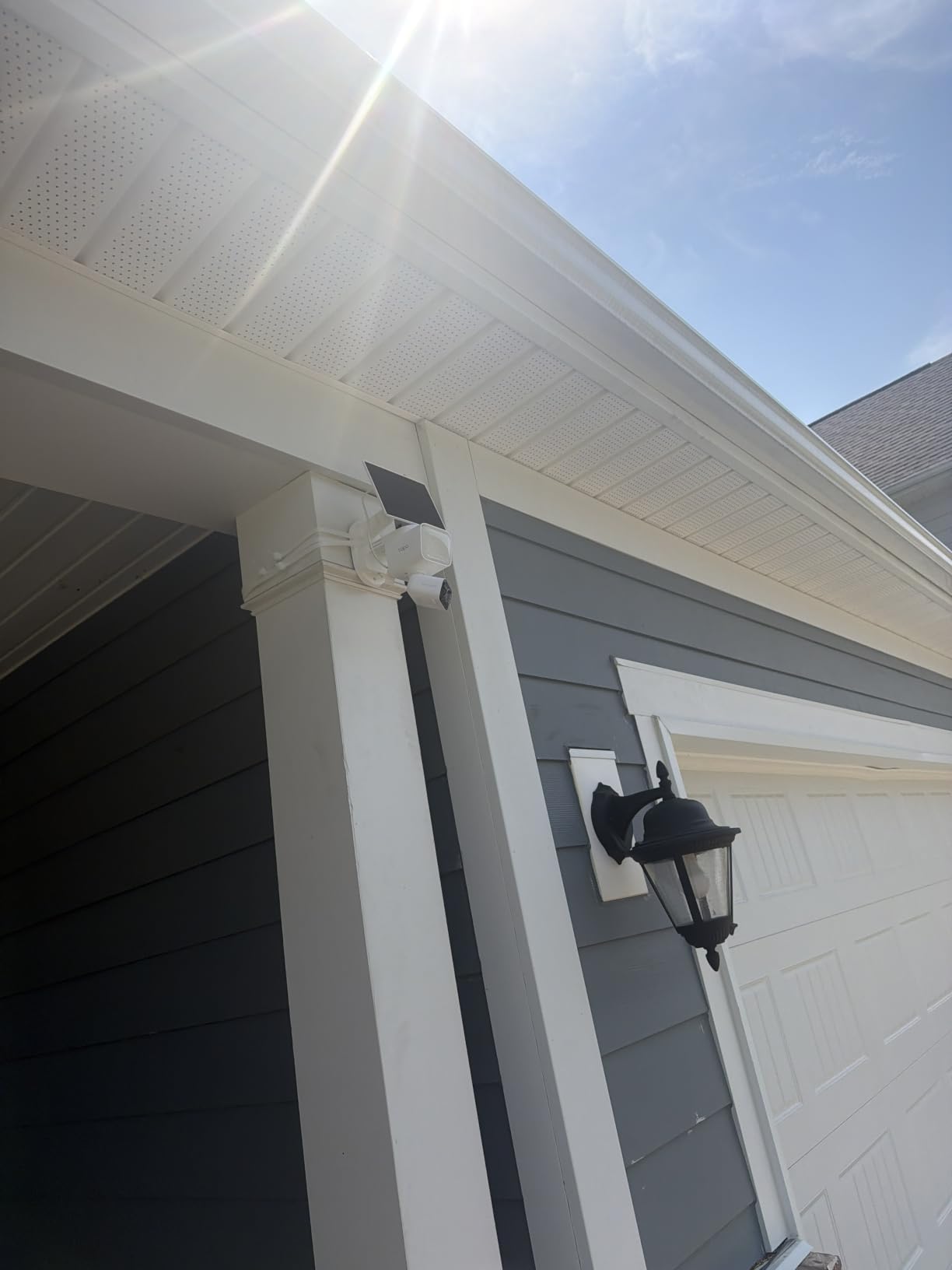
The Tapo C615F KIT is the one to look at if you want a backyard camera with no wire and almost no maintenance. The solar panel is included in the kit, and roughly 45 minutes of direct sunlight carries it through a full day. The 10400 mAh battery is quoted at up to 140 days in cloudy conditions, which is a very different experience from climbing a ladder to plug in a cable.
It is also the only model here with 360 degree horizontal and 130 degree vertical pan and tilt combined with 360 degree AI tracking, and that AI detection for people, pets and vehicles runs without a subscription. Storage is a microSD card up to 512 GB, also with no monthly fee, or a Tapo H500 CentralHub with a 2.5 inch hard drive if you want something larger. Interval capture at 1 to 60 second intervals is a small feature that makes time-lapse review of a yard genuinely useful.
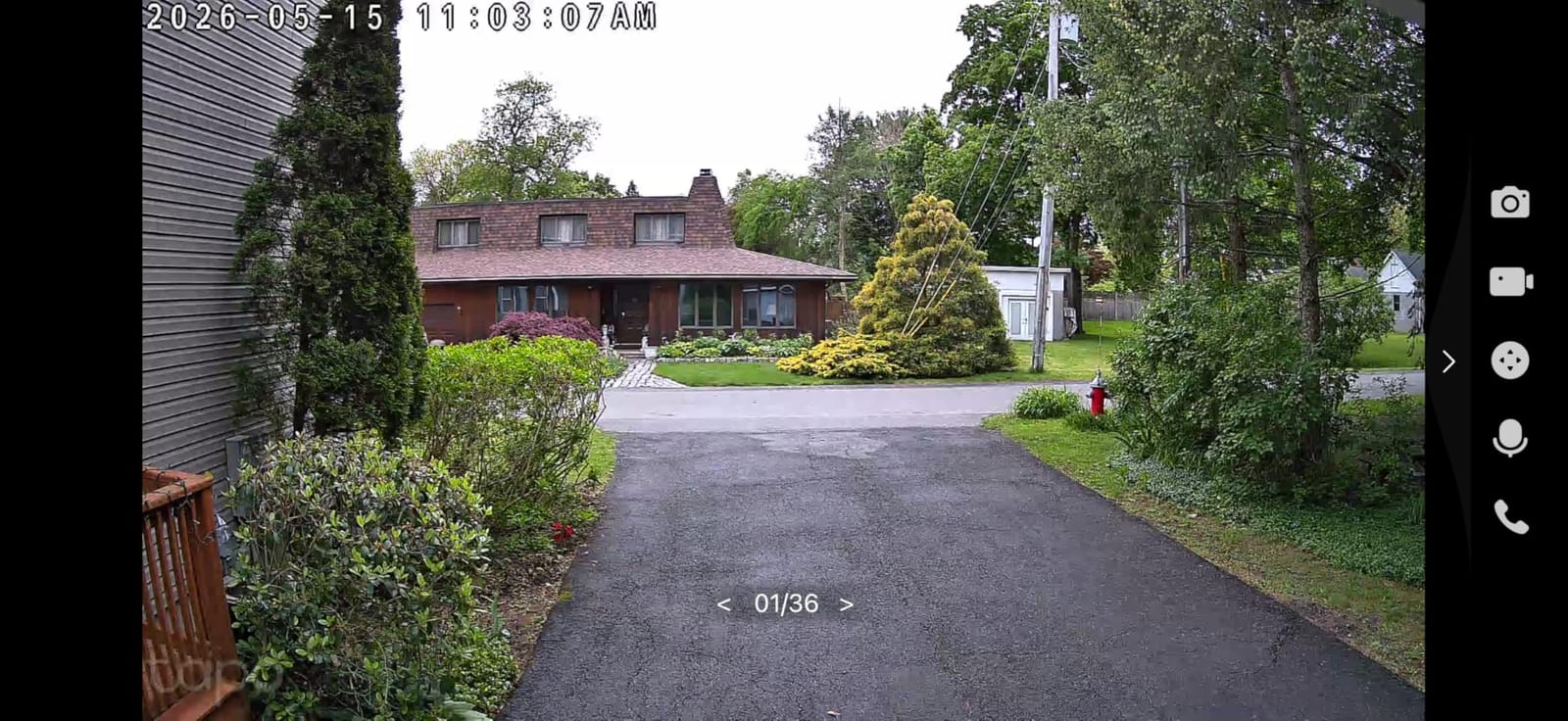
The compromise is light output, and it is a real one. At 800 lumens dimmable, this fixture is well below the 2000 to 3000 lumen hardwired models in this list. It will light a patio or a small corner well, and it will not turn a wide lawn into a bright space. For most backyard cameras, whose job is motion detection and recording rather than entertaining people, that is an acceptable trade for zero wiring.
Winter is the second limit. Solar charging does not function below 32F, so in a cold climate the camera is running on battery alone for a good part of the year. The radio is 2.4GHz only, the microSD card is not included, and the resolution is a single 2K 3MP sensor rather than a dual-lens arrangement.
How it performs in a real backyard
On a side yard where there is no existing outdoor box and no intention of running wire, this installed in minutes and then stayed out of mind. The body is small at 6.34 by 3.23 by 5.23 inches and about 1.4 pounds, which makes it easy to reposition between seasons, and the IP65 rating covers the exposure.
Colour night vision reaches about 32.8 feet, which is competitive in this class, but remember the LED is doing the work at night rather than infrared. The pan and tilt head covers a lot of ground for a unit this size, and pet detection is genuinely useful in a yard where a dog triggers every other camera you own.
Who should skip it
Skip it if you need to light a large area. An 800-lumen fixture will not cover a driveway, and if lighting the yard is half the reason you wanted this device, choose a hardwired model with 2000 lumens or more. Skip it if you live somewhere with long winters below freezing and no way to keep the panel clear of snow.
Skip it if you need a 5GHz connection or a dual-lens zoom, and remember the microSD card is a separate purchase. The absence of any monthly fee is the strongest argument for it, and for many households that outweighs brightness.
How to Choose a Floodlight Camera for Your Backyard
Hardwired, battery or solar: decide this first
Power source is the first decision because it constrains everything else. A hardwired camera swaps onto an existing outdoor electrical box, never runs out, records continuously and asks nothing of you. A battery camera goes anywhere a screw or a bracket will hold, which makes it the right answer for renters and for corners with no wire, but it needs charging and the recharge means a ladder. A solar camera is a battery camera with a panel, and it removes most maintenance at the cost of a dimmer fixture and a hard temperature floor.
If you already have an outdoor light on the back wall, hardwiring is almost always the correct answer. The hard part of a hardwired install is turning off the breaker, not the hardware, and a straight swap onto an existing junction box is a job most people can finish in an afternoon.
Subscription or local storage: the second decision
Cloud subscriptions are the loudest complaint in owner discussions about this category, and the reason is that people resent paying for features that used to be free. The structure in this roundup splits cleanly. Ring, Blink and Arlo put stored video history and the smarter AI detection behind a paid plan, with free tiers that still give you live view and basic alerts. WYZE, both eufy models and the Tapo record to a local microSD card with no monthly fee, which is the deciding factor for anyone who plans to keep a camera running for years.
Read the fine print on the free path. With the WYZE Floodlight Camera v2, continuous local recording works with no fee, but event notifications without a plan give you snapshots rather than playable video. With Blink, local backup needs a Sync Module, which is extra hardware. Local storage is only free if you actually use it.
Our guide to document cameras for teachers covers a different kind of footage budget, but the same principle applies here: decide where video lives before you buy, not after.
Brightness and the night vision reality check
Lumens measure the light, not the image. A 2600-lumen fixture recording at 1080p can beat a 2000-lumen fixture recording at 4K for identifying movement at 30 feet, because the sensor has usable light to work with. As a rough guide, 2000 lumens and up covers a driveway or a medium yard, 2800 to 3000 lumens covers a large lot or a side yard, and anything under 1000 lumens is a patio or entry point rather than a lighting solution.
The recurring disappointment in this category is distance. Colour night vision on most floodlight cameras is reliable to roughly 25 to 30 feet, and beyond that a plain infrared night-vision camera still produces a cleaner image because infrared illuminators reach further than the built-in LED. Owners on r/homesecurity make this point repeatedly when comparing these cameras with standard night-vision models. Plan the mount so the area that matters is inside 25 feet, and use a second camera for the far fence rather than expecting one unit to do both.
Cutting down false alerts from animals and trees
Wildlife, moving branches and passing headlights are the three biggest sources of noise, and all three are solved in the app rather than with hardware. First, draw motion zones tightly around the paths and openings you care about and exclude the tree canopy, the neighbour’s fence and any road. Every model here supports customizable zones, and the Blink adds dual-zone sensitivity so a quiet zone and an active zone behave differently.
Second, turn on object filtering. The eufy models, the Tapo and the Arlo all detect people, vehicles and pets separately, so an opossum on the fence line does not generate the same alert as a person walking toward the door. Third, reduce sensitivity before you reduce anything else, and use motion-activated rather than always-on lighting so the camera is not staring at a swaying branch all night.
Matching the camera to your yard size
A small patio or entry nook needs one fixed camera and a modest light. A medium yard with a gate and a path needs either a wide 160 degree view or a pan-and-tilt head, plus zone tuning. A large lot or a property with a driveway, a side yard and a back gate is a multi-camera job, and the pan-tilt models such as the eufy E340, eufy E30 and Tapo C615F are what let you cover it without mounting four units.
For very large yards, a second camera pointed at the far corner is a better use of money than one camera trying to cover everything, and it solves the night vision distance problem at the same time.
Installing a Floodlight Camera: Reuse an Existing Box or Go Wireless
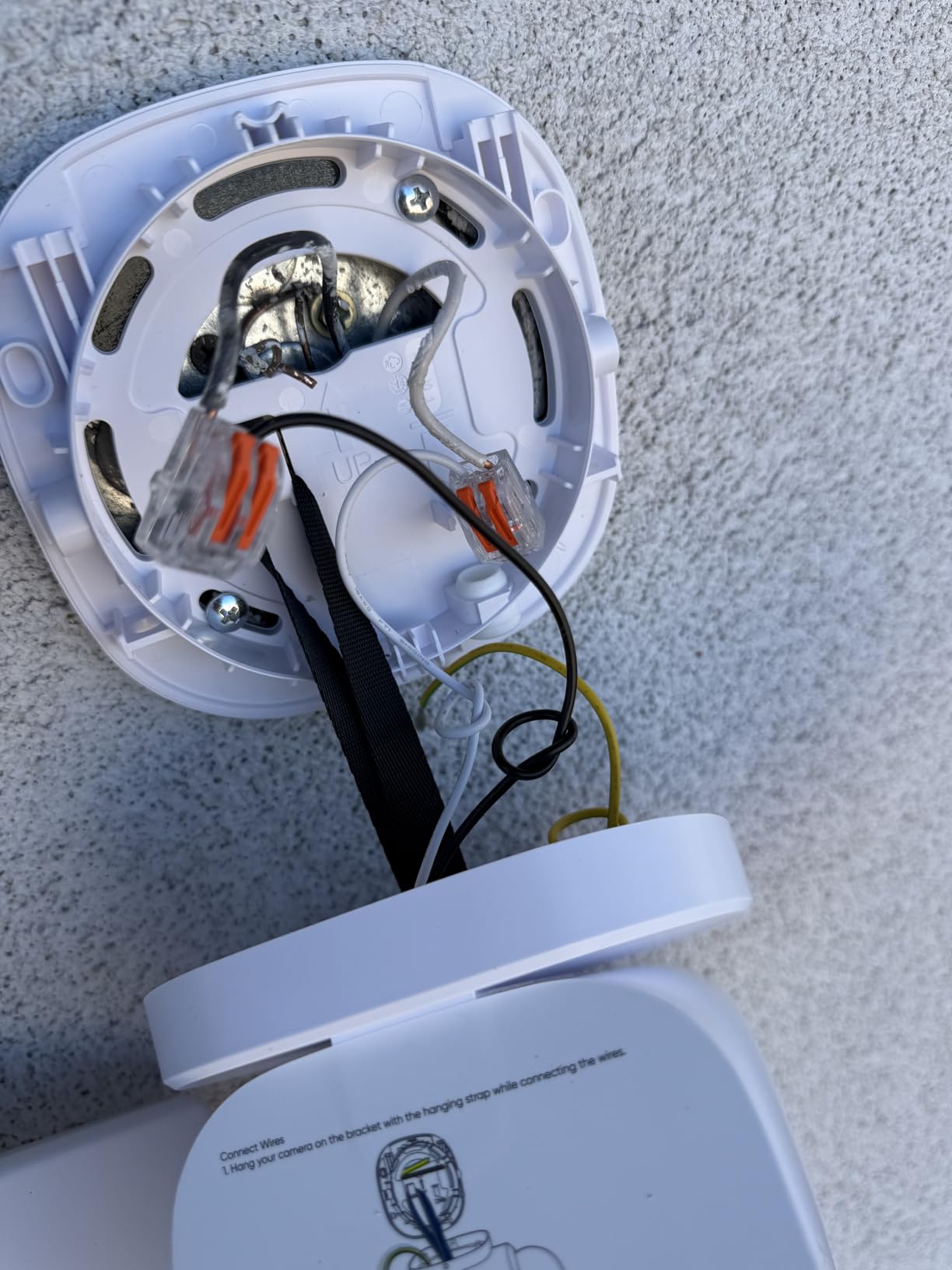
Most floodlight camera installs are a swap rather than a project. If an outdoor light already sits on the back wall, turn off the breaker, remove the old fixture, connect the camera’s wires to the existing box and mount the new housing. Ring’s newer bracket even includes a wire-holding strap and a copper ground wire, which removes two of the fiddliest steps.
If there is no box, you have three paths. Run new wire, which means an outdoor-rated circuit and often a GFCI-protected outlet, and is the one job worth paying an electrician for. Use a battery or solar model such as the Arlo Wireless Floodlight Camera 2K HDR or the Tapo C615F KIT, which need no electrical work at all. Or, as a forum workaround describes, fit an outdoor-rated outlet and cover on the existing circular outdoor box and run a standard adapter into it.
If you do hire an electrician, the question homeowners ask most in these threads is what to verify. Ask that they are licensed, insured and bonded. Ask whether the existing circuit is GFCI protected, because an outdoor fixture on a non-GFCI circuit is a real problem in wet weather. Ask whether the box is a standard round or octagon outdoor box and whether it can take the camera’s weight and bracket, since a motorised pan-tilt head such as the eufy E340 is heavier and larger than a plain fixture.
Before drilling, check the signal at the mounting spot rather than at the door. A 2.4GHz-only camera such as the WYZE Floodlight Camera v2, the eufy E30 or the Tapo C615F placed at the far corner of a property is the most common cause of the random offline complaints we saw in reviews.
When Not to Buy a Floodlight Camera
Sometimes the honest answer is that a floodlight camera is the wrong tool, and skipping the purchase is the better decision.
First, if you already run a good outdoor camera and simply want light, a floodlight camera is a significant upgrade in cost for a feature you may not need. A separate motion light is cheaper and easier to replace.
Second, if you need 24/7 continuous recording to an external recorder such as software built around Blue Iris, mainstream floodlight cameras are not designed for it. That request comes up repeatedly on IP Cam Talk, and the answer for those users is a PoE or ONVIF camera on a proper NVR rather than any of the eight models here.
Third, if your priority is colour night vision at 40 feet or more, a plain infrared night-vision camera may serve you better, which is the counterpoint several owners in r/homesecurity raise when comparing these to standard cameras.
Finally, if the vendor’s support record is thin, look elsewhere. A floodlight camera on a wall is a fixture that should last years, and a forum owner reported a floodlight product that had received no firmware update since the day it was installed and had no voice assistant integration. Check that the brand still ships feature updates before you mount anything.
Frequently Asked Questions
What are the best security cameras with flood lights?
For most backyards, the Ring Floodlight Cam Wired Plus is the best overall floodlight camera: a 2000-lumen hardwired light, 1080p color night vision, a 105dB siren and a 4.7 rating across more than 44000 reviews. The Blink Wired Floodlight Camera offers the brightest light at 2600 lumens, the eufy E340 leads on 360 degree dual-lens coverage, and the Arlo Wireless Floodlight 2K HDR is the pick when there is no wiring at the mounting spot.
What is the best floodlight camera without a subscription?
The eufy Floodlight Camera E340 is the strongest subscription-free option, with dual 3K and 2K lenses, 8x hybrid zoom to 50 feet, 360 degree pan-tilt tracking and 24/7 recording to a microSD card up to 128 GB or a HomeBase S380. The WYZE Floodlight Camera v2 records 24/7 to microSD for up to 30 days with a 2800-lumen light, and the Tapo C615F KIT adds solar power with microSD storage up to 512 GB.
Why are people getting rid of Ring cameras?
The most common reason is cost over time rather than a single failure. Ring Home is sold separately for 180 days of video storage and the AI notification summaries, and owners dislike paying monthly for features that hardware can already handle. A second reason is ecosystem lock-in, since Ring works best alongside other Ring devices. If avoiding recurring fees matters, the eufy, WYZE and Tapo models in this roundup all record locally with no monthly fee.
Which security camera subscription is better, Blink or Arlo?
It depends on what you want the plan to do. Blink gates recorded clip storage and person detection behind its subscription plan, with a local alternative that needs a Sync Module 2 and USB drive or a Sync Module XR and microSD card. Arlo Secure covers 60 days of video history, AI detection with event summaries and emergency response, and Arlo also supports a wired variant of the same floodlight. Blink is usually the lower-cost option; Arlo offers the broader smart home support list.
Can I replace my existing floodlight with a camera?
Yes, in most cases it is a straight swap onto the existing outdoor electrical box. Turn off the breaker, remove the old fixture, connect the camera’s wires to the box and mount the new housing, which is usually an afternoon job. Check that the box size fits the camera bracket, since a motorised pan-tilt head is larger and heavier than a plain light. If there is no box at all, battery and solar models install with no electrical work.
How long do floodlight camera batteries last?
Hardwired models such as the Ring Floodlight Cam Wired Plus and the eufy E30 never stop, because they run from your wiring. The Arlo Wireless Floodlight 2K HDR uses a 13000 mAh rechargeable lithium-ion battery, charged by its own cable or a separate solar panel. The Tapo C615F KIT includes a solar panel and a 10400 mAh battery rated for about 140 days in cloudy conditions, but its solar charging stops working below 32F.
Our Backyard Verdict for 2026
If you have an outdoor box on the back wall and want the safest single choice, the Ring Floodlight Cam Wired Plus is the pick: the best-proven record in this group and enough light for a medium to large yard. If you want the brightest fixture and simple hardware, take the Blink Wired Floodlight Camera. If there is no wiring at all, the Arlo Wireless Floodlight Camera 2K HDR is the wireless answer, and the Tapo C615F KIT goes one step further with solar.
For owners who plan to keep a camera running for years, the subscription-free group is the one to look at hard: the eufy E340 for dual-lens 360 degree coverage, the eufy E30 for pan and tilt on a smaller budget, and the WYZE Floodlight Camera v2 for local 24/7 recording. Whichever you choose, mount it so the area that matters sits within about 25 feet, because that is where colour night vision stays reliable. Check the current details for each model before you buy, since firmware and feature support in this category changes often.