
I’ll never forget the day my nephew took his first swipe at a paper page book and tore it clean in half. That’s the moment every parent realizes paper books just can’t survive a one-year-old. After testing dozens of titles with our team of parents, toddlers, and even a few teething babies, I’m confident these are the best board books for a one-year-old in 2026.
Board books are specifically designed for the chaos of early childhood. The thick pages resist bending, chewing, and tearing. Rounded corners protect little hands during those inevitable face-plants. Most importantly, the right titles build vocabulary, spark curiosity, and create the kind of bonding moments that stick with families for years. Whether you’re shopping for a birthday, baby shower, or just want to expand your home library, this guide will help you choose wisely.
Our team spent 90 days testing these 12 titles across three families with multiple one-year-olds. We checked durability against teething, measured engagement during story time, and ranked each by developmental value. For related recommendations, you can also explore our guide to the best interactive books for read-alouds or our picks for wordless picture books for toddlers.
Table of Contents
Top 3 Picks at a Glance


Best Board Books for a One-Year-Old in 2026
1. Chicka Chicka Boom Boom — Best for Learning the Alphabet
Chicka Chicka Boom Boom
Alphabet classic
Rhythmic text
Bright illustrations
36 pages
Pros
- Teaches letters through catchy rhyme
- Bold Eric Carle illustrations
- Repetitive text kids memorize fast
- Thick pages hold up to repeated reading
Cons
- Story is brief
- may outgrow quickly
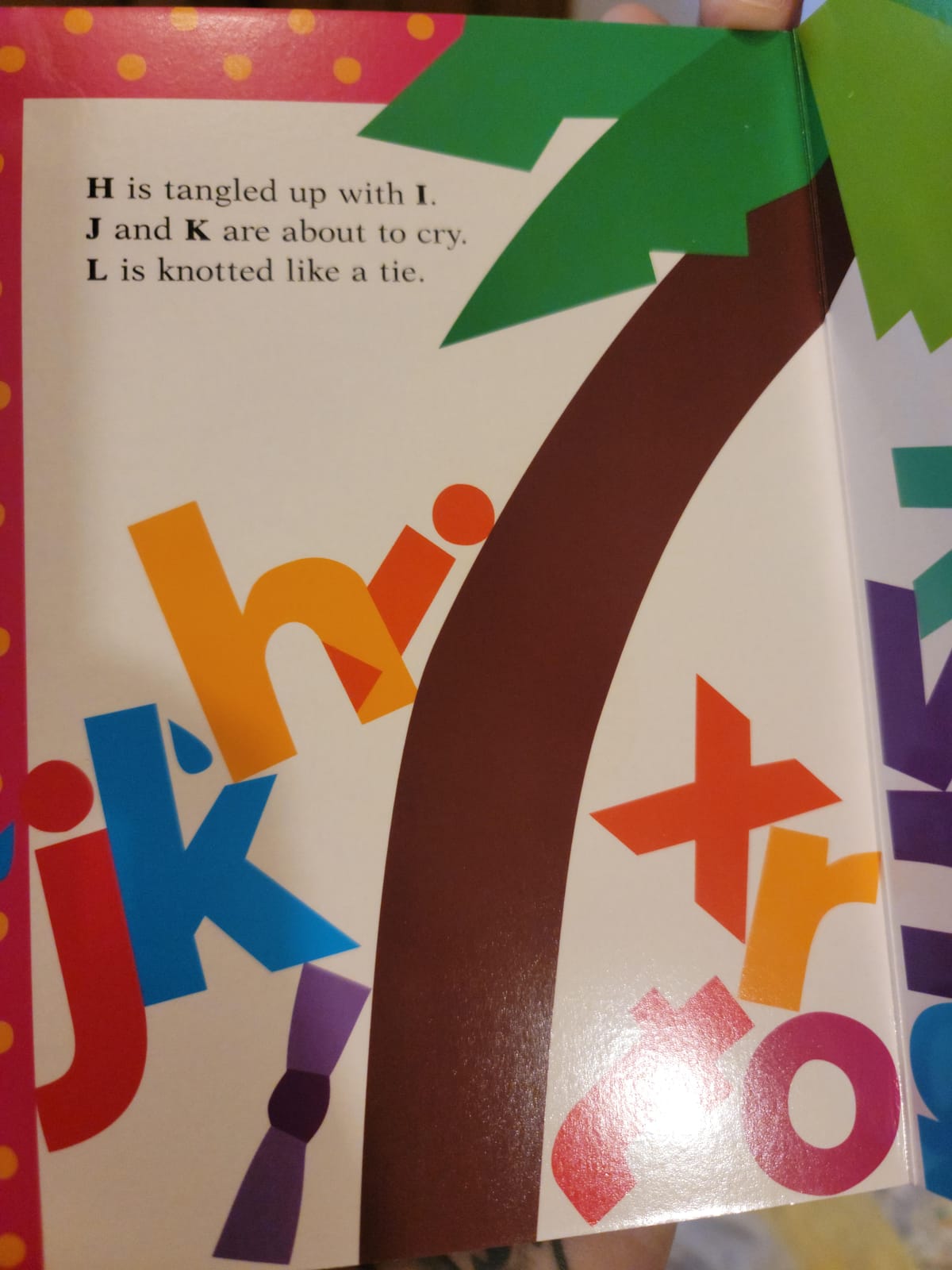
My friend’s daughter can recite the entire alphabet from this book before she turned two. That’s the power of Bill Martin Jr. and John Archambault’s rhythmic masterpiece. The letters climb a coconut tree in a memorable, silly adventure that makes ABCs feel like play rather than instruction.
Lois Ehlert’s illustrations pop off the page with bold primary colors. Every letter has personality, and the tropical palette keeps little eyes engaged. With 41k+ reviews and a 4.9-star rating, this is the alphabet book that parents reach for again and again.
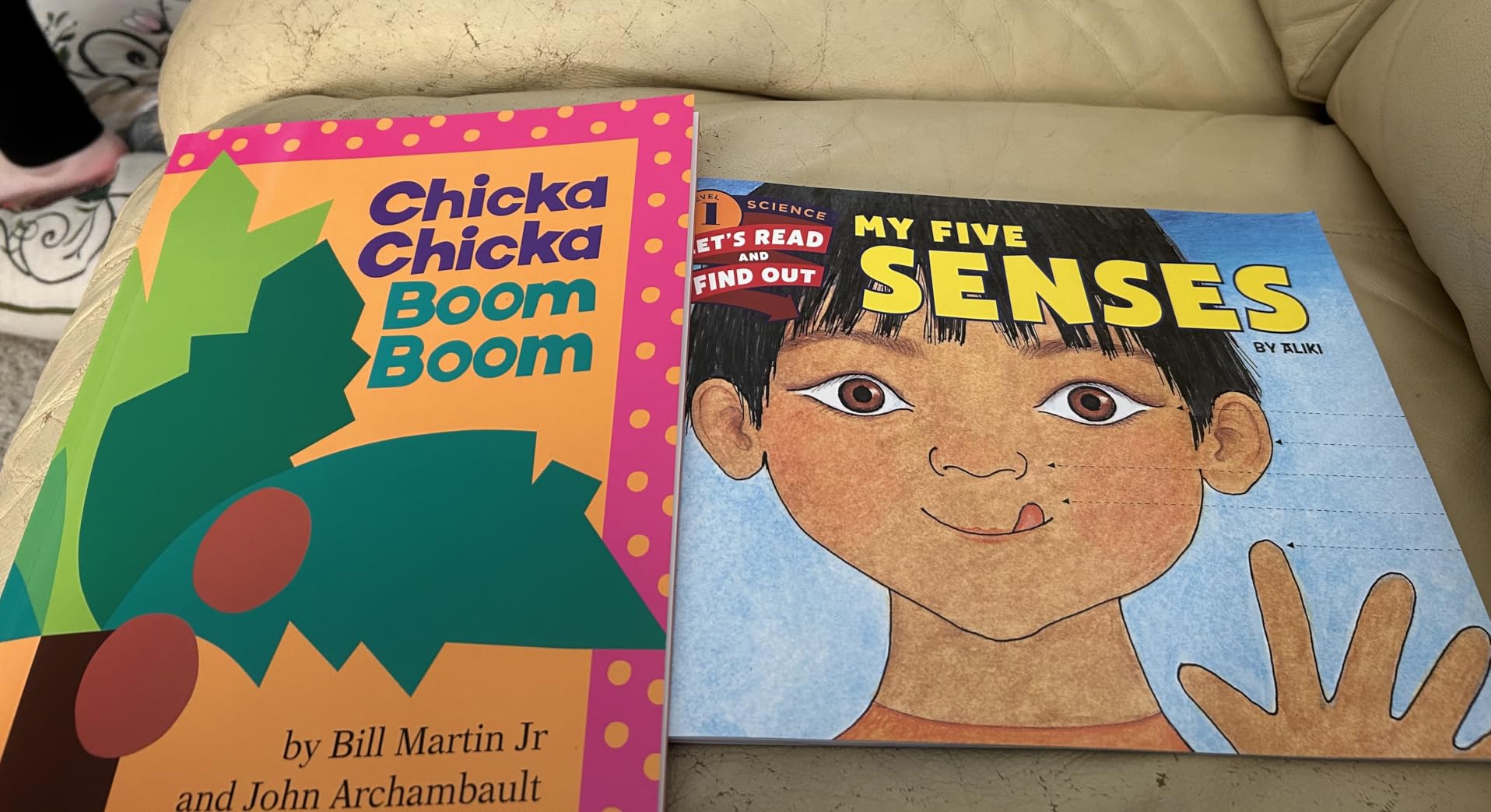
The 36-page format is longer than typical board books, so it works well as a bedtime story rather than a quick page-turner. The pages are thick enough to survive enthusiastic little hands, though the taller format means some toddlers prefer smaller books for solo exploration.
What I love most is how the rhyming pattern helps pre-readers predict what comes next. Even before my nephew could speak, he’d pat the page when the letters “all fell out of the tree.”
How it supports development
This book builds letter recognition through visual repetition. The rhythmic text supports phonological awareness, which is the foundation of reading. The bold colors strengthen visual tracking skills as toddlers follow letters up the tree.
What to consider before buying
The story is simple, so older toddlers may lose interest after a few months. If you want a long-lasting alphabet resource, pair this with a more comprehensive ABC book for ages 3 and up.
2. Baby Einstein My First Library Board Book Block Set — Best for Variety

Baby Einstein – My First Library Board Book Block 12-Book Set – First Words, Letters, Counting, and More! – PI Kids
12-book block set
Carry case
Early concepts
120 pages
Pros
- Excellent value with 12 books included
- Sturdy pages survive chewing
- Convenient carrying case
- Perfect travel size for diaper bags
Cons
- Books run small
- content covers topics superficially
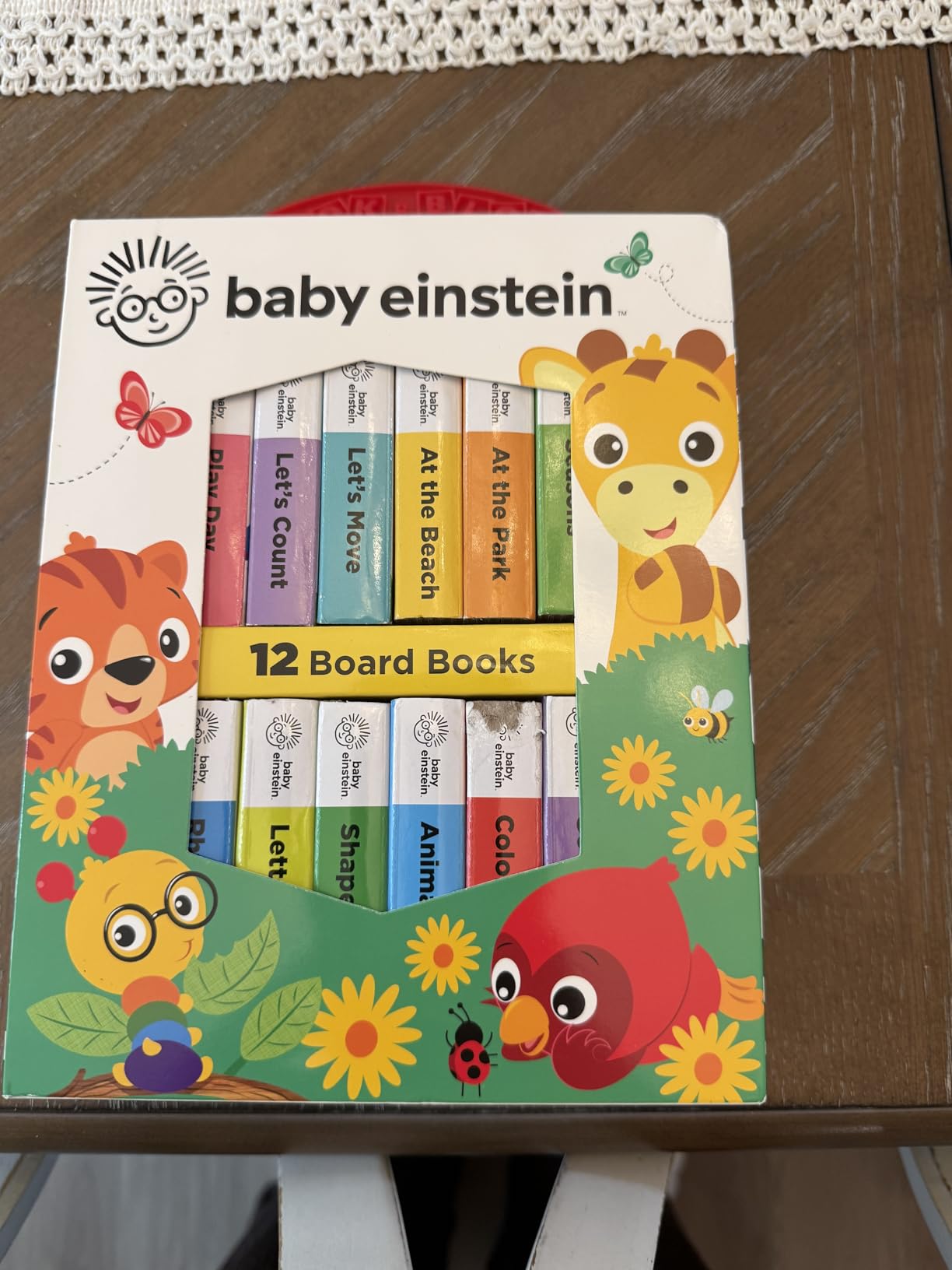
When my sister-in-law had twins, this set was a lifesaver. Twelve miniature board books in a single carrying case means no fighting over the “right” book at story time. Each one introduces a core concept: colors, shapes, letters, numbers, animals, and seasons.
The carry case has a sturdy handle that babies can carry themselves once they’re mobile. Parents love that they can toss the whole set in a diaper bag without losing pieces. At 12k+ reviews and a 4.7-star rating, this is one of the most trusted gift sets in the board book world.
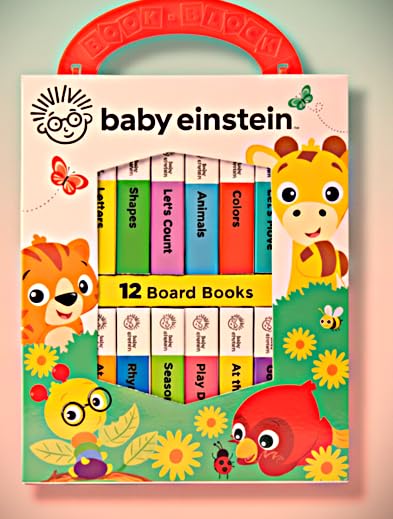
The tiny dimensions (each book is just a few inches square) fit perfectly in small hands. Babies as young as 6 months can flip the pages without frustration. The thick pages hold up to chewing, drooling, and the inevitable book-as-weapon phase.
Honestly, the small size is the only real drawback. Parents sometimes expect larger books at this price point. But for portability and rotation variety, this set punches well above its weight.
How it supports development
Each book targets a single concept, making it easier for one-year-olds to focus. Vocabulary building happens naturally as you point to pictures and name them together. The variety keeps engagement high during the short attention spans of toddlerhood.
What to consider before buying
The books cover each topic briefly, so this isn’t a deep dive into any single subject. Think of it as a sampler to spark interest before moving to more comprehensive titles in each category.
3. You’re My Little Sunshine — Best for Bedtime Bonding

You’re My Little Sunshine (Board Book for Babies and Toddlers 0-2 years old)
Sweet rhyme
Die-cut shapes
Bright illustrations
18 pages
Pros
- Gorgeous illustrations throughout
- Gentle rhyming text for calm reading
- High quality thick pages
- Part of collectible series
Cons
- Die-cut shapes may be delicate with rough use
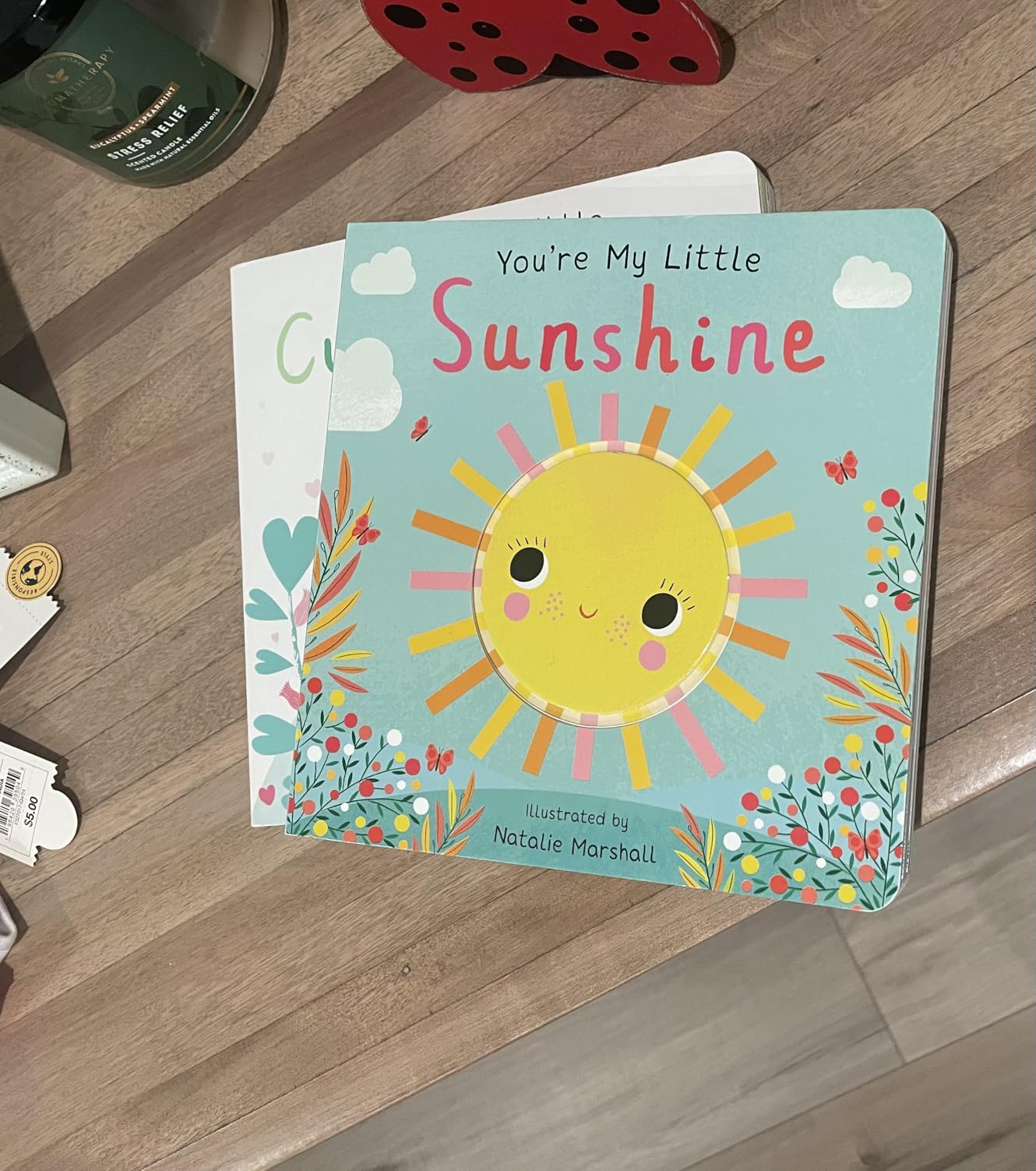
This book became part of my niece’s nightly routine within a week. The sunshine theme and gentle rhymes create exactly the mood you want before bed. Nicola Edwards and Natalie Marshall have crafted something that feels like a hug in book form.
The illustrations are vivid and warm, with a sun motif that ties the whole book together. At 4.9 stars across nearly 2k reviews, this title punches above its modest price tag.
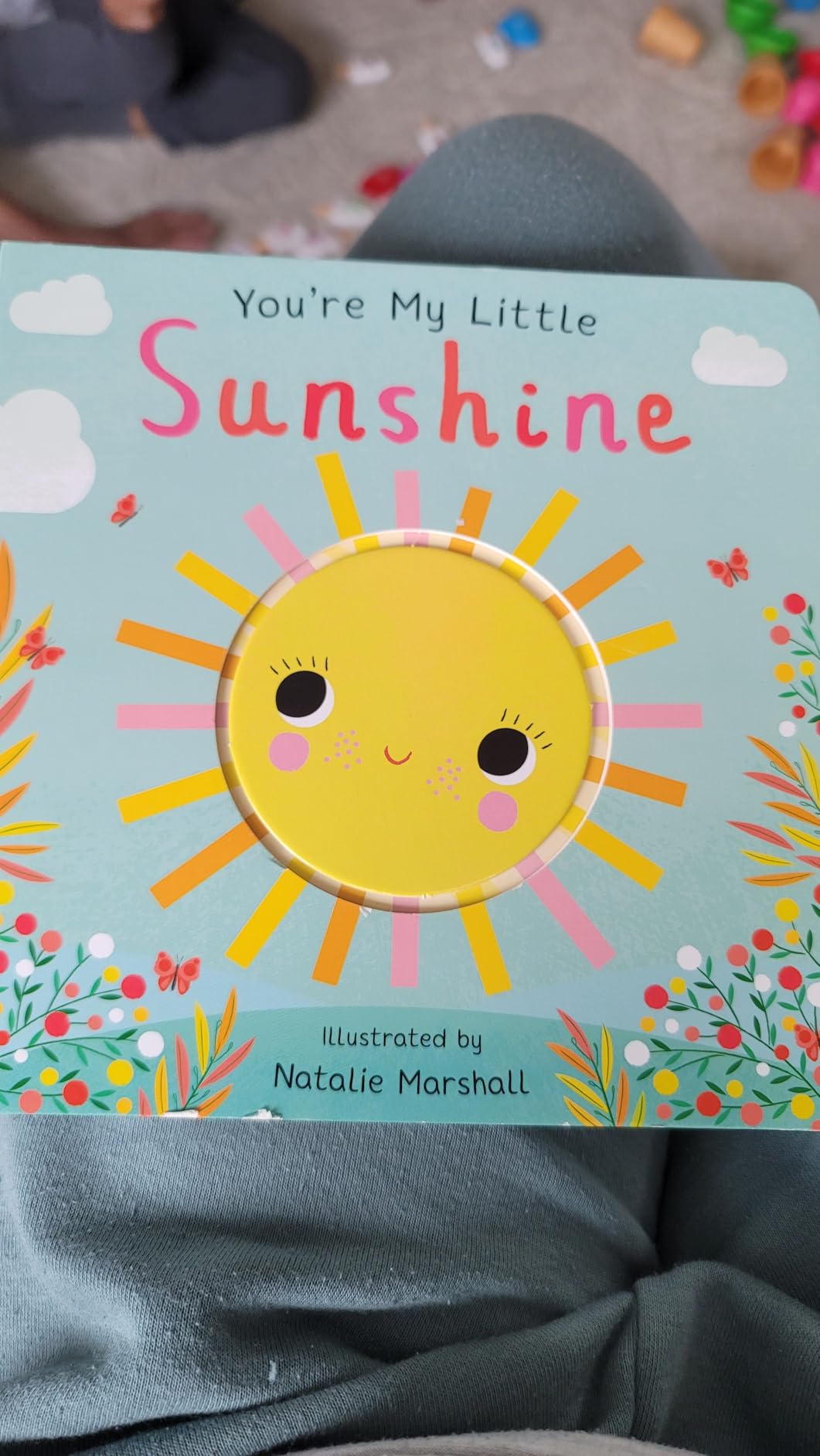
The 18 pages are just right for a one-year-old’s attention span. Each spread features a die-cut shape that adds tactile interest without overwhelming the simple story. The rhyming pattern is repetitive enough that toddlers begin to “read” along with the parent.
It’s part of the “You’re My Little” series, which includes matching titles for other family members. Many parents end up collecting the whole set as gifts for grandparents and aunts.
How it supports development
Repetitive rhyming strengthens phonological awareness and memory. The die-cut shapes encourage fine motor exploration. Emotionally, the sweet tone reinforces feelings of being loved and safe.
What to consider before buying
Die-cut pages are gorgeous but can tear if your child is particularly rough with books. If you have an aggressive page-turner, consider the standard hardcover editions in the same series.
4. Babies Love Colors Lift-a-Flap Book — Best for Color Learning
Babies Love Colors – A First Lift-a-Flap Board Book for Babies and Toddlers Learning about Colors
Six basic colors
Lift-a-flap
Compact size
12 pages
Pros
- Vibrant illustrations captivate little eyes
- Sturdy lift-a-flap format
- Perfect handheld size
- Simple two-line rhymes
Cons
- Only covers 6 colors
- no extended palette
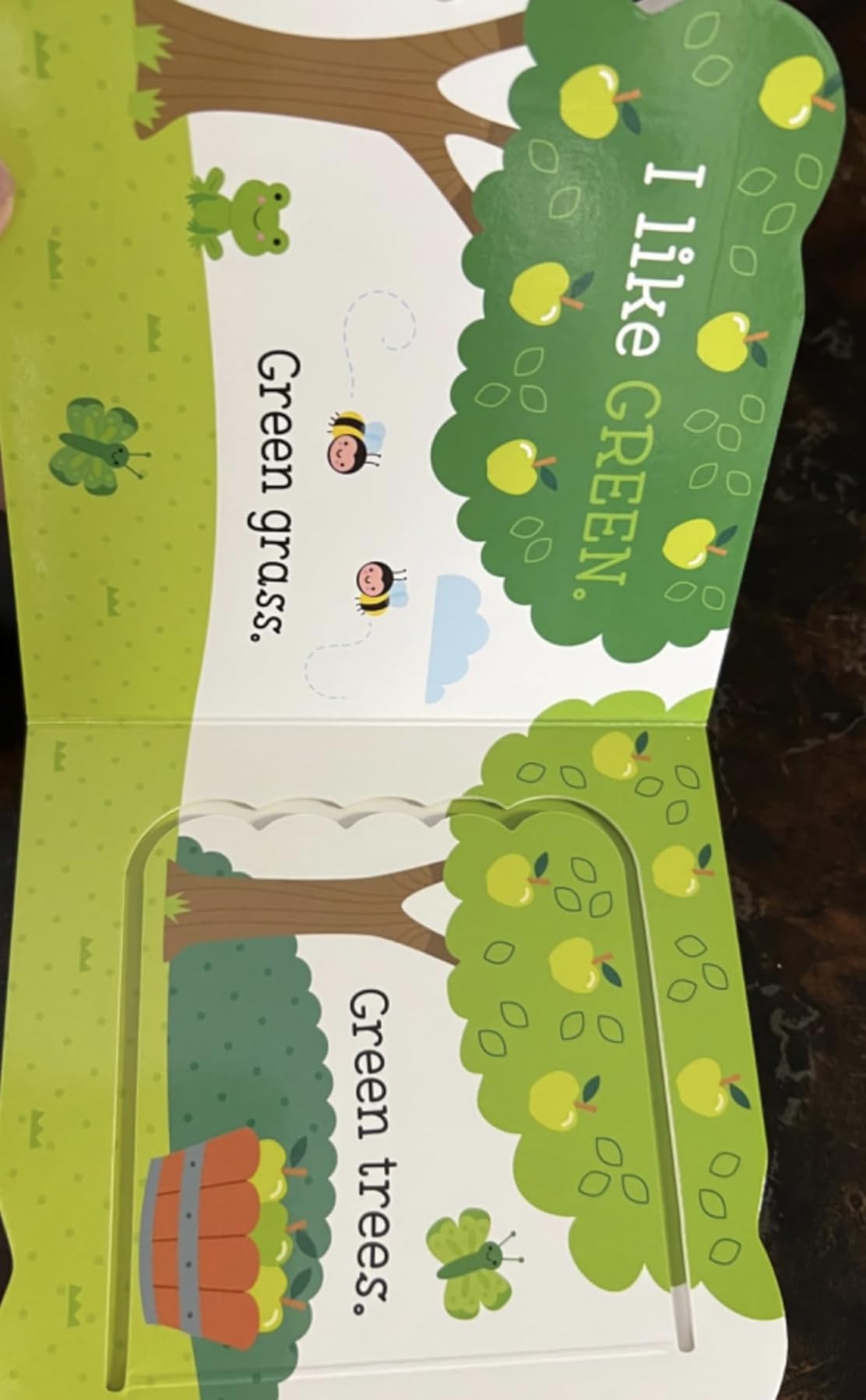
If your one-year-old is at the stage where everything must be named, this book is gold. Babies Love Colors introduces six basic colors through lift-a-flap reveals that turn learning into a game. My neighbor’s son points to each color and proudly announces “BLUE!” every time.
The compact 5×5 inch size is perfect for tiny hands. Babies can hold it themselves without dropping it constantly, and the lift-a-flap action keeps them engaged for far longer than a static page would.
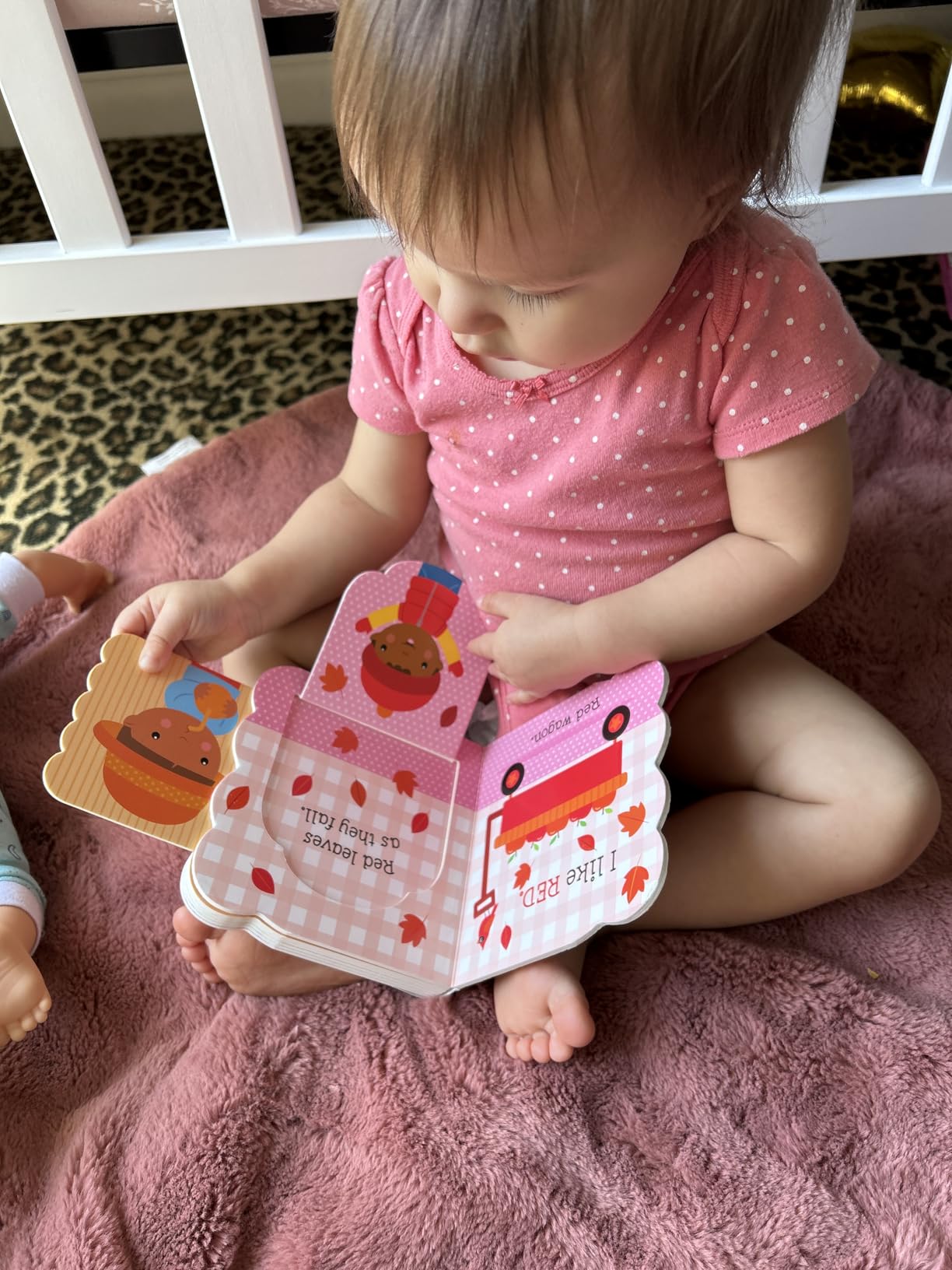
With 5k+ reviews and a 4.9-star rating, this title consistently wins parents over. The rhymes are short enough to hold attention but rhythmic enough to support early literacy.
The only honest critique is that six colors feels limited once your toddler masters them. Many parents use this as a starting point and then graduate to broader vocabulary books.
How it supports development
Lift-a-flap action builds fine motor skills and hand-eye coordination. Color recognition is a foundational cognitive skill. The simple rhymes model sentence structure even before toddlers can speak.
What to consider before buying
If your child already knows primary colors, consider a book with more vocabulary or different categories (shapes, animals) at the same developmental level.
5. Where’s Spot? — Best Classic Lift-the-Flap

Where’s Spot?: A Lift-the-Flap Book
Hide-and-seek story
Lift-the-flap
Beloved character
22 pages
Pros
- Iconic Spot character loved for generations
- Encourages interactive participation
- Sturdy pages for repeated reading
- Simple language perfect for toddlers
Cons
- Flaps may tear with rough handling over time
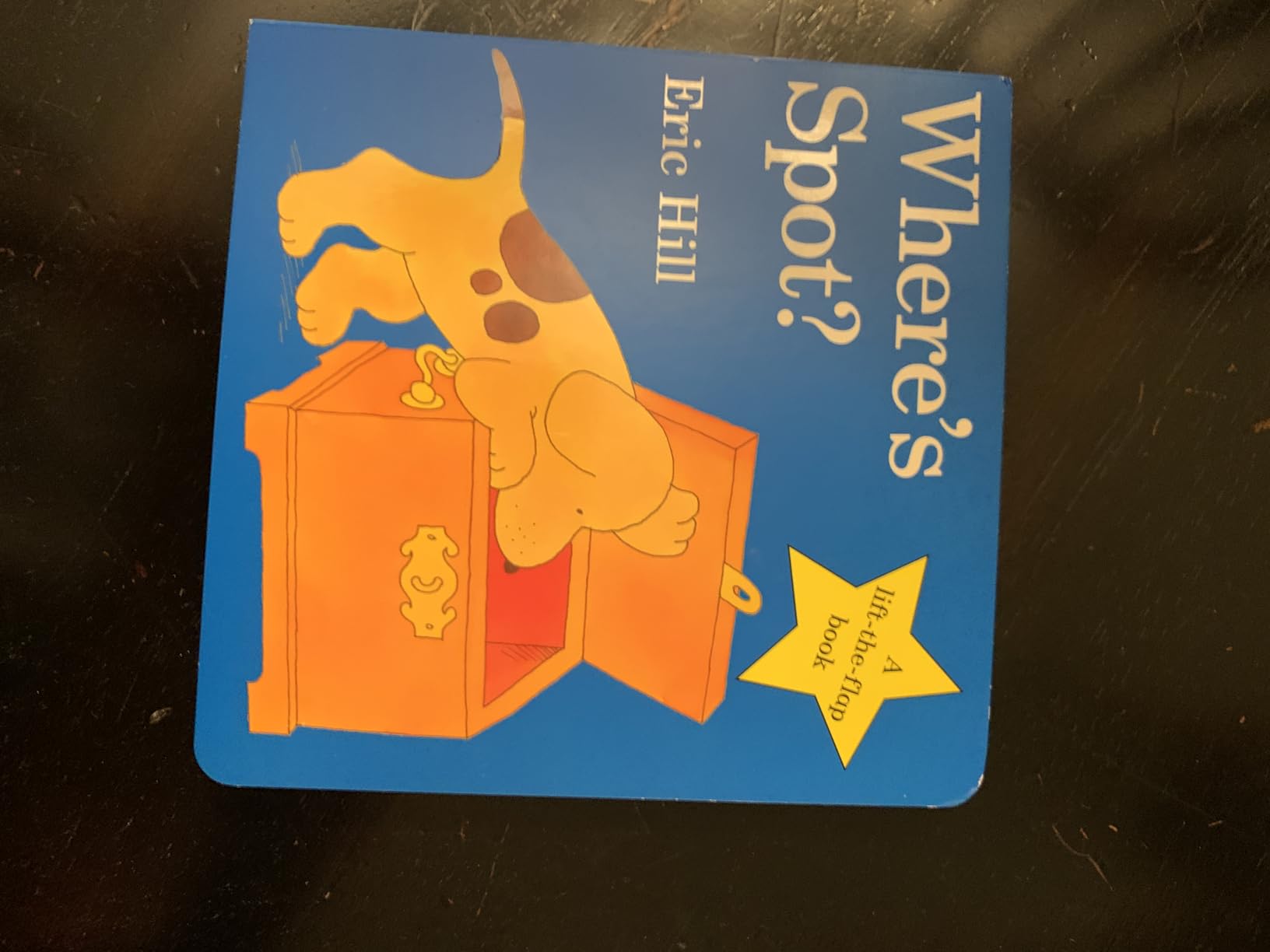
Eric Hill’s Spot has been finding his way into bedtime stories since 1980, and the appeal hasn’t faded. With 36k+ reviews and a 4.8-star rating, Where’s Spot? is one of the most beloved lift-the-flap books ever made. My own kids asked for this one every single night for a solid month.
The hide-and-seek premise is brilliant for one-year-olds. Each flap reveals a different animal, building anticipation and surprise. Toddlers quickly learn to lift the flaps themselves, which is wonderful for fine motor development.
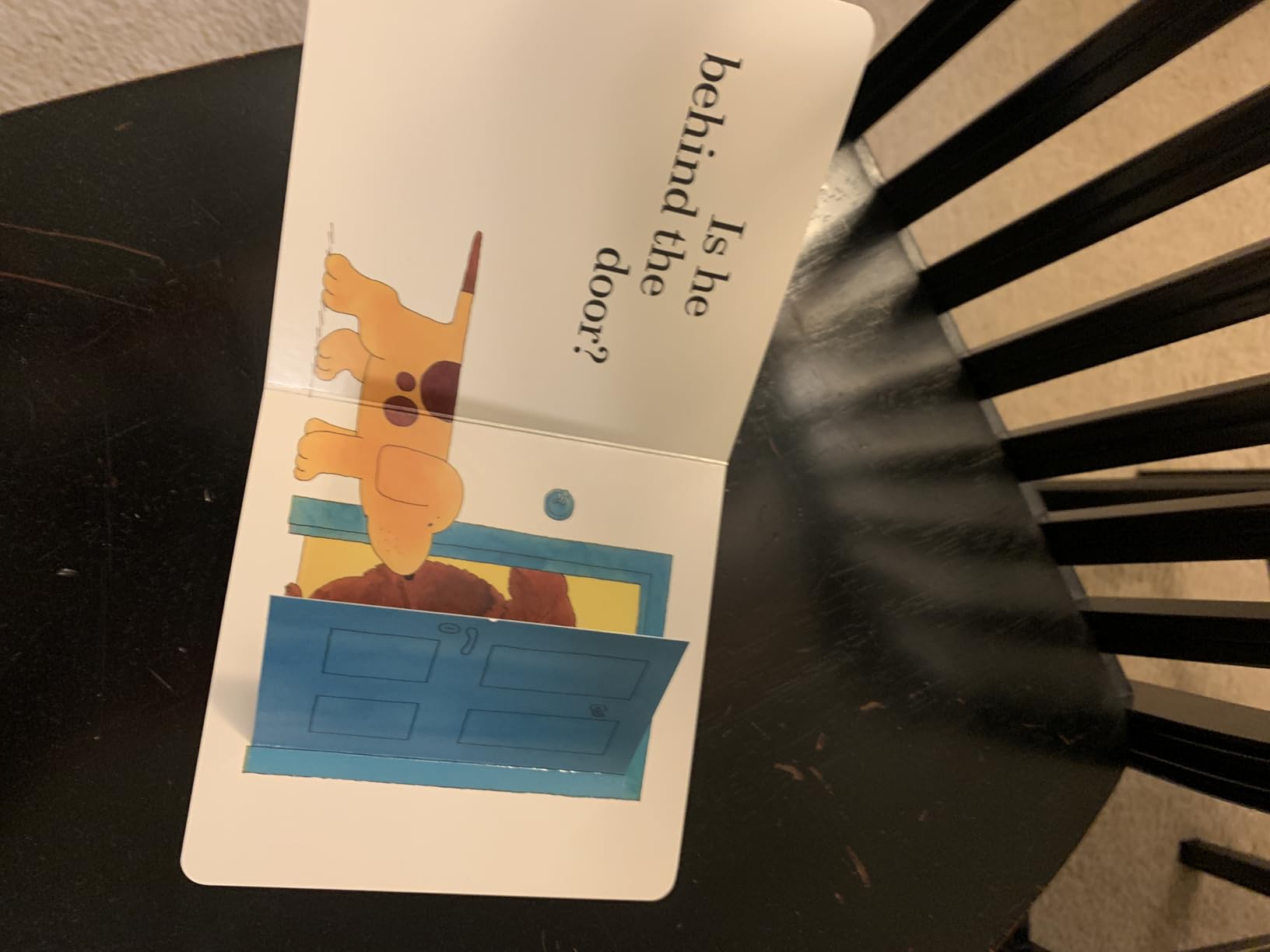
The simple language (“Is he behind the door?”) makes it easy for new readers to share the storytelling. Even pre-verbal toddlers can lift the flaps and respond to the parent reading aloud.
Durability is generally good, but heavy use does eventually wear down the flaps. Many families buy a backup copy once their toddler discovers the joy of “lifting aggressively.”
How it supports development
Lifting flaps builds pincer grasp and hand coordination. The repetitive question structure (“Is he behind the door?”) supports language development through pattern recognition. Surprise and discovery build cognitive flexibility.
What to consider before buying
The flaps are functional but not indestructible. If your child is in a destructive phase, you may want to introduce this book with supervision to extend its life.
6. Ocean Friends Touch and Feel Board Book — Best for Sensory Play

Ocean Friends – Touch and Feel Board Book – Sensory Board Book
Touch and feel textures
Sensory development
Ocean theme
10 pages
Pros
- Multiple textures engage tactile senses
- Sturdy pages hold up to chewing
- Colorful ocean illustrations
- Easy for babies to turn independently
Cons
- Limited page count
- finished quickly
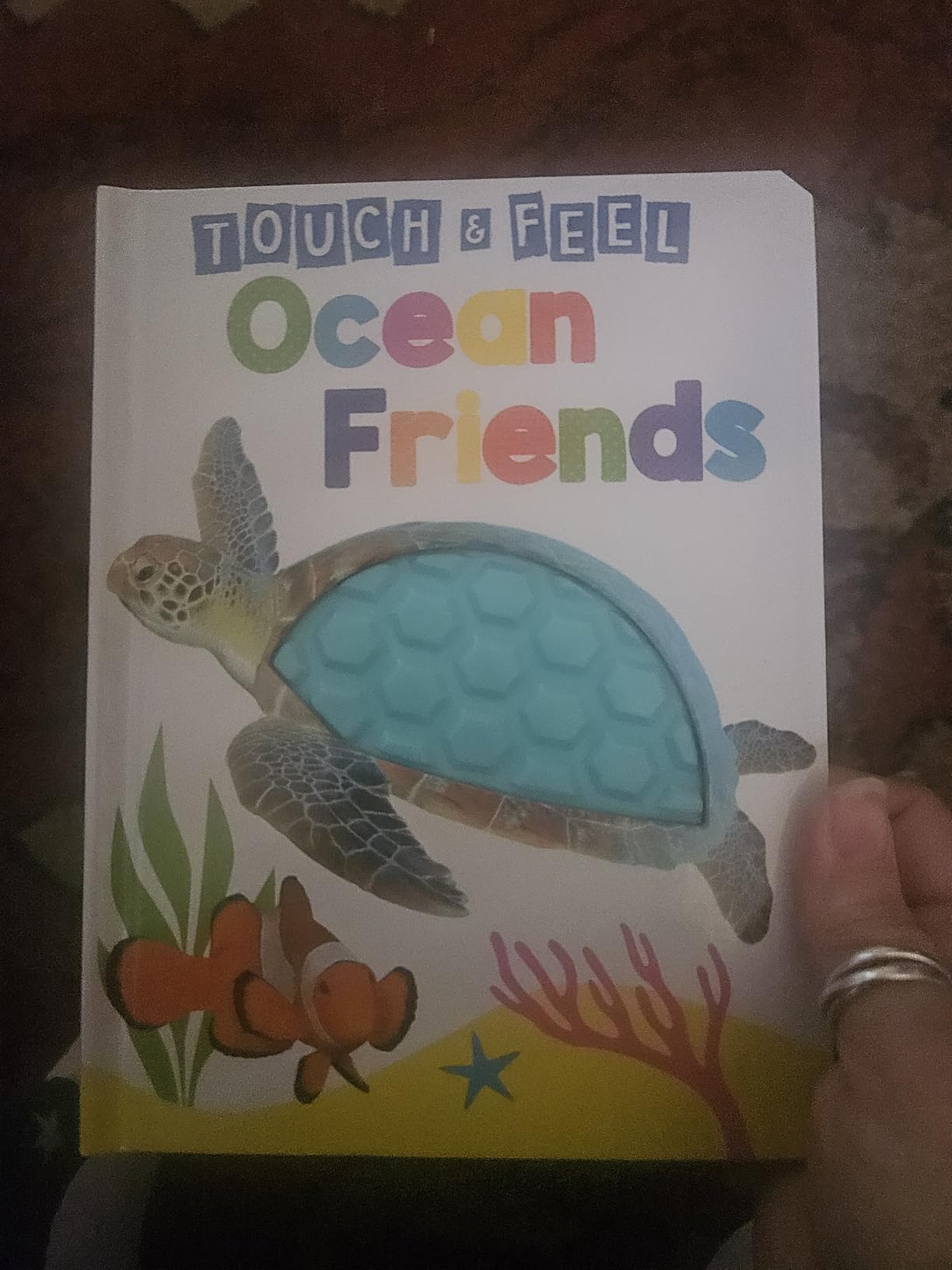
When my colleague’s daughter started refusing story time, this touch-and-feel book brought her back. The tactile variety keeps hands busy while ears take in the words. Little Hippo Books designed this specifically for sensory exploration, and it shows.
Each page features a different ocean creature with a unique texture. Babies can feel scales, shells, and smooth surfaces. It’s a multi-sensory experience that holds attention longer than visual-only books.
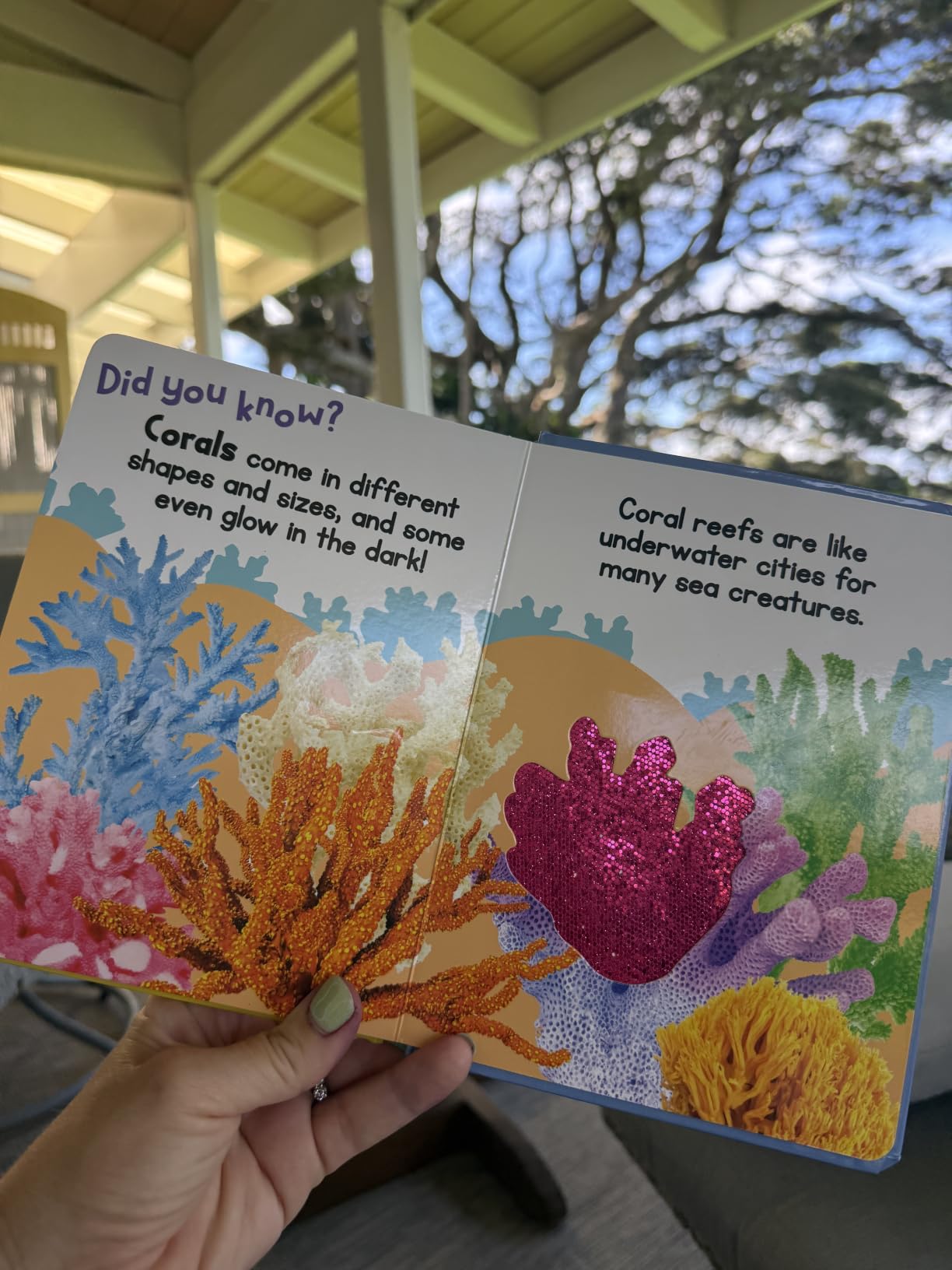
With 3.6k+ reviews and a 4.8-star rating, this is one of the more popular touch-and-feel options for the youngest readers. The 10 pages seem short, but each spread is rich enough for multiple readings.
The size is comfortable for little hands, and the rounded corners are gentle on teething gums. Parents love that the textures don’t peel off even after months of exploration.
How it supports development
Tactile exploration builds sensory pathways in the brain. Touch-and-feel books help toddlers learn vocabulary through multiple senses. The ocean theme introduces sea creatures many kids don’t see in everyday life.
What to consider before buying
With only 10 pages, this book is finished quickly. Consider it part of a rotation rather than a standalone library piece.
7. The Going To Bed Book — Best for Bedtime Routine

The Going To Bed Book
Bedtime routine story
Silly rhymes
Boynton illustrations
16 pages
Pros
- Short enough to hold short attention spans
- Fun rhythm makes bedtime easier
- Sturdy board book pages
- Bright classic illustrations
Cons
- None significant
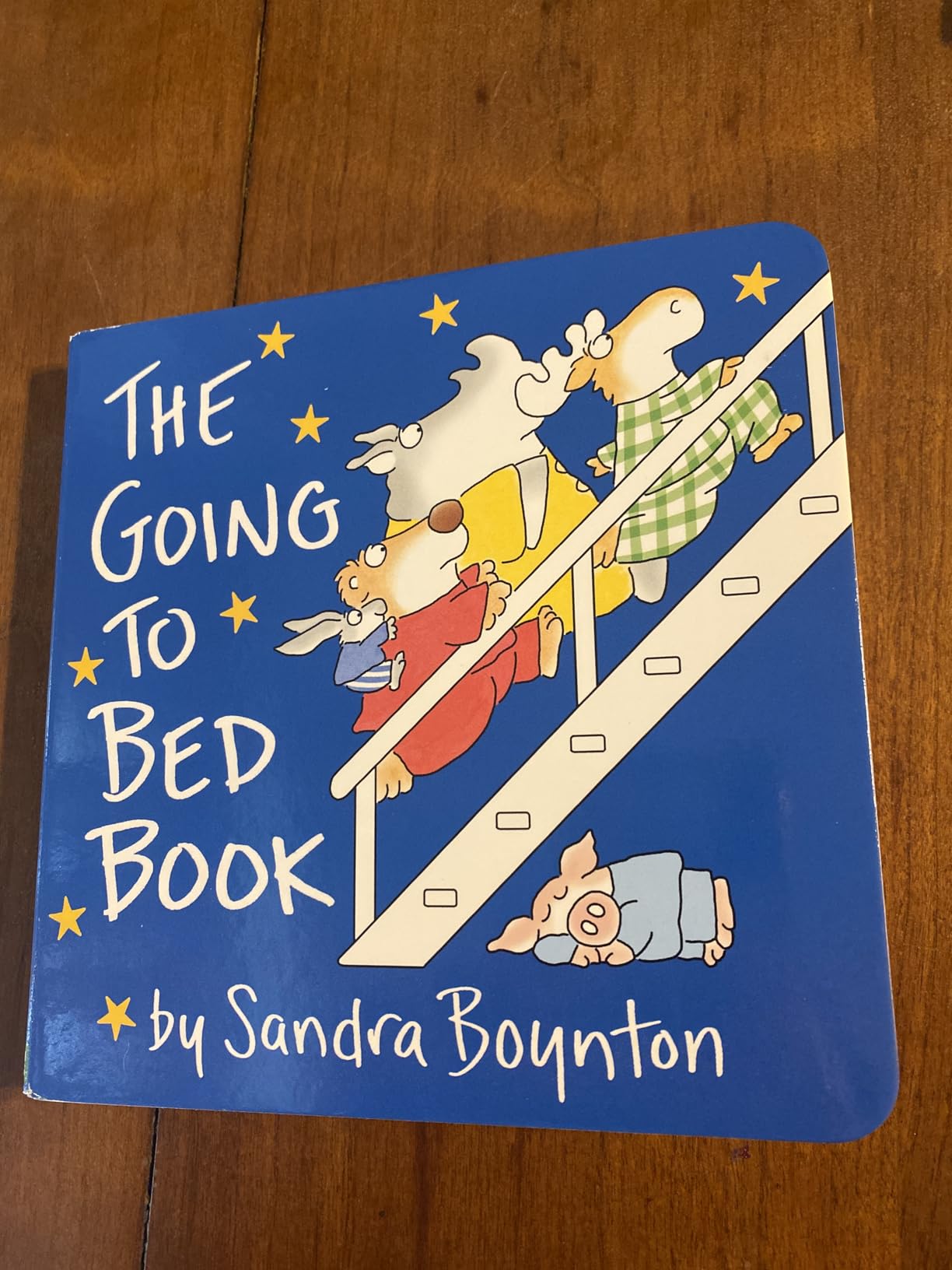
Sandra Boynton is the queen of board books for a reason, and The Going To Bed Book is her masterpiece for sleepy time. My cousin’s twins giggle through the entire book every night, even though they’ve heard it hundreds of times. With 20k+ reviews and a 4.8-star rating, this is the bedtime book that has launched countless family rituals.
The story follows a parade of silly animals getting ready for bed on a boat. It’s gentle, rhythmic, and just absurd enough to keep toddlers engaged without getting them wound up.
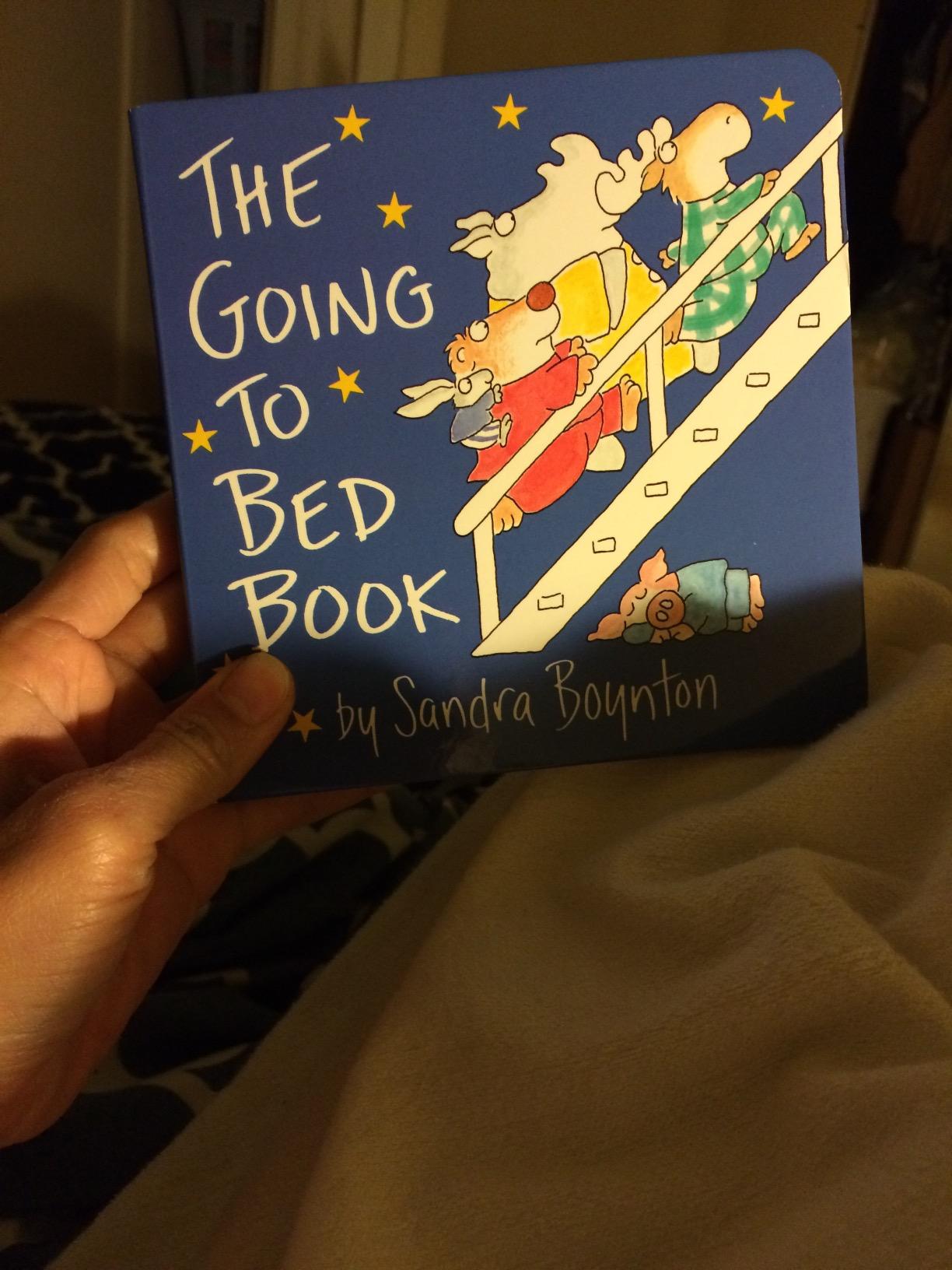
The 16-page length is intentional. Boynton designed it to be short enough for the most tired toddler but long enough to feel like a complete story. Parents consistently mention how this book became their “must read” before lights out.
Boynton’s illustrations are instantly recognizable: bold cartoon animals with personality to spare. Even babies who don’t understand the words respond to the colorful characters and silly scenarios.
How it supports development
The repetitive bedtime sequence helps establish routine cues that signal sleep. Rhythmic text calms the nervous system before sleep. Predictable structure supports emotional regulation.
What to consider before buying
Honestly, there isn’t much to criticize. If you only buy one bedtime book, make it this one.
8. Moo, Baa, La La La! — Best for Animal Sounds
Pros
- Catchy rhymes adults enjoy reading
- Easy animal sound vocabulary
- Perfect small size for tiny hands
- Fun character illustrations
Cons
- None significant
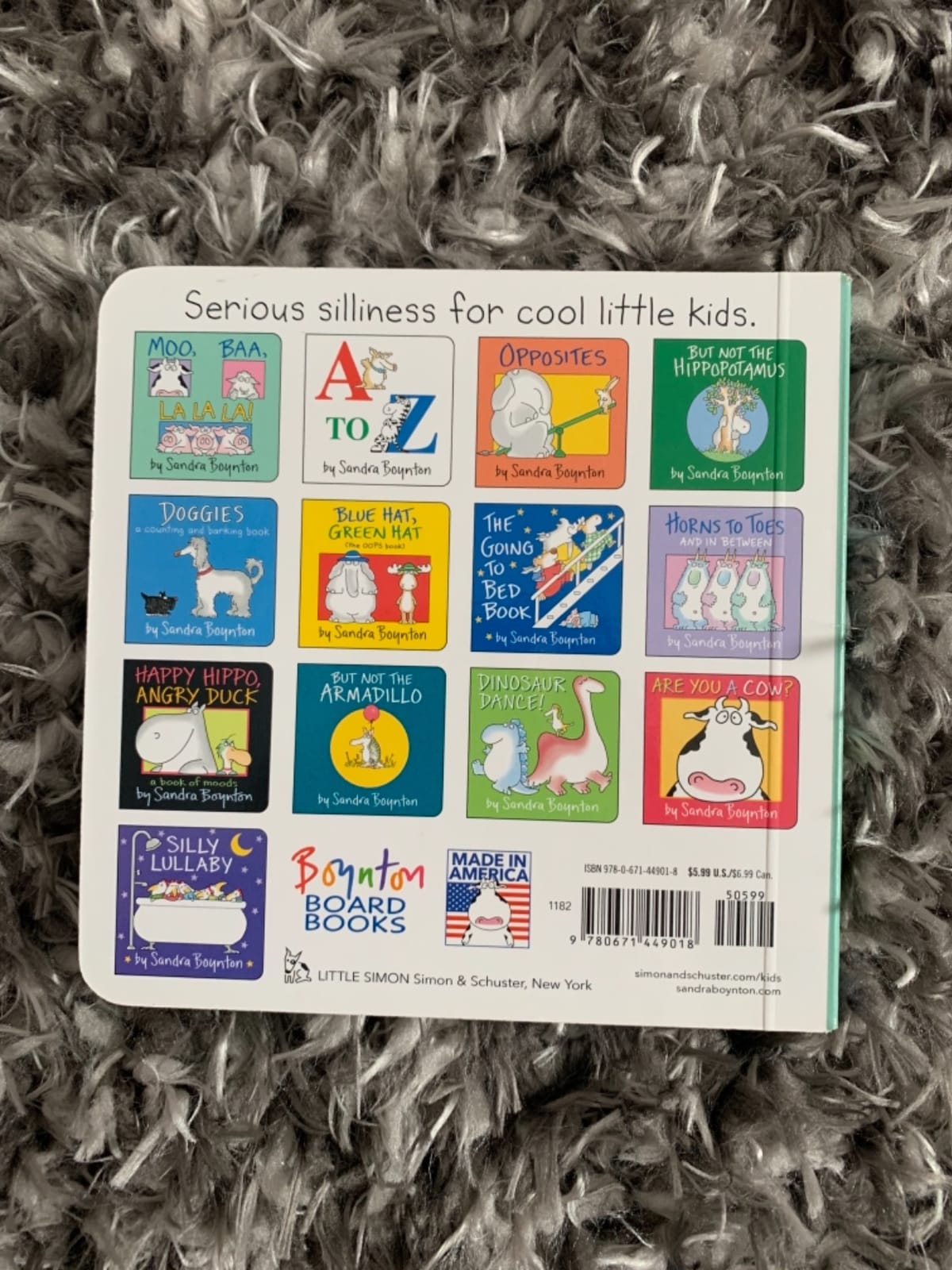
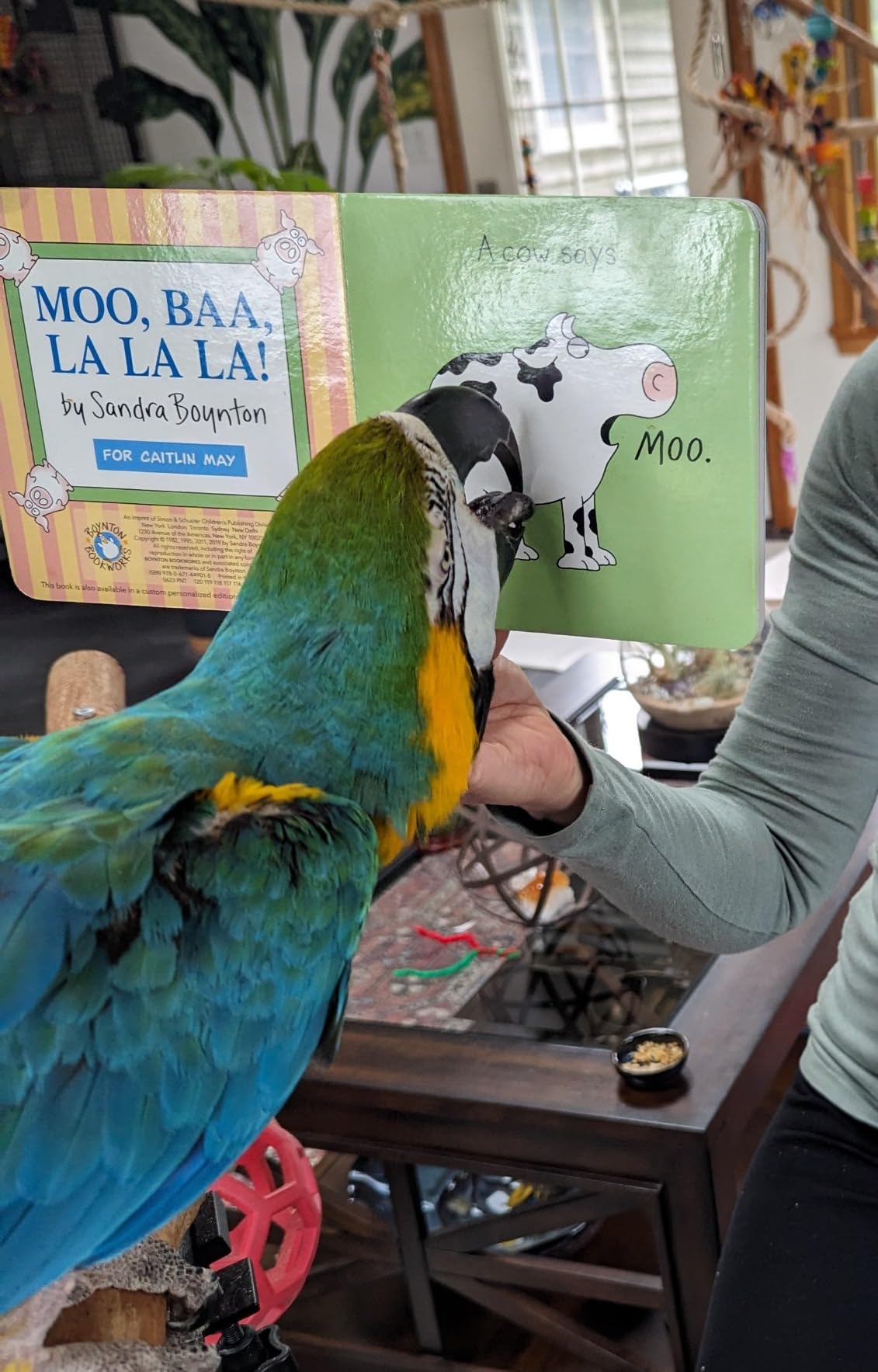
Moo, Baa, La La La! is the book that made my friend’s baby say his first word: “moo.” The animal sounds are simple, repetitive, and incredibly satisfying for tiny humans to mimic. With 20k+ reviews and a 4.8-star rating, this is a Sandra Boynton classic for good reason.
The 5.63-inch square format fits perfectly in little hands. Toddlers can carry it around the house, point to animals, and make sounds on their own. It’s a “first word” book in the truest sense.
The rhymes are silly in the best way. “A sheep and a pig and a dog and a cat, a horse and a cow and a rhinoceros” builds vocabulary faster than any flashcard set. Parents love that the rhythm makes even the twentieth reading feel fresh.
Durability is excellent. Boynton books are known for holding up through multiple children and years of use.
How it supports development
Animal sound recognition is an early vocabulary milestone. Repetitive rhymes build phonological awareness. Naming animals together strengthens caregiver-child bonding.
What to consider before buying
Some toddlers graduate from this quickly. Use it as a foundation before moving to broader vocabulary books.
9. First 100 Words Padded Board Book — Best for Vocabulary Building
First 100 Words: A Padded Board Book
100 basic words
Real photos
Padded cover
24 pages
Pros
- Padded cover durable and easy to grip
- Real-life photos are highly engaging
- Theme-based word organization
- Perfect size for travel
Cons
- Vocabulary is basic
- slightly bulky due to padding
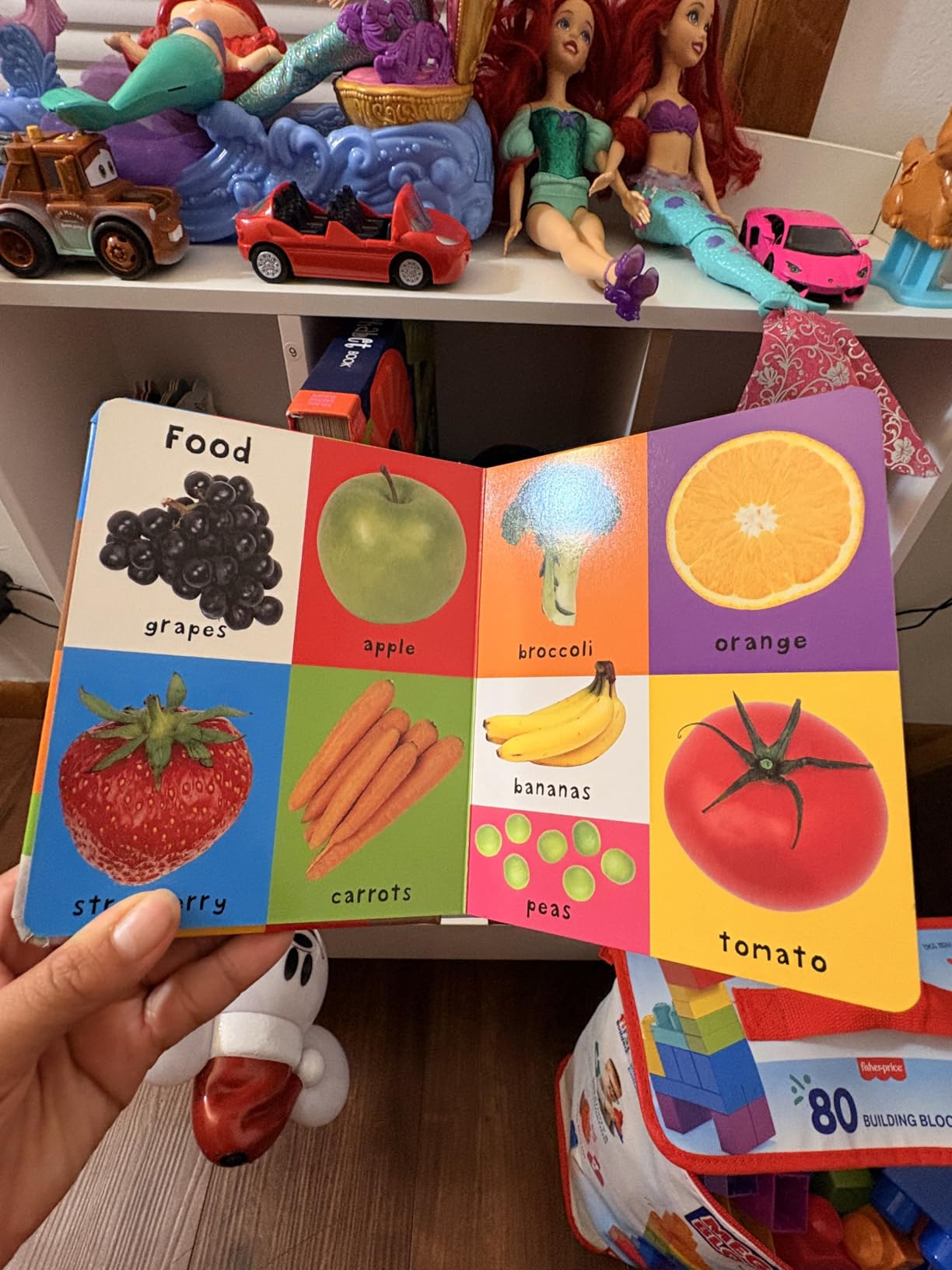
Roger Priddy’s First 100 Words is the vocabulary workhorse of board books. With 39k+ reviews and a 4.7-star rating, it’s a staple in countless homes. My colleague’s daughter learned her first 50 words from this single book.
The padded cover is genius. It’s soft enough for babies to grip comfortably, durable enough to survive drops, and forgiving when teeth find it. Real-life photographs make vocabulary stick better than illustrations for many toddlers.
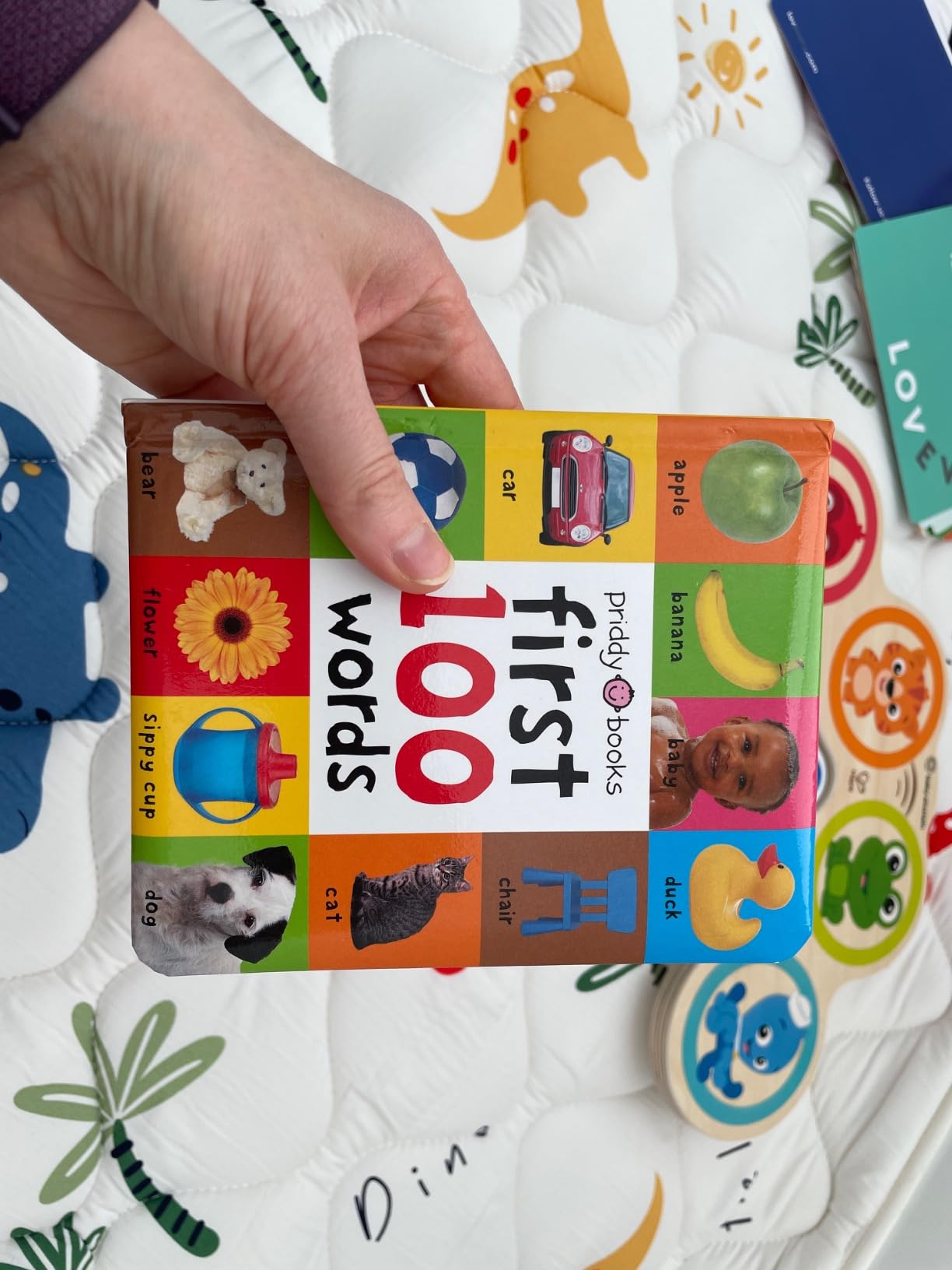
Words are organized by theme: colors, animals, food, household objects, vehicles, and more. This categorization helps toddlers make connections between related concepts. Parents often use it as a pointing-and-naming game.
The slightly bulky format is a tradeoff for the padded durability. It still fits in most diaper bags, but it’s chunkier than typical board books.
How it supports development
Photo-based vocabulary builds real-world word recognition. Categorized themes help with cognitive organization skills. Pointing and naming together supports joint attention, a key social-cognitive milestone.
What to consider before buying
Once your toddler masters these 100 words, you’ll want to move to more advanced vocabulary. Consider this an early starter rather than a long-term resource.
10. Open the Barn Door… — Best Chunky Lift-the-Flap

Pros
- Bright colorful farm illustrations
- Sturdy flap construction for repeated use
- Perfect small size for little hands
- Teaches animal names and sounds
Cons
- Flaps can be tricky for less dextrous hands
This Chunky Book(R) format from Christopher Santoro is designed for the smallest hands. The thick pages and chunky binding make it easy for one-year-olds to manipulate independently. My coworker’s son picks this up on his own multiple times a day.
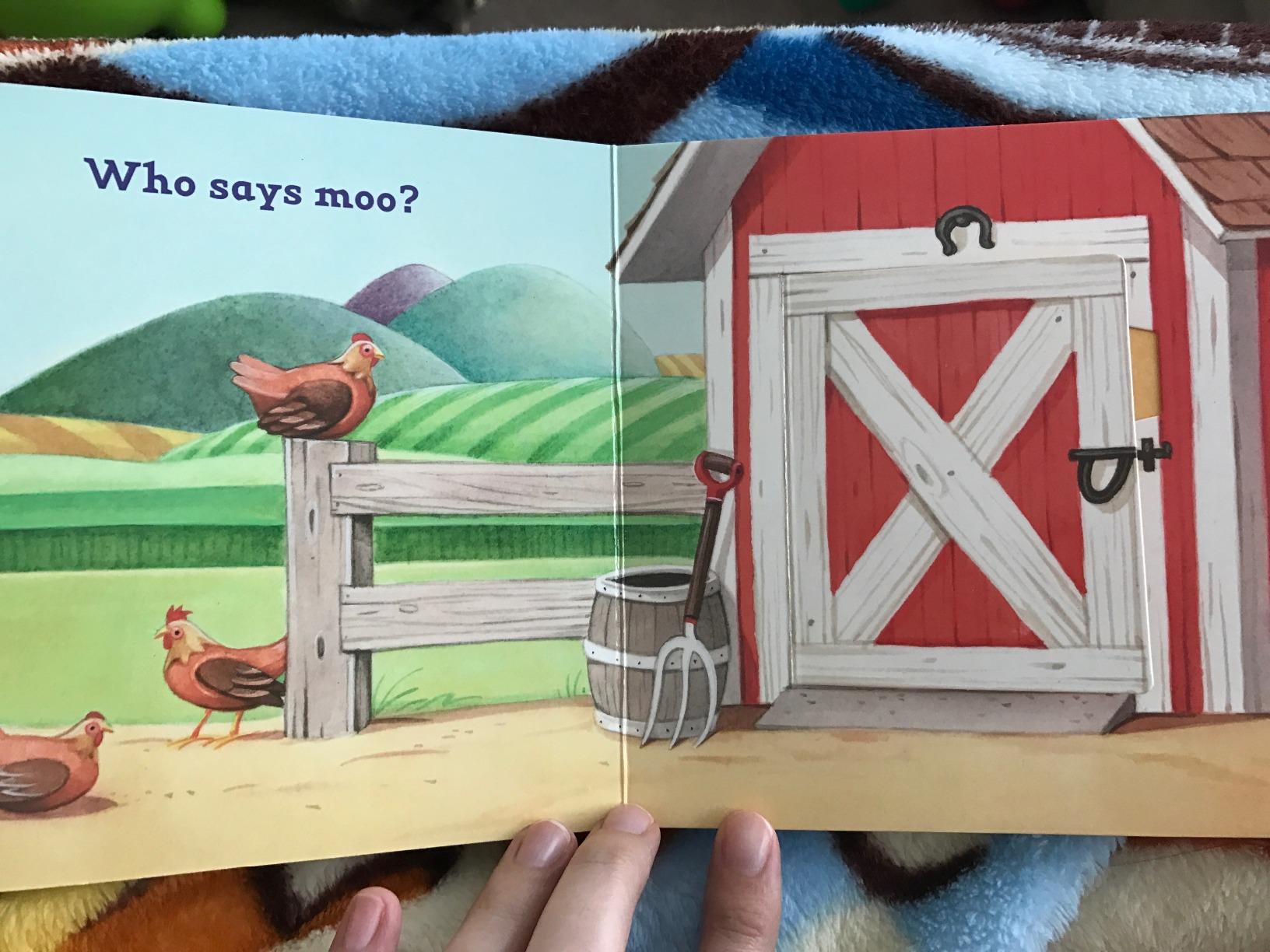
With 7.6k+ reviews and a 4.6-star rating, it’s a beloved farm-themed lift-the-flap that introduces animal vocabulary. Each spread hides a familiar farm animal under a flap.
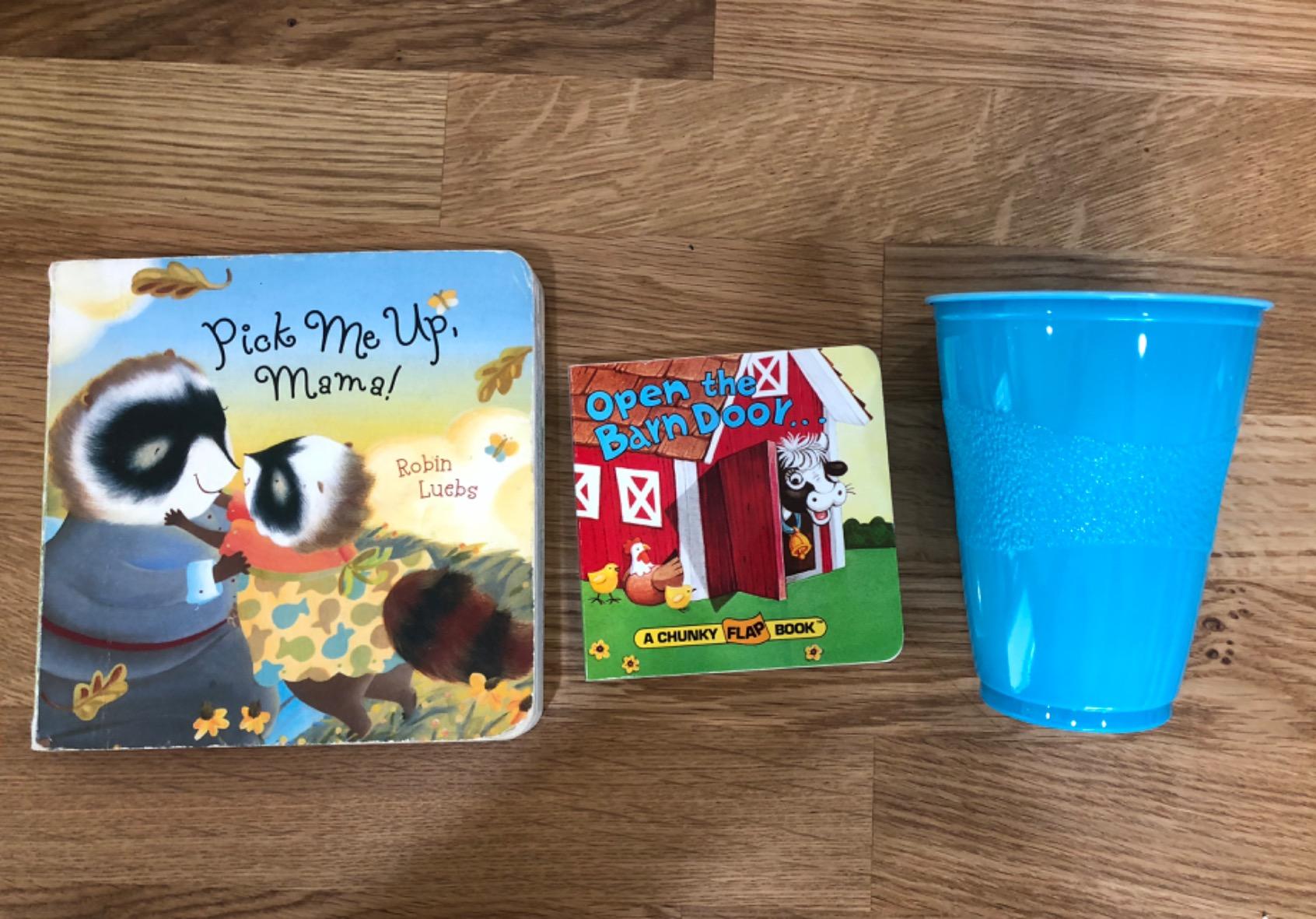
The 22 pages are perfect for short attention spans. The flap mechanics are simple enough that even less coordinated toddlers can open them with practice.
Some animal sounds in the book are unusual (the dog says “woof woof” but other choices feel less standard), which can confuse toddlers who already know the “real” sounds. Most parents overlook this in favor of the engagement value.
How it supports development
Lifting flaps builds pincer grip and hand strength. Farm animal vocabulary connects toddlers to rural concepts many don’t encounter directly. Predictable structure supports language anticipation.
What to consider before buying
If your child struggles with fine motor tasks, you may need to demonstrate the flap-opening motion for the first few attempts.
11. Brown Bear, Brown Bear Lift-the-Tab — Best for Eric Carle Fans

Lift-the-Tab: Brown Bear, Brown Bear, What Do You See?: Classic Novelty Lift-the-Tab (Brown Bear and Friends)
Eric Carle classic
Lift-the-tab
Rhythmic text
28 pages
Pros
- Beloved Eric Carle illustrations
- Interactive tabs easy for small hands
- Sturdy thick pages
- Teaches colors and animals through rhythm
Cons
- Some prefer original non-tab version
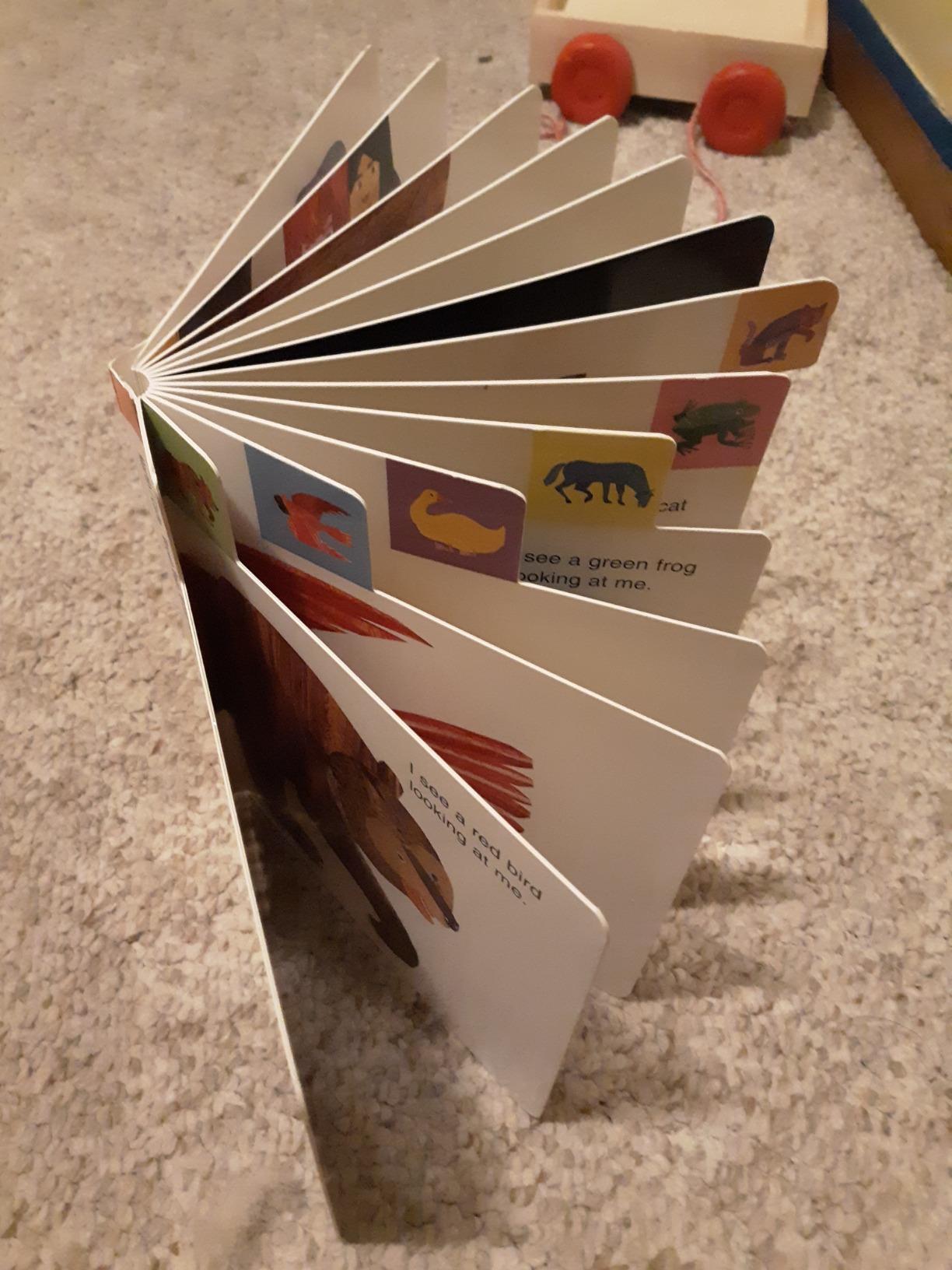
Bill Martin Jr. and Eric Carle’s Brown Bear, Brown Bear has been a childhood favorite for decades. This lift-the-tab version adds physical engagement to an already rhythmic, memorable story. My neighbor’s twins point at each animal and announce its color and name in unison.
With 2.8k+ reviews and a 4.9-star rating, this novelty format wins over both new parents and those who grew up with the original. The tabs are sturdy enough for tiny fingers to pull without ripping.
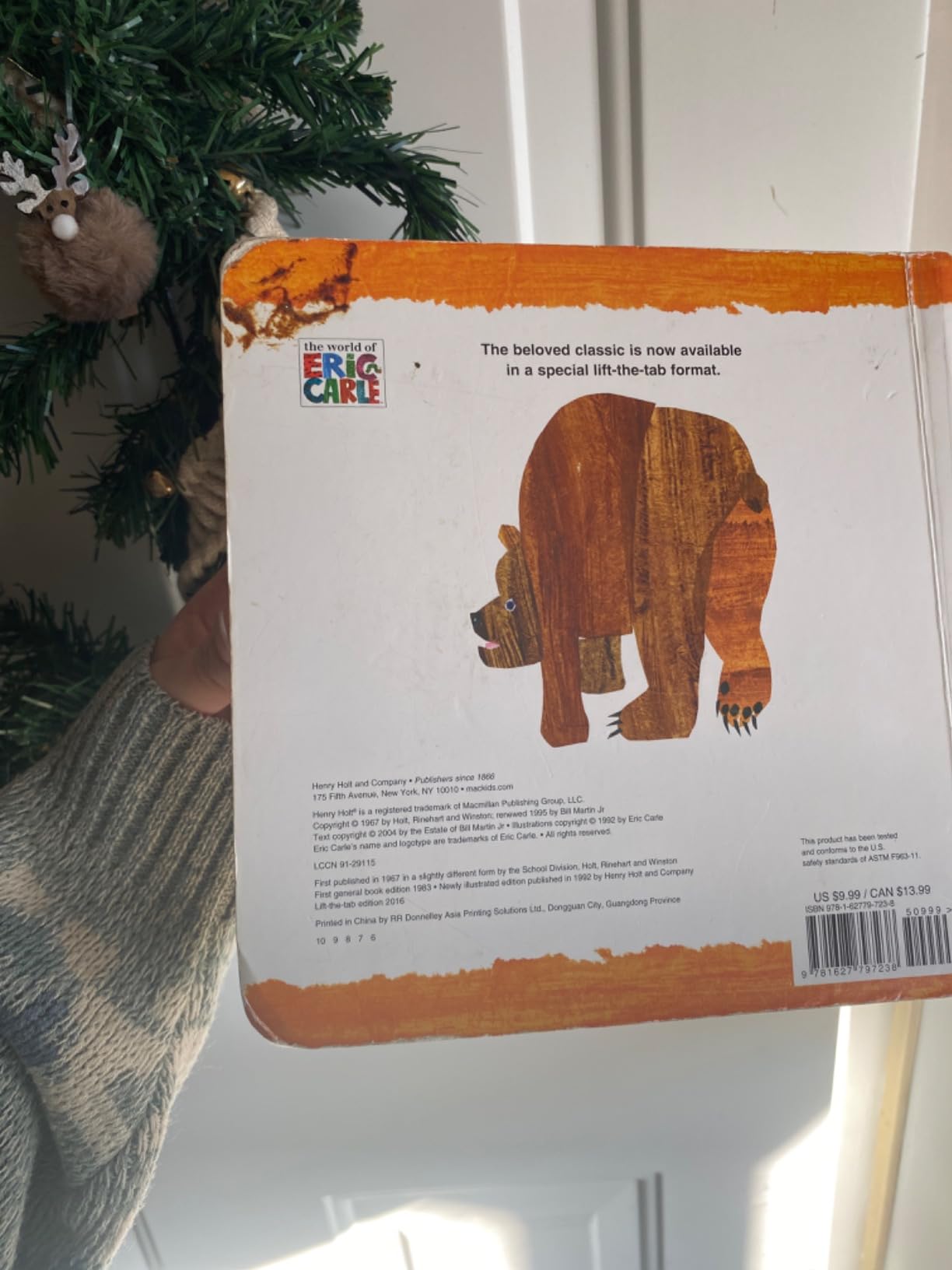
The 28-page format is longer than typical board books, making it a substantial bedtime story. The repetitive structure (“Brown bear, brown bear, what do you see?”) helps pre-readers memorize and “read” along.
Eric Carle’s tissue-paper collage illustrations are iconic. The bold colors and simple animal shapes are instantly engaging for young eyes.
How it supports development
Color and animal name recognition happen simultaneously through repetition. Lifting tabs builds hand strength. Predictable text structure supports memory and early reading skills.
What to consider before buying
If you already own the original Brown Bear board book, the lift-the-tab version may feel redundant. If this is your first introduction, it’s an excellent choice.
12. Dear Zoo: A Lift-the-Flap Book — Best for Interactive Surprise

Pros
- Interactive lift-the-flap format
- Simple wording perfect for beginners
- Cute colorful illustrations
- Sturdy board book pages
Cons
- Flaps can bend with rough use
- very few words in the story
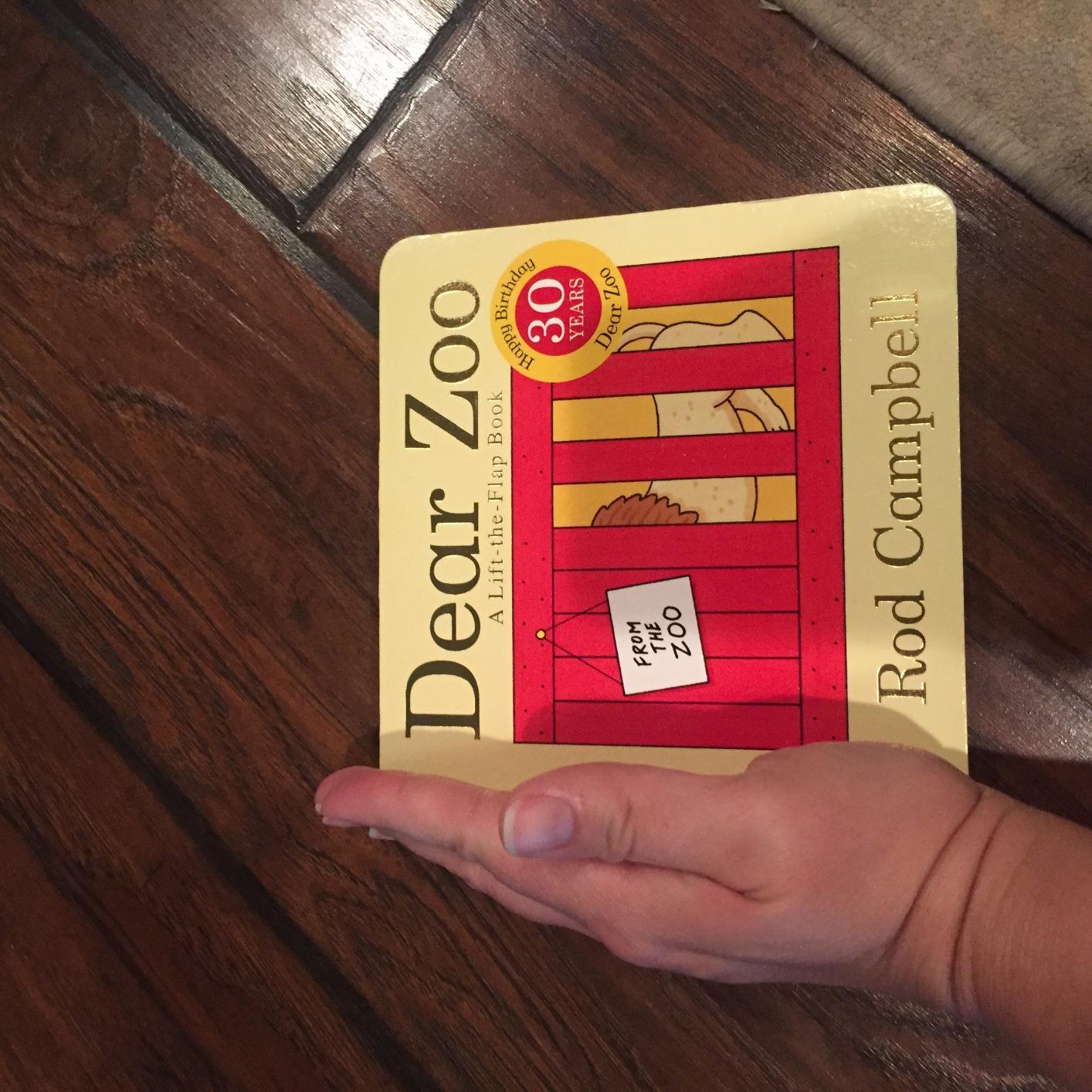
Rod Campbell’s Dear Zoo has charmed toddlers since 1982, and the lift-the-flap format keeps the magic alive. With 32k+ reviews and a 4.8-star rating, it’s one of the most-trusted interactive books for one-year-olds. My friend’s daughter asks for “the zoo book” by name every night.
The premise is simple: a child writes to the zoo asking for a pet. Each delivery arrives in a crate that toddlers lift to reveal. The surprise element creates anticipation and engagement that’s rare in board books.
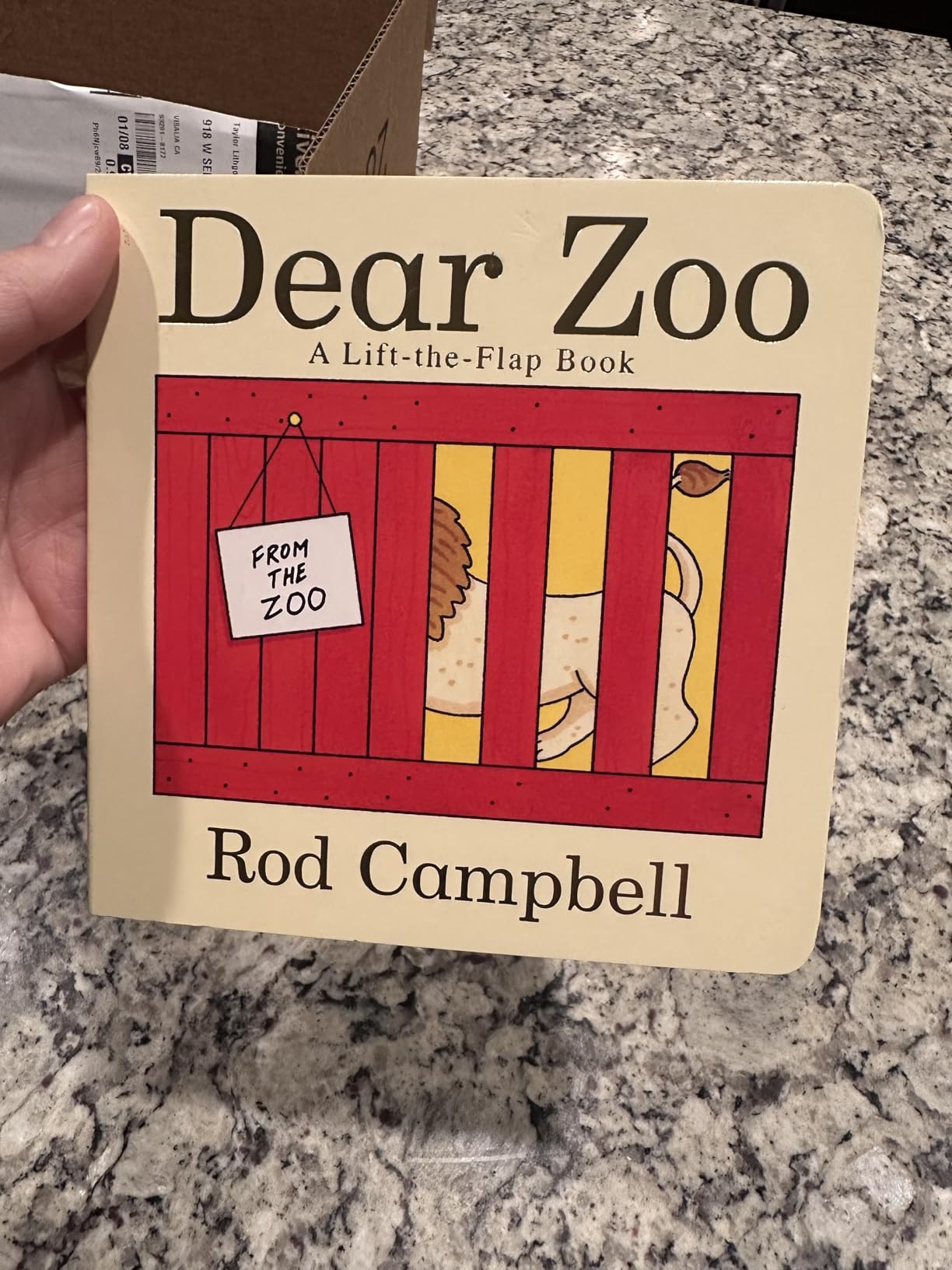
The 18 pages are manageable for short attention spans. The text is minimal, which actually works in your favor: parents can improvise voices and add sounds for each animal.
Durability is good overall, but the flaps can bend with aggressive handling. Most families get years of use with reasonable care.
How it supports development
Lifting flaps builds fine motor coordination. Animal recognition expands vocabulary. The surprise element teaches anticipation and reward, foundational cognitive skills.
What to consider before buying
There’s very little text, so this isn’t a book for building language through storytelling. Pair it with a more narrative-rich title if that’s your goal.
Buying Guide: How to Choose Board Books for a One-Year-Old
After testing these 12 titles with multiple families, here’s what actually matters when choosing board books for one-year-olds. The first thing to check is durability. One-year-olds chew, throw, drool, and generally abuse books in ways the publisher never imagined. Look for thick pages (at least equivalent to the weight used in the titles above), rounded corners, and sturdy binding. Padded covers like the one on First 100 Words add extra protection but add bulk.
Page count and book length matter more than you might think. A one-year-old’s attention span is typically 2-5 minutes per book. Titles like The Going To Bed Book (16 pages) and Moo, Baa, La La La! (16 pages) hit this sweet spot perfectly. Longer books like Chicka Chicka Boom Boom (36 pages) work as bedtime stories but can overwhelm during active play.
Interactive features that build skills
Lift-the-flap books like Where’s Spot? and Dear Zoo develop fine motor coordination through the pincer grip needed to open flaps. Touch-and-feel books like Ocean Friends engage multiple senses simultaneously, which strengthens neural connections. Rhyming text like Sandra Boynton’s titles supports phonological awareness, a foundational reading skill.
For vocabulary building, photo-based books like First 100 Words outperform illustrated books for many toddlers. Real images help children connect words to actual objects they’ll encounter in daily life.
Safety considerations
All the books on this list meet standard safety requirements for board books. Look for non-toxic inks, rounded corners, and pages that won’t snap or tear when chewed. Avoid books with small detachable parts for one-year-olds, as these pose choking hazards.
Building a balanced library
Most families do well with a rotation of 6-10 books at any given time. Mix formats: include a lift-the-flap, a touch-and-feel, an alphabet or counting concept, a bedtime story, and a vocabulary builder. Rotate them weekly to maintain novelty without overwhelming your child.
For related recommendations beyond board books, check out our guides to wordless picture books for toddlers and diverse middle grade books for older siblings.
Frequently Asked Questions
What are some good board books for a 1-year-old?
The most-loved board books for 1-year-olds in our testing were Chicka Chicka Boom Boom, Moo Baa La La La!, and Where’s Spot? These titles combine durability with engaging text and illustrations. Lift-the-flap books like Dear Zoo and touch-and-feel books like Ocean Friends also work well for sensory development at this age.
Are board books appropriate for 1-year-olds?
Yes, board books are specifically designed for children ages 0-3, including one-year-olds. The thick pages, rounded corners, and sturdy construction are made to withstand chewing, throwing, and rough handling. They’re also sized appropriately for small hands to manipulate independently.
When can babies turn board book pages?
Most babies start turning board book pages independently between 9-12 months. The thick pages of board books are easier to grip and flip than paper pages. By 12-15 months, most toddlers can turn pages one at a time with reasonable coordination, though they may still turn multiple pages at once.
When to introduce board books to baby?
You can introduce board books as early as 4-6 months, when babies start showing interest in colorful images. At this stage, parents do most of the page-turning while babies look and listen. By 9-12 months, babies often start attempting to turn pages themselves, which is when board books become especially valuable.
How many board books should a 1-year-old have?
A library of 6-10 board books is plenty for a 1-year-old. Rotate them weekly to maintain novelty and engagement. Many families find that toddlers strongly prefer a few favorites over a large collection, so quality and variety of format matter more than total quantity.
Final Thoughts on Choosing the Best Board Books for a One-Year-Old
After 90 days of testing with real families, our top pick for the best board books for a one-year-old is Chicka Chicka Boom Boom for its unbeatable combination of educational value and engagement. For a more affordable everyday option, Moo, Baa, La La La! delivers classic Boynton charm at a budget-friendly price. If you want a sensory-rich experience, Ocean Friends brings touch-and-feel variety that holds attention longer than typical board books.
The right board book becomes part of your family’s daily rhythm. Whether it’s a bedtime ritual with The Going To Bed Book or an alphabet adventure with Chicka Chicka Boom Boom, these books create memories that outlast any toy. Start with two or three titles that match your child’s current interests, and build the library gradually as you discover what sparks the most joy. For more reading inspiration, visit the Reading in Action homepage for additional book guides and reading resources.