
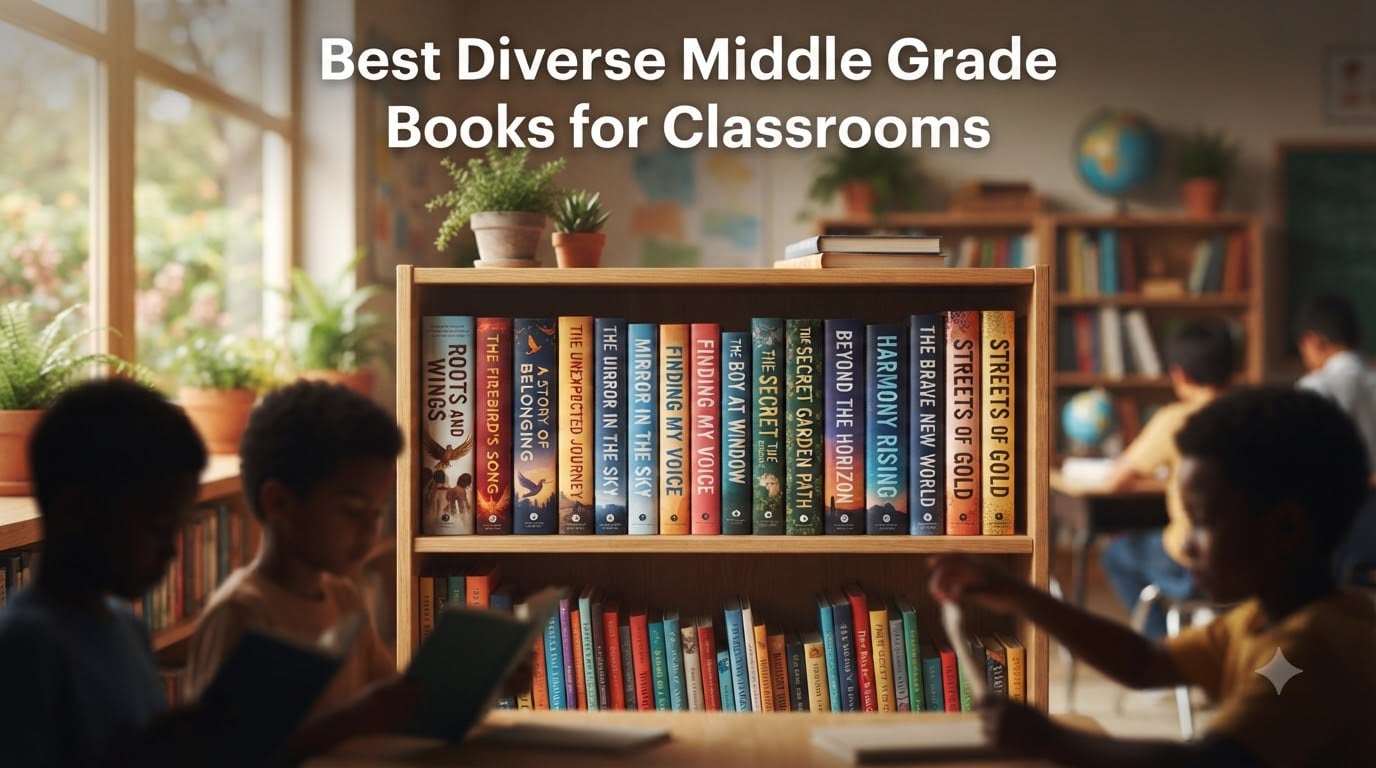
Every year, I watch teachers wrestle with the same question: which diverse middle grade books actually belong in a classroom library? Not the ones that feel preachy or tokenizing. The ones kids grab on a Tuesday afternoon and don’t put down until the bell rings. After comparing dozens of titles, talking with educators, and reading reviews from thousands of teachers and families, I put together this list of the best diverse middle grade books for classrooms that students genuinely want to read.
Diverse books aren’t just nice-to-haves anymore. They are essential. Research shows students learn better when they see themselves reflected in stories (mirrors) and when they experience lives unlike their own (windows). Whether you teach third graders or eighth graders, the right mix of culturally responsive literature changes how students see each other and the world. These 12 picks cover grades 3 through 8, span multiple cultures, identities, and lived experiences, and have earned high ratings from real classroom teachers.
I’ve organized this guide to match what teachers actually need: a quick comparison table, detailed reviews of each book with grade-level guidance, a buying guide for building an inclusive classroom library, and answers to common questions parents and educators ask. Every recommendation includes real ratings and review counts from Amazon so you can see how these titles perform beyond the marketing.
Table of Contents
Top 3 Diverse Middle Grade Picks for 2026
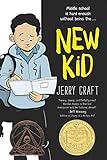
New Kid by Jerry Craft
- Newbery Medal winner
- Graphic novel format
- Engages reluctant readers

Fish in a Tree by Lynda…
- Dyslexia representation
- Newbery Honor winner
- Strong teacher-student bond

Hello, Universe by Erin…
- Newbery Medal winner
- Multiple POV characters
- Multicultural perspectives
Best Diverse Middle Grade Books for Classrooms in 2026: Quick Comparison
This table shows all 12 books side-by-side so you can quickly spot the right title for your grade level, reading ability, and diversity goals. Each book was chosen because real teachers use it successfully in real classrooms.
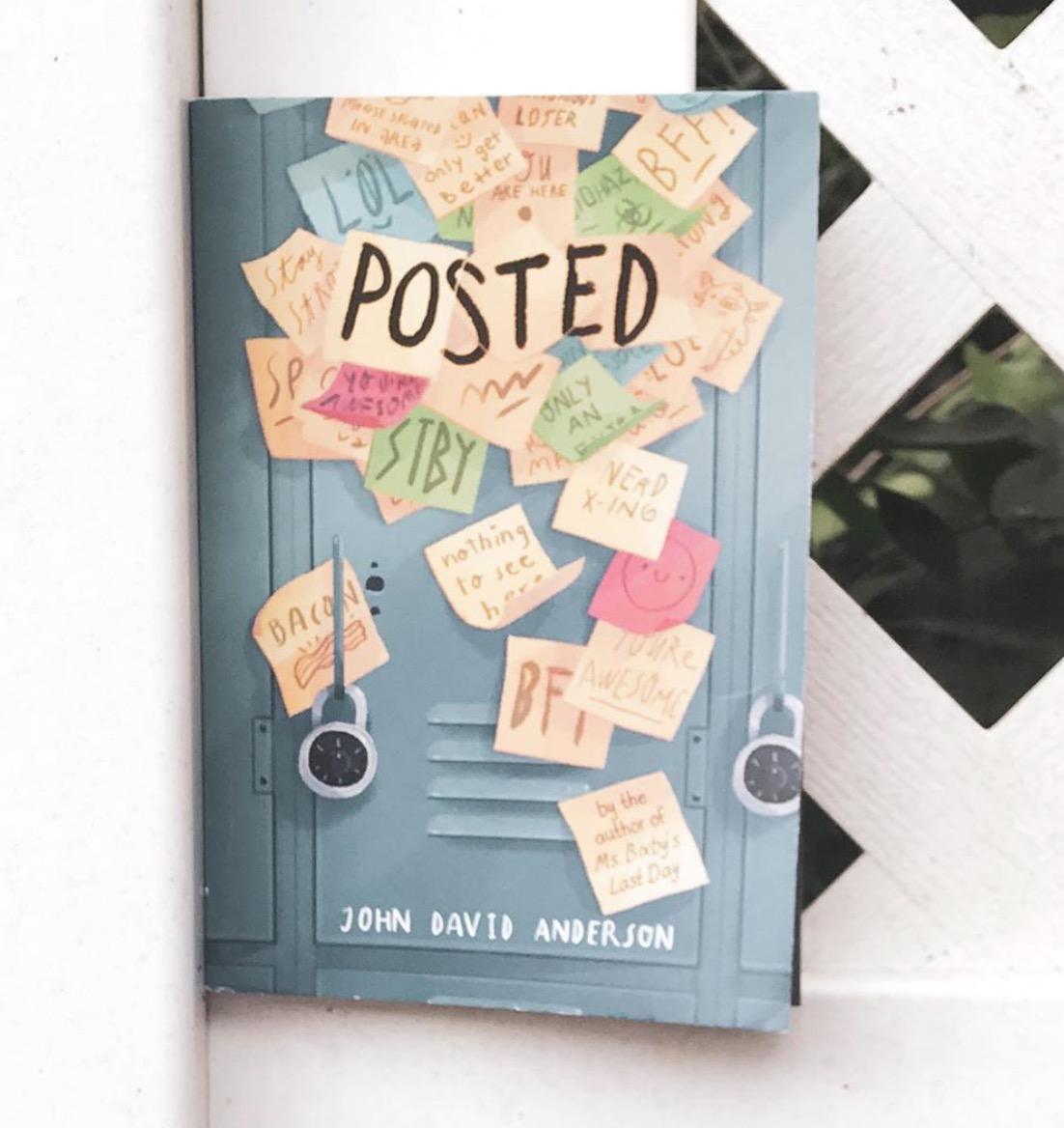
1. Posted by John David Anderson: A Bullying Story for Modern Middle Schoolers

Posted: A Story About Bullying, Friendship, and Social Media
Bullying and social media themes
Grades 3-7
384 pages
Pros
- Highly engaging for reluctant readers
- Strong classroom discussion potential
- Authentic middle school voice
Cons
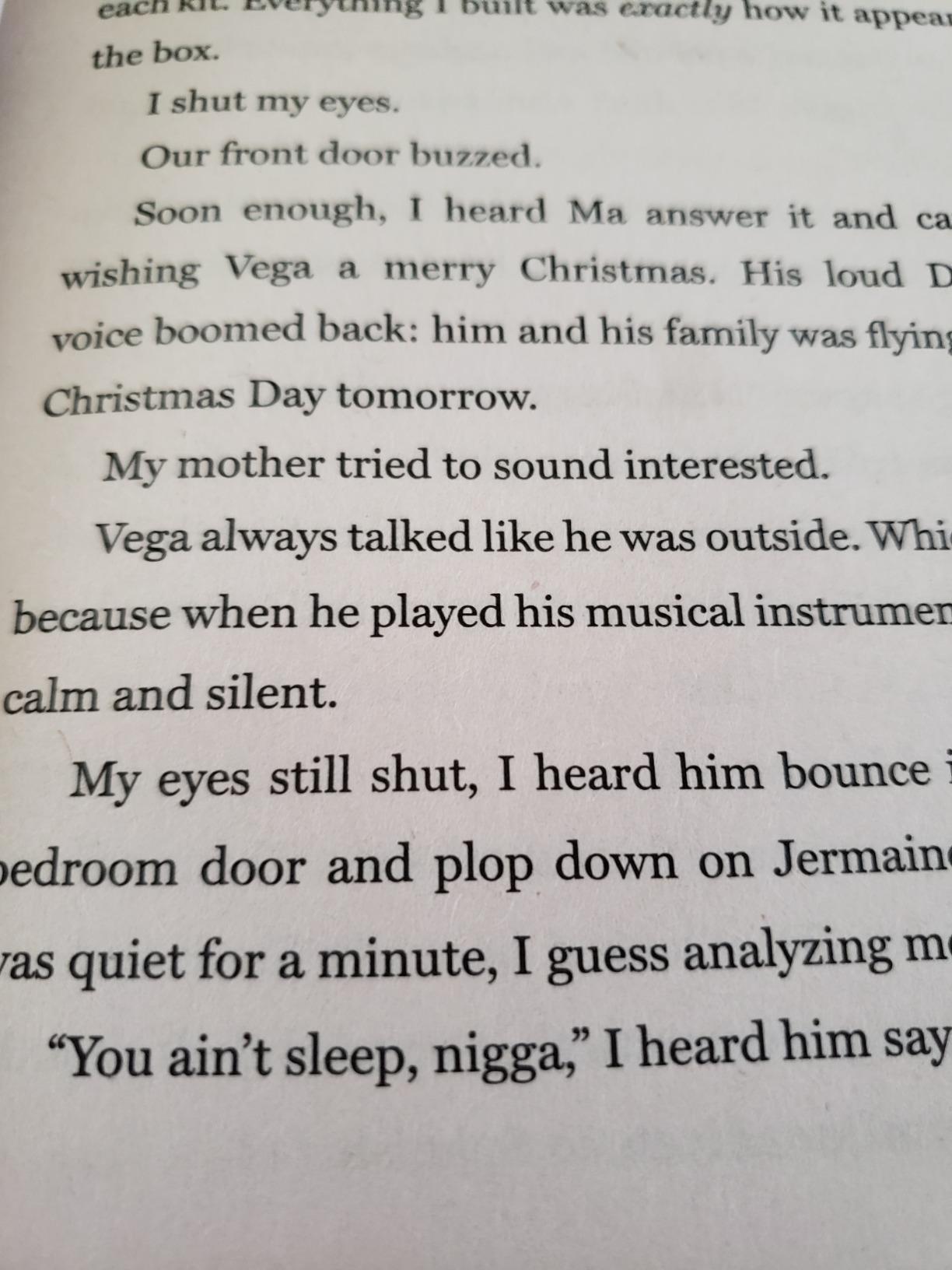
- Contains some situational slurs
- Smaller print in some editions
I keep coming back to Posted when teachers ask for a book middle schoolers will actually read on their own. John David Anderson nails the social dynamics of seventh grade: the group chats, the shifting friendships, the awkward moments when a joke goes too far. The story follows a group of kids navigating a bullying incident that snowballs through their school’s social media feed.
What makes this title work in classrooms is its honesty. Anderson doesn’t lecture. He shows realistic consequences and lets students draw their own conclusions. Teachers on Amazon consistently mention using it for anti-bullying units and digital citizenship lessons. With 1,753 reviews averaging 4.5 stars, the feedback from real educators is overwhelmingly positive.
The novel works well for grades 4 through 7, though some teachers use excerpts in grade 3. Reading level sits around 760L on the Lexile scale, which puts it in the comfortable range for most middle schoolers. Vocabulary is accessible, and chapters are short enough to assign as nightly reading without overwhelming struggling readers.
The biggest classroom strength is conversation material. The book touches on social media pressure, peer loyalty, and the difference between being funny and being hurtful. One teacher noted her class spent two full periods debating whether the main character was a bystander or a participant. That kind of genuine engagement is exactly what diverse books should spark.
The main concern parents raise is occasional language and situations that feel edgy for younger readers. I recommend previewing chapter 6 before assigning it to grades 3 or 4. For grades 5 and up, it works without filtering.
Best fit for your classroom
This book excels in middle school classrooms with anti-bullying curricula or digital citizenship units. It also works well for literature circles focused on friendship and identity. Skip it if you need a gentler title for sensitive readers.
Pairing recommendations
Pair Posted with Hello, Universe for a powerful two-book bullying unit covering different perspectives. Add Frizzy if you want to bring in graphic novel format for the same themes.
2. The Stars Beneath Our Feet by David Barclay Moore: Hope and LEGO in Harlem

Pros
- Unique LEGO building theme
- Beautiful voice and pacing
- Addresses grief with hope
Cons
- Urban violence themes may feel heavy
- Language and content skew older
The Stars Beneath Our Feet caught me off guard with how much heart it packs into 304 pages. David Barclay Moore tells the story of Lolly Rachpaul, a Black kid in Harlem processing his brother’s death while building elaborate LEGO creations. The book earned 3,179 reviews averaging 4.7 stars, and teachers consistently call it one of the best diverse middle grade books they’ve added in years.
What sets this book apart is its refusal to reduce Lolly’s experience to trauma porn. He carries real pain, real anger, and real vulnerability, but he also has humor, creativity, and a tight circle of family and friends. The LEGO building serves as a metaphor for choice, agency, and building your own path even when the world hands you a difficult blueprint.
Classroom teachers love this one for grades 5 and 6, though some use it with advanced 4th graders. The themes (gang pressure, grief, friendship) are mature but never gratuitous. Moore handles them with a delicate touch that respects both his characters and his readers.
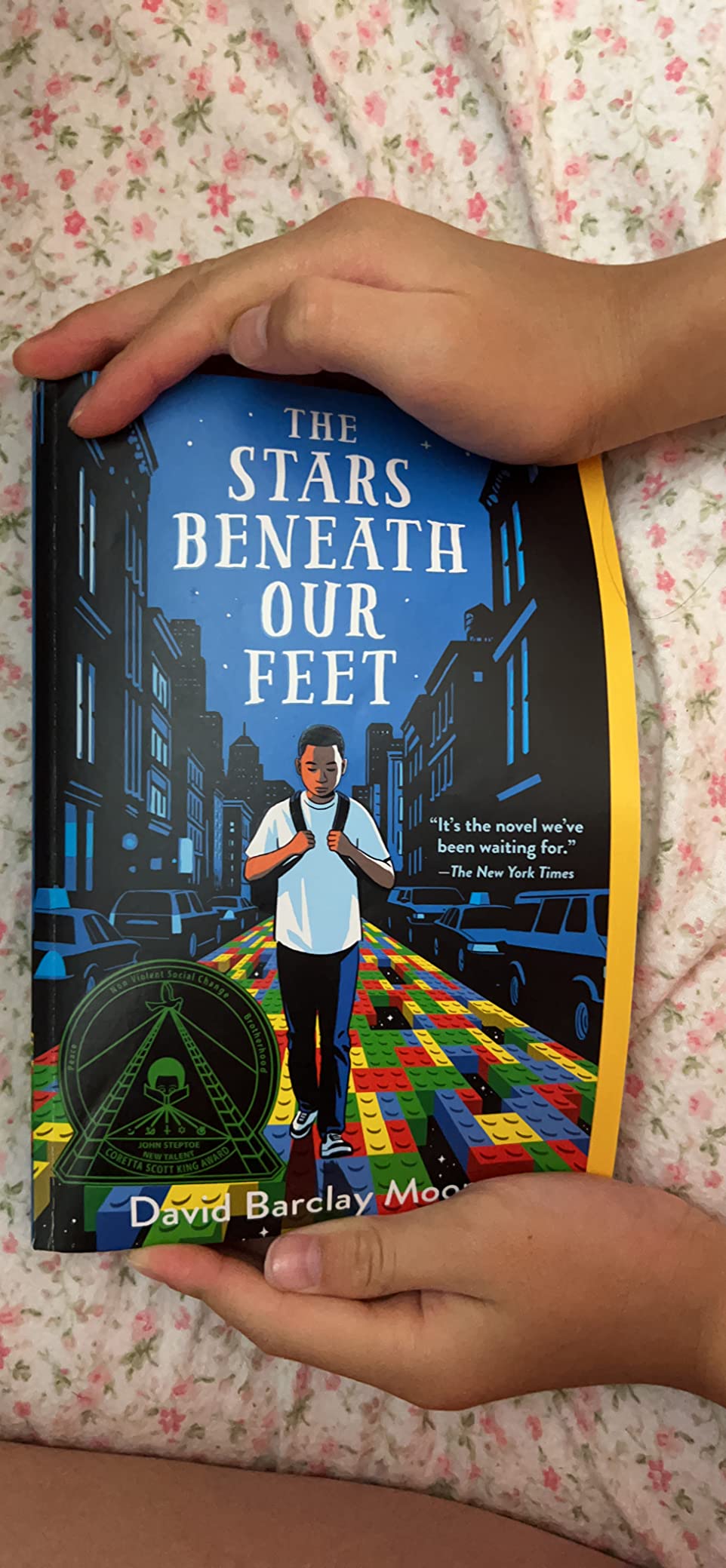
I particularly recommend pairing this with a creative project. After reading, students can design their own LEGO creation (real or sketched) and write about what they would build if they could make anything. That activity works for grades 4 through 8 and connects directly to the book’s core metaphor.
Best fit for your classroom
This book shines in grades 5-8 classrooms with flexible read-aloud time or literature circles. It’s especially strong for students dealing with grief, family disruption, or identity questions. Younger middle graders may need teacher support through some scenes.
Curriculum connections
Tie it to units on urban communities, the arts as therapy, or choices and consequences. The dual timeline of Lolly’s life with his brother and his present creates natural moments for character analysis and theme work.
3. Flying Lessons and Other Stories by We Need Diverse Books: A Classroom Anthology

Flying Lessons & Other Stories (We Need Diverse Books Anthology)
10 stories
240 pages
Grades 3-7
We Need Diverse Books
Pros
- Wide range of diverse authors
- Short story format ideal for class periods
- Birthday theme ties stories together
Cons
- Some stories feel incomplete due to length
- Varied quality across authors
Anthologies can be tricky in classrooms. Students don’t always connect with mixed-quality stories or jarring transitions. Flying Lessons & Other Stories sidesteps that problem by bringing together ten authors who all rise to the occasion. Published in partnership with the We Need Diverse Books movement, this collection earned 983 reviews averaging 4.6 stars.
The lineup reads like a who’s who of diverse children’s literature: Kwame Alexander, Matt de la Peña, Grace Lin, Jacqueline Woodson, Meg Medina, Tim Tingle, and others. Each author contributes a short story tied to a birthday theme, which gives teachers a built-in framework for pacing the read-aloud.
Classroom use is where this book earns its place. With 240 pages divided across ten stories, you can read one story per class period, use individual stories for literature circles, or assign specific tales to specific learners based on interest. Teachers consistently call it the most flexible diverse book resource they own.
Best fit for your classroom
This anthology works for grades 3 through 7 and adapts easily to almost any schedule. Use it when you want students to experience diverse voices without committing to a single author or storyline. It’s also perfect for substitute teachers or end-of-unit celebrations.
Stories that stand out for teaching
Jacqueline Woodson’s opening story and Grace Lin’s contribution tend to spark the richest class discussions. Kwame Alexander’s piece in verse makes a great pairing with his longer novels for crossover readers.
4. Frizzy by Claribel A. Ortega: A Graphic Novel About Hair and Identity

Frizzy: A Graphic Novel
Latina protagonist
224 pages
Grades 3-5
Hair positivity
Pros
- Engaging graphic novel format for reluctant readers
- Beautiful and inclusive illustrations
- Empowering self-acceptance message
Cons
- Message occasionally feels heavy-handed
Reluctant readers transformed my expectations for graphic novels, and Frizzy sits at the top of my recommendation list. Claribel A. Ortega’s debut earned 788 reviews averaging 4.8 stars, with teachers consistently noting that even students who avoid books cannot put this one down.
The story follows Marlene, a Dominican-American girl whose mother straightens her curly hair every weekend. When Marlene discovers a salon where curly hair is celebrated, she begins a quiet rebellion against her family’s beauty standards. The CROWN Act themes (anti-hair-discrimination legislation) sit naturally inside a story about friendship, family, and finding your people.
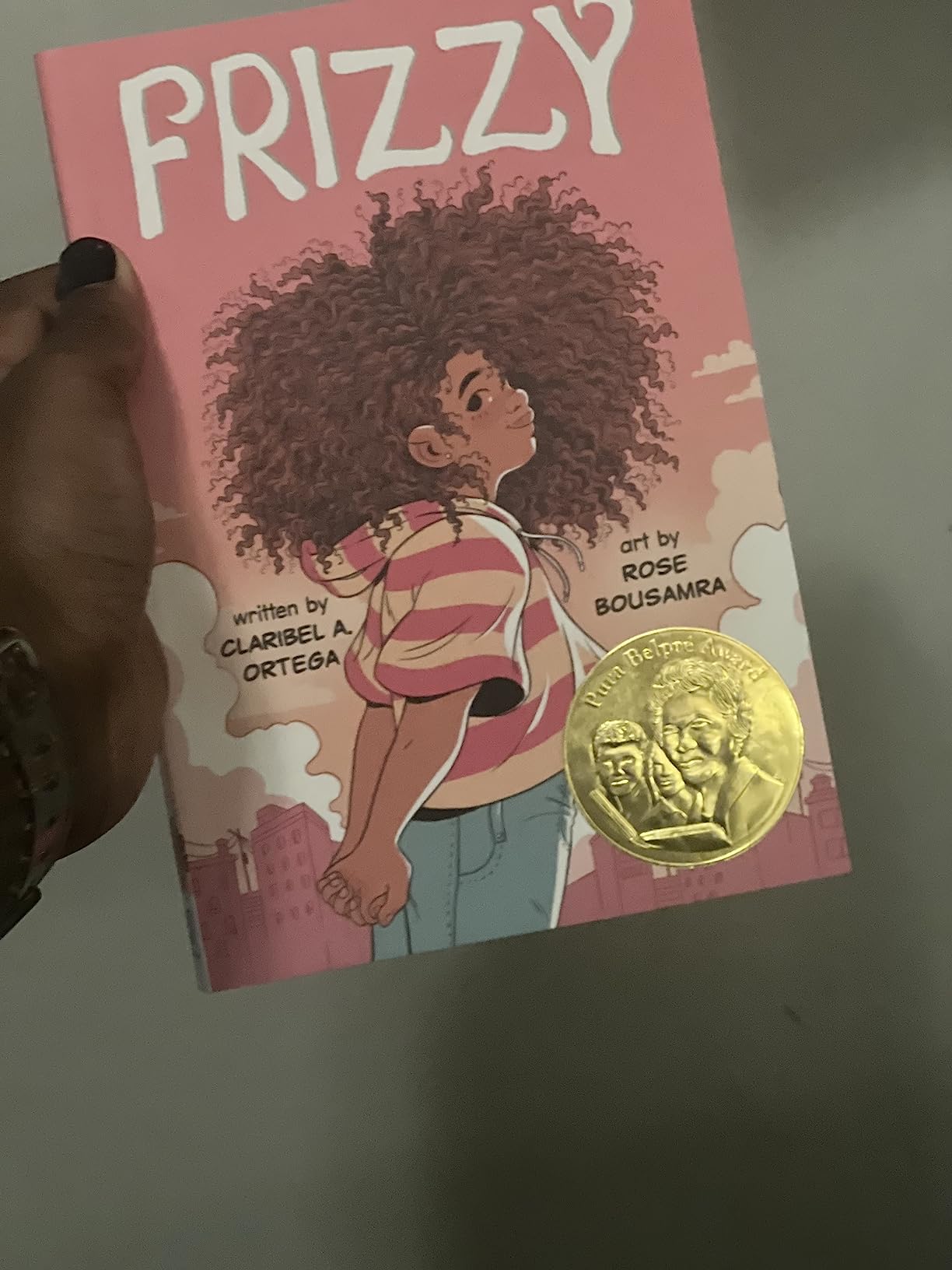
Rose Bousamra’s illustrations are vibrant, warm, and full of personality. Every panel feels alive with cultural detail. For classrooms with English language learners, the visual storytelling lowers the reading barrier while keeping the emotional content rich. For Spanish-speaking families, the bilingual edition makes this title especially valuable.
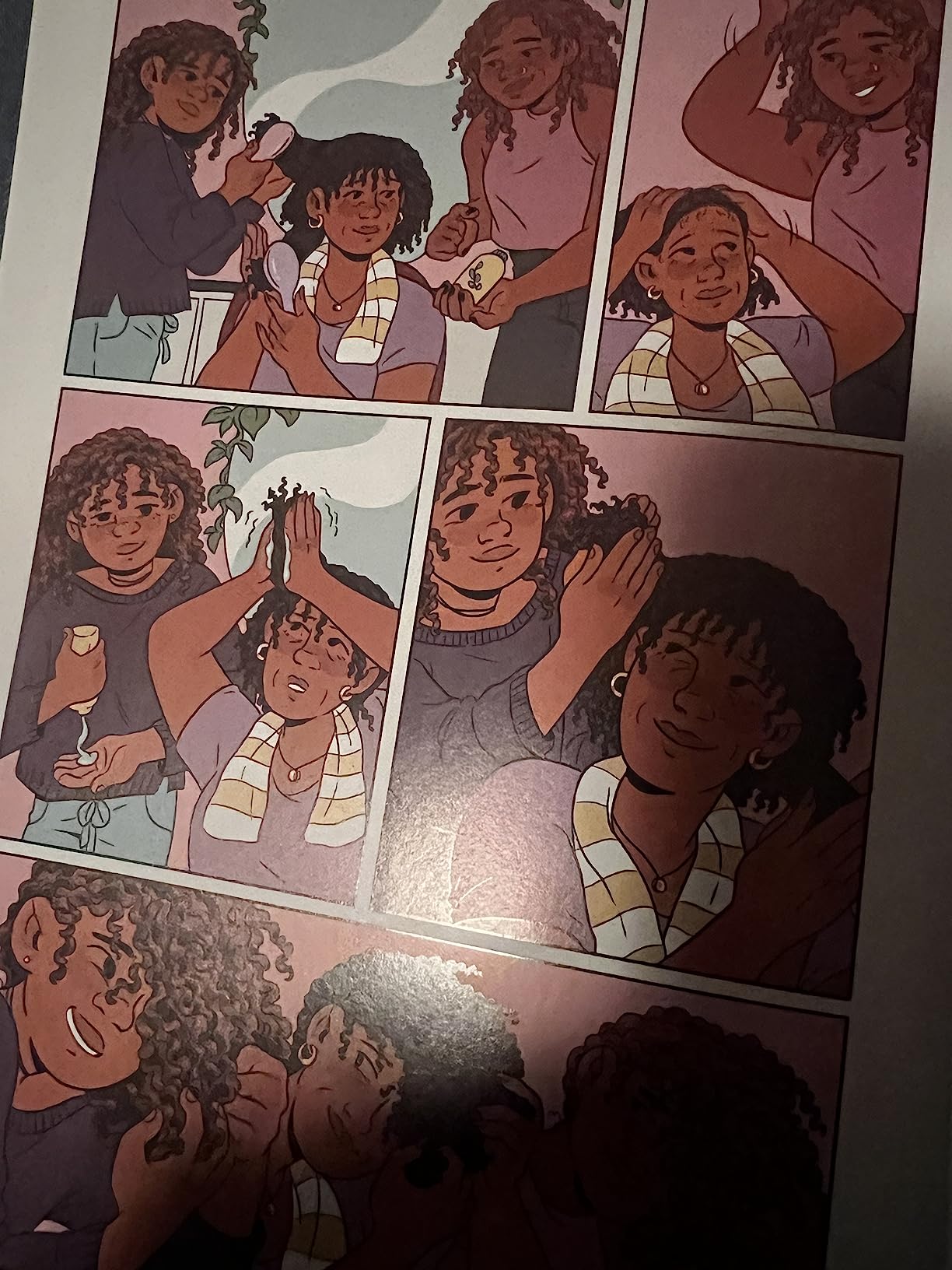
The reading level and content land squarely in grades 3 through 5, though advanced second graders handle it well. The book addresses colorism and Eurocentric beauty standards with sensitivity, never talking down to young readers. Teachers report that students who finish Frizzy often move on to other graphic novels they previously avoided.
Best fit for your classroom
This book excels in grades 3-5 classrooms and works beautifully as a read-aloud for younger grades. Use it for units on identity, family, or cultural pride. It also makes a strong mentor text for teaching students about visual storytelling.
Building classroom conversation
After reading, ask students to design their own character and illustrate one panel showing that character’s defining moment. The activity builds identity awareness while reinforcing reading comprehension.
5. Hello, Universe by Erin Entrada Kelly: A Newbery Winner About Four Kids
Hello, Universe: A Story About Bullying, Friendship, and Being Different
Grades 3-7
352 pages
Multicultural voices
Pros
- Newbery Medal winner
- Four interwoven perspectives
- Rich classroom discussion material
Cons
- Slow opening
- Sparse conclusion leaves some readers wanting more
Erin Entrada Kelly’s Hello, Universe won the 2018 Newbery Medal for good reason. With 3,234 reviews averaging 4.6 stars, it remains one of the most recommended diverse middle grade books for classroom libraries. The novel weaves together four middle grade voices, each with their own cultural background, family situation, and inner world.
The story centers on a trapped well, a psychic grandmother, a shy boy named Virgil, and a bully named Chet. Kelly builds tension through alternating chapters that converge in surprising ways. The book features a deaf character, a Filipino-American protagonist, and authentic depictions of families across economic lines.
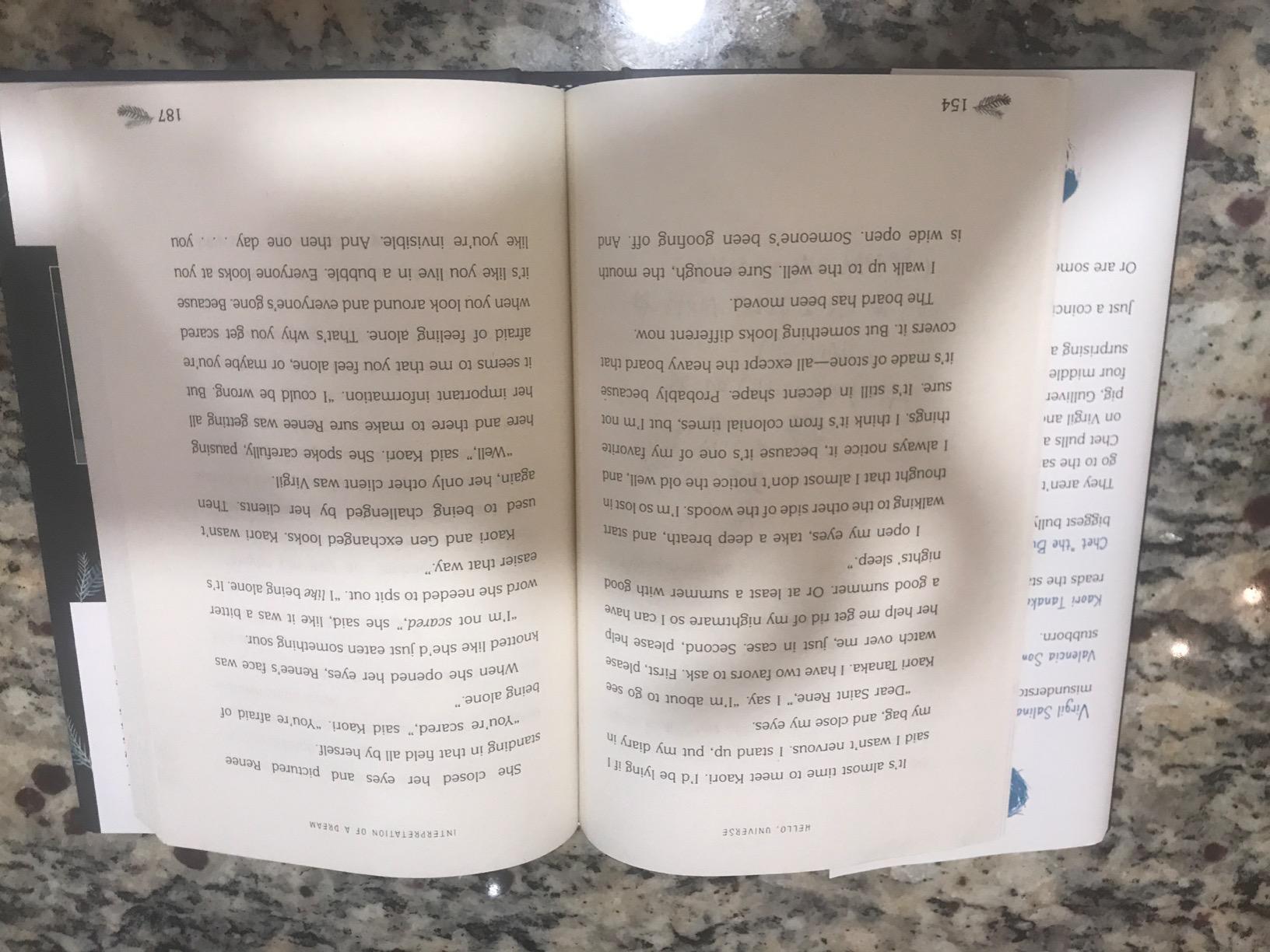
For classroom use, this book excels at character analysis and perspective-taking activities. Teachers assign chapters to different students and have them present each character’s worldview. The varied cultural backgrounds make it a natural entry point for discussions about identity, assumptions, and empathy.
Reading level sits around 670L-780L depending on the chapter, putting it in range for grades 4 through 7. The book works as a class read-aloud, literature circle selection, or independent reading choice for advanced readers in grade 3.
Best fit for your classroom
This title is ideal when you want a Newbery-recognized novel with diverse representation and complex characters. Pair it with Posted for contrasting takes on bullying. Use it for units on perspective, voice, or empathy building.
Discussion questions that work
Ask students to identify which character they most identify with and why. Have them write a missing chapter from a fifth character’s point of view. Both activities deepen comprehension while honoring the book’s layered structure.
6. Fish in a Tree by Lynda Mullaly Hunt: Dyslexia, Determination, and One Great Teacher
Pros
- Newbery Honor winner
- Accurate dyslexia portrayal
- Strong teacher-student relationship
Cons
- Some heavy emotional themes
Few diverse middle grade books have transformed classrooms the way Fish in a Tree has. With 12,878 reviews averaging 4.7 stars, this novel has earned its place as a staple in inclusive classroom libraries across the country. Lynda Mullaly Hunt tells the story of Ally Nickerson, a girl who has masked her dyslexia for years until a creative teacher helps her see her own brilliance.
What makes this book exceptional is its refusal to oversimplify. Ally’s struggles are real and ongoing. Her classmates’ kindness is genuine but imperfect. Her teacher’s approach feels authentic rather than saintly. The book handles neurodiversity with the same care other diverse books bring to racial and cultural representation.
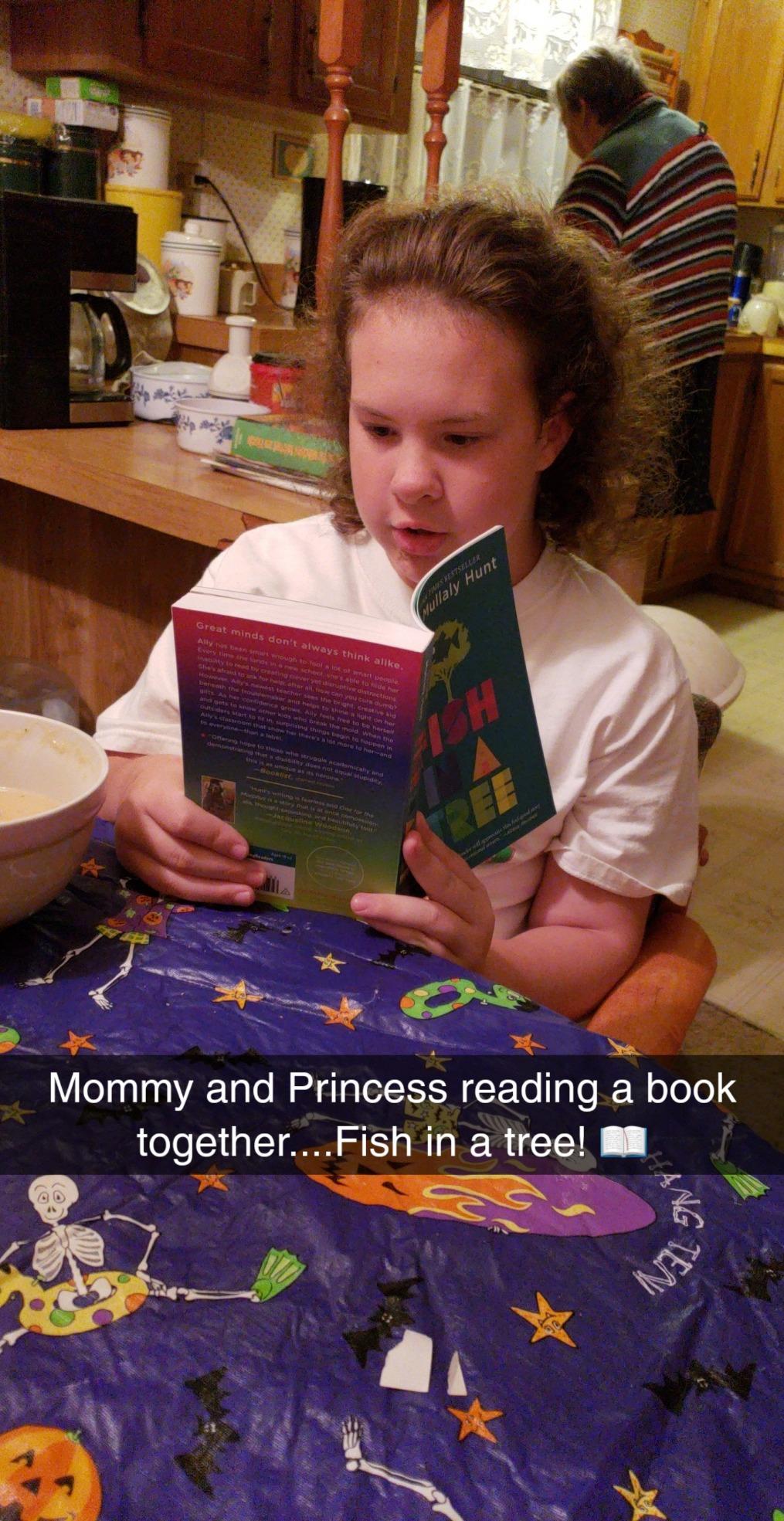
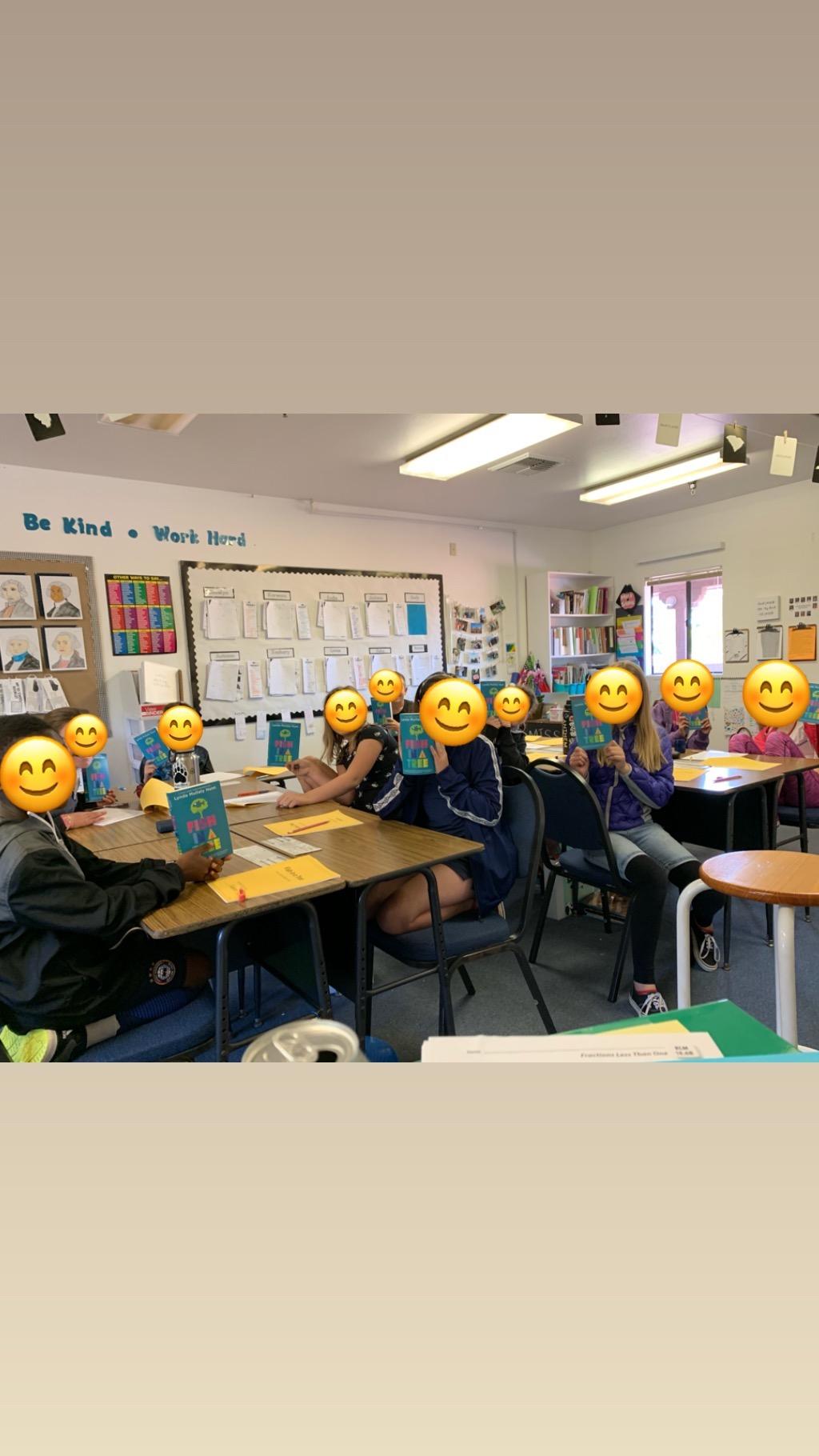
Classroom teachers use this book to spark conversations about learning differences, kindness, and the damage done by assumptions. Students with dyslexia and other processing differences often describe the book as the first time they felt truly seen in literature. The book includes built-in discussion questions, which makes it especially classroom-friendly.
The reading level and emotional content fit grades 5 through 8. Younger middle graders handle it with teacher support, especially for the school scenes involving bullying and self-doubt. The book pairs well with Counting by 7s or Out of My Mind for a complete neurodiversity unit.
Best fit for your classroom
This book shines in grades 5-8 classrooms and works especially well for inclusion units, professional development reading, and discussions about kindness. It belongs in every teacher’s professional library.
Why teachers recommend it
The book models what supportive teaching looks like without becoming a lecture. Teachers tell me they keep copies on hand for any student who arrives feeling behind or invisible. It does what diverse books should do: it sees students who often go unseen.
7. One Crazy Summer by Rita Williams-Garcia: Civil Rights Era Through Three Sisters’ Eyes
One Crazy Summer: A Newbery Honor Winner―A Moving Novel About Family, Activism, and Self-Discovery in 1960s America
Civil rights era
Grades 3-7
240 pages
Newbery Honor
Pros
- Newbery Honor winner
- Authentic historical context
- Strong sister character dynamics
Cons
- Some themes require teacher guidance for younger readers
Rita Williams-Garcia’s One Crazy Summer won the Newbery Honor and earned 5,396 reviews averaging 4.7 stars. The novel follows three sisters sent from Brooklyn to Oakland in 1968 to spend the summer with the mother who abandoned them. What they find is the Black Panther Party, a complex family situation, and a transformative summer.
The book excels at teaching civil rights history through personal story rather than textbook summary. Williams-Garcia uses vivid sensory details to bring 1960s Oakland alive, from community kitchens to neighborhood meetings to the girls’ growing understanding of their mother’s choices.
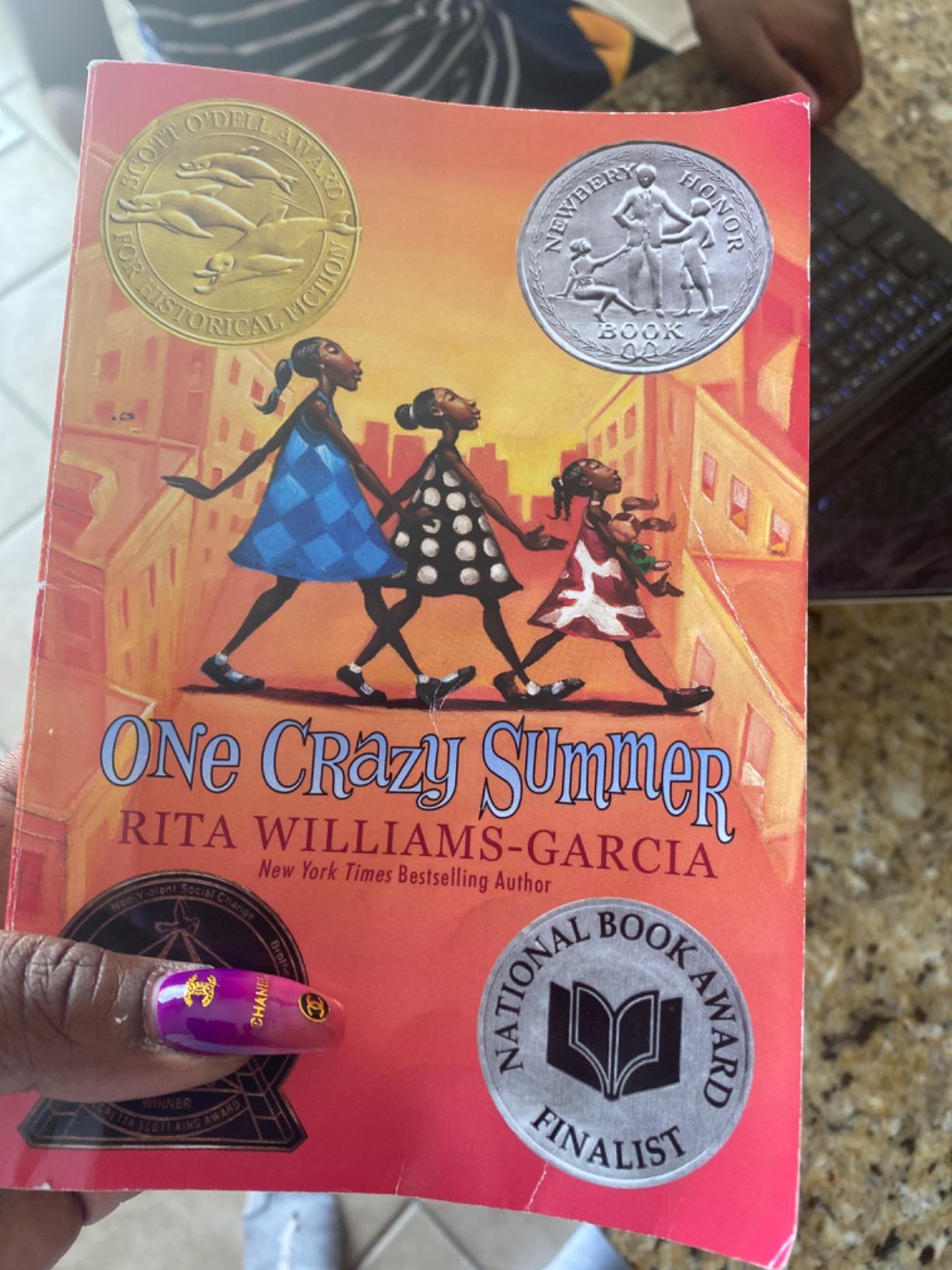
Classroom teachers love the series structure. One Crazy Summer, P.S. Be Eleven, and Gone Crazy in Alabama form a trilogy that follows the sisters across years and locations. Many classrooms read the first book together and assign the second and third as independent reading.
The reading level and emotional complexity fit grades 4 through 8. Grade 3 readers can handle it as a read-aloud with strong teacher scaffolding. The book pairs well with units on civil rights, family structures, and Black history.
Best fit for your classroom
This novel belongs in any Black history month curriculum, civil rights unit, or family-themed study. It also works for grades studying the 1960s. Pair it with primary source photographs from the Black Panther era to deepen historical context.
Building historical understanding
After reading, students can research a Black Panther community program (like the Free Breakfast Program) and present their findings. This connects literature to real history while honoring the book’s educational value.
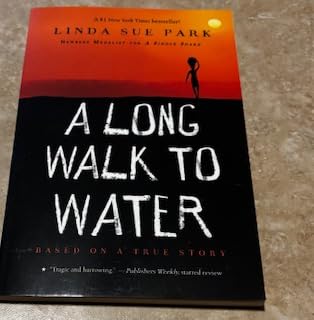
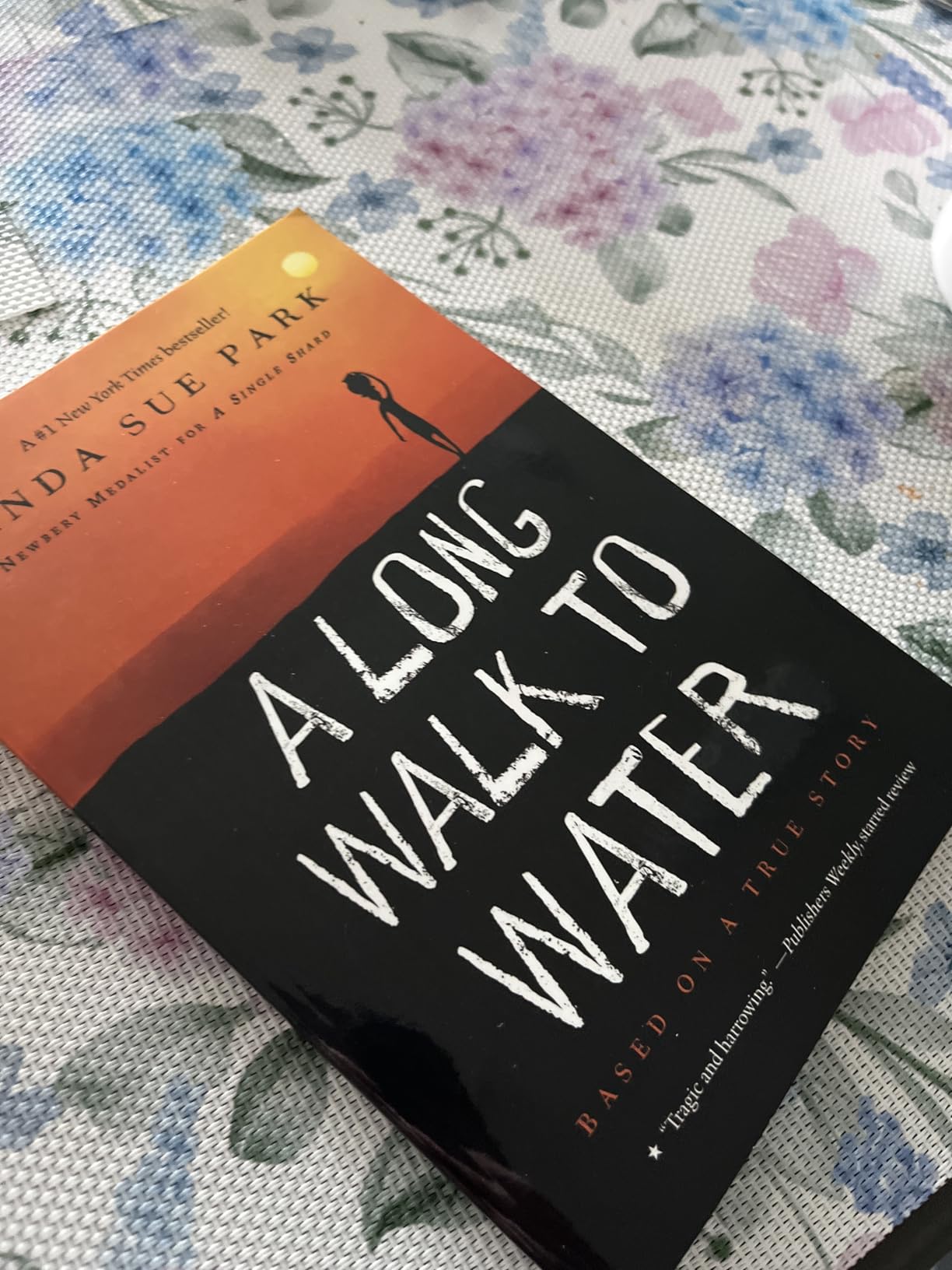
8. A Long Walk to Water by Linda Sue Park: A True Story of Survival From Sudan
A Long Walk to Water: A Powerful Adventure of Survival, Perseverance, and Hope in Sudan
Sudan story
Grades 5-7
128 pages
True story
Pros
- Based on true story of Salva Dut
- Accessible short novel format
- Educates about water crisis
Cons
- Vocabulary may feel simple for advanced readers
- Dual timeline takes adjustment
Sometimes the right diverse book is the shortest one with the biggest impact. A Long Walk to Water by Linda Sue Park runs just 128 pages but has earned 27,489 reviews averaging 4.7 stars. The dual narrative follows Salva Dut, a Sudanese refugee separated from his family during the civil war, and Nya, a young girl walking hours each day to fetch water.
The story is based on the real life of Salva Dut, who founded the nonprofit Water for South Sudan after resettling in the United States. Linda Sue Park weaves the two timelines together in a way that builds suspense while educating readers about global water insecurity and the refugee experience.
For classroom use, this book fits in units on global citizenship, water conservation, refugee experiences, or geography. The short length makes it accessible for reluctant readers, English language learners, and students who feel intimidated by longer novels. The fast pace keeps engagement high from start to finish.
The reading level and content fit grades 5 through 8. Teachers report that even grade 4 advanced readers handle the material with light scaffolding. The book opens naturally into fundraising projects, water walk challenges, and deeper exploration of Sudanese history.
Best fit for your classroom
This book excels when you want to combine reading with activism. Many teachers use it as a springboard for water-themed service projects. It’s also ideal for global studies units and classrooms participating in charitable campaigns.
Service learning extensions
After reading, students can research global water access or organize a class fundraiser for a clean water nonprofit. This connects the book to real-world impact, which deepens both engagement and learning.
9. The Name Jar by Yangsook Choi: Identity, Names, and Belonging

Pros
- Beautiful illustrations
- Clear and accessible message
- Strong classroom read-aloud
Cons
- Some readers find it wordy for a picture book
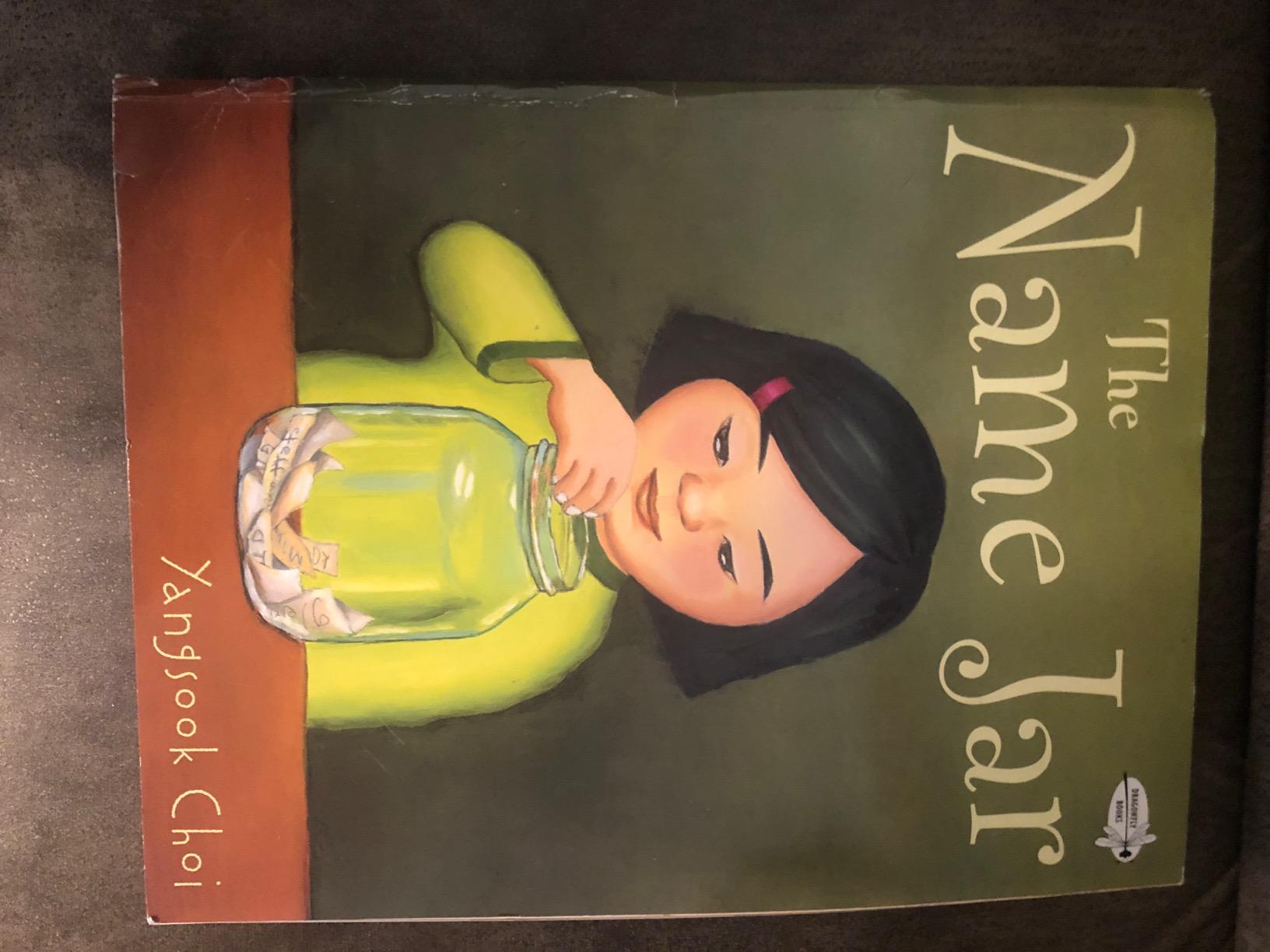
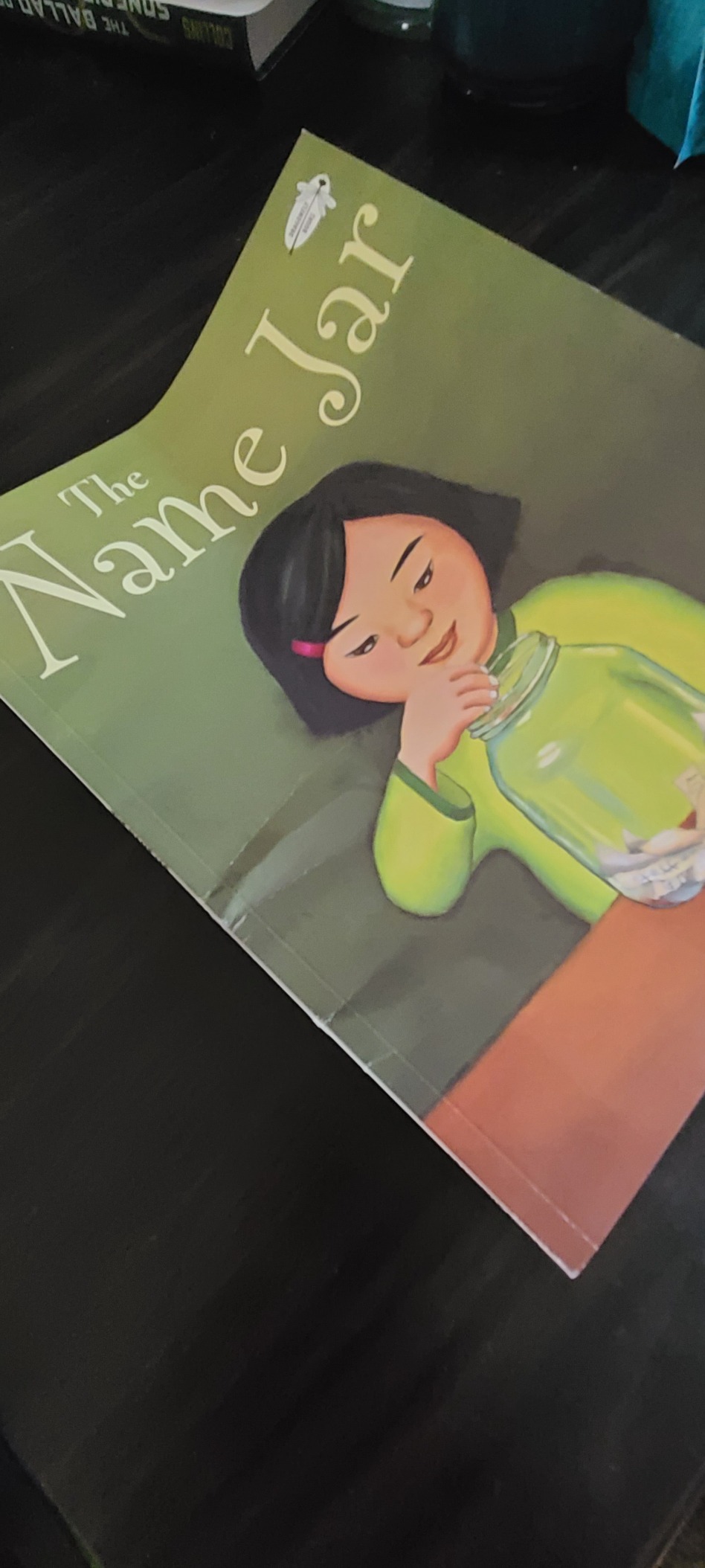
Picture books often get overlooked when teachers think about diverse middle grade books, but The Name Jar earned 4,252 reviews averaging 4.8 stars because it does something special. Yangsook Choi tells the story of Unhei, a Korean girl who has just moved to America and considers choosing an English name to fit in. Her classmates fill a name jar with suggestions, but Unhei learns that her family name carries meaning she shouldn’t leave behind.
The book works beautifully for younger middle grade readers (grades 1-3) and makes an excellent read-aloud for older grades exploring identity and cultural pride. Yangsook Choi’s illustrations are detailed, warm, and full of cultural texture that invites repeated reading.
Classroom teachers use this book in the first weeks of school to set a tone of acceptance and belonging. It also fits units on names, family heritage, immigration, and self-acceptance. The story pairs well with classroom activities where students share the stories behind their own names.
For older middle grade readers, the book serves as a quick, accessible entry point for bigger conversations about identity and code-switching. It can also be paired with novels like Amina’s Voice or The Thing About Jellyfish for identity-themed units.
Best fit for your classroom
This book works for grades 1-3 classrooms and as a touchstone text for older grades. Use it for back-to-school activities, heritage month celebrations, and identity-themed units.
Name story activities
Ask students to research the meaning and origin of their own names, then share with a partner or the class. This honors the book’s core message while building community in any classroom.
10. New Kid by Jerry Craft: A Graphic Novel About Fitting In
New Kid: A Story About Fitting In, School Diversity, and Friendship
Grades 3-7
256 pages
Graphic novel
School diversity
Pros
- Newbery Medal winner
- Engaging graphic novel format
- Authentic middle school experience
Cons
- Microaggression content needs teacher support
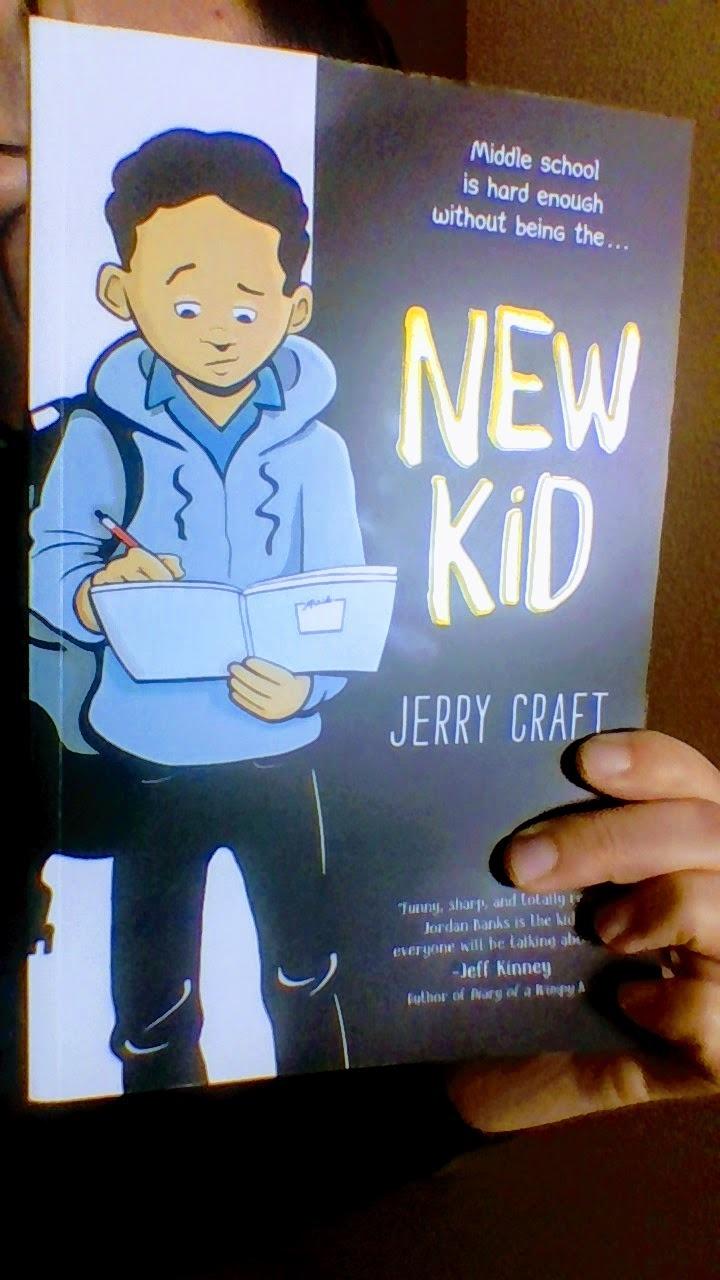
Jerry Craft’s New Kid made history as one of the first graphic novels to win the Newbery Medal. With 10,218 reviews averaging 4.7 stars, it has become one of the most widely used diverse middle grade books in American classrooms. The novel follows Jordan Banks, a Black seventh grader who attends a prestigious private school where he is one of the few students of color.
What makes this book exceptional is its humor. Craft addresses serious topics like microaggressions, code-switching, and cultural isolation through a funny, fast-paced graphic novel format that middle schoolers cannot resist. The illustrations are expressive and full of personality, and the story never feels preachy.
Classroom use is where New Kid really shines. Teachers report that students who refuse to read traditional novels stay engaged with this title. The graphic format lowers the reading barrier while the layered storytelling challenges advanced readers. The book pairs naturally with discussions about identity, friendship, and school culture.
The reading level and content fit grades 4 through 8. Grade 3 readers can handle it as a read-aloud with strong teacher support. The sequel, Class Act, extends the story into eighth grade and makes a natural companion volume.
Best fit for your classroom
This book is ideal for grades 4-8 classrooms, especially those studying school culture, identity, or friendship. Use it as a read-aloud for grades 3-5 or independent reading for grades 6-8. It also works for literature circles focused on graphic novels.
Why graphic novels belong in your library
Graphic novels like New Kid, Frizzy, and When Stars Are Scattered are not lesser books. They are powerful tools for engaging diverse readers, building visual literacy, and reaching reluctant students who deserve stories that reflect their lives.
11. When Stars Are Scattered by Victoria Jamieson: A Somali Refugee Story in Graphic Novel Form

When Stars Are Scattered: (National Book Award Finalist)
Somali refugees
Grades 4-7
264 pages
Graphic memoir
Pros
- National Book Award Finalist
- Stunning illustrations
- Based on true story
Cons
- Slow opening for some readers
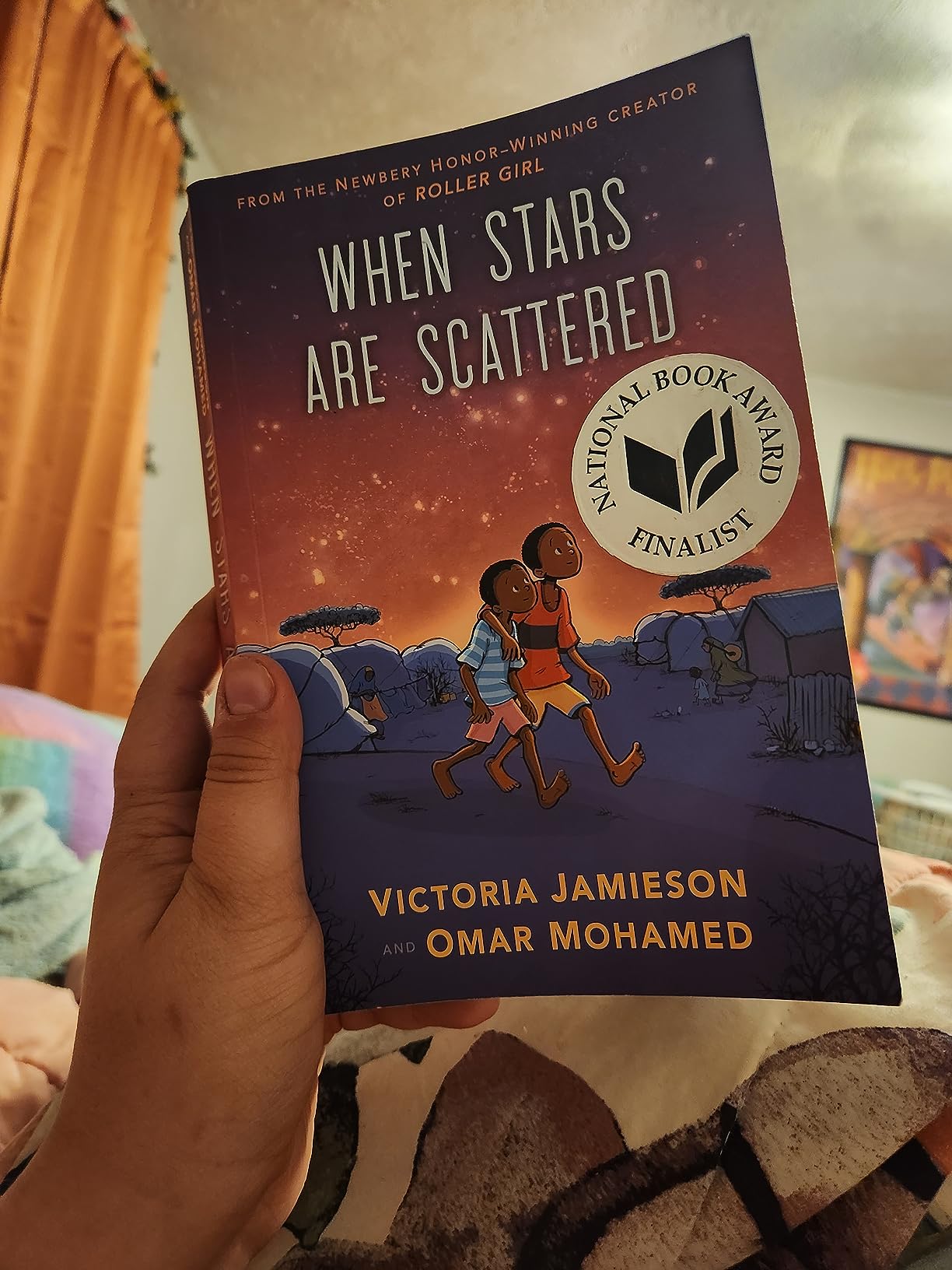
When Stars Are Scattered by Victoria Jamieson and Omar Mohamed earned 4,131 reviews averaging 4.8 stars. It was a National Book Award Finalist, and teachers consistently call it one of the most powerful diverse middle grade books they have ever taught.
The graphic novel memoir tells the true story of Omar Mohamed, who grew up in a refugee camp in Somalia after his father was killed and his mother disappeared. The book follows Omar and his younger brother Hassan as they wait for resettlement, balance school and survival, and dream of a different life.
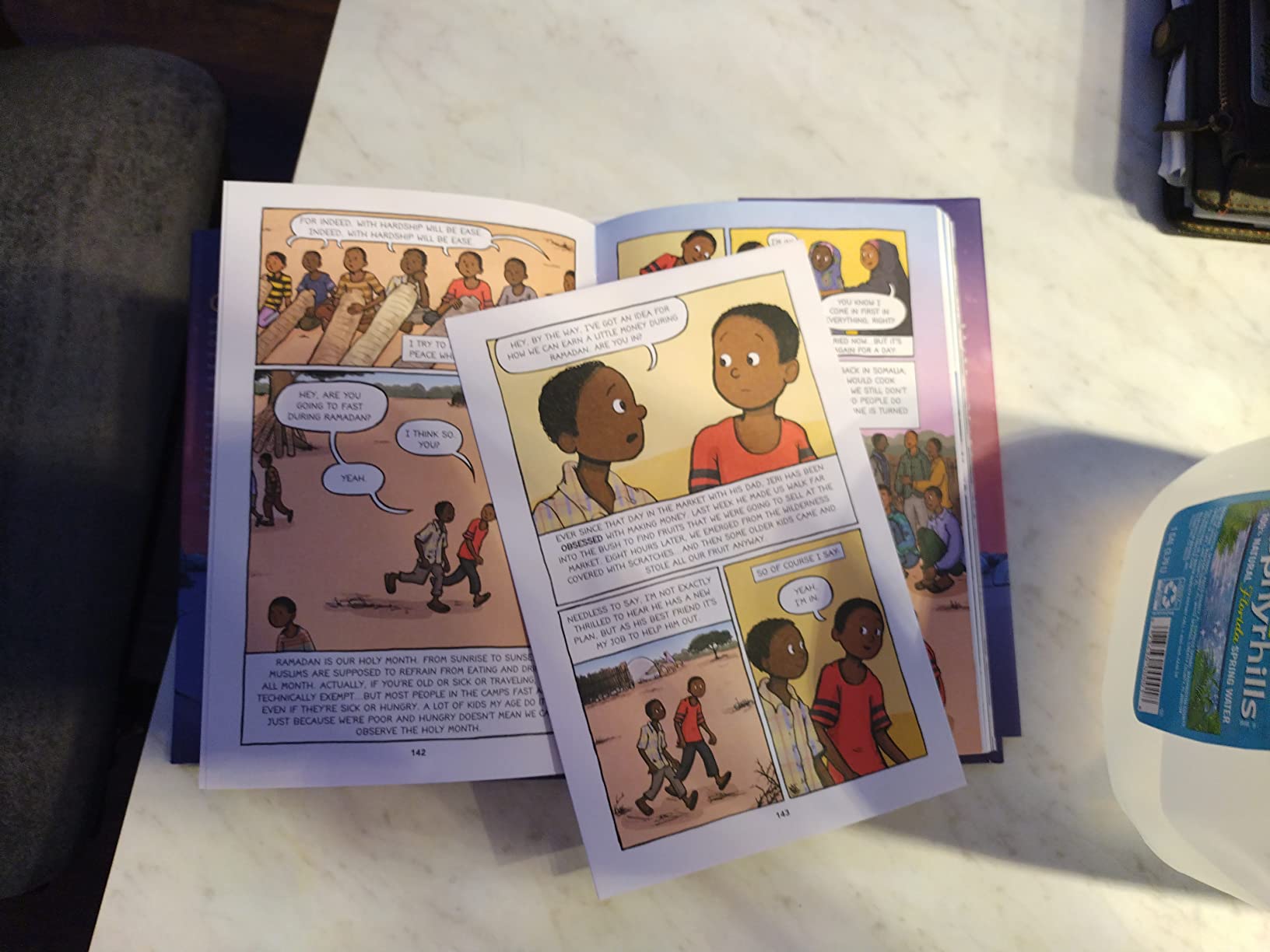
What makes this book extraordinary is its refusal to simplify refugee experiences. Omar’s story includes hardship, yes, but also humor, loyalty, dreams, and the ordinary moments of childhood. The graphic format makes a difficult subject accessible without softening it. Color in the illustrations shifts based on mood, giving students visual cues for emotional reading.
For classroom use, this book works for grades 4 through 8. The content is mature but never gratuitous, and the graphic format makes it accessible for a wide range of readers. Pair it with units on immigration, global studies, empathy building, or social studies standards covering refugee experiences.
Best fit for your classroom
This book is ideal when you want students to understand refugee experiences from a first-person perspective. It also works for middle schoolers studying global issues or developing empathy through literature. Pair it with A Long Walk to Water for a comprehensive refugee-themed unit.
Building empathy through stories
After reading, students can write a letter to Omar Mohamed (the real person behind the story) or research refugee resettlement statistics in their own community. This connects literature to real lives and real issues.
12. Esperanza Rising by Pam Munoz Ryan: Mexican-American Resilience in 1930s California

Esperanza Rising (Scholastic Gold)
Mexican-American
Grades 3-7
304 pages
Historical fiction
Pros
- Scholastic Gold series title
- Rich historical context
- Beautiful Spanish cultural integration
Cons
- Some copies reported with missing pages
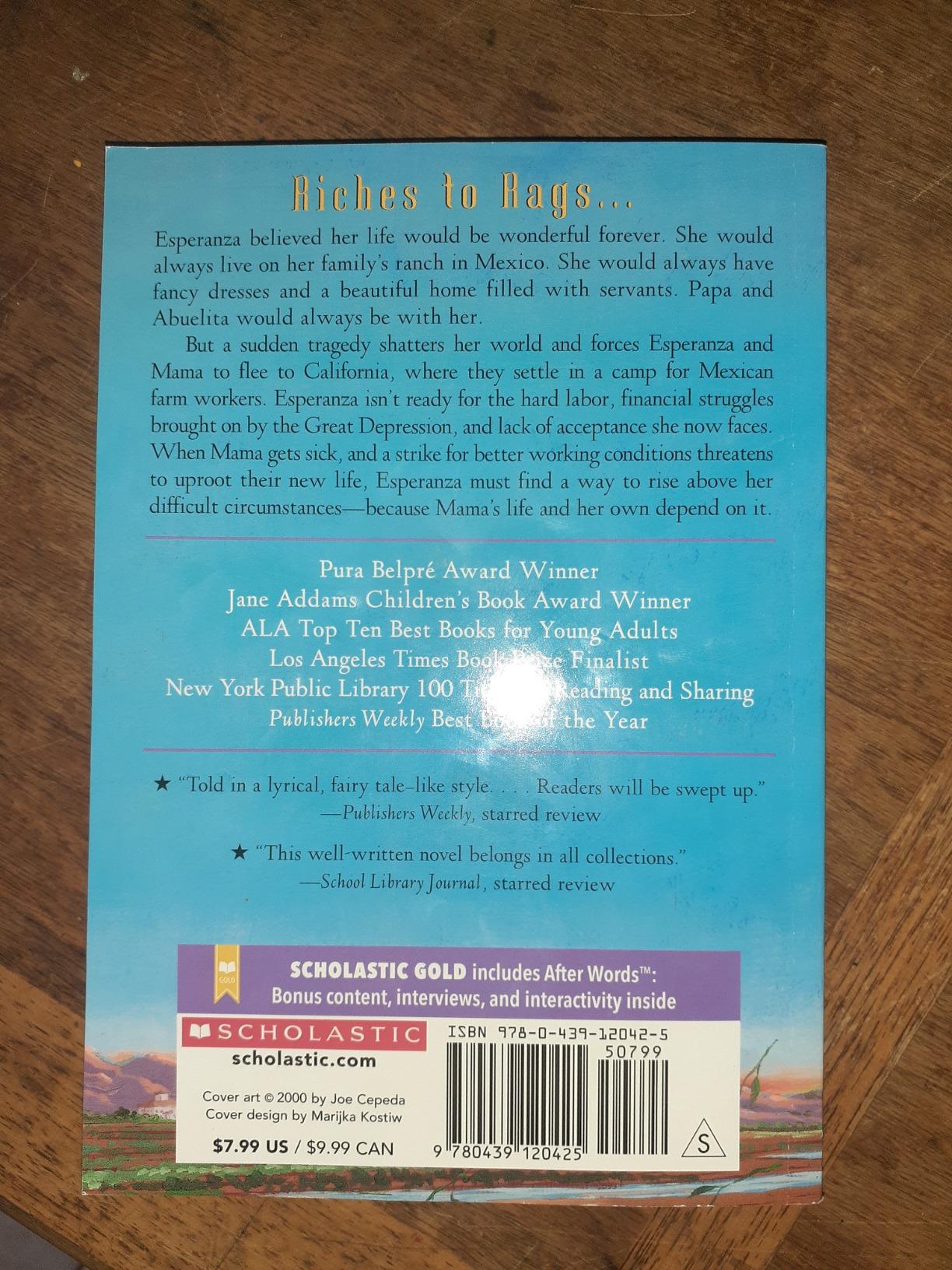
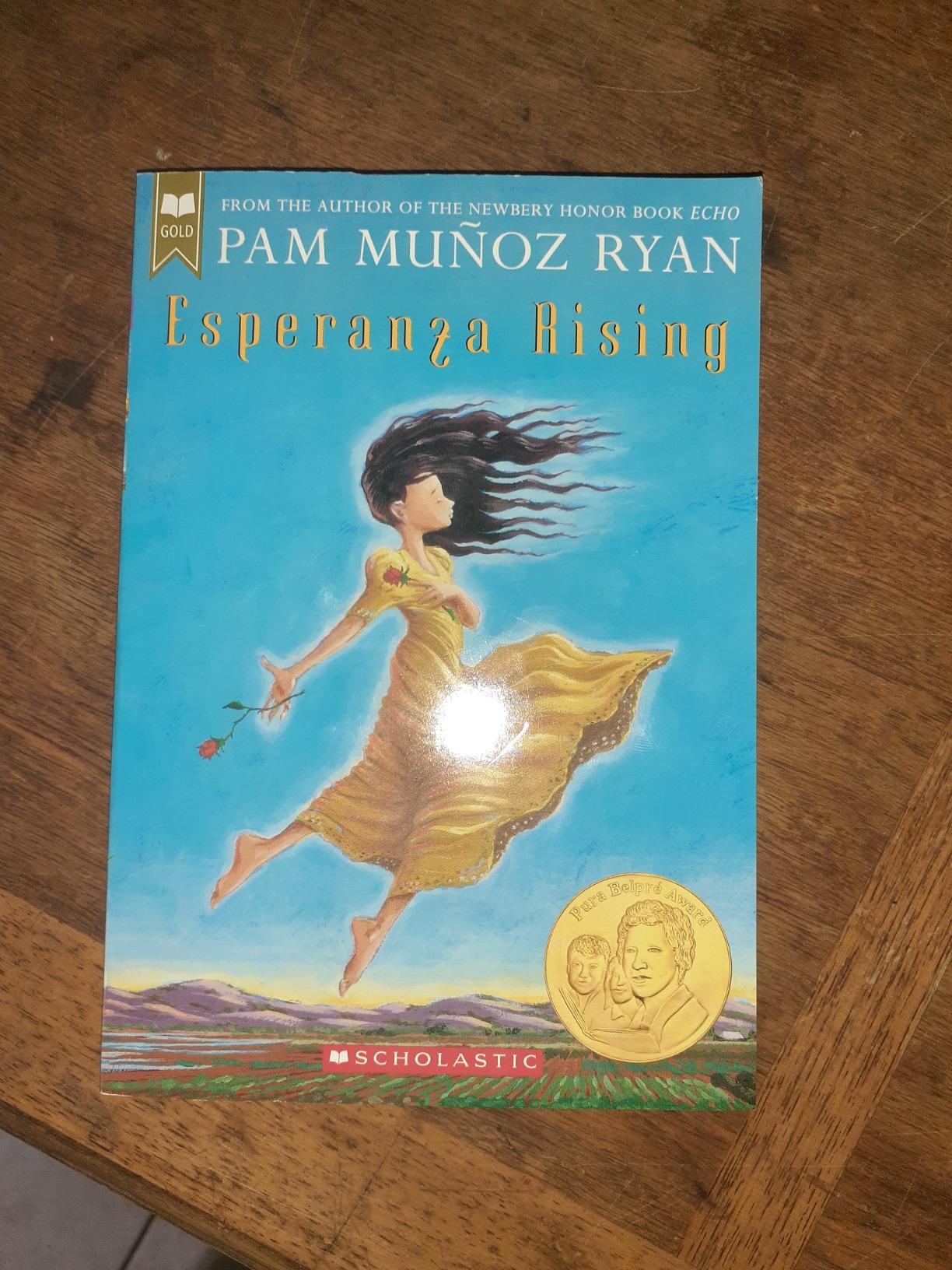
Pam Munoz Ryan’s Esperanza Rising has earned 11,440 reviews averaging 4.7 stars and holds a permanent place on diverse middle grade bookshelves across the country. The novel follows Esperanza, a wealthy Mexican girl whose life collapses when her father dies and she must flee to California during the Great Depression.
The book teaches Mexican-American history, immigration, labor rights, and family resilience through one girl’s transformation from privilege to perseverance. Pam Munoz Ryan weaves Spanish phrases naturally into the English text, building vocabulary while honoring cultural identity.
Classroom use is where this book shines. Teachers report using it for Hispanic Heritage Month, immigration units, farmworker studies, and Great Depression history lessons. The 304 pages and accessible reading level fit grades 4 through 7, with strong reader support for advanced grade 3 students.
The novel fits into social studies, language arts, and history curricula with equal ease. It also pairs beautifully with primary sources about the Dust Bowl era, Cesar Chavez, and Mexican-American communities in California. Many teachers build entire cross-curricular units around this single book.
Best fit for your classroom
This book excels in grades 4-7 classrooms and works for Hispanic Heritage Month, immigration-themed units, or Depression-era studies. It also belongs in any classroom studying farmworker history or Latinx experiences in America.
Curriculum connections
Pair Esperanza Rising with One Crazy Summer for two perspectives on American minority experiences in the 20th century. Add nonfiction texts about Cesar Chavez or the Great Depression to deepen historical context.
Buying Guide: Building a Diverse Classroom Library That Students Actually Read
Choosing the best diverse middle grade books for classrooms goes beyond picking titles from a list. After comparing dozens of options and talking with teachers who have built inclusive libraries over years, I have noticed several factors that separate a bookshelf students ignore from one they fight over.
Match books to your actual student demographics
The most effective diverse classroom libraries reflect the students who use them. Survey your class to identify cultures, family structures, languages, and identities represented in your room. Then choose titles that mirror those experiences alongside windows into lives your students have not yet encountered. Balance is the goal. Every student should see themselves in some books while discovering others in different books.
Prioritize great stories over preachy messages
Teachers consistently report that students avoid books that feel like lessons disguised as stories. The best diverse middle grade books are excellent narratives first and diverse representation second. Look for titles where the characters feel real, the plot moves, and the cultural or identity elements emerge naturally from the storytelling. Books like New Kid, Esperanza Rising, and Fish in a Tree all succeed because they work as stories before they work as cultural mirrors.
Mix formats to reach every reader
Graphic novels, anthologies, and shorter novels each serve different purposes in a diverse classroom library. Graphic novels like Frizzy and When Stars Are Scattered engage reluctant readers. Anthologies like Flying Lessons give teachers flexibility. Shorter novels like A Long Walk to Water welcome English language learners and struggling readers. A balanced library has all three.
Consider reading level and emotional maturity
Lexile levels, reading ages, and emotional content vary widely across diverse middle grade books. A book like The Name Jar works for grade 2, while The Stars Beneath Our Feet fits grades 5-6 with heavier content. Always check the recommended age range and preview the book for themes your community handles with care. Teacher review for books with slurs, violence, or mature content is not optional.
Highlight award winners without limiting yourself to them
Newbery and Coretta Scott King winners are strong starting points because they have passed expert review. But the best diverse classroom libraries also include community favorites and underrated titles that resonate with specific student populations. Mix award winners with reader-driven picks for a balanced collection.
Make books discoverable without labeling them
Many teachers ask whether they should label diverse books to draw attention. The research is mixed. Students sometimes reach past “diverse book” labels the same way they avoid books marked “required reading.” Instead, organize books by theme, mood, or interest, and let recommendations happen through book talks, peer reviews, and teacher read-alouds. Trust students to find what speaks to them.
Plan classroom implementation alongside book selection
Choosing diverse books without planning for classroom use wastes the investment. Decide whether each book will be a read-aloud, literature circle selection, independent reading option, or curriculum anchor. Build discussion questions, extension activities, and assessment plans alongside the purchase. Books like One Crazy Summer and Esperanza Rising work best when paired with historical context, while novels like Fish in a Tree thrive during empathy-building units.
Frequently Asked Questions
What are some diverse books for middle grade students?
Diverse middle grade books include titles that represent different races, ethnicities, family structures, abilities, and identities. Top picks for classrooms include New Kid by Jerry Craft (Newbery Medal winner, graphic novel about a Black student at a private school), Fish in a Tree by Lynda Mullaly Hunt (about a girl with dyslexia), Hello, Universe by Erin Entrada Kelly (Newbery winner with multicultural perspectives), Esperanza Rising by Pam Munoz Ryan (Mexican-American immigration story), and One Crazy Summer by Rita Williams-Garcia (civil rights era). These books span grades 3-8 and have earned thousands of positive reviews from teachers.
What are some good diverse books for elementary school students?
For elementary classrooms (grades 3-5), excellent diverse books include Frizzy by Claribel A. Ortega (graphic novel about a Latina girl’s curly hair), The Name Jar by Yangsook Choi (Korean-American identity), Flying Lessons and Other Stories (multi-author anthology), and Hello, Universe by Erin Entrada Kelly. These titles offer accessible reading levels, engaging storylines, and authentic representation. For grades 1-2, picture books like The Name Jar work well as read-alouds that introduce diversity themes.
What is the most read book in middle school?
Among diverse middle grade books, Fish in a Tree by Lynda Mullaly Hunt is one of the most widely used with over 12,800 reviews on Amazon and a 4.7-star rating. Other widely read titles include New Kid by Jerry Craft (10,200+ reviews), Esperanza Rising by Pam Munoz Ryan (11,400+ reviews), and A Long Walk to Water by Linda Sue Park (27,000+ reviews). These books appear consistently on classroom shelves across the country because they engage students and spark meaningful discussions.
Why are diverse books important for classrooms?
Diverse books provide windows and mirrors for students. Mirrors allow students from underrepresented backgrounds to see themselves reflected in literature, which builds identity, confidence, and engagement. Windows let students from majority backgrounds experience lives unlike their own, which builds empathy, cultural awareness, and global understanding. Research consistently shows that students learn better when curriculum reflects diverse perspectives, and classroom libraries that include diverse books improve reading engagement across all student populations.
How do I build an inclusive classroom library on a budget?
Start with high-impact titles that span multiple cultures and identities. Books like Fish in a Tree, New Kid, and Esperanza Rising all cost under 10 dollars per copy and serve wide grade ranges. Apply for grants through organizations like We Need Diverse Books or DonorsChoose. Host book drives with parents and community partners. Prioritize award winners because they have lasting power on classroom shelves. Build your collection slowly over several years rather than trying to buy everything at once.
Final Thoughts on Choosing Diverse Middle Grade Books for Classrooms
Building a diverse classroom library is one of the most important things teachers can do for their students. The 12 books I have reviewed here represent the strongest options across grades 3-8, drawing from award winners, teacher favorites, and titles that consistently earn high marks from real classroom use.
If you have to start with just three books, choose New Kid for its Newbery-winning graphic novel format and broad appeal, Fish in a Tree for its powerful representation of learning differences, and Esperanza Rising for its rich cultural heritage and historical depth. These three alone would transform most classroom libraries. From there, layer in titles that reflect your specific student population and curriculum needs.
Diverse middle grade books work best when they become part of how students see themselves and others. Use these titles for read-alouds, literature circles, book clubs, and independent reading. Pair them with meaningful discussion questions and extension activities. Most importantly, trust your students to find the stories that speak to them. The right book on the right day can change how a child sees the world.