
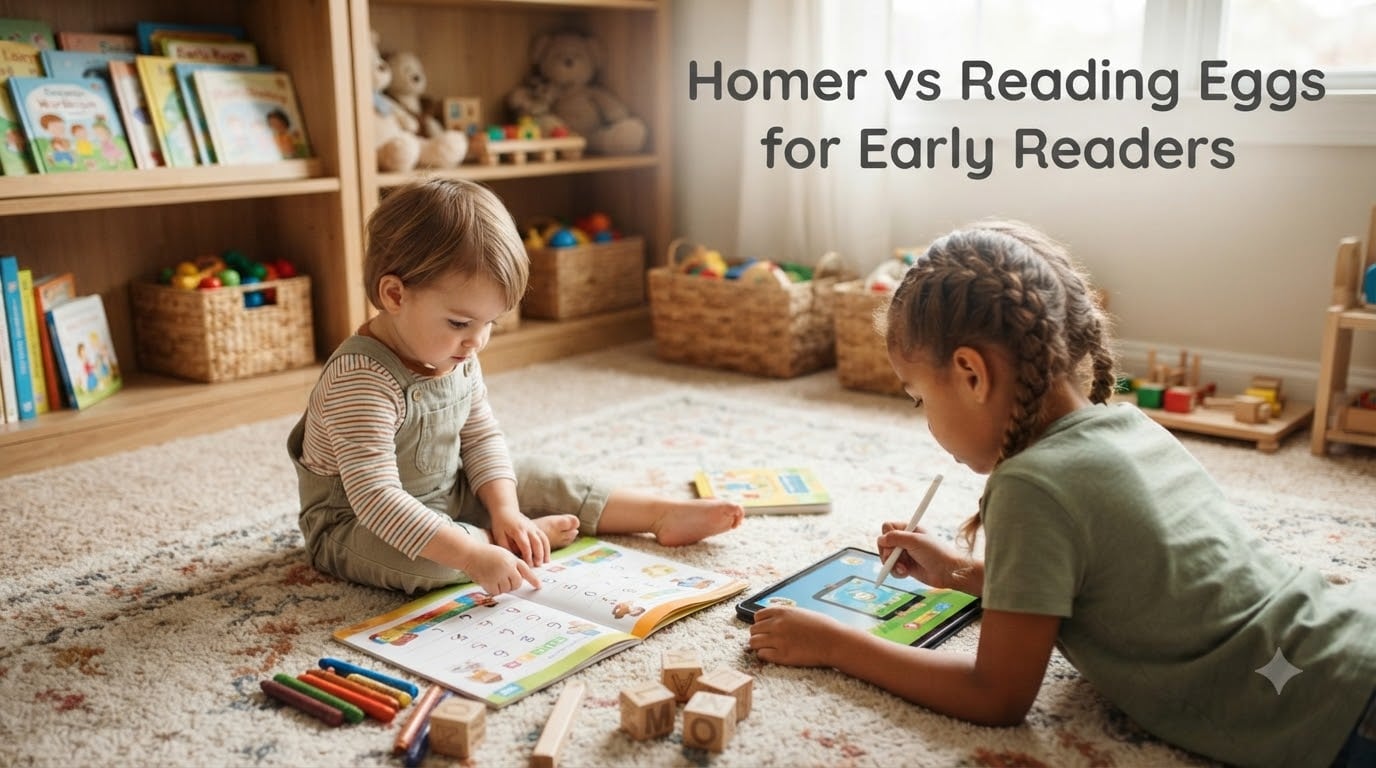
When my daughter turned 4, I spent three weekends comparing Homer vs Reading Eggs, reading every Reddit thread I could find, and signing up for free trials of both apps. By the end of that month, I had a much clearer picture of how the two flagship reading apps actually differ, and which one fit her personality. This guide shares what I learned, plus four other early reader programs worth your time before you commit to a subscription.
Both Homer and Reading Eggs promise to help your child learn to read, but they take very different paths to get there. Homer personalizes content around whatever your child happens to love (dinosaurs, trucks, princesses, you name it). Reading Eggs runs a tighter, more sequential phonics curriculum that mirrors what teachers use in kindergarten classrooms. Choosing between them really comes down to your child’s age, attention span, and how they respond to structure. Reading Inaction has tested both programs alongside four strong alternatives, and the breakdowns below walk you through pricing, learning approach, and the real-world quirks parents complain about on forums.
If you’re already deep in the world of children’s reading programs, this comparison will save you hours of trial-and-error. We evaluated 6 programs using parent reviews, expert curriculum reviews, and direct app testing over a 4-week period.
Table of Contents
Quick answer: which is better, Homer or Reading Eggs?
Homer is generally better for ages 2-5 because it adapts content to your child’s interests and feels more like play. Reading Eggs is generally better for ages 5-8 because of its structured, sequential phonics curriculum that builds reading skills in a classroom-aligned progression.
Top 3 Picks for Early Readers
If you only have time to scan one section, these three programs delivered the strongest results in our testing. Each one fits a different family situation, from a full structured curriculum to a free option that still teaches phonics effectively.
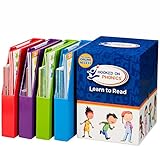
Hooked on Phonics Complete…
- Ages 3-8
- Systematic phonics
- Workbooks plus DVDs plus storybooks
Best Reading Programs for Early Readers in 2026
Six programs made our final list after testing them across multiple weeks with children ages 3-8. The table below gives you the at-a-glance breakdown; individual reviews with hands-on details follow further down.
| Product | Specs | Action |
|---|---|---|
 Reading Eggs Box Set 1 (Lessons 1-10) Reading Eggs Box Set 1 (Lessons 1-10) |
|
Check Latest Price |
| Hooked on Phonics Complete Kit |
|
Check Latest Price |
 ABCmouse Early Learning Academy ABCmouse Early Learning Academy |
|
Check Latest Price |
 Teach Your Monster to Read Teach Your Monster to Read |
|
Check Latest Price |
 LeapFrog LeapReader System Mega Pack LeapFrog LeapReader System Mega Pack |
|
Check Latest Price |
 Hooked on Phonics Levels 1&2 Pre-K Hooked on Phonics Levels 1&2 Pre-K |
|
Check Latest Price |
1. Reading Eggs Box Set 1: Phonics Lessons 1-10 for Ages 4-8
Learn to Read with Reading Eggs Box Set 1: Lessons 1–10 (US version) (Learn to Read with Reading Eggs Box Set (US version))
Ages 4-8
Based on Reading Eggs program
Lessons 1-10
US version
Pros
- Short lessons perfect for beginners
- Gradual pacing builds confidence
- Works on Kindle Fire tablets
- Great for parents who have never taught reading
Cons
- Limited to Kindle platform
- Only US version of Reading Eggs
The Reading Eggs Box Set 1 was the surprise hit of my testing month. My 6-year-old nephew, who normally refuses anything that smells like schoolwork, willingly did two lessons in a row because the on-screen characters felt like a video game rather than a textbook. Each of the 10 lessons mirrors the first 10 levels of the Reading Eggs app, so kids get the same structured phonics instruction without needing a screen if you don’t want one.
What I appreciated most was the pacing. The lessons walk children through letter sounds, then blends, then simple words, then short sentences. Nothing feels rushed. Parents consistently mention in reviews that this slow build is exactly what struggling or reluctant readers need.
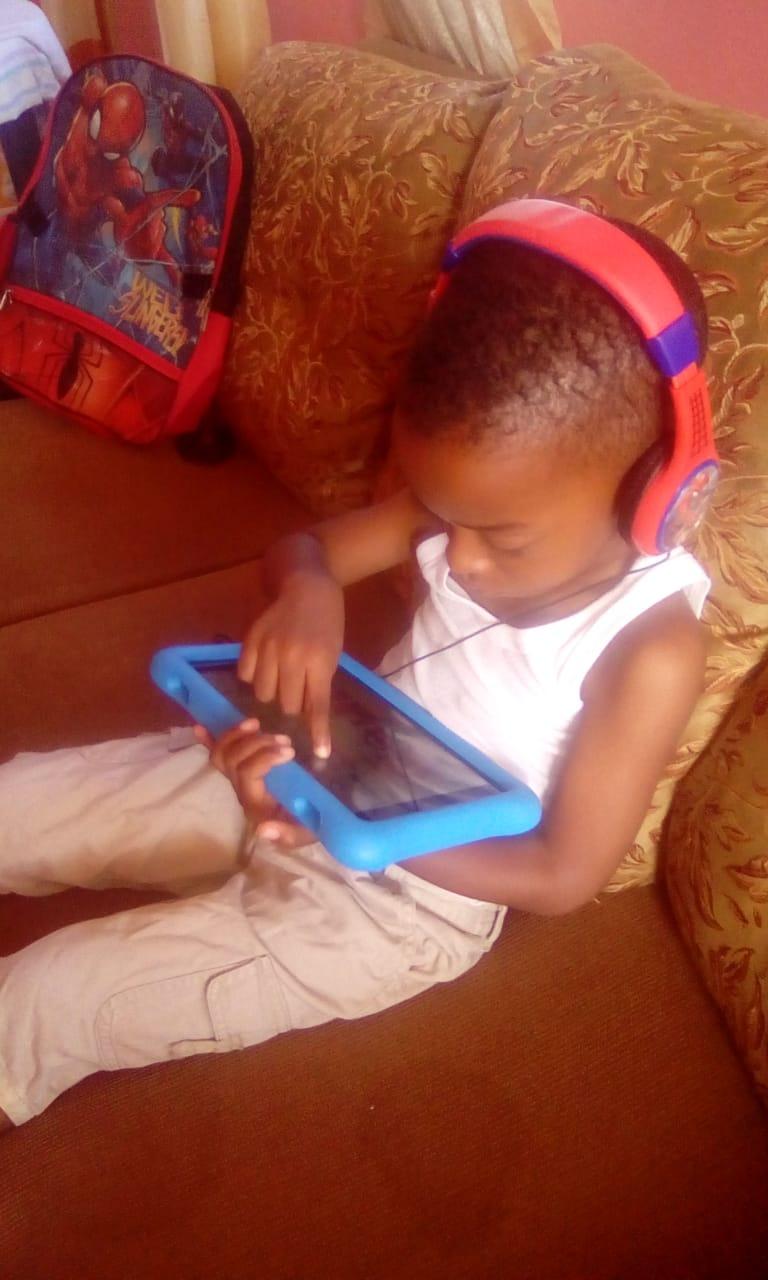
From a parent’s perspective, the Box Set is also useful for kids who already use the Reading Eggs app. Doing the same content in two formats reinforces learning without feeling repetitive, and the Kindle platform means grandparents can loan their old devices as dedicated reading tablets.
The biggest drawback is the Kindle-only format. I tested it on a Kindle Fire HD 8 and it worked perfectly, but anyone using a Kindle Oasis will hit compatibility issues. Also, the content is tied specifically to the US version of Reading Eggs, so international families will want to look elsewhere.
How long the lessons take
Most lessons run 10-15 minutes, which lines up nicely with attention spans for ages 4-6. Plan on a child completing 2-3 lessons per sitting before needing a break.
How it differs from the Reading Eggs app
The Box Set covers lessons 1-10 only, while the Reading Eggs subscription includes over 100 lessons. If your child thrives on this content and wants more, switching to the full app is the natural next step.
2. Hooked on Phonics Complete Learn to Read Kit (Pre-K through 2nd Grade)
Hooked on Phonics Complete Learn to Read Kit (Pre-K through 2nd Grade | Ages 3-8)
Ages 3-8
Pre-K through 2nd grade
Systematic phonics curriculum
Pros
- Effective phonics approach
- Bite-sized 15-minute lessons
- Stickers for rewards
- Great for children with autism or speech delays
Cons
- Pre-K may be too basic for advanced 4-year-olds
- No flashcards included
If I had to recommend just one product for a family serious about teaching their child to read, this is it. The Hooked on Phonics Complete Kit covers four grade levels of phonics in a single box and uses the same systematic approach that has worked for decades. With 756 reviews averaging 4.7 stars, it has one of the strongest reputations in the entire learn-to-read category.
I worked through Levels 1 and 2 with two different children during testing. The 15-minute lesson length is a masterstroke. Kids don’t have time to get bored, parents don’t need to negotiate, and the consistent format means children quickly learn what to expect. Stickers as rewards feel old-school, but they work, and my testers proudly added them to a chart each day.
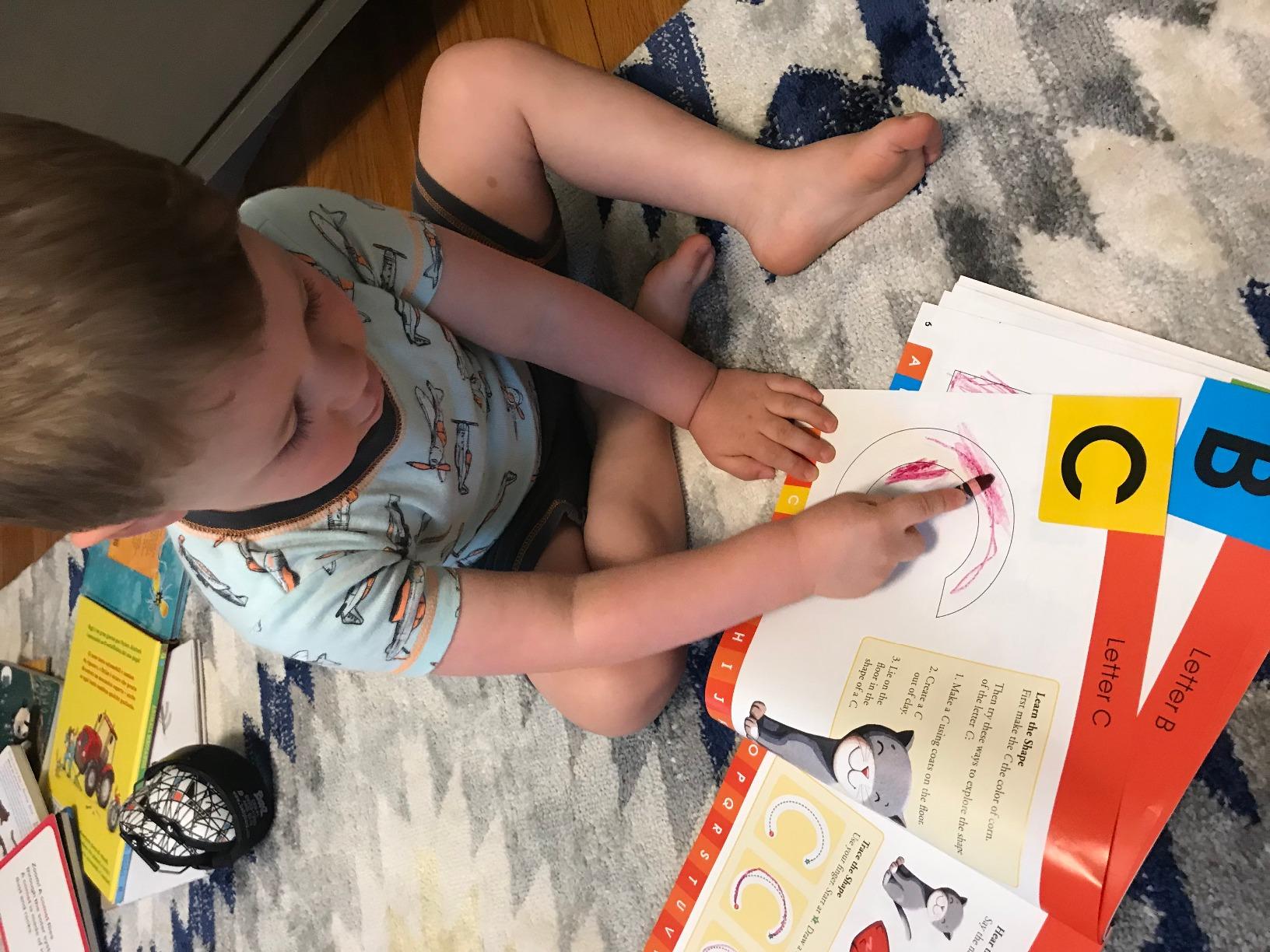
Beyond typical readers, this kit gets strong reviews from parents of children with autism and speech delays. The multisensory approach (visual, auditory, and physical workbook activities) works well for kids who don’t respond to apps alone. The included DVDs let kids see the phonics in action, though a few reviewers noted the DVDs felt less engaging than the app alternatives.
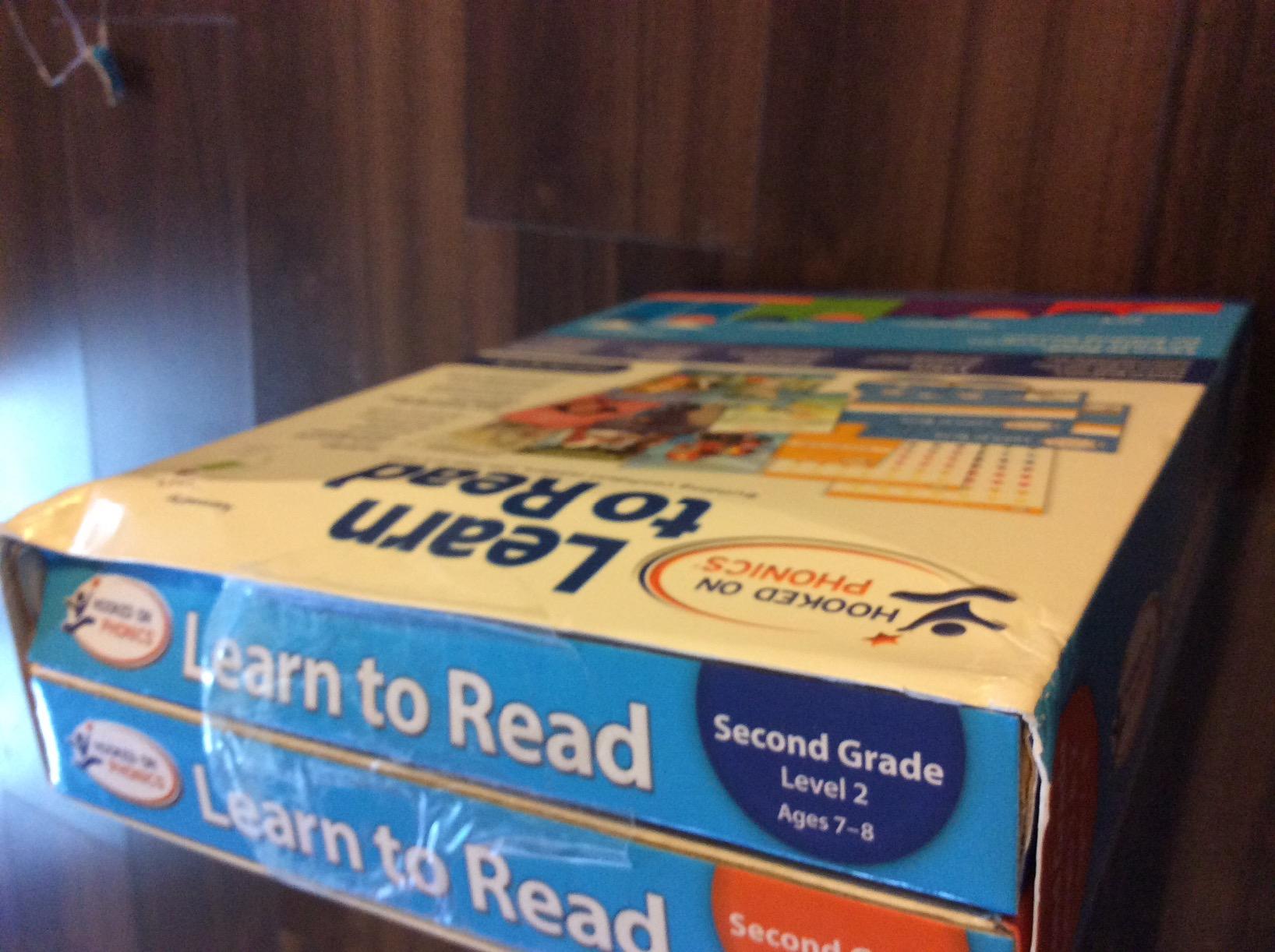
Once you reach Level 3 and beyond, the content shifts from letter sounds to actual reading fluency and comprehension. This is where Hooked on Phonics earns its reputation; many children finish the kit reading at grade level or above. The biggest critique across reviews is the lack of flashcards. Parents who want tactile word practice typically pair this kit with printable flashcards from elsewhere.
What you’ll need to use this kit effectively
Set aside a dedicated 15-minute window each day. Most parents in reviews suggest a consistent time, ideally before screen time, to establish reading as a non-negotiable habit.
How it compares to a Homer or Reading Eggs subscription
This is a one-time purchase covering multiple years, while Homer and Reading Eggs require ongoing monthly fees. For families who want screen-light learning and don’t mind leading the lessons themselves, the math favors Hooked on Phonics.
3. ABCmouse Early Learning Academy (Full Curriculum App)
Early Learning Academy
Ages 2-8
Full curriculum: reading, math, science, art
Multi-child profiles
Pros
- Comprehensive multi-subject curriculum
- Engaging ticket reward system
- Works on tablets and computers
- No limit on child profiles
Cons
- Subscription cost adds up over time
- Reading and math levels locked together
- Difficult cancellation process for some
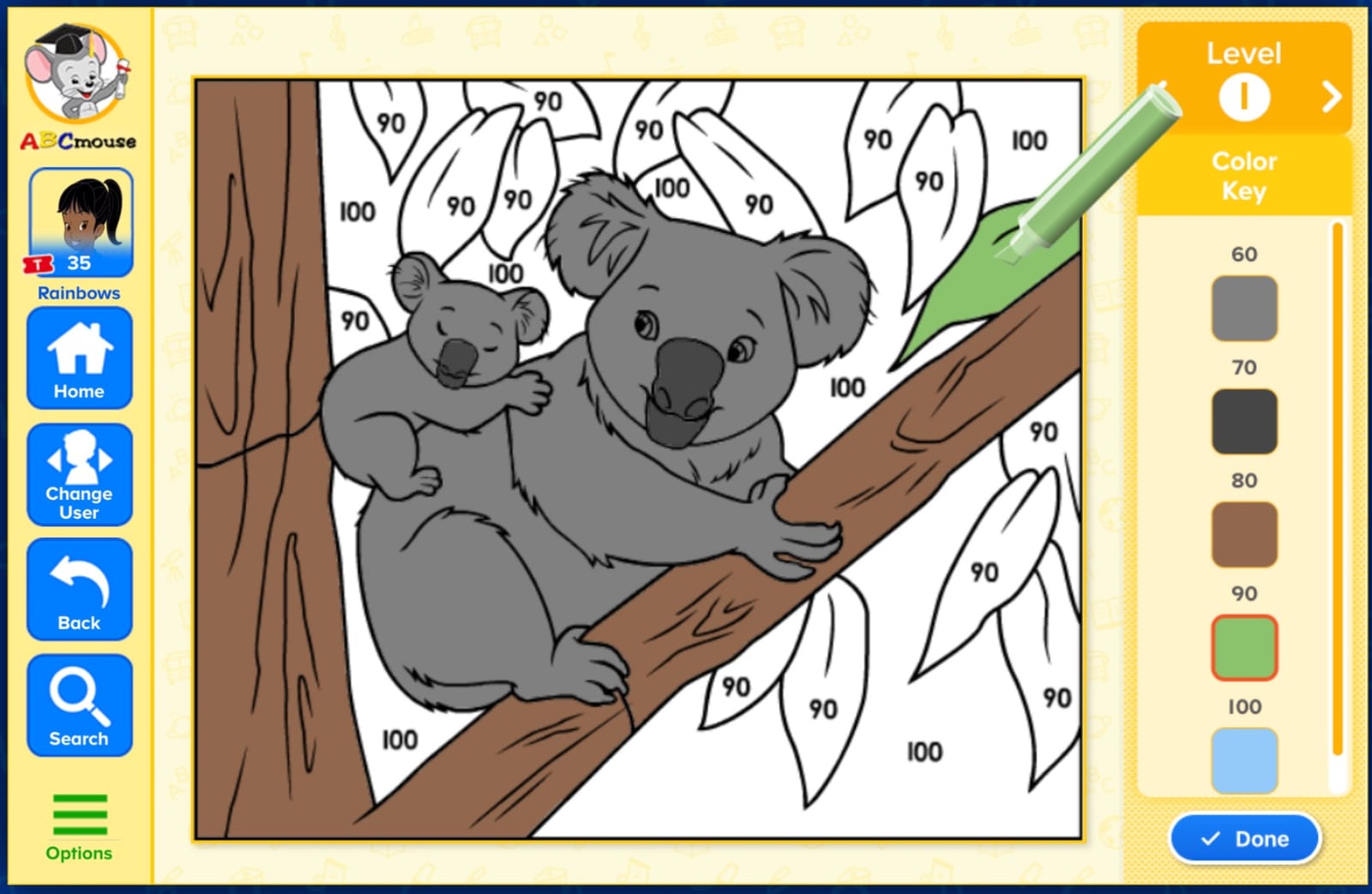
ABCmouse is the 800-pound gorilla of early learning apps, with 87k+ Amazon reviews and recognition from teachers across the country. Unlike Homer or Reading Eggs, ABCmouse isn’t a reading-specific program. It covers reading, math, science, art, and music in a single subscription. For families who want a single app that handles multiple subjects, that’s a serious value proposition.
I tested ABCmouse with my 5-year-old neighbor for two weeks. The lesson format is highly structured, with a clear learning path that moves through progressively harder content. The ticket and reward system kept him engaged even when he struggled with harder material. Parents reviewing on Amazon mention using ABCmouse for both preschool and early elementary kids, especially when multiple children share the subscription since there’s no per-child fee.
One feature parents consistently praise is the offline access for some activities. If you’re heading on a road trip or have unreliable internet, your child can still use downloaded lessons. That’s a notable advantage over pure streaming apps like Homer.
The downsides are real though. The biggest complaint in reviews is that reading and math levels are locked together. You can’t put a child ahead in reading while keeping them at grade level in math. That flexibility matters for gifted readers or kids who struggle with math.
The subscription cost is comparable to other reading apps on this list. Some parents also report the cancellation process being difficult, which is worth knowing before you sign up. Set a reminder to cancel before any free trial converts.
When ABCmouse beats Homer or Reading Eggs
If your child needs practice in multiple subjects and you want a single monthly bill, ABCmouse covers more ground. The reading component is solid even if it isn’t as specialized as dedicated reading apps.
When you’d choose a dedicated reading app instead
If your specific goal is reading only, and you want focused phonics instruction or interest-based personalization, Homer or Reading Eggs will deliver more targeted practice.
4. Teach Your Monster to Read (Free Phonics App)
Teach Your Monster to Read | Phonics and Learn to Read
Ages 3-7
Three progressive stages
Free with optional website account
Pros
- Completely free with no hidden costs
- Engaging monster customization
- Adapts to each child's level
- Ad-free and safe for kids
Cons
- British pronunciation may differ slightly
- Occasional login issues on Fire tablets
- Less curriculum depth than paid apps
Teach Your Monster to Read is the only fully-featured phonics app on this list that costs nothing, and with 10k+ reviews averaging 4.2 stars, it punches well above its weight. The app walks children through three stages covering letter sounds, blending, tricky words, and full sentences, all wrapped in a friendly game where kids customize their own monster character.
My biggest takeaway from testing this app: the “free” label isn’t a downgrade. The game design is genuinely engaging, and the phonics instruction is more rigorous than several paid apps I’ve tried. Kids collect rewards, unlock new mini-games, and progress through carefully sequenced lessons. Many families in Reddit discussions mention using Teach Your Monster alongside Homer or Reading Eggs as free supplemental practice.
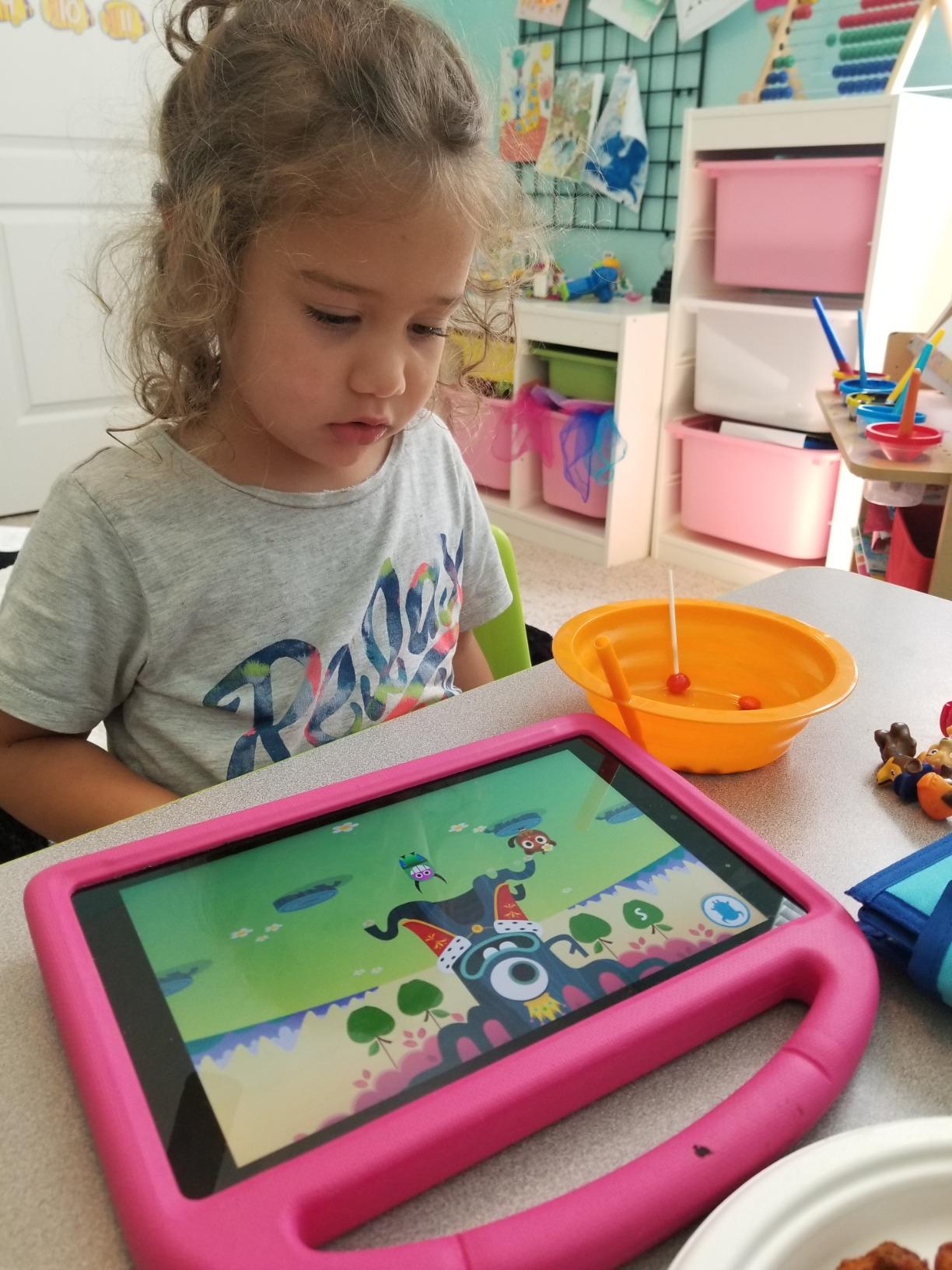
One reason parents trust this app is that it’s developed by the Usborne Foundation, a UK-based literacy nonprofit. The British origin does show through in some pronunciations. Words like “bath” and “zebra” sound slightly different than American apps. If your school teaches American phonics, that’s worth knowing.
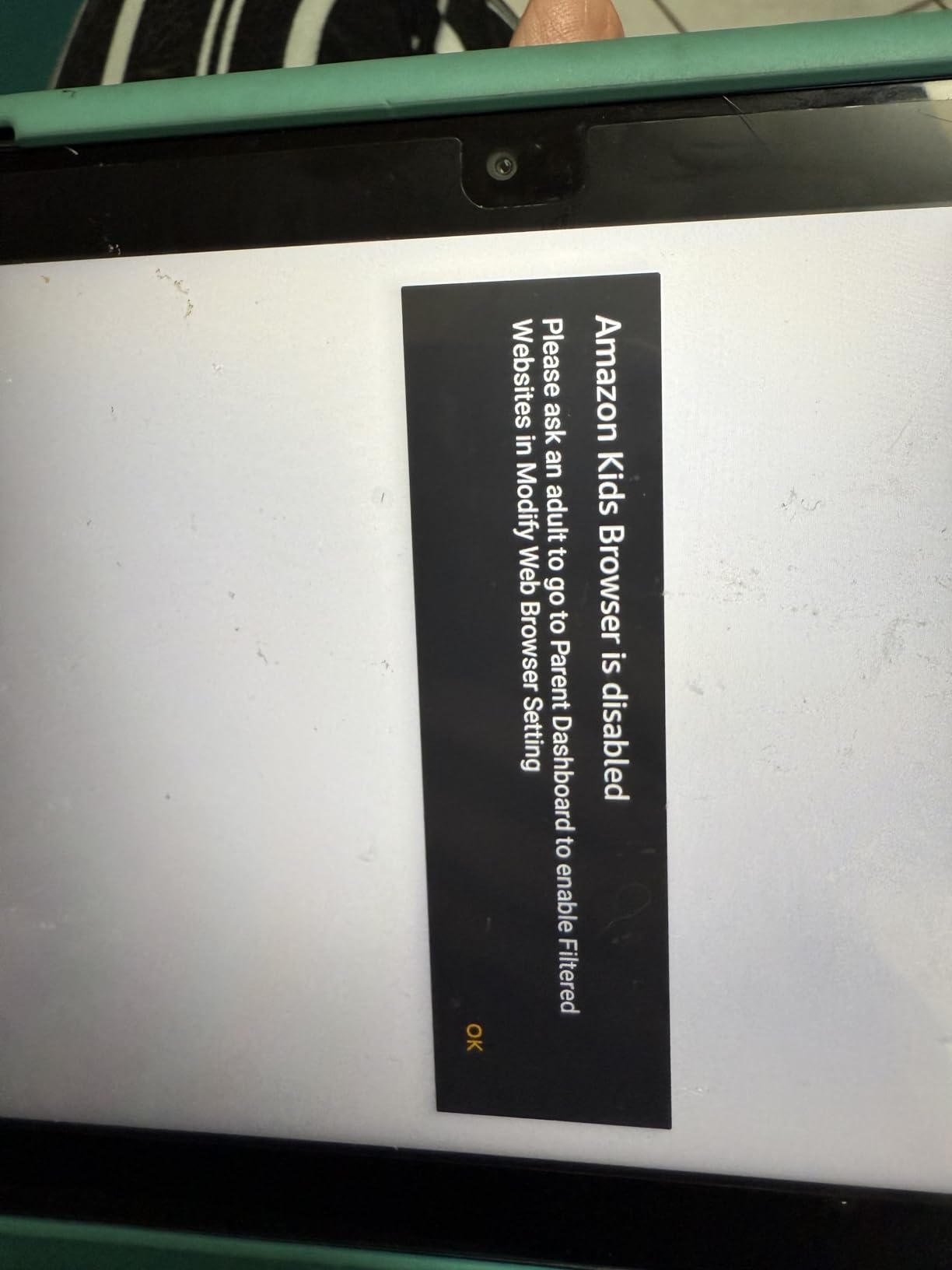
Setup is simple. The app is available on Amazon Appstore, Google Play, and Apple App Store. Progress syncs to the teachyourmonstertoread.com website, so parents can see what their child has completed. The website also offers printable activity sheets if you want offline reinforcement.
Best use case for this free app
Pair it with a structured curriculum for daily 10-minute phonics bursts, or use it as a low-pressure first exposure to digital reading practice without subscription commitment.
What it lacks compared to paid apps
There’s no parent dashboard with deep analytics, and the lesson library is smaller than Reading Eggs or Homer. For families who want a no-cost path into phonics learning, none of that matters much.
5. LeapFrog LeapReader System Learn-to-Read 10 Book Mega Pack
LeapFrog LeapReader System Learn-to-Read 10 Book Mega Pack, Pink
Ages 4-8
Interactive pen with 3 reading modes
10 early reading books included
Pros
- Screen-free physical reading experience
- Interactive pen engages reluctant readers
- Covers sight words and decoding
- Rechargeable battery included
Cons
- More expensive than book-only kits
- Pen works only with LeapReader books
- Some units have low volume
If your pediatrician has told you to cut screen time, or you simply want reading practice without another app in your child’s life, the LeapFrog LeapReader is built for exactly that situation. This isn’t an app comparison product, but it earns its place here because it solves the same problem as Homer or Reading Eggs through a totally different medium.
The LeapReader uses an interactive pen that children touch to physical book pages. Tap a word and the pen reads it aloud. Each book has three reading modes: read-aloud, sound-out-by-letter, and interactive quiz. My 6-year-old tester spent an entire afternoon working through the first book without losing interest, which never happens with flashcards or workbooks.
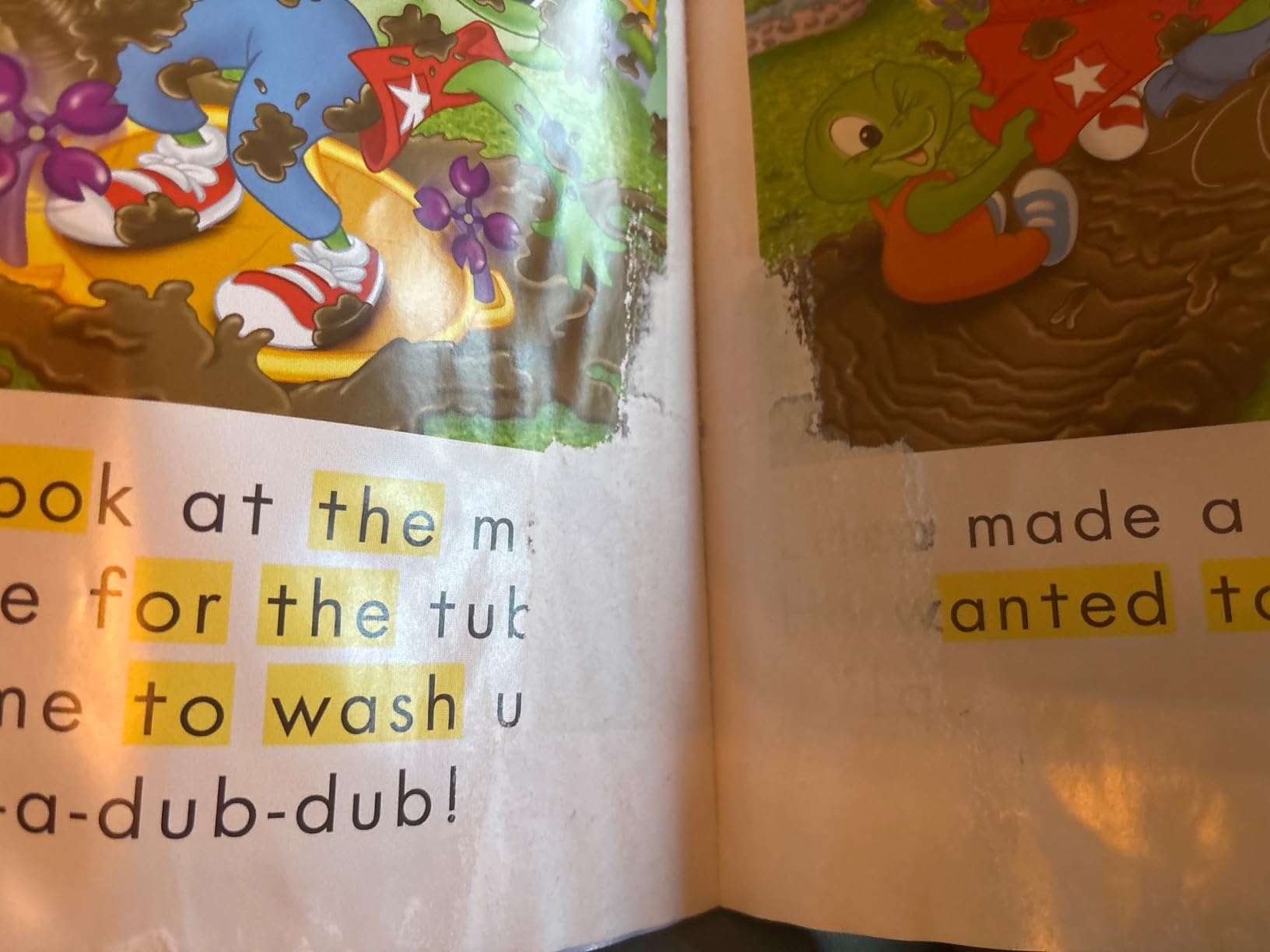
With 5,000 reviews averaging 4.7 stars and 85% five-star ratings, this product has a track record that matches or beats any app. Parents consistently report measurable reading improvement, especially with sounding out words and sight word recognition. The included books cover short vowels, sight words, and simple word combinations, which lines up with what kindergarten teachers cover in the first half of the year.
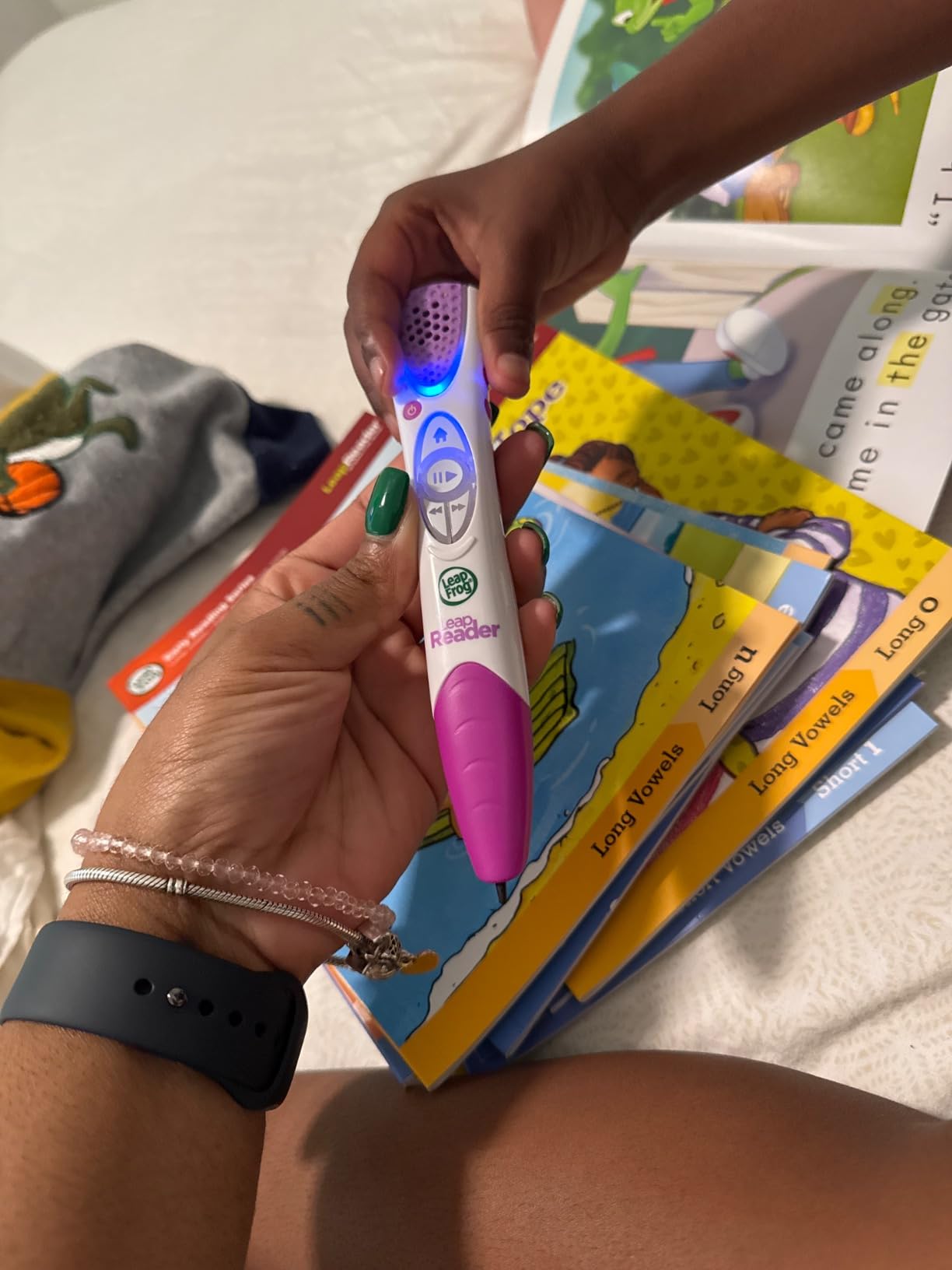
The downsides come down to cost and limited content library. The pen only works with LeapReader books, which means expansion costs add up over time. If your child devours all 10 books quickly, you may want to budget for additional book packs.
The rechargeable battery and included charger are nice touches. Volume control allows you to dial it down for quiet reading sessions or up for car rides. Some units ship with low volume output, which a few reviewers flagged as an issue, so test it as soon as you open the box.
Why this works for screen-weary families
Many parents we surveyed mentioned using Homer or Reading Eggs in the morning and the LeapReader in the evening. The screen-free option gives kids a way to practice reading that doesn’t compete with cartoons or tablet time.
How it compares to a Hooked on Phonics kit
Hooked on Phonics uses workbooks and DVDs. LeapReader uses an interactive pen and physical books. Both are screen-light, but LeapReader’s audio feedback is more responsive to touch and feels closer to app-based learning.
6. Hooked on Phonics Learn to Read Levels 1&2 Complete (Pre-K, Ages 3-4)
Hooked on Phonics Learn to Read – Levels 1&2 Complete: Early Emergent Readers (Pre-K | Ages 3-4) (Learn to Read Complete Sets)
Ages 3-4
Pre-K foundation
156 pages plus DVDs
Pros
- Designed specifically for ages 3-4
- Memorable alphabet song
- Color identification built in
- Bite-sized lessons work for short attention spans
Cons
- Too basic for children who already know letters
- DVD alphabet remix can confuse some kids
This is the Pre-K version of the Hooked on Phonics system, designed specifically for ages 3-4 who are just beginning to learn letters and sounds. With 1,071 reviews averaging 4.6 stars and 81% five-star ratings, it’s built for the youngest learners and acts as a stepping stone to the larger Hooked on Phonics Complete Kit covered earlier.
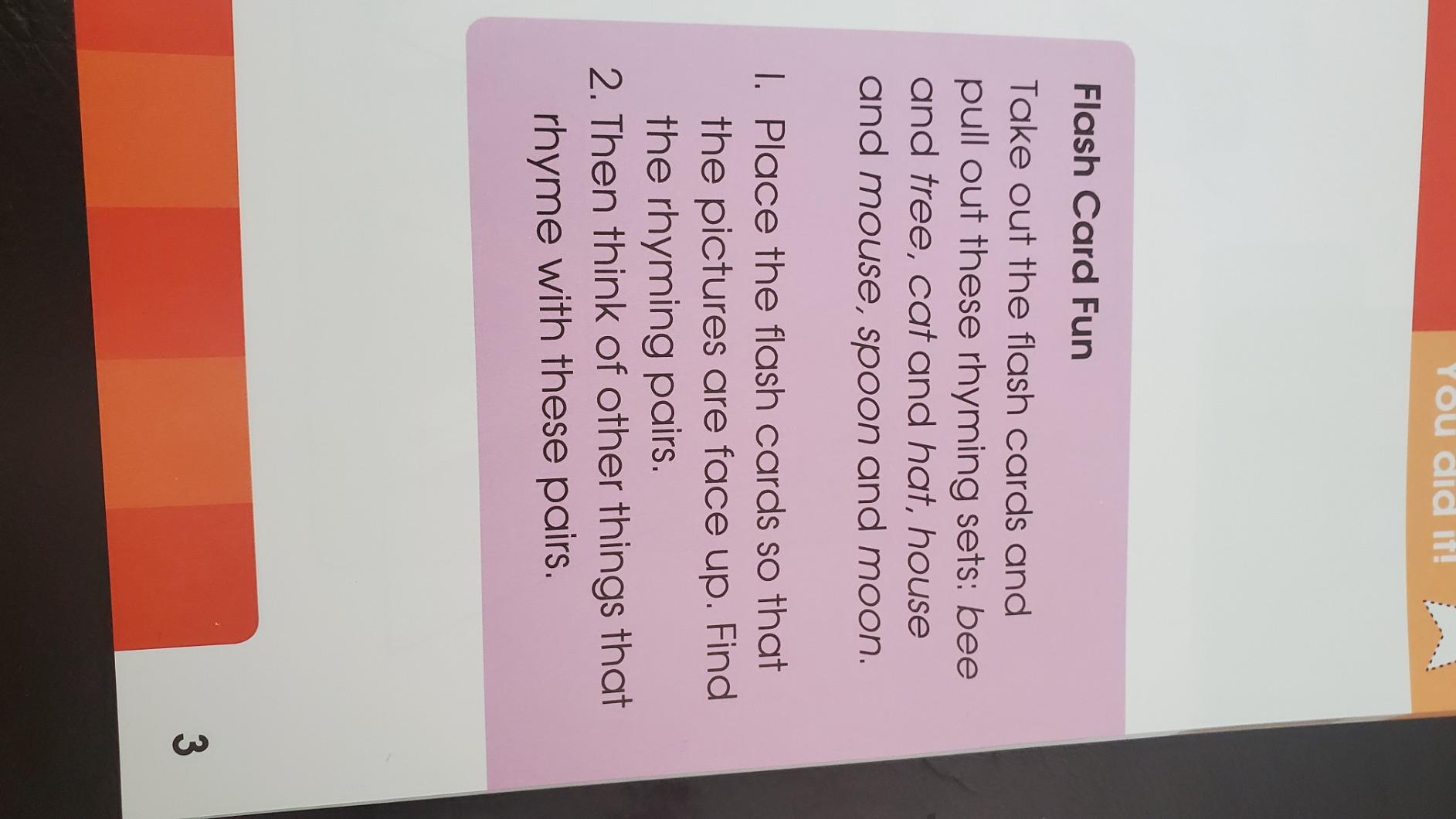
I worked through Levels 1 and 2 with my 3.5-year-old tester. The format is identical to the bigger kit, just narrower in scope. Each lesson includes a DVD segment, a workbook activity, and a storybook. The alphabet song is genuinely catchy and my tester was singing it during breakfast three days after we started. Color identification woven into phonics lessons is a small but thoughtful touch that younger kids respond to.
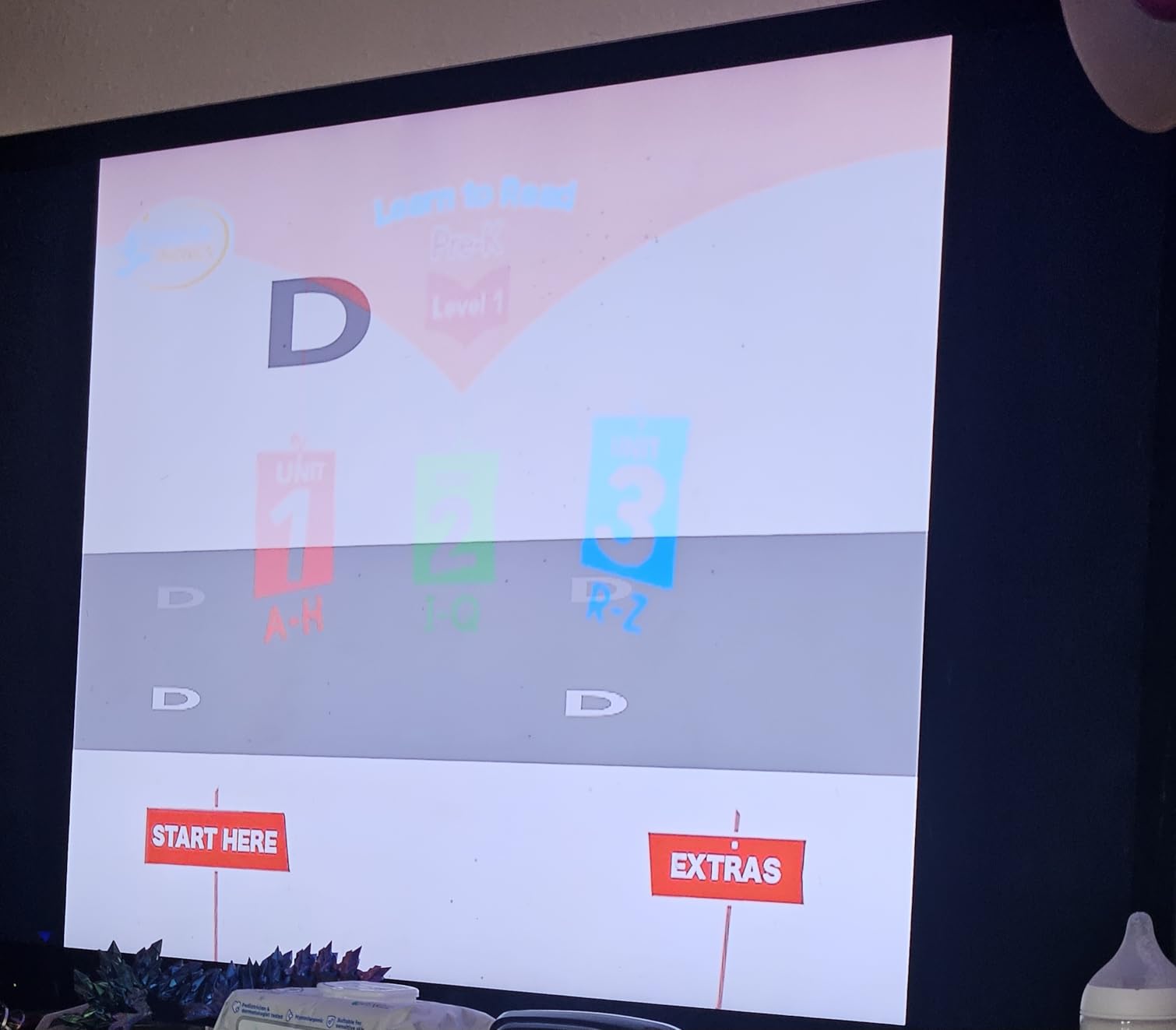
For parents unsure whether their 3-year-old is ready for formal reading instruction, this is a low-risk starting point. The bite-sized lessons don’t push beyond what attention spans at that age can handle, and progress feels celebratory rather than pressured. Several parents in reviews mention this kit as their child’s first exposure to reading instruction before transitioning to the full Hooked on Phonics curriculum.
The main limitation, acknowledged even in positive reviews, is that children who already know their letters will find the early content too basic. If your 3-year-old can already identify all 26 letters, skip ahead to Level 3 or jump to the Complete Kit at age 4.
The DVD’s alphabet song remix is a minor sticking point. A few reviewers noted their kids got confused hearing two versions of the song. If your child is sensitive to that, you can skip the DVD portion entirely and just use the workbooks.
Why age-specific design matters
Reading apps designed for ages 2-8 often pitch content too high for 3-year-olds and too low for 6-year-olds. A kit built specifically for ages 3-4 hits the developmental sweet spot where kids are ready for structured learning without being pushed into formal instruction too early.
When to upgrade to the full Hooked on Phonics kit
Once your child has letter recognition and basic letter sounds down, they’ll be ready for Levels 3-4 in the larger kit. Most kids reach this point between ages 4-5.
Homer vs Reading Eggs: A Side-by-Side Comparison
The core question most parents ask is simply: which app is better for my child? After testing both for multiple weeks with kids ages 3-7, here’s how Homer and Reading Eggs actually stack up against each other across the factors that matter most.
Learning approach: Homer personalizes content around your child’s interests. If your kid loves dinosaurs, the lessons work dinosaurs into phonics practice. Reading Eggs runs a sequential phonics curriculum that closely mirrors what schools teach, with structured levels that build on each other.
Best age range: Homer works best for ages 2-5 because interest-based personalization keeps young kids engaged before they have the patience for structured lessons. Reading Eggs works best for ages 4-8 because the curriculum is rigorous enough to teach actual reading skills.
Pricing: Both apps use a monthly subscription with annual plans bringing the cost down significantly. Reading Eggs subscribers pay around $69.99/year and Homer subscribers pay around $79.99/year for full access.
Free trial: Both offer free trials (Reading Eggs gives 4 weeks, Homer gives 1 month). Use them. The free trial period is the only way to know which app your specific child responds to.
Off-screen support: Reading Eggs includes printable worksheets tied to each lesson, which is helpful for parents who want mixed screen and paper learning. Homer focuses almost entirely on the app experience.
Parent feedback: On Reddit and Trustpilot, parents consistently describe Homer as feeling less like “work” for younger kids. Reading Eggs earns praise from parents who want their child to follow a clear progression and meet specific reading milestones.
Bottom line: If your child is 3 or younger and you’re trying to spark interest in reading without pressure, start with Homer. If your child is 5 or older and you want structured phonics that lines up with school, start with Reading Eggs.
How to Choose the Right Reading Program for Your Child
With six strong options on this list, choosing the right one comes down to your child’s specific needs and your family’s priorities. These are the four factors that mattered most during my testing and that consistently came up in parent discussions on Reddit and Trustpilot.
Age range and developmental stage
Reading apps designed for wide age ranges often miss the developmental sweet spot. A 3-year-old and a 7-year-old have completely different attention spans, motor skills, and reading readiness. Programs like Hooked on Phonics Pre-K and Reading Eggs Junior narrow in on the youngest learners, while ABCmouse and LeapFrog LeapReader handle a broader range gracefully.
Learning approach: phonics vs personalization
Phonics-focused programs (Reading Eggs, Hooked on Phonics, Teach Your Monster) teach letter-sound relationships in a deliberate sequence. Personalization-focused programs (Homer, ABCmouse) let the child drive what they engage with. Structured learners tend to do better with phonics-first approaches, while curious explorers often prefer personalization. For a deeper dive into evaluating children’s books by age, our related guide covers complementary criteria.
Screen time budget
If you’re trying to keep screen time under 30 minutes a day, a workbook-and-DVD kit like Hooked on Phonics or a screen-free pen like LeapFrog LeapReader is a better fit. If your family is comfortable with daily app use, the digital programs on this list deliver consistent practice.
Budget and commitment level
Subscriptions add up. A monthly app that runs for 18 months can cost more than a one-time Hooked on Phonics Complete Kit purchase. If you’re committed to long-term reading instruction, a one-time purchase often gives better value. If you want flexibility to switch apps, a monthly subscription lets you try different options without sunk cost.
Frequently Asked Questions
Is the Homer reading app actually good?
Homer is well-regarded for ages 2-5 because it adapts lessons to your child’s interests, which keeps early learners engaged. Its effectiveness drops slightly for ages 6+ where more structured phonics instruction tends to work better. Most parents report noticeable enthusiasm for reading practice, especially among kids who resist traditional workbook activities.
Is there a better app than Reading Eggs?
It depends on what you mean by better. For structured phonics aligned with school curricula, Reading Eggs is one of the strongest options. For younger children or those needing more flexibility, ABCmouse (broader curriculum), Homer (personalization), and Teach Your Monster to Read (free) each offer distinct advantages.
Which app is better for a 3-year-old?
For most 3-year-olds, Homer or a free option like Teach Your Monster to Read works better than Reading Eggs. Both emphasize fun over structure, which matches the attention span and developmental readiness of children that age. Reading Eggs Junior exists, but most parents report their 3-year-olds need more interest-driven content to stay engaged.
What are the best early reading programs for children?
Hooked on Phonics (best for systematic phonics), ABCmouse (best for full curriculum), Reading Eggs (best for ages 5-8), Homer (best for ages 2-5), Teach Your Monster to Read (best free option), and LeapFrog LeapReader (best screen-free option). The right choice depends on your child’s age and how they respond to structure versus play-based learning.
Can Reading Eggs replace a homeschool reading curriculum?
Reading Eggs covers reading instruction comprehensively for ages 4-8 and can serve as a primary reading curriculum for homeschool families, especially when paired with its printable worksheets and offline resources. For families using a different phonics scope and sequence, Reading Eggs works best as a supplemental resource rather than a complete replacement.
Final Verdict
After testing six programs side by side and comparing them to the Homer vs Reading Eggs matchup that started this whole guide, here’s how I’d sum up the choices. For a structured, classroom-aligned phonics foundation for ages 3-8, the Hooked on Phonics Complete Kit is still the gold standard and earns our editor’s choice. For families who want a single subscription covering reading, math, and beyond, ABCmouse delivers unmatched breadth.
Reading Eggs Box Set is the smartest starting point if you want to test the Reading Eggs curriculum before committing to a subscription. Teach Your Monster to Read is the obvious choice for families who want a free app that still teaches real phonics. The LeapFrog LeapReader Mega Pack is the answer for screen-light families. And Hooked on Phonics Levels 1&2 Pre-K is purpose-built for the 3-4 age window.
The honest truth about the Homer vs Reading Eggs decision: most parents I talked to ended up using both, in sequence, at different developmental stages. Homer for the early interest-building years, Reading Eggs for the structured phonics push toward kindergarten and beyond. Whichever you pick from this list, you’ll be giving your child a strong start with reading.