
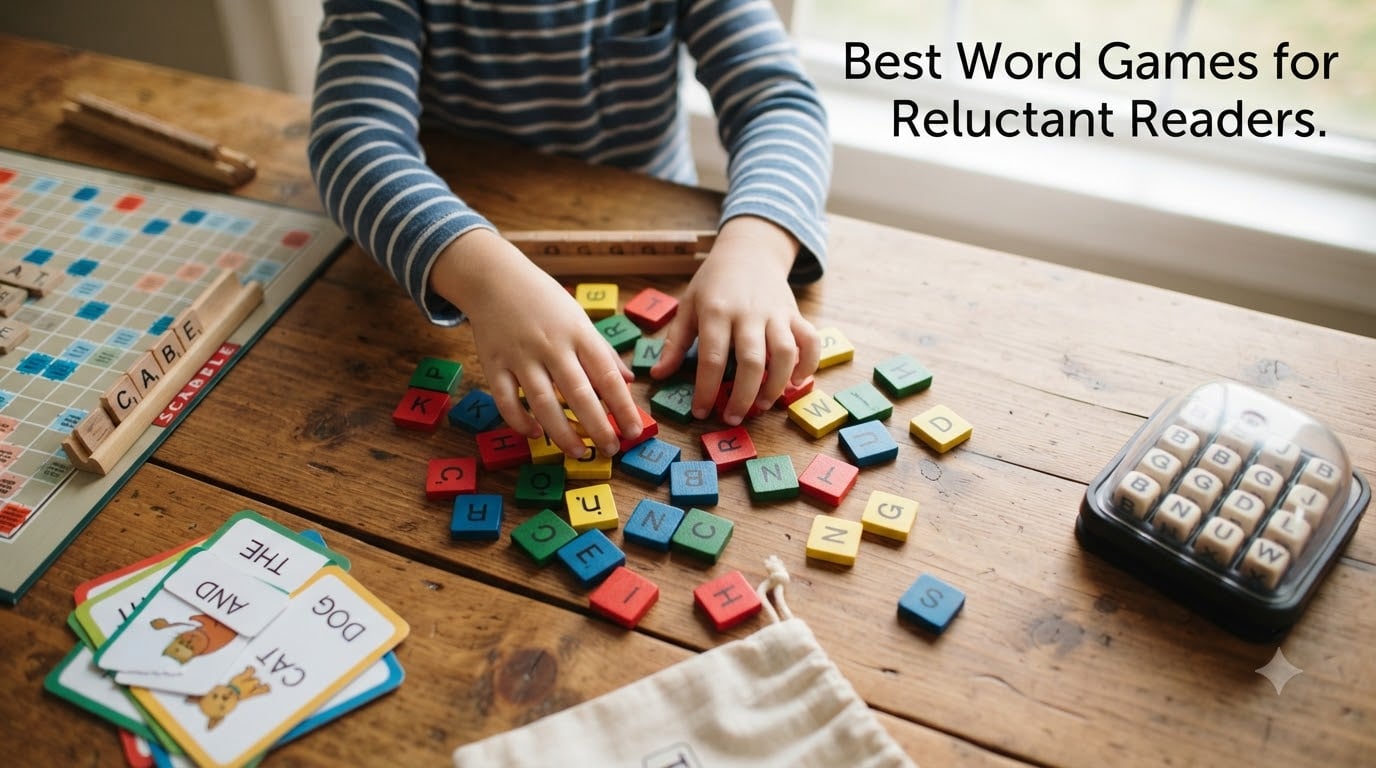
Getting a reluctant reader to pick up a book can feel like an uphill battle. I’ve worked with families for years, and I keep coming back to one tool that quietly changes the game: word games. The best word games for reluctant readers take the pressure off and turn practice into play.
When my own kids were learning to read, I watched them groan through flashcards, then light up when we pulled out a tile game. That shift taught me something important. Kids don’t hate reading. They hate being drilled. A well-designed word game hides the lesson inside the fun, so kids build phonics skills, sight word recognition, and vocabulary without realizing they’re working.
This guide pulls together the five word games our team and our parent community trust most for kids ages 5 to 12. We focused on games that get reluctant readers moving, laughing, and asking to play “one more round.” Every pick on this list has been tested at home, in classrooms, or recommended by educators who specialize in reading intervention.
Table of Contents
Top 3 Picks for Best Word Games for Reluctant Readers
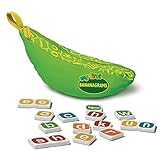
Bananagrams My First
- Phonics tiles for ages 4+
- Portable banana pouch
- No waiting or taking turns

Sight Word Swat Game
- 220 Dolch sight words
- Active swatting play
- Color-coded by grade level

Best Word Games for Reluctant Readers in 2026
| Product | Specs | Action |
|---|---|---|
| Bananagrams My First |
|
Check Latest Price |
| Sight Word Swat |
|
Check Latest Price |
| ThinkFun Zingo Sight Words |
|
Check Latest Price |
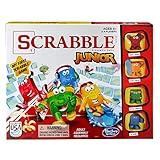 Hasbro Scrabble Junior Hasbro Scrabble Junior |
|
Check Latest Price |
 Hasbro Boggle Classic Hasbro Boggle Classic |
|
Check Latest Price |
1. Bananagrams My First – Phonics Tile Game for Pre-Readers
Bananagrams My First, Lowercase Letter Word Game for Ages 4+
Ages 4+
80 letter tiles + 13 combo tiles
1-4 players
Screen-free phonics
Pros
- Combo-letter tiles teach sound chunks
- Portable green banana pouch
- Kid-proof chunky tiles
- No waiting or turn-taking
- Suitable for pre-readers and early readers
Cons
- Limited to lowercase letters in this version
- Full play may need basic reading ability
I tested Bananagrams My First with a 5-year-old who refused to sit still for any “school” activity. Within ten minutes, she was sorting tiles into sound groups and yelling “bananas” every time she finished a word. That’s the moment I knew this game belonged on the list.
The magic is in the combo-letter tiles. Instead of staring at 26 disconnected letters, kids work with pre-built chunks like “ch,” “sh,” and “th.” This mirrors how phonics is actually taught in modern reading programs, where kids blend sounds rather than memorize whole words. For reluctant readers, that chunked approach removes one of the biggest frustrations of early literacy: figuring out which sounds go together.
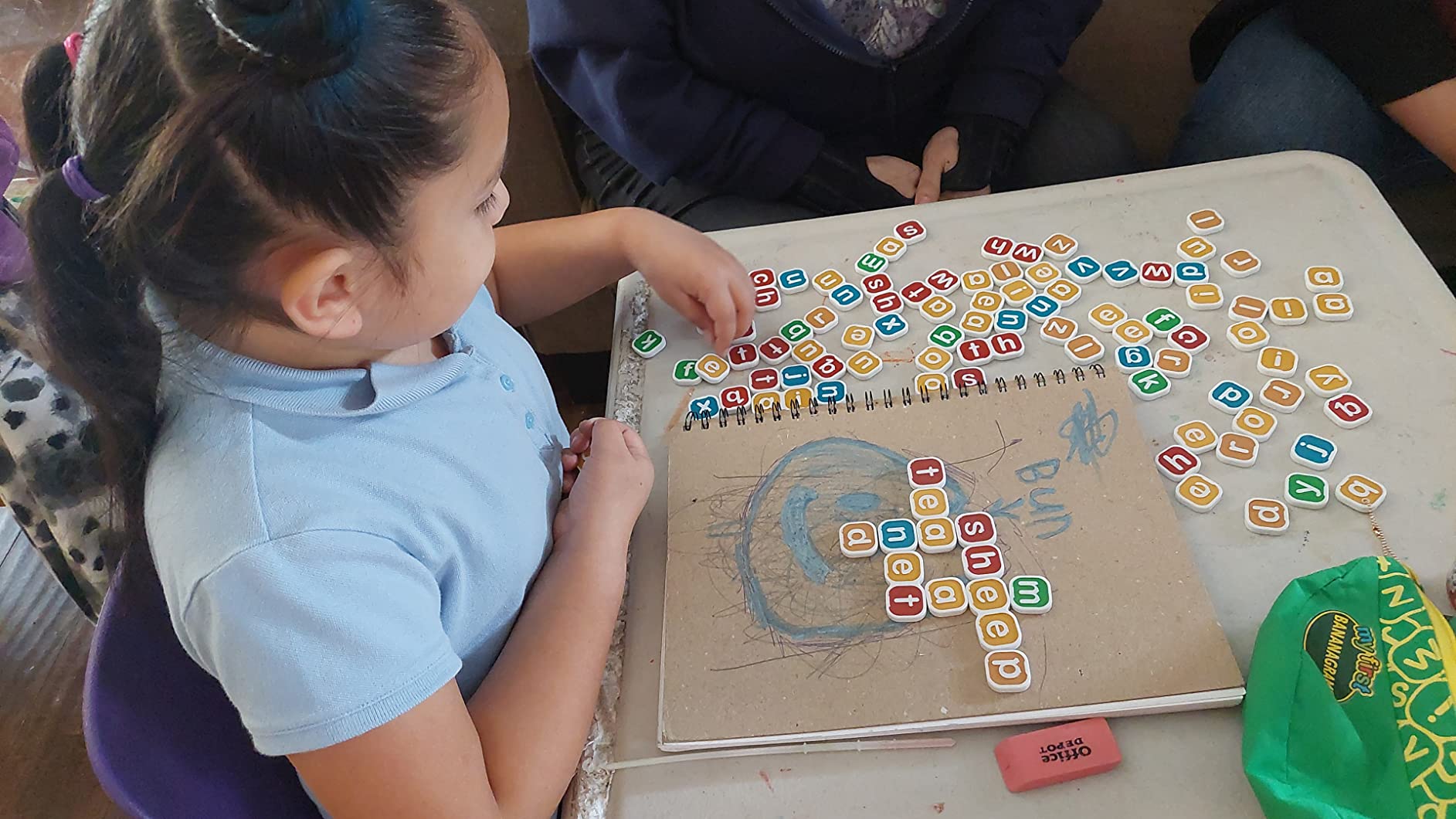
The portability surprised me most. The tiles pack into a soft green banana pouch that weighs almost nothing. I’ve pulled it out at restaurants, in waiting rooms, and on road trips. For parents trying to squeeze in extra practice without making it feel like homework, that travel-friendly design matters.
Gameplay is simultaneous, not turn-based. Everyone builds their own little word grid at the same time, so there’s no downtime or boredom. That’s a huge win for kids who tap out during slow-moving games. The included game guide gives parents simple ways to scaffold play for kids who need extra support, like focusing on just a few vowels or letting them copy a starter word.
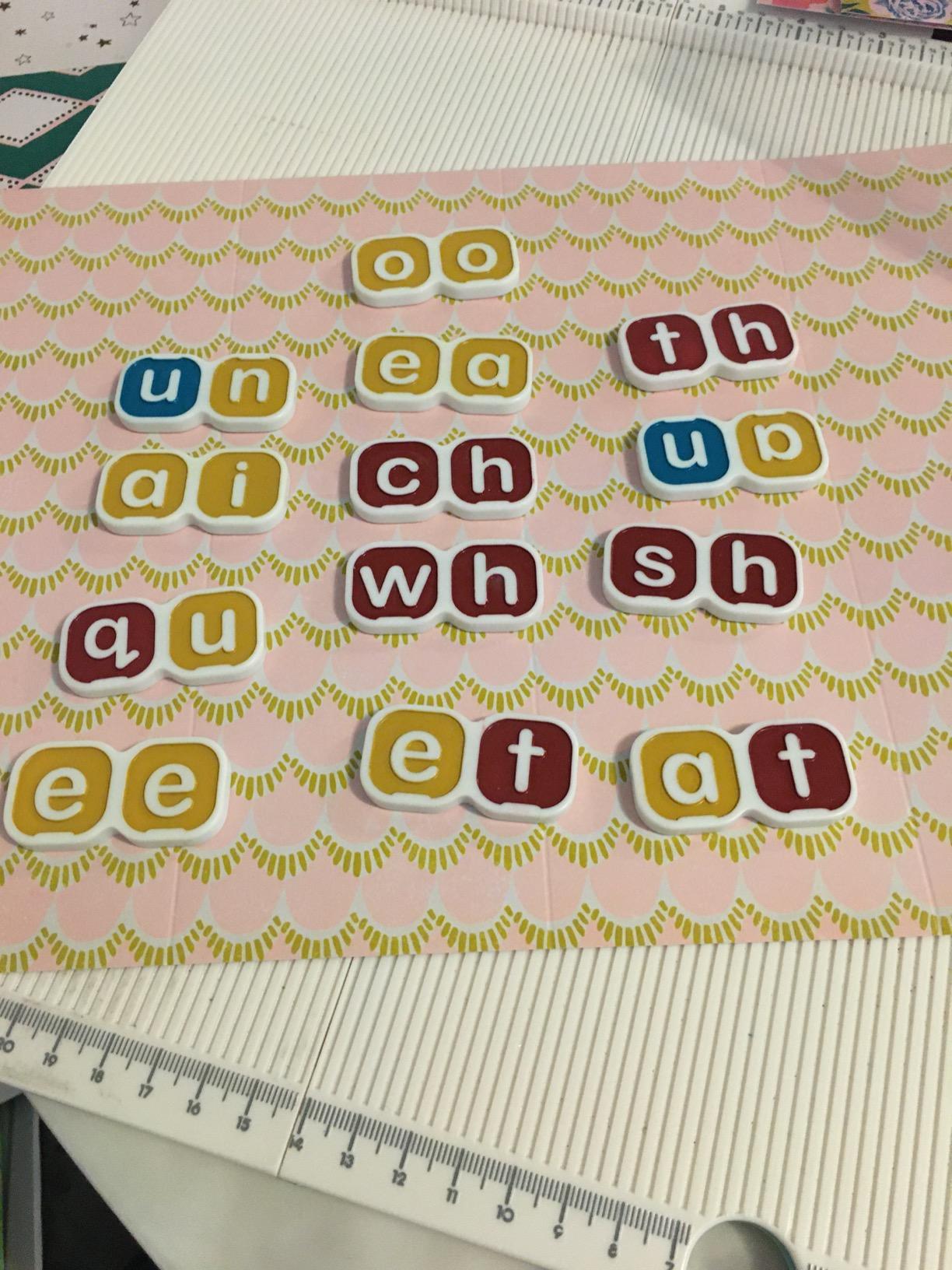
Setup and clean-up time
Setup takes under a minute. Pour the tiles into the pouch, and you’re playing. Clean-up is even faster because every tile fits back inside. For busy families, this low-friction experience makes it easy to keep the game in rotation rather than letting it collect dust on a shelf.
The only real downsides are the lowercase-only letters and the fact that full gameplay does require some reading confidence. If your child is just starting to recognize letters, plan to play alongside them with simpler rules. Use the combo tiles to build short words together, then let them try on their own.
How this game builds reading confidence
Each successful word feels like a win. Kids see the tiles, blend the sounds, and get instant feedback when their word is real. That repetition builds the foundation for decoding longer words later. For reluctant readers, the confidence boost matters as much as the academic skill.
2. Learning Resources Sight Word Swat – Active Sight Word Game
Learning Resources Sight Word Swat! The Original Sight Words Swatting Game
Ages 5+
220 Dolch sight words
4 players
Color-coded by reading level
Pros
- Color-coded flies match reading level
- Physical swatting adds movement
- Includes 220 Dolch sight words
- Works for 4 players
- Great for classrooms and homeschool
Cons
- Assembly required out of the box
- Plastic construction feels lightweight
Sight Word Swat is the game I recommend to every parent who says, “My kid won’t sit down to practice sight words.” The fly swatters turn sight word review into a competitive bug hunt. Kids are too busy laughing and swatting to notice they’re learning.
What makes this game special for reluctant readers is how it channels excess energy into learning. The flies are color-coded by reading level, from Pre-Primer through Third Grade. You can start a child at the blue level and work up to purple as they gain confidence. That built-in progression removes the guesswork from choosing the right difficulty.
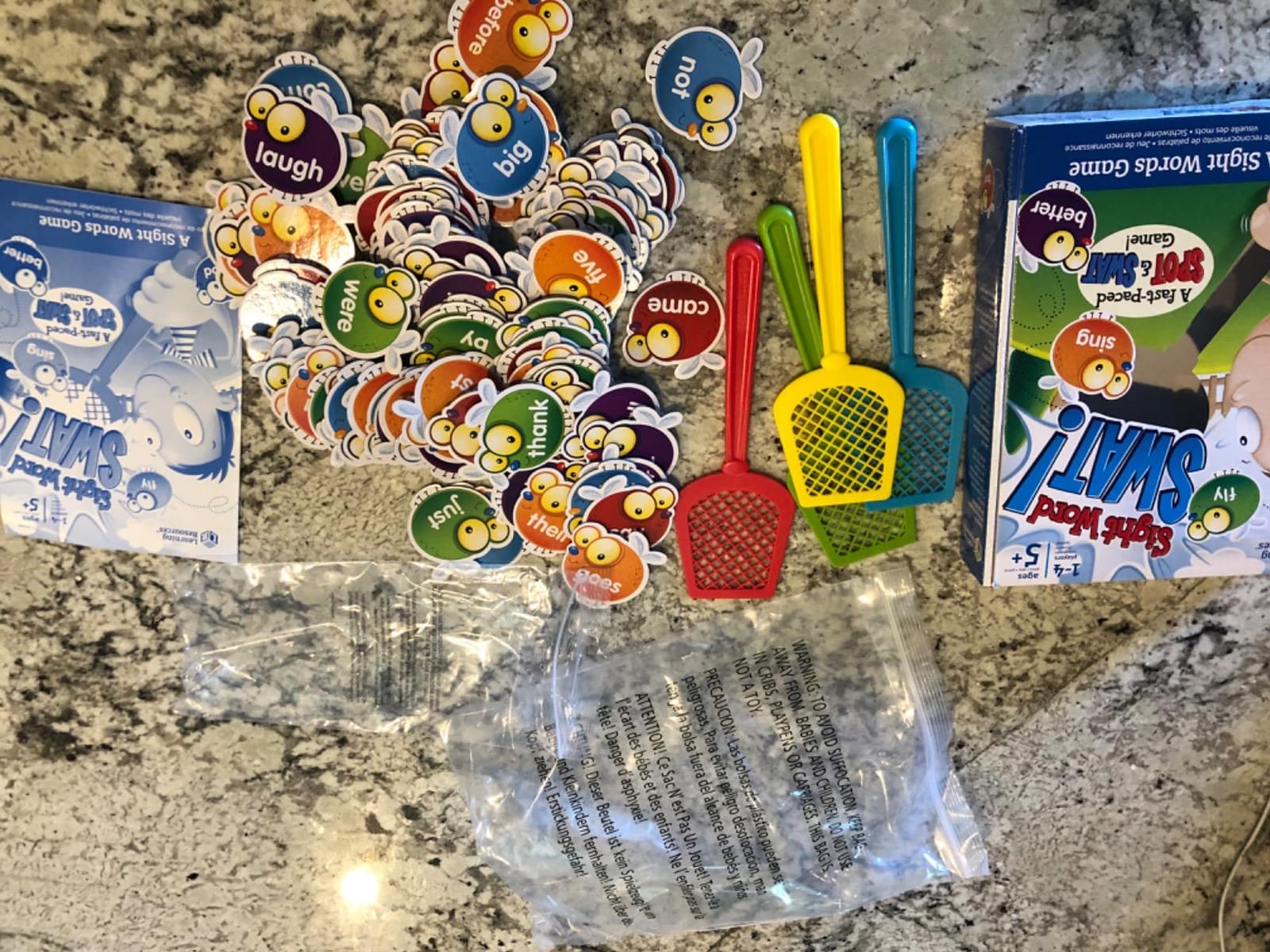
The 220 Dolch sight words cover the most common words kids need to recognize on sight. These are the words that show up in early readers over and over: “the,” “and,” “is,” “you.” Mastering them frees up mental energy for sounding out harder words. For reluctant readers, that fluency boost can turn reading from exhausting into manageable.
I tested this with a first-grade classroom, and even the most disengaged students joined in when the swatters came out. One teacher told me it became her go-to center activity for the last 10 minutes of the day. When kids are tired and unfocused, the physical movement wakes them up.
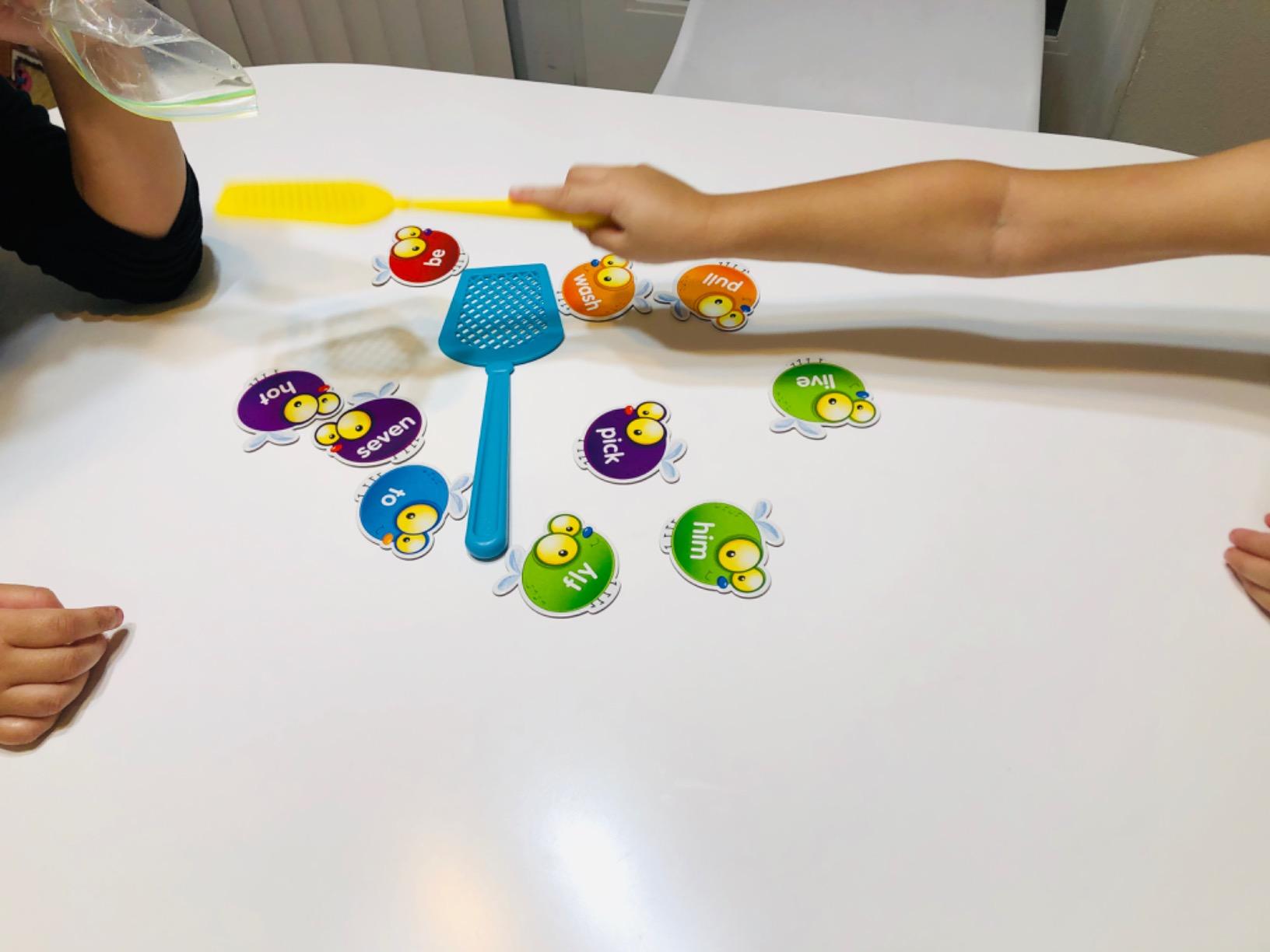
Group size and classroom fit
The game officially supports up to 4 players, but you can easily rotate groups of kids in a classroom setting. We found it works best with 2 to 4 kids playing at once, so everyone has a swatter and stays engaged.
Assembly takes a few minutes the first time. You’ll need to attach the swatters and sort the flies. After that, setup is quick. The only real complaint from parents is the plastic feel of the flies, which can bend if pressed too hard. Treat them gently, and they hold up well.
How it compares to flashcard drills
Traditional flashcards ask a child to sit, look, and respond. Sight Word Swat asks them to move, react, and compete. That physical engagement is exactly what many reluctant readers need to stay present. The game also adds a layer of friendly competition that motivates kids to keep practicing.
3. ThinkFun Zingo Sight Words – Award-Winning Bingo Game
ThinkFun Zingo! Sight Words,
Ages 4-7
72 sight word tiles
2-6 players
2 difficulty levels
Pros
- Toy of the Year Finalist
- Educator-developed design
- Zinger dispenser adds excitement
- Two difficulty levels included
- Bingo-style play is intuitive
Cons
- Limited unique word variety
- Advanced readers may outgrow it fast
- Tiles can occasionally stick in dispenser
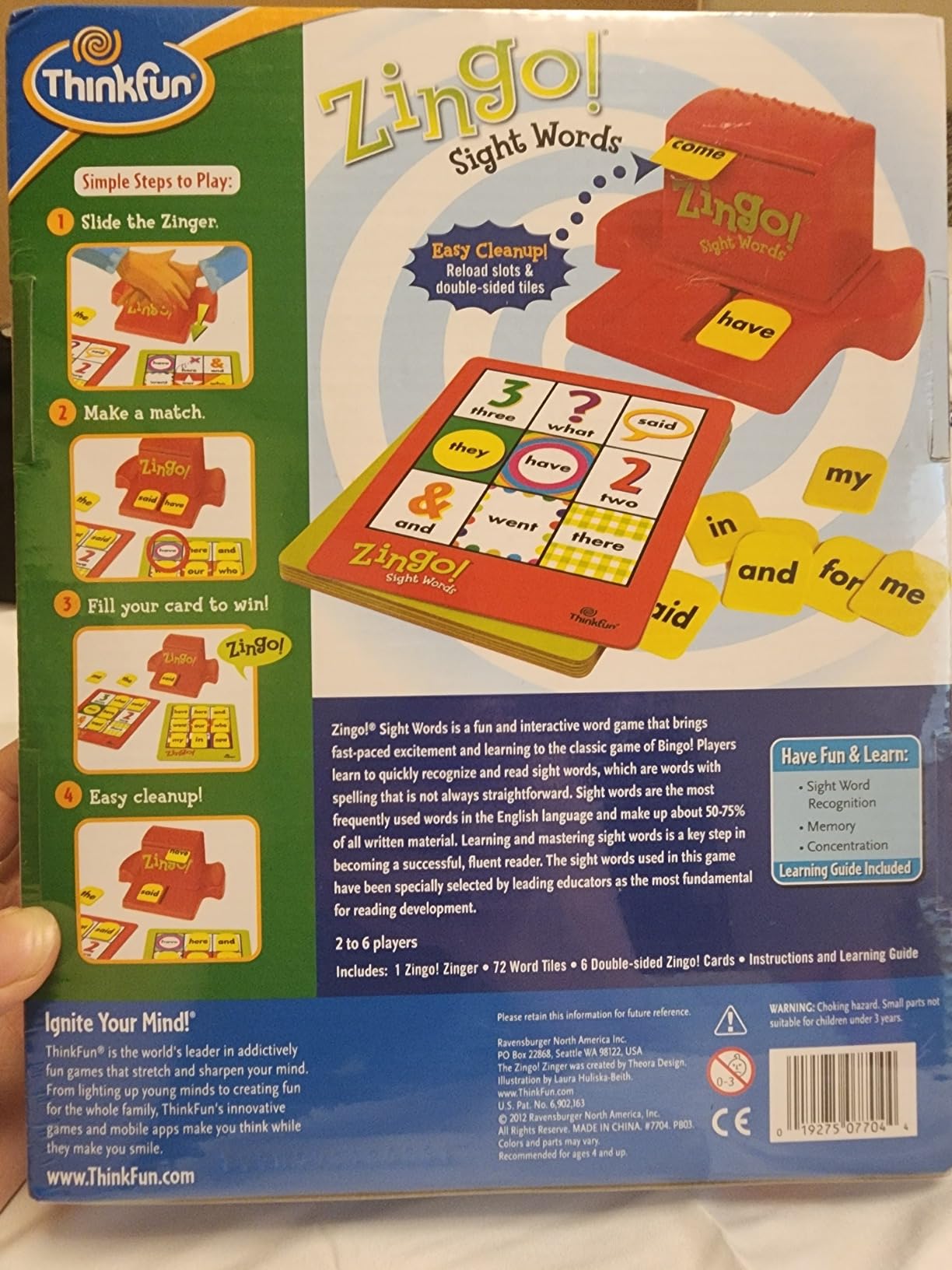
ThinkFun Zingo Sight Words is the game I bring out when a parent tells me their child has tried everything and given up. It’s a bingo-style game, which most kids already understand. That familiarity lowers the barrier to entry, especially for kids who freeze up with new rules.
The Zinger tile dispenser is the star of the show. Kids slide it forward and two tiles pop out. The little mechanical surprise makes every turn feel exciting. For reluctant readers, that built-in anticipation is half the battle. They’re not dreading their next word because they’re focused on what the Zinger will reveal.
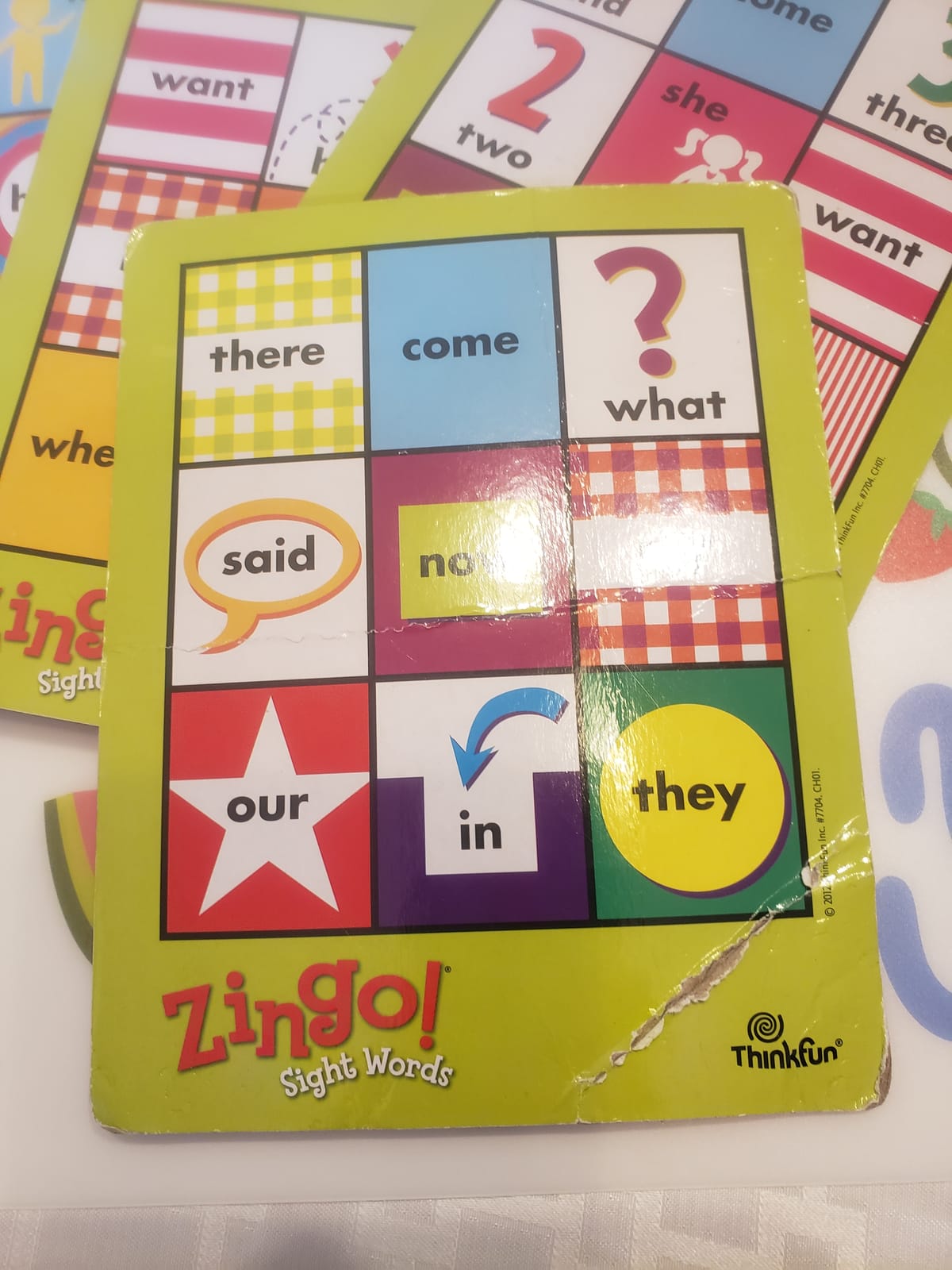
Two difficulty levels come built into the cards. Level one uses simpler sight words for kids just starting out. Level two steps up to longer and trickier words. You can rotate between levels as your child grows, which extends the game’s life. Most kids will spend at least a year playing this regularly before outgrowing it.
The game was developed by educators specifically for early readers. The word list aligns with what kids encounter in kindergarten and first grade. That alignment with classroom expectations is a quiet benefit: kids practice at home the same words their teachers are working on at school.
Why bingo format works for reluctant readers
Bingo is one of the most familiar game formats in the world. Kids pick up the rules in under a minute, which means no time wasted on explanations. For reluctant readers who already feel anxious about learning, that instant comprehension is a relief.
The matching mechanic is also forgiving. If a child misreads a word, the tile on their card shows the correct spelling, giving them a built-in correction. That visual reinforcement helps kids self-correct without feeling embarrassed.
Best ages and group settings
The game officially supports ages 4 to 7, but it works just as well for older struggling readers who need extra sight word practice. Two to six players is the sweet spot. With more than four players, the rounds can feel slow for impatient kids.
4. Hasbro Scrabble Junior – Grow-With-Me Word Game
Hasbro Gaming Scrabble Junior Board Game | 2-4 Players | Family Educational Word Games for Kids | Back to School Gifts for Classroom | Ages 5+
Ages 5+
105 letter tiles
2-4 players
2-sided gameboard
Pros
- Double-sided board grows with child
- No assembly required
- Familiar Scrabble brand
- Family-friendly gameplay
- Mix of letter matching and word building
Cons
- Advanced side requires reading ability
- Tile quality could be better
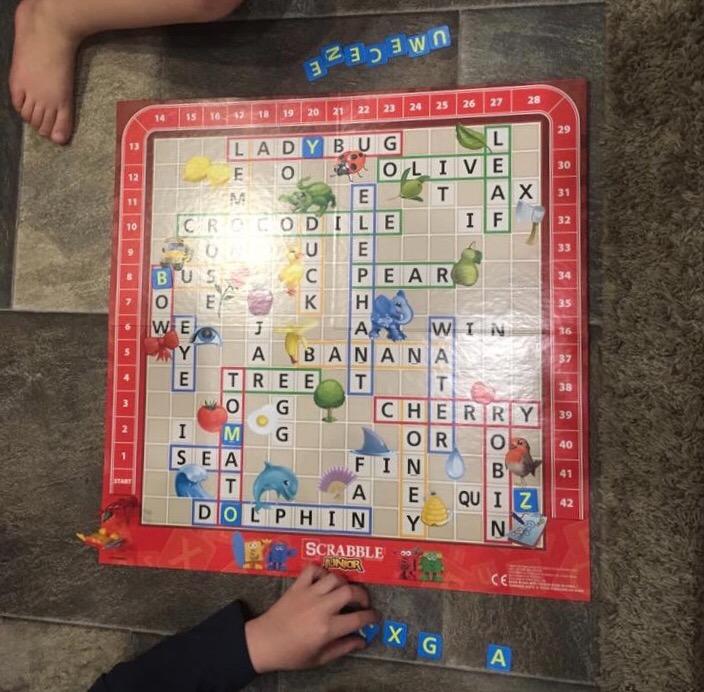
Scrabble Junior is the game my own family has pulled out most often over the years. It’s the rare word game that genuinely grows with your child, because the board flips between two sides. One side is for beginners who match letters to pictures. The other side is for kids ready to build their own words.
For reluctant readers, that graduated design removes a common problem: games that are too hard on day one and too easy by month three. With Scrabble Junior, you can start a child on the picture side at age 5 and flip the board at age 7 or 8 when they’re ready. The game essentially pays for itself across multiple developmental stages.
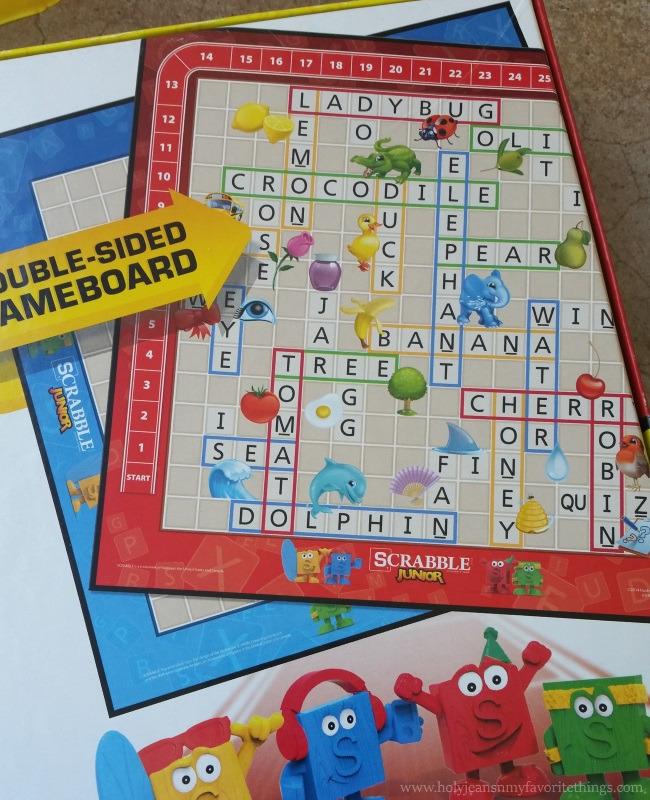
The game includes 105 letter tiles, which is more than enough for full-word building once your child advances. The cute character tokens give players a reason to celebrate small wins, like scoring points for finishing a word. That positive feedback keeps reluctant readers motivated even when the words get harder.
Family play is where this game shines. Up to four players can join, and the rules are simple enough that grandparents and cousins can jump in. I love word games that don’t require parent expertise, and Scrabble Junior fits that bill perfectly. The game guide walks new players through both sides.
How to support a struggling reader during play
For reluctant readers, pair up with them on the beginner side and let them “help” you find letters on your board. This co-play approach builds confidence without singling them out as the one who needs help. As they get stronger, gradually step back and let them play more independently.
One tip from our parent community: keep a small notebook nearby for tricky words. When your child encounters a word they struggled with, write it down and review it later. This turns game time into a built-in study session without feeling like one.
When to flip to the advanced side
Most kids are ready to flip the board between ages 7 and 9, depending on reading level. Signs your child is ready include recognizing common sight words automatically, sounding out simple CVC words like “cat” and “dog,” and showing interest in spelling their own name.
5. Hasbro Boggle Classic – Portable Word Search Game
Hasbro Gaming Boggle Classic Game Brown/a, standart
Ages 8+
16 letter cubes
1+ players
90-second rounds
Pros
- Compact travel-friendly size
- 90-second rounds keep pace fast
- Solo or multi-player play
- Words in any direction
- All pieces store inside
Cons
- Ages 8+ may be too advanced for younger kids
- Solo mode can feel quiet
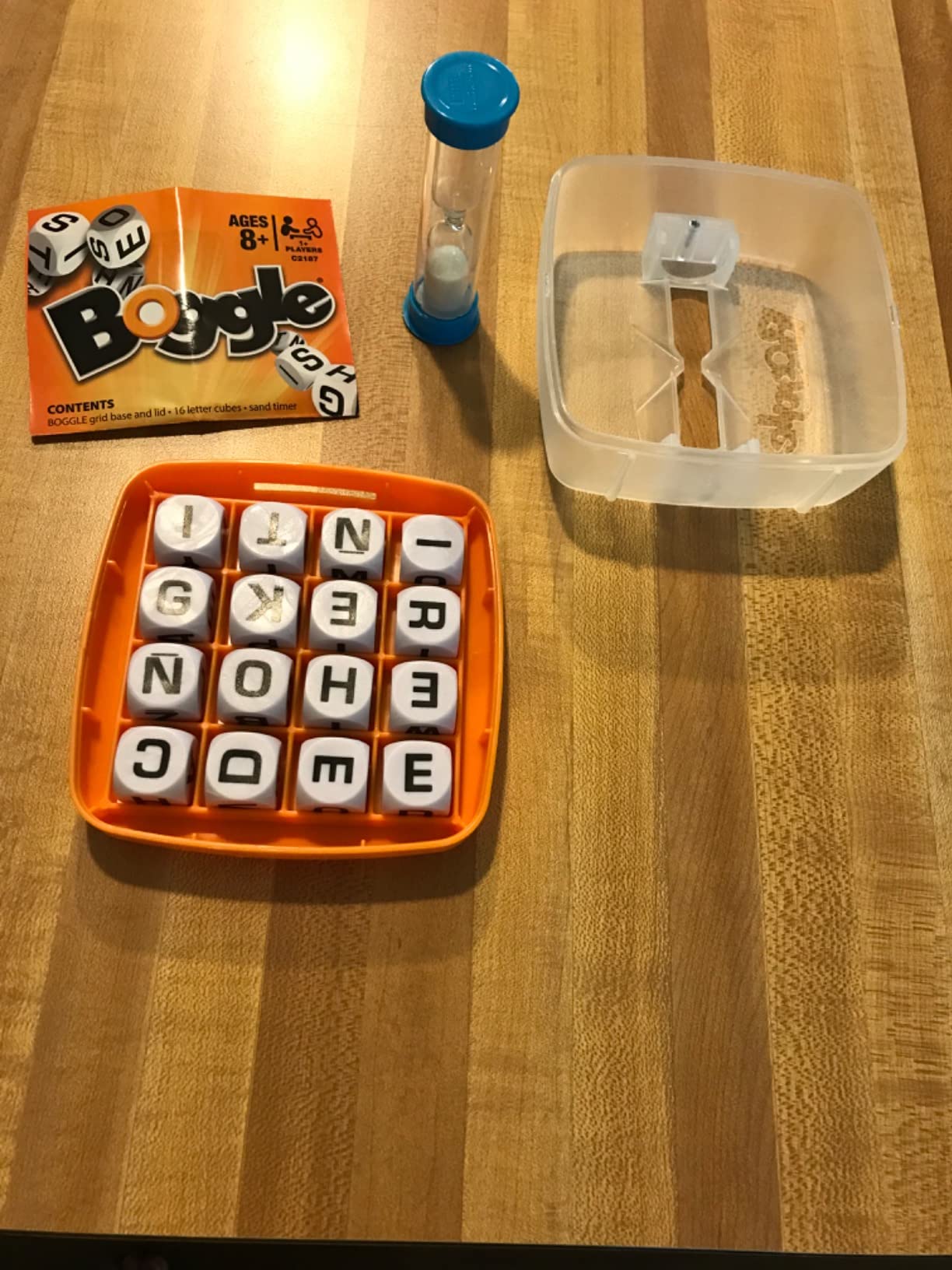
Boggle Classic is the game I recommend for older reluctant readers, especially kids in the 8 to 12 range who have outgrown basic sight word games. It introduces word discovery in a way that feels like a treasure hunt. Shake the cubes, flip the timer, and race to find as many words as you can in 90 seconds.
For reluctant readers who feel embarrassed about slower reading speeds, Boggle offers something unexpected: speed is part of the game. Every kid is racing the clock, not each other in a strict sense. That shared urgency levels the playing field. Slow decoders and fast decoders both have a shot at finding words.
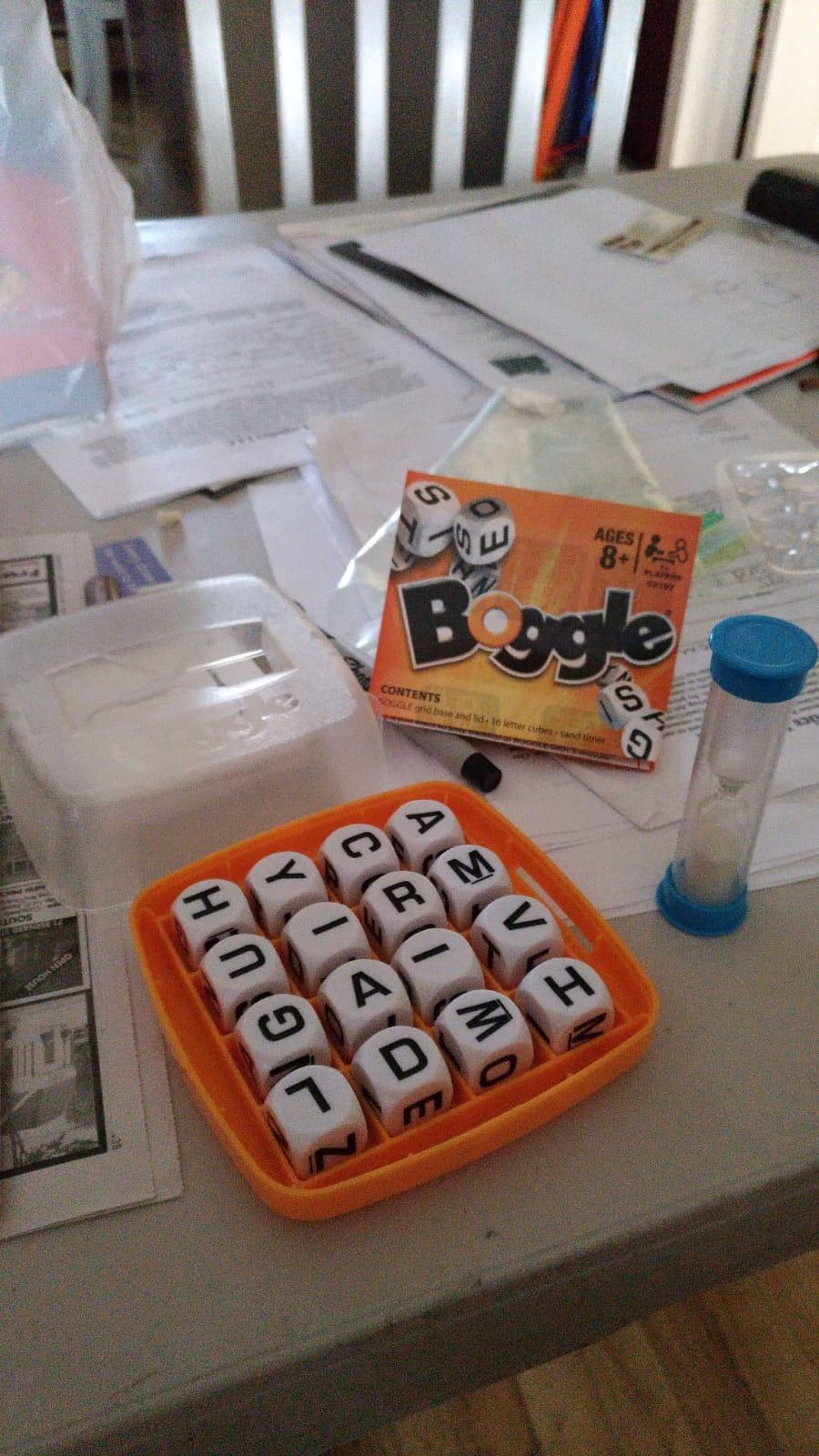
The portable design is a quiet superpower. Every piece fits inside the grid box, so the game travels easily. I’ve played Boggle in airports, on camping trips, and at kids’ sports practices. For families who want a word game that doesn’t need a table or a power outlet, this is the one.
Solo play is fully supported, which makes Boggle a great option for kids who prefer to practice alone before joining group play. The 90-second timer keeps the game fast, so kids don’t lose focus. That short play window is also ideal for kids with attention challenges.
How to scaffold play for younger or struggling readers
If your child is on the younger end of the 8+ range, allow them to find just two or three words per round instead of racing to find the most. Focus on quality over quantity. Praise any word they find, even short ones like “at” or “in.”
You can also adjust the difficulty by accepting shorter words or giving hints about letter combinations. The goal isn’t to win. The goal is to build letter pattern recognition and word discovery skills. Adjust the rules so the game feels challenging but not overwhelming.
Why Boggle works for kinesthetic and visual learners
The letter cubes create a visual grid that kids can scan with their eyes. That’s great for visual learners who recognize patterns spatially. The shaking motion at the start of each round adds a kinesthetic element that wakes up tactile learners. For kids who need movement to focus, that brief shake resets their attention.
Buying Guide: Choosing the Best Word Games for Reluctant Readers
Choosing the right word game depends on your child’s age, reading level, and personality. Here’s how to match a game to your family.
Match the Game to Your Child’s Reading Level
Start with a game that meets your child where they are, not where you wish they were. For kids ages 4 to 6 who are just learning letter sounds, Bananagrams My First and Zingo Sight Words are strong starting points. For kids ages 6 to 8 who are working on sight words, Sight Word Swat and Scrabble Junior (beginner side) work well. For kids ages 8 and up who can sound out simple words, Scrabble Junior (advanced side) and Boggle offer the right level of challenge.
Active vs Quiet Play Styles
Some kids need to move to learn. Sight Word Swat is built for active learners who can’t sit still. Other kids do better with focused, quiet play. Zingo and Bananagrams reward concentration without requiring big physical movements. Watch your child’s play style at home and choose a game that fits their natural energy.
Solo vs Group Play
Some reluctant readers feel anxious playing word games in front of others. Boggle and Bananagrams both support solo play, which lets kids practice without pressure. For kids who learn well from siblings or parents, Zingo and Scrabble Junior shine as multi-player games.
Screen-Free vs App-Based Options
Every game on this list is screen-free, which is intentional. Many parents ask us about apps like Teach Your Monster to Read and Reading Eggs. Those are great supplements, but hands-on games build different skills. Manipulating physical tiles strengthens letter recognition in ways screens cannot replicate.
Budget Considerations
All five games fall in the $13 to $23 range, making them accessible for most families. Boggle is the most affordable, with Bananagrams and Sight Word Swat close behind. If you’re choosing just one game, Zingo Sight Words offers the best balance of educational value and replayability for the price.
Durability and Travel-Friendly Designs
For families on the go, Bananagrams and Boggle are the most portable. Both pack into self-contained cases and weigh almost nothing. Sight Word Swat and Zingo are best for home or classroom use. Scrabble Junior is a great family-night game but takes more storage space.
Frequently Asked Questions
How do word games help reluctant readers?
Word games turn reading practice into play, which removes the anxiety and boredom that many reluctant readers associate with traditional instruction. By combining phonics, sight words, and vocabulary with game mechanics like movement, competition, and rewards, kids build literacy skills without feeling pressured. The best word games for reluctant readers also provide instant feedback, so kids see the results of their effort right away.
What age should I start word games with my child?
Most word games are designed for ages 4 and up, but the right starting age depends on your child’s letter recognition and attention span. Kids who can identify most uppercase letters and sit for 10 to 15 minutes are usually ready. Start with simpler games like Bananagrams My First or Zingo, then progress to more challenging games as skills develop.
How long should a reading game session be?
Keep sessions short, especially for reluctant readers. Most kids benefit from 10 to 20 minutes of focused play, two or three times a week. Shorter, frequent sessions beat long, infrequent ones. If your child wants to keep playing, let them. The goal is to build positive associations with reading, not to push past their attention span.
Are word games better than reading apps for reluctant readers?
Both have value. Word games build tactile, hands-on literacy skills and work well for screen-free time. Apps like Teach Your Monster to Read and Reading Eggs offer personalized, adaptive practice and can supplement physical games. The best approach combines both, using word games for family time and apps for independent practice within set screen time limits.
What if my child refuses to play word games?
Start by playing the game yourself. Kids are curious about what adults enjoy, especially if the game looks fun. Let them watch a round or two without pressure. You can also reframe the activity as a special challenge rather than a learning task. Sometimes switching to a different game format, like movement-based play with Sight Word Swat, is enough to spark interest.
Final Thoughts
The best word games for reluctant readers share one trait: they make kids forget they’re learning. Whether your child is a beginner working on letter sounds or an older kid who needs fluency practice, there’s a game on this list that fits. Start with one that matches your child’s reading level and energy style, and play alongside them. The goal isn’t just literacy. It’s helping your child see reading as something worth doing.
Ready to pick a game? Our top pick is Bananagrams My First for its phonics focus and travel-friendly design. If your child needs movement to focus, Sight Word Swat is the one to try. Whatever you choose, keep sessions short, stay positive, and let the games do the heavy lifting.