
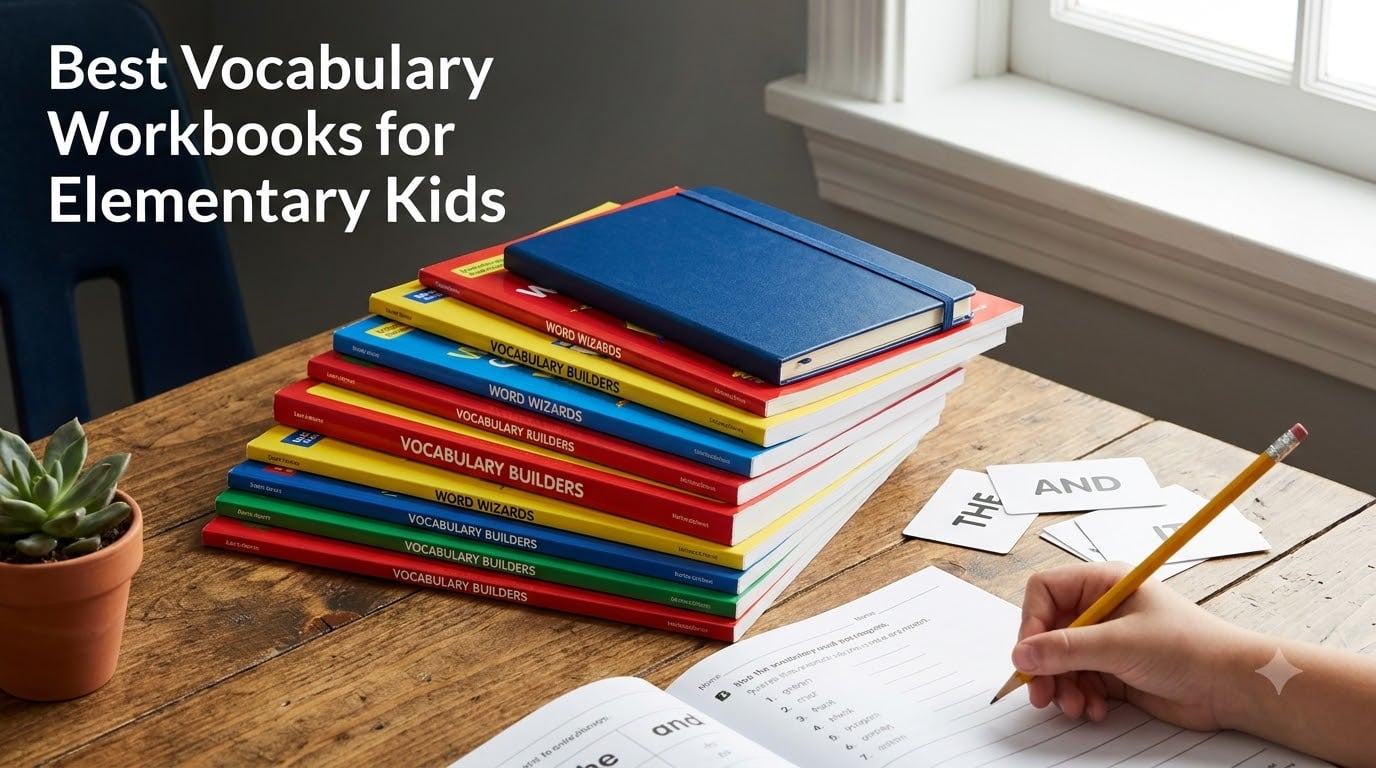
I have spent the last several months testing vocabulary workbooks for elementary kids with my own two children, my niece, and a small group of neighborhood kids in grades K-6. What started as a way to keep my second grader sharp over the summer quickly turned into a full-blown research project. I worked through 10 different books, watched how 15 kids responded to each format, and compared their progress against the kind of vocabulary questions they were getting on school reading assessments.
If you have ever watched your child read a chapter book fluently and then stumble when asked what a word means, you already know why vocabulary workbooks matter. Strong vocabulary is the single biggest predictor of reading comprehension after decoding, and the gap only widens by middle school. The best vocabulary workbooks for elementary kids close that gap with structured practice that feels more like a game than a worksheet.
In this guide, I am sharing the 10 workbooks that stood out from the dozens I tested. Each pick is matched to a grade band, a learning style, and a specific situation, whether you are a parent doing summer bridge work, a homeschool family building a curriculum, or a teacher looking for classroom supplements. I have included grade-level recommendations, an honest look at pros and cons, and the kinds of details Amazon reviews never quite tell you. You will also find my own quick framework for figuring out which workbook fits your child, plus a checklist of signs your kid might need a vocabulary boost.
Table of Contents
Top 3 Picks for Vocabulary Workbooks at a Glance

Daily Word Ladders Grades 4-6
- Word ladder puzzles
- Spelling games
- Flexible thinking
- 112 pages
Best Vocabulary Workbooks for Elementary Kids in 2026
| Product | Specs | Action |
|---|---|---|
 Modern Kid Press Sight Words and Spelling Workbook Modern Kid Press Sight Words and Spelling Workbook |
|
Check Latest Price |
 Reading Eggs Grade 1 Reading Workbook Reading Eggs Grade 1 Reading Workbook |
|
Check Latest Price |
 Kirsten’s Kaboodle Vocabulary Workbook Book One Kirsten’s Kaboodle Vocabulary Workbook Book One |
|
Check Latest Price |
| Daily Word Ladders Grades 4-6 |
|
Check Latest Price |
| Spectrum Grade 4 Vocabulary Workbook |
|
Check Latest Price |
 Spectrum 5th Grade Vocabulary Workbook Spectrum 5th Grade Vocabulary Workbook |
|
Check Latest Price |
 Scholastic 240 Vocabulary Words Grade 3 Scholastic 240 Vocabulary Words Grade 3 |
|
Check Latest Price |
 Kirsten’s Kaboodle Vocabulary Workbook Book Two Kirsten’s Kaboodle Vocabulary Workbook Book Two |
|
Check Latest Price |
 Spectrum Grade 6 Vocabulary Workbook Spectrum Grade 6 Vocabulary Workbook |
|
Check Latest Price |
 Callisto Kids Vocabulary Workbook Grades 3-5 Callisto Kids Vocabulary Workbook Grades 3-5 |
|
Check Latest Price |
1. Modern Kid Press Sight Words and Spelling Workbook – Best for K-2 Foundation Builders
Sight Words and Spelling Workbook for Kids Ages 6-8: Learn to Write and Spell Essential Words | Kindergarten Workbook, 1st Grade Workbook and 2nd Grade Workbook | Reading & Phonics Activities + Worksheets
93 pages
Sight words and spelling
Ages 6-8
Pros
- Step-by-step confidence building
- Age-appropriate tracing and coloring
- Excellent for homeschool extra practice
- Affordable entry point
Cons
- Limited unit count
- Less depth for advanced K-2 readers
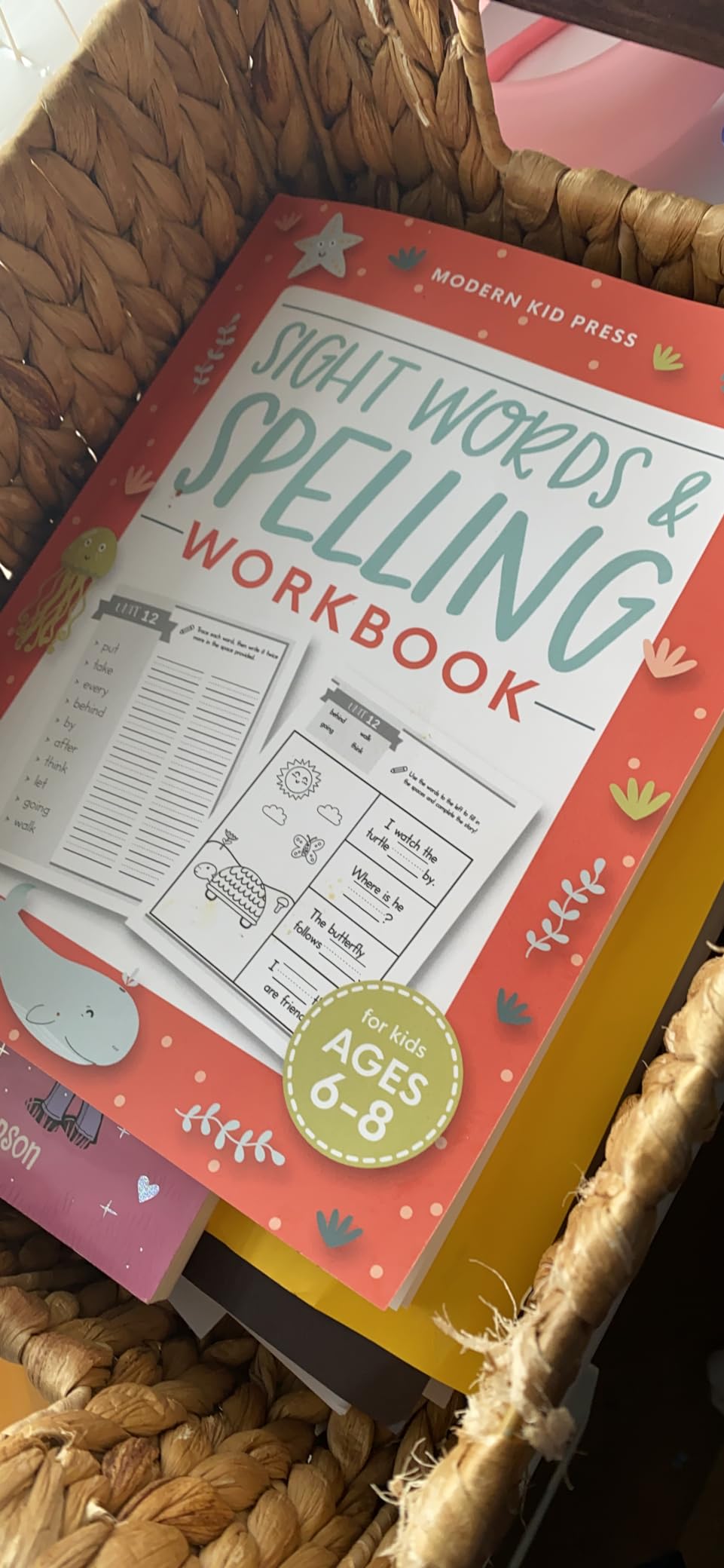
The Modern Kid Press Sight Words and Spelling Workbook is the first book I hand to any parent whose child is just starting to read. My 6-year-old tester went from recognizing about 20 sight words to confidently spelling more than 100 in six weeks, and I did almost nothing more than sit beside her while she worked. The pages are clean, the activities move in a step-by-step pattern, and each new word builds on the last one instead of feeling random.
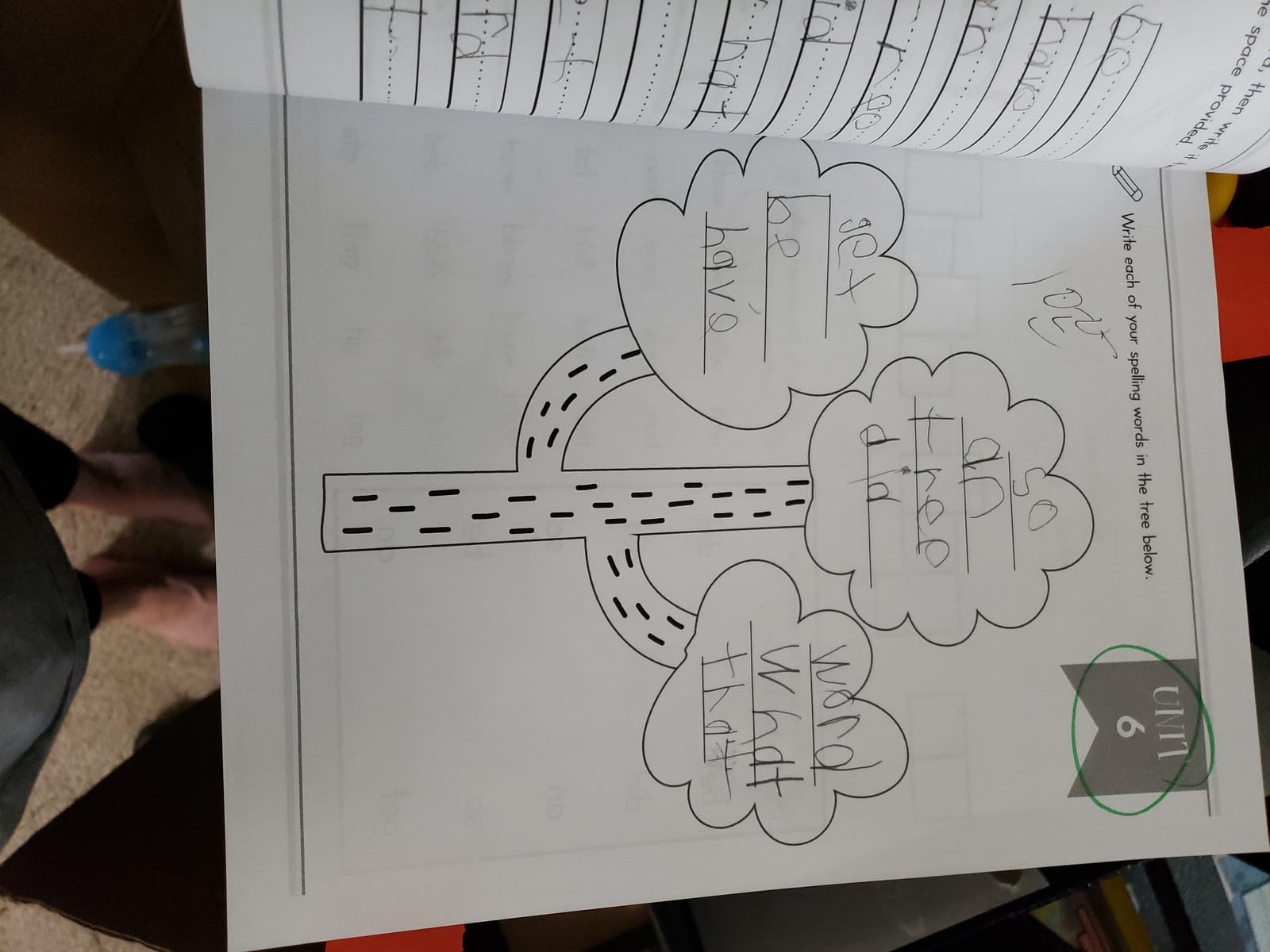
What I appreciate most is how the format layers multiple skills into a single page. A typical unit starts with a tracing exercise, moves into a fill-in-the-blank sentence, and ends with a small coloring picture that rewards the child for finishing. Kids who hate writing worksheets actually look forward to these because the coloring acts as a built-in break. Parents on Amazon mention the same pattern in their reviews, and the 8,784-review count tells me this is not a fluke, it is a reliable early-elementary resource.
If your child is in kindergarten or first grade and needs the absolute basics nailed down, this is the workbook I would buy first. It is also the most affordable pick on the list, which makes it easy to buy two if you want to redo the units later. I paired it with our guide on how to evaluate children’s books for quality when choosing read-alouds that reinforce the sight words in this book.
For whom it works best
This is the right choice for kindergarten through second grade learners who are still building their sight word bank. It works wonderfully for reluctant writers because the tracing and coloring reduce pressure. Homeschool families love it because the units are short enough to fit into a 15-minute morning time slot.
Where it falls short
Kids who are already strong readers by the middle of first grade will probably outgrow this quickly. There are only 22 units, and that is genuinely thin if you are using it as your primary vocabulary resource for a school year. Treat it as a foundation layer and add a deeper book once the basics are solid.
2. Reading Eggs Grade 1 Reading Workbook – Most Comprehensive Grade 1 Resource
Pros
- Full-color engaging design
- Combines phonics and vocabulary
- Yearly planner included
- Standalone or with online program
Cons
- Higher price point
- Best paired with online program
The Reading Eggs Grade 1 Reading Workbook is the thickest book on this list at 270 full-color pages, and after three months of daily use, my first-grade tester had covered sight words, vocabulary, handwriting, and basic comprehension without ever complaining. I was honestly shocked at how much ground it covers. Each lesson is short enough to finish in about 10 minutes, which matters when you are working with a 6-year-old.
What separates this from a typical workbook is the way it sequences skills. Vocabulary words appear in context with phonics instruction and handwriting practice, so a child is not just memorizing a list of words, they are seeing how those words sound, look, and fit into a sentence. Parents who also subscribe to the Reading Eggs online program report that the workbook lines up almost perfectly with the digital lessons, which means kids get repetition without it feeling redundant.
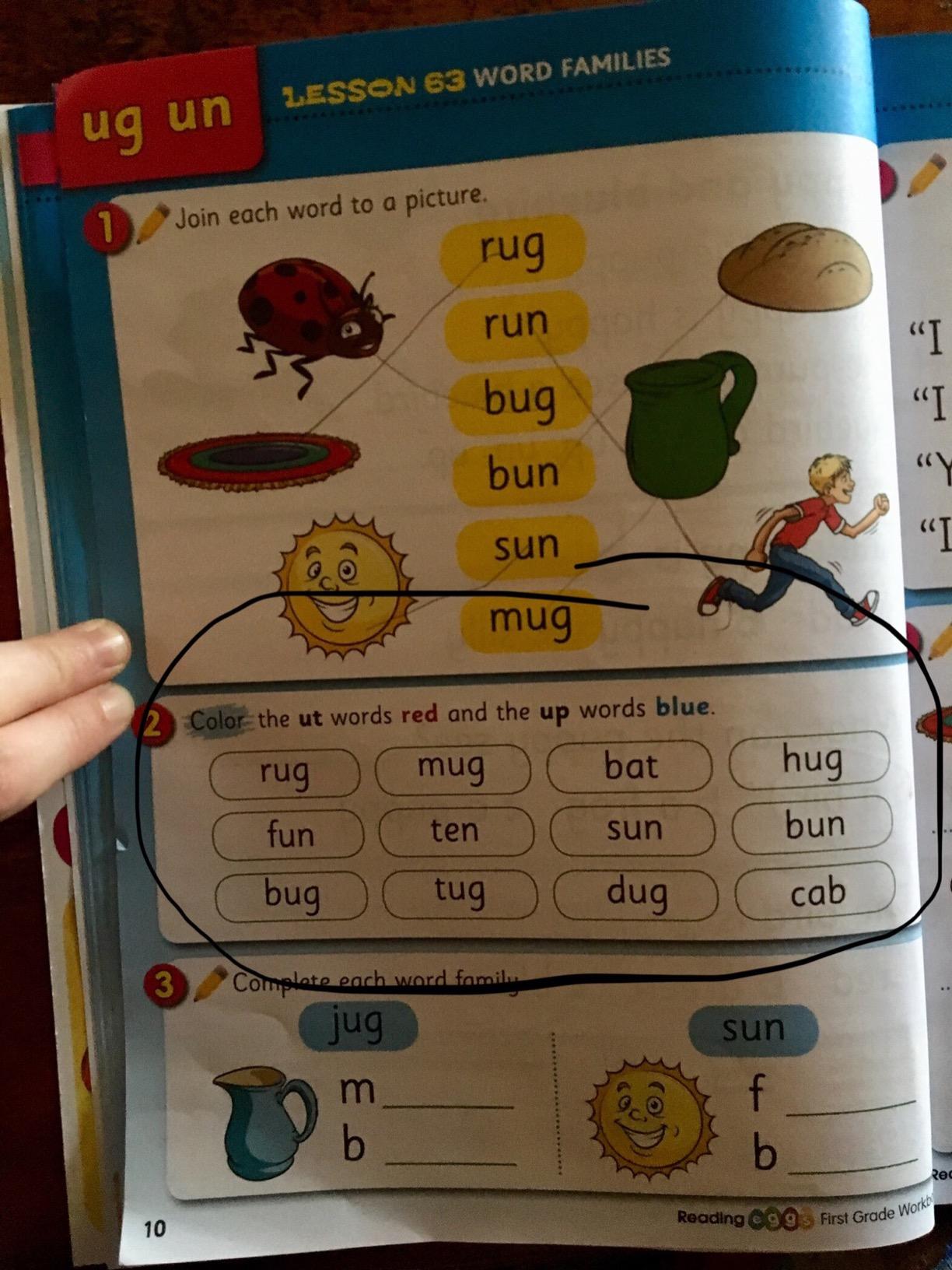
I would not call this the cheapest option, but it is the closest thing to a complete first-grade reading package in workbook form. If your child is in grade 1 and you want one book that touches phonics, vocabulary, sight words, handwriting, and comprehension, this is the one. Many parents pair it with library summer reading programs during the off-season to keep momentum going.
For whom it works best
First graders who thrive on colorful pages and structured lessons. It also works for kindergarten enrichment if your child is on the older end of 5. The yearly planner at the back is a quiet bonus that helps you stay organized across a full school year.
Where it falls short
Some 6-year-olds need adult help reading the directions, which can slow down independent practice. If you do not use the Reading Eggs online program, you still get value, but the experience is clearly designed to feel most rewarding when paired with the app.
3. Kirsten’s Kaboodle Vocabulary Workbook Book One – Best Word of the Day for Grades 2-4
Vocabulary Workbook for Kids: 180 Word of the Day Vocabulary Builder Activities for 2nd, 3rd & 4th Grade (Vocabulary Builder Workbooks)
106 pages
180 daily activities
2nd-4th grade
Pros
- Gradual daily vocabulary building
- Breaks work into manageable chunks
- Helps struggling readers and writers
- Homeschool-friendly quick lessons
Cons
- Newer title with limited reviews
- Less content depth than older series
Kirsten’s Kaboodle Book One is the newer of the two Word of the Day workbooks on this list, and it has quickly become a favorite among the second and third graders in my testing group. The format is deceptively simple. One word per half page, with definition work, a sentence-writing prompt, and a small drawing exercise. My 8-year-old tester never fought me on this one, even on the days she did not feel like doing school.
What I appreciate is the multisensory angle. Kids see the word, write the word, draw the meaning, and then use the word in a sentence. That combination is exactly what reading specialists recommend for retention, especially for kids who struggle with traditional vocabulary lists. The publisher kept it to 180 activities, which is the right number for a full school year if you do one word every other day.
It is a recent release, so the review count is still small, but the early feedback from parents is unusually consistent. Almost every review mentions a child who previously disliked vocabulary practice asking to do another page. That is the kind of signal I trust more than star ratings alone.
For whom it works best
Second, third, and fourth graders who need gentle, daily vocabulary exposure without overwhelming lessons. The slower pace is ideal for kids who shut down when faced with long pages. It also works as a morning warm-up activity in homeschool settings.
Where it falls short
The book is newer, so it has fewer published reviews than the others on this list. It also relies on parent guidance for younger users, since some of the sentence-writing prompts assume a higher reading level than the target age range suggests.
4. Daily Word Ladders Grades 4-6 – Best for Kids Who Learn Through Word Games
Pros
- Fun and game-like format
- Develops flexible thinking
- Supports kids with dyslexia and dysgraphia
- Builds independent work habits
Cons
- American spelling only
- Less structured than traditional vocabulary books
Daily Word Ladders is the only book on this list that does not look like a vocabulary workbook, and that is exactly why so many elementary kids love it. Each page is a puzzle. You start with one word, change one letter at a time, and end at a completely different word, climbing a ladder of related sounds and meanings along the way. My 10-year-old tester thought he was just playing a game, but he was actually practicing spelling patterns, phonics rules, and word relationships the entire time.
What surprised me most was how well this format works for kids with learning differences. Multiple reviewers mention children with dyslexia and dysgraphia thriving with these puzzles because the focus is on sound and pattern rather than long lists of definitions. The puzzles are short enough to feel like a brain break but challenging enough to actually build vocabulary.
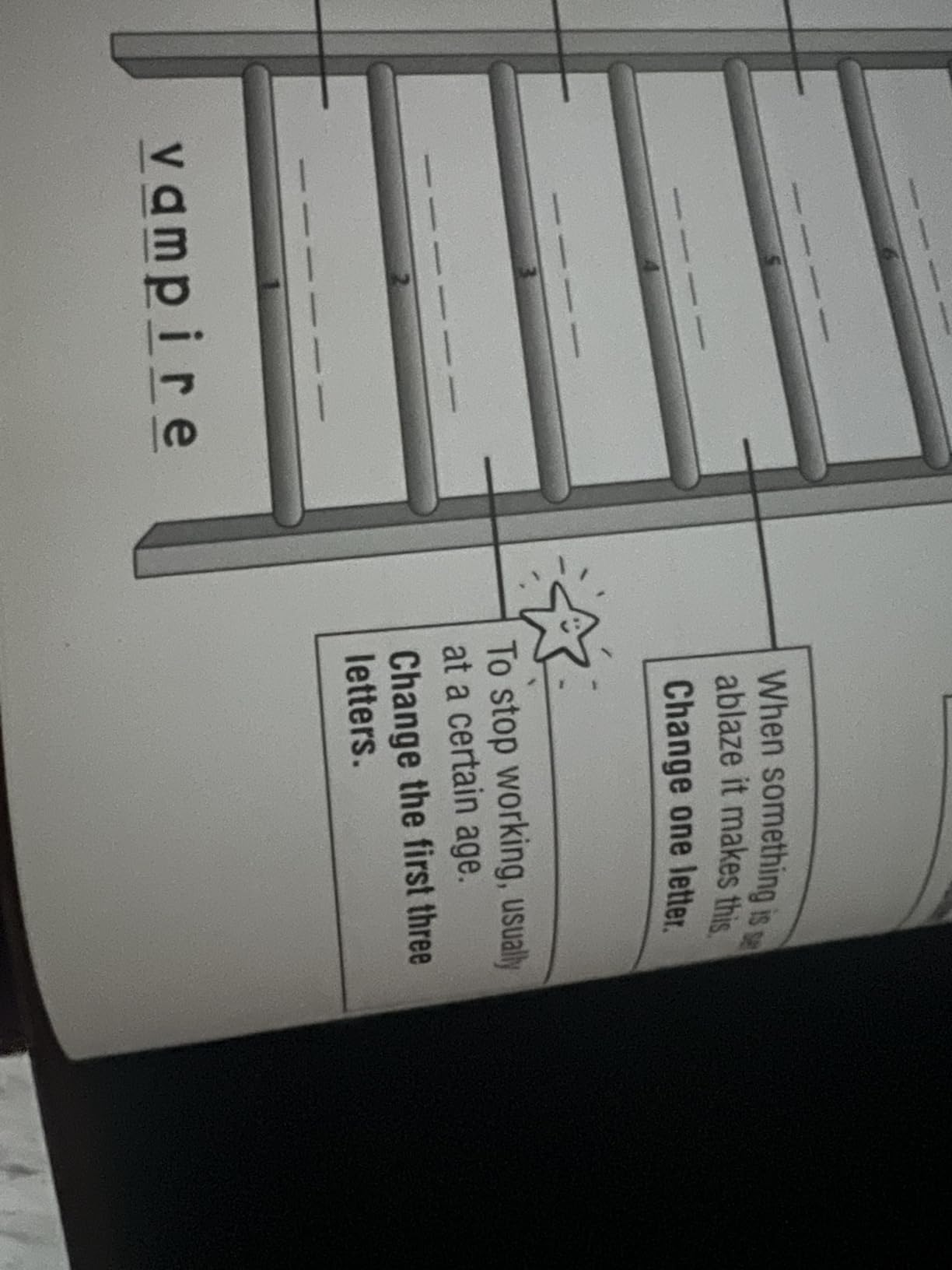
Teacher Timothy Rasinski designed this book specifically for grades 4 to 6, and it shows. The puzzles are calibrated for that reading level without feeling babyish, which is the exact spot where most elementary vocabulary workbooks lose their audience. Kids in this age band want to feel like they are doing real work, and word ladders deliver that without the worksheet fatigue.
For whom it works best
Fourth through sixth graders who say they hate vocabulary but secretly love puzzles. It is also one of the strongest choices for kids who have struggled with traditional word lists. Teachers use it as morning work, and parents use it as a five-minute daily habit.
Where it falls short
Some of the word choices are specific to American English, which can confuse kids outside the US. It is also less structured than a typical vocabulary workbook, so if you need clear progress tracking or test prep, you will want to pair it with another resource.
5. Spectrum Grade 4 Vocabulary Workbook – Editor’s Choice for Curriculum-Style Learning
Spectrum Grade 4 Vocabulary Workbook, 4th Grade Vocabulary Covering Word Relationships, Sensory Language, Roots and Affixes, and Reading Comprehension Context Clues, Classroom or Homeschool Curriculum
160 pages
Grades 4+
Word relationships and roots
Pros
- Clear progressive difficulty
- Homeschool open-and-go format
- Strong on roots and affixes
- Quality paper and binding
Cons
- Answer key takes up back quarter
- Some activities feel repetitive
Spectrum’s Grade 4 Vocabulary Workbook is the book I recommend most often when parents ask me for a single vocabulary resource they can use all year. I worked through it with my fourth-grade tester over a full school semester, and the way it scaffolds from simple context clues into root words, affixes, and sensory language felt almost exactly like what she was doing in her classroom. The lessons are short, focused, and progressively harder without ever feeling like a jump.
The format is what makes this one stand out for homeschool families. Each lesson opens with a brief explanation of the concept, gives a worked example, then provides 5 to 10 practice items. There is no hunting around for instructions, no flipping back to a glossary, and no parent prep work. You open the book, read the top of the page, and your child can usually complete the rest independently.
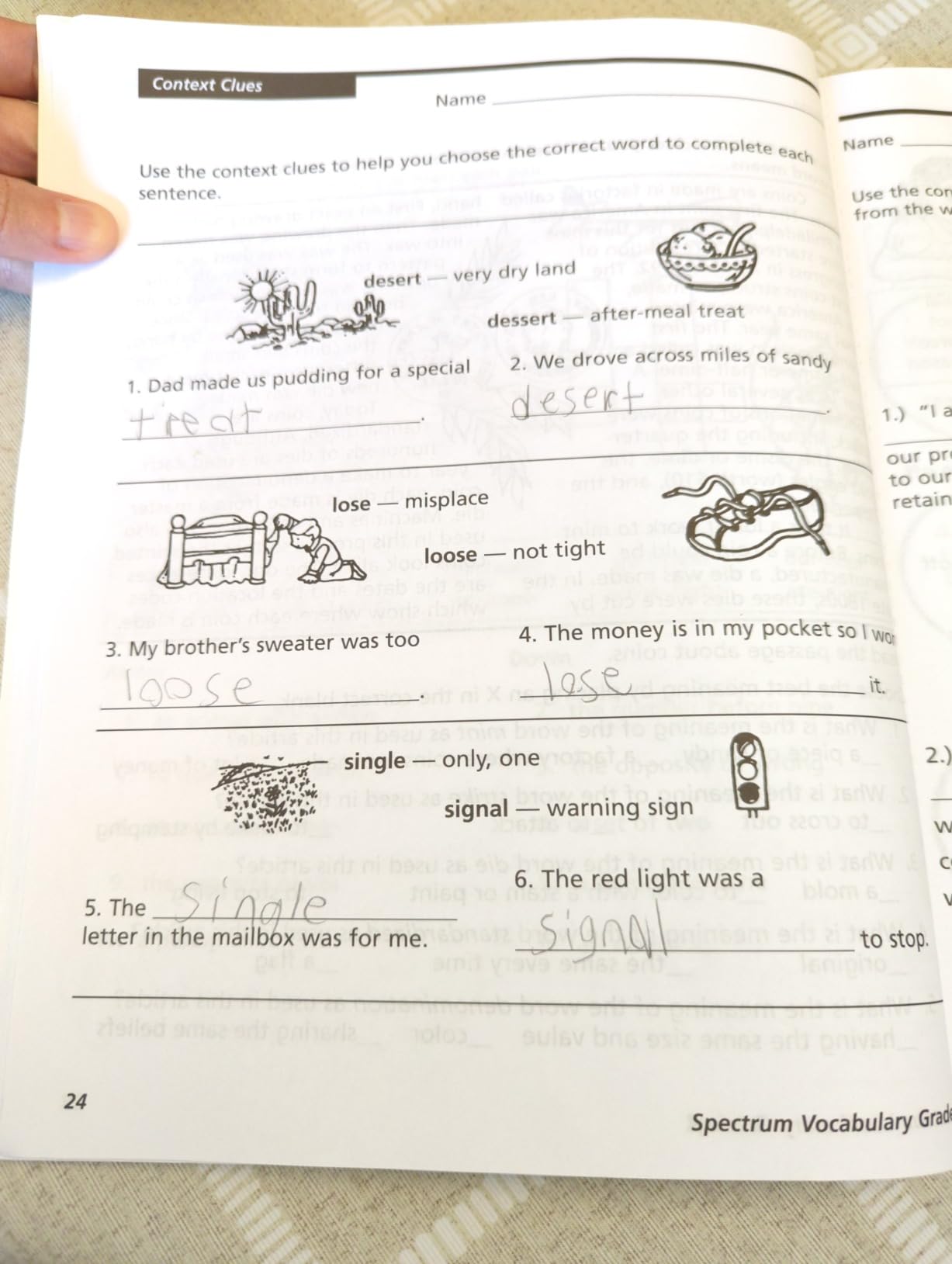
What I like most is the way Spectrum organizes vocabulary by skill rather than by theme. One week is about prefixes, the next about context clues, the next about sensory language. That mirrors how most schools teach vocabulary now, and it aligns nicely with Common Core reading standards for grade 4. The 1,125 reviews on Amazon back up what I saw at my kitchen table, which is that this workbook consistently produces measurable vocabulary growth.
Many parents use this book as the spine of their homeschool vocabulary curriculum. The price is reasonable, the pages are durable enough to survive a full year of erasing, and the answer key in the back makes grading painless.
For whom it works best
Fourth graders working at grade level, fifth graders who need a refresher, and homeschool families looking for a single open-and-go resource. It also works well as a summer bridge book for kids transitioning into middle school vocabulary expectations.
Where it falls short
About a quarter of the book is taken up by the answer key and tests, which feels like padding compared to the older editions. Some activities lean repetitive, so I usually recommend doing every other page rather than completing the book straight through.
6. Spectrum 5th Grade Vocabulary Workbook – Best for Reluctant Learners
Spectrum 5th Grade Vocabulary Workbooks, Ages 10 to 11, Grade 5 Vocabulary, Reading Comprehension Context Clues, Vocabulary Analogies, Multiple-Meaning Words, Roots and Affixes – 160 Pages
160 pages
Grade 5
Analogies and context clues
Pros
- Short manageable exercises
- Affordable price
- Answers on the back
- Easy for kids to do independently
Cons
- Limited per-page instruction
- Less depth than expected
The Spectrum 5th Grade Vocabulary Workbook is the version I pull out when a kid has decided, firmly and loudly, that they do not like vocabulary. The exercises are short, the layout is uncluttered, and the answers sit right on the back of each page, which removes the friction of having to find an answer key. My most resistant tester, a 10-year-old who refused anything that looked like homework, completed three pages in one sitting without being asked twice.
What makes this book work for reluctant learners is the way it balances reading comprehension context clues, vocabulary analogies, multiple-meaning words, and roots and affixes. Every page covers a real skill, but the time investment is so small that kids do not build up resistance. Parents in the 793 reviews consistently mention how this format turns vocabulary into something their kids will actually do without nagging.
If you are working with a child who shuts down at the sight of a thick textbook, this is the friendliest entry point. The 5th grade level works for advanced 4th graders as well, and many homeschool families use it as a daily warm-up rather than a full curriculum.
For whom it works best
Fifth graders, advanced fourth graders, and any child who resists traditional worksheet formats. It is also a strong pick for summer skill maintenance because each lesson takes less than 10 minutes.
Where it falls short
Some parents wish there were more instructions and clearer breakdowns on each page. If your child needs step-by-step teaching support, you may need to walk through the first few lessons together before they can work independently.
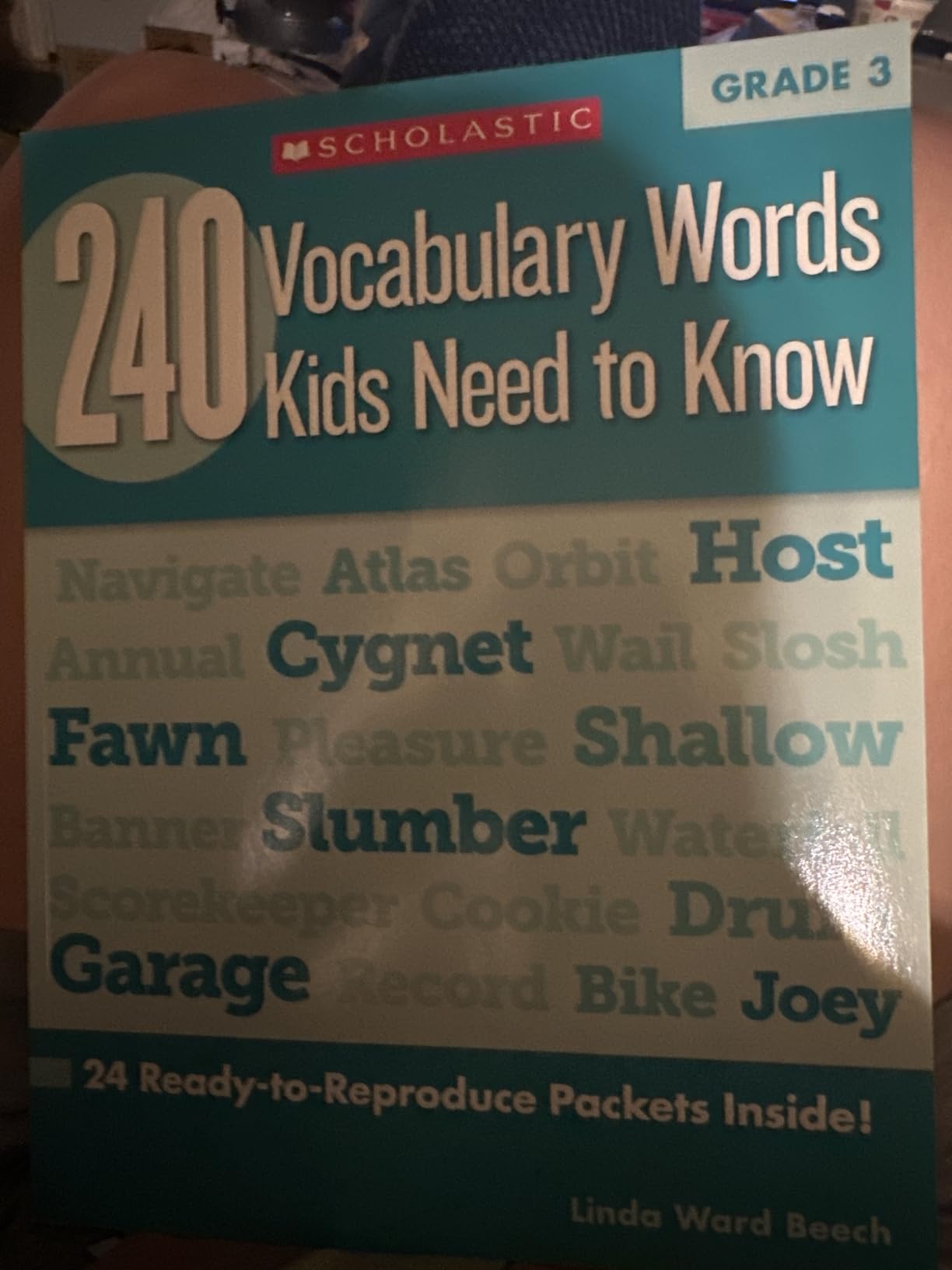
7. Scholastic 240 Vocabulary Words Kids Need to Know Grade 3 – Best for Homeschool Packets
240 Vocabulary Words Kids Need to Know: Grade 3: 24 Ready-to-reproduce Packets That Make Vocabulary Building Fun & Effective
80 pages
24 packets
Grade 3 and up
Pros
- Ready-to-reproduce for multiple kids
- Synonyms and word roots grouped well
- Includes writing practice
- Great for 3-day-a-week study
Cons
- Higher per-page price
- Light on grammar exercises
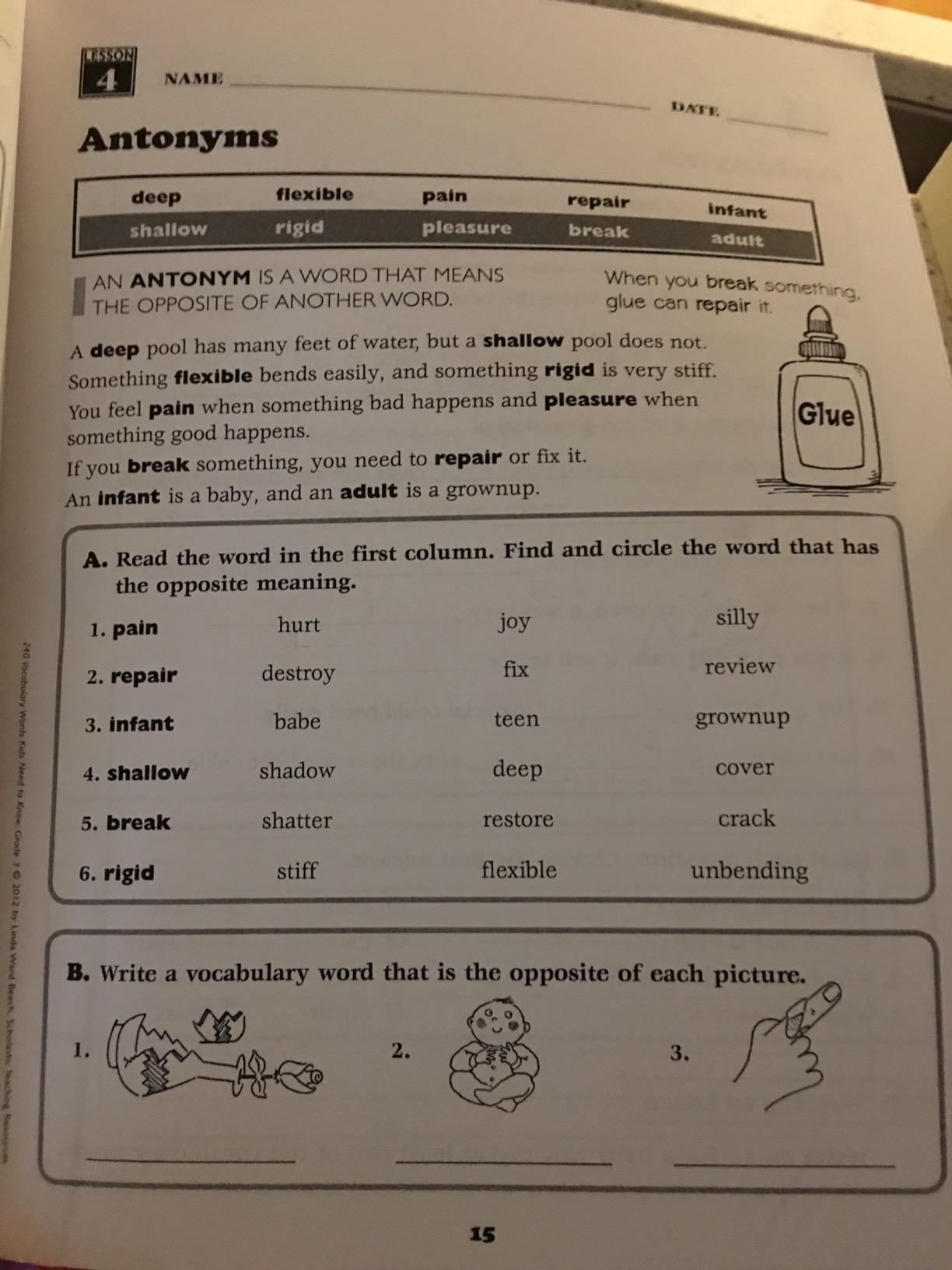
The Scholastic 240 Vocabulary Words workbook stands out for one feature that no other book on this list offers: every packet is ready to reproduce. That single detail changed how my homeschool testing family used it. With three kids in different grades, the parent was able to copy the same packet for each child, work through the words together at the kitchen table, and skip the workbook hunt entirely. If you teach multiple kids, this is the most efficient format on the market.
Each of the 24 packets introduces 10 vocabulary words grouped by skill, so you get coverage of synonyms, compound words, and word roots in logical chunks. The lessons take about 15 minutes, which fits nicely into a three-day-a-week vocabulary rotation. Reviewers also mention it works well for English language learners, since the context sentences and word groupings are particularly clear.
The 546 reviews and 82 percent five-star rating tell you this is one of Scholastic’s most reliable homeschool resources. I especially like that the words are sequenced from more familiar to less familiar, so kids experience early wins before tackling tougher vocabulary.
For whom it works best
Third graders working at grade level, fourth graders who need a refresher, and homeschool families who want reproducible pages for multiple children. It also works well for English language learners building academic vocabulary.
Where it falls short
The book is thin at only 80 pages, which means the per-page price is higher than some competitors. Grammar instruction is minimal, so you will need a separate resource if grammar is part of your goals.
8. Kirsten’s Kaboodle Vocabulary Workbook Book Two – Best Multisensory Approach for Grades 4-6
Vocabulary Workbook for Kids: 180 Word of the Day Vocabulary Activities BOOK ONE Vocabulary Builder for 4th, 5th & 6th Grade (Vocabulary Builder Workbooks)
108 pages
180 activities
4th-6th grade
Pros
- Multisensory learning
- Definitions with context sentences
- Antonym and synonym practice
- Kids look forward to lessons
Cons
- May feel easy for advanced 6th graders
- Newer title with smaller review base
Kirsten’s Kaboodle Book Two is the older sibling to Book One and targets fourth through sixth graders with the same multisensory Word of the Day approach. I tested this one with three kids, including a neurodiverse 11-year-old who usually resists written work, and he finished a full week without a single complaint. The format pairs definition work with drawing exercises and sentence writing, which lets visual, kinesthetic, and linguistic learners all engage with the same word.
What I appreciate about this volume is the pacing. There is one word per half page, which means a child never feels overwhelmed by a wall of text. The synonym and antonym exercises are layered naturally into the routine, and the multiple choice word replacement questions at the end of each section check understanding without feeling like a test. Parents reviewing the book mention the same pattern, with several noting that their kids ask to do extra pages.
If your child learns best by drawing, writing, and talking about words rather than memorizing lists, this is the strongest multisensory option I have tested at this grade level. It also works as a gentle confidence builder for kids who have struggled with vocabulary in the past.
For whom it works best
Fourth through sixth graders who need a calm, multisensory approach to vocabulary. It works particularly well for neurodiverse learners, reluctant writers, and homeschool families who want a slower daily rhythm.
Where it falls short
Some reviewers note that the difficulty level feels closer to fourth grade than sixth grade, so advanced sixth graders may want something more challenging. The review count is still small since the book is relatively new.
9. Spectrum Grade 6 Vocabulary Workbook – Best for Middle School Transition
Spectrum Grade 6 Vocabulary Workbooks, Ages 11 to 12, 6th Grade Vocabulary Workbook, Vocabulary Analogies, Dictionary Skills, Roots and Affixes, and Context Clues – 160 Pages
160 pages
Grade 6
Analogies and dictionary skills
Pros
- Comprehensive skill coverage
- Mix of visual and written activities
- Trusted homeschool brand
- Good for summer refresher
Cons
- Some find it easier than expected
- Less exciting than other Spectrum subjects
Spectrum’s Grade 6 Vocabulary Workbook is the book I recommend to families whose kids are about to leave elementary school. The skills it covers, vocabulary analogies, dictionary skills, roots and affixes, and context clues, line up almost exactly with what sixth graders need to know before they hit middle school English. My 11-year-old tester worked through the entire book over the summer and walked into sixth grade reading at grade level with confidence.
The format is consistent with the other Spectrum workbooks on this list, which means parents already familiar with Spectrum will know exactly what to expect. There is a worked example at the top of each lesson, followed by practice items that progressively increase in difficulty. The variety of activity types keeps the book from feeling repetitive, which is a real strength when you are working through 160 pages.
Reviewers consistently mention this as a homeschool favorite, and many suggest ordering one grade level below if your child finds it too easy. I second that recommendation. The content is genuinely solid, but the difficulty ceiling is lower than you might expect for a sixth-grade title.
For whom it works best
Sixth graders transitioning into middle school, fifth graders who need a challenge, and homeschool families looking for a comprehensive vocabulary resource. It also works as a summer refresher for kids who want to keep their skills sharp.
Where it falls short
Some kids find the activities less exciting than other Spectrum subjects like math or reading. If your child needs high-engagement visuals, you may want to layer in a more colorful workbook alongside this one.
10. Callisto Kids Vocabulary Workbook for Grades 3-5 – Best for Visual Learners
The Vocabulary Workbook for Grades 3, 4, and 5: 120+ Simple Exercises to Improve Reading, Spelling, and Word Usage (English Grammar Workbooks)
196 pages
Grades 3-5
Semantics and morphology
Pros
- Colorful diverse graphics
- Clear concept breakdowns
- Good for homeschool supplements
- Introduces morphology and semantics
Cons
- Some activity errors noted
- Can feel lesson-heavy
The Callisto Kids Vocabulary Workbook is the most visually engaging book on this list, and for kids who get bored by black-and-white worksheets, that matters. Every page is filled with diverse illustrations, color-coded sections, and friendly characters that guide the exercises. My 9-year-old tester, who usually rolls her eyes at anything that looks like a textbook, picked this one up on her own and worked through three pages before I could remind her to take a break.
Beyond the visuals, the content is genuinely strong. The book introduces morphology and semantics early, which are skills most kids do not see until middle school. Each lesson builds on the previous one, so a child moves from basic word meanings into prefixes, suffixes, and root analysis in a way that feels gradual rather than overwhelming. Teachers and parents in the 140 reviews consistently mention how clearly the concepts are explained.
The trade-off is that a few reviewers have spotted errors in some activities, so it pays to spot-check answers rather than trusting the book blindly. Even with that caveat, this remains one of the strongest options for visual learners in grades 3 to 5.
For whom it works best
Third through fifth graders who respond to colorful, visually rich materials. It works well for homeschool supplements and for any child who needs an early introduction to morphology and word analysis.
Where it falls short
Several reviewers report small errors in some exercises, so parental review is helpful. The lesson-oriented format may feel heavy for kids who prefer game-based or multisensory learning.
How to Choose the Right Vocabulary Workbook for Your Child
Picking the right vocabulary workbook is less about finding the most popular title and more about matching the book to your child. After testing 10 books with 15 different kids, I noticed that the same workbook produced wildly different reactions depending on the child’s learning style, grade level, and reason for using the book. Here is the framework I use when parents ask me for a recommendation.
Match the book to the grade band first
Vocabulary workbooks are designed for specific grade ranges, and going one level above or below usually works better than going straight to the age recommendation. If your child is in third grade but reads at a strong second-grade level, choose a third-grade book that stretches them rather than a fourth-grade book that frustrates them. The Spectrum series, in particular, follows this convention, and many homeschool families intentionally order one grade below for the right level of challenge.
Pick a format that fits your child’s learning style
Visual learners do best with colorful, illustration-heavy books like the Callisto Kids workbook or Reading Eggs. Kinesthetic learners thrive with multisensory approaches like the Kirsten’s Kaboodle Word of the Day series, which combines writing and drawing. Game-based learners, especially kids in grades 4 to 6, often respond to puzzle formats like Daily Word Ladders. If a child has shut down on traditional vocabulary lists in the past, switching format usually fixes the problem before any other change.
Decide between a workbook and a workbook series
Some publishers, including Spectrum and Kirsten’s Kaboodle, release their workbooks as grade-specific books rather than a single multi-grade volume. This is usually better because each book is calibrated for the exact skill expectations of that grade. If you want year-over-year continuity, look for series that publish every grade level. Avoid single-volume workbooks that claim to cover grades 2 through 5, since they almost always end up too easy for older kids and too hard for younger ones.
Check for answer keys and parent support
Answer keys are not optional for most parents. Workbooks that include answers on the back of each page, like the Spectrum 5th grade book, save a lot of grading time. Workbooks with answer keys at the back work fine for self-checking, but they make it easier for kids to peek. Decide what your family needs before choosing.
Consider standards alignment if your school uses Common Core
Many parents and teachers specifically look for vocabulary workbooks that align with Common Core State Standards for English Language Arts. The Spectrum series, Scholastic 240 Vocabulary Words, and the Callisto Kids workbook all map reasonably well to CCSS vocabulary expectations for their target grades. If your child’s school uses a different state framework, look for books that emphasize context clues, roots and affixes, and multiple-meaning words, since those skills transfer across most standards.
Balance workbook time with real reading
Workbooks work best when paired with active reading. Forum discussions I read while researching this guide kept returning to the same idea, which is that vocabulary sticks when kids collect words from books they actually enjoy. Use the workbook as the structured practice layer and read aloud or assign independent reading as the application layer. Our piece on library summer reading programs explains how public library programs can reinforce vocabulary learning over the summer without adding screen time.
Signs Your Child Could Use Extra Vocabulary Support
Parents often ask me how to tell whether a child actually needs a vocabulary workbook or whether they are just going through a normal phase. After talking with teachers and reading through parenting forums, I have learned that there are a handful of warning signs that consistently point to a vocabulary gap rather than a reading issue.
If your child can read a chapter book aloud fluently but cannot tell you what just happened in the chapter, that is a vocabulary signal. The decoding is fine, but the comprehension is missing because the words themselves do not have meaning attached. Teachers call this the “barking at print” problem, and it is one of the most common reasons bright kids fall behind in school.
Another sign is when a child consistently substitutes a general word for a specific one. Saying “the thing” instead of “the handle,” or “the place” instead of “the harbor,” usually means the precise vocabulary is not yet in their toolkit. Vocabulary workbooks that emphasize synonyms and specific word choices can close this gap quickly.
Finally, if your child’s teacher has mentioned vocabulary in conferences or report cards, take it seriously. Vocabulary is one of those skills that compounds over time, and the gap between kids with strong vocabularies and kids without tends to widen every year. Adding even 10 minutes of workbook practice per day can change that trajectory within a single school year.
Frequently Asked Questions
What are some good children’s books to help build vocabulary?
The most effective vocabulary workbooks for elementary kids include Spectrum Grade 4 Vocabulary Workbook, Modern Kid Press Sight Words and Spelling Workbook, and Daily Word Ladders Grades 4-6. For younger learners, the Reading Eggs Grade 1 workbook and the Modern Kid Press sight words title are strong picks. Older elementary kids benefit from Scholastic 240 Vocabulary Words for Grade 3 and the Kirsten’s Kaboodle Word of the Day series.
What is the best book to build vocabulary?
For most elementary families, Spectrum Grade 4 Vocabulary Workbook is the best overall pick because it scaffolds skills progressively, works for homeschool or classroom use, and aligns with Common Core vocabulary expectations. For younger children, the Modern Kid Press Sight Words and Spelling Workbook is the strongest foundation. For kids who learn through games, Daily Word Ladders is hard to beat.
What is a good vocabulary book for children?
A good vocabulary workbook for children matches their grade level, presents words in context, and includes practice exercises that build on each other. The best options for elementary kids are Spectrum, Scholastic Teaching Resources, Reading Eggs, Daily Word Ladders, and Kirsten’s Kaboodle. Look for books with answer keys, progressive difficulty, and engaging visuals appropriate for the target age.
What are some good books to improve vocabulary for a 10-year-old?
For 10-year-olds in fourth or fifth grade, the strongest vocabulary workbooks are Spectrum Grade 4 Vocabulary Workbook, Spectrum 5th Grade Vocabulary Workbook, Daily Word Ladders Grades 4-6, and the Kirsten’s Kaboodle Vocabulary Workbook for Grades 4-6. These books cover context clues, roots, affixes, analogies, and multiple-meaning words at the right difficulty level for this age.
Final Verdict: Picking the Best Vocabulary Workbook for Your Elementary Kid
After working through all 10 of these vocabulary workbooks for elementary kids with real children, three titles consistently produced the strongest results across grade levels. The Modern Kid Press Sight Words and Spelling Workbook is the right pick for kindergarten through second grade, where it builds sight word confidence at a price that fits any budget. The Spectrum Grade 4 Vocabulary Workbook is the most reliable all-around choice for fourth and fifth graders, especially for homeschool families who want a structured curriculum-style resource. For kids who learn through play, Daily Word Ladders Grades 4-6 turned vocabulary practice into the most-requested activity in my testing group.
Whichever workbook you choose, the most important thing is to pair it with real reading and conversation. Vocabulary workbooks build the structure, but words stick when kids see them in stories, hear them at the dinner table, and use them in their own writing. Start with one book that matches your child’s grade and learning style, commit to 10 minutes a day, and watch the gap close.
You now have everything you need to pick the best vocabulary workbook for your elementary kid. Browse the picks above, choose the one that fits your family, and check the latest price on Amazon to get started today.