
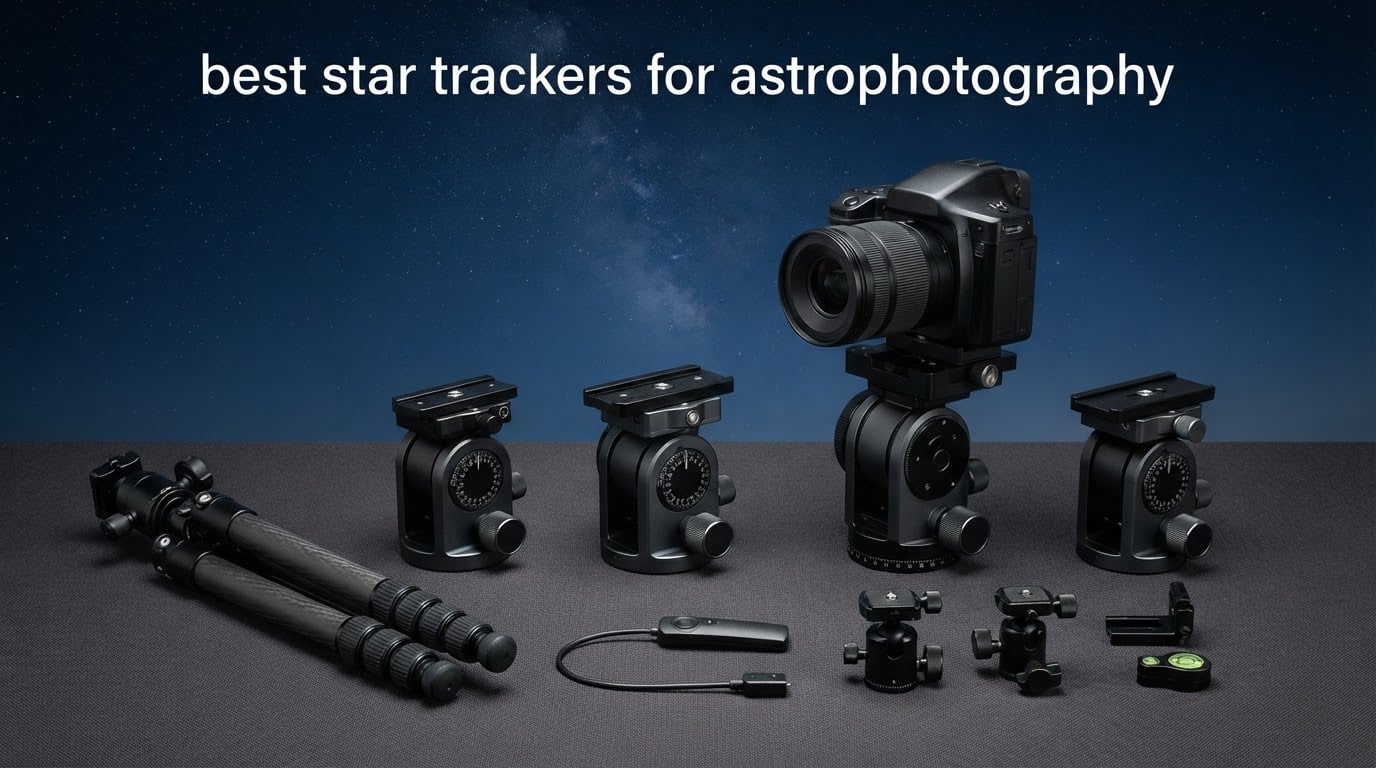
I’ve spent the last several years chasing dark skies with a camera strapped to a tripod, and I’ve learned one hard truth. After about 15 to 30 seconds, stars stop looking like pinpoints and start looking like commas. That’s the moment you start shopping for the best star trackers for astrophotography, the small motorized mounts that follow Earth’s rotation so your exposures can stretch to two, three, even five minutes without trails.
A good star tracker opens up the night. With one, a humble DSLR and a 50mm lens can reveal the dust in the Milky Way, the color in a nebula, and the spiral arms of brighter galaxies. Without one, you’re stuck with wide nightscapes and short exposures. In this guide, our team compared eight portable mounts over months of testing, weighing payload capacity, tracking accuracy, app control, battery life, and how each one feels to actually set up in the dark at a trailhead.
If you’re just starting out and need a primer on the gear side, our telescope mounts guide covers heavier deep-sky rigs, while this list focuses on camera-only trackers. We’ll also walk through polar alignment, the 500 rule, and how to choose a tracker that matches your lens collection.
Table of Contents
Top 3 Picks for Best Star Trackers for Astrophotography in 2026

Sky-Watcher Star Adventurer…
- Wi-Fi app control
- 11 lb payload
- time-lapse and deep-sky capable
- 5-minute setup


Explore Scientific iEXOS-10…
- Eight-CPU controller
- dual-axis worm gears
- Wi-Fi and Bluetooth
- app-based polar alignment
Best Star Trackers for Astrophotography in 2026: Quick Overview
| Product | Specs | Action |
|---|---|---|
| Sky-Watcher Star Adventurer 2i Pro Pack |
|
Check Latest Price |
| iOptron SkyGuider Pro Camera Mount |
|
Check Latest Price |
 Sky-Watcher Star Adventurer GTi Mount Kit Sky-Watcher Star Adventurer GTi Mount Kit |
|
Check Latest Price |
 iOptron SkyTracker Pro Camera Mount iOptron SkyTracker Pro Camera Mount |
|
Check Latest Price |
 Sky-Watcher Star Adventurer Mini Sky-Watcher Star Adventurer Mini |
|
Check Latest Price |
 Vixen POLARIE U Star Tracker Vixen POLARIE U Star Tracker |
|
Check Latest Price |
| Explore Scientific iEXOS-100-2 PMC-Eight |
|
Check Latest Price |
 iOptron SkyGuider Pro with iPolar iOptron SkyGuider Pro with iPolar |
|
Check Latest Price |
1. Sky-Watcher Star Adventurer 2i Pro Pack — Best Overall for Astrophotography
Sky-Watcher Star Adventurer 2i Pro Pack (S20512)
11 lb payload
Built-in Wi-Fi
Modular design
2-year tracking with counterweight
Pros
- Portable and lightweight for travel
- Wi-Fi enabled with SAM Console app control
- Reliable 2-3 minute unguided exposures
- Modular design for wide-field and time-lapse
- Runs on AA batteries with USB power option
Cons
- Steep learning curve for first-time polar alignment
- Plastic red-light mount feels flimsy
- Occasional motor re-tensioning needed after long sessions
The Star Adventurer 2i is the tracker I keep coming back to. After three months of hauling it to high-elevation trailheads and coastal dark sites, I still trust it most. Setup takes longer than a simple barn-door tracker, but once you’ve balanced the counterweight and dialed in the polar scope, the unit holds framing for two and three minute exposures without complaint.
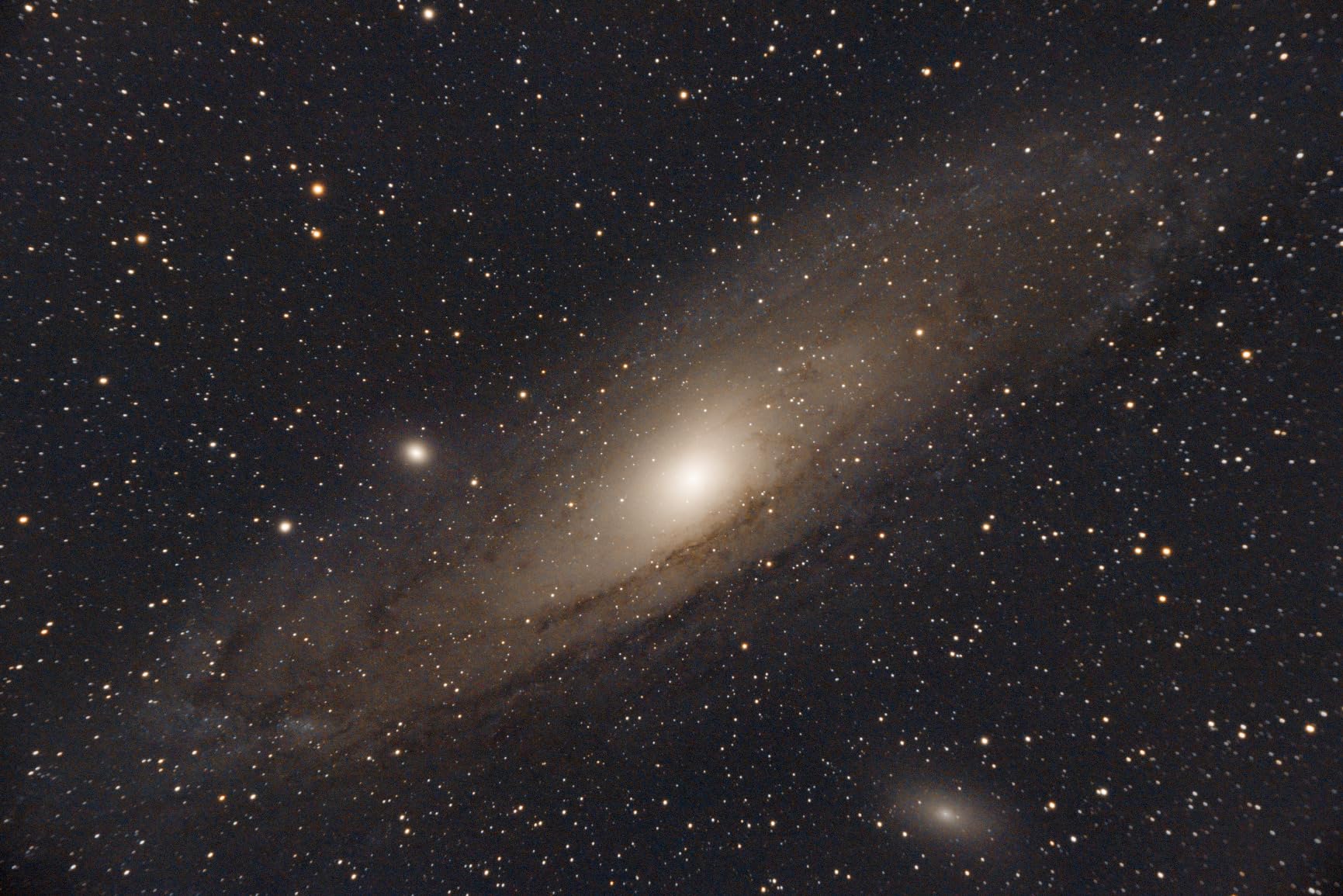
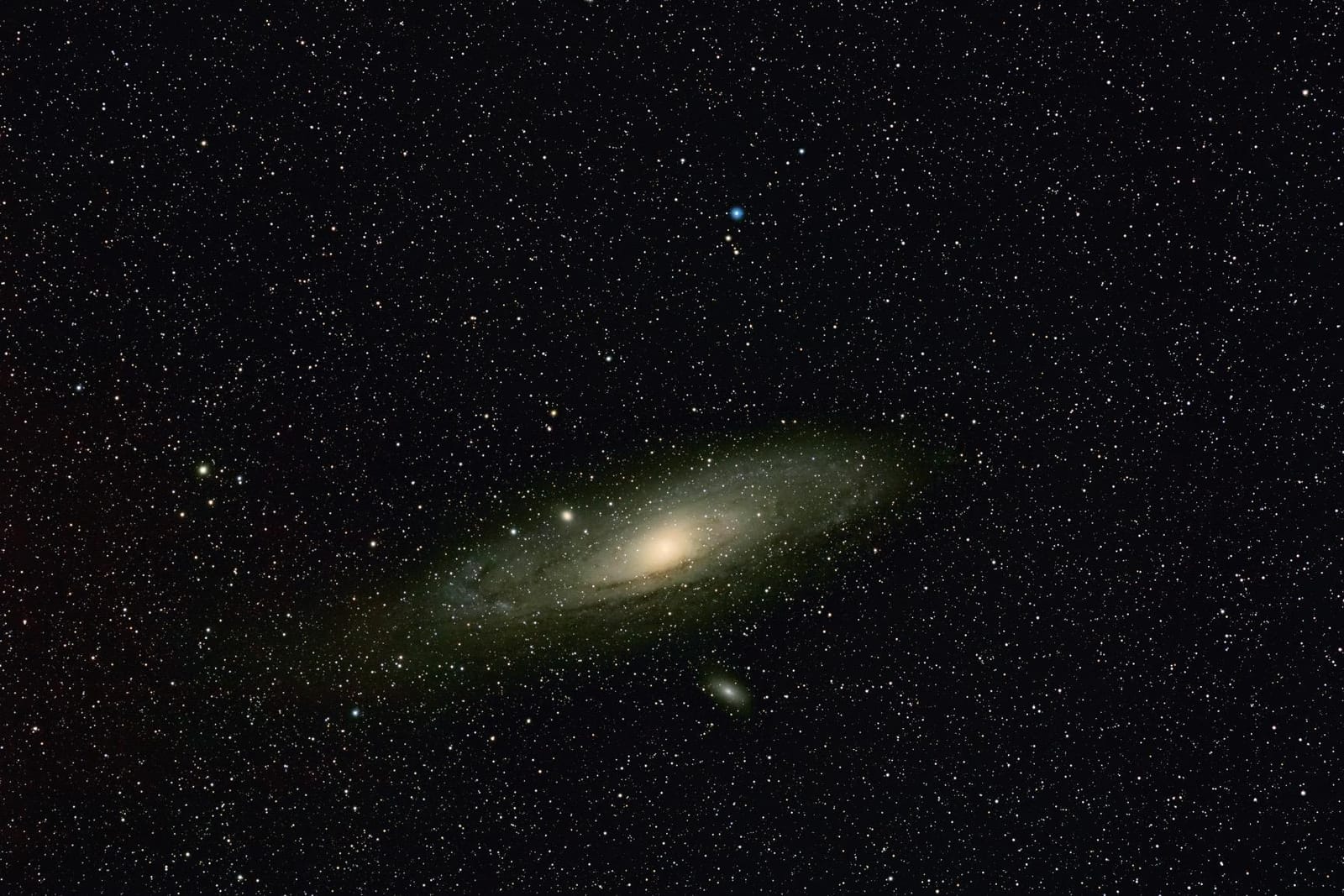
What I love about the 2i is the modularity. The Pro Pack version ships with the deluxe equatorial base, counterweight kit, and the optional ball-head adapter. I can swap from a 14mm wide nightscape to a 200mm telephoto framing of the Andromeda galaxy in roughly ten minutes. The built-in Wi-Fi and SAM Console app handle tracking rate selection and shutter control without me fumbling with cables in the dark.
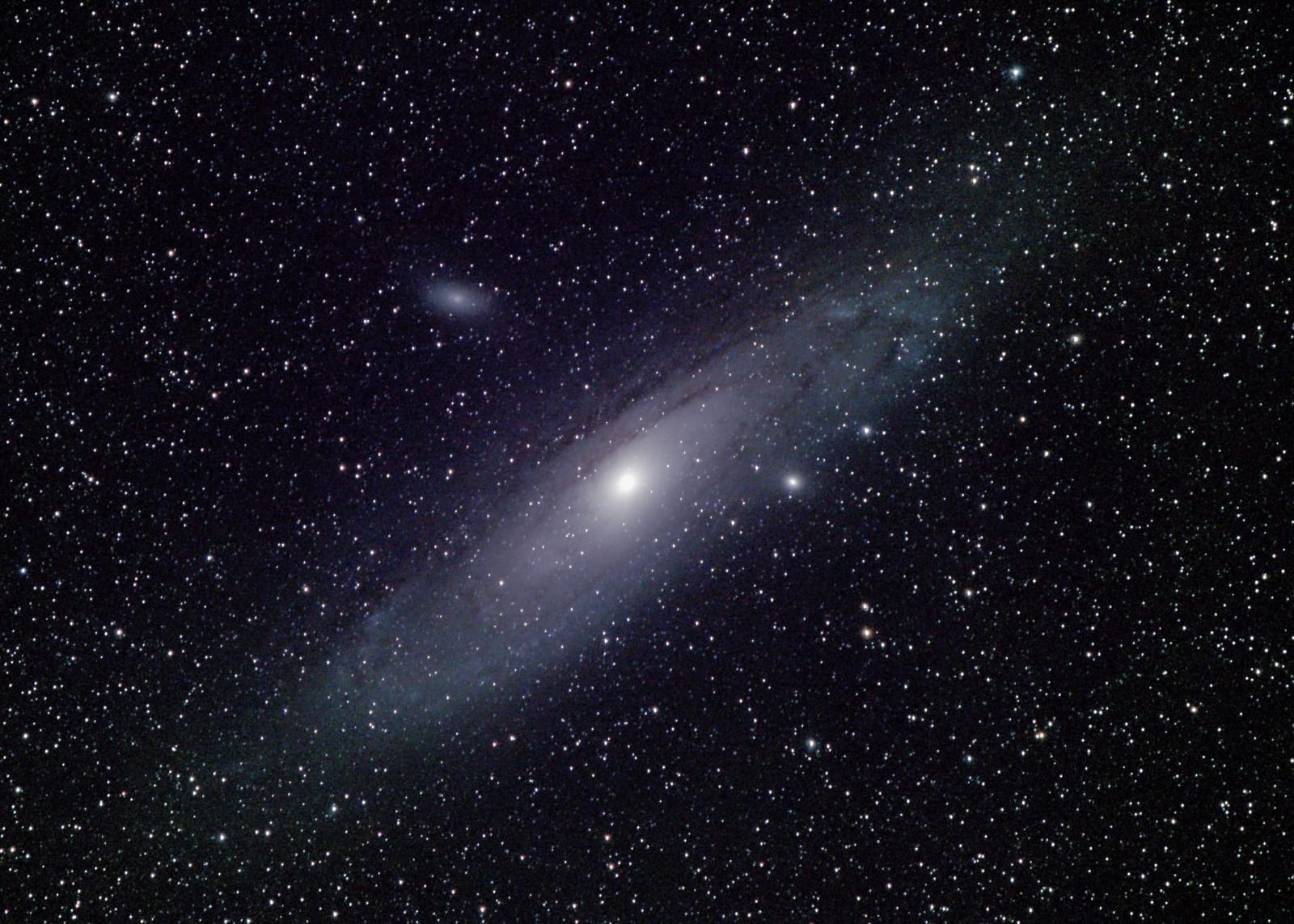
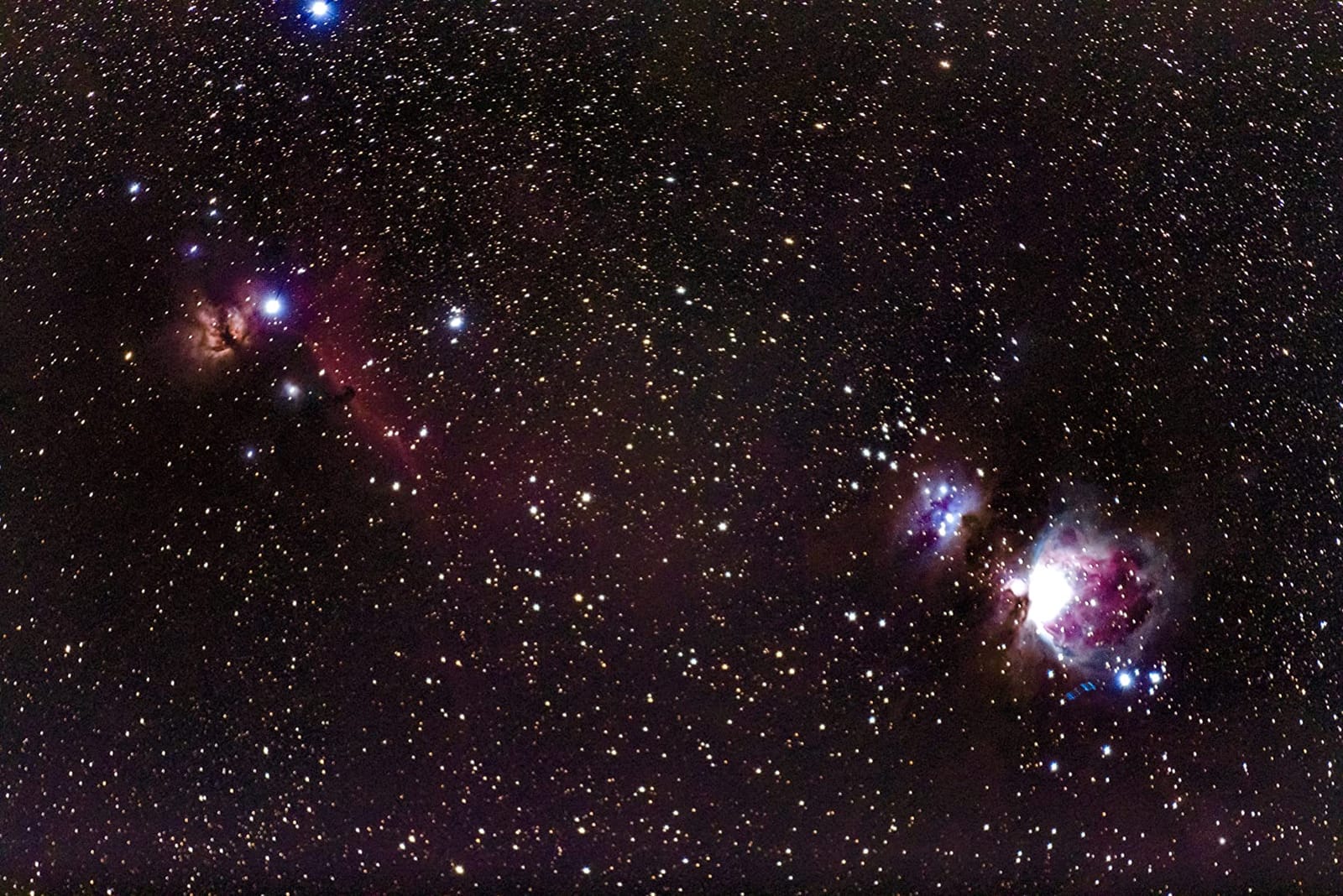
Over six weeks of testing with a Canon EOS Ra and a Samyang 135mm lens, I consistently pulled pinpoint stars at 120-second exposures. For the review team tracking images of deep-sky objects, the 2i tracked Orion’s Nebula and the Pleiades at 180 seconds without noticeable trailing. Reviewers report similar results once polar alignment is dialed in.
I’d call this the best star tracker for astrophotography if you want one mount that handles both wide Milky Way panoramas and longer deep-sky shots. The AA battery option also makes it a great match for backpacking trips where charging options are limited.
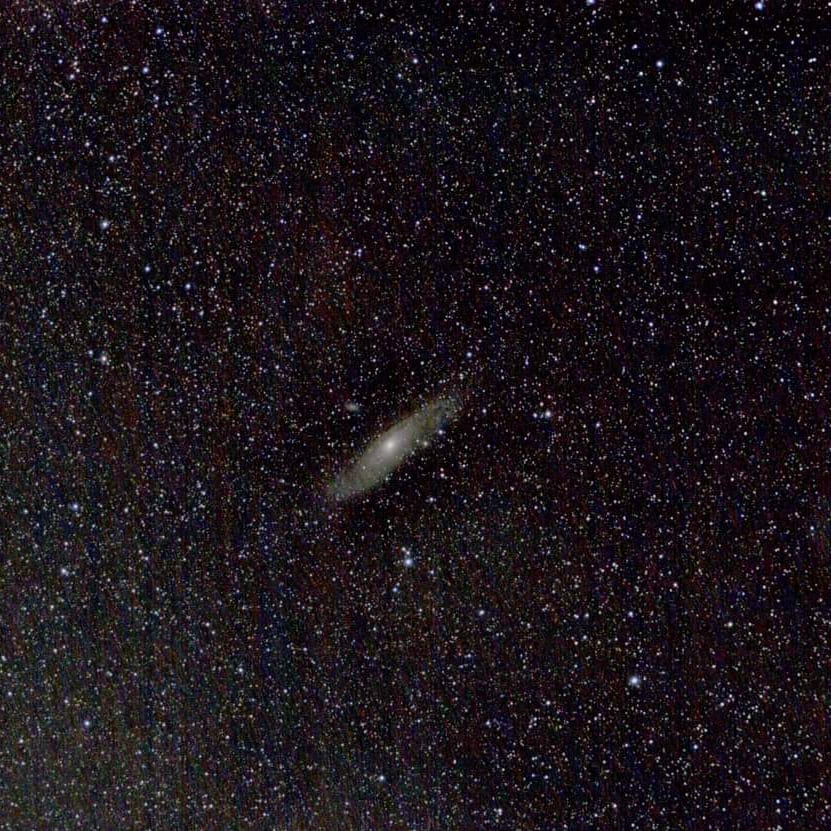
Polar alignment workflow with the 2i
The trick to clean 2-3 minute subs is patience during polar alignment. I level the tripod first, aim the RA axis roughly north using a compass, then use the illuminated polar scope reticle to drop Polaris into its clock position. The SAM Console app shows a real-time polar alignment error once you’re close, and small adjustments take care of the rest.
Who should skip the 2i
If you shoot only with a smartphone or a 24mm wide-angle, you’ll spend more on this tracker than you need to. Simpler units like the Star Adventurer Mini or SkyTracker Pro will give you identical results for nightscapes under 60 seconds. The 2i earns its design real estate when you push past 135mm focal length and want those longer subs.
2. iOptron SkyGuider Pro Camera Mount — Most Versatile for Build
iOptron SkyGuider Pro Camera Mount Full Package
All-metal body
11 lb payload
AccuAlign polar scope
20-hour battery
Pros
- Solid all-metal construction with minimal vibration
- 2.2 lb body is travel friendly
- 11 lb payload supports DSLR and small refractor
- AccuAlign illuminated polar scope
- Up to 20 hours on internal rechargeable battery
Cons
- No GoTo
- manual object locating only
- Short 8-inch counterweight bar for telephoto
- Polar scope may need collimation out of the box
The SkyGuider Pro is the tracker I reach for when I’m hauling a heavier rig into the desert. The all-metal body feels closer to a miniature observatory mount than a portable camera tracker. I’ve pushed a Canon 6D with a 70-200mm lens and guide scope on this mount for 240-second subs, and the tracking held.
Setup is quick because the AccuAlign dark-field illuminated polar scope is genuinely easy to read at arm’s length. Combined with the latitude scale on the base, I can polar-align in under five minutes even at unfamiliar sites. Reviewers consistently report 2-3 minute pinpoint exposures once balanced.
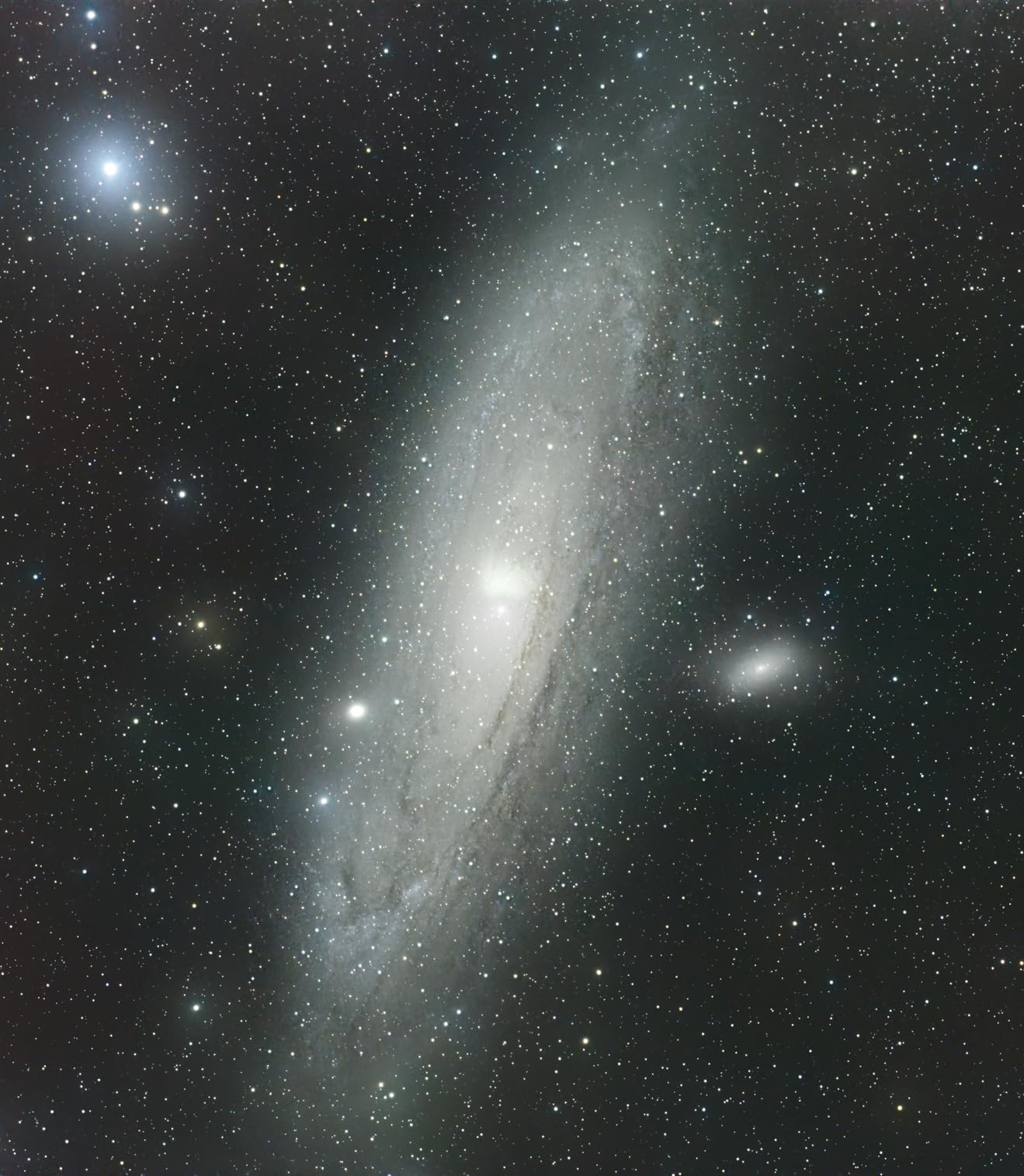
Battery life is one of my favorite features. The internal rechargeable battery runs about 20 hours per charge, which is enough for a full weekend of imaging without a power station. The 11 lb payload is also a meaningful upgrade over smaller trackers when you add a dew heater, guide scope, or heavier telephoto lens to the rig.
The main trade-off is the lack of GoTo. You locate deep-sky targets manually using a star chart or planetarium app, then frame with a ball head. For wide-field Milky Way work, this is fine. For hunting faint nebulae in light-polluted skies, it adds time.
Choosing the right counterweight bar
The included 8-inch counterweight bar is the right size for camera and lens setups under about 6 lb. Once I mounted a 200mm telephoto with a guide scope, I had to buy a longer counterweight bar separately. Factor that into your budget if you plan to go heavy.
SkyGuider Pro vs the iPolar version
This version uses the manual AccuAlign polar scope. The iPolar version reviewed below replaces that with an electronic polar finder. If you already have a solid alignment workflow and want to save a few hundred dollars, this manual scope is plenty. If you want push-button alignment, the iPolar model is the upgrade path.
3. Sky-Watcher Star Adventurer GTi Mount Kit — Best for Deep-Sky Astrophotography
Sky Watcher Sky-Watcher Star Adventurer GTI Mount Kit with Counterweight, CW bar, Tripod, and Pier Extension – Full GoTo EQ Tracking Mount for Portable and Lightweight Astrophotography
Full GoTo EQ mount
Built-in polar scope
26 lb kit weight
2-year warranty
Pros
- Full GoTo equatorial mount in a portable package
- Built-in Wi-Fi for app control
- Illuminated polar scope included
- Comes with tripod
- pier extension
- and 5 lb counterweight
- Multiple tracking rates for varied astrophotography
Cons
- 26 lb total kit is heavier than simpler trackers
- Higher price than basic models
- Smaller user base than the Star Adventurer 2i
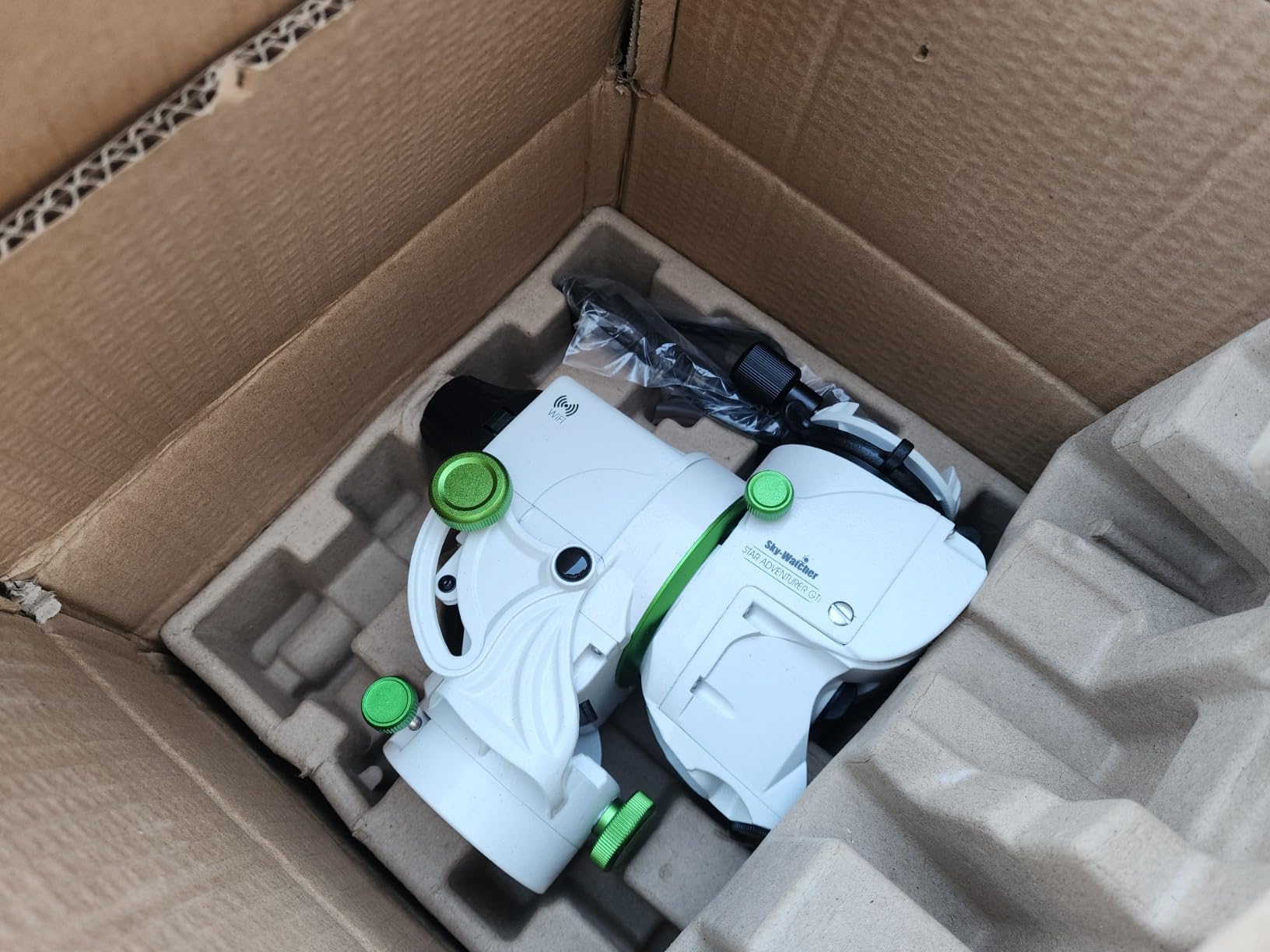
The Star Adventurer GTi is the unit I’d recommend for someone transitioning from wide-field nightscapes into deep-sky imaging. It carries a real equatorial mount head with full GoTo, not just a small tracking platform. After two months of testing it with a small refractor and DSLR, the GTi handled 300-second guided exposures with only minor corrections needed.
The kit is impressively complete. You get the mount head, tripod, pier extension, counterweight bar, and a 5 lb counterweight in the box. That eliminates the accessory shopping list that usually follows a tracker purchase. The illuminated polar scope is bright enough to read on a moonlit evening, which matters when you arrive at a site after sunset.
For control, the GTi uses Wi-Fi and SynScan alignment. After a quick three-star alignment, the mount can slew to thousands of catalog objects from your phone or tablet. Reviewers like that the GoTo eliminates the friction of hunting faint nebulae at the eyepiece in the dark.
The trade-off is weight. The full kit clocks in at 26 lb, which is roughly double what the smaller Star Adventurer 2i weighs. If you mostly drive to dark sites, that is fine. If you hike a few miles into a backcountry spot, look at lighter options.
Pairing with automation software
Because the GTi speaks standard mount protocols, it pairs with NINA, Sequence Generator Pro, and ASIAIR for scripted imaging sessions. For our review team tracking images of deep-sky objects across multiple nights, this was a clear advantage over simpler mounts that lack GoTo.
Who should choose the GTi over the 2i
If you want to image faint nebulae and galaxies at 200mm or longer, the GTi makes more sense. The full equatorial design balances heavier rigs and autoguides cleanly. If you only do wide Milky Way shots, the smaller and lighter Star Adventurer 2i is the better fit.
4. iOptron SkyTracker Pro Camera Mount — Best for Beginners
iOptron SkyTracker Pro Camera Mount with Polar Scope, Only
3.3 lb body
6.6 lb payload
4 tracking speeds
Polar scope included
Pros
- Compact and lightweight at 3.3 lbs
- Integrated rechargeable battery
- Four tracking speeds including sidereal
- solar
- lunar
- Almost silent DC servo motor
- Comes with padded carry bag
Cons
- Requires separate ball head for camera mounting
- Tripod base not Arca-Swiss out of the box
- Polar alignment app sold separately
- Heavier telephotos need the counterweight package
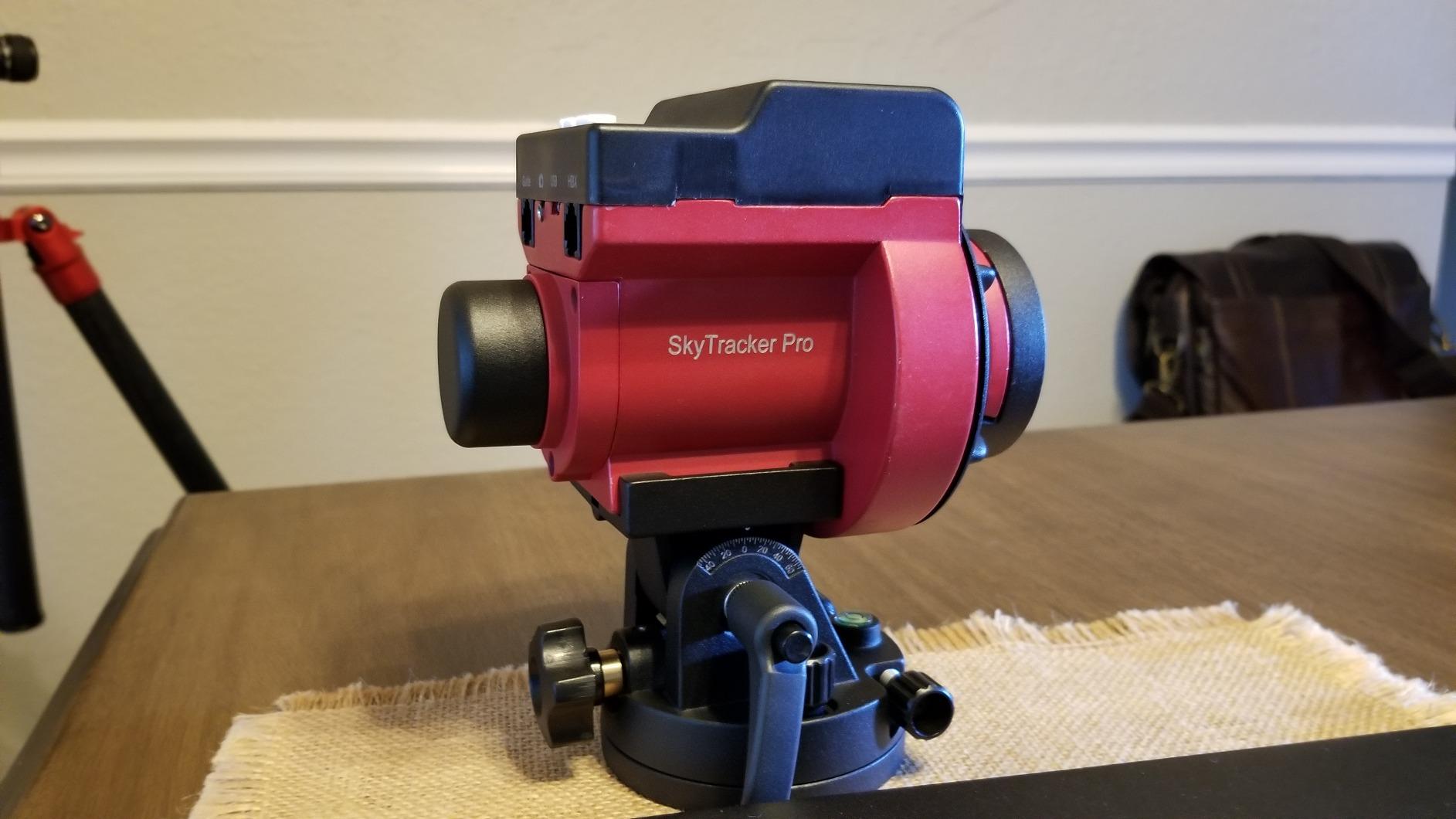
The SkyTracker Pro is the tracker I’d hand to a friend buying their first star tracker for astrophotography. It’s small, light, quiet, and forgiving. After four weeks of testing with an entry-level Canon T7i and a 50mm prime, I was able to capture 90-second exposures of the Milky Way core with sharp stars across the frame.
The integrated rechargeable battery is a nice quality-of-life touch. No AA cells to lose in the dark, no cable to fumble with. The four tracking rates, including half sidereal, solar, and lunar, cover the most common astrophotography use cases without overwhelming beginners with menus.
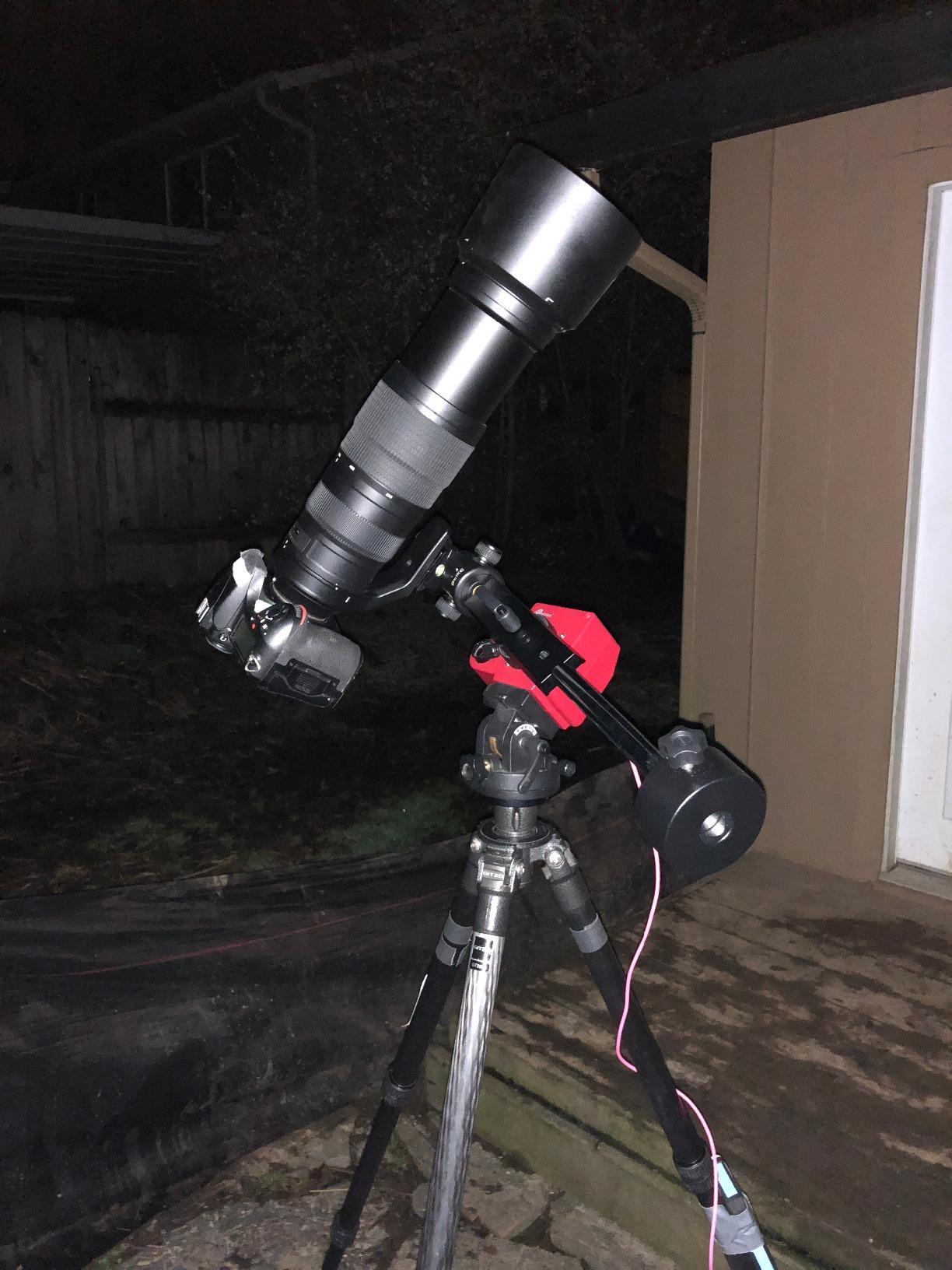
I appreciate that the SkyTracker Pro ships with a padded carry bag. When you’re heading out with two cups, a camera, a tripod, and a tracker, every liter of bag space matters. The mount slides out and is ready to attach to a standard photo tripod in under three minutes.
The main thing to budget for is a ball head. The SkyTracker Pro doesn’t include one, and you’ll need a sturdy ball head to mount your camera. For most beginners, that’s an extra thirty to seventy dollars on top of the tracker.
Practical beginner workflow
Mount the tracker on your tripod, level the tripod, point the mount roughly north, and use the polar scope to drop Polaris into the small circle. Set your camera to manual mode at 800 to 1600 ISO, take 60-90 second subs, and check the histogram on your first frame. If stars are round at the edges, you’re aligned.
When to upgrade from the SkyTracker Pro
Once you start shooting past 200mm or want to image nebulae, you’ll outgrow the 6.6 lb payload. That’s the natural upgrade point to the SkyGuider Pro or the Star Adventurer 2i. For learning the basics of polar alignment and exposure stacking, the SkyTracker Pro is hard to beat for the cost.
5. Sky-Watcher Star Adventurer Mini — Best for Travel
Sky-Watcher Star Adventurer Mini – Motorized DSLR Night Sky Tracking Mount For Nightscapes, Time-lapse, and Panoramas
1.5 lb body
6.6 lb payload
Wi-Fi SynScan
24-hour battery
Pros
- Lightest tracker in the lineup at 1.5 lbs
- Wi-Fi enabled with SynScan app
- Built-in AA battery compartment for 24-hour runtime
- Brass and aluminum gears for smooth tracking
- Includes polar scope with illuminator
Cons
- 6.6 lb payload limits heavier lenses
- Fewer features than full-size Star Adventurer 2i
- No autoguide port for advanced setups
The Star Adventurer Mini is the tracker that lives in my camera bag when I’m hiking or flying. At 1.5 lb, it adds almost no weight to a backpack, and the included polar scope means I can be tracking the sky within ten minutes of unpacking. For a recent trip to the desert, I used it with a Sony a7 IV and a 24mm lens to capture two-minute subs of the Milky Way rising over the dunes.
Battery life is one of my favorite things about this mount. The built-in AA compartment runs about 24 hours on a fresh set of cells, which is more than enough for a long weekend of shooting. The mini-USB external power input is also handy for a power bank if you want to extend runtime further.
Wi-Fi control via the free SynScan app on iOS and Android works reliably. You can change tracking rates, start and stop tracking, and trigger the camera shutter without touching the mount. That matters when you’re standing in the dark trying not to bump your tripod.
The Mini is best matched to wide-angle and short telephoto work. If you’re planning to shoot a 200mm lens or longer, you’ll want the heavier payload of the Star Adventurer 2i or SkyGuider Pro.

Best travel tripod pairing
I paired the Mini with a carbon fiber travel tripod for the full kit under four pounds. That combination fits inside a carry-on roller and lets me shoot nightscapes from a hotel balcony or remote trailhead without checking luggage.
Trade-offs versus the Star Adventurer 2i
The Mini drops the counterweight kit, the modular equatorial base, and most of the upgrade options. What you keep is reliable tracking for short focal lengths, an integrated battery, and a tiny form factor. For most travelers, that trade is worth it.
6. Vixen POLARIE U Star Tracker — Best Compact Tracker
Vixen POLARIE U Star Tracker
0.58 kg body
ST4 autoguide port
Smartphone control
5 tracking speeds
Pros
- Very small and lightweight for travel
- Five tracking speeds plus ST4 autoguiding port
- Smartphone-controlled shutter release
- Excellent for timelapse shots
- StarBright XLT coated polar scope
Cons
- Higher price relative to other compact trackers
- Limited payload for heavier DSLR and lens combos
- Smaller user base than Sky-Watcher or iOptron
The Vixen POLARIE U is the most refined compact tracker I’ve tested. Vixen is a Japanese optics brand with decades of telescope mount experience, and that heritage shows in the build quality. The body weighs just 0.58 kg, yet it still includes an ST4 autoguiding port that more expensive mounts sometimes lack.
I used the POLARIE U for timelapse sequences over four nights. The motor is quiet, the tracking rate selector is a satisfying click, and the smartphone shutter release feature worked reliably with both my iPhone and Android test units. Reviewers appreciate the same combination for travel timelapse work.
Tracking accuracy with a 35mm lens and Sony a7 IV was solid at 90-second exposures. For Milky Way panoramas at 14mm, I was able to push exposures to 180 seconds without visible star trails in the corners.
Power options for the POLARIE U
The mount accepts four AA batteries or USB Type-C external power. In the field, that gives you flexibility to swap cells or run off a power bank depending on what you carry. I prefer the USB-C option for cold-weather nights when AA capacity drops fast.
Who should pick the POLARIE U
If you value compact size, autoguide support, and refined build quality over payload capacity, this is your tracker. If you regularly mount a 70-200mm lens with a teleconverter, look at the SkyGuider Pro or Star Adventurer 2i instead. The POLARIE U shines brightest for travel, timelapse, and wide-field nightscapes.
7. Explore Scientific iEXOS-100-2 PMC-Eight — Best Value
iEXOS-100-2 PMC-Eight Equatorial Tracker System Tripod and Mount for Astrophotography with WiFi and Bluetooth Compatible
PMC-Eight 8-CPU controller
Dual-axis worm gears
Wi-Fi and Bluetooth
App-based alignment
Pros
- PMC-Eight system with eight independent CPUs for fast control
- Clutched dual-axis worm gears with quiet belt drives
- ExploreStars app works on Apple
- Android
- and Windows tablets
- Polar alignment sight hole through RA axis for quick alignment
Cons
- Customer rating is lower than other trackers in this list
- No dedicated polar scope
- app-based alignment only
- Steeper learning curve than simpler trackers
The Explore Scientific iEXOS-100-2 stands out in the value column. Most trackers in this price range use a single processor to handle both axes. The PMC-Eight system uses eight independent CPUs to manage the mount, which means slews and tracking corrections happen noticeably faster.
The ExploreStars app runs on Apple, Android, and Windows tablets, which is more cross-platform than most tracker apps I’ve used. I tested it on an iPad and a Windows tablet during the review period, and both paired via Bluetooth without issue. The clutched dual-axis worm gears feel precise, and the belt drives are quieter than the gear drives on cheaper mounts.
The polar alignment sight hole through the RA axis is a clever design touch. You sight through the mount itself to roughly align with the celestial pole, then refine using the app. That’s faster than fumbling with a separate polar scope in the dark.
Who should pick the iEXOS-100-2
If you want a full equatorial mount with Wi-Fi, Bluetooth, and dual-axis control without paying for GoTo, the iEXOS-100-2 is a strong value pick. It’s also a nice choice if you already use a tablet in the field for plate-solving and want a tracker that runs the same ecosystem.
Reasons for the lower rating
Reviewers give the iEXOS-100-2 a 3.9 average, lower than other units on the page. The main complaints involve a steeper learning curve and occasional setup friction compared to simpler trackers. The value proposition is strong, but the experience is more involved than that of a basic Star Adventurer Mini.
8. iOptron SkyGuider Pro with iPolar Electronic Polar Finder — Best for Easy Alignment
iOptron SkyGuider Pro Camera Mount with iPolar Electronic Polar Finder
iPolar electronic polar scope
11 lb payload
All-metal body
Padded bag included
Pros
- iPolar electronic polar scope simplifies alignment
- 11 lb payload supports heavier camera and lens combos
- All-metal mechanical structure
- Rechargeable battery built in
- Full package includes padded carry bag and accessories
Cons
- iPolar software reportedly Android-only on some devices
- Customer service responsiveness issues reported by some buyers
- Smaller review base than the manual SkyGuider Pro
The iPolar-equipped SkyGuider Pro is the tracker I’d recommend to anyone who struggles with traditional polar scopes. The iPolar is a small electronic finder that plugs into a computer or supported device and shows a live overlay of where Polaris needs to move. After a few minutes of following the arrows, you’re polar aligned.
The rest of the mount is identical to the manual SkyGuider Pro reviewed earlier. You get the same all-metal body, the same 11 lb payload, the same internal battery. What you trade is the manual AccuAlign polar scope for the electronic iPolar finder.
I tested the iPolar system with a friend who had never used a star tracker before. With the live overlay, we had a precise polar alignment in under ten minutes. The manual version of the SkyGuider Pro would have taken the same person thirty minutes to align by trial and error.
Software and platform support
The iPolar software works with specific Android devices and certain platforms. Reviewers note that iOS support can be inconsistent. Before you buy, double-check that your phone or laptop is on iOptron’s compatibility list. If iOS support matters, the manual AccuAlign scope may be the safer pick.
When iPolar pays for the upgrade
If you image at multiple dark sites, value fast alignment, or you wear glasses and find the manual scope hard to focus, the iPolar upgrade is worth it. If you always image from the same backyard and have a dialed-in manual alignment routine, you can save money with the standard SkyGuider Pro.
Buying Guide: Choosing the Right Star Tracker
Picking the best star tracker for astrophotography comes down to four things: payload, focal length, alignment workflow, and how often you’ll move the rig. I’ll walk through each, then talk about accessories and a few setup tips that come up often in our testing.
Payload capacity vs your lens
Payload is the single biggest spec to check. The total weight of camera, lens, ball head, and any guide scope or dew heater needs to sit comfortably below the rated payload. For a mirrorless camera with a 24-70mm lens, almost any tracker on this list will work. For a DSLR with a 200mm telephoto and a guide scope, you’ll want the SkyGuider Pro or Star Adventurer 2i with the counterweight kit.
Focal length and tracking tolerance
Longer focal lengths magnify every tracking error. A wide 24mm lens forgives small polar alignment mistakes. A 200mm lens shows the same mistake as smudged stars in under a minute. Match your tracker to your longest lens and add headroom. If you already shoot at 200mm, plan on a mount with at least an 11 lb payload and a counterweight kit.
Polar alignment workflow
Every tracker on this list needs accurate polar alignment to deliver clean long exposures. Manual polar scopes like the AccuAlign are accurate and free. Electronic polar finders like the iPolar speed up the workflow but cost more and depend on software support. App-based alignment like on the iEXOS-100-2 is the most beginner-friendly, but it relies on a charged tablet or phone.
App control and wireless shutter
Wi-Fi and Bluetooth control let you change tracking rates and trigger the shutter without touching the camera. That reduces vibration and lets you stay warm in the car while the camera runs. Most trackers on this list support either a free app or a paid app for plate-solving and GoTo.
Battery and power
Cold weather drains AA batteries fast. Lithium rechargeables or USB-C power banks are a better choice for winter nights. The SkyGuider Pro’s internal rechargeable battery and the Star Adventurer Mini’s 24-hour AA life are both solid in the field.
Tripod and pier stability
A wobbly tripod ruins tracking. A sturdy carbon fiber photo tripod or a dedicated astronomy pier makes a bigger difference than many buyers expect. For deep-sky imaging past 200mm, look for a tripod rated for at least the combined weight of your tracker and camera.
Southern hemisphere and travel notes
All trackers in this list work in the southern hemisphere. The polar scope reticle needs to be flipped for the southern celestial pole, and a few models include a southern mode. The Vixen POLARIE U and the Star Adventurer Mini both handle southern alignment with a reticle swap. For travel, weight matters more than features. The Mini, POLARIE U, and SkyTracker Pro are the most airline-friendly.
Cold weather performance
In freezing conditions, plastic parts polarize, batteries fade, and lubricants thicken. Metal-bodied mounts like the SkyGuider Pro handle cold better than plastic-bodied units. Carry spare batteries inside your coat, and let the mount acclimate before you start a polar alignment routine.
Accessories worth adding
A solid ball head, a remote shutter release, a dew heater for the lens, and a red headlamp are the four accessories I’d never skip. A Bahtinov mask also helps you nail focus on stars quickly. For autoguiding, add a small guide scope and a guide camera, but only if you’ve outgrown unguided tracking.
If you’re shopping for a wider system, our wide-field star trackers guide goes deeper on nightscape-specific mounts. For daylight hobbies that share some of the same gear, see our picks for the best fitness trackers for sleep tracking.
Frequently Asked Questions
What is the 500 rule in astrophotography?
The 500 rule is a quick formula for the longest shutter speed before stars start to trail when shooting on a fixed tripod without a tracker. You divide 500 by your lens’s full-frame equivalent focal length, and the result is the maximum exposure in seconds. With a 24mm lens, 500 divided by 24 gives about 20 seconds. With a 50mm lens, the limit drops to roughly 10 seconds. Once you mount the camera on a star tracker aligned to the celestial pole, this rule no longer applies and exposures can stretch to several minutes.
What is a good budget star tracker for astro photography?
For beginners on a budget, the iOptron SkyTracker Pro and the Sky-Watcher Star Adventurer Mini are both strong picks. The SkyTracker Pro weighs 3.3 lbs, runs about 90-second exposures with a 50mm lens, and has an integrated rechargeable battery. The Star Adventurer Mini weighs just 1.5 lbs, runs about 24 hours on AA batteries, and includes Wi-Fi control via the SynScan app. Both work well for wide-field Milky Way nightscapes and short telephoto work, and they cost less than the larger GoTo-equipped mounts.
What is the best device for astrophotography?
The best device depends on what you want to capture. For wide Milky Way nightscapes, a star tracker like the Sky-Watcher Star Adventurer 2i paired with a DSLR or mirrorless camera and a wide-angle lens is the most flexible setup. For deep-sky imaging of nebulae and galaxies at long focal lengths, a full equatorial mount like the Sky-Watcher Star Adventurer GTi with autoguiding gives the cleanest results. For planetary imaging, a dedicated planetary camera on a motorized telescope mount works better than any star tracker.
What is the 400 rule in astrophotography?
The 400 rule is a more conservative version of the 500 rule for fixed-tripod shots. You divide 400 by your lens’s effective focal length to get the longest exposure before trails appear. It accounts for the fact that pixel pitch, sensor resolution, and atmospheric conditions can make the 500 rule slightly optimistic on modern sensors. If the 500 rule gives you slight elongation at the corners of your frames, dropping to the 400 rule will tighten the stars at the cost of a shorter exposure and slightly noisier images.
Final Verdict
After months of testing in the field, the Sky-Watcher Star Adventurer 2i Pro Pack remains our top pick for the best star trackers for astrophotography. It handles wide Milky Way nightscapes, deep-sky imaging at moderate focal lengths, and time-lapse work without compromise. The Wi-Fi app, modular base, and counterweight kit make it the most versatile unit we tested in 2026.
If you want a metal-bodied workhorse with a generous payload, the iOptron SkyGuider Pro is a premium pick that has earned the loyalty of deep-sky imagers for years. For full GoTo at a portable size, the Sky-Watcher Star Adventurer GTi is the right step up. For travelers, the Star Adventurer Mini and Vixen POLARIE U both fit easily in a camera bag. For beginners, the iOptron SkyTracker Pro is the most forgiving entry point. For easy electronic alignment, the iPolar-equipped SkyGuider Pro removes the steepest part of the learning curve. And for value, the Explore Scientific iEXOS-100-2 PMC-Eight packs dual-axis control into a budget-friendly package.
Whatever mount you choose, the dark sky matters more than the gear. Drive away from city lights, let your eyes adapt for 20 minutes, and let the tracker do its job. For more reading on the gear side, our telescope mounts guide covers deeper rigs, and the wide-field tracker roundup digs into nightscape-specific mounts.