
Printable reading logs fall apart by week two, and apps like Goodreads barely cover children’s books. That is exactly why my family switched to physical reading log books for kids three summers ago, and we have never gone back. A real book with real pages survives backpacks, couch crumbs, and juice spills in a way no app ever will.
I tested these eight journals with my three kids, ages 6, 9, and 11, over a full summer of tracking. We logged 147 books between them, filled two complete journals, and abandoned one. Along the way I learned which layouts keep kids motivated and which turn reading into a chore.
Every pick below earned its spot through real use, from a unicorn-themed workbook for elementary readers to a faux-leather volume my tween treats like a treasure. If your crew also joins library summer reading programs, these logs pair perfectly with them. Here is what our family found.
Table of Contents
Top 3 Picks for Best Reading Log Books for Kids


Clever Fox Reading Journal
- Eco-leather hardcover
- 55 two-page reviews
- 120gsm paper
- Lay-flat binding

Best Reading Log Books for Kids in 2026: Quick Overview
Here is the full lineup side by side before we get into the details. Each title links out so you can check current availability.
| Product | Specs | Action |
|---|---|---|
| Aunt Meg and Me Reading Log |
|
Check Latest Price |
| Clever Fox Reading Journal |
|
Check Latest Price |
 My Book Review Journal for Girls My Book Review Journal for Girls |
|
Check Latest Price |
 Caterpillar Curl My Reading Log Caterpillar Curl My Reading Log |
|
Check Latest Price |
| Scarlett Maxwell Reading Log Book |
|
Check Latest Price |
 My Daily Reading Log for Boys My Daily Reading Log for Boys |
|
Check Latest Price |
 Kids Reading Record Chart Kids Reading Record Chart |
|
Check Latest Price |
 L1rabe Book Review Notepad L1rabe Book Review Notepad |
|
Check Latest Price |
1. Aunt Meg and Me Reading Log – Best Overall Journal for Ages 7-12
Reading Log: A Book Review Journal For Kids – With Interactive Writing Prompts – Ages 7-12
124 pages
Ages 7-12
Unicorn theme
Interactive writing prompts
Pros
- Builds reading comprehension and recall
- Interactive prompts keep kids engaged
- Covers ages 7 to 12
- Sturdy workbook binding
Cons
- Younger kids may need help with prompts
- Can feel like homework for some children
This is the journal my 9-year-old filled cover to cover, and it earned the top spot among reading log books for kids in our test. Each book gets a review page with writing prompts that ask real comprehension questions instead of just title and date. My daughter went from one-word answers to full paragraphs about characters by August.
The unicorn cover did half the work, honestly. She carried it to the library, to Grandma’s house, and to bed like a stuffed animal. When a kid volunteers to write about a book without being asked, the design is doing something right.
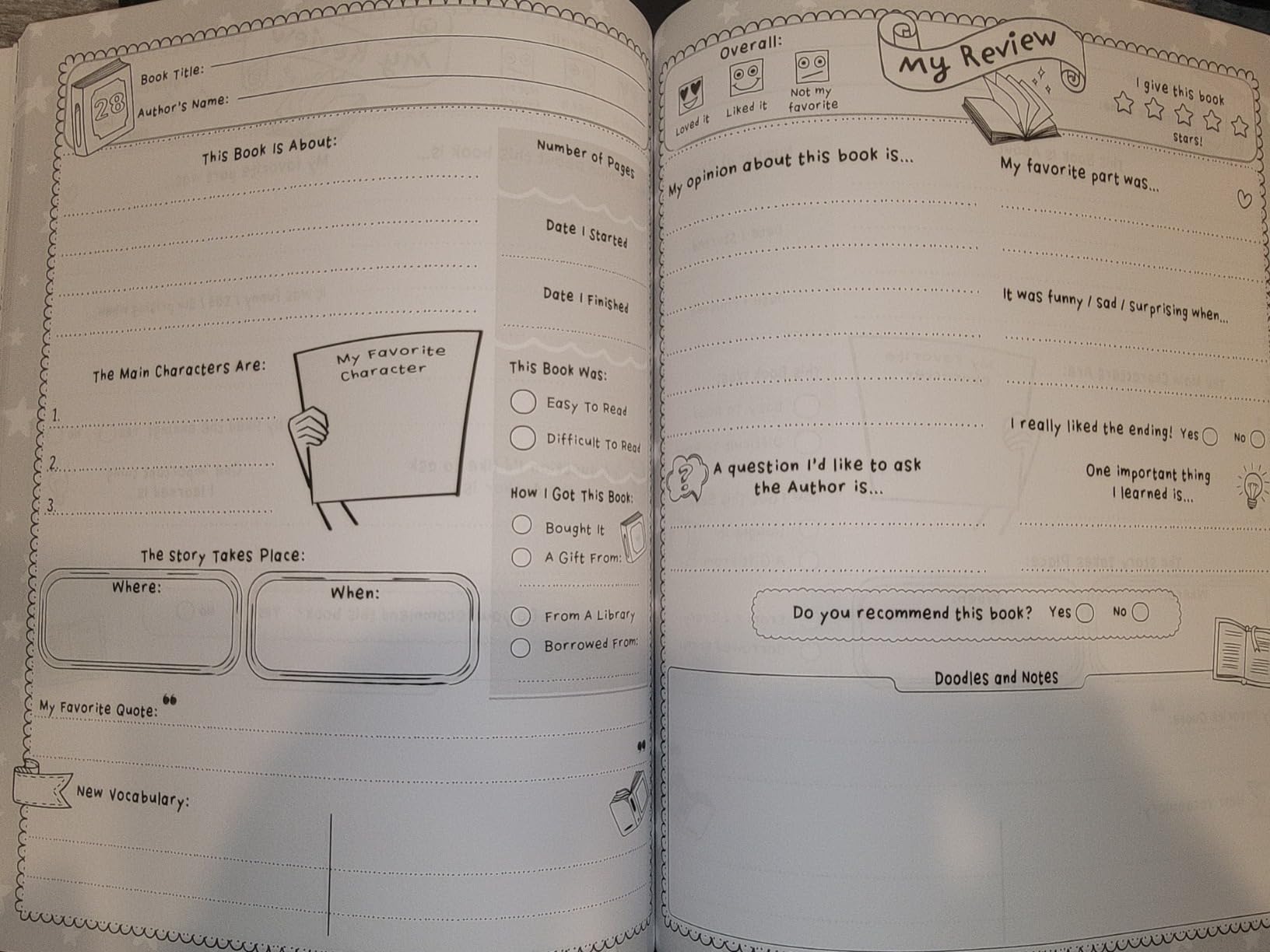
Inside you get 124 pages laid out as a workbook, published by Aunt Meg and Me Journals. The 8 by 10 inch format gives kids room for longer answers without cramming letters into tiny lines. At 10.5 ounces it has a solid, durable feel that survived a full summer in a backpack.
The prompts are the real feature here. They push kids to recall plot points, name favorite characters, and rate what they read. That is genuine comprehension practice disguised as fun, which is why homeschool parents rate it so highly.
The one weak spot showed up with my 6-year-old, who needed me to read the prompts aloud for the first few weeks. And one Reddit teacher I ran into in my research warned that any log can start to feel like homework, so we kept ours celebratory rather than mandatory.
Who Should Buy This One
Families with kids ages 7 to 12 who want more than a checklist. It is the strongest pick if your goal is comprehension and recall, not just counting titles.
It also works beautifully for homeschool documentation, since the completed pages read like a ready-made reading portfolio.
What to Know Before Ordering
Independent readers ages 8 and up will use it solo, while 6 and 7-year-olds need an adult nearby. Plan on one journal per school year at a typical pace of a book or two weekly.
If your child resists anything that resembles a worksheet, start with the challenge-based Caterpillar Curl below instead.
2. Clever Fox Reading Journal – Premium Pick That Grows With Your Reader
Clever Fox Reading Journal, Book Tracking Log, 5.8”x8.3” Mint Cream
A5 hardcover
55 book reviews
120gsm paper
For kids teens and adults
Pros
- Premium eco-leather hardcover
- Thick 120gsm paper resists bleed through
- Lay-flat binding
- Includes 3 bookmarks pen loop and pocket
- Room for 55 two-page reviews
Cons
- Priciest option in this lineup
- Heavy readers may fill it within months
The Clever Fox is the journal my 11-year-old guards with an elastic band and a sense of ownership I have never seen with a school notebook. It looks like something an adult book lover would own, which is exactly why a tween wants it. This is the one to buy when your kid has outgrown unicorns.
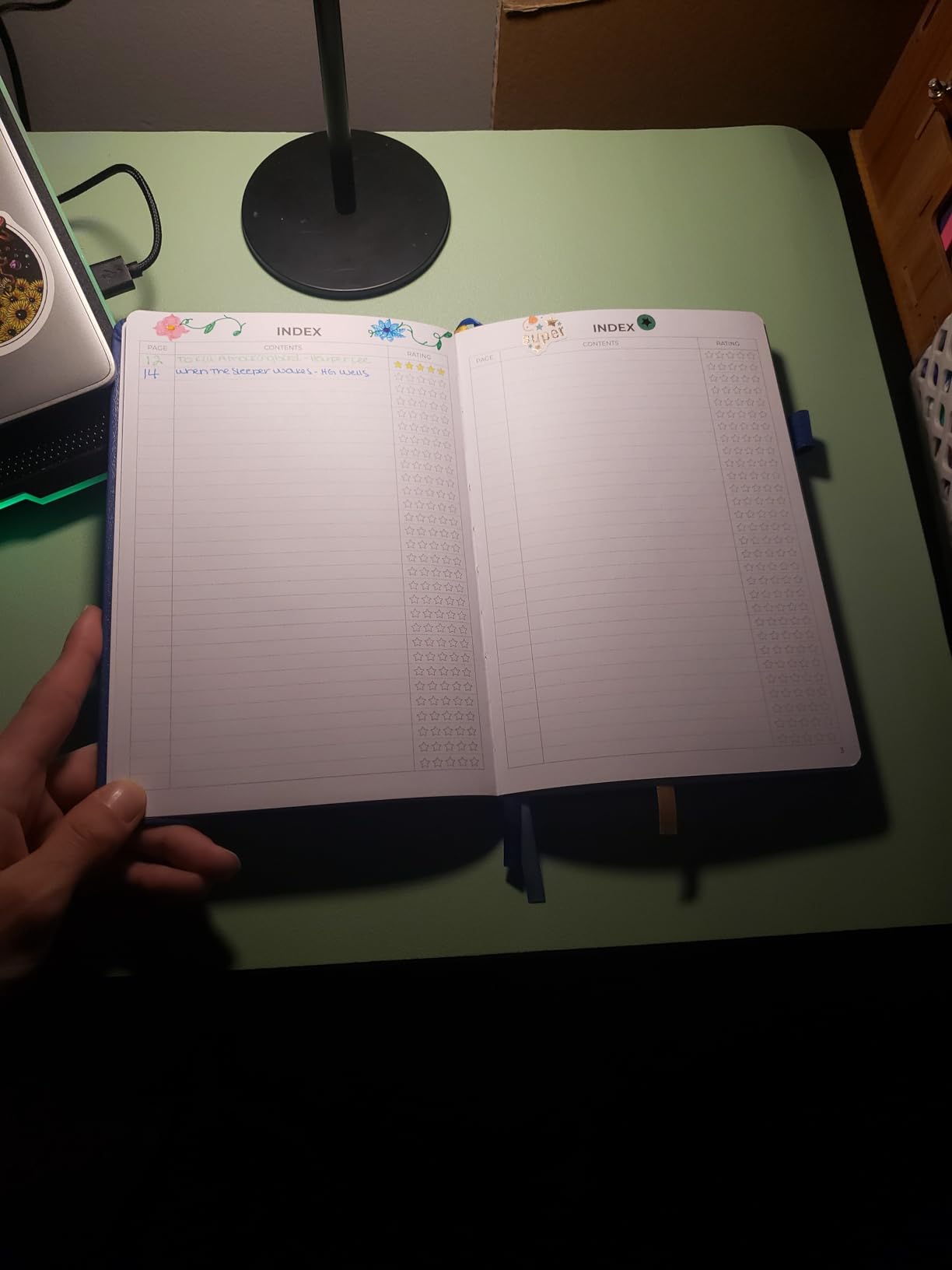
Each of the 55 book reviews gets two full pages, plus an index page, a reading log, a tracker, and a books-to-read list. It reads like a real personal library in progress. My son started listing every book he wanted to read before he had finished reviewing his first one.
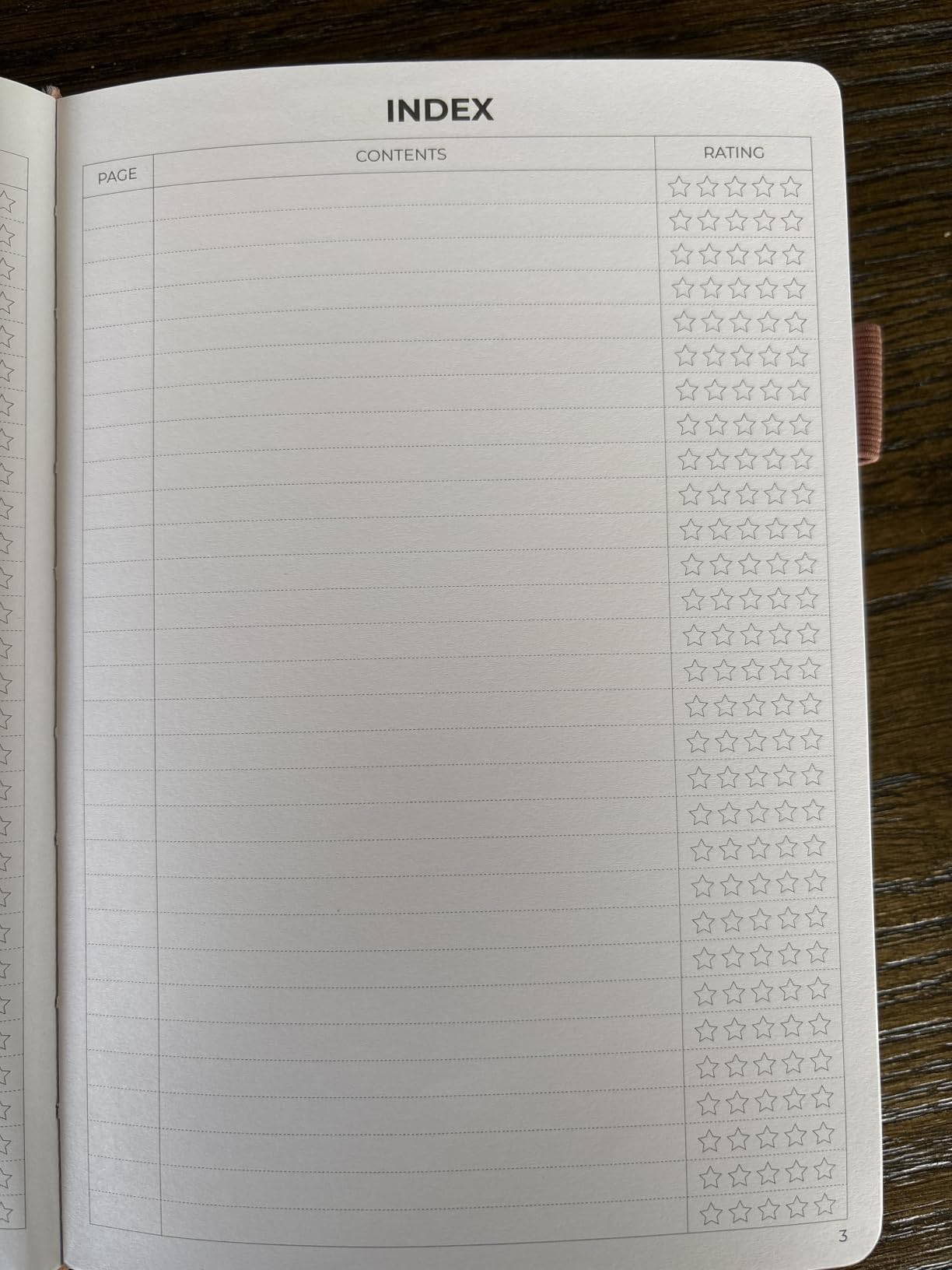
The build quality is a step above everything else here. The mint cream faux-leather hardcover, the lay-flat binding that stays open while you write, and 120gsm paper that refuses to let gel pens bleed through all feel premium in hand.
Clever Fox also includes three ribbon bookmarks, a pen loop, an elastic closure, a back pocket, stickers, and a quick-start guide. It comes in multiple colors and sizes, so siblings can claim their own. With 920 reviews behind it, this is also the most battle-tested pick on our list, ranked in the top 200 of its category on Amazon.
The trade-off is simple: it costs roughly twice what the paperback options here cost. Serious readers will also finish 55 reviews faster than a year and need a second volume.
Who Should Buy This One
Tweens, teens, and parents who want a journal that lasts and looks good on a shelf. Kids ages 11 to 13 who find colorful workbooks babyish are the perfect match.
It also makes an impressive gift for a confirmed bookworm, especially paired with a nice pen for the pen loop.
What to Know Before Ordering
The A5 size at 5.8 by 8.3 inches is smaller than the big workbook formats, so handwriting needs to be reasonably neat. Very young kids will find the lines tight.
There is a 60-day money-back guarantee, which softened the splurge for us. If your child is rough on belongings, the hardcover also shrugs off damage better than any paperback here.
3. My Book Review Journal for Girls – Best for Homeschool Reading Records
My Book Review Journal: A Reading Log for Girls – With Interactive Writing Prompts – Kids Ages 8-12
124 pages
50 book slots
Ages 8-12
Cat theme with awards
Pros
- Space for 50 books a full school year
- Homeschool friendly documentation
- Reading wish list and awards pages
- Durable material quality
Cons
- Prompts may need adult help
- Girly cat theme limits the audience
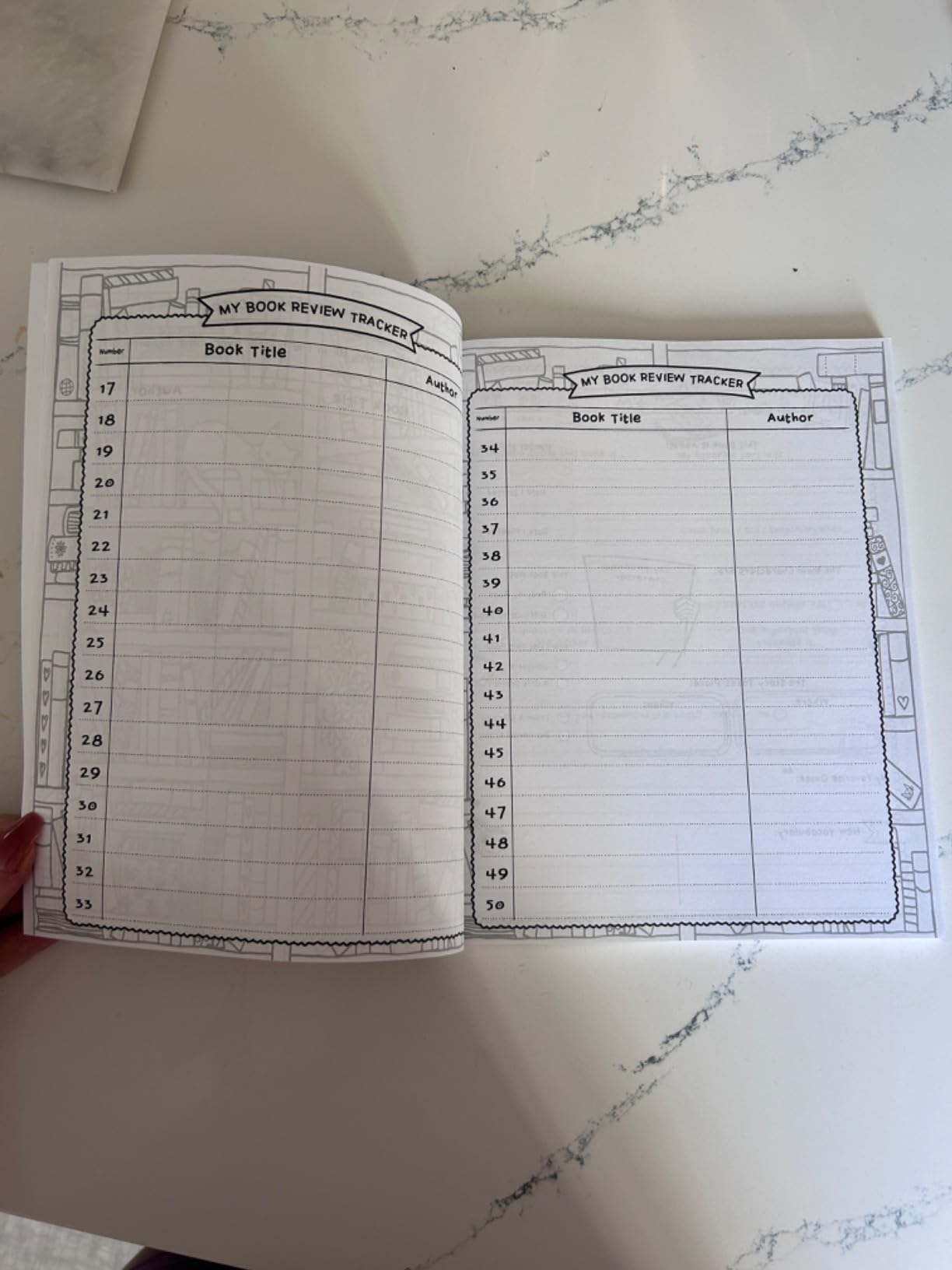
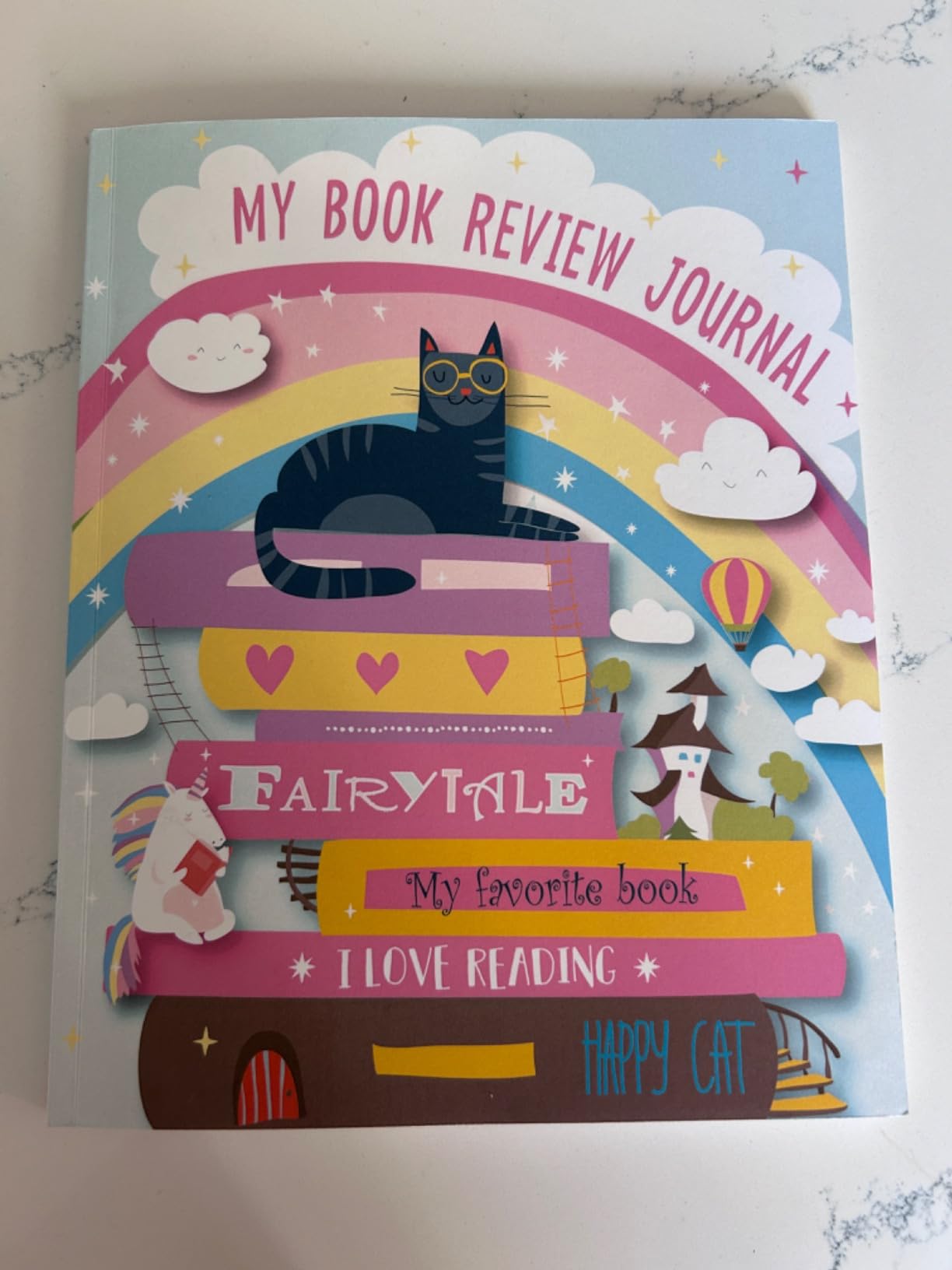
This cat-themed sister volume to our top pick became our homeschool record keeper for the year. The 124 pages hold space for 50 books, which mapped almost exactly onto one school year for my daughter. At the end, we had a complete, dated record of everything she read.
The interactive prompts match the Aunt Meg and Me format, asking kids to think and respond rather than just log a title. Parents in the reviews, where it holds an 84 percent five-star rate, specifically praise it for homeschool curriculum documentation.
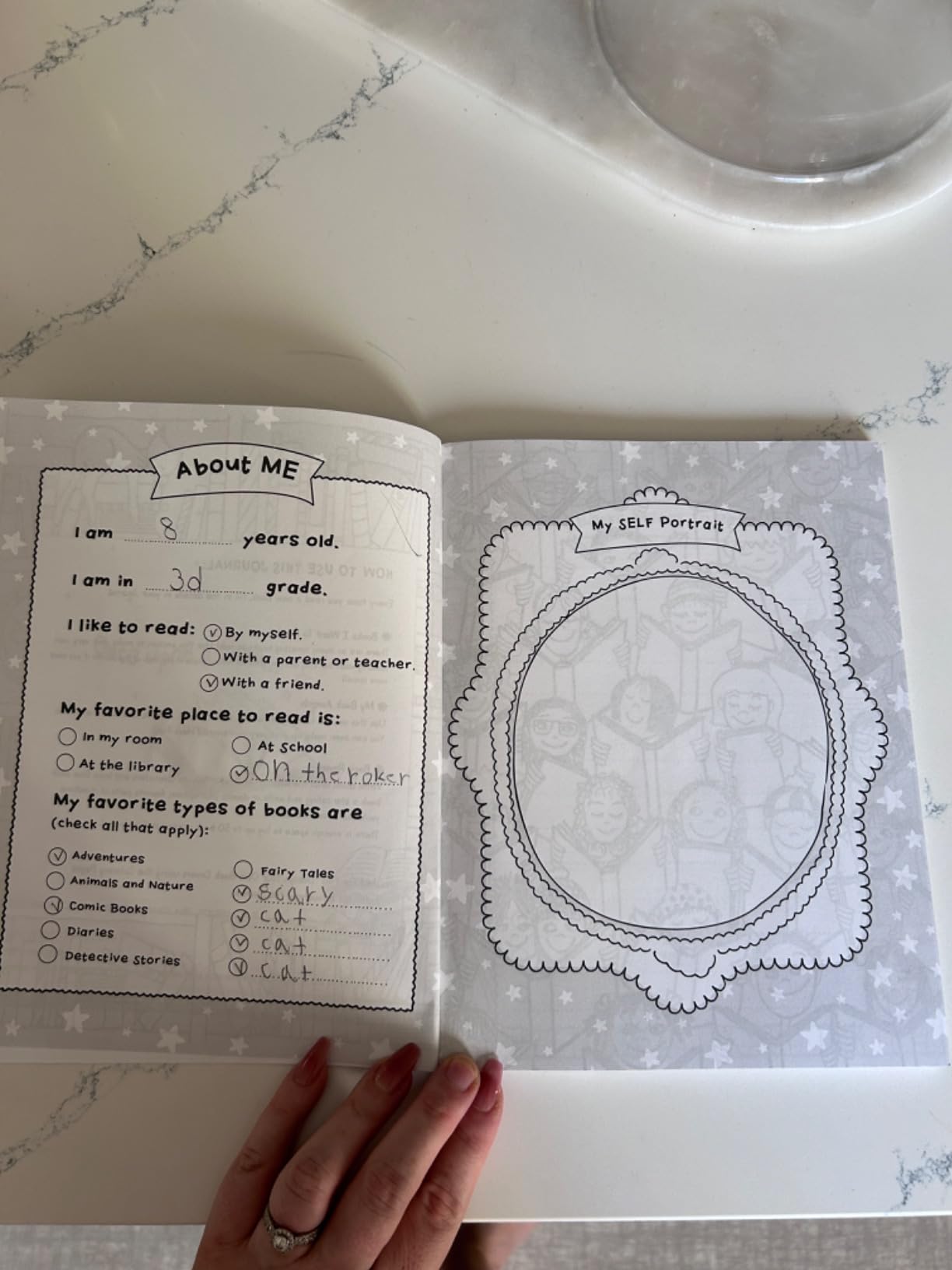
Two extras make it more than a logbook. A reading wish list page lets kids plan their next picks, and the tracking awards pages celebrate milestones as they stack up. Those small rewards kept my daughter chasing her next badge without me nagging.
Physically it matches its sibling: 8 by 10 inch workbook size, about 10 ounces, and a binding that held up to daily use across a full school year. The publisher recommends ages 7 to 12, and our experience says 8 to 12 is the sweet spot for independent use.
The one limitation is the design itself. The colorful cat cover delighted my daughter and would be a hard sell for my sons, who both preferred gender-neutral layouts.
Who Should Buy This One
Homeschool families who need organized reading documentation for portfolios or end-of-year reviews. Fifty slots align almost perfectly with a standard school year.
It is also a strong choice for any girl ages 8 to 12 who loves animals and wants her reading life to feel special.
What to Know Before Ordering
Writers on the younger end will need prompt support from an adult, same as the unicorn version. Budget one journal per school year per child.
If you are buying for a boy or a child who prefers neutral designs, jump to the Caterpillar Curl or the Scarlett Maxwell instead.
4. Caterpillar Curl My Reading Log Book – Best for Reluctant Readers
My Reading Log Book Review Journal For Kids Ages 6-12: Gifts For Young Book Lovers | A Fun And Unique Tracker For Girls and Boys With Space For a Full … (Educational Resources For Quality Learning)
102 pages
Ages 6-12
Daily challenges
For girls and boys
Pros
- Daily challenges hook reluctant readers
- Genre exploration activities
- Works for boys and girls
- Covers ages 6 to 12
Cons
- Too simple for advanced readers
- Only a handful of reviews so far
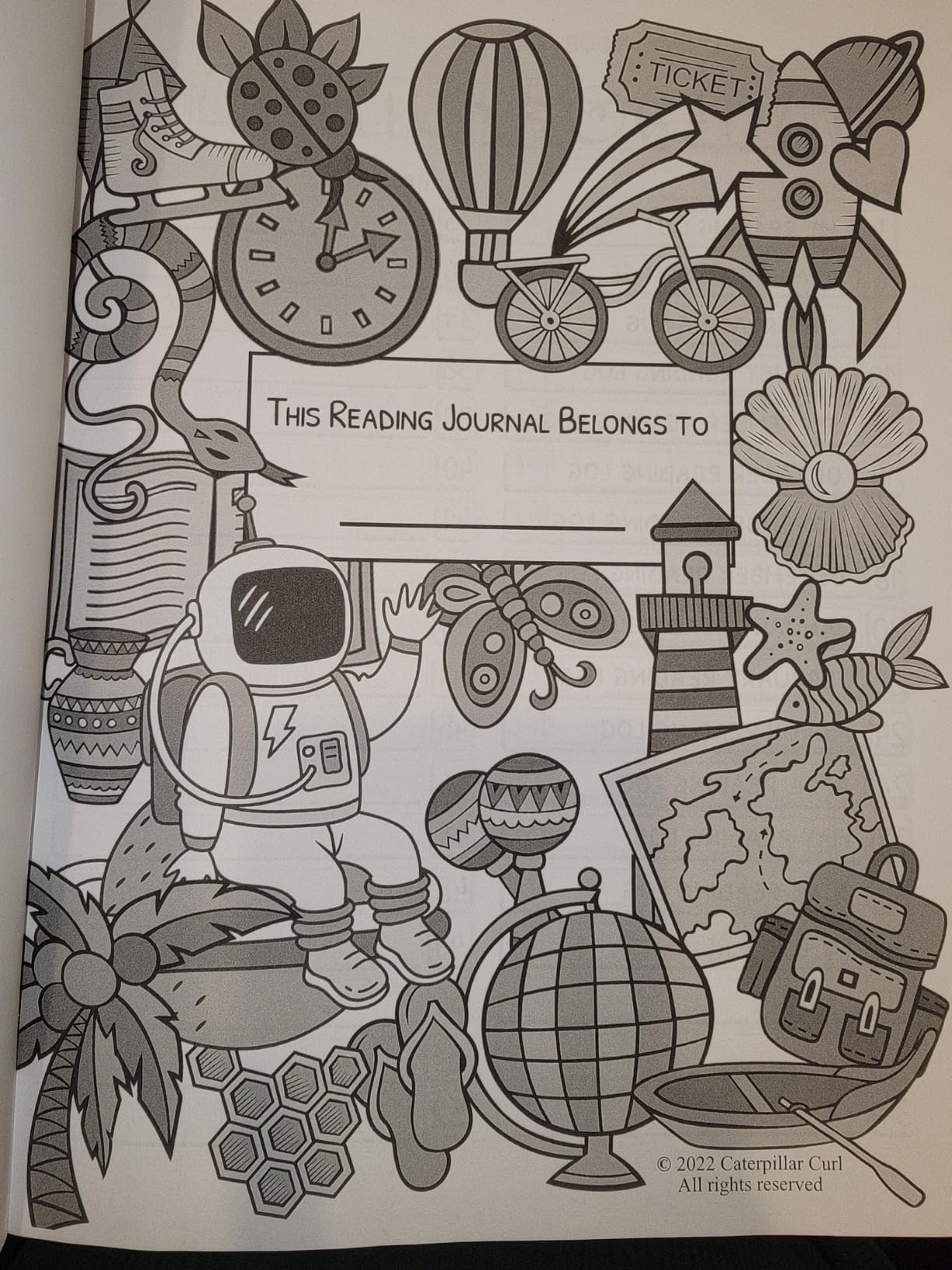
This is the journal that finally got my reluctant 6-year-old to care about tracking his reading. Instead of asking for book reports, it hands kids daily reading challenges and activities. Read in a blanket fort, read to a pet, read a comic, try a mystery. Suddenly logging was a game instead of an assignment.
The genre exploration activities were the surprise hit with my older kid too. Both children ended up sampling books they would never have picked, which is the whole point.
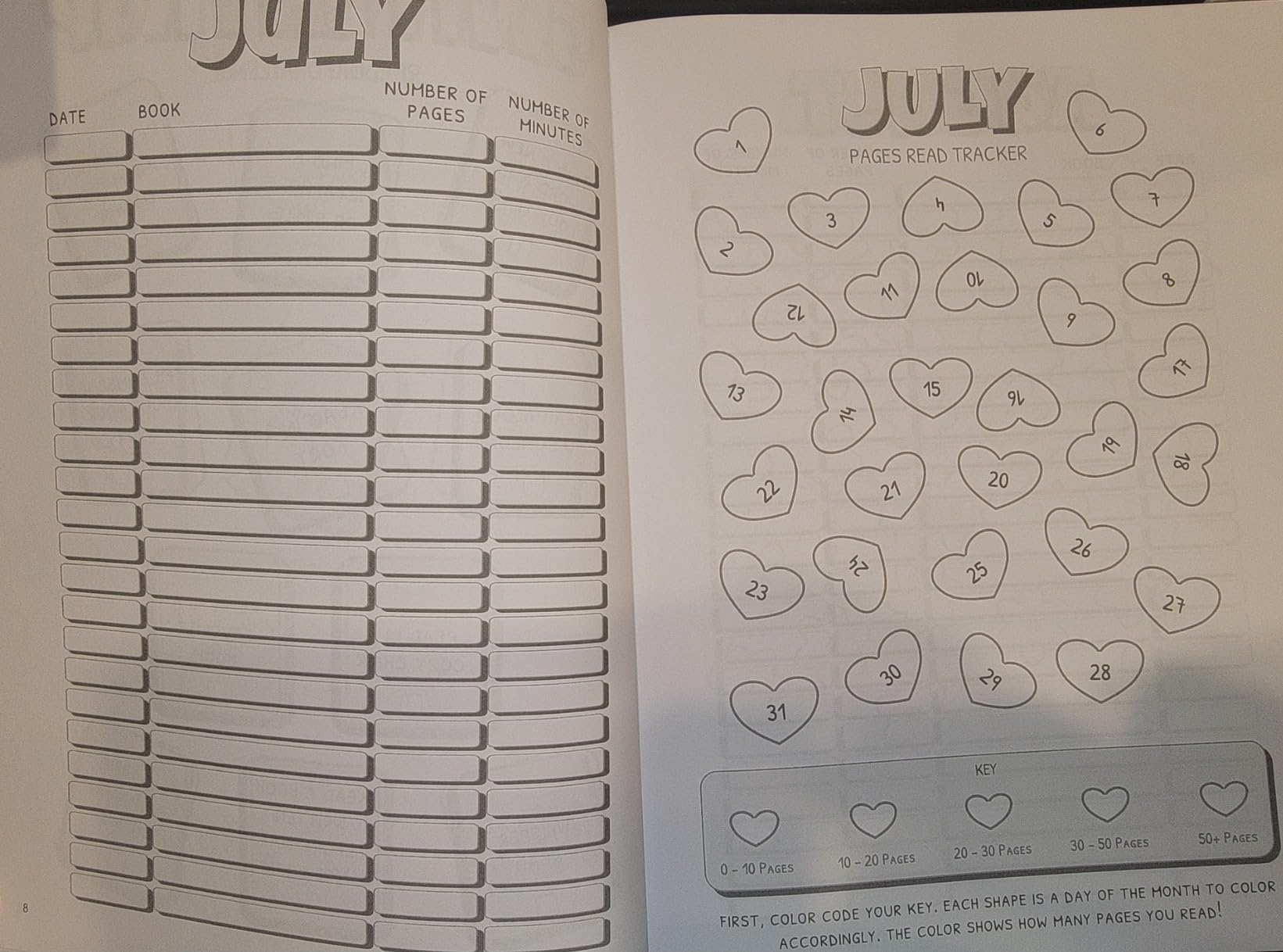
The layout is a well-organized 102-page workbook in a large 8.5 by 11 inch format, part of the publisher’s Educational Resources For Quality Learning series. The bigger pages give young writers plenty of room, and the prompts are short enough for emerging readers to attempt alone.
It is one of the few picks here designed explicitly for both girls and boys, with neutral appeal across the whole 6 to 12 range. Reviews sit at 86 percent five stars, though the total count is still small since this title is newer to Amazon.
Advanced readers will outgrow it. My 11-year-old found the activities fun for a week, then wanted deeper review space like the Clever Fox offers.
Who Should Buy This One
Parents of reluctant readers who have watched other logs turn reading into a chore. The challenge format flips motivation from obligation to play.
It also the best family pick when multiple kids of different ages will share one journal style.
What to Know Before Ordering
Treat it as a motivation tool first and a record keeper second, because the review space is lighter than in the prompt-heavy journals. Families who need detailed homeschool documentation should pair it with something else.
Because it is a newer title with a small review pool, check current feedback before you commit to a multi-child order.
5. Scarlett Maxwell Reading Log Book – Best Value No-Frills Tracker
Reading Log Book: For Reviewing All of Your Favorite Books, Reading Journal with Table of Contents & Pre-Numbered Pages
120 pages
Table of contents
Pre-numbered pages
Built-in to-read list
Pros
- Table of contents for fast lookup
- Pre-numbered pages keep entries tidy
- Built-in to-read list
- Straightforward for any age
Cons
- Line spacing feels tight to some
- No interactive prompts
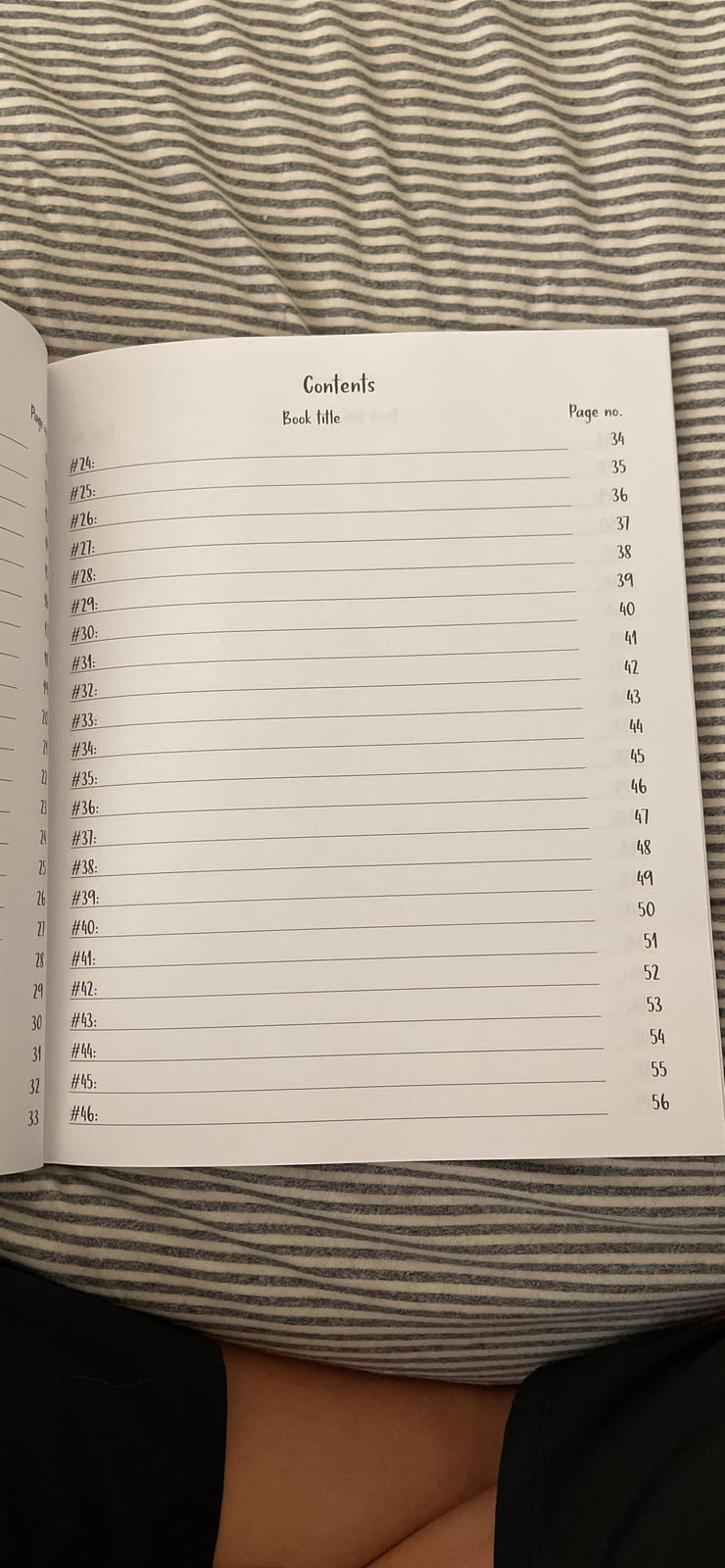
My tween called this one the honest journal, because it does exactly one job and does it well. There is a table of contents up front, every page is pre-numbered, and the whole 120-page paperback runs on a clean, simple grid. For kids who find themed journals distracting, this is the answer.
With 261 reviews it is the second most-proven title in our lineup, and the biggest chunk of buyers are teachers and parents ordering in bulk for classrooms. That tells you the format works at scale.
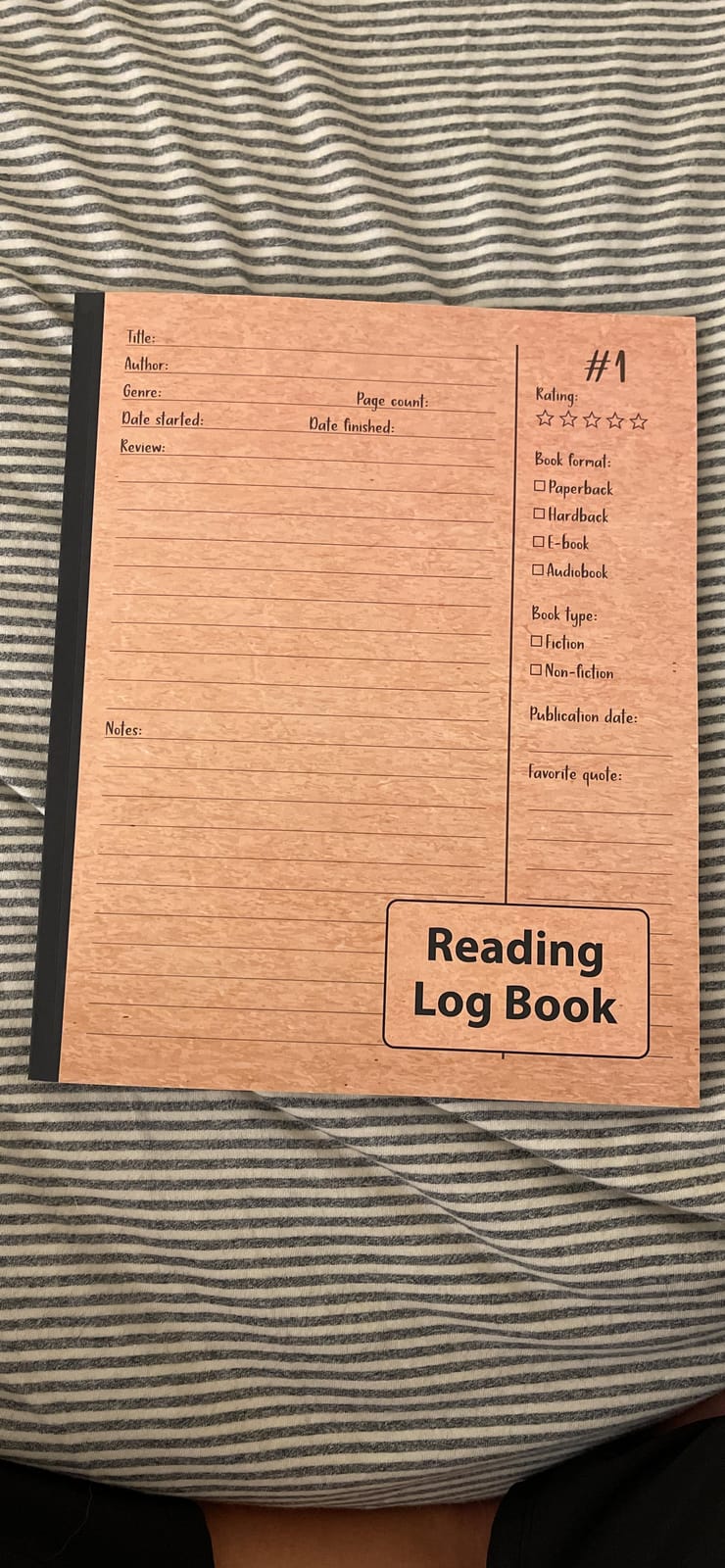
The organization is what sells it. Kids fill in the table of contents as they log books, then flip back to entry 27 in seconds to reread a review. That index habit translates directly to how real notebooks and research logs work.
There is also a to-be-read list at the front, which my son treated like a plan of attack for the school year. The 8 by 10 inch paperback is sturdier than a drugstore notebook, and reviews consistently mention the build quality for the cost.
It is not perfect. Some reviewers wish the line spacing were roomier, and the right-hand column could be condensed, per repeated feedback. There are no writing prompts, so comprehension work is up to you.
Who Should Buy This One
Classrooms, tutoring programs, and families buying for multiple kids who need a dependable format at a low per-child cost.
It also suits older kids ages 10 and up who want a serious, grown-up-feeling log without cartoon animals anywhere on it.
What to Know Before Ordering
Expect a plain black-and-white interior. If your child needs color and characters to stay engaged, this format will not hold them.
Because there are no prompts, plan to add your own discussion questions if comprehension practice is the goal.
6. My Daily Reading Log for Boys – Best Budget Pick for Daily Reading Time
My Daily Reading Log: A Journal for Boys to Record Daily Reading Time
75 pages
Ages 8-12
Daily time tracking
Boy-friendly theme
Pros
- Builds a daily reading-time habit
- Structured time-tracking format
- Fits summer reading programs
Cons
- Limited illustrations
- Plain design can lose interest over time
Some reading programs require minutes, not book reports, and this journal is built for exactly that. My 6-year-old logged his daily reading time in it for a whole summer challenge, one quick entry per day. At 74 percent five stars across 37 reviews, parents use it most for exactly that purpose.
The format is deliberately simple: date, title, pages, and minutes. That low bar mattered for my youngest, who could finish an entry in under a minute and still feel the streak building.
This is the thinnest and lightest book in our test at 75 pages and under 5 ounces, sized 6 by 9 inches. That compact format fits in a kid’s backpack side pocket, so it traveled with us all summer without complaint.
The publisher, Be Simple Be Happy, aims it at boys ages 8 to 12, and the cover art reflects that. My 6-year-old used it happily, though, because the daily commitment is small enough for any new reader.
The honest downside is stamina. There are few illustrations and the design is plain, so some kids lose interest once the novelty of a new notebook wears off. My youngest stuck with it because the program required it, not because he loved the book itself.
Who Should Buy This One
Families doing a minutes-based summer reading challenge or a school log that requires daily time entries. It is the cheapest way to get a real, dedicated book for the job.
It also works well as a first log for a new reader who needs a quick, low-pressure daily habit.
What to Know Before Ordering
At 75 pages it fills up faster than the 100-plus page options here, so heavy readers may need a second copy mid-year.
If your child is motivated by color, characters, or challenges, the Caterpillar Curl will keep their attention far longer.
7. Kids Reading Record Chart – Best Simple Chart for Ages 6-12
Kids Reading Record Chart: A Simple Reading Log for Kids Ages 6-12 Years | 8.5″ x 11″ , 100 Pages
100 pages
Ages 6-12
8.5 x 11 inch pages
Record chart format
Pros
- 100 pages of extended tracking
- Large 8.5 x 11 inch pages
- Simple enough for young kids
Cons
- Black and white interior only
- Some kids lose interest after the first week
Think of this one as a reading chart in book form, with 100 large-format pages for logging titles over the long haul. My kids used it as our family car log, kept in the back seat for road-trip books. Anyone could grab it and add an entry.
The chart layout is genuinely easy for a 6-year-old, which is the whole appeal. One line per book, big boxes, no instructions required. It held 62 percent five-star reviews from a small pool of 14 reviewers at the time of our research.
The 8.5 by 11 inch pages are the largest in our test, so there is plenty of writing room for kids still working on letter size. One hundred pages means this book outlasts most single-volume options here.
What it lacks is charm, and I want to be direct about that. The interior is entirely black and white, and several reviews mention kids drifting away after the first week without color or characters to pull them back.
In our house it worked best as a shared family record rather than a personal journal. Nobody owned it, so nobody got bored of it, and it just did its job.
Who Should Buy This One
Families or classrooms that want a single shared log for multiple kids. The chart format means no arguments about whose turn it is to write.
It also a fit for kids who genuinely prefer minimal design over themed pages.
What to Know Before Ordering
Expect zero color inside. Kids who need visual appeal to stay motivated will stall out quickly.
The review base is the smallest here, so check recent feedback before buying in quantity for a group.
8. L1rabe Book Review Notepad – Best Portable Review Sheets
L1rabe Book Review Notepad – Back to School Student Gift, Reading Memo Pad
50 tear-off sheets
8 x 5 inch
Plot and character sections
Flower theme
Pros
- Slides inside any book
- Structured plot character and world sections
- 50 tear-off sheets
- Cute bow and flower design
Cons
- Smaller than photos suggest
- No adhesive backing needs tape
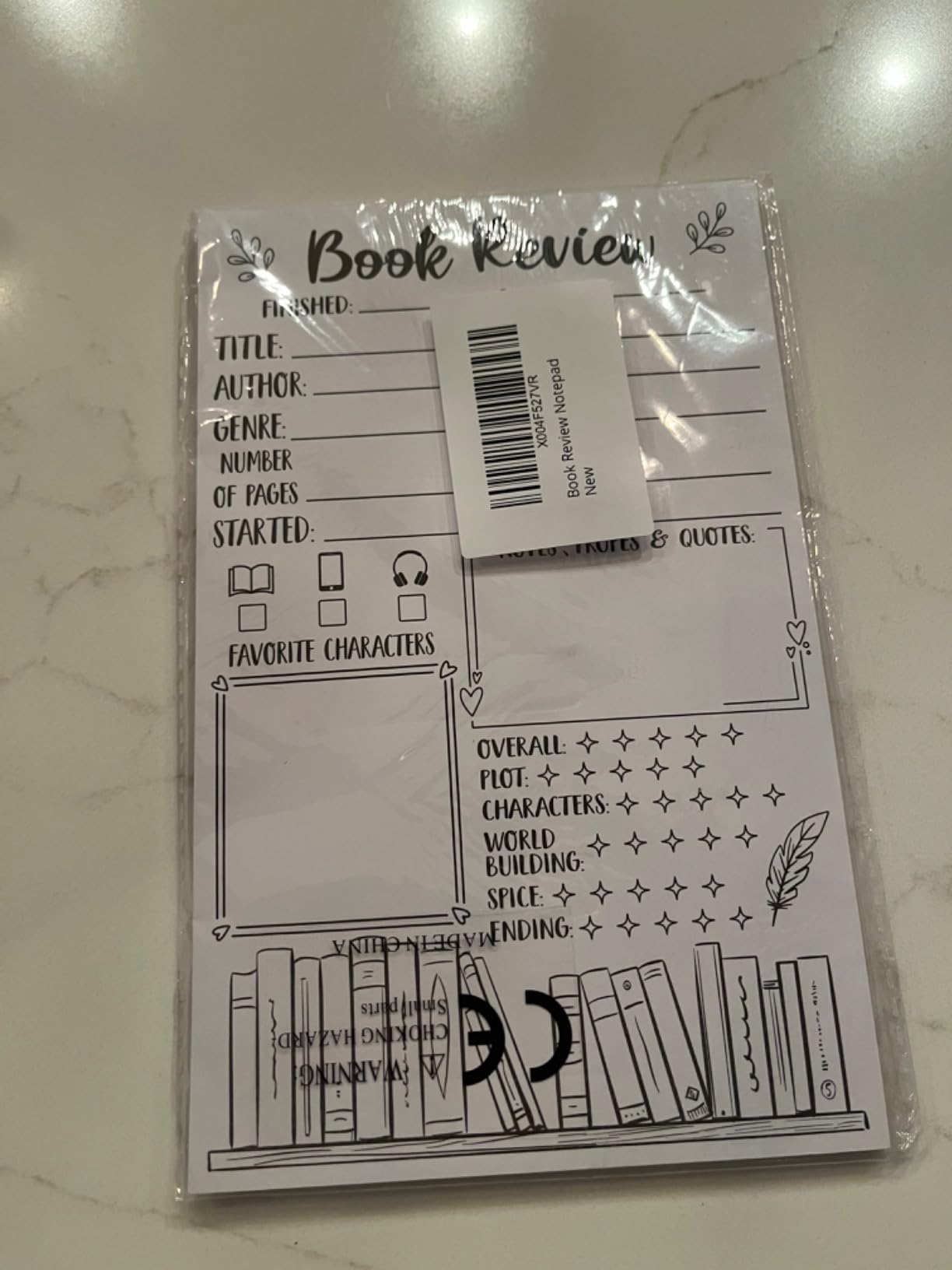
This one bends the category, and my kids loved it for that reason. Instead of a bound journal, you get a notepad of 50 tear-off review sheets. A sheet slides inside whatever book your child is reading, gets filled out at the end, and stacks into a growing review pile.
Each sheet has guided sections for plot summary, character analysis, and world building. Those are real literary-analysis skills, broken into kid-sized pieces. My 9-year-old taped her finished sheets inside a binder until she had a homemade review collection.
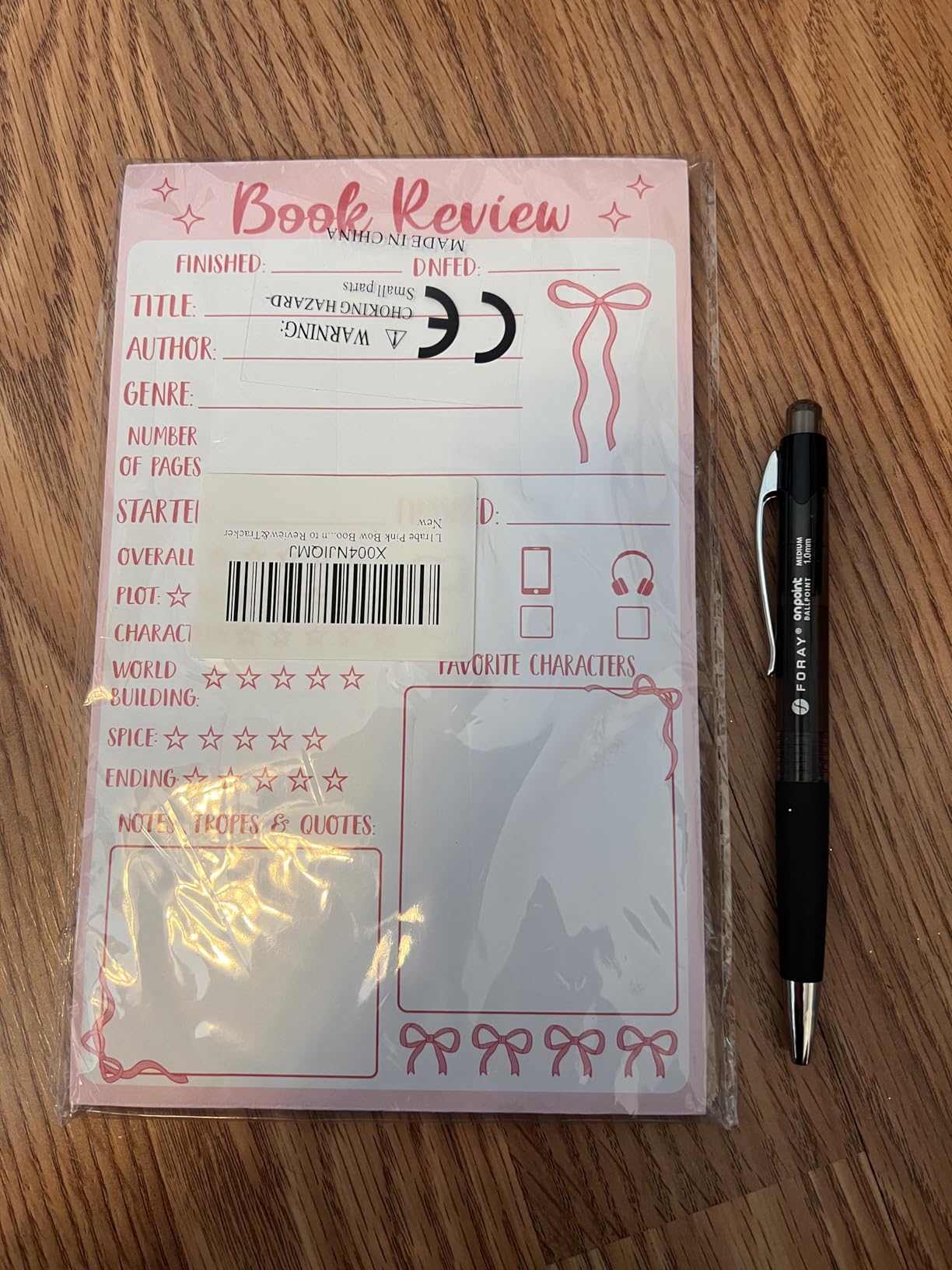
The 8 by 5 inch size is made for portability. It fits in a paperback, a purse, or a car-door pocket, which made it our default for vacation reading. Reviewers agree it makes a great back-to-school or birthday gift, and it holds 126 reviews at 68 percent five stars.
Be aware of two quirks buyers flag. The pad looks bigger in photos than it is in hand, and there is no adhesive on the back, so sheets need tape or a binder to stay put.
Some users also find the paper thin, though most report no bleed-through with ordinary pens. Fancy gel pens are riskier here than on the Clever Fox paper.
Who Should Buy This One
Kids who hate commitment, meaning they like finishing one quick sheet at a time instead of facing a big empty journal. Reluctant writers do well with the small format.
It is also the easiest log to take on vacation, since losing one sheet costs nothing.
What to Know Before Ordering
This is a supplement, not a full logbook. There is no index, no table of contents, and no way to look back through reviews without a binder system.
If your child reads 40-plus books a year and wants a permanent record, pair it with a bound journal like the Scarlett Maxwell for the archive.
How to Choose the Best Reading Log Book for Your Child
The right reading journal for kids depends less on the book and more on the child holding it. Here is what our summer of testing taught us, broken down by age and reading personality.
For Preschool and Early Elementary (Ages 4-7)
At this age, tracking is really for the parent, and the log should feel like play. Look for big writing boxes, minimal text, and space to draw a favorite scene instead of writing sentences.
The Caterpillar Curl and the Kids Reading Record Chart worked best for our 6-year-old because one entry takes under two minutes. Anything longer turns into a fight.
For Elementary Kids (Ages 8-10)
This is the sweet spot for prompt-based journals. Kids this age can write a few sentences and benefit from questions that push comprehension and recall.
Both Aunt Meg and Me journals and the Scarlett Maxwell log served this age well in our house. Pick themed if your child loves it, plain if they roll their eyes at cartoons.
For Tweens (Ages 11-13)
Tweens abandon anything that looks babyish, which forum parents mention constantly. They need a sophisticated journal that respects them, with real review depth and a grown-up cover.
The Clever Fox was designed for teens and adults, which is exactly why my 11-year-old adopted it as his own. The Scarlett Maxwell is the budget-friendly alternative with the same serious tone.
Physical Logs vs Printables vs Apps
Printables win on cost and apps win on convenience, but neither survived our summer intact. Printed pages tore, got left in the car, and could not travel inside a book. Apps failed on coverage, since databases like Goodreads simply do not list enough children’s titles, a complaint that comes up again and again in parent forums.
A physical book solves both problems. It lives on a nightstand, works in a tent with no signal, and becomes a keepsake my kids actually reread. The one real risk is loss, so we gave each child a dedicated shelf spot as a home base.
If your crew participates in library summer reading programs, a physical log doubles as the proof-of-reading record most programs ask for.
Features That Keep Logging Fun
Based on our 147-book summer, three features separated journals that got used from journals that got ignored. Prompts beat blank lines every time, because questions are easier to answer than a empty page.
Milestones matter too, whether that is awards pages, a 50-book countdown, or an index that visibly grows. And a theme your child chose themselves is worth more than any feature list.
Durability is the quiet factor parents care about most, per the forum research. Lay-flat bindings, thick paper, and hardcovers cost a little more and outlast summer by a wide margin.
Frequently Asked Questions
What are some good reading log books for kids?
The best reading log books for kids include the Aunt Meg and Me Reading Log for ages 7-12, the Clever Fox Reading Journal for tweens and teens, My Book Review Journal for girls ages 8-12, the Caterpillar Curl log for reluctant readers ages 6-12, and the Scarlett Maxwell Reading Log Book for a simple no-frills format.
What is a good reading journal for kids?
A good reading journal for kids matches your child’s age and reading personality. Look for writing prompts that build comprehension, 100 or more pages, a durable binding, and a design your child actually likes. For most kids ages 7-12, a themed prompt-based journal like the Aunt Meg and Me Reading Log is the strongest choice, while tweens prefer the more adult Clever Fox format.
What age is appropriate for reading logs?
Reading logs work for kids ages 4 through 14 when the format matches the child. Preschoolers ages 4-7 do best with drawing space and one-line entries, elementary kids ages 8-10 can handle prompt-based reviews, and tweens ages 11-13 are ready for detailed two-page journals. Below age 4, tracking is generally for the parent rather than the child.
Is a physical reading log better than a reading app for kids?
For most children, yes. Apps like Goodreads have limited children’s book coverage, while a physical log works anywhere, survives being carried around, and becomes a keepsake. Apps are better for barcode scanning convenience and automatic statistics, but kids ages 4-13 typically stay more engaged with a book they can write in and decorate.
What should a child write in a reading log?
A reading log entry usually includes the book title, author, date finished, and a star rating. Better logs add a short review with favorite characters, a memorable scene, whether the child would recommend the book, and one new word learned. Younger children can draw a picture of their favorite part instead of writing sentences.
Final Verdict: Our Top Reading Log Picks for 2026
After a full summer of testing the best reading log books for kids with three readers of three different ages, the rankings held up. The Aunt Meg and Me Reading Log is our editor’s choice for ages 7 to 12 thanks to prompts that build real comprehension. The Clever Fox Reading Journal is the premium pick tweens will actually keep using, and the Scarlett Maxwell log is the dependable value buy for classrooms and multi-kid families.
Match the book to the child, not the other way around. Reluctant readers need challenges, younger kids need big boxes and short entries, and older kids need something that treats them like the serious readers they are becoming.
Start with one journal, set a modest goal like ten books, and let your child decorate the cover to claim it. The log that gets filled is always the best one.