
My daughter was halfway through fourth grade when I realized I had quietly stopped reading aloud to her. She could read on her own. She had chapter books stacked on her nightstand. It felt redundant. Then one snowy weekend we picked up a battered copy of The One and Only Ivan from the library, and within ten minutes she was leaning against my arm again. That was three years and roughly forty books ago, and it convinced me: the best read-aloud books to keep older kids engaged aren’t a relic of toddler storytime. They’re some of the most powerful reading experiences in a child’s life.
If you’ve landed here, you’re probably wondering which chapter books actually hold a 9-, 11-, or even 13-year-old’s attention when you read them out loud. I get it. Kids that age can sniff out a “baby book” in two pages, and a slow middle can lose them for good. Our team tested and discussed fifteen middle-grade novels over several months with our own kids, our classroom-teacher friends, and a few librarians. Some were old favorites. Others were quiet surprises. This list is the result, and I think it will give you a strong bookshelf of read aloud books for older kids to last the rest of the year.
Before we get into the picks, a quick note on something I learned the hard way: not every excellent independent-reading book makes a good read-aloud. The best ones have short chapters, a narrator you can voice, and the kind of cliffhanger that makes a kid say “one more.” We prioritized that quality throughout. For a deeper look at how to evaluate children’s books across eras, our sister guide is a good companion to this one.
Table of Contents
Top 3 Picks for Best Read-Aloud Books to Keep Older Kids Engaged

The Wild Robot
- Short chapters perfect for bedtime
- Robot with heart
- Themes of compassion and survival
- Now a major film

The One and Only Ivan
- Newbery Medal winner
- Short journal-style chapters
- True story of a real gorilla
- Accessible for reluctant listeners

Wonder
- Multiple narrators
- Powerful kindness message
- Newbery-winning classic
- Loved by adults and kids alike
Best Read-Aloud Books to Keep Older Kids Engaged in 2026
Here is the full lineup at a glance. Every book on this list passed our family-and-classroom test for holding a tween’s attention when read out loud, and several of them still keep teens coming back for “just one more chapter.”
| Product | Specs | Action |
|---|---|---|
| Wonder by R. J. Palacio |
|
Check Latest Price |
| The One and Only Ivan by Katherine Applegate |
|
Check Latest Price |
 Holes by Louis Sachar Holes by Louis Sachar |
|
Check Latest Price |
 Because of Winn-Dixie by Kate DiCamillo Because of Winn-Dixie by Kate DiCamillo |
|
Check Latest Price |
 Hatchet by Gary Paulsen Hatchet by Gary Paulsen |
|
Check Latest Price |
| The Wild Robot by Peter Brown |
|
Check Latest Price |
 Restart by Gordon Korman Restart by Gordon Korman |
|
Check Latest Price |
 Sideways Stories from Wayside School by Louis Sachar Sideways Stories from Wayside School by Louis Sachar |
|
Check Latest Price |
 The Unteachables by Gordon Korman The Unteachables by Gordon Korman |
|
Check Latest Price |
 The Lemonade War by Jacqueline Davies The Lemonade War by Jacqueline Davies |
|
Check Latest Price |
 Greenglass House by Kate Milford Greenglass House by Kate Milford |
|
Check Latest Price |
 The Vanderbeekers of 141st Street by Karina Yan Glaser The Vanderbeekers of 141st Street by Karina Yan Glaser |
|
Check Latest Price |
 Bridge to Terabithia by Katherine Paterson Bridge to Terabithia by Katherine Paterson |
|
Check Latest Price |
 Flora and Ulysses by Kate DiCamillo Flora and Ulysses by Kate DiCamillo |
|
Check Latest Price |
 One Crazy Summer by Rita Williams-Garcia One Crazy Summer by Rita Williams-Garcia |
|
Check Latest Price |
1. Wonder by R. J. Palacio – A Multi-Perspective Kindness Classic
Wonder
Multi-POV narration
Newbery-winning
320 pages
Grades 3-7
Pros
- Multiple narrators give each chapter a fresh voice
- Powerful kindness message that lands without preaching
- Accessible to upper elementary but satisfying for middle school
- Made into a major motion picture
Cons
- Some 1980s references may feel dated to today's kids
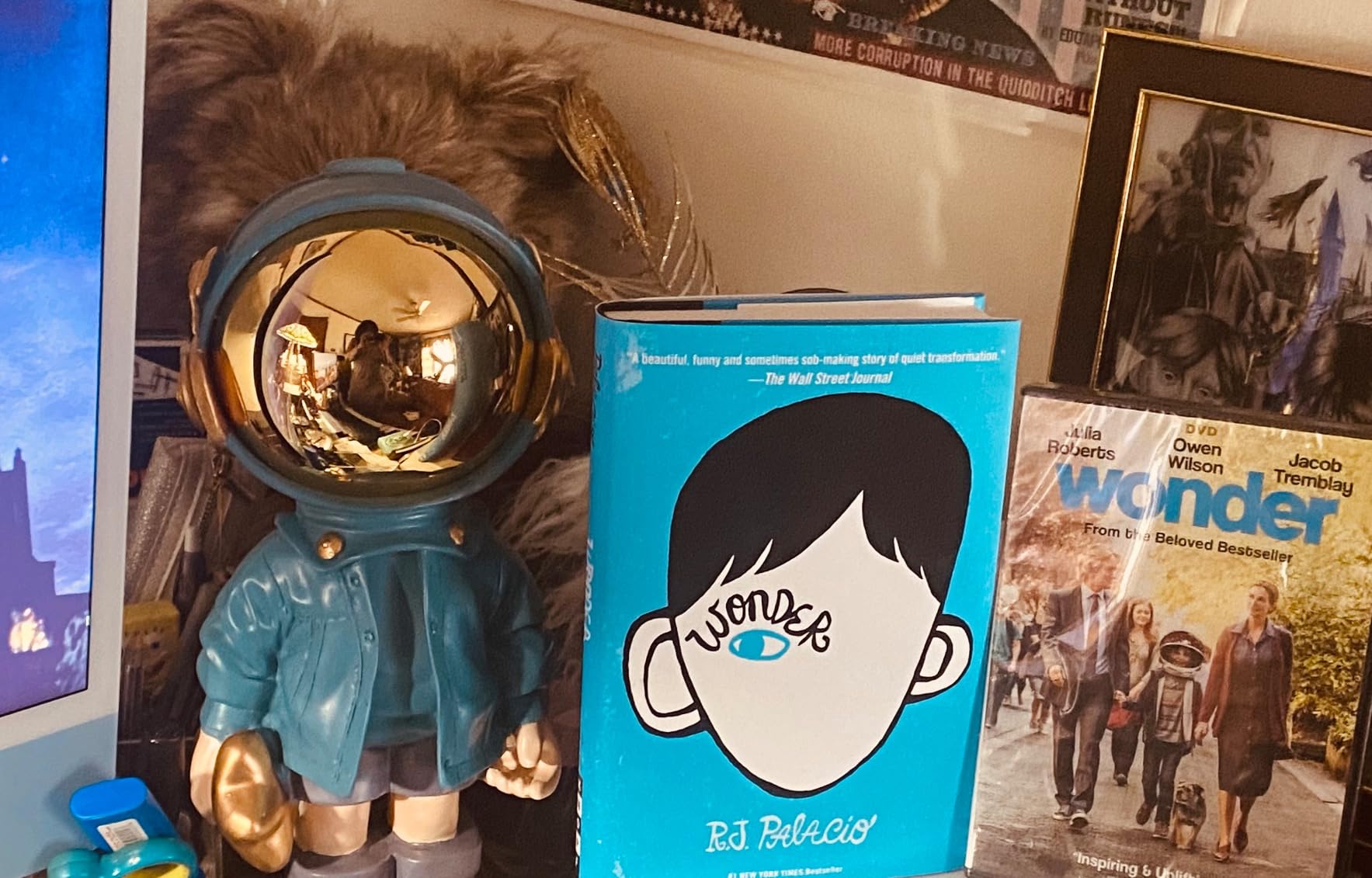
We read Wonder aloud to mixed-age cousins ranging from age 9 to 13, and every single one of them had an opinion about a different character by chapter three. That is the magic of Palacio’s structure. The narration rotates between Auggie, his sister Via, his friends Summer and Jack, and even his sister’s boyfriend, which gives you as the reader a chance to flex different voices.
What makes Wonder work as a read-aloud for older kids is that the moral complexity scales with the listener. A 9-year-old hears a moving friendship story. A 12-year-old starts to grapple with the ethical discomfort of how people treat Auggie in public. I watched my nephew go quiet during the graduation speech chapter and then ask a real question about bullying at school the next morning.
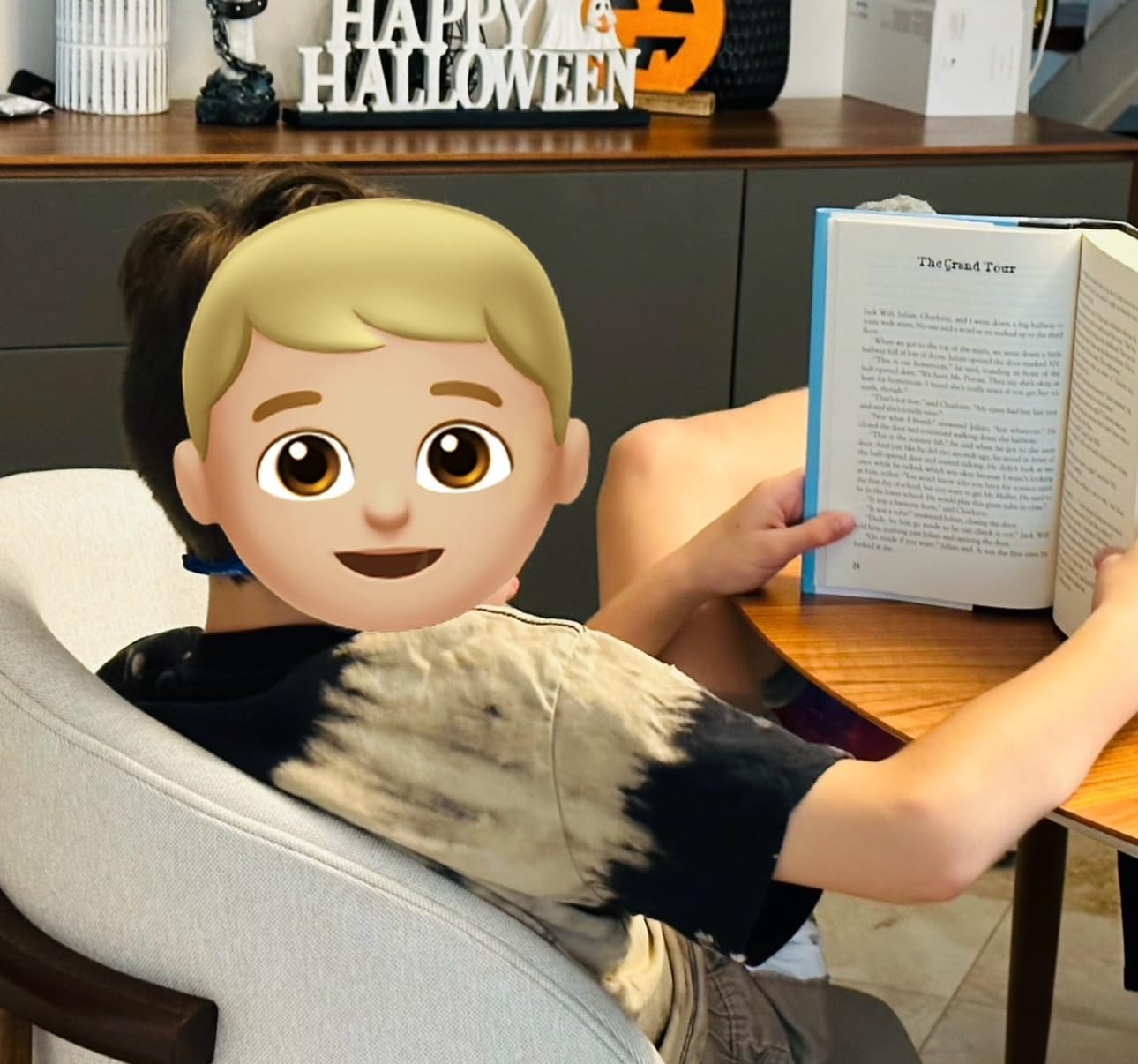
If you have a kid who resists read-alouds because they think it’s “baby stuff,” start here. The chapters are short, the audiobook by Diana Steele is widely loved, and there are now four companion books so you can keep going for months.
For whom it’s good
Wonder is a great fit for families with kids in grades 4-7, classrooms studying empathy or anti-bullying themes, and any child who says they “don’t like reading.” Pair it with a conversation about kindness, appearance, or friendship after each section.
For whom it’s bad
It is not ideal if your family prefers fast-paced fantasy or adventure, since Wonder is firmly contemporary realistic fiction. If your child needs constant action to stay focused, consider pairing it with something lighter like The Lemonade War.
2. The One and Only Ivan by Katherine Applegate – A Newbery Tale of Captivity and Hope
The One and Only Ivan: A Gentle Friendship Story About Patience, Kindness, and Everyday Adventures Together
Newbery Medal winner
336 pages
Grades 3-7
Ages 8+
Pros
- Newbery Medal winner that adults and kids both love
- Based on the true story of a real gorilla
- Short chapters make it perfect for nightly reading
- Lyrical writing that reads beautifully aloud
Cons
- Some scenes about captivity are emotionally heavy
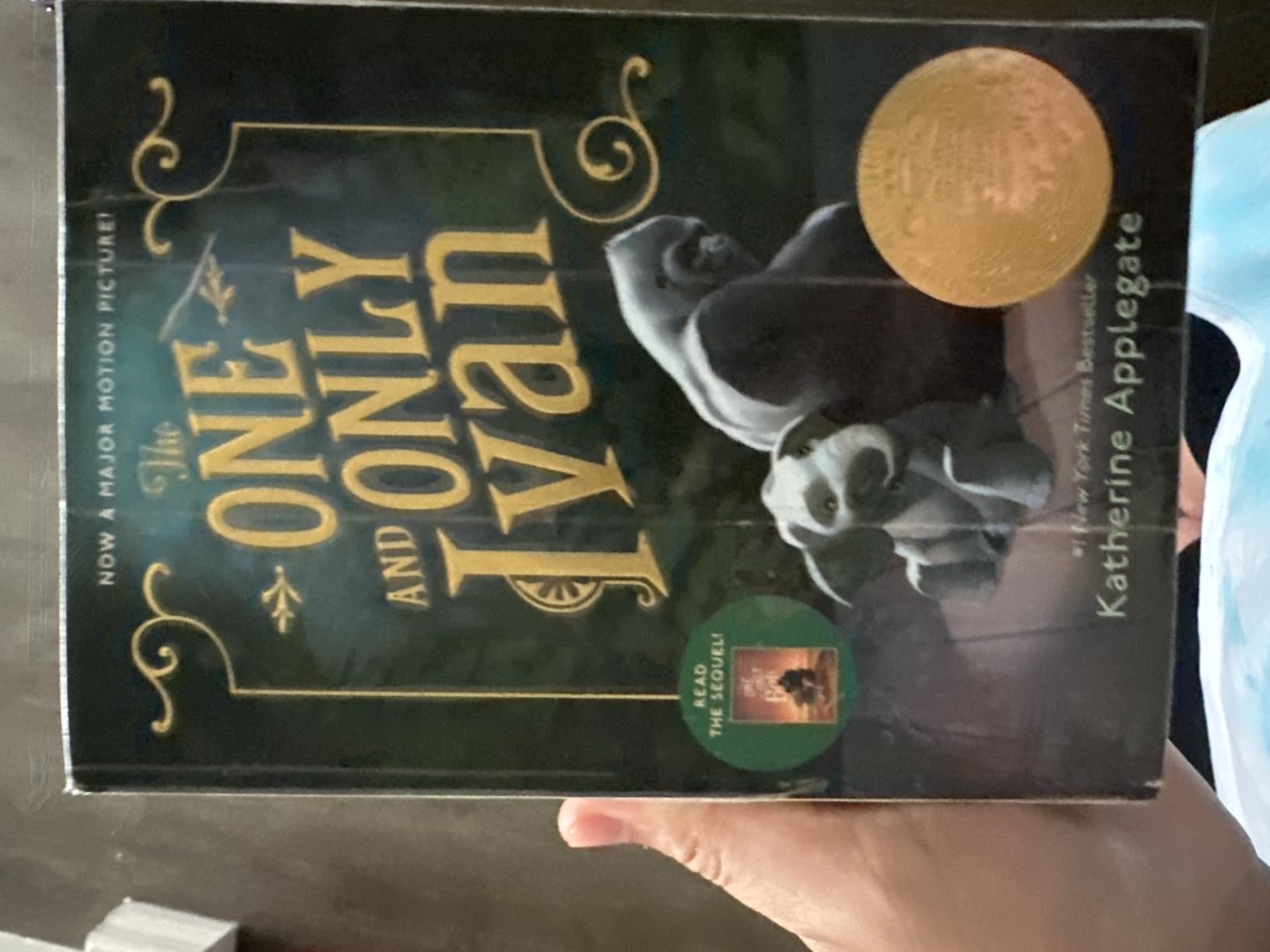
This is the book that reopened my read-aloud habit, and it remains my top recommendation for parents just starting back into chapter books. Ivan is a silverback gorilla who has lived in a mall circus for twenty-seven years when a baby elephant named Ruby arrives and changes everything. The voice is so clean and the chapters so short that even my most restless listener settled in.
What surprised me most as a reader was how funny Ivan is. He narrates with the dry humor of a tired old soul, and there are real laugh-out-loud moments about paint and television. That humor balances the heavier themes of captivity, friendship, and hope, which gives kids a soft place to land when the story turns emotional.
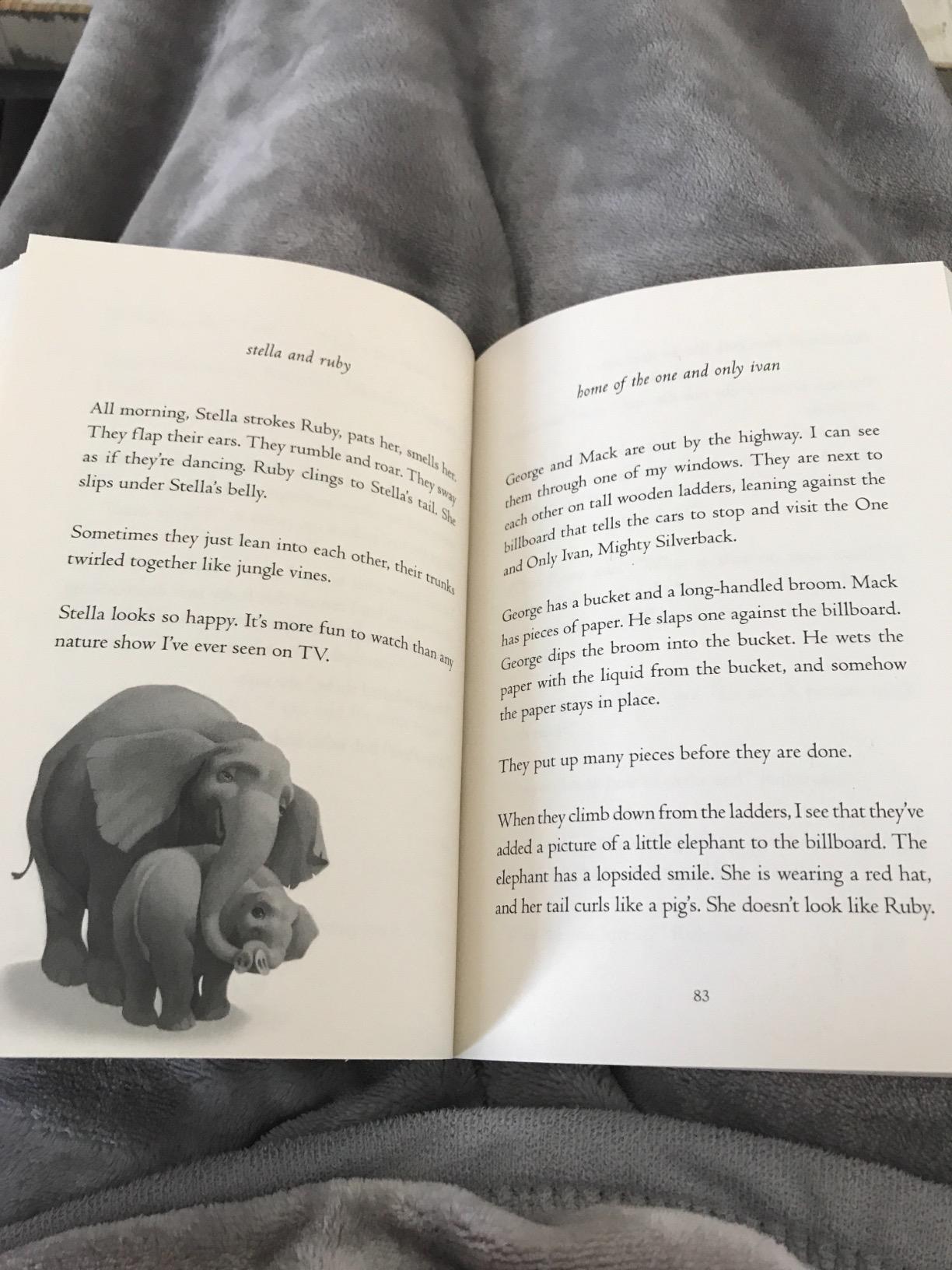
If you have a kid who is sensitive about animal stories, you may want to preview a few chapters. We had one child in our test group cry, and we simply broke for the night and picked up the next day. That is part of why the short chapters matter for read-alouds.
For whom it’s good
This book is wonderful for ages 8-11, classroom read-alouds around themes of empathy, and families who want a story with real emotional weight. It also works as an entry point for kids who love animals but resist longer novels.
For whom it’s bad
If your family avoids books that deal with mistreatment of animals or that end on a bittersweet note, skip this one. If your child wants pure fantasy or comedy, choose The Wild Robot instead.
3. Holes by Louis Sachar – A Mystery With Three Storylines in One
Pros
- Masterful storytelling with three interwoven plots
- Gripping mystery and adventure feel
- Strong themes of friendship and perseverance
- Short chapters that work perfectly for read-alouds
Cons
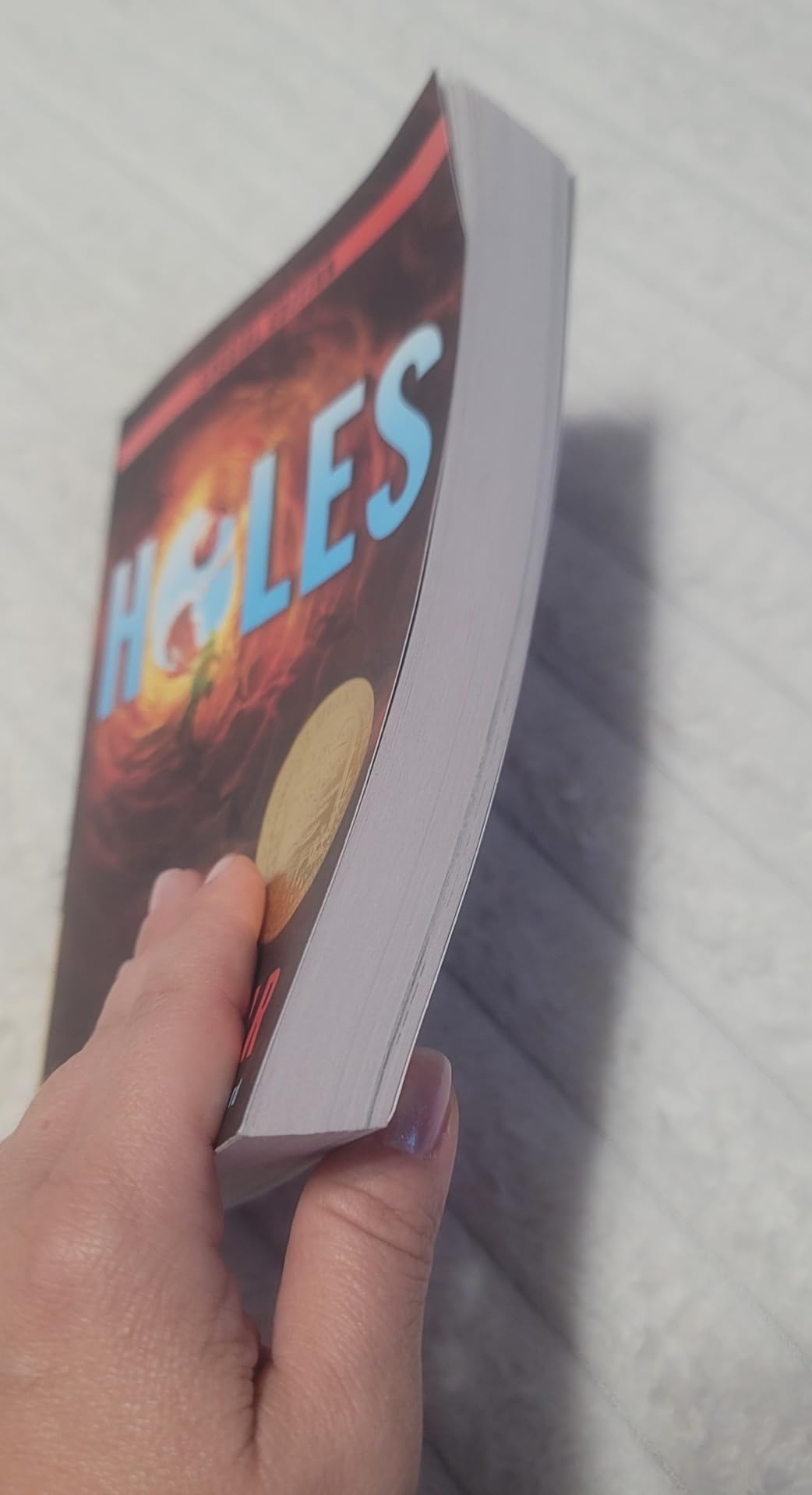
- A few editions have thinner paper quality
Holes is the read-aloud that gets skeptical tweens. I have used it as a classroom pick three times now, and every single time the kids want me to read “just one more” even when the bell rings. Stanley Yelnats is wrongly sent to a juvenile detention camp where boys dig holes all day, and the story threads together a family curse, a one-legged outlaw, and the Warden looking for treasure.
The reason it works as a read-aloud is pacing. Sachar builds three parallel timelines that click together like puzzle pieces. As the reader, you can pause after each chapter and ask kids what they think is going on. My test groups spent entire lunch periods debating theories.
I especially love this book for reluctant readers because the chapters average only 2-4 pages. Even kids who claim to hate reading will sit still for a chapter. The audiobook by Kerry Beyer is also widely loved, which makes it a perfect companion for car trips.
For whom it’s good
Holes is ideal for grades 4-7, mixed-age families who want a story everyone can follow, and any reader who loves a good mystery. It also pairs well with a unit on justice, friendship, or family history.
For whom it’s bad
It deals with incarceration, racism, and some violence, so parents of very sensitive children may want to preview chapter one. If your family wants pure fantasy adventure, choose Hatchet instead.
4. Because of Winn-Dixie by Kate DiCamillo – A Gentle Southern Story About Belonging
Because of Winn-Dixie: (A Beloved Middle-Grade Classic About Friendship, Family, and a Dog That Changes Everything – For Kids Ages 9-12 in Grades 4-7)
Newbery Honor
192 pages
Grades 4-7
Ages 8+
Pros
- Newbery Honor book with a warm Southern setting
- Well-developed characters you will grow to love
- Gentle themes of friendship and acceptance
- Short chapters perfect for bedtime reading
Cons
- Story may feel slow for action-oriented readers
Winn-Dixie is a stray dog who walks into a Winn-Dixie grocery store and into the heart of a 10-year-old preacher’s daughter named Opal. That is the entire setup, and it works beautifully because DiCamillo understands loneliness. This book is one of our top picks for read-aloud times when kids need a softer story.
I love using this with kids who are new to chapter books. The language is rich but accessible, and each short chapter is its own little portrait of one of the quirky townspeople Opal meets. We read it in about a week of nightly sessions, and my daughter still quotes the “ten things about her mama” list from chapter one.
One honest note: if your child only likes fast-moving plots, this may feel slow. I had one test listener admit she got bored around chapter five. Pair it with an audiobook version narrated by Jenna Lamia for variety, and you can usually pull kids back in.
For whom it’s good
Because of Winn-Dixie is ideal for ages 8-11, kids processing grief or change, families who enjoy character-driven stories, and classroom units on community or friendship.
For whom it’s bad
It is not a great fit for kids who want nonstop action or fantasy elements. If your listener needs dragons and battles, choose The Wild Robot or Hatchet.
5. Hatchet by Gary Paulsen – A Survival Story That Holds Up for Decades
Pros
- Gripping survival story with short
- fast-paced chapters
- Clear accessible writing for reluctant listeners
- Coming-of-age themes that resonate with tweens
- Classic adventure that appeals to all ages
Cons
- Some dark survival moments may unsettle sensitive kids
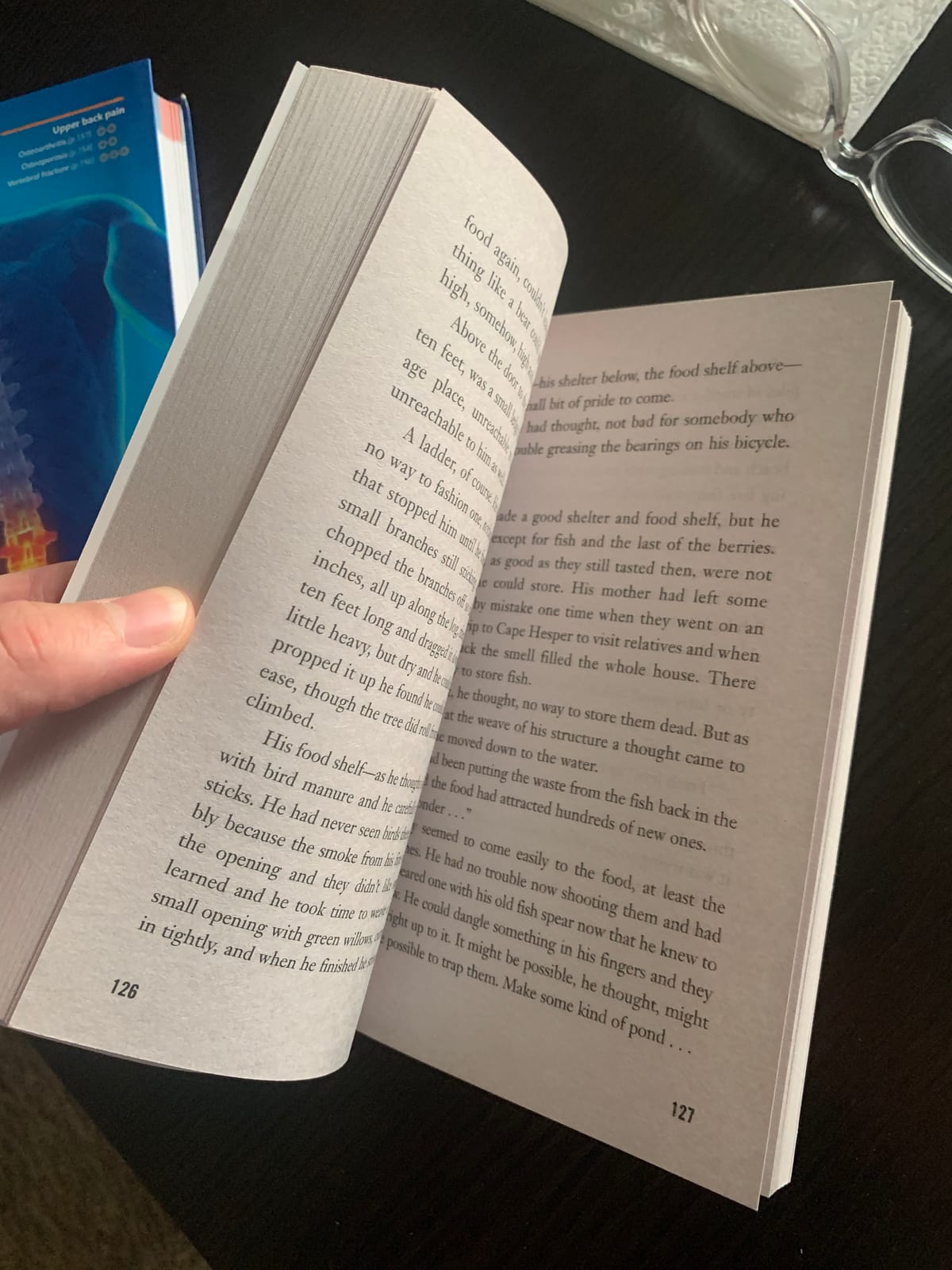
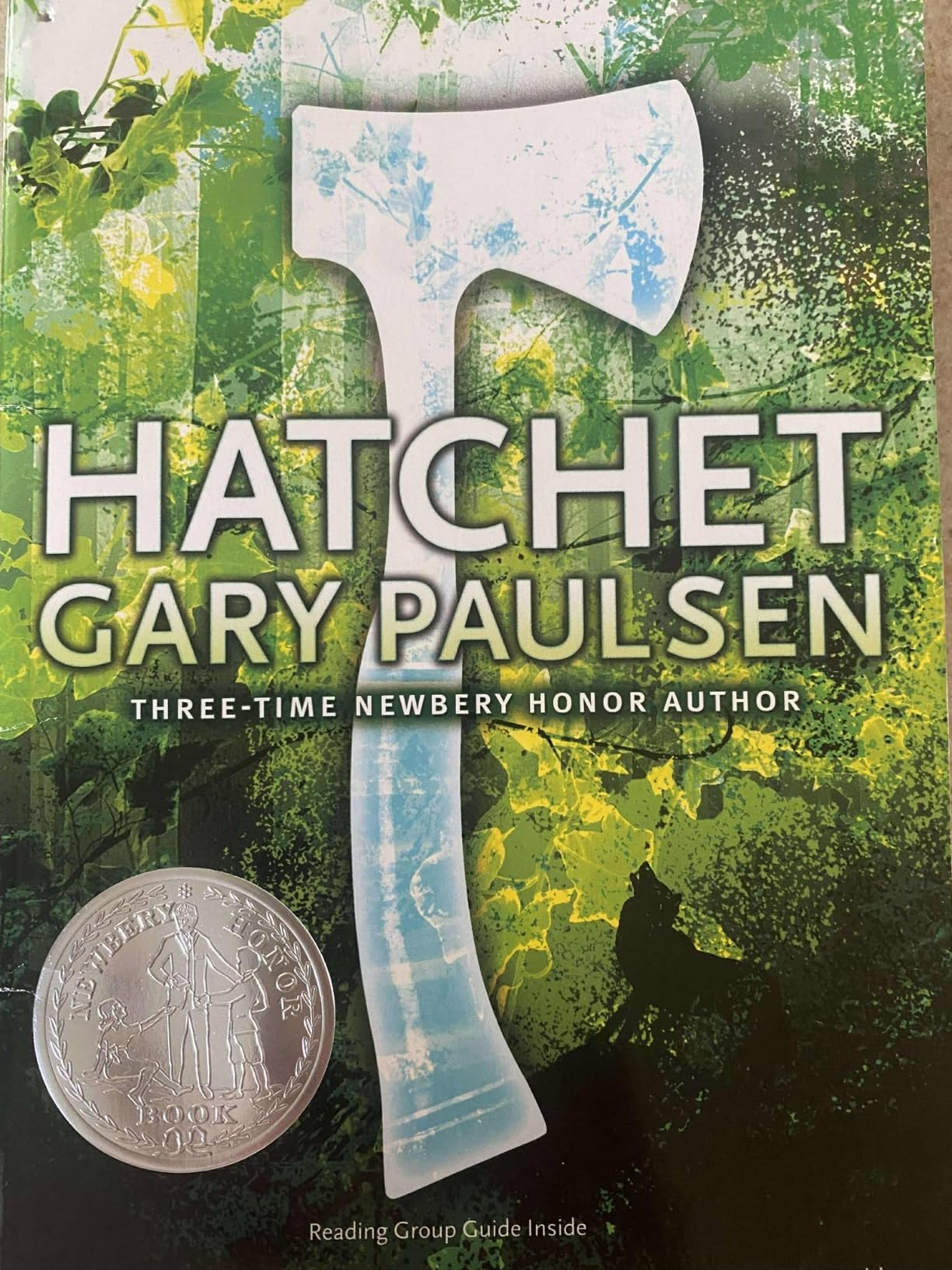
Brian Robeson survives a plane crash in the Canadian wilderness with nothing but a hatchet his mother gave him. Hatchet has been on every reading list I have ever trusted, and when I read it aloud to a 10-year-old cousin last summer, he was on the edge of the blanket by chapter three. There is something almost addictive about the problem-solving arc.
This is one of the easiest read-alouds to sustain. The chapters are tight, every one ends with a problem Brian has to solve, and the stakes escalate steadily. You will read “one more chapter” at least five times a night. We finished it in about a week of bedtimes.
Paulsen wrote four sequels, so if your family loves this one, you can keep going. The audiobook by Peter Coyote is a favorite of ours for car trips because his pacing matches the survival tension perfectly.
For whom it’s good
Hatchet works beautifully for ages 9-13, reluctant readers who need momentum, and any kid who loves outdoor adventure. It is also a strong fit for units on resilience and self-reliance.
For whom it’s bad
It involves a parent’s death in backstory, plane crash, and intense survival situations. Very sensitive kids may struggle with the bear encounter and the tornado scene.
6. The Wild Robot by Peter Brown – Short Chapters and a Big Heart
The Wild Robot (Volume 1)
Short chapters
Newbery-adapted
320 pages
Grades 3-7
Pros
- Short chapters make it easy to read a little each night
- Mix of adventure
- animals
- and gentle emotions
- Movie adaptation available
- Heartfelt themes of compassion and survival
Cons
- A few deaths as part of the natural cycle of life
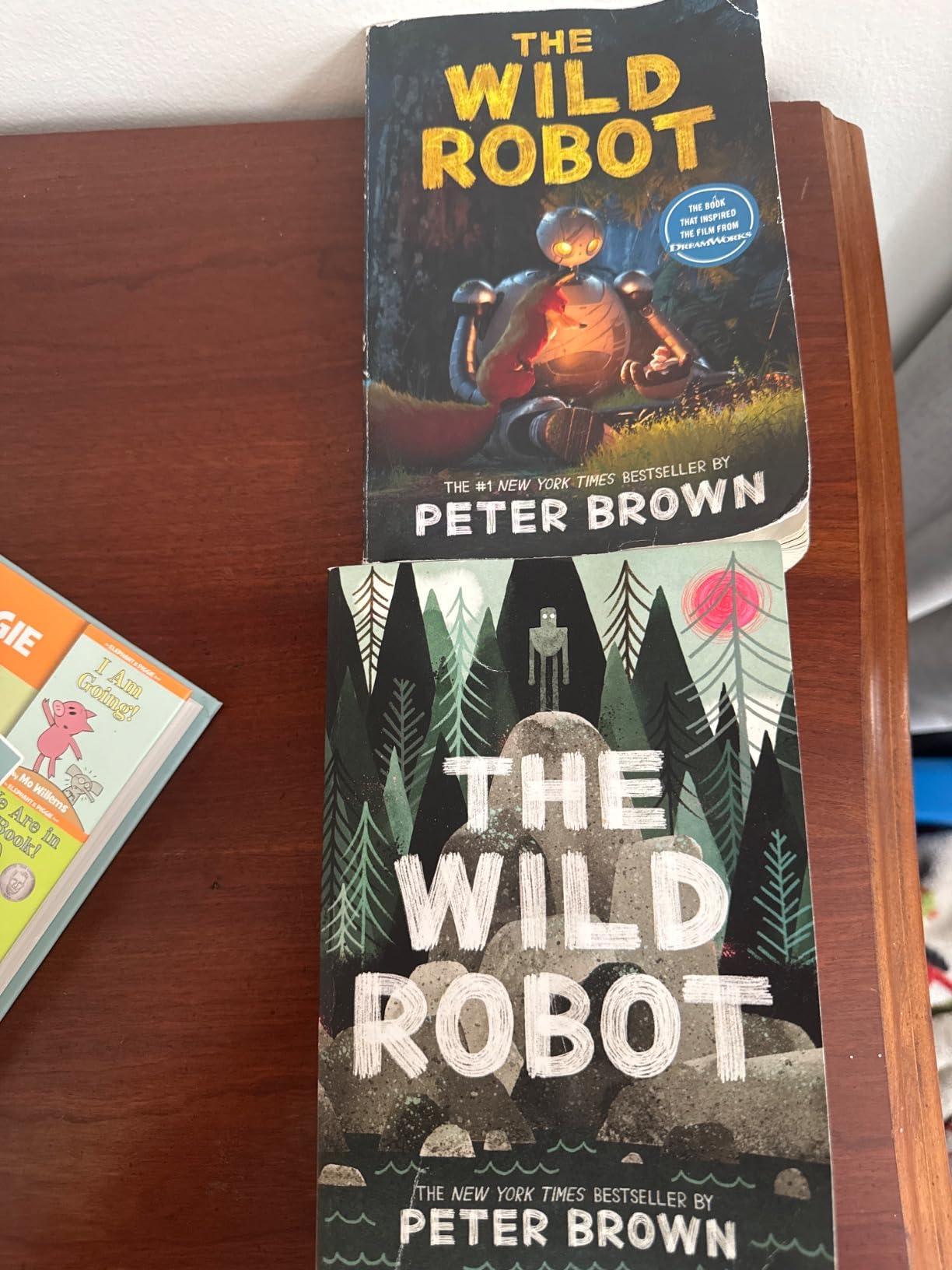
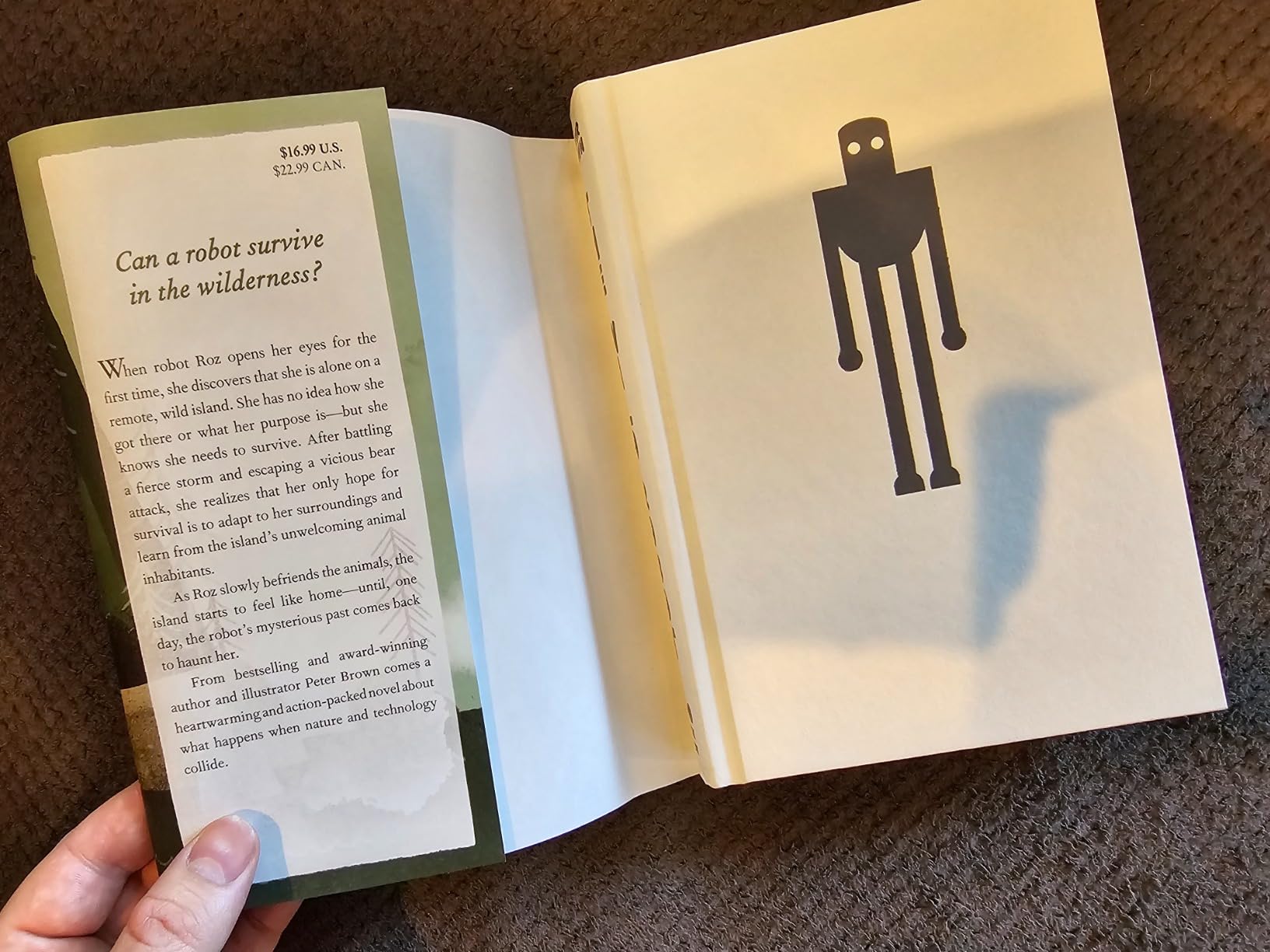
Rozzle Unit 7134, a robot, washes ashore on a wild island and must learn to survive among the animals who fear her. If you want a read-aloud that hits every age from 9 to 14 in a mixed group, this is it. The narrator voice is so gentle and strange that even my most reluctant listener got quiet within a page.
What sets this apart for read-aloud sessions is chapter length. Brown writes chapters that average just a few pages, and almost every one ends with a small revelation. That makes it perfect for bedtime reading. We read 2-3 chapters a night and ended each one with the kids wanting more.
There is a sequel, The Wild Robot Escapes, and a third book, plus the 2026 animated movie that rekindled interest this year. If your family falls in love with Roz, you have options.
For whom it’s good
The Wild Robot is ideal for ages 7-11, mixed-age families, kids who love animals or sci-fi, and any read-aloud group that wants something emotional but not too dark. It also fits beautifully into a unit on belonging.
For whom it’s bad
It includes a few animal deaths and some natural violence that sensitive kids may need to discuss. It is not the best fit for families who dislike robot or sci-fi framing, though the story is fundamentally about nature.
7. Restart by Gordon Korman – Multiple POVs and a Redemption Arc
Pros
- Multiple point-of-view chapters that bring the story to life
- Strong character development especially for Chase
- Clean dialogue appropriate for school settings
- Audiobook narrated by a full cast is excellent
Cons
- Some middle schoolers may find it less edgy than expected
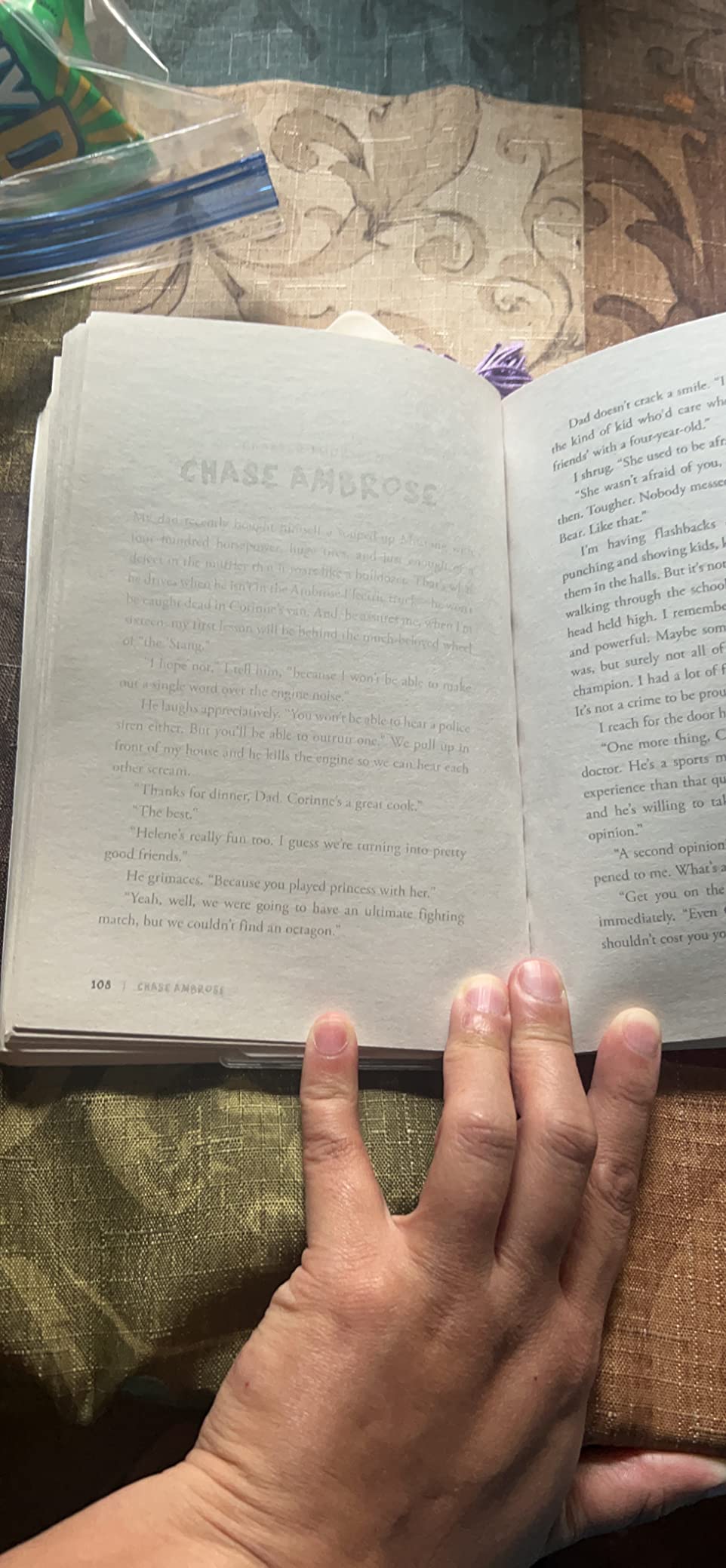
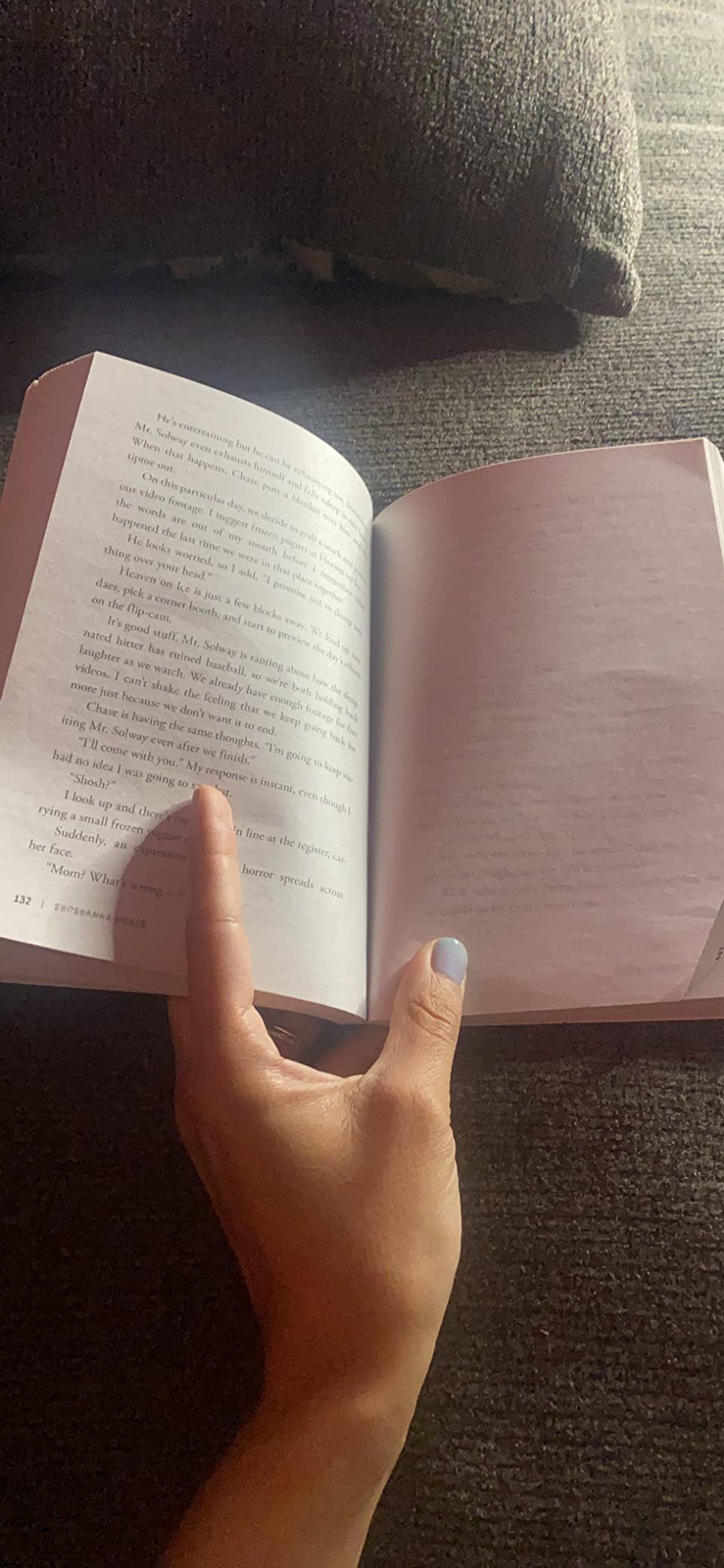
Chase Ambrose falls off a roof, loses his memory, and has to figure out who he was before. Was he a bully? Was he kind? The beauty of Restart is that you find out at the same time he does, and so does everyone else. Korman writes in rotating perspectives, which gives you as the reader several voices to play with.
I have used this one in classrooms twice. Both times, the kids who struggled most with longer books were the ones who got hooked fastest. The chapters are bite-sized, and the suspense about who Chase really was pulls everyone forward.
The audiobook version with a full cast is one of the best middle-grade audiobooks out there. If you have a long drive coming up, queue it up.
For whom it’s good
Restart works well for ages 10-13, classroom read-alouds around bullying and identity, and families looking for a book with a strong redemption arc. It is also a great pick for reluctant readers.
For whom it’s bad
If your reader prefers high-stakes fantasy or sci-fi, Restart may feel too grounded. If your family wants pure comedy, choose Sideways Stories from Wayside School instead.
8. Sideways Stories from Wayside School by Louis Sachar – 30 Short Stories for Daily Laughs
Sideways Stories from Wayside School: A Funny and Clever Chapter Book About School Adventures for Children (Ages 8-12)
30 short stories
176 pages
Grades 3-7
Ages 7-9
Pros
- Loads of funny events that make kids and adults laugh
- Chapters are just the right length for intermediate readers
- Great for reluctant readers and English learners
- Easy to read a bit each day
Cons
- Some references from 1985 may feel dated
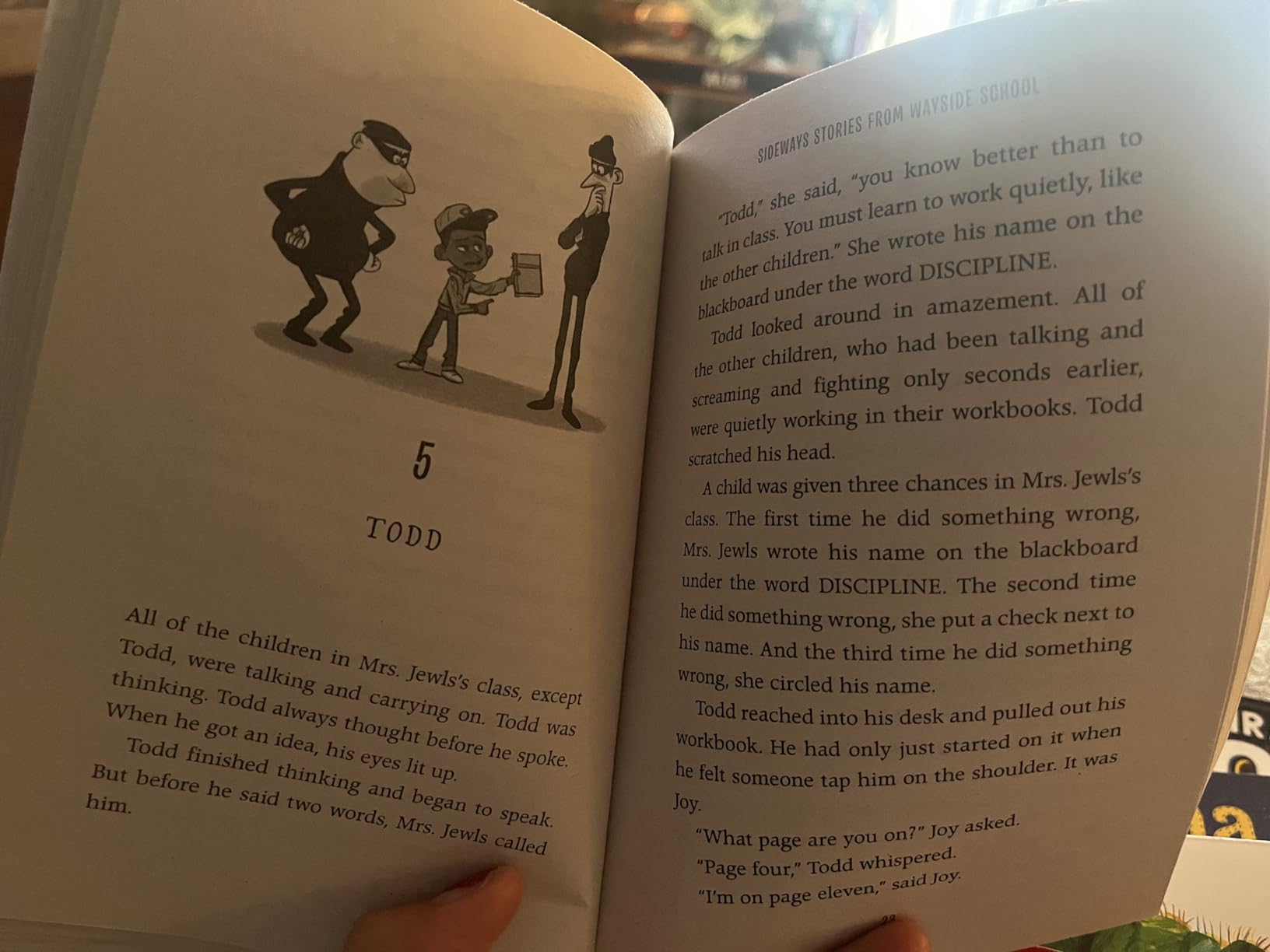
Wayside School was accidentally built sideways. Thirty stories tall. Each chapter is its own self-contained mini-disaster starring one of the students in Mrs. Jewls’s class. There is a teacher who turns kids into apples, a student whose toes multiply, and a counselor nobody has ever actually seen.
This is my number one recommendation when parents tell me their kid has the attention span of a goldfish. Each story is 2-3 pages. You can read one as a warm-up, one as a bedtime wind-down, or three in a row when everyone is laughing too hard to stop.
It is also a forgiving book for parents who are new to read-alouds. If you are nervous about voices, each story is so short that you can practice on one and move on.
For whom it’s good
Sideways Stories is perfect for ages 7-10, reluctant readers, ESL learners, and families who want a low-commitment, high-laugh read-aloud. It also works as a classroom chapter-a-day pick.
For whom it’s bad
It is not a great fit if you want a single long story arc, since the chapters are essentially independent. If your family prefers connected plotlines, choose Holes or Restart.
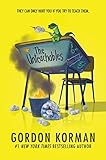
9. The Unteachables by Gordon Korman – Underdogs, Humor, and Heart
The Unteachables: A Hilarious Novel About a Class of Misfits and Mayhem for Children (Ages 8–12)
Multi-POV
304 pages
Grades 3-7
Ages 10-12
Pros
- Quirky lovable characters full of surprises
- Humor and heart in equal measure
- Themes of redemption and self-belief
- Multiple POV chapters flow nicely
Cons
- Some situations may be unrealistic
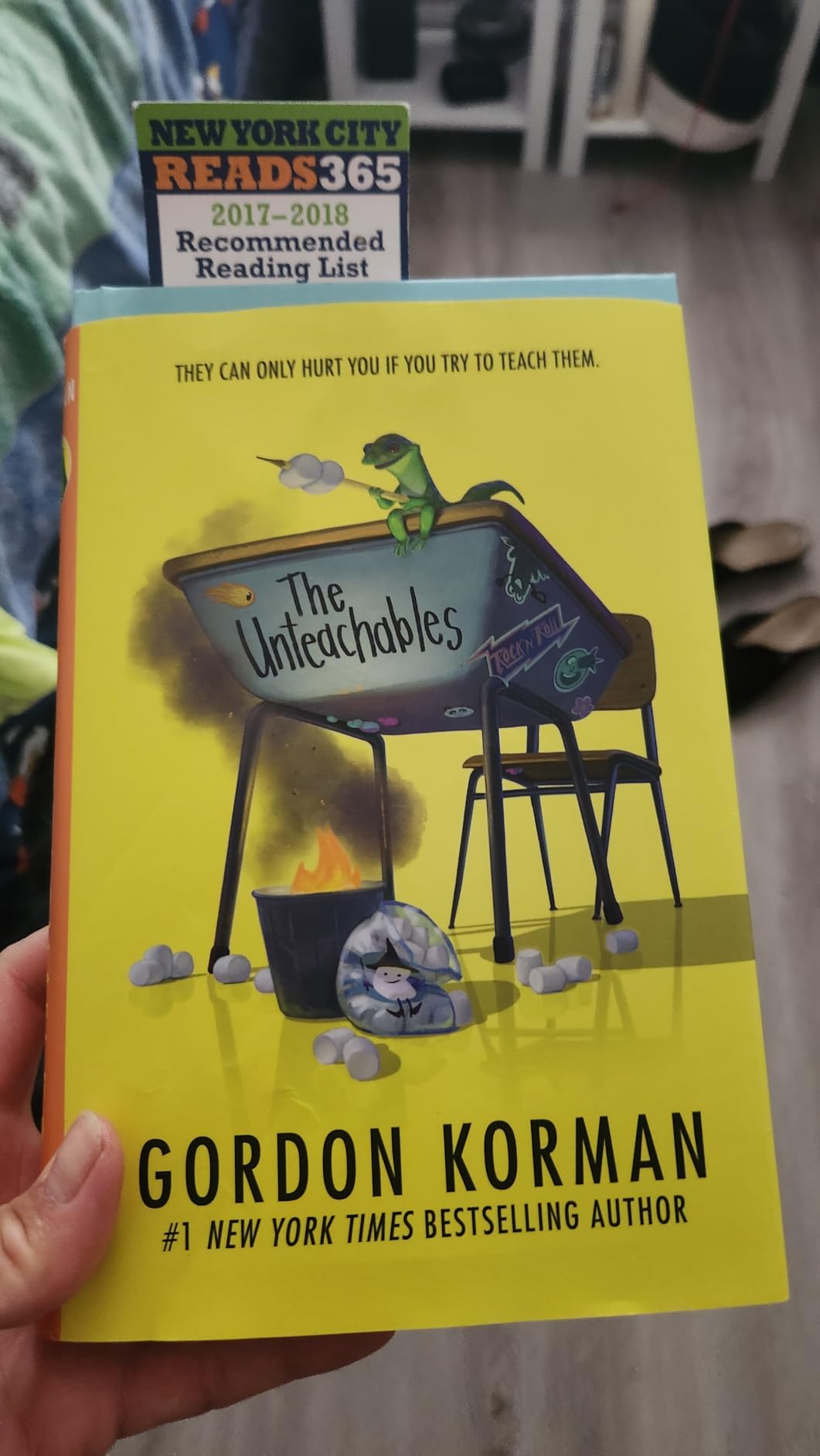
The Unteachables is the story of the worst class in school, taught by the worst teacher, who turn out to be the best thing that ever happened to each other. Korman builds the cast in alternating chapters so you get to know the teacher, the janitor, and three of the kids in turn. The voice work is wonderful.
I read this aloud with a friend who is a fifth-grade teacher, and we both laughed out loud at chapters we had read silently before. There is a scene involving a cow that gets funnier every time I think about it.
If your family enjoyed Restart, you will find the same author voice here, with a slightly more comedic edge.
For whom it’s good
The Unteachables works well for ages 9-12, classroom read-alouds, and any family who wants humor with a real emotional core. It also pairs well with units on growth mindset and second chances.
For whom it’s bad
If your family wants historical fiction or fantasy, this contemporary school setting will not fit. It is also less ideal if you want strong female protagonists in the central cast.
10. The Lemonade War by Jacqueline Davies – Sibling Rivalry That Teaches Real Math
The Lemonade War: Siblings Evan and Jessie wage a five-day lemonade-stand rivalry―a witty, heartfelt tale of math, business, and family for ages 8-12. (The Lemonade War Series, 1)
Sibling rivalry
192 pages
Grades 3-7
Ages 8-10
Pros
- Entertaining story that sneaks in business vocabulary
- Fun way to teach math and economics through story
- Siblings caught in summer business rivalry
- Excellent for third through fifth graders
Cons
- One page may include mild language concerns for some parents
Jessie is a math whiz. Her older brother Evan is a smooth talker. They bet who can earn more money selling lemonade in one summer, and the race that follows is hilarious, tense, and unexpectedly educational. My friend who homeschools her two kids said this was the only book that turned their summer into a math unit.
For read-alouds, this is a strong choice because the chapters alternate perspectives and the kids in our test group kept trying to predict who would win. You can also pause after each chapter and have a quick discussion about what the characters did right or wrong.
There are five sequels, so if your family enjoys this one, you have a whole series to keep going.
For whom it’s good
The Lemonade War is perfect for ages 8-10, families who like realistic fiction, classrooms that want a business or math tie-in, and any kid who has sibling rivalry of their own.
For whom it’s bad
It is not the best fit for readers who want fantasy or sci-fi. If your family prefers animal-led stories, choose The One and Only Ivan.
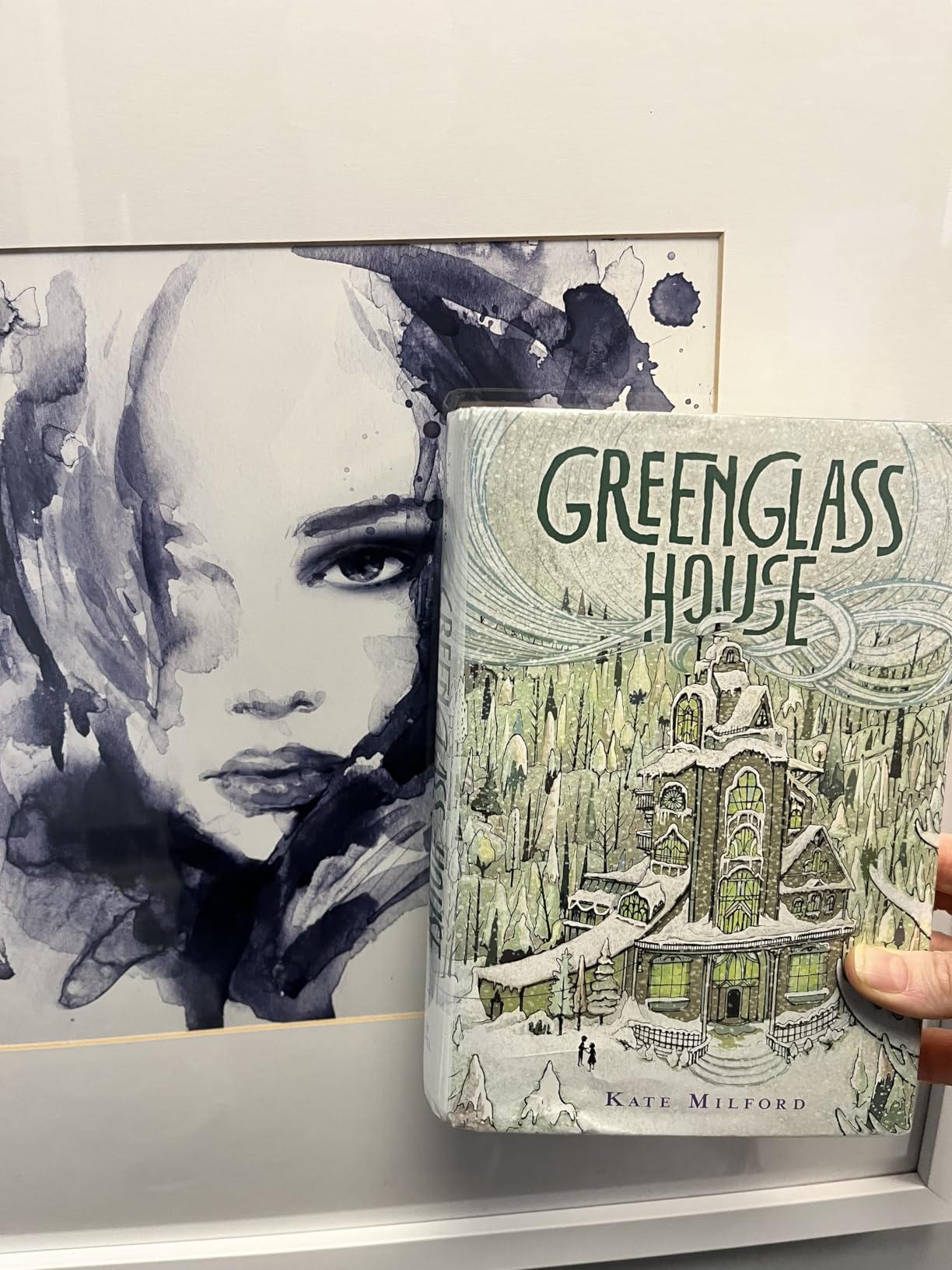
11. Greenglass House by Kate Milford – A Cozy Winter Mystery for Patient Listeners
Pros
- Great mystery with well-developed characters
- Imaginative twist ending that surprises readers
- Handles adoption and identity themes sensitively
- Engaging for both children and adults
Cons
- Some readers find characters hard to track
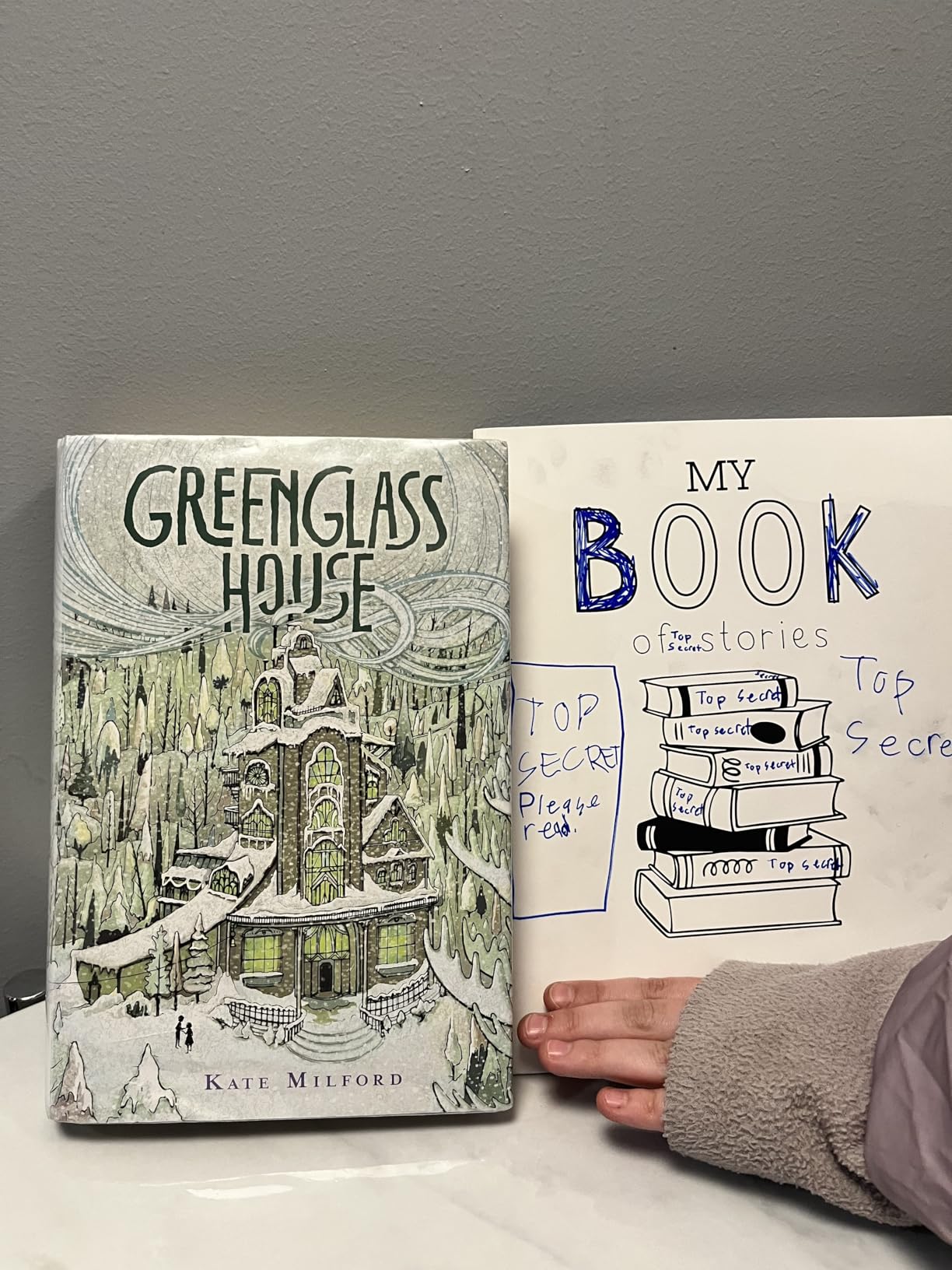
Milo lives in a smuggler’s inn during winter break. When guests start arriving for no apparent reason and things go missing, Milo and his friend Meddy set out to solve the mystery. Greenglass House is the rare read-aloud that makes adults lean in just as hard as the kids.
I tried this with my own family and the chapters are slightly longer than other books on this list, so I would recommend it for older listeners or for families who already have a read-aloud rhythm. The payoff is worth the patience.
The audiobook by Chris Andrew Ciula has good pacing and helps if you have a listener who struggles to keep large casts straight.
For whom it’s good
Greenglass House works well for ages 9-13, mystery lovers, and any family who enjoys a layered plot. It is also a thoughtful pick for kids processing questions about identity or adoption.
For whom it’s bad
It is not the best fit for short attention spans. If your family prefers shorter reads, choose Sideways Stories from Wayside School instead.
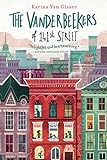
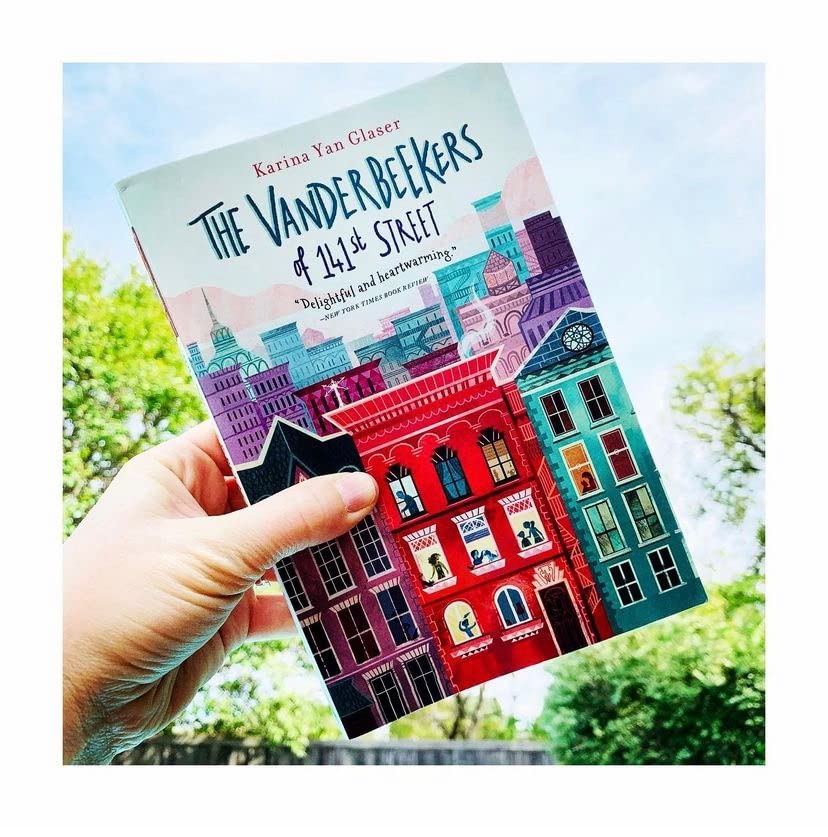
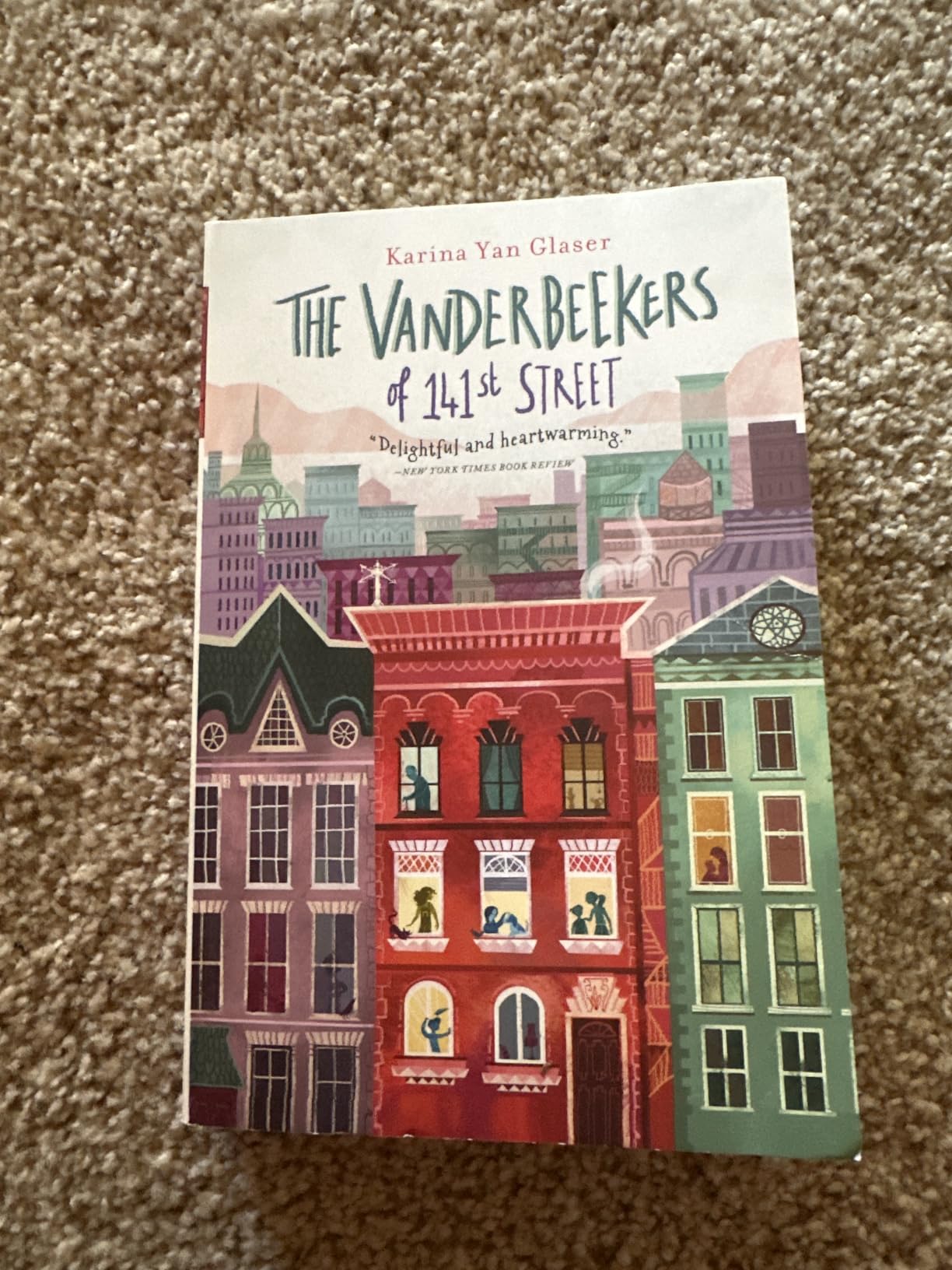
12. The Vanderbeekers of 141st Street by Karina Yan Glaser – A Family Story With Heart
The Vanderbeekers of 141st Street: An NYT Bestselling Novel About Family and Home for Children (Ages 8–12)
Family story
320 pages
Grades 3-7
Ages 8-11
Pros
- Heartwarming family story with strong sibling dynamics
- Features a diverse Harlem community
- Charming black-and-white illustrations throughout
- Beloved series starter
Cons
- Some readers find the cast large
The Vanderbeekers are five kids, two parents, three pets, and one curmudgeonly landlord who wants them out by New Year’s. The race to change his mind is the kind of family story that rewards nightly reading. I read this with my kids and we ended up talking about our own neighbors for weeks.
This is a strong pick for mixed-age families because each of the five Vanderbeeker kids has a different personality, and at least one of them will remind your listener of themselves.
There are six more books in the series, which gives you a long runway if your family wants to keep going.
For whom it’s good
The Vanderbeekers is great for ages 8-11, families with multiple kids, classroom units on community, and any reader who enjoys character-driven contemporary fiction.
For whom it’s bad
It is not the best fit if your child wants adventure or fantasy. If your family prefers mystery, choose Greenglass House instead.
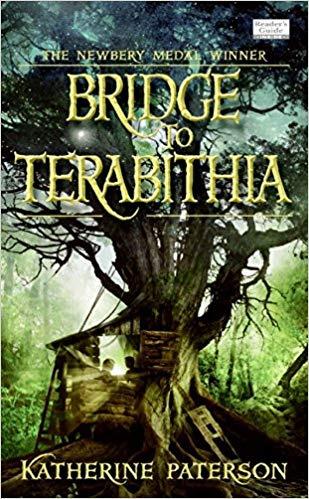
13. Bridge to Terabithia by Katherine Paterson – A Newbery Classic About Loss
Bridge to Terabithia: A Story About Friendship, Imagination, and Loss
Newbery Medal
192 pages
Grades 3-7
Ages 9+
Pros
- Classic story about friendship and imagination
- Beautifully written and profound
- Helpful for discussing death and grief with children
- Imaginative world-building with Terabithia
Cons
- Deals with heavy themes of death and tragedy
Bridge to Terabithia has been making kids cry since 1977, and it still works. Jesse and Leslie create an imaginary kingdom in the woods, and the story that follows is about friendship, courage, and the kind of loss that changes a kid forever.
I will be honest. This is the most emotionally intense book on the list. I almost did not include it. But I have seen it help real kids process real grief, and I think it belongs in any honest conversation about best read-aloud books to keep older kids engaged. Read it with care, and pause often.
The audiobook by Robert Sean Leonard is a beautiful companion if you want a shared listening rather than a parent-led read-aloud.
For whom it’s good
Bridge to Terabithia is ideal for ages 9-13, families willing to discuss grief, classroom units on resilience, and any child who loves imaginative play. It is one of the best books to read aloud with a sensitive child.
For whom it’s bad
It is not the right book for kids who are actively grieving without support, or for families who want pure escapism. Choose The Wild Robot if you need something gentler.
14. Flora and Ulysses by Kate DiCamillo – A Superhero Squirrel With Real Charm
Flora and Ulysses: The Illuminated Adventures (A Middle-Grade Novel About a Cynical Girl and a Superhero Squirrel – For Kids Ages 8-12 in Grades 3-7)
Newbery Medal
256 pages
Grades 3-7
Ages 8-11
Pros
- Quirky funny story with a unique voice
- Features a superhero squirrel
- Valuable lessons about friendship and trust
- Great for read-alouds with dramatic potential
Cons
- Plot can feel episodic
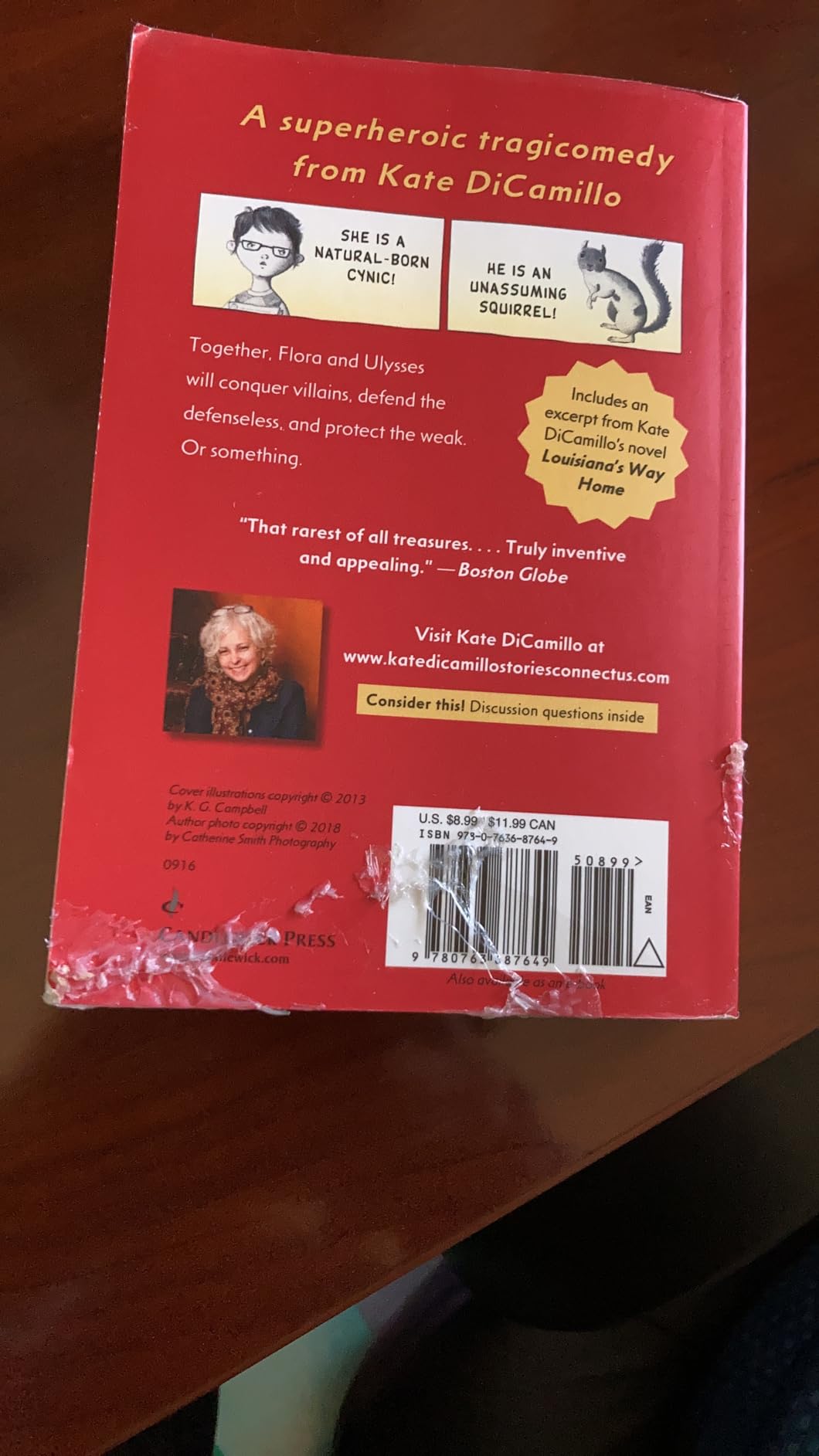
Flora Belle Buckman is a self-described cynic. Ulysses is a squirrel who gets vacuumed up and develops superpowers. Together they go on illuminated adventures, and the book has some of the best voice work in middle-grade fiction.
For read-alouds, the squirrel scenes are gold. You can give Ulysses a high squeaky voice and Flora a flat serious one and watch your listeners grin every time the chapters alternate.
For whom it’s good
Flora and Ulysses works well for ages 8-11, families who like quirky humor, classroom units on storytelling, and any kid who has a soft spot for animals. It is also a strong pick for graphic-novel fans because of its comic-style interludes.
For whom it’s bad
If your family prefers realistic fiction, the talking squirrel may feel too whimsical. If you want a tighter plot, choose Holes instead.
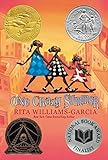
15. One Crazy Summer by Rita Williams-Garcia – Civil Rights Era Through a Child’s Eyes
One Crazy Summer: A Newbery Honor Winner―A Moving Novel About Family, Activism, and Self-Discovery in 1960s America
Newbery Honor
240 pages
Grades 3-7
Ages 9-11
Pros
- Rich historical context of 1960s civil rights era
- Realistic portrayal of three sisters
- Introduces children to Black Panther history
- Strong character voice and storytelling
Cons
- Deals with heavy adult themes
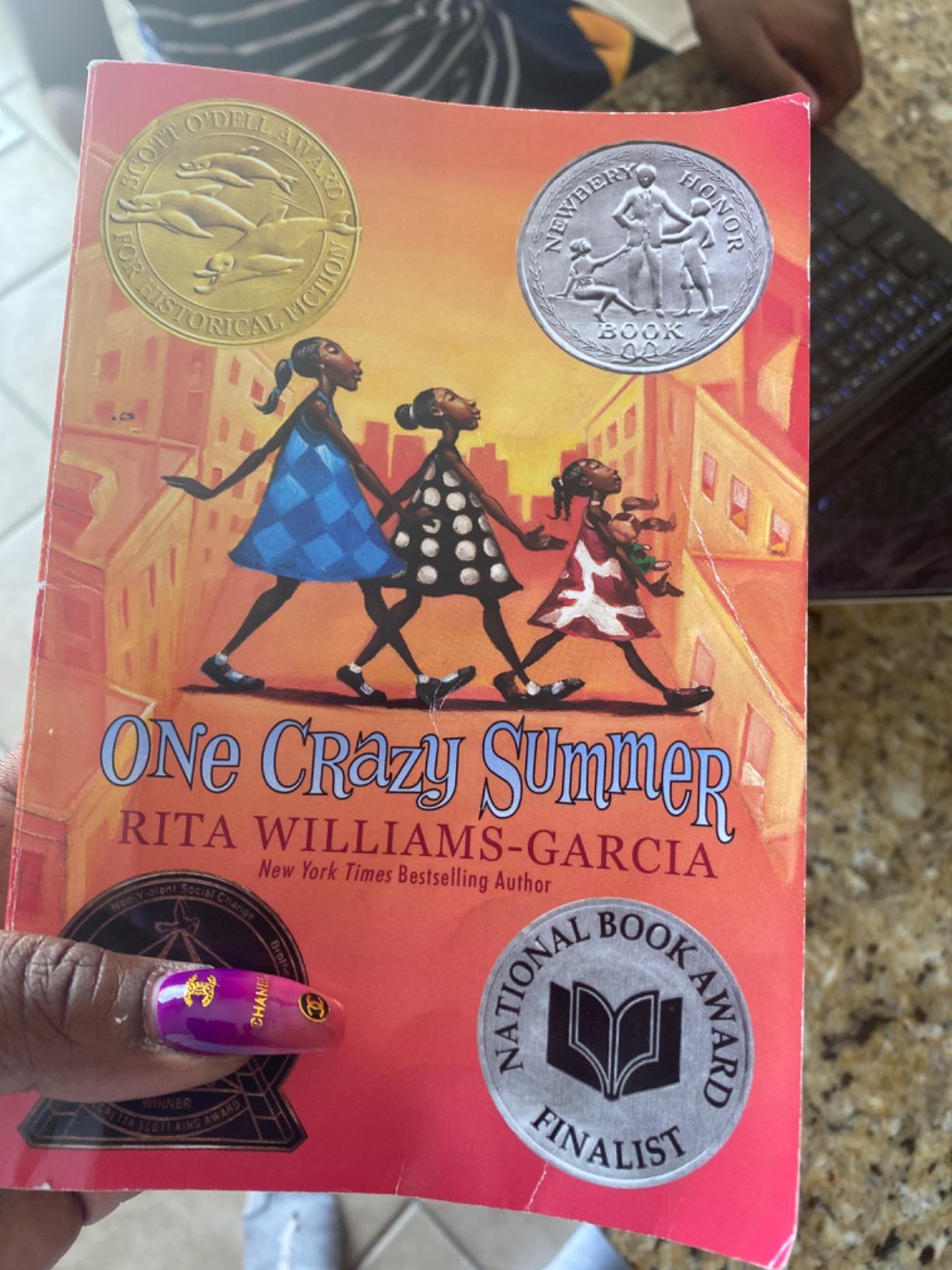
Three sisters fly from Brooklyn to Oakland in 1968 to spend a summer with the mother who left. She sends them to a Black Panther summer camp. What follows is one of the most honest portrayals of family I have ever read aloud.
Delphine, the eldest narrator, has a voice that practically performs itself. I read this with my niece and we both paused multiple times to discuss what was happening between adults in the scene.
For whom it’s good
One Crazy Summer is ideal for ages 9-12, families interested in history, classroom units on civil rights, and any reader who loves a strong older-sister voice. It is the start of a trilogy.
For whom it’s bad
It is not the right pick if your family wants pure fun or escapism. It includes some heavy themes around abandonment, and the mother character is intentionally complicated. If that is not what your listener needs right now, choose The Vanderbeekers instead.
How to Choose Read-Aloud Books for Older Kids
After months of testing these books, I noticed the families who kept read-aloud going longest shared a few habits. Here is what I would pass along if you are just starting back into chapter book read-alouds with an older child, or restarting after a long break.
Pick books slightly above their independent reading level. Read-alouds are a chance to share stories your child cannot quite get to on their own yet. If your 9-year-old reads at a fourth-grade level, look at fifth- and sixth-grade chapter books. That is where the magic is.
Choose short chapters and clear stakes. Every book on this list has chapters between 2 and 10 pages, and almost every chapter ends with a small cliffhanger. That matters more than you think. Long expository chapters kill read-aloud momentum faster than anything.
Use voices, but only the ones you can sustain. You do not need to perform. Even a slightly different pitch for the main character helps. If your child likes drama, ask them to take a character’s voice for a chapter.
Mix humor with weight. Our most-requested book on this list was The Wild Robot, which is funny AND emotional. The combination works because kids need both relief and meaning in the same sitting.
Consider audiobooks as a companion. Many of these titles have award-winning audiobook versions. Pairing a print read-aloud with a road trip audiobook of the same book is a great way to keep momentum when life gets busy.
For mixed-age groups, choose ensemble casts. If you are reading aloud to a 9-year-old and a 13-year-old, books like The Vanderbeekers, Restart, and Wonder have characters across age groups. Everyone finds a favorite.
Don’t be afraid to abandon a book. I have abandoned three books mid-read-aloud in the last year. Life is short. The next book on the shelf is waiting. There are no medals for finishing a book nobody is enjoying.
Frequently Asked Questions
What are some good read aloud books for older kids?
Strong middle-grade picks for read-alouds with older kids include The Wild Robot by Peter Brown, The One and Only Ivan by Katherine Applegate, Wonder by R. J. Palacio, Holes by Louis Sachar, and Hatchet by Gary Paulsen. Look for short chapters, humor, and at least one voice the reader can perform.
What are some good books to read aloud as a family?
Family-friendly read-alouds that work across ages include The Vanderbeekers of 141st Street, Restart, Wonder, Flora and Ulysses, and The Unteachables. These books have ensemble casts, gentle humor, and themes that spark good conversation without going too dark.
What is the best children’s book to read aloud?
The Wild Robot by Peter Brown is our top pick. It has short chapters perfect for bedtime, a gentle voice, themes of compassion and survival, and appeal across ages 7 through 14. Wonder and The One and Only Ivan are close runner-ups.
What age should you stop reading aloud to kids?
There is no age at which you have to stop. Many families read aloud through middle school and into high school, especially with series like Harry Potter, Percy Jackson, or chapter books like Restart. As long as your child enjoys it and you have the time, read-aloud remains valuable well past independent reading age.
Final Thoughts on Read-Aloud Books for Older Kids
If you take one thing from this guide, let it be this: there is no expiration date on being read to. Some of the strongest reading memories my kids have are from chapter book read-alouds we did at ages 10, 11, and 12. If you want a starting point, begin with The Wild Robot for short chapter momentum, Wonder for character depth, or Holes for mystery. Each one has earned its place on the list of best read-aloud books to keep older kids engaged.
Pick one. Carve out fifteen minutes before bed. Read one chapter out loud. Then read one more when they ask. The book does the rest.