

I sat on the couch with my 4-year-old curled on my left and my 10-year-old sprawled on my right, both staring at me with identical expectant looks. I cracked open the chapter book I had chosen and started reading aloud. Within ten minutes, the younger one was squirming, and the older one was rolling her eyes. Sound familiar? That was the night I went searching for the best read-aloud books for multiple ages at once and discovered that the secret isn’t one magical title. It’s a stack of carefully picked books that bridge the gap between toddlers and tweens.
After a decade of reading aloud to my own kids (and the many kids who wandered through our homeschool days), I’ve learned what works. A great multi-age read-aloud holds a 4-year-old’s attention through humor and rhythm while still giving a 12-year-old something to think about. It usually has layers: silly enough for the youngest listeners, meaningful enough that older kids don’t feel babied. The 15 books on this list have passed that test in our living room, and many of them came recommended by thousands of other families too.
This guide pulls together what I have learned from reading aloud every single night, plus insights from thousands of parent reviews, homeschool forums, and reading specialists. I will walk you through my top picks, share what makes each one work for a wide age range, and explain how to choose the right book for your family. Whether you have a toddler and a tween, two close-in-age kids, or a multi-child classroom, you will find something here that works.
Table of Contents
Top 3 Picks for Read-Aloud Time
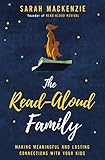
The Read-Aloud Family by…
- Strategies for multi-age reading
- Book lists by age
- Conversation prompts

Best Read-Aloud Books for Multiple Ages at Once in 2026
1. The Read-Aloud Family: The Multi-Age Reading Handbook
The Read-Aloud Family: Making Meaningful and Lasting Connections with Your Kids
288 pages
Research-backed tips
Age-based book lists
Pros
- Practical strategies for multi-age reading
- Curated lists from ages 0-teen
- 10 conversation-starter questions
Cons
- Author's faith-based perspective may not suit all
- Some overlap with podcast content
Sarah Mackenzie’s The Read-Aloud Family sits on my nightstand, dog-eared and highlighted, and for good reason. This is the book I recommend to any parent who wants to make reading aloud a daily habit with kids of different ages. It addresses the exact struggle that brings most families to this article: how do you read one book that holds both a kindergartner and a middle schooler?
I read this book cover to cover when my older daughter was in kindergarten and my younger one was still a toddler. Mackenzie’s approach is refreshingly practical. She breaks down how to choose books by age, how to keep younger kids engaged during longer chapter book sessions (quiet activities like coloring or LEGO), and how to use read-aloud time as a springboard for real conversations. Her “10 questions to ask after reading” framework has transformed our family discussions.
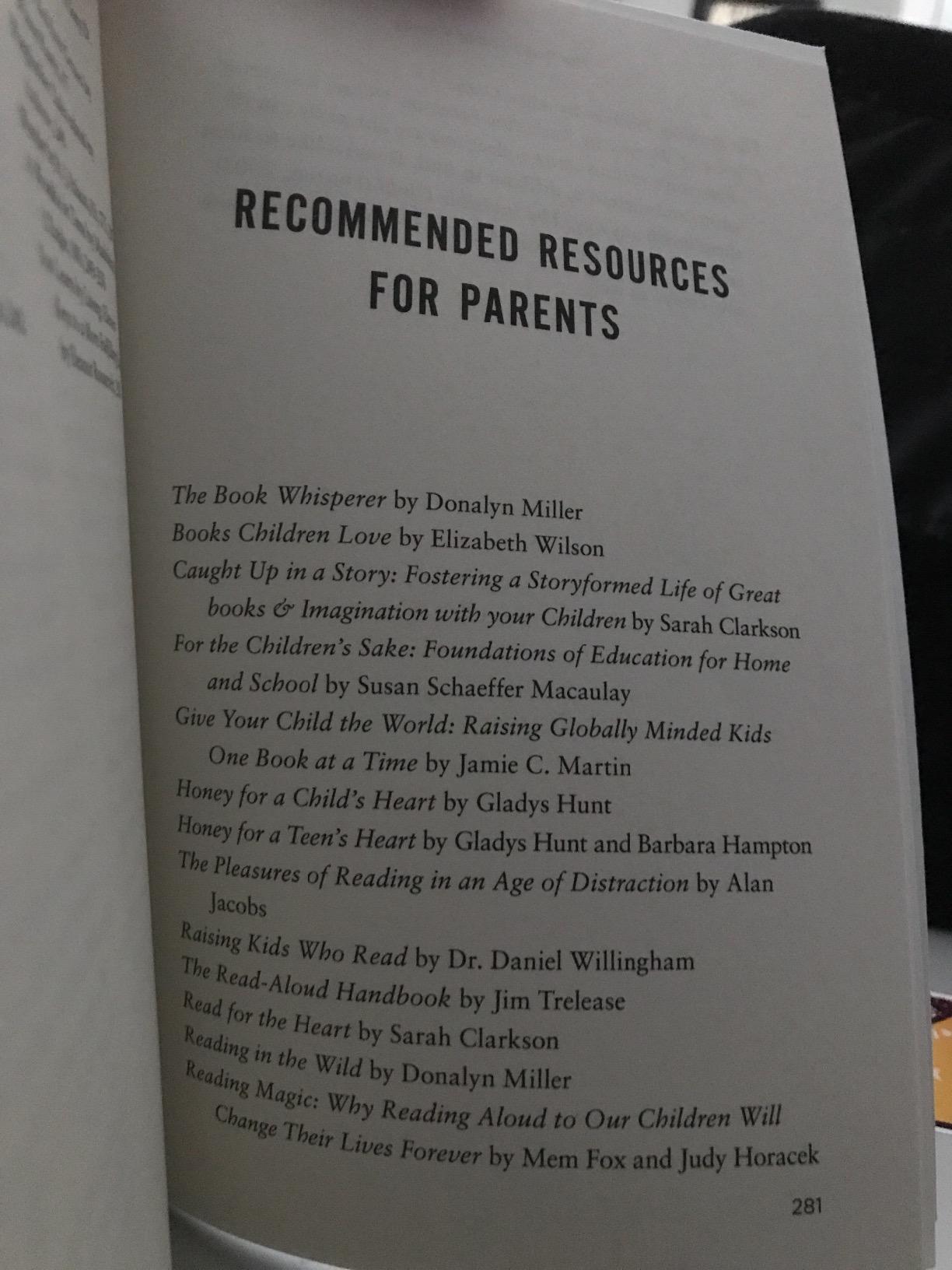
The age-based book lists alone are worth the price. Mackenzie has compiled her favorite read-alouds for every stage from baby to teenager, which saved me hours of standing in the library staring at spines. Her recommendations lean toward classic literature and character-driven stories, which matches my taste perfectly. She also includes Newbery winners, Caldecott picks, and overlooked gems I would never have found on my own.
One of my favorite chapters focuses on the science behind why reading aloud works for older kids too. Mackenzie cites research showing that kids’ listening comprehension typically outpaces their reading comprehension by several grade levels. That means your 7-year-old can follow a story written at a 4th-grade level when you read it aloud, even if she cannot read those words herself yet. That single insight changed how I picked books for my kids.
How it handles multiple ages
Mackenzie gives specific scripts and strategies for handling age gaps at read-aloud time. She addresses how to handle the squirmy toddler, the easily distracted 7-year-old, and the tween who suddenly thinks read-aloud is “babyish.” I have used her tips to keep all three of my kids engaged during longer chapter book read-alouds.
The book is genuinely practical. There are sample read-aloud schedules, ideas for what to do when kids lose interest, and ways to bring back resistant listeners. If you only buy one book from this entire list, make it this one. It will give you the framework you need to use all the other titles well.
What it does not cover
Mackenzie writes from a Christian worldview, which shows up in some of her book recommendations and reflection questions. If your family uses a secular library exclusively, you will want to skim some sections. Also, if you already follow her Read-Aloud Revival podcast, much of this book will feel familiar.
2. The 20th-Century Children’s Book Treasury: A Classic Anthology

The 20th-Century Children’s Book Treasury: Picture Books and Stories to Read Aloud
44 classic stories
320 pages
Color-coded ages
Pros
- 44 stories in one volume
- Color-coded reading levels
- Vivid illustrations
Cons
- Age levels intermixed throughout
- Thin paper stock
- Some illustrations missing
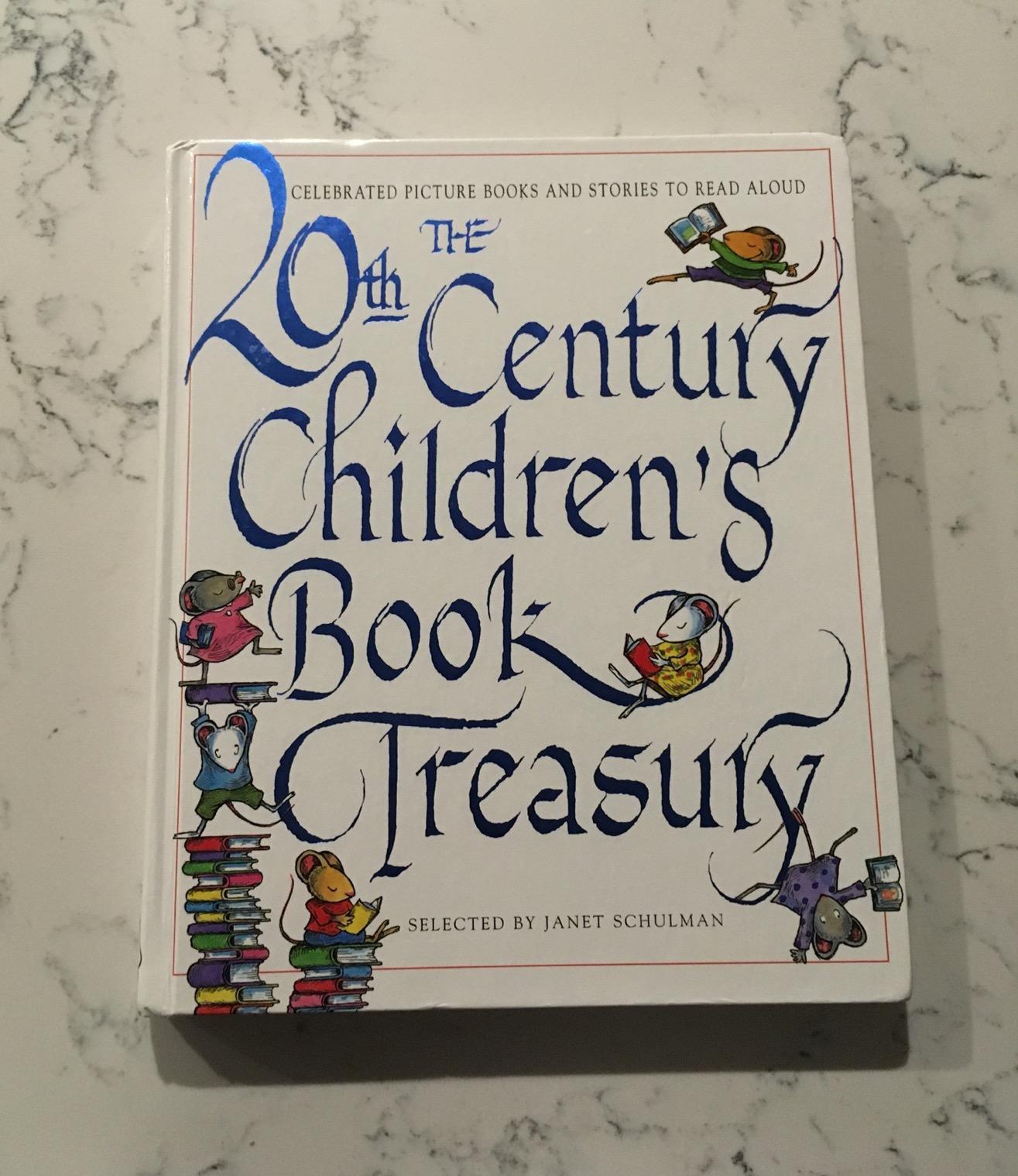
When my kids were small, I wanted a single volume that gave me options for any mood or moment. Janet Schulman’s The 20th-Century Children’s Book Treasury became that resource. It collects 44 beloved picture book stories in one hardcover anthology, including works by Margaret Wise Brown, Eric Carle, Dr. Seuss, and Maurice Sendak. For families with multiple ages, this is the ultimate grab-and-go resource.
The genius of this collection is the color-coded age system. Each story is labeled with a red, green, or blue band to indicate whether it works best for younger toddlers (red), preschoolers (green), or early elementary (blue). I have used this book countless times when one child wants a short story and the other wants something longer. I can flip to the right section and find an appropriate tale in seconds.
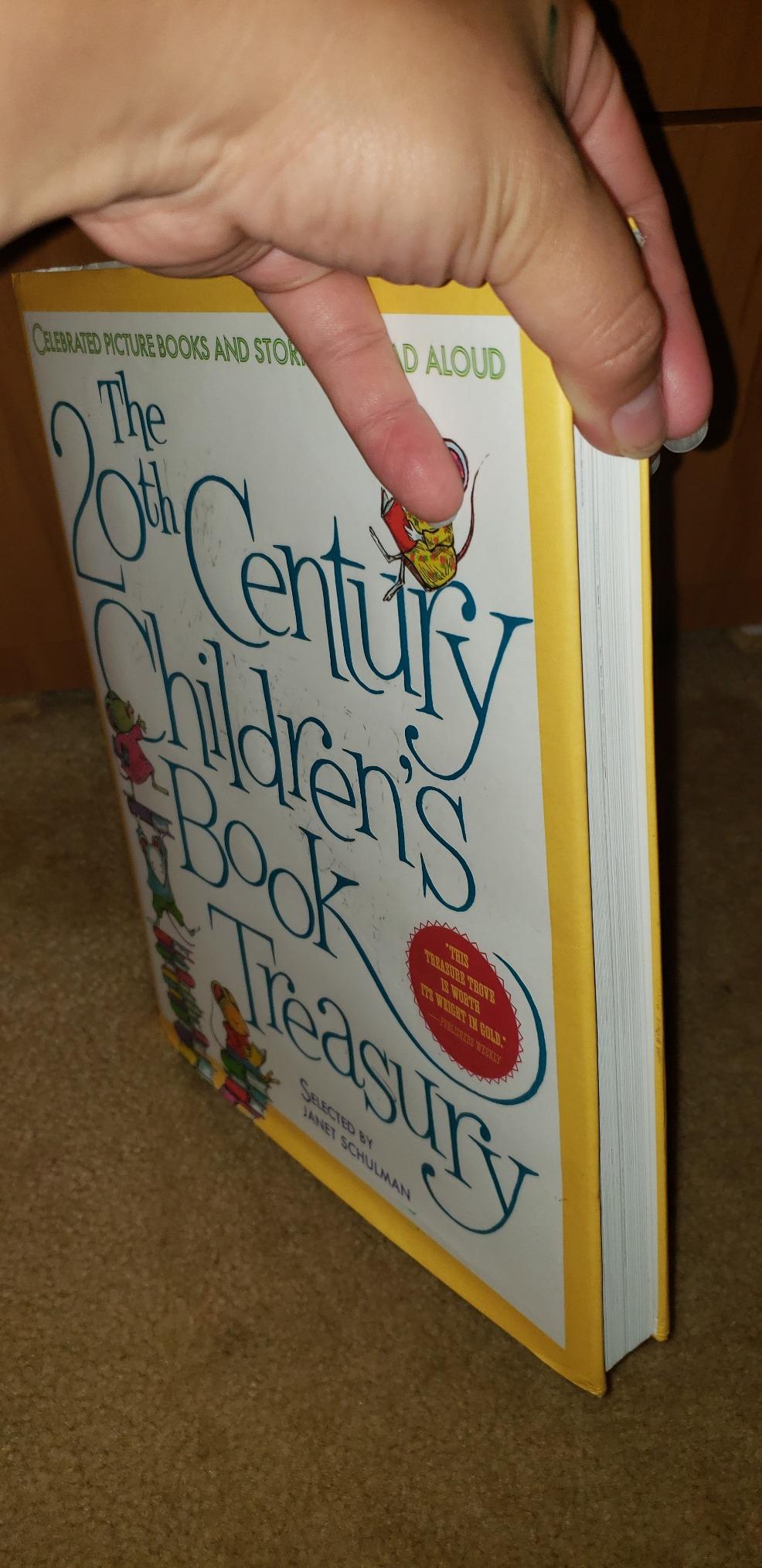
The illustrations are what make this anthology special. Stories like “The Very Hungry Caterpillar” and “Where the Wild Things Are” appear in their original full-color art. For a family that wants the cultural touchstones of childhood without buying 44 separate books, this is an excellent value. My kids revisited these stories over and over through their elementary years.
That said, this book is best as a library resource or supplement to your home library. The paper stock is thin because the book is so thick, and a few of the classic illustrations appear smaller than they would in the original picture book editions. Still, for family read-aloud time with mixed ages, having 44 options in one place is unbeatable.
Best for short attention spans
Picture books work brilliantly when you have a wide age range because each story is self-contained. If the 4-year-old loses interest midway through, you simply close the book and pick a different one next time. There is no plot to lose, no chapter you have to backtrack through. This anthology lets you match the length of the read-aloud to the mood of the room.
Limitations to know
The age band system is helpful, but the stories are not sorted by age within the book. You will need to flip through the color-coded table of contents to find stories for a specific age group. Also, because the book was published in 1998, it does not include more recent classics. For a 21st-century update, you might pair this with newer anthologies.
3. Hey! Listen to This: Stories to Read Aloud

Hey! Listen to This: Stories to Read Aloud
432 pages
Story excerpts
Author bios
Pros
- Perfect length for single sessions
- Author introductions and postscripts
- Discover new authors
Cons
- Selection skews toward books for boys
- Some stories less engaging
Jim Trelease, author of the legendary “Read-Aloud Handbook,” compiled this anthology of short story excerpts specifically for read-aloud sessions. Hey! Listen to This is designed for parents, teachers, and librarians who want bite-sized stories they can finish in one sitting. For families with mixed ages, this solves a real problem: finding stories that hold attention without requiring a 30-minute commitment.
Each story in this collection is paired with an author introduction and a postscript recommending other books by the same author. I discovered more new-to-me authors from this anthology than from almost any other single resource. Trelease has a gift for picking stories that read aloud beautifully, with strong dialogue and natural rhythm.
The variety here is impressive. You get folk tales, modern realistic fiction, humor, adventure, and historical pieces. I have used this book for impromptu read-alouds when my kids wanted “just one more story” at bedtime, and for homeschool morning time when we had 20 minutes to fill. The excerpts are short enough that even young listeners stay engaged.
Why it works for mixed ages
Short stories are a secret weapon for multi-age read-aloud. Unlike a chapter book where you must keep going to follow the plot, a short story has a complete arc in 10-15 minutes. Younger kids get satisfaction from finishing a whole story. Older kids get more sophisticated content than a typical picture book. Everyone wins.
What to watch out for
Some reviewers note that the selection skews toward stories featuring boys as protagonists, which may not appeal to all families. Also, the book was published in 1992, so it does not include more contemporary authors. Still, for discovering classic read-aloud material you might have missed, this anthology is gold.
4. Interrupting Chicken: A Hilarious Bedtime Book

Interrupting Chicken: (Funny Read Aloud Children’s Picture Book About Surprises, Fairy Tales, and Storytelling for Kids Ages 4-8)
40 pages
Caldecott Honor
Ages 4-8
Pros
- Caldecott Honor winner
- Hilarious chicken expressions
- Interactive storytime
Cons
- Some find illustrations small
- Not effective for teaching about interrupting
David Ezra Stein’s Interrupting Chicken won the Caldecott Honor, and it earned every bit of that recognition. The premise is simple: a little red chicken keeps interrupting the bedtime stories her papa reads aloud. Each time the story reaches a suspenseful moment (“And then the wolf huffed and puffed and…”), the chicken jumps in with her own version. It is the kind of book that makes adults laugh as hard as the kids.
I have read this book aloud at family gatherings, in classrooms, and at bedtime dozens of times. It works every single time. The humor lands at multiple levels. Younger kids love the surprise of the chicken’s interruptions. Older siblings and adults appreciate the meta-joke about classic fairy tales. My 9-year-old still requests this book occasionally, years past the target age range.
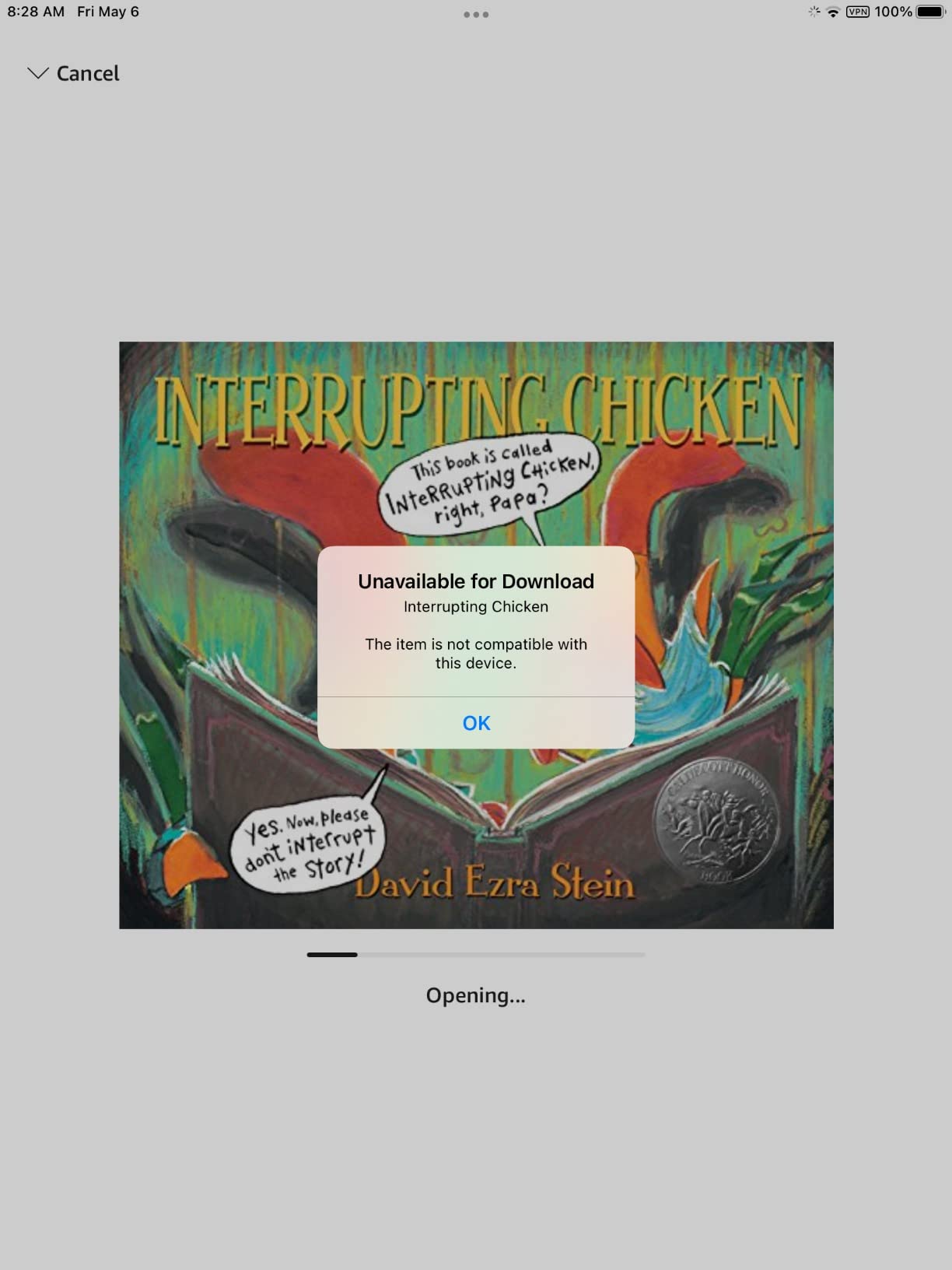
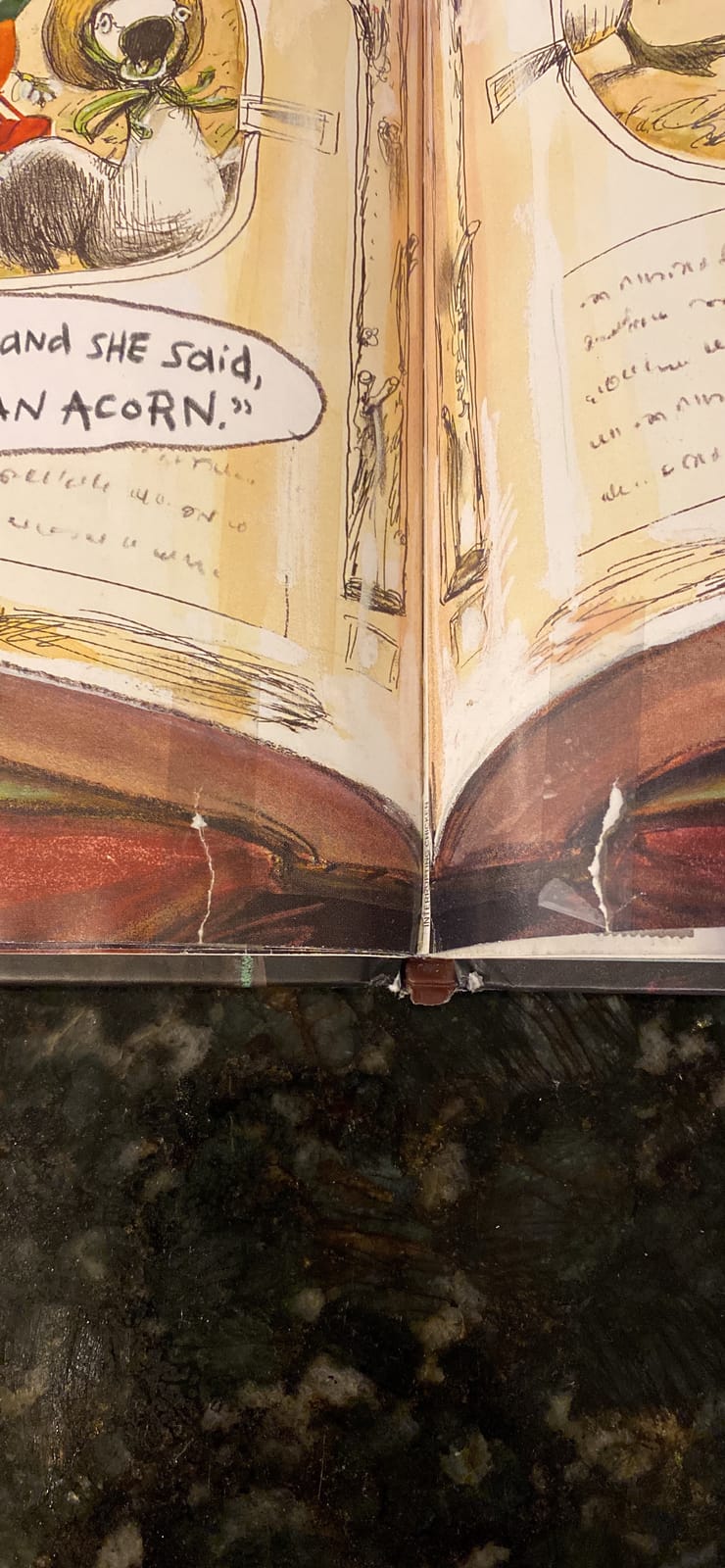
The illustrations are what elevate this book. Stein captures the most expressive chicken face I have ever seen in a children’s book. The little red chicken’s eyes convey shock, determination, smugness, and tenderness. The fairy tale scenes within the story are drawn in a different style, creating a charming contrast between the real world and the stories-within-the-story.
Beyond the humor, this book opens conversations about storytelling itself. Why do we tell stories? What makes a good story? How do different tellers change the same tale? I have had wonderful discussions with my kids about how the chicken’s versions are different from the traditional ones, and which they prefer.
Why it spans ages
The picture book format keeps it accessible to younger listeners, but the humor and the fairy tale references give older kids something to chew on. I have successfully read this aloud to mixed groups ranging from 4 to 11, and every kid laughed in the right places. It is also a wonderful book for emerging readers to “read” along because the text is simple but the comedy is sophisticated.
Considerations
Some reviewers note that the book does not actually teach kids not to interrupt (which makes sense, because the whole joke is that interrupting is funny). If you are looking for a book to address interrupting behavior, you will want a different title. But if you want a book that celebrates the joy of storytelling, this is perfect.
5. The Magical Yet: A Growth Mindset Picture Book

Pros
- Powerful growth mindset message
- Inclusive diverse illustrations
- Beautiful design details
Cons
- Overly simplistic for some older children
Angela DiTerlizzi’s The Magical Yet is one of those rare picture books that resonates across age groups because its message is genuinely universal. The book personifies “Yet” as a friendly creature that shows up whenever a child says “I can’t.” It teaches the growth mindset principle that struggle is part of learning, and that “I can’t do it” really means “I can’t do it yet.”
I bought this book for my younger daughter when she was struggling with learning to read. Within a week, both of my kids were using the word “yet” as a kind of magic spell. When homework got hard, my 9-year-old started saying, “I don’t understand fractions… yet.” The book gave us a shared language for perseverance that we still use years later.
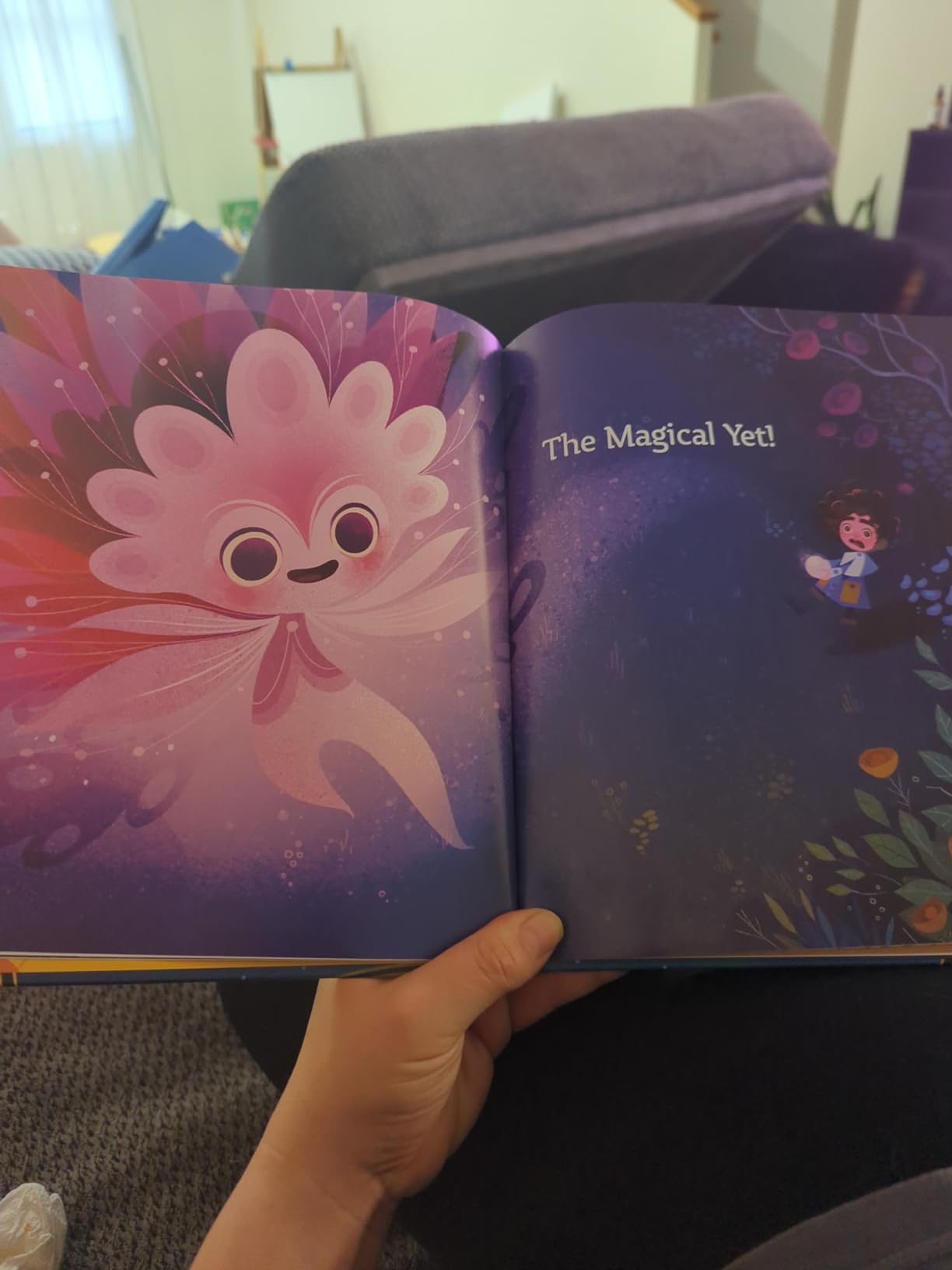
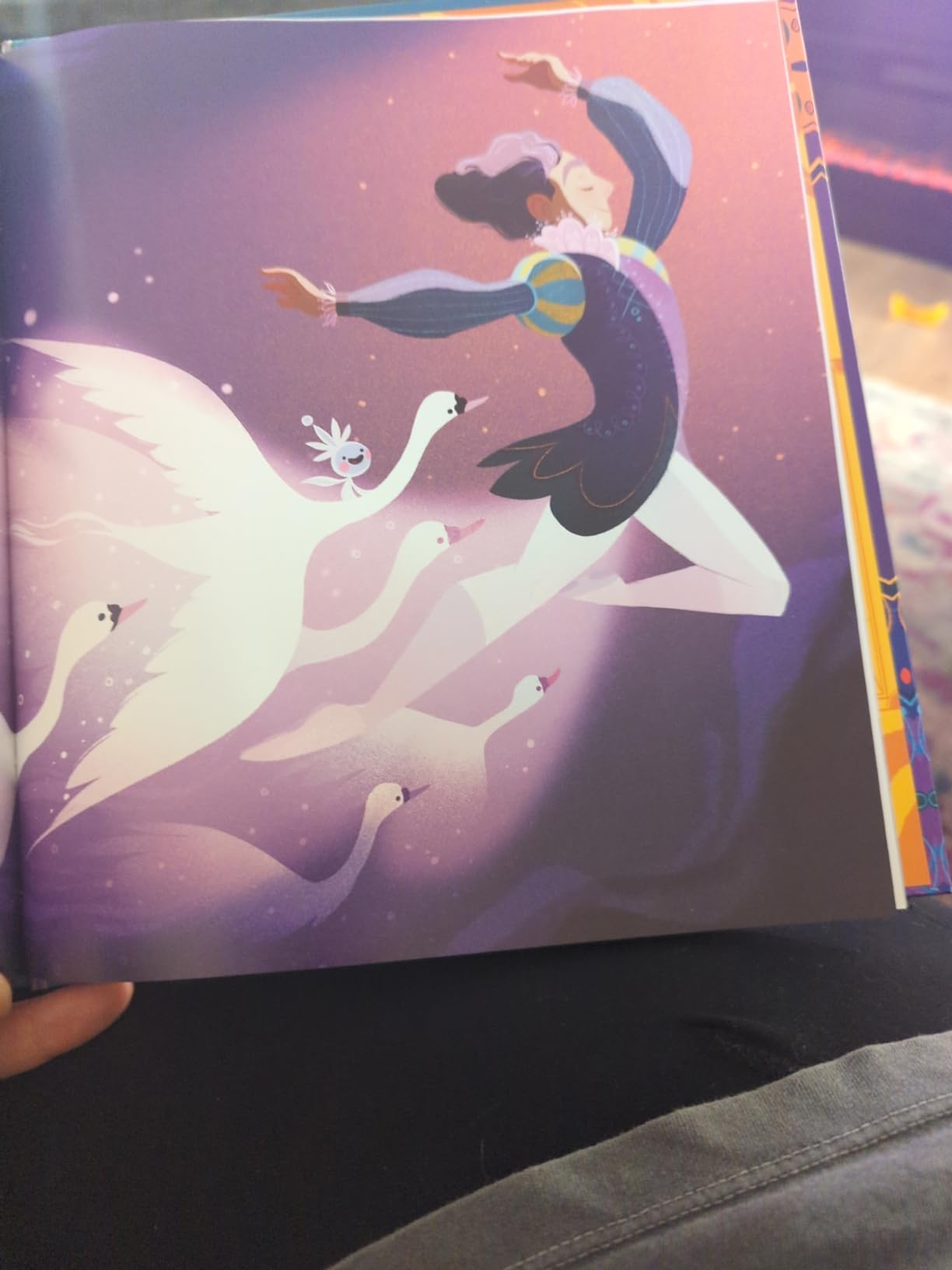
The illustrations by Lorena Alvarez Gómez are stunning. The Yet is a soft, friendly creature rendered in warm colors, surrounded by kids of all backgrounds. There is non-binary representation, kids with disabilities, kids of different ethnicities. My kids saw themselves in the pictures, and so did their friends when we read it in groups. The dust jacket and endpapers are also beautiful, which makes this a great gift book.
What makes this book work for multiple ages is its layered message. A 4-year-old hears a sweet story about a magical creature. A 7-year-old starts to understand the idea that learning takes time. A 10-year-old begins to apply the concept to their own struggles. We have read this book at the start of every school year since we discovered it.
Where it shines
This book is perfect for back-to-school read-alouds, moments when a child is feeling discouraged, or family discussions about challenges. The rhyming text makes it a pleasure to read aloud, and the message sticks. I have given this book as a gift to friends going through hard seasons, and it always lands well.
Limitations
Some reviewers mention that older elementary kids may find the text too simple on its own. In our experience, the message carries even when the language is straightforward. But if you have a tween who resists picture books, you may want to frame this one as a starting point for a bigger conversation.
6. The Rabbit Listened: A Story About Empathy

Pros
- Beautiful message about listening
- Calming illustrations
- Simple but profound
Cons
- Message may be too subtle for some
Cori Doerrfeld’s The Rabbit Listened hit me hard the first time I read it, and I have returned to it many times since. The story is simple: a child named Taylor builds something out of blocks, and when it falls down, various animals offer advice. “Build it again!” says the chicken. “Get angry!” says the elephant. “Tell someone!” says the bear. Only the rabbit sits quietly and listens. That is what Taylor actually needed.
For families with multiple ages, this book works on several levels. Toddlers and preschoolers respond to the sweet illustrations and the gentle resolution. Elementary-aged kids start to understand the deeper message about empathy and listening. And parents get a powerful reminder that sometimes our kids do not need our advice. They just need us to be present.
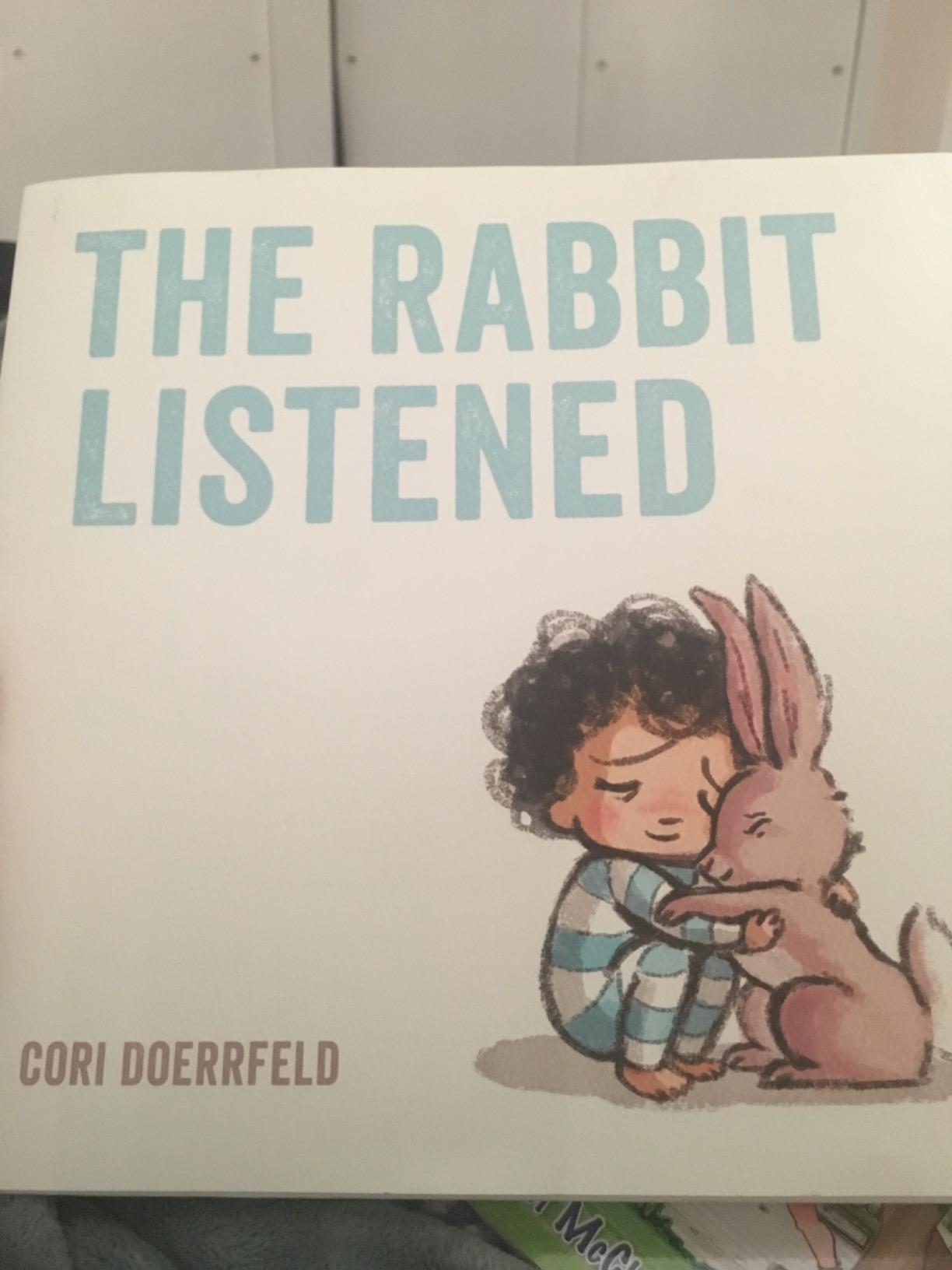
The illustrations are calming and warm, with soft colors that make this book perfect for bedtime or quiet moments. I have used it as a starting point for conversations about feelings, friendship, and how to be a good listener. My kids now reference the rabbit when someone in our family is upset, saying, “Let’s just be the rabbit.”
What surprises me about this book is how it appeals to older readers too. I read it to a group of middle schoolers once during a leadership workshop, and they were quiet and reflective by the end. The message about listening is one that resonates at any age.
Why it works for siblings
If you have kids who bicker, this book is a gift. It models what healthy emotional support looks like, and it gives kids vocabulary for when they need to be heard rather than fixed. We have used it as a springboard for teaching our kids how to comfort each other when one of them is upset.
What to consider
The story is subtle, which some reviewers love and others find underwhelming. If your kids prefer books with more plot or action, this one may feel slow. But for families who value emotional intelligence and quiet wisdom, this book is a treasure.
7. The Day the Crayons Quit: A Hilarious Family Favorite
Pros
- Clever humorous concept
- Distinct crayon personalities
- Beautiful illustrations by Oliver Jeffers
Cons
- Some controversy around one crayon's language
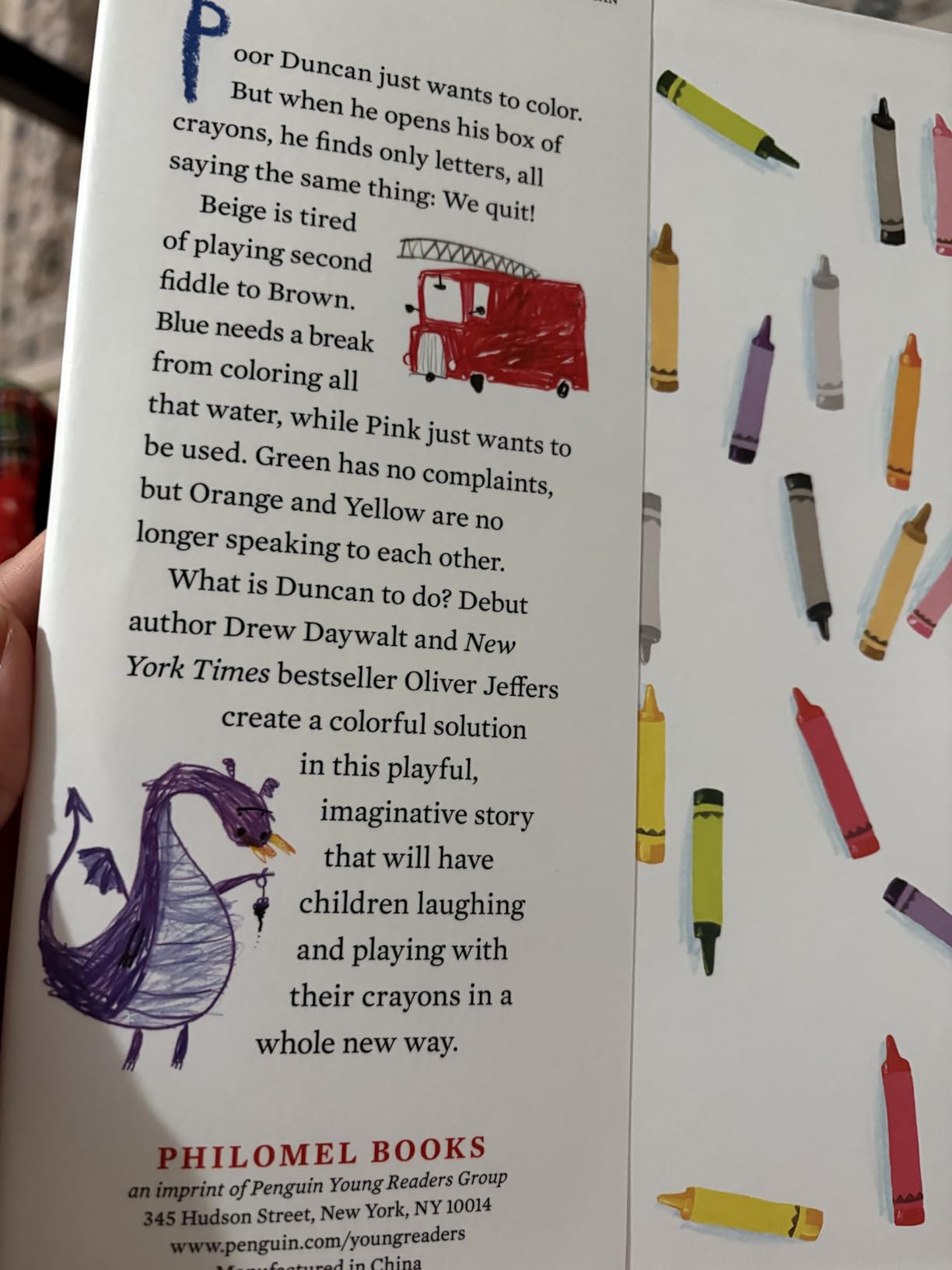
Drew Daywalt’s The Day the Crayons Quit is the book I have recommended most often to other families. The premise is irresistible: Duncan opens his crayon box to find letters from each color, explaining why they are on strike. Red is overworked. Blue is short and stubby. Beige is bored. Pink feels underused. It is a wildly creative concept executed perfectly.
When I first read this aloud, my 6-year-old was in hysterics. My 10-year-old was laughing for completely different reasons. That is the magic of this book. It works on multiple levels. Younger kids love the absurdity of crayons writing letters. Older kids appreciate the clever wordplay, the personality behind each color, and the deeper message about creativity and self-expression.
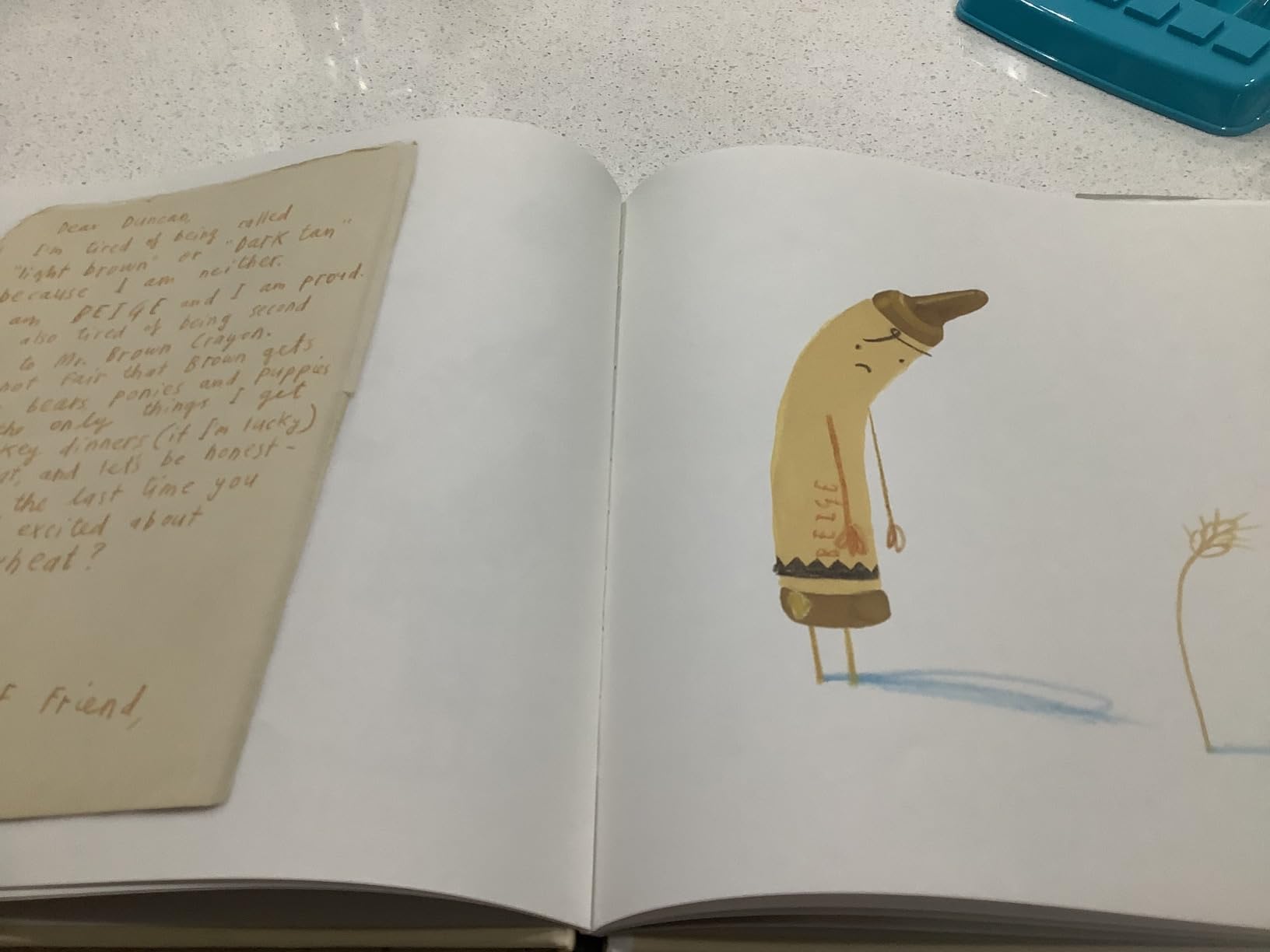
Oliver Jeffers’ illustrations are the secret weapon. His loose, expressive style brings each crayon to life. The beige crayon’s existential crisis is conveyed entirely through Jeffers’ art. The tiny, exhausted red crayon looks exactly how you imagine. This is the rare book where text and pictures tell equally important parts of the story.
Beyond the humor, this book opens conversations about perspective. Why might the crayons feel the way they do? What can Duncan do to make them happier? My kids have used these questions to explore empathy, problem-solving, and creative thinking. We have also read the sequels (The Day the Crayons Came Home, The Day the Crayons Saved the Rainbow), which are equally delightful.
Why it dominates the read-aloud scene
With more than 25,000 reviews and a 4.8-star average, this book has earned its place as a modern classic. It reads aloud beautifully, with natural rhythm in the crayon letters. It is short enough for a bedtime story but rich enough for repeated readings. And it works for any mix of ages from preschool through early elementary.
One note
Some reviewers mention that the black crayon’s letter contains mild language (frustration about being used only for outlines) that a few parents find objectionable. In our family, we skipped that section or paraphrased it. Most kids and adults find the book delightful.
8. Sam and Dave Dig a Hole: A Caldecott Honor Book

Sam and Dave Dig a Hole: (A Children’s Picture Book About Curiosity, Friendship, Perseverance, and Unexpected Discoveries for Kids Ages 4-8)
40 pages
Caldecott Honor
Ages 3-6
Pros
- Excellent humor for adults too
- Beautiful Jon Klassen illustrations
- Multiple layers of meaning
Cons
- Some found construction quality lacking
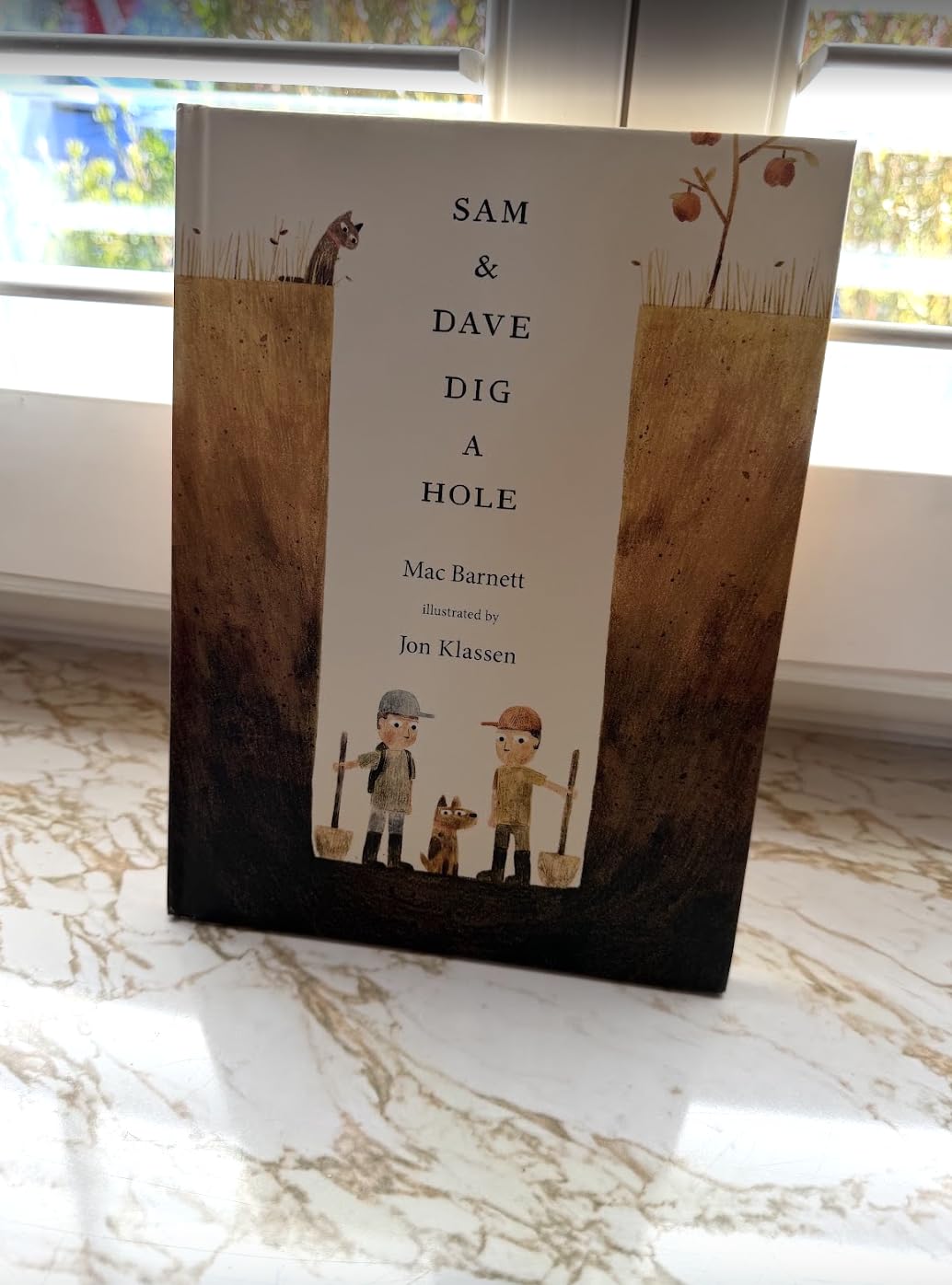
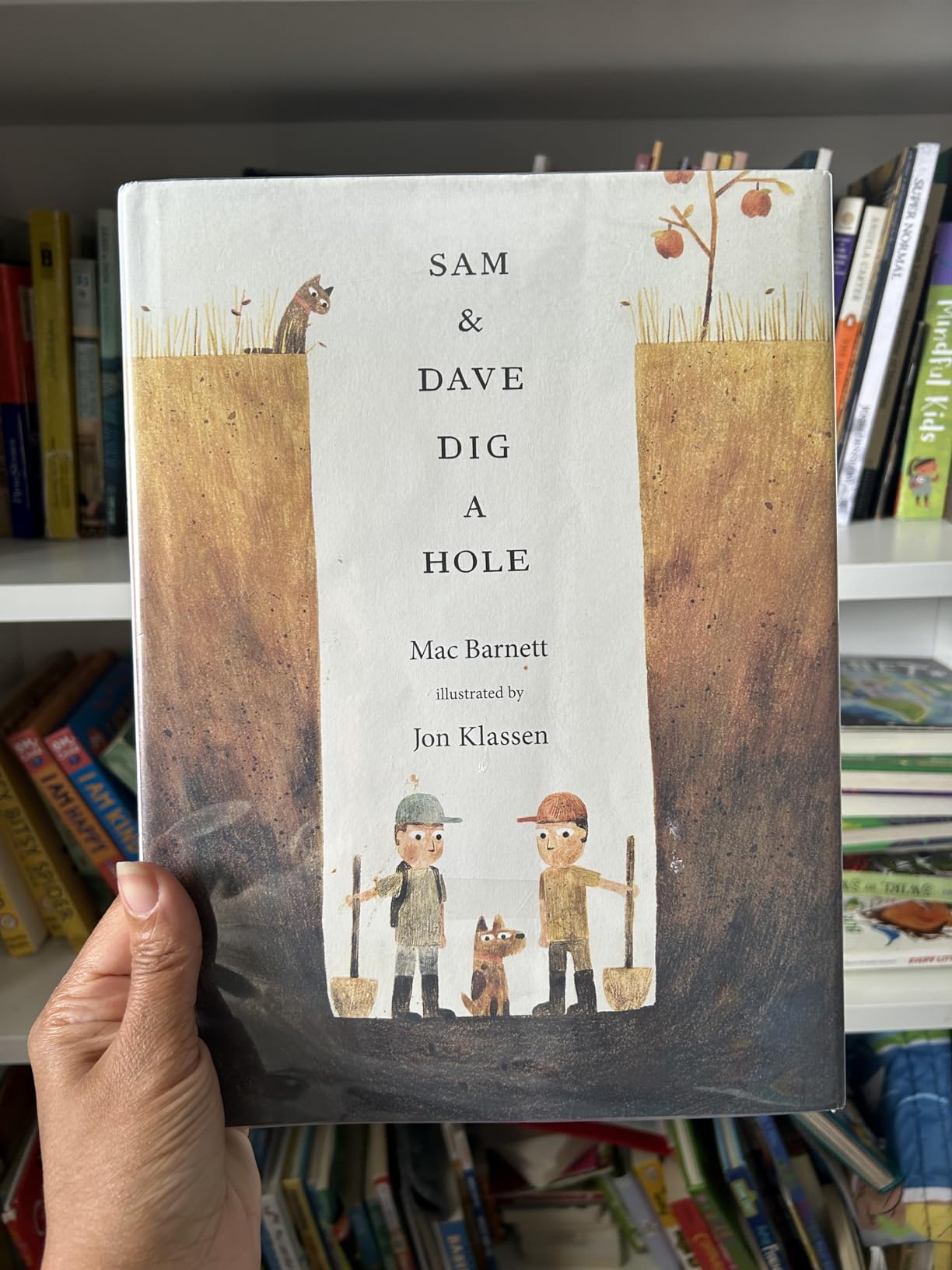
Mac Barnett’s Sam and Dave Dig a Hole is one of those picture books that rewards careful attention. On the surface, it is a simple story: two friends and their dog dig a hole, looking for something spectacular. They keep missing it. The dog sees the diamonds they are after but cannot communicate this to the humans. The ending is surreal and open to interpretation.
What makes this book extraordinary is the visual humor from Jon Klassen. Hidden in the illustrations are visual jokes that adults notice but kids miss (and vice versa). I have read this book aloud dozens of times, and I still catch new details. My kids and I spent an entire afternoon poring over the pictures, debating what really happened.
The deadpan humor is what sets this book apart for multi-age reading. Younger kids find it funny because Sam and Dave are silly. Older kids and adults find it funny because the book is making commentary on persistence, strategy, and perspective. The dog is a brilliant touch. He sees everything, and his silent commentary drives the visual comedy.
The themes run deeper than the simple text suggests. What does it mean to keep digging when you are not finding anything? When should you change your approach? Are Sam and Dave actually missing the treasure, or is the treasure something else entirely? These are questions my kids have revisited at different ages, getting different answers each time.
Why it ages up well
Most picture books are outgrown by age 7 or 8. This one keeps working because the visual jokes require more sophisticated observation as kids get older. My 9-year-old still pulls this book off the shelf, and she sees things in it now that she missed at 5. It is a rare book that grows with your child.
Heads up
A small number of reviewers mention issues with the book’s binding or paper quality. We have not had problems with our copy, but it is worth checking the construction when it arrives. The content itself is widely loved.
9. A Camping Spree with Mr. Magee: A Rhyming Adventure

A Camping Spree with Mr. Magee: (Read Aloud Books, Series Books for Kids, Books for Early Readers)
36 pages
Rhyming text
Ages 3-7
Pros
- Excellent rhyming text
- Beautiful retro-style illustrations
- Action-packed adventure
Cons
- Print color blends into art on some pages
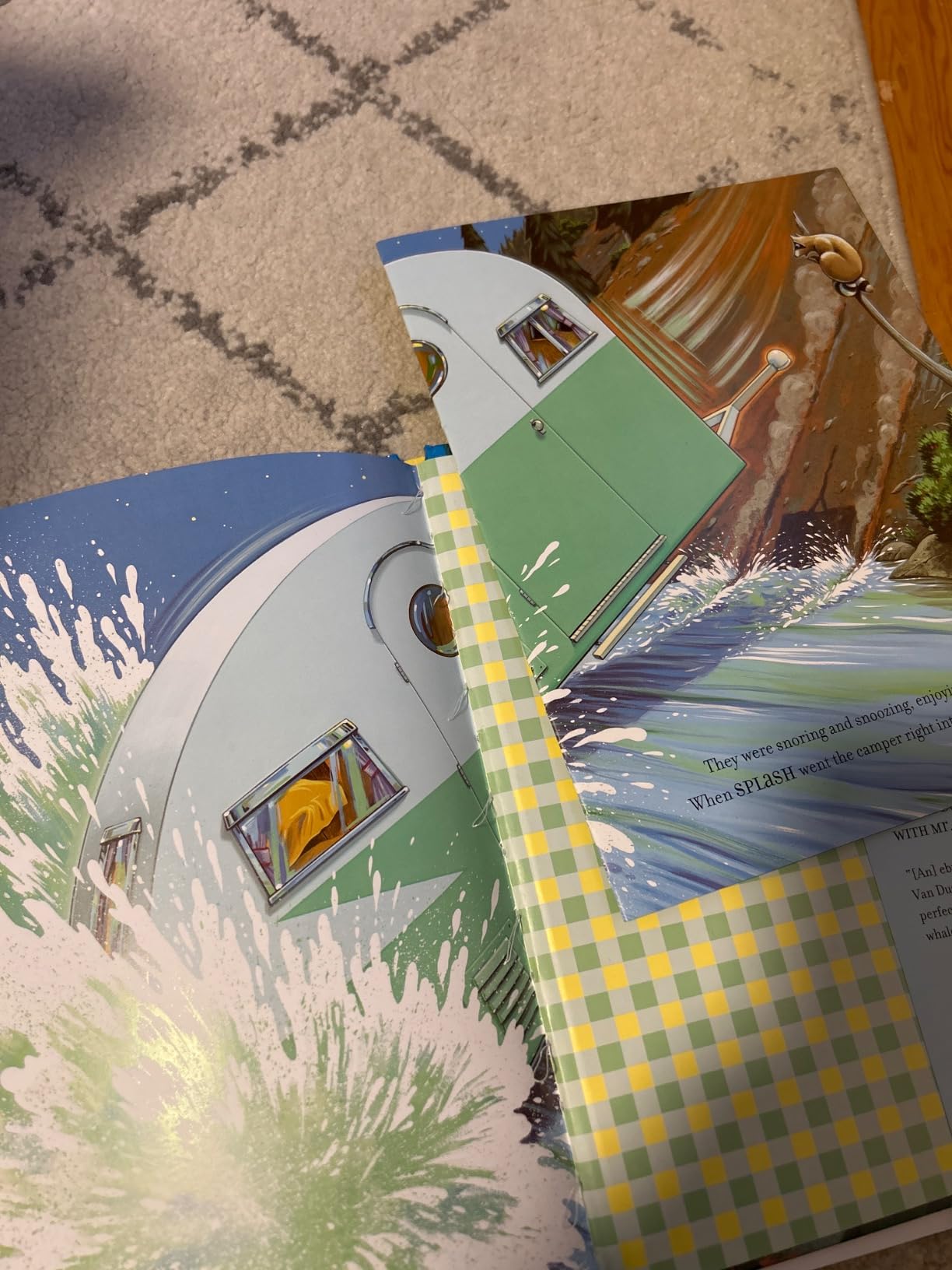
Chris Van Dusen’s A Camping Spree with Mr. Magee is one of my all-time favorite read-aloud picture books. The story follows Mr. Magee and his dog Dee on a camping trip that goes spectacularly wrong when a curious bear discovers their marshmallows. The adventure that follows involves a runaway camper, a river, and a near-disaster that Mr. Magee solves with quick thinking and kindness.
The rhyming text in this book is genuinely excellent. It has the bounce and rhythm of classic Dr. Seuss, but the story is more grounded and the humor is drier. I love reading this one aloud because the rhymes feel natural, not forced. My kids can finish the sentences before I do, which is the mark of a good rhyming book.
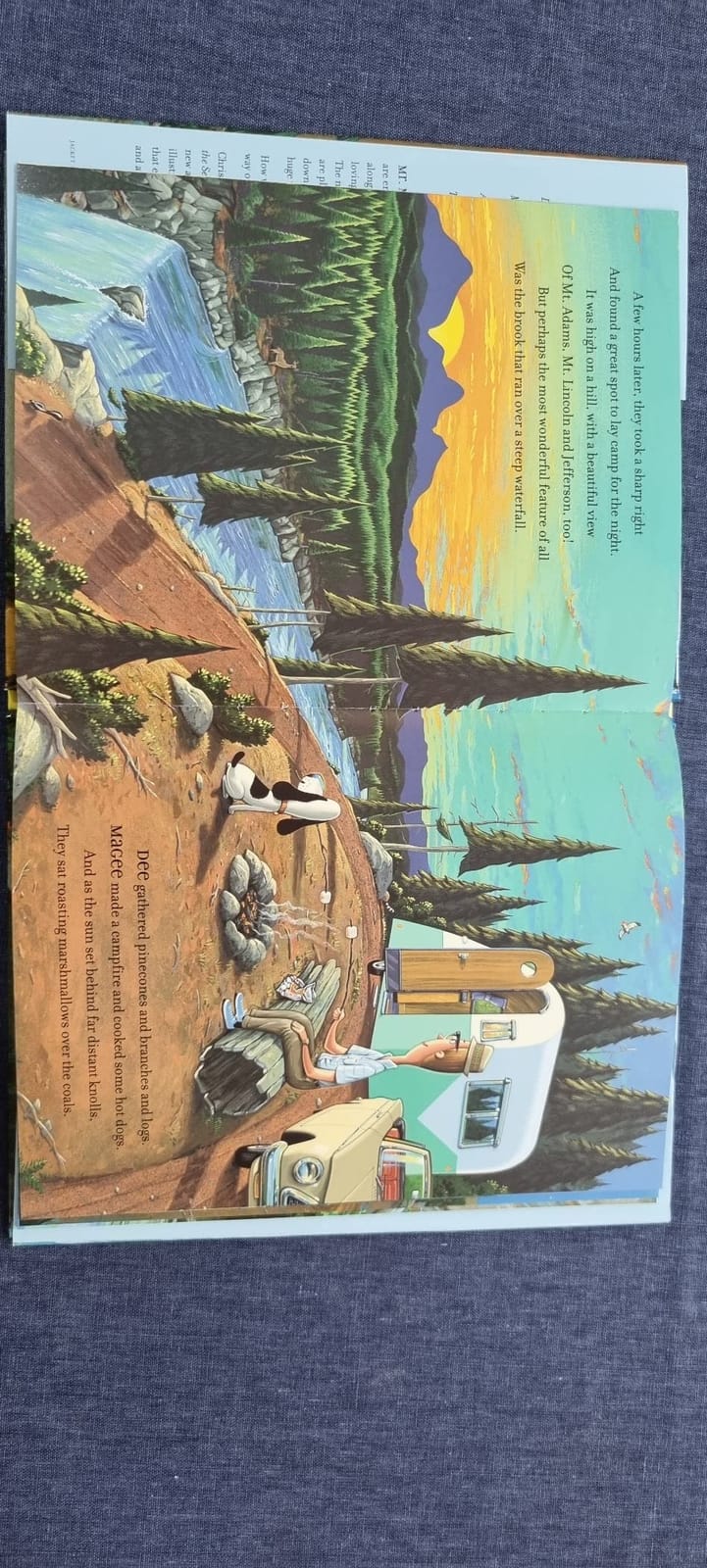
Van Dusen’s illustrations are inspired by 1950s advertising art and old travel posters. The colors are bold, the compositions are dynamic, and there is something nostalgic about every page. Kids who love trucks, campers, and outdoor adventures are drawn to the imagery. Parents who appreciate retro design love the aesthetic.
This book is part of a series (we also love Learning to Ski with Mr. Magee and Down to the Sea with Mr. Magee), which means once your family falls in love with these characters, there are more adventures to enjoy. We have read all of them aloud repeatedly.
Why it spans ages
Younger kids love the action and the simple adventure. Older kids appreciate the humor and the problem-solving. The rhyming text makes it accessible to early readers, who can “read along” once they have heard it a few times. This is a book that works for sibling read-aloud time because everyone gets something different out of it.
Minor issue
Some reviewers note that on a few pages, the print color blends into the illustrations, making the text harder to read. In our copy, this has not been a major problem, but it is worth being aware of if you have a child who likes to follow the words.
10. What If Everybody Did That?: A Manners Book With Heart

Pros
- Great teaching tool for responsibility
- Engaging illustrations
- Interactive repeated phrase
Cons
- Some find it slightly preachy
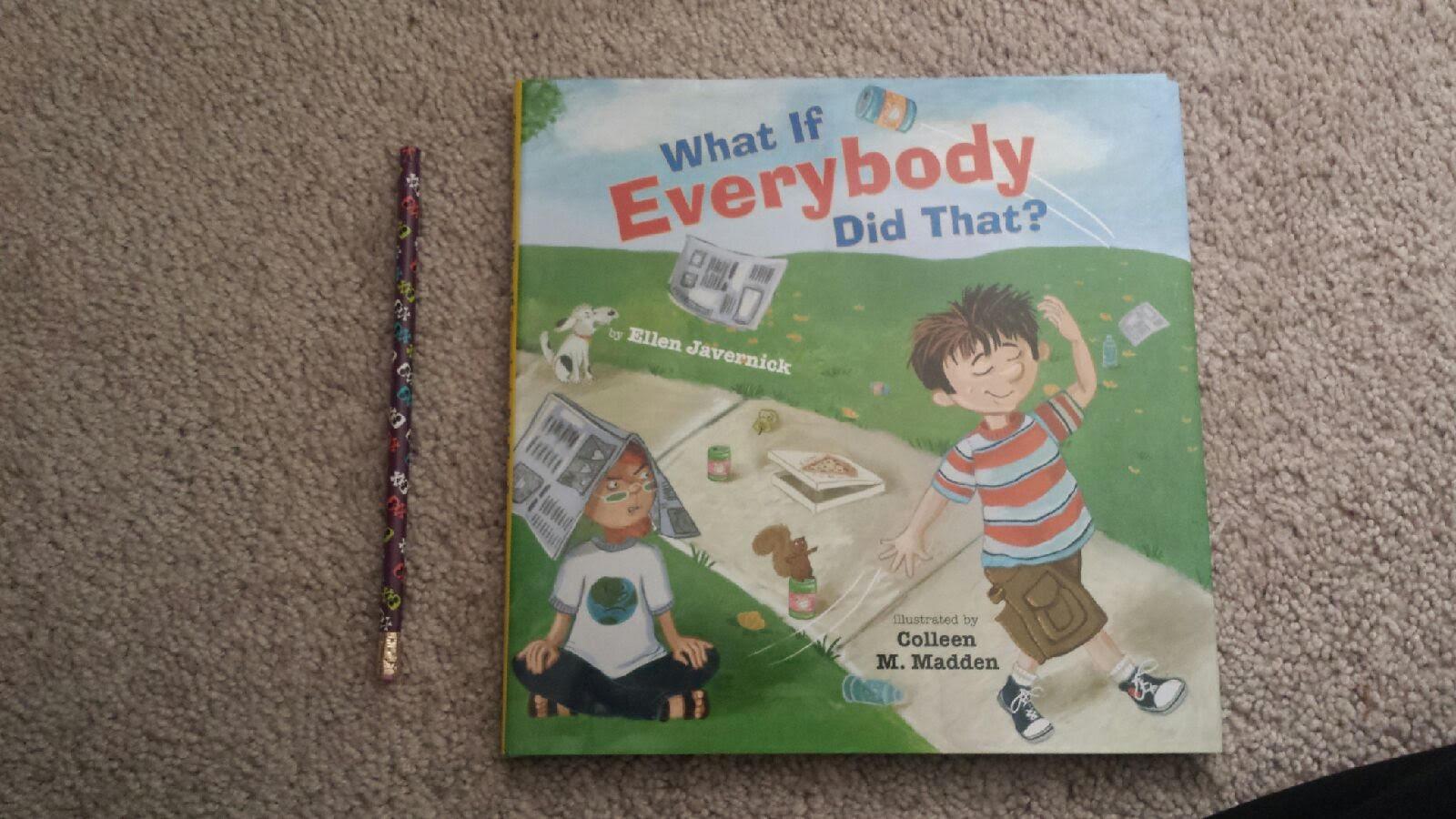
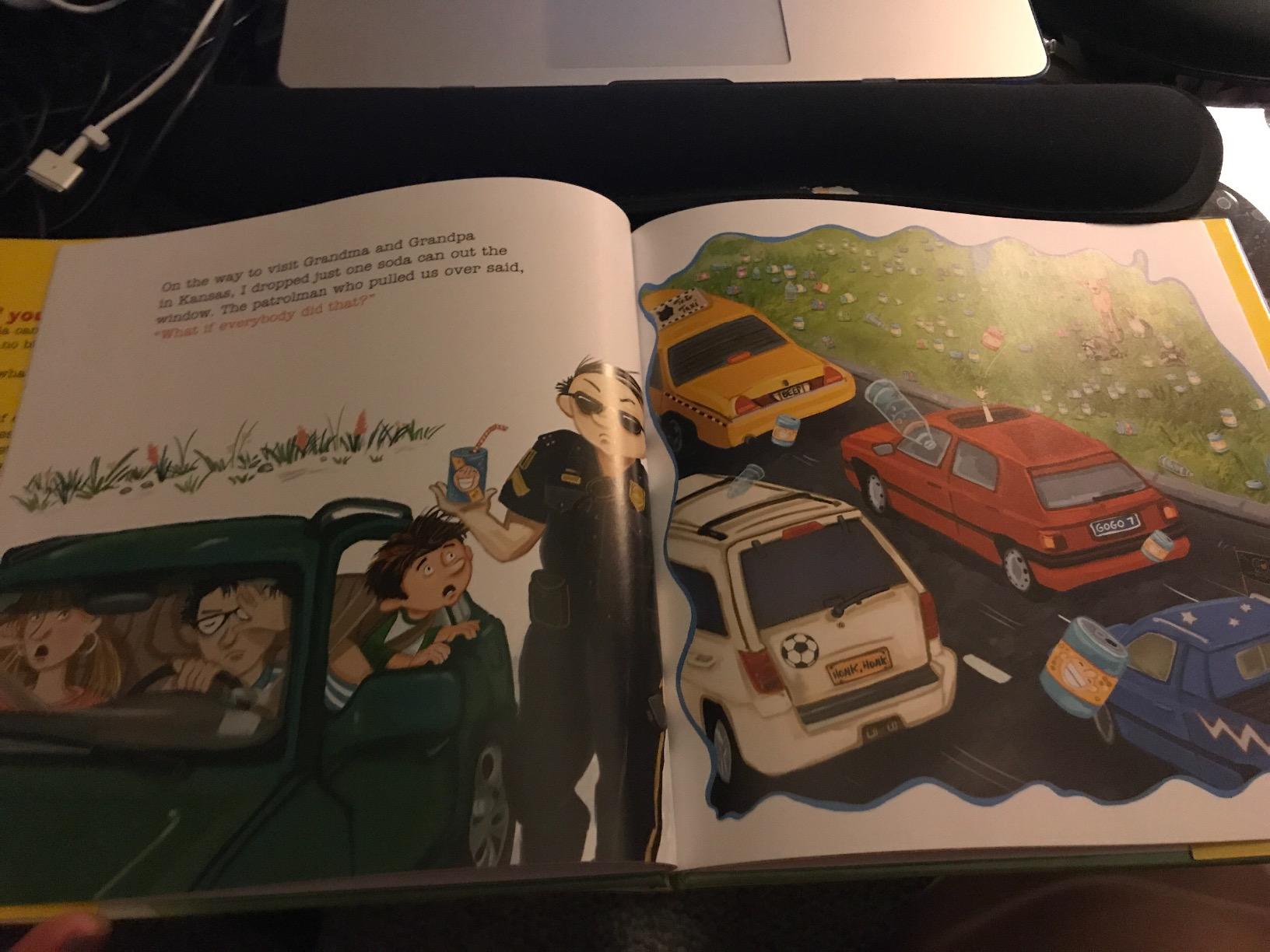
Ellen Javernick’s What If Everybody Did That? is the manners book I wish I had discovered years earlier. The concept is simple but powerful: a child makes various small choices (throwing trash on the ground, talking loudly in a library, interrupting a conversation), and an adult asks, “What if everybody did that?” The illustrations show the absurd, chaotic consequences if everyone behaved that way.
This book works because it does not lecture. It asks questions and lets kids draw their own conclusions. My kids started applying the logic immediately. “If everybody left their shoes in the middle of the floor…” they would say, and then imagine the mess. The book gave us a framework for discussing behavior without me having to be the bad guy.
The interactive element is what makes this book shine as a read-aloud. Kids can shout the repeated phrase “What if everybody did that?” along with the reader. My kids loved joining in, which meant the lesson stuck even when they were too young to fully grasp the concept. Older kids understand the deeper message about collective responsibility and community impact.
The illustrations by Colleen Madden are colorful and funny, with exaggerated scenes that capture kids’ attention. Each page shows a different scenario, so the book covers a wide range of behavior topics: littering, talking in libraries, sharing, being kind to animals, and more.
What makes it work for mixed ages
Toddlers get the visual comedy. Elementary kids get the moral reasoning. Older kids can engage in real discussions about why social rules exist and what happens when they break down. We have used this book as a starting point for conversations about everything from table manners to environmental responsibility.
Possible drawback
A few reviewers mention that the book can feel preachy if your family prefers less didactic children’s literature. In our experience, the questions feel natural rather than preachy, but it depends on your read-aloud style. If you lean into the humor, the lessons land gently.
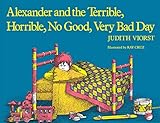
11. Alexander and the Terrible, Horrible, No Good, Very Bad Day
Alexander and the Terrible, Horrible, No Good, Very Bad Day
32 pages
Classic since 1972
Ages 3+
Pros
- Classic across generations
- Excellent for read-aloud
- Teaches about bad days
Cons
- Some editions arrive without dust jacket
Judith Viorst’s Alexander and the Terrible, Horrible, No Good, Very Bad Day has been a family favorite for nearly 50 years, and it has not lost any of its charm. The story follows Alexander through a day where everything goes wrong: he trips on a skateboard, gets gum in his hair, has a cavity, and finds lima beans on his dinner plate. His conclusion is that he wants to move to Australia.
What makes this book timeless is its honesty. Kids have bad days. Adults have bad days. Alexander’s misery is validating, and his conclusion that Australia cannot possibly be worse is the kind of logic every child has tried. My kids have laughed through this book and then asked me to read it again when they were having their own terrible days.
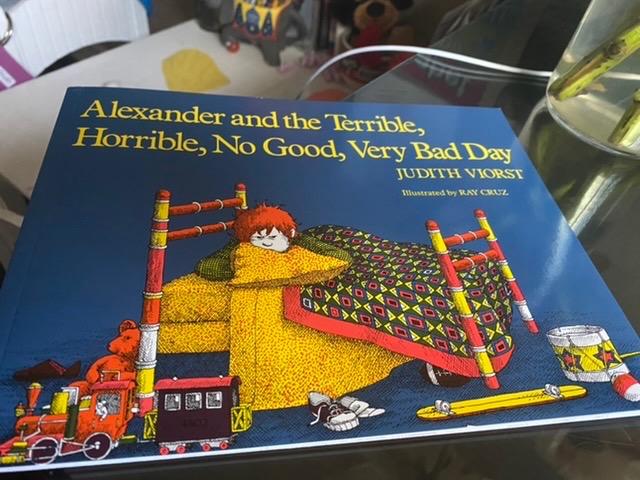
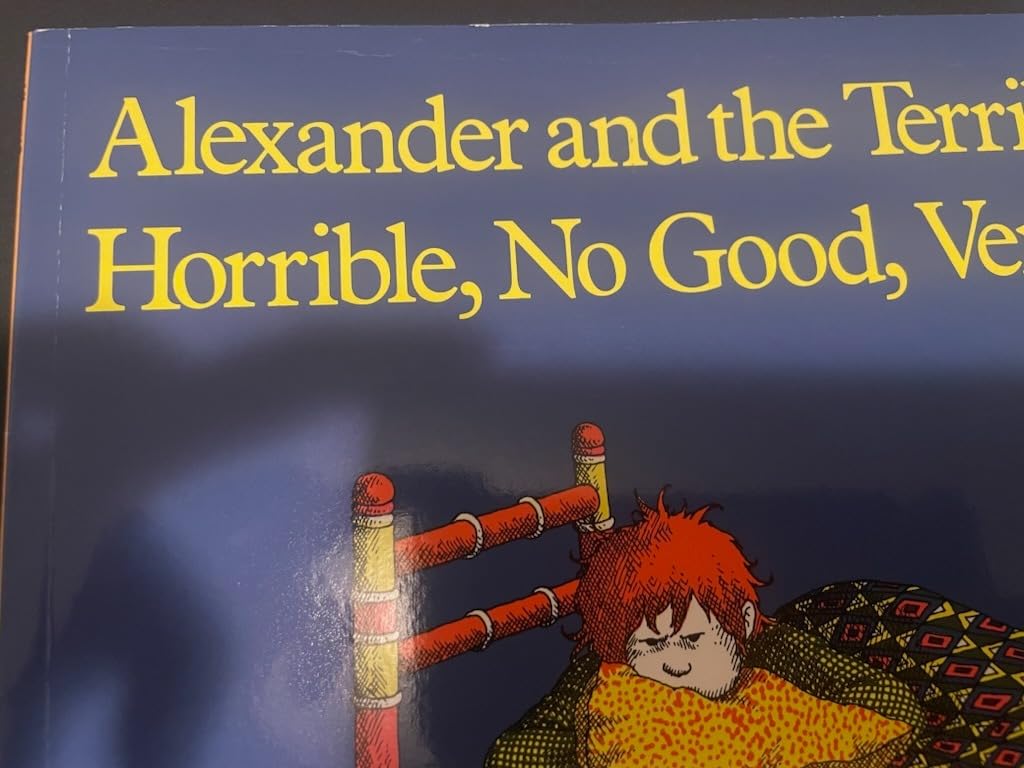
Ray Cruz’s illustrations are warm and relatable. Alexander’s expressive face captures the universal experience of childhood frustration. The settings (school, home, the dentist) are familiar to almost any kid. Even though the book was published in 1972, it has aged remarkably well.
This book works for multi-age reading because the theme is universal. A 4-year-old gets that Alexander is having a rough time. A 7-year-old recognizes specific situations. A 10-year-old starts to understand that bad days are a normal part of life. And parents reading aloud get to share a bit of their own childhood with their kids.
Why it has endured
This book does not moralize or try to fix Alexander’s day. It simply sits with him in his misery, which is exactly what kids need sometimes. When my kids are grumpy, I sometimes ask, “Are you having an Alexander kind of day?” and that gives them permission to feel what they feel. The book has become shorthand in our family for acknowledging hard days without trying to solve them.
What to know
Some editions of this book arrive without the original dust jacket, which a few collectors find disappointing. The content is unaffected, but if the dust jacket matters to you, check the seller’s description carefully. The paperback edition is also widely loved.
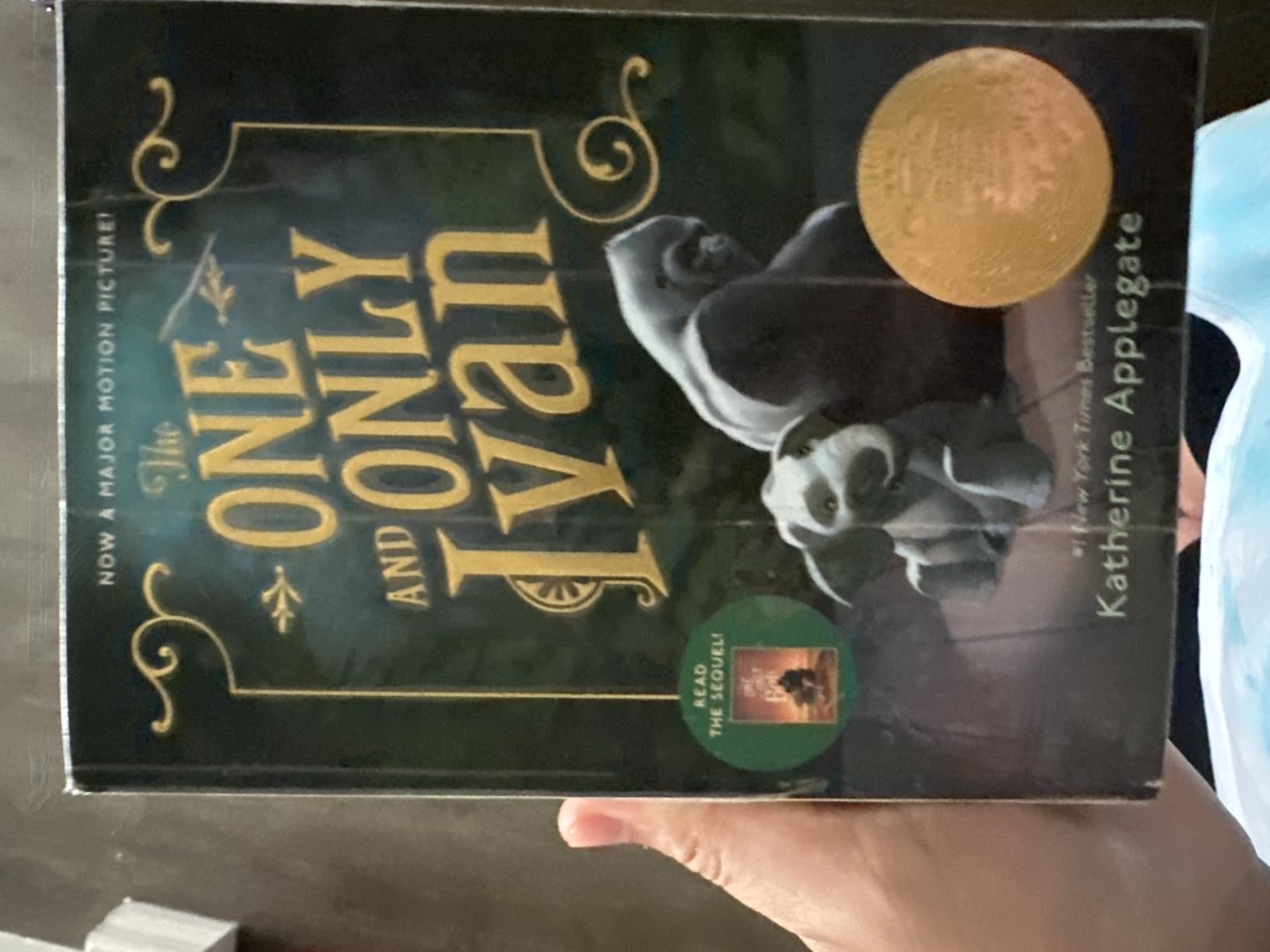
12. The One and Only Ivan: A Newbery Medal Winner

The One and Only Ivan: A Gentle Friendship Story About Patience, Kindness, and Everyday Adventures Together
336 pages
Newbery Medal
Ages 8+
Pros
- Newbery Medal winner
- Based on true story
- Beautiful lyrical writing
Cons
- Emotionally intense for sensitive readers
Katherine Applegate’s The One and Only Ivan is one of the most beautiful middle-grade novels I have ever read aloud. Inspired by the true story of a gorilla who lived in a mall for 27 years, the novel is told from Ivan’s perspective. He is a silverback gorilla who has learned to draw, who has made peace with his small domain, and who begins to question everything when a baby elephant named Ruby arrives.
This book hit my family hard. The themes of captivity, friendship, loss, and hope are woven through Applegate’s spare, lyrical prose. The chapters are short, which makes it perfect for read-aloud sessions where attention spans vary. We read this over several weeks, and my kids brought up Ivan and Ruby in conversations for months afterward.
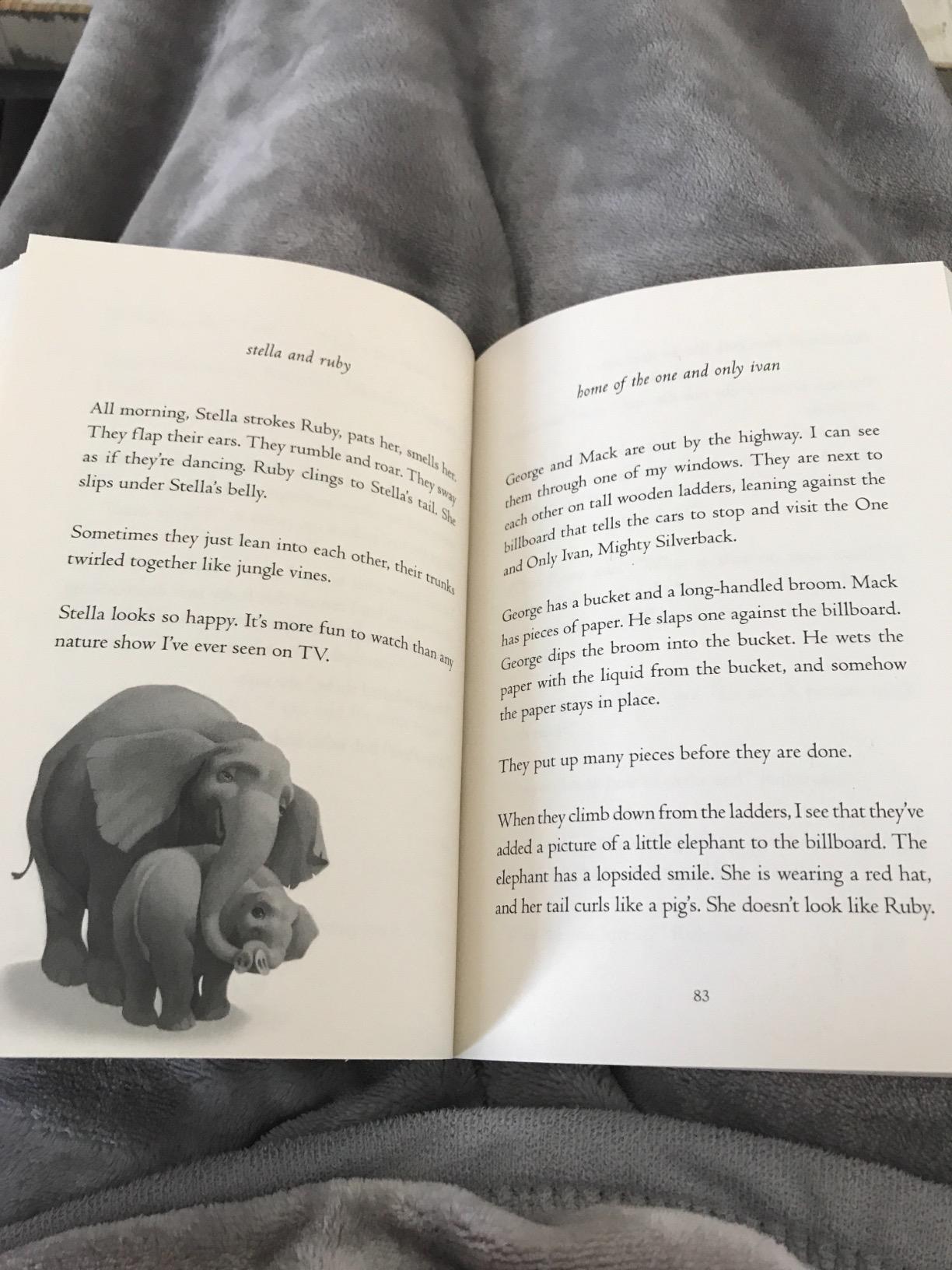
What makes this book special for multi-age reading is its accessibility. The language is simple enough that a 7-year-old can follow the story, but the themes resonate with readers well into middle school and beyond. We read it aloud when my younger daughter was 7 and my older one was 11, and both were deeply moved. The emotional weight is real, but Applegate handles it with grace.
The Newbery Medal was well-deserved. Applegate takes a difficult subject (animal captivity) and makes it approachable for kids without minimizing the reality. The book opens conversations about how we treat animals, what freedom means, and how one voice can make a difference.
Best for ages 7 and up
This is the first true chapter book on our list, and it works beautifully for families transitioning from picture books to longer read-alouds. The short chapters and clear narrative make it accessible to younger listeners. Older kids engage with the deeper themes. The reading level is around 3rd to 5th grade, but the themes work for any age.
Emotional intensity
Some scenes are genuinely sad. Ivan’s situation is real, and the book does not shy away from the difficulty of his life. Sensitive kids may need extra support during certain chapters. In our family, those moments led to some of our most meaningful conversations about kindness, advocacy, and what we can do to help animals in need.
13. Restart: A Multiple-Perspective Middle-Grade Novel

Pros
- Multiple perspective narrative
- Teaches about bullying and redemption
- Relatable characters
Cons
- Some sections feel slow
Gordon Korman’s Restart is the book I recommend to families who want a chapter book that older elementary and middle school kids can enjoy together. The premise is irresistible: Chase Ambrose falls off a roof, loses his memory, and has to figure out who he was before. The problem is, the person he was before was a bully.
The multiple-perspective structure is what makes this book special for read-aloud. Each chapter is told from a different character’s point of view, and we get to see how Chase’s past actions affected the people around him. The novel explores themes of bullying, identity, friendship, and second chances. It also asks a profound question: if you do not remember being a certain kind of person, can you choose to be different?
Korman is a master of middle-grade fiction. The chapters are short and punchy. The dialogue is realistic without being crude. The humor lands even when the themes are heavy. I have read this aloud to mixed groups of 9 to 13 year olds, and everyone was hooked.
Why it works for older listeners
This book is aimed at ages 10 to 12, which makes it ideal for families with upper elementary and middle school kids. The reading level is accessible, but the themes are sophisticated. We have used this book as a starting point for conversations about social media, peer pressure, and how to stand up when you see someone being mistreated.
Considerations
A few reviewers mention that the middle of the book can feel slow as Chase pieces together his past. In our read-aloud, we pushed through those sections together and were rewarded by the ending. The payoff is worth the slower middle.
14. The True Story of the Three Little Pigs: A Fairy Tale Twist

Pros
- Hilarious twist on classic fairy tale
- Lane Smith's distinctive illustrations
- Both kids and adults enjoy it
Cons
- Some find it slightly morbid
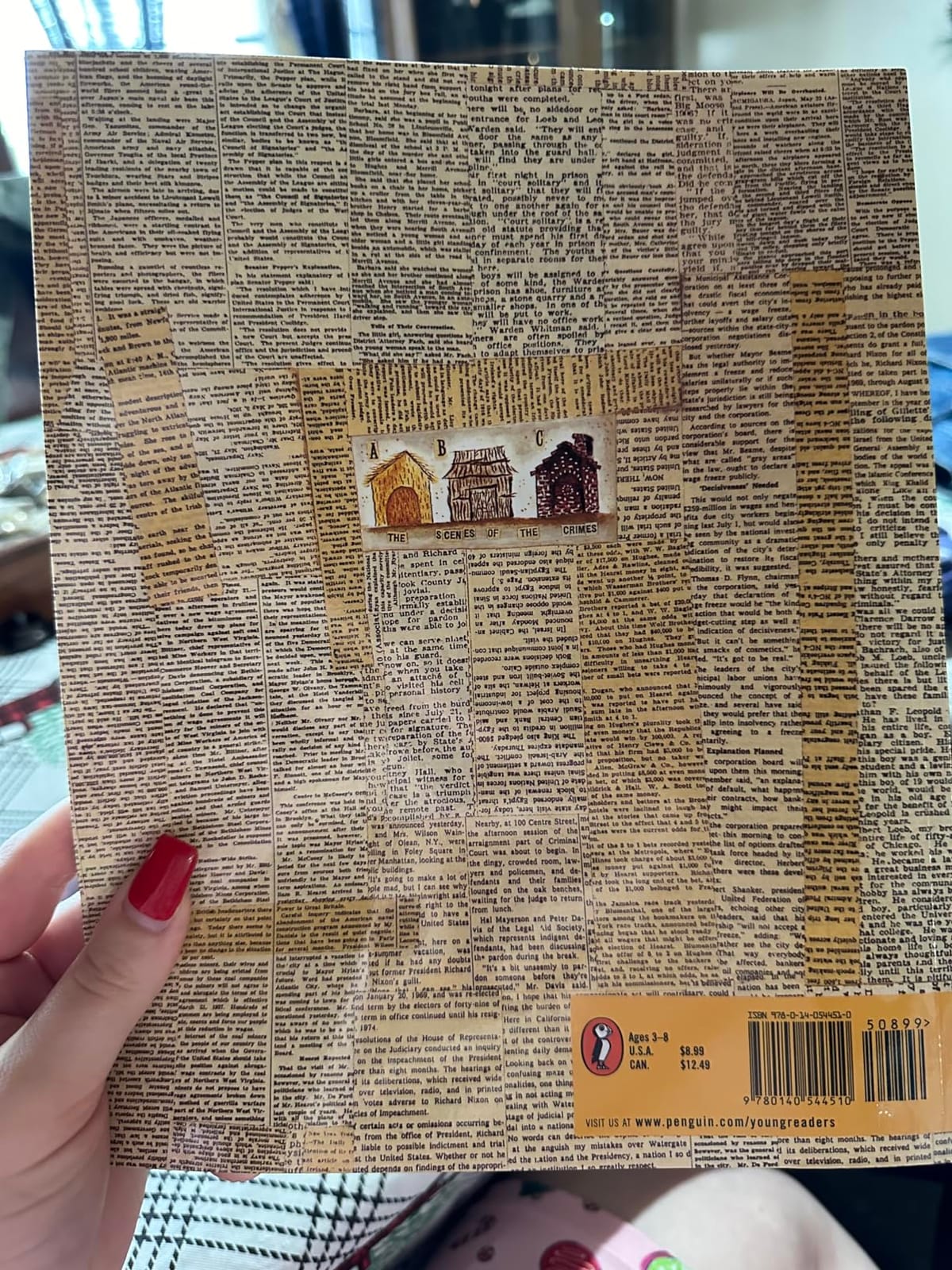
Jon Scieszka’s The True Story of the Three Little Pigs is one of the cleverest picture books ever published. The story is told from the wolf’s perspective, and according to him, he was framed. He was just trying to borrow a cup of sugar. The whole “huffing and puffing and blowing your house down” thing was a big misunderstanding involving a sneeze and a bad cold.
This book is pure genius for multi-age reading. Younger kids love the wolf’s side of the story and the surprise ending. Older kids get the meta-joke about perspective and unreliable narrators. Adults appreciate the sly humor and the way Scieszka plays with the conventions of fairy tales. I have read this book to groups ranging from preschool through fifth grade, and every kid laughed at the right moments.
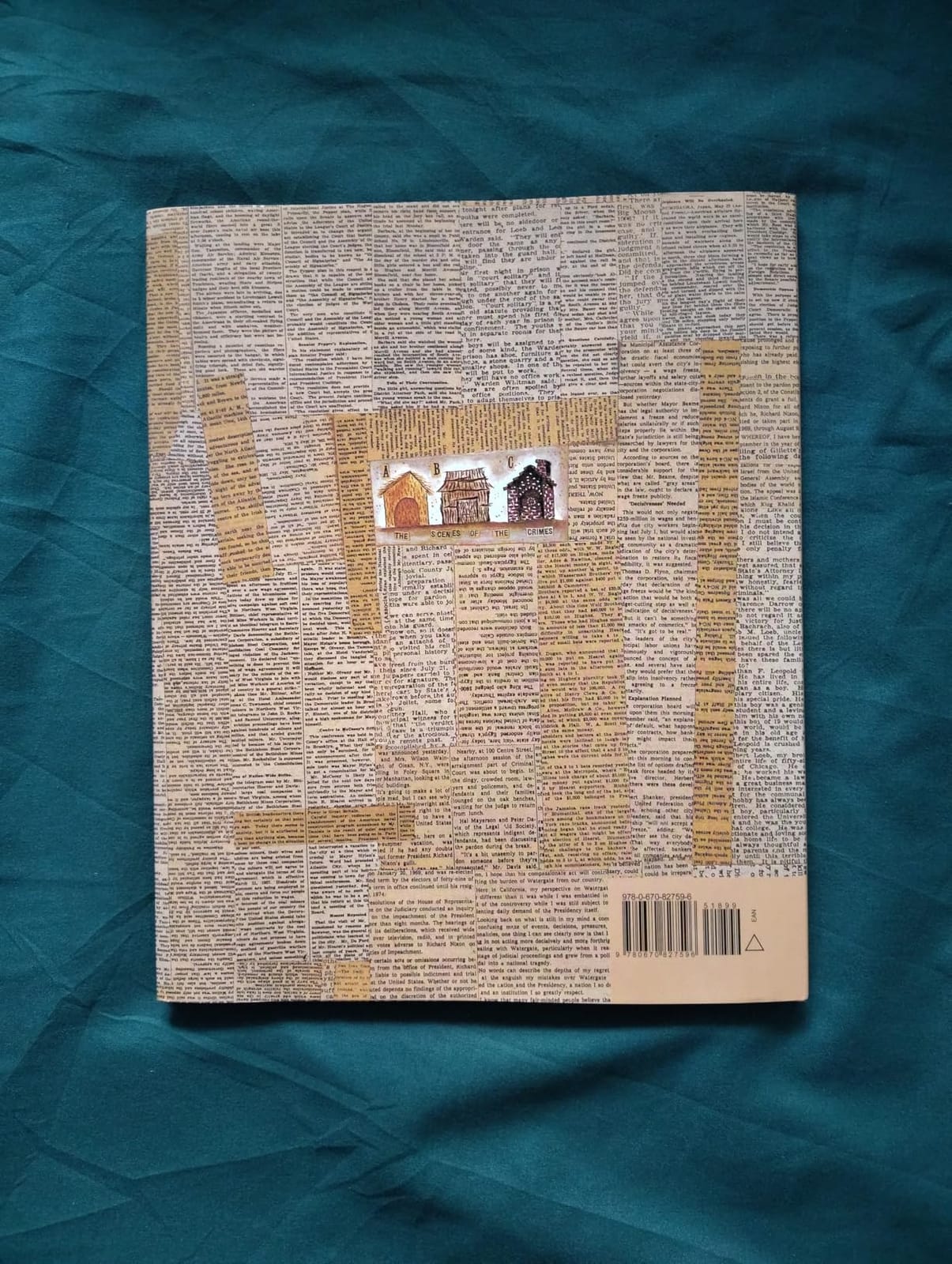
Lane Smith’s illustrations are iconic. The wolf looks like a sharp-dressed con artist, and the pigs appear gullible and bureaucratic. The newspaper clippings and “court evidence” scattered throughout add visual jokes that reward careful attention. My kids noticed new details every time we read it.
Beyond the humor, this book opens conversations about truth, perspective, and how the same story can be told differently depending on who is telling it. It is one of the first books I used to introduce my kids to the idea that history is written by the winners.
Why it ages up beautifully
Picture books about fairy tale twists are a dime a dozen, but this one stands the test of time because the humor is layered. A 5-year-old enjoys the silly story. A 9-year-old catches the jokes about journalism and justice. A 12-year-old can discuss the unreliable narrator trope. We have revisited this book at every age, and it keeps delivering.
One small note
The premise involves the wolf eating two of the pigs (which he claims was an accident). Some sensitive kids may find this distressing. In our family, we talked about it openly, and the dark humor landed well. If your child is easily frightened, you may want to preview the book first.
15. The Borrowers: A Timeless Fantasy Adventure

The Borrowers: An Enchanting Adventure About Tiny Heroes Living Beneath the Floorboards
192 pages
Classic fantasy
Ages 6-10
Pros
- Classic fantasy adventure
- Encourages imagination
- Beautiful black-and-white illustrations
- Perfect for reluctant readers
Cons
- Series ending can be vague
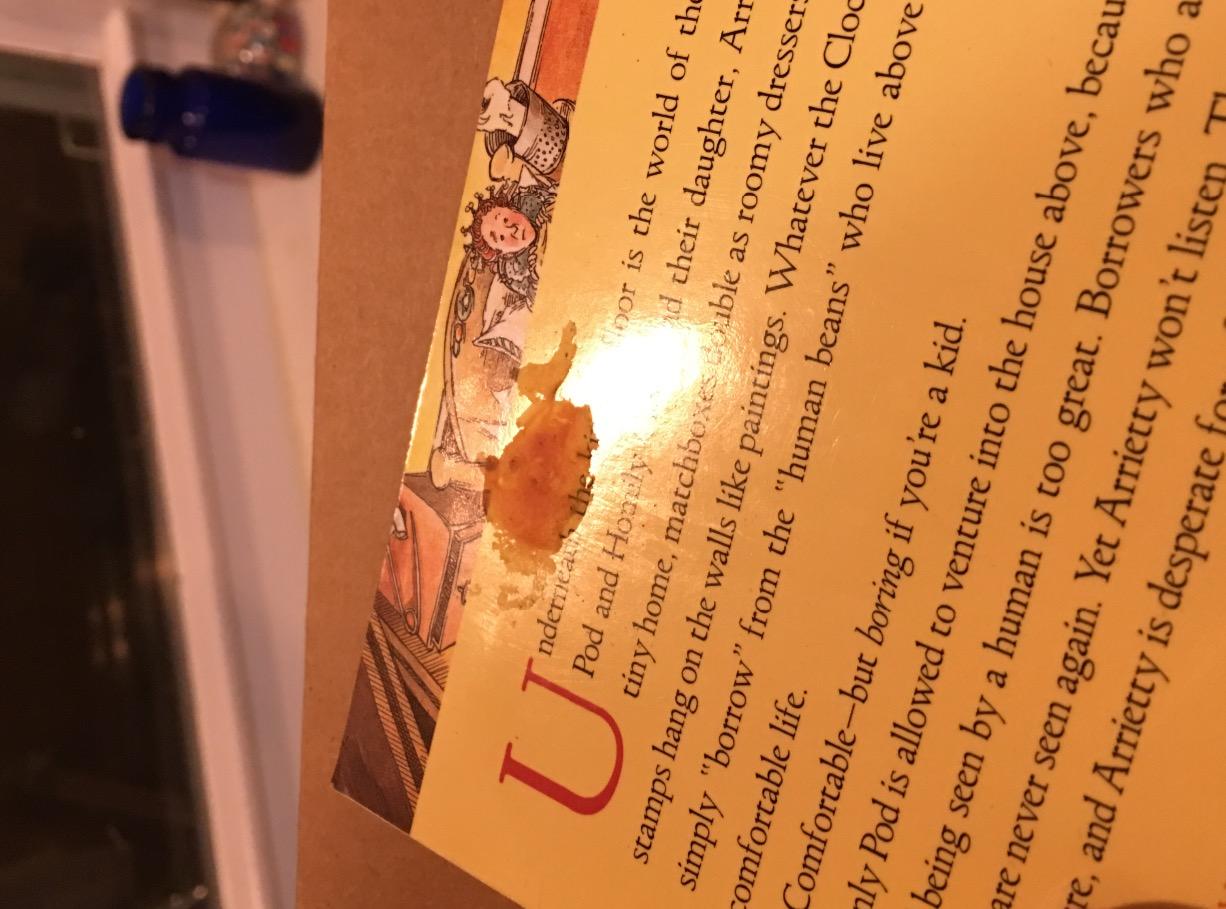
Mary Norton’s The Borrowers is a classic that has been enchanting readers since 1952. The story follows the Clock family: Pod, Arrietty, and Homily, who are Borrowers, tiny people who live beneath the floorboards of a quiet English house and “borrow” small items from the humans above to survive. When a human boy discovers Arrietty, their careful world is thrown into chaos.
I read this book aloud to my kids over several months, and it became a beloved family project. The world Norton builds is so detailed and so charming that we found ourselves talking about the Borrowers in everyday life. “Where would the Borrowers live in our house?” we would ask. “What would they borrow?” The book sparked imaginative play that lasted long after we finished reading.
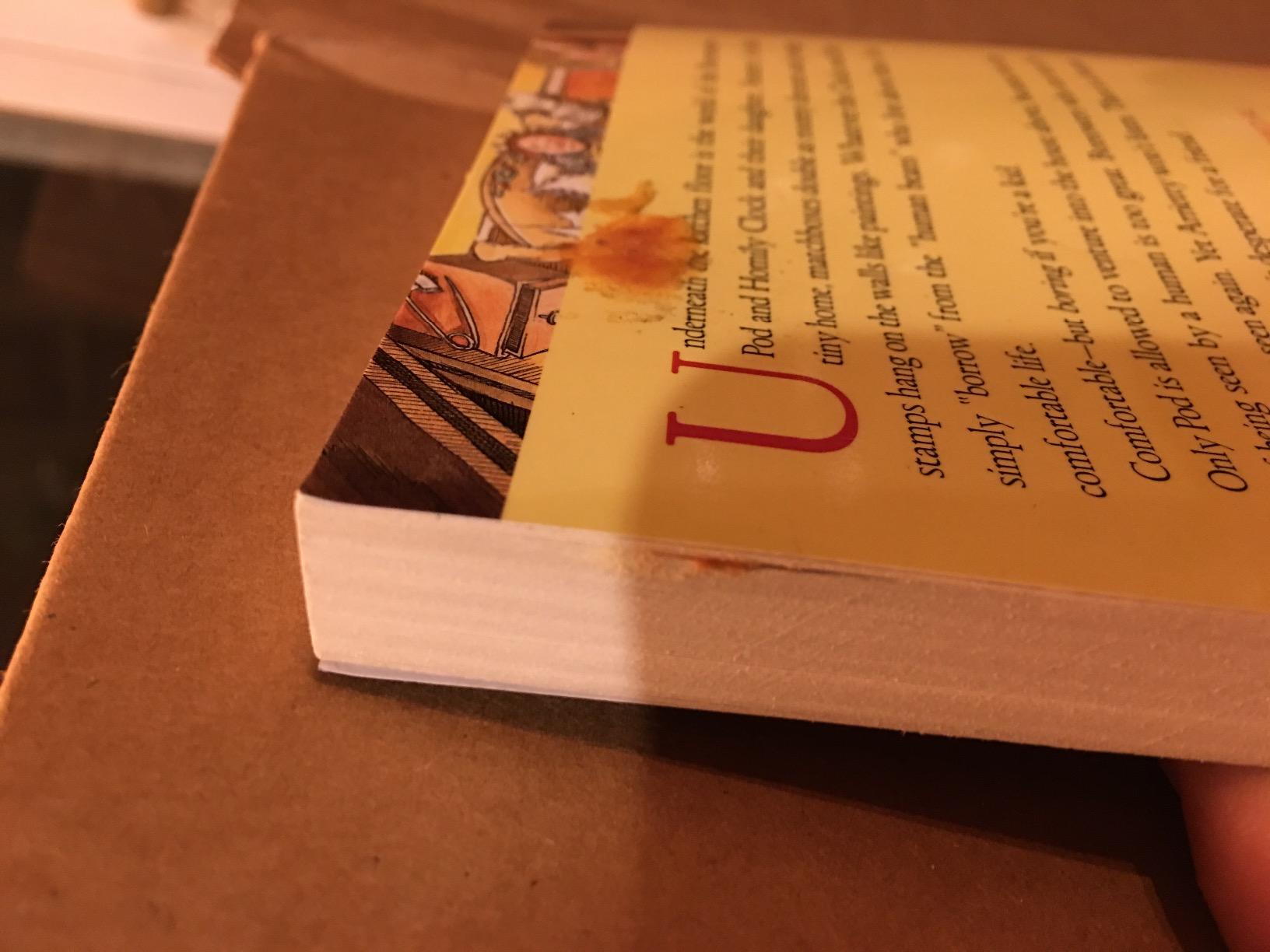
The black-and-white illustrations by Diana Stanley and Beth Krush add to the timeless feel. There is something about this book that reads like a classic should: cozy, mysterious, and quietly profound. The themes of courage, family loyalty, and the danger of being discovered resonate with readers of all ages.
For multi-age reading, The Borrowers is ideal because the story moves at a measured pace. Younger kids follow the adventure. Older kids engage with the themes of displacement, bravery, and what it means to belong. We have started the sequels (The Borrowers Afield, The Borrowers Afloat, The Borrowers Aloft, The Borrowers Avenged) and they are equally rewarding.
Best for ages 7 and up
The reading level and length make this book best for elementary-aged kids and up. Younger listeners can follow the story, but some of the English setting and vocabulary may go over their heads. Older kids appreciate the literary quality and the themes. We started reading it to our kids at 6 and 8, and both were hooked.
What to consider
The series ending (which I will not spoil) can feel ambiguous or vague to readers who prefer tidy resolutions. In our family, the open-ended conclusion sparked great conversations about what the characters might have done next. If you have a child who needs clear endings, you may want to discuss the conclusion together.
How to Pick the Best Read-Aloud Books for Multiple Ages at Once
Choosing books that work across age groups is a skill you can develop with a little practice. Over the years, I have developed a few go-to strategies that have saved me from many a failed read-aloud session. Here is what I have learned.
Use the 5-finger rule to check reading level
The 5-finger rule is a simple tool for figuring out whether a book is at the right level for your child to read independently. It also works for figuring out whether a book will be too simple or too complex for your read-aloud audience. Open the book to any full page of text. Have your child hold up one finger for every word they do not know. Zero to one fingers means the book is probably too easy for them to read alone. Two fingers is the sweet spot for independent reading. Three to five fingers means the book is probably best as a read-aloud, where the listener can understand more complex language through your voice and context.
For multi-age read-aloud, I look for books where the youngest listener has zero to two unknown words per page, and the oldest listener has up to five. That range keeps the story accessible to the youngest while still stretching the oldest. It is also worth checking out our guide to how to evaluate children’s books before reading aloud, which gives you a framework for assessing whether a classic is a good fit for your family.
Look for humor and high-stakes adventure
In my experience, humor is the single most important ingredient in a successful multi-age read-aloud. Funny books work because laughter crosses age boundaries. A 4-year-old and a 10-year-old can laugh at the same joke, even if they appreciate it for different reasons. Books like “The Day the Crayons Quit” and “Sam and Dave Dig a Hole” succeed because the humor has layers.
Adventure and high stakes also span ages well. Kids of all ages love a good quest, a clever villain, or a daring escape. The Borrowers, The One and Only Ivan, and Restart all have plots that keep listeners on the edge of their seats, regardless of age.
Preview books before you commit
One of the biggest mistakes I made early on was starting books I had not fully read myself. With multi-age read-aloud, you do not have the luxury of skipping awkward scenes or replacing vocabulary on the fly. Take 20 minutes to skim a book before you begin. Look for: mature themes you may want to discuss, language that does not match your family’s values, slow sections that might lose your youngest listener, and overall plot clarity.
Many homeschool families practice “book picnics,” where you read the first chapter aloud to everyone before committing. If the kids are hooked, you keep going. If not, you try something else. This approach has saved us from many abandoned read-alouds.
Consider audio book alternatives
Audio books are a game-changer for busy families. When you cannot gather everyone for a read-aloud session, audio books during car rides or quiet time can keep the story going. Many of the chapter books on this list are available on Audible and other platforms. Look for narrators with warm, expressive voices. A great narrator can make even a familiar story feel fresh.
Mix picture books and chapter books
Do not feel locked into one format. Some of our best read-aloud times include a mix of one or two picture books followed by a chapter of a longer book. Picture books are perfect for younger listeners who need variety, while chapter books give older kids something to anticipate. Switching between formats keeps everyone engaged.
Frequently Asked Questions
What are some good read aloud books for children of all ages?
Good read-aloud books for children of all ages combine humor, layered themes, and engaging characters. Picture books like The Day the Crayons Quit and Interrupting Chicken work for ages 4-10, while chapter books like The One and Only Ivan and The Borrowers engage ages 7-12. Look for books with multiple levels of meaning so younger listeners catch the comedy and older listeners engage with the deeper themes.
What is the 5 finger rule for books?
The 5-finger rule helps you check if a book is at the right reading level for your child. Open to any full page of text and have your child hold up one finger for every word they do not know. Zero to one fingers means too easy, two fingers is the sweet spot, and three to five fingers means the book is best as a read-aloud. For multi-age read-aloud, pick books where the youngest listener has zero to two unknown words while the oldest can handle up to five.
What are the best books to read aloud to a 5 year old?
The best books to read aloud to a 5-year-old include picture books with humor and clear stories like Interrupting Chicken, The Magical Yet, and The Day the Crayons Quit. For longer read-alouds, try short chapter books like Mr. Magee or picture book anthologies with color-coded reading levels. At age 5, kids can follow more complex plots when read aloud than they can read independently, so do not be afraid to try richer stories.
What are some good books to read aloud as a family?
Good family read-aloud books include classic picture books like Alexander and the Terrible Day, modern favorites like What If Everybody Did That?, and longer chapter books like The Borrowers and The One and Only Ivan. The Read-Aloud Family by Sarah Mackenzie is a meta-resource that gives you a complete framework plus book lists for every age. Pick books with humor that spans generations and themes that spark good family discussions.
What are some good read-alouds for 12-year-olds?
Good read-alouds for 12-year-olds include Restart by Gordon Korman, which uses multiple perspectives to explore bullying and identity, and The One and Only Ivan, a Newbery winner about a captive gorilla finding his voice. Classic chapter books like The Borrowers offer sophisticated world-building, while shorter reads like The True Story of the Three Little Pigs provide layered humor that older kids appreciate. Audio books also work well for tweens who want story independence.
Final Thoughts on Building Your Family Read-Aloud Stack
After a decade of reading aloud to my own multi-age crew, I have learned that the best read-aloud books for multiple ages at once are the ones your family returns to again and again. The 15 books on this list have earned permanent spots on our shelves because they make us laugh, think, and talk together. They bridge the gap between a squirmy 4-year-old and a tween who thinks she is too cool for read-aloud.
If I had to pick just three to start with, I would choose The Read-Aloud Family for the framework, The Day the Crayons Quit for the universal laughter, and The One and Only Ivan for the chapter book that will spark your deepest family conversations. From there, follow your kids’ interests, mix picture books with chapter books, and do not be afraid to abandon a book that is not working. Read-aloud time should feel like a gift, not a chore.
Happy reading, friends. May your evenings be full of shared stories, surprising giggles, and the kind of family memories that last long after the book is closed.