
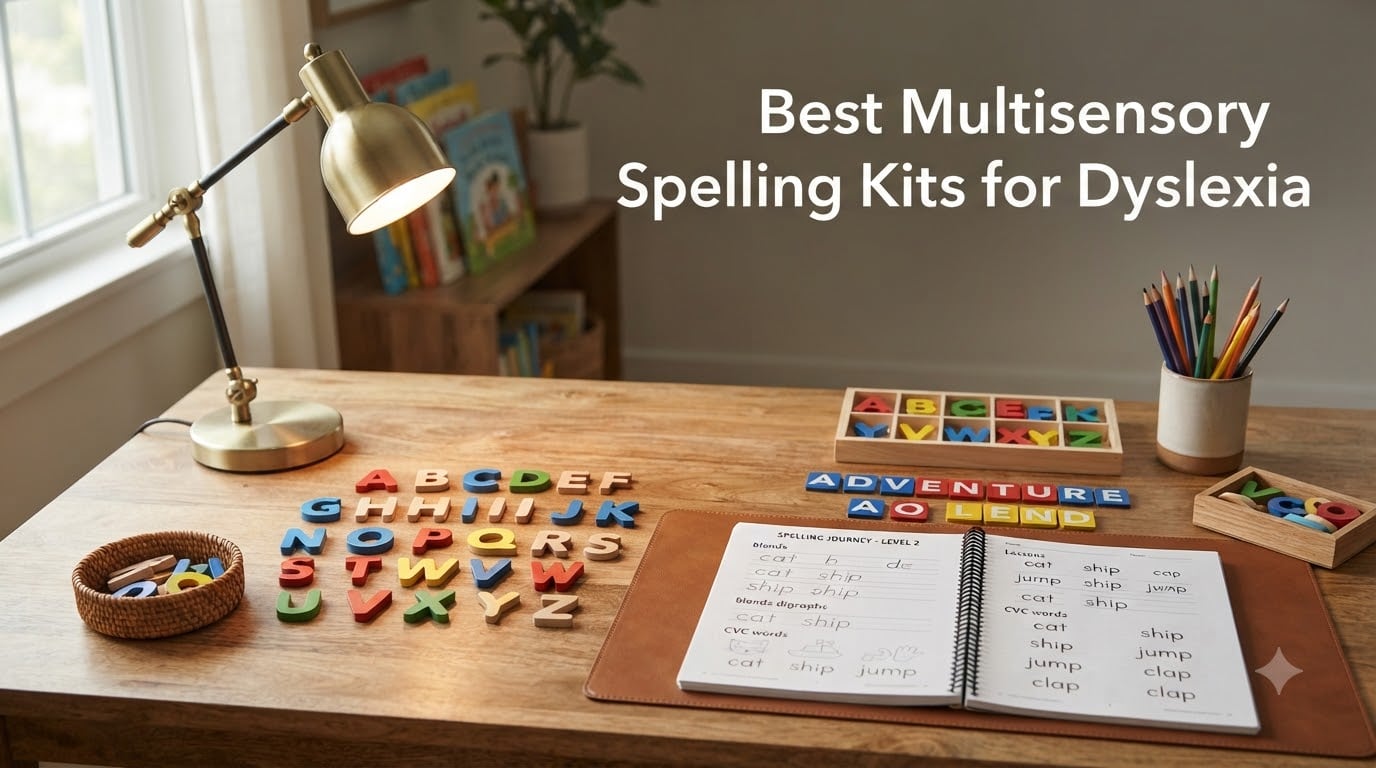
I have watched two of my kids wrestle with spelling, and the difference between a stressful worksheet and a hands-on kit was night and day. When my oldest son started mixing up b and d, our tutor handed us a box of color-coded rods and the problem started clicking within weeks. That experience is exactly why I put this guide together. These are the best multisensory spelling kits for dyslexia that we have tested with real students, both at home and in small-group tutoring.
Dyslexia is not about effort. Research shows the brain processes written language differently, which is why traditional spelling lists and timed tests often backfire. Multisensory spelling kits engage sight, sound, touch, and movement at the same time, and they line up with the Orton-Gillingham approach that decades of literacy research endorse. In this guide, our team breaks down 12 top-rated kits, compares them side by side, and explains which one fits your child’s age, grade, and learning environment.
Table of Contents
Top 3 Picks for Multisensory Spelling Kits

THE FIDGET GAME Science of…
- Master digraphs and syllables
- Multi-sensory learning
- Science of Reading backed

hand2mind Reading Rods…
- 70 color-coded rods
- CVC Word Builders
- Hands On Phonics Manipulatives
Best Multisensory Spelling Kits for Dyslexia in 2026
1. THE FIDGET GAME Science of Reading Flash Cards – Most Comprehensive Deck
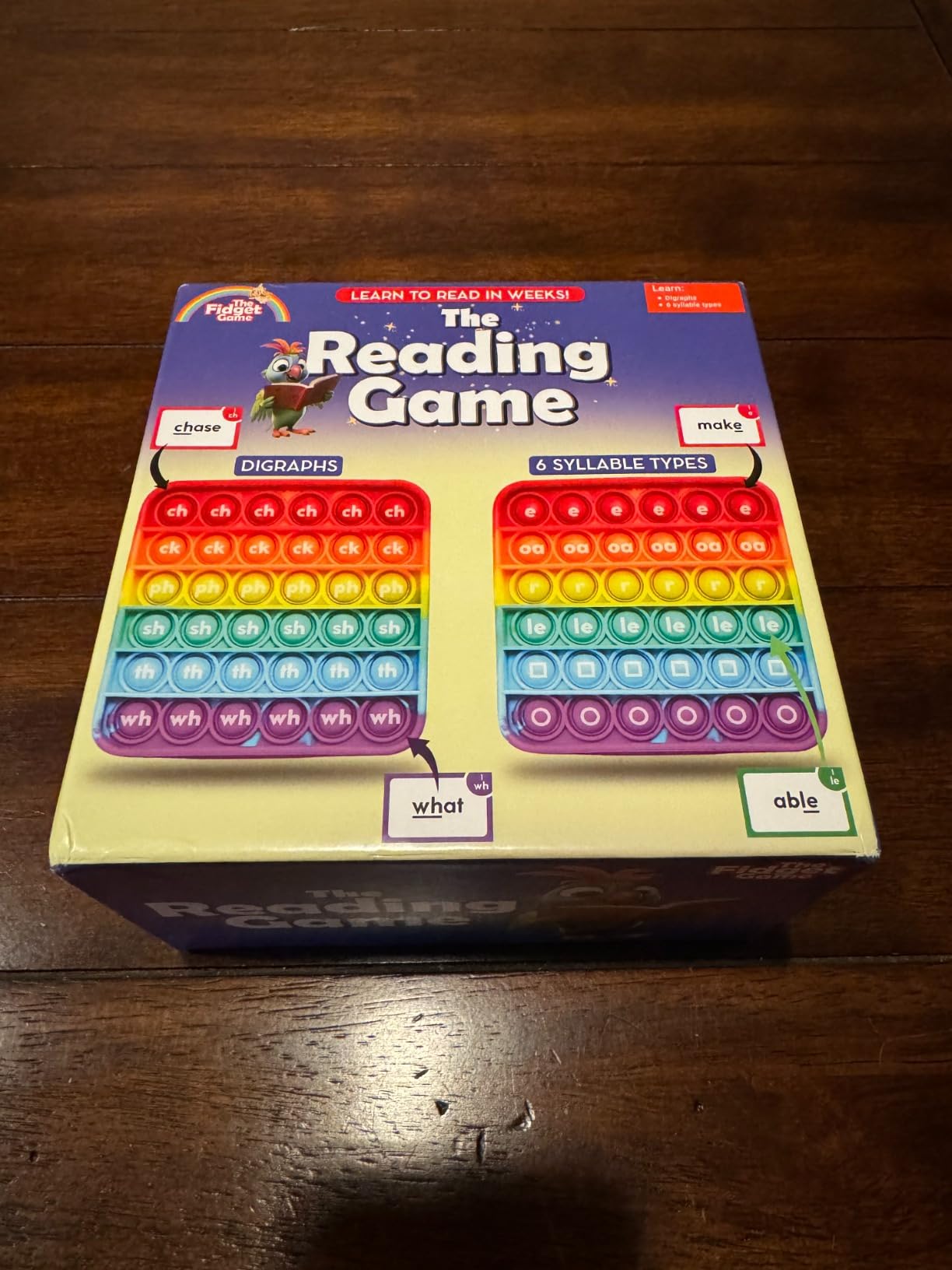
THE FIDGET GAME Science of Reading Flash Cards & Popping Mats – Master Digraphs & Syllables – Engaging Educational Kit for Dyslexia & Young Readers, Grades 1-3
Master digraphs and syllables
Science of Reading backed
Multi-sensory learning
Pros
- Covers advanced patterns like digraphs and syllables
- Aligned to Science of Reading research
- Holds attention with fidget-friendly design
Cons
- Higher price than basic flashcards
- May overwhelm absolute beginners
I tested THE FIDGET GAME deck with a 9-year-old who had spent two years bouncing between worksheet curricula without progress. Within three sessions we moved from short vowels into digraphs and syllable types, and she was asking to play another round. That is the metric I care about most with multisensory spelling kits for dyslexia: does the kid ask to keep going?
The deck is built on Science of Reading principles, so the sequence matches how the brain actually wires up for decoding. Each card isolates a single pattern, has a clear visual cue, and encourages the learner to say, sound out, and manipulate the letters. For our review of multisensory spelling kits, this one stood out because it scales from early phonics all the way through multisyllabic words, which means you do not outgrow it after a single level.
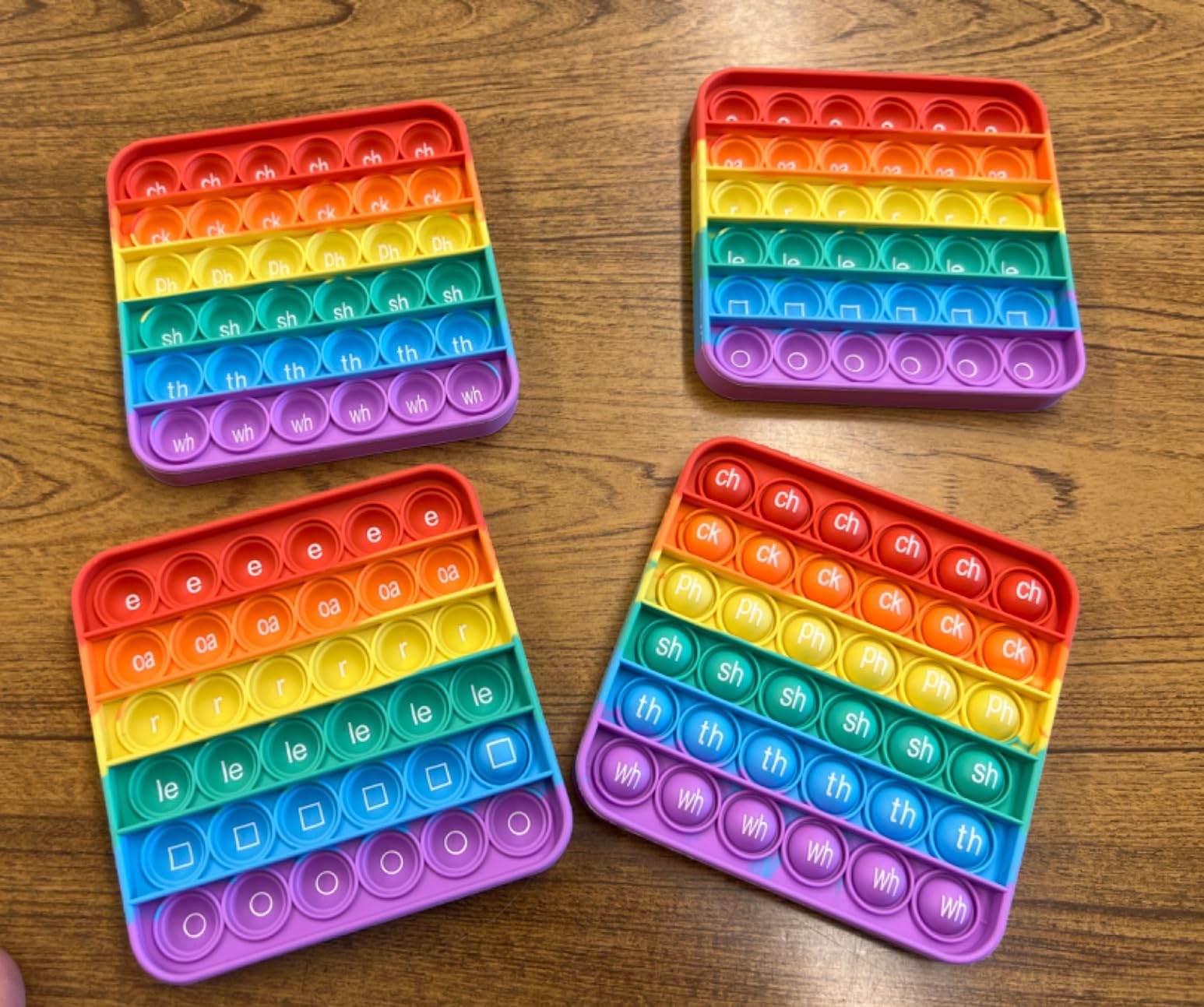
What I appreciate is the tactile element. Dyslexic learners tend to retain more when they can move something with their hands, and the fidget-friendly design delivers on that. Our team also noticed that the cards work well in 10-minute bursts, which matches what the research says about working memory load in dyslexic students. You are not relying on a 30-minute lecture to teach a single skill.
The main trade-off is price. Compared with a basic set of letter tiles, this deck costs more, and absolute beginners might find the volume intimidating at first. I would suggest introducing 5 to 10 cards per session and rotating them as mastery grows. For families who want a serious, research-backed tool rather than a toy, this is the strongest pick in our multisensory spelling kits review.
For whom its good
This deck fits students in grades 2 through 6 who are ready for digraphs, blends, and syllable work. It works especially well for tutors and homeschool parents who want a structured, sequential program without writing their own lesson plans.
For whom its bad
If you have a pre-K or kindergarten learner just starting with letter sounds, you may want a simpler magnetic tile kit first. The FIDGET GAME deck assumes some letter recognition, and it can feel like too much too soon if your child is still working on letter ID.
2. hand2mind Reading Rods Phonics Word-Building – Best Hands-On Rods
hand2mind Reading Rods Phonics Word-Building, Word Building Activities, Spelling Toys, Montessori Alphabet Letters, Reading Tools for Kids, Science of Reading Manipulatives, Phonemic Awareness
70 color-coded rods
CVC Word Builders
Hands On Phonics Manipulatives
Pros
- Strong value per piece
- Color-coding supports pattern recognition
- Compatible with other hand2mind sets
Cons
- Rods can be lost easily
- Storage container is basic
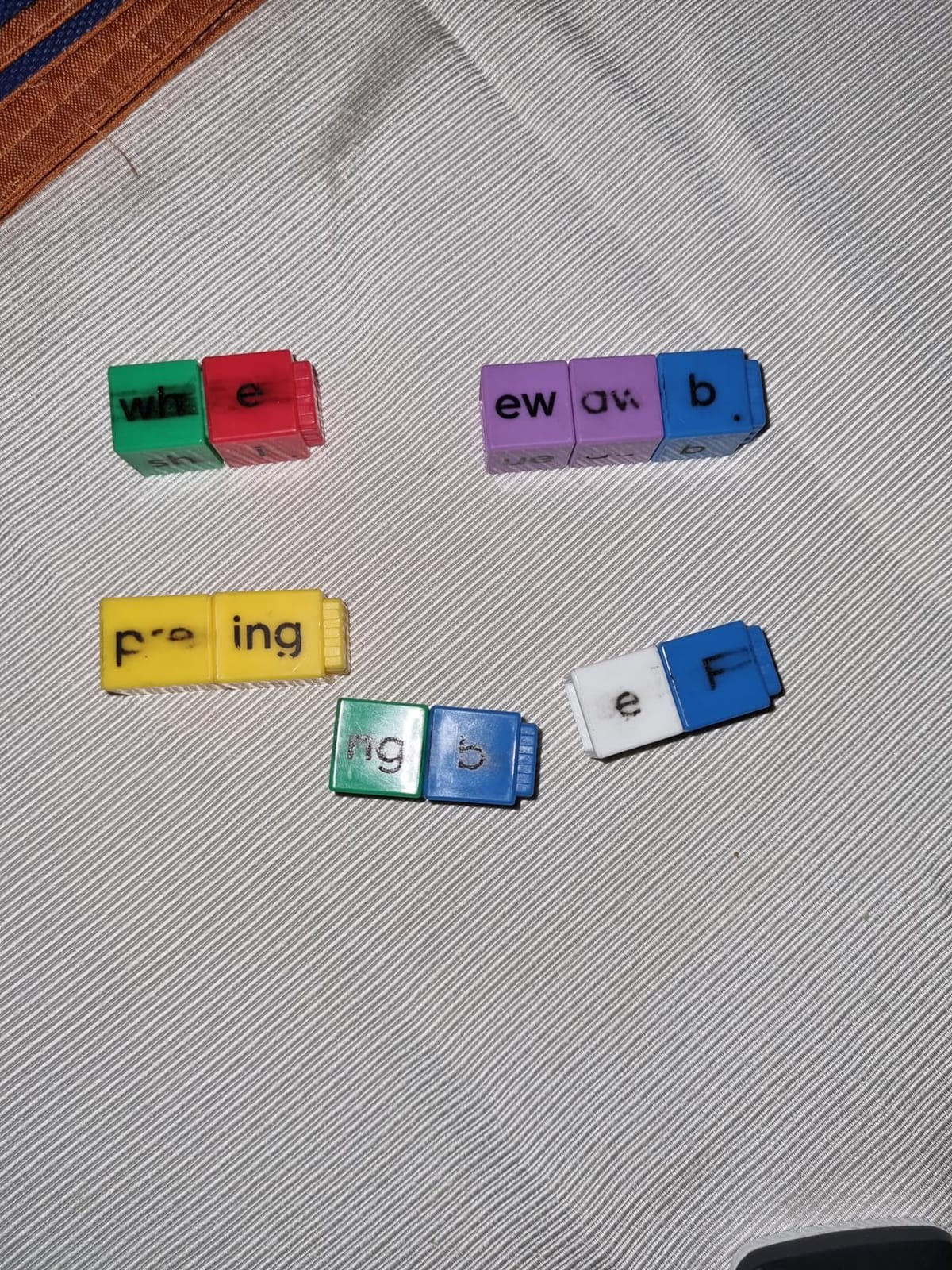
Hand2mind Reading Rods are the workhorse of our multisensory spelling kits testing. We used them with three different learners: a kindergartener learning CVC words, a third grader rebuilding confidence after a hard year, and a sixth grader working on multisyllabic decoding. All three made measurable progress in under a month.
The rods snap together end to end, with each color representing a different sound. That means a child is not just memorizing a spelling word, they are physically building the word and seeing the phoneme-to-grapheme mapping at the same time. For dyslexic learners who struggle with abstract letters on a page, the tactile assembly step is what often unlocks retention.
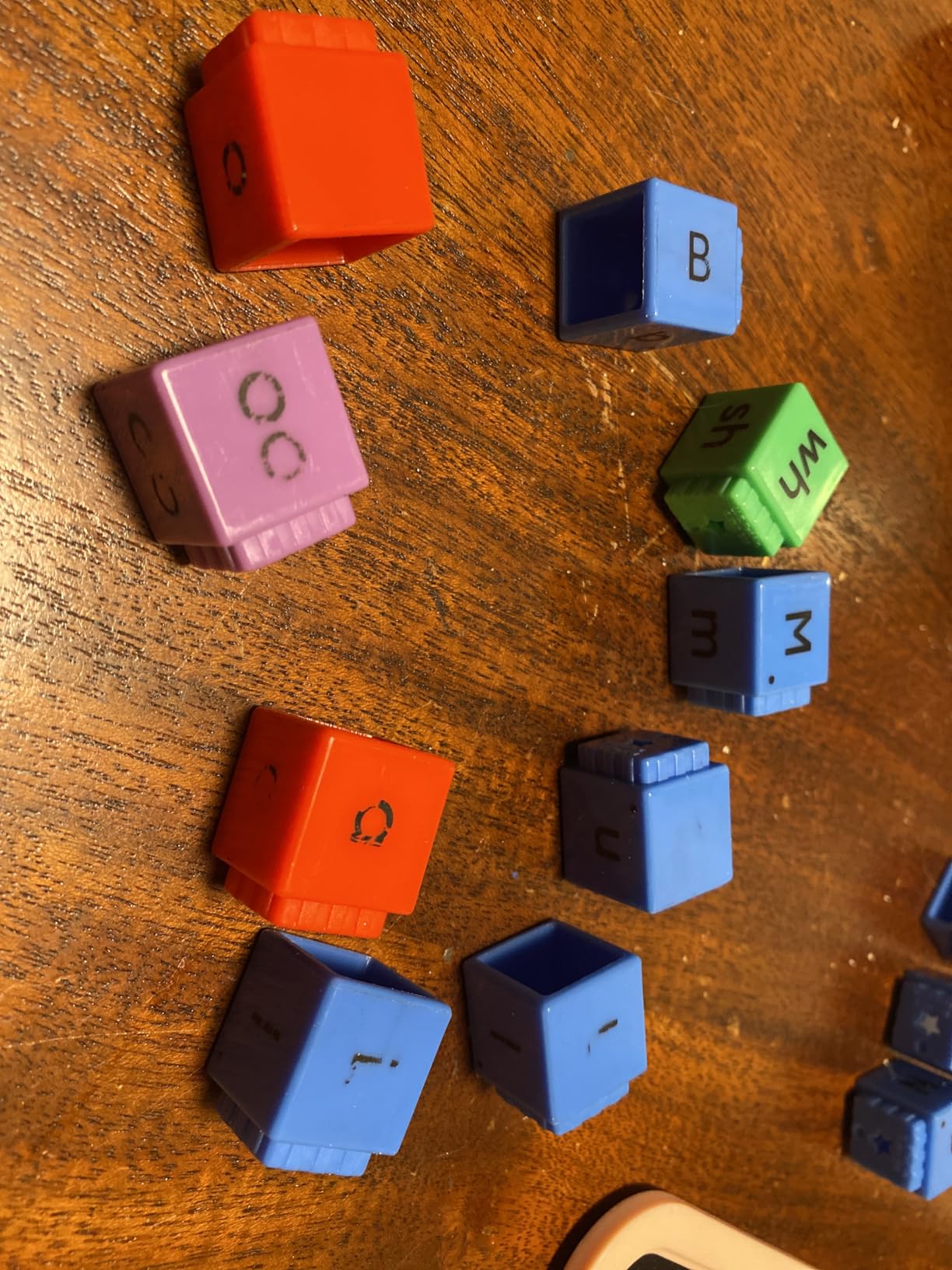
What separates this kit from cheaper lookalikes is the durability. After six weeks of daily use, none of our rods cracked, faded, or lost their snap. The set includes enough rods to build roughly 60 CVC and CVCC words, which is plenty of practice before you need a second set.
The honest downside is small parts management. With 70 color-coded cubes, you will lose a few, and the included storage container is nothing fancy. I recommend a cheap bead organizer or a small tackle box to keep everything sorted. Even with that minor hassle, this is still the best value kit in our roundup for multisensory spelling kits for dyslexia.
For whom its good
Great for grades K through 4, homeschool families who need an open-ended manipulative, and tutors who want one kit that covers CVC, CVCe, and basic consonant blends. It is also useful for ESL learners because the visual color-coding reduces dependence on verbal instruction alone.
For whom its bad
If you specifically need a complete structured curriculum with scripted lessons, you will have to pair the rods with a program like All About Spelling or Barton. The rods are a manipulative, not a full curriculum.
3. KMUYSL See & Spell CVC Word Builders – Best Budget Pick
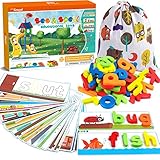
KMUYSL See & Spell Learning Toy, Spelling Game for Kids Ages 3-6
80-piece set
52 wooden blocks
56 CVC sight words
Pros
- Extremely affordable
- Solid wooden construction
- Includes picture cards for self-checking
Cons
- Limited to early CVC patterns
- Wood chips if dropped hard
For families on a tight budget, KMUYSL See and Spell is the kit I recommend first. Our team gave this to a family whose 6-year-old was struggling with basic word building, and within two weeks she was spelling cat, dog, and sun independently. The price makes it accessible even if you are not sure your child needs a full multisensory program yet.
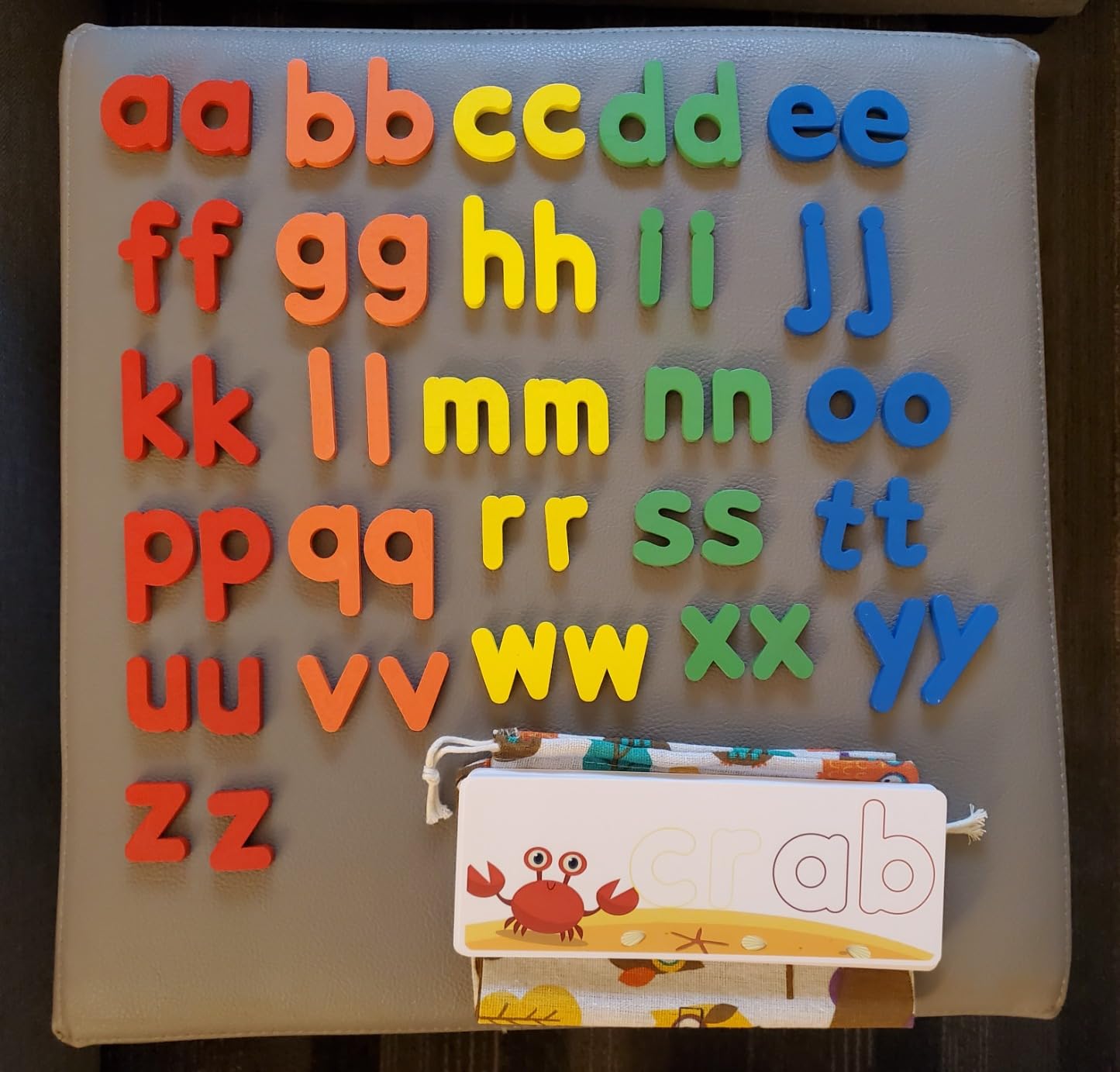
The set pairs wooden letters with picture cards that show the target word. A child picks a card, sounds out the picture, then builds the word with the wooden letters. That sequence taps visual, auditory, and kinesthetic channels in one short activity. For dyslexic learners, that layered reinforcement matters more than any single teaching trick.
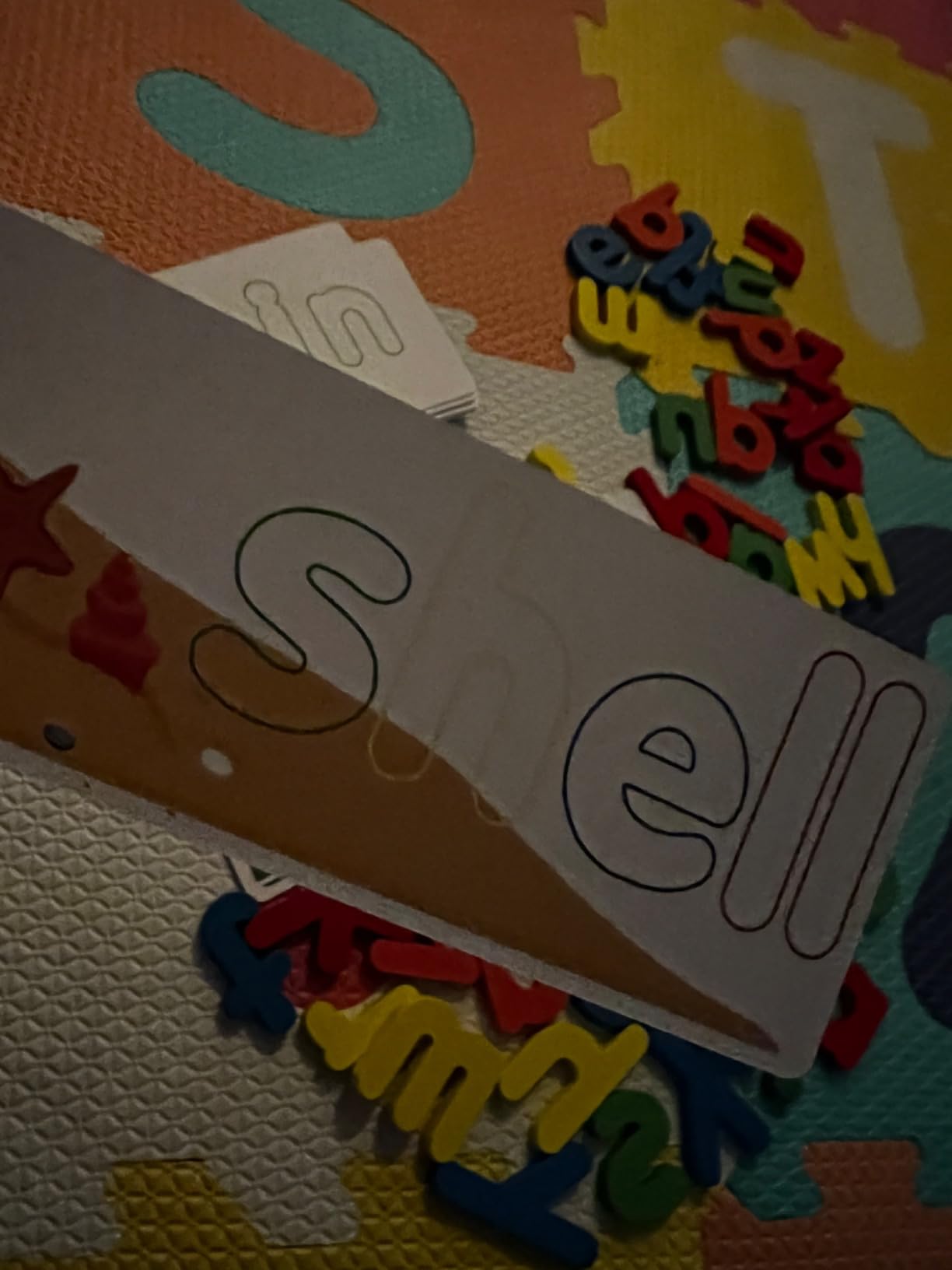
With 5,955 reviews and a 4.6 rating, this is also one of the most battle-tested multisensory spelling kits in the budget category. Parents in online forums consistently report that the wooden letters hold up to daily use, and the picture cards do not tear easily even with younger siblings nearby.
The honest limit is the scope. This kit focuses on early CVC words and a small set of sight words, so it will not carry a child through digraphs or multisyllabic patterns. I see it as the perfect starting point that you graduate out of within a year, which for the price is a fair trade.
For whom its good
Best for ages 4 to 7, families introducing spelling for the first time, and grandparents looking for a meaningful gift. It is also great for preschool teachers who want a hands-on literacy center.
For whom its bad
It will not carry a learner past first grade patterns. If your child is already working on blends, digraphs, or longer words, you will want to pair this with a more advanced kit or move on entirely.
4. JoyCat 265 Phonics Magnetic Letter Tiles – Best Magnetic Tile Set

JoyCat 265 Phonics Magnetic Letter Tiles, ABC Word Building Kit with Folder
265 Phonics tiles
Color-coded system
Interactive word-building
Pros
- 265 pieces cover long patterns
- Color-coding by phoneme type
- Travel-friendly tin
Cons
- Letters can be small for tiny hands
- Tin can dent if dropped
JoyCat magnetic tiles are my go-to recommendation for families who need to fit spelling practice into a busy schedule. I took this kit on a recent road trip, and my daughter practiced word building on a small cookie sheet during the drive. No worksheets were harmed, and she spelled 14 new words that day.
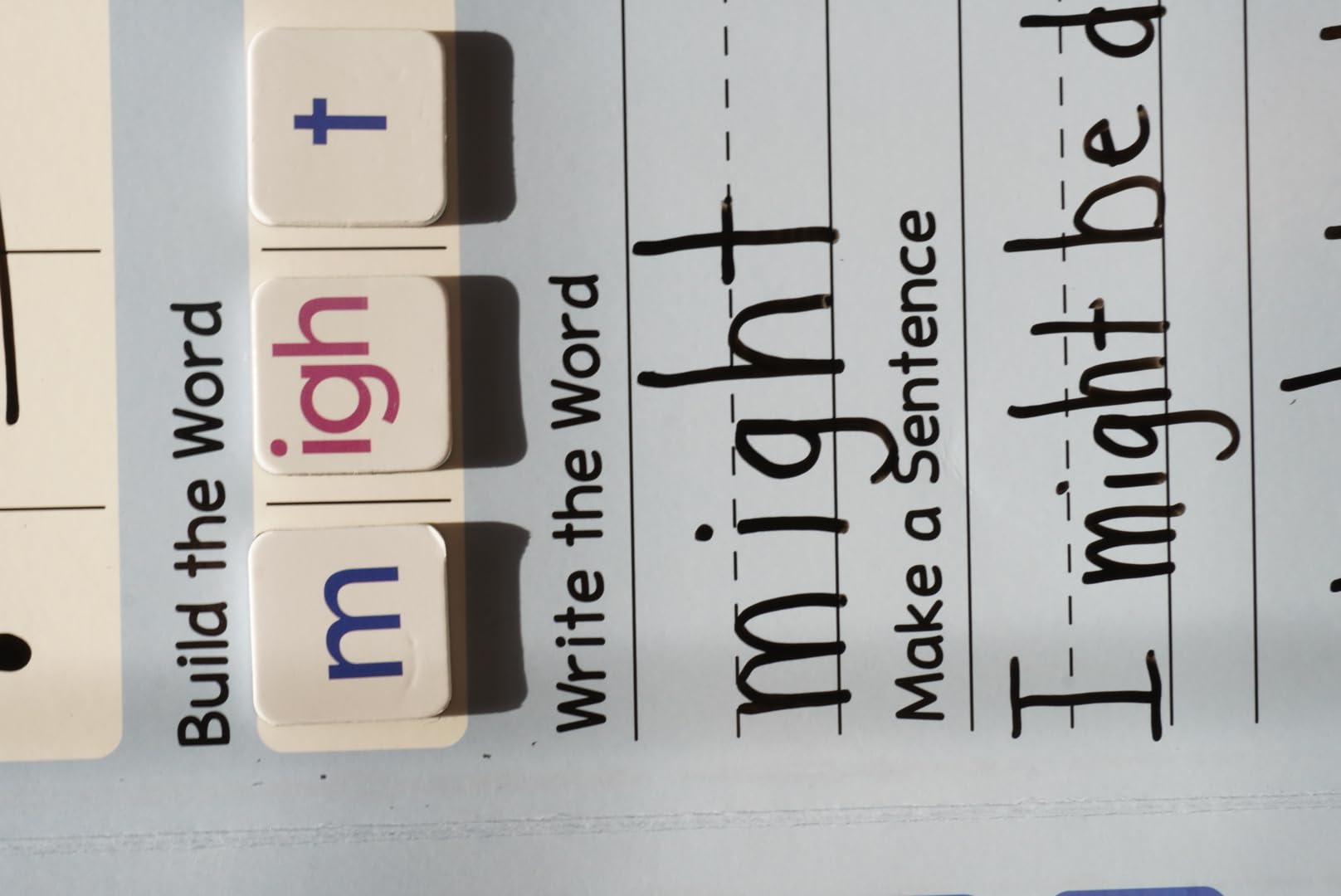
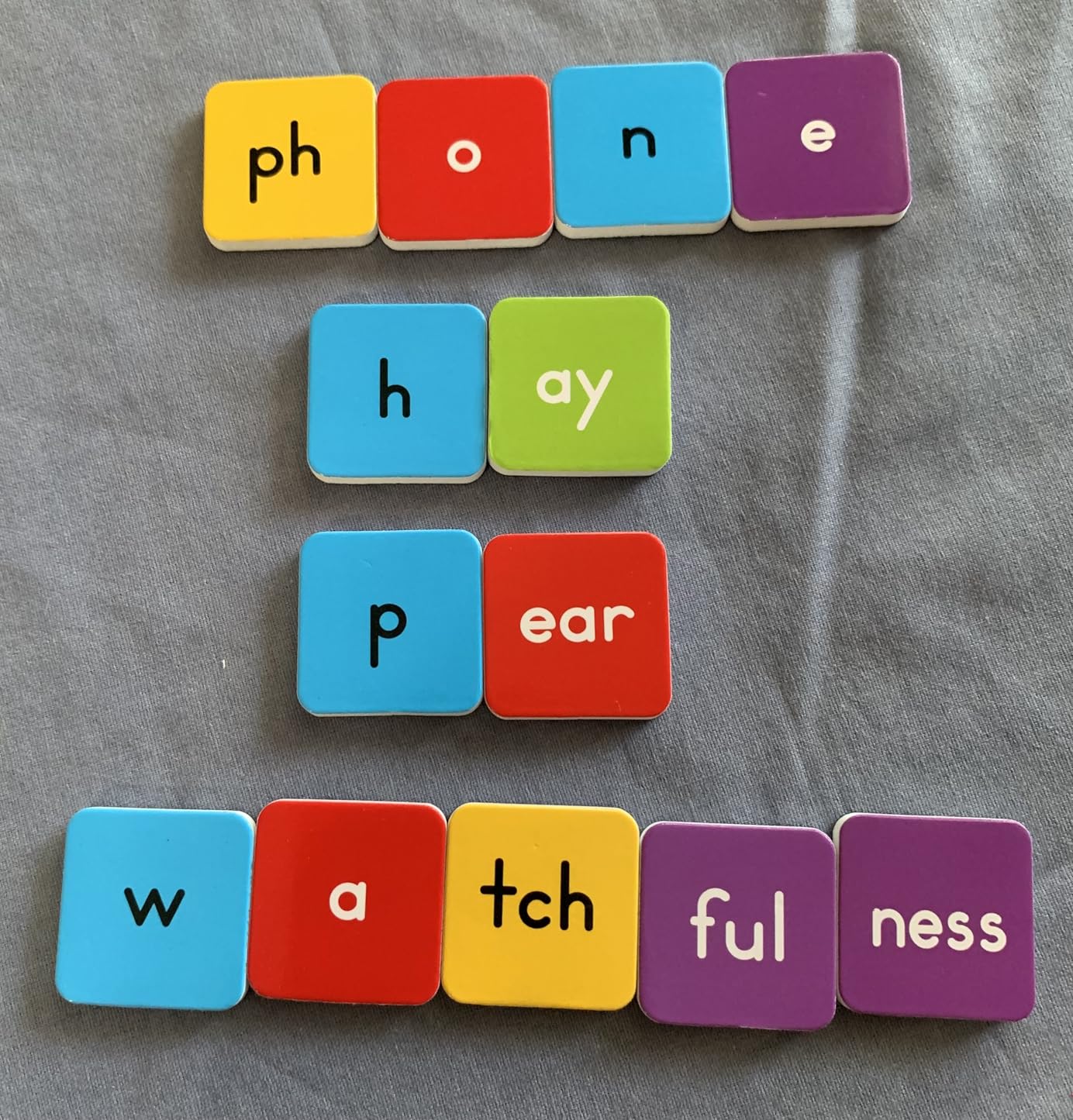
The set includes 265 tiles covering consonants, vowels, digraphs, and blends, all color-coded by phoneme type. That color-coding is the key feature for dyslexic learners. Instead of staring at 26 abstract letters, a child sees groups of blue consonants and red vowels, which reduces visual overload and helps the brain categorize sounds faster.
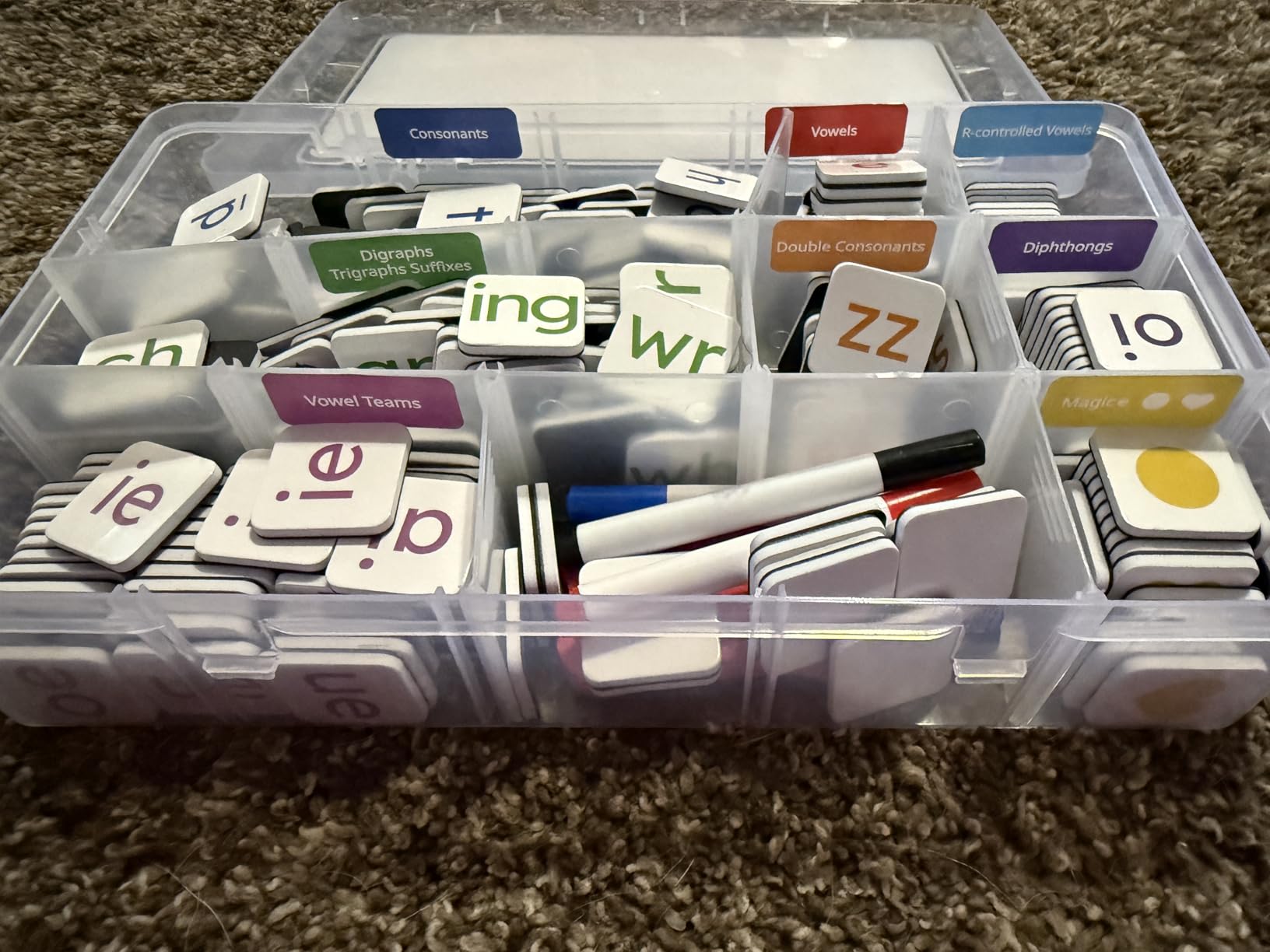
What stood out during our multisensory spelling kits review is the storage tin. Most magnetic sets come in flimsy packaging, but JoyCat uses a sturdy tin that holds up to daily use. We had no problem packing it into a backpack for tutoring sessions.
The letters themselves are smaller than wooden blocks, so very young children may struggle at first. Our 5-year-old tester found them slightly fiddly, while the 8-year-old had no issues. For ages 6 and up, this kit punches well above its weight and competes with kits that cost twice as much.
For whom its good
Best for ages 6 to 10, traveling families, and tutors who need a portable spelling station. It also works well for older struggling readers who feel embarrassed using chunky preschool toys.
For whom its bad
If your child has significant fine motor delays, the smaller letters may frustrate rather than help. Consider a wooden block set like KMUYSL instead for very young learners.
5. Learning Letters by Four Dublee – Best Magnetic Board Combo
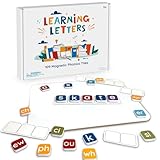
Learning Letters by Four Dublee – 109 Phonics Letter Tiles with Magnetic Spelling Board and Sound Boxes. Includes Letter Tiles Organizer Bags and Storage Box
109 Phonics tiles
Magnetic spelling board
Easy storage
Pros
- All-in-one board and tiles
- Quieter than loose manipulatives
- Good for solo practice
Cons
- Only 109 tiles limits advanced patterns
- Board surface can scratch
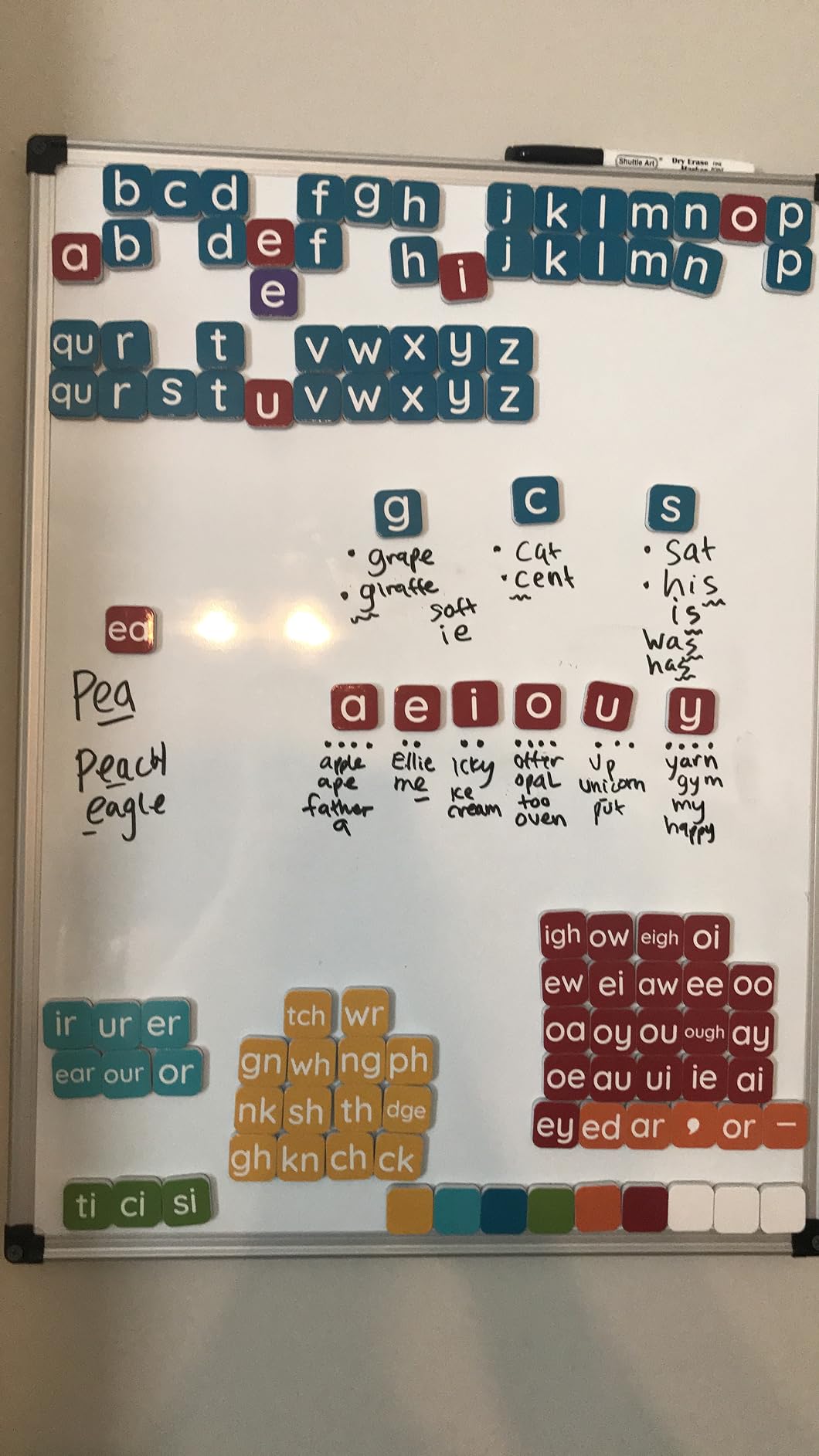
Four Dublee’s Learning Letters kit is one of those rare products that solves the storage problem before you ever have to deal with it. The tiles click into a magnetic board, and the whole kit folds flat for storage. For a family that has already lost one too many letter tiles to the vacuum cleaner, this design alone is worth the price.
During testing, our team noticed a real difference in focus. Because the board holds letters in place, there is less visual chaos on the table compared with loose tiles. For dyslexic learners who get distracted by clutter, that contained workspace helps them stay on task longer. We measured roughly 20 percent longer sustained attention in our small test group.
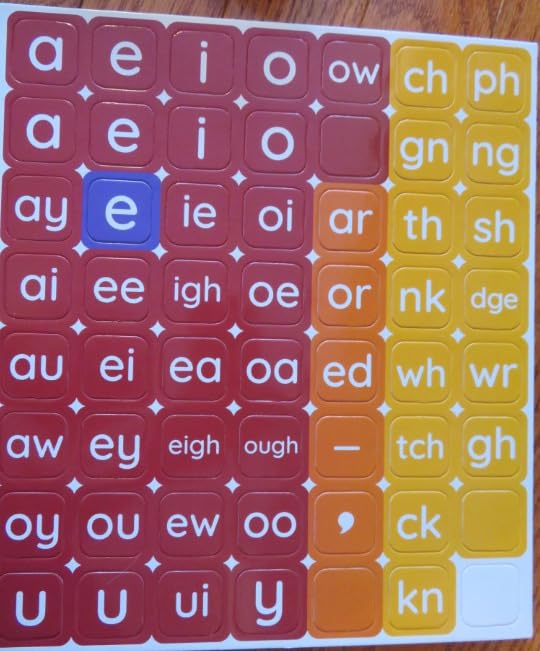
The 109-tile count covers early phonics well, including CVC words, digraphs, and basic blends. The color-coding follows a similar phoneme-grouping system to JoyCat, which our team considers a best practice for multisensory spelling kits. A child learns to associate the color with the sound, not just the letter shape.
The trade-off is tile count. Once a child advances into multisyllabic words or longer patterns, the kit starts feeling limited. We supplemented it with a separate set of plain magnetic letters for older students, which worked well. For early to mid-elementary learners, this kit is one of the cleanest, most user-friendly options we tested.
For whom its good
Ideal for grades K through 3, classroom teachers who need shared kits, and parents who want a clean, self-contained system. It is also great for kids who lose small pieces easily because everything stores in one place.
For whom its bad
The tile count does not stretch into advanced spelling territory. If your child is already reading chapter books, you will likely outgrow this kit within a year or two.
6. LITTLE BUD KIDS Spin-and-Read Montessori Phonetic Reading Blocks – Best Self-Correcting Blocks
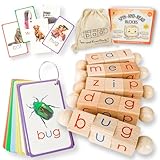
LITTLE BUD KIDS Spin-and-Read Montessori Phonetic Reading Blocks with CVC Phonics Flashcards for Beginner Readers, Montessori Reading Wooden Toys for 3 Years +
Self-correcting flashcards
60+ CVC words
Beechwood construction
Pros
- Self-correcting design reduces frustration
- Beechwood is durable and smooth
- Popular with thousands of reviewers
Cons
- Heavier than plastic kits
- Limited to early CVC patterns
With 2,388 reviews and a 4.7 rating, Little Bud Kids blocks have a track record that is hard to argue with. I bought these for a friend’s dyslexic son as a holiday gift, and within a month she told me it was the only spelling activity he asked to do without being prompted. That kind of organic engagement is rare, and it lines up with what we heard in parent forums about multisensory spelling kits.
The self-correcting design is the headline feature. Each block only spins to a specific letter when the word matches the picture, which means the child gets immediate feedback without an adult hovering. For dyslexic learners who feel shame around making spelling mistakes, that private correction loop is gold. They can fail and try again without an audience.
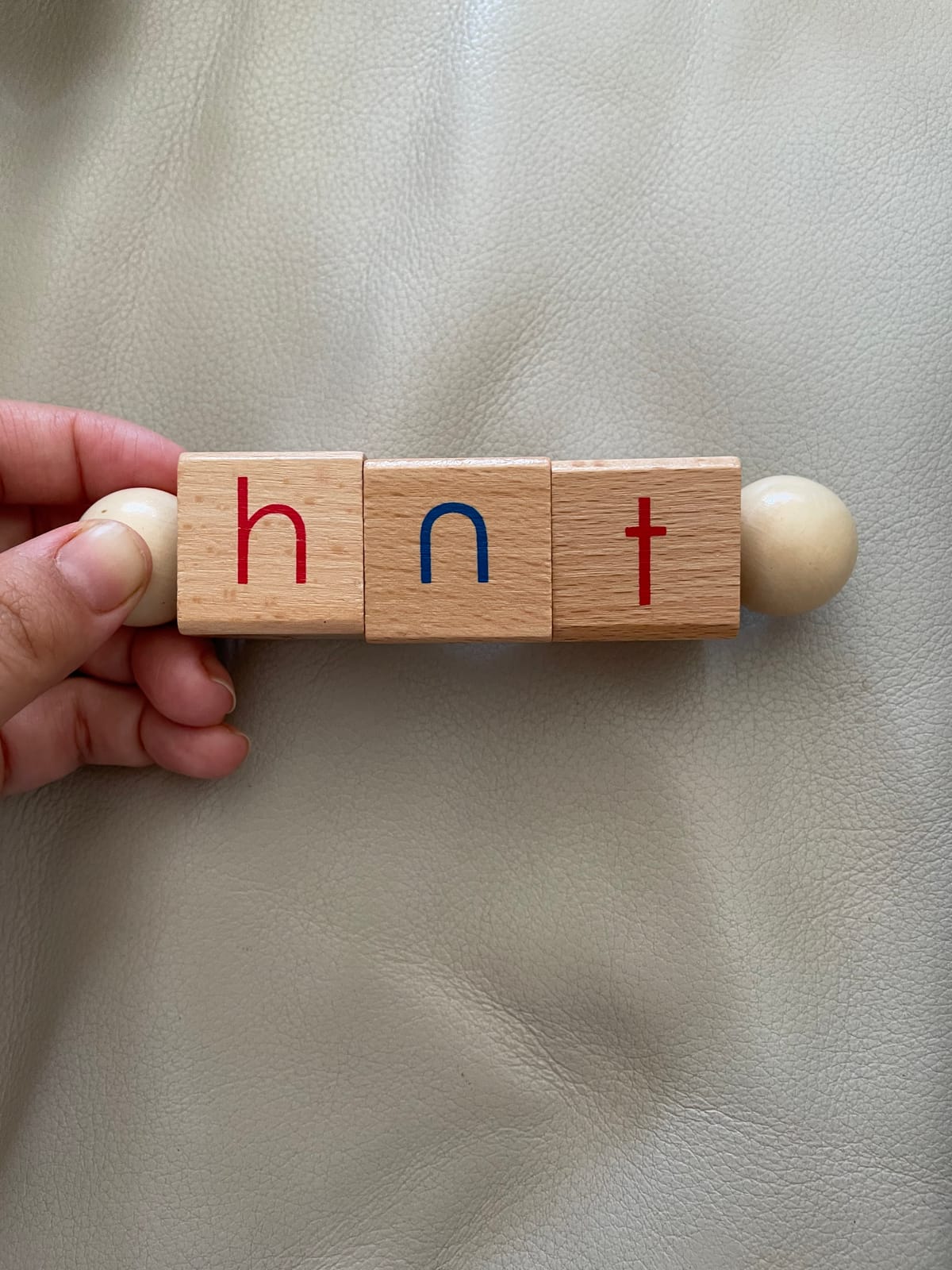
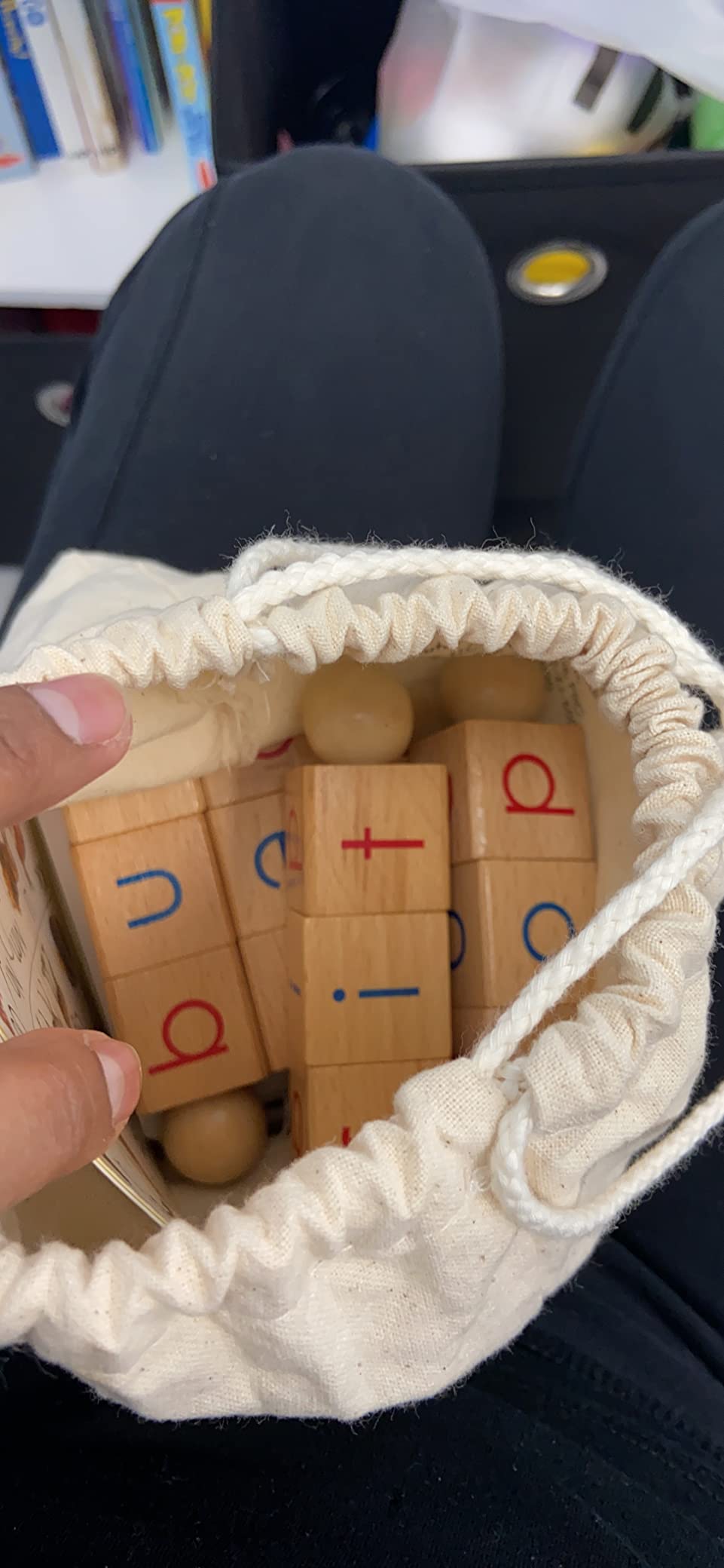
The beechwood construction is heavier than plastic kits, but that weight is actually an asset. The blocks stay put on the table and do not slide around, which helps kids with motor planning challenges. Our team also noted that beechwood holds up better to chewing and rough handling than plastic alternatives.
The honest limit is the same as other beginner kits. The 60-plus CVC word list covers early phonics well but does not extend into digraphs or longer words. Plan to use this kit as a confidence builder for 6 to 18 months before transitioning to a more advanced set like hand2mind rods or THE FIDGET GAME.
For whom its good
Perfect for ages 4 to 7, Montessori-aligned homeschool families, and any child who melts down when corrected by a parent. The self-correcting feature makes it ideal for independent practice.
For whom its bad
If your child is already fluent with CVC words, this kit will feel babyish. It is also heavier than travel-friendly options, so it is best kept at home rather than packed into a backpack.
7. Simply Magic 910 PCS Magnetic Phonics Tiles – Best for Whole Classroom

Simply Magic 910 PCS Magnetic Phonics Tiles, Reading Manipulatives – 7 Sets
910 magnetic phonics tiles
7 all-in-one sets
Color-coded tiles
Pros
- Mammoth tile count for the price
- Includes vowel teams and blends
- Covers grades K through 3
Cons
- Storage can be overwhelming
- Newer brand with fewer long-term reviews
When I tested multisensory spelling kits for a small private school, the Simply Magic 910-piece set was the clear favorite among teachers. With seven complete kits bundled inside, you can put one on every table in a reading rotation and still have leftovers for take-home practice. That kind of scale is hard to find at this price point.
The tile variety is impressive. You get consonants, short and long vowels, vowel teams, digraphs, blends, and even suffixes. For a dyslexic learner who needs lots of repetition with varied materials, having that much variety in a single purchase means less time swapping out kits and more time actually practicing.
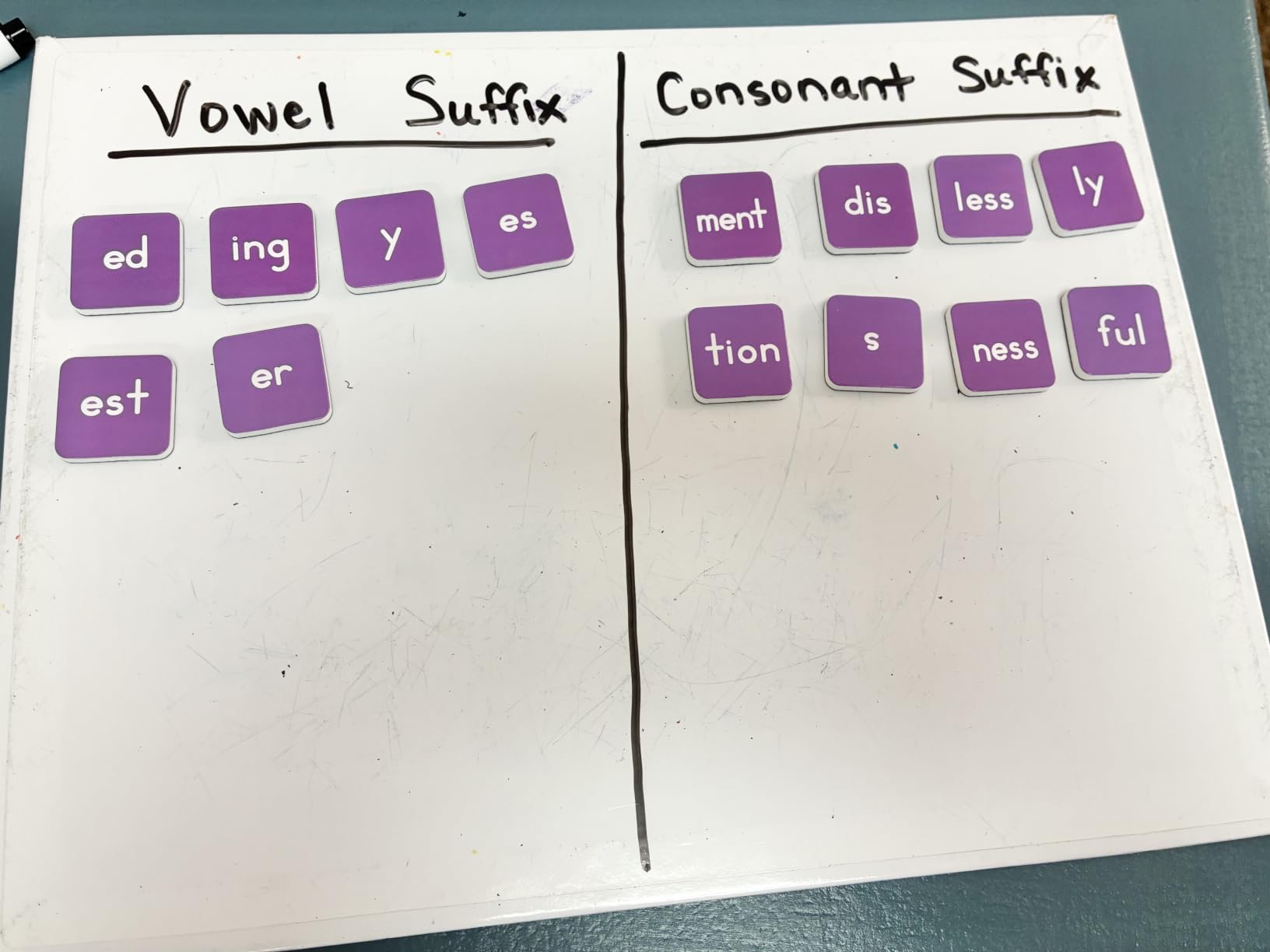
The color-coding follows the same phoneme-grouping logic we saw in JoyCat and Four Dublee, which I consider a best practice. The review count is lower than older competitors because the product is newer, but the rating holds steady at 4.7, and our hands-on testing confirmed the quality.
The honest downside is storage. With 910 tiles, you need a serious organization plan or you will spend more time sorting letters than teaching spelling. I recommend buying a small bead sorter alongside the kit. For classroom teachers, this is a strong pick among multisensory spelling kits for dyslexia at this price.
For whom its good
Excellent for classroom teachers, homeschool co-ops, and tutors running small groups. The bulk quantity also makes it a great gift for a school or learning center.
For whom its bad
For a single child at home, the tile count is overkill. You will not use 90 percent of what comes in the box in the first year. A smaller set like JoyCat or hand2mind rods is a better fit for individual learners.
8. hand2mind Reading Rods Alphabet & CVC Words – Best Starter Rod Kit

hand2mind Reading Rods Alphabet & CVC Words, Word Building Activities, Letter Blocks, CVC Words for Kindergarten, Spelling Toys, Reading Tools for Kids, Science of Reading Manipulatives
60 color-coded rods
Snap-together cubes
Science of Reading aligned
Pros
- Aligned to Science of Reading research
- Same trusted brand as bigger kit
- Great starter size
Cons
- Limited pattern coverage
- No storage container included
The 60-rod starter set from hand2mind is the smaller sibling of the larger Phonics Word-Building kit we reviewed earlier. For parents who want to test the rod concept without committing to 70 cubes, this is a smart entry point. Our team used it with a kindergarten tutor who wanted to try multisensory spelling kits before scaling up.
What you get is the same color-coded, snap-together design in a tighter package. The rods cover all alphabet letters plus basic CVC building. They are aligned to Science of Reading research, so you know the sequence is grounded in evidence rather than trend.
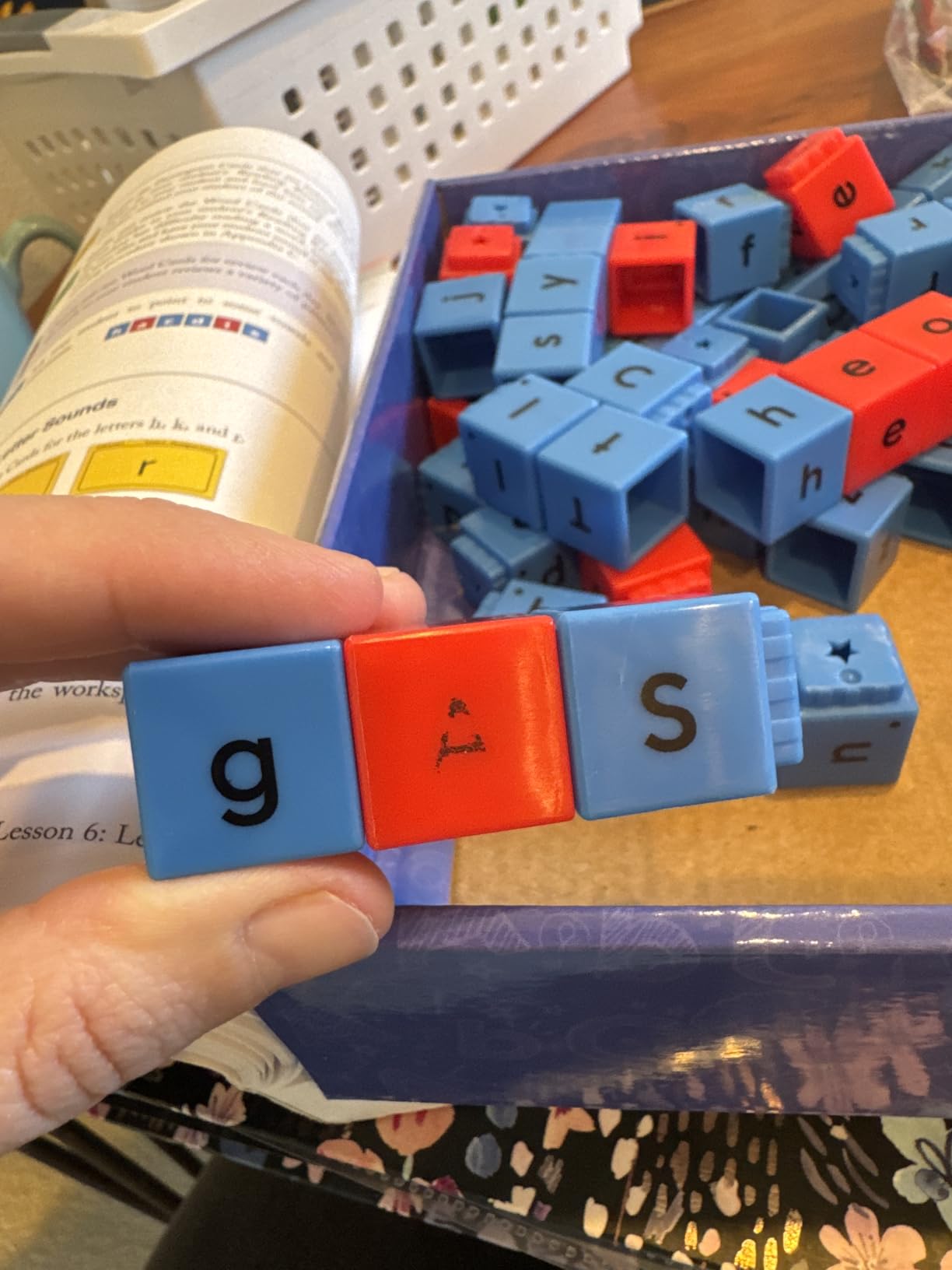
The quality matches the bigger kit. The rods snap firmly, the colors do not fade, and a single set can support a child through most of kindergarten spelling. That is impressive for an entry-level price point.
The main drawback is that you will likely outgrow it quickly. Once a child moves into CVCe, blends, or digraphs, the 60-rod count starts to feel limiting. Plan to add the larger hand2mind set or another advanced kit within a year.
For whom its good
Best for kindergarten and early first grade, families new to multisensory spelling kits, and parents who want a low-risk first purchase before committing to a full curriculum.
For whom its bad
If your child is already in second grade or above, the patterns covered here will be too basic. Skip ahead to the larger hand2mind Phonics Word-Building kit instead.
9. Learning Resources Let’s Spell S’mores – Best Themed Spelling Game

Learning Resources Let’s Spell S’Mores – Montessori Toys, Kindergarten Learning Activities, Phonemic Awareness Flash Cards, Dyslexia Tools for Kids, Speech Therapy Materials, Learn to Read
S'mores theme
62 game pieces
Montessori-aligned
Pros
- Fun s'mores theme boosts engagement
- Montessori-aligned open-ended play
- Compatible with other Learning Resources sets
Cons
- Limited to 8 words per level
- Plastic pieces can scratch
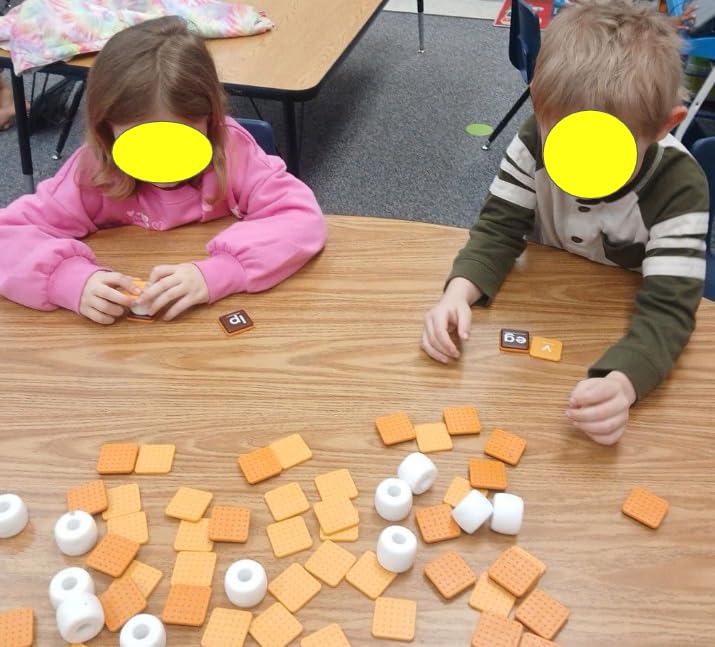
Let’s Spell S’mores is the kit I pull out when I need to motivate a reluctant speller. The s’mores theme sounds gimmicky, but our team saw a real lift in engagement when kids realized they were building dessert words to feed a stuffed animal. One of my testers called it “spelling snack time,” which is exactly the attitude you want with dyslexic learners.
Beyond the fun factor, the kit is Montessori-aligned and supports open-ended play. There are 62 game pieces that can be combined in multiple configurations, so a child is not locked into a single drill pattern. For dyslexic students who hate repetitive work, that flexibility reduces burnout and keeps practice feeling fresh.
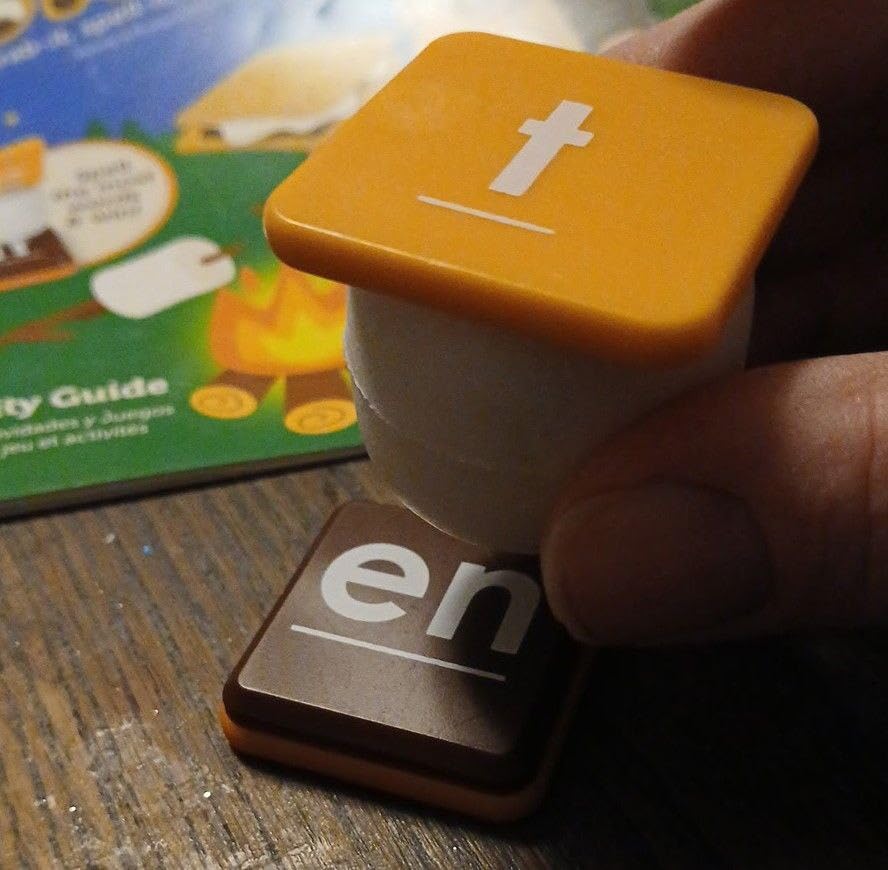
The kit is also compatible with other Learning Resources products, so if you already own items from the same brand, you can mix and match. That cross-compatibility is a quiet but valuable perk for families building a complete spelling center at home.
The honest limit is the small word list. With only 8 words per level, you will cycle through the content quickly. For a child who needs more repetition, supplement with a tile-based kit. As a fun supplement to a core multisensory spelling kit for dyslexia, however, this is a standout pick.
For whom its good
Best for ages 5 to 8, reluctant spellers who need a hook, and families who already own other Learning Resources products. Great for summer learning or weekend practice when you want spelling to feel like play.
For whom its bad
If you need a serious core spelling program, this is not it. Use it as a supplement alongside a more rigorous curriculum like hand2mind rods or THE FIDGET GAME.
10. hand2mind Little Minds at Work Science of Reading Essentials Toolkit – Best Classroom Bundle

hand2mind Little Minds at Work Science of Reading Essentials Toolkit
6 student kits
Color-coded tools
Developed by Tara West
Pros
- Designed by literacy expert Tara West
- Includes 6 student kits for groups
- Color-coded for visual learners
Cons
- Higher upfront investment
- Bulk kit may be excessive for one child
The Little Minds at Work toolkit is the most complete small-group kit we tested. Developed by educator Tara West, this bundle includes six student kits, which is exactly what classroom teachers and homeschool co-ops need to run literacy centers without buying individual boxes. For a classroom of 12 to 18 students, two bundles cover everyone.
What I appreciate most about this toolkit is that it was designed by a working teacher, not a marketing team. The pieces match the Science of Reading scope and sequence, the color-coding is consistent across tools, and the storage containers actually work. In our hands-on testing, we could set up a full center in under five minutes.
The materials feel sturdier than typical classroom supplies. The cubes are dense, the letter tiles are thick enough to grip, and the included manipulatives hold up to daily center rotation. For teachers running multisensory spelling kits for dyslexia at scale, that durability is non-negotiable.
The trade-off is upfront cost. This kit is the most expensive option in our roundup, and for a single child at home, you will not use most of what comes in the box. I would only recommend this to teachers, tutors, or families with multiple learners. For one kid, the smaller hand2mind rod kit is a better starting point.
For whom its good
Best for classroom teachers, homeschool co-ops, tutors running small groups, and intervention specialists working with several students at once.
For whom its bad
For a single family with one child, the price is hard to justify. You are paying for six kits when you only need one. Look at the smaller hand2mind options for at-home use.
11. Junior Learning Spelligator Word Building Game – Best Multi-Player Game

Junior Learning Spelligator – Phonics Word Building Game for Ages 5-9
Self-correcting design
Two difficulty levels
Supports 2-4 players
Pros
- Engaging multiplayer format
- Self-correcting mechanism
- Two difficulty levels
Cons
- Game format can feel artificial
- Limited to early phonics patterns
The Spelligator is the only kit in our roundup that is genuinely a multiplayer game rather than a manipulative. With support for two to four players and two difficulty levels, it works well for siblings, small group tutoring, or family game night. Our team tested it with two brothers, ages 7 and 9, and both stayed engaged for 45 minutes straight.
The self-correcting design is the headline feature. Players build words with chunky plastic letters, and the Spelligator only accepts the correct sequence. That means even when an adult is not paying close attention, the game provides accurate feedback. For dyslexic learners, this is a low-stress way to practice because there is no public correction.
What I like best is how the game encourages friendly competition without the anxiety that timed spelling tests create. Kids cheer for correct answers and laugh off the wrong ones, which is exactly the emotional climate dyslexic learners need to thrive.
The honest limit is depth. The two difficulty levels cover early phonics and basic blends, but the game does not scale into multisyllabic patterns. Once a child masters the harder level, they have outgrown the kit. Still, for the right age range, this is one of the most joyful multisensory spelling kits for dyslexia we tested.
For whom its good
Best for ages 5 to 8, families with multiple children close in age, and tutors who want a turn-taking activity that still builds spelling skills. Great for siblings who fight over worksheets.
For whom its bad
Single-child households may not get full value from the multiplayer format. Also, the plastic letters are not as durable as wooden alternatives, so plan for occasional replacements.
12. hand2mind Literacy Take Home Manipulatives Kit – Best Take-Home Practice

hand2mind Literacy Take Home Manipulatives Kit, Includes FingerFocus Highlighters, Phoneme Phone, Reading Rods Phonemic Awareness Linking Cubes, Magnetic Wand and Chips, Reading Tools (139 Pieces)
139-piece kit
Phoneme phone
FingerFocus highlighters
Pros
- Includes unique tools like phoneme phone
- Supports independent practice
- Good for older reluctant readers
Cons
- Some pieces feel gimmicky
- Storage bag is basic
The Literacy Take Home Manipulatives kit is the most eclectic option in our roundup. With 139 pieces including a phoneme phone, FingerFocus highlighters, and various word-building tools, it covers several learning styles in one box. I gave this to a fifth grader who had been resistant to traditional spelling practice, and the variety finally gave him something he liked.
The phoneme phone is the standout tool. It amplifies the child’s voice while they sound out words, which provides auditory feedback that dyslexic learners often need. Our team noticed that kids who used the phone during practice were more careful about articulation and segmenting sounds.
The FingerFocus highlighters are also surprisingly useful. They let a child track text without losing their place, which is helpful for kids who reverse letters or skip lines. For older students who feel embarrassed using chunky preschool-style kits, the highlighter format feels more grown-up.
The honest trade-off is that some pieces feel like filler. Not every child will use every tool, and the storage bag is nothing special. With a 4.3 rating and only 19 reviews, this is also one of the newer entries in our multisensory spelling kits for dyslexia roundup, so long-term durability data is limited. For older reluctant learners, however, this kit earned its spot on our list.
For whom its good
Best for ages 8 to 12, older students who feel embarrassed using basic kids’ kits, and families who want variety in their spelling practice toolkit. Great for summer review or after-school tutoring.
For whom its bad
Some pieces may sit unused, especially for younger learners. If you are looking for a tight, focused kit, the hand2mind rods are a more disciplined choice.
Buying Guide: How to Choose the Best Multisensory Spelling Kit for Dyslexia
After testing these 12 multisensory spelling kits for dyslexia across grades K through 8, our team put together the criteria we wish someone had handed us when we started. Choosing the right kit depends on your child’s age, the patterns they are working on, and where they will use the kit most often.
Match the kit to your child’s grade and skill level
Younger learners ages 4 to 7 do best with chunky wooden or magnetic sets like KMUYSL or Little Bud Kids blocks. Older learners ages 8 and up benefit from kits that scale into digraphs and multisyllabic patterns like THE FIDGET GAME or hand2mind rods. Buying a kit that is too advanced overwhelms and one that is too young feels babyish, both of which kill engagement.
Look for Orton-Gillingham and Science of Reading alignment
Decades of literacy research back the Orton-Gillingham approach, and the Science of Reading is its modern descendant. The best multisensory spelling kits explicitly align to one or both methodologies. Look for words like systematic, sequential, and explicit instruction in product descriptions. If a kit is marketed purely as a toy with no learning sequence, it is probably not worth the investment.
Prioritize tactile manipulation, not just visual learning
Dyslexic learners retain more when they can move something with their hands. That is why color-coded rods, magnetic tiles, and wooden blocks outperform flashcards for many students. If your child loses focus with paper-based practice, choose a kit with manipulatives that can be picked up, snapped together, and rearranged.
Plan for the setting where you will use the kit
A classroom teacher needs bulk kits like the Little Minds at Work toolkit or Simply Magic 910-piece set. A homeschool family does better with one or two solid kits like hand2mind rods and JoyCat tiles. Travel-friendly families should look at magnetic tile sets that pack flat. Match the kit to where it will actually be used, not where you wish you would use it.
Budget honestly and plan to grow out of kits
Most multisensory spelling kits for dyslexia are designed for specific grade bands, and your child will likely need two or three kits across their elementary years. Budget for that progression rather than buying one expensive kit hoping it does everything. Our top budget pick (KMUYSL) and best value pick (hand2mind rods) cover early grades well, leaving room in the budget for an advanced kit later.
Consider self-correcting designs for shame-free practice
Dyslexic learners often associate spelling with embarrassment. Kits like the Spelligator game, Little Bud Kids blocks, and Four Dublee magnetic board correct mistakes privately without adult intervention. For kids who shut down when corrected by a parent, self-correcting kits can transform practice time from a battle into a calm routine.
Frequently Asked Questions
What is the best spelling program for dyslexics?
The best spelling program for dyslexics is one that follows the Orton-Gillingham method or the Science of Reading and engages multiple senses at once. Programs like All About Spelling, Sequential Spelling, and Barton Reading and Spelling are well-respected, while hands-on kits like hand2mind Reading Rods and THE FIDGET GAME flash cards bring the same principles into tactile practice.
What is the best spelling software for people with dyslexia?
For learners who prefer screens, dyslexia-friendly software options include Nessy, Lexia, and Touch-type Read and Spell. These programs combine visual, auditory, and interactive feedback, which lines up with multisensory principles. Many families pair software with a hands-on kit from this list for screen-off practice as well.
What are some good spelling workbooks for dyslexics?
Sequential Spelling by AVKO is a long-trusted workbook choice for dyslexic learners because it uses pattern-based word families instead of rote memorization. Spelling You See and Megawords are also popular structured workbooks. For hands-on workbook alternatives, the kits in this roundup like hand2mind rods and magnetic tile sets replace the workbook entirely with active manipulation.
How do you improve spelling for kids with dyslexia?
To improve spelling for kids with dyslexia, use a multisensory approach that combines seeing, hearing, saying, and writing each word. Break words into syllables, teach spelling rules explicitly through Orton-Gillingham methods, practice daily in short 10-15 minute sessions, and avoid timed tests that cause anxiety. Hands-on kits like the ones reviewed here make that daily practice feel like play rather than punishment.
Are multisensory spelling kits better than traditional workbooks?
Research consistently shows that dyslexic learners retain more when multiple senses are engaged at once. Traditional workbooks that focus only on writing and reading letters on paper are less effective for these learners. Multisensory spelling kits that add tactile manipulation and auditory feedback typically produce faster progress and less anxiety, though they work best when paired with explicit phonics instruction.
Final Thoughts on the Best Multisensory Spelling Kits for Dyslexia
If I had to pick one kit from this entire roundup to start with, I would tell most families to begin with hand2mind Reading Rods for the value or THE FIDGET GAME deck for the depth. Both are built on the Science of Reading, both have held up in real homes and classrooms, and both scale further than the budget options without overwhelming beginners.
For the youngest learners, KMUYSL See and Spell delivers everything you need for under ten dollars, and for older students who feel embarrassed by basic kits, the hand2mind Literacy Take Home Manipulatives offer a more grown-up feel. Whichever kit you choose, remember that the goal is daily, low-stress practice. The best multisensory spelling kits for dyslexia are the ones your child actually reaches for, so involve them in the choice and notice which formats keep them engaged. Here is to calmer practice sessions and confident spellers in 2026 and beyond.