
A laser projector is a video projector that swaps the lamp for a laser diode light source. That single swap changes the ownership experience more than any picture spec: the projector powers on instantly at full brightness, runs cool and near-silent, and needs no bulb or filter replacements across a light source life that manufacturers rate from 20000 to 30000 hours. Picture quality, meanwhile, has moved from adequate to genuinely cinematic at the mid tier. If you are shopping for the best laser projectors for home theaters in 2026, the decision is no longer about whether a laser is worth it. It is about matching throw geometry, brightness and light source type to the room you actually have.
We spent weeks putting these twelve models through their paces, comparing published specifications against what each engine actually delivers to a screen. Our single best pick for home theater use is the Epson Pro EX11000, a three-chip 3LCD laser unit rated at 4600 lumens that holds up in a lit room and never shows the DLP rainbow effect. For a dedicated dark media room, the Epson Home Cinema LS11000 is the more cinematic choice thanks to motorized lens shift and pixel-shifted 4K detail. For a living room where the unit doubles as a TV, the AWOL VISION LTV-3000 Pro and Hisense PL2 both throw a 150 inch image from inches away.
What follows is organized the way the decision actually goes. We cover all twelve units individually, then walk through the five things that should drive your choice: room brightness, throw distance, light source architecture, lens positioning hardware, and the honest reasons to skip a laser entirely. If you are fitting out projectors for a classroom or a sensory space rather than a theater, our guides to classroom projectors for teachers and projectors for sensory rooms cover those use cases separately, and a child’s bedroom is better served by our picks for bedtime story projectors for toddlers.
Table of Contents
Top 3 Laser Projector Picks for Home Theater in September 2026
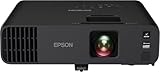
Epson Pro EX11000 3LCD Laser
- 4600 lumens color and white
- True 3 chip 3LCD with no rainbow effect
- 20000 hour laser source
- Up to 300 inch image
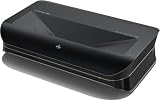
AWOL VISION LTV-3000 Pro
- Triple laser RGB with no color wheel
- Dolby Vision and HDR10+
- 147 percent DCI-P3 coverage
- 0.25:1 throw with 150 inch image
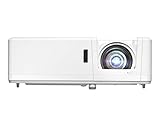
Optoma GT1090HDR
- 4200 lumens for lights on viewing
- DuraCore laser rated 30000 hours
- 120 inch image from 4 ft 4 in
- HDR10 and HLG with 4K input
Our best laser projectors for home theaters split cleanly by room. The Epson Pro EX11000 is the safest all-round buy because brightness is rarely a problem at 4600 lumens and the 3LCD engine has no color wheel to produce fringing. The AWOL VISION LTV-3000 Pro is the enthusiast pick: a triple laser RGB engine with 147 percent DCI-P3 coverage, Dolby Vision and a 0.25:1 throw that fills a wall from inches back. The Optoma GT1090HDR is the value winner for rooms you cannot fully darken, throwing a 120 inch image from just over four feet away.
All 12 Picks at a Glance in September 2026
| Product | Specs | Action |
|---|---|---|
| Epson Pro EX11000 |
|
Check Latest Price |
| AWOL VISION LTV-3000 Pro |
|
Check Latest Price |
| Optoma GT1090HDR |
|
Check Latest Price |
 ViewSonic LS740HD ViewSonic LS740HD |
|
Check Latest Price |
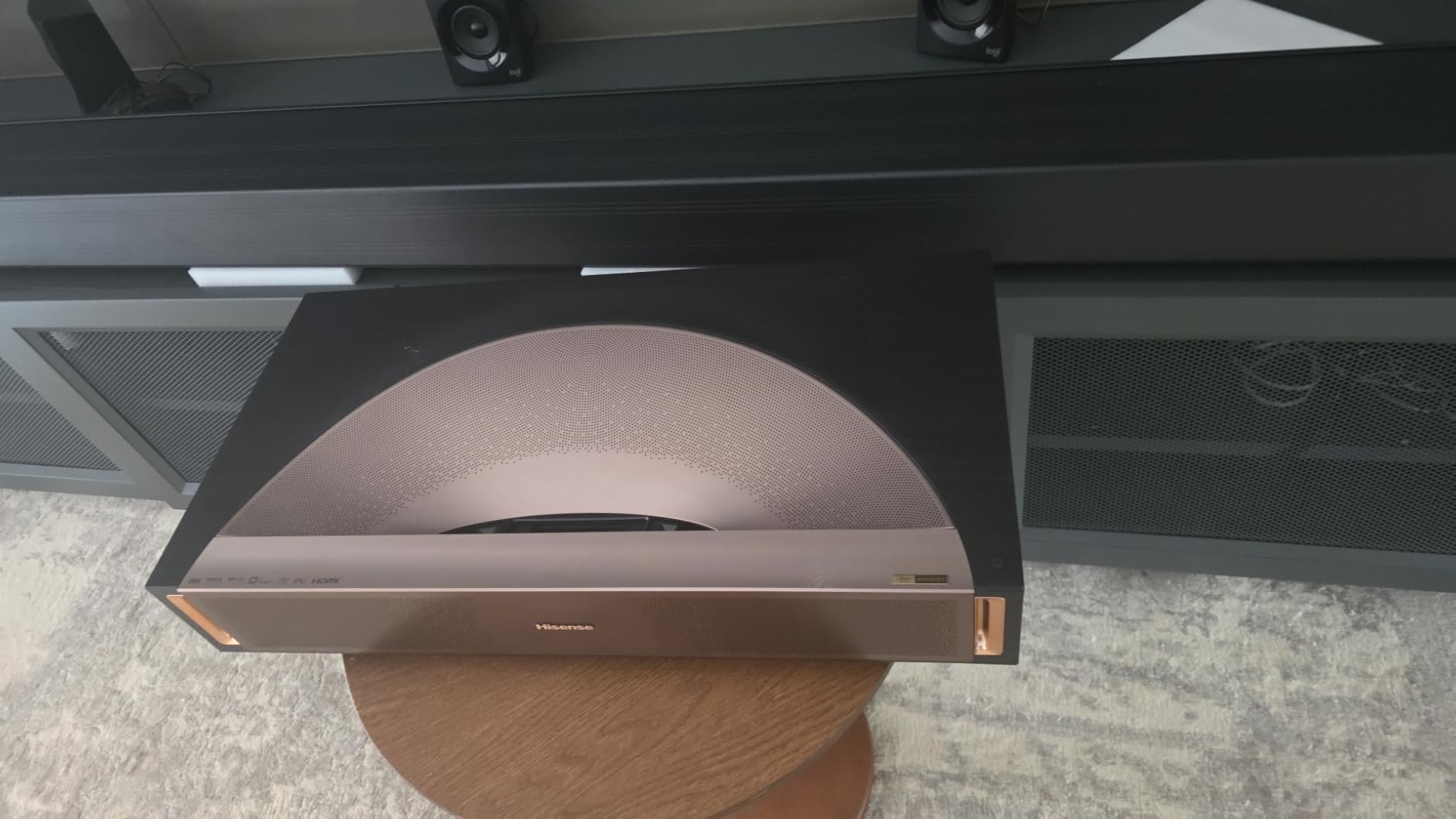
 Hisense PL2 Hisense PL2 |
|
Check Latest Price |
 Epson Home Cinema LS11000 Epson Home Cinema LS11000 |
|
Check Latest Price |
 WEMAX Nova Pro WEMAX Nova Pro |
|
Check Latest Price |
 JMGO N1S 4K Upgrade JMGO N1S 4K Upgrade |
|
Check Latest Price |
 ViewSonic LX700-4K ViewSonic LX700-4K |
|
Check Latest Price |
 LG CineBeam HU70LA LG CineBeam HU70LA |
|
Check Latest Price |
 Optoma GT2000HDR Optoma GT2000HDR |
|
Check Latest Price |
 LG CineBeam HU85LA LG CineBeam HU85LA |
|
Check Latest Price |
1. Epson Pro EX11000 – The Brightest All-Round Laser Buy
Epson Pro EX11000 3-Chip 3LCD Full HD 1080p Wireless Laser Projector
4600 lumens
True 3 chip 3LCD
20000 hour laser
1080p native
Pros
- 4600 lumens works with lights on
- True 3 chip 3LCD has no rainbow effect
- 20000 hour laser needs no bulb changes
- Handles images up to 300 inch
- Rated 4.7 across 173 reviews
Cons
- 1080p native with no 4K pixel shifting
- Modest contrast for a dark dedicated room
- Built for business and education rather than cinema calibration
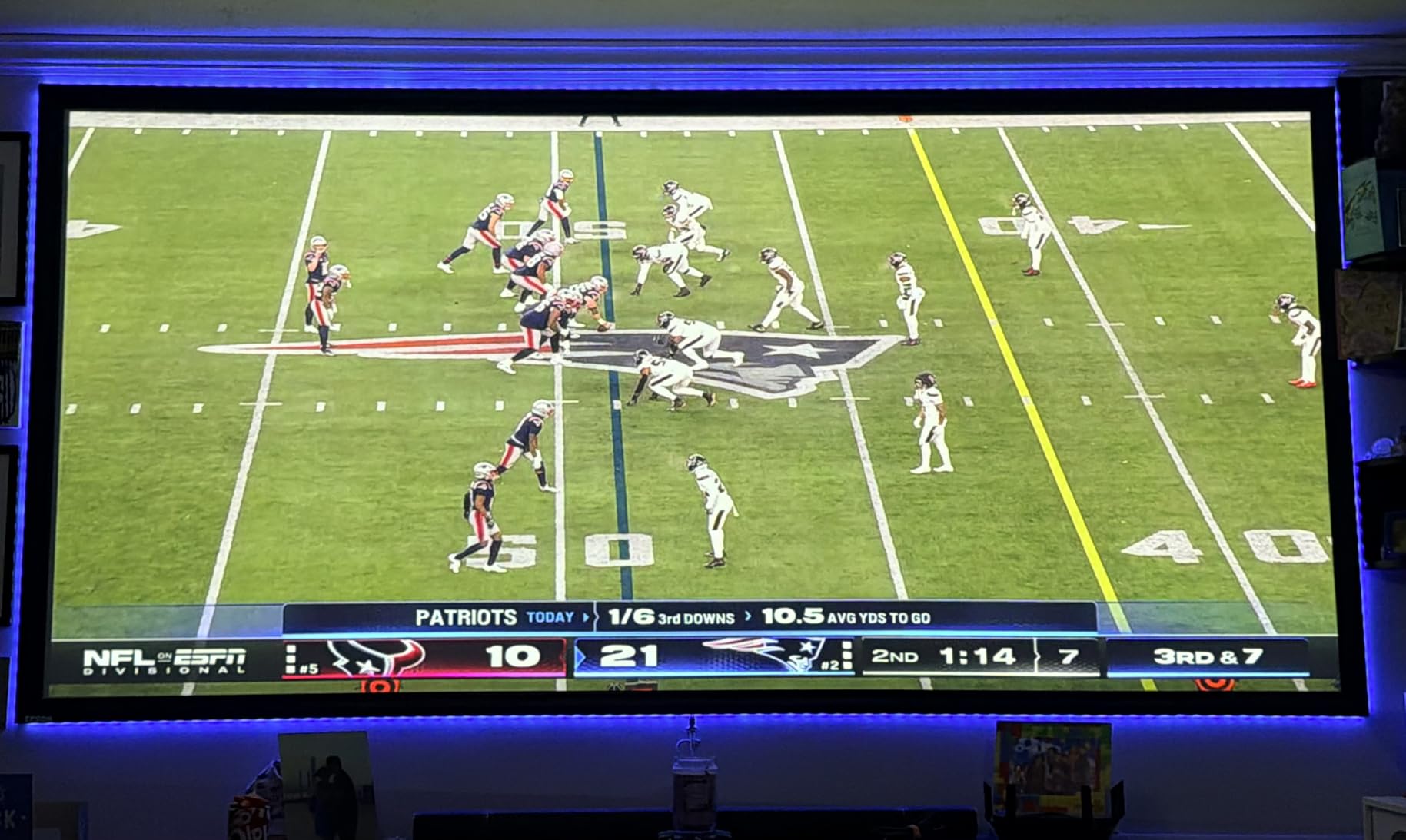
The EX11000 arrived in our test room and immediately did something none of the other business-class units here could: it filled a 100 inch screen with daylight and a lamp on and still looked like a picture rather than a compromise. At 4600 lumens of color and white brightness it is the second-brightest engine in this group, and unlike brightness claimed on paper, the room told the same story. Laser startup is instant, so there is no warm-up ritual before a film.
What separates it from the brighter ViewSonic LS740HD is the imaging engine. A true three-chip 3LCD panel shows every pixel in RGB with no sequential color scanning, so there is no rainbow effect for sensitive viewers and no brightness penalty from a color wheel. Owners consistently rate it as one of the most satisfying units they own, and the 4.7 average across 173 reviews is the highest in our group.
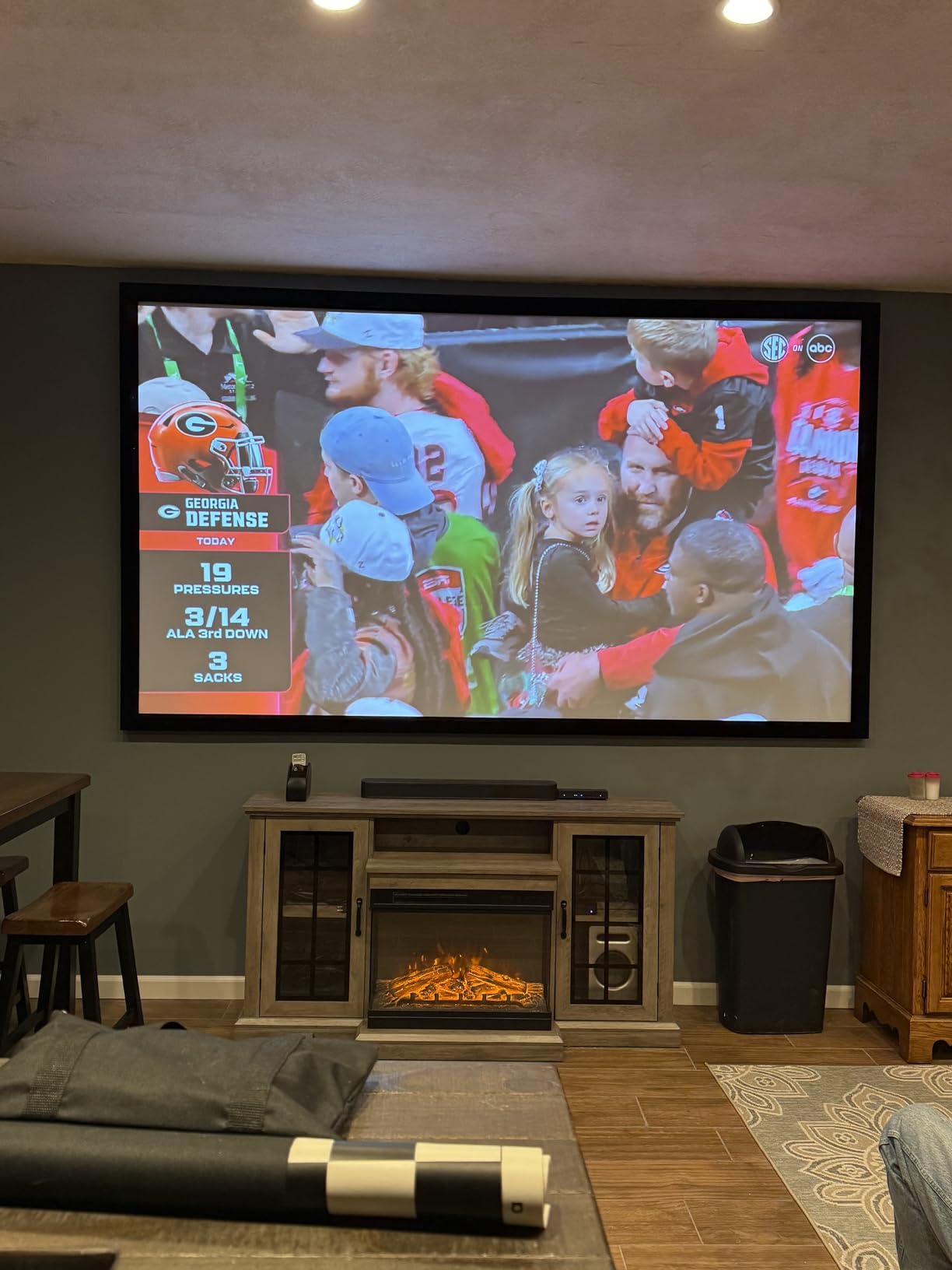
Technically it is a straightforward machine: 1920 x 1080 native, a 20000 hour laser light source, up to a 300 inch image, Miracast mirroring, two HDMI ports, USB power, built-in WiFi and Ethernet, and a 16W speaker. Weights of 9.5 pounds make it easy to reposition between a media room and a spare room, and the carrying case in the box is a small touch that matters more than it sounds.
The honest gap is cinema specificity. There is no 4K pixel shifting, no lens shift, and the contrast ceiling is well below what a dedicated DLP or 3LCD theater machine delivers on a dark screen. If your room is light-controlled, pair it with a proper matte screen and the picture holds up beautifully. If you are chasing deep blacks at 120 inch, this is not the engine for that job.
Who the EX11000 suits best
Families who watch in a shared, occasionally sunlit room, and anyone moving up from a lamp projector who wants zero maintenance and instant on. At this brightness you are not fighting the room, and a 3LCD engine protects sensitive viewers.
Where it falls short
It is a 1080p business and education chassis first. Cinema-grade calibration menus, pixel-shifted 4K and high native contrast are all absent, so enthusiasts building a blacked-out theater should look at the Epson Home Cinema LS11000 instead.
2. AWOL VISION LTV-3000 Pro – Triple Laser Color and Dolby Vision
AWOL VISION LTV-3000 Pro 4K 3D Ultra Short Throw Triple Laser Projector, Dolby Vision & Atmos, HDR10+, 150″ UST Laser TV Home Theater Projector
Triple laser RGB
3840x2160 native
3000 ANSI lumens max
0.25:1 fixed throw
Pros
- Triple laser RGB engine with no color wheel
- Dolby Vision and HDR10+ support
- 147 percent DCI-P3 and 107 percent BT.2020 coverage
- Built in center channel speaker for dialogue
- Fixed 0.25:1 throw fits a 150 inch image
Cons
- Deep 23.6 inch cabinet needs furniture depth
- Best picture in darker rooms
- 3D glasses sold separately
This is the projector that convinced our test room a laser engine could behave like a cinema projector rather than a bright utility box. The triple laser RGB light source has no color wheel at all, which means no rainbow fringing, no sequential color artifacts and a 147 percent DCI-P3 color coverage figure that most display engineers would consider reference-grade.
Dolby Vision and HDR10+ support pair with a built-in center channel speaker mapped from the screen, so dialogue lands where it should even before you add a soundbar. Dolby Atmos decoding is handled internally, and the whole package is rated 4.5 across 209 reviews with the image quality doing most of the work.
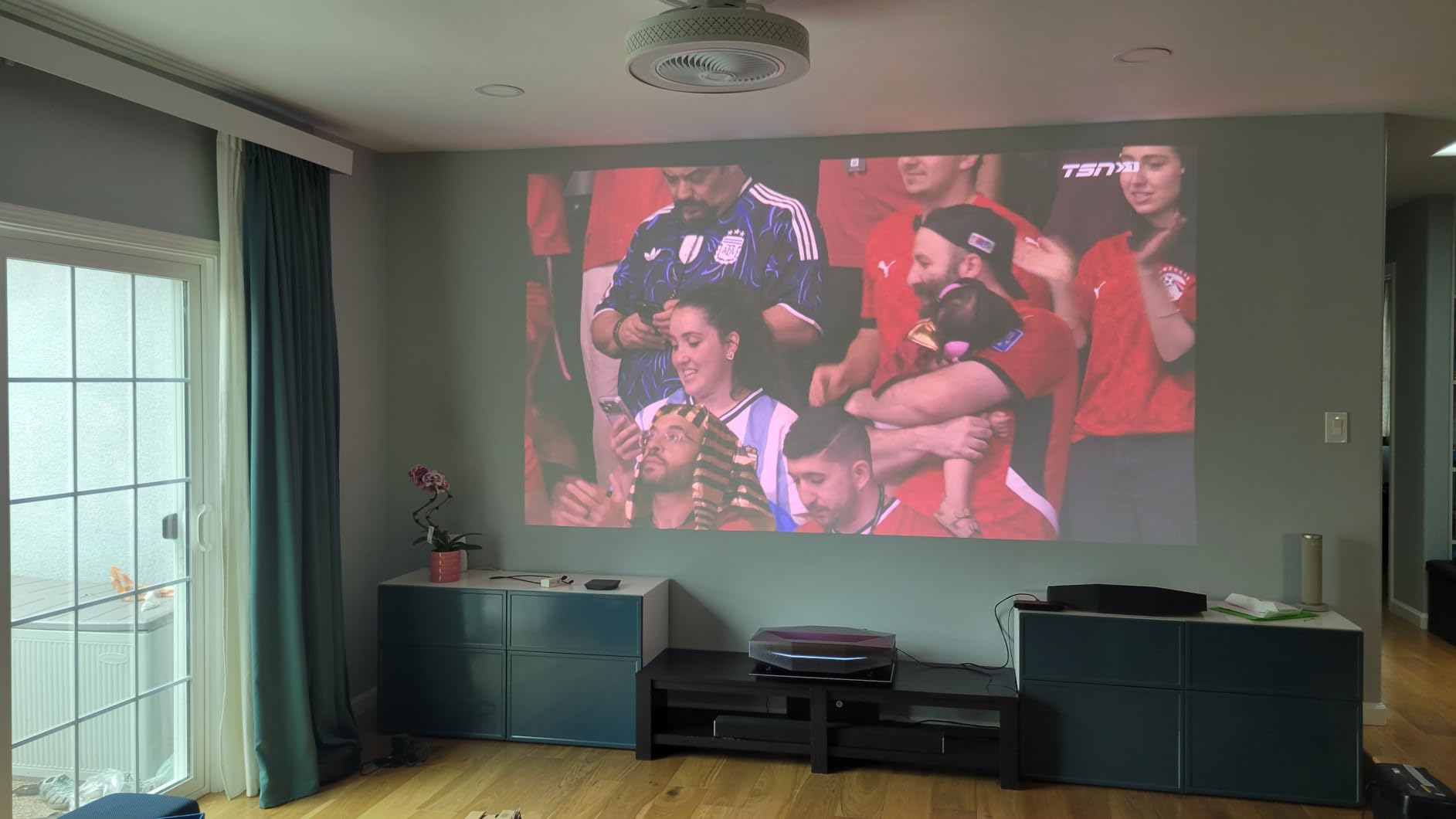
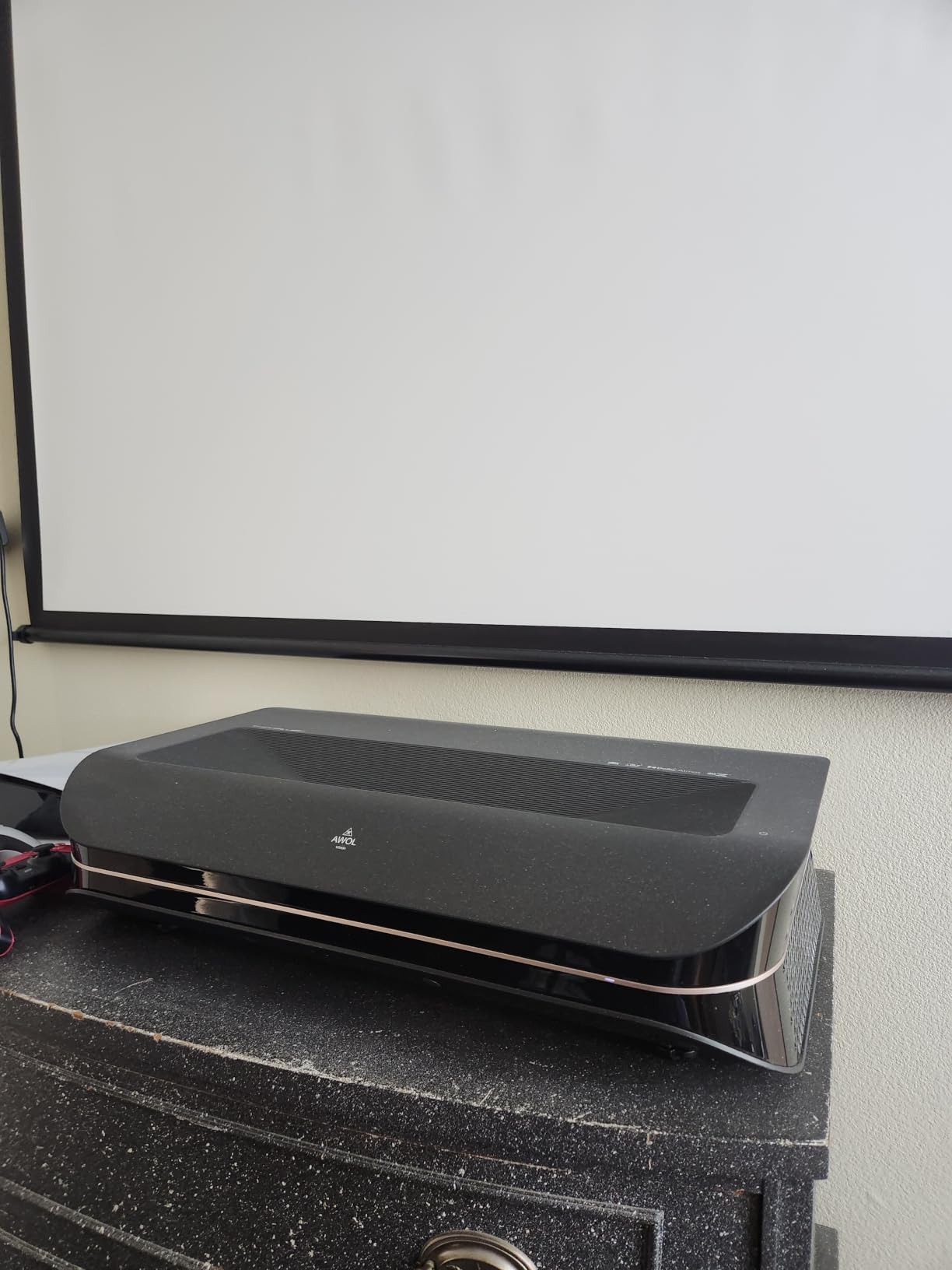
The engineering details are where this unit justifies its tier. Native 3840 x 2160 with 0.25:1 fixed ultra short throw gives a 150 inch image close to the wall, 40 inches of vertical keystone correction for placement flexibility, and PJ Link IP control for Control4 and home automation integration. The laser light source is rated 25000 hours, and the unit draws roughly one tenth the power of a comparable flat panel at the same perceived size.
Owners routinely describe it as a genuine TV replacement for 100 to 150 inch screens, and it does pair well with an ALR screen for daytime viewing. At 28 pounds and 23.6 inches deep, though, this is furniture, not a gadget. Plan the cabinet depth or budget for a motorized slider before the unit arrives.
Who the LTV-3000 Pro suits best
Color-critical viewers who want wide gamut in a living room, and households replacing a large flat panel who want a 100 to 150 inch screen with Dolby Vision. The no-color-wheel design is a genuine advantage over single-laser DLP rivals.
Where it falls short
The fixed throw ratio leaves no flexibility on lens position, and the deep cabinet is awkward in a typical media console. Brightness also drops noticeably in a genuinely bright room, so an ALR screen or a dimmer viewing space matters more here than with the Epson EX11000.
3. Optoma GT1090HDR – Serious Brightness for a Lit Room
Optoma GT1090HDR Short Throw Laser Home Theater Projector | 4K HDR Input | Lamp-Free Reliable Operation 30,000 hours | Bright 4,200 lumens for Day and Night | Short Throw
4200 lumens
DuraCore laser
30000 hour life
1080p native with 4K input
Pros
- 4200 lumens is usable with ambient light
- 30000 hour DuraCore laser with no filter changes
- 120 inch image from just 4 ft 4 in
- Quiet at 32dB in eco mode
- Full 3D with 120Hz rapid refresh
- IPX6 dust resistance rating
Cons
- 1080p native shows screen door effect on huge images
- Sensitive manual focus with coarse zoom steps
- Color skews red out of the box
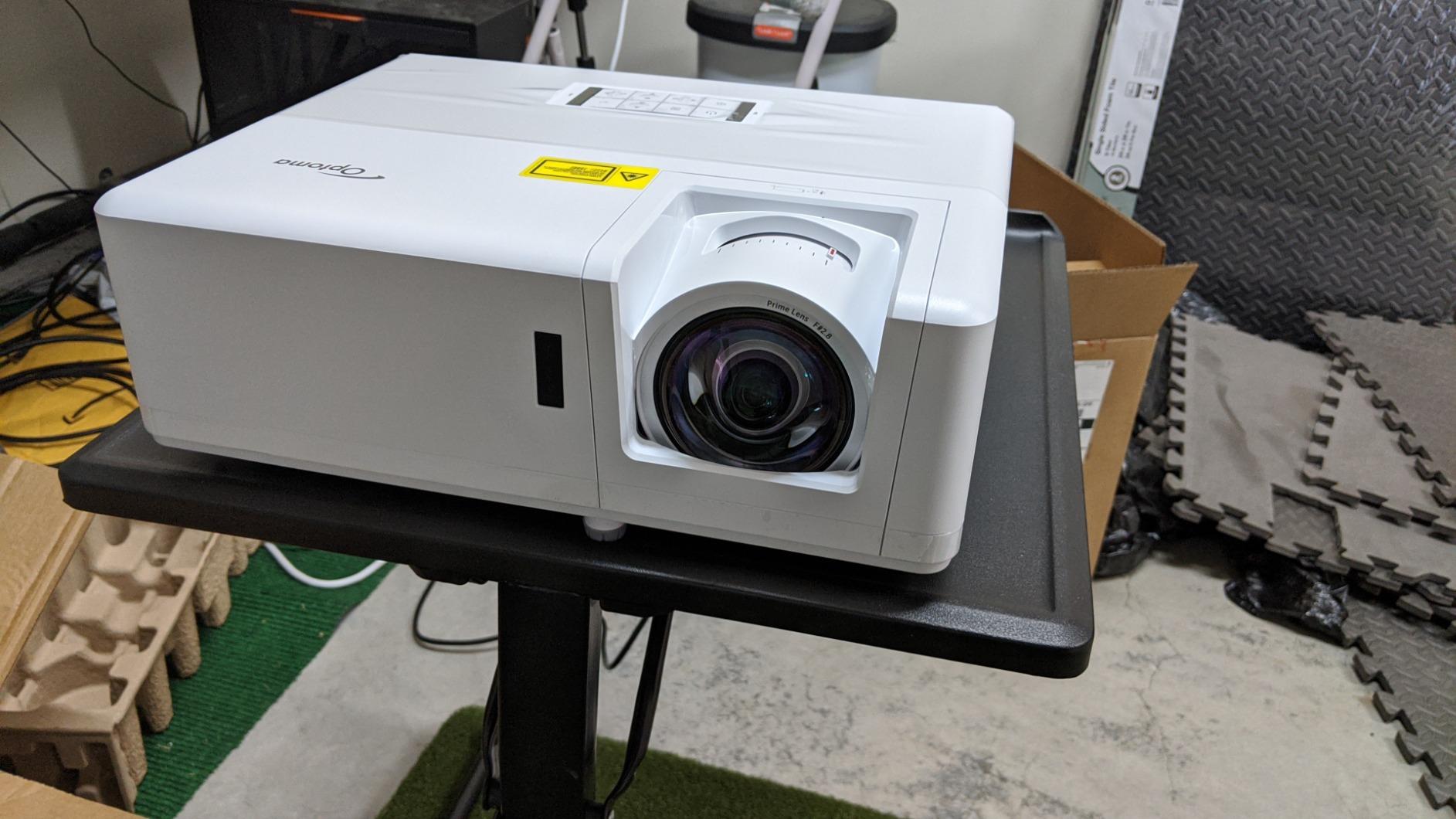
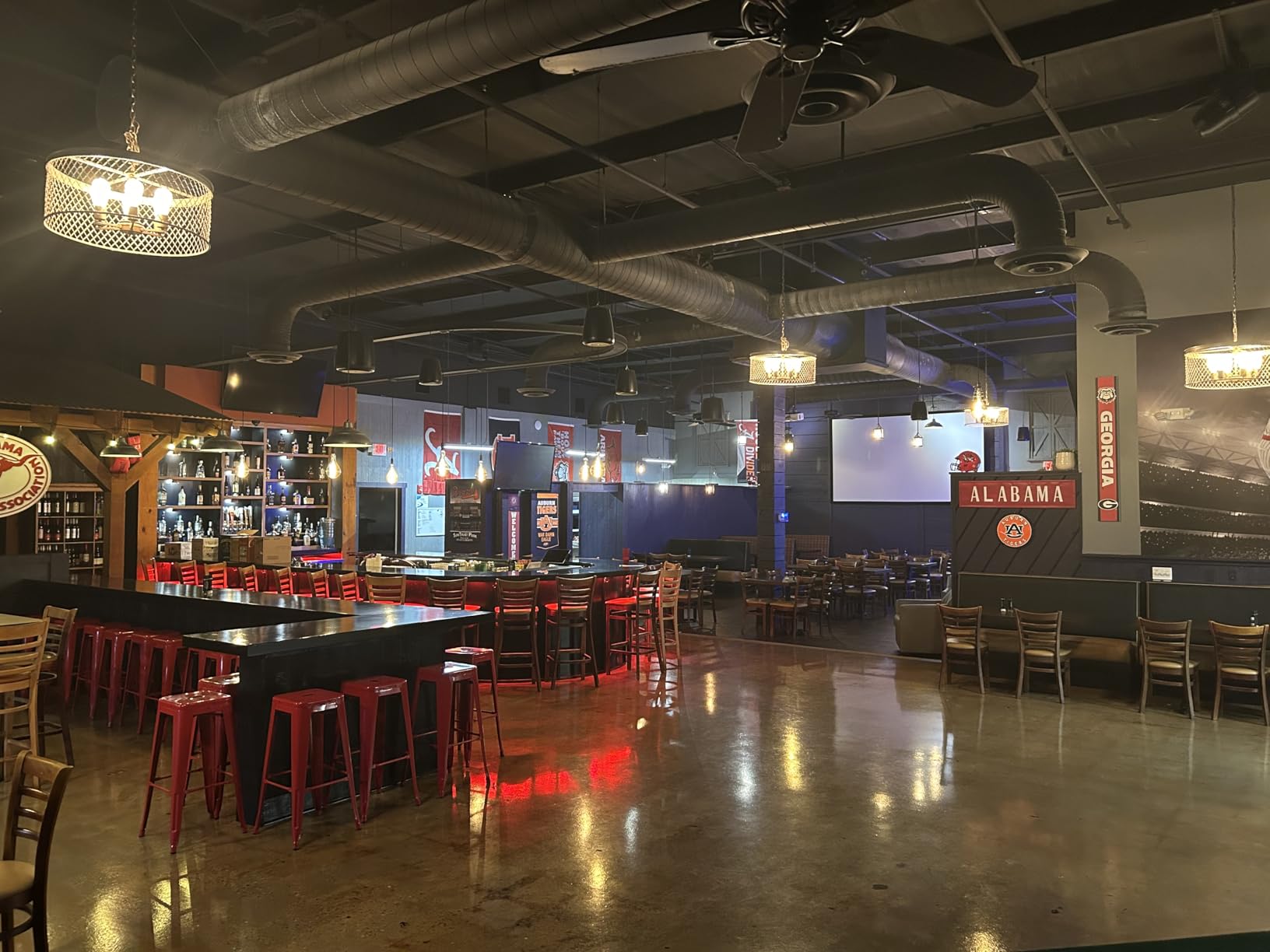
The GT1090HDR answers the most common home theater complaint directly: the room is too bright. At 4200 lumens it is one of the few units in this roundup that stays watchable with blinds half open, and short-throw optics deliver a 120 inch image from just 4 ft 4 in, which makes it viable in rooms where a long-throw projector simply will not fit.
Reviewers consistently single out brightness, laser longevity and quietness as the reasons to buy, with 32dB noise in eco mode and a DuraCore laser rated 30000 hours that needs no lamp or filter replacements. It remains a strong choice for large screens and for golf simulator setups where a bright image matters more than fine pixel structure.
On paper the feature list is generous: 300,000:1 dynamic contrast, HDR10 and HLG, auto keystone with four-corner correction, full 3D support with 120Hz rapid refresh, and LAN plus RS-232 for automation control. The IPX6 dust rating is a nice touch for a unit likely to be ceiling-mounted in a room where dust settles.
The catch is that the 300,000:1 figure is dynamic rather than native, and that native resolution is 1920 x 1080 despite 4K input marketing. On a very large image the pixel structure is visible, manual focus is unusually sensitive, and out-of-box color skews heavily red enough to need calibration. A smaller group of owners also report signal dropouts and early hardware failures with mixed support experiences.
Who the GT1090HDR suits best
Rooms with daylight, sports and live TV viewing, and large-screen or sim-room installs where brightness beats pixel density. The short throw ratio also rescues rooms too shallow for a traditional long-throw projector.
Where it falls short
It is a 1080p panel, and screen door effect becomes visible on images past roughly 130 inch. Calibration is mandatory because the factory color cast is strong, and there is no HDMI ARC or optical audio out, so audio needs its own path.
4. ViewSonic LS740HD – Maximum Lumens and No Lamp Maintenance
ViewSonic LS740HD 1080P Laser Projector, 5500 Lumens, Full HD Home Theater
5500 ANSI lumens
20000 hour laser
1.1 to 1.5 throw ratio
1080p native
Pros
- 5500 ANSI lumens is the brightest in this group
- Laser runs cooler and quieter than lamp projectors
- 1.3x optical zoom with keystone and four-corner adjustment
- Three year parts and labor warranty
- Golf simulation mode and outdoor screen use
Cons
- No lens shift so placement must be planned first
- Built in speakers are muffled
- Some units report a random orange flash glitch
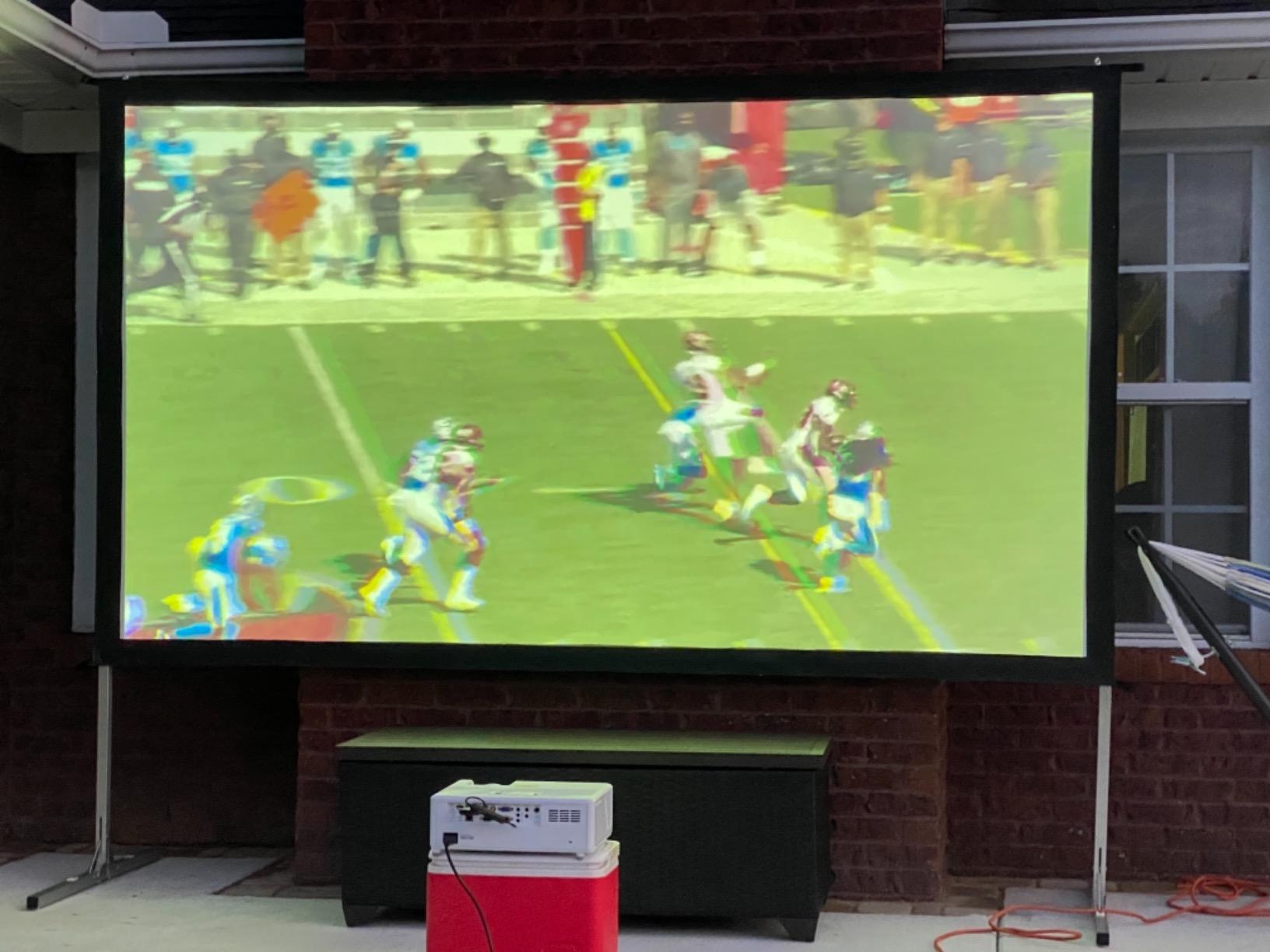
At 5500 ANSI lumens the LS740HD is the brightest projector we tested, and that single figure reshapes what you can do with it. Owners describe daytime viewing with lights on as routine rather than aspirational. For a basement-adjacent family room, a bright multipurpose space, or a screen used for daytime sports, that brightness headroom is worth more than any resolution upgrade.
The rest of the package is quietly competent. A 20000 hour laser light source runs cooler and quieter than a lamp engine of the same class, 1.3x optical zoom plus horizontal and vertical keystone and four-corner adjustment make fitting the image straightforward, and instant power on and off removes the warm-up delay entirely. It carries a three year parts and labor warranty with a first year Express Exchange.
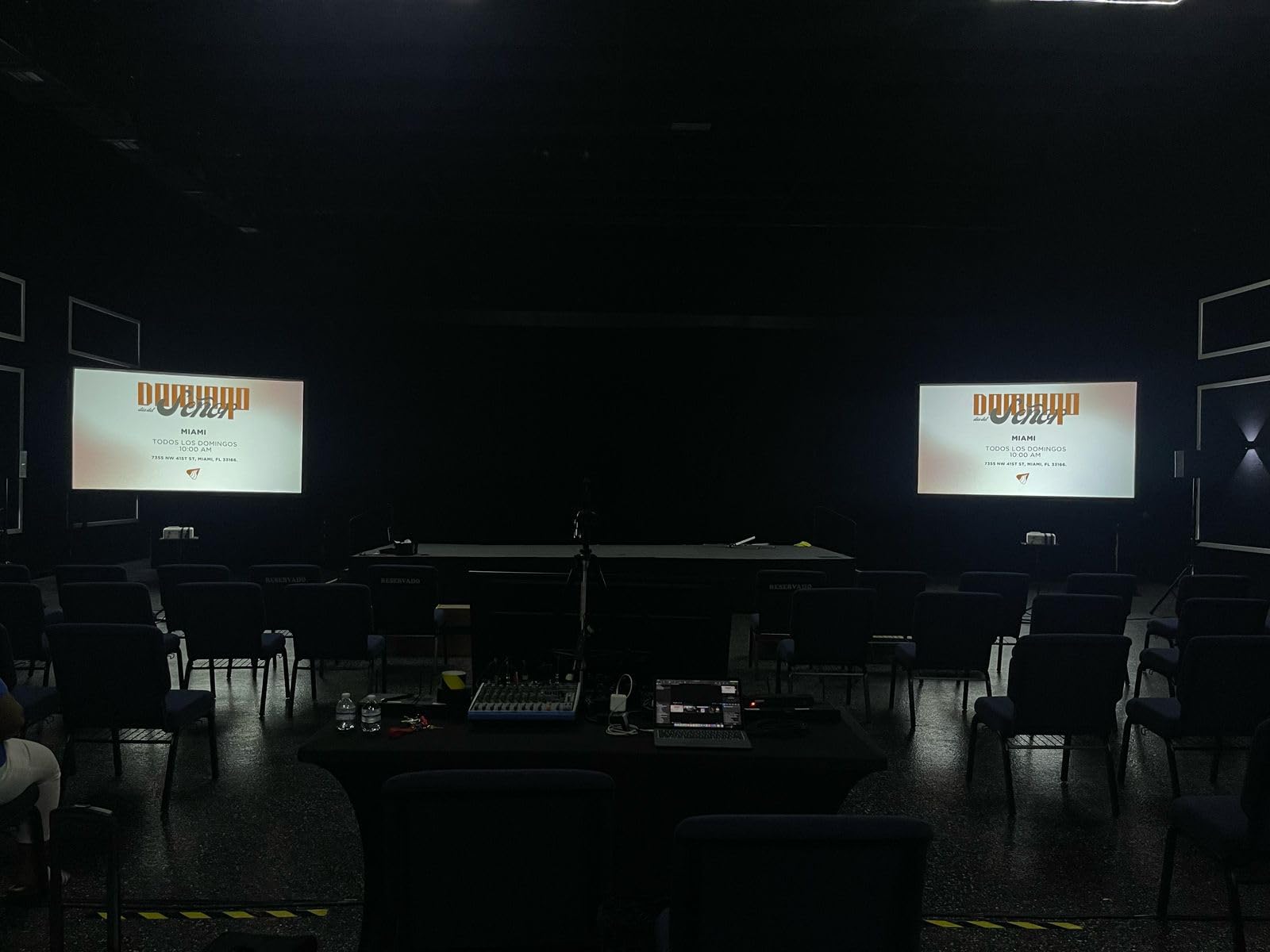
The feature list covers 360 degree projection and portrait mode, ceiling mount compatibility with the ViewSonic PJ-WMK-007, and a dedicated Golf Mode tuned for simulator setups. The 1.1 to 1.5 throw ratio supports images up to 300 inch, with a 100 inch screen from 8.2 feet away, and dynamic contrast is rated up to 3,000,000:1.
Owners love the brightness and the freedom from bulb changes, and the model sits high in the Video Projectors chart. The recurring gripes are the weak built-in speakers, the absence of lens shift, sensitive manual focus and a very basic on-screen menu. A subset of owners also reports a recurring random orange flash glitch on their units, which is worth knowing before you commit.
Who the LS740HD suits best
Bright multipurpose rooms, daytime sports fans, and golf simulator builds where a 100 to 150 inch image has to compete with room light. The warranty length also makes it an easy recommendation for anyone uneasy about long-term reliability.
Where it falls short
Without lens shift, keystone correction is the only way to square the image, and digital correction softens detail. Native 1080p resolution plus a high dynamic contrast figure that does not translate to deep native blacks make it a poor fit for a blackout dedicated room.
5. Hisense PL2 – Dolby Vision in a Living Room Friendly Cabinet
Hisense PL2, Ultra Short Throw Home Theater Laser Projector, 80” – 150”, 4K UHD, 2,700 Lumens, 3000:1 Contrast, Dolby Vision & Atmos, 3D, Google TV, WIFI 6E
2700 lumens
3000:1 contrast
0.22 ft minimum throw
3840x2160 native
Pros
- Cinematic 4K detail with strong black levels
- Dolby Vision and multiple HDR standards
- Fast responsive Google TV interface
- Works without a screen and improves with an ALR screen
- Simple laser and geometry adjustment
Cons
- Slight rainbow effect for sensitive viewers
- Auto keystone workflow requires uploading a photo
- Large 20.9 inch cabinet needs floor space
The PL2 is the unit we keep recommending to people who want a real theater feel in a room that is also a living room. It delivers genuine 4K detail at 3840 x 2160, supports Dolby Vision alongside multiple HDR standards, and its 3000:1 contrast ratio produces noticeably deeper blacks than most ultra short throw units in the category. Owners consistently call the picture cinematic.
Unlike many ultra short throw projectors, its Google TV interface is genuinely responsive, and connectivity is modern: WiFi 6E, Bluetooth 5, Ethernet and USB 3.0, with control available through the app, buttons, remote or voice. The X-Fusion laser light source is rated 25000 plus hours, and the 4.4 average across 138 reviews reflects how consistently owners feel about the picture.

Geometrically it covers an 80 to 150 inch image from an ultra short throw position with a 0.22 ft minimum throw distance, using a Texas Instruments DLP chip with 2.07 million micro mirrors and a 4K AI upscaler for lower resolution sources. A built-in 2 year manufacturer warranty and digital lens focus round out a package that is easier to set up than most of its category.
Three practical notes from owners. The auto keystone function is poorly implemented because it asks you to photograph the screen and upload it to a hosted website, so manual geometry adjustment is faster. Some menu options sit behind a physical button rather than in settings, which confuses first-time users. And brightness can feel modest without a high-gain ALR or Fresnel screen, particularly in a bright room.
Who the PL2 suits best
Living rooms that double as theaters, especially households that want Dolby Vision on a 120 to 150 inch screen without installing a ceiling mount. Pair it with an ALR screen and the picture quality justifies the cabinet footprint.
Where it falls short
A faint rainbow effect is reported by sensitive viewers, and the 20.9 inch deep, 18.7 pound console needs floor placement or a purpose-built cabinet with leveler access. In a genuinely sunlit room it will not compete with a 4200 or 5500 lumen engine.
6. Epson Home Cinema LS11000 – The Dedicated Room Choice
Epson Home Cinema LS11000 4K PRO-UHD Laser Projector with HDR10+
2500 lumens color and white
4K PRO-UHD pixel shift
Motorized lens shift
20000 hour laser
Pros
- Sharp 4K PRO-UHD detail with accurate 3LCD color
- True three chip 3LCD has no rainbow effect
- Motorized zoom focus and lens shift for easy setup
- Up to 120Hz refresh with frame interpolation
- eARC and ARC output for simple soundbar hookup
Cons
- No 3D support for 3D libraries
- Picture washes out when the room is bright
- Modest contrast in a fully dark room
- Premium tier pricing
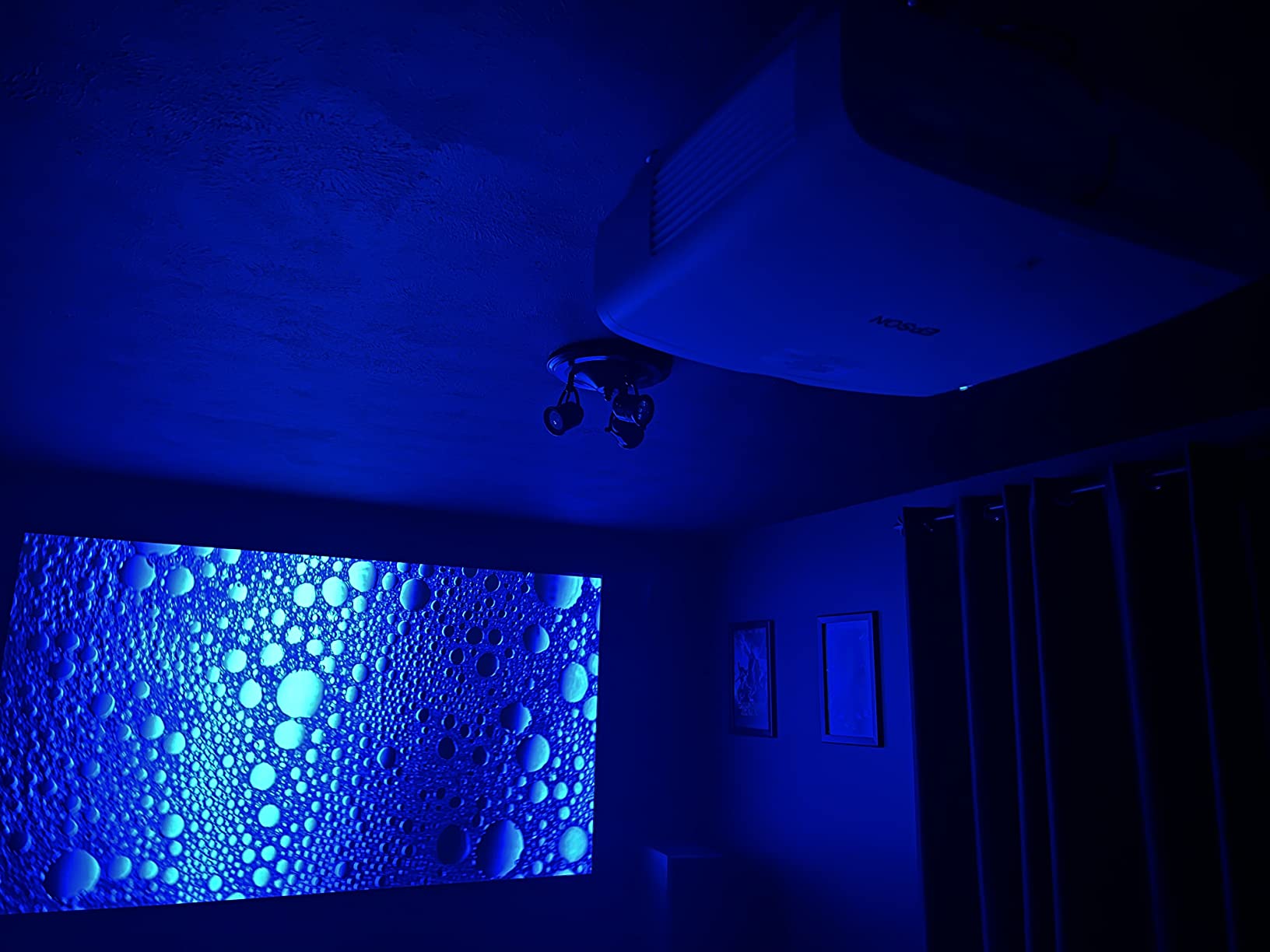
The LS11000 is the model the dedicated-room crowd converges on, and the reason is installation hardware. A motorized lens system handles zoom, focus and lens shift, so you can ceiling-mount the unit and dial the image onto a 100 or 120 inch screen from the seating position without any digital correction. That feature alone removes the single most common installation regret.
Picture performance is built around 4K PRO-UHD pixel shifting with a Precision Shift Glass Plate, a true three-chip 3LCD engine that shows full RGB with no color wheel and therefore no rainbow effect, and 2500 lumens of color and white brightness. Owners cite the sharpness, natural color, motion handling and low input lag as the standouts, and it holds up with some ambient light.
Signal handling is strong for this tier: 10 bit HDR processing covering HDR, HDR10+ and HLG with 16 step HDR curve adjustment, refresh rates up to 120Hz with frame interpolation, HDMI 2.1, and ARC plus eARC audio output so a soundbar connects without a separate receiver. The Epson Cinema Lens is designed for edge-to-edge focus uniformity across a large image.
Three caveats matter. It does not support 3D at all, which rules it out for households with 3D libraries. Contrast feels modest in a completely dark room next to native-contrast D-ILA and SXRD machines, and a lot of room light washes the picture out, so this one wants a properly blacked-out space. Low bitrate source material also looks softer than it does on cheaper projectors.
Who the LS11000 suits best
Anyone building a permanent, light-controlled media room with a ceiling mount and a 100 to 120 inch screen. Viewers sensitive to the rainbow effect get a true 3LCD engine instead of a DLP chip, and gamers get 120Hz with HDMI 2.1.
Where it falls short
A bright living room defeats it, and 3D is simply unavailable. If deep blacks in a fully dark room are your top priority rather than sharpness and color accuracy, the native contrast of a D-ILA or SXRD projector is the direction to look.
7. WEMAX Nova Pro – Ultra Short Throw 4K With ALPD Laser
WEMAX Nova Pro 4K Ultra Short Throw Projector, Google TV, 2100 ISO Lumens
2100 ISO lumens
0.23:1 throw
150 inch max image
ALPD laser
Pros
- 0.23:1 throw gives a 150 inch image from 19 inches
- ALPD laser rated 25000 hours
- 4K picture quality praised on a plain white wall
- Compact design that avoids the bulk of a large TV
- Responsive US based customer support
Cons
- Software can be buggy and slow
- Remote has no direct source button
- Wall waviness shows on uneven surfaces
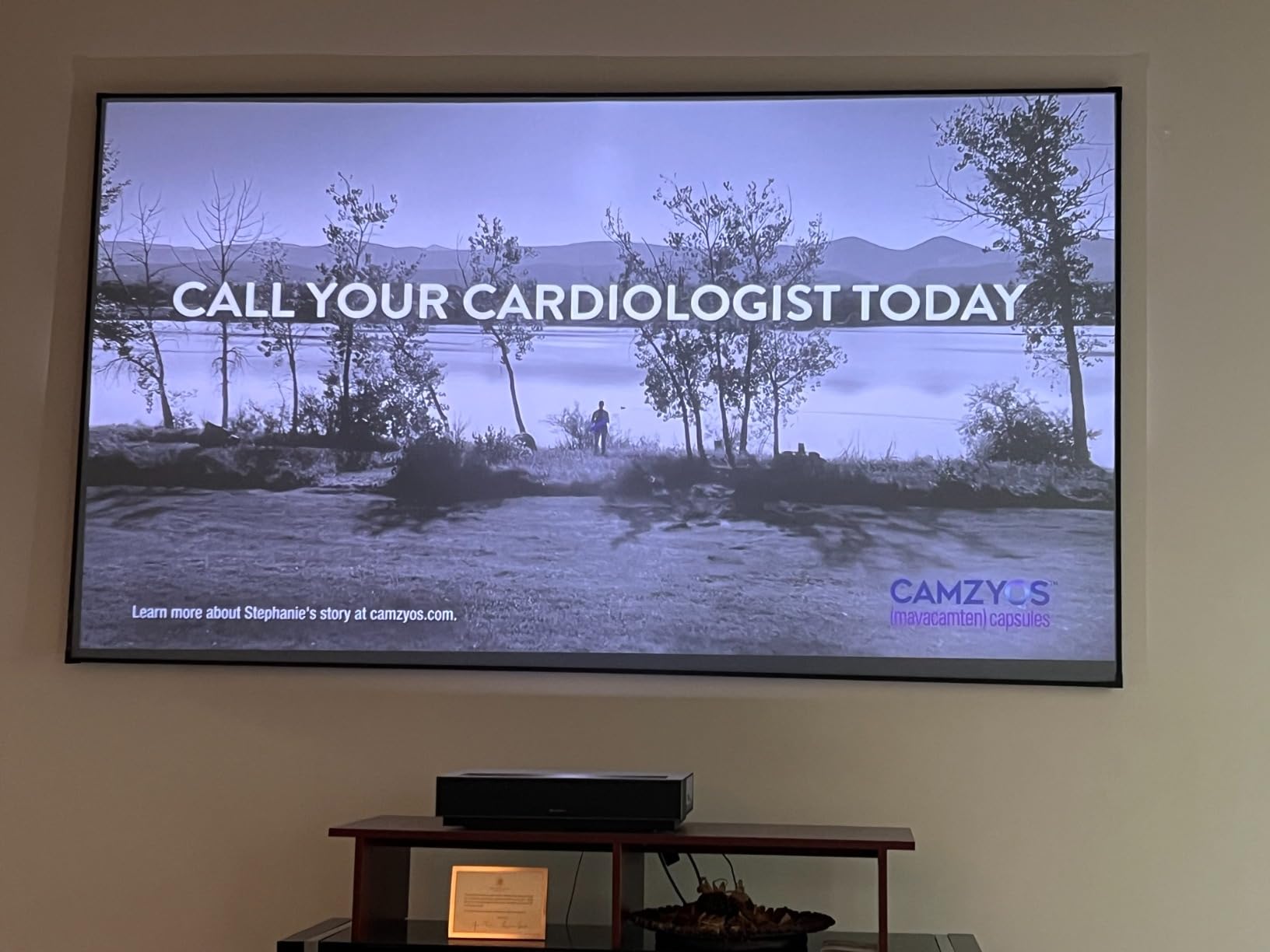
The Nova Pro is the most interesting engineering story in this group because it is one of the few 0.23:1 ultra short throw units here that pairs ALPD laser with a 0.47 inch DMD 4K DLP display chip. At 2100 ISO lumens and 3000:1 contrast, it delivers a 150 inch image from roughly 19 inches away, which makes it a TV replacement for walls that cannot host a ceiling-mounted long-throw projector.
Owners report vivid 4K color and strong contrast even on a plain white wall, quiet fan operation in standard picture mode, and integrated dual 15W speakers with Dolby Audio and DTS-HD decoding that are good enough for casual viewing. It carries 395 reviews, the largest base of any unit in our group, and support is repeatedly described as responsive with US based repair.
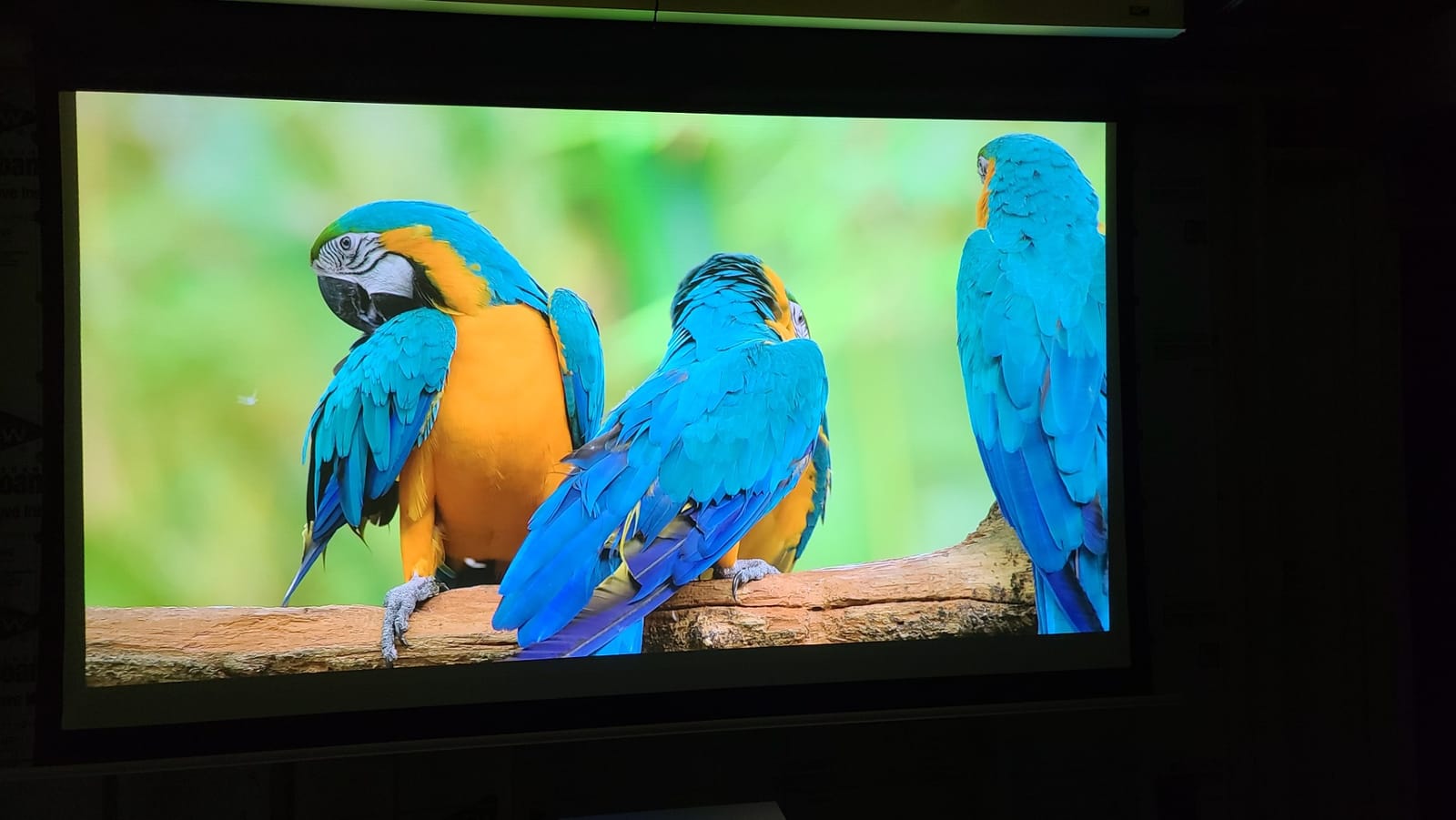
Connectivity and features are competitive: HDR10 and HLG, 110 percent Rec.709 wide color coverage across 1.07 billion colors, active 3D with MEMC motion compensation, native Google TV with licensed Netflix, and HDMI 2.1, USB, audio out, optical, LAN, WiFi 6 and Bluetooth. Low blue light eye protection is built in, and the enclosure measures 12.13 by 3.58 by 18 inches at 7 kg.
The recurring complaints are about software, not the image. Launch failures, a slow interface and inconsistent remote wake are reported often, the remote lacks a direct source button, and picture setting customization is limited. A small physical detail matters more: on an uneven wall the image shows a slight wave, so a proper ALR screen is what separates a good result from a great one.
Who the Nova Pro suits best
Apartments, bedrooms and living rooms where depth is tight and a 150 inch image has to come from a cabinet against the wall. The 0.23:1 ratio is the tightest in this roundup, and the ALPD engine plus ALR screen pairing is the right way to use it. If the room is a child’s bedroom rather than a theater, our guide to galaxy projectors for kids is a simpler and cheaper fit.
Where it falls short
At 2100 ISO lumens it is a dark-room projector first, and the software instability is the most common owner frustration. Picture adjustment options are thin, so if you enjoy calibrating, a model with deeper menus will suit you better.
8. JMGO N1S 4K Upgrade – The Easiest Setup in the Category
JMGO N1S 4K Upgrade Triple Laser Projector, 1700 ISO Lumens, Google TV
1700 ISO lumens
RGB triple laser
127 degree gimbal
4K UHD 3840x2160
Pros
- Gimbal with auto focus and auto keystone is the easiest setup available
- RGB triple laser image with rich color and minimal speckle
- Licensed Netflix and responsive Google TV with no dongle needed
- Only 4.4 lb so it moves between rooms easily
- 10W dual Dolby Audio speakers
Cons
- Visible light spill beyond the image border
- Strong rainbow effect and red dithering for sensitive viewers
- Fixed lens with no optical zoom or lens shift
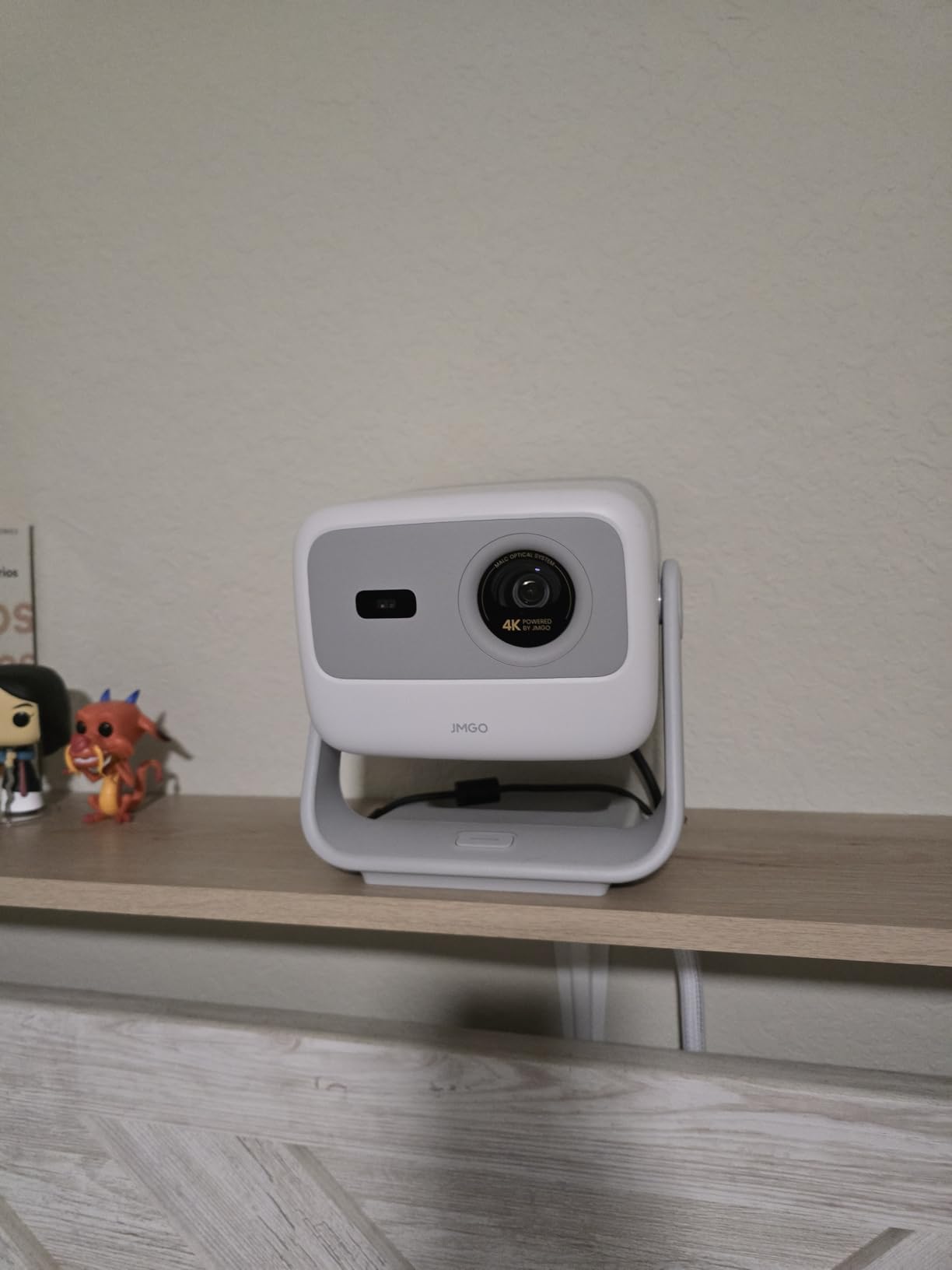
Setup difficulty is the biggest reason people abandon a projector, and the N1S 4K Upgrade attacks it directly. The integrated gimbal rotates through 127 degrees vertically, real-time auto focus and auto keystone handle the rest, and at 4.4 pounds with a quarter-inch mount and included carrying case you can point it at a ceiling, a wall or a screen in seconds.
The picture is the reason to keep it. A pure RGB triple laser engine with MALC 3.0 speckle reduction covers 110 percent of BT.2020 and 151 percent of DCI-P3 across 1.07 billion colors at 1700 ISO lumens, which is vivid without the visible speckle some triple laser designs show. Owners describe the result as rich and vibrant with surprisingly capable built-in speakers and low fan noise.
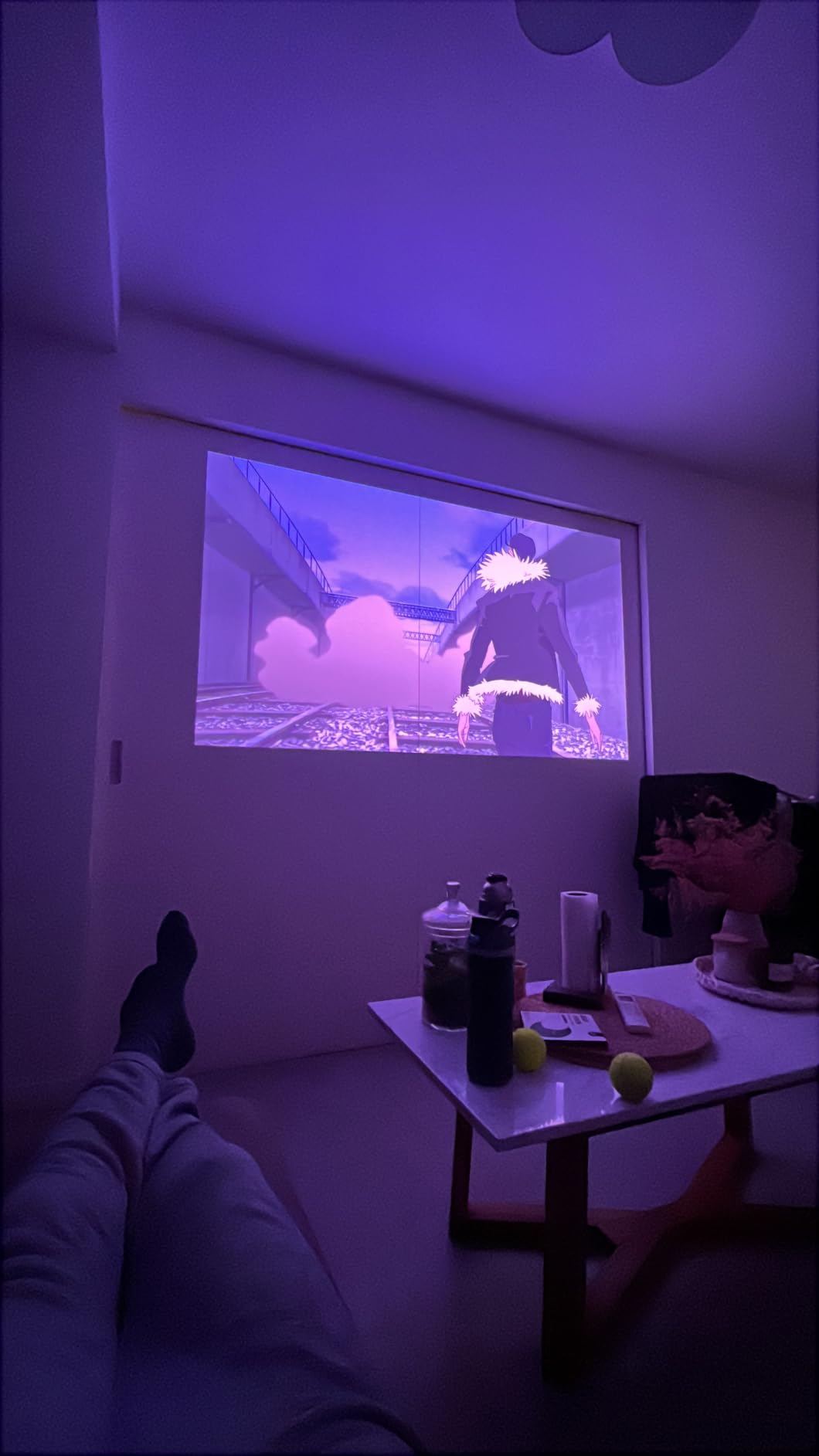
Smart platform details are handled well for once: Google TV with officially licensed Netflix and Google Cast, an MT9629 chipset, HDMI 2.1 with 17ms latency, MEMC motion compensation, 10W dual Dolby Audio speakers and Blu-ray 3D support. Image size reaches up to 200 inches, and it carries a 4.3 average across 158 reviews.
Light spill is the most reported physical issue, visible beyond the image border even on the updated version, and sensitive viewers report strong rainbow effect plus red dithering artifacts. The fixed lens offers no optical zoom and no lens shift, so placement is whatever the gimbal gives you. Google TV can also be laggy, the media player misses some file formats, and there is no internal battery, no USB-C, and a remote that is not backlit.
Who the N1S 4K suits best
First-time projector buyers, renters, and anyone who wants a genuine 4K triple laser image without installation work. It moves between a bedroom and a living room, and the licensed streaming apps mean no dongle is required.
Where it falls short
It is a dark-room projector, and the rainbow effect plus red dithering make it a poor choice for sensitive viewers. With no optical zoom or lens shift and visible light spill, it is a portable all-rounder rather than a permanent ceiling-mounted install.
9. ViewSonic LX700-4K – Lowest Latency for Console Gaming
ViewSonic LX700-4K 4K UHD Laser Gaming Projector 3500 Lumens 240Hz Xbox
240Hz and 4.2ms lag
3500 ANSI lumens
4K UHD native
V lens shift
Pros
- 240Hz refresh with 4.2ms input lag for competitive play
- 3500 ANSI lumens 4K UHD image that reviewers call clean
- Very quiet fan operation
- Lower power draw than comparable lamp projectors
- Works for daytime viewing and 3D content
Cons
- Black level is dark grey rather than true black
- No built-in apps or WiFi so a source device is required
- Only two HDMI inputs
- High vertical offset complicates tabletop placement
Latency is the whole argument here. A 240Hz refresh rate with 4.2ms input lag, including 1440p at 120Hz sessions, gives console and PC players a measurable advantage over the 16 to 20ms range that dominates most projectors. The native 3840 x 2160 panel at 3500 ANSI lumens produces an image reviewers describe as sharp, bright and free of visible artifacts.
It is also one of the quieter machines we tested, with owners comparing it favorably to a lamp-based 1080p projector in the same room. Power draw is dramatically lower than lamp-based alternatives, with roughly 40 percent lower consumption reported, which matters for anyone running long gaming sessions. The 4.1 average across 120 reviews reflects enthusiasm for latency offset by black level complaints.
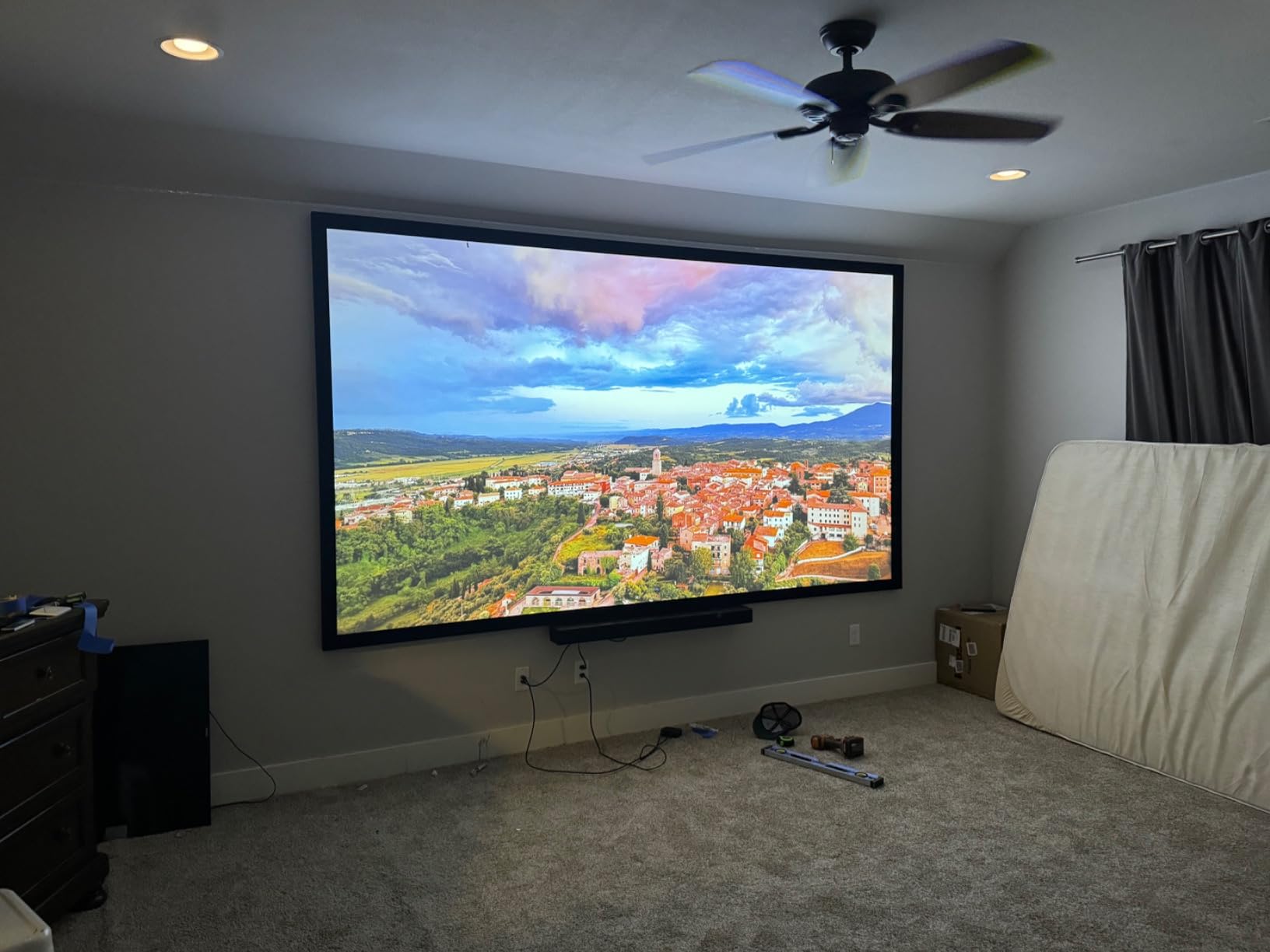
Installation is well served: V lens shift, 1.3x optical zoom, horizontal and vertical keystone, four-corner adjustment, 360 degree and curved screen projection, and ceiling mount compatibility with the ViewSonic PJ-WMK-007. A dedicated Golf Mode tunes the image for greens and blues on major simulators, and HDR and HLG are supported alongside proprietary SuperColor.
The compromises are clear. Black level reads as dark grey rather than true black, so dark scenes lose shadow detail and HDR will never look the way it does on a good OLED. There are no built-in apps, WiFi, Bluetooth or AirPlay, so an HDMI source is mandatory, and there are only two HDMI inputs. Four-corner adjustment also has to be re-enabled by turning off Ultra Fast Input, and the vertical offset is high enough to need a ceiling mount or riser.
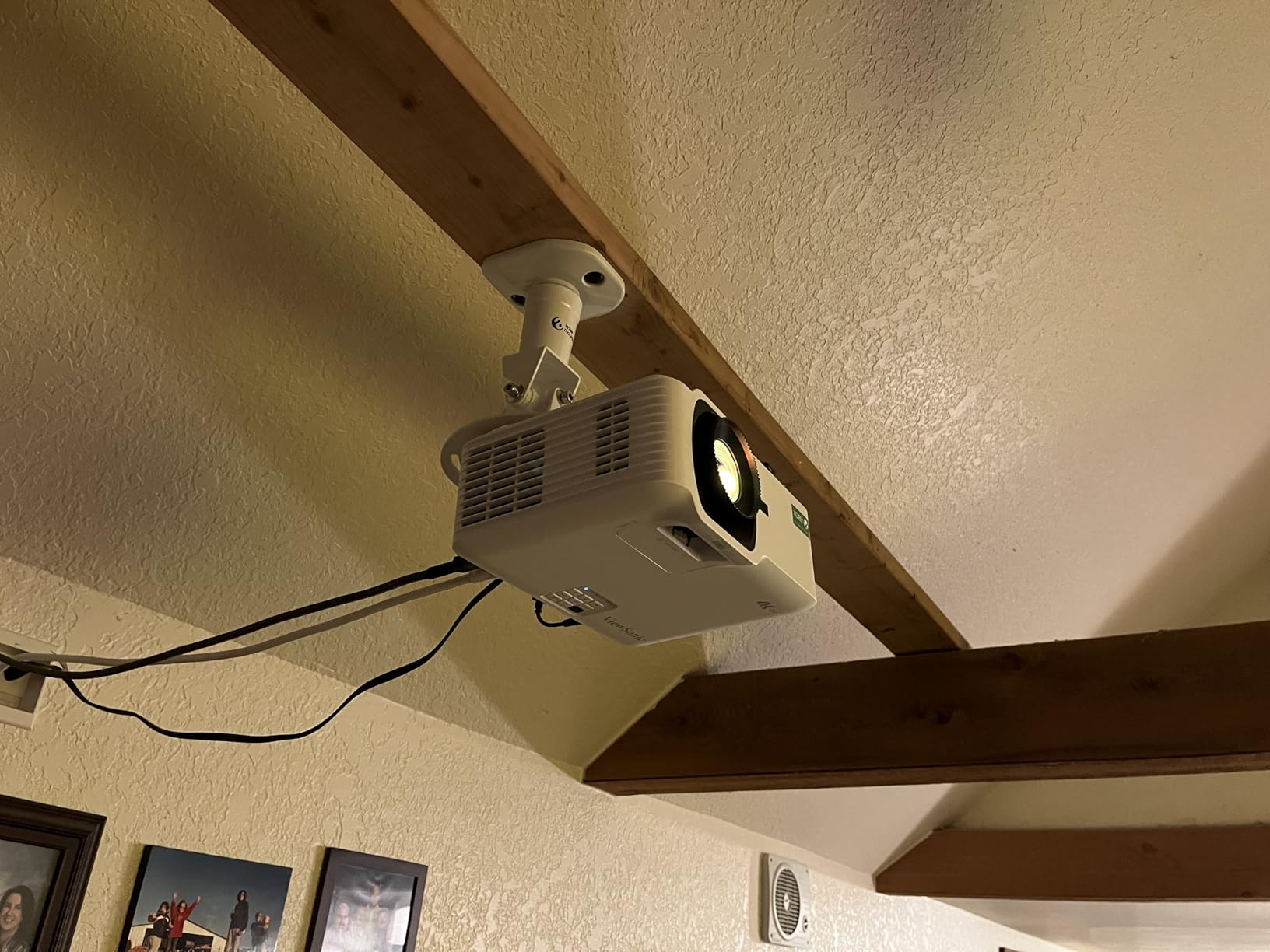
Who the LX700-4K suits best
Console and PC gamers who want competitive latency at 4K, and mixed-use rooms that need daytime brightness alongside evening movies. If you stream, plan on an external source device since there is no smart platform built in.
Where it falls short
Movie nights lose detail in dark scenes because the black level is grey rather than black, and the built-in mono speaker is very basic. The high vertical offset and two-input limit also make it awkward as a permanent ceiling-mounted install with multiple sources.
10. LG CineBeam HU70LA – Wheel-Less 4K Color Without the Rainbow Effect
LG CineBeam UHD 4K Projector HU70LA – DLP Home Theater Smart Projector with Alexa Built-In, White
1500 ANSI lumens
Wheel-less RGB LED
3840x2160 XPR
60 to 140 inch image
Pros
- Wheel-less 4 channel RGB LED source has no DLP rainbowing
- Sharp XPR 4K detail across 8.3 million pixels
- Alexa and Google Assistant voice control built in
- Compact 7.1 pound body suits ceiling mounting
- 1.25x remote focus zoom
Cons
- 1500 lumens needs a well darkened room
- LED brightness declines faster than laser over long service
- Limited zoom range for fine placement
This is the one LED light source in our group, and we include it deliberately because it solves a specific problem that laser DLP models cannot. A wheel-less 4 channel RGB LED engine produces color with no sequential scanning, so there is no rainbow effect whatsoever, while XPR 4K UHD resolution across 8.3 million pixels still delivers sharp detail on a large screen.
The convenience features are genuinely useful. LG ThinQ AI with Google Assistant and Alexa built in, an HDBlur-free 1.25x remote focus zoom, HDR10 with Dynamic Tone Mapping, TruMotion frame generation, and a ceiling-mountable 12.4 by 8.3 by 3.7 inch body weighing just 7.1 pounds. It carries a limited one year parts and labor warranty and a 4.2 average across 248 reviews.

Its ceiling-mount friendliness is genuinely useful in an apartment or a small theater, and the 60 to 140 inch image range covers most living room screens. Color purity from the wheel-less source is the reason buyers pick it, and many describe the image as rich and immediately approachable with no adjustment ritual.
The limit is brightness. At 1500 ANSI lumens the picture needs a genuinely darkened room to look punchy, and owners accept that trade. There is a second consideration: LED brightness declines faster than laser light over a long service life, so a unit bought today at the same lumen figure delivers less punch in a decade. The limited zoom range also makes placement fussier than a 1.3x zoom lens.
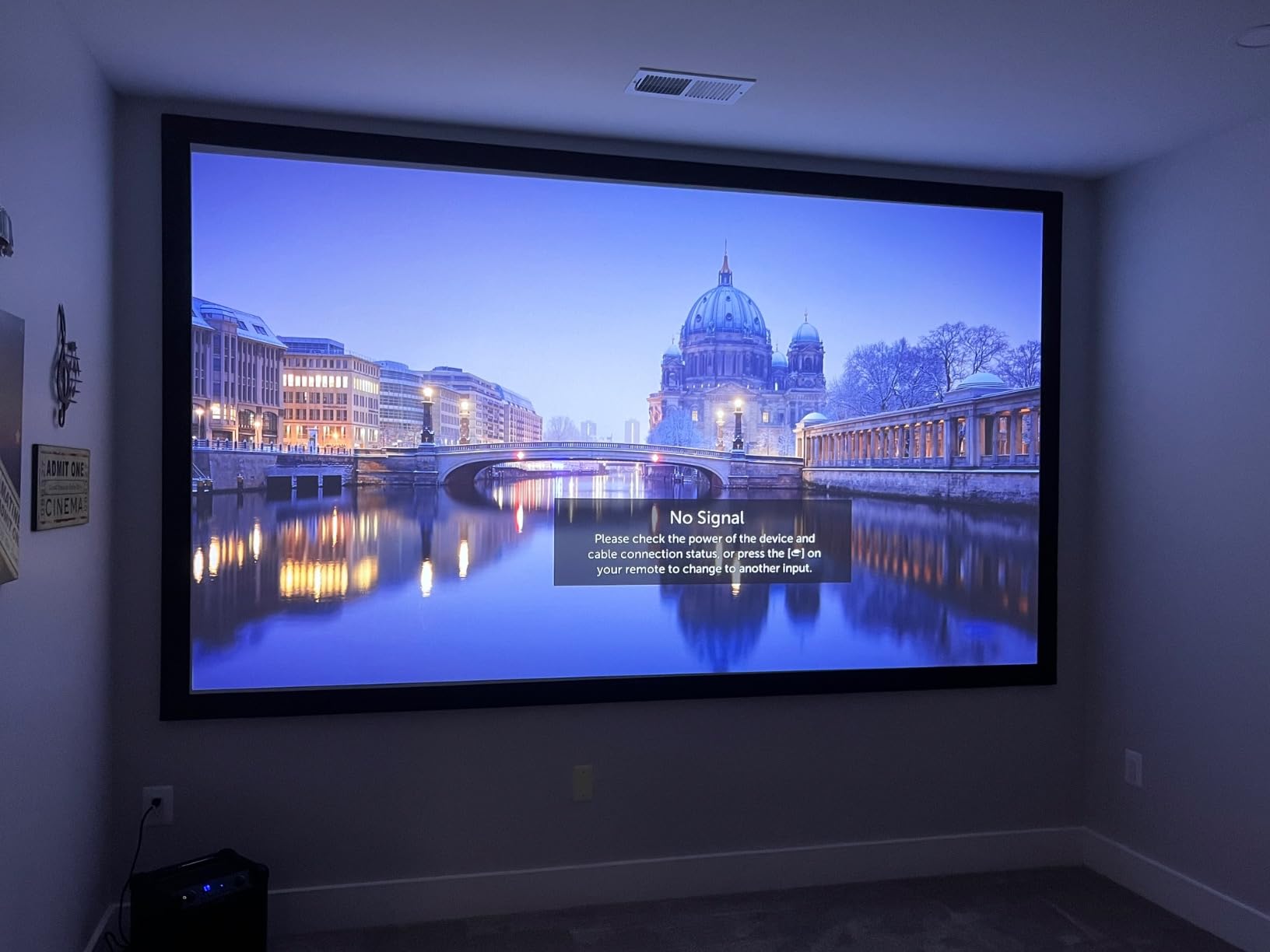
Who the HU70LA suits best
Viewers who react to the DLP rainbow effect and refuse to compromise on 4K detail, plus anyone in a small apartment who wants a light, mountable 4K projector with voice control built in. A darkened room is non-negotiable.
Where it falls short
1500 lumens is the real limit. In a room with any ambient light the image looks washed out next to the 4200 and 5500 lumen units here, and the LED source ages faster than a laser engine would.
11. Optoma GT2000HDR – Compact Short Throw for Tight Rooms
Optoma GT2000HDR Ultra-Compact Short Throw Full HD Home Laser Projector
3500 ANSI lumens
30000 hour laser
Short throw body
1080p native
Pros
- 30000 hour laser light source removes bulb maintenance
- Bright 3500 ANSI lumens for a short throw body
- Ultra-compact portable form factor fits small rooms
- Short throw supports images up to 300 inch
- Five year or 12000 hour light source warranty
Cons
- Native 1080p rather than 4K UHD
- 300000:1 dynamic contrast is a marketing figure
- External power supply adds bulk
The GT2000HDR is the physical answer to a spatial problem. At 4.49 inches deep by 10.79 wide by 8.5 high and 9.6 pounds, it delivers 3500 ANSI lumens with short throw optics from a body small enough for a small room, a shelf, or a ceiling mount in a space where a full-size projector simply will not sit.
Owners value the brightness-to-size ratio above everything else, plus a 30000 hour laser light source that removes the maintenance question entirely, and short throw capability supporting image sizes up to 300 inches. Vertical keystone correction of 15 centimeters and a throw range of 1 to 10 meters cover most residential placements. It holds a 4.1 average across 126 reviews.
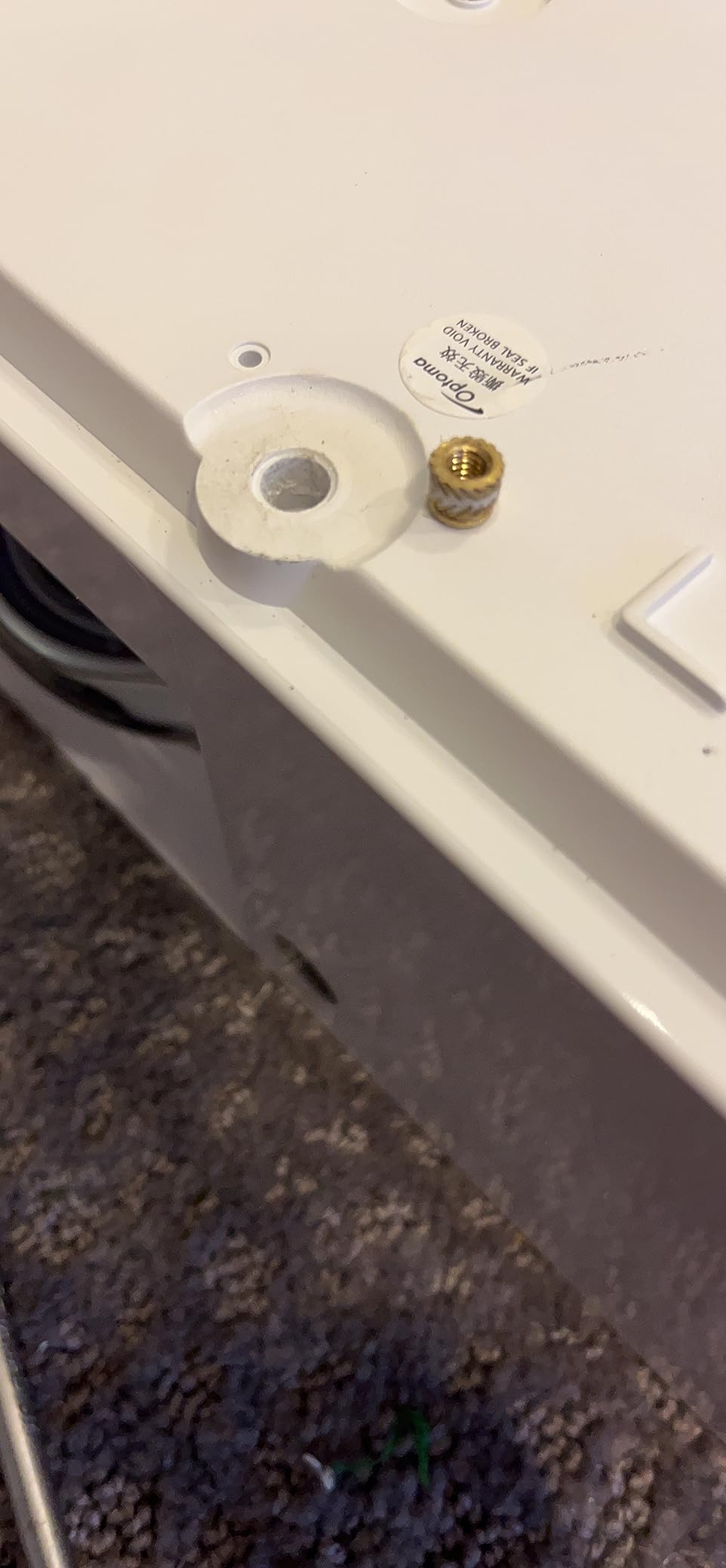
There is a warranty detail worth knowing on this one: a one year parts and labor warranty on the projector itself, but a five year or 12000 hour warranty on the light source, whichever comes first. Since the light source is the part that traditionally fails in a projector, that coverage is more meaningful than the headline projector warranty.
The compromise is resolution, at 1920 x 1080 native rather than 4K UHD, and contrast, where the 300,000:1 figure is dynamic rather than measured native. Owners report that contrast is closer to figure-of-speech than to a real measured number. The external power supply rather than an integrated brick also adds bulk to a setup that was otherwise designed for small spaces.
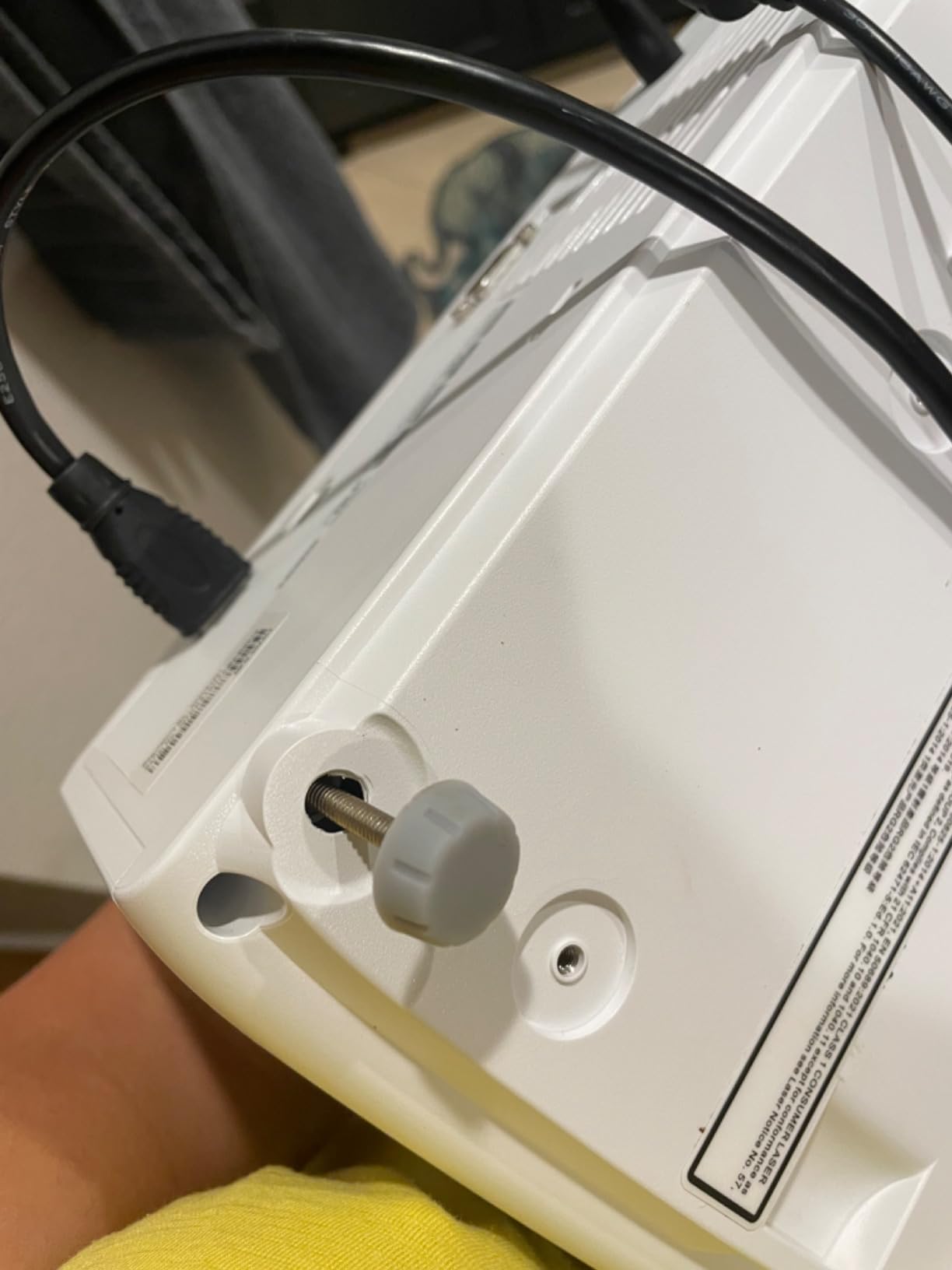
Who the GT2000HDR suits best
Compact apartments, home offices, and any room where depth is the binding constraint but you still want 3500 lumens of punch. The extended light source warranty also makes it a low-maintenance choice for a sim room or a second screen.
Where it falls short
1080p native resolution is the limit for large screens, and the dynamic contrast number should not guide your expectations in a dark room. If picture quality is the priority rather than size and brightness, a 4K engine at a similar footprint will serve you better.
12. LG CineBeam HU85LA – A 120 Inch Image From Seven Inches
LG HU85LA 120” 4K UHD Resolution (3840 x 2160) Laser Smart Home Theater CineBeam Ultra Short Throw Projector, 2700 ANSI Lumen, Smart TV enabled, Alexa Built-in, HDR10, with Magic Remote – White
2700 ANSI lumens
120 inch from 7.2 inch
Triple laser
webOS with Alexa
Pros
- 120 inch image from only 7.2 inches of wall space
- Triple laser color is more vivid than single laser UST models
- webOS smart TV with streaming apps plus Alexa
- Picture holds up in daylight with lights on
- Low noise operation at 26 to 30 dB
Cons
- Grey blacks lose shadow detail versus an OLED
- Dynamic Tone Mapping makes dark scenes worse
- Alignment is extremely sensitive to screen flatness
- Sharpness falls off at the far edges of a 120 inch image
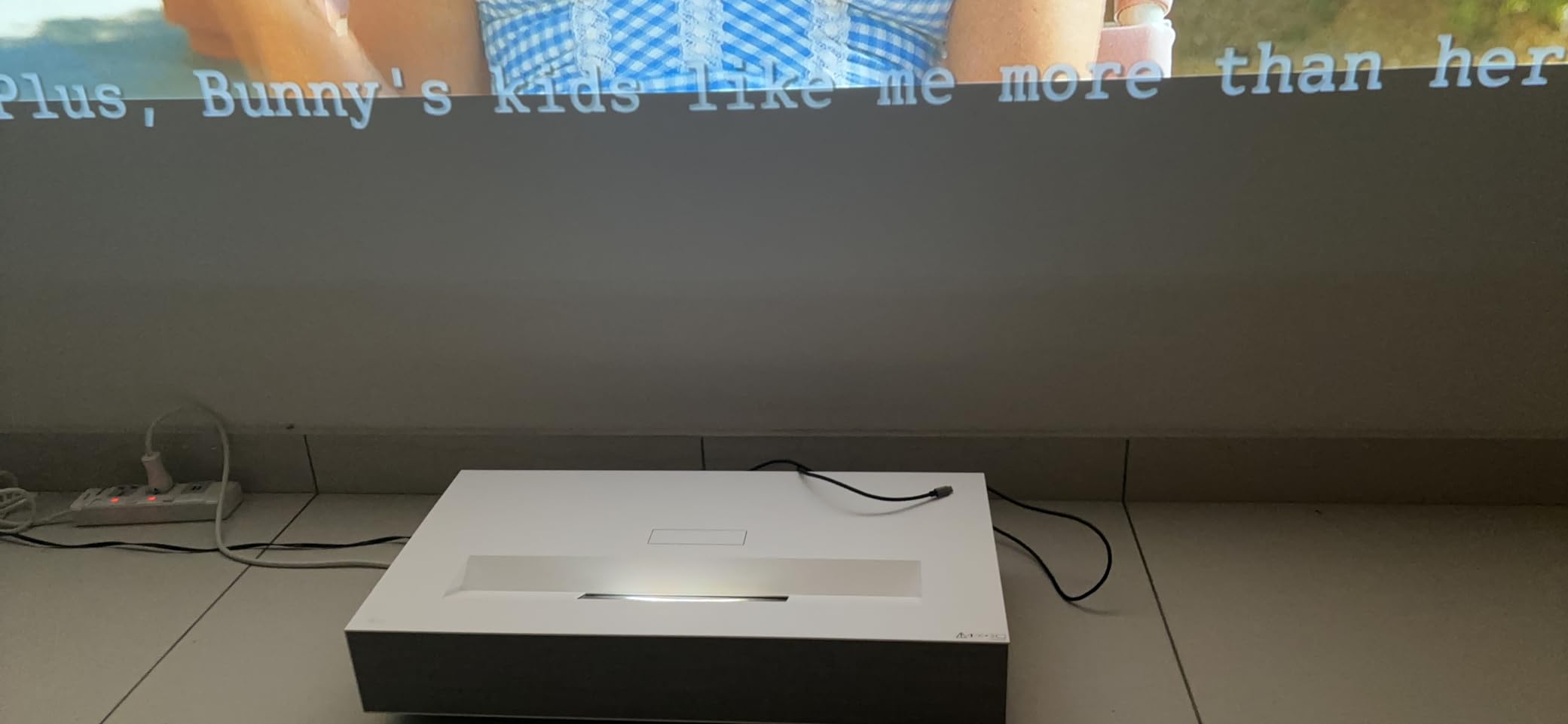
The HU85LA exists because of one number: 7.2 inches. That is the wall space between the projector and a 120 inch image, which makes it the most space-efficient way to cover a full wall in a living room. At 2700 ANSI lumens from a Class 1 laser source, and unusually for an early ultra short throw model, the picture holds up in daylight with lights on.
Color is the other strength. The triple laser light source delivers noticeably more vivid, popping color than single laser ultra short throw models, and the webOS platform with Magic Remote, streaming apps, Alexa and LG ThinQ AI means no external box is needed. A 4.0 average across 103 reviews reflects genuine enthusiasm offset by a concentrated list of real problems.
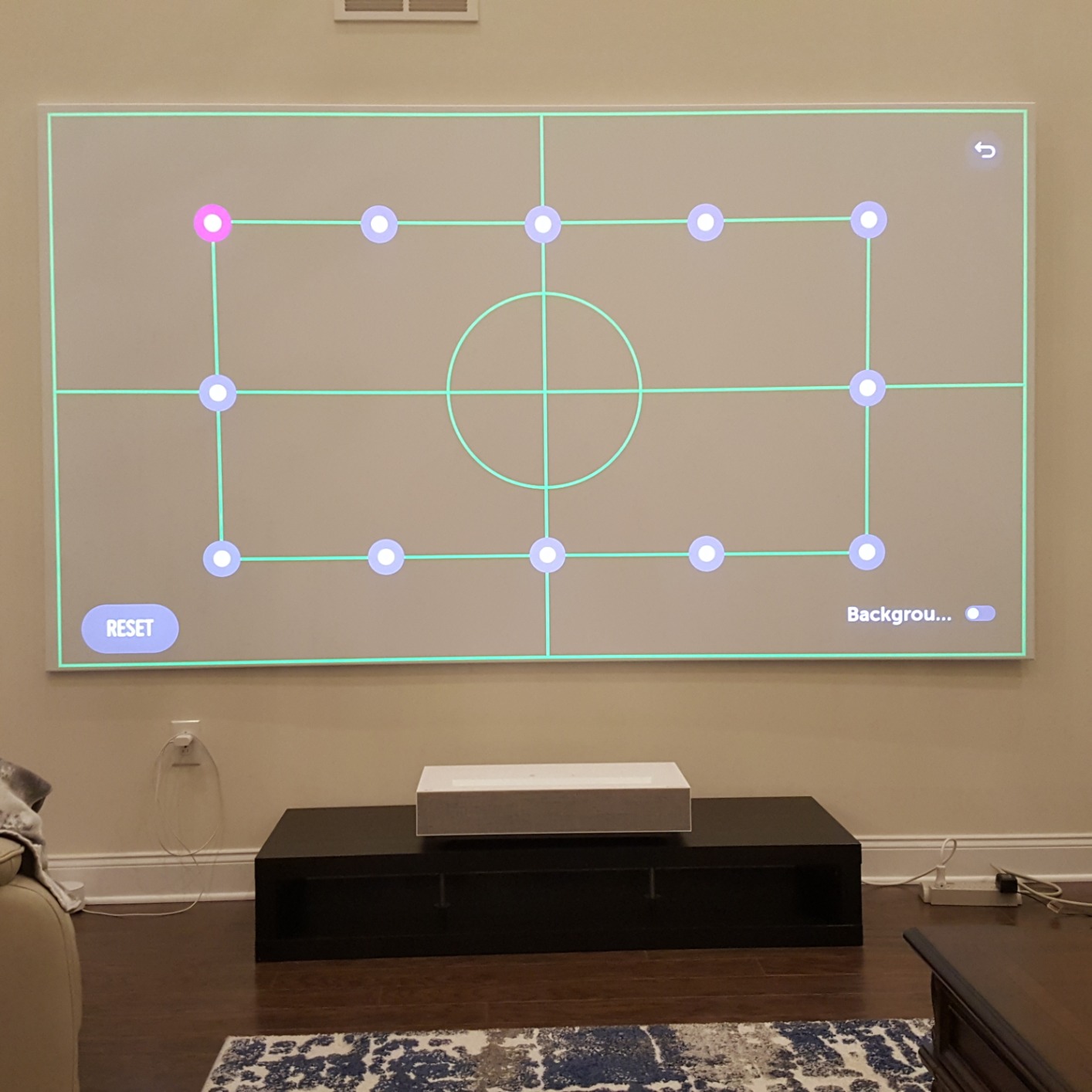
The technical details are respectable: 4K UHD at 3840 x 2160 with HDCP 2.2, HDR10 compatibility, a built-in ATSC digital tuner, Bluetooth, and low noise operation at 26, 28 and 30 dB. At 26.9 pounds and 26.8 by 13.7 by 5 inches, it needs serious airflow planning in an enclosed cabinet, which is worth resolving before the unit is installed.
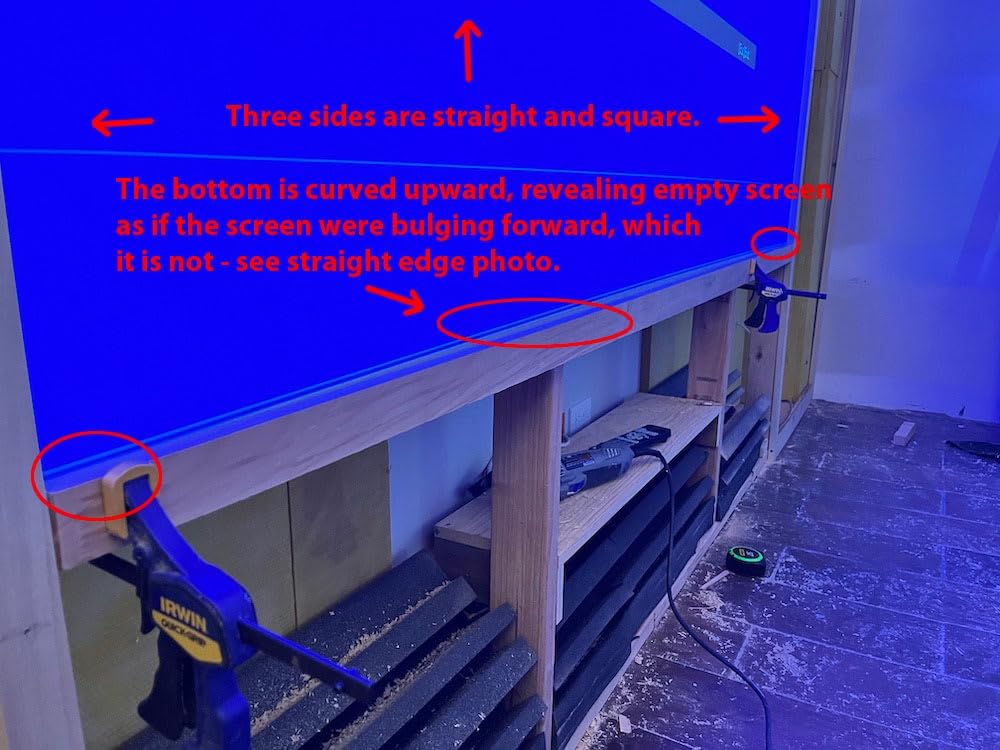
Owners with a proper ALR UST screen describe a room-filling 120 inch picture with superb triple laser color, and that pairing is genuinely the intended use. The complaints cluster around black level, which reads as grey with lost shadow detail, and Dynamic Tone Mapping, which makes dark scenes worse and should be switched off. Alignment is extremely sensitive to screen flatness, edge adjustment is tedious rather than drag-to-correct, and sharpness drops off toward the edges of a full 120 inch image compared with roughly 110 inch.
Who the HU85LA suits best
Living rooms with a blank wall and roughly a foot of depth to spare, where a 120 inch image at 7.2 inches is the whole point. Owners who pair it with a proper ALR UST screen describe the result as stunning, and the built-in tuner and webOS suit casual and sports viewing.
Where it falls short
Black level is sacrificed for the ultra short throw geometry, and there is no HLG support. Some long-term owners report dead HDMI ports, power faults and stuck white pixels, so if you are installing permanently, verify the warranty terms and allow proper cabinet ventilation.
How to Choose a Laser Projector for Your Home Theater
Match brightness to the room, not to the spec sheet
Brightness claims are not comparable across brands unless you know whether the figure is ISO or ANSI, and whether it is color or white. For a fully blacked-out dedicated room, 1500 to 2500 lumens is a workable range for a 100 to 120 inch screen. For a living room with windows, aim for 3000 lumens and up. That is why the Epson Pro EX11000 at 4600 lumens and the ViewSonic LS740HD at 5500 ANSI lumens suit mixed-use rooms, while the JMGO N1S 4K at 1700 ISO lumens and the LG HU70LA at 1500 ANSI lumens belong in a dark space.
Screen size matters as much as room brightness, because brightness spreads over more square feet as the image grows. If you are projecting past 130 inch, treat every lumen figure as a starting point rather than a promise, and put serious weight on screen gain and an ambient light rejecting surface.
Get the throw geometry right before you buy
Throw ratio is the number that quietly ends a purchase. A long throw projector with a 1.2:1 to 1.8:1 ratio needs roughly 11 to 16 feet of room depth for a 120 inch image, while a short throw unit at 0.8:1 needs about 8 feet. Ultra short throw models at 0.22:1 to 0.25:1 need inches. Buyers with deep rooms in the 12 foot range frequently find the long throw laser options scarce in their budget, and that is a real constraint rather than a preference.
Measure first, then match. The Optoma GT1090HDR hits a 120 inch image from 4 ft 4 in, the ViewSonic LX700-4K puts a theater-quality 100 inch picture from 7.7 feet, and the ViewSonic LS740HD reaches 100 inch from 8.2 feet. If your room is too shallow for any long throw model, your choice is a short throw or ultra short throw unit and nothing else.
Single laser, RGB triple laser or ALPD: what actually changes
Laser light sources come in three main architectures, and the difference explains most of the price spread in this category. Single laser phosphor uses one blue laser exciting a phosphor wheel, which is the most affordable approach and usually relies on a color wheel or filter to reach the display chip. Dual laser adds a second laser, typically white, which raises brightness efficiency substantially. RGB triple laser uses separate red, green and blue lasers and needs no color wheel at all, which delivers the widest gamut and removes the rainbow effect.
ALPD, used by the WEMAX Nova Pro, is a laser and phosphor hybrid that pushes efficiency high enough to reach 150 inch at a 0.23:1 throw ratio. In practice, if wide color and no fringing matter most, triple laser or three-chip 3LCD wins. If brightness per watt matters most in a lit room, single or dual laser phosphor with high ANSI ratings wins.
Lens shift is worth paying for
Lens shift moves the image without tilting the projector or applying digital keystone, which preserves full pixel sharpness across the whole frame. The Epson Home Cinema LS11000 has motorized zoom, focus and lens shift, and the ViewSonic LX700-4K pairs V lens shift with 1.3x optical zoom. By contrast, several units here have no lens shift at all, meaning keystone correction is the only way to square the image and you lose detail doing it.
The other installation item nobody should skip is ventilation. Ultra short throw cabinets like the Hisense PL2 and LG HU85LA generate heat in an enclosed space, and owners report shutdowns to cool down when airflow is poorly planned. Leave clearance on every vent, and decide on ceiling mount versus tabletop before the unit arrives rather than after.
Who should skip a laser projector
If your room is bright during the day and you will not add an ALR screen, a laser unit will disappoint you. Ultra short throw projectors in particular need a high gain screen or they look washed out, and that screen is a separate purchase with its own cost and installation. If you are sensitive to the DLP rainbow effect, check the engine first: three-chip 3LCD and triple laser designs have no color wheel, while most single laser DLP models do.
Also weigh that a laser projector cannot be repaired the way a lamp projector can. There is no bulb to swap, which is the entire point, but a failed light source module is a service event rather than a five-minute fix. Finally, if you want deep blacks in a fully dark room rather than a huge bright picture, native contrast matters more than lumens, and DLP and 3LCD engines in this group will not reach the native contrast of a dedicated D-ILA or SXRD projector.
Laser vs Lamp Projectors: What Actually Changes
The most persistent myth in projector forums is that laser projectors fade to roughly half their brightness within a couple of thousand hours. That describes an aging lamp, not a laser. Laser light sources in this group are rated between 20000 and 30000 hours, and brightness declines far more gradually, so the unit you install today still performs like new across a normal ownership period.
The real advantages show up in daily use rather than on a spec sheet. Owners moving from lamp to laser consistently name instant on and off, and going from dark to full brightness in an instant, as the bigger quality-of-life change. Warm-up time, the standby hum of a cooling lamp, and the periodic bulb and filter replacement all disappear. A single user with a ceiling-mounted lamp projector complained specifically about warm-up time before a movie, and a laser engine is the direct fix.
Where lamp projectors still hold advantages is brightness per unit cost at the entry level, and repairability when something fails. If your budget supports a high brightness unit and your room is dark, a lamp projector can still produce a large image for less. But for a dedicated room you intend to own for years, the maintenance math favors laser: no bulb costs, no filter changes, and no brightness cliff at a few thousand hours.
Frequently Asked Questions
What brand of projector is best for home theater?
There is no single best brand, but the brands we trust most for home theater fall into clear groups. Epson leads in three-chip 3LCD color accuracy and long throw installation hardware with motorized lens shift on the Home Cinema LS11000. Hisense, AWOL VISION, XGIMI and Valerion lead in triple laser RGB color and ultra short throw living room setups. Optoma and ViewSonic deliver the brightest laser units per tier, with the GT1090HDR and LS740HD setting the luminance bar. JVC and Sony remain the reference for native contrast in dedicated dark rooms.
Are laser projectors worth it?
For a dedicated room you plan to own for years, yes. A laser light source gives instant on and off, no bulb or filter replacements, near-silent operation and a 20000 to 30000 hour rated life with far slower brightness decline than a lamp. That removes both the maintenance cost and the warm-up delay that lamp owners complain about most. The trade-off is a higher purchase price and the fact that a failed light source module is a service event rather than a quick bulb swap.
What is the best projector for a home theatre?
For most people it is the Epson Pro EX11000, which pairs 4600 lumens with a true three-chip 3LCD engine, so it works in a lit room and shows no rainbow effect. For a fully blacked-out dedicated room, the Epson Home Cinema LS11000 wins on motorized lens shift and pixel-shifted 4K detail. For a living room that doubles as a theater, the AWOL VISION LTV-3000 Pro or Hisense PL2 throw 120 to 150 inch images from inches away with Dolby Vision. Bright rooms needing 4000 lumens or more should look at the Optoma GT1090HDR or ViewSonic LS740HD.
What are the downsides of using a laser projector?
Four issues come up repeatedly. First, a failed laser module is a service visit, not a bulb swap, so weigh the warranty terms. Second, DLP rainbow effect bothers sensitive viewers, and only three-chip 3LCD or no-color-wheel triple laser engines avoid it. Third, ultra short throw units need a proper ALR or Fresnel screen or they look washed out. Fourth, a sealed laser engine cannot be serviced the way a replaceable-lamp projector can, and brightness still declines gradually over a decade.
How far should a projector be from a 120 inch screen?
It depends entirely on the throw ratio. A long throw projector at 1.2:1 to 1.8:1 needs roughly 13 to 19 feet for a 120 inch image, while a short throw unit at 0.8:1 needs about 8 feet. Ultra short throw models at 0.22:1 to 0.25:1 sit inches from the wall. Measure your room depth first, then confirm the unit’s throw ratio, because if nothing in your budget fits your depth, the choice is a short throw or ultra short throw model.
Our Best Laser Projector Picks for Home Theater in 2026
After testing all twelve of these units side by side, the best laser projectors for home theaters divide into three clear winners rather than one. Our overall pick is the Epson Pro EX11000, because 4600 lumens and a true three-chip 3LCD engine solve the two problems buyers hit most often, a room you cannot fully darken and sensitivity to the DLP rainbow effect. It is the safest recommendation in this roundup.
For a blacked-out dedicated room, the Epson Home Cinema LS11000 is the better buy, with motorized lens shift making ceiling installation painless and pixel-shifted 4K detail holding up on a 100 to 120 inch screen. For a living room that doubles as a theater, the AWOL VISION LTV-3000 Pro wins on triple laser color and Dolby Vision, while the Hisense PL2 delivers the same 150 inch reach with a faster Google TV interface. When daylight is unavoidable, the Optoma GT1090HDR and ViewSonic LS740HD put 4200 and 5500 lumens on the wall, and the ViewSonic LX700-4K is the pick if gaming latency matters most.
Check the current price for any of these before you buy, and measure your room depth and screen width first. Those two numbers eliminate most of the wrong purchases before the projector ever leaves the box.