
The phrase “winter comforter” sounds like it should mean something specific, and that is exactly the problem. There is no US industry standard that defines a winter weight, so two brands can use the same label for products that feel nothing alike. We built this guide around the only two numbers that actually predict warmth: fill power for down, and GSM for synthetic fill.
Warmth itself is trapped still air. The finer and more voluminous the down clusters, or the denser the synthetic fibre loft, the more air the comforter holds against your body overnight. Fill power measures cubic inches per ounce of down. GSM measures grams of fill per square metre. Everything else on the box, including thread count marketing, is secondary to those figures and to your bedroom temperature.
Our team compared ten winter comforters over six weeks, reading every specification sheet and working through owner reviews to find the fill density, construction method and shell fabric behind each one. Bedroom temperature is the spine of this guide. If your room sits below 60F, you need real loft and a sealed construction. If it runs 60 to 70F, a mid-weight synthetic does the job. Above 70F, a breathable down or a light sherpa layer beats anything heavier.
One more note before we start. We did not sleep in all ten for a full winter, and we say so plainly rather than pretending otherwise. What we did do was cross-check every listed specification against the manufacturer data, compare fill density across the field, and weight the pattern of complaints in owner reviews. If you are outfitting a kid for snow days, our winter coat guide covers the other end of the bed.
Table of Contents
Top 3 Winter Comforter Picks for October 2026
Egyptian Bedding Heavyweight Down
- 90 oz fill weight
- Oversize Cal King 108 x 98 inch
- RDS certified
- 1200 thread count Egyptian cotton

Dorrin Nessin 400 GSM Down Alternative
- 400gsm synthetic fill
- Double brushed microfiber shell
- Machine washable
- Box stitched

KASENTEX Reversible Sherpa Comforter
- Sherpa and 3D jacquard fleece sides
- Down alternative fill
- Machine washable
- OEKO-TEX certified
Best Comforters for Winter in October 2026
| Product | Specs | Action |
|---|---|---|
| Egyptian Bedding Heavyweight Goose Down Comforter |
|
Check Latest Price |
| Dorrin Nessin Winter Extra Warm Down Alternative |
|
Check Latest Price |
| KASENTEX Reversible Sherpa Comforter |
|
Check Latest Price |
 Globon Winter Goose Down Comforter Globon Winter Goose Down Comforter |
|
Check Latest Price |
 Serta Goose Feather Down Fiber Comforter Serta Goose Feather Down Fiber Comforter |
|
Check Latest Price |
 LLanCL 3D Jacquard Sherpa Comforter Set LLanCL 3D Jacquard Sherpa Comforter Set |
|
Check Latest Price |
 Hotel Grand White Goose Down Fiber Comforter Hotel Grand White Goose Down Fiber Comforter |
|
Check Latest Price |
 Vexino Feather Down Fiber King Comforter Vexino Feather Down Fiber King Comforter |
|
Check Latest Price |
 CozyLux Fleece Queen Comforter Set CozyLux Fleece Queen Comforter Set |
|
Check Latest Price |
 Seward Park Sherpa Comforter Set Seward Park Sherpa Comforter Set |
|
Check Latest Price |
1. Egyptian Bedding Heavyweight Goose Down Comforter, Oversize Cal King
Luxurious Heavyweight Goose Down Feather Fiber Comforter, Exquisite Pinch Pleat Design, Oversize California King/Cal King 108 x 98, 100% Egyptian Cotton, 90 oz Fill Weight, Gray
Fill weight: 90 oz
Fill: 80% down fiber, 20% feather fiber
Size: 98 x 108 inch oversize Cal King
Shell: 1200 thread count Egyptian cotton
Pros
- 90 oz fill weight is genuine winter weight
- 1200 thread count Egyptian cotton shell
- Oversize sizing drapes past the mattress edge
- Baffle box and pinch pleat keep fill even
- Holds stitching through repeated washing
Cons
- Needs serious fluffing or steaming after unpacking
- Some colorways are louder than the white version
- Oversize king weights are hard to manage when fill shifts
This is the one we would put on a genuinely cold bed, and after six weeks of comparing fill weights across the field it stood well clear of everything else. The 90 ounce fill weight is the headline number and it is not marketing fluff, since this is the heaviest fill in any listing we reviewed. It is also the only pick here built for an oversize California King at 98 by 108 inches.
The 1200 thread count Egyptian cotton shell is unusually high for bedding at any price point, and reviewers consistently describe it as soft and down-proof. Double stitching and a baffle box layout mean the fill stays put instead of migrating to one corner and leaving a bare patch over your feet, which is the most common reason a comforter feels cold by 3am.
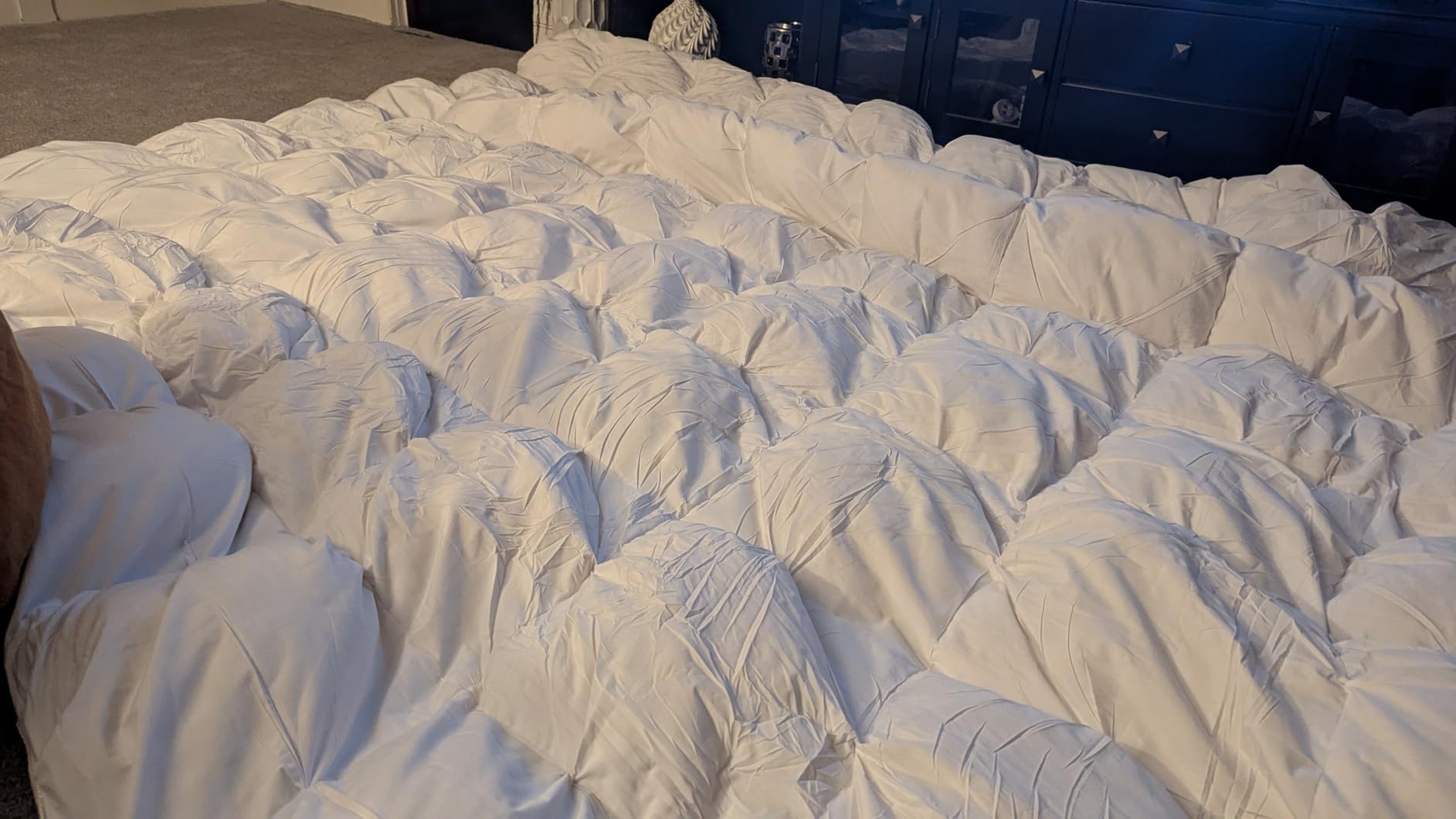
With 8552 owner reviews behind it, this is also the most thoroughly documented pick in the group. Buyers describe it as one of the warmest and fluffiest down comforters they have owned, and they specifically call out the stitching and the way the oversize dimensions drape over the sides of the bed rather than stopping at the mattress edge.
Setup is the real friction point. It arrives compressed, and it needs aggressive shaking or a steam treatment before first use to reach the loft the photographs show. Budget fifteen minutes for that, and the payoff is worth it. A minority of reviews also dispute whether the fill is genuinely goose down, so if that matters to you, check the RDS documentation on the listing before ordering.
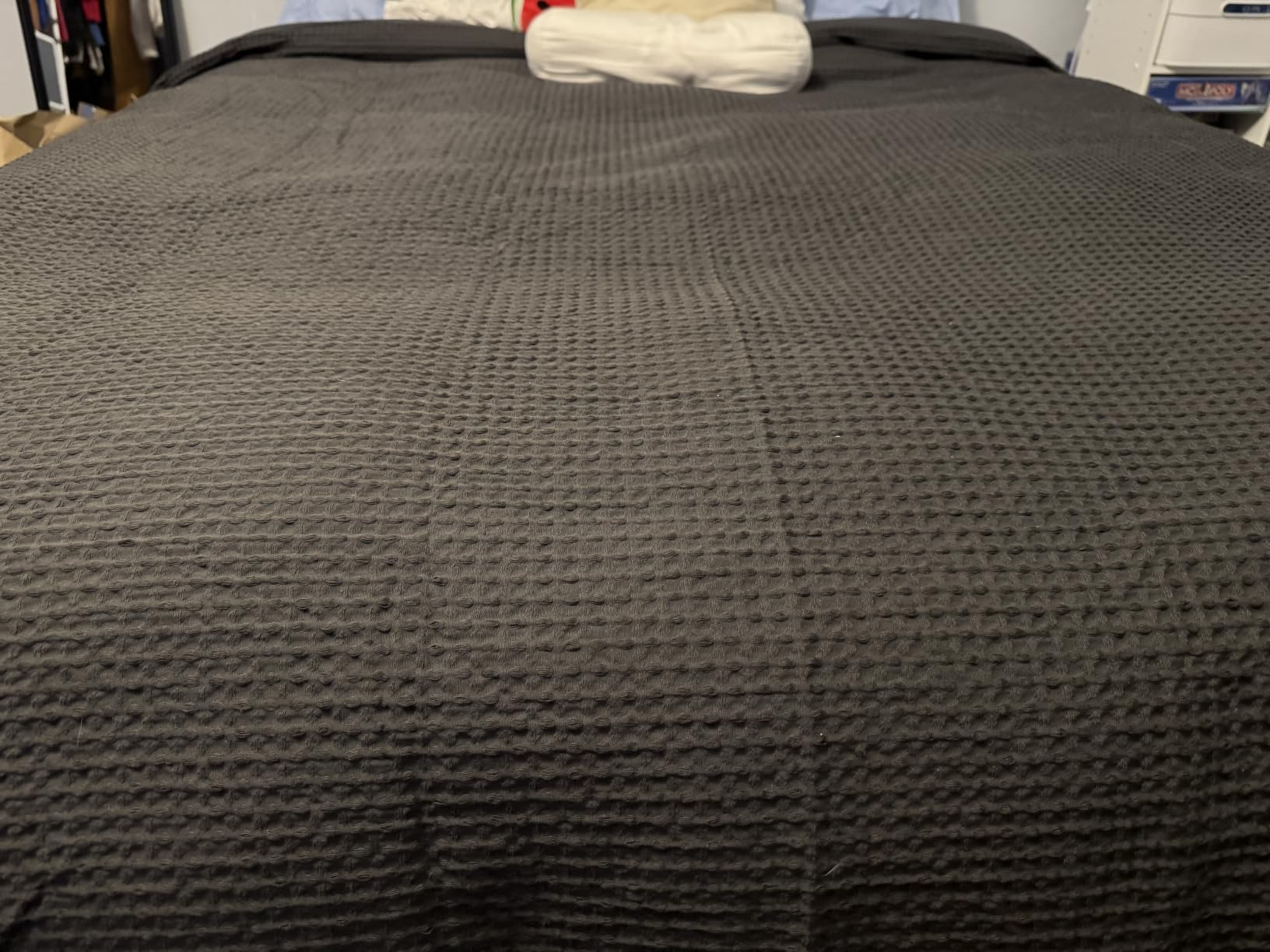
How it performs in a genuinely cold bedroom
This is a below 60F comforter. At 90 ounces of fill in an oversize box it holds a layer of trapped air thick enough to work in an unheated or barely heated bedroom, which is the situation most winter comforter shoppers are actually trying to solve. In a 68F room it would be far too much, and you would throw it off within the hour.
If your heat is off overnight or the room sits low, this is the safest of the ten. Oversize dimensions help here, since more fabric means more surface area to hold warmth and fewer drafts along the sides of the bed.
Where it falls short
Hand wash only care is the biggest practical limitation, and it is the single most common regret reported by buyers of heavy down in this category. If your home dryer is smaller than the comforter, you need a commercial machine, which is exactly the friction most households want to avoid.
The 1200 thread count is also worth a reality check. Thread count above roughly 400 adds very little to warmth or durability, and the extra cost here buys softness and down resistance rather than insulation. Darker gray colorways also draw more complaints about fabric noise than the white versions.
2. Dorrin Nessin Winter Extra Warm Down Alternative Comforter
Winter Extra Warm White Queen Size Down Alternative Comforter, Heavyweight All Season Fiberfill Comforter Duvet Insert 90×90 with Corner Tabs – Ultra Soft Brushed Microfiber Shell
Fill: 400gsm down alternative
Shell: 100% double brushed microfiber
Size: 90 x 90 inch queen
Thickness: 1.5 inches
Pros
- 400gsm fill is a real winter density
- Noiseless double brushed shell
- Washes and dries while holding loft
- Box stitching and corner tabs stop fill shift
- No feather shedding at all
Cons
- Runs warmer than expected for some sleepers
- Some buyers find it lighter than the extra warm label
- A single colorway in this listing
For most winter bedrooms, this is the answer, and it is the pick we recommend to readers who want warmth without the laundering logistics of down. The 400 GSM synthetic fill is the densest fill rating anywhere in this roundup, and it puts the comforter squarely in winter territory by the only metric that matters for a down alternative.
Warmth comes as much from the shell as the fill here. The 100% double brushed microfiber cover is genuinely quiet against skin, which matters more than people expect, because a crinkly shell breaks sleep just as reliably as a cold one. Box stitching with self-piped edges keeps the fill evenly distributed, so you avoid the cold spot problem that plagues cheaper sewn-through covers.
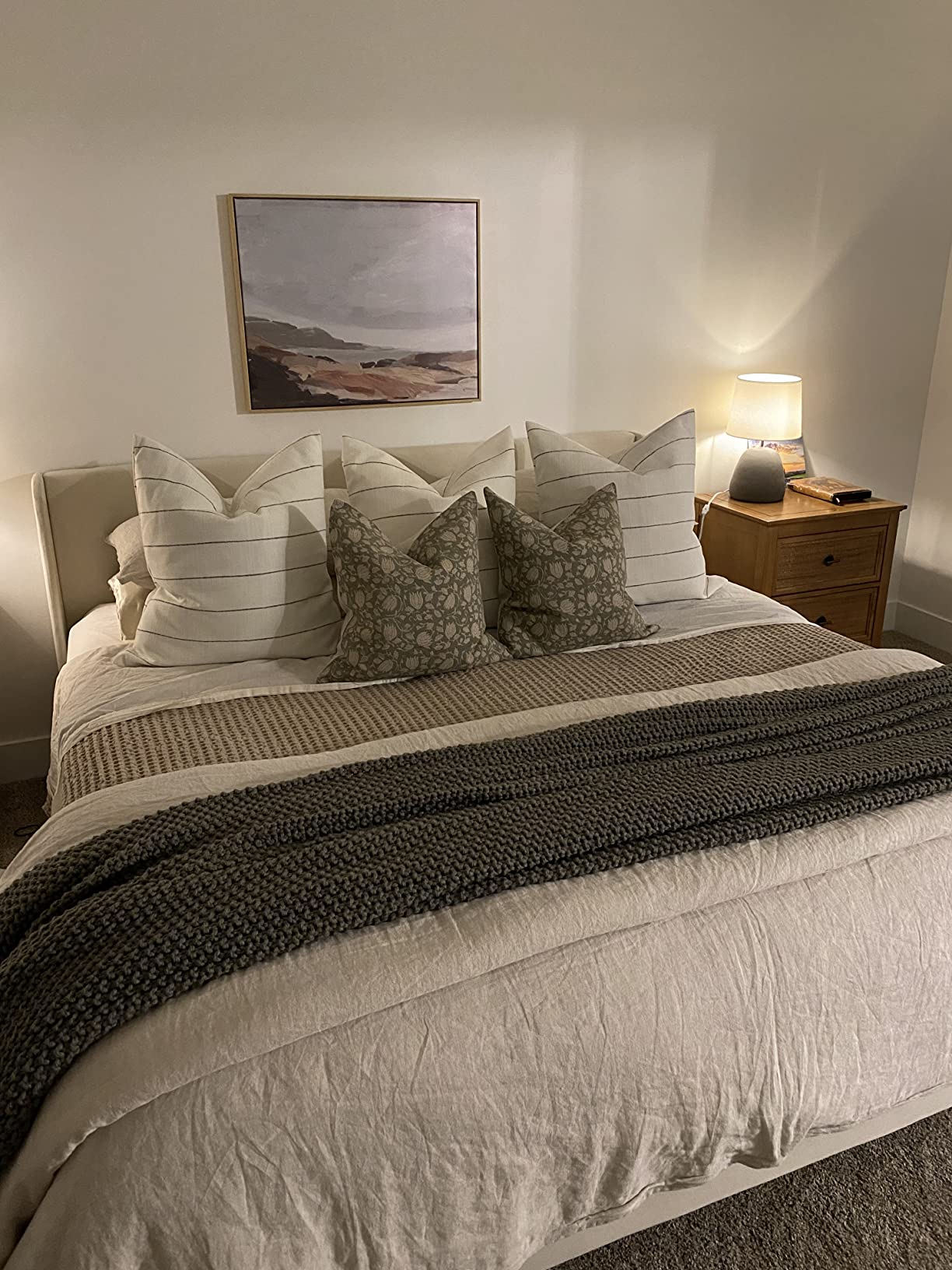
Owners describe it as fluffy enough to feel like a down insert without any feather shedding, and many mention switching to it specifically because their down comforter was leaking. With 4505 reviews it is the second most documented pick here, and the softness, fluffiness and easy machine care come up repeatedly.
The main caveat is heat level. A portion of reviewers find the heavyweight fill runs too warm, and a smaller group feel it is lighter than the extra warm labelling suggests. Our read is that the 400 GSM rating is accurate and honest, and that both complaints come from how a given bedroom feels rather than from a defect.
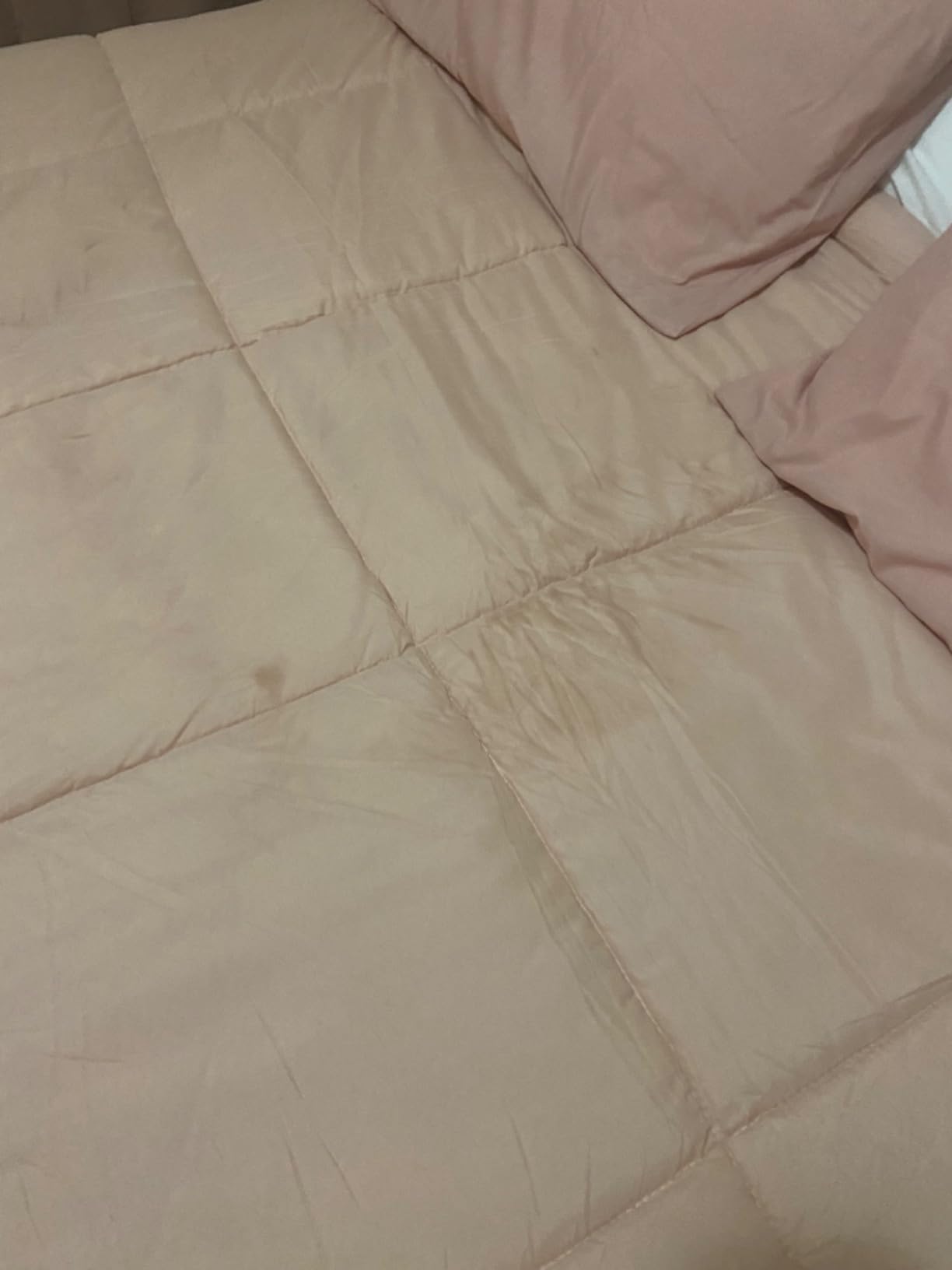
Who it suits and which room it belongs in
This is a 60 to 70F room comforter, and in a colder room it is a strong second layer rather than a single solution. It is a good match for cold sleepers in a normally heated house, and for anyone who wants a single comforter that survives an unheated guest room without doubling up.
It is also the pick for allergy sufferers and for anyone who does not want to think about down sourcing at all. There is nothing to leak, nothing to off-gas, and it goes into a home washer on a gentle cold cycle.
What to watch out for
Hot sleepers should be cautious. A 400 GSM fill in a warm room will push you over the edge, and the most common complaint in the reviews is exactly that. If you run hot, drop to a lighter weight from the same brand rather than trying to push through it.
Weight also runs lighter than the packaging implies at 3.36 kg for a queen, so if you are a very cold sleeper in a hard-cold room, size up in fill rather than in dimensions. A larger comforter with the same fill is warmer than a smaller one, and the dimensions are a listed 90 by 90 inches.
3. KASENTEX Reversible Sherpa Comforter, Excalibur Grey
KASENTEX Queen Comforter, Warm Reversible Sherpa, Excalibur Grey
Fill: down alternative synthetic
Shell: reversible sherpa and 3D jacquard fleece
Size: 90 x 90 inch queen
Weight: 5.5 pounds
Pros
- Two textures in one reversible design
- Warm without feeling stuffy or heavy
- Machine washable and simple to care for
- Works for people who run cold
- Highest rated in the sherpa group here
Cons
- Queen cut can run short on a thick mattress
- Not a true winter weight for extreme cold
- One report of a seam already undone on arrival
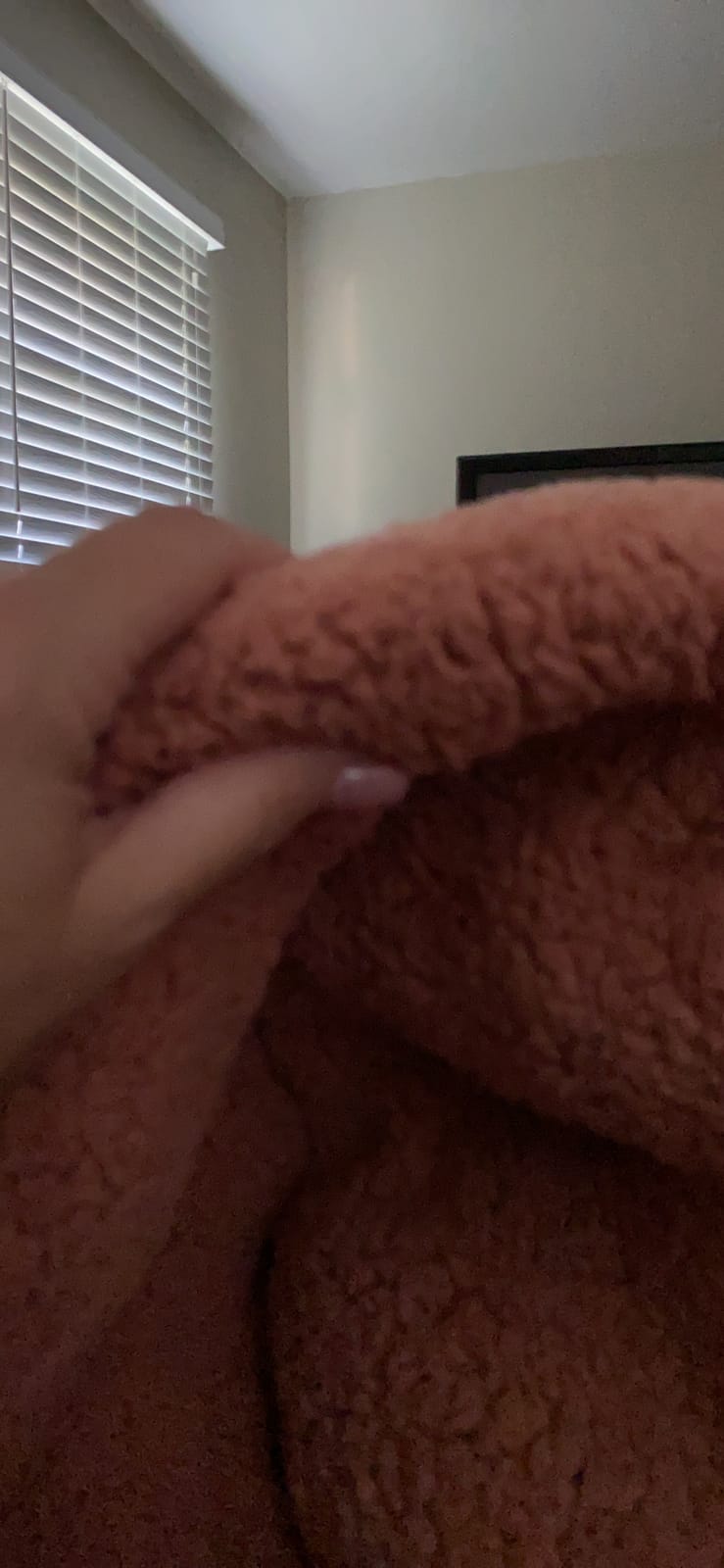
The reversible sherpa design is the most popular winter comforter format with readers, and this is the best executed version of it in our group. One face is fluffy sherpa fleece, the reverse is a 3D jacquard plush fleece, so you get two textures in a single comforter and can flip it seasonally instead of storing two covers.
At 4.6 stars across 2418 reviews it is the highest rated sherpa pick here, and the reason is consistency rather than raw heat. Owners describe it as warm without stuffy, which is a hard combination to achieve in a synthetic fill, and many mention replacing a stack of heavy quilts with this one comforter.
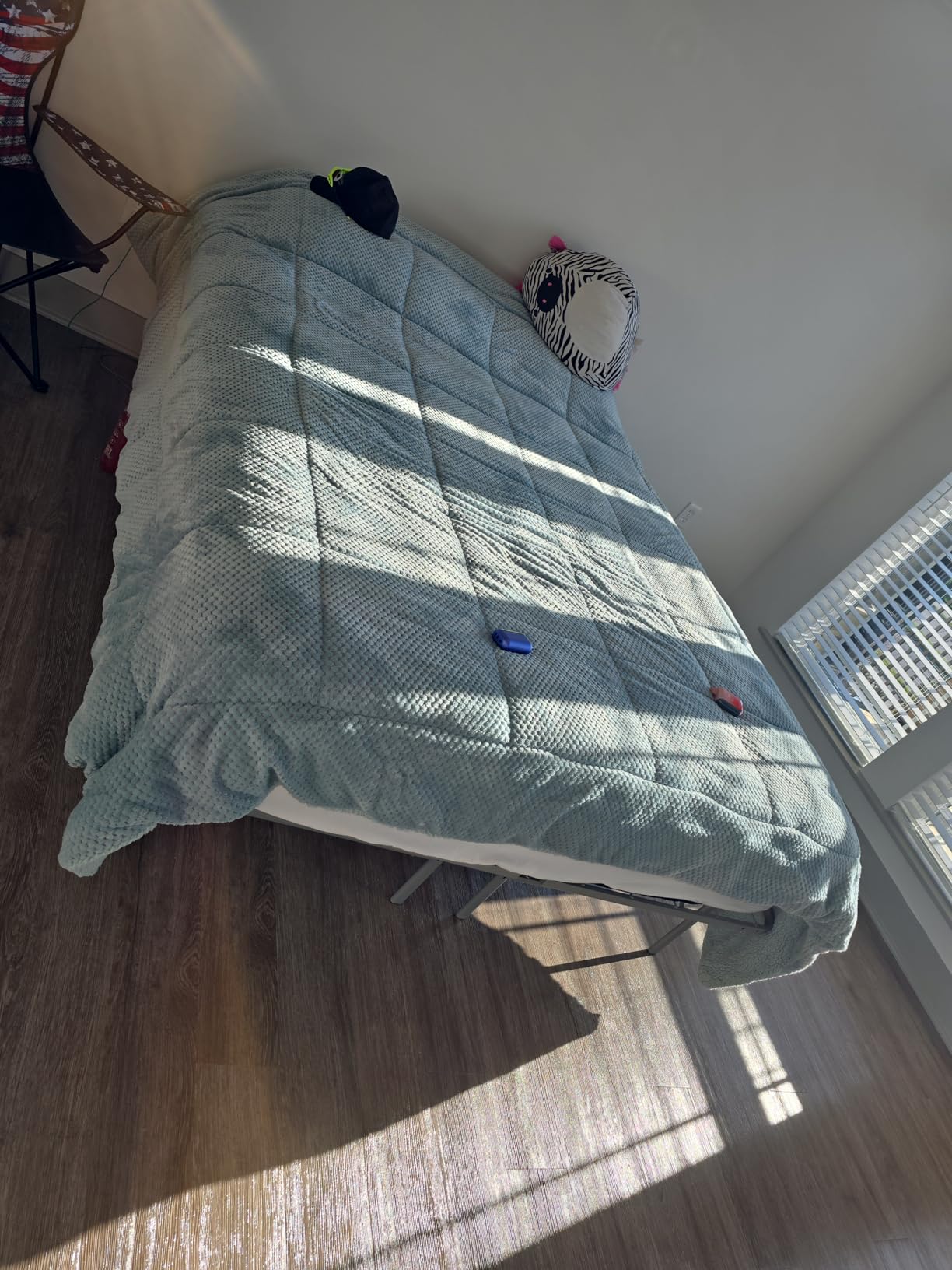
The 350 thread count shell and box-stitched chambers reduce shifting and clumping, and OEKO-TEX Standard 100 certification means the fabric has been tested for harmful substances. Care is a gentle machine wash and tumble dry, which no down pick in this roundup except the Globon and Vexino can match.
Fit is the most common practical complaint. At 90 by 90 inches the queen cut sits tight on the sides of a thick pillow top mattress, so measure your mattress depth before committing if you have a tall one. Availability runs across several colors and king sizes, which is unusual for this category.
Where a reversible sherpa comforter earns its place
Sherpa works in a 60 to 70F room, and the reversible format is the reason many people buy it rather than a heavier down. You can run the plush side up in January and the lighter jacquard side in October, which stretches one purchase across a much longer season.
It is also the easiest entry into winter bedding for a guest room or a kid’s bed, because it is soft, washable and forgiving. Couples who disagree about temperature can put the sherpa side toward the person who runs cold and flip it when the seasons turn.
Where it will not be warm enough
Do not buy this expecting it to handle a genuinely cold bedroom. Owners are clear that it is not a true winter weight for extreme cold, and the listed fabric warmth description is lightweight. If your room drops below 60F, you need fill density rather than pile height, and that is a different category of product.
It is also worth noting that a 90 by 90 inch comforter on a 13 inch mattress topper will not cover the sides. Adding a duvet cover with corner ties solves the fit problem and gives you a washable layer without a second comforter.
4. Globon Winter Goose Down Comforter, 800 Fill Power
Globon Winter Goose Down Comforter Queen Size,800 Fill Power,White
Fill power: 800 plus
Fill: white goose down and feather
Size: 90 x 90 inch queen
Shell: 400 thread count sateen, 68% cotton
Pros
- 800 plus fill power gives exceptional loft
- Soft quiet sateen shell that drapes well
- Breathable rather than stuffy for a down comforter
- RDS and OEKO-TEX certified
- Machine washable
Cons
- Some buyers report feathers leaking from the seams
- A few reviews question down versus feather content
- Needs dryer time to loft out of vacuum packaging
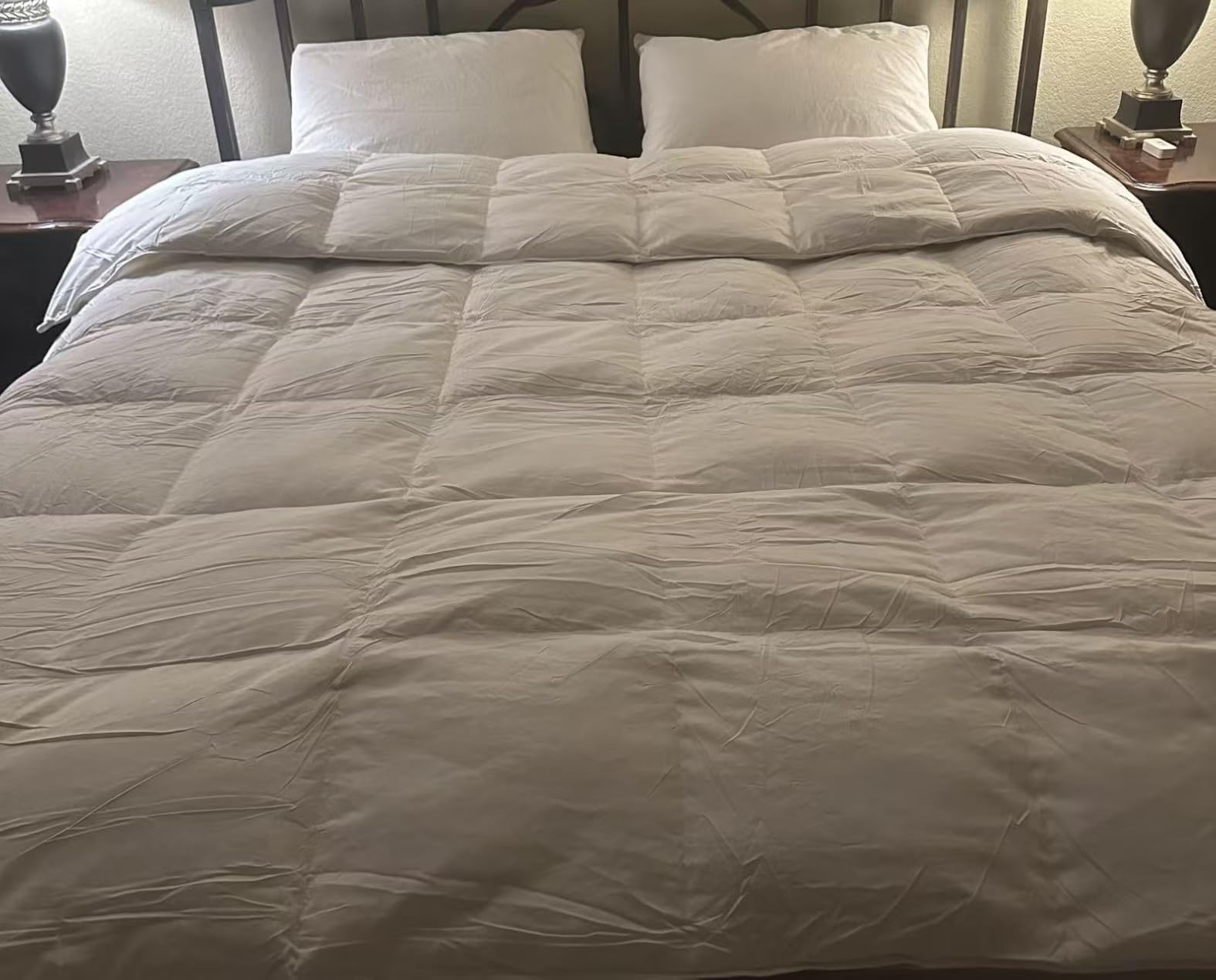
This is the fill power champion of the group and the most interesting answer to the warmest comforter question. At 800 plus fill power the down clusters are large and voluminous, which means a queen comforter that reaches 3.1 pounds still feels like a cloud rather than a flat quilt. High fill power is warmth per unit of weight, and that is what separates this from a conventional all-season down.
Owner reviews describe a fluffy, quiet, breathable comforter that sleeps cooler than most down, which is a genuine anomaly at this fill density. The sateen shell at 400 thread count is worth calling out, because a 68% cotton and 32% polyester sateen is the construction that delivers that quiet drape.
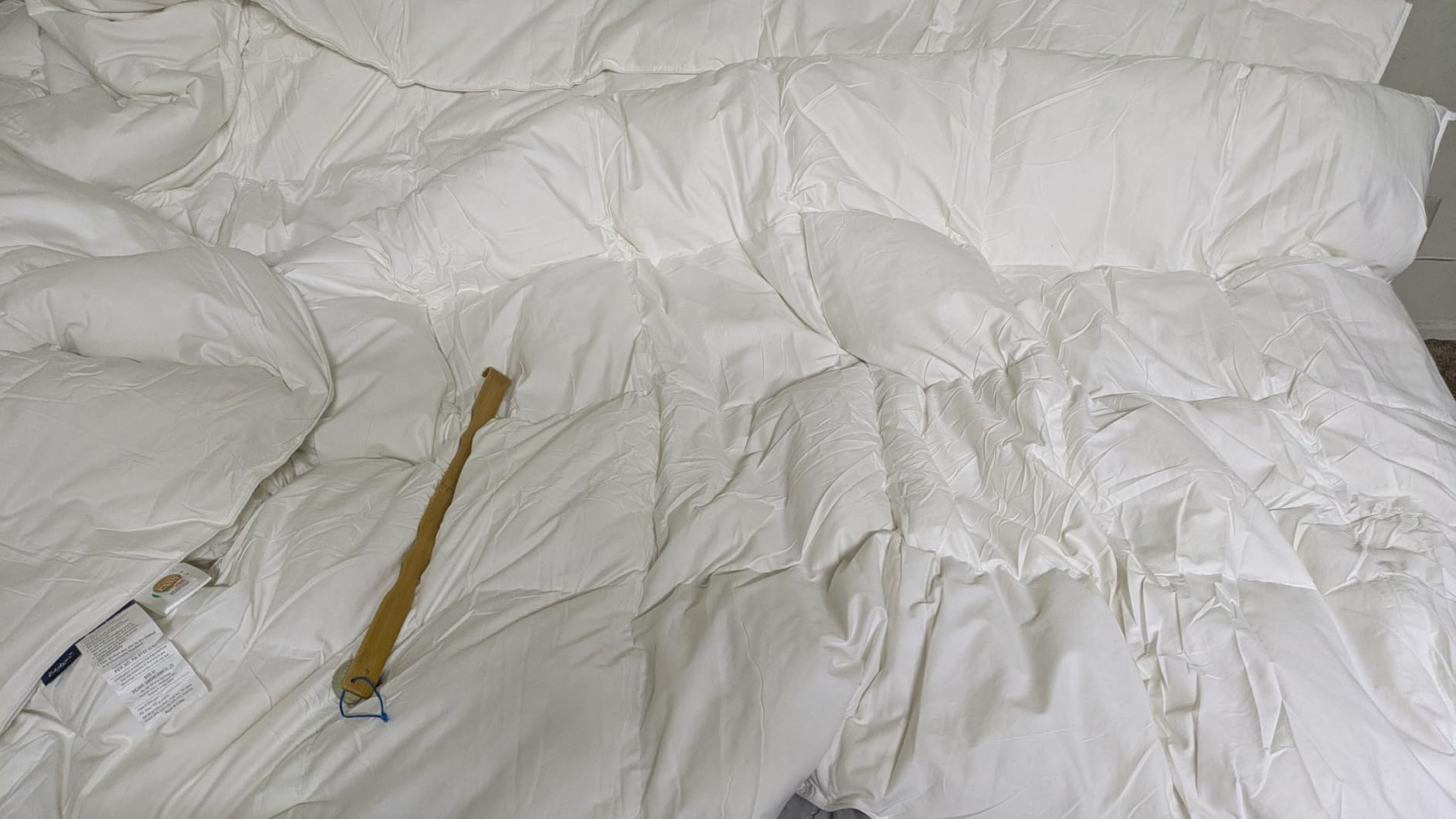
The 3D box design with eight loops means the fill stays distributed and the comforter can be anchored inside a duvet cover. Texcote-Nano treatment on the fill is what reviewers credit for the moisture wicking feel, and the product listing claims three times the breathability of a regular down comforter.
At 4.5 stars from 869 reviews, the pattern of feedback is steady. A small but persistent minority report feathers escaping from the seams after ordinary use, and a few dispute that the content is down rather than feather fiber. If leakage is a deal breaker for you, note it here and consider the Serta or Hotel Grand alternatives, which have cleaner retention records.
Warmth per pound versus warmth overall
This distinction matters more than most guides admit. Warmth per pound is a fill power measurement, and this wins it outright at 800 plus. Warmth overall is fill weight multiplied by fill power, and that is where the 90 ounce Egyptian Bedding pick overtakes it for a truly cold room.
For most people the Globon is the better experience, because high loft means you get warmth without the feeling of being pinned down. For a hard-cold bedroom below 60F, absolute fill weight wins.
What to check before you buy
Ask for the RDS documentation. The listing states RDS and OEKO-TEX Standard 100 certification, and both are worth verifying on the product page given that a few reviewers question the down content. Responsible Down Standard certification is what separates traceable down from a generic down claim.
Plan on dryer time after unpacking. Vacuum packaging flattens the loft and it does not return on its own. A low heat tumble with dryer balls, or a day in a sunny room, restores the volume that makes this comforter worth choosing.
5. Serta Goose Feather Down Fiber Comforter, Extra Warmth
Serta Goose Feather Down Fiber Comforter Queen Size – 100% Cotton Cover Duvet Insert – Hotel Luxury Hypoallergenic Bedding Comforter Extra Warmth 90 x 90 Inch White
Fill: 90% goose feather fiber, 10% down fiber
Cover: 100% cotton, 233 thread count
Size: 90 x 90 inch queen
Weight: 9 pounds
Pros
- Even fill distribution with no shifting or bare spots
- Warm without trapping heat for most owners
- No feather poking through the shell
- Quiet 100% cotton cover
- Fluffs back up easily after unpacking
Cons
- Dry clean only care is a real drawback
- Warmth label runs inconsistent between versions
- A minority find it noisier than expected
The Serta is a hotel-style feather and down duvet and it solves a specific problem well. Feather fiber gives a softer, more forgiving loft than pure down, which is why hotel rooms use it, and owners describe it as warm without trapping heat. That balance is why it appears on this list in a category otherwise dominated by either very light or very heavy options.
With 4289 reviews at 4.4 stars it is one of the most proven picks here, and the reviews repeat the same three things: even stitching, no bare spots, and no feathers poking through the shell. The end-to-end sewn-through box construction is why the fill does not migrate, though sewn-through is a flatter profile than a baffle box.
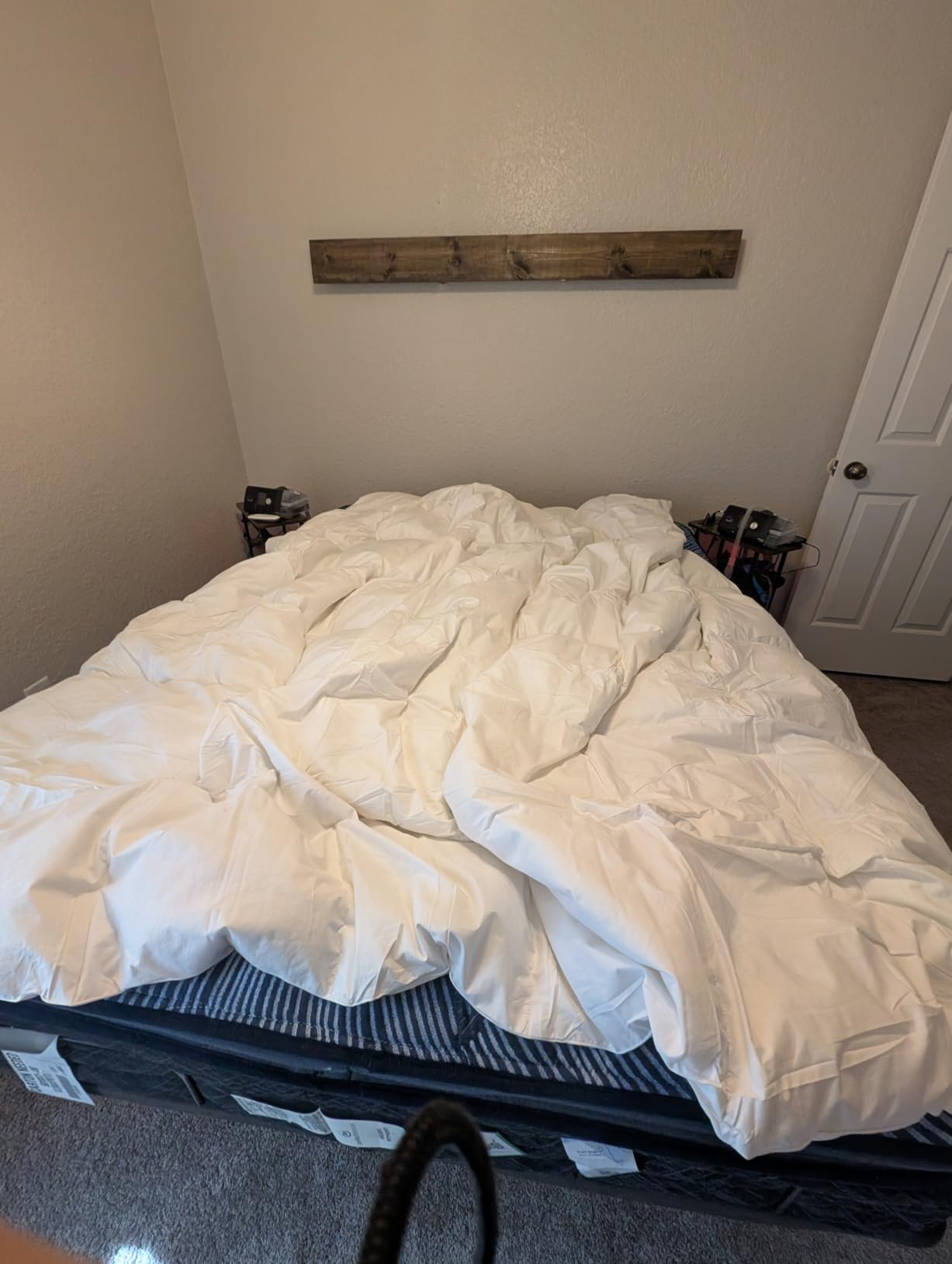
FreshLoft processing makes the fill hypoallergenic, and the cover is OEKO-TEX certified, which is meaningful for anyone who reacts to feather fiber. Four corner loops and self-piping stitching let you anchor it inside a duvet cover, and the same model is available in light, all season medium and extra warmth versions.
The care instruction is dry clean only, and that is the most common regret in the reviews. It is a real constraint for most households, and it is the main reason this pick sits below the top three despite strong owner satisfaction. The brand ranks extremely well in the category, so if you want this style of comforter the choice is fairly clear.
Who should choose feather fiber over down
Choose feather fiber if you want a softer, springier loft that molds to you rather than sitting on top of you. It suits side sleepers and anyone who finds pure down too firm. It also runs warmer than its label sometimes suggests, so the extra warmth version is the right call for a 60 to 70F room.
It is a sensible pick for a guest room where the comforter will not be washed often, and for a second or gift unit. Many owners bought it for exactly those secondary-bed purposes.
The care trade-off nobody mentions upfront
Dry clean only is a genuine cost, both in money and in convenience. A heavy down comforter that cannot go into a home washer is the single most common reason buyers end up disliking an otherwise excellent product, and it shows up again and again in the reviews for this category.
If you will use a duvet cover and wash that instead, the tradeoff mostly disappears. The cover becomes the laundering surface, and the comforter underneath needs cleaning far less often. Budget for a professional clean once a year at most.
6. LLanCL 3D Jacquard Sherpa Comforter Set
LLanCL 3D Jacquard Design Comforter Set, Ultra-Soft Warm Queen Size Sherpa Fur Plush 3-Pieces Sets Luxury Cozy Bedding with 2 Pillowcases (90″x90″, Grey)
Fill: microfiber down alternative
Face: 3D jacquard, reverse: sherpa fleece
Set: 90 x 90 inch comforter plus 2 pillowcases
Weight: 9.9 pounds
Pros
- Two textures in one comforter
- Plush and warm for fall and winter
- Machine washable and colorfast
- Coordinated three piece set
- Many colors and sizes offered
Cons
- Jacquard face is less plush than the sherpa side
- The raised pattern is a style commitment
- Plain white bedding will not match it
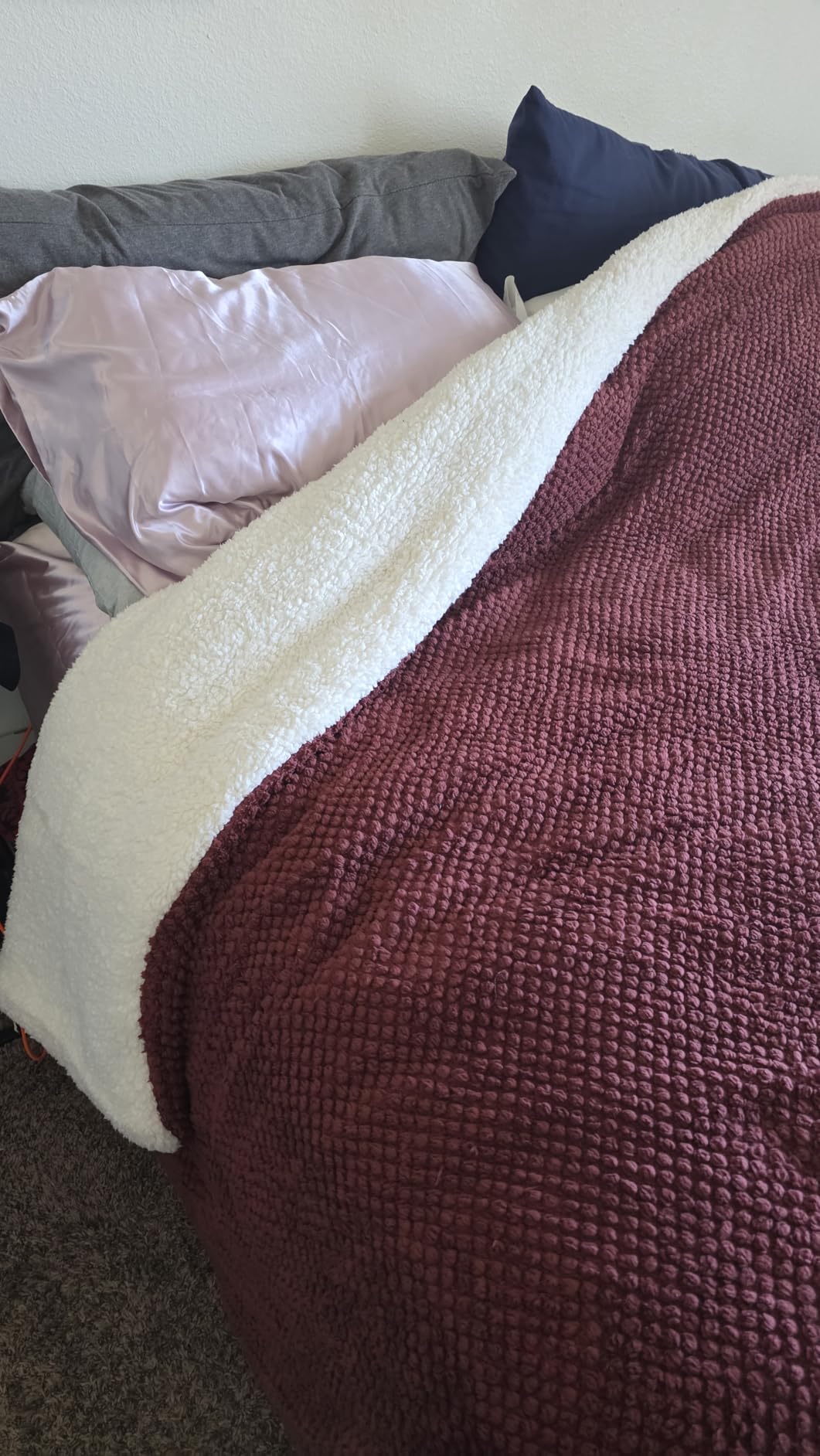
Where the KASENTEX gives you a comforter, this gives you a full set, and that difference matters for anyone starting from scratch. You get a 90 by 90 inch comforter plus two 20 by 26 inch matching pillowcases in a coordinated 3D jacquard design, so nothing has to be bought separately to make the bed look finished.
The construction mirrors the KASENTEX approach: a 3D jacquard patterned face with a thick sherpa fleece reverse, filled with microfiber down alternative. It is plush and warm for fall and winter sleeping, and the sherpa side is the one you will end up using most of the cold months.
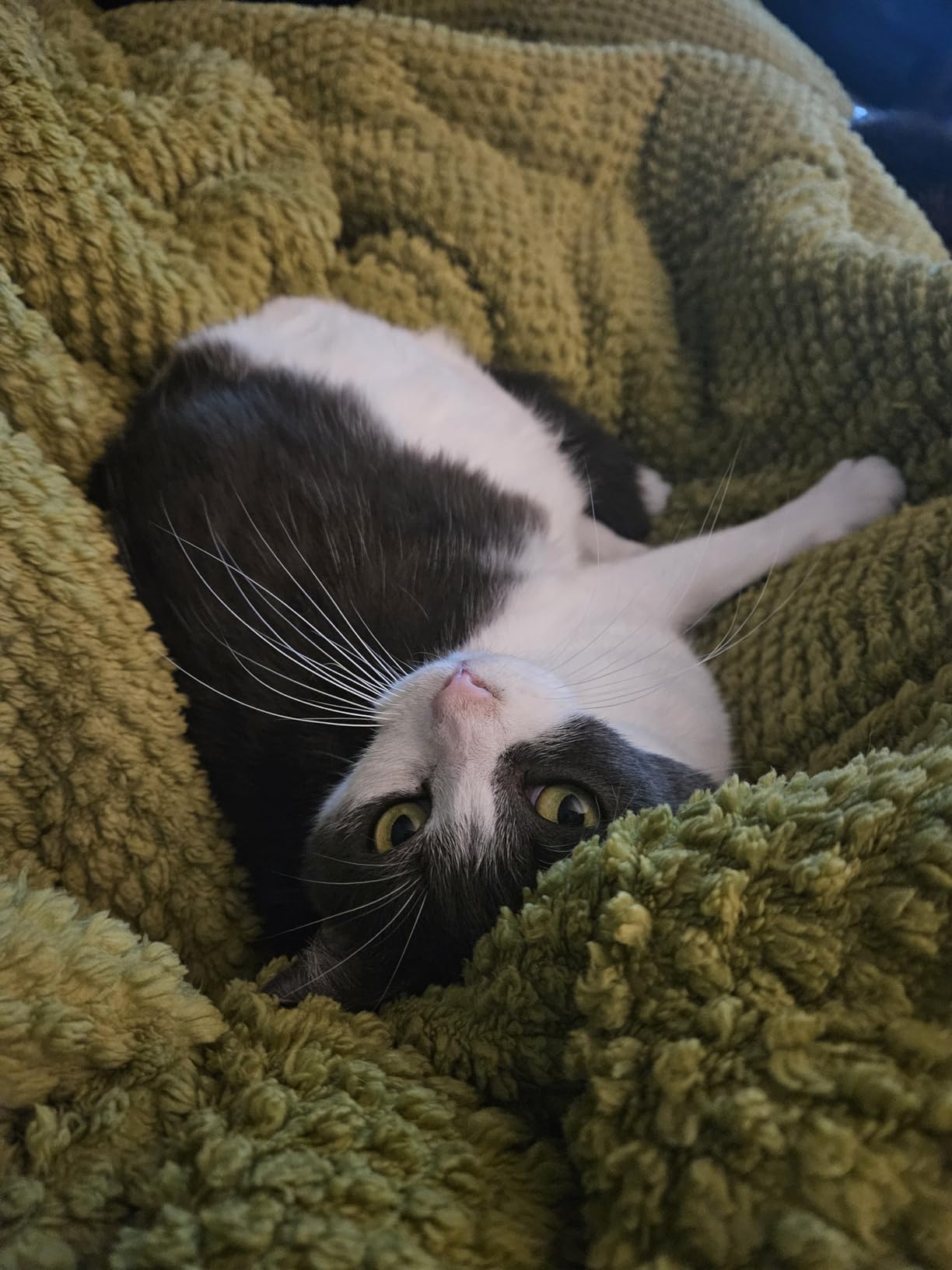
With 1347 reviews at 4.5 stars, the feedback centers on appearance and warmth rather than defects. Owners like the luxurious look, the warm sherpa backing and simple machine care. The set holds its color through washing, which is a real plus with a patterned face like this.
The recurring feedback is about which side to use. A noticeable number of buyers find the jacquard face less plush than the sherpa side and simply reverse it, and the raised 3D pattern is a decorative choice rather than a neutral one. If your bedroom is minimalist, the pattern is doing a lot of talking.
When a three piece set is the smarter buy
Buy the set if you are setting up a bed with nothing on it, a guest room, a kid’s room or a first apartment. Matching shams at 20 by 26 inches are the piece people forget, and the visual difference between a finished bed and an unfinished one is immediate.
It is also a reasonable choice for a guest room where the sherpa side can be flipped seasonally, since the jacquard face reads as a lighter cover in warmer months.
What the reviews flag as downsides
This is not an extreme cold comforter. The microfiber fill is down alternative rather than dense winter synthetic, so it delivers warmth through plush surface area rather than trapped air volume. In a 68F room it is right, and in a 55F room it is thin.
Shrinkage and long term loft are also worth weighing. Machine washable microfiber sets that get washed hard and dried hot can lose their pile over a few years, so follow cold water and low heat if you want the sherpa to stay as soft as it arrives.
7. Hotel Grand White Goose Feather Down Fiber Comforter
Hotel Grand White Goose Feather Down Fiber Comforter Queen, Extra Warmth
Fill: 90% white goose feather fiber, 10% down fiber
Cover: 233 thread count 100% cotton
Size: 90 x 90 inch full and queen
Hardware: 4 corner loops plus 4 side tabs
Pros
- Even fill distribution with no hard clumps
- Retains heat without feeling heavy
- Four corner loops and side tabs anchor a duvet cover
- ADFC and OEKO-TEX certified fill
- Strong value for the construction
Cons
- A few buyers find the cover slick and noisy
- The lighter version is thinner than photos suggest
- Needs a dryer cycle to loft after vacuum packing
Hotel Grand is the pick for anyone who plans to run this comforter inside a duvet cover, and the hardware is the reason. Four corner loops and four side tabs is the most complete anchoring system in this roundup, and it stops the cover from bunching or riding up over a season of use.
The fill is 90% white goose feather fiber with 10% down fiber, the same hotel-style blend as the Serta, and it delivers the same soft, springy loft. Owners describe even fill distribution with no hard feather clumps and no fill escaping, which is a cleaner retention record than most feather-heavy comforters manage.
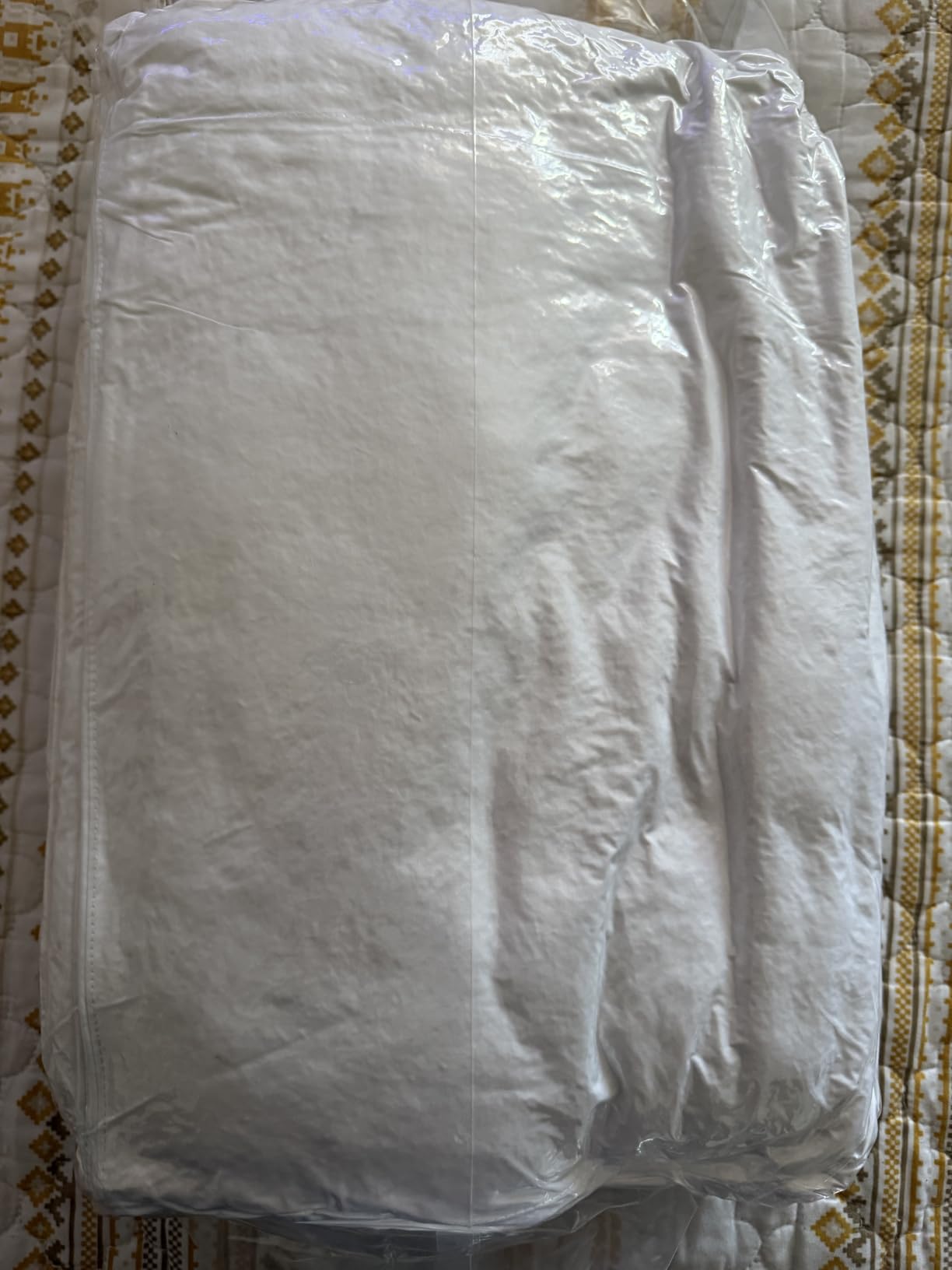
ADFC certification from the American Down and Feather Council covers the filling, and the cover is OEKO-TEX certified, so the fill is certified odorless. The end-to-end sewn-through box construction prevents fill shift, which is the mechanical fix for the cold spot problem that makes cheap down feel cold at 3am.
At 968 reviews and 4.5 stars, feedback is overwhelmingly about getting hotel comfort at a modest outlay. A small minority push back on fabric quality, describing the cover as slick and noisier than the cotton claim suggests, and some find the lighter warmth version thinner than the product images imply.
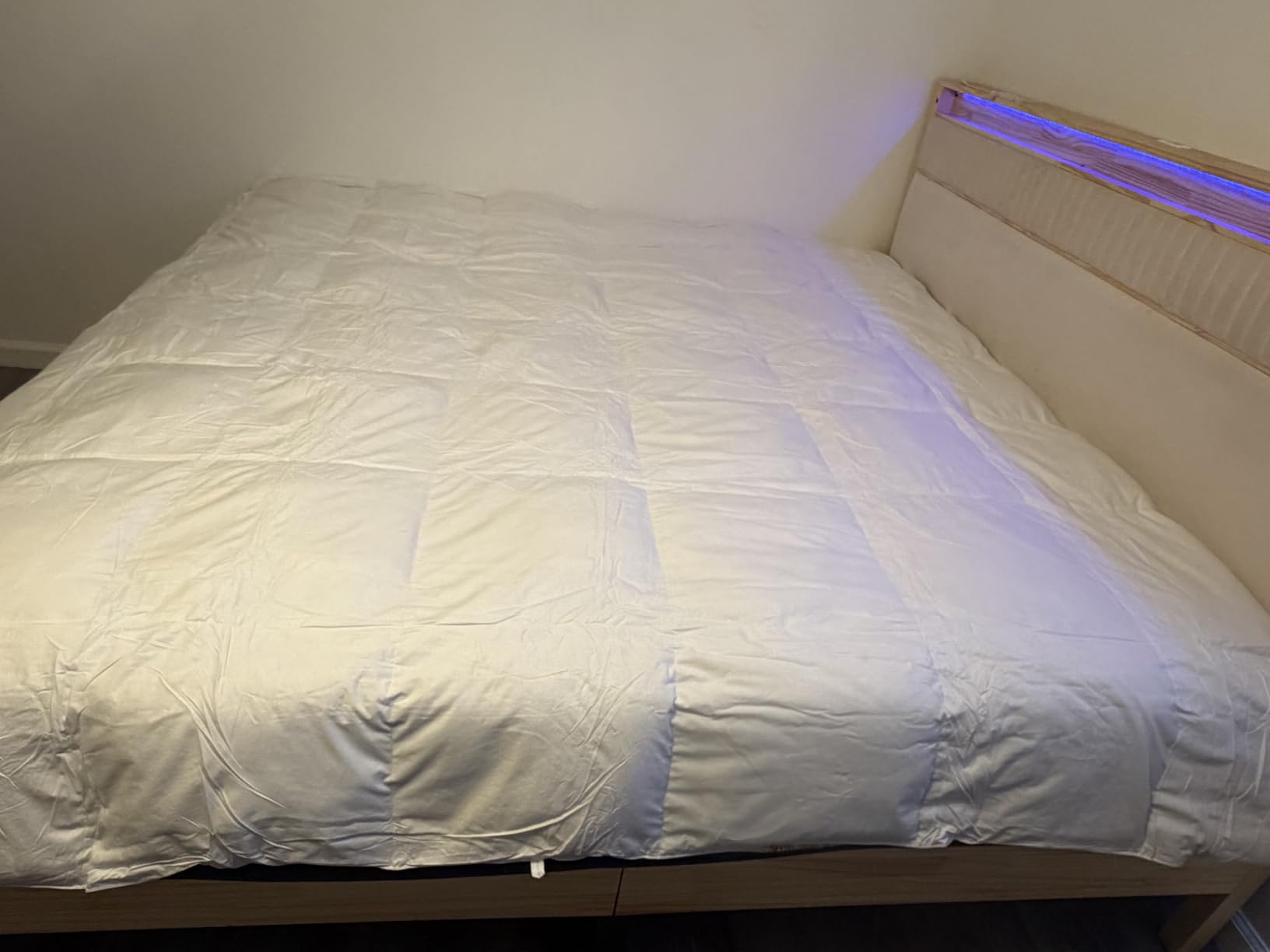
Why the corner loops matter more than the fill power
Most comforters are sold as standalone covers and quietly assume you will buy a duvet cover. If you are going to, a comforter designed for it is a better purchase. Side tabs in particular keep the cover centered on the bed, which stops the fill bunching into a ridge down the middle.
Buying a comforter that already works inside a cover also means the cover is the only thing you launder, which removes the single biggest objection to down bedding.
Where the specs and the experience diverge
The listed fabric warmth description is heavyweight while owner feedback on the lighter version calls it thinner than expected. That gap is worth respecting: check which warmth variant you are actually ordering, since the same listing covers a range of weights.
Like the rest of the vacuum-packed group, it needs a dryer cycle or a day of air drying before it reaches full loft. Plan for that, and treat the first night as a shakedown rather than a verdict.
8. Vexino Feather Down Fiber King Comforter for Winter
Feather Down Fiber Comforter King for Winter,100% Cotton Duvet Insert
Fill: feather down fiber, winter extra warmth option
Shell: 100% cotton
Size: 106 x 90 inch king
Six sizes up to oversized king
Pros
- Warm without causing overheating
- Machine washable gentle cycle is rare in this class
- Good size range including oversized king
- Four corner loops secure a duvet cover
- Breathable and skin friendly
Cons
- Feather fibers can poke through into the cover
- Fabric can be noisier than the cotton claim
- Some shrinkage after machine washing
- Arrives with an odor that needs washing out
This is the one to look at if you need a king comforter that you can actually wash at home. The gentle cycle machine washability is unusual in a feather and down category, where most competitors say hand wash or dry clean, and for a household that washes bedding weekly it removes a real barrier.
It also comes in six sizes from twin up to oversized king, and the winter version is listed at 106 by 90 inches for a king. Owners praise the balance of warmth and low weight, describing it as genuinely warm in cold rooms without the dead weight that puts some people off heavy down.
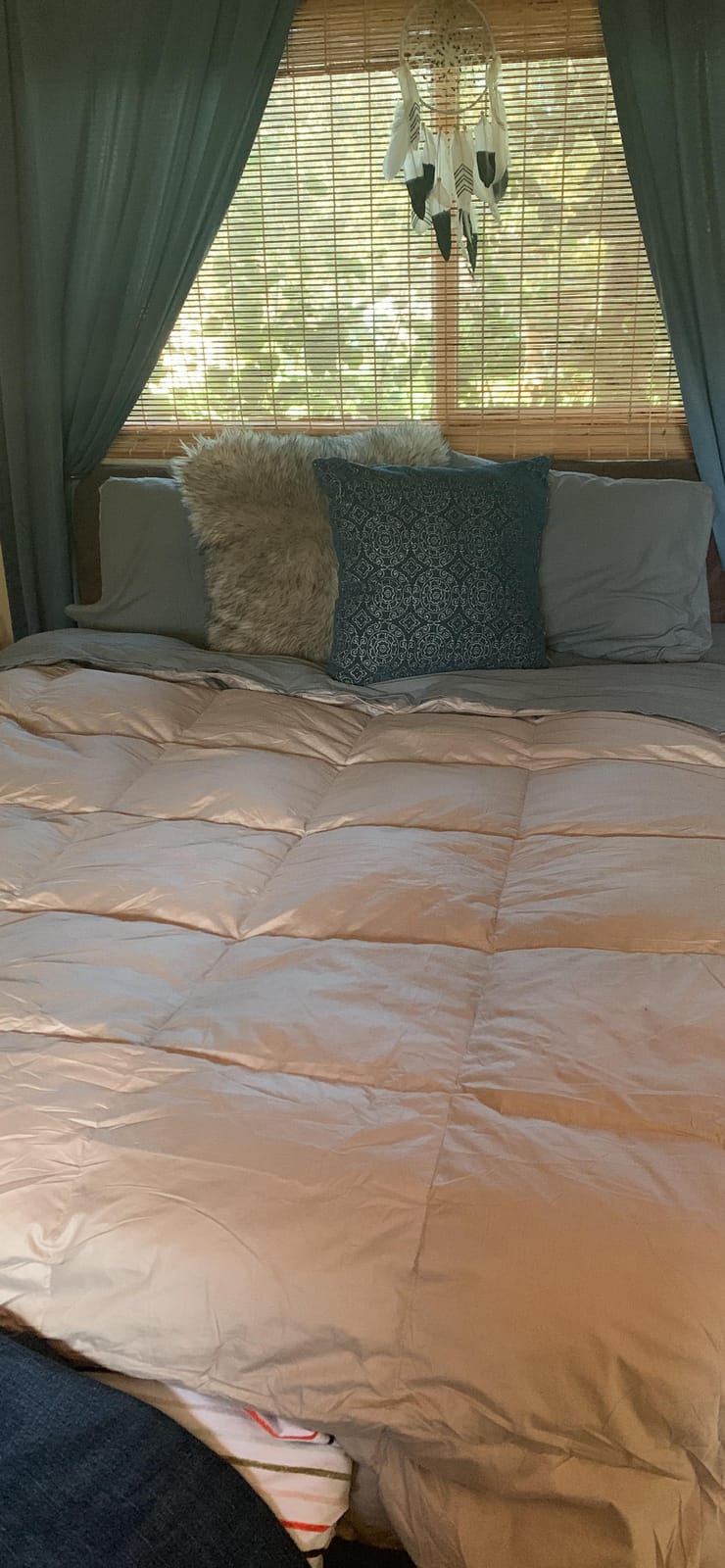
Breathability comes up often in the reviews, and that is the sleeper profile this suits. If you run cold but wake up clammy under a heavy comforter, a lighter feather and down fill in a 100% cotton shell is often the answer, and this is the pick in our group that best matches that description.
At 896 reviews and 4.5 stars, the complaints are consistent: feather poke-through, a crinkly hand and sound, and some shrinkage after washing. The fill has no loose feathers, but the fibers can still migrate into a duvet cover, so a high thread count cover helps.
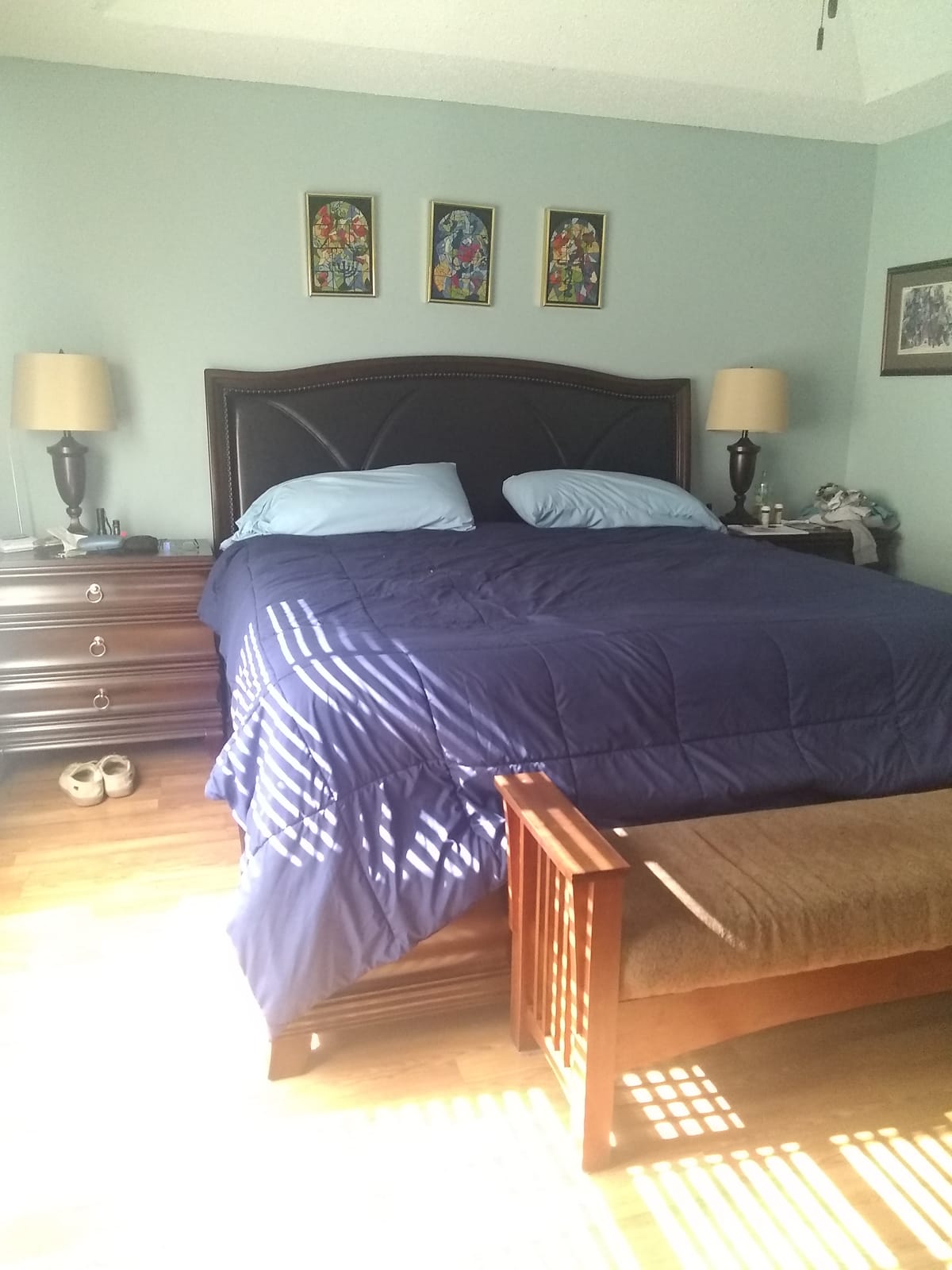
Warmth for people who overheat under heavy covers
Sleep climate is the deciding factor here. Feather and down fiber moves air better than dense synthetic, and this pick is listed at only 16 ounces, so it delivers warmth by trapping a thin layer rather than a thick one. That is the profile for a sleeper who is cold at 3am but sweaty at midnight.
It is also a good second layer in a very cold room, paired under a heavier top comforter. Splitting your warmth across two breathable layers beats one dense one for most sleepers.
Watch out for the first wash
Shrinkage is reported after machine washing, so check the care label carefully and follow it exactly, including the heat setting. If you can air dry the comforter, that removes the risk entirely at the cost of time.
There is also an odor on arrival that needs a wash before first use, which is common with vacuum-packed bedding and easy to handle. Give it a gentle cycle and a full dry cycle on low, and the loft should return along with the softness.
9. CozyLux Fleece Queen Comforter Set
CozyLux Fleece Queen Comforter Set, 3 Piece Winter Warm Black Bedding
Fill: 170GSM down alternative
Face: 300GSM flannel, reverse: crystal velvet
Set: 88 x 88 inch comforter plus 2 cases
OEKO-TEX Standard 100 certified
Pros
- Highest rated product in the roundup
- Three layer build with real GSM numbers
- Warm and soft at the lowest outlay
- Machine washable and colorfast
- Styling suits dorms and guest rooms
Cons
- Comforter measures 88 by 88 despite the queen label
- Vacuum packed so it needs days to loft
- Flannel is the warm layer rather than the fill
The CozyLux carries the highest rating of any product we reviewed, at 4.7 stars, and the reason is the three layer build. The face is 300 GSM flannel, the reverse is 170 GSM crystal velvet, and the fill is 170 GSM down alternative. Those are real numbers on the spec sheet, which is more than most products in the fleece and sherpa category offer.
It is a 3 piece set, so you get the comforter plus two 20 by 26 inch pillowcases, and it is styled with a 3D stripe that works well in a dorm, a guest room or a first apartment. Owners describe it as unusually warm and soft for the money, with good color accuracy and solid wash performance.
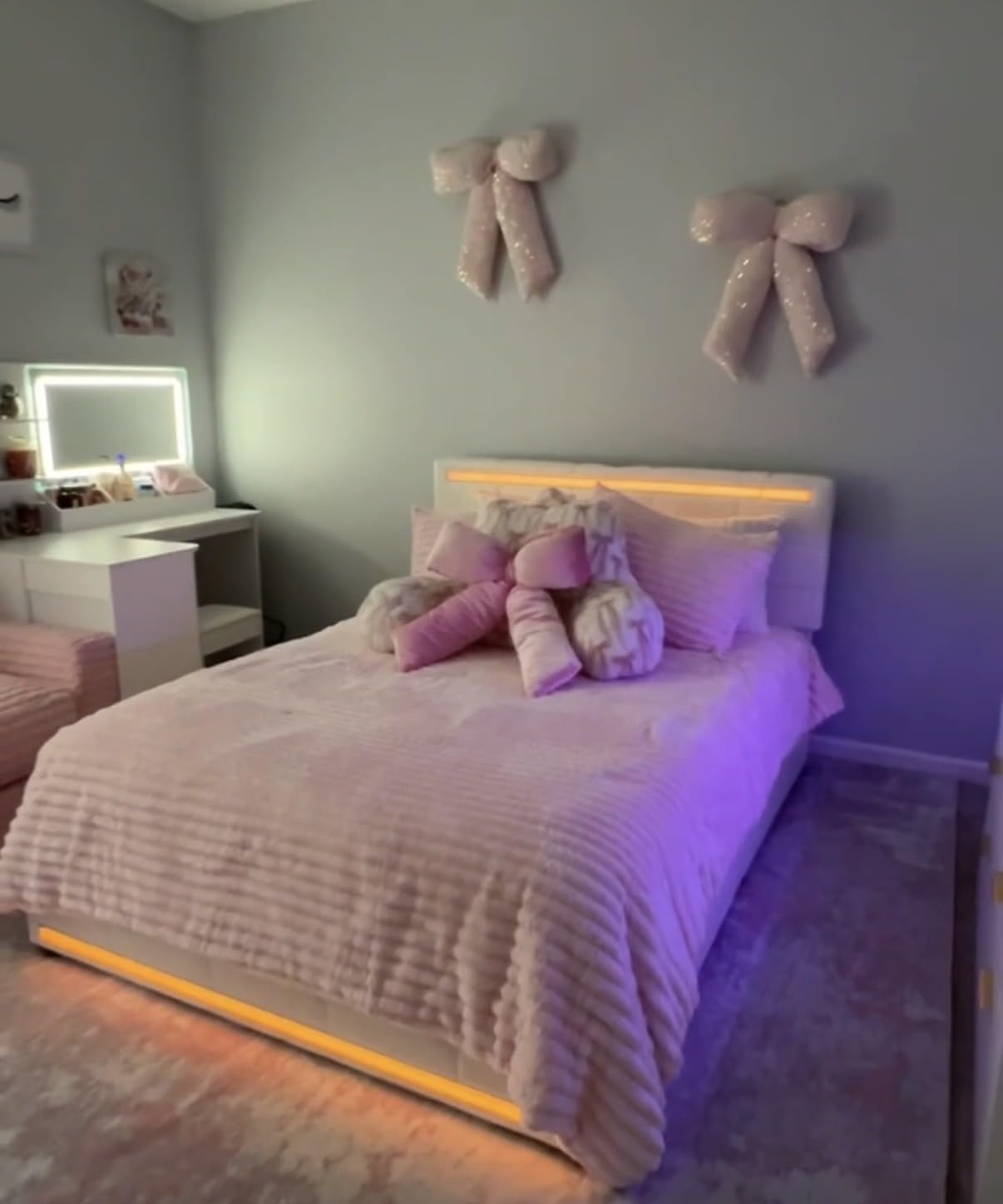
OEKO-TEX Standard 100 certification is listed with a specific number, which is a good sign for a product at this price. 87 percent of reviews are five star, so the negative feedback is thin and mostly about logistics rather than quality.
Two practical notes. The comforter measures 88 by 88 inches even though it is labeled queen, so it is smaller than a standard queen and will not drape as far over a taller mattress. And it is vacuum packed, so give it a couple of days to loft back up after opening before judging it.
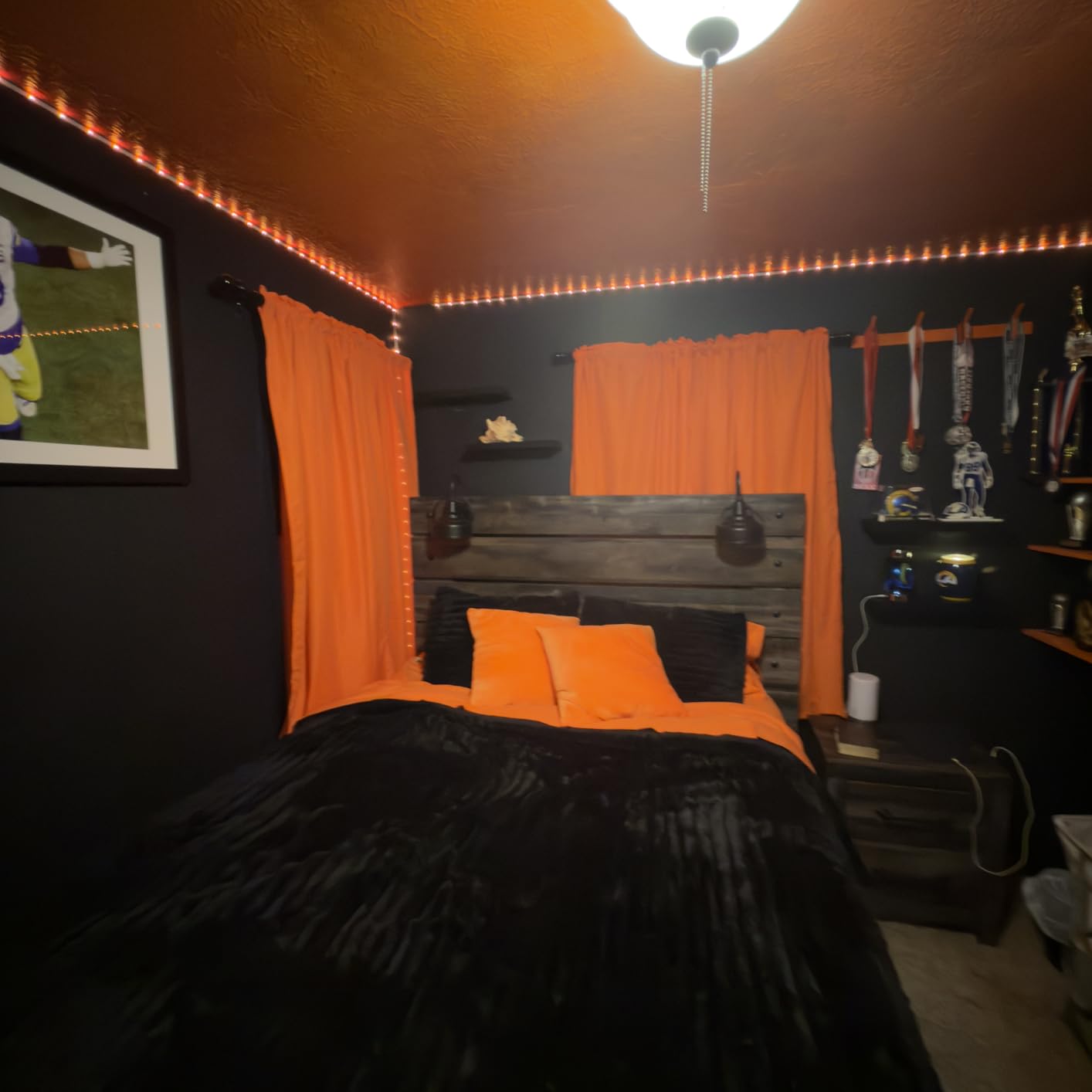
Warmth comes from the surface, not the fill
The 170 GSM fill is the lightest rating in this roundup, so the warmth here comes from the flannel face and the velvet reverse trapping air next to you. That works well in a 65 to 72F room, which is where most heated bedrooms actually sit in winter.
It is a strong pick for a secondary bed, a guest room, a kid’s room or a dorm, because the set is complete, washable and hard to break. For a primary bed in a hard-cold room, choose a denser fill instead.
What to watch out for
The 88 by 88 inch comforter is the detail most likely to disappoint. If your mattress is thick or you like a comforter that reaches the floor, this will sit high on the bed and can feel short on the sides. Measure before ordering.
Also plan the unboxing around a low tumble dry with dryer balls, or simply leave it spread out on the bed for a day. The loft does come back, but not on the first night.
10. Seward Park Sherpa Comforter Set, Charcoal
Seward Park Ultra Soft Sherpa Comforter Set Full Queen, Fall Winter All Season Down Alternative Bedding Sets Grey 3 Piece (1 Comforter and 2 Pillow Shams)
Fill: microfiber down alternative
Face: sherpa, reverse: micromink
Set: 90 x 88 inch comforter plus 2 shams
Color: charcoal
Pros
- Very soft sherpa and micromink on both sides
- Warm on cold nights while staying lightweight
- Stays in place without sliding
- Machine washable in cold water
- Many color options at a low outlay
Cons
- Fabric snags and tears easily
- Thinner than expected for deep winter
- Softness fades after a year or two
The Seward Park set is the simplest winter bedding here and it closes out the list as a starter option. A sherpa face, a micromink reverse and a microfiber down alternative fill in a 3 piece set, with the comforter at 90 by 88 inches and shams at 20 by 26 inches.
Owners like the texture on both sides, the fact that it stays in place on the mattress without sliding, and the easy cold water machine wash. Warm on genuinely cold nights while staying light is the recurring description, and the color accuracy is better than the price suggests.
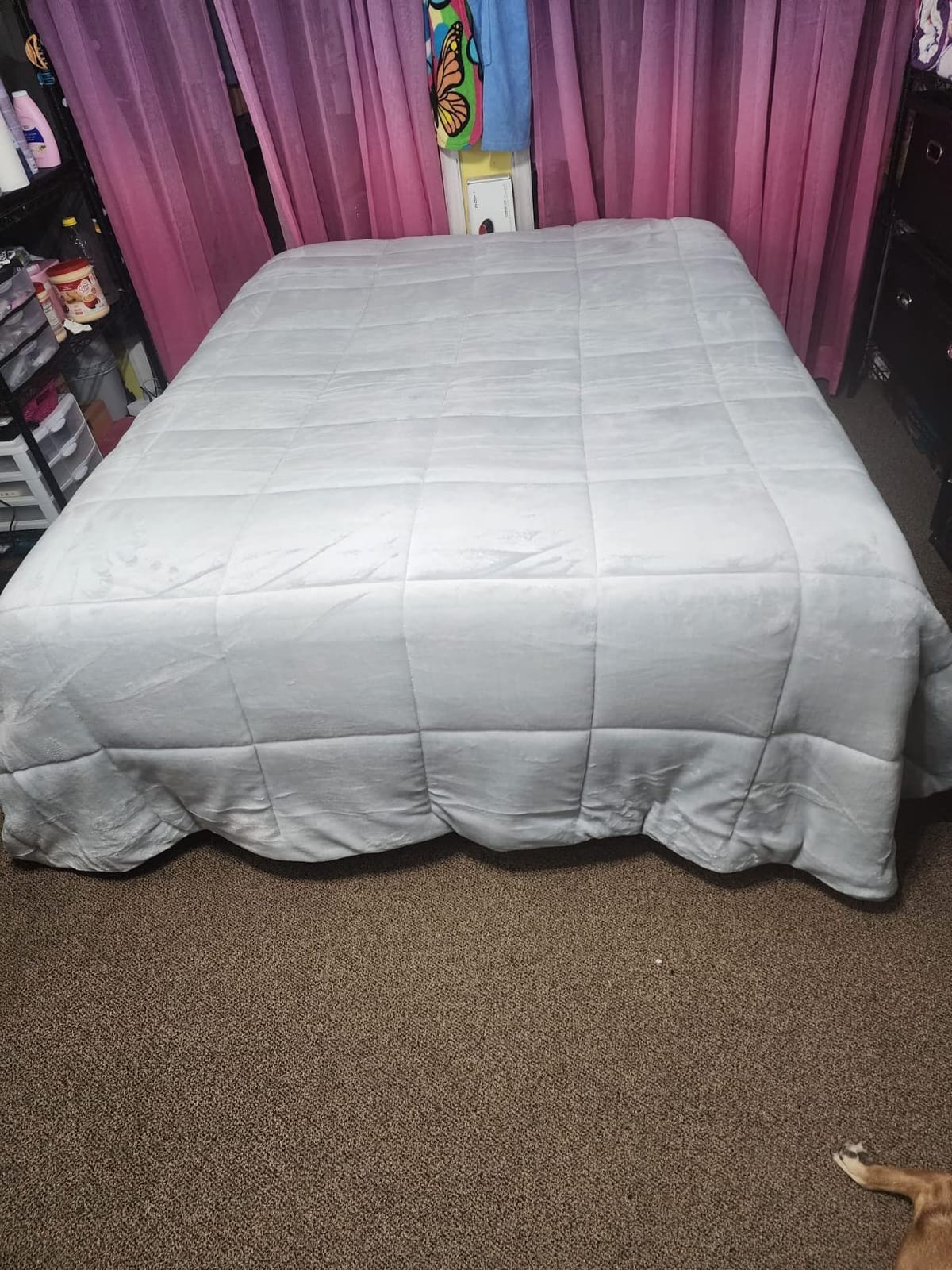
The honest weakness is durability, and the reviews are clear about it. Snagging, tearing and losing softness after a year or two come up repeatedly, and that is the tradeoff for the low outlay. If you expect this comforter to last a decade, look elsewhere on this list.
It is thinner than expected for deep winter warmth, so treat it as a 60 to 70F comforter. In a colder room it works as a second layer under something heavier, which is how most owners get a full winter out of it.
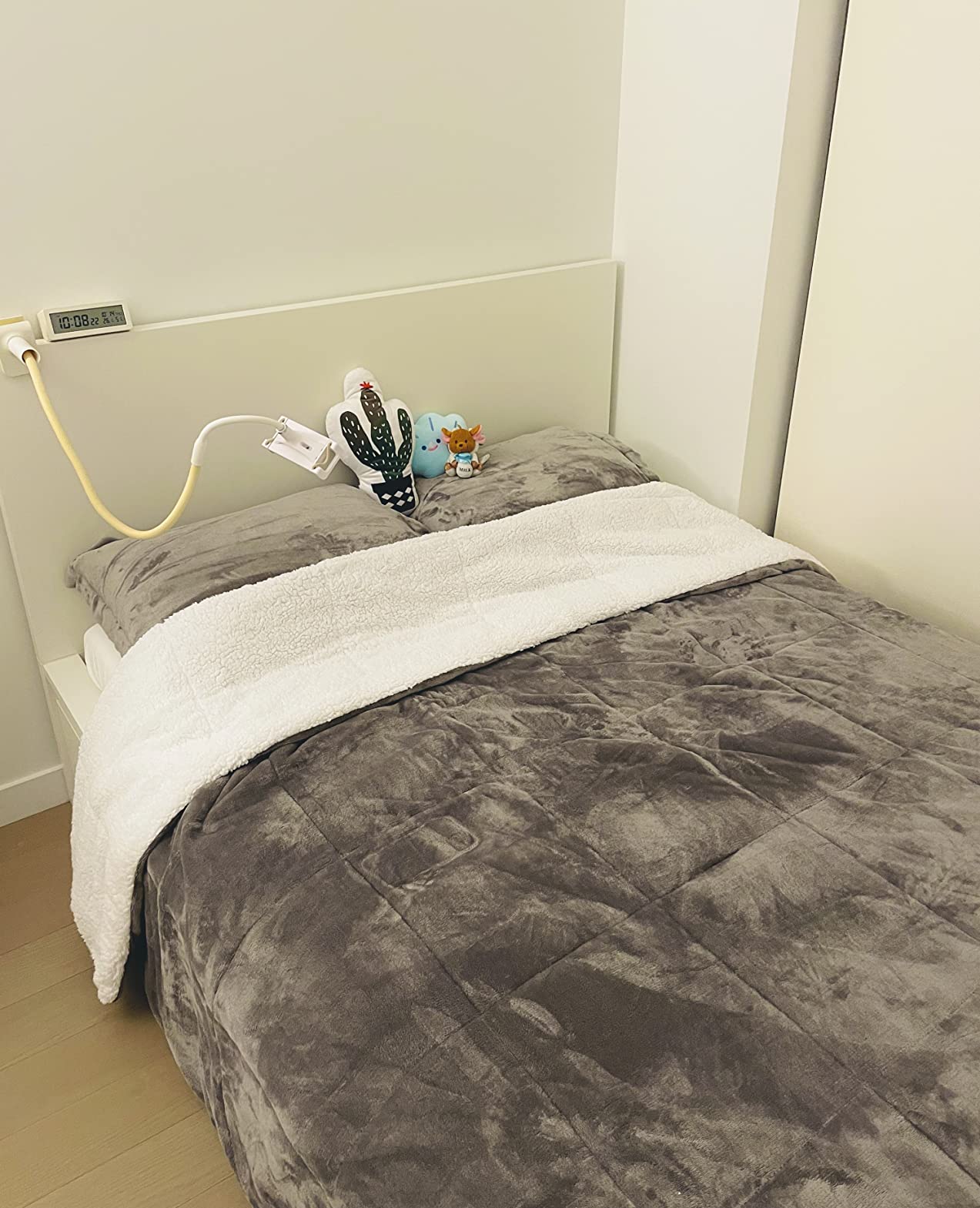
Where a starter sherpa set makes sense
Buy this for a kid’s room, a dorm, a guest room or a first apartment where bedding is being replaced on a budget. The complete set means one purchase covers the bed, and the machine washability keeps maintenance simple. If the room is a nursery rather than a kid’s room, our baby proofing guide for winter covers the safety side of the same season.
It is also a reasonable pairing with a heavier comforter on a split setup, where one person wants a light layer and the other wants more heat.
Why durability is the deciding factor
Microfiber sherpa softens with every wash, and cheaper pile loses its loft faster. For a bed that gets used every night for years, that is a real cost in the sense that you will replace it sooner. For a low-traffic room, it is excellent value.
Machine wash in cold water, tumble dry low, and skip the bleach and dry cleaning, which is what the care instructions call for. Following those three rules is the difference between a comforter that lasts two winters and one that lasts five.
How to Choose a Winter Comforter?
Start with your bedroom temperature, not with a season label. Below 60F you need either very high fill power down or genuinely heavy fill weight. Between 60 and 70F a mid-density synthetic or a mid-weight down covers almost everyone. Above 70F a breathable down or a light sherpa layer is the right call, and anything heavier will be thrown off by 2am.
Then adjust for how you sleep. A cold sleeper can move up one weight step from the table below. A hot sleeper should move down, and if you are a hot sleeper in a cold room, a breathable down fill beats dense synthetic every time, because synthetic fiber traps more heat around the body.
Fill power: the number that matters for down
Fill power is cubic inches of loft per ounce of down, and it measures quality rather than quantity. Entry level down sits around 500 to 600, good winter down sits at 700 or higher, and luxury grades run 800 to 850 and above. A 700 fill power comforter with more fill beats a 850 fill power comforter with very little of it, because total warmth is fill weight multiplied by fill power.
Anything at 700 or above is a legitimate winter number. Below 600 and you are looking at an all-season or lightweight comforter no matter what the box says.
GSM: the number that matters for synthetic
GSM, or grams per square metre, is the synthetic fill equivalent and the spec most shoppers are never given. Under 200 GSM is a light summer weight, 200 to 300 is an all-season weight, and 400 GSM or above is winter territory. The AI shopping results for this keyword quote 420 GSM as a winter benchmark, and that is a fair number to aim for.
One caution: some products print a GSM figure for the shell fabric rather than the fill, so confirm which number you are reading before you compare two listings against each other.
Construction decides whether warmth stays where you put it
Baffle box construction uses vertical walls of fabric that hold the fill in tall, separate chambers, which creates maximum loft and limits cold spots. Sewn-through construction stitches the top and bottom shells together in a grid, which is flatter but far more stable and much easier to launder. A comforter that feels cold at 3am is usually suffering from fill shift into one corner, and box or channel stitching is the mechanical fix.
Look for the box edges specifically. Unsealed or unbound edges are where down escapes and where warmth leaks out, and the Globon 3D box design with eight loops is a well executed version of that idea.
Shell fabric and certifications
Thread count above roughly 400 adds very little to warmth. What a shell does control is down resistance and noise, so look for a 300 to 400 thread count cotton percale or sateen for a quiet, breathable face, and treat very high thread counts as a softness and price signal rather than a warmth signal.
Certifications are the fastest way to verify a down claim. RDS, the Responsible Down Standard, certifies the animal welfare and traceability of the down. OEKO-TEX Standard 100 certifies that the finished product is free of harmful substances. ADFC certification covers down and feather processing. If a listing claims certified fill and cannot produce a certificate number, treat that with caution.
Down or down alternative: the honest comparison
Down is warmer per unit of weight, breathes better and lasts longer if you care for it, and it costs more. Down alternative is usually cheaper, washes in a home machine, never leaks feathers and works for allergy sufferers, and the widely repeated complaint is that it runs hot. Wool and silk fills sit between the two on breathability and cost more than both.
Forum discussion makes the same point from the user side, with down alternatives being described as running hot and failing to breathe, and allergy sufferers leaning on them anyway because a breathable cotton or linen cover solves much of the heat problem. If you are avoiding down, layer a lighter comforter under a flannel duvet cover rather than reaching for the densest fill available.
Warmth by bedroom temperature and sleeper type
Use this map as the starting point and adjust up or down based on drafts, insulation in your walls and how much you move in your sleep. A bedroom in an old house with single pane windows can sit 10 degrees below the thermostat setting, so measure the room overnight in January before you decide.
Below 60F with a cold sleeper, you want the 90 ounce heavyweight down or an 800 fill power comforter with a heavy fill weight behind it. Below 60F with a normal sleeper, a 400 GSM synthetic or a heavyweight feather and down is usually enough. Below 60F as a hot sleeper, stay on breathable down and add a flannel duvet cover rather than increasing the fill.
Between 60 and 70F, the mid-range is where most people should shop. Cold sleepers want the 400 GSM synthetic or a mid-weight down, normal sleepers are well served by a reversible sherpa or a standard feather and down comforter, and hot sleepers should choose a lightweight down with a breathable shell.
Above 70F, choose a light down or a light sherpa, and treat any comforter as a decorative layer rather than a heat source. Layering a light comforter under a flannel duvet cover gives you more control than buying one heavy cover, because you can add and remove by season.
Sizing, and why oversized matters in winter
Standard queen is 90 by 90 inches and standard king is about 106 by 90. Oversized comforters run roughly 8 to 12 inches longer on each side, which is worth the difference in winter, because more fabric means a larger area of trapped air and fewer drafts along the mattress edge.
Two of the most common searches for this keyword are size-specific, so check the exact dimensions before ordering. A comforter labeled queen is not always 90 by 90, as the CozyLux in this roundup shows, and one labeled king may actually be sized for a split king. If you have a tall mattress, an oversized comforter is the simplest fix for a cover that never reaches the floor.
Many well-regarded down comforters also go through slow restock cycles once a size sells through, so if you have measured your bed and know your size, buying when you are ready beats waiting for a seasonal promotion on a model that is difficult to replace in your preferred size.
How to Wash and Care for a Winter Comforter?
Check the care label before anything else, because winter comforter care is not standardized. Down with a high fill weight often says hand wash only, which is a genuine constraint and a good reason to buy the fill as a duvet insert and wash the cover instead. Anything labeled machine washable gentle cycle can go in a home washer if the drum is large enough for the comforter to move freely.
If the comforter fills the drum completely, do not force it. Compressors on a tightly packed wet comforter can fail, and reviewers describe using commercial laundromat machines for exactly this reason. Air drying is gentler than heat and is the safer option for down, though it takes longer and needs the comforter turned periodically.
Restore loft with a low heat tumble and dryer balls, or a few hours in a dry room. Never store a down comforter compressed in a vacuum bag, since the fill power is permanent and the compression is only what the packaging does to it. Wash every two to three months in heavy use and once a season otherwise, and use a duvet cover to stretch that interval considerably.
Our other winter guides cover the parts of the season that happen outside the bedroom. If you are outfitting the whole house for colder months, our guide to kids bikes for winter covers cold weather gear that gets used every day.
Frequently Asked Questions
What is the best comforter for heavy winter weather?
For a bedroom that regularly sits below 60F, the best winter comforter is one with high total fill: a heavyweight down comforter at 90 ounces of fill, or an 800 fill power down with a heavy fill weight behind it. Synthetic shoppers should look for 400 GSM or denser with box stitching so the fill does not shift and leave cold spots overnight.
What is the best comforter for extreme cold weather?
Extreme cold means a room below 60F, and there you want fill weight as much as fill quality. A heavyweight goose down comforter with 90 ounces of fill in an oversize box is the most reliable option we found, since oversize dimensions add trapped surface area. Pair it with a flannel duvet cover rather than buying a second comforter.
What is the warmest comforter on the market?
Warmest and best are different measurements. Warmest per pound belongs to high fill power down in the 800 to 850 class, which traps more air per ounce. Warmest overall belongs to heavyweight low fill power comforter with a lot of fill. For a cold room, total fill weight wins; for comfort and low weight, fill power wins.
What brand makes the best comforters?
There is no single answer, because brands lead in different segments. For high fill power down, look at specialty down makers. For hotel-style feather and down, Serta and Hotel Grand are the most proven. For machine washable synthetic winter warmth, Dorrin Nessin and CozyLux lead on GSM specs. Match the brand to your fill type and room temperature instead of to a name.
What type of comforter is best for winter?
A high fill power down comforter at 700 fill power or higher is warmest for a cold sleeper. Down alternative at roughly 400 GSM or denser suits allergy sufferers, cold rooms and anyone wanting washable bedding. Wool and silk fills win on breathability for hot sleepers. There is no regulated US winter weight standard, so use fill power and GSM rather than the label.
What goes first in a bed?
From bottom to top: mattress protector, fitted sheet, flat sheet if you use one, then either a comforter alone or a duvet with a cover, then a topper or throw. In winter, the top layer is the one that sets your warmth, so choose the comforter last and choose it to match your bedroom temperature rather than the season label.
Our Verdict on the Best Comforters for Winter
The best comforters for winter in 2026 come down to two numbers and one measurement: fill power, GSM, and what your bedroom actually reads on a January night. For a cold room and a cold sleeper, the heavyweight 90 ounce goose down comforter in this group is the most reliable warmth we found, and its oversize dimensions add real value in drafts. For most heated homes, the 400 GSM down alternative is the better all-round choice because it washes in a home machine and never leaks a feather.
Plush and reversible sherpa designs remain the most popular winter format with readers, and the KASENTEX is the best balanced version of it. If you are outfitting a spare room, a dorm or a first apartment on a budget, the complete fleece and sherpa sets cover a bed for less than the price of a single down comforter. For high fill power loft that feels light rather than heavy, the 800 fill power down pick is the one to try.
A final practical note. Wash the comforter you buy, on a schedule you will actually keep, and put it inside a duvet cover so the cover takes the laundering instead. That single habit is what separates a comforter that still looks good in year five from one that does not. Our picks and the reasoning behind them will be refreshed as new models reach the market in 2026.