
I remember the exact moment I realized my daughter had outgrown her picture books. She was seven, sprawled on the living room rug, frustrated because a chapter book from the library had “too many words and not enough pictures.” We had hit the reading transition wall, and I had no idea what to hand her next.
That frustration led me deep into the world of bridge books between picture books and chapter books. After testing more than two dozen series with my own kids and comparing notes with teachers, librarians, and parents across reading forums, I have put together this list of the 12 titles that actually move children from picture-heavy stories to confident chapter-book reading. These are the books that keep kids turning pages without making them feel overwhelmed.
If you are searching for the best bridge books, this 2026 guide covers what they are, how to know your child is ready, the specific titles that work, and the simple signals that tell you when the transition is complete. I have organized every recommendation by reading stage so you can find the right fit in minutes.
Table of Contents
Top 3 Bridge Books Parents Should Start With

Mercy Watson Boxed Set:…
- Full color illustrations on every page
- 6 complete books
- Read-aloud favorite
- Ages 4-7

Magic Tree House Boxed Set…
- 4 classic adventures
- Short chapters
- Educational content
- Ages 5-8

Junie B. Jones First Boxed…
- 4 humorous books
- First grade appropriate
- Funny protagonist
- Ages 5-7
Best Bridge Books Between Picture Books and Chapter Books in 2026
1. Magic Tree House Boxed Set, Books 1-4 — The Classic Educational Adventure
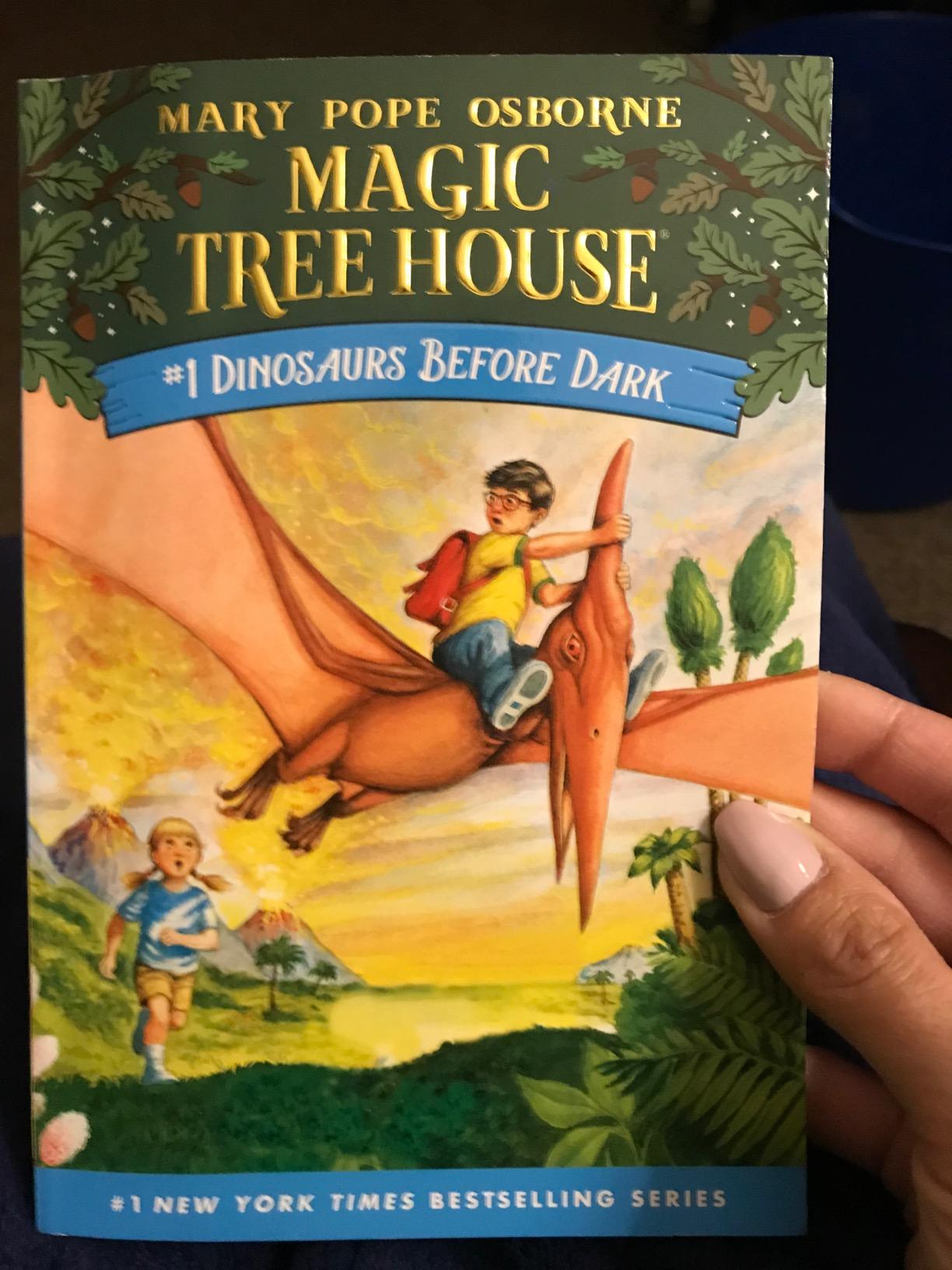
Magic Tree House Boxed Set, Books 1-4: Dinosaurs Before Dark, The Knight at Dawn, Mummies in the Morning, and Pirates Past Noon
80 pages per book
Reading age 5-8
Large font for new readers
Pros
- Short 2-3 page chapters
- Pictures interspersed throughout
- Educational history woven in
- Fast-paced adventure stories
Cons
- Uses some sentence fragments
- One mild phrase 'going to kill'
- Some sibling bickering
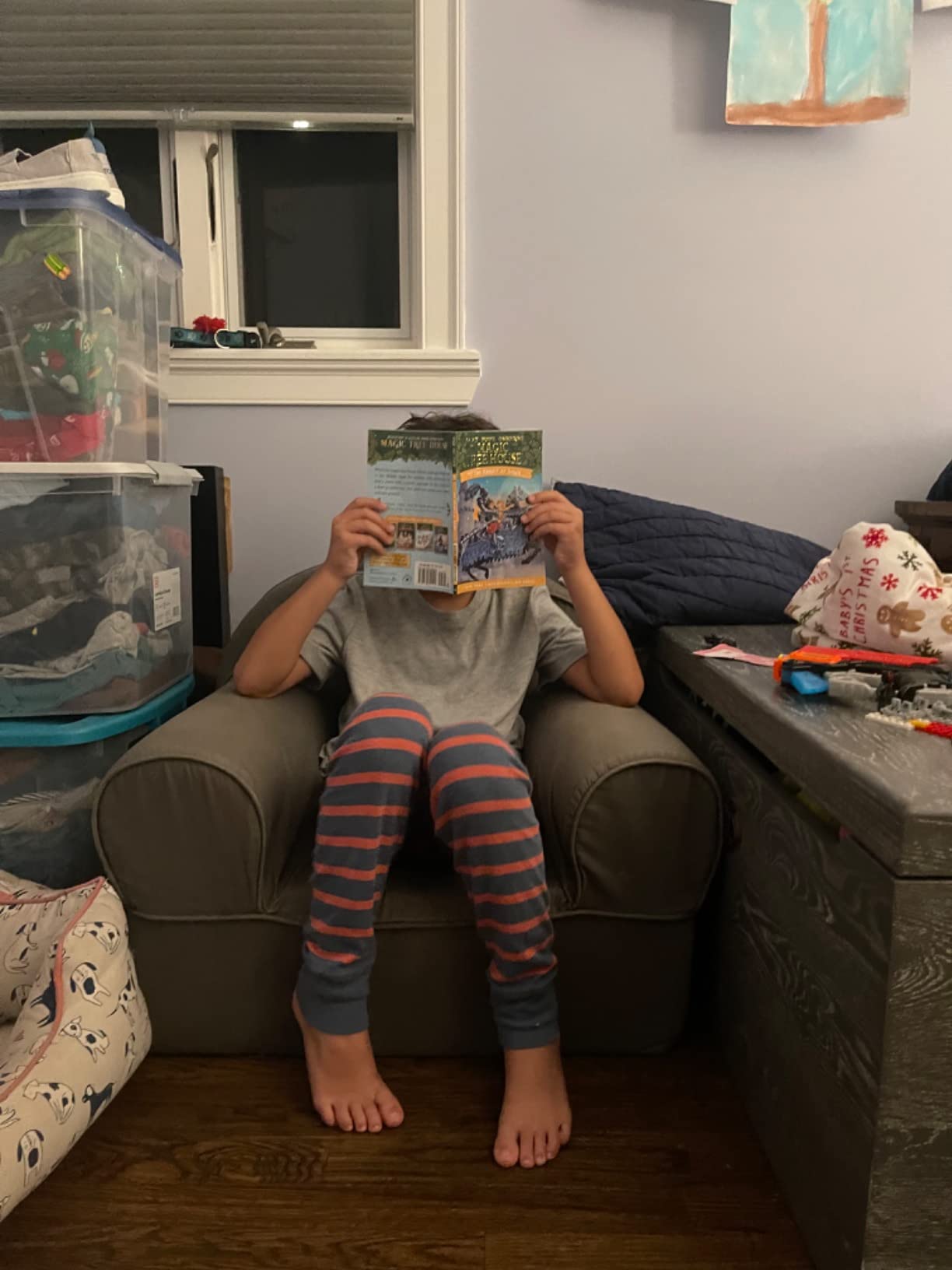
When I handed my son the first Magic Tree House book, he finished it in one weekend and asked for the next one that same night. Jack and Annie’s adventures through time are the perfect on-ramp to longer chapter books. Each chapter is just two to three pages long, the font is large and easy to track, and illustrations appear every few pages to keep visual learners engaged.
What I love most is the sneaky educational value. My son came home telling me about knights, mummies, and pirates without realizing he had learned history. The reading age recommendation of 5-8 is accurate, but my four-year-old enjoyed this as a read-aloud and my eight-year-old still rereads them for comfort. The series runs 28 books in the original series plus dozens of Merlin Missions, so the reading journey can last for years.
Teachers consistently rank Magic Tree House among the top transition series, and the 24k+ reviews on Amazon confirm parents agree. If your child enjoys adventure and facts mixed together, this is the series to start with. The boxed set format also offers better value than buying four books individually, which matters when you are building a home library.
One small warning: the very first book contains the phrase “going to kill” and there is occasional sibling bickering. Neither bothered my kids, but sensitive readers may want to skip book one and start with The Knight at Dawn.
Best for kids who love adventure and facts
Children fascinated by dinosaurs, knights, pyramids, or pirates will light up inside. The two-character cast is easy to follow, and the fast-moving plots keep reluctant readers turning pages.
Skip if your child dislikes any scary content
A few scenes feature mild danger like pirates and wild animals. Kids who frighten easily may need a gentler entry like Mercy Watson first.
2. Junie B. Jones First Boxed Set — Humor That Hooks Beginning Readers
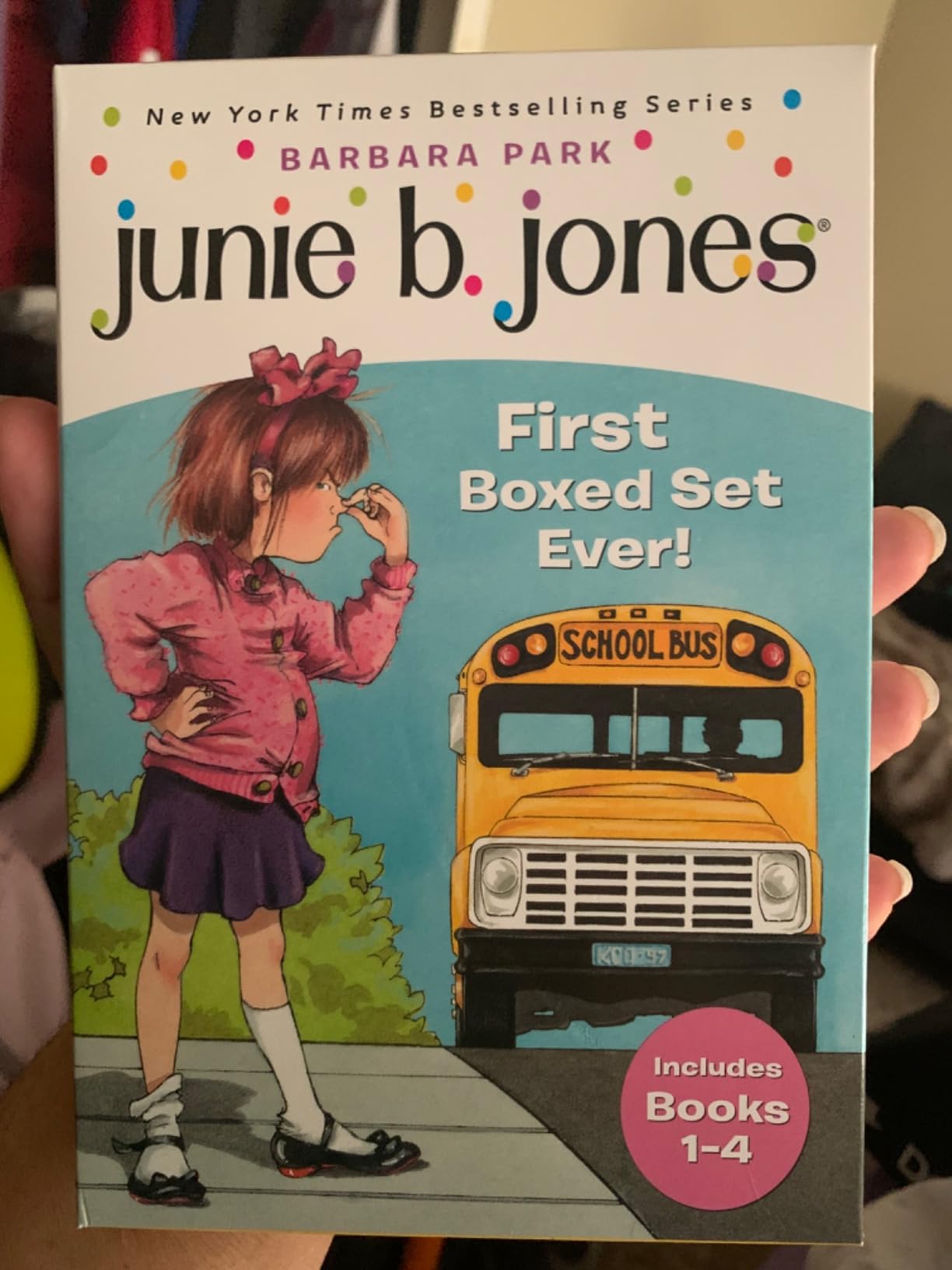
Junie B. Jones First Boxed Set Ever!: Books 1-4
4-book boxed set
Reading age 5-7
Hilarious character voice
Pros
- Genuinely funny
- Relatable kindergarten protagonist
- Short chapters
- Great read-aloud quality
Cons
- Intentional grammar mistakes
- Formulaic writing
- References to age-inappropriate TV
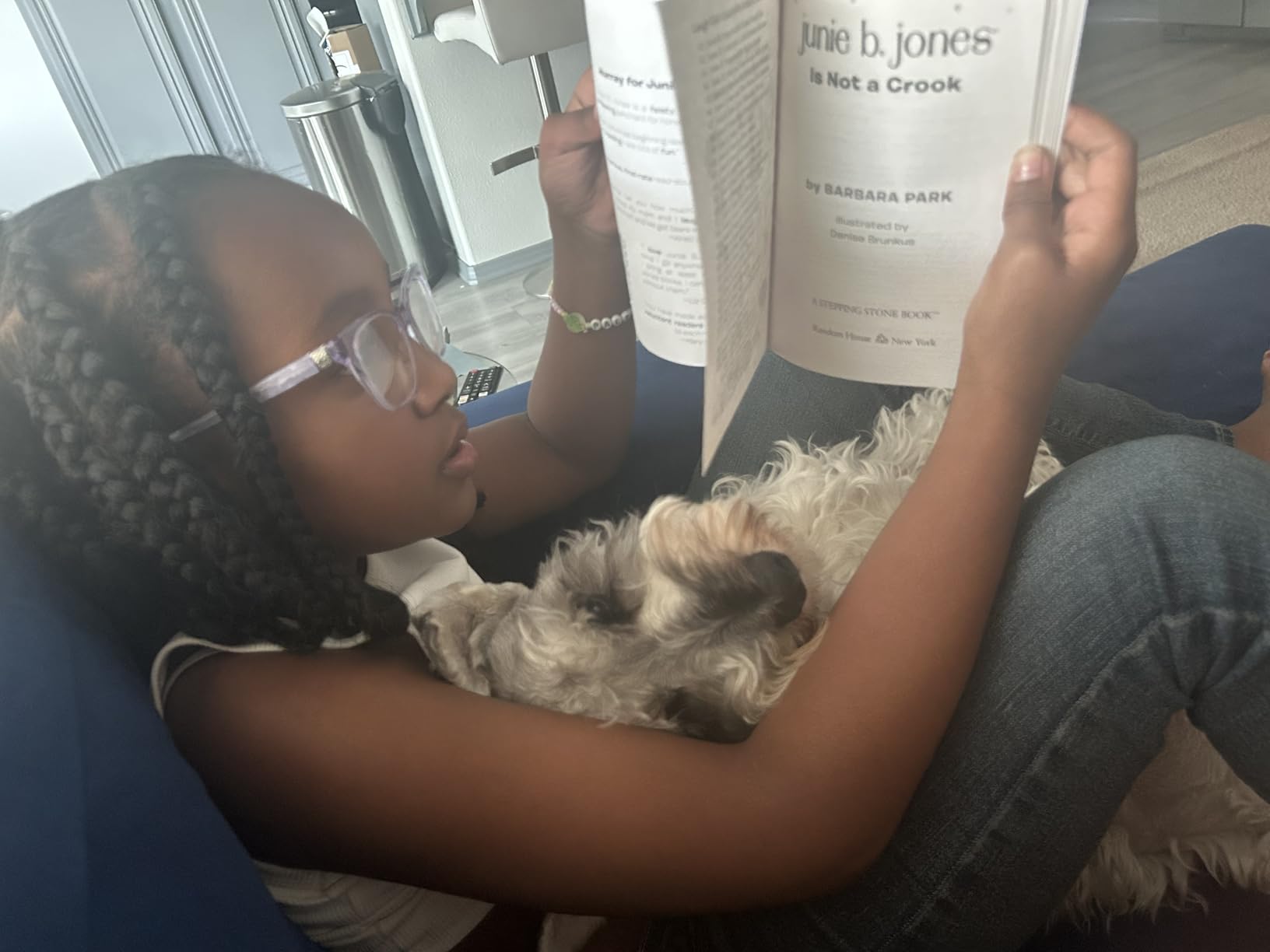
My daughter laughed out loud reading Junie B. Jones, and that laughter did more for her reading motivation than any award-winning classic. Barbara Park’s creation is messy, opinionated, and unmistakably five years old, which makes her instantly recognizable to kids in the same stage.
The chapters are short and each book stands alone, so kids feel a sense of accomplishment quickly. The reading age of 5-7 is right where I needed it most. Junie B.’s intentional grammar mistakes can bother some parents, but I found them useful for teaching editing skills since my daughter could spot the “wrong” words and discuss them.
For a child who feels intimidated by the leap to chapter books, Junie B. is a confidence builder. She speaks exactly like a kindergarten child, so new readers feel she is on their level rather than above them. The boxed set covers books 1-4 and gives enough material to know whether your child wants to continue the 28-book series.
Best for comedic kids who love school stories
If your child enjoys “ruining” grown-up situations and pointing out adult silliness, Junie B.’s antics will resonate. She is the perfect companion for the child who feels too old for picture books but too young for serious themes.
Skip if you dislike incorrect grammar in books
Junie B. mispronounces and misspeaks intentionally. Some teachers use this as a teaching moment, but other parents find it distracting.
3. Amelia Bedelia Chapter Book 4-Book Box Set #2 — Vocabulary Through Laughter
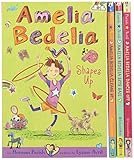
Amelia Bedelia Chapter Book 4-Book Box Set #2: Books 5-8
Books 5-8 of the series
Reading age 6-8
Modernized chapter version
Pros
- Idiom-based humor teaches language
- Clean content for any family
- Vocabulary expansion
- Works for boys and girls
Cons
- Black and white interior
- International editions vary in size
- Format change from picture books
Amelia Bedelia’s literal mind makes her a secret vocabulary teacher. When she interprets “drawing the curtains” as sketching them with a pencil, my kids howled with laughter and then actually remembered what the idiom meant. This chapter book series teaches English in a way no workbook can.
The 4.9-star rating across 919 reviews makes this one of the highest-rated bridge book sets available. The reading age of 6-8 matches children who are past the easiest bridge books and ready for slightly more text per chapter. Each book stands independently, so you can mix and match.
Parents particularly love that this is a “clean” series without the mild concerns of some competitors. There is no slang, no violence, and no relationship content. It is reassuring reading for any family.
Best for kids who love puns and wordplay
Children who enjoy jokes about language will adore Amelia Bedelia. Kids who struggle with idioms particularly benefit because the humor makes the figures of speech stick.
Skip if your child insists on color illustrations
The interior art is black and white. Children transitioning from heavily illustrated picture books may need a slightly easier book first.
4. Ivy and Bean’s Treasure Box — Two Friends, Endless Mischief

Ivy and Bean’s Treasure Box: (Beginning Chapter Books, Funny Books for Kids, Kids Book Series) (Ivy + Bean)
7-book boxed set
Reading age 6-8
Friendship misadventures
Pros
- Hilarious situation comedy
- Two-hander cast
- Picture-text balance
- Clean humor
- Strong female characters
Cons
- Some cultural context differences
- Stories can feel plot-light
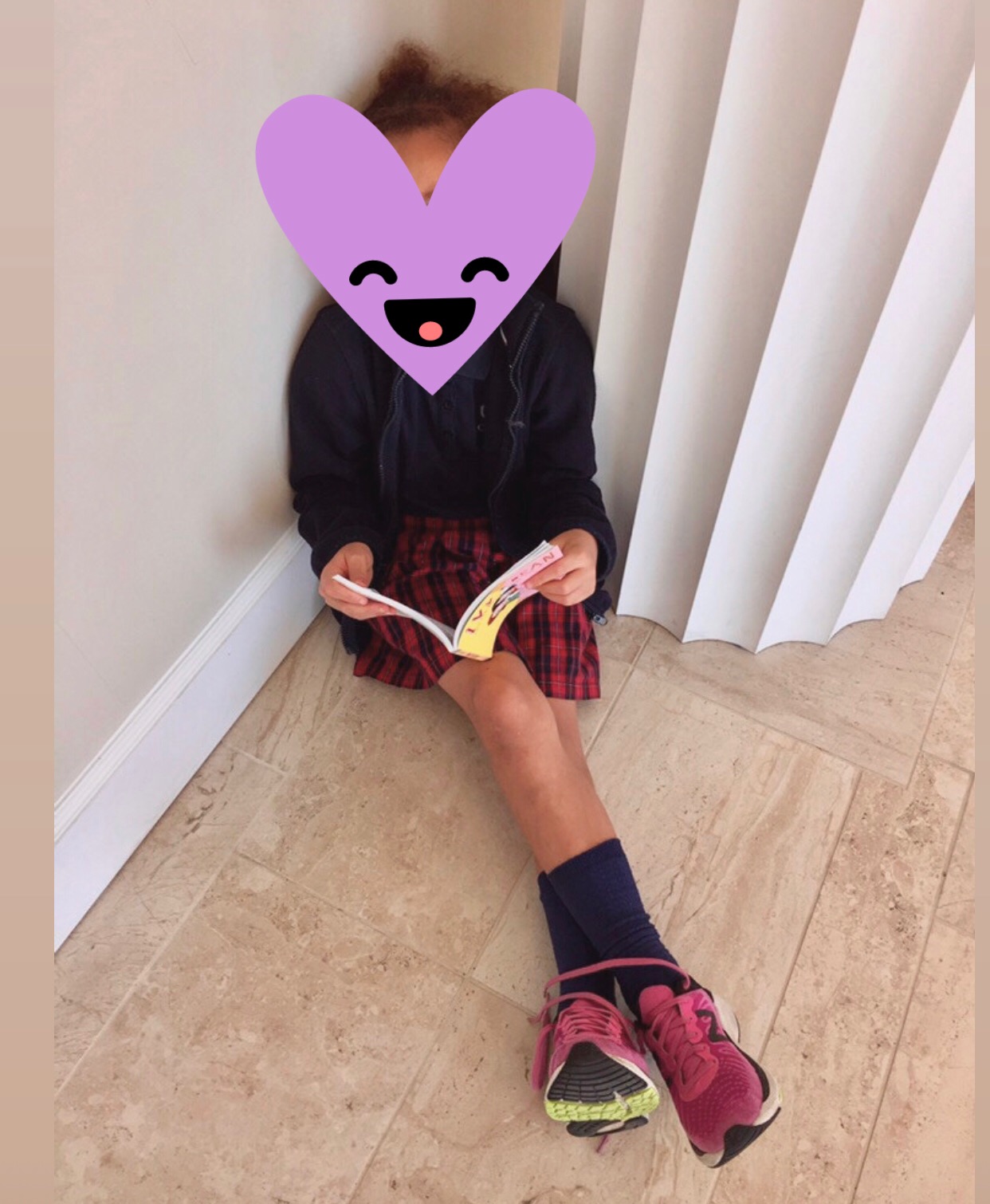
Ivy and Bean is the series that turned my most reluctant reader into a chapter book requester. Annie Barrows gets the inner life of children who would rather play with worms than read about them, which is exactly the right frequency to capture kids this age.
The two-character format keeps the narrative easy to follow. Each book focuses on a single adventure like breaking a neighbor’s window or capturing a ghost, and the conflict resolves quickly enough to maintain momentum. With 12 books in the main series plus three “super” specials, this set gives you materials for months.
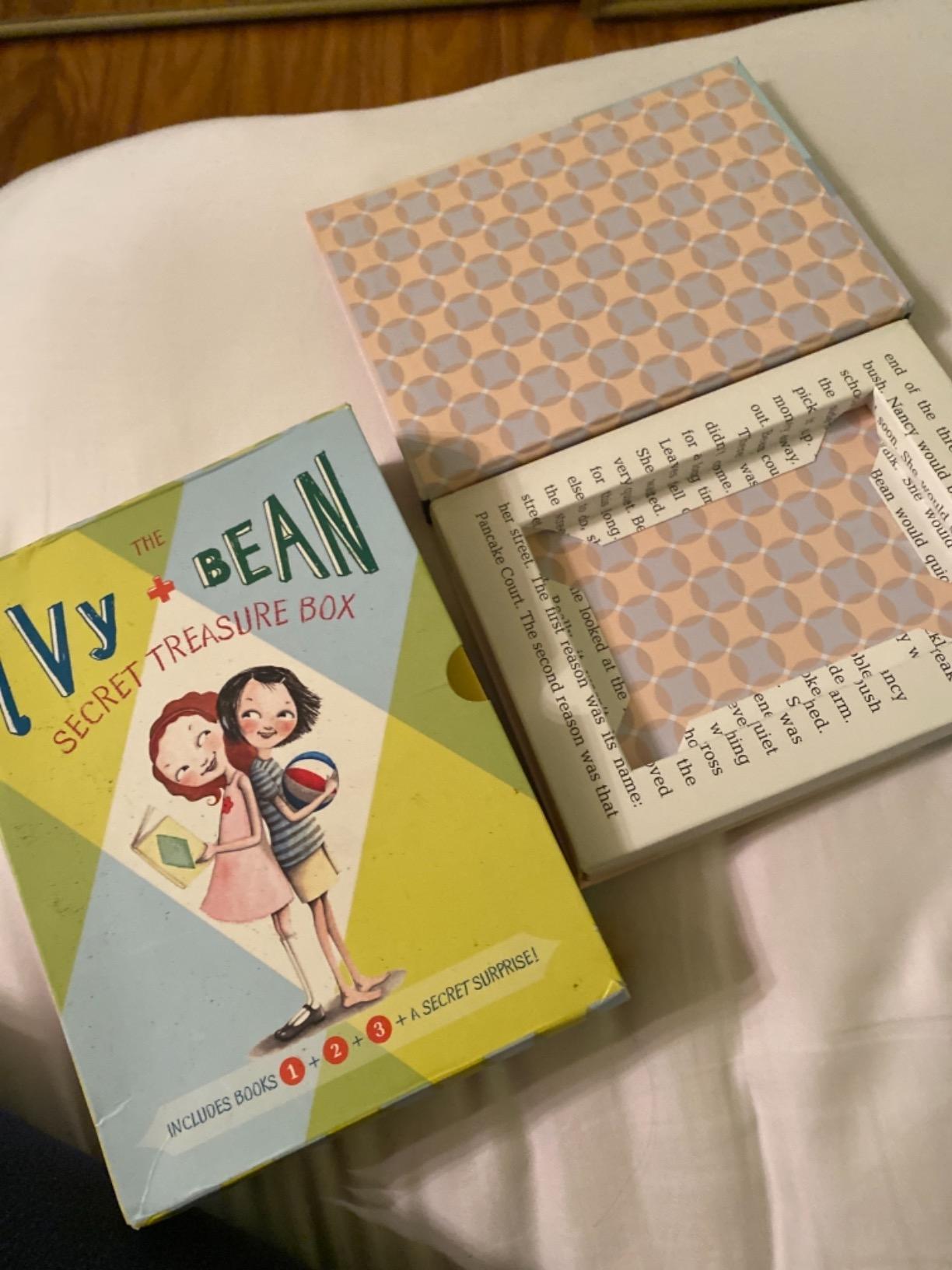
The illustrations appear every few pages and add to the comic strip feel. At 6-8 reading age, this sits slightly harder than Mercy Watson and slightly easier than Magic Tree House, making it the perfect “middle ground” book for kids who are progressing through the bridge book stage.
Best for kids who prefer stories over facts
Children who roll their eyes at nonfiction will love Ivy and Bean’s kid-logic adventures. The friendships and mild mischief feel like spying on real playground politics.
Skip if your child wants substantial story arcs
Each book is a self-contained mini-adventure. Kids who like growing sagas like Harry Potter will not get the same satisfaction here.
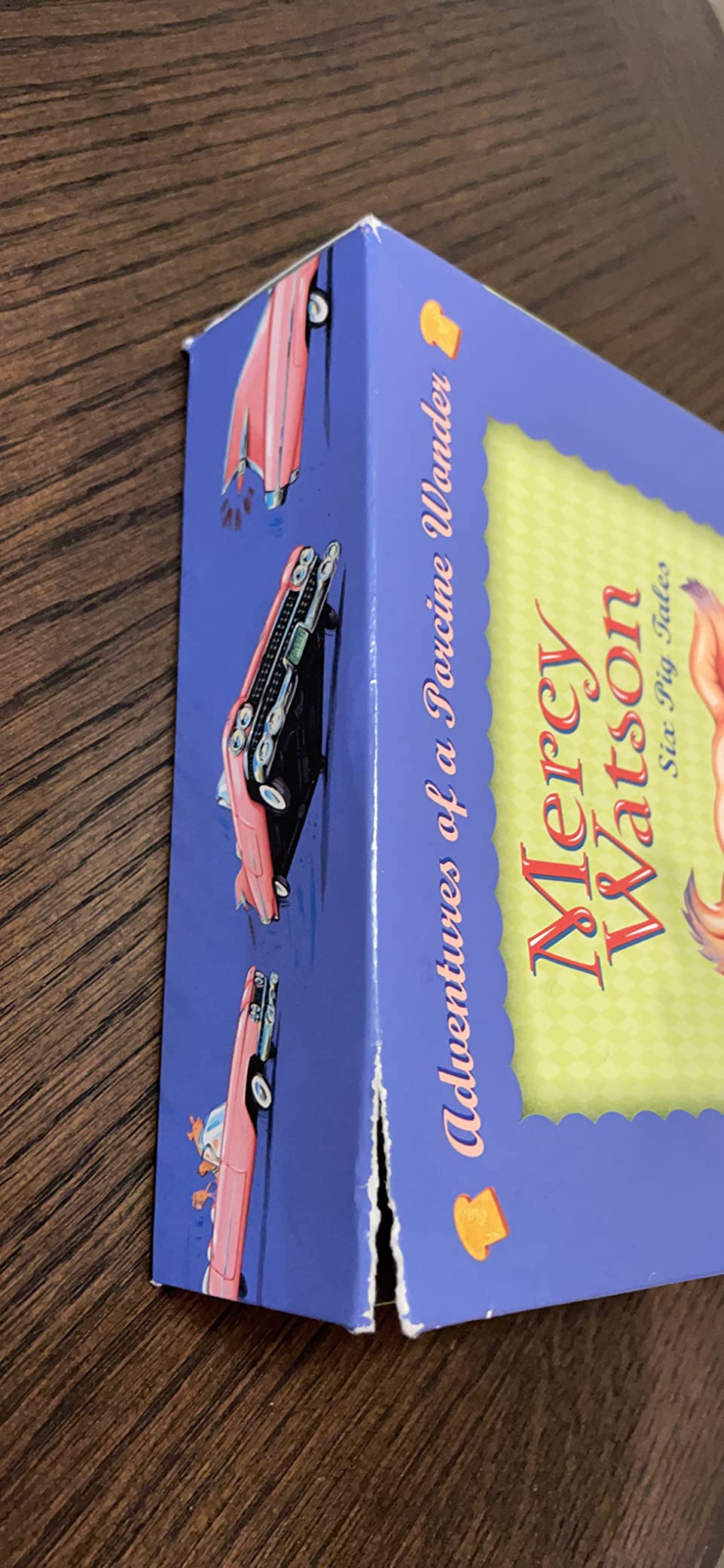
5. Mercy Watson Boxed Set Books 1-6 — The Coziest Bridge Book Ever
Mercy Watson Boxed Set: Adventures of a Porcine Wonder: Books 1-6
Books 1-6 of the series
Reading age 4-7
Full color illustrations throughout
Pros
- Chris Van Dusen's stunning illustrations
- Genuine laugh-out-loud stories
- Generous line spacing for new readers
- Excellent for read-aloud
Cons
- Some stories work better as read-aloud than solo reading
- May be too easy for advanced 2nd graders
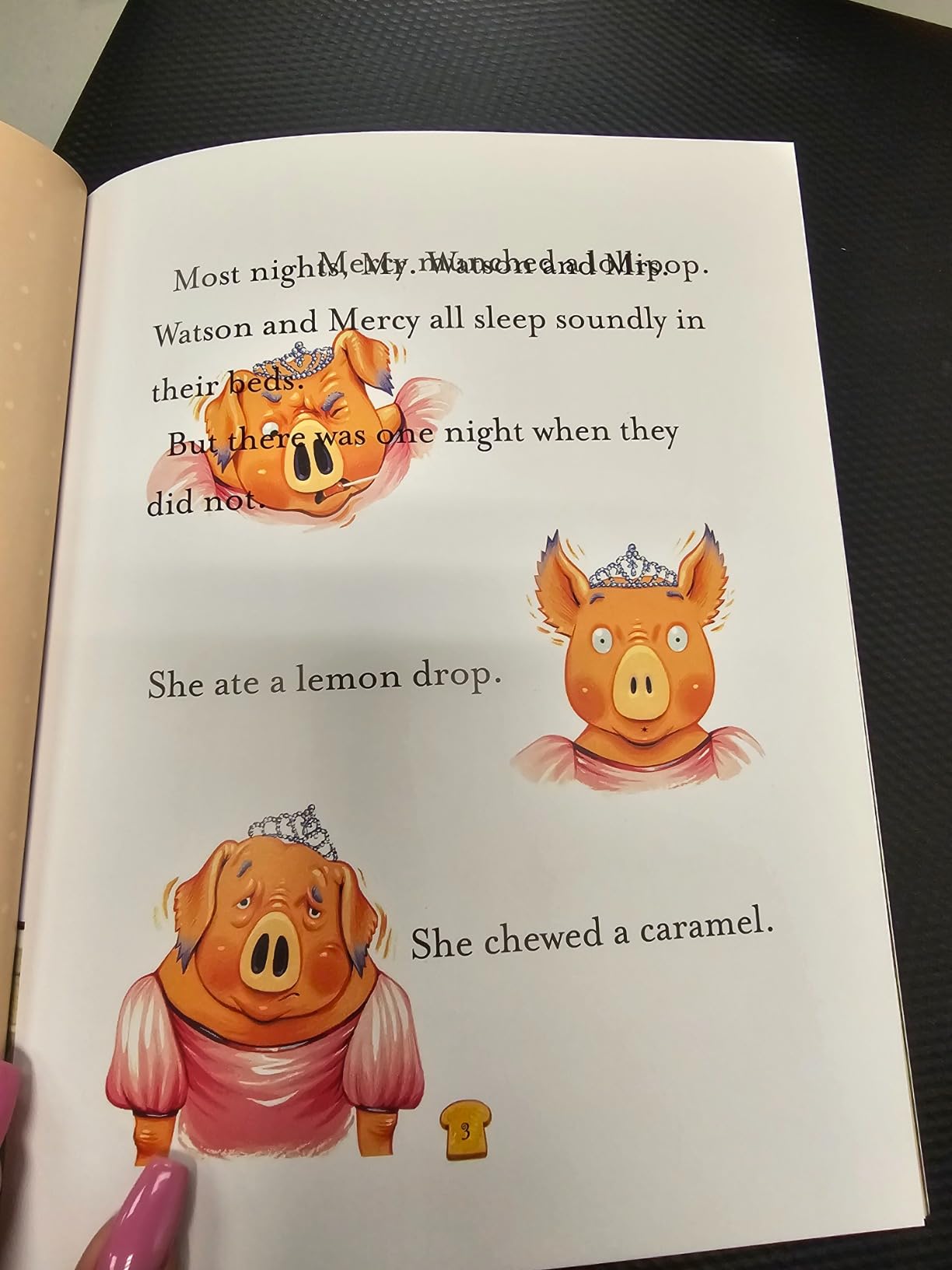
If I could only recommend one bridge book series, it would be Mercy Watson. Kate DiCamillo’s pig who loves hot buttered toast is the warmest, funniest, most beautifully illustrated introduction to chapter books I have ever tested. Chris Van Dusen’s paintings make every page feel like opening a gift.
The reading age of 4-7 makes this the most accessible title on our list. Many kids start this as a read-aloud at four or five, then read it independently by six or seven. The line spacing is generous and helpful for children still working on tracking, and the chapters break at natural, satisfying cliffhangers.
What surprised me most was how much my kids enjoyed the gentle humor. Mercy’s misunderstandings about being a “porcine wonder” create comedy that lands across generations. The 4.9-star average across 3.6k reviews tells you thousands of other families agree.
Best for the youngest transition readers
Children ages 4-6 who love picture books but need more story will find Mercy irresistible. The full color pages ease the visual transition to chapter book format.
Skip if your child is reading well above grade level
Advanced second or third graders may find Mercy too easy. Save this for the bridge stage and move to longer chapter books afterward.
6. The Bad Guys Box Set Books 1-5 — Comics-Style Chapter Books

The Bad Guys Box Set: Books 1-5
Books 1-5
Reading age 6-8
Comic-style illustrations throughout
Pros
- Engaging heist-style plots
- Redemption themes
- Expressive illustrations
- Action-packed pacing
- Kids laugh out loud
Cons
- Some humor feels too silly
- Formulaic structure across books
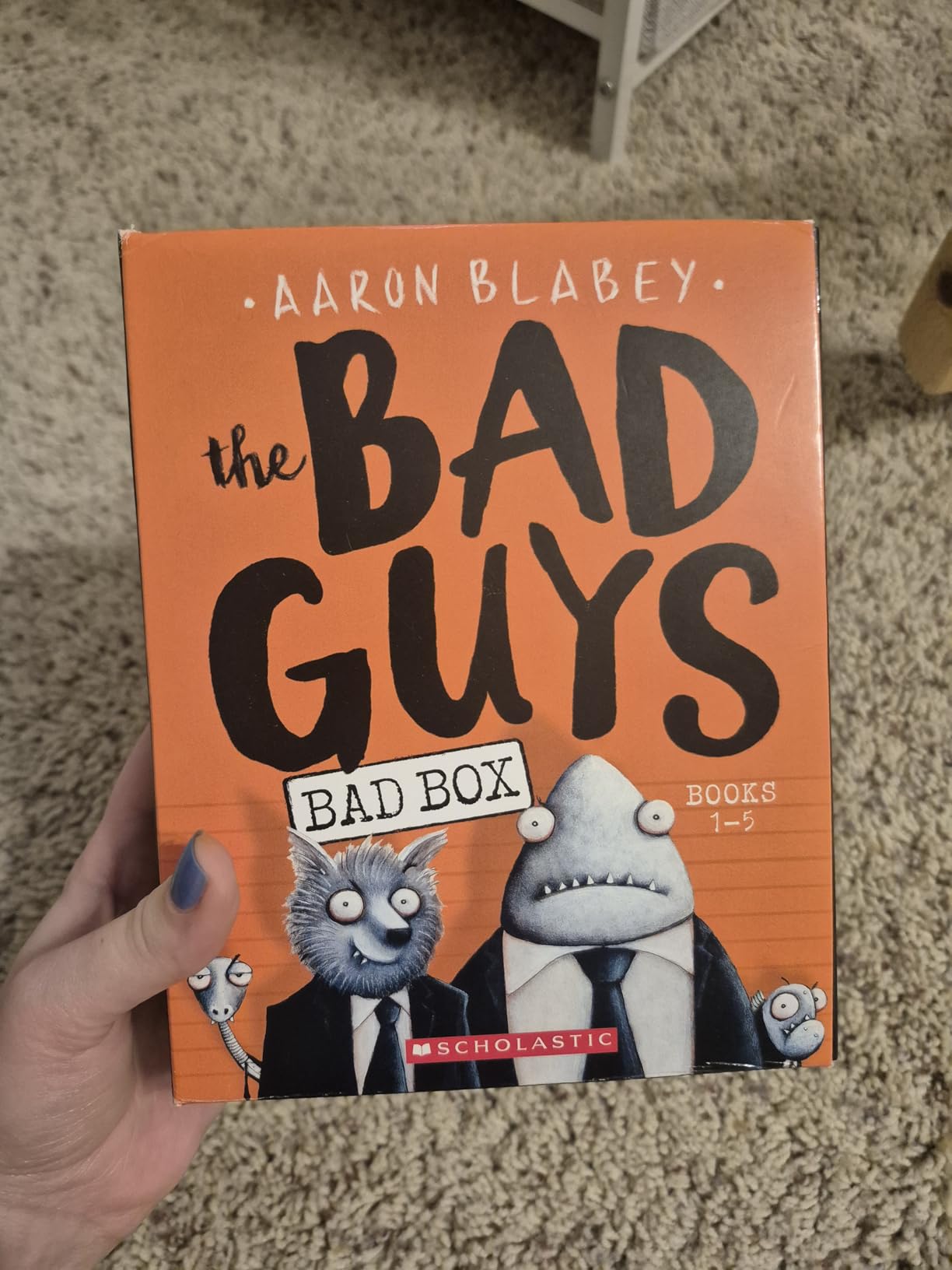
The Bad Guys is the bridge book I wish existed when I was a kid. Aaron Blabey combines graphic novel energy with chapter book structure, meaning reluctant readers get the visual support they crave while still building text-based reading stamina. The story follows four “bad guys” who decide to become heroes, which delivers heart alongside the laughs.
With 92% of reviews at five stars across 7.5k reviews, this is one of the most loved new series of the past decade. The reading age of 6-8 puts it perfectly in the bridge book zone, and the 1,440 total pages means your child will be set for weeks of independent reading.
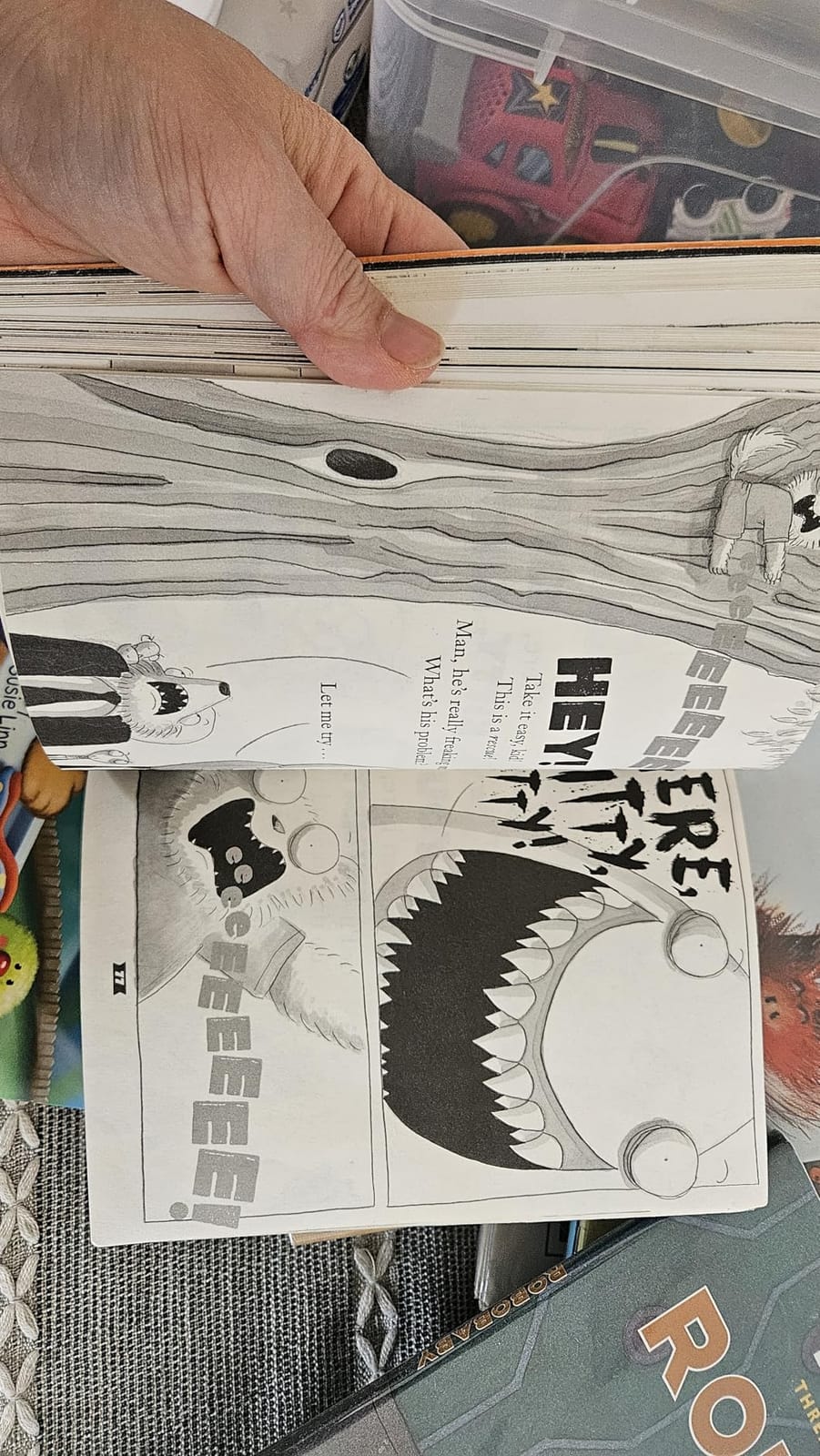
What makes The Bad Guys different is the comic-style art on nearly every page. Kids who love Dog Man, Captain Underpants, or Hilo will feel right at home. The plot also has surprising warmth beneath the silly surface, which parents appreciate.
Best for kids who love graphic novels and video games
Children migrating from Dog Man or Diary of a Wimpy Kid will find this format familiar. The visual humor keeps them flipping pages even when text feels challenging.
Skip if your child prefers realistic fiction
Kids who like stories grounded in real life may find the cartoon premise off-putting. Try Ivy and Bean for a more realistic option.
7. Nate the Great — Classic Mystery for Curious Kids

Pros
- Simple yet engaging mysteries
- Very short chapters
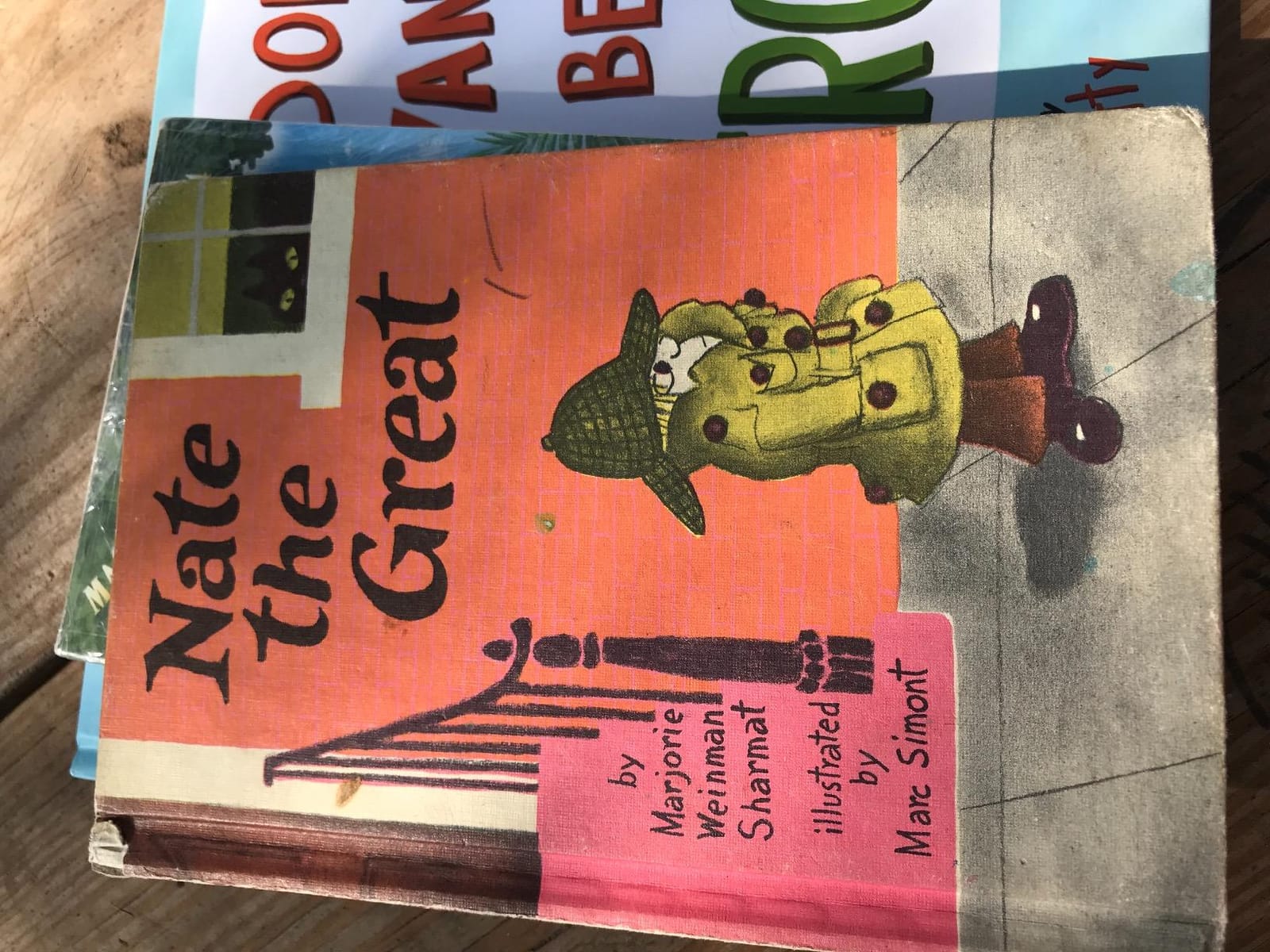
- Marc Simont's classic illustrations
- Teaches logic and inference
- Affordable single-book entry
Cons
- Some 1970s references feel dated
- Limited diversity in original books
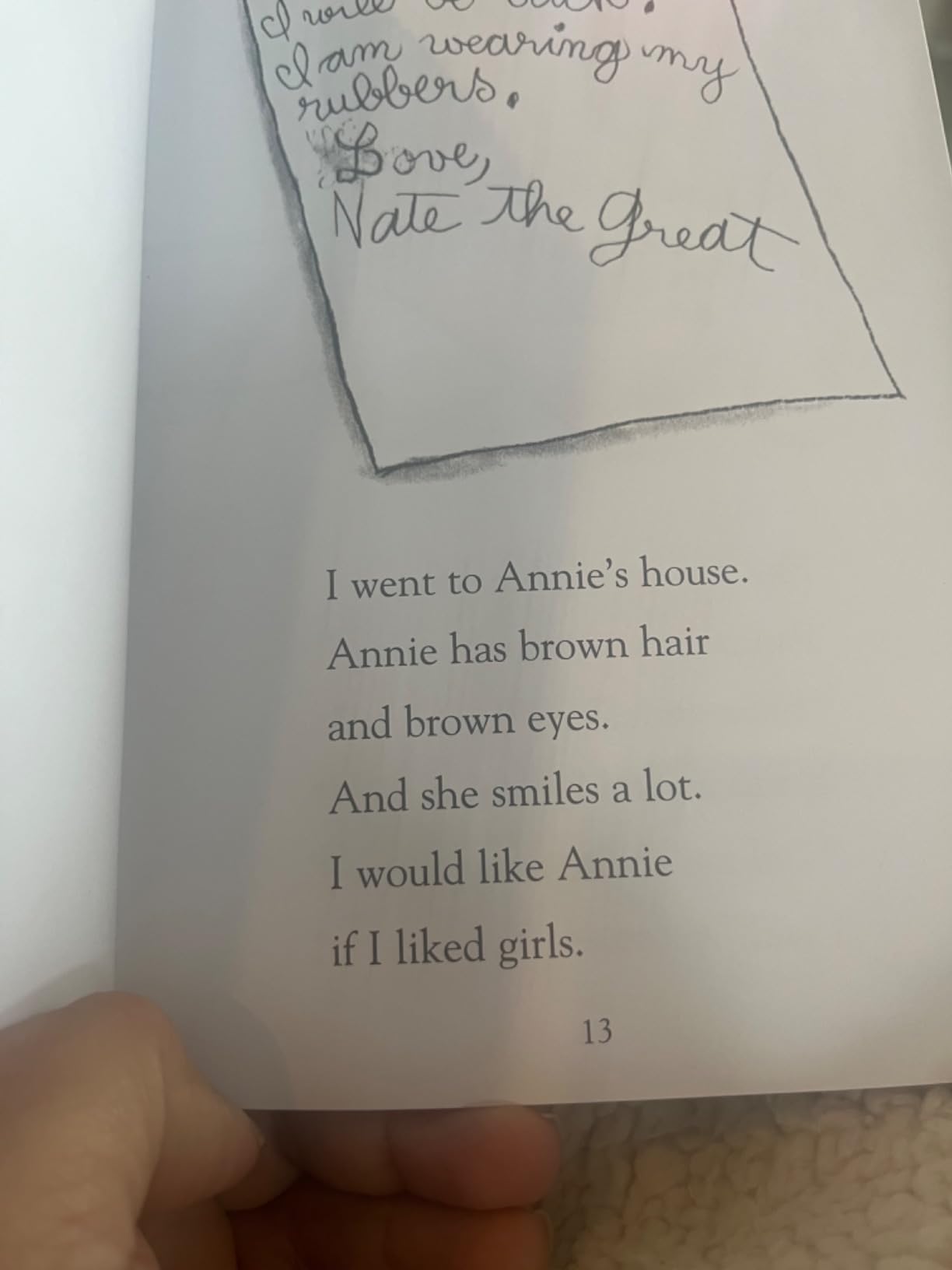
Nate the Great has been teaching kids to solve mysteries since 1977, and it still works. The combination of short, manageable chapters and a detective framework turns reading into a game. My son treated each book like a case to crack, and he stuck with the series for two full years.
At 80 pages with very short chapters and Marc Simont’s line illustrations on nearly every page, this is the most accessible mystery format for new chapter book readers. The reading age of 5-7 aligns perfectly with our bridge book stage.
The series runs 29 books plus several spinoffs, so once a child finds Nate they have years of content available. At a very affordable price point, this is also a low-risk way to test whether your child enjoys chapter books.
Best for kids who love puzzles and problem-solving
Children who enjoy asking questions and looking for clues will thrive with Nate. Each mystery is solvable, which builds real reading confidence.
Skip if your child dislikes vintage illustrations
The Marc Simont artwork has a classic 1970s feel. Kids used to modern cartoon art may find it visually conservative.
8. Zoey and Sassafras Books 1-6 Pack — STEM in Disguise

Zoey and Sassafras Books 1-6 Pack
Books 1-6, 576 pages
Reading age 5-8
Science-focused with magical creatures
Pros
- Sneaky science education
- Diverse protagonist
- Magical creature mysteries
- Black and white illustrations
- Encourages real-world experiments
Cons
- Some science vocabulary needs adult support
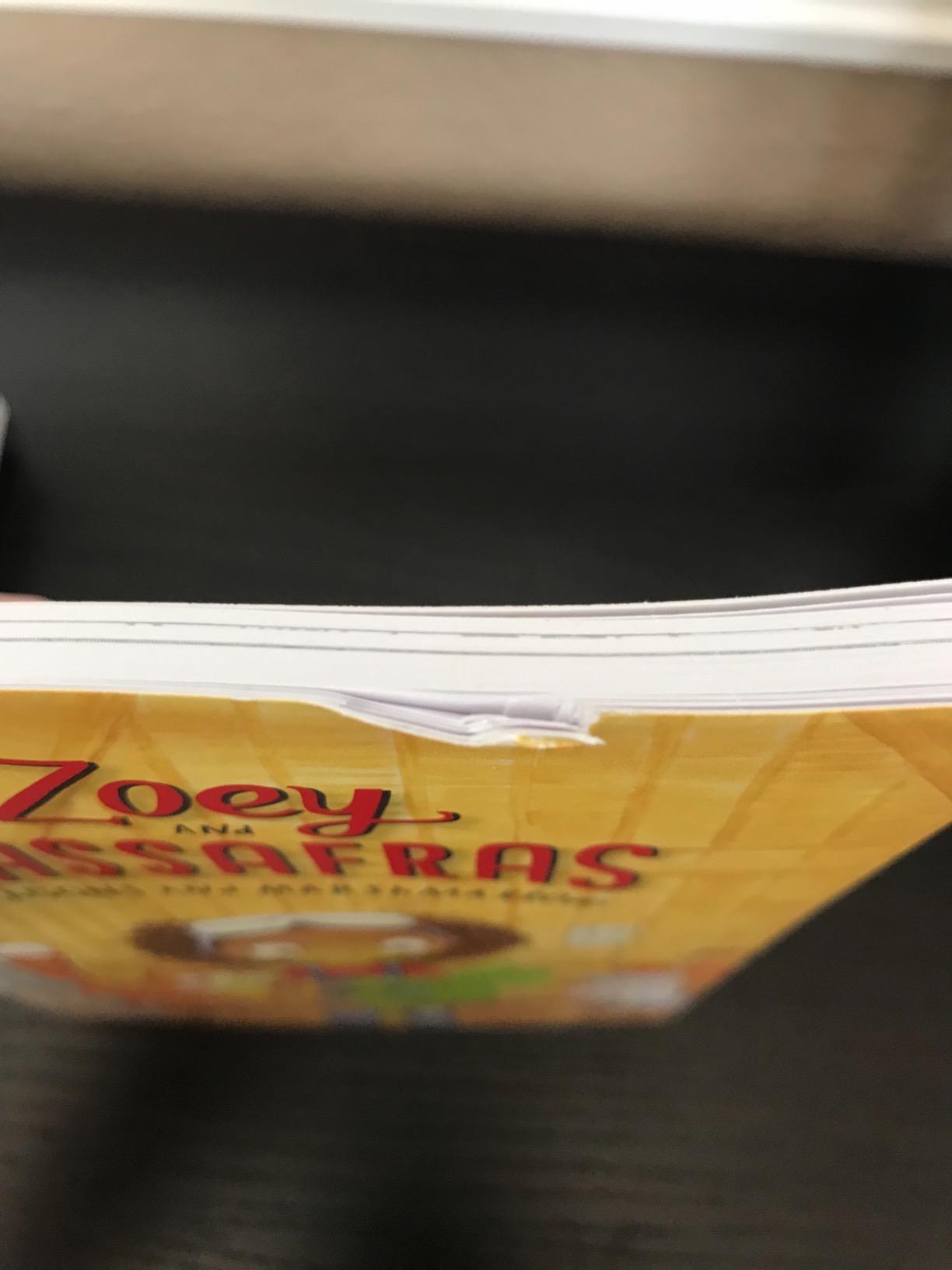
- Print quality concerns on certain printings
Zoey and Sassafras is the rare series that builds reading skills and science knowledge at the same time. Asia Citro weaves the scientific method into a magical story about a girl who helps injured mythical creatures, and my kids started inventing their own experiments after reading just two books.
With 94% of reviewers giving five stars, this series has earned its reputation. The reading age of 5-8 covers the bridge book sweet spot. Each book focuses on a different scientific concept like hypothesis, observation, and experimentation, making this a stealth curriculum hidden inside a charming story.
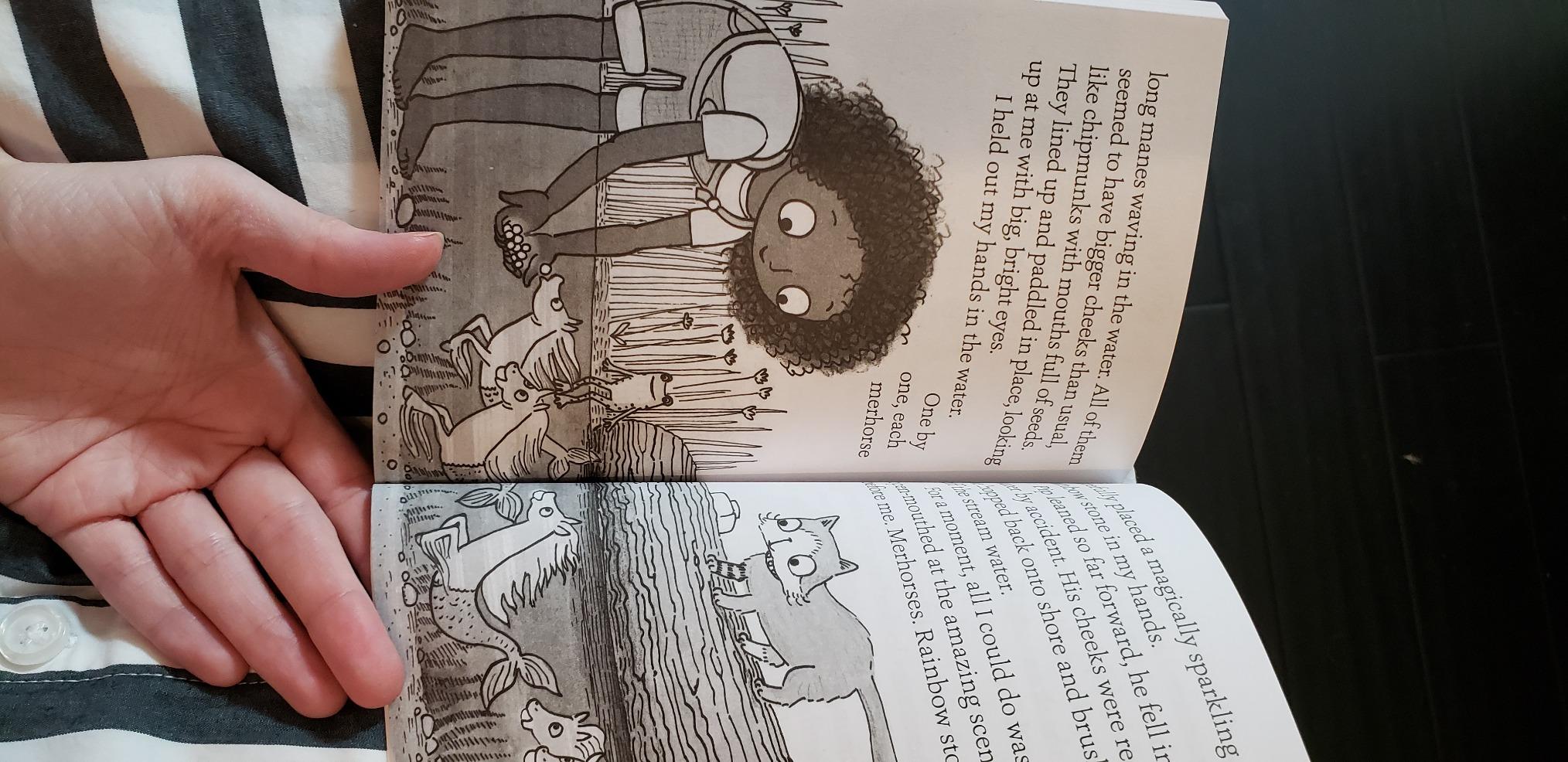
The diverse main character with curly hair is refreshing for a genre that often defaults to a narrow protagonist. Parents particularly value how this series honors curiosity while delivering genuine science content. The black and white illustrations keep costs reasonable for a six-book pack.
Best for curious kids who ask “why” constantly
Children who pepper parents with science questions will love Zoey’s experiments. This series turns curious kids into budding scientists without feeling like schoolwork.
Skip if your child dislikes science-themed stories
Each book centers on a scientific concept. Kids with zero interest in how things work may find the framing tedious.
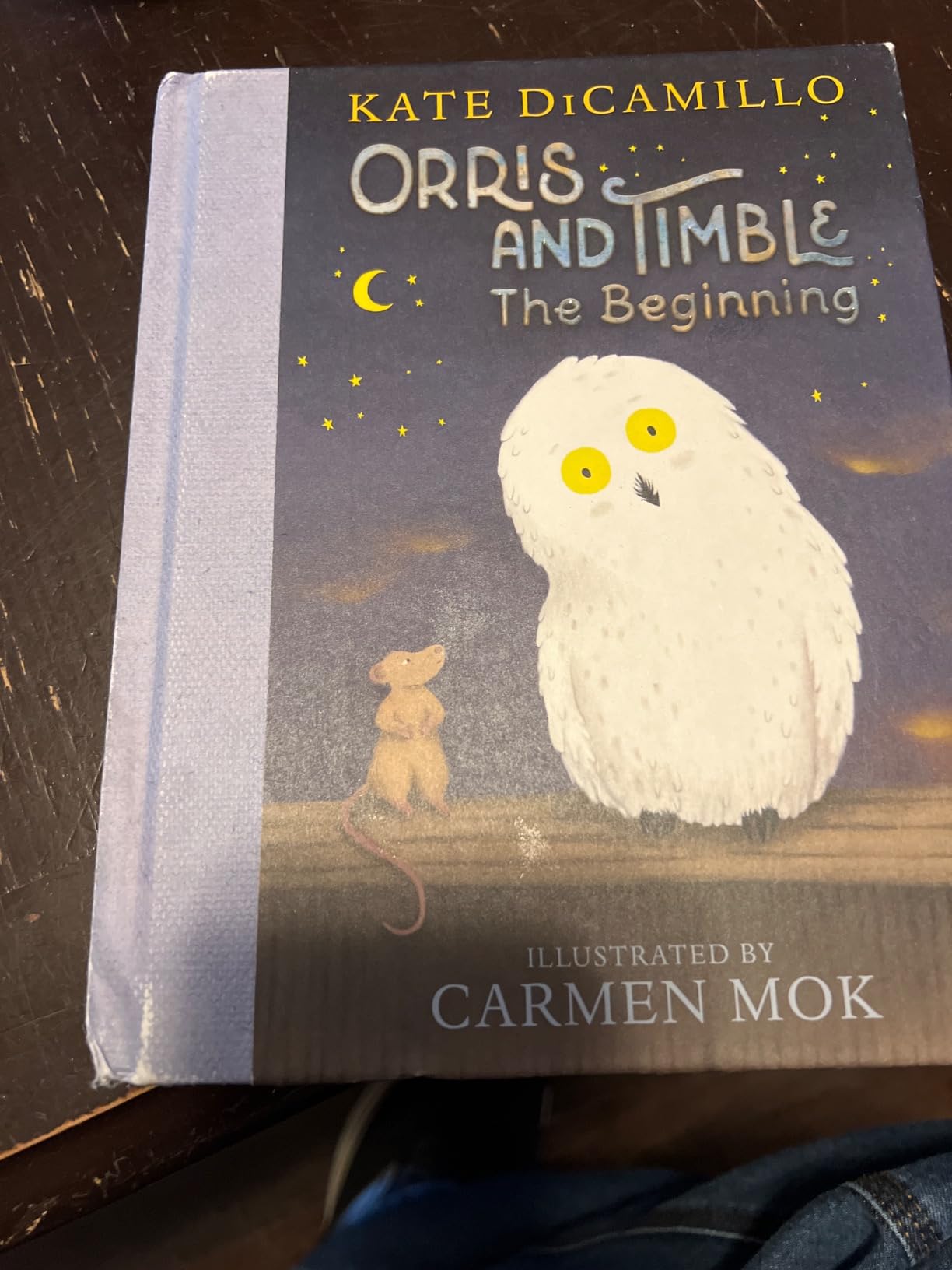
9. Orris and Timble: The Beginning — A Modern DiCamillo Gem

Orris and Timble: The Beginning: (A Heartwarming Early Chapter Book About Friendship, Courage, and Helping Others – For Kids Ages 5-8 in Grades K-3)
80 pages
Reading age 4-7
First book in new series
Pros
- Kate DiCamillo's warm prose
- Carmen Mok's stunning art
- Friendship at its core
- Aesop-style fable
- Perfect length for new readers
Cons
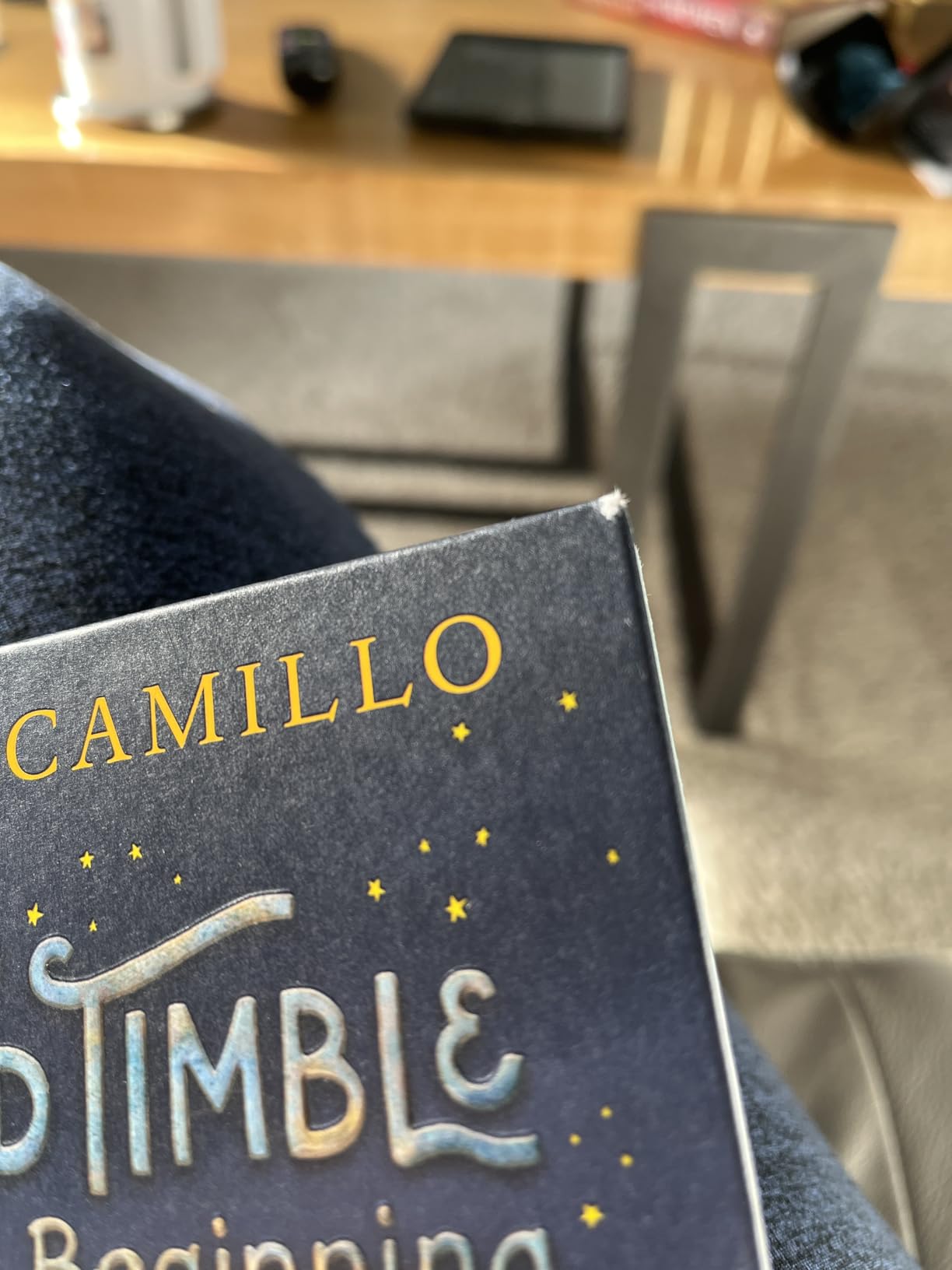
- Hardcover costs more than paperbacks
- Only one book released so far
Kate DiCamillo is the master of writing short, deep, beautiful books for children, and Orris and Timble is her latest gem. A rat and an owl become friends against all odds, and the 80-page length makes it approachable for readers at the very start of their chapter book journey.
The reading age of 4-7 lines up with the Mercy Watson audience, making this a great companion title. Carmen Mok’s illustrations glow with emotion, and DiCamillo’s spare prose carries surprising emotional weight. My daughter read this twice in a row and then asked when the next book would come out.
The hardcover format is a small drawback if you are building a library on a budget, but the production quality is excellent. This is also one of the newest series from a celebrated author, so your child will be among the early readers of what could become a beloved classic.
Best for kids who love animal friendships
Children drawn to stories about unlikely animal pairs will fall for Orris and Timble. The fable structure gives it a timeless quality.
Skip if you need a full series available now
Only the first book has been released. If your child devours series quickly, choose a series with multiple books already available.
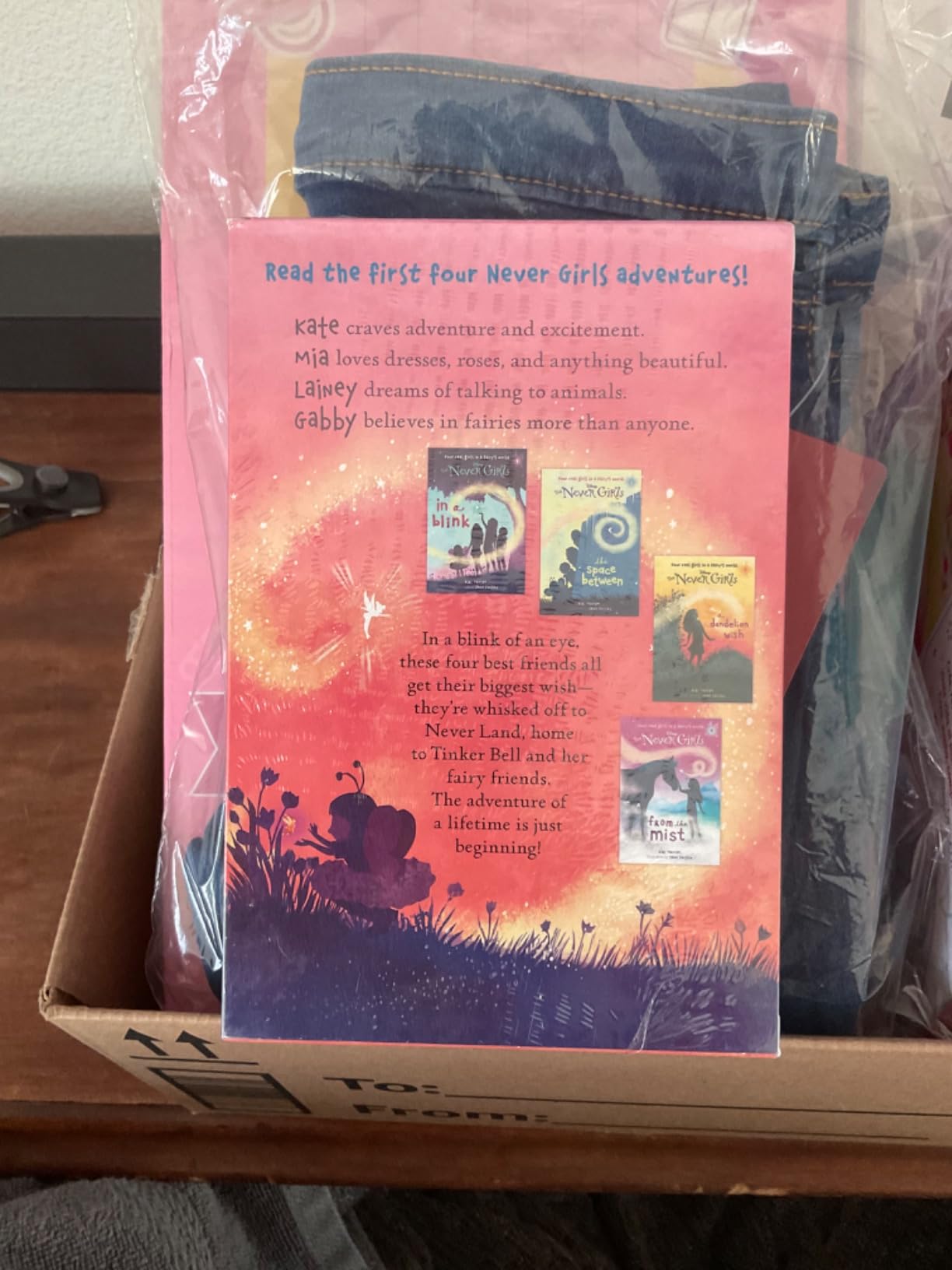
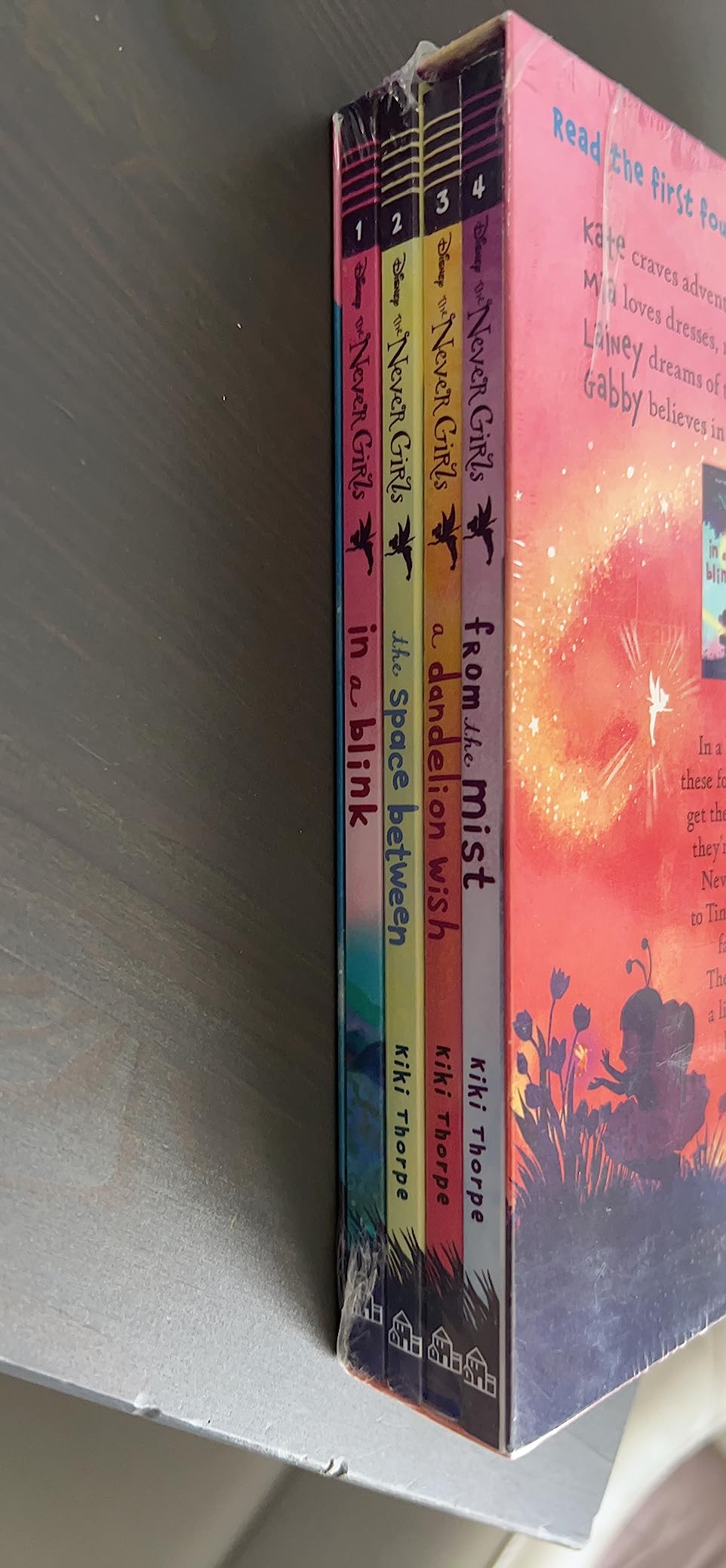
10. The Never Girls Collection #1 — Disney Magic Meets Chapter Books

RH/Disney, The Never Girls Collection #1: Books 1-4
Books 1-4 in the series
Reading age 6-8
Disney Tinkerbell universe
Pros
- Beloved Disney Never Land setting
- Short chapters
- Strong friendship themes
- Beautiful interior art
- Easy entry point for Disney fans
Cons
- Easier than Magic Tree House
- Series has fewer total books than competitors
For kids who have grown up watching Disney Fairies and Tinkerbell, The Never Girls delivers the magic they crave in chapter book form. Three best friends plus a little sister get transported to Never Land, where they help fairies and learn lessons about honesty, loyalty, and friendship.
The reading age of 6-8 fits the bridge book window perfectly. With over 15,900 reviews averaging 4.8 stars, this is one of the most popular early chapter book series ever published. Each chapter is short enough for a read-aloud or solo reading session, and the interior illustrations add visual support.
Disney fans particularly love that these stories expand the fairy universe they already know. The themes are wholesome and parent-approved without feeling preachy, which is a tricky balance Disney usually gets right.
Best for kids deep in the Disney fairies phase
Children who collect Tinkerbell merchandise will find the world familiar. The combination of recognizable characters with new adventures is magic for this audience.
Skip if your child is reading well above grade level
The Never Girls reads easier than Magic Tree House. Stronger readers may burn through the series quickly and need something more challenging.
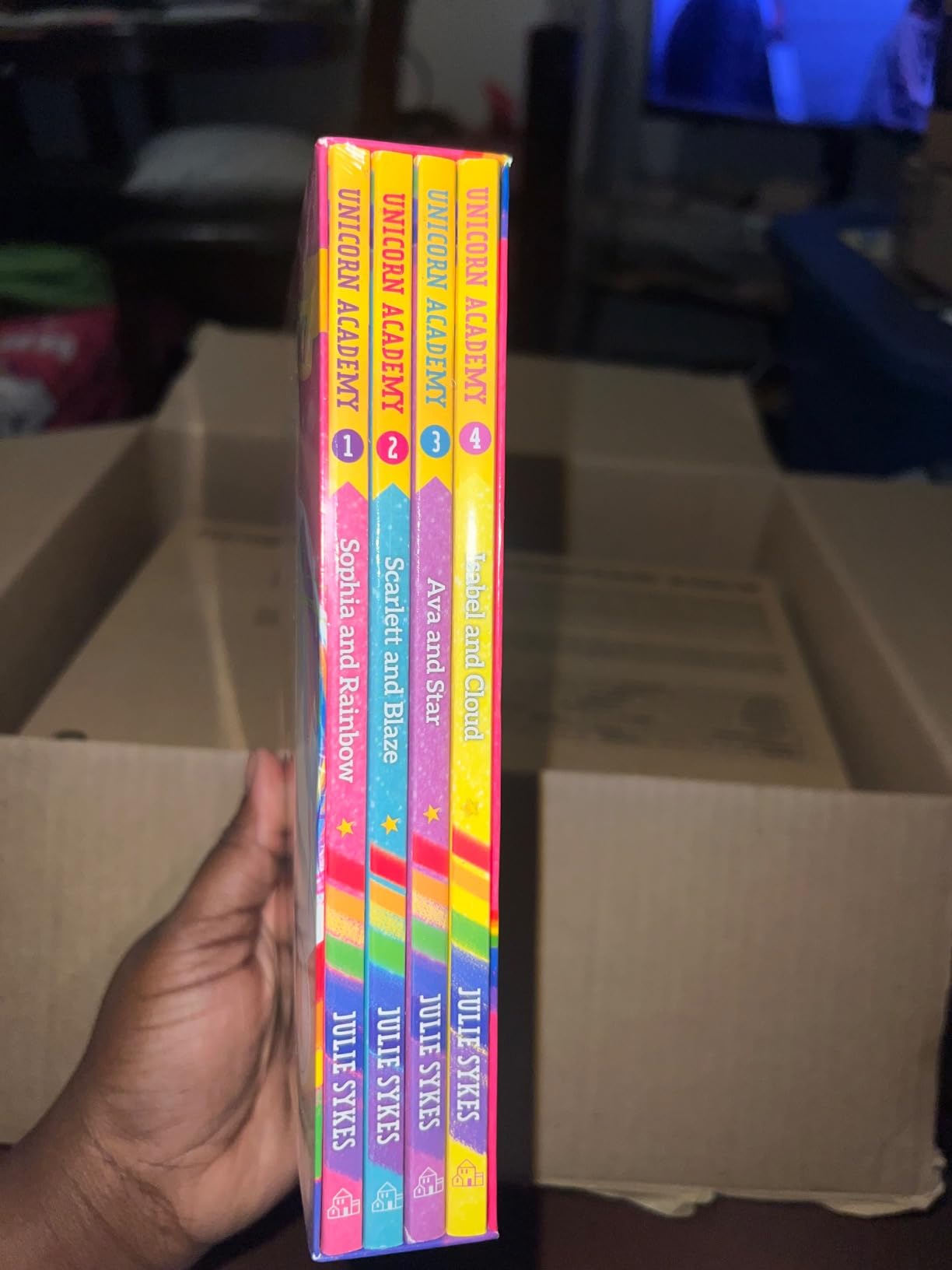
11. Unicorn Academy Rainbow of Adventure Boxed Set — Magical Friendships

Unicorn Academy: Rainbow of Adventure Boxed Set (Books 1-4)
Books 1-4, 512 pages
Reading age 6-8
Girl plus unicorn adventures
Pros
- Each book features a different heroine
- Colorful unicorn appeal
- Builds reading confidence
- Ties into Netflix series
Cons
- Some editions lack color interior
- Paper quality varies
- Too simple for advanced readers
Unicorn Academy taps directly into one of the most popular interests of children ages 6-8. Each book in this set follows a different girl and her unique unicorn, which kept my daughter engaged when she knew a fresh character waited in the next book.
The reading age of 6-8 matches the bridge book sweet spot. With 5,999 reviews averaging 4.8 stars, this is one of the bestselling chapter book sets of recent years. The Netflix tie-in helps children who already love the show transition into reading with their favorite characters.
Parents particularly appreciate how each book stands alone. There is no need to read them in order, which makes them great choices for library trips, gift sets, or reluctant readers who want variety.
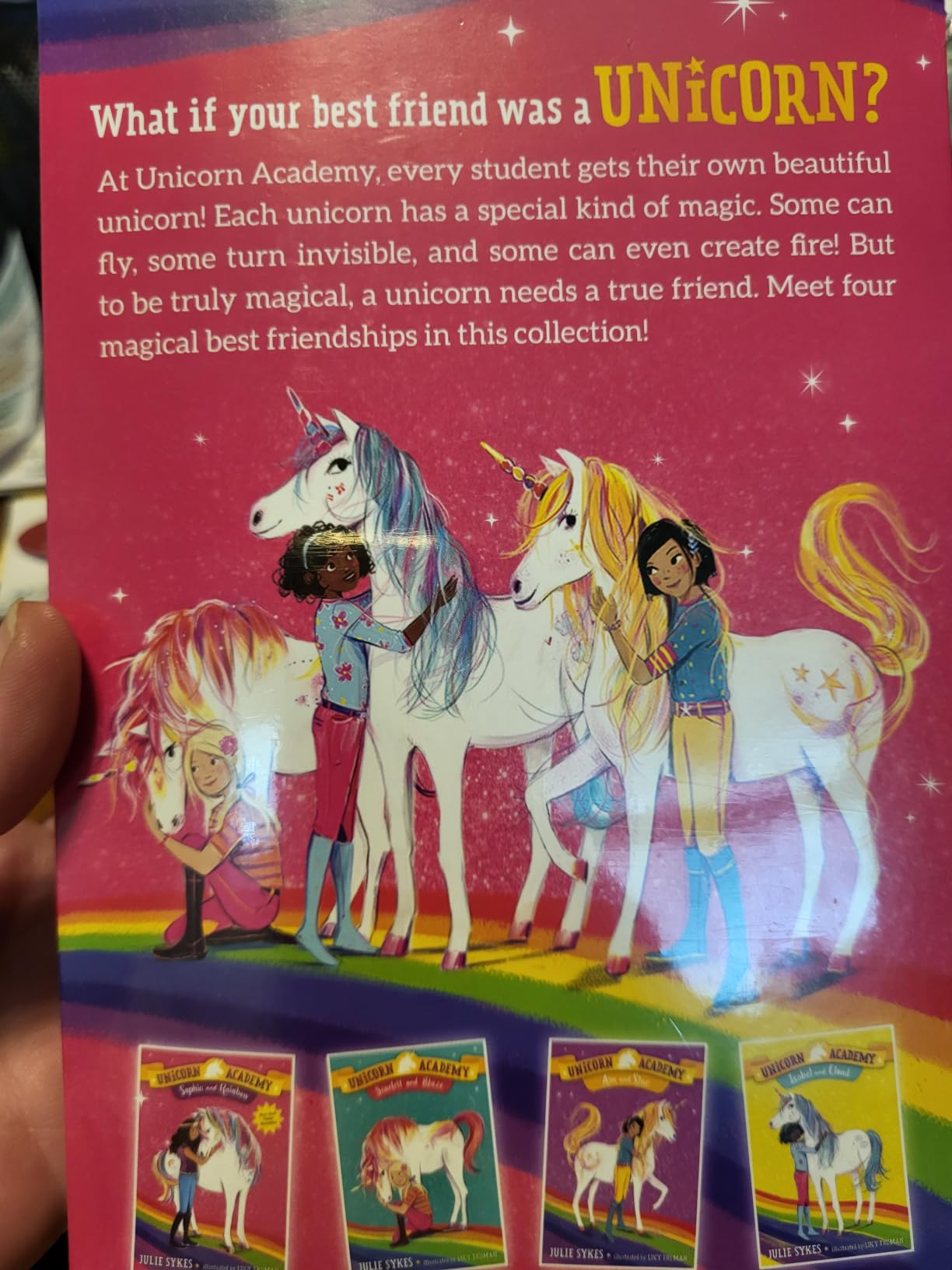
Best for kids obsessed with unicorns and magic
Children in the unicorn stage will find this set irresistible. Each heroine feels distinct enough to spark identification.
Skip if your child prefers realistic fiction
The fantasy setting and magical premise won’t appeal to kids who want stories grounded in real life.
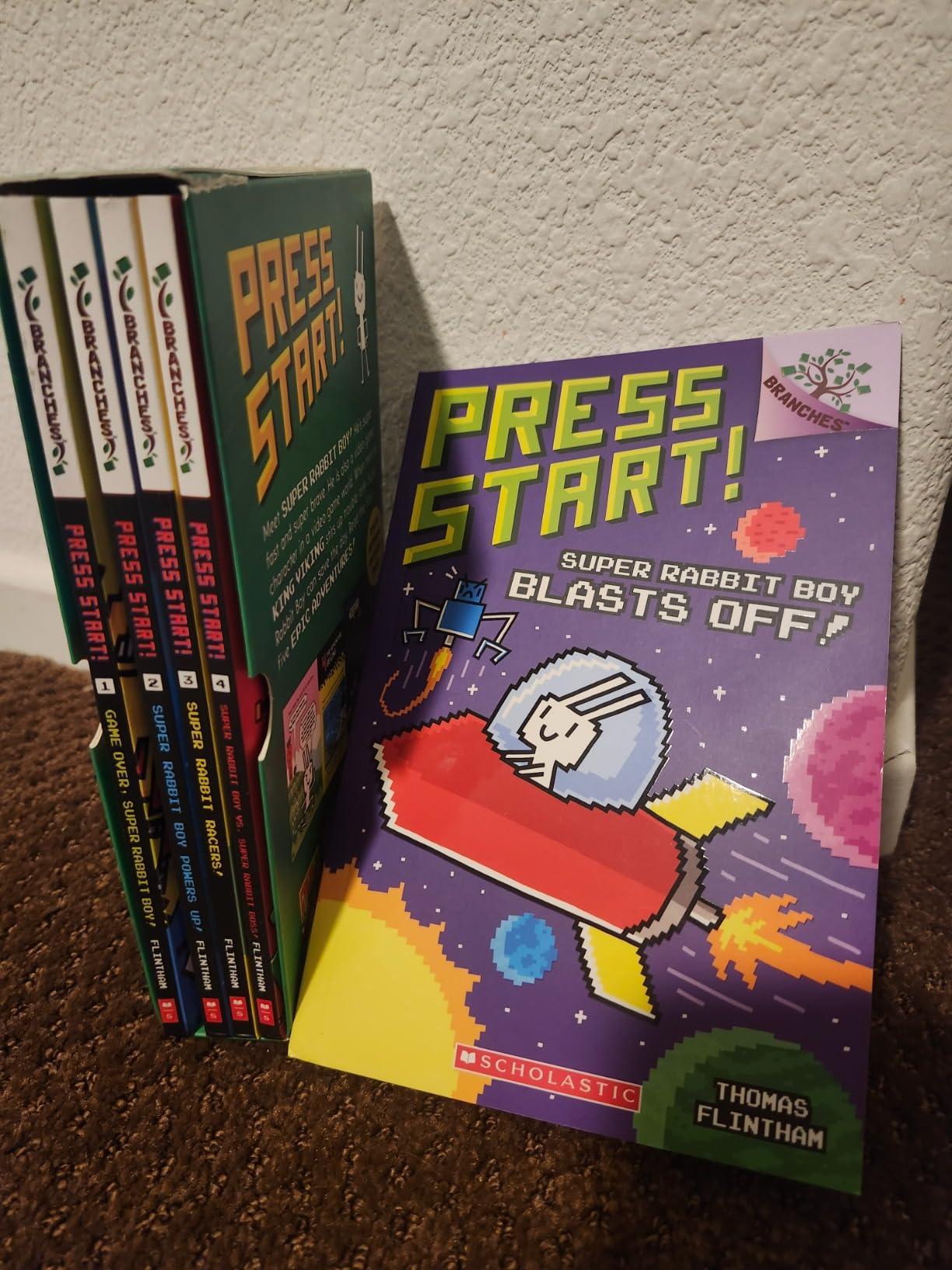
12. Press Start! Books 1-5 Branches Box Set — Video Game Magic in Book Form

Press Start!, Books 1-5: A Branches Box Set
5 books in Scholastic Branches series
Reading age 6-8
Super Rabbit Boy adventures
Pros
- Video game format feels familiar
- Bright full-color illustrations
- Strong reluctant reader appeal
- Story within a story structure
- Builds reading confidence
Cons
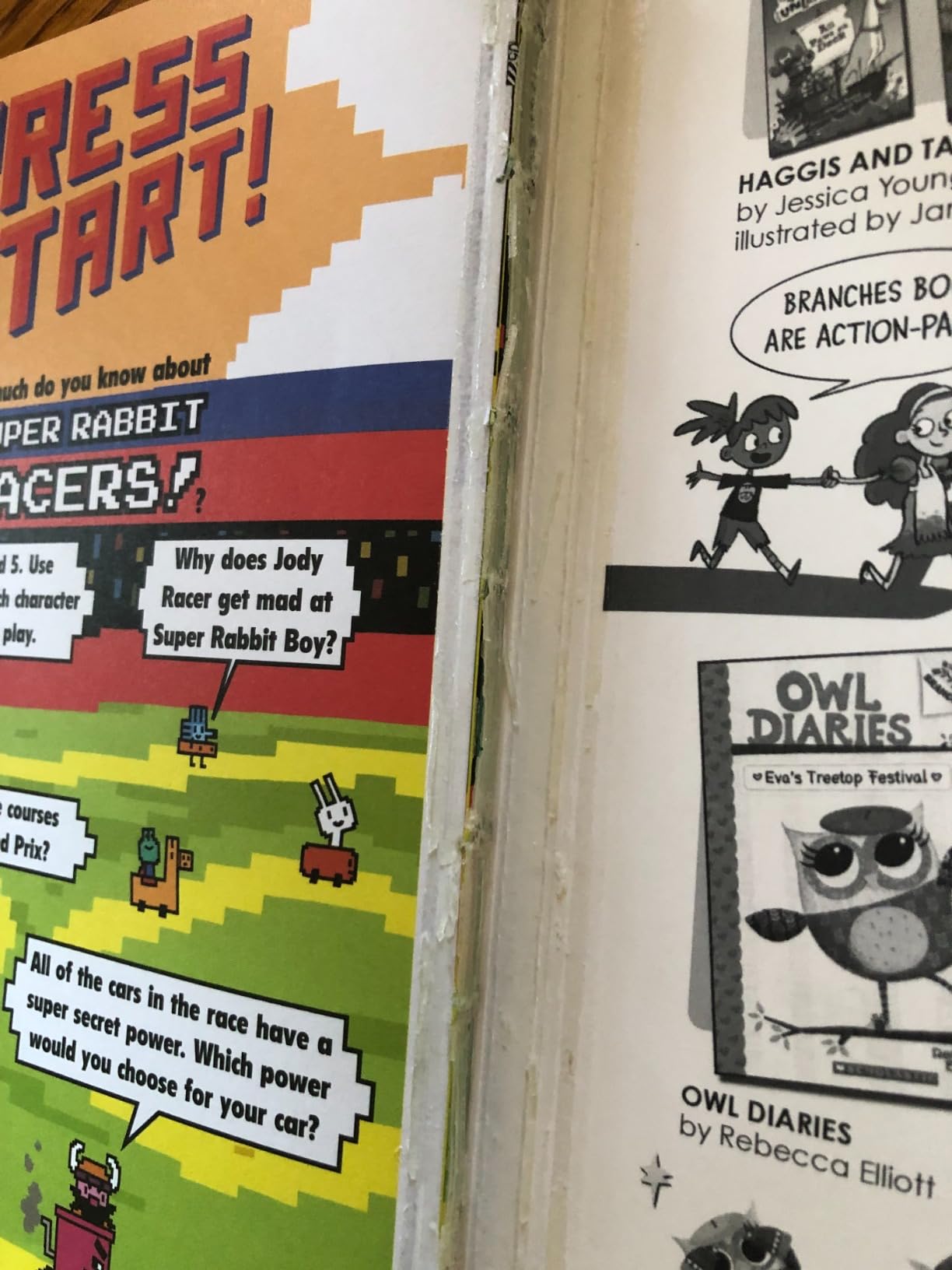
- Binding quality concerns
- Pages can loosen with heavy use
- Format affects durability
Press Start! is part of Scholastic’s Branches line, which is specifically designed for emerging readers. Super Rabbit Boy’s adventures within a video game world speak directly to kids who live for Minecraft and Mario Kart. My nephew, who refused to read anything longer than a picture book, devoured all five books in two weeks.
The reading age of 6-8 and the colorful interior illustrations match the bridge book zone perfectly. The story-within-a-story format lets kids feel they are reading about a video game without leaving the chapter book format, which is a clever design choice from Thomas Flintham.
The Branches format is built specifically for the 5-8 reading level, with carefully controlled vocabulary and short chapters. Parents of reluctant readers consistently report breakthrough moments after starting this series.
Best for kids who won’t put down the controller
Children who treat gaming like a second language will recognize the Press Start! world immediately. This series meets them where their interests already are.
Skip if you want a hard-covered library set
The paperback binding is the main weakness. Heavy readers may need reinforced copies to last.
How to Choose the Best Bridge Books: A Parent’s Buying Guide
Choosing the right bridge book depends on three things: where your child currently reads, what they love, and how easily they handle text-heavy pages. Let me walk you through the framework I use when families ask me for personalized recommendations.
What are bridge books, exactly?
Bridge books between picture books and chapter books are illustrated early chapter books with short chapters, large print, and pictures that still support the story. They sit between the picture-heavy world a child is leaving and the longer, illustrated-free chapter books they will eventually need. The illustrations stay, but the page count rises and the text-per-page increases.
Most bridge books target children ages 5-8, with reading levels ranging from kindergarten through third grade depending on the specific series. The best ones feel like picture books in pacing but introduce chapter structure, character development, and serialized storytelling.
The Five Finger Rule: Match the Book to Your Reader
The Five Finger Rule is the simplest way I know to check whether a book matches your child’s current reading level. Here is how to use it:
- Ask your child to pick any page from the book without showing you which page they chose.
- Have them read the page aloud while you follow along silently.
- Hold up one finger every time they get stuck on a word they cannot sound out or read.
- After the page is finished, count the fingers held up.
- Zero to one finger means the book is at the right level. Two fingers means the book is a small stretch. Three fingers signals the book is too hard right now. Four or five fingers means save it for later.
I use this rule constantly with my own kids and recommend it to every parent who asks about reading levels. It puts the assessment in the child’s hands without making them feel tested.
Signs Your Child Is Ready for Bridge Books
You will know your child is ready to move from picture books to bridge books when several of these signs appear together:
- They finish picture books quickly and ask for “longer stories” out loud.
- They pretend to read chapter books back to themselves, even if they are just inventing the words from pictures.
- They ask about how to sound out new words rather than avoiding them.
- They can sit through a 15-20 minute read-aloud without losing focus.
- They recognize most sight words for their grade level.
- They express frustration that picture books feel “too babyish.”
Most of these signs appear between ages 5 and 7, but every child moves at their own pace. Do not rush the transition. The goal is building confidence, not speed.
Picture Books vs Bridge Books vs Chapter Books
This comparison helps clarify where bridge books fit in your child’s reading journey:
- Picture Books: Usually 32-40 pages, illustrations on every page, text supports the pictures, read-aloud style works well for ages 2-6.
- Bridge Books: 60-100 pages, illustrations every 4-6 pages, text dominates pictures, short chapters, perfect for ages 5-8.
- Chapter Books: 100-200 pages, illustrations only at chapter breaks or not at all, complex plots, designed for independent reading ages 7-10.
Bridge books work because they lower the visual support gradually rather than removing it suddenly. Kids feel they have leveled up without losing their safety net. For more guidance on choosing books that hold up over time, this article on how to tell whether a classic children’s book has aged well covers what makes children’s literature last across generations.
Tips for a Smooth Transition
A few strategies have worked especially well for the families I have worked with. Read the first chapter aloud together to build excitement and model how to handle tricky words. Let your child pick the next book in the series based on covers that catch their eye. Celebrate finishing a chapter as a small win. Keep a “currently reading” basket on the couch so the book feels inviting rather than assigned.
Most importantly, keep picture books in the rotation even after bridge books begin. There is no shame in a seven-year-old who still loves a good picture book. The bridge stage is about adding options, not removing favorites.
Frequently Asked Questions
What is the 5 finger rule for books?
The Five Finger Rule is a simple reading-level check. Have your child read any page aloud. Hold up one finger for each word they cannot sound out or read fluently. Zero to one finger means the book is a comfortable match. Two fingers means it is a small stretch. Three or more fingers means the book is too hard for now and should be saved for later. It is the fastest way for parents to know whether a chapter book fits their child’s current reading level without any formal testing.
What is the best bridge book for beginners?
For most beginners, Mercy Watson Boxed Set by Kate DiCamillo is the top choice because it pairs full color illustrations on every page with short chapters and gentle, funny stories. Children ages 4-7 find Mercy accessible and engaging, and parents appreciate the high-quality production. Magic Tree House and Junie B. Jones are close runner-ups for kids who want more adventure or more humor in their first chapter books.
How do chapter books differ from picture books?
Chapter books rely mostly on text to tell the story, with illustrations appearing only occasionally or not at all. Picture books use pictures as a core part of the narrative, with text supporting or expanding the images. Chapter books typically have longer page counts, more complex plots, chapter divisions, and fewer pictures per page. Bridge books sit between these two formats, keeping illustrations as a support while introducing the structure of chapter books.
At what age should a child start reading chapter books?
Most children begin exploring chapter books between ages 5 and 8, with bridge books as the on-ramp. Some advanced readers are ready by age 5, while others benefit from waiting until 7 or 8. The right age depends on interest, reading stamina, and confidence rather than any strict milestone. Watch for signs of readiness like finishing picture books quickly, asking for longer stories, or expressing that picture books feel too young.
How do I know if my child is ready for bridge books?
Your child is ready for bridge books when they finish picture books faster than before, ask for stories with more text and fewer pictures, can sit through a 15-20 minute read-aloud without losing focus, and recognize most sight words for their grade level. Frustration with picture books feeling too young is another common signal. There is no need to rush this transition. Bridge books work best when a child feels curious about them, not pushed into them.
Final Thoughts on Building a Bridge Book Library
The best bridge books between picture books and chapter books are the ones your child actually finishes and reaches for again. For most families I have worked with, Mercy Watson, Magic Tree House, and Junie B. Jones are the safe starting points that deliver the fewest tears and the most turning pages. Zoey and Sassafras works brilliantly for science-curious kids. The Bad Guys and Press Start! rescue reluctant readers. Nate the Great, Ivy and Bean, and Amelia Bedelia fill the middle of the bridge stage with character-driven favorites.
Once your child has burned through a few of these, the chapter book world opens up. Series like Cam Jansen, Magic Tree House Merlin Missions, and the Wildwood Chronicles are waiting on the other side. The bridge stage is short for most kids. When mine finished book four of Ivy and Bean and asked for a book “without any pictures,” I knew we had crossed it.
Pick one of the bridge books on this list that fits your child’s age and interests, read the first chapter together, and see what happens. If they beg for the next book, you have found your answer.