
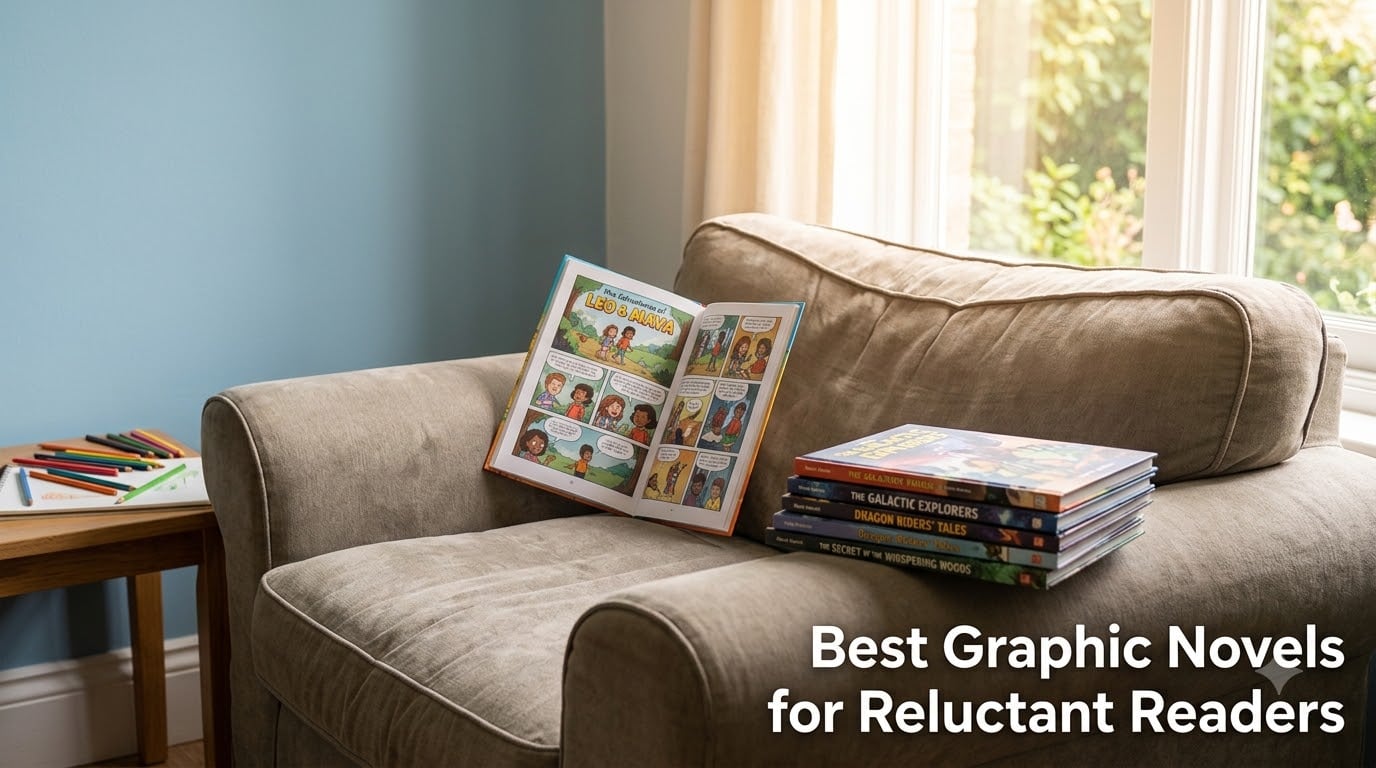
When my nephew refused to open anything longer than a comic strip, our family was at a loss. His teachers were frustrated, his reading scores were flat, and he was starting to think of himself as “bad at books.” Within three months of finding the right graphic novel, he had finished four 200-page books on his own and asked for a chapter book at the library. That experience shapes everything I recommend below.
The best graphic novels for reluctant readers are not a compromise or a lesser version of real reading. They are full stories told through words and pictures working together, and research consistently shows they improve vocabulary, comprehension, and reading stamina. In this guide, I have organized 12 standouts by age group so you can match a book to your reader, plus a buying guide and answers to the questions parents ask me most.
If you are building a home or classroom library around reading engagement, our guide to library summer reading programs pairs naturally with the picks below for keeping momentum going all year.
Table of Contents
Top 3 Picks for Reluctant Readers

Dog Man: A Graphic Novel
- From Captain Underpants creator Dav Pilkey
- Simple sentences and cliffhanger chapters
- 26k+ five-star reviews

Smile: A Graphic Novel
- Autobiographical middle school memoir
- Relatable for ages 8-11
- 21k+ five-star reviews

The Bad Guys (Book 1)
- Short chapters with silly humor
- Perfect ages 6-8
- Aaron Blabey series
Best Graphic Novels for Reluctant Readers in 2026
| Product | Specs | Action |
|---|---|---|
| Dog Man (Dog Man #1) |
|
Check Latest Price |
| Smile |
|
Check Latest Price |
 Guts Guts |
|
Check Latest Price |
 New Kid New Kid |
|
Check Latest Price |
 Hilo Book 1 Hilo Book 1 |
|
Check Latest Price |
| The Bad Guys #1 |
|
Check Latest Price |
 The Stonekeeper (Amulet #1) The Stonekeeper (Amulet #1) |
|
Check Latest Price |
 Out from Boneville (Bone #1) Out from Boneville (Bone #1) |
|
Check Latest Price |
 Narwhal: Unicorn of the Sea Narwhal: Unicorn of the Sea |
|
Check Latest Price |
 Sisters Sisters |
|
Check Latest Price |
 Ghosts Ghosts |
|
Check Latest Price |
 Minecraft Volume 1 Minecraft Volume 1 |
|
Check Latest Price |
Why Graphic Novels Work for Struggling Readers
Graphic novels give readers a scaffolding that traditional chapter books cannot. Illustrations carry half the meaning, so children who get tired or stuck on a paragraph can keep following the story through the art. This is one reason the format is so effective for kids with dyslexia, ADHD, or English language learning needs.
Studies have shown that graphic novel readers demonstrate equivalent or better comprehension compared to traditional text readers, and they often report higher enjoyment and motivation. The panel layout also teaches visual literacy, an increasingly important skill that translates to infographics, diagrams, and screen-based reading.
The other reason graphic novels work is momentum. Series like Dog Man, Amulet, and Hilo are designed to end on a cliffhanger that pulls a child into the next volume. Reluctant readers who finish one book feel like finishers, and that identity shift often carries them into chapter books within a school year.
1. Dog Man by Dav Pilkey: Silly Humor That Converts Hesitant Readers
Dog Man: A Graphic Novel (Dog Man #1): From the Creator of Captain Underpants (1)
Age 6+
Pilkey series
240 pages
Graphix
Pros
- Gets kids excited about reading
- Hilarious and creative storytelling
- Engaging illustrations hold attention
- Perfect for reluctant readers
- Builds reading confidence
Cons
- Humor leans very silly with intentional bad grammar
- Some parents want more polished material
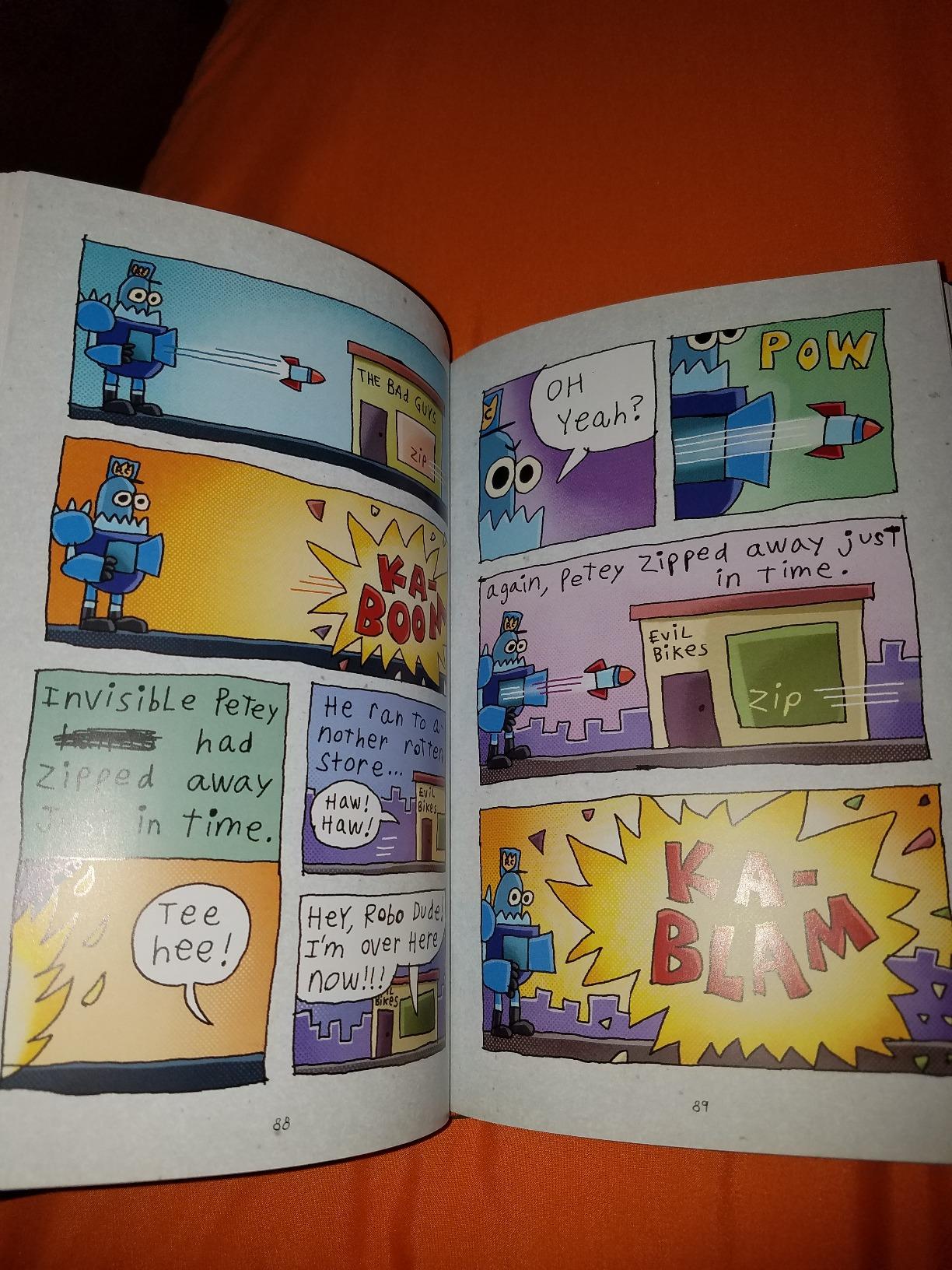
Dog Man is the single book I recommend first to any reluctant reader under 10. The chapters are short, the jokes are physical, and the cliffhangers at the end of each story practically force a child to keep going. I have watched kids who “hate reading” sit still for 45 minutes with this one.
Dav Pilkey wrote it for kids like the ones I work with. He was a struggling reader himself and built Dog Man around the exact kinds of humor and absurd situations that pulled him in as a kid. That authenticity shows on every page.
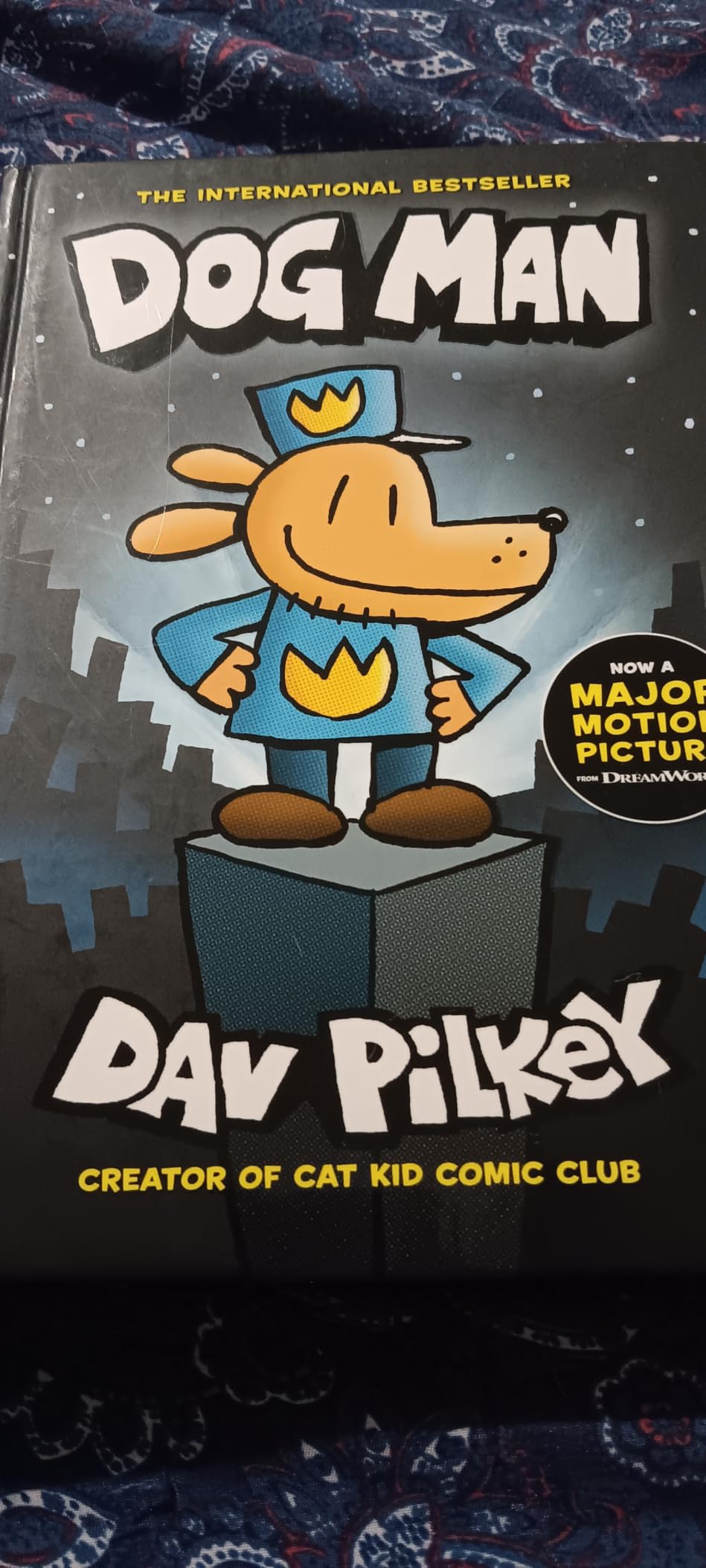
There are now 15 books in the main series plus spinoffs like Cat Kid Comic Club, so once a child finishes one, the next ones are waiting. For very hesitant readers, parents often read the first one together to model engagement, then hand off volume two.
Good fit for
Readers ages 6 to 10 who resist longer text, fans of Captain Underpants, and any child who loves silly animal characters with superhero energy.
Watch out for
Kids who dislike bathroom humor may bounce off Pilkey’s style, and the deliberately wrong spelling and grammar is intentional but occasionally distracting for adults reading aloud.
2. Smile by Raina Telgemeier: A Coming-of-Age Anchor for Ages 8-11
Pros
- Relatable middle school story
- Engaging graphic novel format
- Funny and emotional
- Great for struggling readers
- Encourages more reading
Cons
- Primarily targets girls per some reviewers
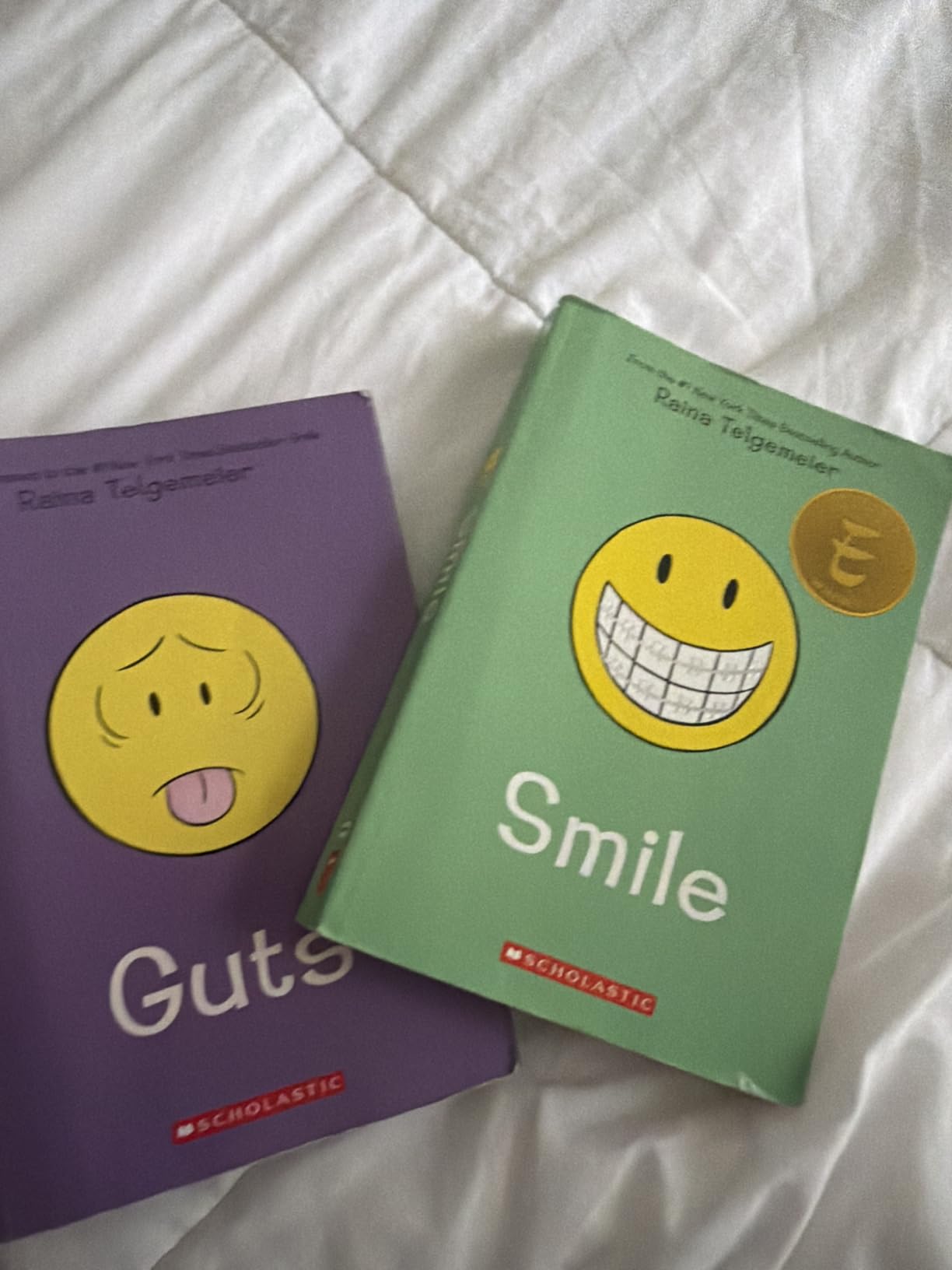
Smile is the book I hand to a 10-year-old who has just announced that reading is boring. Raina Telgemeier tells the true story of her middle school years and braces with a warmth and specificity that makes kids feel seen. It reads like a friend telling you a story.
The format is approachable: each page has clear panels, manageable text chunks, and frequent visual humor. Children who finish Smile often move on to Telgemeier’s other books (Guts, Sisters, Ghosts) and then on to other realistic middle grade fiction like Judy Blume.
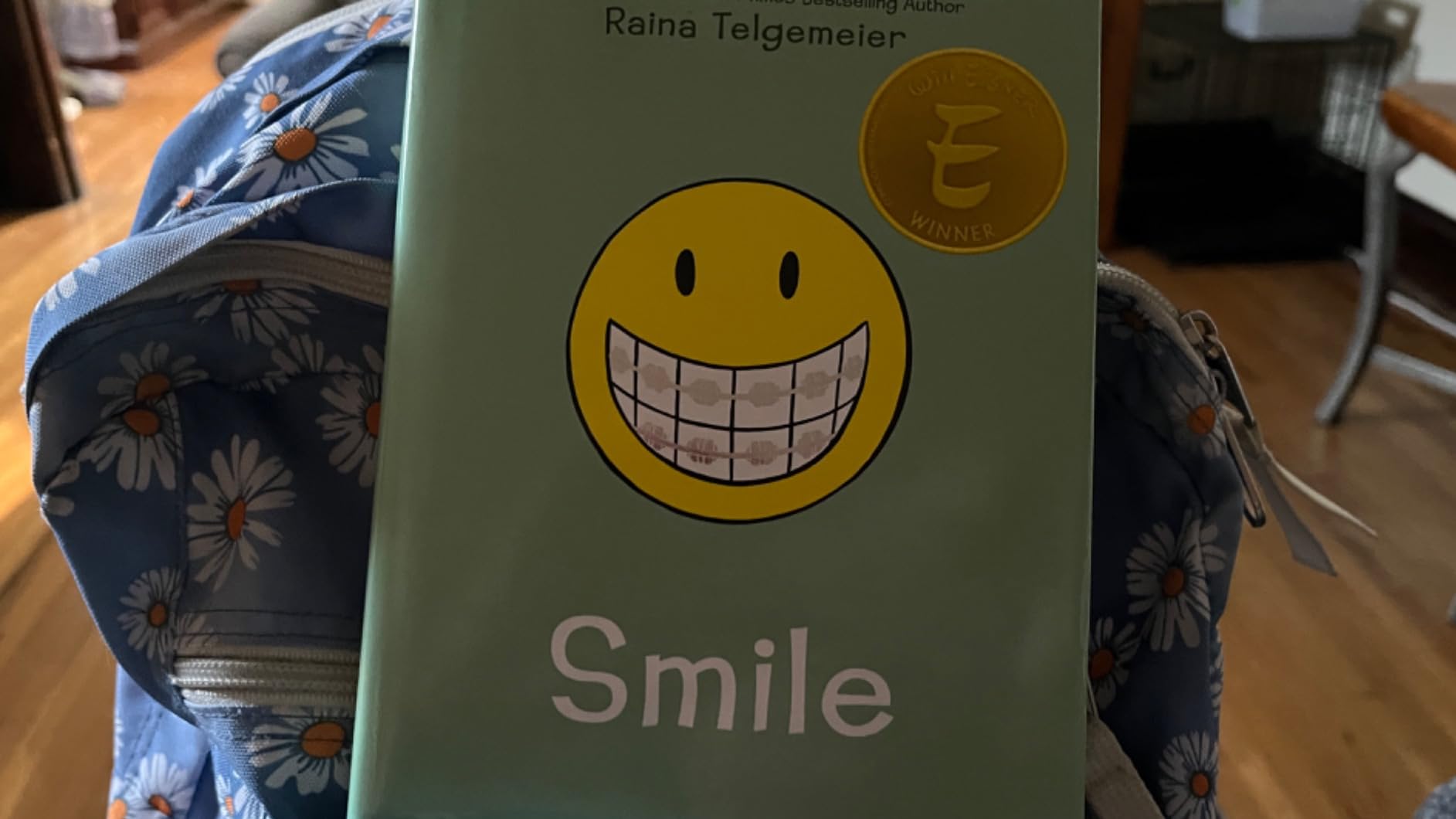
Across 21,000+ reviews, parents consistently report that this was the book that “hooked” their reluctant reader. It is also one of the most commonly recommended titles by school librarians, which is a meaningful trust signal.
Good fit for
Readers ages 8 to 11, especially kids going through friendship drama, braces, or general middle school anxiety. Also a strong choice for visual learners who like memoir-style stories.
Watch out for
Some boys resist this one based purely on the cover, so pair it with Guts or Hilo in those cases. The dental procedure scenes are vivid and may bother sensitive readers.
3. Guts by Raina Telgemeier: A Gentle Way Into Mental Health Conversations
Pros
- Tackles anxiety with compassion
- Relatable for stressed kids
- Teaches empathy
- Normalizes mental health conversations
- Great for classrooms
Cons
- Some readers wanted more length
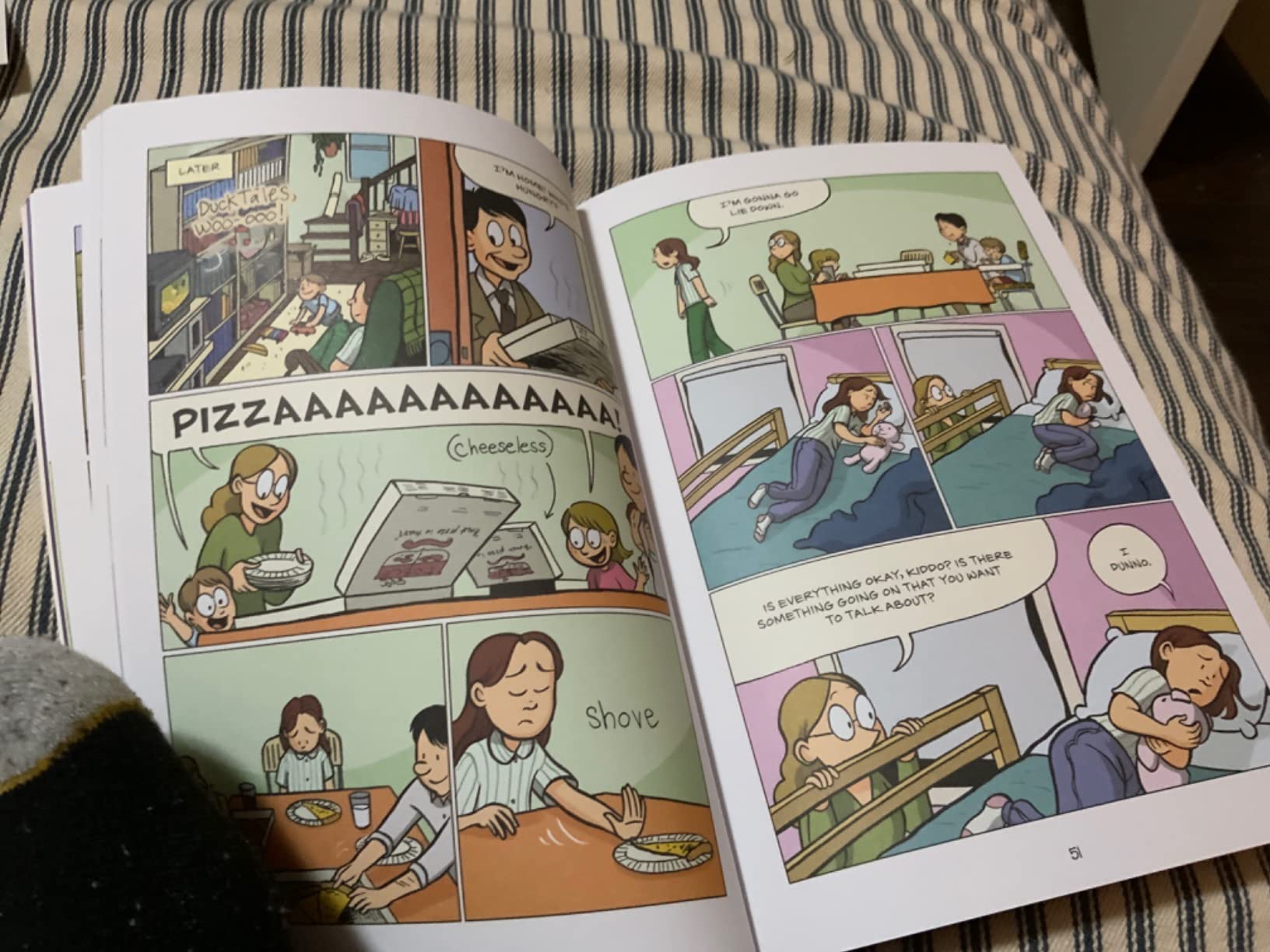
Guts is the book I recommend when a parent tells me their child is anxious or stressed and reading has fallen off. Telgemeier uses her own experience with stomach troubles and anxiety to open a door for kids who do not yet have words for what they are feeling.
The story is approachable, the art is colorful, and the resolution feels earned without being preachy. Kids who like Smile will gravitate here automatically, but it works as a standalone too.
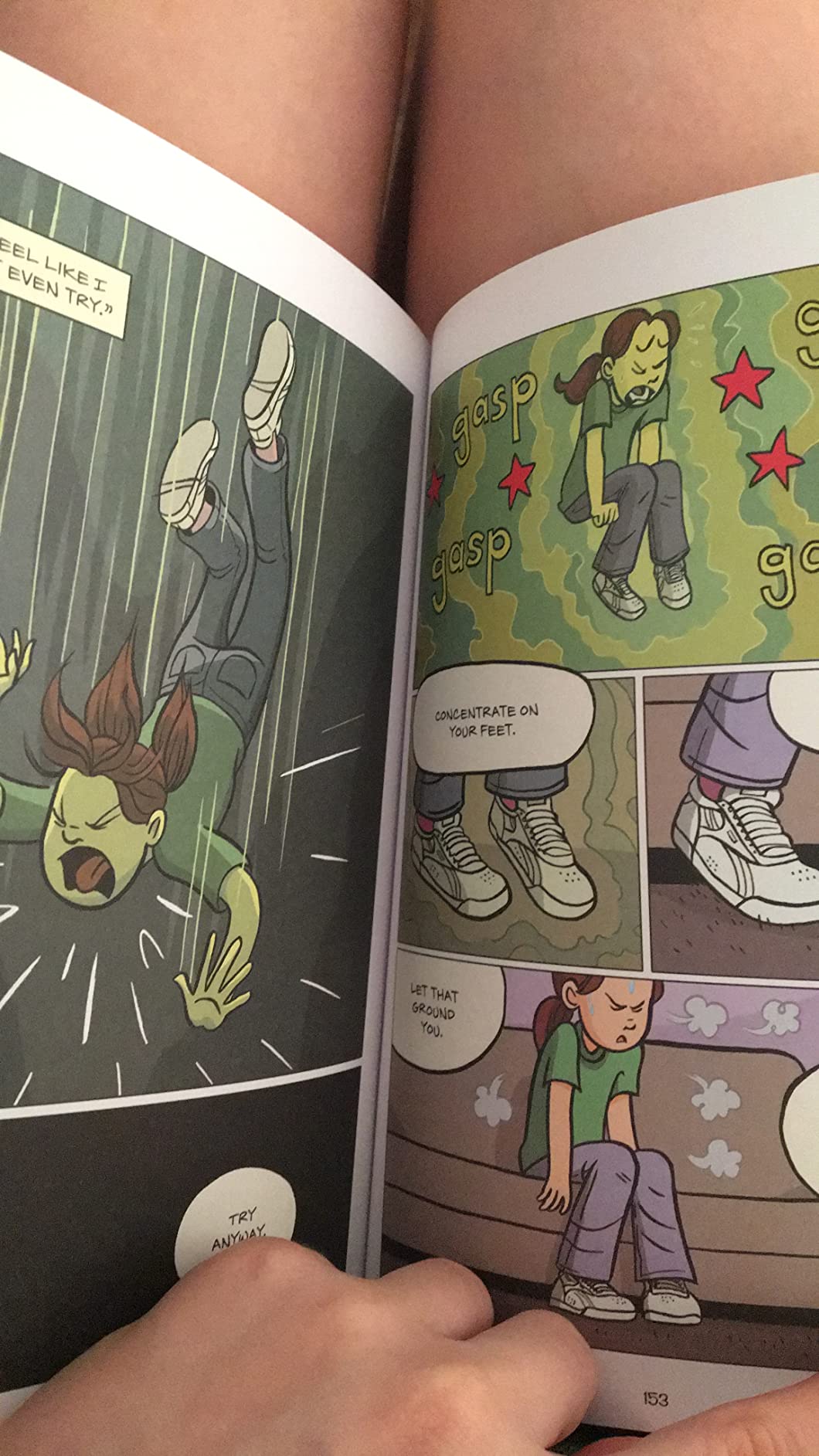
More than 20,000 reviews and a 4.8 average speak to how widely this lands. Teachers use it as a class read-aloud to start conversations about feelings, which makes it a strong pick for classroom libraries as well.
Good fit for
Readers ages 9 to 12 dealing with worry or anxiety, classrooms doing social-emotional learning units, and any kid who loved Smile.
Watch out for
Younger sensitive readers may find the anxiety scenes uncomfortable, and the book is shorter than Smile so some readers finish it in one sitting.
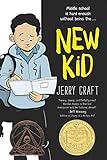
4. New Kid by Jerry Craft: A Newbery Honor Pick for Ages 9-12
New Kid: A Story About Fitting In, School Diversity, and Friendship
Age 9-12
Newbery Honor
256 pages
Quill Tree
Pros
- Acclaimed Newbery Medal winner
- Tackles identity and belonging
- Engaging art and protagonist
- Great conversation starter
- Perfect for ages 8-14
Cons
- Some readers sensitive to social pressure themes
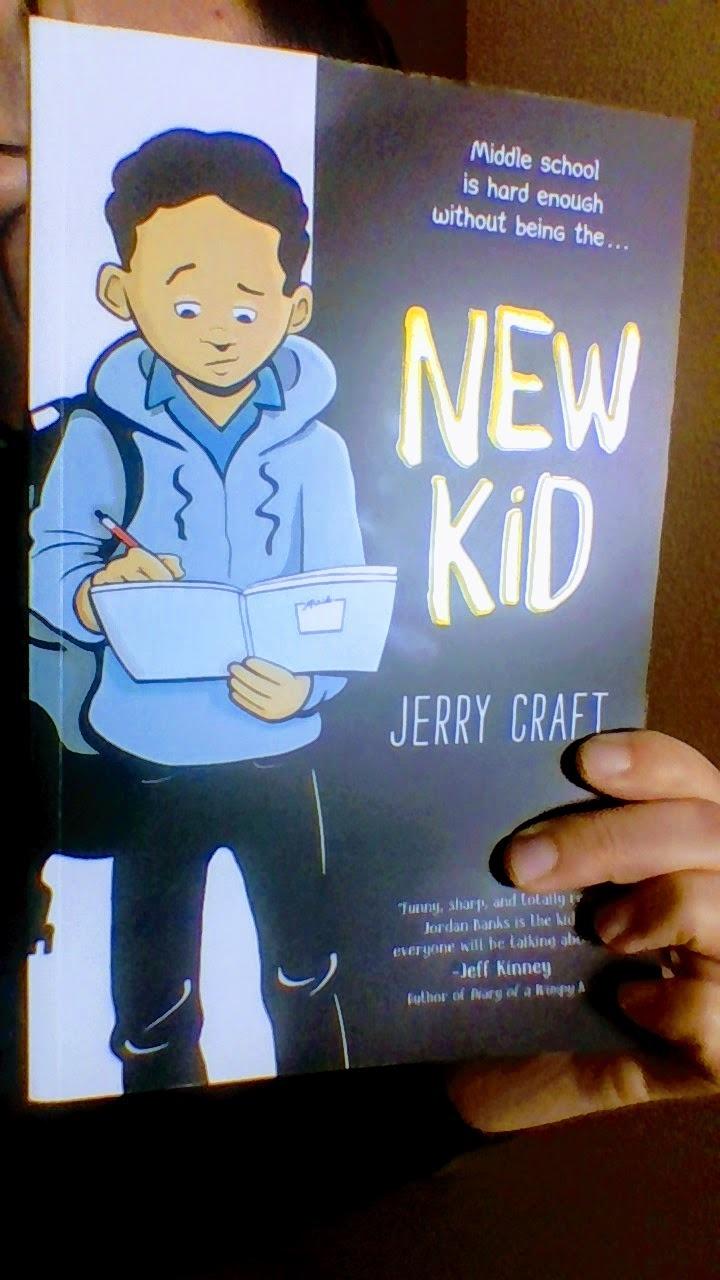
New Kid is my pick when parents want something a little more literary and their reader can handle middle grade themes. Jerry Craft’s story about Jordan Banks, who loves drawing but is starting at a fancy private school far from home, won a Newbery Honor and a wave of follow-up series.
The art is full color and cinematic, the dialogue is snappy, and the social dynamics feel honest without being heavy. It is the rare graphic novel that satisfies both a reluctant reader and a parent who wants award-winning substance.
More than 10,000 reviews confirm what educators have said: this book opens conversations about race, class, and friendship that families and classrooms sometimes struggle to start on their own. Pair it with Class Act for a full series arc.
Good fit for
Readers ages 9 to 12, advanced 8-year-olds, classrooms discussing identity and belonging, and adults who want to read alongside their kids.
Watch out for
The themes around social pressure and race can spark big family conversations, which is a feature for some and overwhelming for others. Sensitive readers may want adult support.
5. Hilo Book 1 by Judd Winick: Action-Packed Sci-Fi for Action-Loving Readers
Hilo Book 1: The Boy Who Crashed to Earth: (A Graphic Novel)
Age 8-12
Sci-fi adventure
208 pages
Random House
Pros
- Action-packed adventure
- Diverse characters
- Humor and heart combined
- Engages comic book fans
- Fast-paced story
Cons
- Some prefer Ben Hatke's style
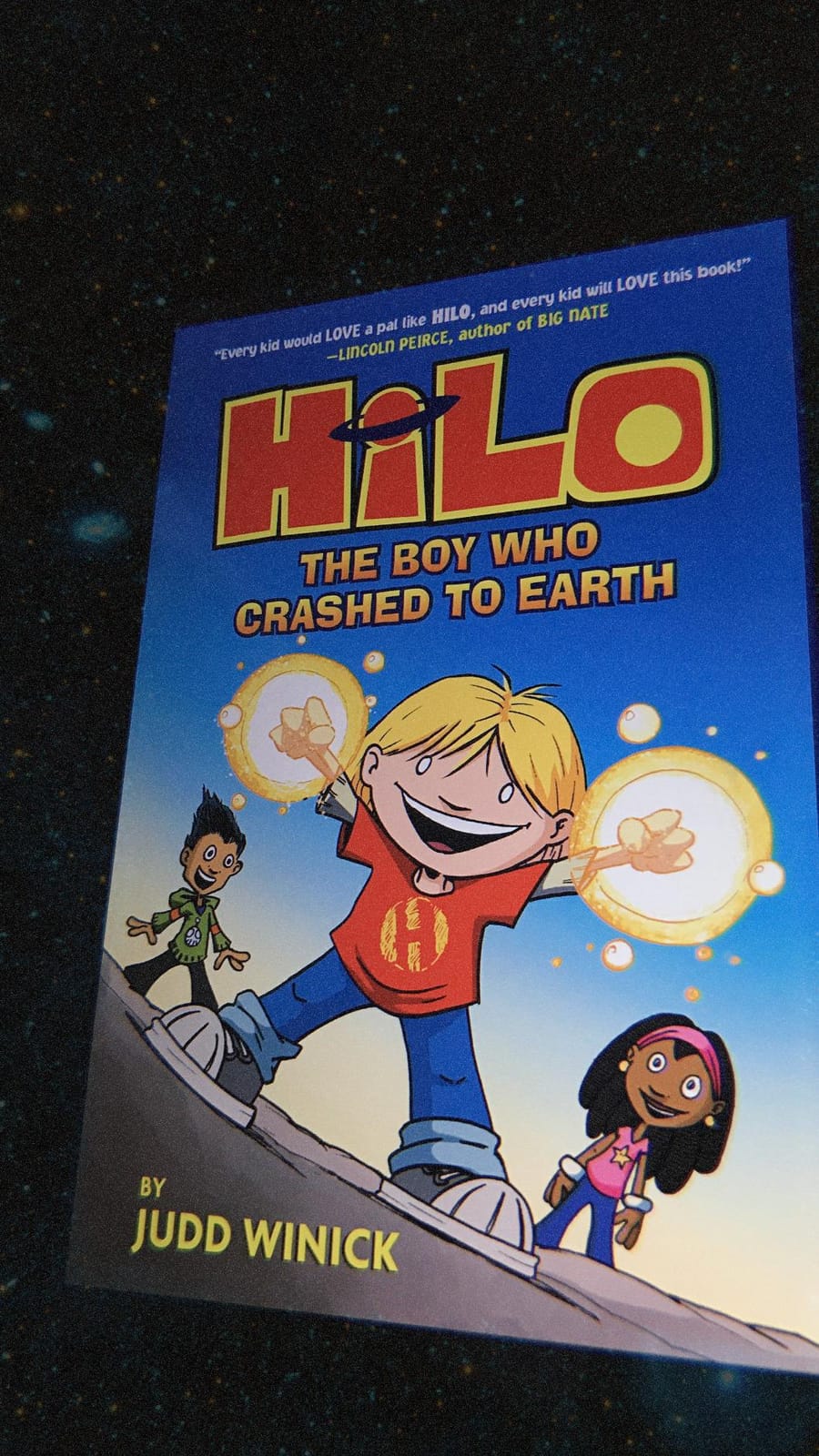
Hilo is the book I recommend for the kid who says, “I only like action stuff.” Judd Winick (a former DC Comics writer) brings that comic-book energy to a middle grade format, and the series has 12 books total, which gives reluctant readers a long runway.
The premise is simple: a mysterious boy crashes to earth, and two friends have to figure out what he is and why bad guys are after him. Each chapter ends on a beat that pulls kids into the next one.
Judd Winick has talked publicly about being a reluctant reader as a child, and that perspective shapes the Hilo series. The full-color art and the snappy pacing were designed to do for other kids what comics did for him.
Good fit for
Readers ages 8 to 12, fans of adventure or science fiction, kids who like movies and video games more than books, and classrooms building a high-interest library.
Watch out for
The story builds on earlier books in the series, so newcomers should start at Book 1. Some readers who prefer gentler stories may find the action overwhelming.
6. The Bad Guys by Aaron Blabey: A Gateway Book for the Youngest Reluctant Readers
Pros
- Funny and engaging for kids
- Great for reluctant readers
- Comic style keeps interest
- Short easy chapters
- Kids love characters
Cons
- Humor may feel juvenile to older readers
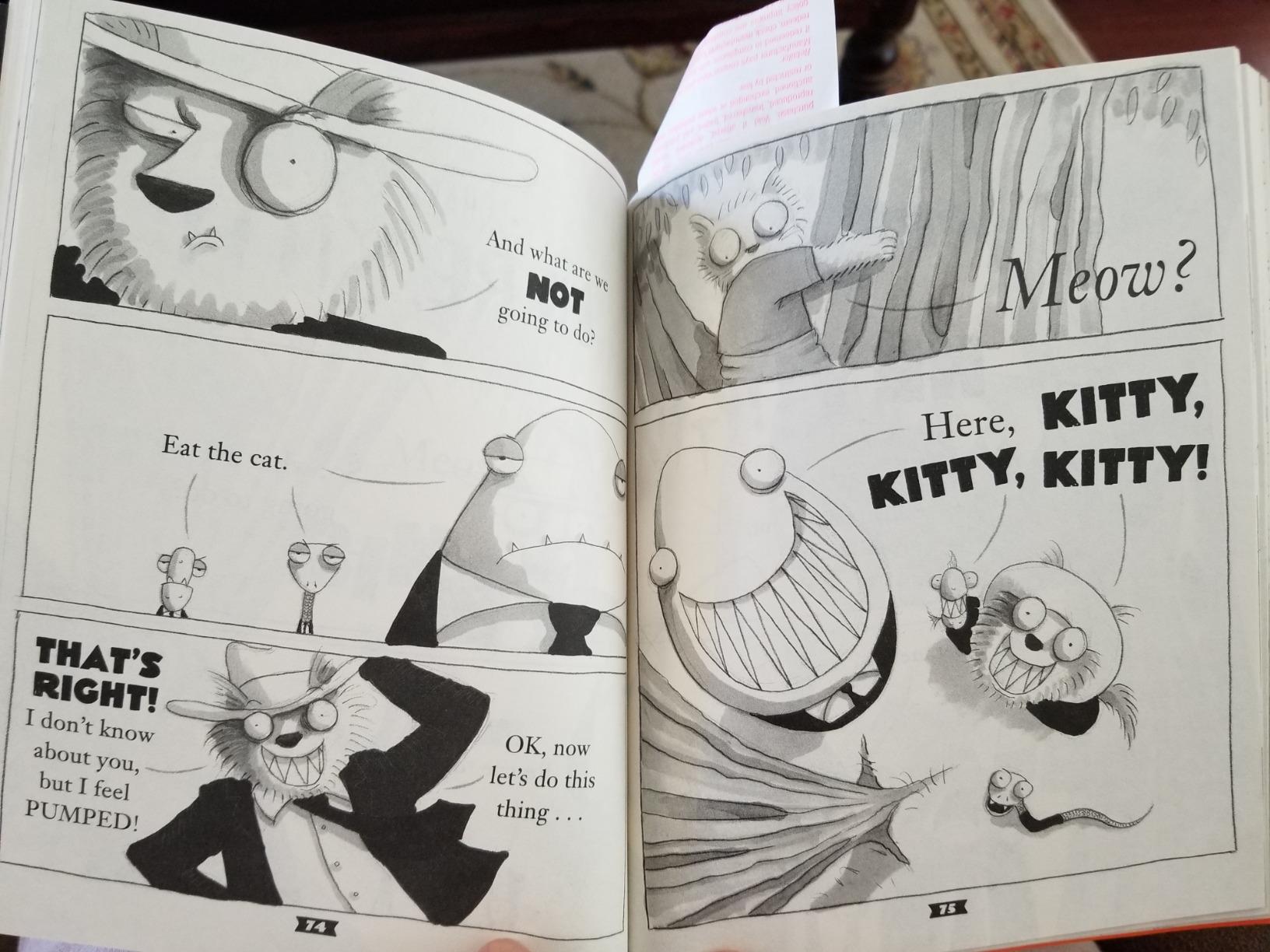
The Bad Guys is my top pick for ages 6 to 8 and for any early reader who has decided books are not for them. Aaron Blabey uses large illustrations, short chapters, and a simple heist premise that keeps pages turning.
The story follows a wolf, a snake, a piranha, a tarantula, and a shark who decide to be heroes. The absurdity lands with this age group, and there are now more than 20 spinoff books, so the series has plenty of runway once a child hooks in.
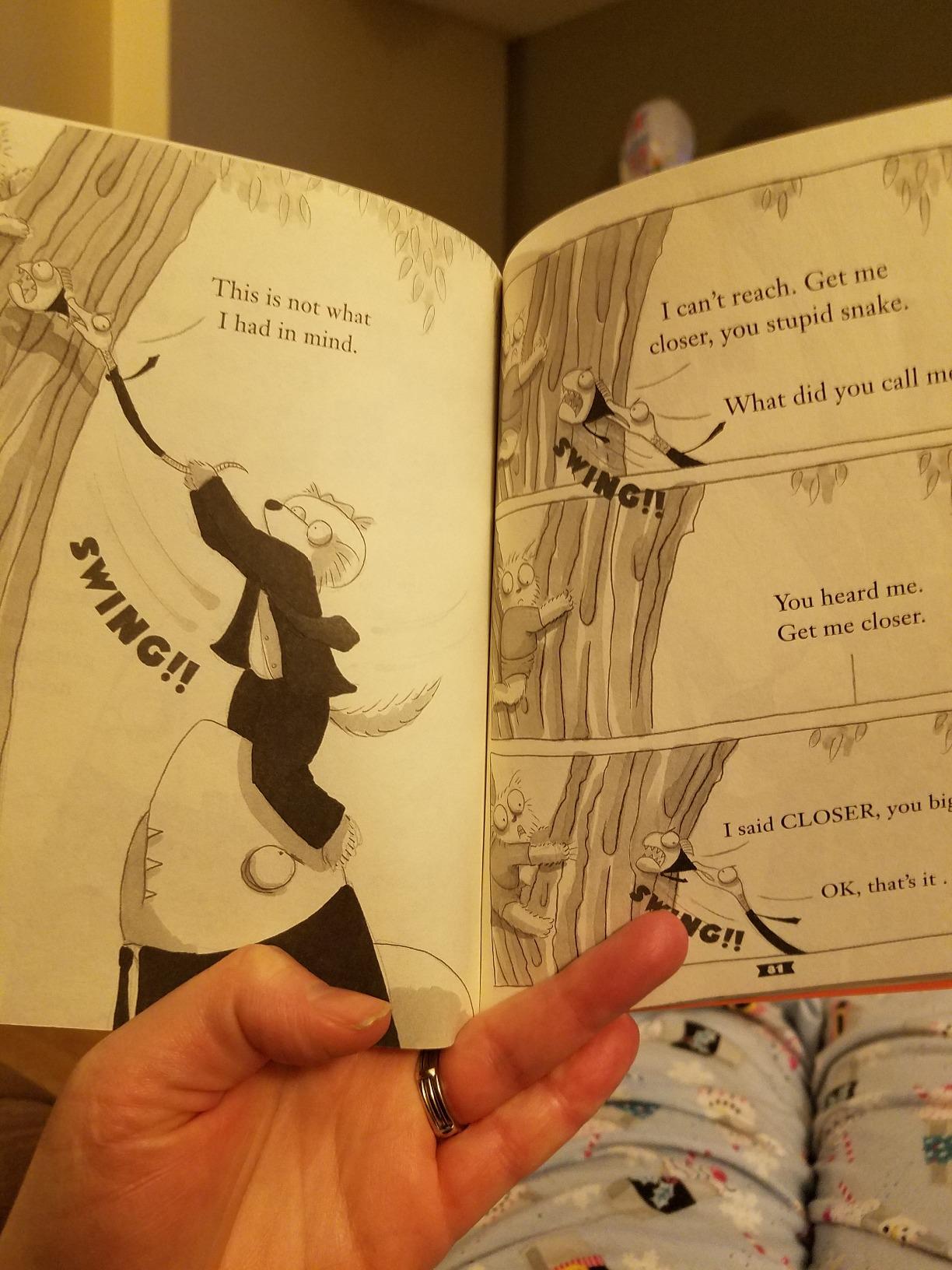
Across thousands of reviews, parents report that The Bad Guys is the book that flipped their child from “I don’t read” to “can I have the next one?” That is the metric I care about most for reluctant readers.
Good fit for
Readers ages 6 to 8, emerging readers, kids who like Diary of a Wimpy Kid or Captain Underpants, and any child who has explicitly rejected “chapter books.”
Watch out for
Older reluctant readers may find this one too young. The humor leans very silly and is aimed at the early elementary crowd.
7. The Stonekeeper (Amulet #1) by Kazu Kibuishi: Fantasy Epic for Middle Grade Fans
The Stonekeeper: A Graphic Novel (Amulet #1) (1)
Age 8-11
Fantasy
192 pages
Graphix
Pros
- Stunning artwork
- Captivating story
- Great for reluctant readers
- Engaging fantasy adventure
- Beautiful color palette
Cons
- Story builds slowly in Book 1
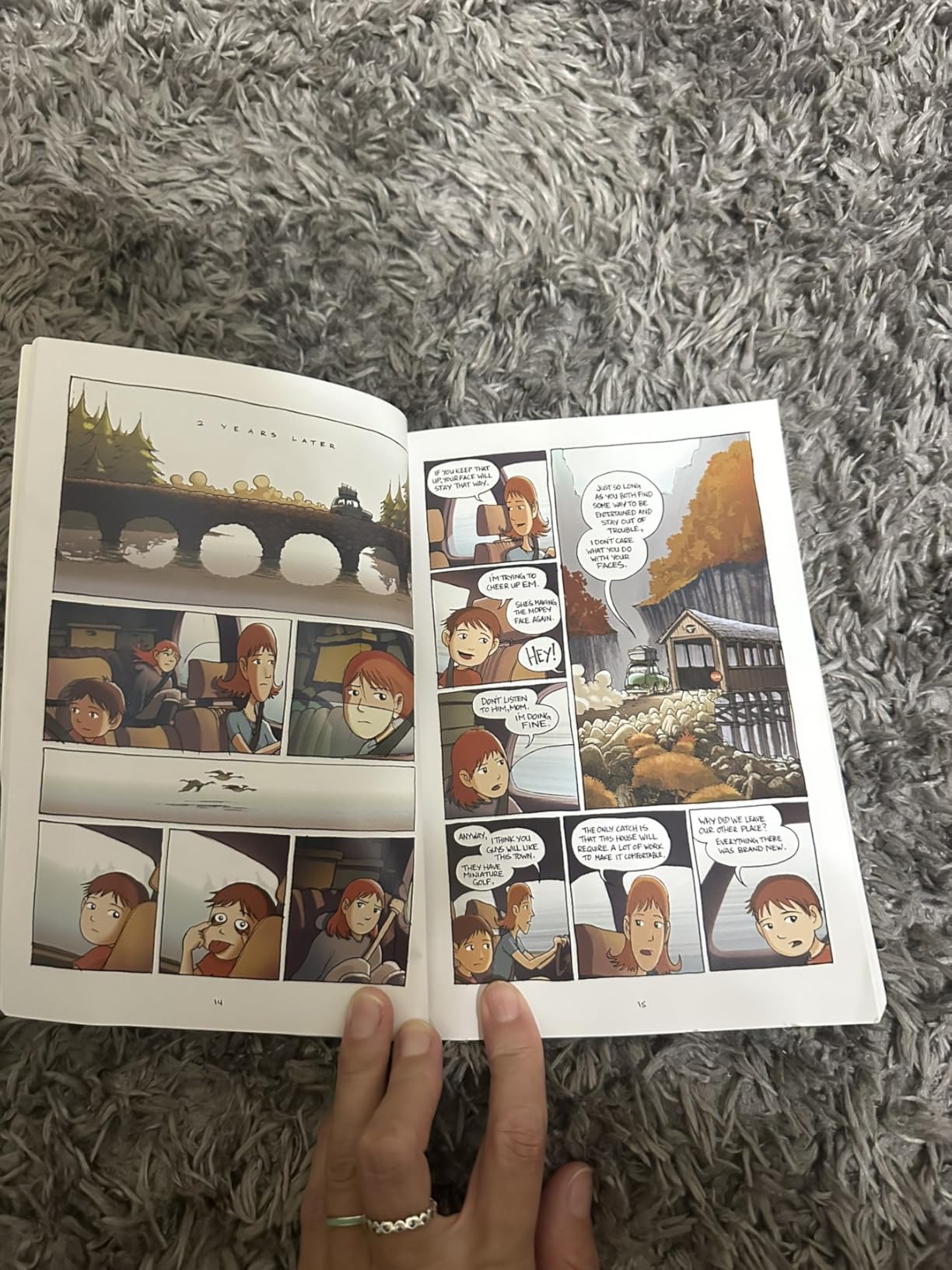
The Amulet series is what I reach for when a child loves fantasy and video games. Kazu Kibuishi’s cinematic art and high-stakes story pull readers into a 10-book saga about siblings trying to save their mom from a magical underworld.
The first book sets up a lot, which can test patience, but the cliffhanger ending guarantees a child will grab Book 2. Once they hit Book 2, they tend to fly through the whole series.
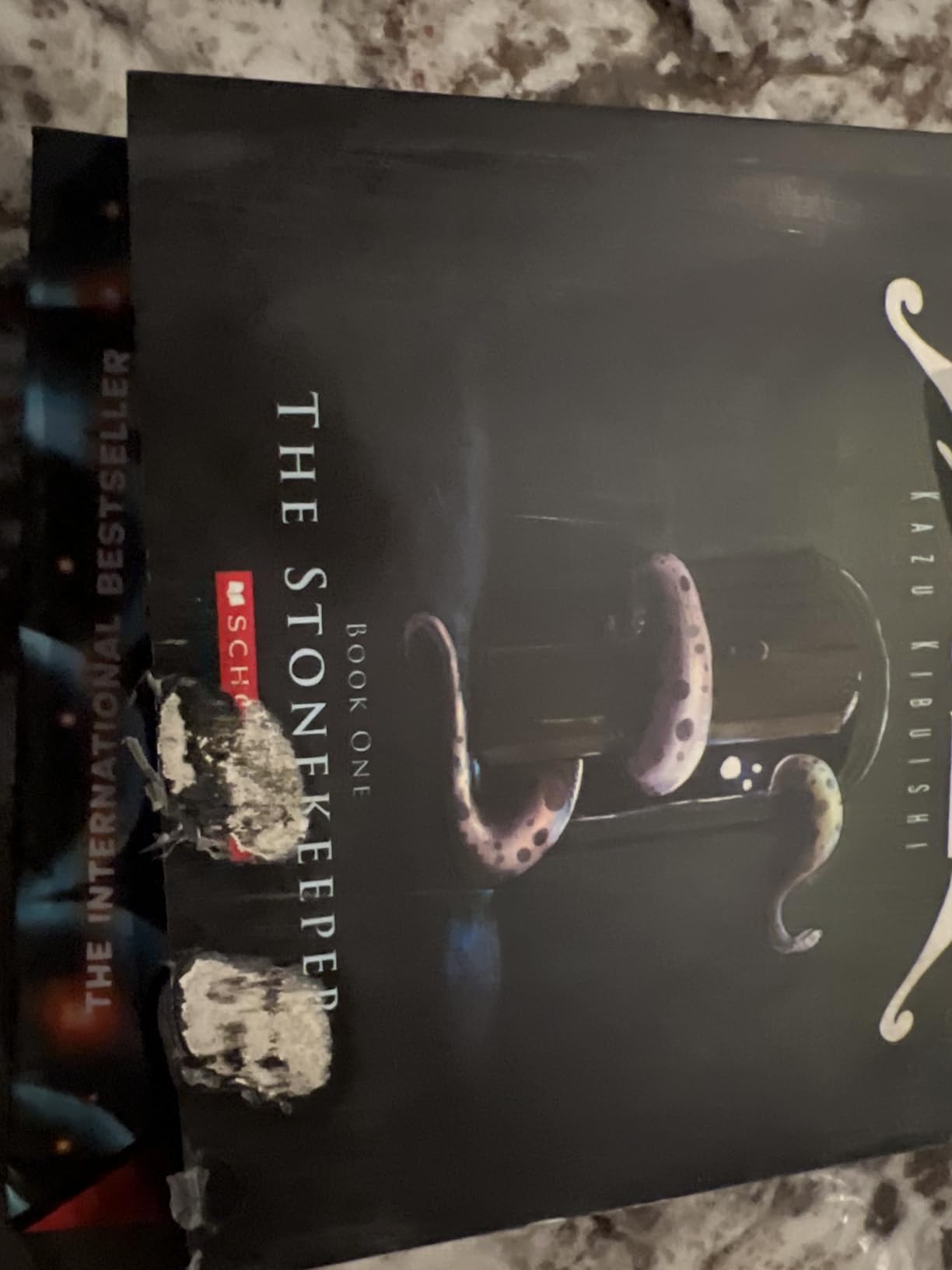
The art quality is genuinely stunning, with full-color spreads that feel like storyboards for a movie. For visual learners, this is one of the most beautiful graphic novel series in the middle grade space.
Good fit for
Readers ages 8 to 11 who love fantasy, video games, or epic adventure. Strong choice for visual learners who appreciate detailed artwork.
Watch out for
Book 1 is slow by design. Readers who do not enjoy slow-build setups may need encouragement to push through the first volume.
8. Out from Boneville (Bone #1) by Jeff Smith: A Classic Bridge to Chapter Books
Out from Boneville: A Graphic Novel (BONE #1)
Age 8+
Classic adventure
144 pages
Scholastic
Pros
- Classic adventure with humor
- Beautiful color artwork
- Engaging for all ages
- Great for reluctant readers
- Addictive series
Cons
- Older art style takes getting used to
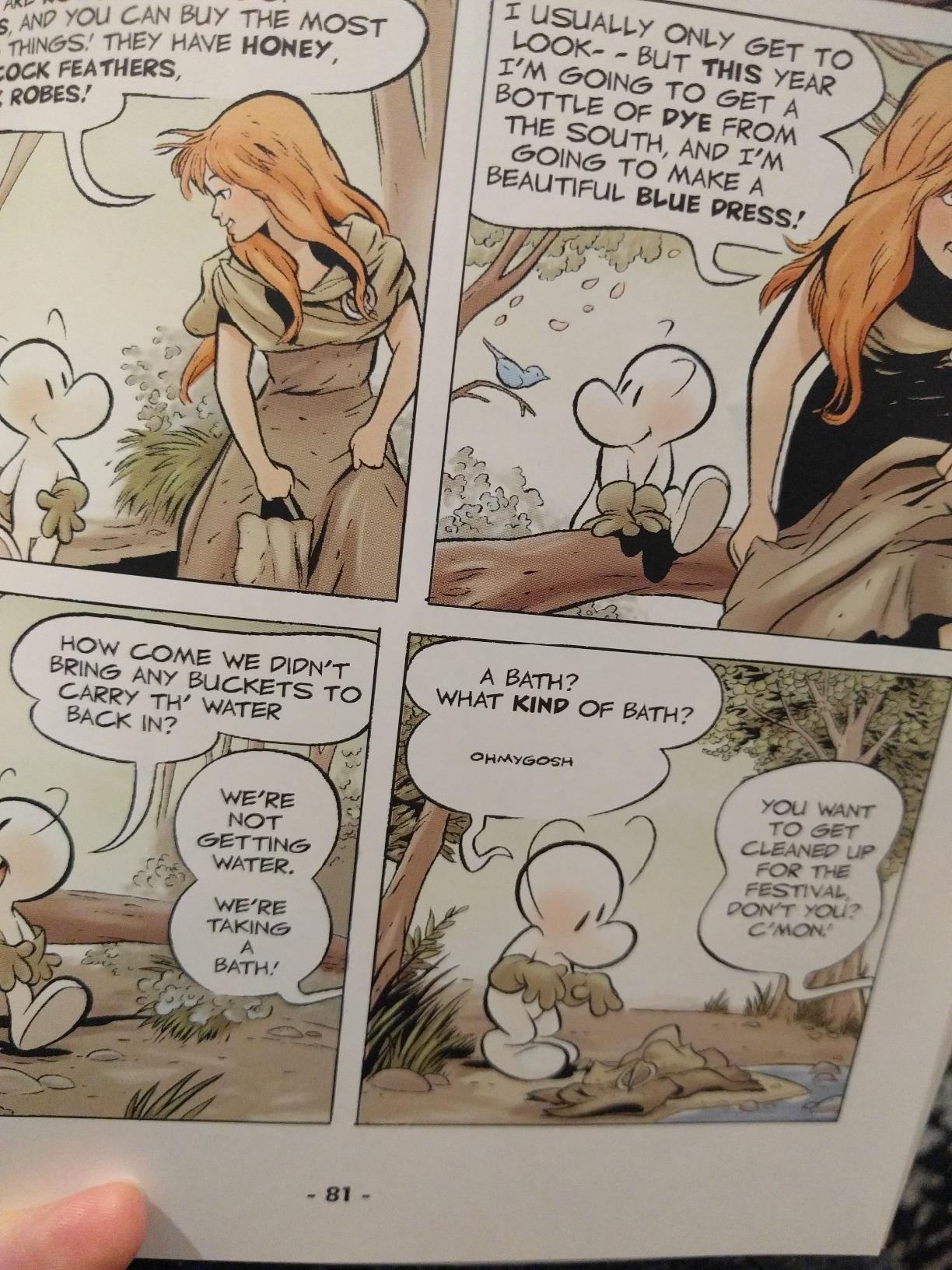
Bone is the book I recommend for older reluctant readers, ages 9 to 14, who need something with the heft of a chapter book but the accessibility of a comic. Jeff Smith’s saga has been a teacher favorite for two decades.
The story follows three cartoon-style cousins who get lost in a mysterious valley full of strange creatures, talking bugs, and a looming threat. It blends cartoon comedy with epic fantasy in a way that appeals to older kids and even adults.
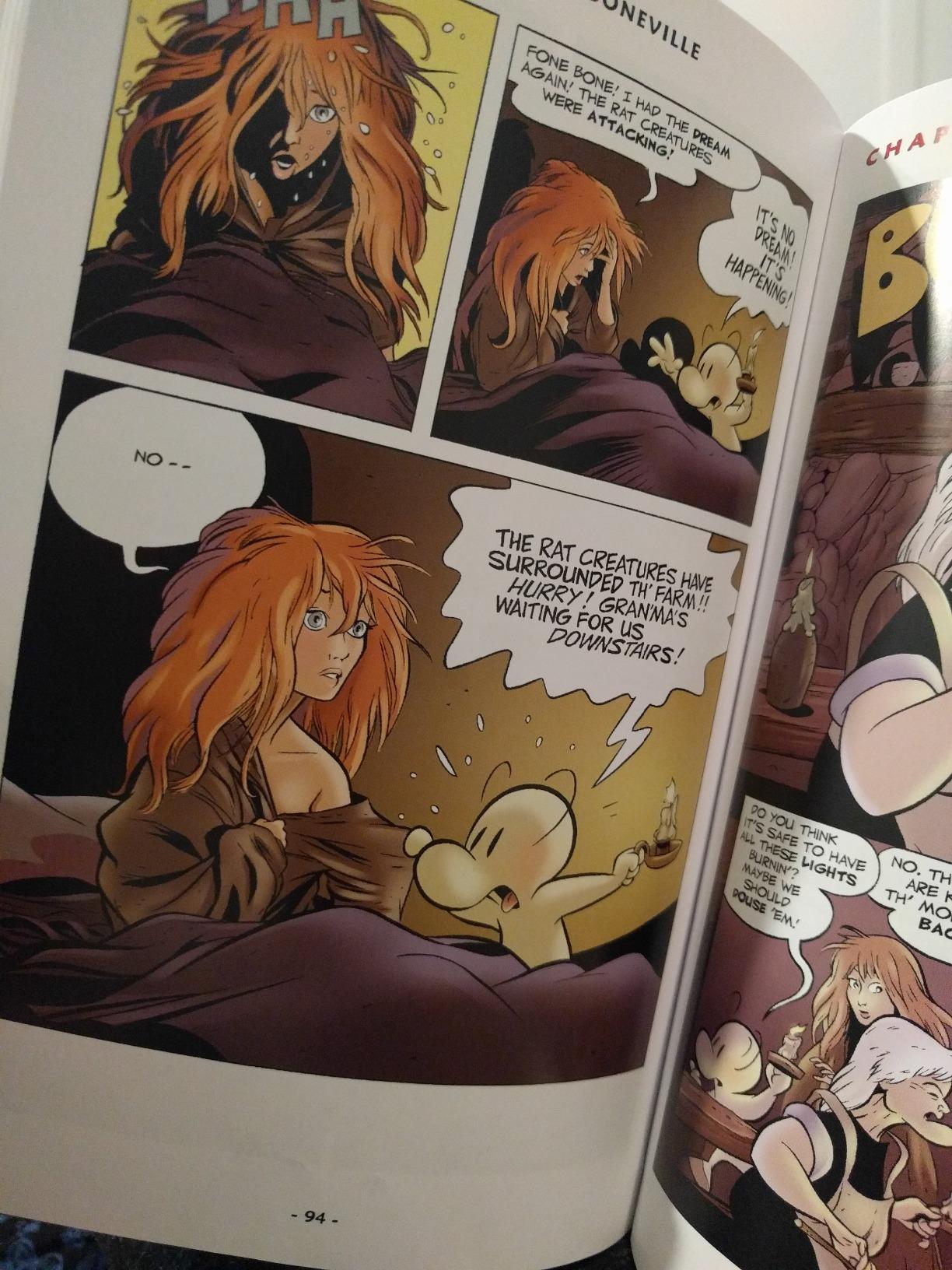
Bone is a common recommendation from librarians for transitioning graphic novel fans into longer prose. The humor is broad enough for younger readers, but the plot rewards older attention spans.
Good fit for
Readers ages 9 to 14, kids who finished Hilo or Amulet and want another long series, and adults who want to read alongside their kids.
Watch out for
The original 1990s art style takes some getting used to compared to newer graphic novels. The story is also denser than most of the picks on this list.
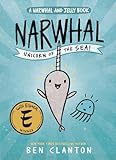
9. Narwhal: Unicorn of the Sea by Ben Clanton: A Perfect First Graphic Novel
Narwhal: Unicorn of the Sea! (A Narwhal and Jelly Book #1)
Age 5-8
Early reader
64 pages
Tundra
Pros
- Charming friendship story
- Perfect for early readers
- Cute illustrations
- Educational ocean facts
- Short and easy
Cons
- Too easy for advanced readers
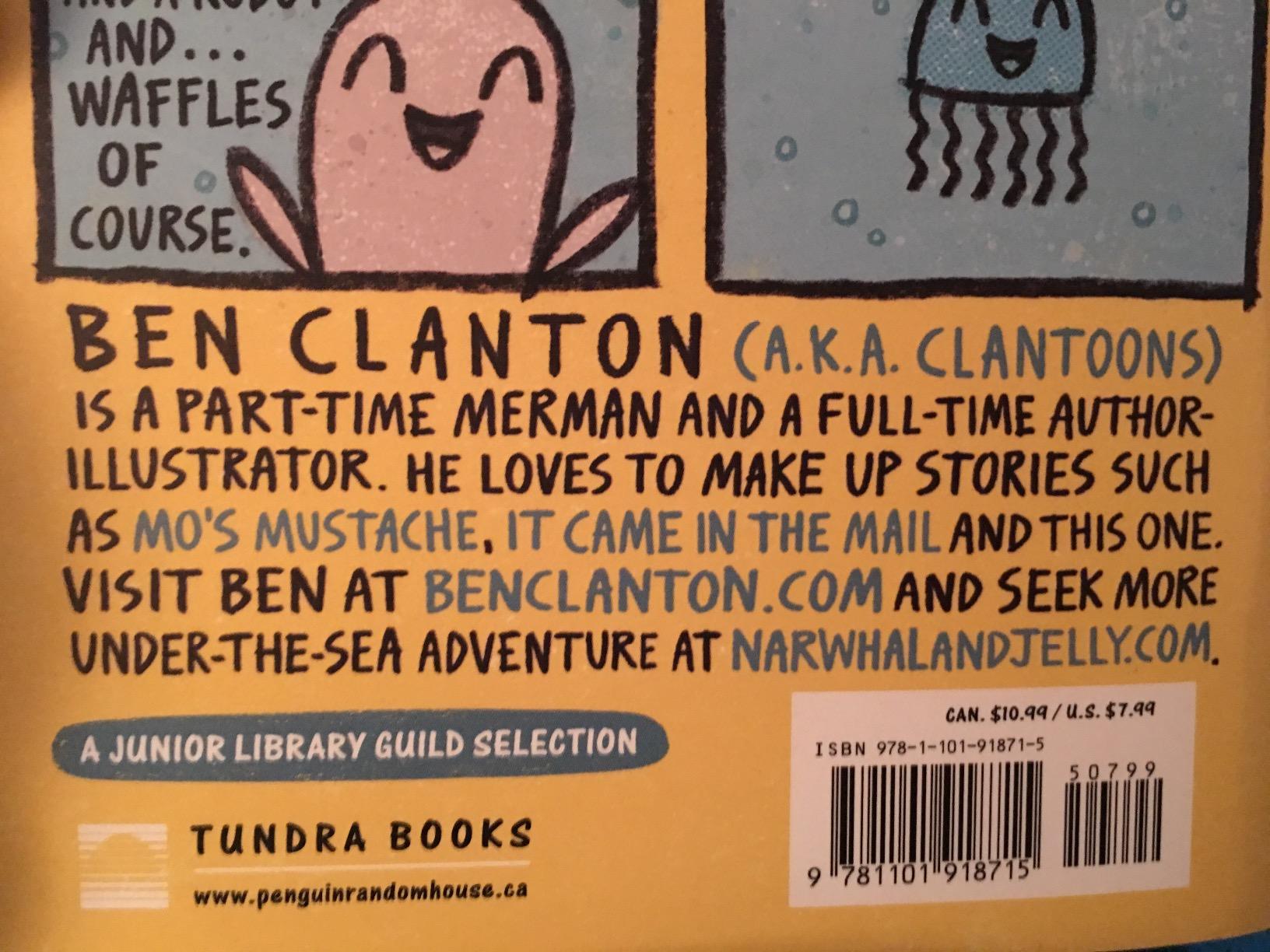
Narwhal and Jelly is my top pick for any child just starting to read independently. At 64 pages with simple dialogue and adorable undersea characters, it is the most accessible graphic novel on this list.
Ben Clanton weaves in real ocean facts between jokes, so kids absorb science vocabulary while laughing at Narwhal’s obsession with waffles. There are now more than 10 books in the series, which keeps early readers rolling.
The 90 percent five-star rating is the highest on this list. Parents and teachers consistently call it the book that made a child feel like a “real reader” for the first time.
Good fit for
Emerging readers ages 5 to 8, kids just transitioning from picture books to chapter books, and any child who loves ocean animals or animal friendships.
Watch out for
Advanced second graders will burn through this one quickly and need a next step like Bad Guys or Dog Man lined up.
10. Sisters by Raina Telgemeier: A Family Road-Trip Story With Heart
Pros
- Funny relatable family story
- Emotional and heartwarming
- Strong character development
- Engaging flashbacks
- Perfect for graphic novel fans
Cons
- Sequel feel to Telgemeier's catalog
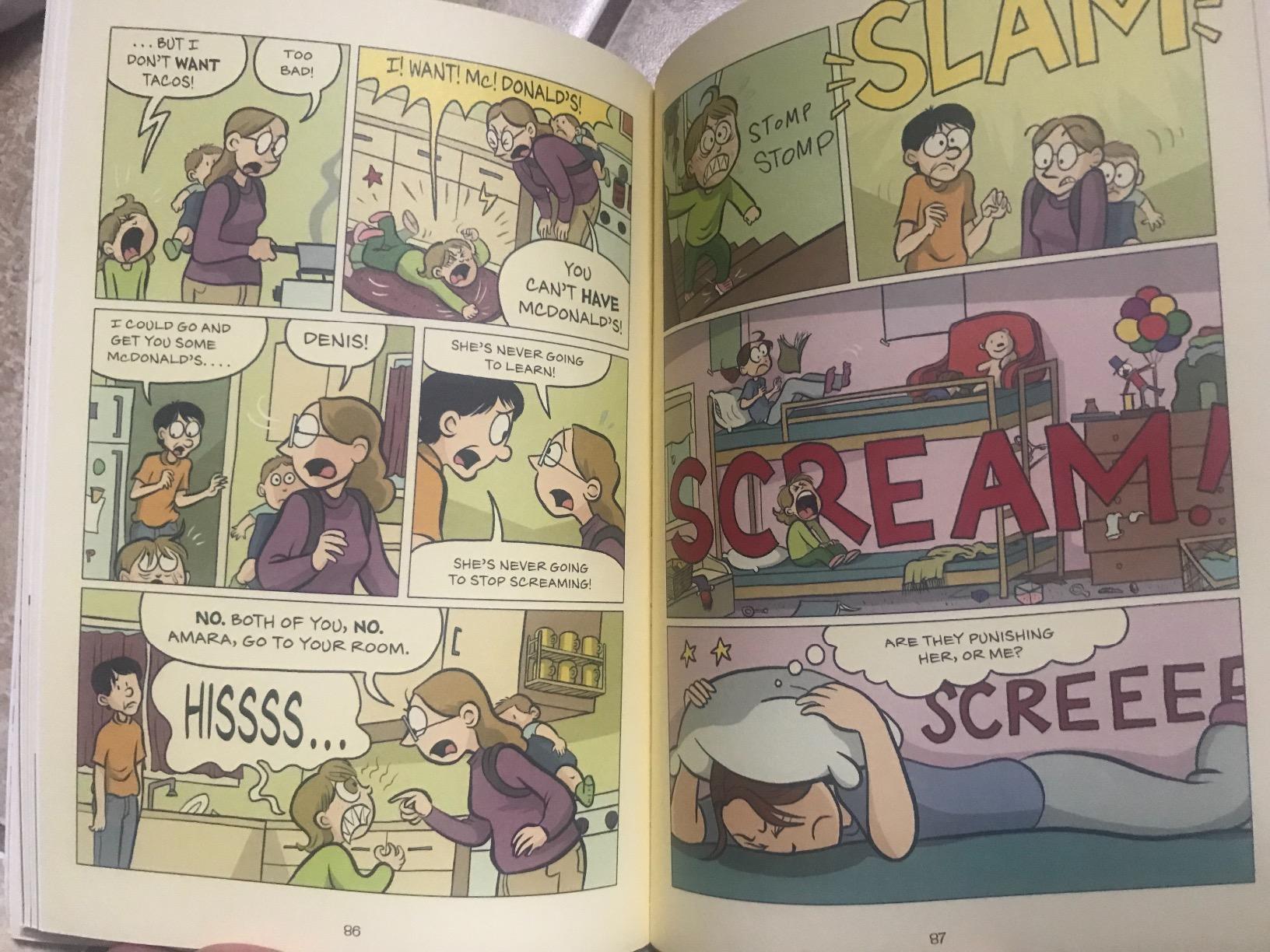
Sisters is the Telgemeier book I recommend when a child has already read Smile and wants more. The road-trip format keeps the story moving, and the sibling dynamics land with any kid who has fought with a brother or sister in the back seat.
Raina Telgemeier uses flashback panels to layer in family history, which actually helps reluctant readers practice tracking a more complex narrative without realizing they are working on a literary skill.
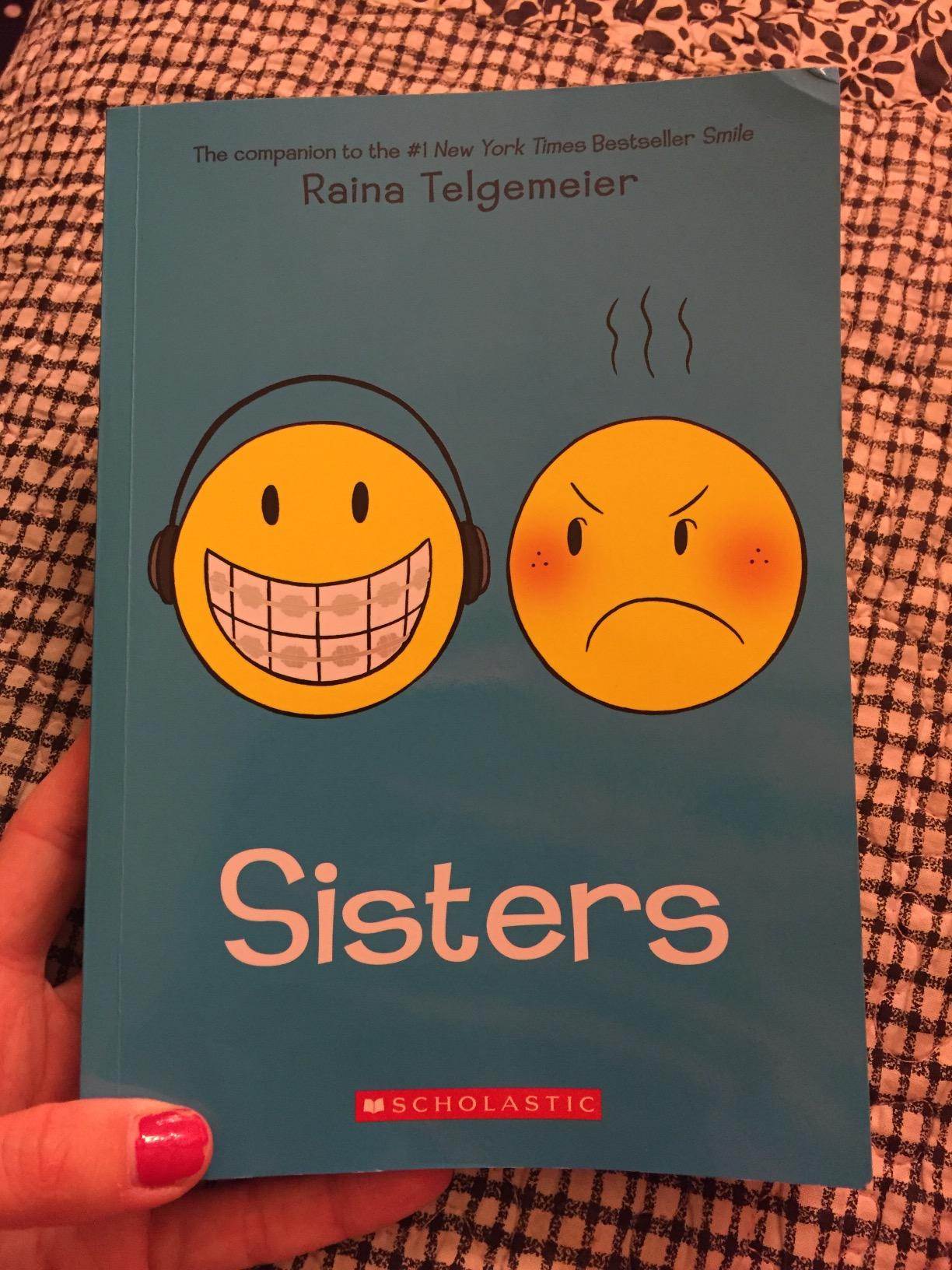
With more than 21,000 reviews and a 4.6 average, Sisters is one of the most consistently recommended middle grade graphic novels across school librarian lists. It works well as a read-alike for Smile or as a standalone.
Good fit for
Readers ages 8 to 11, kids with siblings, and any child who likes family stories with humor and emotion.
Watch out for
Readers who have not read Smile may want that context first, since the characters overlap. Some reviewers note the flashbacks can be confusing on first read.
11. Ghosts by Raina Telgemeier: A Supernatural Story About Family and Culture
Pros
- Vibrant expressive artwork
- Thoughtful heartfelt narrative
- Family and culture themes
- Appeals to all ages
- Great for reluctant readers
Cons
- Some dramatic moments may be intense
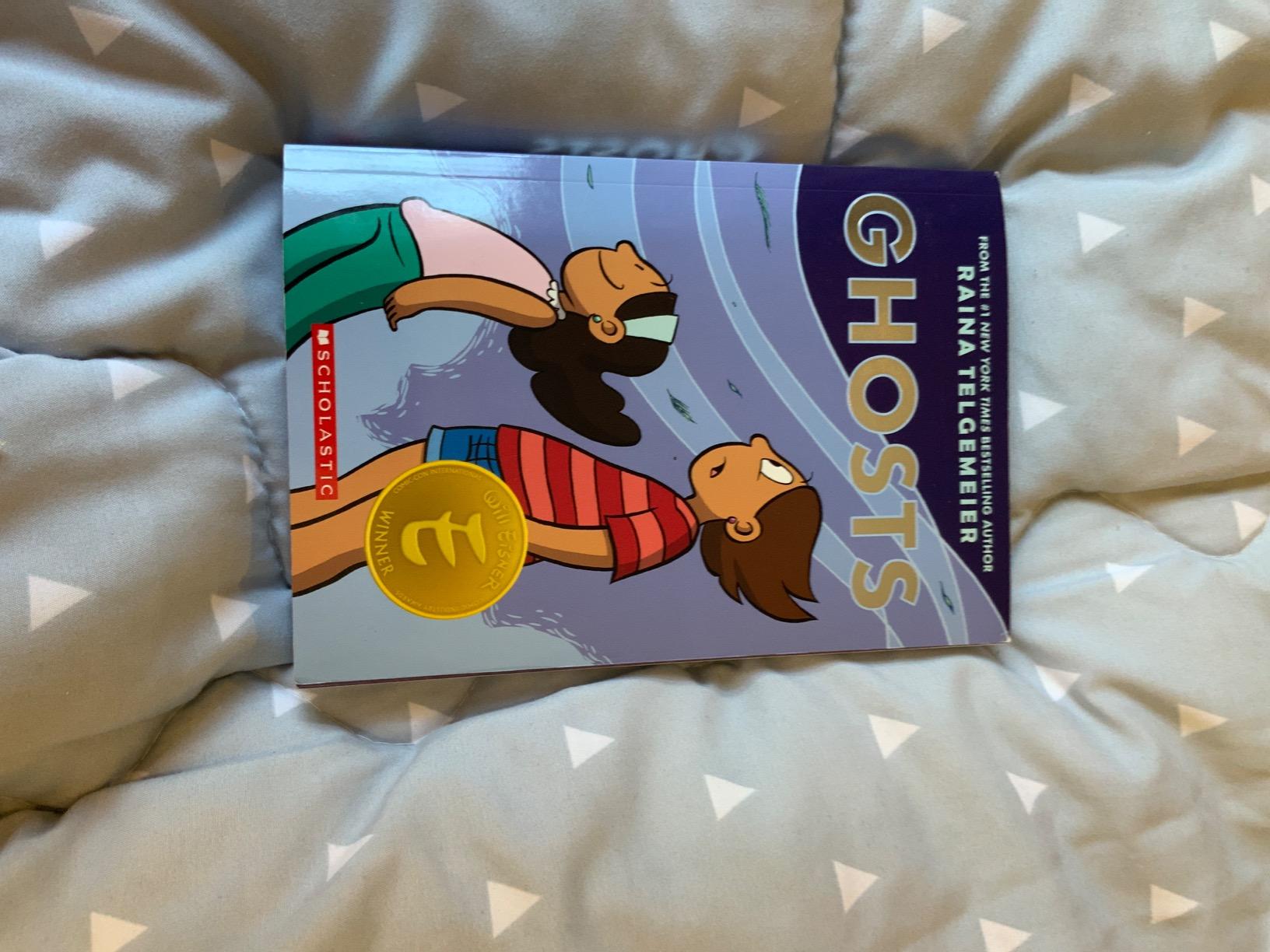
Ghosts is the Telgemeier book I reach for when a child wants something a little spookier. The story follows two sisters who move to a coastal California town and discover it is full of friendly ghosts, all while their younger sister faces a serious health challenge.
The Mexican Day of the Dead tradition is woven throughout, giving reluctant readers cultural context along with a moving family story. The art shifts between bright everyday panels and moodier supernatural scenes in a way that pulls readers in.
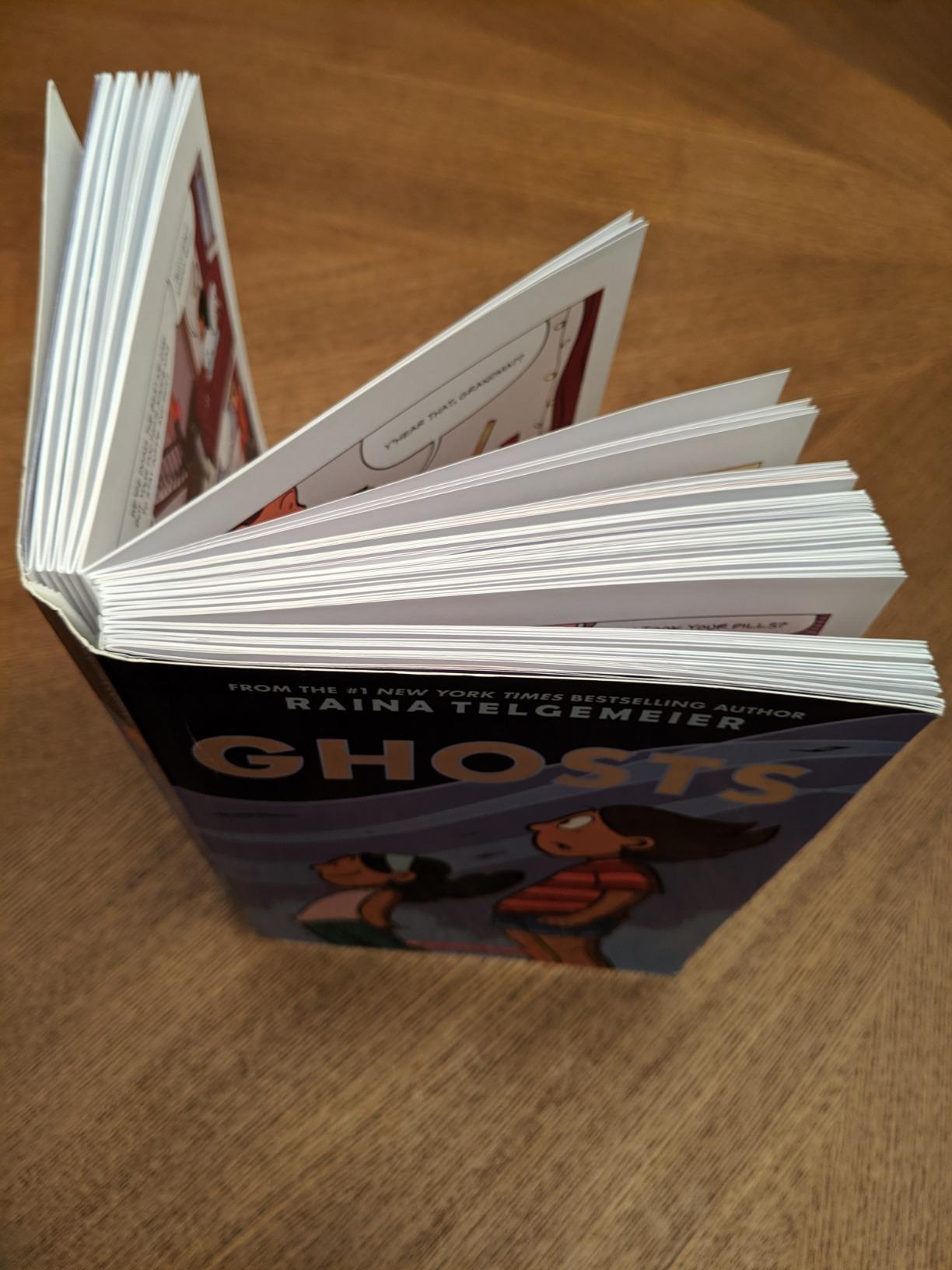
More than 13,000 reviews and a 4.7 average confirm that Ghosts reaches readers who might otherwise skip a graphic novel. It is also a strong pick for classrooms exploring diverse cultural traditions.
Good fit for
Readers ages 8 to 11 who like gentle supernatural stories, classrooms exploring Day of the Dead or cultural heritage, and any child dealing with a sick family member.
Watch out for
The health subplot is handled gently but may still resonate with readers who have personal experience. Some intense moments around ghosts may spook very sensitive kids.
12. Minecraft Volume 1: The Franchise Hook for Kids Who Only Want Video Games
Minecraft Volume 1 (Graphic Novel)
Age 7-10
Minecraft tie-in
88 pages
Dark Horse
Pros
- Perfect for Minecraft fans
- Engages reluctant readers
- Encourages reading development
- Charming artwork
- Teaches teamwork
Cons
- Mild humor may not land with all kids
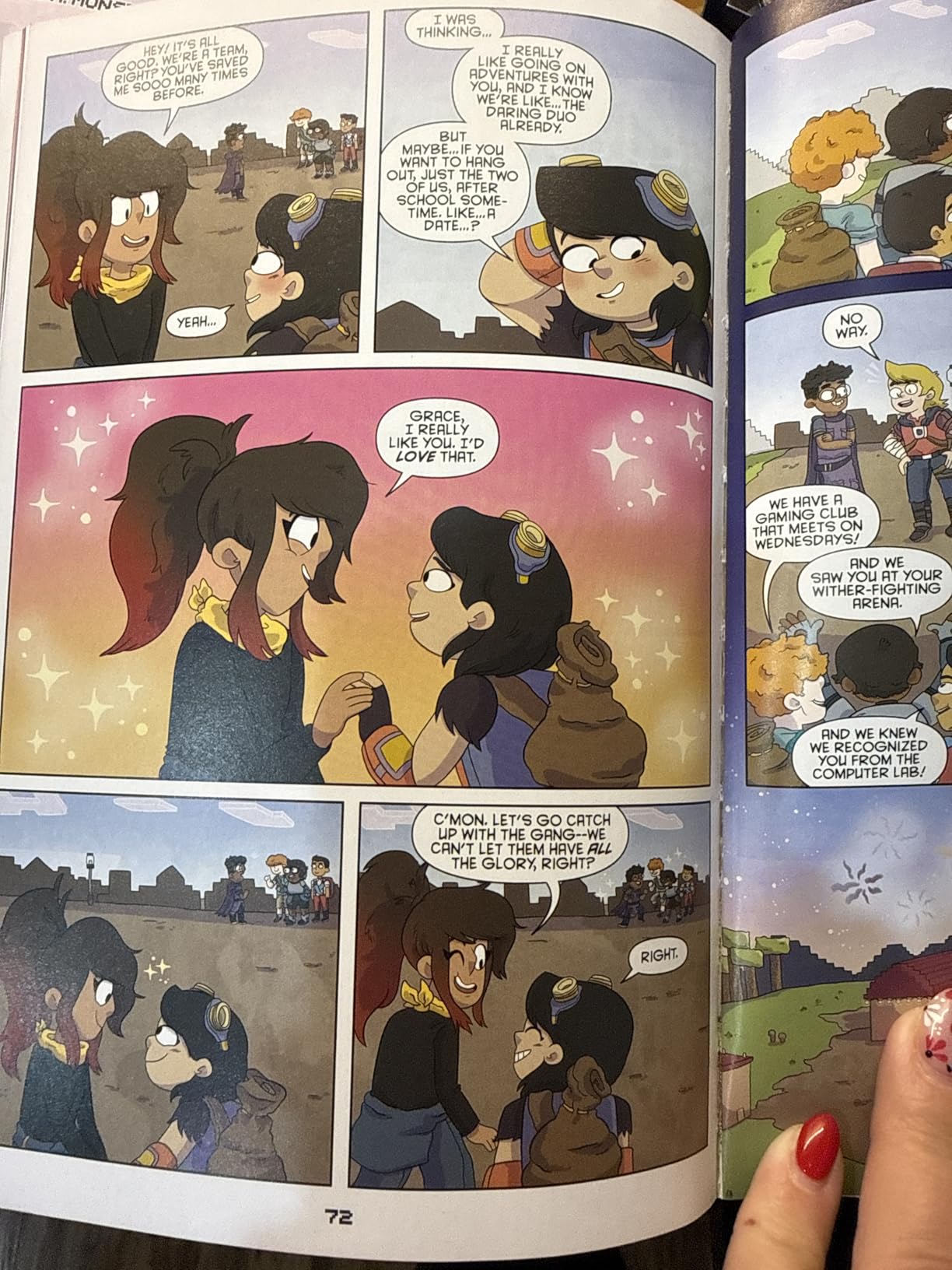
The official Minecraft graphic novel is my pick for kids who say, “I only like video games.” Using a franchise they already love is a fast way to get a graphic novel into their hands, and the 88-page length keeps it from feeling like a commitment.
The story follows a young girl named Tyler who discovers her neighbor’s secret society of adventurers in the world of Minecraft. Themes of teamwork, friendship, and emotional openness run through the series.
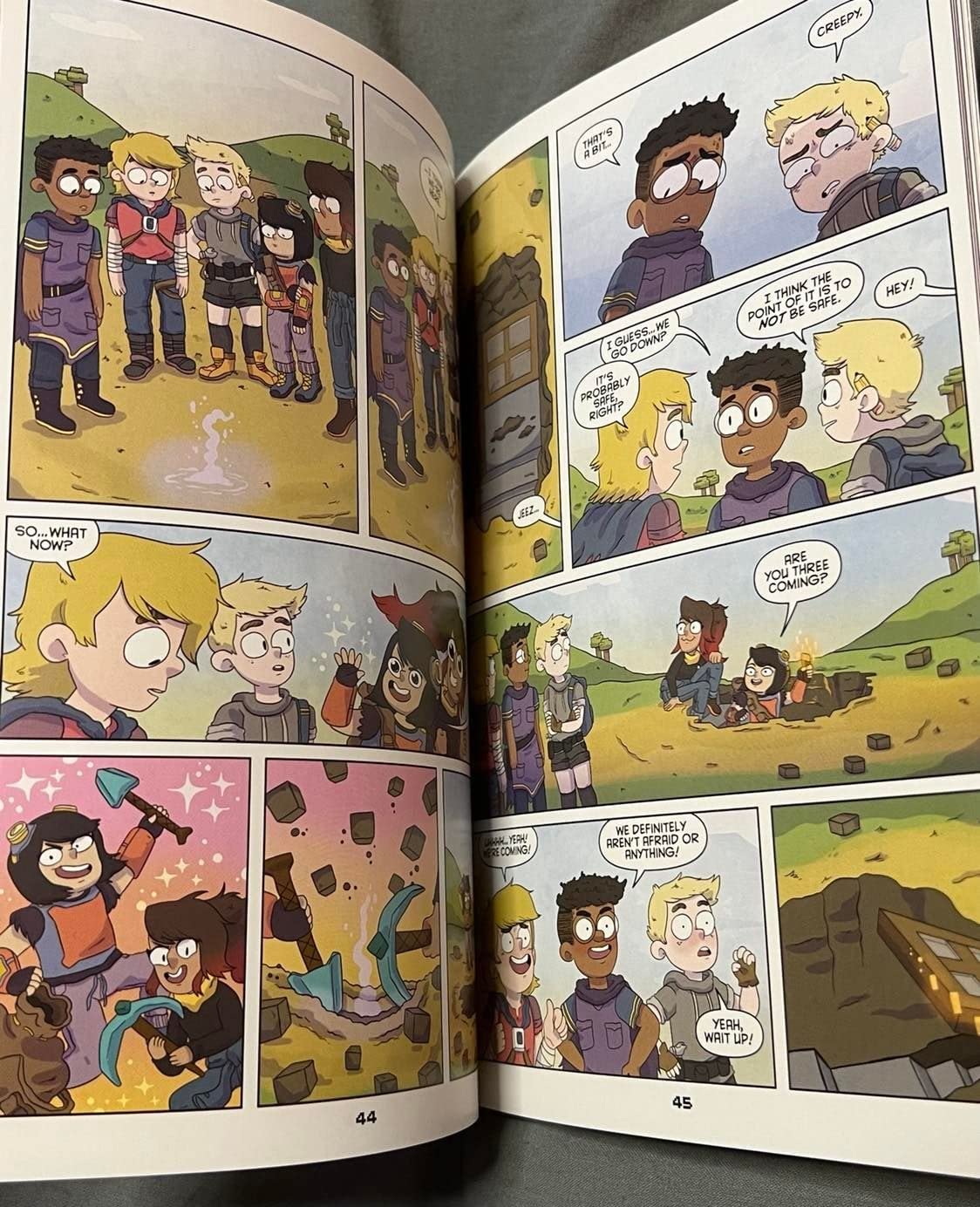
More than 5,000 reviews confirm that this is a working strategy. For kids who have flatly refused any book that does not have “Minecraft” on the cover, this is a smart first step.
Good fit for
Readers ages 7 to 10 who play Minecraft and resist other books, classroom libraries looking for high-interest hooks, and kids who enjoy game-based storytelling.
Watch out for
Non-gamers may bounce off the premise. The length is short by design, so have a follow-up like Dog Man or Bad Guys ready.
How to Choose the Right Graphic Novel for Your Reluctant Reader
Picking the right book is less about reading level and more about interest alignment. A child who loves video games will read 200 pages of Minecraft fan fiction but reject a Newbery winner they “have to” read. Start with what they already love and use that as the bridge.
Age ranges on the back cover are guidelines, not rules. A strong 7-year-old can handle Guts, and a struggling 11-year-old may need to start at Narwhal. Watch your reader’s face for engagement rather than tracking grade level.
Series matter more than standalones for reluctant readers. Once a child finishes one Dog Man, they want Dog Man 2, then Dog Man 3. That momentum is exactly what you are trying to build, so prioritize series over one-off books whenever possible.
For kids with learning differences, the combination of visual support and shorter text blocks is genuinely helpful. Children with dyslexia often find graphic novels more accessible, English language learners get visual context for new vocabulary, and kids with ADHD benefit from the faster pacing that keeps them engaged. If your reader has any of these profiles, lean toward full-color, panel-heavy books like Hilo or Amulet.
For more on building reading habits around reluctant readers, our guide to library summer reading programs has practical ideas for keeping the momentum going once the school year ends.
Frequently Asked Questions
What are good books for reluctant readers?
The best books for reluctant readers combine engaging stories with low barriers to entry. Top picks include Dog Man by Dav Pilkey for humor, Smile by Raina Telgemeier for relatable middle school stories, and The Bad Guys by Aaron Blabey for early readers. The key is matching the book to the child’s interests, whether that is video games, animals, or family drama, rather than focusing only on reading level.
What are some good graphic novels for middle grade readers?
Strong graphic novels for middle grade readers (ages 9 to 12) include New Kid by Jerry Craft (Newbery Honor winner), Hilo by Judd Winick (sci-fi adventure series), Guts by Raina Telgemeier (anxiety and mental health), and The Stonekeeper from the Amulet series by Kazu Kibuishi. These all offer full-color art, accessible text, and series arcs that keep reluctant readers coming back.
What are some good books for a reluctant reader who is 7 years old?
For a 7-year-old reluctant reader, start with Narwhal: Unicorn of the Sea by Ben Clanton (64 pages, simple dialogue, ocean facts), The Bad Guys by Aaron Blabey (short chapters, silly humor), or Dog Man by Dav Pilkey (action and comedy). These are accessible, fast-paced, and have multiple sequels so the reading habit can extend across many books.
What are some really good graphic novels to read?
Really good graphic novels for young readers include Smile, Guts, Sisters, and Ghosts by Raina Telgemeier, the Dog Man and Cat Kid Comic Club series by Dav Pilkey, the Amulet series by Kazu Kibuishi, the Hilo series by Judd Winick, Bone by Jeff Smith, and the Baby-Sitters Club graphic novel adaptations. For more advanced readers, New Kid by Jerry Craft and the March trilogy by John Lewis are also excellent.
Wrapping Up
The best graphic novels for reluctant readers are not a backup plan. They are a first-class on-ramp to a reading life, and the kids who start there often end up reading more than their peers because they actually enjoy it. Start with one book that matches your reader’s current obsession, sit with them through the first chapters if needed, and watch what happens next.
For most reluctant readers under 10, Dog Man is where I would begin. For ages 8 to 12, pair Smile with New Kid or Hilo based on whether your child leans toward realistic stories or action. Build out from there, and within a few months you will likely have a reader who asks for the next book on their own.