
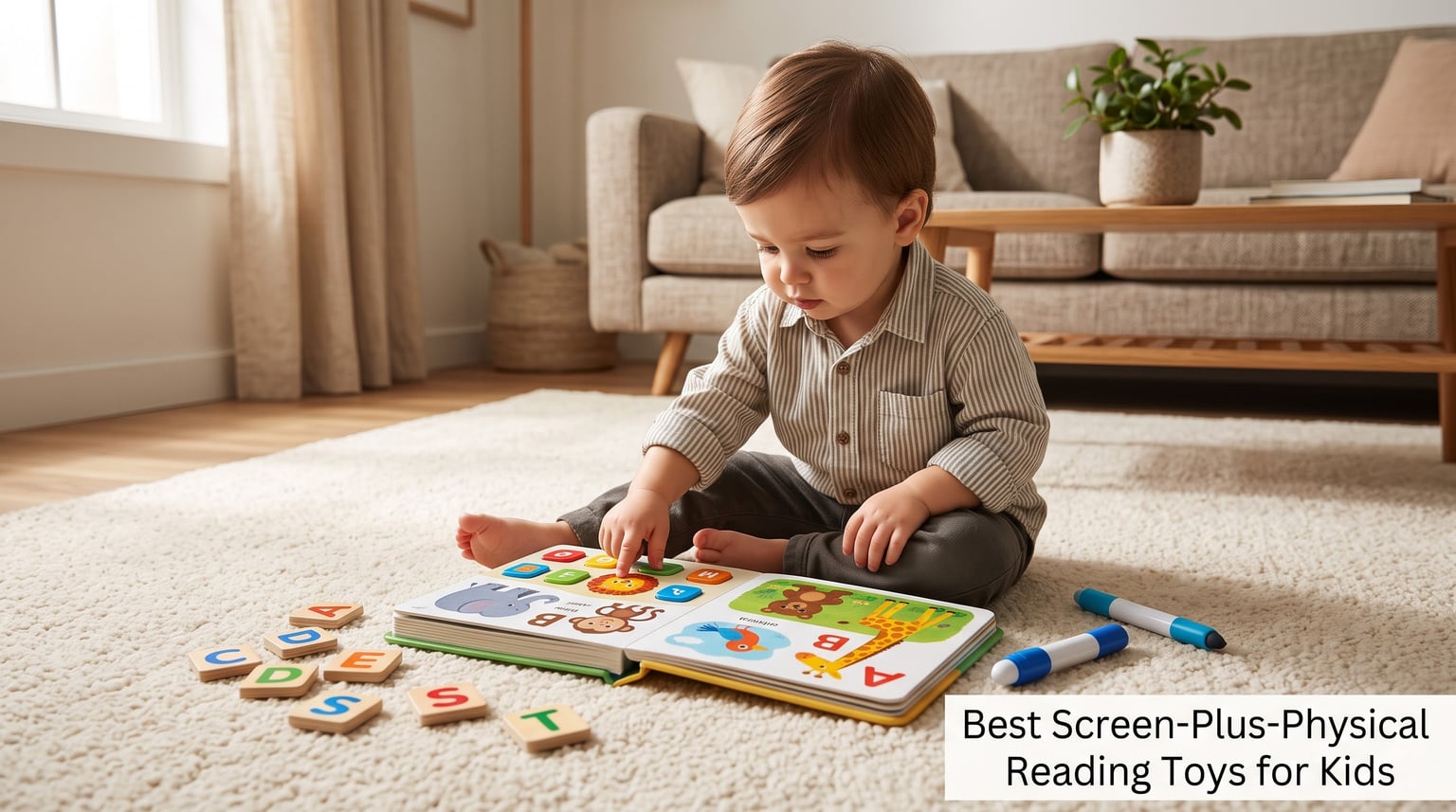
Most parents I know are stuck in the same loop. We want our kids excited about learning to read, but we also flinch every time a tablet comes out. After three years of testing early literacy toys with my own two kids and a rotating crew of nieces, nephews, and neighbor friends, I landed on the middle path: screen-plus-physical reading toys.
Here is what I mean by that, because almost nobody defines it. A screen-plus-physical reading toy combines electronic feedback, like sounds, lights, and spoken words, with something real your child holds and manipulates. Think thick plastic pages little fingers can flip, letter buttons to press, a stylus pen to tap words with, or an erasable marker to trace letters. The screen or speaker guides, and the hands do the work.
This guide covers the best screen-plus-physical reading toys for kids in 2026, pulled from roughly 40 hours of hands-on play and a deep dive into thousands of parent reviews. I tracked which toys survived real living rooms, which ones kids returned to after the first week, and which ones actually moved the needle on letter sounds and word recognition. Every pick below earned its spot.
Table of Contents
Top 3 Picks for Screen-Plus-Physical Reading Toys
If you only have time for three options, these are the ones I hand to other parents without hesitating. The LeapFrog Learning Friends 100 Words Book is the strongest all-arounder for toddlers, the VTech Sea Turtle is the best value under twenty dollars, and the LeapReader Mega Pack is the serious learn-to-read system for kids who are ready to decode actual words.

Best Screen-Plus-Physical Reading Toys for Kids in 2026
Below is the full lineup of all ten toys, ordered roughly by age from youngest to oldest. Notice the screen-versus-physical balance shifts as kids grow: the toddler picks lean on chunky pages and sound, while the picks for older kids add pens, keyboards, and real handwriting practice.
| Product | Specs | Action |
|---|---|---|
 VTech Touch and Teach Sea Turtle VTech Touch and Teach Sea Turtle |
|
Check Latest Price |
 LeapFrog Dino’s Delightful Day Alphabet Book LeapFrog Dino’s Delightful Day Alphabet Book |
|
Check Latest Price |
| LeapFrog Learning Friends 100 Words Book |
|
Check Latest Price |
 LeapFrog 100 Words and 100 Animals Book Set LeapFrog 100 Words and 100 Animals Book Set |
|
Check Latest Price |
 LeapFrog 2-in-1 LeapTop Touch LeapFrog 2-in-1 LeapTop Touch |
|
Check Latest Price |
 KOKODI Talking Pen Books Set KOKODI Talking Pen Books Set |
|
Check Latest Price |
 LeapFrog Mr Pencil’s Scribble Write and Read LeapFrog Mr Pencil’s Scribble Write and Read |
|
Check Latest Price |
 LeapFrog A to Z Learn with Me Dictionary LeapFrog A to Z Learn with Me Dictionary |
|
Check Latest Price |
 LeapFrog Prep for Preschool Activity Book LeapFrog Prep for Preschool Activity Book |
|
Check Latest Price |
| LeapFrog LeapReader 10 Book Mega Pack |
|
Check Latest Price |
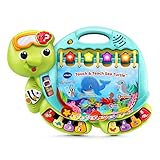
1. VTech Touch and Teach Sea Turtle Interactive Learning Book
VTech Touch and Teach Sea Turtle Interactive Learning Book, Green
Ages 12-36 months
225+ songs and sounds
8 piano keys
3 learning modes
Pros
- Sea turtle adventure with animal sounds and fun facts
- Explore Letter and Music modes build vocabulary step by step
- Eight piano keys teach the music scale
- 225+ songs melodies sounds and phrases
- Carry handle plus volume control and off switch
Cons
- English only with no Spanish option
- Slightly heavy for younger toddlers
- Too simplistic for older toddlers
The Sea Turtle was the first electronic book my youngest sat with for more than five minutes, starting around 14 months. The shell-style pages are big and stiff, which is exactly what you want when a one-year-old is still figuring out how hands work. She would slap a picture, hear a sea lion bark, and crack up every single time.
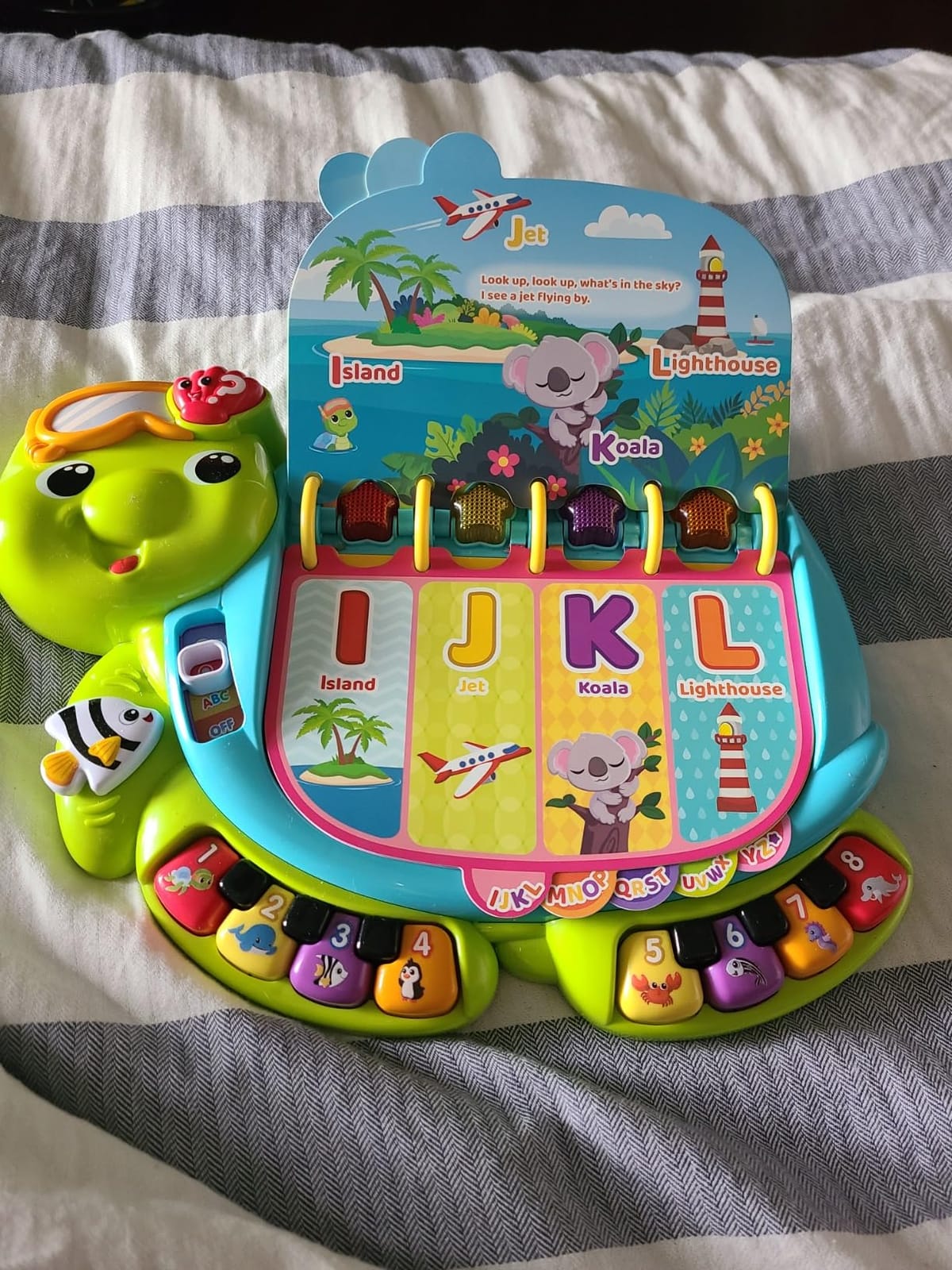
What sold me is the mode structure. Explore mode names animals and objects, Letter mode connects those words to starting letters, and Music mode turns the whole thing into a noise maker. That progression mirrors how early literacy actually develops, from vocabulary to letter awareness.
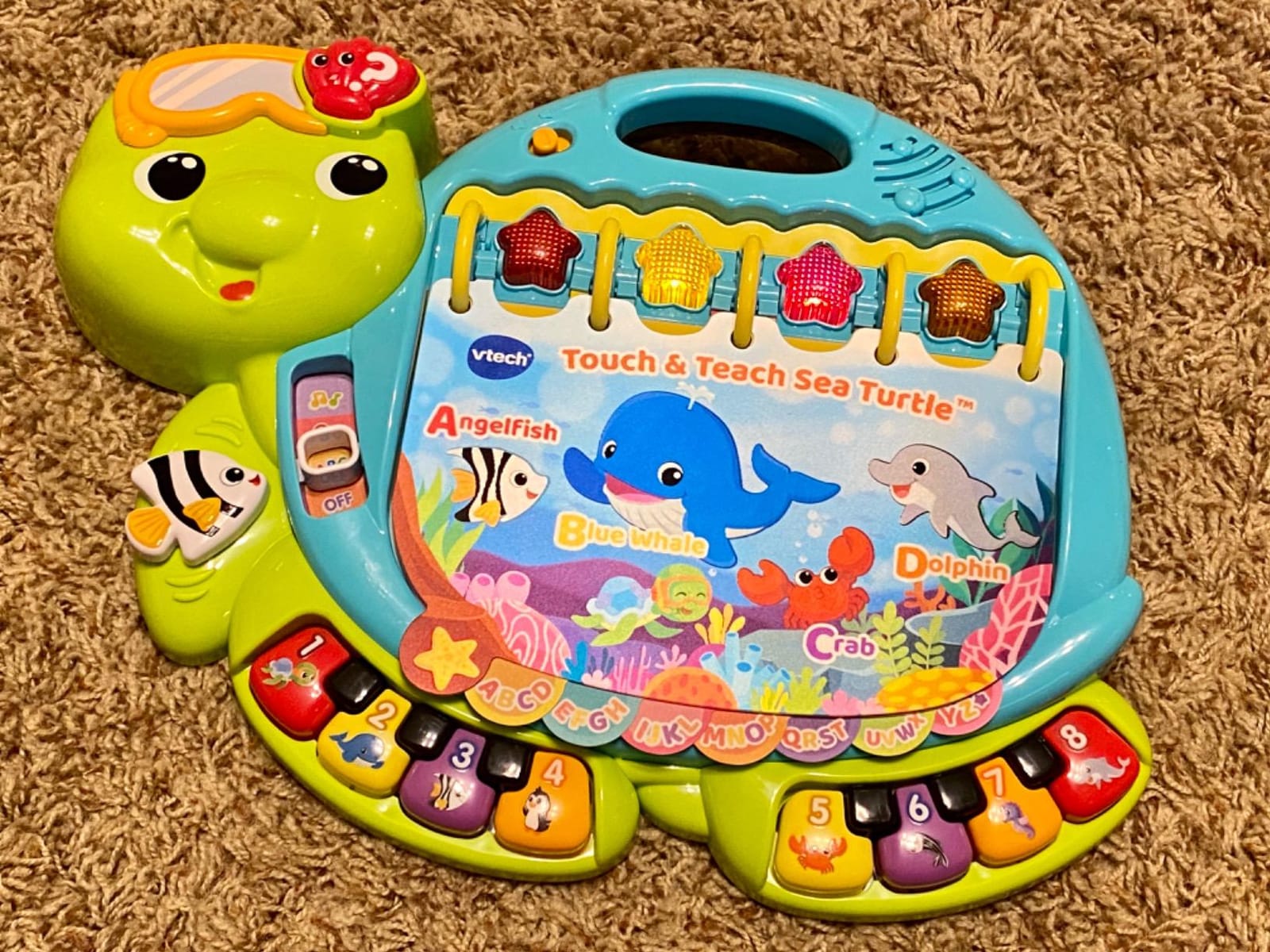
The eight piano keys along the side are the hidden gem. They are not a reading feature on paper, but they gave my kid a reason to keep coming back to the book, and every return visit meant more accidental word exposure. The 225+ songs, melodies, and phrases mean it took months before anything started to feel repetitive.
On the practical side, there is a real volume control and an off switch, which parents of toddlers will appreciate more than any feature on the box. The handle also makes it the toy that survives car rides. I have fished this thing out from under a car seat more times than I can count, and it never picked up more than surface scratches.
The downsides are real but fair for the price. There is no Spanish option, it runs a touch heavy for early walkers, and by age three most kids age out of it. Ours got about 18 strong months of use, which is a better run than most toys in this house.
What age is the Sea Turtle best for
This is a first-birthday-through-preschool toy, plain and simple. The sweet spot is 15 to 30 months, when kids are building vocabulary faster than they can say it. If your child is already asking what letter words start with, they have outgrown it.
How much parent involvement does it need
Almost none once your child understands tapping. It is one of the few toys on this list a toddler can use completely solo in the backseat or a stroller. Sit with them occasionally to name the animals yourself, and the learning roughly doubles.
2. LeapFrog Dino’s Delightful Day Alphabet Book
LeapFrog Dino’s Delightful Day Alphabet Book, Green
Ages 12-36 months
16 interactive pages
Phonetic sounds
Counting 1-10
Pros
- Story runs in alphabetical order with phonetic sounds
- 16 interactive pages read the story aloud
- Light-up button covers letter names sounds and words
- Number buttons teach counting 1-10
- Full story with beginning middle and end
Cons
- Some reports of faulty units or low volume
- Needs battery swaps for regular use
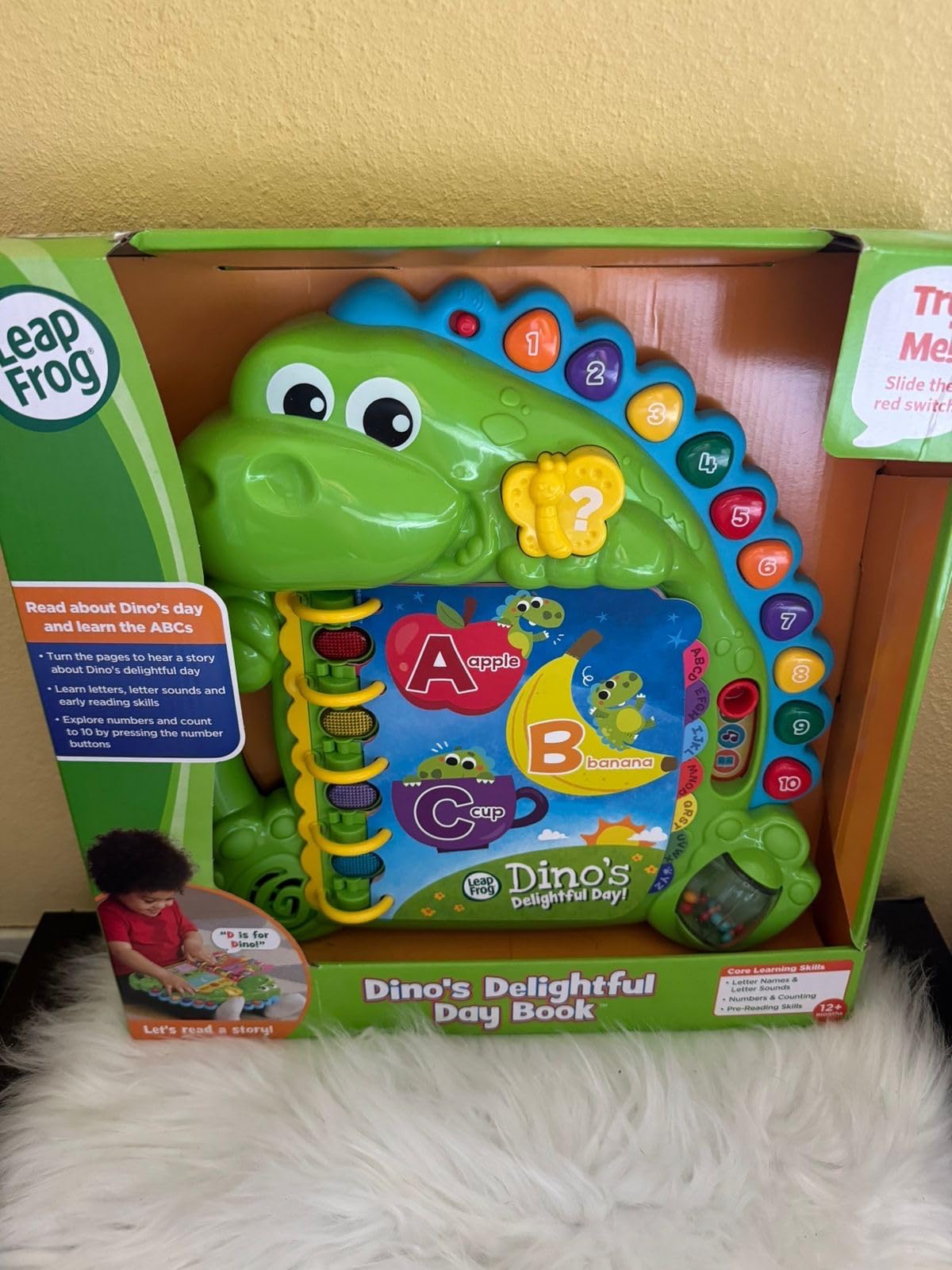
Dino’s Delightful Day does something clever that most alphabet books skip: it hides the ABCs inside an actual story. Each page introduces the next letter in order, so by the time Dino’s day wraps up, your child has heard the whole alphabet in context instead of as a random chant.
My nephew went through a serious dinosaur phase, and this book was his constant companion for about six months. The read-aloud narration meant he could follow the whole beginning, middle, and end structure on his own, which is a real pre-reading skill. Kids need to understand that stories have shape before they can read one.
The light-up button is where the phonics lives. Press it and Dino covers letter names, letter sounds, and words that start with each letter. That three-step loop, name, sound, word, is basically a mini reading lesson disguised as button mashing.
Technically, the pages respond well and the whole unit feels solid despite being lightweight plastic at 1.8 pounds. The musical play mode, where kids jam along to melodies with sound effects, is the replay engine here. My nephew spent whole sessions just making dinosaur bands.
The two honest complaints from parents are volume and battery life. Some units ship quiet, and the included AAs are demo-strength, so plan on a fresh set within the first month. Neither broke the experience for us, but worth knowing going in.
Does this work as a bedtime book
Surprisingly, yes. The narration is calm enough for wind-down, and you can drop the volume low. Just know there is no headphone jack, so it is a shared-room experience, and the music mode is best saved for daytime.
Dino versus the 100 Words Book
Get Dino if your child is 12 to 24 months and needs story structure and letter order. Get the 100 Words Book if they are a bit older and ready to soak up vocabulary by category. Families with two kids under four often end up with both, and they pair well.
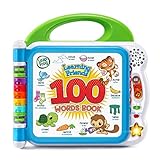
3. LeapFrog Learning Friends 100 Words Book
LeapFrog Learning Friends 100 Words Book (Frustration Free Packaging)
Ages 18 months+
100+ words
English and Spanish
Touch-sensitive pages
Pros
- Turtle Tiger and Monkey introduce 100+ age-appropriate words
- Word categories span pets food colors opposites and outside
- Touch words to hear vocabulary sound effects and fun facts
- Light-up star button plays two theme songs
- Full English and Spanish bilingual learning
Cons
- Batteries included are demo strength
- Some variants may not include all languages
If someone asked me for the single best screen-plus-physical reading toy for kids just starting out, this is the one I hand over. Over 51,000 parent reviews and a 4.8 average do not happen by accident. My daughter logged two solid years on this book, and I credit it for a chunk of her early vocabulary.
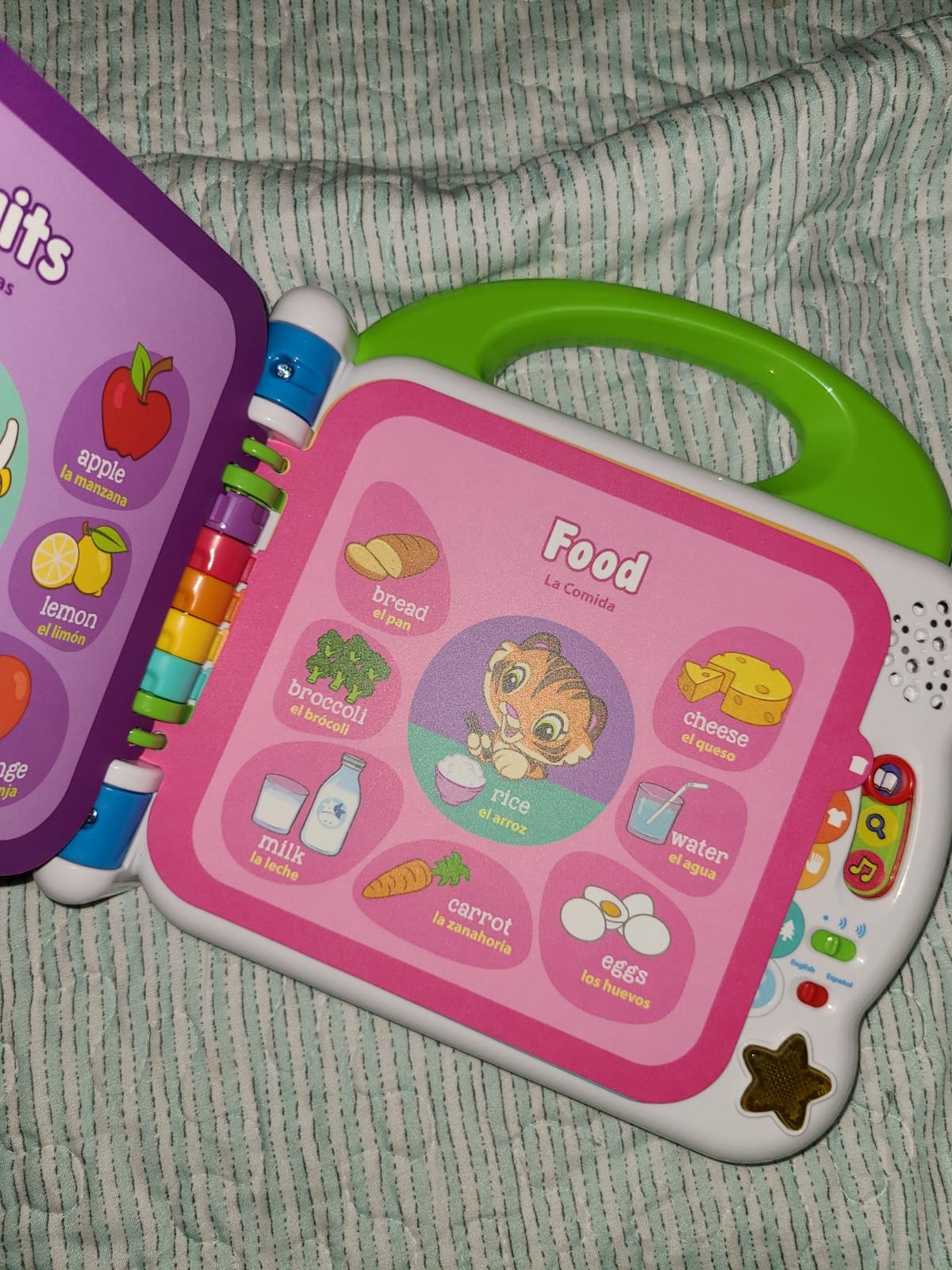
The concept is simple and brilliant. Thick, touch-sensitive plastic pages are organized by category: pets, animals, food, mealtime, colors, activities, opposites, outside. Your child taps a picture and the book says the word, plays a sound effect, or drops a fun fact. That tap, hear, repeat loop is exactly how toddlers build word banks.
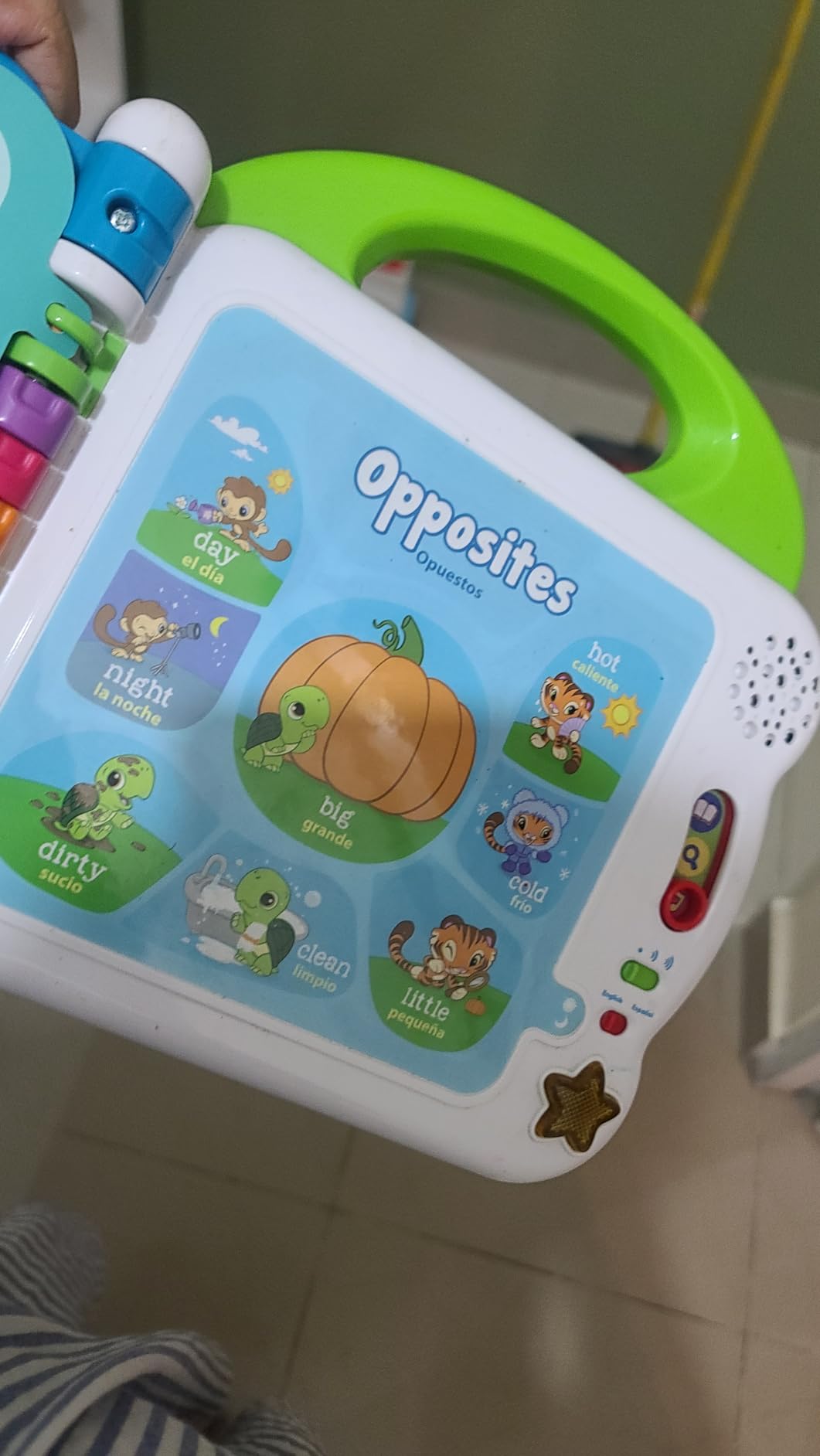
The bilingual switch is the killer feature nobody pays enough attention to. Flip to Spanish and every word is re-taught, so the toy effectively doubles its content. Even if you have zero Spanish background, hearing your two-year-old count off animals in two languages is a genuinely surreal moment.
Physically, this thing is a tank. The pages are thick plastic that survived being stood on, thrown, and once fully submerged in a dog water bowl. After a thorough drying, it kept working. At 1.5 pounds and roughly 9 by 9 inches, it is also the right size for lap use and car seats.
The light-up star button with two theme songs is pure bribery, and it works. The only real gripes are that the included AAs are demo batteries, and a few buyers reported variants missing the Spanish mode, so check the box language list if bilingual learning is your reason for buying.
How long do kids actually use it
In our house and every family I have lent it to, the window is roughly 18 months to 4 years. The vocabulary is simple, but the category browsing keeps it interesting longer than you would expect. Around age four, kids start wanting letters and words they can build, and that is your cue to graduate them.
Is the Spanish worth paying attention to
Yes, even for non-Spanish-speaking households. Early dual-language exposure builds phonemic awareness, the ability to hear distinct sounds in words, which is one of the strongest predictors of later reading success. Treat the second language as a reading skill booster, not just a bonus.
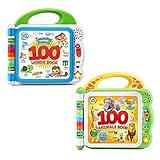
4. LeapFrog 100 Words and 100 Animals Book Set
LeapFrog 100 Words and 100 Animals Book Set (Frustration Free Packaging)
Ages 18 months+
2 books
3 play modes
English and Spanish
Pros
- Two interactive books with 6 double-sided pages each
- 100 Animals Book covers 12 habitats
- 100 Words Book covers 12 word categories
- Three play modes Read Aloud Sound Effects and Fun Facts
- Fully bilingual and car-ride durable
Cons
- Pages trigger on very light touch
- American accent may not suit UK buyers
- American spellings like color
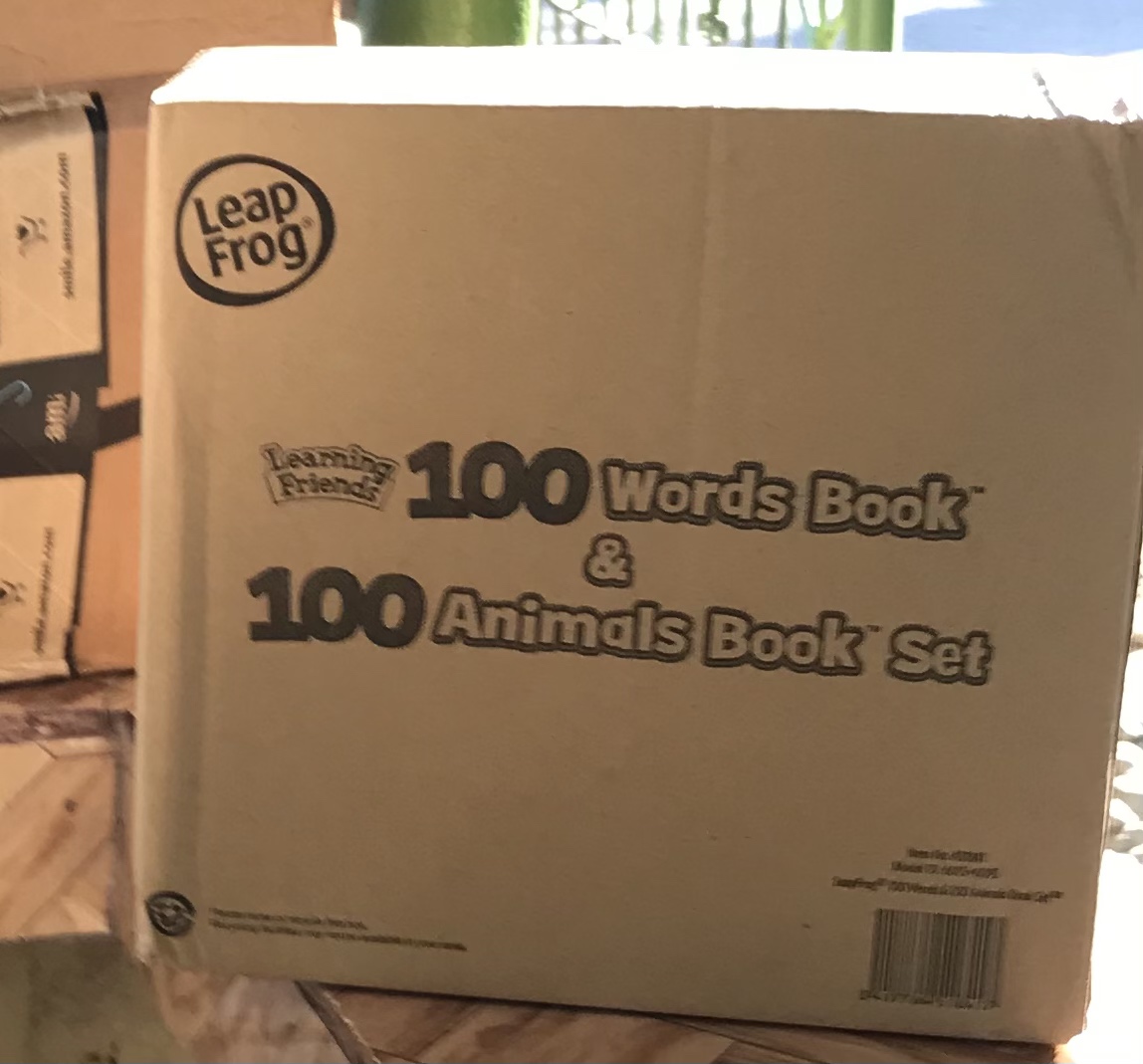
This bundle is the 100 Words Book with a sibling attached, and the 100 Animals half ended up being the favorite in our test group. Kids tap through 12 different habitats and hear animal names, sounds, and facts. The animal-sound mode alone bought me many uninterrupted coffee finishes.
The three play modes are what separate this from cheaper sound books. Read Aloud narrates, Sound Effects lets kids make noise, and Fun Facts drops little educational nuggets that actually stick. My five-year-old tester still quotes a fact about octopuses she learned here a year ago.
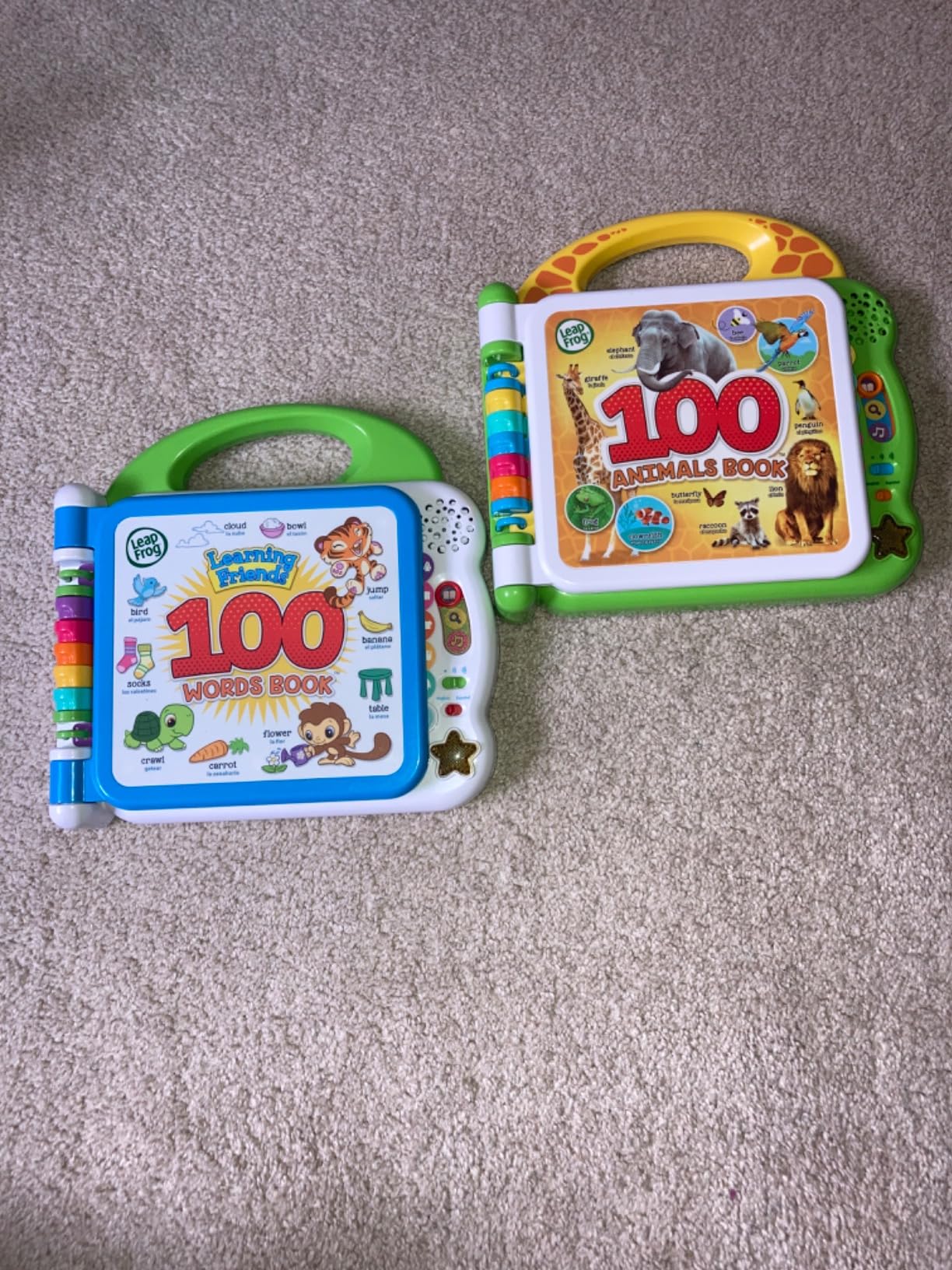
Since both books are bilingual, you are getting four books worth of content in two physical items. That is the argument for the bundle over buying the single 100 Words Book, especially for twins or close-in-age siblings who would fight over one book anyway.
Build quality matches the rest of the LeapFrog line, with thick pages and a solid spine. Multiple parents in reviews specifically called these out as car-ride heroes, and I confirm. They took a cross-country trip with us and came back fully functional.
Two annoyances to know. The touch sensors fire on very light contact, so pages sometimes talk when the book is merely being carried. And for anyone outside the US, the accent is American and spellings follow US conventions, which UK buyers flagged repeatedly.
Bundle or single book
If your child is animal-obsessed, the bundle wins outright because 100 Animals gets disproportionate play. If you are on a tighter budget or buying for a child under 18 months, the standalone 100 Words Book covers the same core literacy ground for less.
What the parent guide actually covers
It is short but useful, mostly explaining the three modes and suggesting how to sit with your child during Read Aloud. Read it once in five minutes. The real value is knowing Fun Facts mode exists, since a lot of parents never discover it and miss a third of the toy.
5. LeapFrog 2-in-1 LeapTop Touch
LeapFrog 2-in-1 LeapTop Touch
Ages 2-5 years
Laptop flips to tablet
A-Z keyboard
5 learning modes
Pros
- Screen flips to convert laptop into tablet mode
- Keyboard covers letters A-Z and numbers 1-10
- Pretend role-play like emailing Scout
- Five modes ABCs numbers games music and messages
- Durable build that survives drops with long battery life
Cons
- Screen is simple and low resolution
- Repetitive sounds can test parent patience
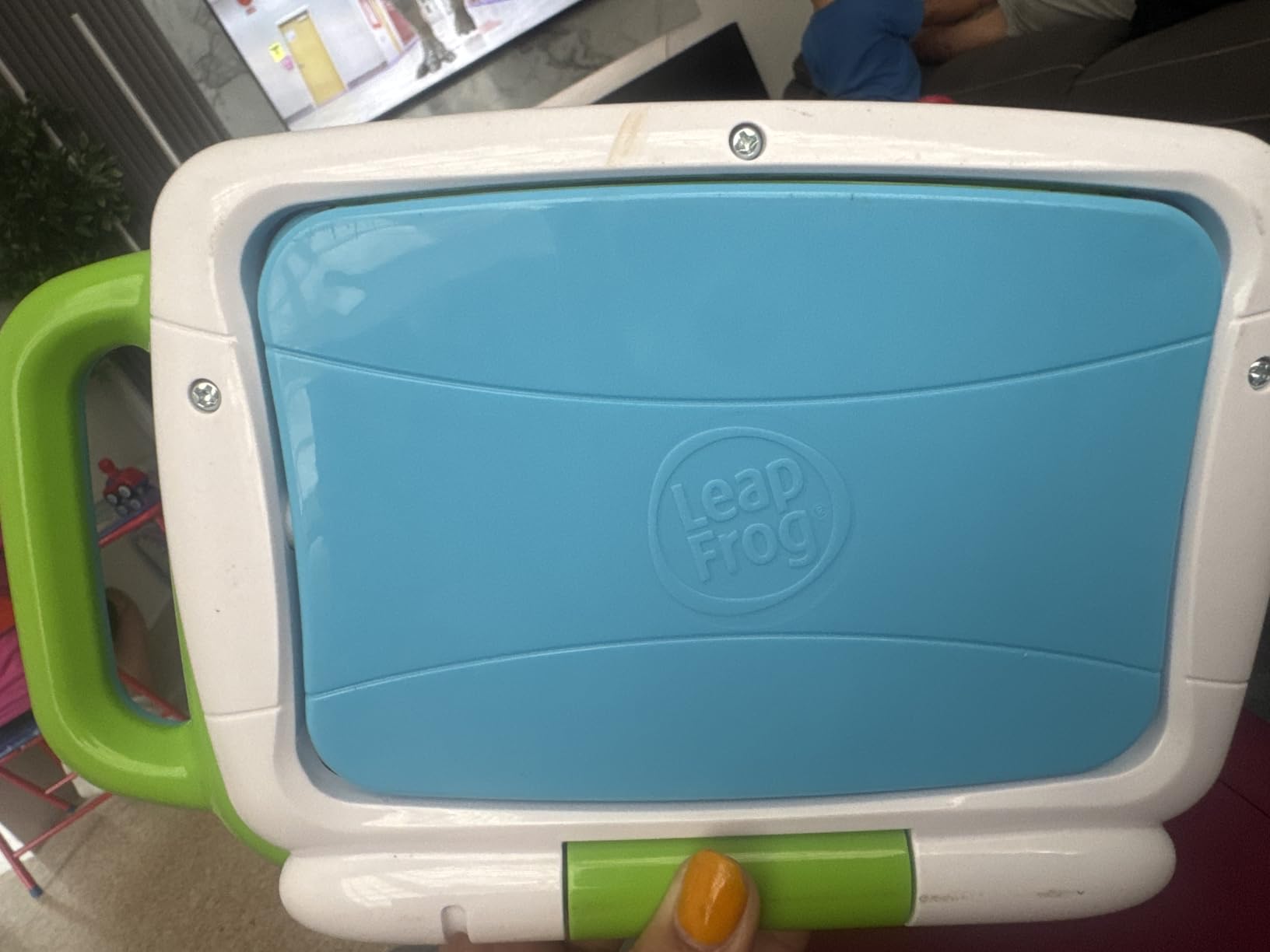
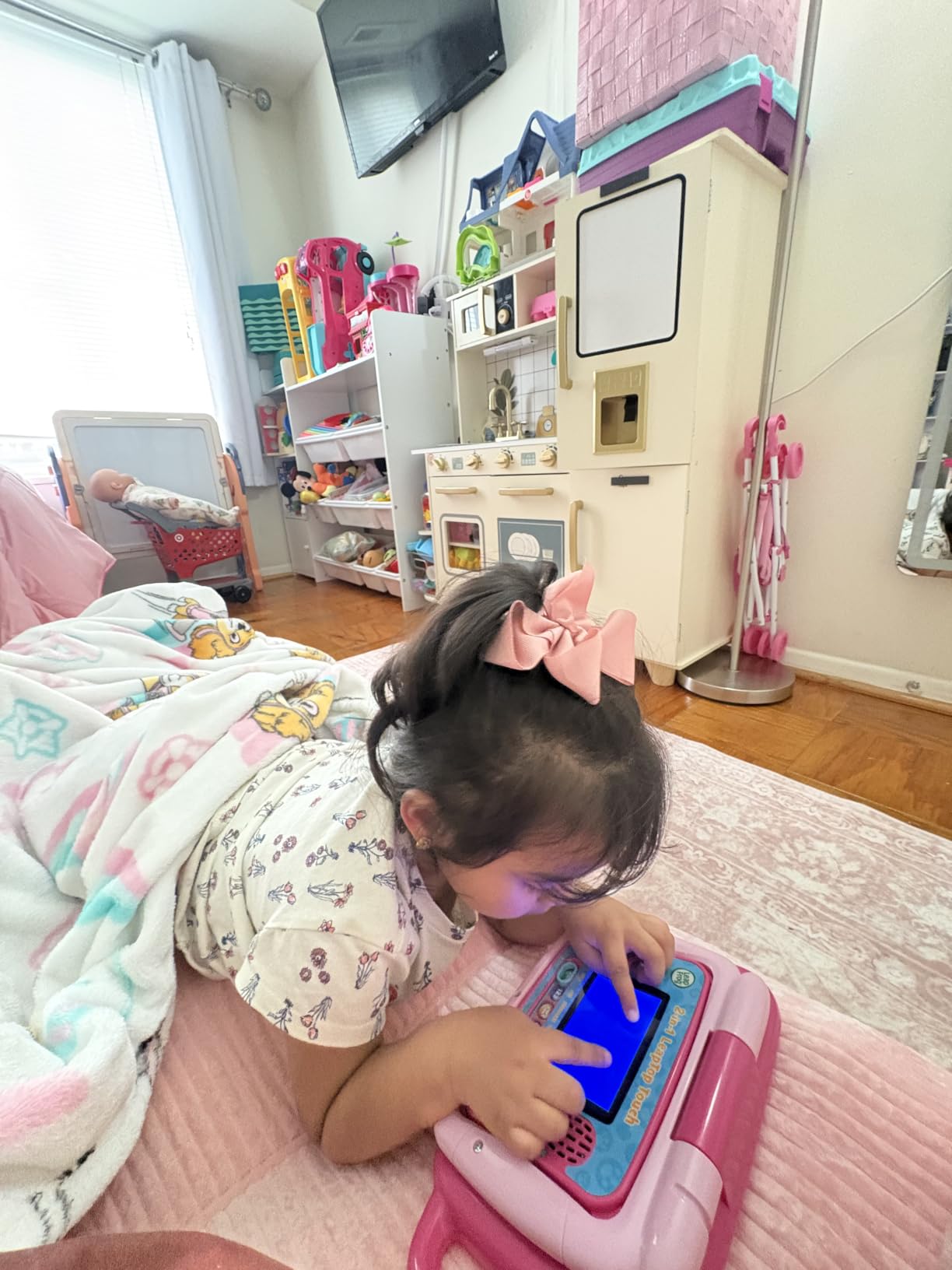
The LeapTop is the toy that saves you from handing over your actual laptop. It is a pretend computer with a full A-Z keyboard, and the screen flips around to convert it into tablet mode. My son called it his “work computer” and spent months copying me while I typed beside him.
That mimicry matters for reading. Pounding on letter keys and hearing each one named builds letter recognition through pure repetition, and the keyboard gives fingers something physical to do the whole time. This is screen-plus-physical balance in its most honest form: a low-stakes screen, a very real keyboard.
The five modes, ABCs, numbers, games, music, and messages, give it enough range to last the whole 2-to-5 age window. The messages mode, where kids pretend to email Scout the dog, was the sleeper hit. My son learned to navigate letter menus to send messages, which is real keyboard familiarity.
Durability is the reason this thing has been a bestseller for years. It has been dropped down our stairs twice and shows only scuffs. Battery life is also legitimately long, we replaced the three AAs maybe twice in a year and a half of heavy use.
The honest tradeoff is the screen itself. It is a basic segmented display, closer to a calculator than a tablet, and some parents expect more. Also, the audio loops can grind on adult nerves after the hundredth repetition, so the lack of a headphone jack is felt.
Does a toy laptop really teach reading
Indirectly but genuinely. It teaches letter names, letter locations on a keyboard, and the idea that pressing a symbol produces meaning, which is the core logic of decoding text. Pair it with a book-based toy for actual phonics, and you have a well-rounded setup.
Will it satisfy a kid who wants your real tablet
For a while, yes, especially between 2 and 4. The role-play pull is strong at that age. After four, kids figure out the screen is simple, so treat this as a bridge device that buys you a couple of screen-guilt-free years rather than a permanent substitute.
6. KOKODI Talking Pen Books Set
KOKODI Talking Pen Books Sets, Interactive Audio Sound Books Kids Learning Electronic Toys for Boys Girls, Autism Sensory Games, Early Educational Gifts Birthday Gifts for Toddlers Kids Age 2 3 4 5
Ages 2-6 years
450+ words
500+ games
Parent voice recording
Pros
- Tap to read pen plays audio on images and words
- 22 themes with 450+ words and 300+ sound effects
- 500+ interactive games and 1500+ American English pronunciations
- Recording function lets parents capture their own voices
- Eco-friendly tear-proof pages with rounded corners
Cons
- Kids must tap once and wait before tapping again
- Pen works best held at a 120 degree angle
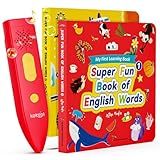
The KOKODI is the closest thing to a real reading tutor in toy form on this list. Instead of buttons, your child taps a chunky pen anywhere on the page and it speaks the word, plays a game, or makes a sound. It comes with two books spanning 22 themes and over 450 words.
Where this set genuinely stands apart is accessibility. The listing and reviews both highlight therapeutic benefits for children with autism and speech disorders, and the tap-anywhere design plus huge audio library make it work for kids who do not follow traditional toy structures. Several parents in the review section described real speech breakthroughs.
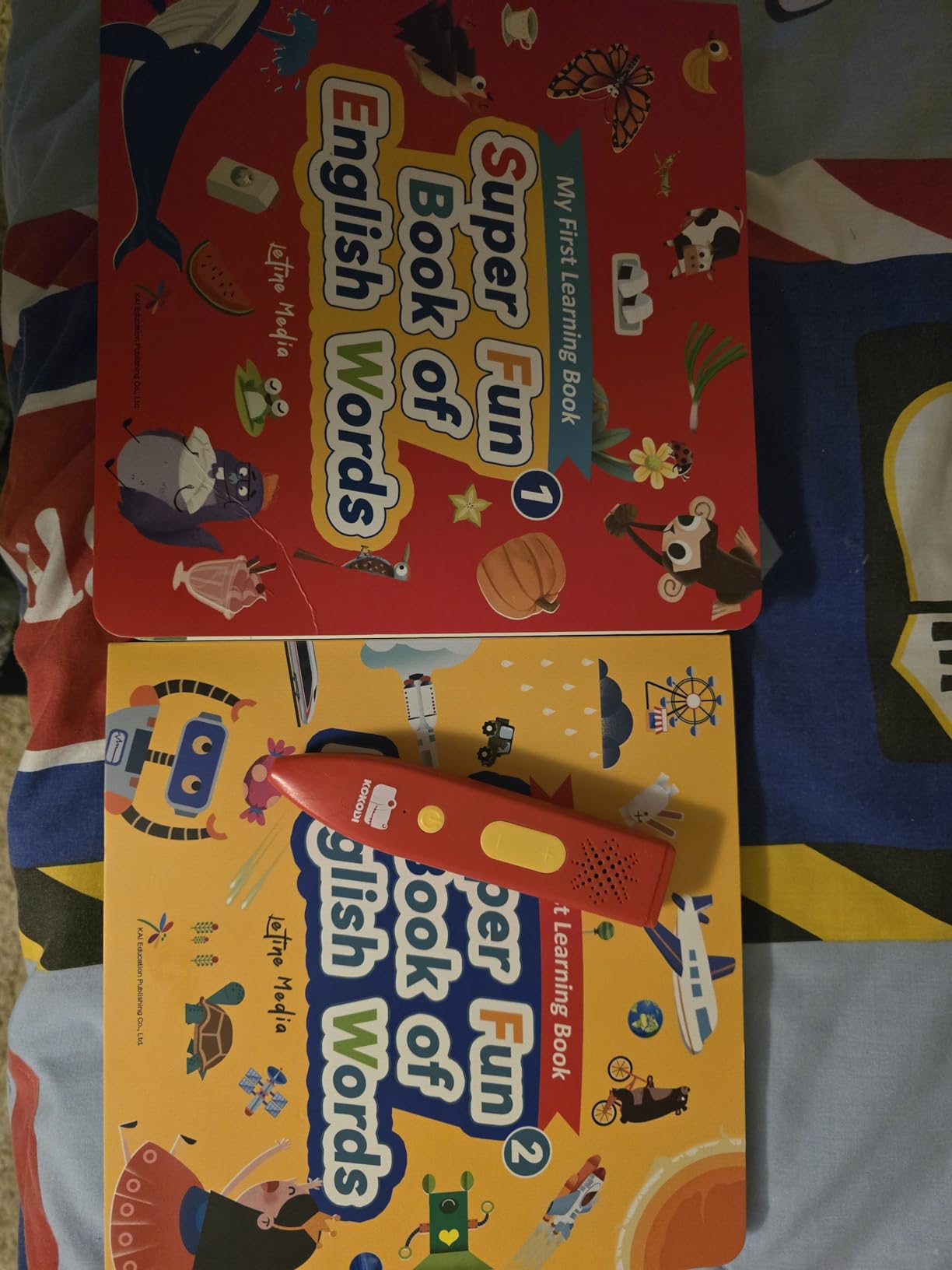
The recording function is my favorite feature on any toy here. You can record your own voice onto the pages, so a deployed parent or faraway grandparent can technically be the one reading bedtime words. It also means you can add your own prompts and encouragement in your own voice.
Spec-wise, the numbers are wild for the category: 300+ sound effects, 500+ interactive games, and 1500+ pronunciations, with zero downloads required. Pages are tear-proof with rounded corners, and the whole set is light enough to travel. It runs on two AAA batteries.
The learning curve is the catch. Kids have to tap once and wait, and the pen wants to be held at roughly a 120 degree angle for the sensor to register. Younger kids will mash the pen and get frustrated until an adult coaches them through it for a week or two.
Is this good for kids with speech delays
Based on the parent feedback and the design, yes. The immediate one-tap-one-word feedback rewards effort instantly, and the recorded parent voice adds familiarity that standard toy audio lacks. It is not therapy equipment, but many families use it as a strong supplement.
How tricky is the pen technique for little hands
Expect a week or two of coaching for two and three year olds. Show them the slow tap-and-wait rhythm yourself and they pick it up faster. Kids four and up generally figure it out within a day, and the 120 degree grip becomes natural almost immediately.
7. LeapFrog Mr Pencil’s Scribble Write and Read
LeapFrog Mr Pencil’s Scribble Write and Read, Green
Ages 3+ years
Letter tracing tablet
Sound-out bar
Name customization
Pros
- Mr Pencil walks kids through upper and lowercase letters step by step
- Finished letters transform into animated animals
- Customizable with first middle and last name
- Sliding sound-it-out bar breaks words into sounds
- Tracing works on number writing too
Cons
- Letters must be written in specific stroke directions
- No progress tracking or skill memory
- No option to change language
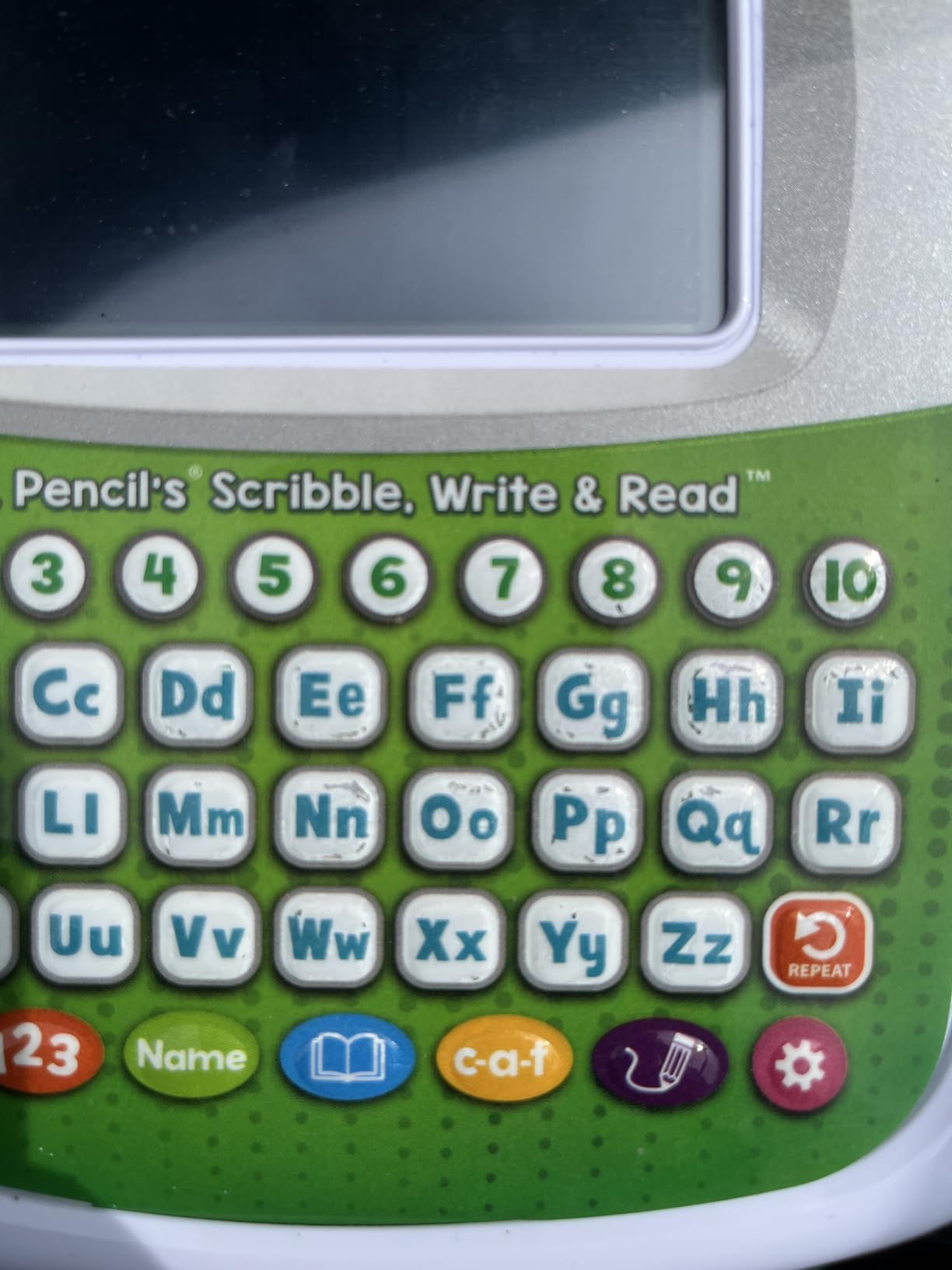
Mr Pencil is the toy that finally got my son writing letters voluntarily. It is a tablet with a stylus where the character literally demonstrates each stroke, then hands the pen to your child and corrects in real time. For a kid who refused every worksheet, this was the breakthrough.
The magic trick is what happens after a letter is completed: it transforms into an animated animal. Draw an S and it might slither away as a snake. That tiny reward loop kept my son tracing for 20-minute stretches, which is eternity in preschool time.
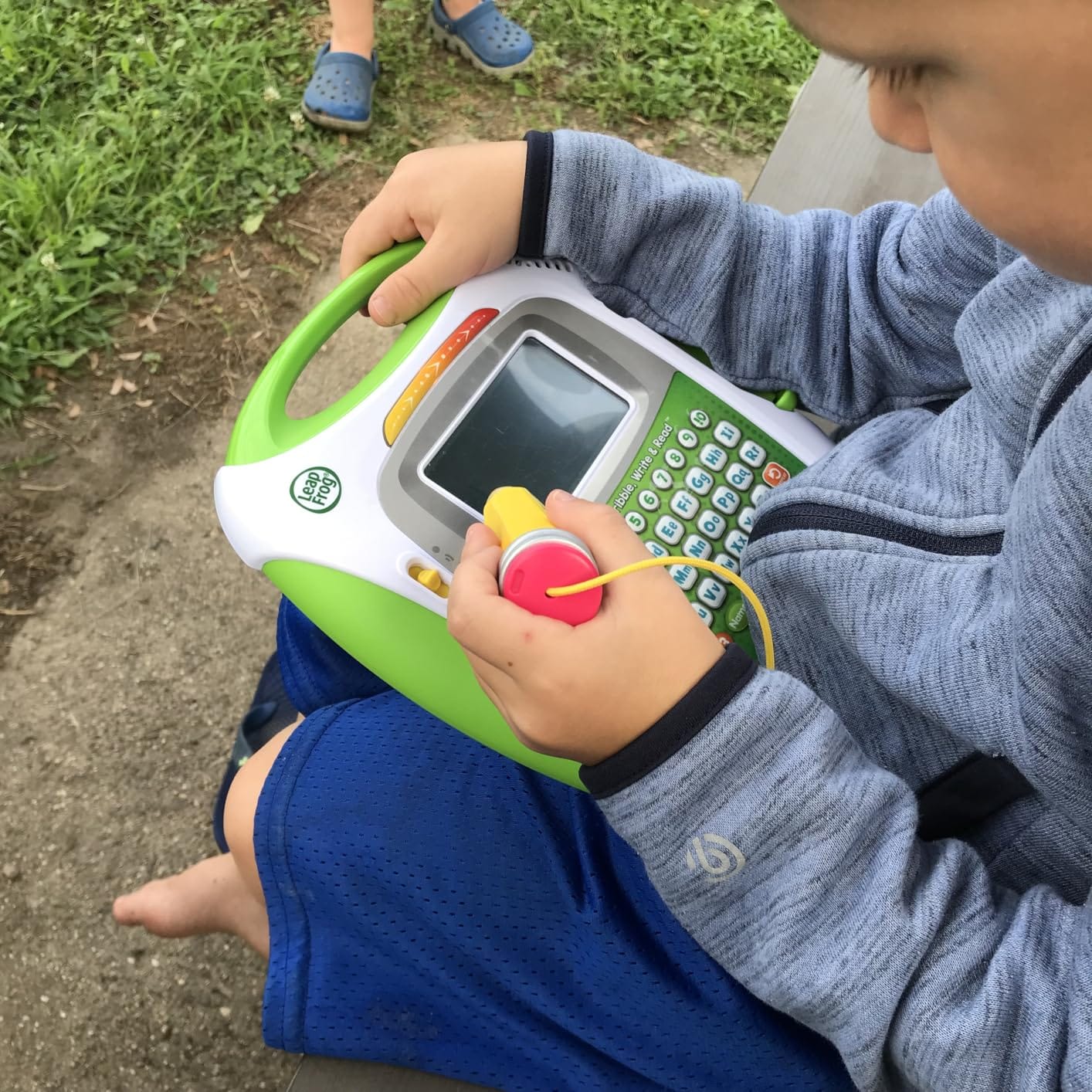
Reading skills are in here too, not just writing. The sound-it-out bar lights up along a sliding motion to break words into their component sounds, which is blending practice. Blending, pushing sounds together into words, is usually the hardest hop between knowing letters and actually reading.
Name customization deserves a mention. Program in your child’s first, middle, and last name, and Mr Pencil teaches them to write it. Both of my kids were most motivated by writing their own names, and this made it feel personal rather than like practice.
The frustration factor is stroke order. The toy wants letters written in specific directions, so kids who learned letters elsewhere may get corrected often at first. There is also no memory of previous sessions, so it cannot track progress, and everything is English-only.
What age does Mr Pencil shine
Three to five is the sweet spot, right in the pre-writing window. Three year olds mostly enjoy the animation rewards, while four and five year olds get genuine handwriting and blending practice. Kindergarteners who already write fluently will breeze through it.
Does the stroke-order rule actually help
Yes, and it matches how schools teach. Consistent letter formation makes handwriting faster and more legible later. Just prepare your child in advance that Mr Pencil is picky, because a kid expecting free drawing can get annoyed by the corrections.
8. LeapFrog A to Z Learn with Me Dictionary
LeapFrog A to Z Learn with Me Dictionary
Ages 3-6 years
200+ words
3 modes
Color-coded phonics
Pros
- Explore mode reads 200+ words and definitions aloud
- Letter mode color-codes beginning letters for phonics
- Game mode runs letter hunts and category sorting
- Music note adds three learning songs
- Strong vocabulary and categorization skill building
Cons
- Demo batteries will need replacing
- Some durability concerns with very heavy use
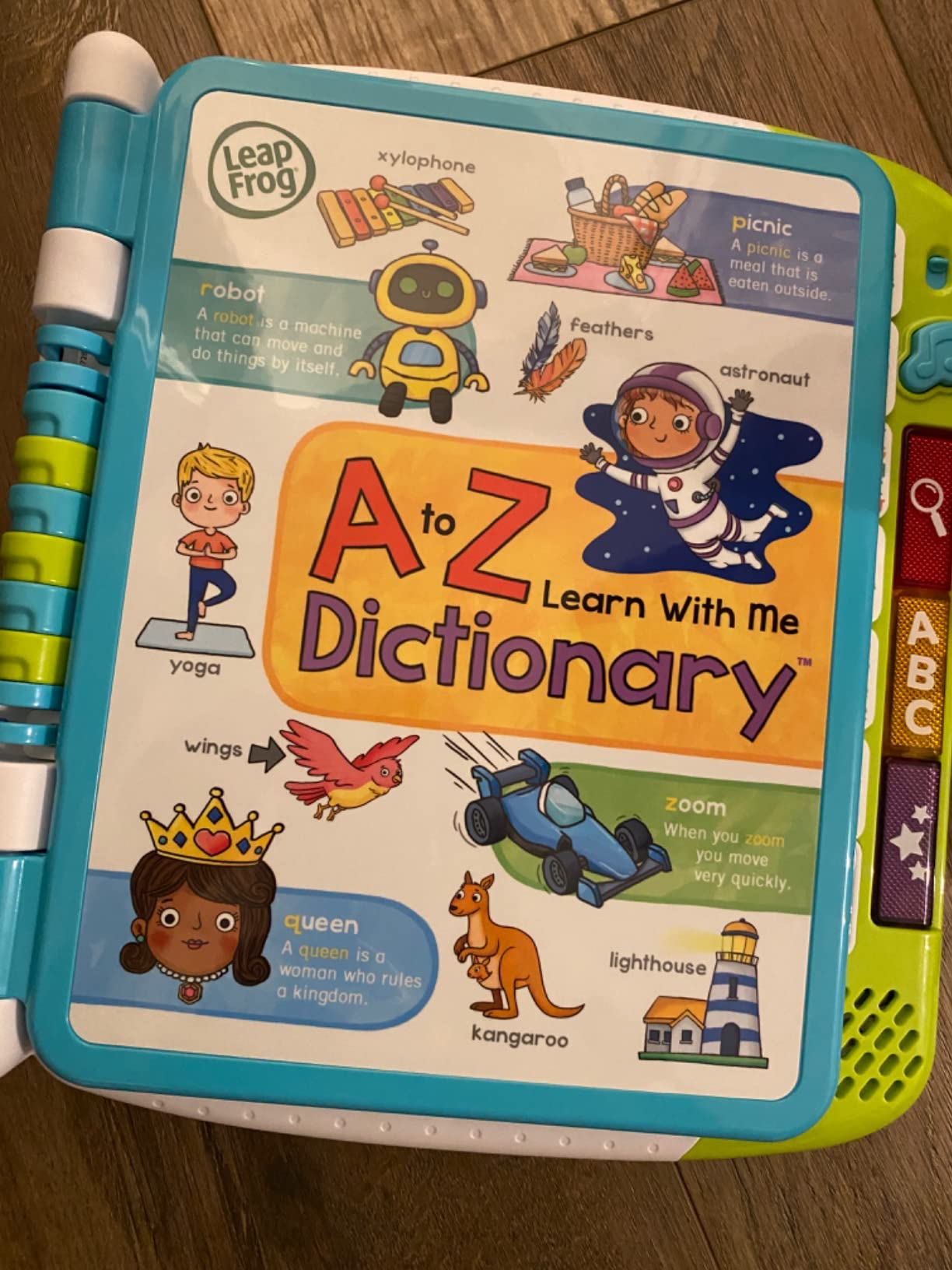
The A to Z Dictionary is the toy for the kid who asks what words mean nonstop. Touch any picture in Explore mode and it reads the word plus a kid-friendly definition, over 200 of them. My daughter treated ours like an interrogation machine for a full school year.
What makes it a reading toy rather than just a vocabulary toy is Letter mode. Beginning letters are color-coded, so kids start noticing that ball, bat, and basket all open with the same sound. That pattern recognition is phonics taking root without a single worksheet.
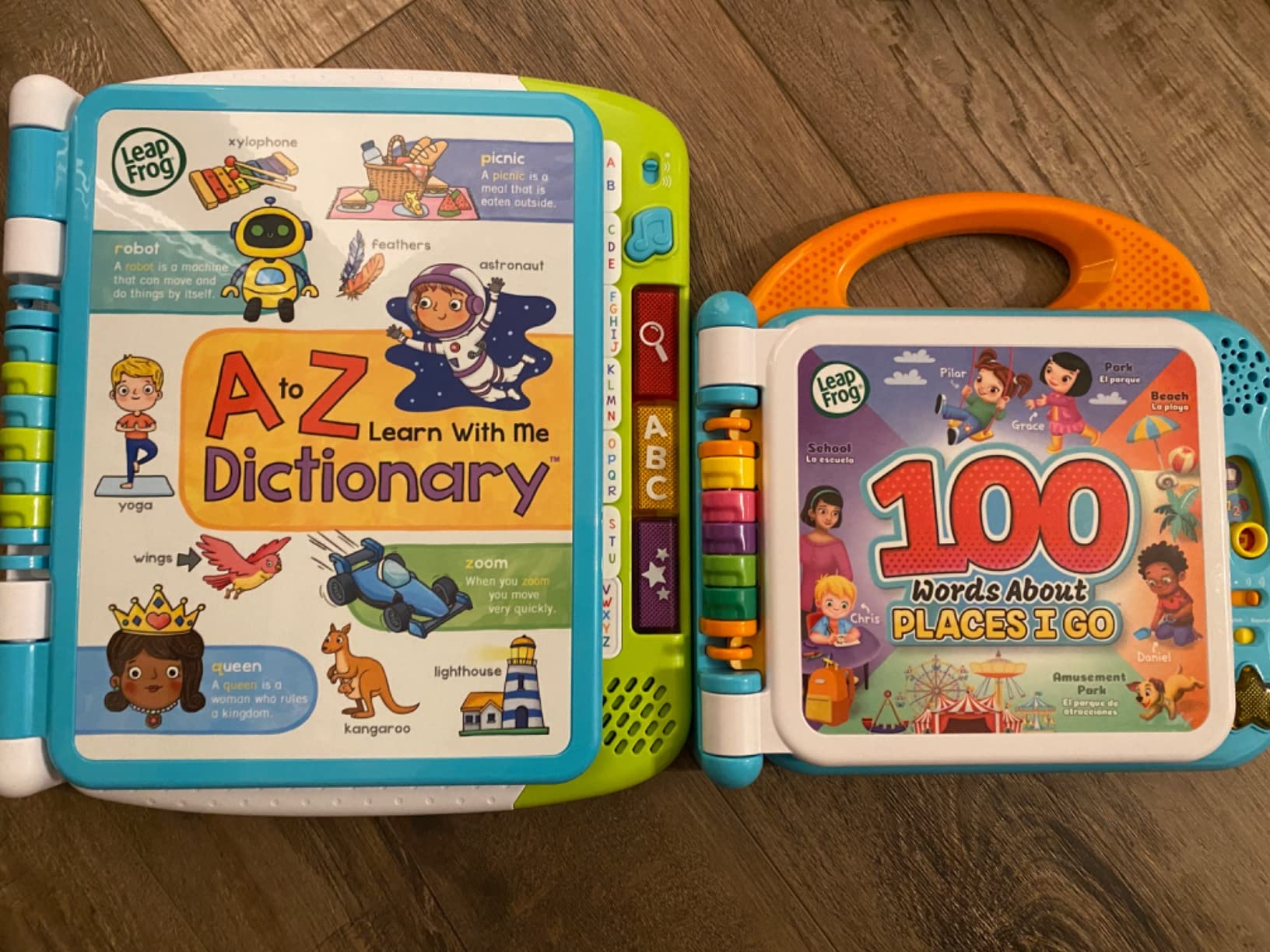
Game mode is where the replayability lives. It runs letter hunts where kids have to find words starting with a target letter, and category sorting games that build classification skills. My testers liked being quizzed far more than being taught, so this mode saw the most action.
Physically, it is a large flat book at about 10 by 11 inches and 2.2 pounds, built like the rest of the LeapFrog line. The three included learning songs, triggered by a music note, are a nice palate cleanser between word sessions.
Parent reviews flag two things, and both are manageable. The included batteries are demo strength, so swap them early. And a handful of heavy-use households reported wear over time, so it is a tabletop toy more than a chuck-it-in-the-minivan toy.
Dictionary versus the 100 Words Book
The 100 Words Book is vocabulary exposure for under-twos. The dictionary is vocabulary plus structure for three to six year olds, adding definitions, alphabetical order, and phonics coding. If your child is past simple naming, go dictionary.
Do the definitions actually teach
They do, because they are written for the age group in plain words. Kids start using words like habitat correctly after enough repetitions. It is light comprehension training, which most reading toys skip entirely in favor of letter drills.
9. LeapFrog Prep for Preschool Activity Book
LeapFrog Prep for Preschool Activity Book
Ages 3+ years
Touch pages plus erasable marker
12 pages
Phonics and rhyming
Pros
- Six touch-sensitive pages cover counting colors shapes alphabet and words
- Six marker pages with an erasable pen for repeated practice
- Letter writing number matching and shape tracing in one toy
- Phonics built through beginning letters and rhyming words
- Dress for Weather page mixes in life skills
Cons
- Some children lose interest quickly
- Runs on batteries with no recharge option
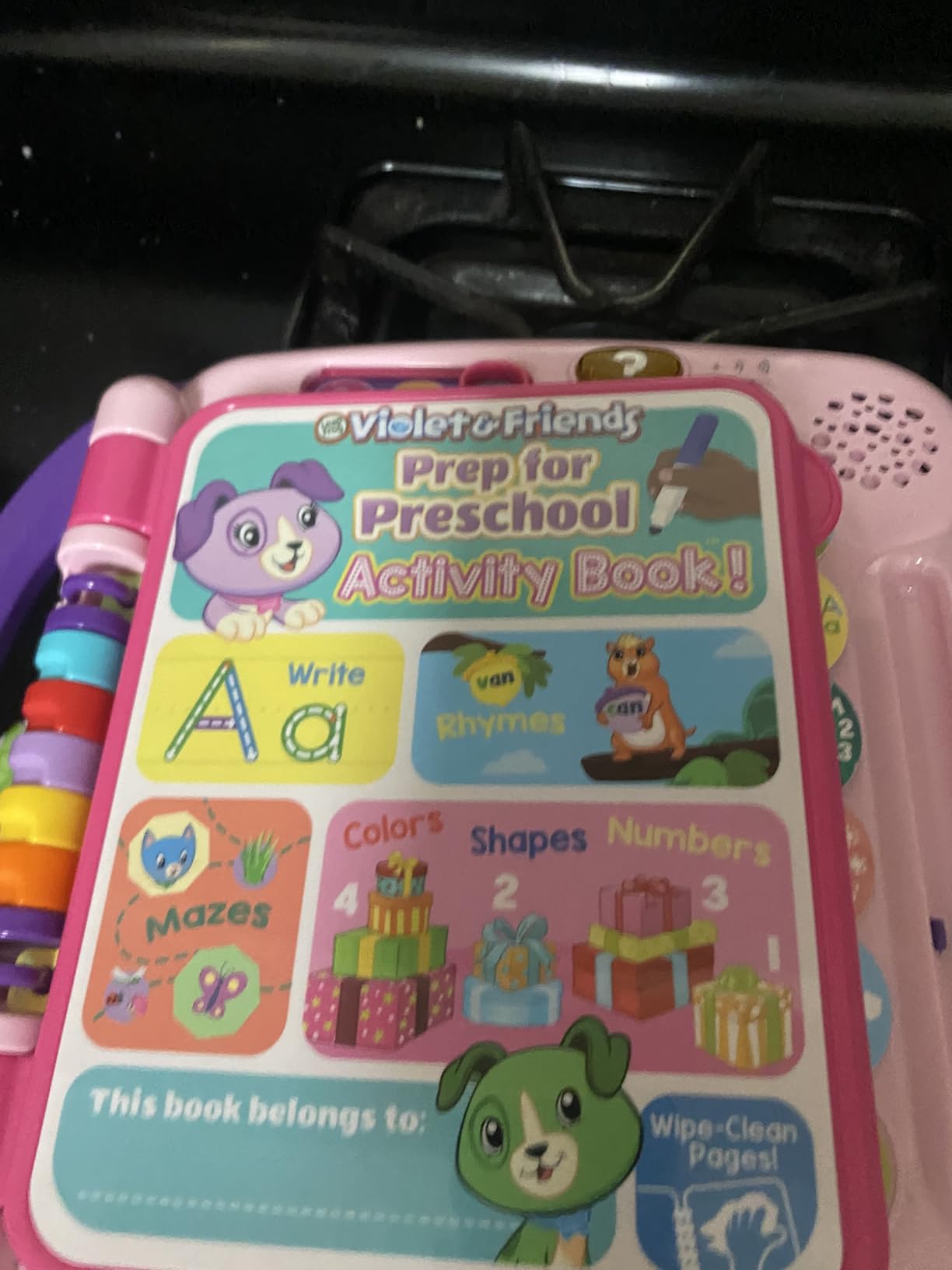
This is the toy I recommend to parents doing preschool prep at home. Half the pages are touch-sensitive like the other LeapFrog books, and the other half are marker pages your child actually writes on with an included erasable pen. That split is the whole point: touch to learn, write to lock it in.
We ran ours the summer before my daughter started preschool and it covered counting, colors, shapes, the alphabet, and first words in one place. The marker pages were the reason it worked. Tracing a letter and then wiping it away to try again feels like play, not homework.
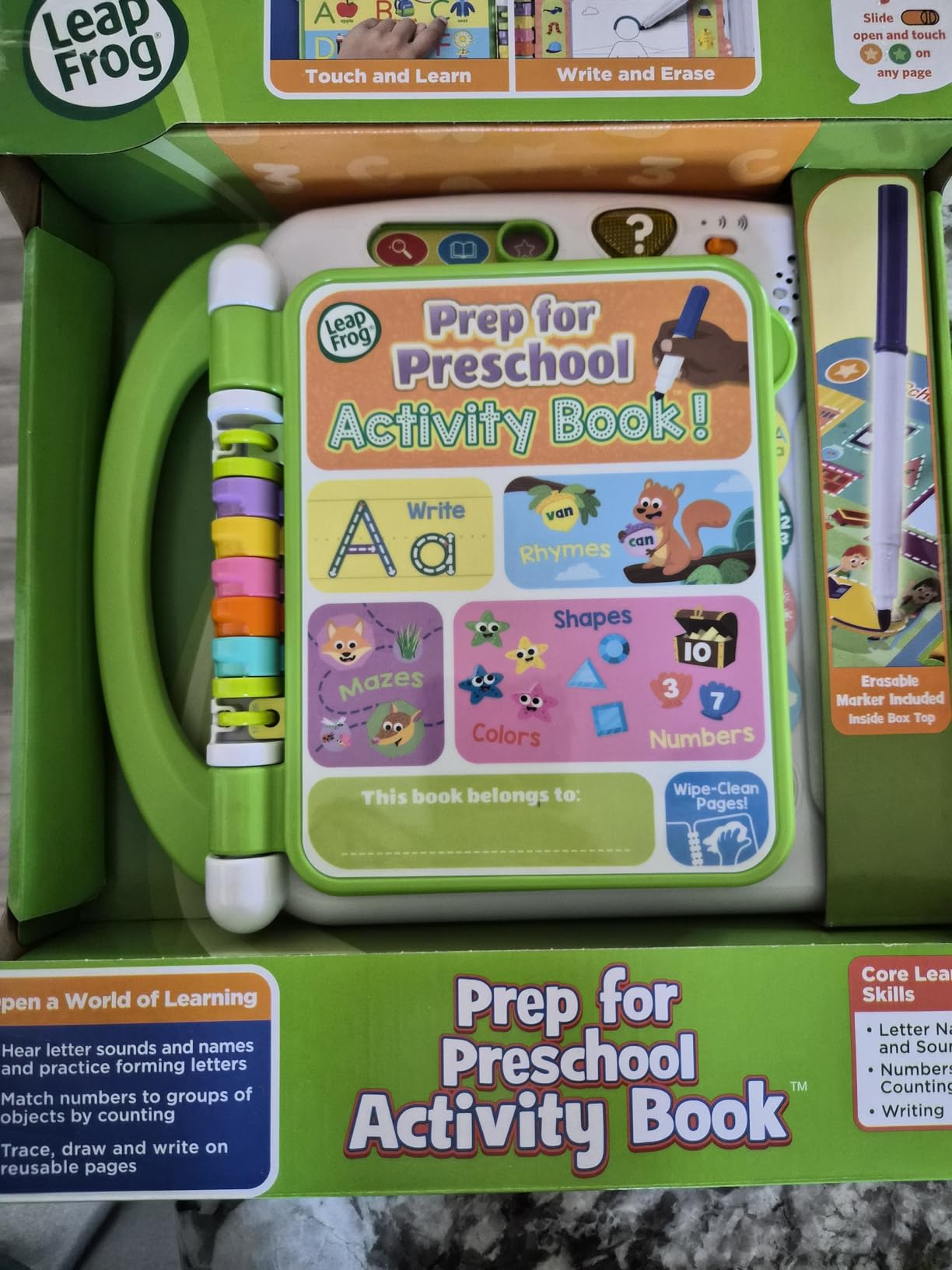
The phonics content focuses on beginning letters and rhyming words, which is exactly the pre-reading skill set preschool teachers look for. Rhyming teaches kids to hear sound patterns, and that ear training carries directly into decoding words later.
The Dress for Weather page sounds like filler until you watch a three year old use it. Choosing clothing for weather conditions and drawing their picks became a daily ritual here, and it doubles as fine motor practice with the marker.
Two cautions from testing and reviews. Interest can drop off fast with kids who already know their letters, because the content ceiling is preschool-level. And like everything here, it runs on AAs, so keep spares around once the demo set dies.
Is this enough on its own for preschool prep
For literacy basics like letters, sounds, and rhyming, yes, it covers the core. Add real picture books for story structure and you have a complete preschool reading diet. What it does not replace is social time, so pair it with playdates.
How does the erasable marker hold up
Well, with one rule: keep the pen capped. Ours survived months of use and wiped clean with a tissue every time. The pages are a laminate material, so ghosting is minimal, but an uncapped marker left overnight will need a damp cloth.
10. LeapFrog LeapReader System Learn-to-Read 10 Book Mega Pack
LeapFrog LeapReader System Learn-to-Read 10 Book Mega Pack, Pink
Ages 4-8 years
10 book library
Stylus pen
3 modes per page
Pros
- Touch pages with the LeapReader pen to hear reading
- Includes 10 books covering short vowels sight words and simple words
- Three modes per page scaffold real decoding skills
- Download extra content from the LeapFrog app center
- Pen works with the entire LeapReader library
Cons
- Some complaints about low speaker volume
- Higher price than single toys
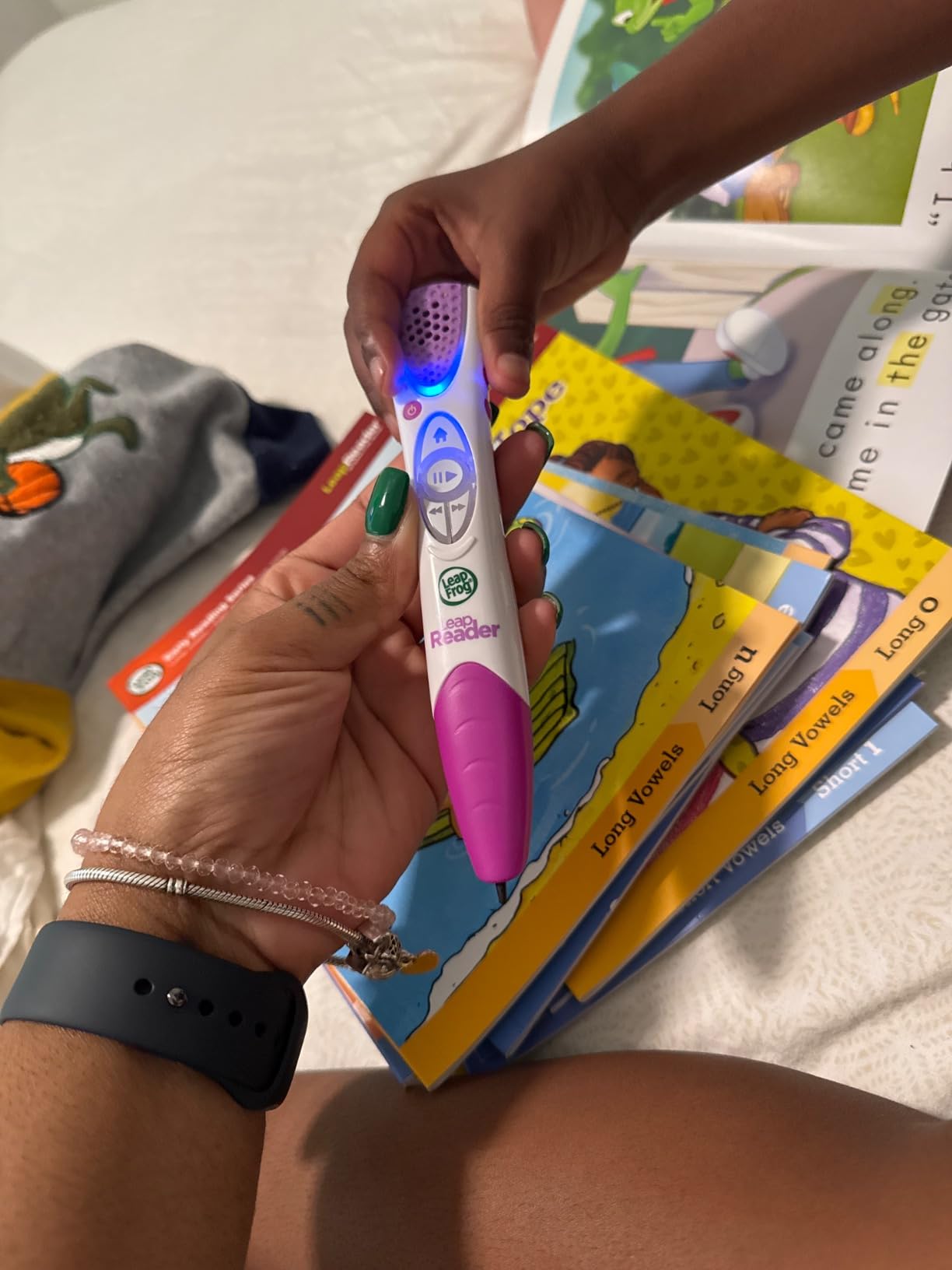
This is the graduation toy. The LeapReader is a stylus your child touches directly on paper book pages, and each page offers three modes that walk them from hearing a sentence, to sounding out words, to reading independently. It is the closest thing to a structured reading curriculum disguised as a toy chest.
My daughter used this through kindergarten and it was the first tool where she read actual words unassisted. The 10-book mega pack focuses on short vowels, sight words, and simple decodable words, which is precisely the sequence early readers need. Watching her tap a word, hear it sounded out, then say it herself never got old.
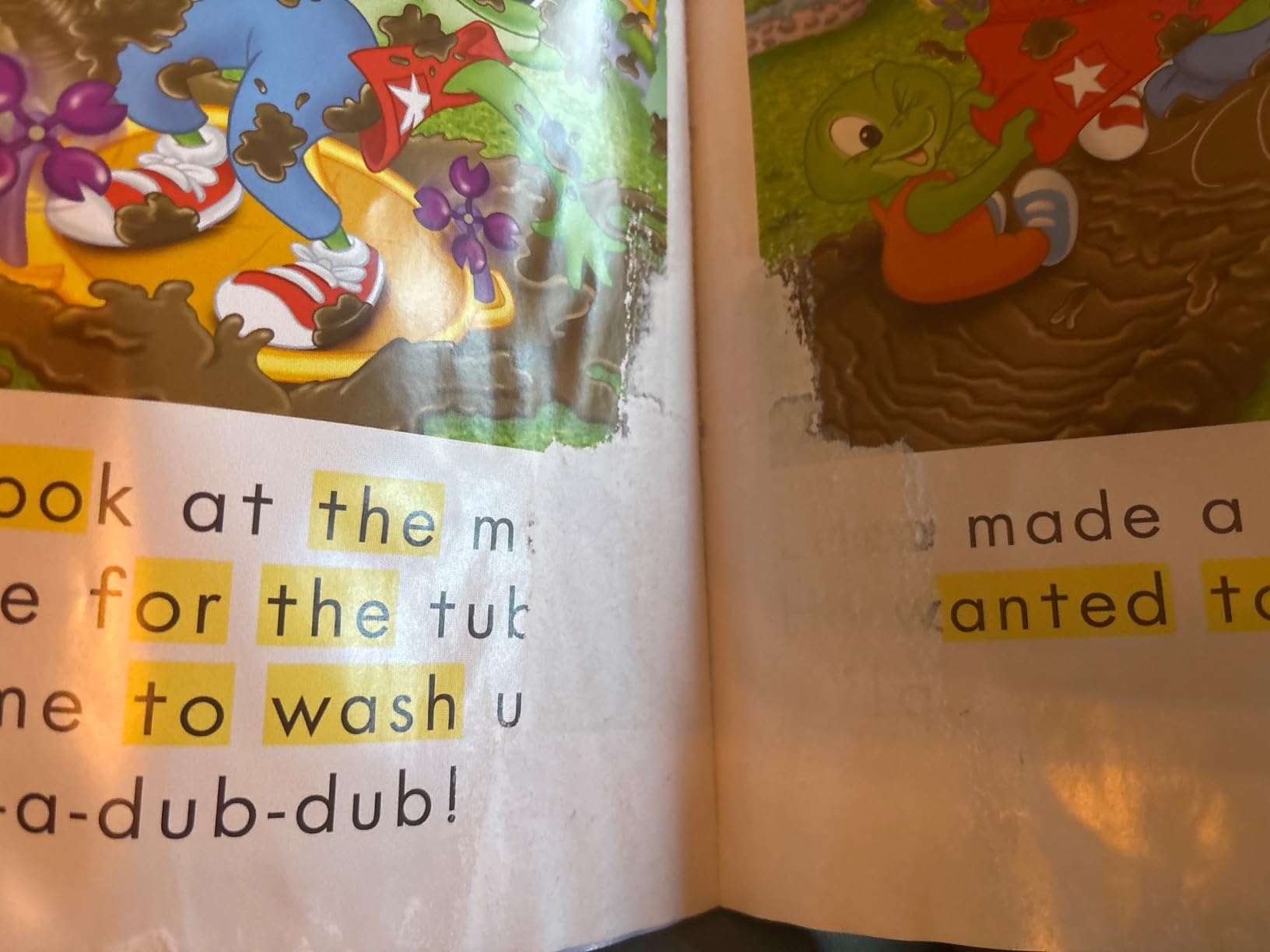
Because the pen works with the entire LeapReader library, this is a system rather than a one-off. You can add titles from the app center as your child advances, so the initial pack is really an entry point into years of content. That is why it earns the premium label despite the steeper cost.
The physical design is solid: a lightweight handheld pen running on two AAA batteries and real paper books. Real books matter here, because your child is holding actual pages and following actual text lines, which transfers directly to reading regular books later.
The two known complaints are volume and cost. Some parents found the pen speaker too quiet for noisy rooms, and the upfront price is the highest on this list. Given that thousands of parents report kids moving from letter recognition to real reading with it, I consider both acceptable tradeoffs.
When should a child start the LeapReader
Start once they reliably recognize most letters and their sounds, usually around age four. Starting earlier frustrates kids who cannot yet blend sounds. If you are unsure, try the three modes together on one page and watch whether they engage or tune out.
Is it worth it over cheaper reading toys
If your child is actively learning to decode words, yes, because nothing else here teaches true independent reading. If they are still working on letter names, save your money and start with the Dictionary or Mr Pencil, then move up to this system in a year.
How to Choose Screen-Plus-Physical Reading Toys
After a few years of watching which toys get used and which get buried, I can tell you the buying decision matters less than the matching decision. Here is how I narrow it down for other parents.
Match the toy to the reading stage, not the age on the box
Age ranges on packaging are rough guides. What actually matters is where your child sits on the reading ladder: vocabulary building, letter recognition, letter sounds, blending, or independent decoding. A kid who can already blend does not need another alphabet book, and a two year old is not ready for a stylus pen.
Use the progression from this list as your cheat sheet. Sea Turtle and Dino for vocabulary, 100 Words Book for word banks, the LeapTop for keyboard letters, Mr Pencil for sounds and writing, the Dictionary for phonics patterns, and the LeapReader for actual reading.
Check the screen-versus-physical balance yourself
Before buying any electronic learning toy, ask one question: what are my child’s hands required to do? If the answer is nothing but swipe, it is a screen toy with extra steps. If the answer is flipping pages, pressing letter keys, tapping words with a pen, or tracing with a marker, you have real physical engagement reinforcing the learning.
The best picks on this list force physical action that mirrors the skill being taught. Writing with Mr Pencil builds handwriting while it teaches sounds. Tapping the LeapReader pen on a specific word trains word-by-word tracking. That coupling is the whole value of the hybrid category.
Prioritize replayability over features
The most common parent complaint I found in forums was toys that looked fun and got ignored after day one. The antidote is multiple play modes, which is why the Sea Turtle, the LeapTop, and the Dictionary stayed in rotation here long after single-mode toys were forgotten. More modes means more ways back into the toy.
Grow-with-child design is the other replayability marker. The LeapReader system expands with new books, and the bilingual 100 Words books effectively double their content with a language switch. Toys that grow justify their cost over a longer window.
Weigh durability and supervision honestly
Every toy on this list survived real kid handling in our testing, but they are not equal for travel and solo use. The LeapFrog plastic books and the Sea Turtle are car-seat-proof. The Dictionary is better as a tabletop toy. The KOKODI pen and LeapReader pen both need a week of coaching before young kids can use them alone.
If you need something for a stroller or a road trip, lean toward the chunky book-style toys. If you are sitting alongside your child anyway, the pen-based systems deliver deeper learning per minute.
Budget for the running costs
Nearly everything here runs on AA or AAA batteries, and the included cells are almost always demo strength. Factor in a fresh set of rechargeables on day one and you will avoid the sad quiet-toy moment a month in. None of these toys chew through batteries quickly once you install quality ones.
Also consider the total system cost versus the single-toy cost. The LeapReader is the priciest single purchase, but its expandable library means it replaces several future purchases. The Sea Turtle is the cheapest way into the category and still teaches real vocabulary.
Apply the 20 toy rule if clutter is winning
Parents asking about toy overload often reference the 20 toy rule, the idea of limiting a child’s available toys to roughly twenty items at a time. Fewer options means deeper play with each one. Rotating two or three of these reading toys in and out of circulation keeps all of them feeling fresh.
Frequently Asked Questions
What is the best toy for helping children learn to read?
For children already decoding words, the LeapFrog LeapReader System Learn-to-Read 10 Book Mega Pack is the strongest choice, because its stylus-based three-mode pages directly teach sounding out words. For younger children still building foundations, the LeapFrog Learning Friends 100 Words Book is the best starting point.
Are screen toys bad for learning to read?
Not when the screen is paired with physical interaction. Screen-plus-physical toys use electronic feedback to guide hands-on actions like flipping pages, tapping words, and tracing letters, which reinforces rather than replaces the motor skills and letter practice that reading requires. The concern applies mainly to passive video watching, not interactive hybrid toys.
How do screen-plus-physical reading toys work?
They use electronic feedback, such as sounds, lights, and spoken prompts, to guide children through physical activities like tracing letters, building words, or tapping pictures. The toy responds instantly to what the child’s hands do, creating a feedback loop that reinforces vocabulary, letter sounds, and word recognition.
What age should kids start using reading toys?
Around 12 to 18 months for touch-based vocabulary books like the VTech Sea Turtle or the 100 Words Book. Letter-sound toys such as Mr Pencil suit ages 3 to 5, and stylus reading systems like the LeapReader fit ages 4 to 8 once a child recognizes most letters.
What toys do ADHD kids like for reading practice?
Toys with immediate feedback and movement work best: the KOKODI Talking Pen for its tap-anywhere audio and 500+ interactive games, the LeapTop Touch for its keyboard role-play, and Mr Pencil for animation rewards after each letter. Short active sessions with these toys hold attention better than passive workbooks.
Final Verdict: The Best Screen-Plus-Physical Reading Toys for Kids
After all the testing hours, the short version is this. Get the LeapFrog Learning Friends 100 Words Book for toddlers, the VTech Sea Turtle if you want the best value in the category, and the LeapReader 10 Book Mega Pack once your child is ready to actually read. That trio covers ages one through eight with almost no gaps.
The hybrid approach works because it splits the job sensibly: electronics handle the instant feedback and pronunciation that parents get tired of repeating, while little hands do the page-flipping, tapping, tracing, and writing that builds real literacy. Choose the best screen-plus-physical reading toys for kids by reading stage rather than age on the box, and you will get a toy that is still in use a year from now.
Pick the one matching your child’s stage above, swap in fresh batteries on day one, and enjoy the quiet satisfaction of screen time you do not have to feel guilty about.