
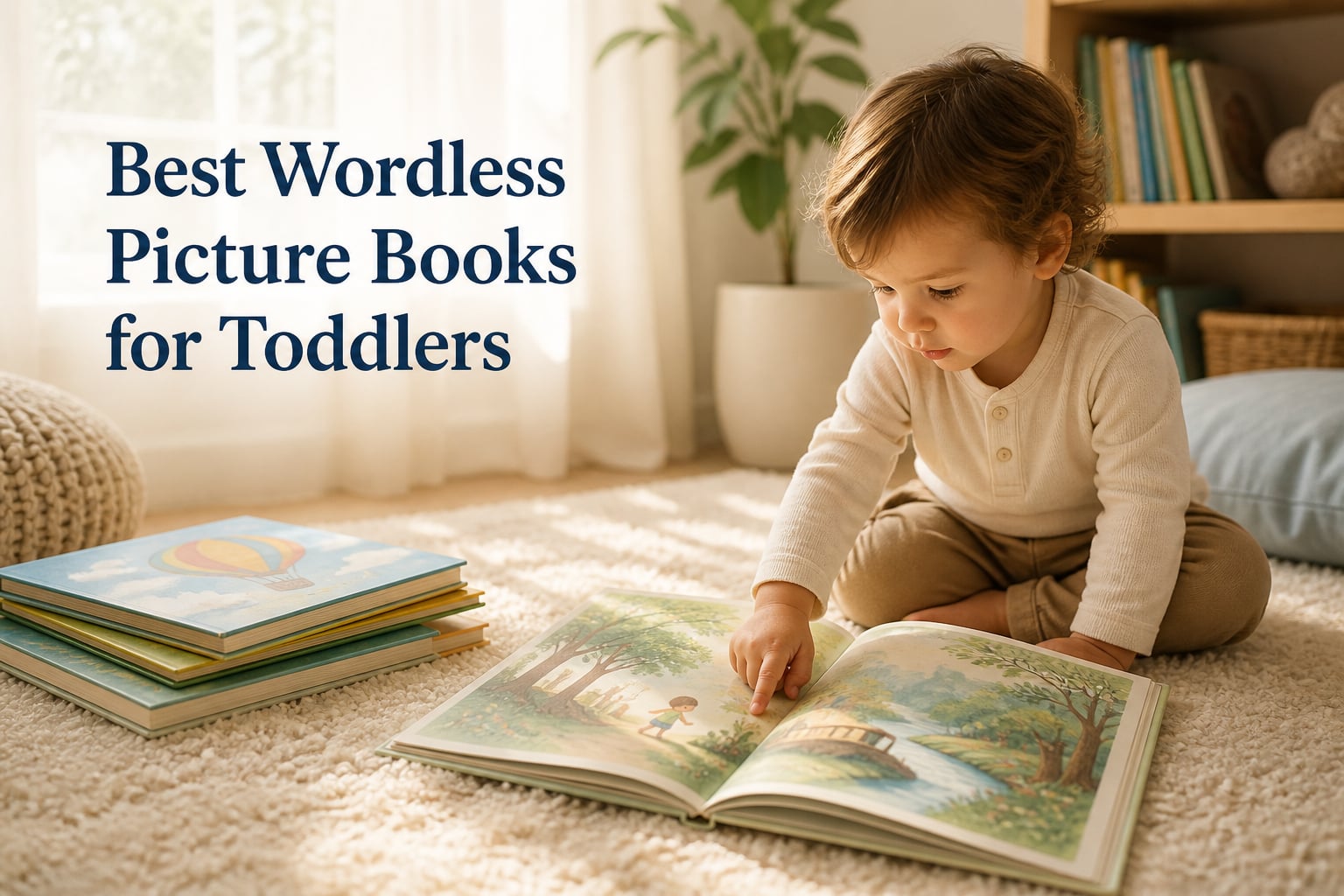
When my daughter was 18 months old, she ripped the corner off three picture books in a single week. I was about to give up on reading together until a friend handed me a wordless picture book and said, “Just look at the pictures with her.” That night, we sat on the couch for 20 minutes, and she narrated the entire story with gorilla sounds. It was the first time she’d ever “read” to me.
Wordless picture books are storytelling tools that rely entirely on illustrations to tell a story. There’s no text, no words, no sentences. Just images that guide a parent and child through a narrative together. These books do something regular picture books cannot: they put your toddler in charge of the story.
After spending three months reading these books with my own kids and comparing notes with other parents, I put together this list of the best wordless picture books for toddlers. I’ve broken down each book by age range, durability, and what makes it special so you can find the right fit for your little one.
Table of Contents
Top 3 Picks for Best Wordless Picture Books for Toddlers

Journey by Aaron Becker
- Caldecott Honor - Stunning watercolor art - Trilogy adventure - Ages 3-6

Good Dog, Carl by Alexandra…
- Durable board book format - Toddler-safe - Classic story - Ages 1-3
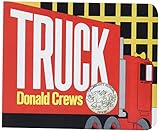
Truck by Donald Crews
- Caldecott Honor - Board book durability - Vehicle theme - Ages 1-3
Best Wordless Picture Books for Toddlers in 2026
| Product | Specs | Action |
|---|---|---|
| Good Dog, Carl – Classic Board Book |
|
Check Latest Price |
 Flashlight – Nighttime Adventure Flashlight – Nighttime Adventure |
|
Check Latest Price |
 Pancakes for Breakfast Pancakes for Breakfast |
|
Check Latest Price |
| Journey – Aaron Becker Trilogy |
|
Check Latest Price |
 The Lion & the Mouse The Lion & the Mouse |
|
Check Latest Price |
 Free Fall – Dream Adventure Free Fall – Dream Adventure |
|
Check Latest Price |
 Rosie’s Walk Rosie’s Walk |
|
Check Latest Price |
 Tuesday – Flying Frogs Tuesday – Flying Frogs |
|
Check Latest Price |
 Hug – Bobo and Friends Hug – Bobo and Friends |
|
Check Latest Price |
 A Ball for Daisy A Ball for Daisy |
|
Check Latest Price |
 Flora and the Flamingo Flora and the Flamingo |
|
Check Latest Price |
| Truck – Donald Crews |
|
Check Latest Price |
1. Good Dog, Carl – A Classic Board Book Wordless Story
Good Dog, Carl : A Classic Board Book
Board book
Toddler-safe
Ages 1-3
36 pages
Pros
- Durable board book format
- Beloved classic story
- Inspires imagination
- No words - child narrates
- Stands up to toddler handling
Cons
- Some scenarios show baby climbing on dog
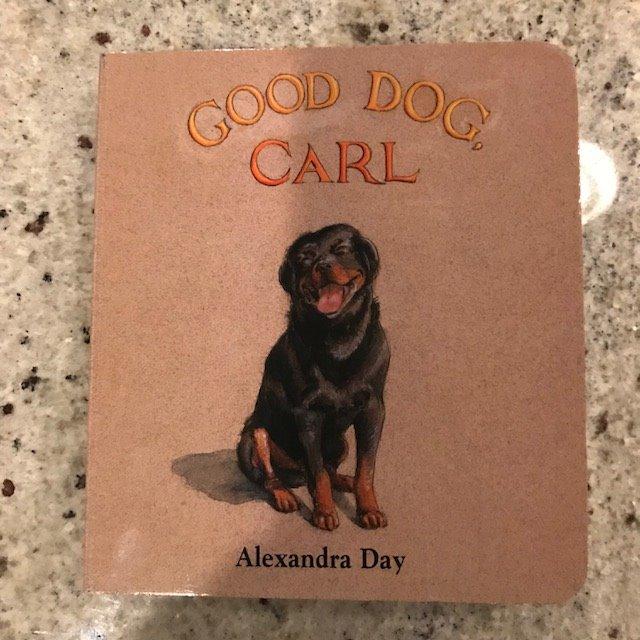
Good Dog, Carl by Alexandra Day is the book that taught me what wordless picture books could really do. My daughter carried it around for months, and despite its 4.9 rating from over 3,300 reviews, I was skeptical at first. Would a 2-year-old actually sit through a book with no words?
The answer turned out to be yes, repeatedly. The story follows Carl the Rottweiler as he babysits a baby while the parents are out. Every page shows Carl and the baby getting into mild mischief, and the illustrations are detailed enough that you can spin a different story every time. Some nights we talked about the zoo. Other nights we made it a trip to the grocery store.
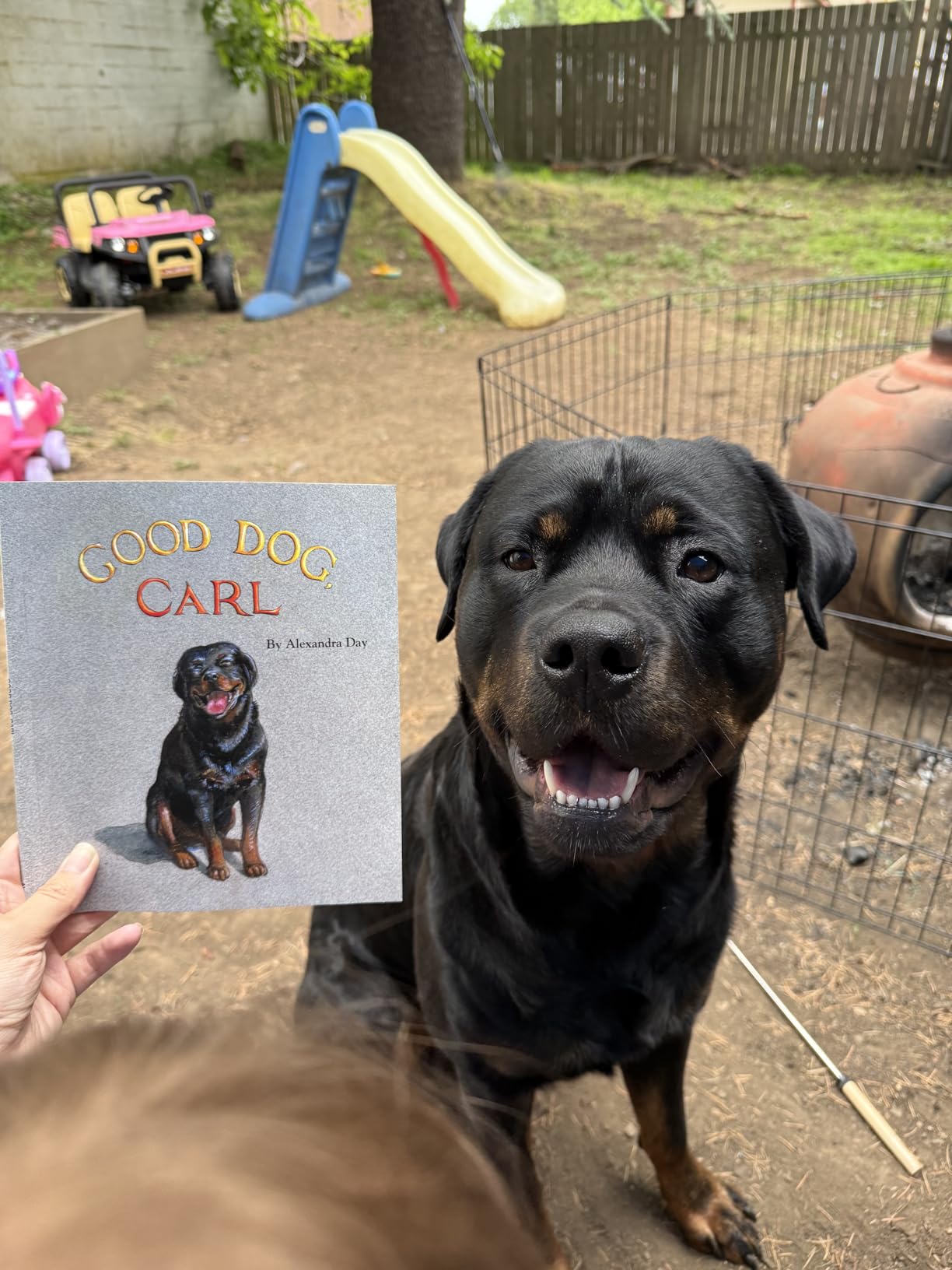
What sold me on this book was the durability. The board book format at 4.31 x 5.63 inches held up to my daughter’s chewing, dropping, and page-flipping. The reading age is 1-3 years, which is perfect for toddlers who are still tough on their books. At 8.8 ounces, it is light enough for tiny hands to carry around the house.
One thing to note: a few illustrations show the baby climbing on Carl or getting into situations that might not be ideal role models. I used these as teaching moments with my daughter. “Should we climb on the dog like that?” became a regular conversation starter.
Reading age and developmental fit
This book works best for toddlers ages 1-3. Younger toddlers around 12-18 months will enjoy pointing at objects and naming animals. Older toddlers around 2-3 will start telling their own versions of the story, which is exactly what you want from a wordless picture book.
If your toddler loves animals, this is a no-brainer. The rottweiler as a gentle babysitter is a charming twist that kids find hilarious, and the short 36-page length keeps attention spans engaged.
Why parents keep coming back to it
Carl has been a household name since 1985, and for good reason. The book never gets old because the story changes with your child. A 2-year-old sees Carl as a friend. A 4-year-old starts asking why the parents left the baby with a dog. That kind of layered storytelling is rare in any format.
I have read this book at least 200 times, and I never get bored. That alone makes it worth the price.
2. Flashlight – A Magical Wordless Nighttime Adventure
Flashlight: (Picture Books, Wordless Books for Kids, Camping Books for Kids, Bedtime Story Books, Children’s Activity Books, Children’s Nature Books) (Junior Library Guild Selection)
Picture book
Bedtime story
Ages 2-5
40 pages
Pros
- Beautiful nighttime theme
- Interactive flashlight reading
- Junior Library Guild Selection
- Teaches light and shadow
- Encourages imagination
Cons
- Best enjoyed in a dark room
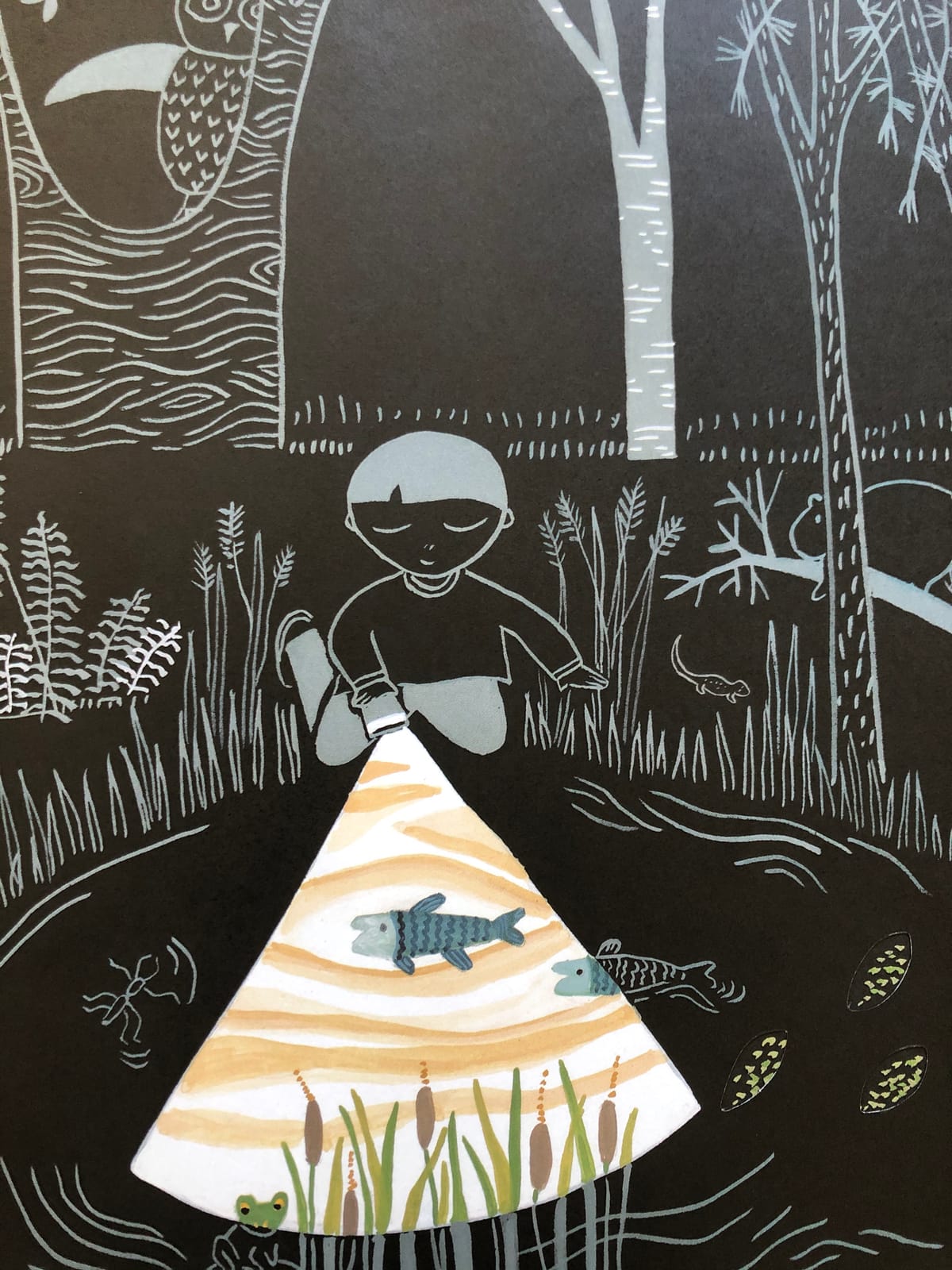
Flashlight by Lizi Boyd is one of those books that makes you feel like a kid again. The premise is simple: a boy goes camping and uses his flashlight to explore the nighttime world. The illustrations show what the flashlight reveals in the dark, from insects to sleeping animals to hidden creatures.
My son’s eyes went wide the first time we read it. He kept asking, “What does he see next?” Without any text to anchor the story, he was completely engaged in predicting what the flashlight would reveal on each page. That is the magic of wordless picture books done right.
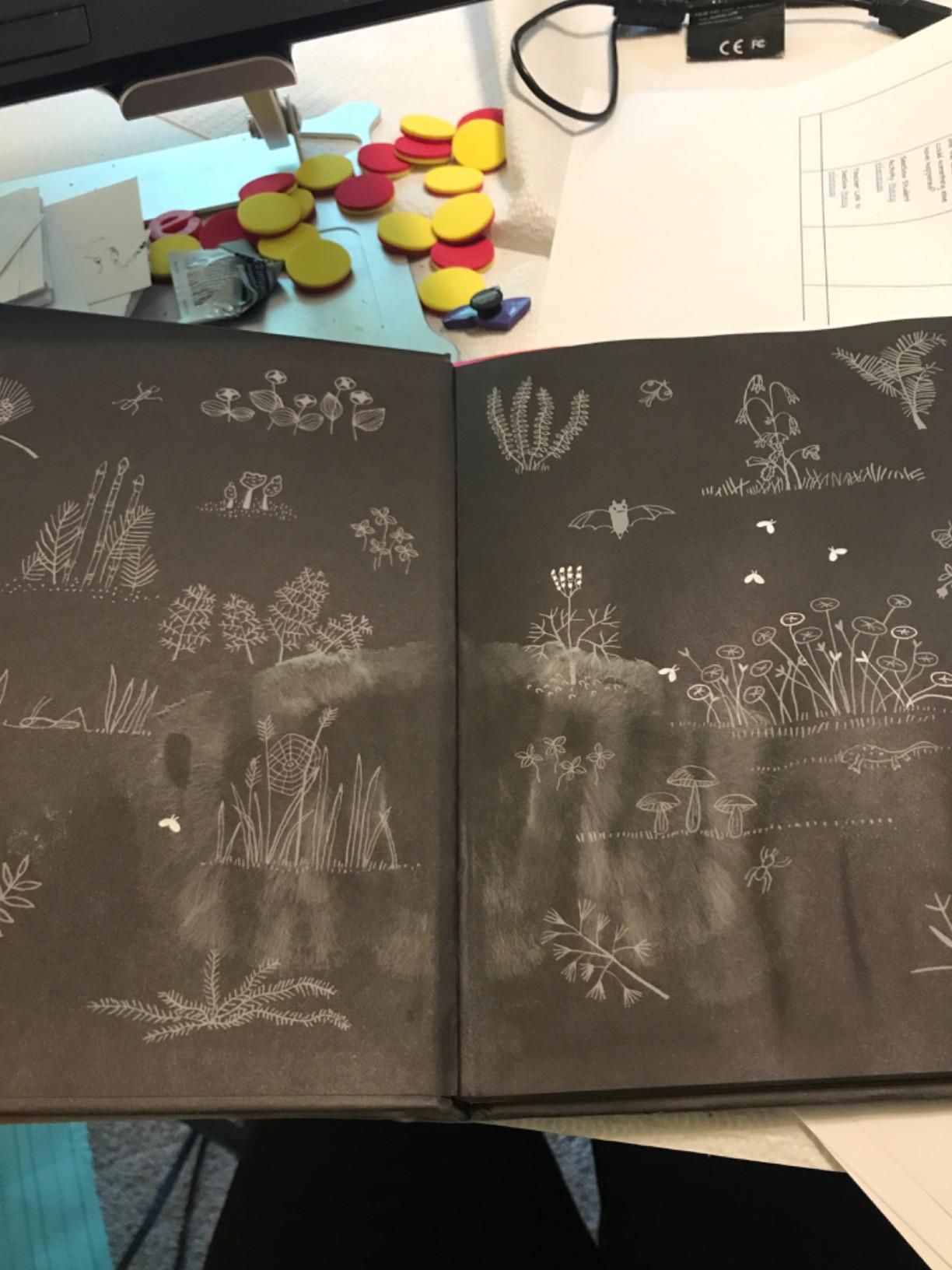
The book is a Junior Library Guild Selection, which is a strong trust signal. It runs 40 pages at 9.5 x 9.5 inches, making it a substantial picture book without being overwhelming. The reading age is 2-5 years, so it will grow with your toddler for a few years.
One thing to know: this book really is best experienced in a dark room with a flashlight. Some parents use it as a bedtime adventure where they turn off the lights and let the flashlight illumination mimic the story. It is a fun ritual, but it does require a bit of setup.
When this book shines brightest
This is a perfect book for toddlers who are obsessed with nature, animals, and the outdoors. If your child likes camping or asking questions about what happens at night, this book will spark endless conversations. The flashlight mechanic also makes it a hit with kids who love interactive play.
For 2-year-olds, the dark theme might be a little spooky on first read. I recommend starting with the lights on and gradually transitioning to the flashlight experience as your child gets comfortable with the story.
Educational value
Beyond the storytelling, Flashlight teaches early concepts about light, shadow, and nocturnal creatures. My son started noticing beetles and moths in our backyard after reading this, which was a delightful side effect. The wordless format also gives you a chance to introduce new vocabulary naturally as you describe what is happening.
The 640 reviews averaging 4.7 stars speak to its broad appeal. If you want one book that doubles as a science lesson and a calming bedtime story, this is it.
3. Pancakes for Breakfast – A Wordless Story About Cooking
Pancakes for Breakfast: A Wordless Story About Cooking and Perseverance for Children (Ages 4–8)
Wordless cooking story
Ages 4-8
32 pages
Pros
- Teaches sequencing skills
- Charming perseverance story
- Interactive storytelling
- Good reading readiness tool
- Beautiful illustrations
Cons
- Reading age 4-8 may be older than expected
Tomie dePaola’s Pancakes for Breakfast is a wordless picture book about a woman named Martha who decides to make pancakes. The story follows her as she gathers ingredients, deals with setbacks (her cat and dog keep undoing her work), and eventually succeeds. It is a charming story about perseverance that resonates with toddlers and preschoolers alike.
What I appreciate about this book is how it teaches sequencing without ever feeling like a lesson. My daughter picked up on the order of steps naturally: get the eggs, get the milk, mix the batter, cook the pancakes. By the third read, she was telling me what Martha needed to do next.
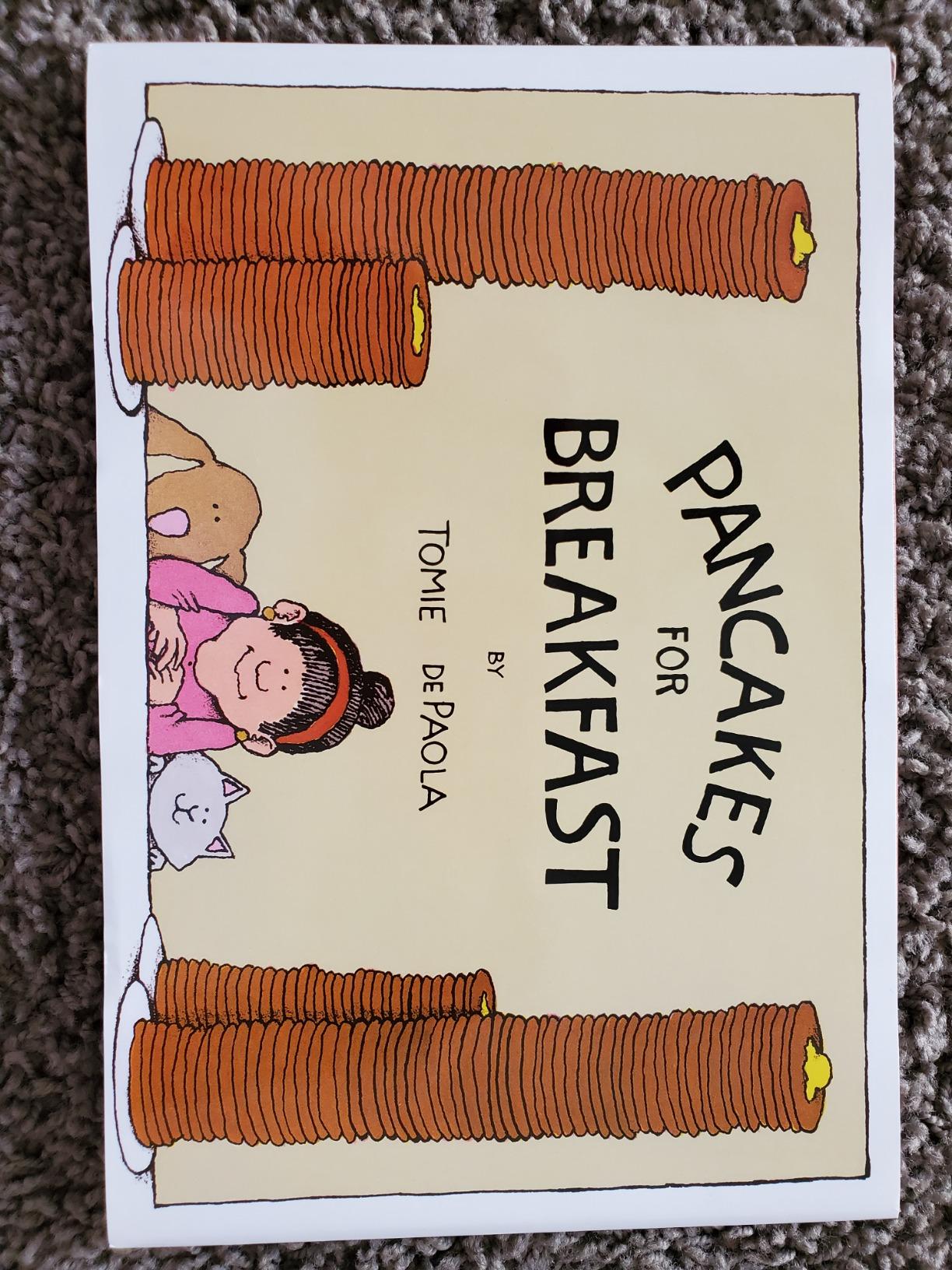
The book is 32 pages at 11 x 7.5 inches, so it has a slightly larger format that makes the illustrations easy to appreciate. The reading age listed is 4-8, but in my experience, even 2-year-olds can engage with the story because the visuals are so clear. The 1,017 reviews and 4.7 rating reflect its long-standing popularity.
One caveat: this is a paperback reprint, not a board book. If your toddler is still in the chewing phase, you may want to save this for supervised reading or wrap it in a protective cover. The thin pages do not hold up to rough handling.
Storytelling and reading readiness
This book is a fantastic tool for early reading skills. Without text to lean on, toddlers have to rely on the pictures to understand the story, which builds comprehension and inference skills. It is the kind of book that speech therapists and preschool teachers recommend for a reason.
If your child is around 2 years old and starting to ask “what is happening?” they will love this book. If they are 4 and starting to construct their own narratives, this book gives them the structure to do that.
Why the wordless format works here
Tomie dePaola is a beloved children’s book author, and his wordless books are some of the most engaging out there. The lack of text makes the story feel like a treasure hunt. You turn the page and discover what happens next alongside your child.
For families who love cooking together, this book is also a great prompt to make pancakes the next morning. My kids now ask for “Martha’s pancakes” whenever we read this one.
4. Journey – Aaron Becker’s Wordless Trilogy
Journey (Aaron Becker’s Wordless Trilogy, 1)
Wordless trilogy book 1
Ages 3-6
40 pages
Pros
- Stunning watercolor illustrations
- Caldecott Honor
- First in trilogy
- Themes of friendship and courage
- Wide age appeal
Cons
- Some conflict elements may frighten sensitive toddlers
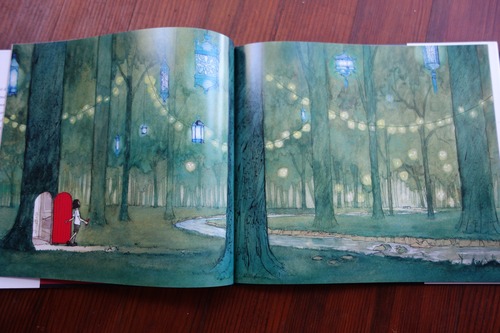
Journey by Aaron Becker is the book that made me realize wordless picture books could be genuinely beautiful works of art. The story follows a lonely girl who draws a door on her bedroom wall with a red crayon and enters a magical world. There, she uses her imagination to help others and ultimately find her way home.
My kids were mesmerized by this one. The illustrations are intricate and detailed, with hidden stories within stories. Every page rewards careful looking. The 4.8 rating from 2,222 reviews confirms what I observed: this book has a special place in many families’ hearts.
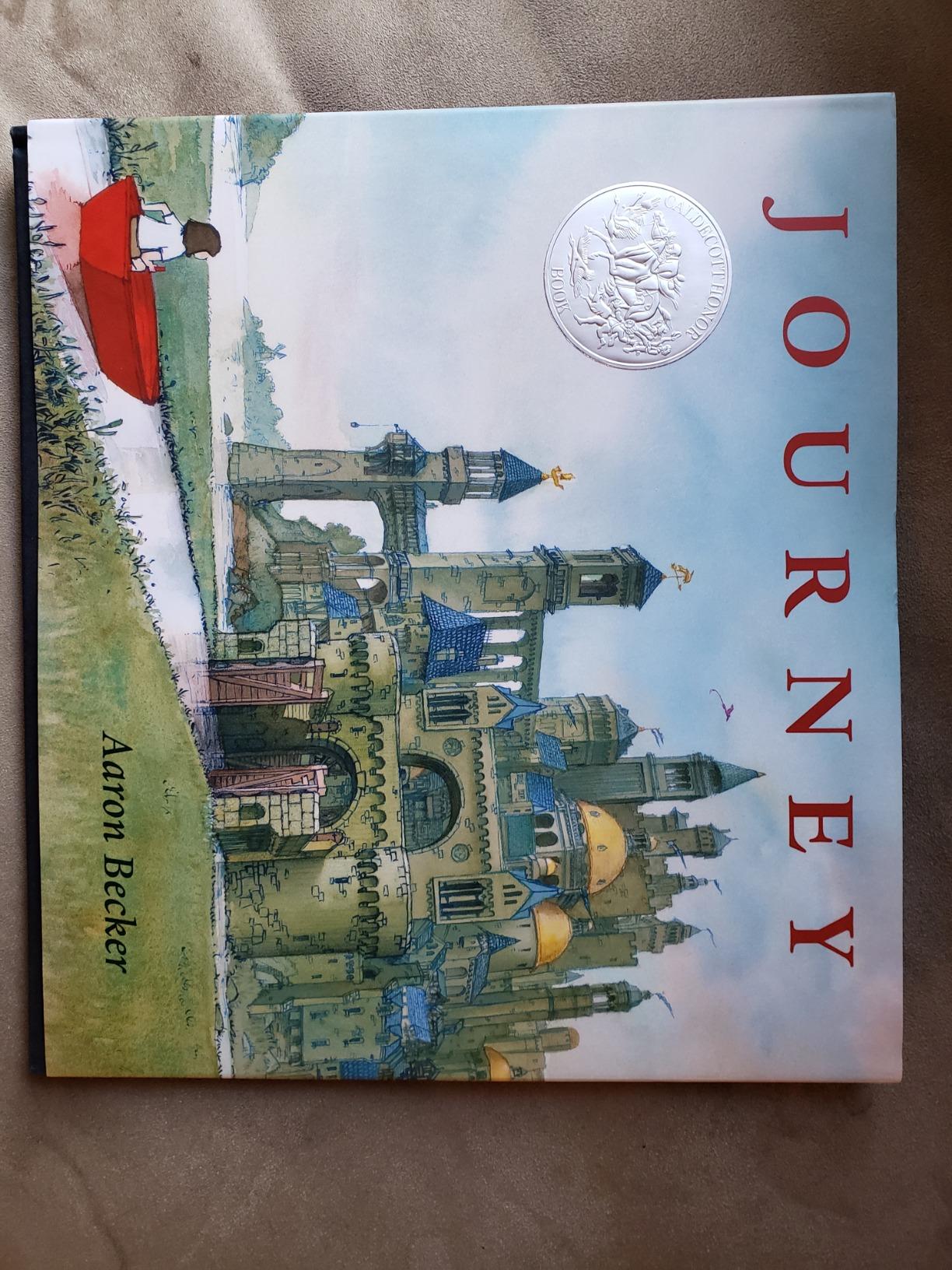
At 10.98 x 9.76 inches and 40 pages, Journey is a substantial picture book. It is a Caldecott Honor book, which is the highest recognition for illustrated children’s books in the United States. The themes of friendship, mutual aid, and courage are layered enough that older kids and adults can appreciate them too.
One thing to flag: there are some scenes of conflict and a brief chase sequence that might frighten very young or sensitive toddlers. I would recommend this for ages 3 and up, particularly for kids who can handle mild tension in stories.
Why this is a top pick for toddlers
Journey is the rare wordless picture book that genuinely grows with your child. At 3, my daughter enjoyed the adventure. At 5, she started asking about the symbolism of the red crayon. At 7, she can articulate the messages about helping others. You will get years of use out of this book.
The book is also part of a trilogy. Quest is the second book, and Return is the third. If your child loves Journey, you have two more books to explore together. That makes it a strong value for a single purchase.
Inspiring imagination in quiet ways
There is something about Journey that prompts quiet contemplation. After reading it, my kids often went off to draw their own magical worlds. That kind of sustained creative play is what we want from picture books, and Journey delivers it in a way few other books do.
For parents who want a wordless picture book that feels like a real work of art, this is the one to start with.
5. The Lion & the Mouse – A Caldecott Medal Winning Wordless Fable
The Lion & the Mouse (Caldecott Medal Winner)
Caldecott Medal
Aesop fable
Ages 2-5
40 pages
Pros
- Caldecott Medal winner
- Stunning watercolor illustrations
- Teaches kindness and reciprocity
- Beautiful animal artwork
- Great for read-aloud
Cons
- Essentially wordless with only animal sounds
- Some parents want more text
Jerry Pinkney’s The Lion & the Mouse is a near-wordless retelling of Aesop’s classic fable. The story shows a lion who spares a mouse’s life, only to have the mouse return the favor by freeing the lion from a hunter’s trap. The illustrations are so expressive that the story flows naturally without text.
This book is a Caldecott Medal winner, which is the gold standard for illustrated children’s books. The 1,021 reviews and 4.7 rating reflect decades of praise from parents, librarians, and educators.
What I love about this book is how it teaches empathy through pure visuals. My son pointed at the lion’s face on one page and said, “He’s sad.” Without anyone telling him, he picked up on the emotion through the artwork. That is the power of wordless picture books at their best.
At 11.4 x 9.8 inches and 40 pages, this is a large-format picture book. The watercolor illustrations are dense and detailed, with beautiful depictions of African landscapes. The reading age is 2-5 years, which makes it accessible for toddlers.
Why the Caldecott Matters
The Caldecott Medal is awarded annually to the most distinguished American picture book. Books that win this award have been vetted by librarians and illustrators who know what makes a picture book great. For parents, the Caldecott stamp is a reliable indicator of quality.
The Lion & the Mouse has been a Caldecott winner since 2010, and it continues to be a standard recommendation in early literacy programs. If you want a book that has stood the test of time, this is a safe bet.
Reading aloud and storytelling
There is a small amount of text in the book: animal sounds and a few brief phrases in the second half. This makes it a good bridge between wordless picture books and traditional picture books with text. You can read the sounds together with your toddler, then let the illustrations carry the rest of the story.
The themes of kindness and reciprocity are powerful for toddlers. Even at 2, my kids understood that the mouse helped the lion because the lion had helped the mouse first. That kind of moral lesson lands differently when told through pictures.
6. Free Fall – A Caldecott Honor Dream Adventure
Free Fall: A Caldecott Honor Award Winner – A Magical Wordless Journey Through Dreams and Fantasy for Kids (Ages 4-8)
Caldecott Honor
Dream journey
Ages 4-8
32 pages
Pros
- Caldecott Honor winner
- Stunning illustrations
- New discoveries with each reading
- Great for second language learners
- Encourages imagination
Cons
- Requires parental narration
- Not ideal for end-of-night exhausted reads
David Wiesner’s Free Fall is a dreamlike wordless picture book about a boy who falls asleep and finds himself in a magical world of flying books, dragons, and strange creatures. The illustrations transform from realistic to fantastical as the boy drifts through his dreams.
This is a Caldecott Honor book, meaning it was a runner-up for the Caldecott Medal. The 273 reviews and 4.7 rating show that it has a devoted following, even if it is not as widely known as some other Wiesner titles.
My kids loved this one for its unpredictability. Each page seems to shift into a new dreamlike world, and we kept spotting new details on every read. The book gets richer over time, which is a hallmark of a great wordless picture book.
At 10.96 x 9.26 inches and 32 pages, this is a standard picture book format. The reading age is 4-8, which is a bit older than some other books on this list. For toddlers closer to 3, this works, but it may be more appreciated by 4 and 5 year olds.
Why parents love this book
Free Fall is one of those books that rewards slow looking. The illustrations are so detailed that you can have a completely different conversation each time you read it. Parents on forums frequently mention that they spot something new even after dozens of reads.
It is also a fantastic book for English language learners. Without text to translate, the story can be told in any language, which makes it a favorite in bilingual households and ESL classrooms.
Setting expectations for the read
One honest note: this book does require parental narration since there are no words at all. If you are exhausted at bedtime, this is not the book to reach for. Save it for weekend mornings or quiet afternoons when you have the energy to weave the story yourself.
For 4-year-olds and up, this book can be a great prompt for creative writing. After reading, ask your child to draw their own dream world. We did this activity and my kids spent an hour illustrating their own versions of Free Fall.
7. Rosie’s Walk – A Classic Wordless Picture Book From 1968
Pros
- Classic 1968 wordless picture book
- Teaches positional vocabulary
- Bright simple illustrations
- Children find the fox hilarious
- Good for emerging readers
Cons
- Younger children need help reading
- Stock can be limited
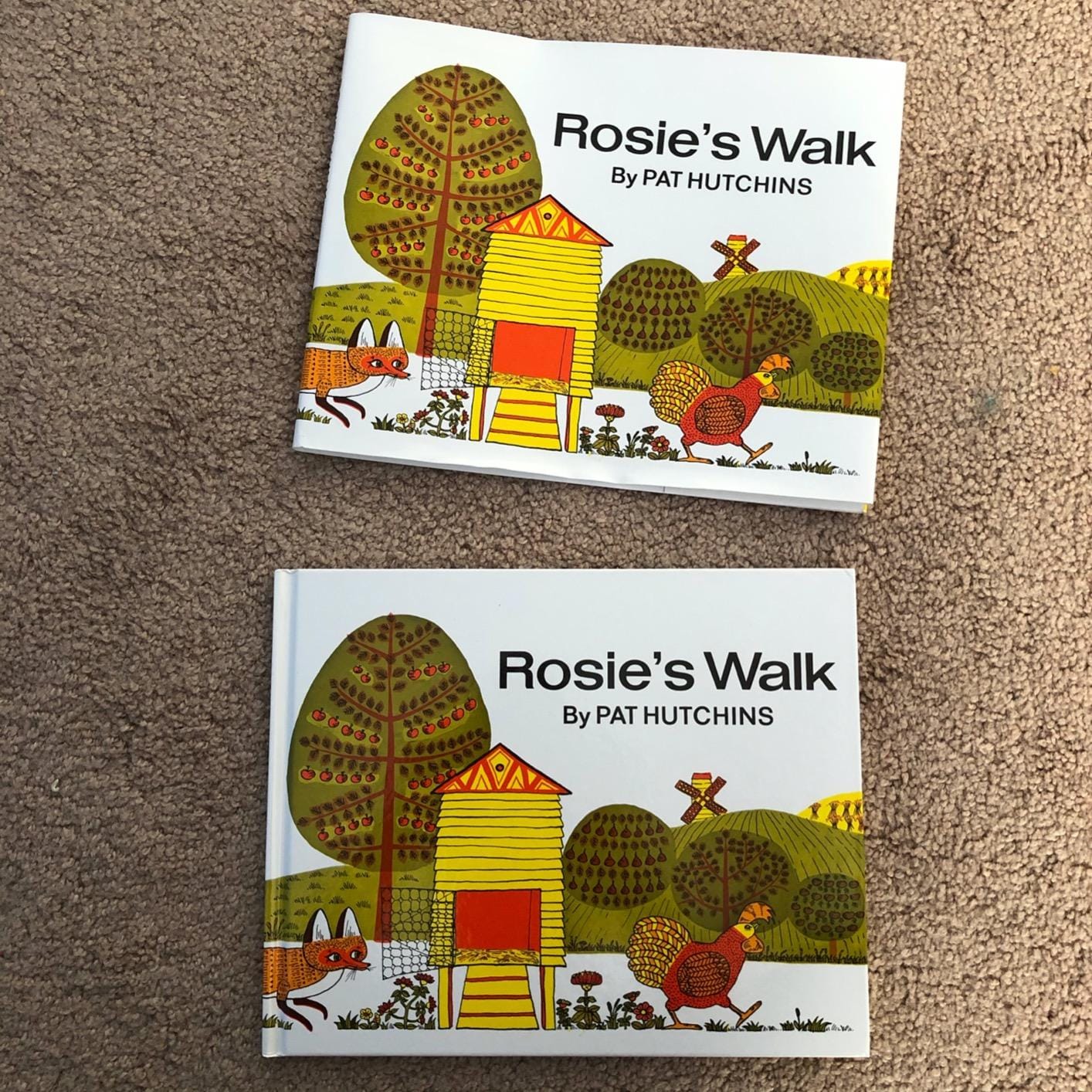
Rosie’s Walk by Pat Hutchins is one of the oldest wordless picture books still in print, and it has earned its place. The story follows Rosie the hen as she walks around the farmyard, completely unaware that a fox is stalking her. The fox’s mishaps are the source of humor, and the simple illustrations make it easy for toddlers to follow.
What makes this book special is its teaching value. The illustrations naturally introduce positional vocabulary: over, under, around, through, past. My daughter learned “around” and “through” from this book before she ever heard them in conversation.
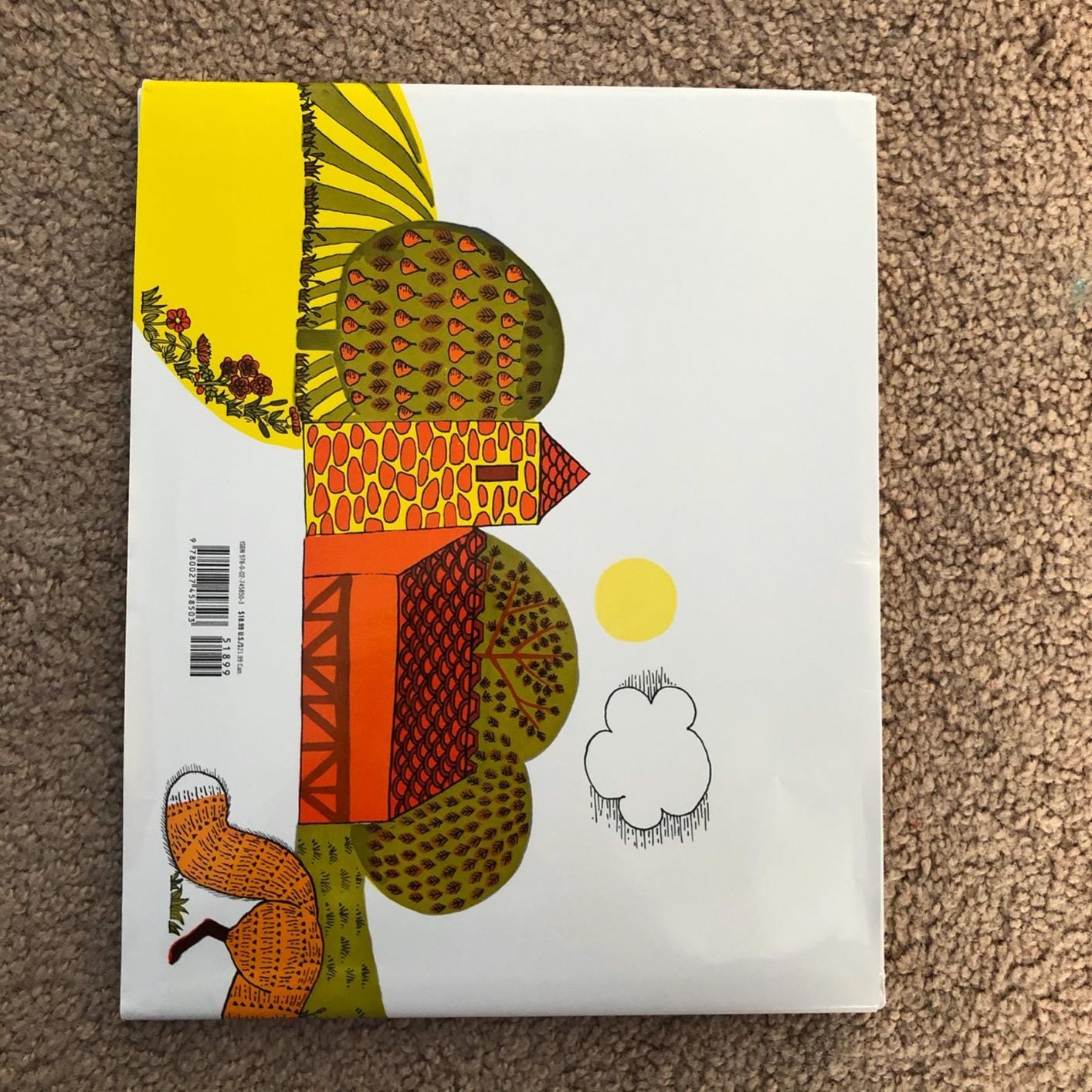
The book is 32 pages at 9 x 7.5 inches, making it a comfortable size for small hands. The reading age is 2-5 years, and the 1,006 reviews averaging 4.7 stars confirm its enduring popularity. Note: there is some text in the book (a single sentence per page in the original), but the illustrations do most of the storytelling work.
One thing to be aware of: stock can be limited since this book has been around since 1968. If you see it available, grab it.
Why this book has lasted 50+ years
Rosie’s Walk is a masterclass in simple, effective picture book design. The illustrations are bright and uncluttered, making them easy for toddlers to interpret. The humor lands without needing words. The fox tumbling into the pond or getting caught in a haystack gets giggles every single time.
For parents who want a book that will not feel dated, this is it. The illustrations have a timeless quality that connects with grandparents and grandchildren the same way.
Educational value for toddler vocabulary
If you want a wordless picture book that doubles as a vocabulary lesson, this is the one. The prepositions are woven into the visual story so naturally that toddlers absorb them without realizing they are learning. Pair this book with a walk around your neighborhood and you will hear your child using words like “around” and “past” on their own.
For 2-year-olds, sit with them and label the positions out loud. For 3-year-olds, ask them to predict where the fox will end up next. The book grows with your child.
8. Tuesday – David Wiesner’s Caldecott Medal Wordless Frog Story
Tuesday: A Whimsical Frog Story Classic About Flying Through the Night on a Magical Tuesday
Caldecott Medal
Magical frogs
Ages 2-6
32 pages
Pros
- Caldecott Medal winner
- Amazing vivid illustrations
- Great for speech therapy
- Encourages imagination
- Kids love the flying frogs
Cons
- Some copies arrive damaged
- One parent felt it was overrated
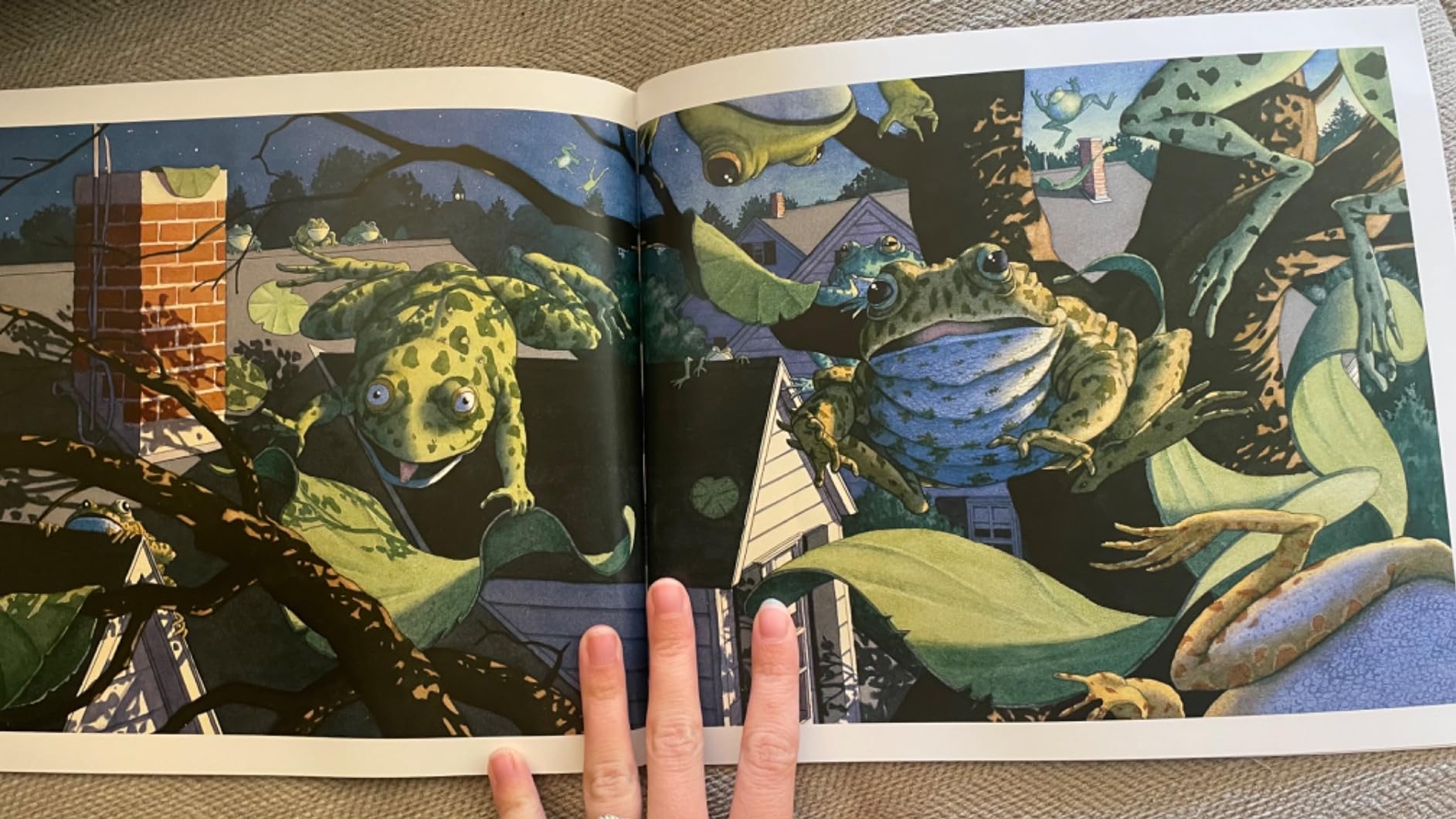
Tuesday by David Wiesner is one of the most beloved wordless picture books ever published. The story shows frogs mysteriously rising out of a pond on lily pads and floating through the night, surprising a town as they go. The illustrations are vivid, surreal, and completely captivating.
This book is a Caldecott Medal winner, and the 1,816 reviews averaging 4.7 stars speak to its cultural impact. Speech therapists and language development specialists frequently recommend it because the wordless format encourages children to narrate and describe what they see.
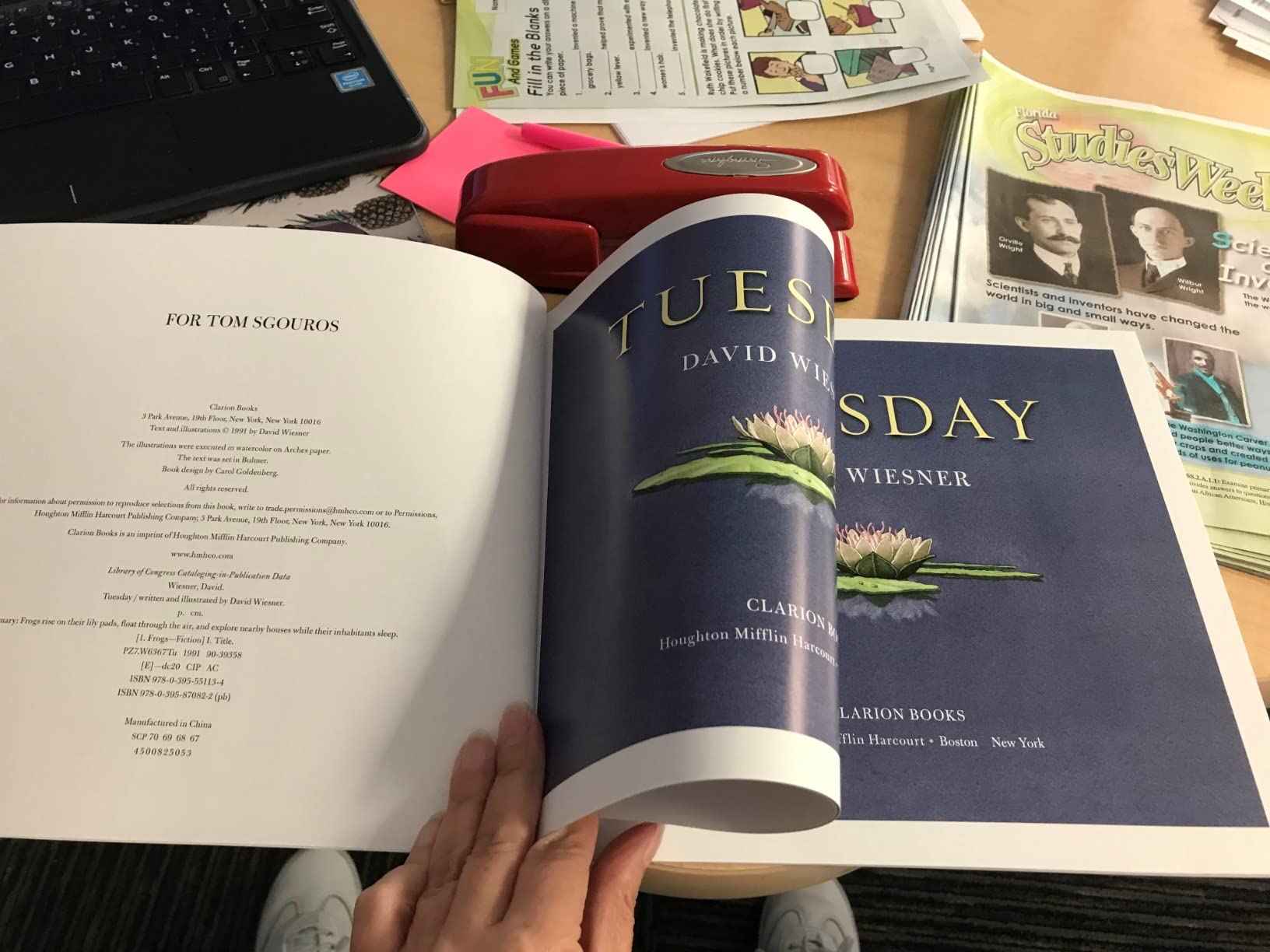
My son laughed out loud the first time we read it. The image of frogs on lily pads, drifting past windows and startling a dog, was genuinely funny to him. That kind of pure joy is what I want from picture books.
At 10.5 x 9 inches and 32 pages, this is a standard picture book format. The reading age is 2-6 years, which is one of the widest age ranges on this list. The vivid illustrations work for toddlers, and the surreal humor appeals to older kids too.
Why speech therapists recommend it
Tuesday is a staple in speech therapy sessions. Without text, children have to describe what they see using their own words. This builds vocabulary, sentence structure, and narrative skills. For toddlers who are slow to talk, this book can be a breakthrough tool.
Parents on forums frequently mention that Tuesday became their child’s favorite book, and that the wordless format encouraged their child to start telling their own stories. For 2-year-olds especially, this book is a great prompt for practicing new words.
Reading the story together
There is no right or wrong way to read Tuesday. Some parents describe the scenes in detail. Others ask their child what they see. Others just let the pictures do the work and react to their child’s comments. All three approaches work.
The book ends with a subtle hint that the next Tuesday will bring something new. My kids started speculating about what would happen next, which is exactly the kind of imaginative play wordless picture books encourage.
9. Hug – A Wordless Board Book With Just Three Words
Pros
- Board book format durable
- Only three words: Hug
- Bobo
- Mama
- Touching mother-child story
- Great baby gift
- Adorable illustrations
Cons
- Some parents find it hard to read aloud
- May require interpretation for toddlers
Hug by Jez Alborough is technically not fully wordless, but it comes awfully close. The entire book uses only three words: Hug, Bobo, and Mama. The story follows a little monkey named Bobo who is searching for a hug from his mother, encountering other animals along the way who already have their hugs.
For toddlers, this book is perfect. The simple structure and emotional clarity make it easy to follow, even for the youngest readers. The board book format at 5.94 x 5.12 inches is built for tiny hands and tough use.
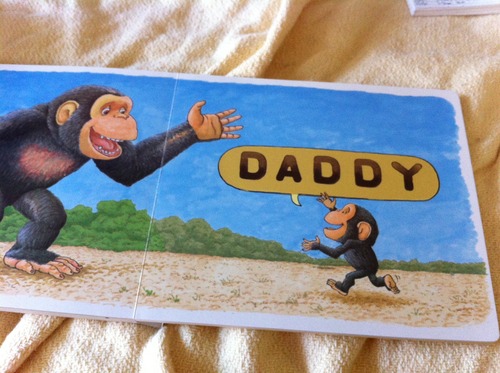
The 1,111 reviews and 4.8 rating show that this book is a beloved baby gift. I have given it as a baby shower present four times, and every parent has come back to tell me it became their child’s favorite.
At 6.6 ounces, this is one of the lightest books on our list. It is part of the Bobo and Friends series, so if your child loves this one, there are more books to explore.
Why this works for the youngest toddlers
Hug is one of the best books for 1-year-olds. The board book format holds up to chewing, the size is right for tiny hands, and the emotional theme resonates with toddlers who are still very attached to their caregivers.
My daughter would say “Mama” and reach for me every time we read the final page. The book captures the bond between parent and child in a way that very few picture books do.
Reading the book together
The simplicity of three words can actually feel intimidating for parents. If you find yourself wondering what to say, do what I did: just point at the pictures and use the words on the page. Your toddler will fill in the rest with their own reactions.
For 2-year-olds, this book is a great prompt for talking about feelings. “How does Bobo feel? Do you feel that way sometimes?” Those conversations are gold for emotional development.
10. A Ball for Daisy – A Caldecott Medal Wordless Story About Love and Loss
A Ball for Daisy: (Caldecott Medal Winner) (Caldecott Medal – Winner Title(s))
Caldecott Medal
Ages 1-5
32 pages
Pros
- Caldecott Medal winner
- Beautiful watercolor illustrations
- Teaches empathy and sharing
- Wordless format encourages narration
- Touching emotional story
Cons
- Some layout confusion noted
- Wordless format not for everyone
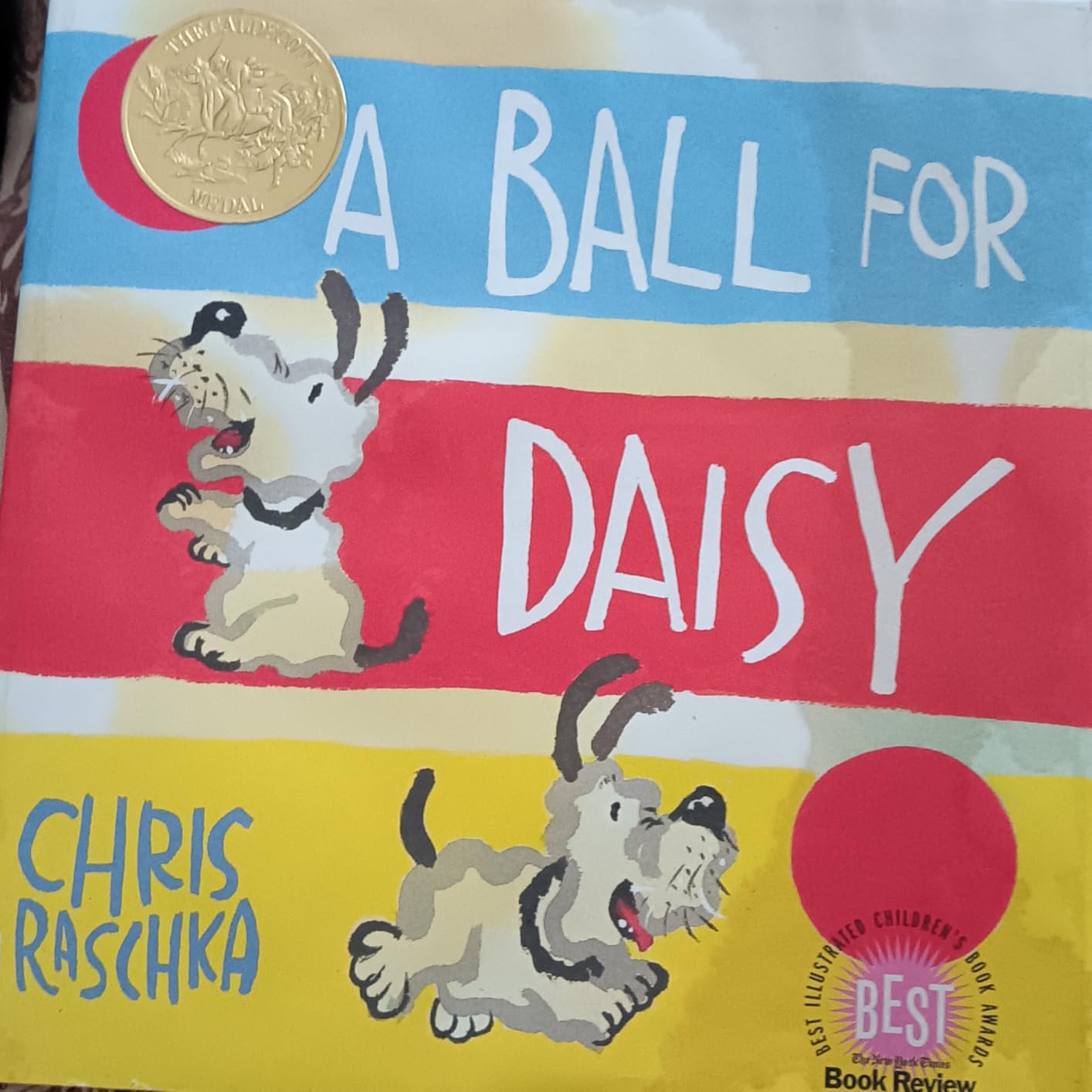
A Ball for Daisy by Chris Raschka is a Caldecott Medal-winning wordless picture book about a dog named Daisy and her beloved red ball. The story shows her joy with the ball, her sadness when another dog pops it, and her quiet happiness when she receives a new blue ball. It is a simple story with profound emotional depth.
The watercolor illustrations are loose and expressive, capturing the emotional arc of the story in subtle ways. Even pre-verbal toddlers can pick up on Daisy’s feelings. The 496 reviews and 4.6 rating reflect its strong emotional impact.
At 9.8 x 10.31 inches and 32 pages, this is a standard picture book format. The reading age is 1-5 years, making it one of the most accessible Caldecott winners for very young children.
One note: stock is limited, with only 7 left at time of writing. If you want this book, it is worth grabbing while it is available.
Why this book is great for teaching empathy
This is one of the best wordless picture books for teaching toddlers about emotions. The story of losing something you love (a favorite toy) and gaining something new is a universal experience that toddlers can relate to. My son pointed at the broken ball and said, “Oh no.” He was 2.
The book is also a great gift for kids who are going through their own losses, whether a favorite toy, a move, or a change in routine. The visual storytelling creates space for parents to talk about big feelings.
Reading with very young toddlers
For 1-year-olds, focus on identifying the ball and the dog. For 2-year-olds, you can talk about how Daisy feels at different points. For 3-year-olds, ask them to predict what will happen next or share a time they lost something they loved.
The wordless format makes this book accessible for kids who are still building their verbal skills. They can show you what they see rather than tell you, which is often easier for shy or cautious toddlers.
11. Flora and the Flamingo – A Wordless Picture Book With Interactive Flaps
Pros
- Interactive drop-down flaps
- Caldecott Honor
- Encourages movement and dance
- Beautiful illustrations
- Wordless format sparks imagination
Cons
- Fold-down flaps may wear with heavy use
- Wordless format not for all children
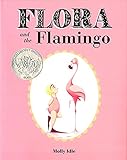
Flora and the Flamingo by Molly Idle is a wordless picture book like no other on this list. The story follows a little girl named Flora who mimics a flamingo’s dance moves, with both characters moving from awkward beginnings to graceful partnership. The drop-down flaps reveal poses that readers can imitate.
This book is a Caldecott Honor winner, and the 1,042 reviews with 4.6 rating show that it has a strong following. The interactive format makes it stand out from other wordless picture books, which tend to be purely visual.
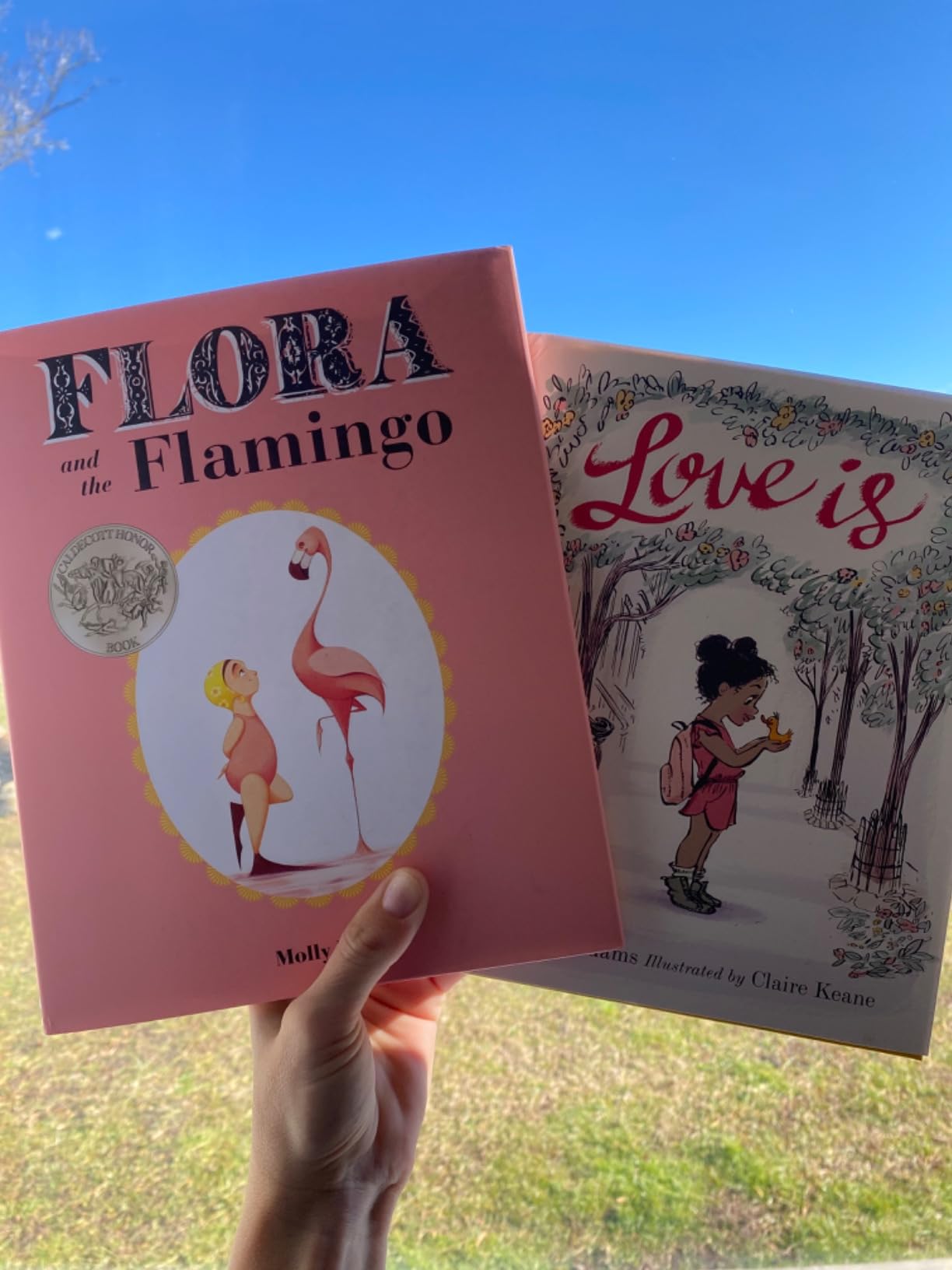
At 8.5 x 10.38 inches and 44 pages, this is a slightly larger book than most on the list. The reading age is 1-4 years, which makes it accessible for younger toddlers. The pink and yellow color palette is visually striking and appeals to most kids.
My daughter loved this one because it got her moving. She would crouch and then stretch, mimicking Flora’s poses. The book turned reading time into a movement activity, which is a delightful change of pace.
Why the interactive flaps matter
The fold-down flaps are what make this book special. They reveal new poses as the story progresses, and the artwork underneath is different from the artwork on top. This physical interaction makes the book a multi-sensory experience, which is great for toddlers who learn by doing.
For kids who have trouble sitting still, this book is a lifesaver. The interactive elements keep their hands busy while their imaginations engage with the story.
Encouraging real-world play
After reading this book, my kids started doing their own dance moves and asking me to play flamingo with them. The book became a springboard for creative play, which is exactly what we want from picture books.
For parents who love dance, music, or movement, this book is a must. It is one of the few wordless picture books that gets kids out of their seats and into the story.
12. Truck – Donald Crews’s Caldecott Honor Board Book
Truck: A Caldecott Honor Award Winner – A Bright Picture Book About Trucks for Young Children (Ages 0-5) (Caldecott Collection)
Caldecott Honor
Board book
Ages 1-3
18 pages
Pros
- Caldecott Honor winner
- Board book format durable
- Detailed truck illustrations
- Teaches road signs
- Great for vehicle-obsessed toddlers
Cons
- Board book version is small
- Some copies have duplicate pages
Truck by Donald Crews is a Caldecott Honor-winning wordless picture book about a red truck transporting cargo across the country. The illustrations show the truck driving on highways, through tunnels, in the rain, and over bridges, with detailed backgrounds that keep toddlers engaged.
This book is a board book at 5 x 6 inches, which makes it built for tough handling. The 18 pages make it a shorter read, which is perfect for toddlers with shorter attention spans. The reading age is 1-3 years, making it ideal for the youngest book lovers.
The 197 reviews and 4.6 rating confirm its quality. If you have a toddler who is obsessed with trucks, vehicles, or anything that goes, this book will be a hit.
My son carried this book around for months. He would “drive” the truck along the illustrations, making engine noises. The wordless format let him narrate the story in his own way, which is exactly the point.
Why truck-obsessed toddlers love this book
Toddlers who love vehicles can look at this book for long stretches. The illustrations include detailed depictions of highways, road signs, gas stations, and other trucks. For a toddler who points at every truck on the road, this book is a slice of heaven.
The board book format means it can go in the car, in the stroller, and in the diaper bag without falling apart. At 8 ounces, it is light enough for even the smallest toddler to carry.
Reading the book with curious toddlers
For 1-year-olds, just point at the truck and make vroom sounds. For 2-year-olds, name the different vehicles and road signs. For 3-year-olds, ask them to predict where the truck is going next.
The book is also a great prompt for noticing vehicles in everyday life. After reading, my son started pointing out trucks and buses on the road, connecting the book to the real world.
What to Look for in Wordless Picture Books for Toddlers
Choosing the right wordless picture book for your toddler depends on a few factors. After reading dozens of these books with my own kids, here is what I look for.
Durability and format
Toddlers are tough on books. If your child is still in the chewing phase, look for board book editions like Good Dog, Carl, Hug, or Truck. These will hold up to saliva, bending, and dropping. For older toddlers closer to 3, paperback and hardcover editions are fine, especially for supervised reading.
If you are buying a book for a toddler who is rough on their things, prioritize board book format over illustration quality. The art will look slightly different, but the book will survive.
Age-appropriate themes and content
For 1-2 year olds, look for books with simple, clear storylines and familiar objects. Good Dog, Carl, Hug, and Truck all work well at this age. For 2-3 year olds, you can introduce more complex narratives like Journey, The Lion & the Mouse, or Tuesday. For 3-4 year olds, the longer books like Free Fall and Pancakes for Breakfast shine.
Also consider your child’s emotional sensitivity. Some wordless picture books like Journey or Free Fall have scenes of conflict or tension that might frighten cautious toddlers. Start with cheerful books and build up to the more dramatic ones.
Caldecott Medal and Honor winners
Caldecott Medal and Honor books are a reliable signal of quality. The award recognizes the most distinguished American picture books each year, with winners vetted by librarians and illustrators. On this list, the Caldecott winners include The Lion & the Mouse, Tuesday, A Ball for Daisy, and Flora and the Flamingo. Caldecott Honor books include Journey, Free Fall, and Truck.
You cannot go wrong with a Caldecott winner. If you are unsure where to start, pick one of those.
Tips for Reading Wordless Picture Books With Toddlers
Wordless picture books can feel intimidating at first. Without text, how do you read them? Here are some strategies that have worked for my family.
Let your child lead
Open the book and pause on the first page. Ask your toddler what they see. Let them point at things and name them. Your job is to expand on what they say, not to dictate the story. This builds vocabulary and confidence.
If your child is quiet, that is okay. Some toddlers take time to warm up to wordless books. Sit with the book open and see what they do. They might narrate, point, or just look. All three responses are valuable.
Use the pictures to build vocabulary
Wordless picture books are a goldmine for vocabulary building. Without text to focus on, your toddler is free to explore the details. Name the objects, animals, and actions you see. Use descriptive words like “flying,” “jumping,” “purple,” “behind.”
For older toddlers, ask questions: “What do you think happens next? Why is the fox hiding? Where is the boy going?” These prompts build comprehension and inference skills.
Read the same book multiple ways
The beauty of wordless picture books is that the story is different every time. One night you can focus on the colors. Another night you can focus on the emotions. Another night you can let your child tell the entire story themselves.
My family often reads the same wordless book three nights in a row, each time with a different focus. This keeps the book fresh and helps your toddler absorb different layers of the story.
Frequently Asked Questions
What are some good wordless picture books for toddlers?
Some of the best wordless picture books for toddlers include Good Dog, Carl by Alexandra Day, Flashlight by Lizi Boyd, Journey by Aaron Becker, The Lion u0026amp; the Mouse by Jerry Pinkney, Tuesday by David Wiesner, and Hug by Jez Alborough. These books feature strong illustrations, simple narratives, and age-appropriate themes that work well for toddlers ages 1-3.
What age level are wordless picture books for?
Wordless picture books work well for toddlers ages 1-3 and extend through preschool and early elementary years (ages 4-8). For 1-2 year olds, choose board books with simple illustrations like Good Dog, Carl or Hug. For 3-5 year olds, longer books with more complex narratives like Journey or The Lion u0026amp; the Mouse work well. Many wordless picture books grow with the child and can be enjoyed for years.
Are wordless picture books good for toddlers?
Yes, wordless picture books are excellent for toddlers. They build early literacy skills including vocabulary, comprehension, and storytelling ability. Without text to rely on, toddlers must interpret the illustrations, which builds inference skills and visual literacy. They also encourage parent-child interaction since caregivers and children narrate the story together. Speech therapists frequently recommend wordless books for language development.
How do wordless books help with language development?
Wordless picture books help with language development by encouraging children to narrate the story using their own words. This builds vocabulary as children name objects, animals, and actions they see. It also builds sentence structure as children describe what is happening across pages. Speech therapists frequently use wordless books to encourage verbal skills in toddlers and preschoolers who are building their language abilities.
What makes a good wordless picture book for toddlers?
A good wordless picture book for toddlers has clear, simple illustrations that tell a complete story without text. The pictures should be visually engaging with bright colors and familiar objects. The narrative should be easy to follow but with enough detail to spark imagination. Caldecott Medal and Honor winners are a reliable indicator of quality. For toddlers specifically, board book format is ideal for durability.
Final Thoughts on the Best Wordless Picture Books for Toddlers
Wordless picture books are some of the most underrated tools in early childhood literacy. After reading dozens of these books with my own kids, I have seen how they spark imagination, build vocabulary, and create quiet moments of connection between parent and child.
If you are just starting out, I recommend Good Dog, Carl for its durability and universal appeal, Journey for its stunning artwork and layered storytelling, or The Lion & the Mouse for its Caldecott Medal quality. Each of these books brings something different to your reading time.
The best wordless picture books for toddlers are the ones your child wants to read again and again. Pick one that matches your child’s interests, settle in, and let the pictures tell the story. You might be surprised at how much your toddler has to say when given the chance.