
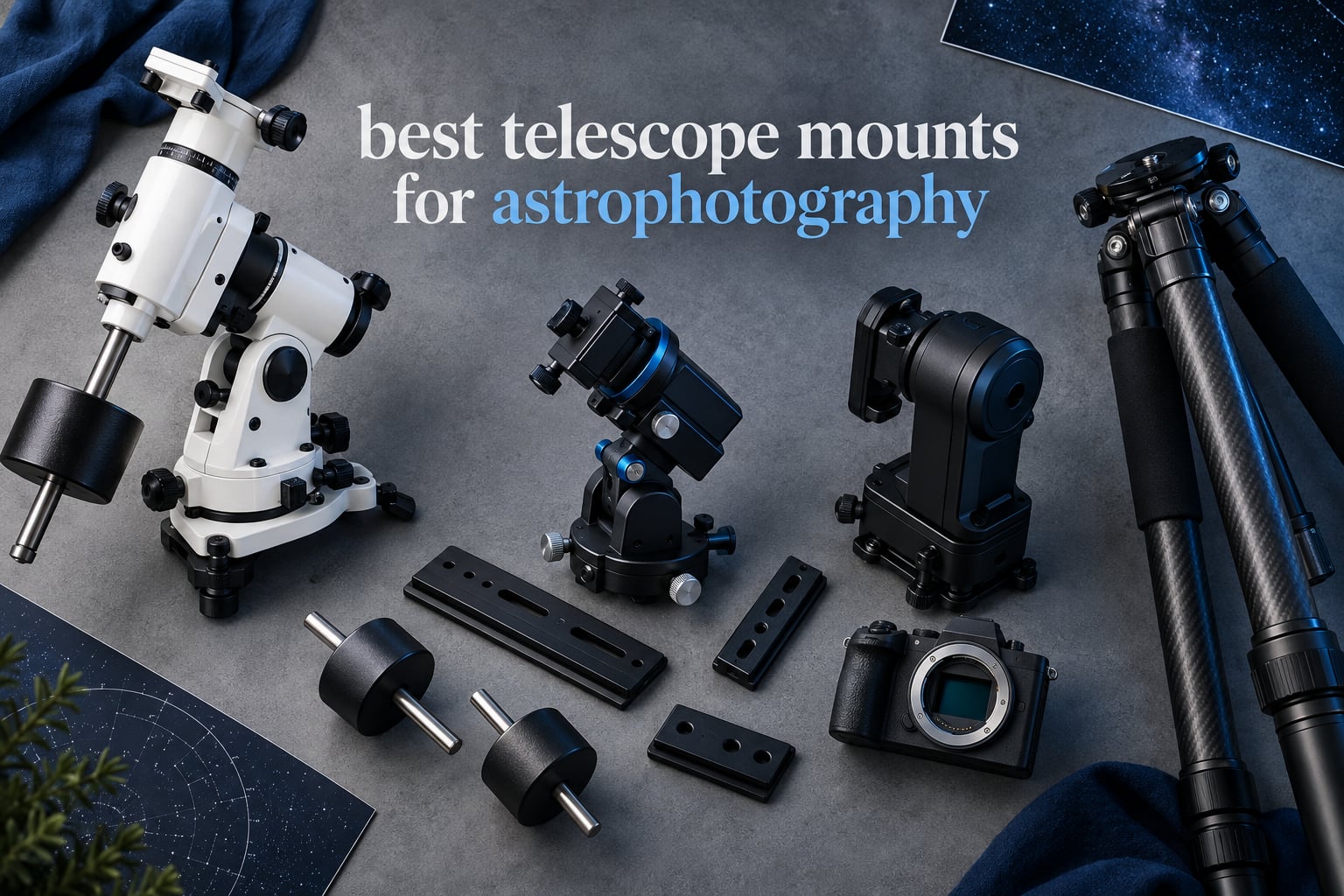
Do you need an equatorial mount for astrophotography? Yes, for any exposure longer than about 30 seconds. An equatorial mount lines one axis up with Earth’s rotational pole and drives it at sidereal speed, so the target stays parked in the frame while light collects. An alt-azimuth mount has to rotate two axes at once, which slowly rotates the field and smears stars near the corners on long exposures.
That makes the mount the piece of kit that decides whether the rest of your rig is worth owning. The best telescope mounts for astrophotography in 2026 fall into three very different groups: small single-axis star trackers you can carry in one hand, mid-range German equatorial mounts (GEMs) that handle a camera plus a guide scope, and heavy workhorse GEMs rated for larger optical tubes. We compared all nine in this guide on payload, tracking behaviour, weight, guiding options and the accessories you will need to buy separately.
Last updated October 2026. We worked through the manufacturer specifications, cross-checked them against owner reports, and paid close attention to the gap between rated payload and the weight a mount actually tracks well. That gap is where most disappointed buyers land.
Table of Contents
Top 3 Best Telescope Mounts for Astrophotography (October 2026)
Our three recommendations cover the most common starting points: a dovetail star tracker for a camera and wide lens, a compact all-metal equatorial unit for a first refractor, and a complete GoTo kit for people who want target acquisition without a hand controller in the cold.

Sky-Watcher Star Adventurer…
- Wi-Fi smartphone control
- Deluxe equatorial alignment base
- 7 lb carry weight

Sky-Watcher Star Adventurer…
- GoTo with built-in Wi-Fi
- Illuminated polar scope
- Tripod and pier extension
All Nine Mounts Side by Side in 2026
This table is the fastest way to narrow the field. Every mount below appears with its headline capacity and the feature that actually decides which rig it suits.
| Product | Specs | Action |
|---|---|---|
| Sky-Watcher Star Adventurer 2i Pro |
|
Check Latest Price |
 iOptron SkyGuider Pro iOptron SkyGuider Pro |
|
Check Latest Price |
 Celestron Advanced VX Celestron Advanced VX |
|
Check Latest Price |
| Sky-Watcher Star Adventurer GTi |
|
Check Latest Price |
 Celestron CG-4 Celestron CG-4 |
|
Check Latest Price |
 Sky-Watcher EQ6-R Sky-Watcher EQ6-R |
|
Check Latest Price |
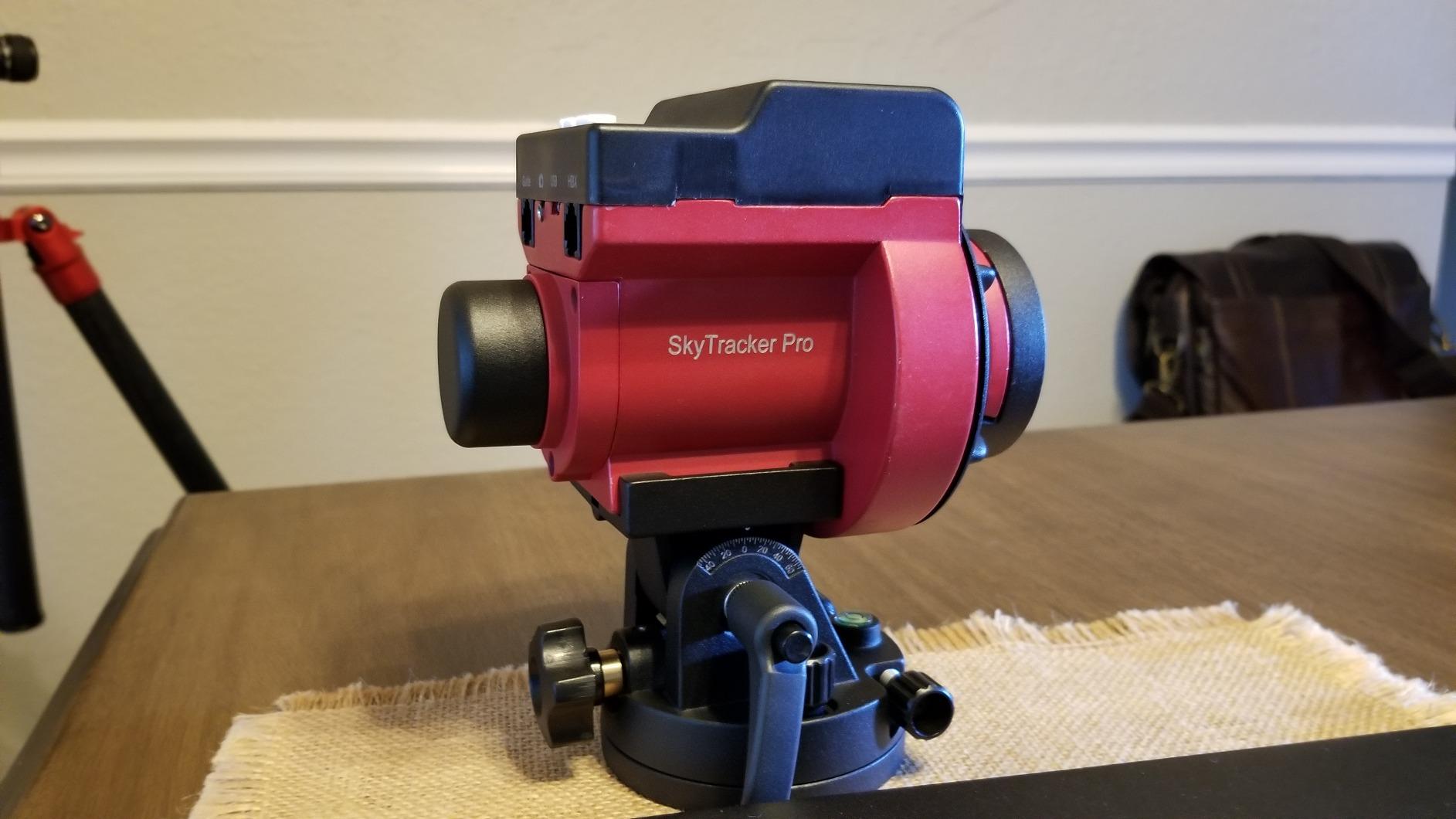
 iOptron SkyTracker Pro iOptron SkyTracker Pro |
|
Check Latest Price |
 Vixen POLARIE U Vixen POLARIE U |
|
Check Latest Price |
 Celestron CGX Celestron CGX |
|
Check Latest Price |
What Mount Do You Actually Need?
You need a mount that can carry your imaging train at under half its rated capacity and hold polar alignment for the length of your longest exposure. Everything else is preference. A camera plus a 200mm lens on a quality tripod is a wide-field Milky Way rig and needs almost nothing. A short refractor, an imaging camera, a guide scope and a guide camera on the same head is the standard deep-sky rig, and that is where payload ratings start to matter.
Match the class to the target. Wide-field nightscapes and arcs across the Milky Way only need a tracker with a few pounds of capacity. Small emission nebulae mean guiding and sub-100mm focal lengths. Galaxies at 1000mm and beyond push you toward heavier gear, and the weight-to-payload ratio becomes the number that decides the purchase.
If you are still undecided, the honest answer is that most first deep-sky rigs fit comfortably in the middle of this list. Buy for the rig you already own plus one step of headroom, not for the rig you might assemble in three years.
1. Sky-Watcher Star Adventurer 2i Pro – The Portable Mount Everyone Recommends
Sky-Watcher Star Adventurer 2i Pro Pack (S20512)
7 lb total weight
Wi-Fi via SAM Console app
Deluxe equatorial base
Lithium batteries included
Pros
- Excellent tracking when properly polar aligned
- Wi-Fi smartphone control
- Long battery life on AA cells
- Easy to carry
- Illuminated polar scope for fast setup
Cons
- Flimsy battery cover
- Mode switch can be bumped in transit
- Polar scope illuminator design could be better
- App functions are still basic
This is the mount we recommend first, and it earns that place on the sheer volume of owner feedback behind it. The 2i Pro adds Wi-Fi control through the SAM Console app to a design that had already proved itself, so you can start, stop and adjust exposure length from a phone instead of leaning over the tracker in the dark. The whole package weighs about 7 pounds, which is the number that matters for anyone driving to a dark site.
Tracking accuracy is the surprise. When the polar alignment is genuinely dialed in, this little unit holds stars long enough for multi-minute exposures on a short telephoto lens. Reviewers report that a sturdy tripod and proper balancing matter more than anything inside the housing.
The deluxe equatorial base is what separates this from a bare tracker head. It gives you a latitude adjustment and an illuminated polar scope, so alignment takes under two minutes in the field rather than the ten-minute dance with a phone polar alignment app. That time saving adds up across a full night of shooting.
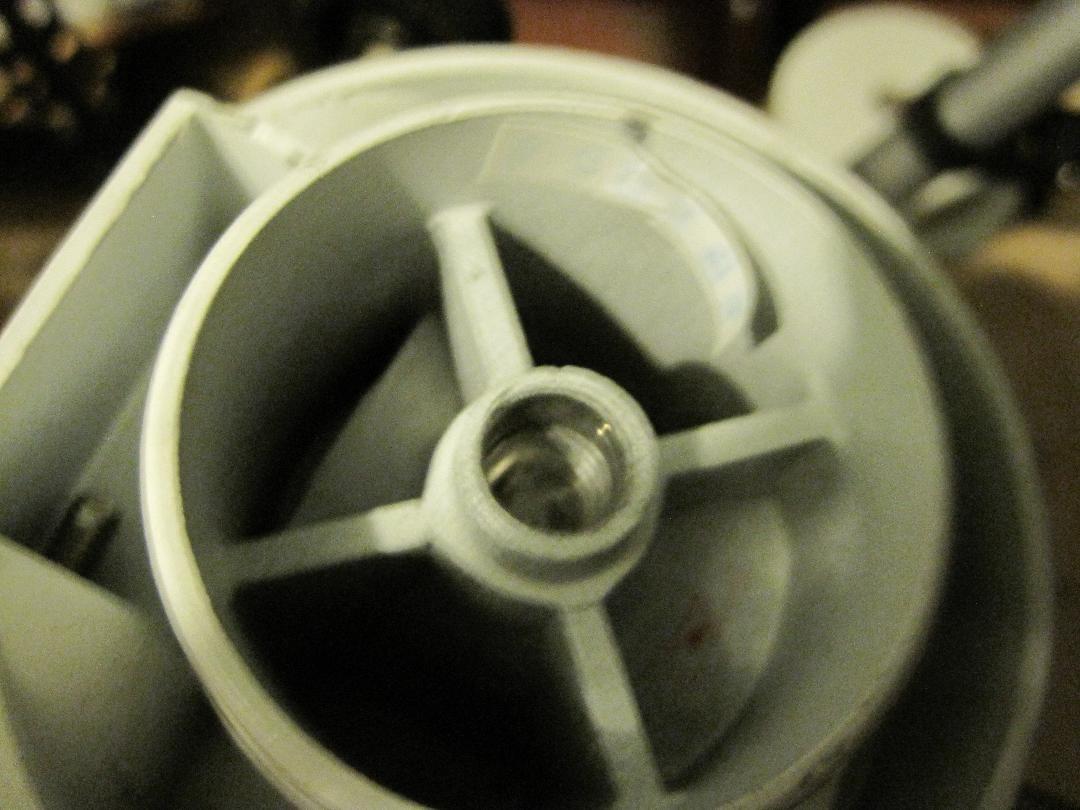
Weak points are real but small. The battery cover is thin plastic, the mode switch is easy to knock out of position while you are carrying the rig, and the small threaded ring for the SNAP connector can work loose. Keep a spare ring in your kit and the rest is manageable.
Is it good for a first refractor setup
Only with a very short, very light tube. At 11 pounds of practical capacity and 7 pounds of total weight, this is a camera mount. A 60mm to 80mm refractor, an imaging camera and a guide scope will push it past what it tracks cleanly, and the errors show up as corner softness at longer exposures.
Pair it with a fast wide lens on a mirrorless or DSLR body and it is genuinely excellent. Around 14mm to 35mm on full frame is the sweet spot, and unguided stacking is where this mount earns its keep. Add a small guide scope only if you want to push past the alignment-limited limit.
Who should buy something else instead
Anyone whose telescope is longer than about 400mm or whose rig includes a guide scope from day one. Also skip it if you plan to image at a fixed site and never move again, because a heavier GEM with a GoTo database will save you hunting for targets in the dark. A tracker has no object list, so plate solving becomes your pointing tool.
2. iOptron SkyGuider Pro – The All-Metal Compact Equatorial Unit
iOptron SkyGuider Pro Camera Mount Full Package
11 lb payload balanced
All-metal body
2.2 lb body weight
20 hour internal battery
Pros
- Excellent tracking with clean alignment
- Compact and light at 2.2 lb
- Rechargeable battery runs 15+ hours
- Integrated illuminated polar scope
- Autoguide port for later use
Cons
- Counterweight bar is short at 8 inch
- Polar scope may need collimation out of the box
- Polar scope eyepiece fits loosely
- No GoTo capability
The SkyGuider Pro is the one we recommend for a first real refractor rig. It is a proper equatorial head rather than a single-axis tracker, which means the declination axis can correct drift instead of letting a guide camera push the frame around all night. The all-metal body is heavier than plastic trackers by design, and that mass is exactly what damps the vibrations you would otherwise get from a focuser and a camera.
Owner reports are strong on tracking. With correct alignment and balance, multi-minute exposures at 500mm are routine, which is a real step up from a tracker at the same focal length. The integrated AccuAlign dark field illuminated polar scope makes the alignment step fast, and latitude adjustment from minus 30 to 65 degrees covers essentially every observing latitude.
Two details tell you where it sits in the market. First, there is no GoTo.
Target acquisition is entirely software-driven, which for many imagers is actually a preference rather than a drawback.
The internal rechargeable battery is good for 20 hours in theory and 15 or more in practice, so a full night of imaging needs no external power at all.
Build quality is solid, but the supplied counterweight bar is only 8 inches, which is short for a heavier train. The polar scope sometimes needs collimating before the first use, and the eyepiece can feel loose in the barrel. These are 15-minute fixes, not dealbreakers, and owners generally fix them once and forget about them.
When it makes sense to spend up to half its rating
Load it to about 5 to 6 pounds. A short refractor, an imaging camera, a guide scope, a guide camera and the rings and dovetail plate can sit in that range, and the mount will still settle within a couple of seconds after a flip. Balanced weight matters more here than the raw number, so spend the time on the counterweight shaft before the first exposure.
At that loading you should expect clean guiding numbers with a modest guide scope and a sensible exposure of two to three minutes at short focal lengths. Push past that and the periodic error and backlash start showing as guiding spikes that no amount of software correction removes.
Where the money goes instead
If your rig will weigh more than 6 pounds fully assembled, step up to a German equatorial mount in the 30 to 44 pound class rather than loading this one to the metal. If you want GoTo pointing for visual observing as well as imaging, the Star Adventurer GTi is the more complete package. The SkyGuider Pro is a photography tool, and it is best judged on that basis.
3. Celestron Advanced VX – The Best Dual-Saddle Workhorse for Long-Distance Deep Sky
Celestron Advanced VX Computerized German Equatorial Mount – 30lb Payload
30 lb payload
50 lb total weight
Dual saddle plate
All-Star polar alignment
Pros
- Solid GoTo with 40000+ object database
- Good payload headroom
- Accepts both Vixen and Losmandy dovetails
- All-Star alignment and PPEC built in
- Works with Celestron PWI software
Cons
- Tripod is light for the rated payload
- Hand controller LCD can freeze in cold
- External power supply not included
- 50 lb total weight is a real lift
The Advanced VX is the mount we recommend when you want one system to do both jobs: guided deep-sky imaging and relaxed visual observing with a GoTo database. The 30 pound payload rating sits in the middle of this list, and the dual saddle plate accepts both Vixen and Losmandy dovetails, so almost any optical tube you already own will fit without a new adapter.
Tracking performance is solid for its class, and All-Star Polar Alignment plus permanent periodic error correction handle the two things that most often frustrate owners. All-Star alignment uses multiple star positions to refine the polar alignment estimate, which is quicker than a two-star routine on a moving platform. PPEC learns the gear error over a training session and corrects it thereafter.
The caveat that shows up repeatedly in owner reports is the tripod. Two-inch stainless steel legs are advertised, and they are perfectly pleasant for visual use, but they are the first thing to flex when a heavy imaging train swings through a meridian flip. If you are loading it near 30 pounds, plan to put it on a pier or a much sturdier tripod.
Two practical notes. The NexStar+ controller’s LCD has been reported to freeze in very cold conditions, which matters if you plan to drive to a winter site, and the DC power supply is not part of the box. The Celestron PWI software path is a good option if you would rather drive the mount from a laptop than from the hand controller.
Is 30 lb enough for a mid-size imaging rig
It is comfortable for roughly 15 to 20 pounds of actual load, which covers an 80mm to 100mm refractor with a camera and a guide scope, or a mid-size Newtonian with a flat field reducer. The reduction matters more than people expect, because a 1000mm focal length on a small sensor is far more demanding on tracking accuracy than a heavy load is on capacity.
Balance the rig across both axes before the first night and check that the eyepiece position on the scope is roughly centred in the declination axis. A poorly balanced 18 pound load will guide worse than a perfectly balanced one, regardless of the mount’s rating.
Who should choose a different mount
Anyone who has to carry their gear to a dark site regularly. The assembled weight is about 50 pounds, and the mount head alone is a two-person lift for many people. It is also a poor fit for very long focal lengths, where a shorter, lighter tube in a better-sorted mount will outperform a heavy one with more error. For a fixed observatory with a pier, look at the CGX instead.
4. Sky-Watcher Star Adventurer GTi – The Complete Portable GoTo Kit
Sky Watcher Sky-Watcher Star Adventurer GTI Mount Kit with Counterweight, CW bar, Tripod, and Pier Extension – Full GoTo EQ Tracking Mount for Portable and Lightweight Astrophotography
Full GoTo head
Tripod and pier extension included
5 lb counterweight
26 lb kit weight
Pros
- GoTo functionality in a portable package
- Built-in Wi-Fi for phone control
- Complete kit with tripod and pier extension
- Illuminated polar scope
- Two-year warranty
Cons
- 1.5 inch tripod legs limit stability under load
- Younger design with a shorter review history
- Payload is modest for long focal lengths
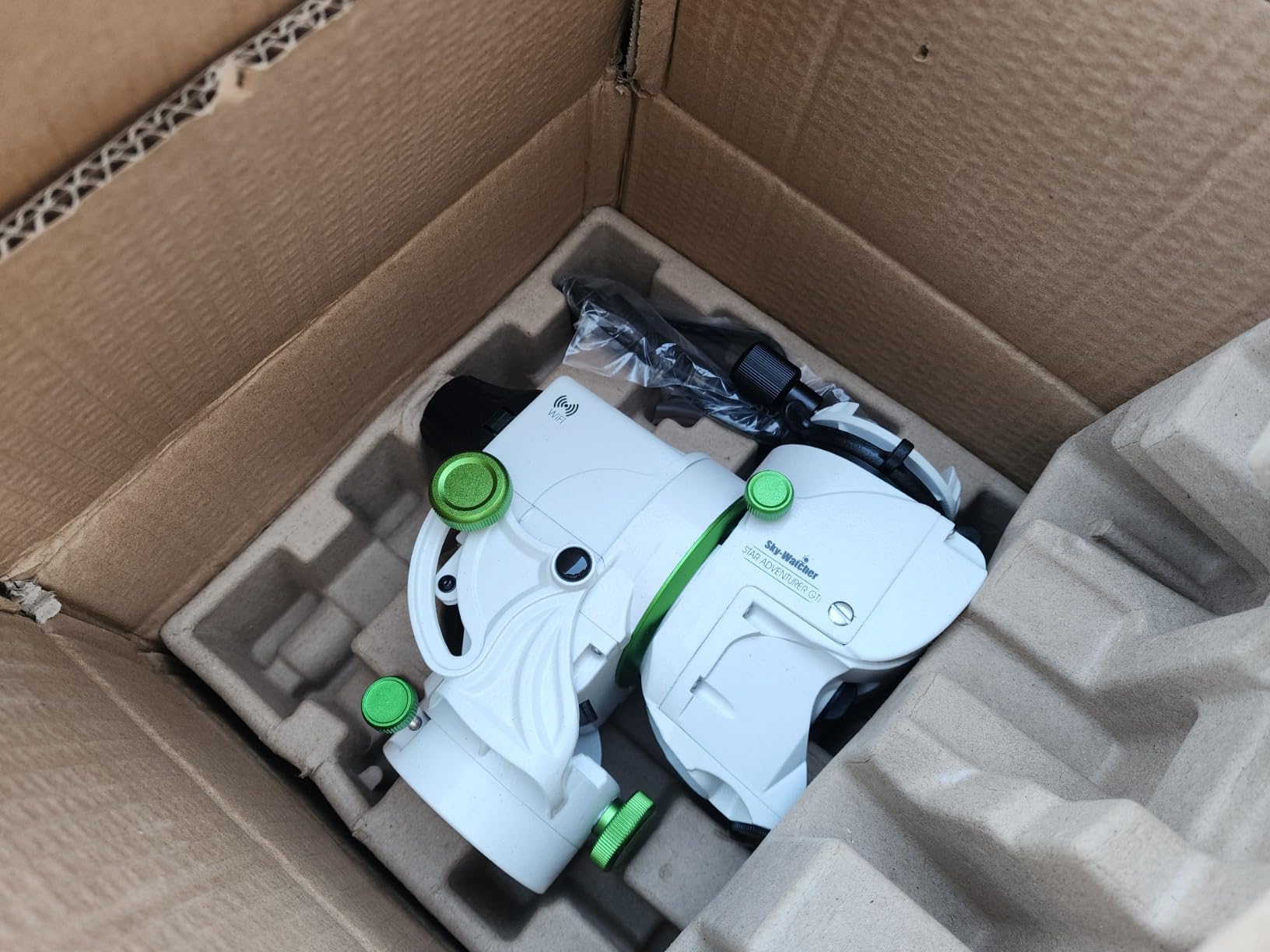
The Star Adventurer GTi is the best complete package here, and the reason is simple: it arrives with the tripod, the pier extension, the counterweight bar and a 5 pound counterweight already in the box. Most competitors at this class are bare heads. For someone starting from nothing, that removes four separate purchases and the guesswork about whether the parts are compatible.
You get full GoTo pointing, built-in Wi-Fi and an illuminated polar scope, which together take most of the friction out of a field session. Multiple tracking rates cover sidereal, solar, lunar and half sidereal, so the same head can handle tracked landscape composites and time-lapse work. The two-year warranty is longer than the one-year term you get with most entry-level mounts.
Owner feedback is consistently positive on the pointing accuracy and the app control, and the pier extension means you can raise the whole system to a comfortable working height rather than crouching over it. For a wide-field rig with a camera and a short lens, that setup is hard to beat.
The honest limitation is the 1.5 inch tripod legs. They are perfectly adequate for a camera and a modest payload, and they get marginal when you add a guide scope and a longer tube. If the plan is a refractor and a guide camera, plan on swapping to a sturdier tripod or a pier base later.
Is the GoTo pointing accurate enough for imaging
Yes, and this is where the GTi separates itself from a plain tracker. GoTo will place a target within a small fraction of a degree, which is close enough that plate solving refines it in seconds. That means you spend your time imaging instead of hunting. For wide-field targets in particular, the automation removes the single most frustrating part of a portable session.
Confirm the pointing model in the app after the first alignment and it stays good for a whole night at a single site. Move to a new site and you will re-align, but that takes under a minute with the illuminated polar scope in place.
When the bare-head alternative makes more sense
If you already own a solid photographic tripod with a proper ball head, the Star Adventurer 2i Pro integrates with it and is lighter to carry. The GTi is the better buy when you are building a system from zero or when you want a single box that works as-is. It is also the better choice for visual observing, which a tracker head cannot do at all.
5. Celestron CG-4 – The Manual GEM That Doubles as a Motor Upgrade Platform
Celestron CG-4 Manual German Equatorial Mount with Steel Tripod
20 lb payload
Stainless steel tripod
Manual slow-motion on both axes
Accepts a motor drive
Pros
- Solid manual tracking with slow-motion controls
- Heavy-duty steel tripod is genuinely stable
- 20 lb payload for the money
- Adjustable latitude for any site
- Designed to accept a motor drive later
Cons
- Manual operation only as supplied
- Requires a motor drive for astrophotography
- Heavier than portable star trackers
- Limited to visual use without the motor
The CG-4 is the odd one out in this roundup, and we include it because it answers a question a lot of buyers ask: should I buy manual and add tracking later? The answer is a qualified yes. The German equatorial design, the 20 pound payload and the stainless steel tripod with 1.75 inch legs are exactly the right foundation, and the mount is built to accept a motor drive on both axes.
Out of the box it is a visual mount. Manual slow-motion controls on each axis let you follow a planet or a drifting object, and the heavy steel tripod is a real step up in stability from the aluminium tripods that ship with most entry-level gear. The adjustable height range of 33 to 47 inches means you can work seated at a laptop or standing at the eyepiece.
The tripod weighs 12.5 pounds on its own, which is the trade-off against the portable trackers in this list. If your plan is a fixed setup in a garden or on a balcony, that weight is a benefit rather than a problem. If you are moving to dark skies, it is dead weight you have to carry twice per session.
Be clear-eyed about the math, though. The motor drive is a separate purchase, and until you fit it, none of this does anything for imaging. Many buyers end up buying the drive and then a separate head within a year.
If your aim is photography and you have any doubt, the Star Adventurer GTi or the SkyGuider Pro gets you tracking immediately.
Is the steel tripod a real upgrade
Yes, and it is the part we would keep if we were building a fixed setup. Wide diameter steel legs with a proper spreader resist the wind and the harmonic wobble that aluminium tripods develop when a counterweight swings through. For visual work on doubles and planets, that stability shows up as a steadier image in a high-frame-rate camera.
The legs are also less sensitive to being knocked out of alignment than folding aluminium designs. If you plan to leave the mount set up outdoors for the season, a steel tripod of this class is the right foundation and pairing it with a pier later is straightforward.
When to spend the money on tracking instead
If you want any images at all, buy a mount that tracks from the box. The CG-4 makes sense for a specific person: someone whose main interest is visual observing, who already knows they will add a motor, and who values a stable platform for long sessions. Everyone else should start with a tracker or an equatorial head and put the money into a guide scope instead.
6. Sky-Watcher EQ6-R – The Heavy Payload Mount for Long-Focal-Length Imaging
Sky-Watcher EQ6-R – Fully Computerized GoTo German Equatorial Telescope Mount – Belt-driven, Motorized, Computerized Hand Controller with 42,900+ Celestial Object Database
44 lb payload
Belt-driven stepper motors
ST4 port and USB
44 lb mount head
Pros
- Excellent tracking with sub-arcsecond guiding achievable
- Belt-driven motors cut gear noise
- 44 lb payload handles large optical tubes
- PPEC and ST4 autoguide port
- Two 11 lb counterweights and a bar extension included
Cons
- Over 75 lb fully assembled
- Hand controller LCD fails in very cold conditions
- Factory grease can cause stiction
- Alt-az adjustment screws feel awkward
The EQ6-R is the mount we recommend for anyone whose optical tube is large or whose focal length is long. The 44 pound payload rating is the second highest here, and unlike smaller mounts it does not lose tracking quality the moment you approach it. There is real headroom, which means you can add a guide scope, a reducer and a heavy camera without a second thought.
Belt-driven stepper motors on both axes are the reason this class tracks as well as it does. The belts absorb gear backlash, and permanent periodic error correction lets the mount learn and then cancel the remaining error from the worm. The built-in illuminated polar finder gets you aligned quickly, and the ST4 autoguide port plus USB means it plays well with standard guiding software and EQMOD.
Owner reports describe sub-arcsecond guiding as achievable with a properly balanced rig, and the dual Vixen and Losmandy saddle plate means tube changes take under a minute. The built-in handle on the mount head is a small thing that matters a great deal when you are moving a 44 pound head between the car and the field.
Transport is the honest drawback. The mount head alone is 44 pounds, and fully assembled with the tripod and counterweights it is over 75 pounds. It arrives in two boxes, which is worth knowing when you are planning a setup session.
The factory grease can also cause stiction on a new unit, and removing it is a known modification that affects your warranty.
Can a single person carry this mount
The head is manageable with the built-in handle if you are comfortable with 44 pounds. The tripod is a two-hand job for most people, and the counterweights are heavy individually. For a permanent pier or a fixed shed setup, the weight is a benefit, because nothing has to move after the first night.
If you are a solo imager who regularly drives to a dark site, the total weight is the deciding factor rather than the payload. In that case a lighter mount carrying a shorter tube will produce better data than this one you dread setting up, and you will shoot it more often.
What to check before the first imaging night
Balance both axes fully, with the camera rotated to a heavy orientation, and confirm the counterweight bar extension is seated properly. Run a PPEC training sequence in good conditions and let the mount learn the error before you chase a faint target. Plan on a 12V supply rated at 4 amps minimum, since the mount draws real current during slews and guiding.
Run a guiding calibration and check the backlash figure in both directions. If the numbers are poor, most of the cause is friction in the RA axis rather than gear quality, and a careful re-balance fixes it more often than any software setting does.
7. iOptron SkyTracker Pro – The Lightest Useful Tracker in the Lineup
iOptron SkyTracker Pro Camera Mount with Polar Scope, Only
6.6 lb payload
3.3 lb total weight
Internal rechargeable battery
Padded bag included
Pros
- Very compact at only 3.3 lb
- Integrated rechargeable battery
- Four tracking speeds including half sidereal
- Quiet running
- Good for wide-field Milky Way work
Cons
- Dovetail is not Arca-Swiss compatible
- Cushion can slip with heavier loads
- Needs a separate ball head and tripod
- Polar alignment app is a separate purchase
At 3.3 pounds, the SkyTracker Pro is the lightest mount we recommend and the easiest to justify for anyone who travels. It fits in a small bag, runs on an internal rechargeable battery that charges over micro USB, and tracks in sidereal, half sidereal, solar and lunar rates. For wide-field Milky Way and nightscape work with a mirrorless body and a short lens, it is genuinely the whole system.
The tracking mechanism uses a worm period of 600 seconds on four bearings, which keeps periodic error low for the class. The included padded carrying bag is a nice touch at this level. Owners consistently use it with lenses up to about 200mm and no counterweight, which is the sweet spot for the 3 kg rating.
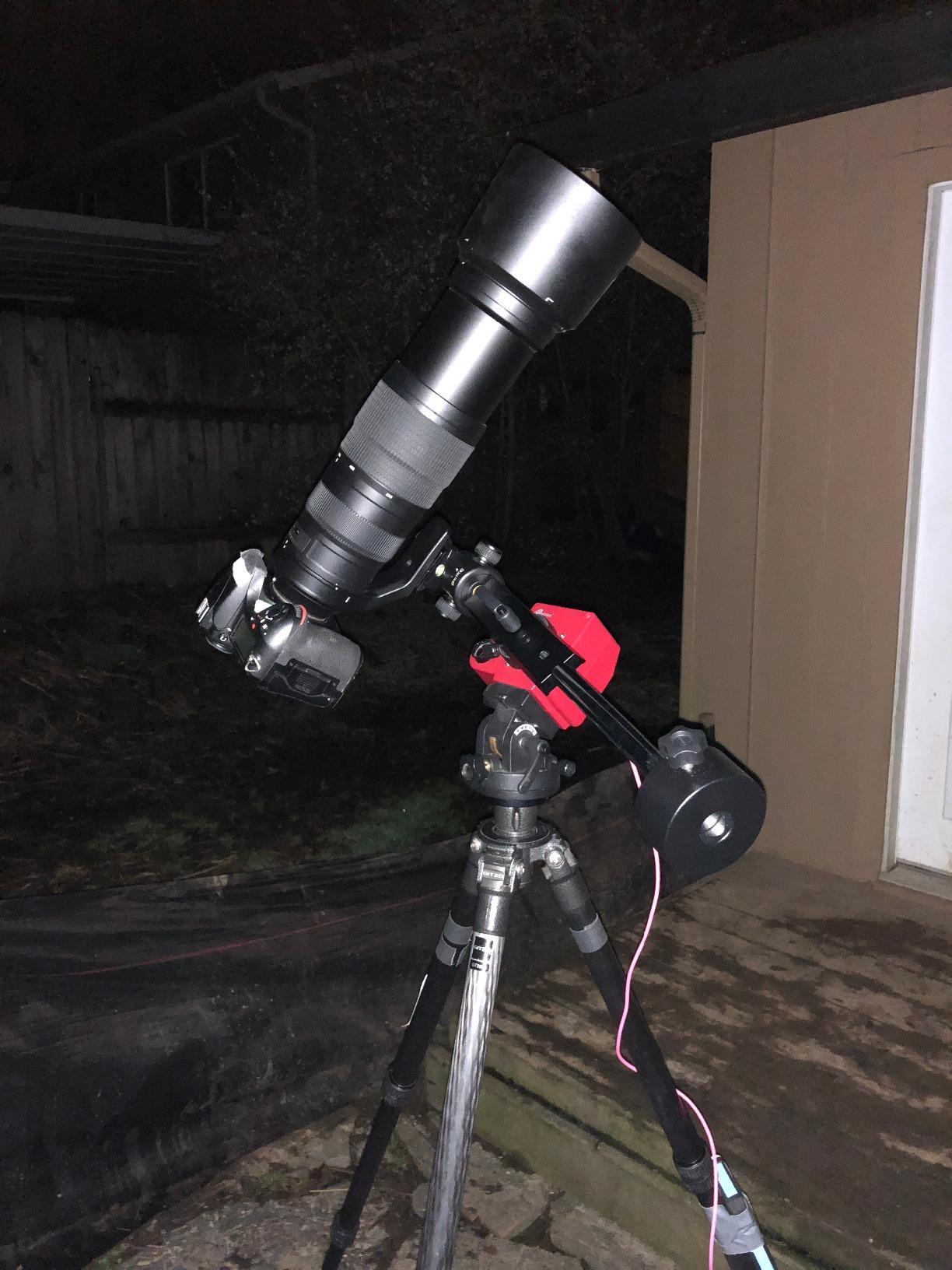
There are real add-on costs. The dovetail base is not Arca-Swiss compatible, so on a standard photographic tripod you need a plate or adapter rather than the quick release you already own. The ball head is not included either. And if you want guided imaging, the polar alignment tool is a separate purchase.
The cushion that grips the camera can slip under a heavier load, which shows up as drift in one axis rather than as a clean tracking error. Stay within the comfortable range and the problem does not appear. The plastic components feel less substantial than metal, so treat it as a travel tool rather than a permanent installation.
Is 6.6 lb enough for a camera rig
More than enough, provided the load is a camera body, a short to medium lens and nothing else. A fast prime or a short telephoto sits comfortably, and half sidereal rate at about half the normal speed is what you want when you want a landscape silhouette rather than a fully tracked frame.
Add a guide scope and the balance point moves toward the edge of what it handles cleanly. If you know you will guide, we would step up to the SkyGuider Pro, which has a proper declination axis and a much sturdier base. The tracker is a wide-field tool, and it is best at that job.
When a heavier mount is the better buy
Buy something sturdier if you already own a solid tripod and intend to add a guide scope, or if you want to use one mount for both visual observing and imaging. A tracker cannot slew to a target, so there is no GoTo and no visual use at all. It is also the wrong choice for anyone who wants to grow into longer focal lengths over the next few years.
8. Vixen POLARIE U – The Smallest and Lightest Option Here
Vixen POLARIE U Star Tracker
1.3 lb total weight
Five variable tracking speeds
ST4 port on RA
USB-C or 4 AA power
Pros
- Extremely light at only 1.3 lb
- Five variable tracking speeds
- ST4 autoguide port on the RA axis
- Smartphone shutter release control
- Runs on AA batteries or USB-C
Cons
- Very low payload for anything but light lenses
- No built-in polar scope illuminator
- Separate tripod and head required
- Smaller pool of owner feedback
At 1.3 pounds, the POLARIE U is the mount that fits in the side pocket of a hiking pack. That is not a gimmick. It is the reason to choose it, and for a specific use case it is the right answer every time: a lightweight mirrorless body, a fast prime lens, and a tripod you can carry to a mountain or a beach on foot.
Despite the size, it is a fully equipped tracking head. Five variable tracking speeds give you fine control over the rotation rate, the ST4 autoguide port on the right ascension axis means it can be guided later, and the smartphone shutter release function removes the need for an intervalometer cable. Power comes from four AA batteries or a USB-C external terminal, so a long night is possible from a power bank.
Build quality is the surprise here, and it reflects Japanese manufacture with a one-year electronic warranty and a two-year mechanical warranty. The unit feels considerably more solid than the price suggests, and the tracking is smooth and quiet in use.
The limitations are all about capacity and support. Payload is the lowest of any mount here, so a heavy lens or a long telephoto is out of the question. There is no built-in polar scope illuminator, which means aligning in a truly dark field takes longer. And the owner feedback pool is smaller than the other products in this guide, so long-term reliability is harder to judge from other people’s reports.
Does a 1.3 lb mount track accurately
It tracks accurately at light loads because accuracy is a function of polar alignment and gear quality, not of mass. With a mirrorless body and a fast prime, star quality in a one-minute exposure is genuinely clean. The concern with a light mount is vibration, and that only becomes a problem when the camera is heavy enough for the focuser and shutter to shake the frame.
Keep the whole rig under about three pounds and you will not notice. Add a heavy lens and you will see soft corners that no amount of stacking fully removes, because the errors differ frame to frame rather than following a repeatable pattern.
Who should buy a bigger mount instead
Choose a larger mount if you plan to add a guide scope, if your lens is anything beyond a fast prime, or if you want the option to grow into narrowband or long-focal-length work. The SkyTracker Pro is the natural step up and shares the same basic form factor. The POLARIE U is at its best as a dedicated travel camera mount, used with one lens and one body.
9. Celestron CGX – The Observatory-Grade Choice for a Fixed Pier
Celestron CGX Computerized German Equatorial Mount & Tripod, 55lb Payload
55 lb payload
108 lb total weight
Belt-drive servo motors
NexStar+ with 40000 object database
Pros
- 55 lb payload for large imaging trains
- Belt-drive servo tracking is smooth
- Internal cable management reduces tangles
- CPWI software with pointing models
- Handles 8 inch EdgeHD class tubes with accessories
Cons
- 108 lb total weight
- Hand controller reliability reported as weak
- Polar scope can limit declination range
- Requires a 5A power supply
The CGX is the mount we recommend for an observatory that already exists. The 55 pound payload is the highest in this guide, and the high-torque belt-drive servos hold tracking for long exposures on large optical tubes. If your rig is an 8 inch EdgeHD, a 9.25 inch Schmidt-Cassegrain or a heavy imaging newtonian, this is the class of mount that leaves you room to grow.
Two features set it apart for remote work. Internal cable routing keeps the harness tidy and, more importantly, keeps cables from pulling on the mount as it tracks, which is a common source of long-period error. CPWI software supports pointing models, so a permanent site can be dialed in once and largely left alone.
Owner reports describe solid tracking for exposures of 30 minutes and beyond once the rig is balanced, and All-Star Polar Alignment works well for a fixed installation. The two 11 pound counterweights included cover most mid-size trains, and the heavy-duty tripod is far more rigid than a portable unit of the same rating.
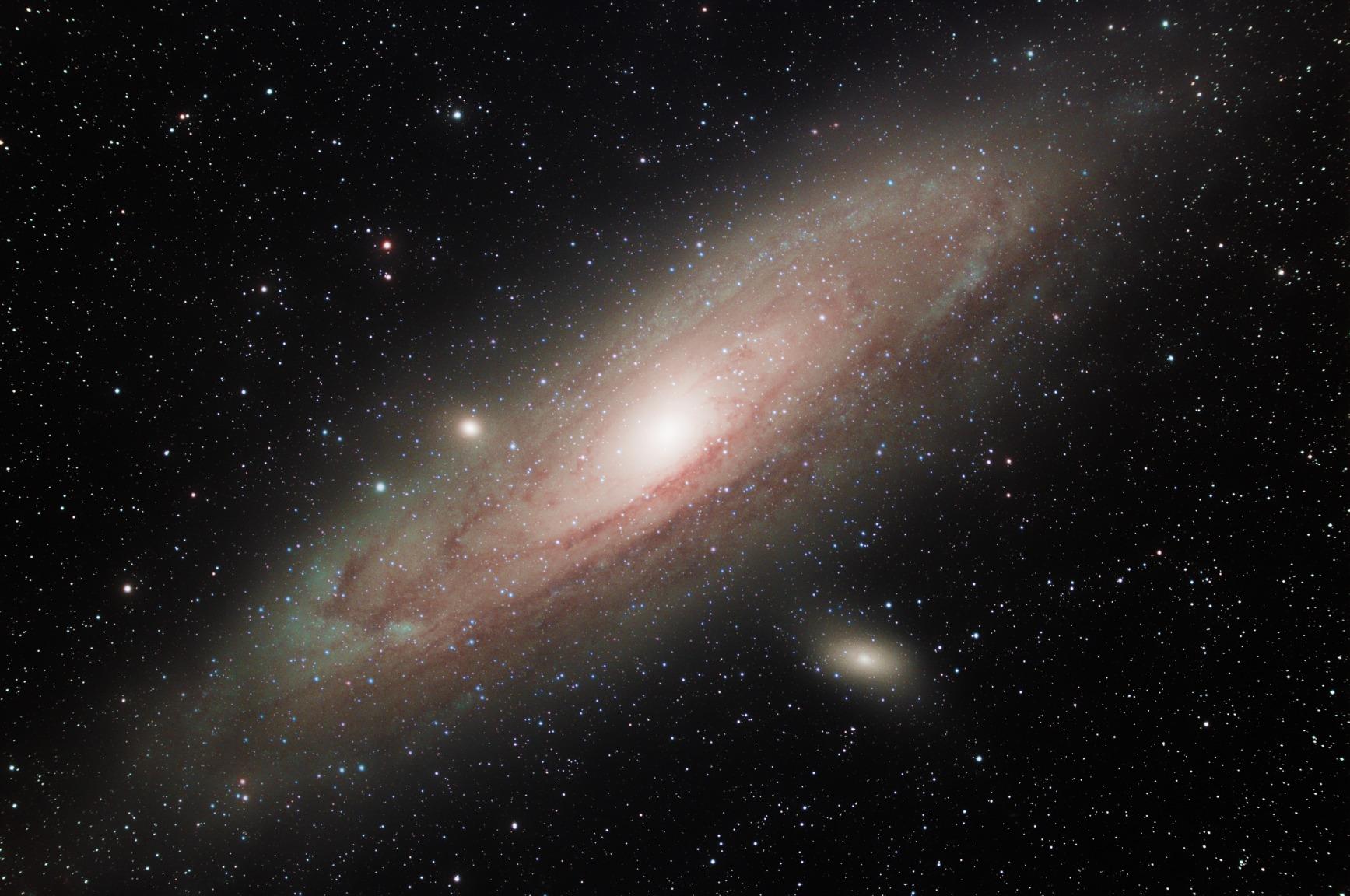
Be realistic about the trade-offs. The total weight is 108 pounds, which means it lives in one place.
Hand controller reliability is the most common complaint, and using a computer control path instead sidesteps it entirely. The polar scope accessory can restrict declination range in some configurations.
The mount also needs a 5 amp power supply to slew and guide comfortably.
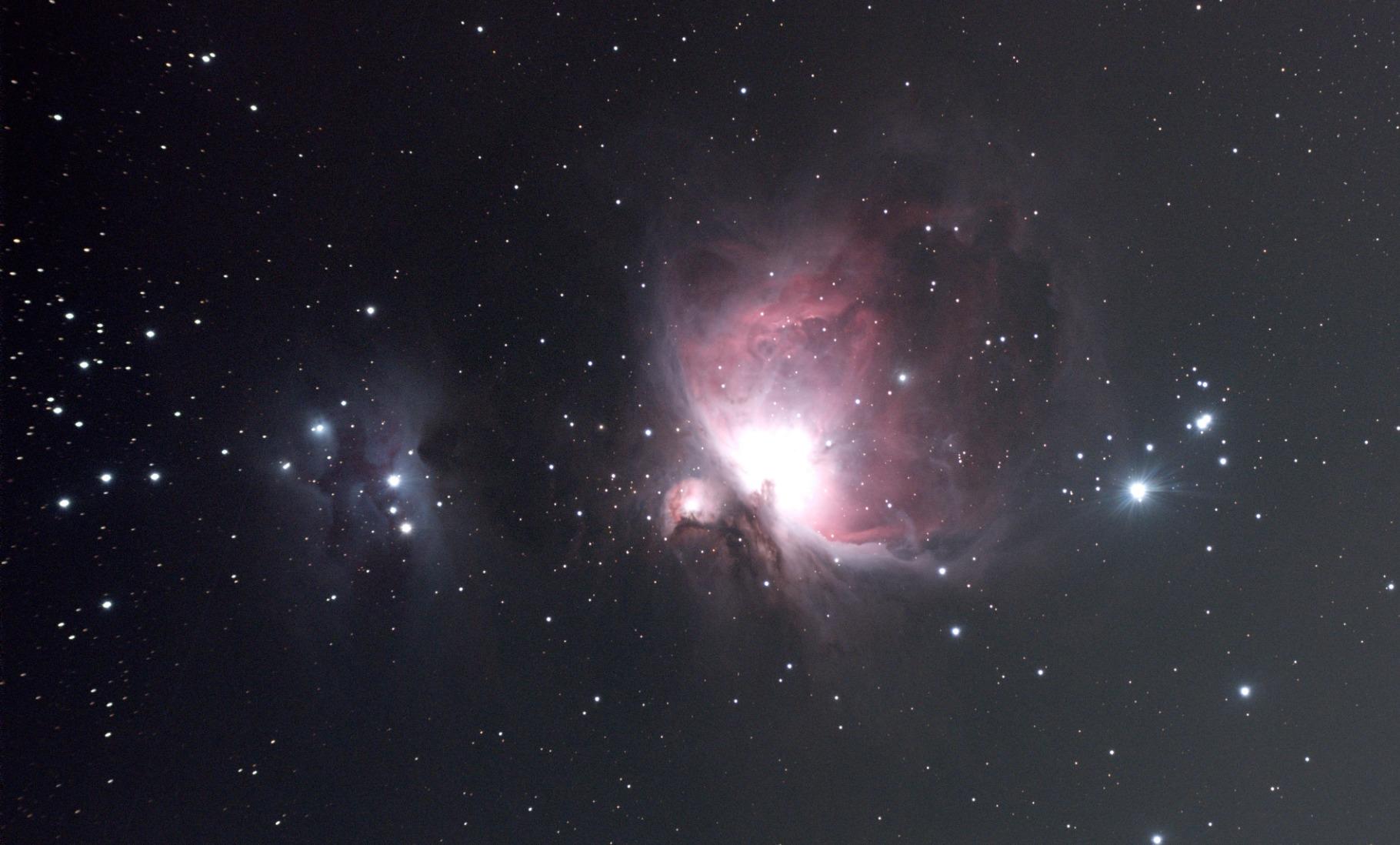
Is 55 lb overkill for most imagers
For most people, yes. If your fully loaded train is under 20 pounds, the Advanced VX will carry it with room to spare.
The 55 pound figure matters when the optical tube is large, when you want the headroom to change instruments without rechecking everything, or when you are running long focal lengths where stiffness is the limiting factor.
Payload ratings also tend to be more honest on mounts this size. A heavy mount with a rigid base and a torque that can move it is a different situation from a light head where the rating assumes a well-balanced load. That difference is what the capacity number is really telling you.
What to check before it goes outside
Plan for a pier rather than the included tripod if this is a permanent site, since the mass is only useful if the base is truly rigid. Budget for a 5 amp power supply, and use a computer with CPWI or a standard ASCOM driver rather than relying on the hand controller.
Confirm the declination range with your polar scope fitted before the first clear night.
The Two Types of Telescope Mounts
There are two basic mount designs: alt-azimuth, where the instrument rotates around altitude and azimuth like a camera on a video head, and equatorial, where one axis is tilted up to the celestial pole. Alt-azimuth mounts are cheaper, lighter and better for visual observing and short snapshots. Equatorial mounts are heavier and more complex, and they are the only practical option for long-exposure deep-sky imaging because they do not rotate the field.
Field rotation is the whole story. On an alt-az mount, tracking means rotating both axes in a coordinated way, and the pair of rotations adds up to a slow spin of the camera around its own axis. Short exposures hide it.
A five-minute exposure pushes stars into arcs around the edges of the frame while the centre stays sharp, and a narrower field will not fix it.
The equatorial family splits again. German equatorial mounts have a long counterweight shaft and a high centre of mass, which gives excellent stability at the cost of weight and balance effort. Centre-balanced designs shorten the shaft for portability.
Single-axis star trackers are the simplest equatorial option, correcting one axis only.
The 50% Payload Rule and How to Calculate Your Rig
Never load a mount to more than half of its rated payload, and aim for 30 to 40 percent if you can. The rating assumes a perfectly balanced rig on a rigid base, and real setups lose accuracy well before the number runs out. A mount carrying 20 pounds on a 30 pound rating tracks noticeably better than the same mount carrying 28 pounds, and you keep the option to add a guide scope later.
Calculate the total in five steps.
Add the optical tube with rings and dovetail plate. Add the imaging camera with its reducer or flattener. Add the guide scope and guide camera with their mounting hardware.
Add the cables and adapters that hang off the train, which surprise people more than any other item. Add about 10 percent for the focuser in its heavy position.
A worked example makes it concrete. A 100mm refractor with rings and dovetail comes to roughly 8 pounds. An imaging camera and a flattener add about 3 pounds. A 50mm guide scope with its camera and bracket adds about 2 pounds. Cable dressing brings the total to just over 13 pounds. Half of the 30 pound Advanced VX rating is 15 pounds, so that rig fits with a little headroom, and the same rig sits at nearly two-thirds of the SkyGuider Pro rating, which is too close to the limit.
Balance before you measure anything else. Slide the train until it stays put when you let go, in both axes, with the rotator at a heavy orientation. An unbalanced rig produces guiding errors that look like mount defects and cannot be tuned out in software.
Polar Alignment: Where Accuracy Comes From
Polar alignment is the single largest accuracy factor you control, and it is free. A mount with a one-degree alignment error produces field rotation that grows with the square of the time, so a two-minute exposure that looks fine unguided can fail at ten minutes. The illuminated polar scope included with the Star Adventurer 2i Pro, the Star Adventurer GTi and the EQ6-R makes this a two-minute job rather than a guessing exercise.
Where a mount has no illuminated scope, phone and software polar alignment gets you close but rarely as tight, especially with a fast wide lens where the field of view is small. An electronic polar scope or a separate illuminated finder is worth adding if your chosen mount lacks one. A rough rule of thumb is that each minute of alignment error costs you roughly a minute of usable exposure at moderate focal lengths, and considerably more at long focal lengths.
It comes with a small bubble level, so check it every few minutes.
Re-align whenever you move the mount. Temperature swings change the shape of a tripod and can shift the polar axis enough to matter over a long night.
A quick check between targets is cheap insurance against wasting an entire session on rotated stars.
Periodic Error, Guiding and the Autoguide Port
Periodic error is a repeating tracking mistake caused by imperfections in the gear wheel, and it looks like a slow wobble in your guiding graph. It is measured in arc-seconds, and on a well-sorted mount it is small enough to correct automatically. The correction happens through the autoguide port, a connection that lets an external guide camera send tiny correction pulses to the mount as it tracks.
The EQ6-R and the CGX both carry an ST4 port for this purpose, and the SkyGuider Pro, SkyTracker Pro and POLARIE U offer guiding on the right ascension axis only. Single-axis guiding is enough to clean up a wide-field frame for stacking, and it is the reason those small trackers can produce usable deep-sky results. If you want a full two-axis correction, check that the port supports it before you buy.
Owners consistently report that guiding settings do not transfer between mounts. A gain value that works on one guide scope and one mount can produce oscillations on another, so treat the default settings as a starting point. Start conservative, shorten the guide exposure, and increase the minimum move size if the graph is noisy. Record a two-minute calibration at the start of every session rather than trusting last night’s numbers.
Permanent periodic error correction, offered on the EQ6-R and the Advanced VX, learns the gear error over a training run and applies it thereafter. It reduces the size of the corrections your guide camera has to make, which is quieter and steadier work. It is a genuine improvement, though it is not a substitute for good balance and alignment.
Portability vs Performance and the App Question
Heavier is not automatically better. A heavier mount tracks better for a given load, but only if you can set it up accurately, level and balanced, and only if you will actually carry it to a dark site. The most common regret in this category is owning a mount that is too heavy to move, so total system weight should be a primary filter rather than an afterthought.
Decide how you want to control it before you buy.
Hand controllers are simple and work without a computer, and they are the only option on a manual mount. Wi-Fi and app control, as on the Star Adventurer 2i Pro and the Star Adventurer GTi, remove the small screen from the cold.
Dedicated imaging controllers and mobile devices run the whole chain from one app, which suits anyone who already plans to guide and plate solve.
Keep the software question in view before you buy, not after.
Check that the mount has a standard driver path and works with the guiding and acquisition software you intend to use.
A mount that is elegant in the hand but awkward to control from software becomes a frustrating object at 2am.
The Buying Checklist Before You Order
Check the payload against your calculated total at no more than half the rating.
Check the saddle type against your optical tube, since Vixen and Losmandy dovetails are not interchangeable. Look for a real autoguide port, and check whether it is single-axis or full two-axis.
Verify the alignment aids, because an illuminated polar scope saves more time than any other feature at this price level.
Then check the things that are easy to miss. Is the power supply included, and does the mount need more current than a small battery pack can deliver? Is the tripod stiff enough for the load you intend to carry? Are the counterweight bar and the correct number of weights in the box, or are they a separate order? Can one person carry the assembled system?
Finally, be honest about where you will use it. A field setup rewards low weight and fast alignment. A fixed site rewards payload, GoTo and automation. Matching the mount to the location is worth more than any amount of specification comparison.
Frequently Asked Questions
What mount do I need for astrophotography?
You need a mount that carries your imaging train at under half its rated payload and holds polar alignment for your longest exposure. A camera and wide lens on a quality tripod handles the Milky Way. A refractor or Newtonian with an imaging camera, guide scope and guide camera needs a guided equatorial mount, which is where the payload numbers in this guide matter. Match the class to the focal length rather than the marketing.
Do you need an equatorial mount for astrophotography?
You do, for any exposure longer than about 30 seconds. An equatorial mount aligns one axis with Earth’s rotational pole and drives it at sidereal speed, so the target stays fixed in frame. An alt-azimuth mount must rotate two axes at once, which slowly rotates the camera and smears stars near the frame edges on long exposures even though the centre stays sharp.
What are the two types of telescope mounts?
The two basic types are alt-azimuth and equatorial. An alt-azimuth mount rotates around altitude and azimuth, is lighter and cheaper, and works well for visual observing and short snapshots. An equatorial mount tilts one axis to the celestial pole and tracks with a single motorised axis, which prevents field rotation and makes long-exposure imaging possible. Equatorial designs include German equatorial heads, centre-balanced designs and single-axis star trackers.
How important is polar alignment for my telescope?
It is the largest accuracy factor you control and it costs nothing to improve. A mount with a one-degree alignment error produces field rotation that grows with the square of exposure time, so a frame that looks fine at two minutes can fail at ten. An illuminated polar scope or electronic alignment gets you aligned in about two minutes, and you should re-check whenever you move the mount.
How much payload should I load onto my telescope mount?
Keep the total under half the rated capacity, and aim for 30 to 40 percent if you can. Calculate the total by adding the tube with rings and dovetail, the imaging camera and any flattener, the guide scope and guide camera with brackets, and the cable dressing, then add about 10 percent for the focuser in a heavy position. Balance both axes before the first exposure.
Can I use a camera tripod for astrophotography?
Yes, for short wide-field exposures. On a sturdy tripod, use the 500 rule or its modern equivalent to set an exposure that keeps stars round. For anything longer, add a tracking head such as the Star Adventurer 2i Pro or the SkyTracker Pro, which convert the same tripod into a tracked platform. A lightweight tripod can vibrate enough to soften corners, so the legs matter as much as the head.
Is a heavier mount always better for astrophotography?
No. A heavier mount tracks better for a given load only if it is set up level, balanced and on a rigid base, and only if you will carry it to a dark site. Many imagers regret a mount that is too heavy to move and therefore rarely used. Match the weight to your location: low weight and fast alignment for the field, payload and automation for a fixed site.
What size telescope is needed to see Saturn’s rings?
The rings become obvious at around 60x to 70x magnification, which a 3 inch refractor or a 4 inch Newtonian on a stable mount will reach. That is a visual observing question rather than an imaging one, and any of the equatorial mounts here will hold a short tube steady enough for it. If your interest is photographing Saturn rather than viewing it, the limiting factor becomes focal length and frame rate, not aperture.
Conclusion
The best telescope mounts for astrophotography in 2026 are not one mount but three sensible starting points. The Star Adventurer 2i Pro is the pick for a camera, a wide lens and a tripod you already own, with the largest body of owner feedback in the group behind it. The iOptron SkyGuider Pro is the step up when a guide scope and a short refractor enter the picture. The Star Adventurer GTi is the best all-in-one box for someone building a portable GoTo system from nothing.
Beyond that, the Advanced VX covers a mid-size rig with visual capability, the EQ6-R is the choice when the tube is large or the focal length is long, and the CGX is built for a pier. Whatever you pick, calculate the payload, keep it under half the rating, balance both axes and buy the alignment aids. Those four habits do more for your final image than any specification on the box.