
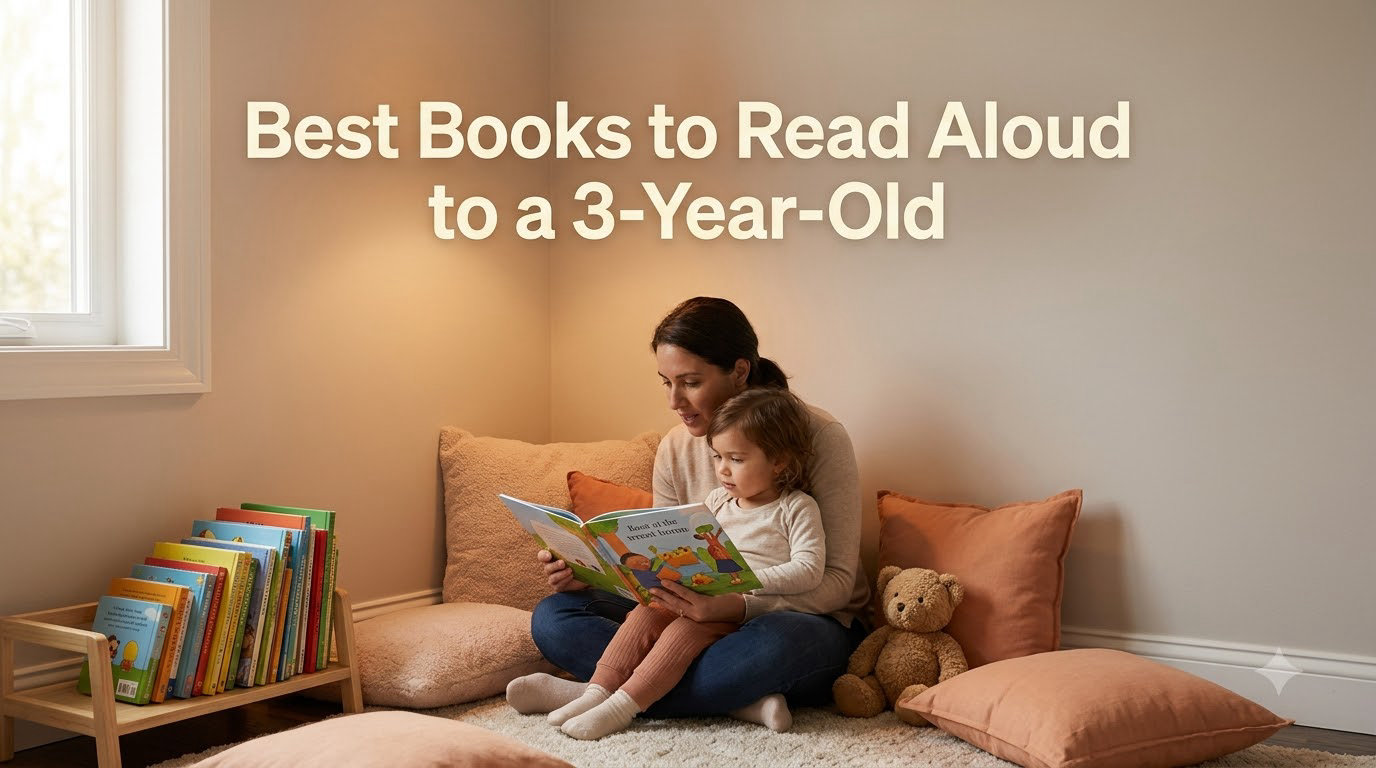
Three is a wild age for read-alouds. Their language explodes, their attention grows in jumps, and they start demanding the same book four nights in a row. After years of stacking picture books on our kitchen counter and testing them with our own kids, our team put together this list of the best books to read aloud to a 3-year-old, the ones that hold up to repeats, build real vocabulary, and make storytime the part of the day everyone looks forward to.
What actually separates a good read-aloud from a forgettable one at this age? Our experience shows three things matter most: rhythmic or repetitive text that lets a toddler join in, illustrations that support the story without overwhelming it, and a length of about 24 to 32 pages that fits a 5 to 10 minute cuddle. Every pick below checks at least two of those boxes, and many check all three. We focused on titles with strong parent review counts (most have 5,000+ reviews on Amazon) and authors who have earned their reputation in toddler circles, like Eric Carle, Sandra Boynton, Julia Donaldson, and Bill Martin Jr.
This guide mixes the obvious classics with a few newer titles we think deserve a place on your shelf. We included bedtime books, funny picks, lift-the-flap titles, and a couple of emotional intelligence staples so there is something for sleepy nights, high-energy afternoons, and everywhere in between. Whether you are shopping for your own toddler or hunting for a baby shower gift, these are the reads our parents reach for again and again.
Table of Contents
Top 3 Picks at a Glance
Best Books to Read Aloud to a 3-Year-Old in 2026: Quick Overview
| Product | Specs | Action |
|---|---|---|
 The Gruffalo The Gruffalo |
|
Check Latest Price |
 Dragons Love Tacos Dragons Love Tacos |
|
Check Latest Price |
 Giraffes Can’t Dance Giraffes Can’t Dance |
|
Check Latest Price |
 The Going To Bed Book The Going To Bed Book |
|
Check Latest Price |
 Chicka Chicka Boom Boom Chicka Chicka Boom Boom |
|
Check Latest Price |
 The Wonky Donkey The Wonky Donkey |
|
Check Latest Price |
 The Rainbow Fish The Rainbow Fish |
|
Check Latest Price |
 Dear Zoo Dear Zoo |
|
Check Latest Price |
 There’s a Bear on My Chair There’s a Bear on My Chair |
|
Check Latest Price |
 Grumpy Monkey Grumpy Monkey |
|
Check Latest Price |
 The Book With No Pictures The Book With No Pictures |
|
Check Latest Price |
 The True Story of the 3 Little Pigs The True Story of the 3 Little Pigs |
|
Check Latest Price |
 Alexander and the Terrible Horrible No Good Very Bad Day Alexander and the Terrible Horrible No Good Very Bad Day |
|
Check Latest Price |
 From Head to Toe From Head to Toe |
|
Check Latest Price |
 How to Catch a Dinosaur How to Catch a Dinosaur |
|
Check Latest Price |
1. The Gruffalo – The Rhyming Classic Our Family Returns To Most
Pros
- Catchy rhyming text
- Beautiful illustrations
- Replay-friendly
- Smart underdog story
Cons
- Few drawbacks reported by parents
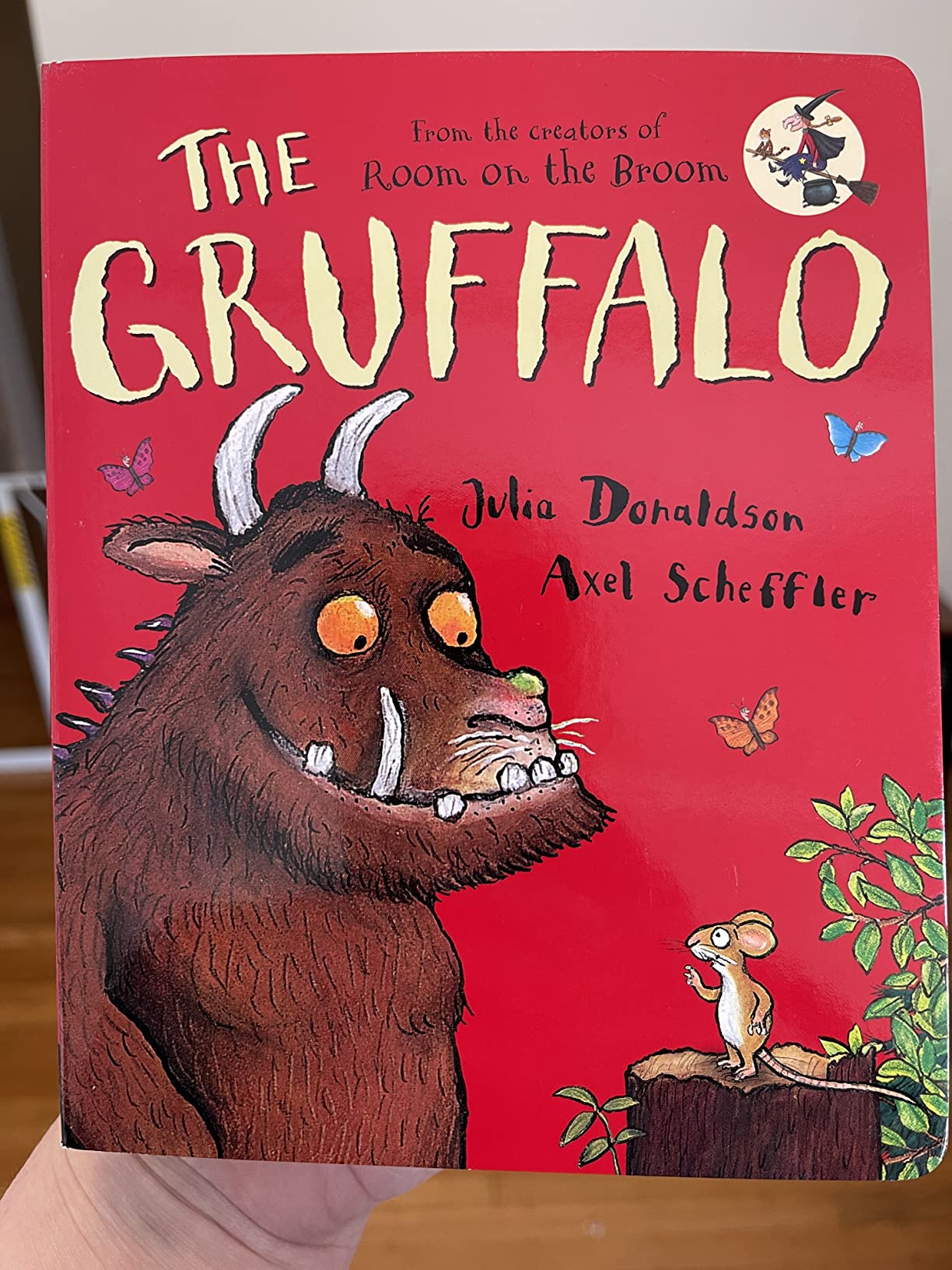
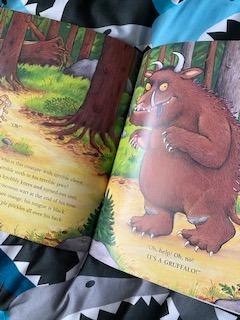
I have read The Gruffalo to my daughter probably 300 times, and I still enjoy saying the lines. A clever mouse outwits a fox, owl, snake, and finally a monster by inventing a creature so scary nobody wants to eat him. The rhyming structure is what made this book a phenomenon. Julia Donaldson’s verses trip off the tongue, and Axel Scheffler’s illustrations give every animal real personality.
The story builds repetition into the suspense, so your 3-year-old gets to chant along as the mouse describes his imaginary foe. That call-and-response rhythm is exactly what pediatric speech therapists recommend for this age. Kids practice phonemic awareness without realizing they are practicing anything.
What surprised me most was the message. The mouse never pretends to be strong or scary. He uses brains over brawn, which is a subtle way of teaching problem-solving. My daughter started using the phrase “my favorite food” the way the animals do, which became a fun dinner game for weeks.
A small but useful detail: the print length is 26 pages, which lands in the sweet spot for attention spans at age 3. The book is sold in paperback and board book formats. For daily read-alouds with a toddler who grips books hard, the board version holds up to rough handling. We went through two paperbacks before we switched.
Why The Gruffalo works as a read-aloud
The text uses trochaic tetrameter, which gives it a strong beat your voice naturally follows. You end up performing it, not just reading it. The 4.9 rating across 31,512 reviews tells you parents and kids agree.
What to know before buying
Some parents mention the paperback edition feels thin for the price, and a few buyers received copies with bent covers. Ordering from a reputable seller helps. If your child is rough on books, the board book edition is worth the upgrade.
2. Dragons Love Tacos – The Silly Pick That Makes Storytime Fun
Pros
- Hilarious premise
- Colorful art
- Replay value
- Imaginative
Cons
- Plot is loose for adult readers
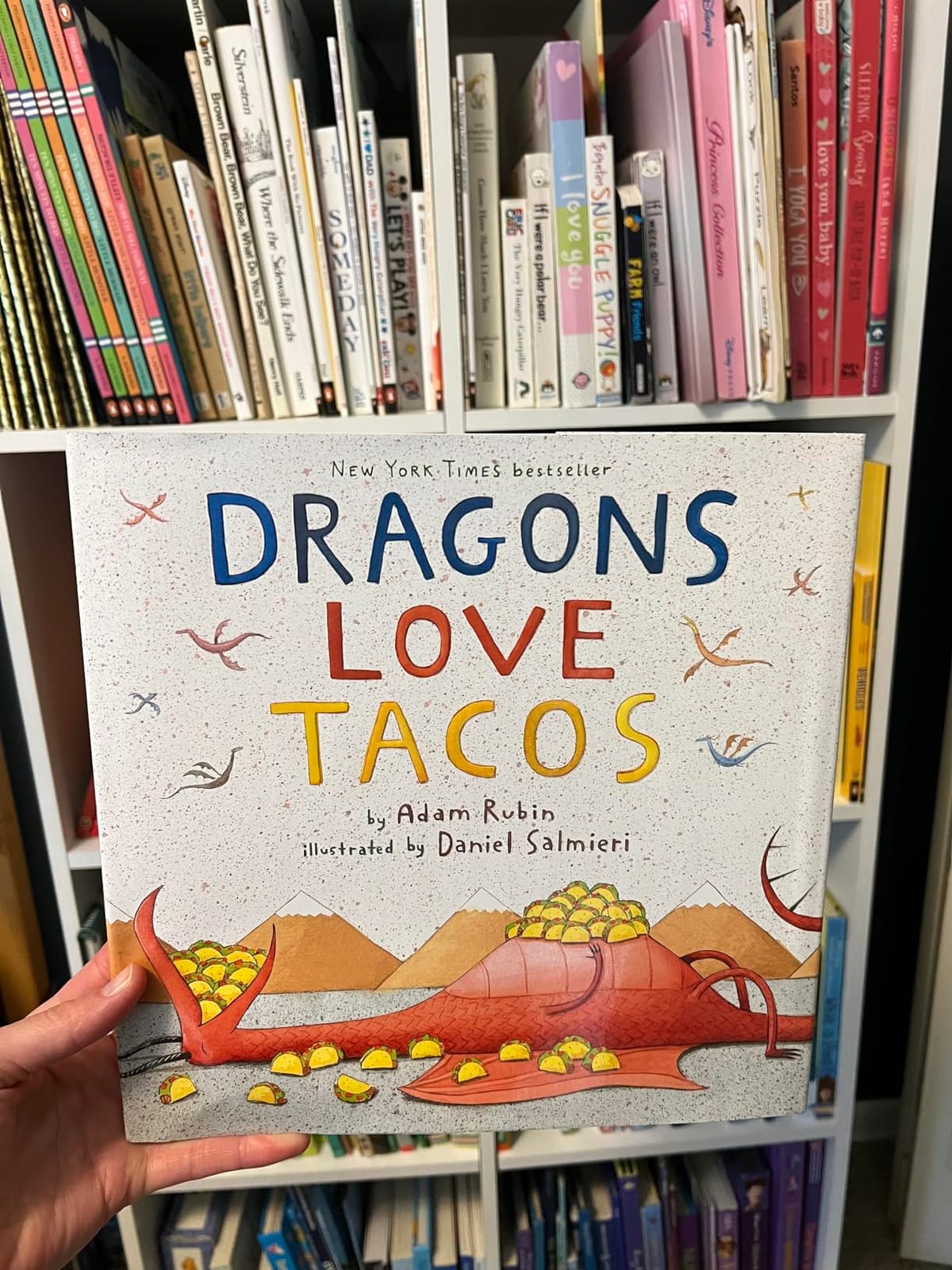
Our son picked this at the library on his third birthday and we ended up buying a copy within a week. Dragons Love Tacos answers the kind of weird kid question every parent hears: what do dragons eat at parties? The answer is tacos, but never with spicy salsa, because that turns them into fire-breathing disasters. The setup is absurd in the best way.
The text is conversational rather than rhyming, which makes it a nice counterbalance to all the sing-song books on this list. Adam Rubin gives you room to do voices. We ended up with a deep dragon voice and a panicked kid voice. Both kids loved the bits where the dragons tear up because they accidentally ate salsa.
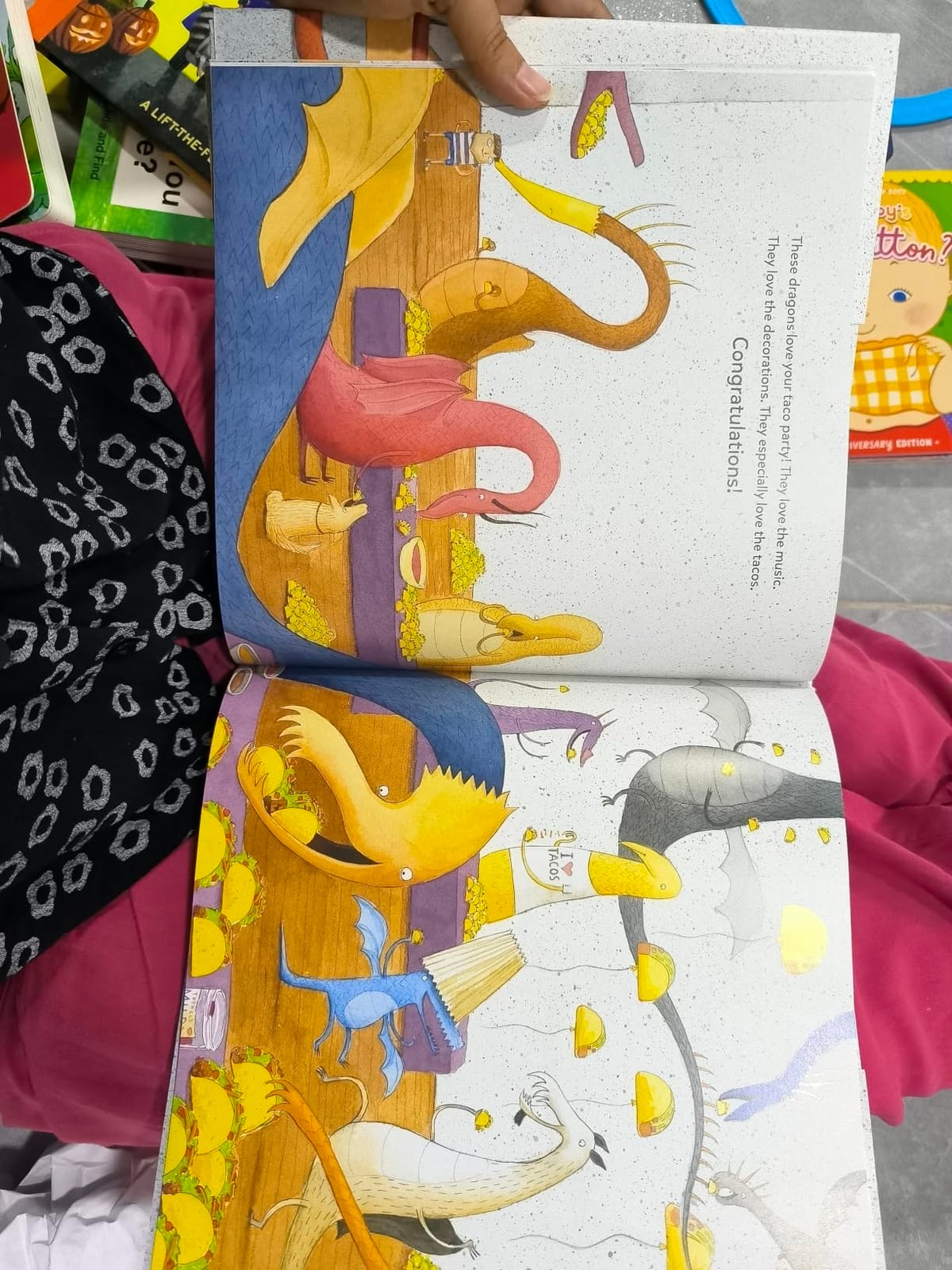
What works for read-aloud is the repetition of “dragons love tacos” running through the story, so kids can predict what comes next. Daniel Salmieri’s illustrations are goofy and packed with details. My son still spots new things in the background months later. The 40-page length is on the longer side for a 3-year-old, but the silliness keeps attention.
If you want a book that handles being requested over and over, this one is built to last. Most of the 20,927 reviews land at 4 or 5 stars, and parents often write about how quickly it became the only book their toddler would accept at bedtime.
Why it works for high-energy kids
The story moves fast and lets you ham it up. A hyper 3-year-old who cannot sit still through quiet books will often lock in for this one because the jokes reward attention. Pair it with a sequel like Dragons Love Tacos 2 for variety on repeat nights.
Where it falls short
Adults sometimes find the plot thin, and a few reviewers felt the story wandered. For toddlers that does not seem to matter. They just want more tacos.
3. Giraffes Can’t Dance – A Rhyming Book With a Self-Esteem Boost
Pros
- Strong rhyme scheme
- Positive message
- Bright art
- Thick pages
Cons
- On the longer side for new listeners
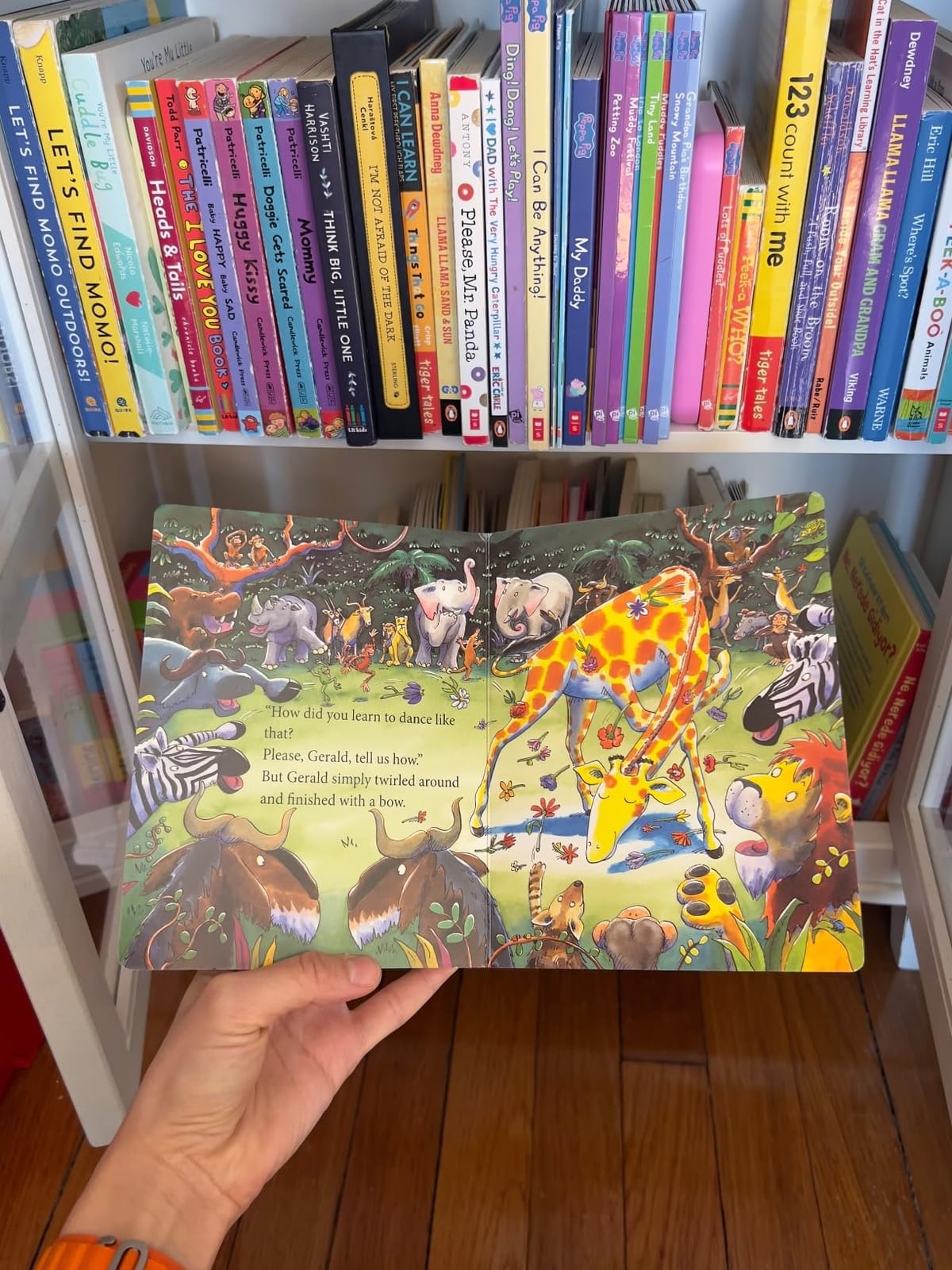
Giles Andreae wrote a rhyming story about Gerald the giraffe, who gets laughed at at the Jungle Dance until a wise cricket tells him he just needs a different song. Gerald discovers his own moves and becomes the star of the party. The message lands gently without lecturing, which is exactly what a 3-year-old can absorb.
Guy Parker-Rees paints the jungle creatures in glowing colors. The illustrations are big and busy in a way that invites pointing, naming, and counting. My daughter loved spotting the warthogs on every page. The rhyming text is satisfying to read aloud, with a clear cadence that almost sings.
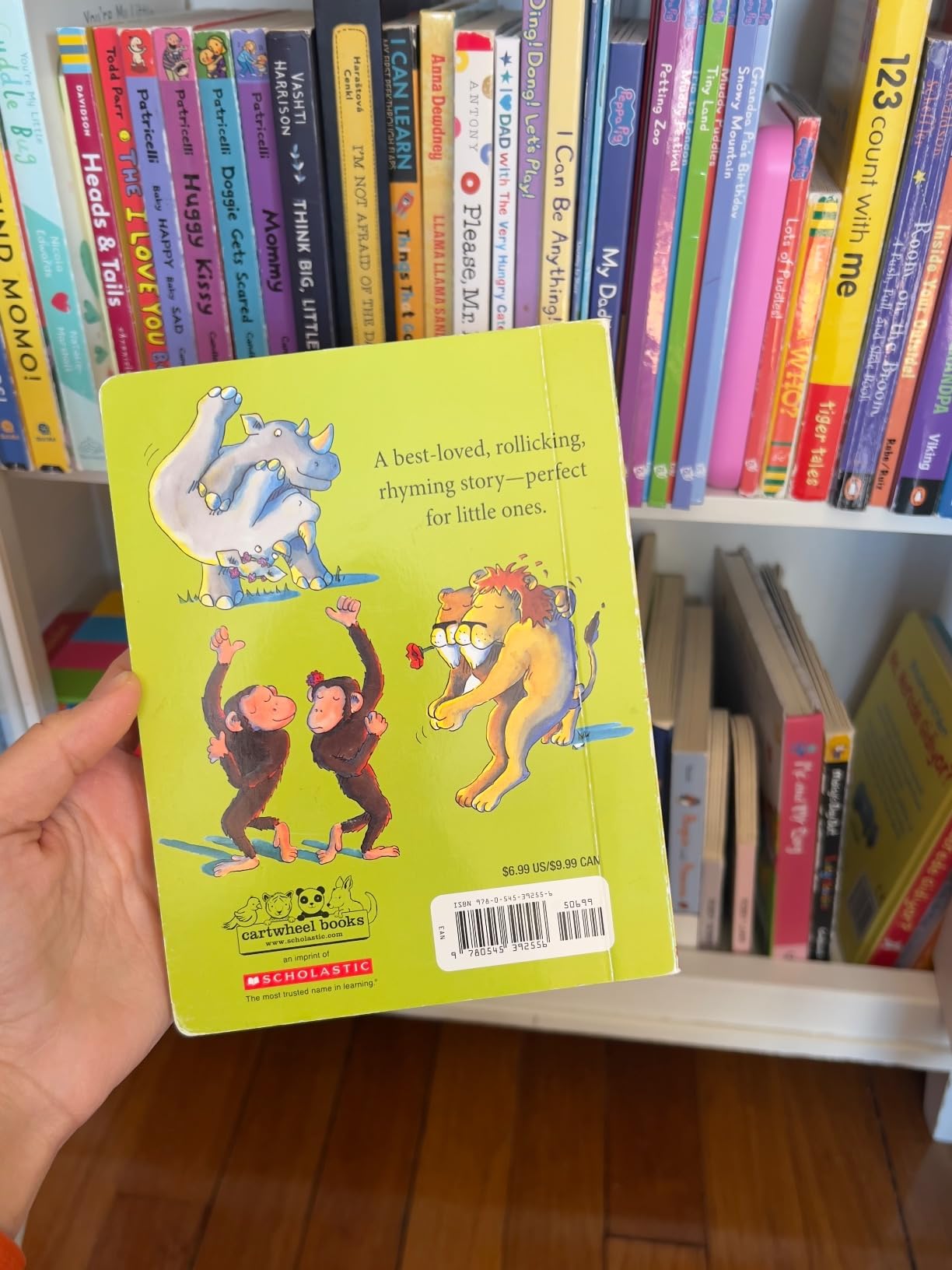
I appreciated that the book board format holds up. Many parents on Amazon noted the same thing. At 1 to 3 years on the label, the book skews a bit young, so most 3-year-olds already know it cold by the time you open it. That familiarity is part of why it works as a read-aloud. They finish sentences for you.
With 29,851 reviews and a 4.8 average, this is one of the most reliable bedtime options for this age. Use it as a conversation starter when your child has a tough day or feels excluded. It is a quiet way to remind them that different is not the same as wrong.
Why the message hits this age
Three-year-olds are beginning to notice differences and to compare themselves to peers. Gerald’s story gives parents a soft way to talk about that. The cricket is a kind mentor, not a parent, which lets kids project onto the character and decide for themselves what the moral means.
What to consider
Some toddlers lose focus around page 20 because the rhyming stretches on. Front-load the story for kids with shorter attention spans, or skip the closing spread on nights when they are restless.
4. The Going To Bed Book – Our Shortest, Sweetest Bedtime Read
Pros
- Quick length
- Bright illustrations
- Funny animals
- Sturdy pages
Cons
- Some parents want more content
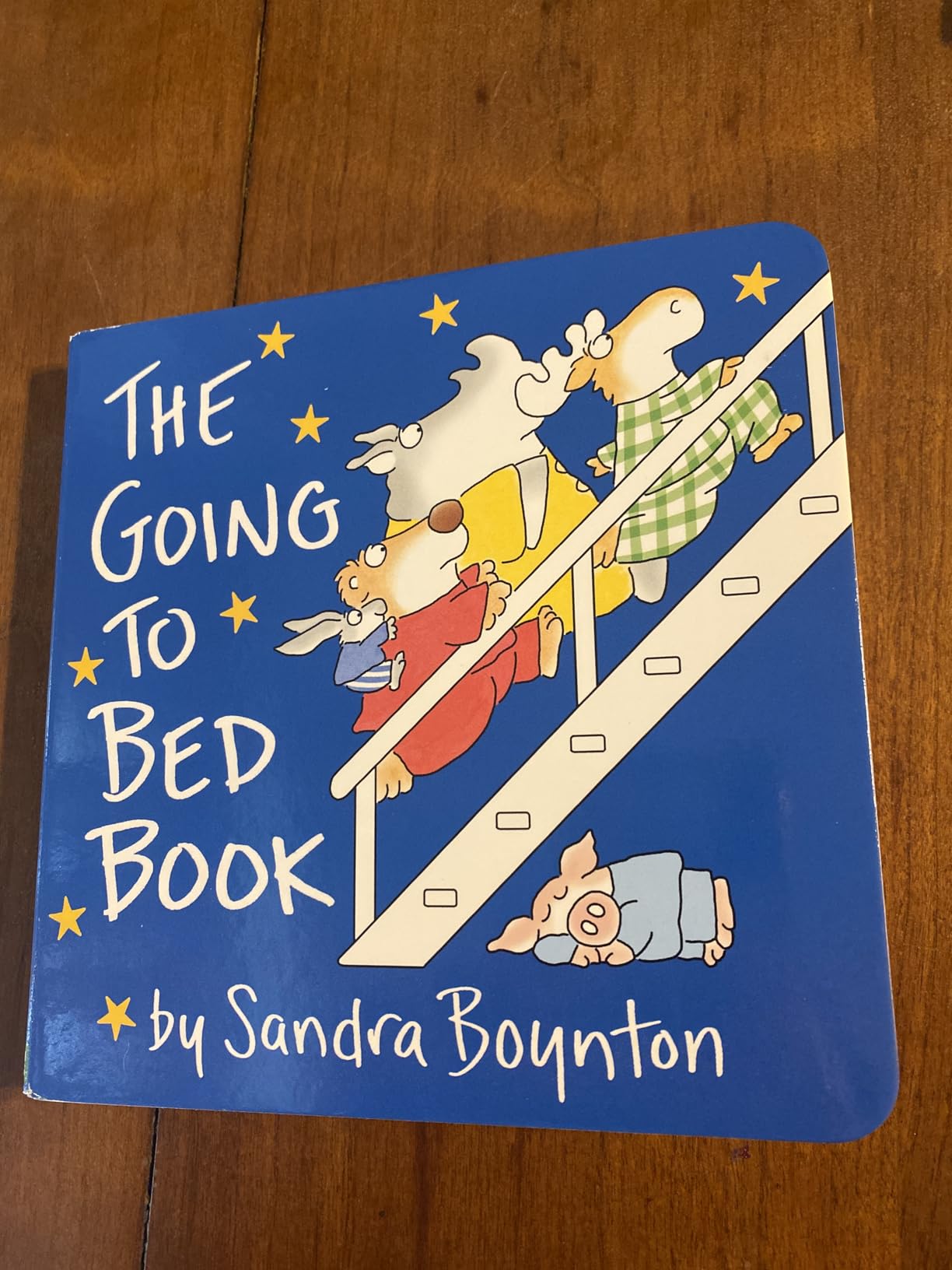
When our kids were too tired for a chapter but still asking for “one more book,” Sandra Boynton’s The Going To Bed Book saved us. It is just 16 short pages of an ark full of silly animals getting ready for bed. The whole read takes about three minutes, which is exactly right for the end of the day.
The rhyme is gentle, the pace is slow, and the illustrations are full of small jokes. Pigs brush teeth. Elephants scrub behind their ears. There is just enough repetition that even a 2-year-old can predict the next line. By 3, most kids will recite it with you.
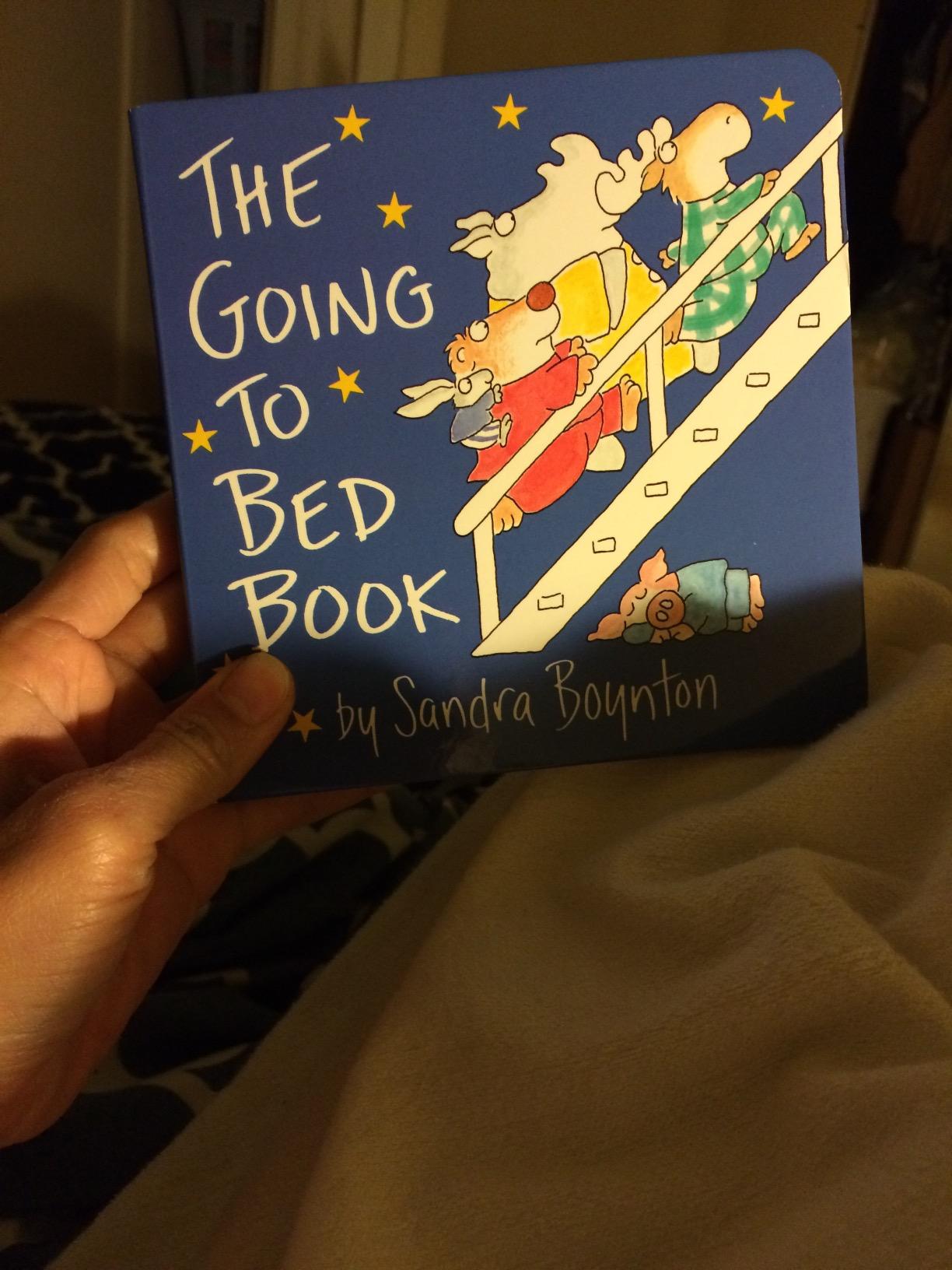
The board book format is solid. A few reviewers noted minor shipping dings, but the actual book holds up to repeated readings, sticky fingers, and the occasional page bend. It also makes a fantastic baby shower gift because it works across multiple ages.
I have gifted this three times. Every family I have handed it to reports the same thing. Their toddler starts requesting it nightly within a week. The 20095 review count with a 4.8 rating tells the same story from thousands of parents.
What makes it a calm-down book
The pacing mirrors a bedtime routine. Warm bath, scrub, brush teeth, climb the ladder, rock the boat, moon up, then goodnight. Following the same sequence each night helps signal to a toddler’s body that sleep is coming.
When to skip it
Some kids love this so much they want it at breakfast. If you want to keep it special, use it only as the bedtime story. That can also make it more effective when you need it most.
5. Chicka Chicka Boom Boom – The Alphabet Book With Real Rhythm
Pros
- Catchy rhythm
- Clear alphabet learning
- Bright art
- Repeatable chant
Cons
- Few drawbacks reported
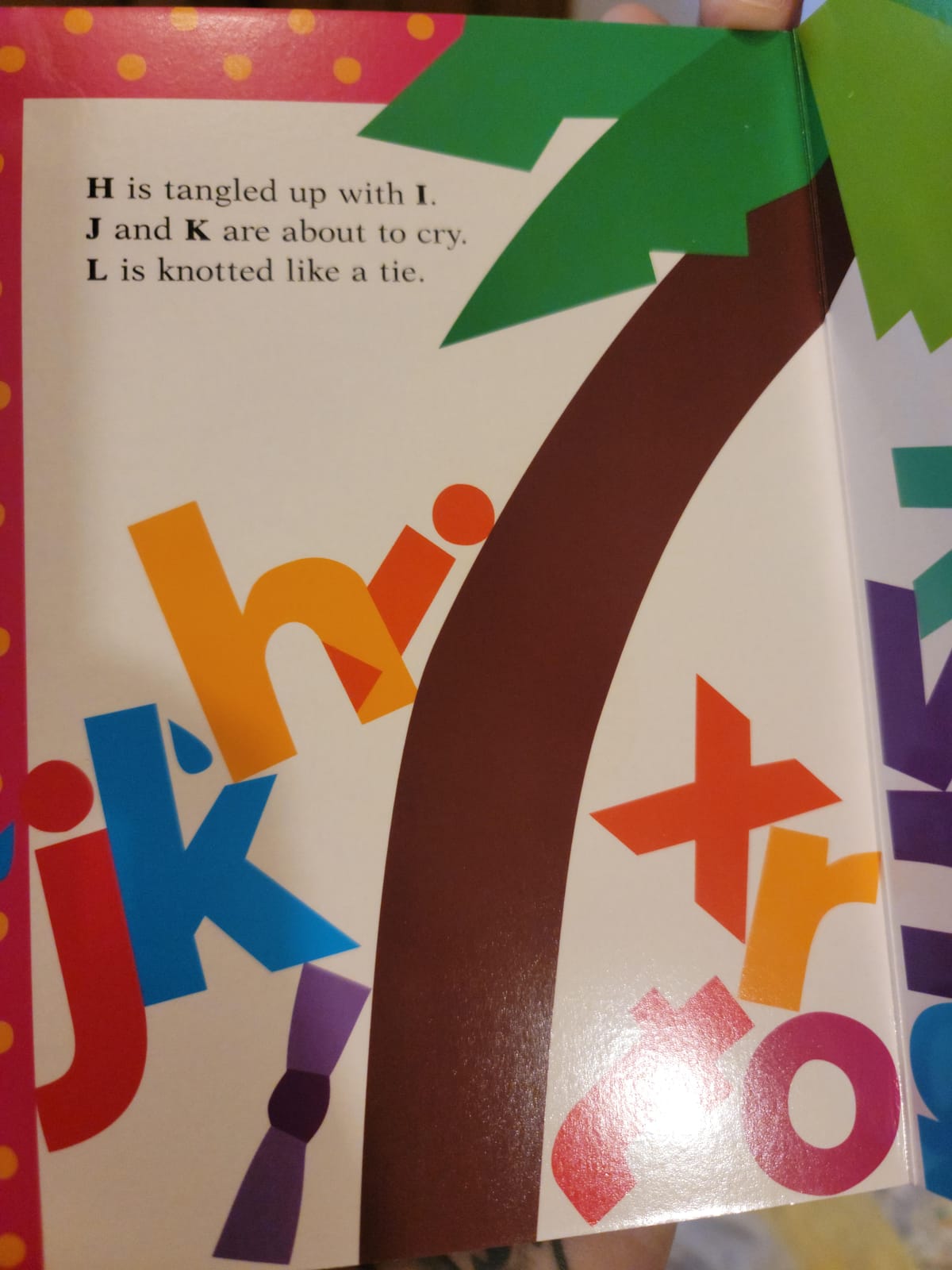
If you want a book that teaches the ABCs without feeling like a lesson, Chicka Chicka Boom Boom is the gold standard. Bill Martin Jr. and John Archambault built a story where the letters race up a coconut tree and tumble down in a heap. The rhythm is contagious. Most kids can chant “A told B and B told C, we’ll meet at the top by the coconut tree” within a few reads.
Lois Ehlert’s cut-paper illustrations are bold and graphic. Each letter is colored and styled so it stands out individually. That is helpful for kids still learning to distinguish shapes. Our son used to point at every letter and “name” them as we read, even before he had them down cold.
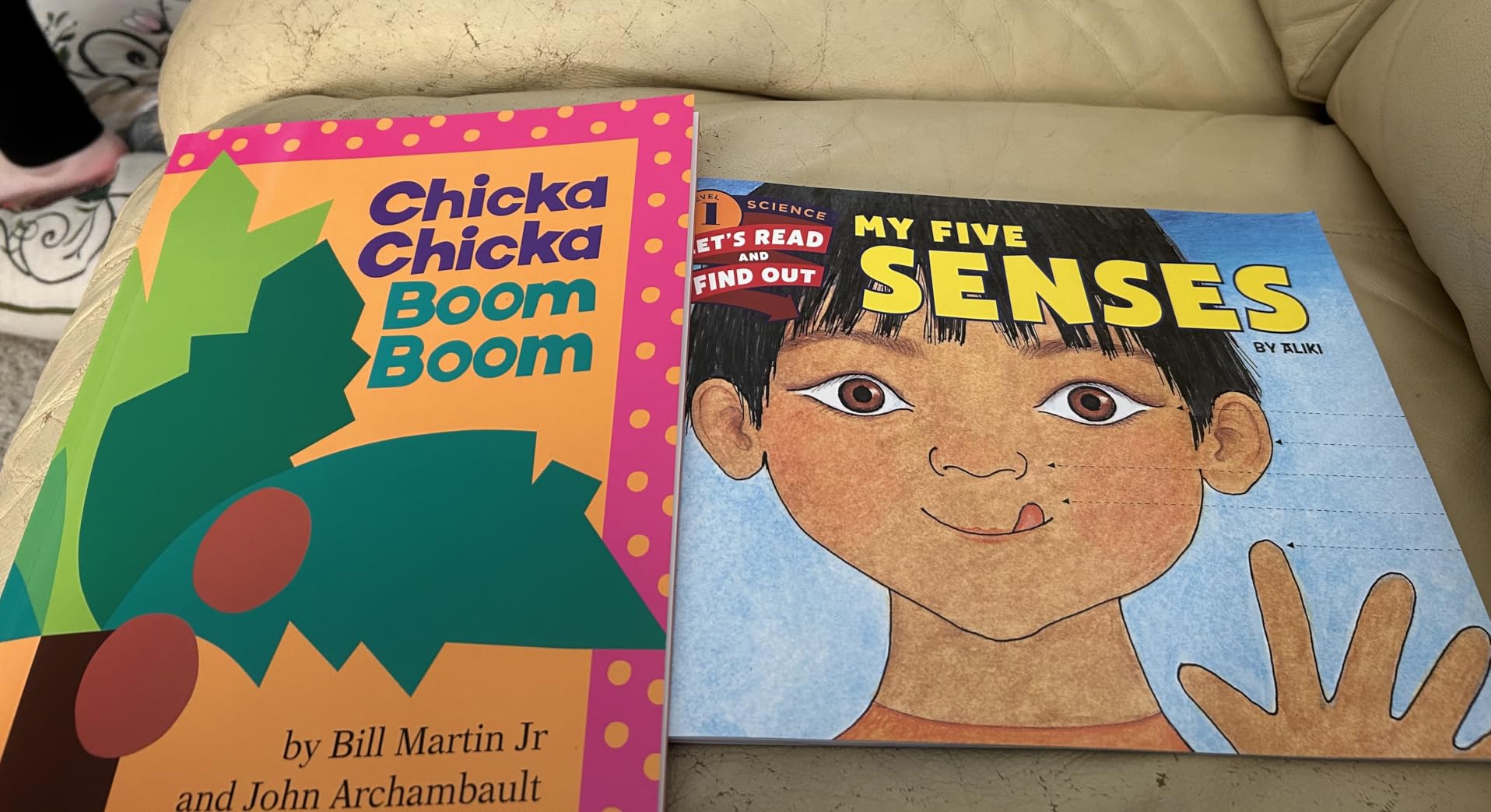
The book is on the slightly younger side of age 3, which actually works in your favor. By the time your child is 3, they often already love it and want to “read” it themselves. The crossover at 41,736 reviews and a 4.9 average tells you this is an evergreen.
What I like most is that it does not treat the alphabet as a quiz. It treats letters as characters in a story. That shift makes the alphabet feel like play, not work, which is exactly the mindset that speeds up reading readiness.
Why the rhythm sticks
The text uses a syncopated beat that almost feels musical. Readers end up clapping or tapping. Kids feel the rhythm and join in without being prompted. That kinesthetic layer is great for auditory learners.
Pair it with
The Chicka Chicka series includes Chicka Chicka 1 2 3 for numbers and Chicka Chicka Boom Boom Magnet Edition for hands-on play. Both extend the same chant into new learning.
6. The Wonky Donkey – The Book That Made My Husband Giggle Out Loud
Pros
- Side-splitting rhyme
- Family-friendly humor
- Catchy phrases
- Bright art
Cons
- Fart humor not for every family
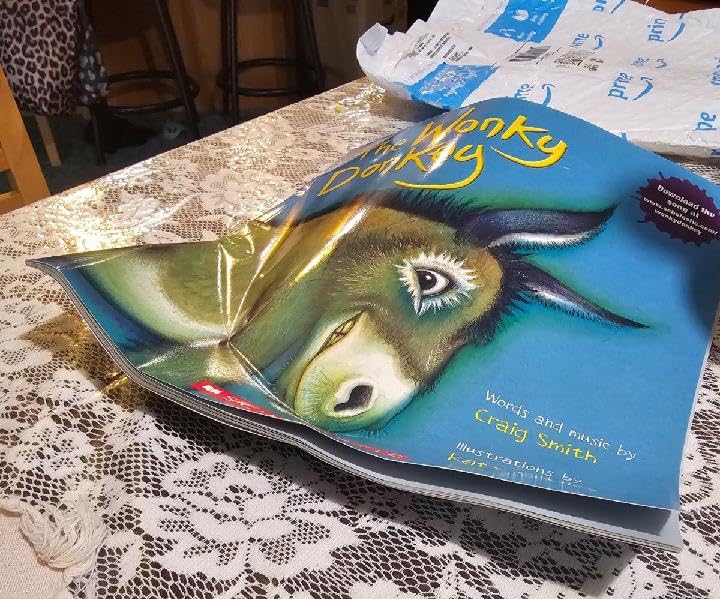
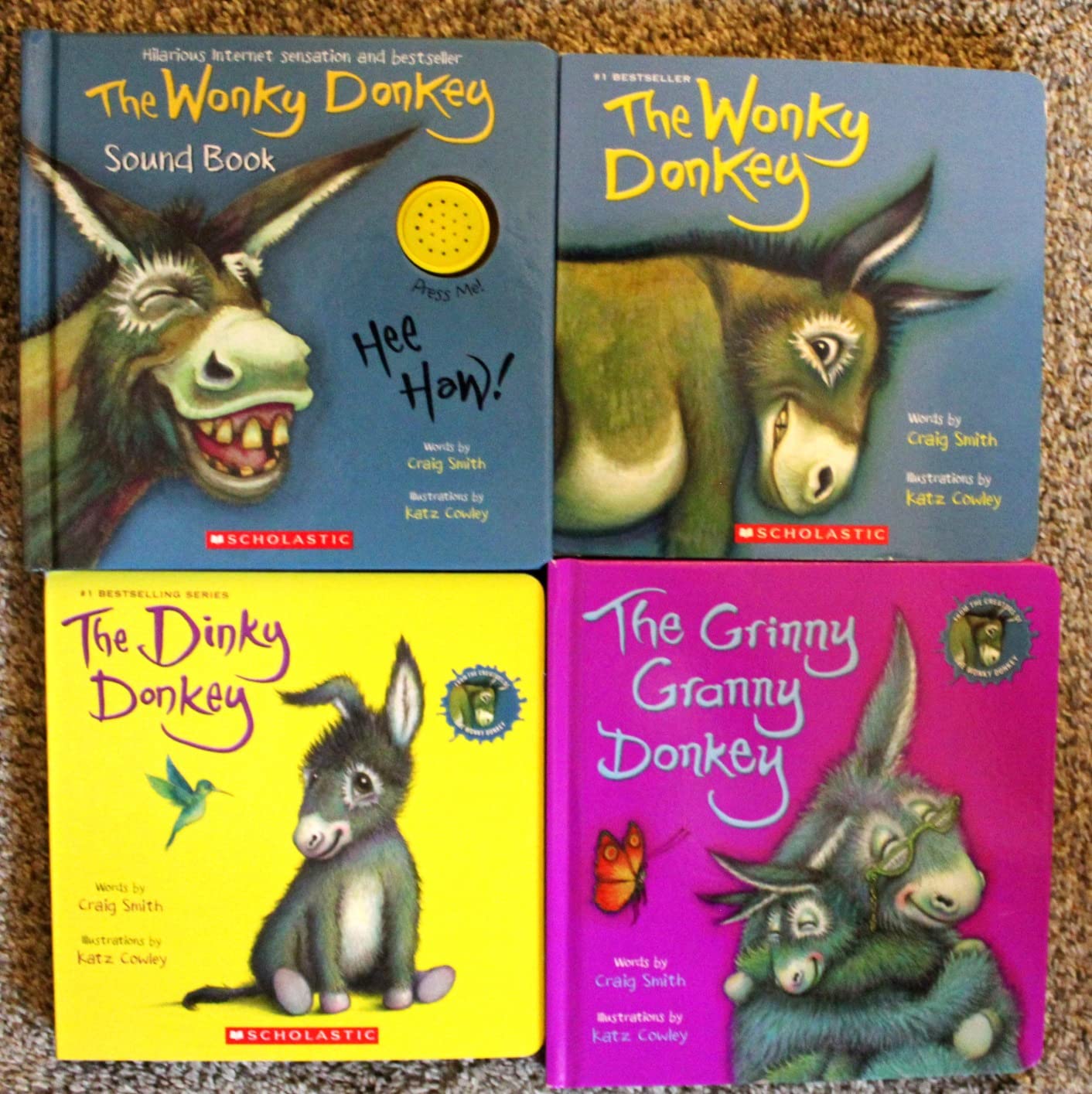
The Wonky Donkey is the rare read-aloud that makes both parent and child laugh. Craig Smith wrote a cumulative rhyme about a donkey with extra-long legs, one eye, no tail, and a tendency to run away. The phrases build on each other, so by the end your child is giggling before you even finish the page.
The Scottish folk-art style illustrations by Katz Cowley are simple but expressive. My kids loved the wonky donkey’s wild eye. The repeated “hee haw” refrain is just begging to be performed, and we ended up with silly donkey voices that became a running joke in our house.
This is also the book that taught me how powerful cumulative rhymes are for this age. They reward memory. By the third or fourth time, kids try to say the next line, and they get a small confidence boost when they nail it. The book has 86,667 reviews and a 4.8 rating, which is enormous by any standard.
One warning for parents who dislike toilet humor: there is a fart joke. Most families laugh it off. A small number of reviewers felt it was off-putting. Know your audience.
Why cumulative rhymes help memory
Each phrase repeats the line before plus one new detail. By the end, your child has been tracking a chain that grew longer and longer, and they feel proud they kept up. That is a quiet workout for working memory.
Reading the dialect
Smith wrote the song as a Scottish folk tune. Some parents love leaning into the Scottish “wonky” lilt, others prefer a flat American accent. Pick the voice that makes you comfortable. Either way, kids catch on fast.
7. The Rainbow Fish – A Classic About Sharing and Belonging
Pros
- Shimmering foil scales
- Sharing message
- Nostalgic quality
- Sturdy board
Cons
- Some parents debate the message
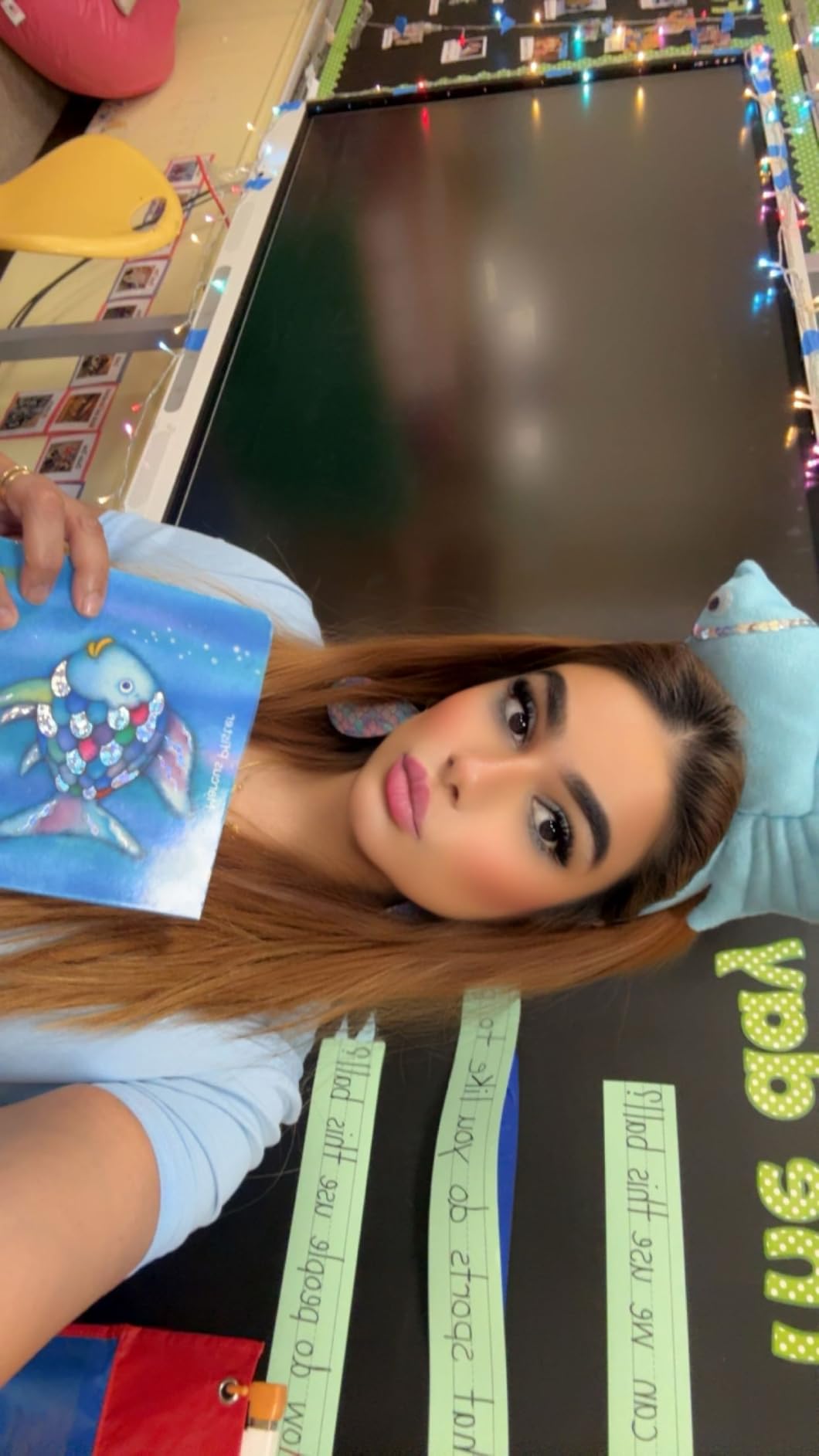
The Rainbow Fish has been around long enough that some parents read it as kids themselves. Marcus Pfister’s signature foil-stamped scales catch light and feel almost magical to small hands. The story follows a beautiful fish who learns that giving away his shimmering scales brings more friends than hoarding them does.
It is shorter than most picture books, only 14 pages, but the message lands with surprising weight. We used it as a launchpad for talking about sharing toys at daycare. The foil detail also makes it the most “wow” book on the shelf, which earns you a few extra minutes of attention.
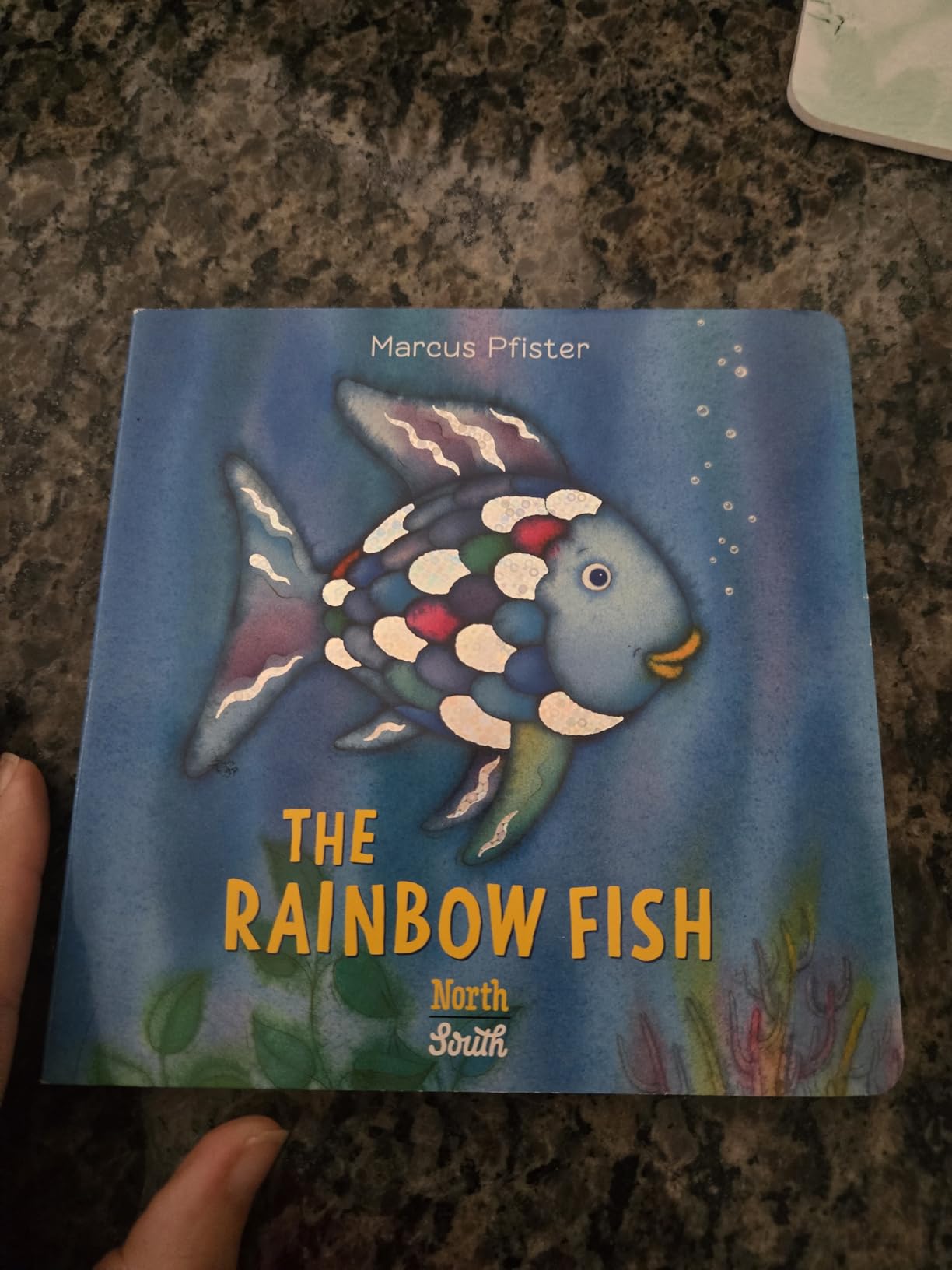
The board book version is small enough for toddler backpacks but durable enough for daily handling. Many parents mention ordering extra copies as baby shower gifts because it feels timeless.
Some reviewers over the years have pushed back on the message, arguing the fish gives away too much of himself to please others. We found that depends entirely on how you frame it at read-aloud. We talked about how the fish chose to share, not how he was pressured to. That choice matters.
Why the foil sells the read-aloud
Tilting the book catches light from different angles. Kids want to keep flipping the pages to see the shimmer change. That sensory layer extends attention without you needing to perform anything.
Best for ages
The reading age on the listing runs baby to 3 years. At age 3, your child is at the upper edge, where they can start discussing the message rather than just enjoying the visuals. That makes it a transitional read that grows with them.
8. Dear Zoo – The Lift-the-Flap Book We Replaced Twice
Pros
- Sturdy flaps
- Suspenseful reveals
- Curiosity building
- Zoo theme
Cons
- Limited text
- Flaps wear with rough use
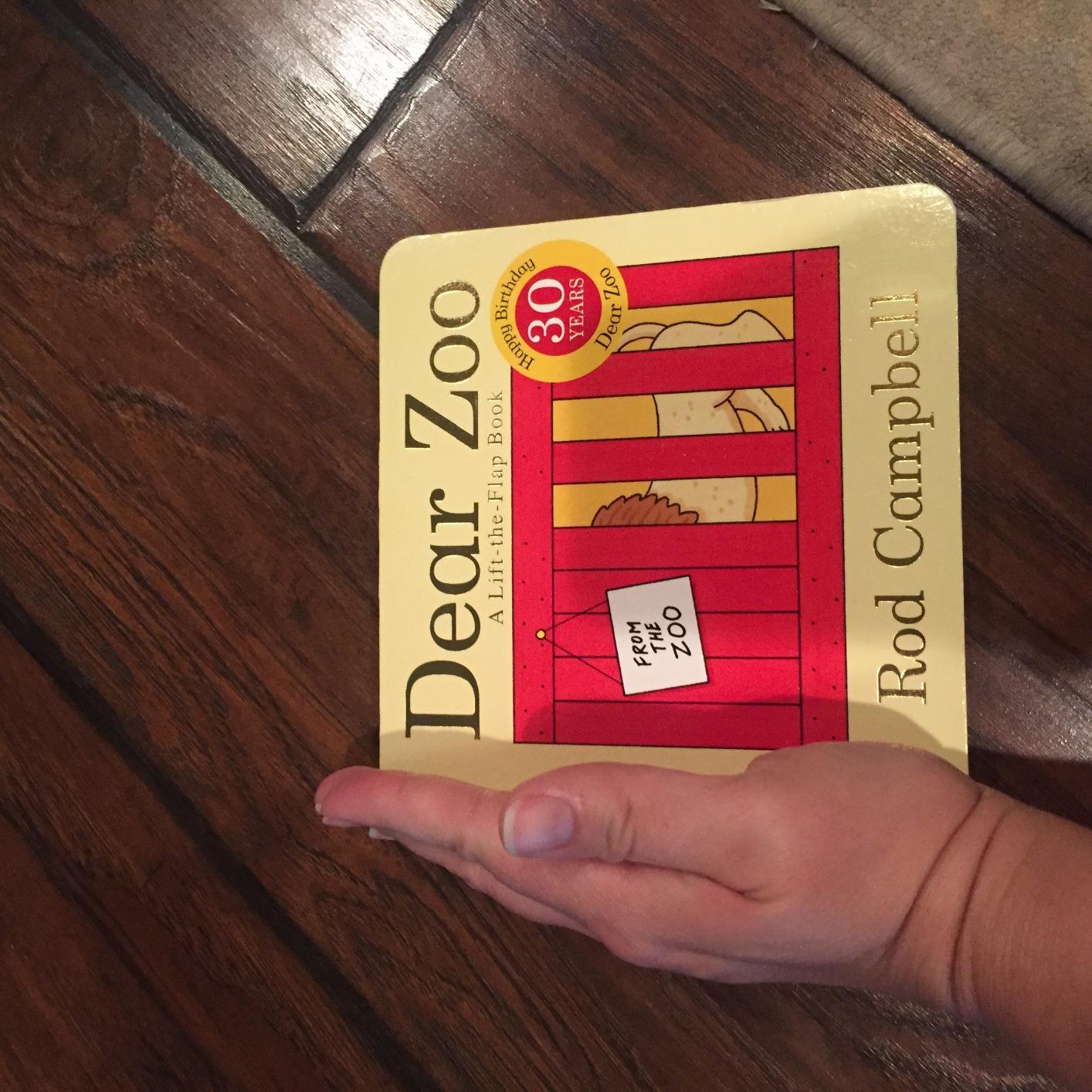
Dear Zoo by Rod Campbell has been the #1 bestseller in Children’s Zoo Books for years, and after watching my kids crack it open at every playdate, I finally understand why. The book is a series of crates the zoo sends when you write asking for a pet. Each flap lifts to reveal an animal that is almost right but not quite. The reveal builds anticipation page after page.
The text is bare-bones on purpose. “They sent me a camel. He was too big.” That simplicity is genius because it gives kids room to fill in the rest. A 3-year-old can “read” this book to a stuffed animal almost entirely on their own. That confidence spike is huge for early literacy.
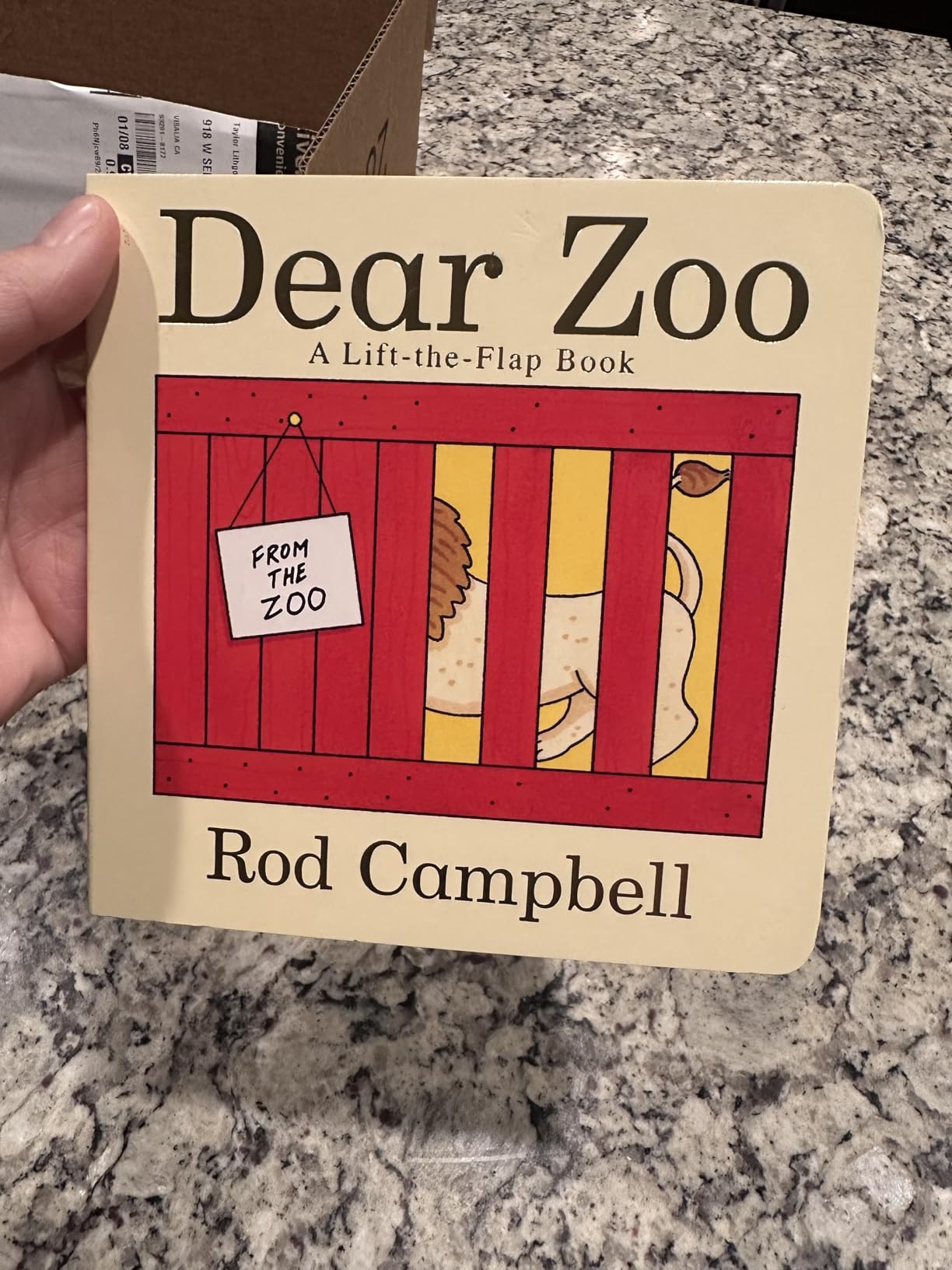
One practical note from real use. We replaced this twice. Flaps tear if your child is rough. The board book is sturdy, but the flaps are thin. If you have a kid who likes to yank, order a backup copy or use the paperback board book edition if available. The 32,172 reviews confirm this is the same story every parent tells.
Pair this with a stuffed elephant or a trip to the zoo. It acts as a great conversation starter for naming animals, sounds, and habitats.
Why interactive books work for active toddlers
Three-year-olds have a hard time sitting still. A book that requires them to lift flaps gives them a small physical task. That kinesthetic layer is the difference between a toddler who fidgets through storytime and one who leans in.
What to watch for
The flaps can sometimes ship bent. Most parents were happy to bend them back. If yours arrive damaged, swapping through Amazon is easy.
9. There’s a Bear on My Chair – The Rhyming Showdown That Won Our Dinnertime
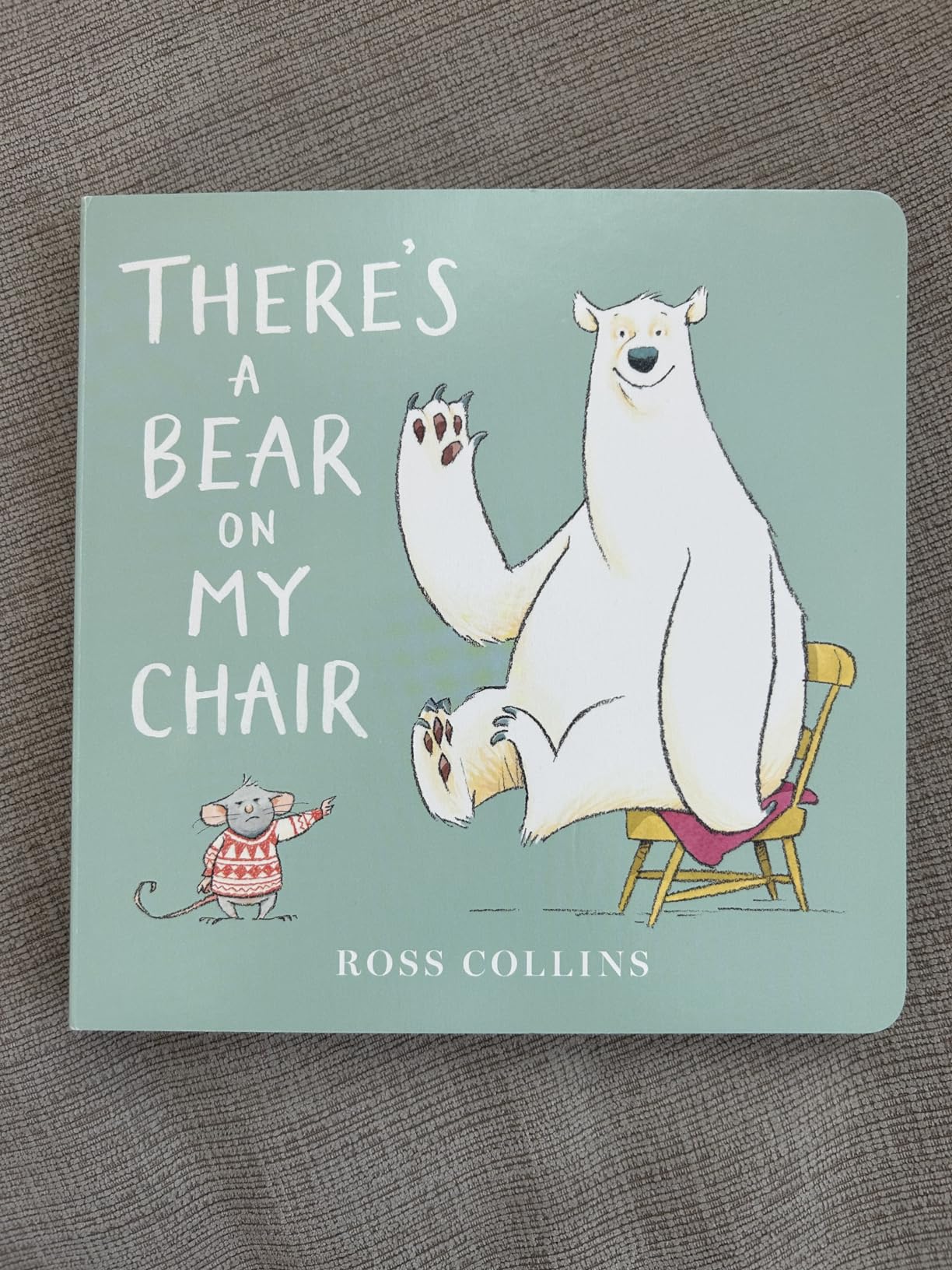
There’s a Bear on My Chair (Ross Collins’ Mouse and Bear Stories)
Rhyming picture book
24 pages
Ages 1-3
Pros
- Playful rhyme
- Bright illustrations
- Short length
- Bedtime-friendly
Cons
- Some want a stronger ending
Ross Collins wrote a tiny standoff between a mouse and a bear who has decided to sit in the mouse’s chair. The mouse tries every polite solution. He asks, he sighs, he bargains, he huffs. The bear does not move. The text rhymes with a dry humor that feels closer to a Mo Willems book than a typical bedtime read.
The illustrations lean into comedic frustration. My son, who is three, shouted “that bear is being MEAN” at the first read. That is the kind of emotional engagement that pulls reluctant listeners into a story. Once your kid is mad at the bear, they are hooked.
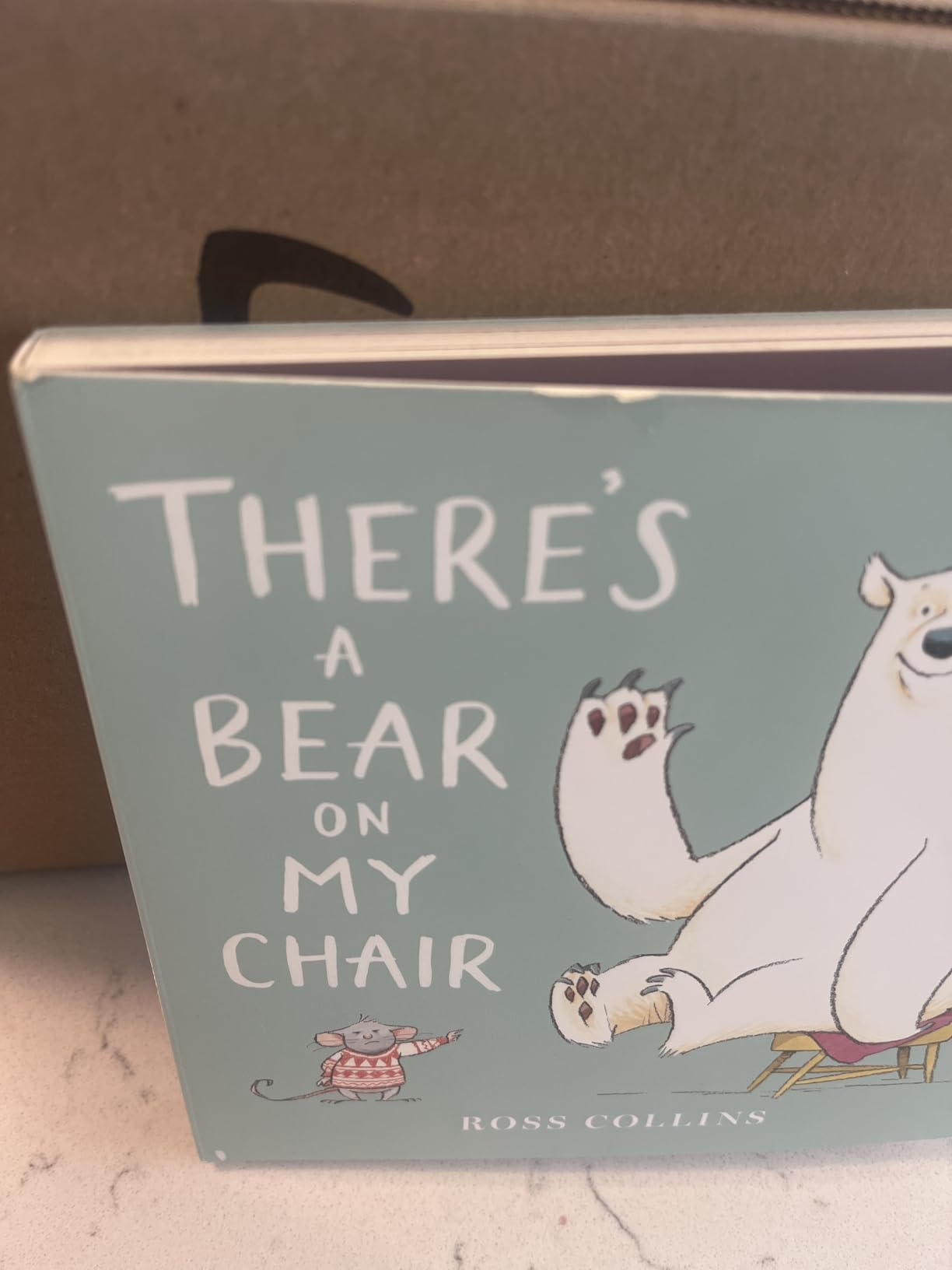
The book has 24 pages, which is on the shorter end. We usually read it twice in a row because the length leaves everyone wanting more. The sequel, There’s a Mouse in My House, follows the same energy with the roles reversed. We bought both.
A handful of reviewers found the ending a letdown. Our kids did not notice. They cared more about whether the bear finally moved than about poetic closure.
Why the humor lands at age 3
Three-year-olds are starting to understand social rules. Politeness, fairness, and frustration are concepts they are actively learning. Putting those feelings into a bear and mouse makes them easier to discuss than they are in your own living room.
Pairing it
If your child loves this one, the author has a string of similar rhyming picture books including The Elephantom and There’s a Witch in Your Book. Each works with the same blend of humor and rhythm.
10. Grumpy Monkey – A Read-Aloud That Opens Feelings Conversations
Pros
- Relatable 'bad mood' theme
- Opens feelings talks
- Bright art
- Sturdy board
Cons
- A few shipping complaints
- Soft ending
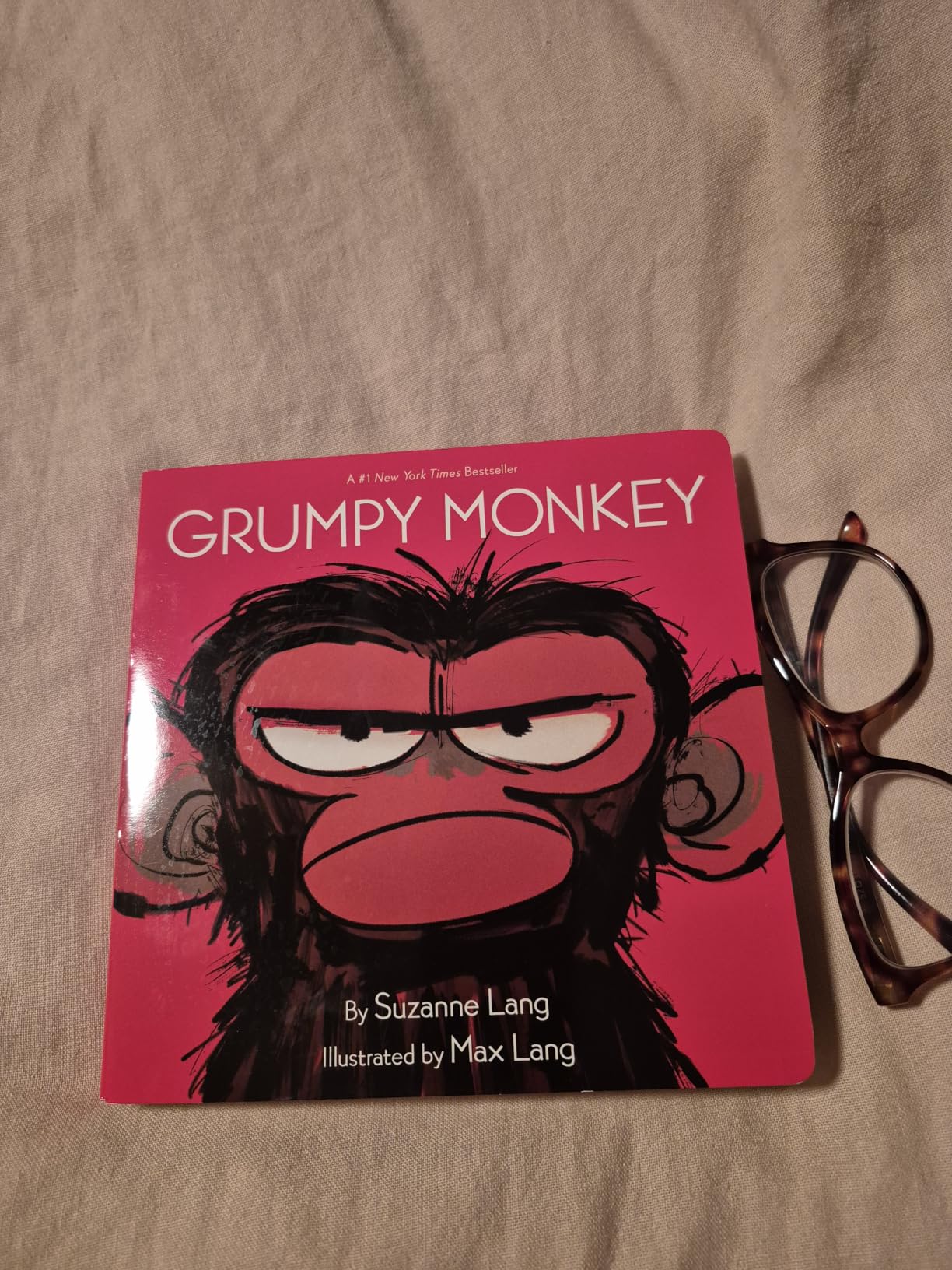
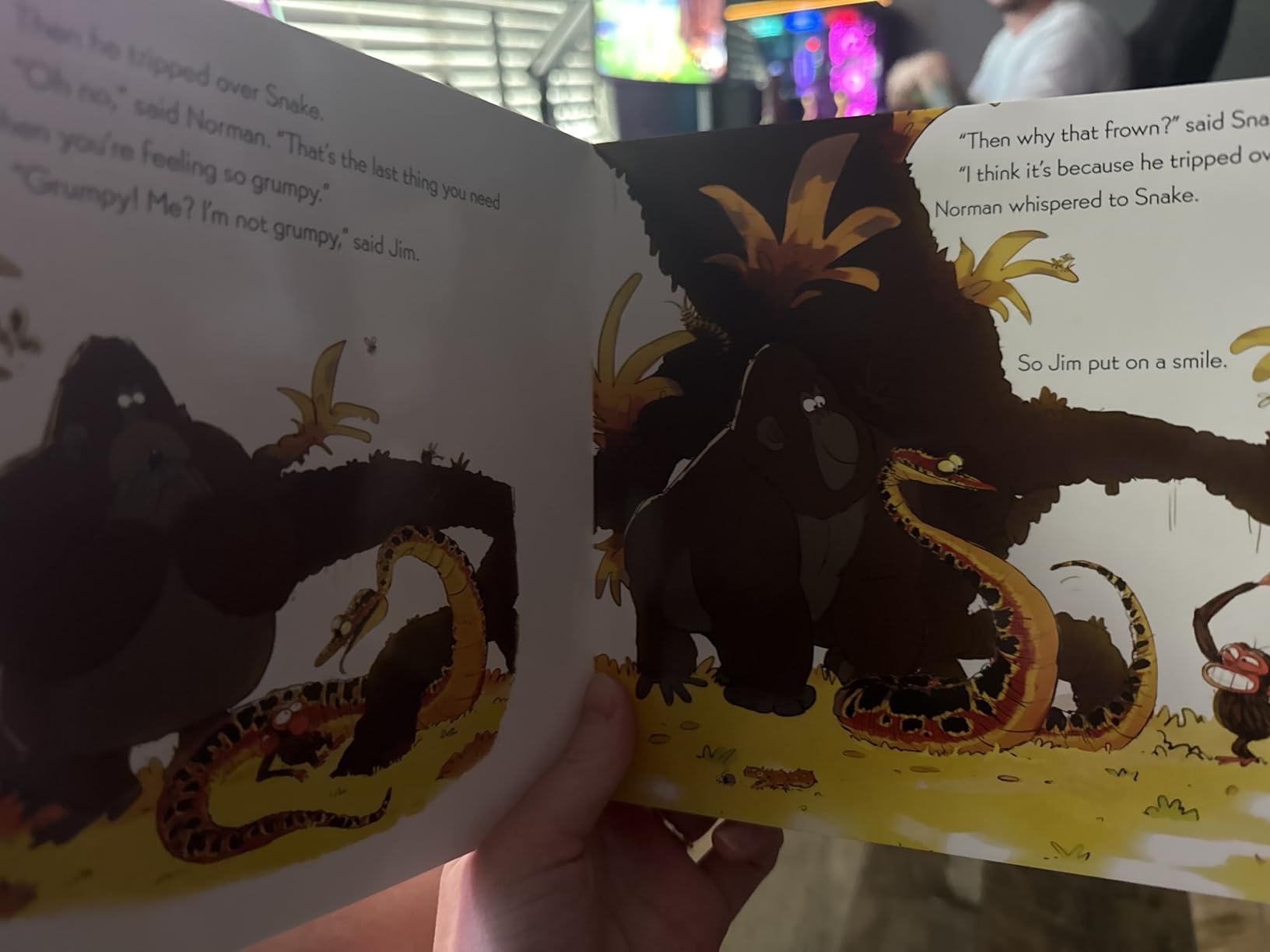
Suzanne Lang wrote Grumpy Monkey for exactly the kind of day every parent knows too well. Jim Panzee wakes up grumpy for no reason, and every animal in the jungle offers him a way to cheer up. None of them work, because that is not how emotions actually behave. The book ends with a friend sitting with Jim in his grumpiness, which is the whole message.
The text reads aloud easily, and Max Lang’s illustrations are busy in a charming way. The jungle feels like a children’s TV show, which holds visual attention even when the message is doing the heavy lifting. At 27,211 reviews with a 4.8 average, this is one of the most recommended emotional intelligence books in parenting forums.
What surprised me was how often we ended up reading it after tantrums. The book gave us a script for “I can see you feel grumpy right now” without us having to invent the wording. Three-year-olds do not always want a fix. They want to be seen. Grumpy Monkey shows them that feeling grumpy is allowed.
Some reviews flagged shipping damage on the board book version. The book itself is solid. If yours arrives dinged, swap for a fresh copy.
Why it works for emotional development
The story does not try to make Jim happy. It validates his grumpiness and waits it out. That is rare in picture books and useful in real life. Kids mirror what they read, and many parents reported their toddlers using the book as a reference point during hard moments.
More in the series
Suzanne and Max Lang built out a whole Grumpy Monkey series, including Grumpy Monkey Party Time and Grumpy Monkey Up All Night. Each tackles a different emotion the same gentle way.
11. The Book With No Pictures – The Read-Aloud Trick That Wears You Out
Pros
- Interactive silliness
- Kid-controlled read
- Engaging voices
- Builds reading interest
Cons
- Embarrassing for shy adults
- No pictures at first feels odd
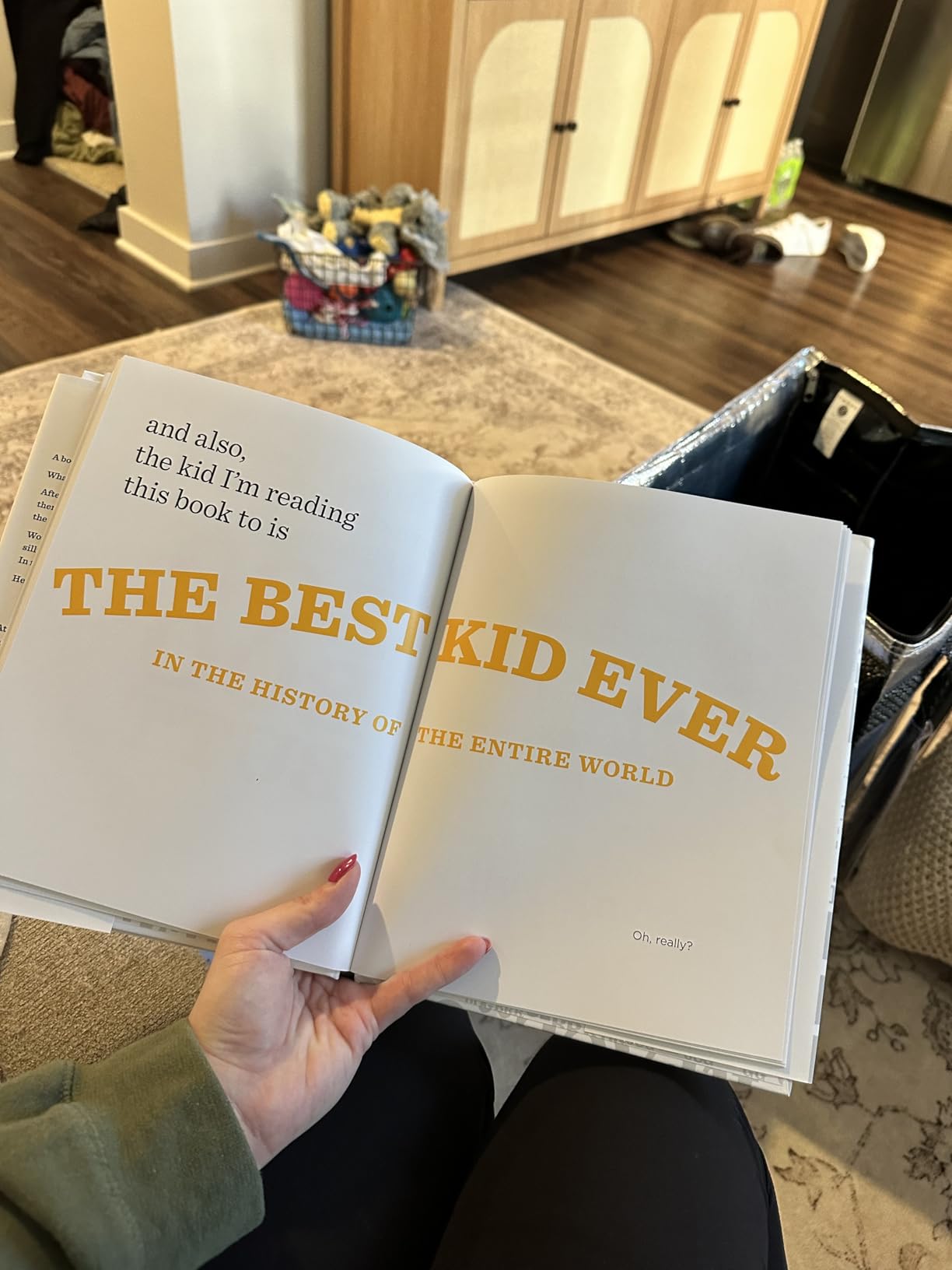
The Book With No Pictures looks like a prank the first time you crack it open. There are no illustrations at all, just words on a page, and the words include phrases the reader is forced to say out loud. Blue. Blop. Blimp. My best friend is a monkey. The reader has to perform every line, which is the entire joke.
Kids LOVE this. They laugh while you squirm. The genius of the book is that it gives toddlers control over the adult reading to them. They get to dictate that you say things like “Gluppity glup” and “I am a robot monkey,” and you have to obey. Power reversal is a 3-year-old’s favorite hobby.
Beyond the comedy, the book is sneaky educational. To “read” the book, kids have to follow the logic of how reading flows. They also practice sound recognition and pronunciation without worksheets. The 20,769 reviews and 4.8 rating match that broad appeal.
The biggest con is real. Some adults find the experience embarrassing, especially at bedtime. We found that giving it a silly voice from the start solves that. Commit to the bit.
Why no pictures still works
Without illustrations, your child listens harder. The text becomes the show. That shift actually mimics the experience of longer chapter books your kid will encounter later, so it can be a gentle bridge when you start stretching into bigger stories.
Best for ages
The reading age on the listing is 3 to 6. Three is the perfect entry point, when silliness and control peak. If you wait until 6, the humor lands differently.
12. The True Story of the Three Little Pigs – The Twist That Teaches Perspective
Pros
- Clever POV
- Taught perspective
- Funny art
- Fits read-aloud flow
Cons
- Slightly darker tone
- Mild scarier moments
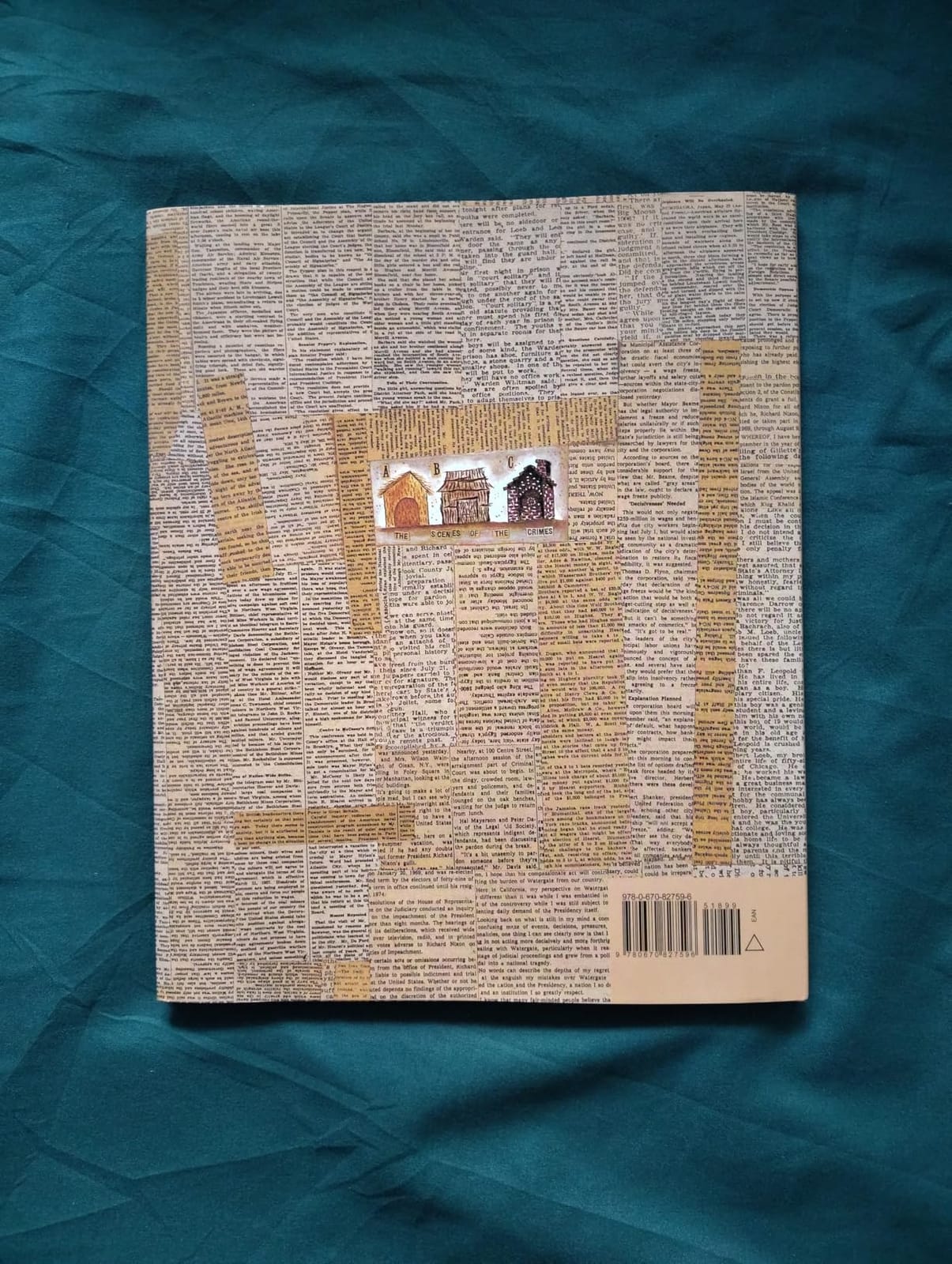
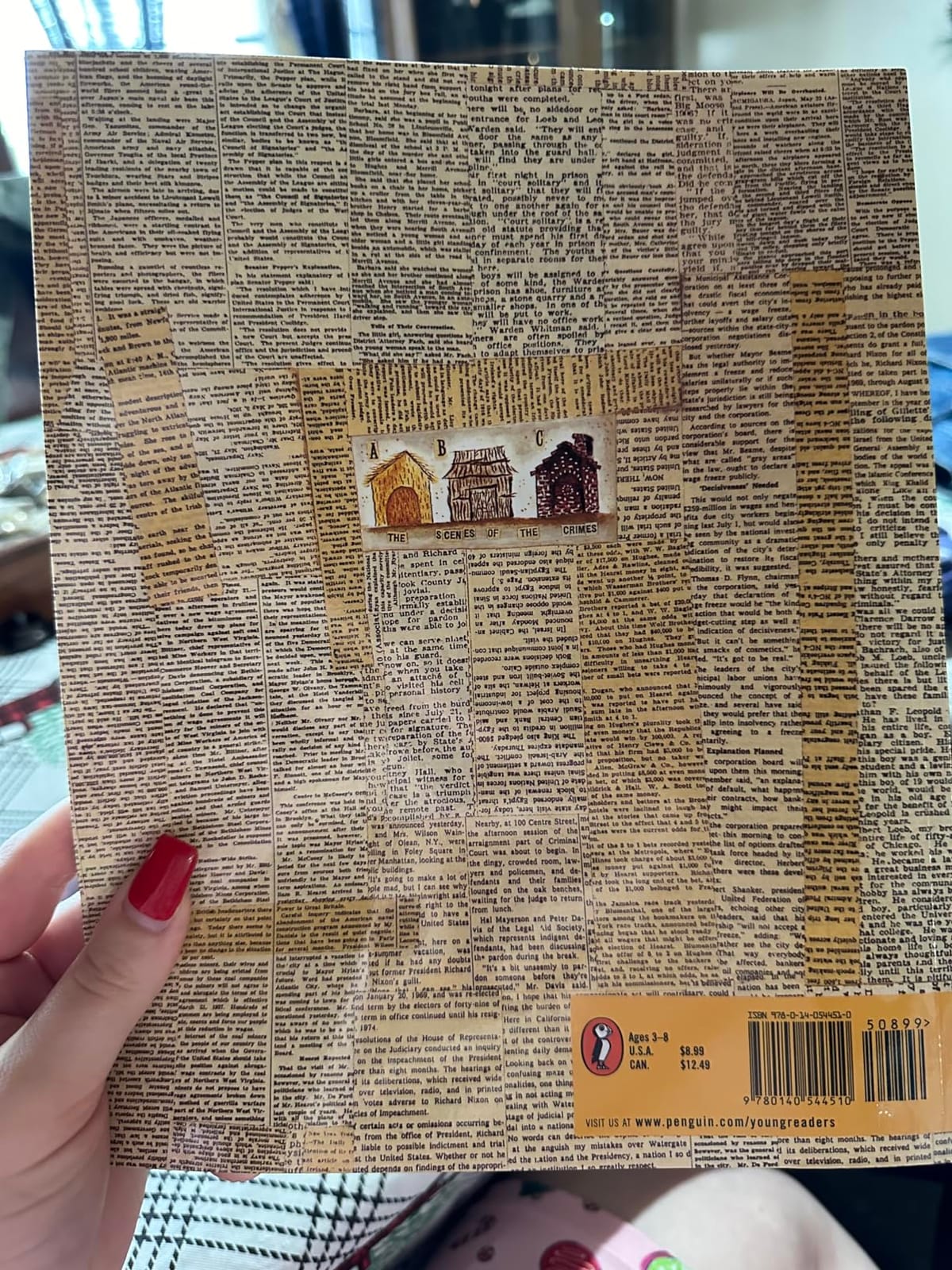
Jon Scieszka rewrote the Three Little Pigs from the wolf’s side. The wolf, it turns out, was just trying to borrow sugar, and his sneezes are what blew the houses down. It is a masterclass in perspective, and it has aged into a quiet classic since its 1996 release.
The text reads aloud with a confident, almost news-reporter rhythm. Scieszka used short sentences that build the wolf’s case. Lane Smith’s illustrations are sketchy and irreverent, which adds to the humor. The book feels grown up enough to keep parents interested while still being funny to kids.
What we liked most was the conversation it opened. Three-year-olds do not always understand “perspective” in the abstract sense, but they get that the wolf has a different story. We used this book to start talking about how two people can see the same event differently. That is a huge social skill at this age.
The 4.9 rating across 7,343 reviews is rare for any picture book. It works across ages 3 to 7, so it will keep delivering long past toddlerhood.
Why the moral lands
The book does not say “the wolf was right.” It says “the wolf has a version.” That subtlety teaches kids to ask questions before they assume, which is a foundation for empathy and critical thinking.
What to know about tone
There are a couple of slightly darker moments. Kids who are sensitive to scary wolves may find it tense. Most 3-year-olds handle it fine, but you may want to introduce it during the day rather than at bedtime.
13. Alexander and the Terrible, Horrible, No Good, Very Bad Day – The Bad Day Balm
Alexander and the Terrible, Horrible, No Good, Very Bad Day
Classic picture book
32 pages
Ages 3+
Pros
- Relatable bad day
- Generational classic
- Comforting message
- Honest tone
Cons
- Some kids find it long
- Brown jacket may detach
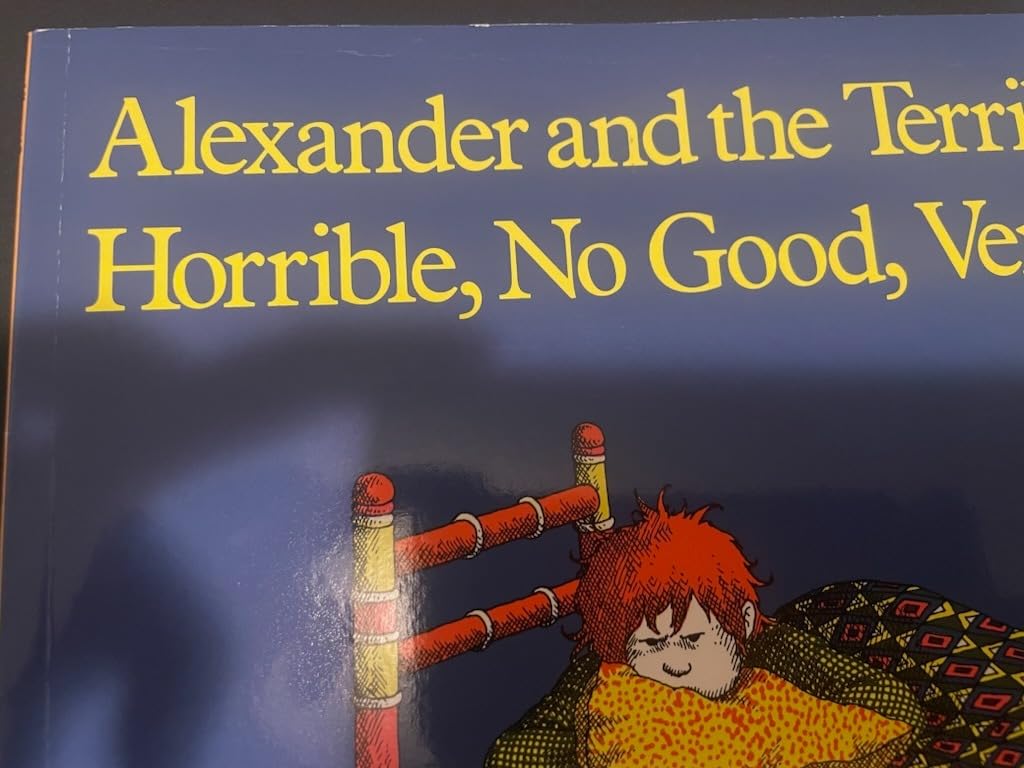
Judith Viorst published Alexander in 1972 and it has never gone out of print. Alexander wakes up with gum in his hair, finds no dessert in his lunch, gets in trouble for things that are not his fault, and decides he wants to move to Australia. By the time the book closes, he has decided that some days are just like that, even in Australia.
The story is a long cumulative groan, and that is exactly why it works. Three-year-olds who have just had a meltdown are often just looking for someone to say “yeah, that was a bad day.” Alexander does it for them. At 7,809 reviews and a 4.8 rating, parents across generations keep coming back to this book for just that reason.
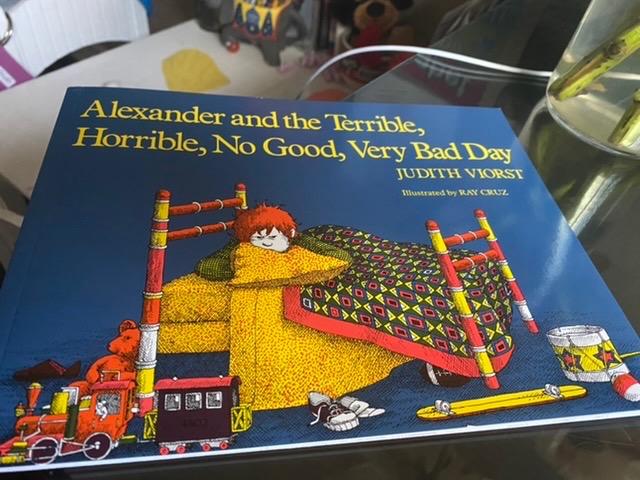
The illustrations by Ray Cruz are dated, deliberately so, and that retro feel is part of the appeal. My kids still picked it up cold because the story draws them in before they notice the art is older. The book’s vocabulary is rich, which is a sneaky bonus for language development. You will say words like “detective” and “Australia” and “shoes that hurt your feet” repeatedly.
One quirk from buyer reviews. The dust jacket can come loose. If that matters to you, the paperback edition skips the jacket entirely and is just as good.
Why it helps after a tough day
Many parents on Reddit recommend reading this WITH a kid who is melting down rather than after one. The book gives them words for what they are feeling without anyone having to lecture. It is often more effective than “tell me what’s wrong.”
Reading age reality
The label lists ages 4 to 8, but every 3-year-old I have met handles the language just fine. The vocabulary becomes richer with each reread, which is a feature, not a bug.
14. From Head to Toe – The Movement Book That Burns Off Energy
From Head to Toe: An Energetic Picture Book About Animals and Movement
Eric Carle board book
28 pages
Ages 1-3
Pros
- Action prompts
- Body parts practice
- Eric Carle art
- Active play
Cons
- Small board book size
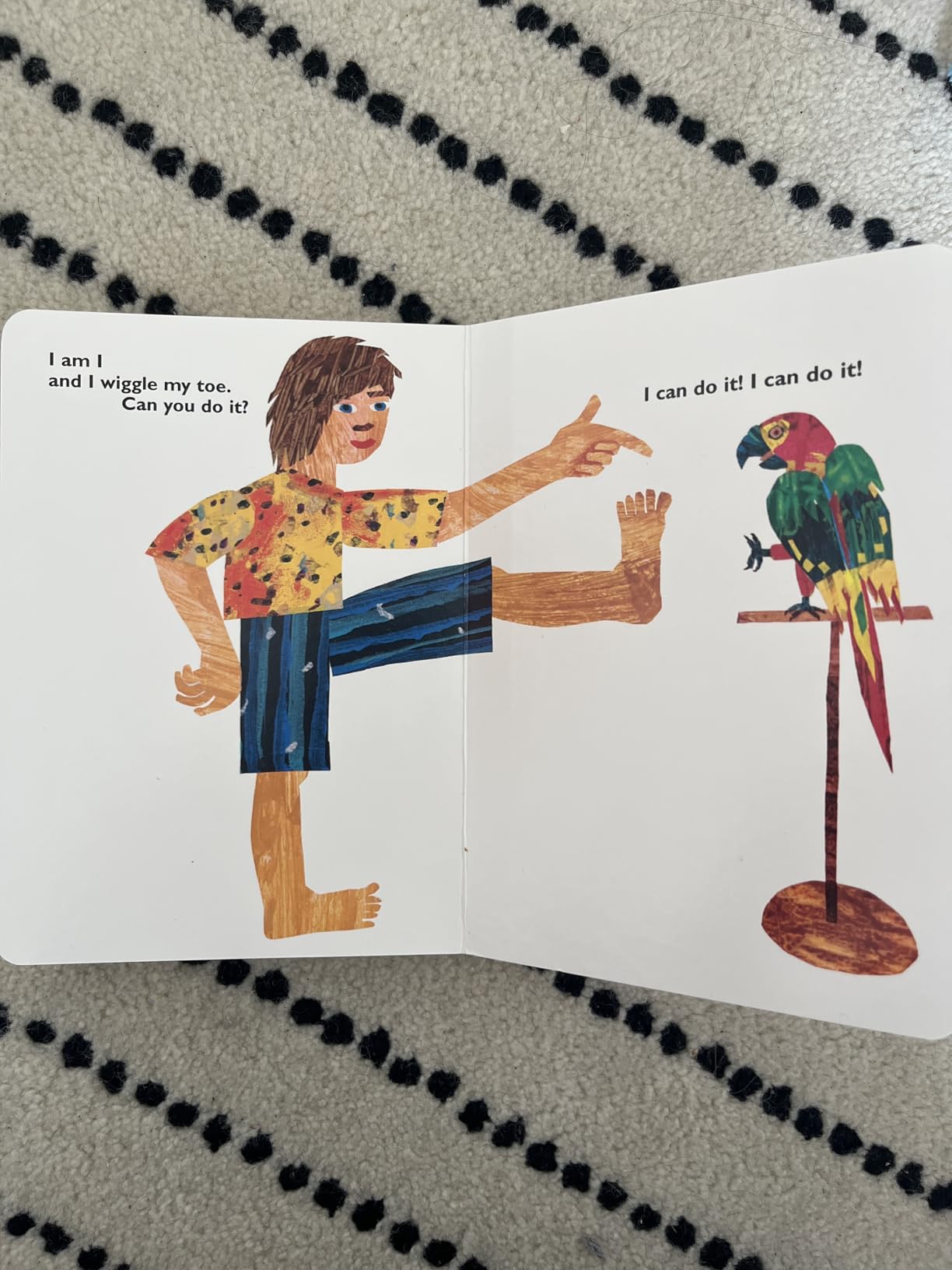
Eric Carle’s From Head to Toe turns read-aloud into a movement game. The book invites your child to do what the animals do. Bend your neck like a giraffe. Kick your legs like a donkey. Wave your arms like a monkey. Each spread repeats “I can do it!” right before your child’s turn.
Carle’s signature collage illustrations are bright and textured. They double as a great word-association layer. You can talk about colors, animals, and body parts all in one read-through. The 28-page board format holds up to toddler hands, though the trim size is small for group reading.

Our kids loved this book most on high-energy afternoons when we needed them to move. The built-in actions give you a built-in activity. We read it before trips, on rainy days, and once in the back yard when the kids needed to run.
With 7,002 reviews and a 4.8 average, this is one of Carle’s most recommended for active toddlers. It also teaches following directions, which is a bonus skill to practice.
Why the format works
The book asks kids to participate, not just listen. That physical engagement is what holds attention. Kids feel like they are part of the story, not just observers.
Pair it with other Eric Carle favorites
Carle’s The Very Hungry Caterpillar and Brown Bear, Brown Bear, What Do You See? round out a strong trio on your toddler’s shelf. Each works for this age in a different way.
15. How to Catch a Dinosaur – The Imaginative Read That Started a Household Game
Pros
- Creative traps plot
- Bright illustrations
- Rhyming read-aloud
- Dinosaur appeal
Cons
- Story moves quickly
- Limited to dino lovers
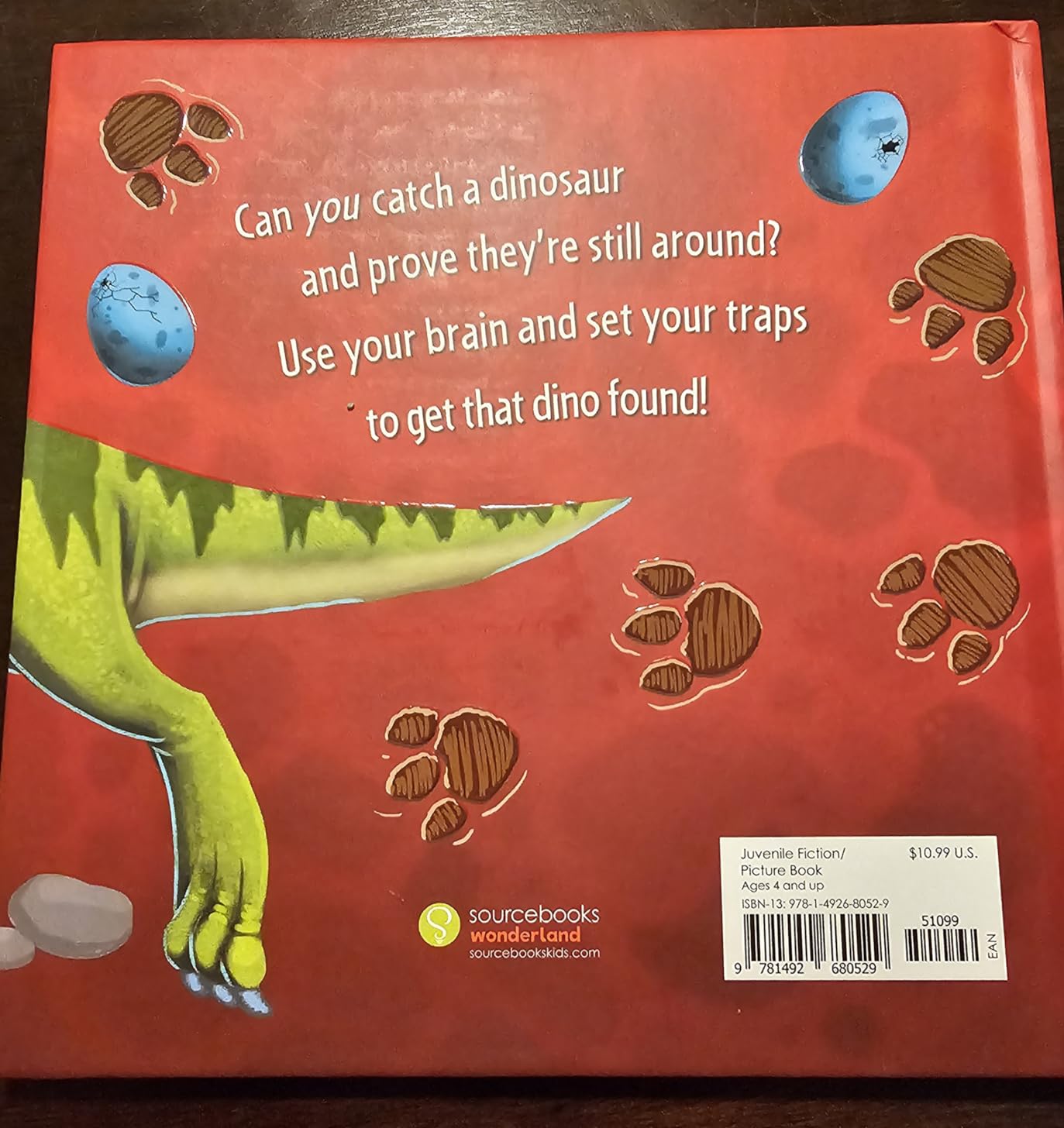
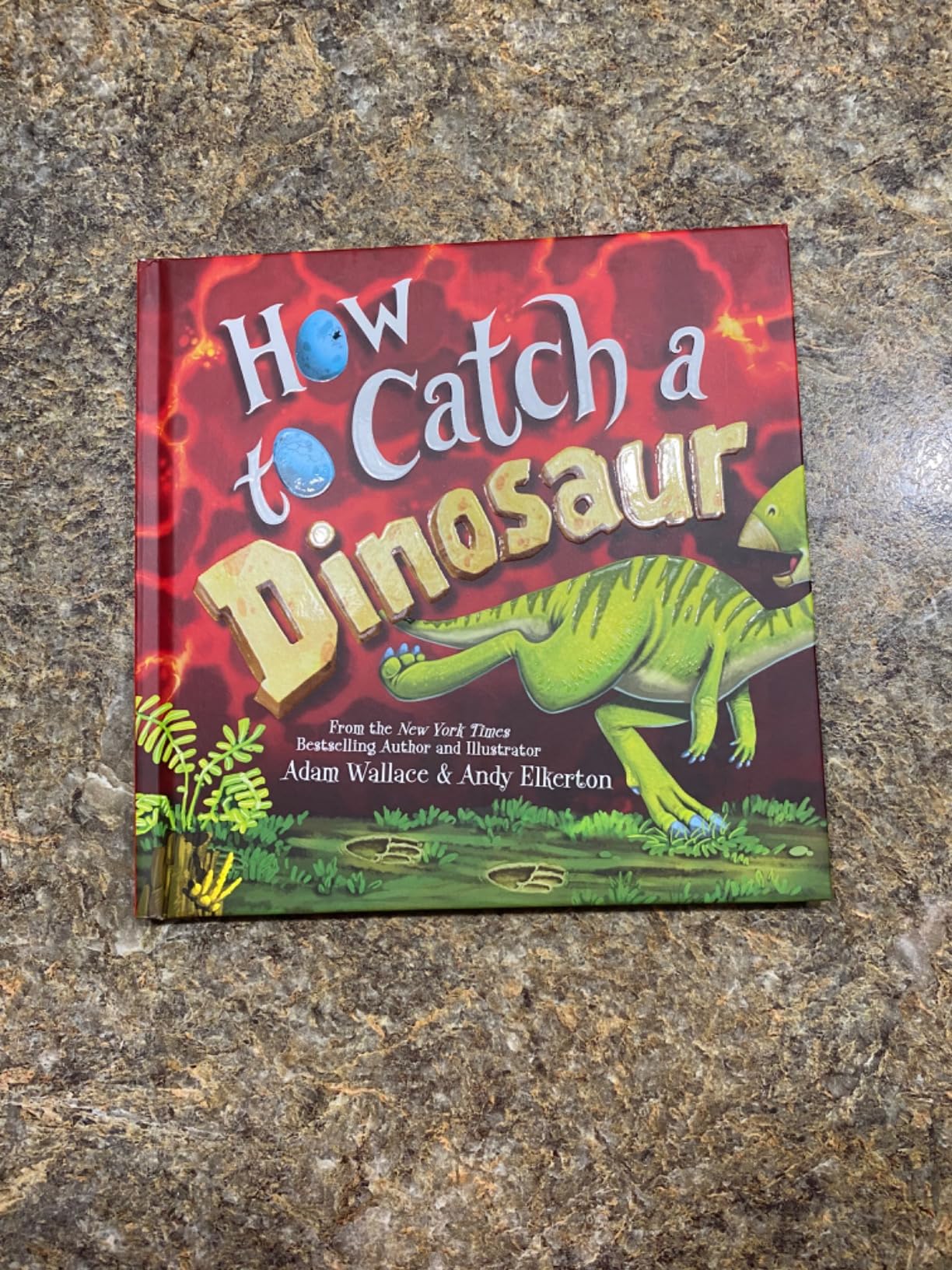
The How to Catch series has become a small empire, and How to Catch a Dinosaur is the entry that hooked our dinosaur-obsessed phase. A group of kids tries to lure a dinosaur using wildly inventive traps made of jellybeans, marshmallows, and ropes. Each attempt fails in a fun way.
The rhyme scheme is loose but pleasant, and the illustrations are bright enough to compete with the high-energy plot. Many spreads are full of gadgets and small details that reward a closer look. Our son refused to skip a single page so he could study each trap.
What made the book last in our house was how it spilled into play. After reading, we spent an entire Saturday building dinosaur traps out of cushions. The book gave the idea, my kid built the rest. That kind of story-to-play momentum is exactly what good picture books do.
It carries 18,722 reviews with a 4.8 rating, mostly from families who, like us, keep coming back to the series across holidays and birthdays.
Why it sparks pretend play
The traps are simple enough for a 3-year-old to imitate with toys or pillows. The premise asks a “what if” question that kids want to keep answering. That open-ended invitation is the engine of the book.
Where to place it
Use it mid-day when kids have energy to act out the traps. Bedtime is a tough slot because the page count is 40 and the tone is high-energy. Save the bedtime book for something quieter, like The Going To Bed Book, and reach for this after nap.
How to Choose the Best Read-Aloud Books for Your 3-Year-Old
After testing dozens of titles with our own kids and other families, three buying-guide principles cover most of the decisions parents have to make. Use these to filter the picks above, or to evaluate any new book you bring home.
Match the book to the time of day
The biggest mistake we see is reading Dragons Love Tacos at bedtime or Goodnight Moon at lunchtime. High-energy, silly books like The Wonky Donkey or How to Catch a Dinosaur do their best work mid-day or even as the warmup for outdoor play. Books like The Going To Bed Book and Alexander and the Terrible Horrible No Good Very Bad Day land better at night when you are winding your child down. Match the energy of the book to the energy of the moment.
Many of the read-alouds on this list work across the day, but a few really shine in one slot. Keep one short, calm book within arm’s reach for sleepy nights, and one giggly book ready for car rides or waiting rooms. Variety here is a feature, not a problem.
Look for rhythmic text that invites participation
The books that hold up best to repeated readings share one trait. They use rhythm or repetition that lets a 3-year-old join in. Chicka Chicka Boom Boom uses a catchy chant. The Gruffalo uses rhyming couplets. The Wonky Donkey uses cumulative phrases. Each gives your child a way to perform the story with you, which turns a read-aloud into a duet.
Books without that rhythm (text-only or strictly prose) are fine for variety, but they tend to lose their pull faster at this age. Save them for daytime reading or for kids who already have the patience for longer-form picture books.
Pick formats that match your household
Board books matter at age 3 more than parents expect. Three is the age of “I want to read it myself,” and toddlers will grab, bend, and lick whichever book you hand them. Hardcover holds up longer. Paperback is cheaper but wears out faster. Lift-the-flap books are wonderful until the flaps tear, which is a fact every parent has lived.
If your child is gentle with books, paperback is fine. If they are not, invest in board book editions or pick up duplicate copies of favorites so a torn page does not derail storytime.
Build in emotional and developmental variety
The classic mistake is to buy 12 versions of the same silly book. Instead, mix rhyme, humor, interactive, and emotional books across your shelf. Grumpy Monkey and Alexander teach feelings. Dear Zoo and From Head to Toe build motor and thinking skills. The Gruffalo and The True Story of the Three Little Pigs introduce narrative complexity. Variety here is what makes your child’s bookshelf a developmental tool rather than just a stack of paper.
A common question from parents on Reddit is whether picture books become “too babyish” for advanced 3-year-olds. The honest answer is no. Picture books at age 3 are doing more cognitive work than they look. They build vocabulary, comprehension, attention, and empathy in ways that even chapter books cannot match yet. Save the chapter books for kids 5 and up, and let picture books do the heavy lifting through age 4 or even 5.
Frequently Asked Questions
What are some good books for a 3-year-old to read?
Great picture books for 3-year-olds include The Gruffalo, Chicka Chicka Boom Boom, Dragons Love Tacos, The Going To Bed Book, and Giraffes Can’t Dance. Look for books with rhythmic or repetitive text, bright illustrations, and 24 to 32 pages of content so the story fits a toddler’s attention span.
What are some good books to read aloud to a toddler?
The best read-alouds for toddlers share three traits: catchy rhythms or repetition that lets kids join in, illustrations that support the story without overwhelming it, and a length of about 5 to 10 minutes. Top choices include Dear Zoo for interactive flaps, From Head to Toe for movement, and The Wonky Donkey for cumulative rhymes.
What are some good books for a 3-year-old child?
Age-appropriate books for a 3-year-old child mix word play, repetition, simple plots, and engaging pictures. Favorites include Chicka Chicka Boom Boom for alphabet learning, Grumpy Monkey for emotional growth, The Rainbow Fish for sharing, and How to Catch a Dinosaur for imaginative play.
What are some good storybooks for a 3-year-old?
Classic storybooks like The Gruffalo by Julia Donaldson, The Going To Bed Book by Sandra Boynton, and From Head to Toe by Eric Carle make wonderful storytime staples. Pair classics with newer releases like The Book With No Pictures for variety and to keep the read-aloud experience fresh across repeat nights.
Final Thoughts on Building Your Read-Aloud Library in 2026
Reading aloud to a 3-year-old is one of those small daily habits that compounds. Vocabulary grows, attention stretches, and a love of books sets in long before kids can read on their own. The best books to read aloud to a 3-year-old are the ones that make you both look forward to the next chapter, and we hope this list gives you a starting place.
Start with a rhythm book or two (Chicka Chicka Boom Boom, The Gruffalo), add a bedtime classic (The Going To Bed Book), throw in a silly favorite (Dragons Love Tacos), and round out your shelf with an interactive option (Dear Zoo) and an emotional pick (Grumpy Monkey). That combination covers most moods, most attention spans, and most days. From there, follow your child’s lead. They will tell you which books they need again, and which they are ready to grow past. That feedback is the best buying guide of all.