
When my daughter finished her first Magic Tree House book at age 6, she ran into the kitchen demanding to know if knights really wore armor to dinner. That question led us down a rabbit hole of historical fiction series that turned our homeschool reading time into her favorite part of the day. After two years of reading through dozens of collections with my three kids, I have a much clearer picture of which historical fiction series for kids actually deliver on their promises.
This guide covers the 12 best historical fiction series for kids based on real family testing, classroom recommendations from teacher friends, and feedback from parent communities online. We focused on series that combine accurate historical context with stories kids actually want to finish. Whether you are shopping for a reluctant reader, building a homeschool history curriculum, or hunting for a gift that teaches without feeling like a textbook, you will find options here for ages 6 through 14.
Every series on this list earned its spot because real children read multiple books and asked for the next one. We also considered diversity in protagonists, availability at libraries, and the balance between entertainment and education. Updated for 2026, this roundup includes fresh releases alongside the classics that have shaped young readers for generations.
Table of Contents
Top 3 Picks for Historical Fiction Series for Kids


Best Historical Fiction Series for Kids in 2026
1. Magic Tree House Books 1-28 Boxed Set – The Gateway Series for Young Readers
Magic Tree House Books 1-28 Boxed Set
28 books in boxed set
Ages 5-8
World history adventures
Pros
- Perfect stories to inspire reading joy
- Approachable easy to read aloud
- Short chapters perfect for young readers
- Historical topics handled appropriately for children
- Great educational value mixing history with fun stories
Cons
- Contents can be simple even for target audience
- Some historical inaccuracies in science-related books
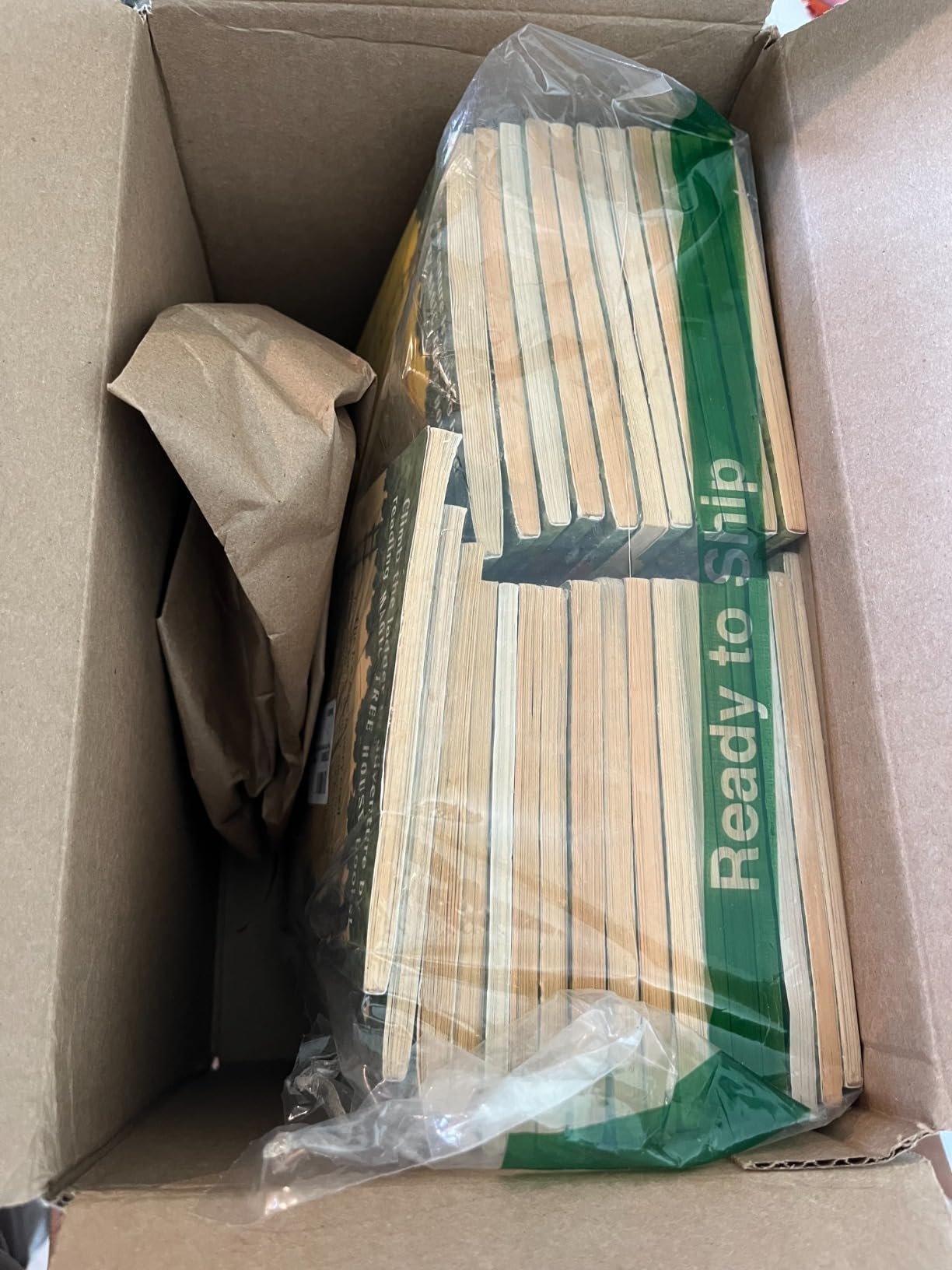
- Box that holds books is not sturdy
The Magic Tree House series was the first historical fiction my oldest daughter read independently, and I credit it with turning her into a book lover. Jack and Annie discover a tree house filled with books that transports them to different times and places, from ancient Egypt to the Moon. Each 70-page book tackles one historical setting in a focused adventure that finishes in one or two sittings.
What I appreciate most as a parent is how the series respects young readers. The chapters are short enough for a tired second grader to read before bed, yet the historical details are accurate enough to spark real curiosity. Mary Pope Osborne spent years researching each setting, and it shows. My kids remembered details about Pompeii and medieval castles months after finishing those books.
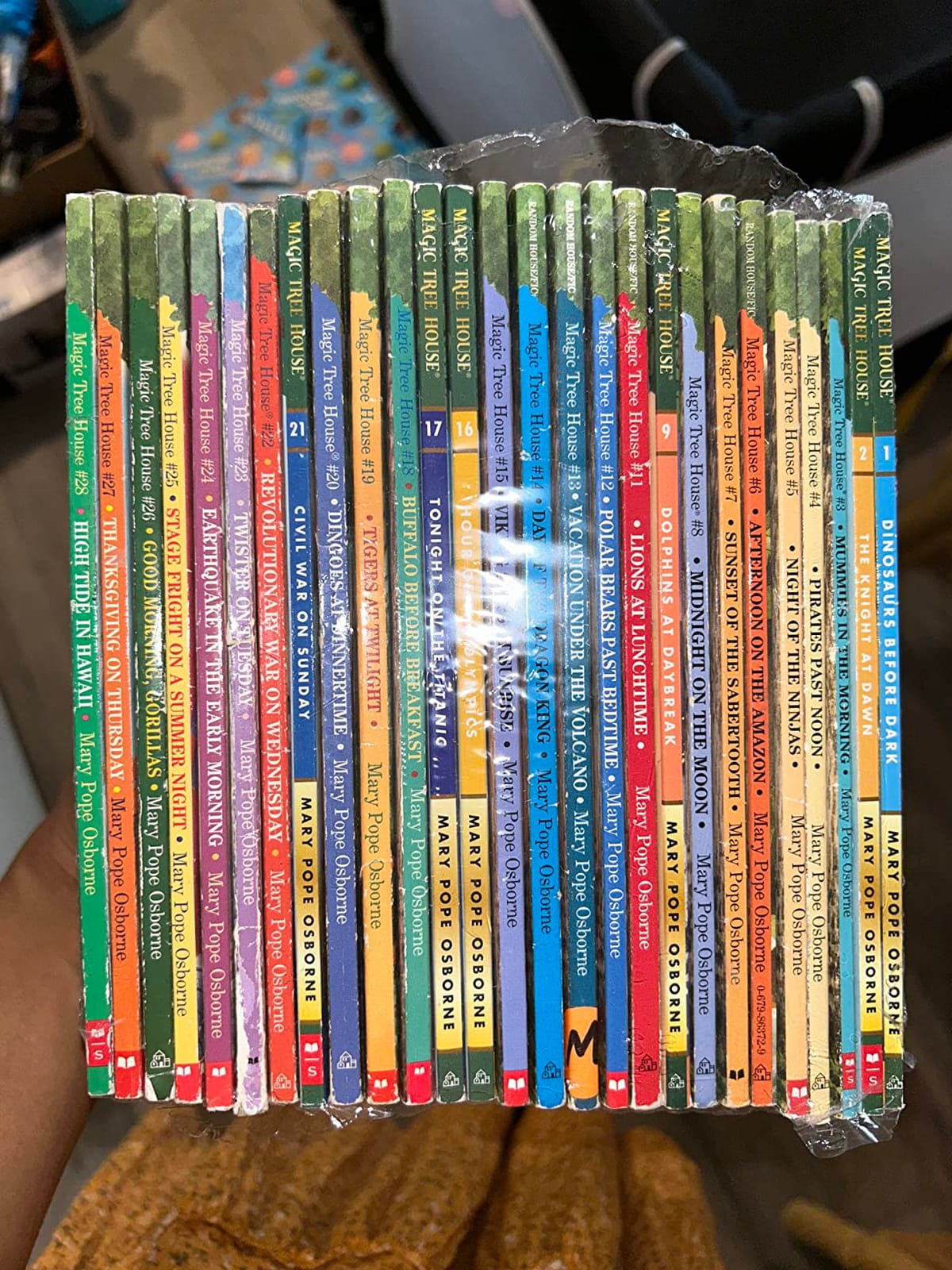
The 28-book boxed set covers everything from prehistoric cave painters to ninjas in feudal Japan. For families who want a gentle introduction to world history, this series works for ages 5 through 8. My younger son started reading them at age 5 with help, and my 9-year-old daughter still picks them up for comfort reading. If you are looking for the best historical fiction series for kids just starting chapter books, Magic Tree House is the clear choice.
One word of caution from our experience: the science-focused books include a few outdated theories about dinosaurs and space. We used those moments as teaching opportunities about how science changes over time. The flimsy box is a common complaint, so consider transferring the books to a sturdier container or buying individual titles from the library.
Reading level and format
Written at a second-grade reading level with short chapters, simple sentences, and occasional illustrations. The text-to-page ratio makes these books feel manageable even for reluctant readers. Each book takes about 30 to 45 minutes for an average second grader to finish independently.
Black-and-white illustrations appear at chapter breaks, giving kids visual anchors without overwhelming the text. The format works well for both read-aloud sessions and solo reading practice.
Best classroom and library uses
Teachers often pair Magic Tree House books with the companion Fact Tracker series for deeper research projects. The series maps nicely to elementary history curriculum covering ancient civilizations, medieval times, and American history. Many public libraries stock the full set, making it accessible for families on tight budgets.
For homeschool families, the books work as morning read-alouds or independent reading assignments. We used one book per week alongside notebooking pages about the historical setting.
2. I Survived: Ten Thrilling Books – Real Disasters Through Fiction
I Survived: Ten Thrilling Books (Boxed Set)
10 books in boxed set
Ages 8-10
Real historical disasters
Pros
- Educational stories based on real historical events
- Great for reluctant readers
- Suspenseful without being too intense
- Age-appropriate content
- Helps kids learn history while enjoying fiction
Cons
- Some readers wanted graphic novels format instead
- One review noted it was a copycat of another series
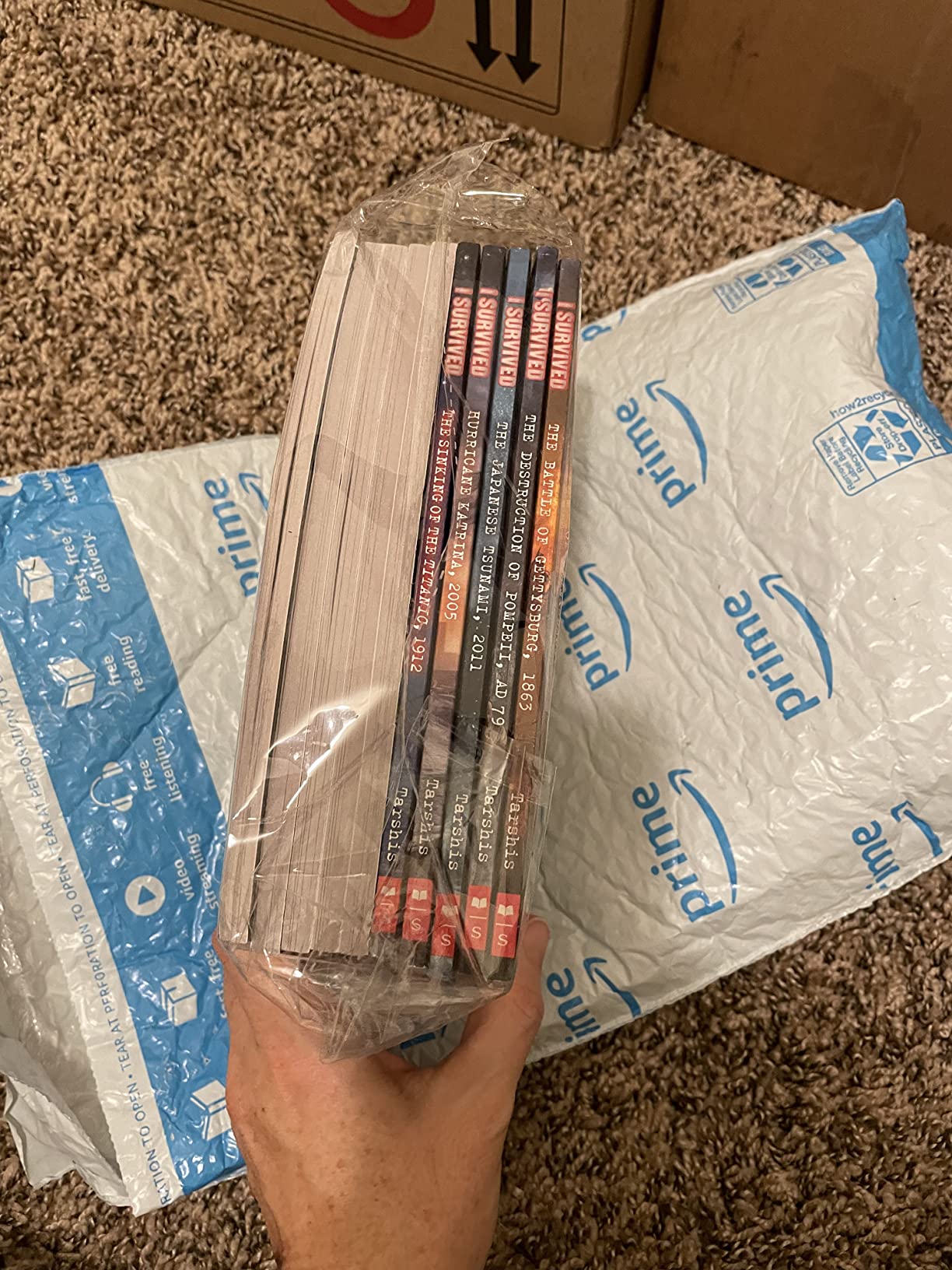
When my 9-year-old son refused to read anything longer than a comic book, I handed him the first I Survived novel about the sinking of the Titanic. He finished it in two days and asked for the next one. That was three years and 15 books ago. Lauren Tarshis built something special with this series.
Each book places a fictional child in the middle of a real historical disaster, from the destruction of Pompeii to Hurricane Katrina. The format works because kids experience the danger alongside the protagonist rather than reading about it abstractly. My son now knows the basic timeline of the San Francisco earthquake, the Hindenburg disaster, and the Dust Bowl because he was hooked on the survival stories first.
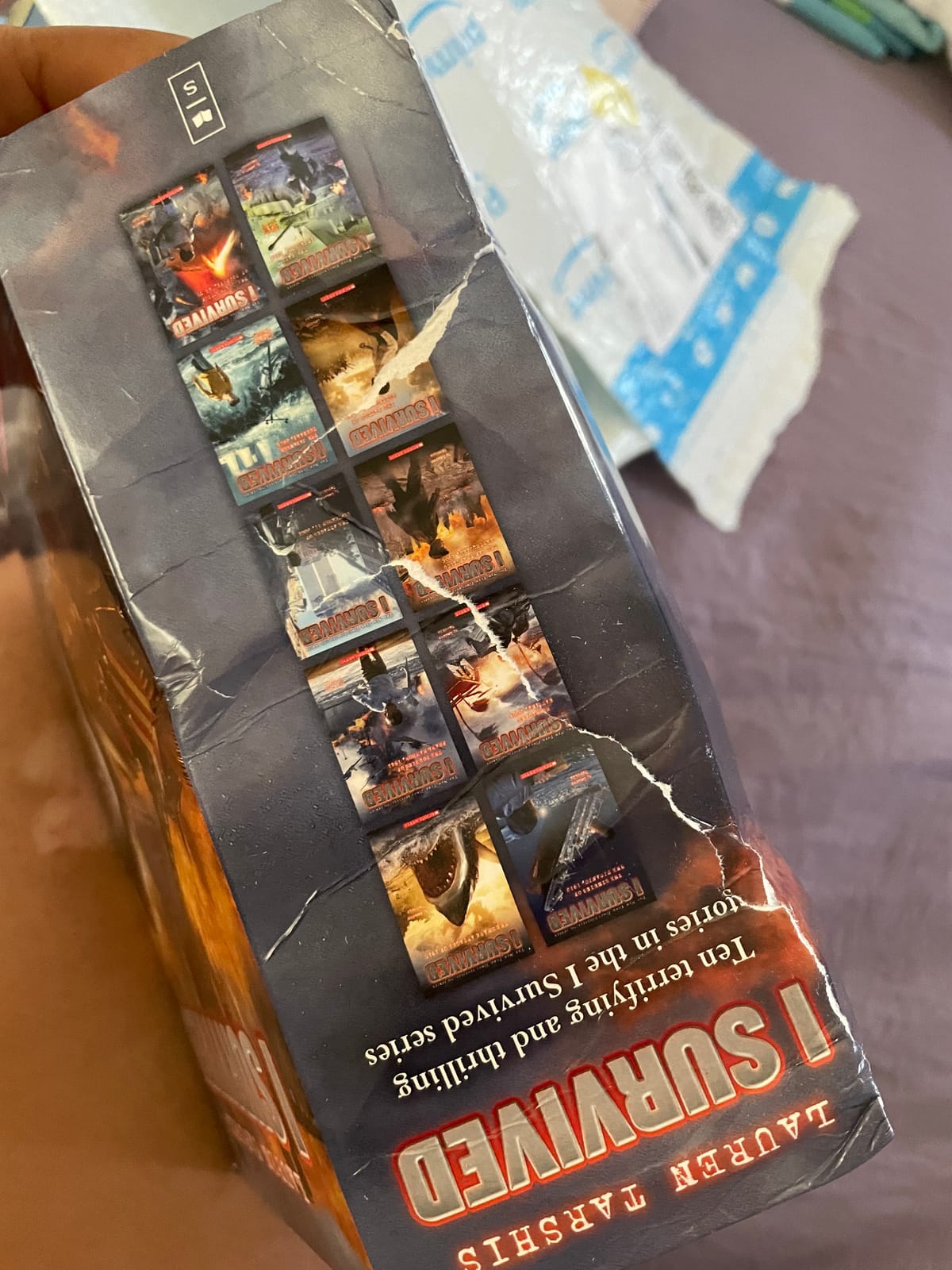
The 10-book boxed set covers a range of disasters spanning 2,000 years of history. For parents worried about scary content, the violence is age-appropriate and the protagonists always survive. The books feel suspenseful without being genuinely frightening for elementary readers. I appreciated that my son could discuss what he learned without nightmares.
One parent in our homeschool co-op mentioned that her daughter wrote a research paper about the Great Chicago Fire after reading the corresponding I Survived book. The series sparked genuine curiosity about historical events we would not have explored otherwise. At a price point under $30 for 10 books, this set delivers the best value on our list.
Historical accuracy and emotional weight
Tarshis includes real survivor testimonies and historical notes at the end of each book. The disasters are presented with appropriate gravity without overwhelming young readers. Children learn that history involves real people facing real dangers, which builds empathy alongside factual knowledge.
The emotional stakes feel real because the events actually happened. Kids connect with the historical context in ways that pure fiction cannot replicate.
Pairing with the True Stories companion series
The I Survived True Stories companion books (covered later in this guide) extend the historical learning with non-fiction accounts. Many families read both series together, using the fiction books as entry points and the non-fiction books for deeper research. This combination works exceptionally well for reluctant readers who need a hook before tackling informational text.
Teachers report strong engagement when using I Survived books as literature circle selections, with students gravitating toward different disasters based on personal interest.
3. Little House Complete 9-Book Box Set – The American Pioneer Classic

Little House Complete 9-Book Box Set: Books 1 to 9
9 classic novels
Ages 6+
1800s pioneer America
Pros
- Classic stories teaching gratitude and appreciation
- Beautiful portrayal of family life in 1800s America
- Educational about historical settlement era
- Great for family reading time
- Stories inspire compassion patience and fortitude
Cons
- Some descriptions of outfits and farm equipment can be tedious
- Contains perspectives from another era that may not align with current views
My grandmother read Little House on the Prairie to my mother in the 1960s, and I read the same books to my daughter last winter. Few historical fiction series for kids span generations like this one. Laura Ingalls Wilder’s memoir-style stories follow her family through the settlement of the American frontier, from the big woods of Wisconsin to the Dakotas.
What makes the series endure is its focus on resourcefulness and family bonds. My kids loved hearing about how Laura and Mary made dolls from corn husks and helped Pa build the cabin. These were real survival skills rendered in language a 7-year-old can follow. The books feel like a window into a world where children had real responsibilities and real adventures.
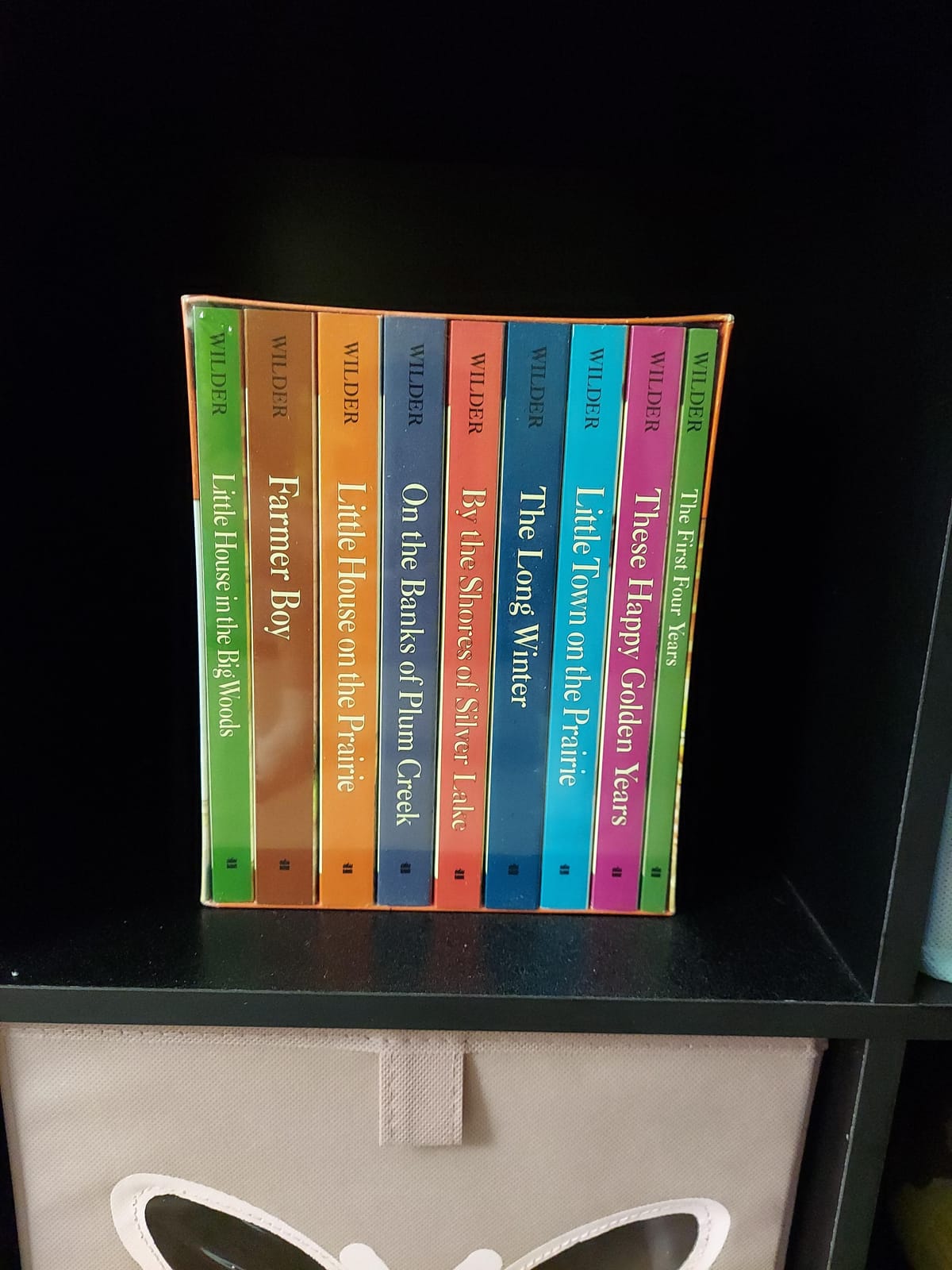
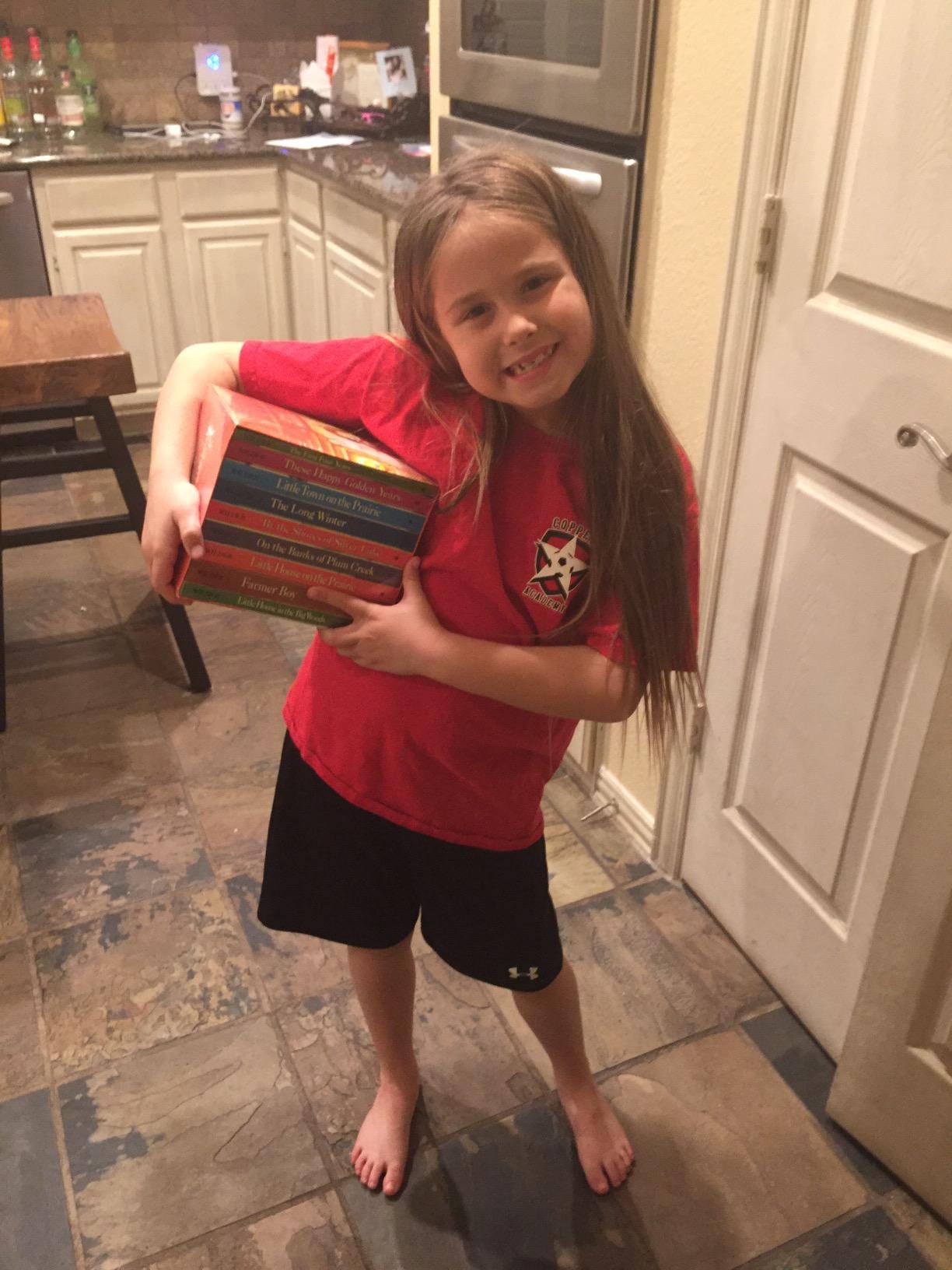
The complete 9-book set covers Laura’s life from age 4 through her early married years. Reading order matters here, so we appreciated having all books on hand. The series works beautifully as a family read-aloud, with each chapter taking 10 to 15 minutes. My 6-year-old listened happily while my 10-year-old followed along in her own copy.
Modern parents should know that some perspectives in these books reflect the settler-colonial era in which they were written. We used those moments to discuss how different communities experienced westward expansion. Despite this context, the series remains a powerful introduction to 19th-century American life and a staple in any list of historical fiction books for kids.
Reading progression and pacing
The books grow in complexity as Laura ages, with the final volumes including more sophisticated vocabulary and longer chapters. Early books suit ages 6 to 8 as read-alouds, while later books work for independent readers ages 9 to 12. The consistent first-person narration makes the series feel intimate.
Detailed descriptions of daily tasks like butter churning and roof shingling can feel slow for action-oriented readers. We found that reading one chapter per sitting kept the pace lively.
Educational supplements and extensions
The series pairs well with prairie and pioneer unit studies. Many homeschool families use the books as a spine for American history covering westward expansion, Native American displacement, and 19th-century domestic life. Cookbook companions like “The Little House Cookbook” extend the learning with hands-on activities.
Library availability remains strong, and the books rarely go out of print. This makes the series accessible for families who prefer borrowing over purchasing.
4. The Roman Mysteries – Ancient History Through Detective Adventures

The Thieves of Ostia (The Roman Mysteries)
Book 1 of 17
Ages 7-12
Ancient Rome mystery
Pros
- Great introduction to Roman history
- Captivating mystery storyline
- Well-developed characters
- Educational and entertaining
- Cliffhangers at chapter ends keep readers engaged
Cons
- Some historical details may not be fully accurate
- Violence appropriate for the era may concern some parents
Caroline Lawrence’s Roman Mysteries series gave my daughter her first taste of historical fiction set outside America. The series follows Flavia Gemina, a Roman girl detective who solves crimes in first-century Rome alongside her three friends from different social backgrounds. Lawrence spent years researching Roman daily life, and the details feel authentic without becoming lectures.
What hooked my daughter was the friendship between the four main characters. Nubia is an African girl freed from slavery, Jonathan is a Jewish boy, and Lupus is a mute beggar boy. Their different perspectives on the same events create natural entry points for discussing ancient Roman society. This series addresses one of the biggest gaps I see in most historical fiction for kids: diverse protagonists in non-American settings.
With 17 books in the complete series, this collection can keep tweens busy for months. The mystery structure provides a familiar hook for kids who love detective stories but want historical content. Each book focuses on a different aspect of Roman life, from gladiators to early Christianity.
Parents should be aware that the series includes some violence appropriate to ancient Rome, including slave traders and arena combat. The content is handled with age-appropriate gravity rather than graphic detail. For middle-grade readers ages 9 to 12, this remains one of the most well-researched historical fiction series available.
Historical depth and accuracy
Lawrence based many plot points on real Roman artifacts and inscriptions found at archaeological sites. The author includes historical notes at the end of each book explaining what is fact versus fiction. This makes the series valuable for teachers building lessons about ancient civilizations.
Roman geography, food, religion, and social customs appear naturally in the narrative. Readers absorb historical context without realizing they are studying.
Reading order and series structure
The first book, The Thieves of Ostia, introduces the four protagonists and their detective skills. Subsequent books can be read in any order, though chronological reading follows the characters’ growth. Many families read one book per month as part of a world history curriculum.
The complete series works well for readers who finished Magic Tree House and want more challenging historical content with longer chapters.
5. Girls Survive Boxed Set 1 – Female-Centered Historical Adventures

Girls Survive Boxed Set 1: Daisy and the Deadly Flu, Lily and the Great Quake, Mary and the Trail of Tears, Noelle at Sea
4 books in boxed set
Ages 8-12
Girl protagonists in history
Pros
- Great for reluctant girl readers
- Historical events from girls perspectives
- Similar to popular I Survived series but with female protagonists
- Engaging story flow
- Helps girls learn about historical events
Cons
- Some readers noted it is similar to another series
- Limited reviews due to newer release
When my friend’s daughter finished every I Survived book and asked for something similar with a girl protagonist, this series filled that gap perfectly. Girls Survive features four standalone novels, each following a different girl through a real historical event: the 1918 flu pandemic, the 1906 San Francisco earthquake, the Trail of Tears, and the Titanic voyage.
What distinguishes this series from I Survived is its focus on everyday survival challenges rather than catastrophic disasters. The 1918 flu story, for instance, follows a girl caring for sick family members while her mother works as a nurse. These quieter historical moments often get overlooked in other series, and Girls Survive brings them to life for young readers.
As a newer 2024 release, this series benefits from more inclusive storytelling and modern pacing. The four-book boxed set covers American history from different perspectives, including Native American experiences during the Trail of Tears. For families looking for historical fiction series for kids that feature diverse girl protagonists, this collection deserves attention.
The set works well for independent readers ages 8 to 12 who want standalone stories rather than ongoing series. Each book is roughly 100 pages and can be finished in a few sittings. Parents and teachers can pair the books with related history units for a comprehensive learning experience.
Standalone structure and curriculum flexibility
Unlike ongoing series, each Girls Survive book tells a complete story. This format works well for classroom book clubs where students might read different titles and discuss them together. Teachers can assign books that align with specific history units without worrying about reading order.
The shorter page count makes this series accessible for readers who find chapter books intimidating.
Historical periods and diverse experiences
The four books span from 1620 (Mayflower voyage equivalent via Noelle at Sea) through 1918, covering Native American history, immigration, natural disasters, and pandemic response. This range makes the set a useful survey of American history from perspectives often missing from other children’s series.
Educators report strong engagement when using these books alongside American history curriculum covering the early 1900s.
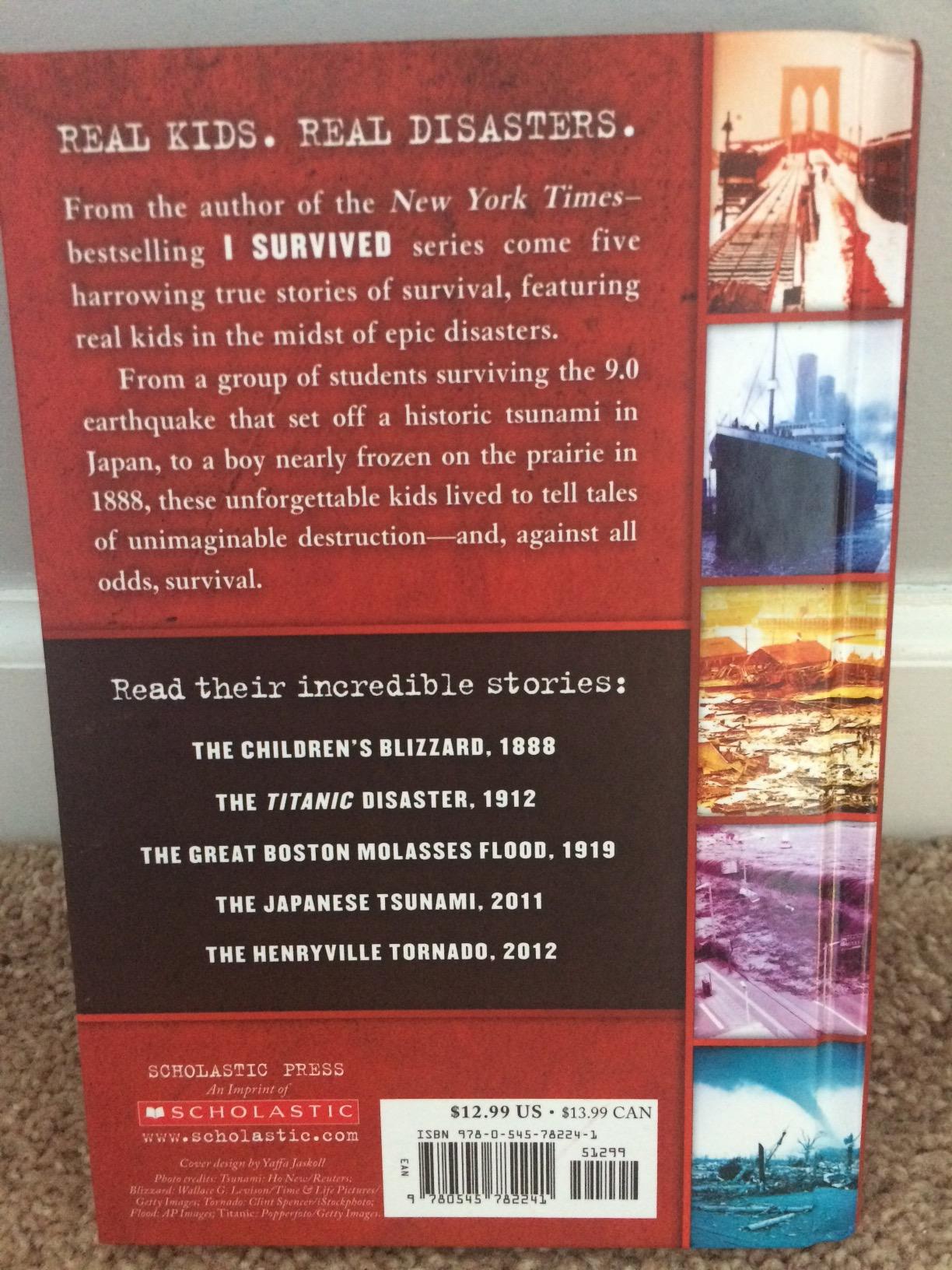
6. Five Epic Disasters – Non-Fiction Companion to I Survived

Five Epic Disasters (I Survived True Stories #1) (1)
5 true stories
Ages 8-10
Non-fiction companion
Pros
- Companion pieces for the I Survived series
- Actual facts and non-fiction content
- Eye-witness testimonies from survivors
- Interesting stories about natural disasters
- Encourages love of history and reading
Cons
- Not the fictional I Survived stories some expect
- Some material may be dark for sensitive children
After my son devoured the I Survived fiction series, the True Stories companion books became his gateway into non-fiction reading. These five books cover real disasters with actual survivor testimonies, photographs, and historical documentation. The transition from fiction to non-fiction felt seamless because the subject matter stayed familiar.
Lauren Tarshis again delivers the writing, but this time the stories are true. My son learned that the 1906 San Francisco earthquake lasted less than a minute but killed thousands. He read first-person accounts from children who lived through Hurricane Katrina. These are stories he still references years later.
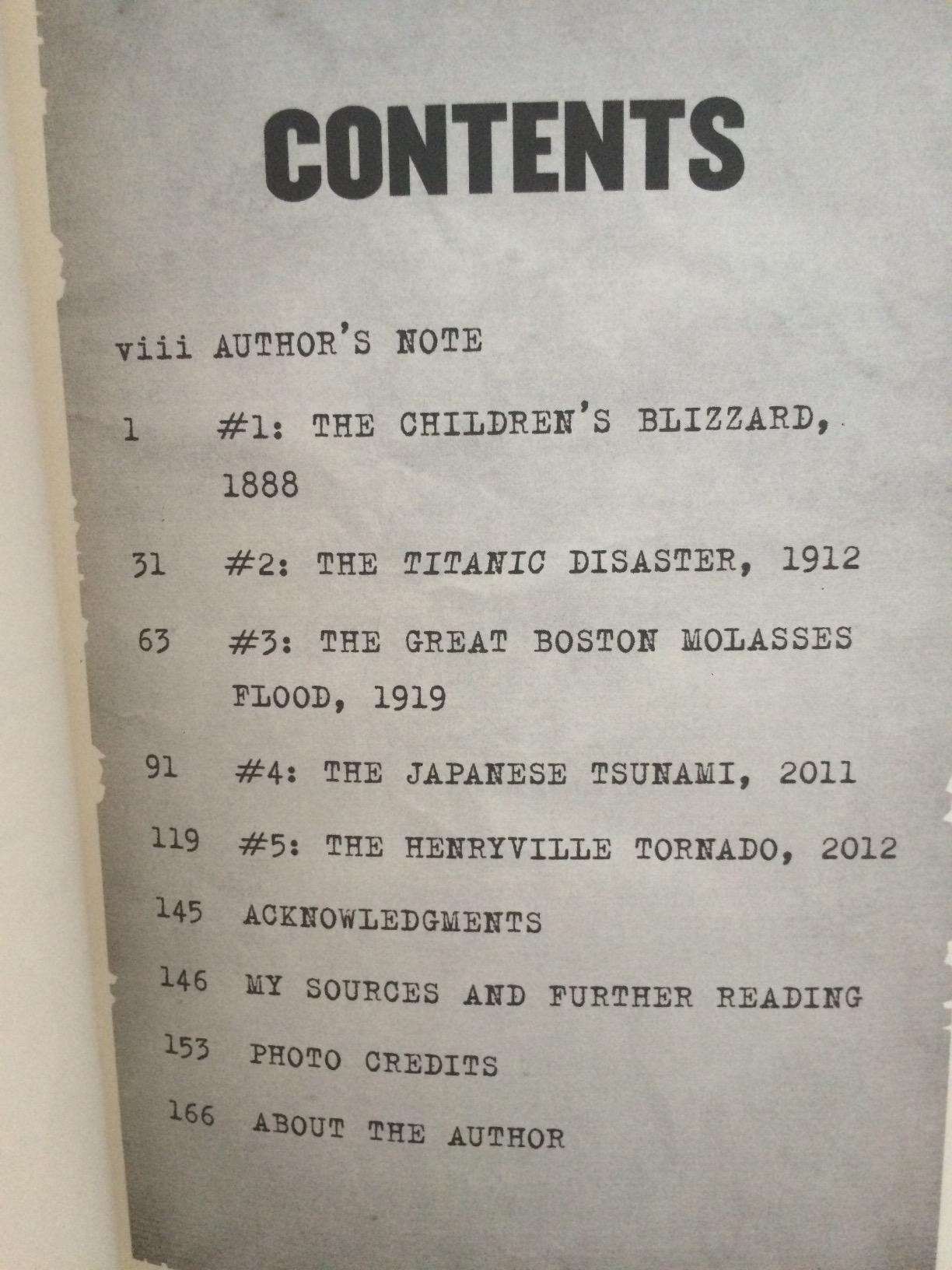
For parents building a historical fiction library, pairing the I Survived fiction and True Stories non-fiction creates a complete learning system. Kids develop emotional investment through fiction, then deepen understanding through factual accounts. This approach works especially well for visual learners who benefit from photographs and timelines.
One consideration: the content covers real tragedies involving death and destruction. The books handle these topics with sensitivity appropriate for ages 8 to 10, but sensitive children may need parental support. We found that reading one chapter per sitting and discussing content as a family helped process difficult material.
Non-fiction features and layout
Each book includes photographs, maps, timelines, and sidebars with historical context. The visual elements break up text-heavy passages and support different learning styles. Sidebars often explain related science, geography, or cultural topics without distracting from the main narrative.
Reading level matches the fiction series, making the transition comfortable for reluctant readers.
Best uses for classroom and library settings
Teachers use these books as research starting points for history and science units on natural disasters. The combination of personal stories and factual content supports Common Core standards for informational reading. School librarians report high circulation for these titles, particularly during units on weather, geology, or American history.
For homeschool families, the books work as read-alouds before documentary viewing or museum visits related to the historical events.
7. Who Was Amelia Earhart? – Biography Series for Curious Kids

Pros
- Comprehensive biography for children
- Easy-to-read format
- Great for research reports
- Includes facts about Amelia achievements and disappearance
- Inspiring story for young readers
Cons
- Some readers want more detail about her disappearance
The Who Was? series became our go-to resource when my daughter needed biographies for school reports. With more than 200 titles covering everyone from Amelia Earhart to Martin Luther King Jr., this series makes learning about famous historical figures feel like reading a story rather than studying facts. The format works because the biographies read like novels with real people as protagonists.
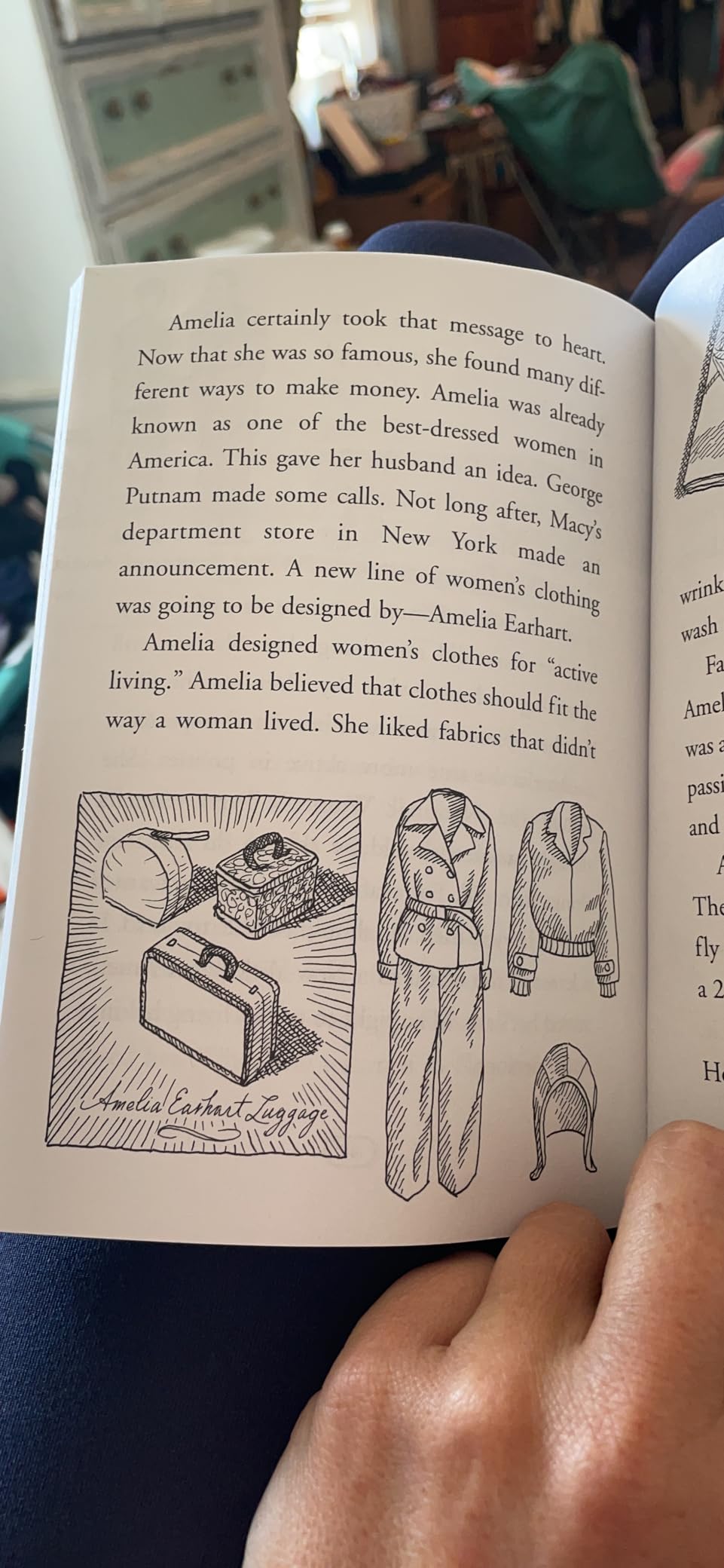
Each book follows a consistent structure: childhood, major achievements, historical context, and lasting impact. Black-and-white illustrations and timeline pages break up the text and provide visual anchors. My daughter has read at least 15 of these biographies, and she uses them as springboards for deeper research on topics that interest her.
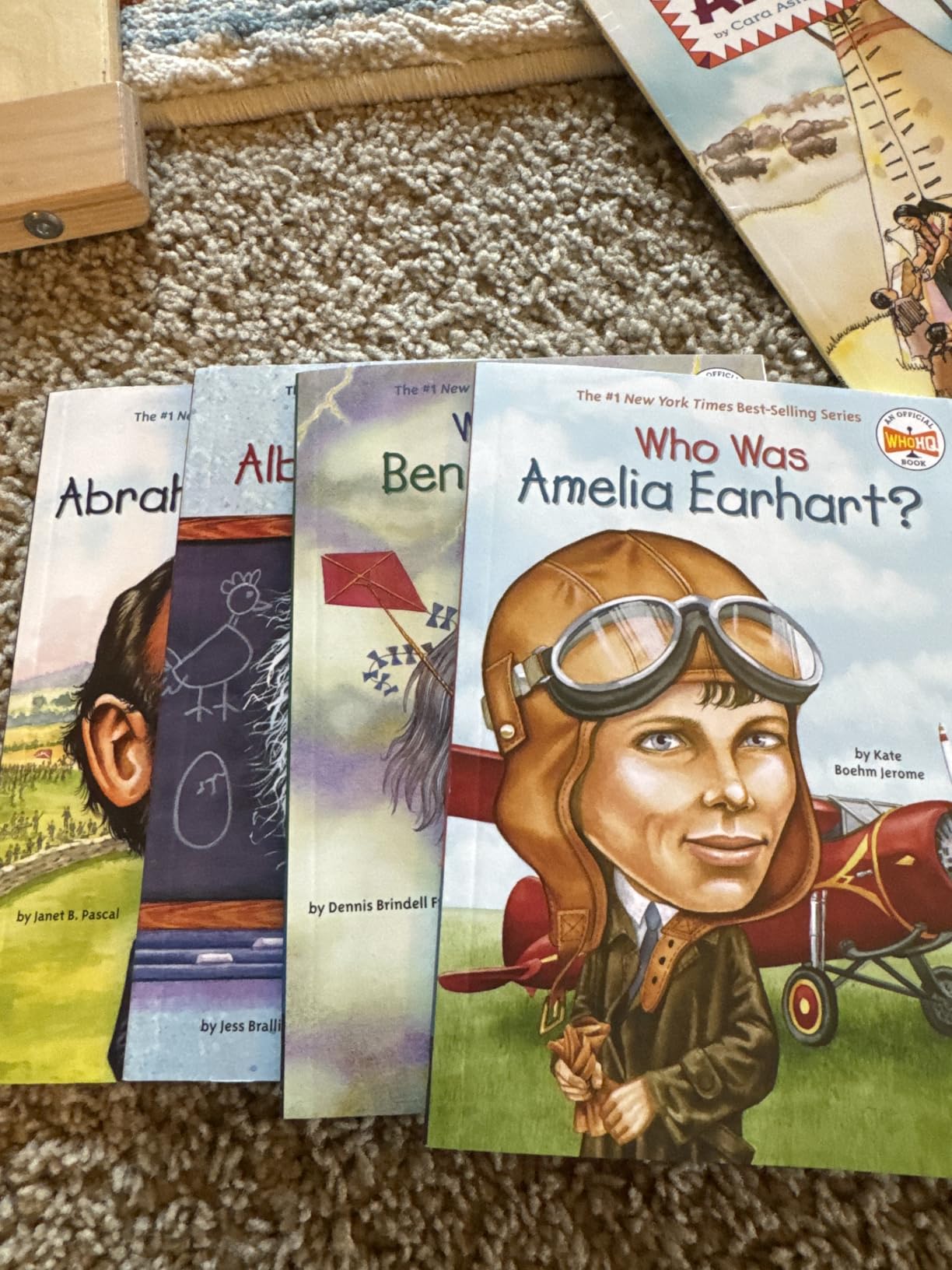
Who Was Amelia Earhart? specifically works as an entry point into 20th-century aviation history. The book covers her childhood, her record-breaking flights, and her mysterious disappearance. For reluctant readers who need short chapters and clear pacing, this biography delivers historical content in an accessible package.
Parents looking for the best historical fiction books for kids who prefer true stories over fiction will find this series valuable. The Who Was? collection covers scientists, artists, athletes, world leaders, and explorers, making it useful across multiple curriculum areas.
Series scope and reading progression
With over 200 titles in print, the series offers biographies for nearly every historical figure a child might encounter in school. Reading order is flexible since each book stands alone. The consistent format helps young readers know what to expect, which builds reading confidence.
Books typically run 100 to 110 pages with short chapters and manageable text density.
Best uses for research and report writing
Teachers frequently recommend Who Was? books as starting points for biography projects. The accessible writing introduces key facts and vocabulary, which students can then expand through additional research. Many public libraries maintain complete sets, making them accessible for budget-conscious families.
For elementary students learning about famous Americans, the Who Was? series pairs effectively with social studies units covering exploration, civil rights, and scientific discovery.
8. Adventures with The Secret Explorers – STEM Meets History

Adventures with The Secret Explorers: Collection One: 4-Book Box Set of Educational Fiction Chapter Books Books
4-book boxed set
Ages 6-9
STEM + history lessons
Pros
- Diverse characters
- Science and STEM lessons woven into stories
- Perfect transition from picture books to chapter books
- Just enough illustrations to keep kids engaged
- Educational yet entertaining
Cons
- Some may prefer more dramatic storylines
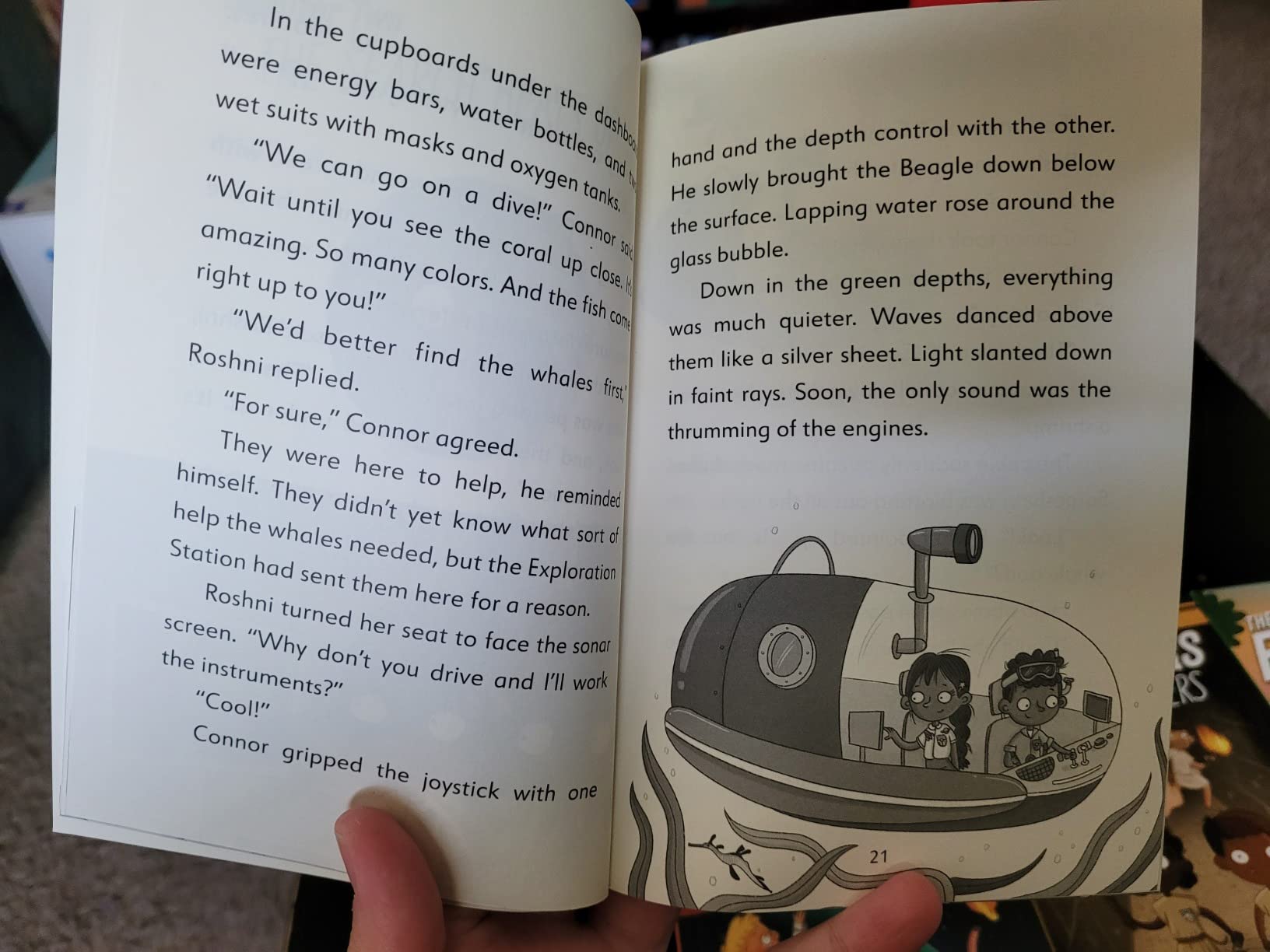
DK Publishing created something special with The Secret Explorers series. Each book follows a different kid from a diverse group of young scientists who travel back in time to solve problems using STEM knowledge. The series bridges the gap between picture books and full chapter books, making it perfect for readers transitioning to longer texts.
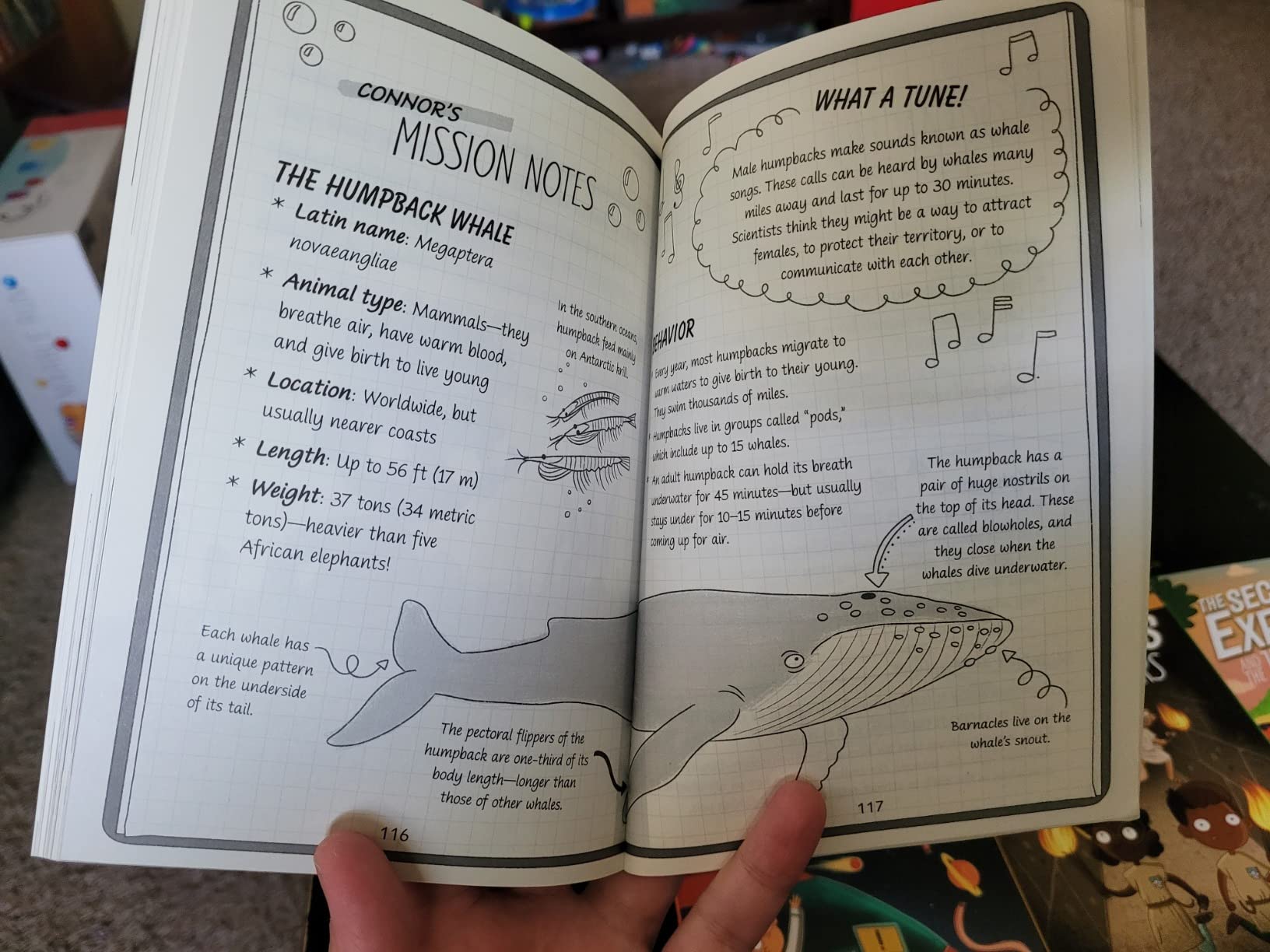
My 7-year-old son loved these books because the illustrations appear frequently enough to maintain engagement while the chapters feel grown-up. The science content sneaks in naturally through the plot. One book about a volcanic eruption teaches geology without feeling like a textbook. Another set in ancient Egypt introduces archaeology through a missing artifact mystery.
What sets this series apart from other historical fiction for kids is its commitment to diverse protagonists. Each main character comes from a different background and brings unique scientific expertise to the team. This representation matters for kids who rarely see themselves in chapter book protagonists, and it expands how children think about who can be a scientist or historian.
The 4-book boxed set provides a substantial introduction to the series without committing to the full collection of more than 15 titles. For families exploring the best historical fiction series for kids ages 6 to 9, this collection deserves a place on the shortlist.
Reading level and format
Written at a second-to-third-grade reading level with shorter chapters than typical middle-grade fiction. Black-and-white illustrations appear every few pages, supporting visual learners and providing reading breaks. Each book runs approximately 130 pages and can be finished in two to three sittings.
The format works well for both independent reading and parent-child shared reading.
Educational value and classroom integration
Teachers use these books to introduce science concepts alongside historical content. The stories model the scientific method through problem-solving, which supports STEM curriculum standards. Many schools stock the series for classroom libraries and book clubs focused on science and history.
For homeschool families, the books pair effectively with unit studies on volcanoes, ancient civilizations, and exploration history.
9. Magic Tree House Merlin Missions 1-25 – The Sequel Series for Growing Readers

Magic Tree House Merlin Missions Books 1-25 Boxed Set
25 books in boxed set
Ages 6-8
Advanced adventures
Pros
- 25 books in one boxed set
- Fun and easy to read
- Kids can read 2-3 books per day
- Great value for the quantity
- Jack and Annie are engaging characters
- Kids learn about history without realizing it
Cons
- Some children may prefer the original Magic Tree House series
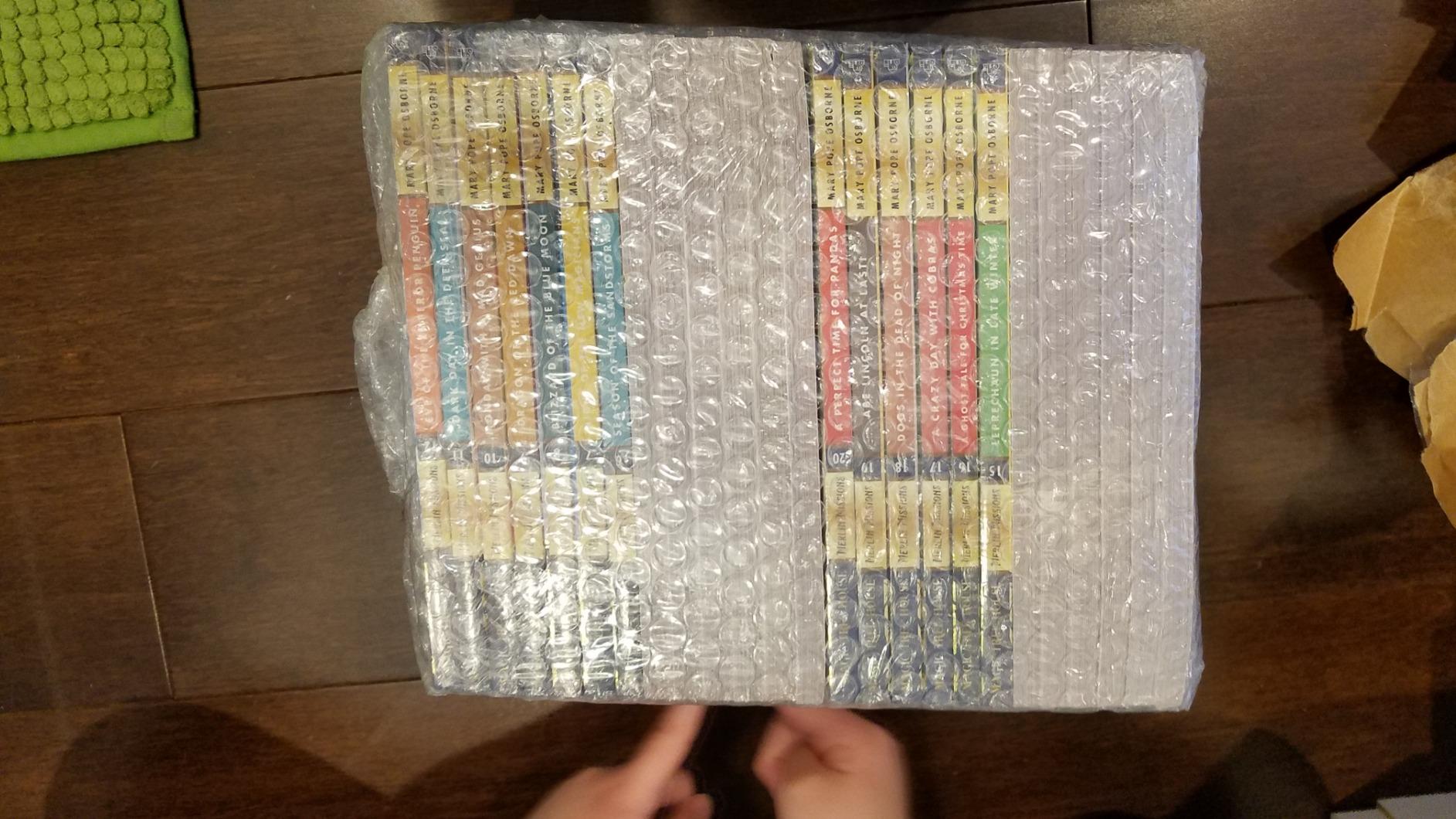
- Box quality may vary
After my daughter finished the original 28 Magic Tree House books, she transitioned directly into the Merlin Missions series without missing a beat. These 25 books follow Jack and Annie as older, more capable adventurers tackling Merlin’s magical quests. The writing level stays accessible while the stories introduce more complex historical periods and fantasy elements.
The Merlin Missions series works as a bridge between the original Magic Tree House books and middle-grade historical fiction. My daughter read these during second and third grade, building reading stamina for longer chapter books. The series includes encounters with Shakespeare, Beethoven, and ancient Olympic athletes, expanding her historical knowledge along the way.
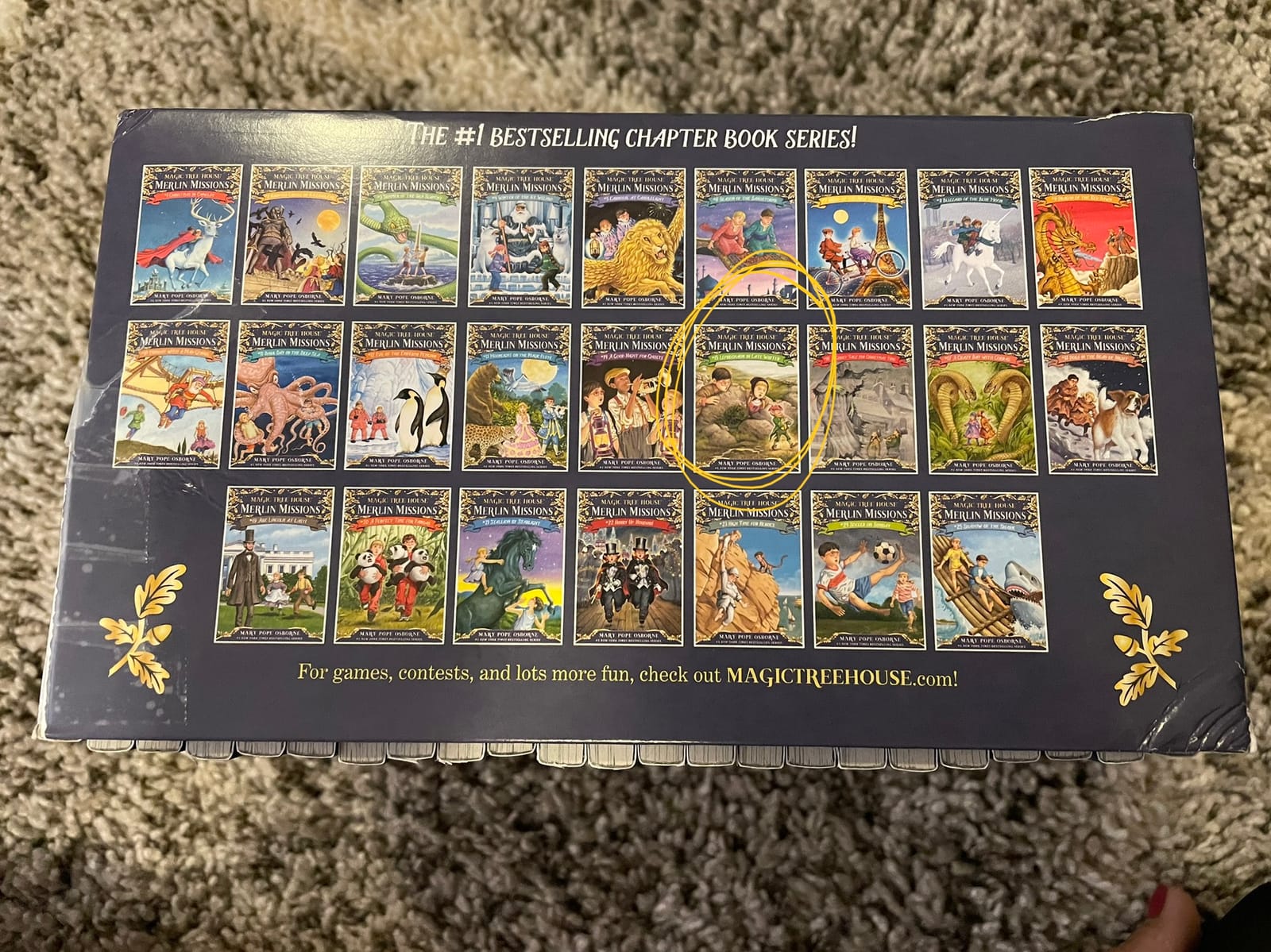
For families who already invested in the original Magic Tree House set, the Merlin Missions provide another 25 books of similar quality. The stories remain focused and self-contained, making it easy to read one book per week over a full school year. The boxed set format offers good value compared to purchasing individual titles.
One thing to consider: the Merlin Missions include more fantasy elements than the original series, with magical creatures and Merlin himself appearing frequently. Readers who preferred the purely historical adventures might find the fantasy additions less appealing. Our family enjoyed both versions, treating them as complementary rather than interchangeable.
Reading progression and chapter structure
Chapters run slightly longer than the original Magic Tree House books, preparing readers for middle-grade fiction. The text density increases while maintaining the short, manageable chapters that make the series accessible. Each book still finishes in one or two sittings for most elementary readers.
The series rewards readers who finished the original collection with callbacks to earlier characters and storylines.
Best uses for sustained reading practice
Teachers use the Merlin Missions series for sustained silent reading programs because the consistent format and short books build reading momentum. Students who finish one book often pick up the next immediately. The predictable structure supports struggling readers while still providing enough challenge to develop skills.
For homeschool families, the series provides a full year of reading material at a reasonable price point.
10. Mystery In Rocky Mountain National Park – American History Through Adventure

Mystery In Rocky Mountain National Park (National Park Mystery Series)
Book 1 of 5
Ages 8+
National parks mystery
Pros
- Well-written children mystery
- Fun facts woven into fiction
- Real national park locations
- Great for reluctant readers
- Clean content with good morals
- Cliffhanger chapters that kids love
- Relatable characters
Cons
- Minor Morse code error noted by one reviewer
- Some may prefer more illustrations
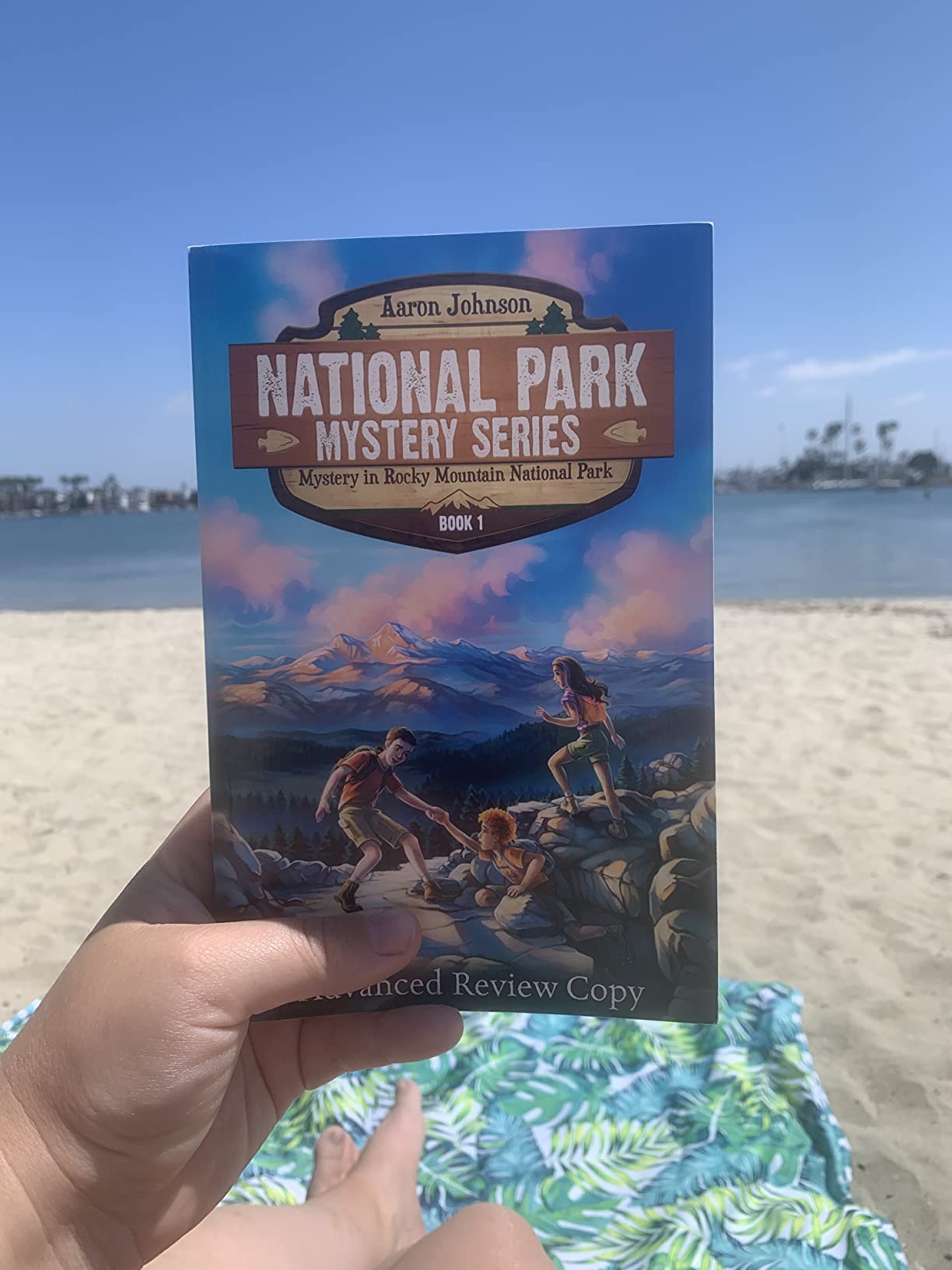
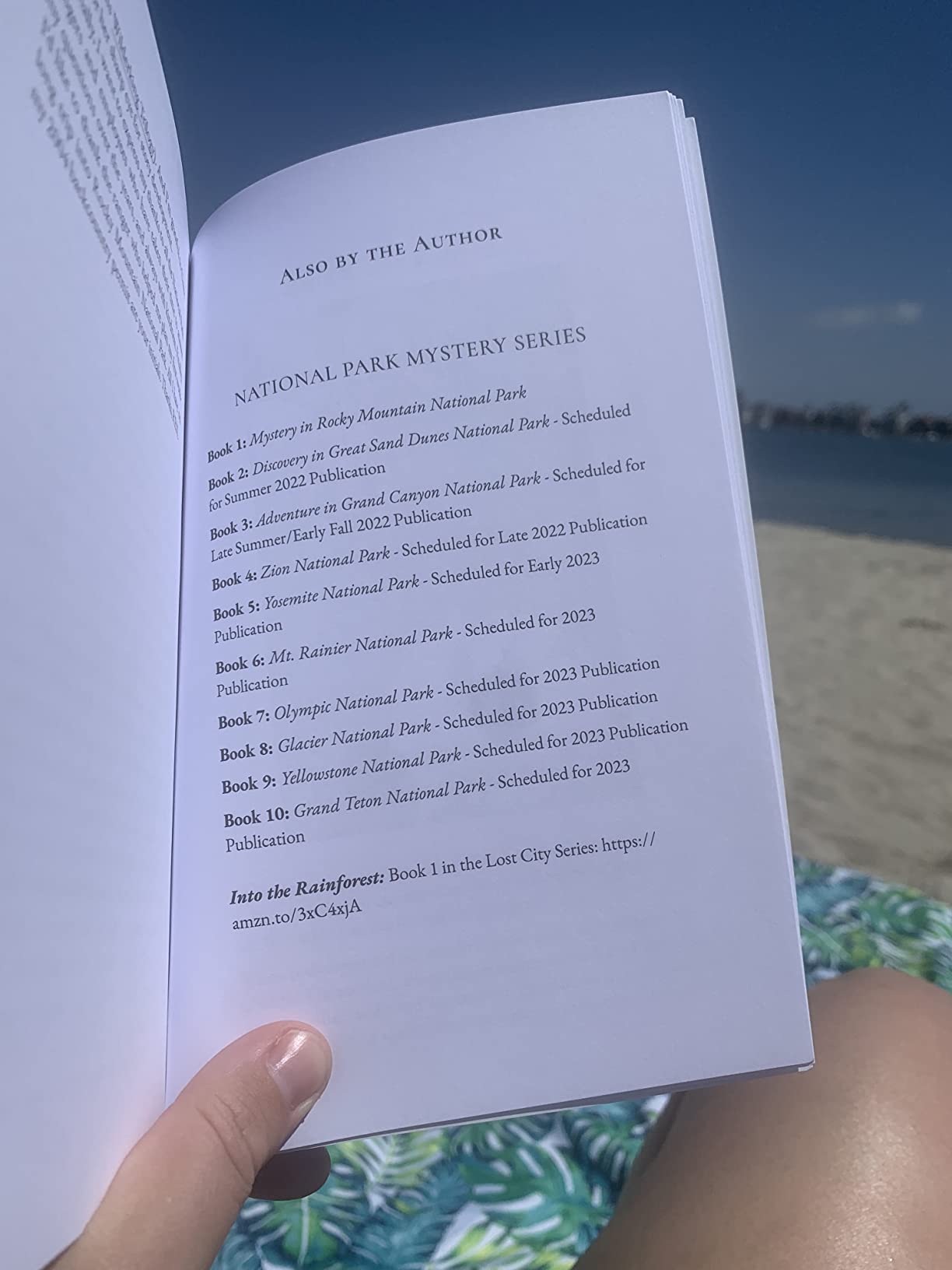
Aaron Johnson’s National Park Mystery Series combines American history with outdoor adventure in ways I have not seen in other children’s books. My 10-year-old son devoured the first book during a family road trip through Colorado, and we ended up visiting the actual locations mentioned in the story. The blend of mystery and real geography created memorable learning moments.
The series follows siblings who solve mysteries in different national parks while learning about park history, wildlife, and geology. Each book stands alone but shares recurring characters, making it accessible for new readers while rewarding those who follow the complete series. The cliffhanger chapter endings kept my son reading well past his bedtime.
What impressed me most was how Johnson weaves accurate historical and scientific information into engaging mysteries. The Rocky Mountain book includes real park history about early explorers and the creation of the national park system. My son retained facts about mountain ecology and conservation because they were embedded in a story he cared about.
For families planning road trips or outdoor adventures, this series provides excellent pre-trip reading. The books inspired my kids to research the national parks we visited and pay closer attention to interpretive signs. Five books in the complete series offer plenty of content for elementary and middle-grade readers.
Format and reading level
Written at a third-to-fifth-grade reading level with chapters of moderate length. Black-and-white illustrations appear occasionally but the books rely more heavily on text than many series in this age range. The faster pace and mystery format appeal to readers who find historical fiction too slow.
Each book runs approximately 250 pages, making them substantial without being overwhelming.
Best uses for outdoor and travel-focused families
Families who camp, hike, or visit national parks will find this series particularly engaging. The books make excellent pre-trip reading and post-trip discussion starters. Many families report using the series to plan vacation destinations or supplement science units on geology, wildlife, and conservation.
Teachers use the books to support lessons about American geography, environmental science, and park history.
11. Welcome to Felicity’s World, 1774 – American Girl Colonial History

Welcome to Felicity’s World, 1774: Growing Up in Colonial America (American Girl Collection)
American Girl reference
Ages 9-10
Colonial Williamsburg
Pros
- Educational and detailed about colonial life
- Beautiful illustrations and photographs
- Age-appropriate without being oversimplified
- Excellent supplement to American Girl fictional series
- Great for homeschooling
- Fun and engaging for children interested in history
Cons
- Only 1 left in stock
- May be hard to find
When my daughter became obsessed with the American Girl Felicity books set in colonial Williamsburg, this companion volume transformed her reading experience. The book is part picture book, part historical reference, covering daily life in 1774 through photographs and detailed illustrations of colonial toys, clothing, school, and games.
What makes this volume special is its visual approach to history. Children can see what a real colonial schoolroom looked like, examine period-accurate clothing, and learn about games children played 250 years ago. The combination of American Girl character connections and genuine historical content bridges fiction and non-fiction in a way that few other resources achieve.
For families using the American Girl historical series as homeschool curriculum, this reference book provides essential context. The Felicity novels cover the Revolutionary War era, and this companion volume explains the daily life, political tensions, and material culture of that period. Together, they create a comprehensive introduction to colonial American history for ages 9 to 10.
One practical note: this title is often out of stock due to its age and popularity. We ended up requesting it through interlibrary loan after striking out at three local branches. If you find a copy, grab it quickly because availability remains limited.
Format and content structure
The book combines photographs from Colonial Williamsburg with illustrations and historical explanations. Short chapters cover different aspects of daily life, from food preparation to school routines. The format works well for browsing or focused reading.
Reading level suits ages 8 to 12, with content adaptable for younger readers as read-aloud material.
Pairing with American Girl fiction series
American Girl publishes fictional novels about each historical character, but these reference books provide the factual context that makes the fiction meaningful. Many families read both together, using the reference book to deepen understanding of historical events mentioned in the novels.
For teachers, the book works as an introduction to colonial America units before students tackle primary sources or longer historical texts.
12. A Coal Miner’s Bride – Dear America Diary Series
A Coal Miner’s Bride: the Diary of Anetka Kaminska (Dear America)
Diary format novel
Ages 9-12
Polish immigration
Pros
- Engaging diary format for young readers
- Provides glimpse into immigrant experience
- Well-written and historically informative
- Emotional and coming-of-age story
- Favorite among young readers
- Detailed account of Polish immigrant life
Cons
- Contains some mature themes
- May not be suitable for all readers (sexual content
- violence hints)
- Binding quality issues with used copies
- Only 1 left in stock
The Dear America series holds a special place in my heart because it introduced me to historical fiction as a child. The diary format creates intimacy that third-person narration cannot match. A Coal Miner’s Bride tells the story of Anetka Kaminska, a Polish girl promised in marriage to a coal miner, who immigrates to Pennsylvania in the late 1800s.
What distinguishes this particular Dear America title is its focus on the immigrant experience through a young person’s eyes. Anetka’s voice feels authentic, capturing the uncertainty, fear, and hope that defined immigration for millions of children. The book handles difficult topics like arranged marriage, family separation, and industrial-era labor with age-appropriate honesty.
For tweens ready for more emotionally complex historical fiction, this novel delivers. The diary entries span Anetka’s journey from Poland to the Pennsylvania coal mining community, capturing both daily struggles and historical context. My 11-year-old daughter read this in one weekend and discussed it with me for weeks afterward.
Parents should preview the content because the book includes references to arranged marriage and contains some mature themes handled delicately but honestly. For mature readers ages 10 to 14, this title remains one of the most powerful entries in the Dear America series and a standout among historical fiction books for kids.
Diary format and narrative intimacy
The diary format creates direct connection between reader and protagonist. Each entry feels like reading a real historical document, which builds investment in the historical setting. The format works particularly well for reluctant readers because the short entries feel manageable.
Historical accuracy benefits from extensive author research, with many Dear America titles based on real immigration patterns and community histories.
Best uses for mature readers and classroom settings
Teachers use Dear America books for units on immigration, industrialization, and American social history. The diary format supports Common Core standards for analyzing first-person narrative and primary source connections. Many middle school teachers pair the books with immigration research projects or family history assignments.
For homeschool families, the books work as literature companions to American history covering the late 1800s and early 1900s.
How to Choose the Best Historical Fiction Series for Your Child
After testing dozens of historical fiction series with my own kids and talking to dozens of other families, I have learned that the best series depends on three factors: reading level, historical interest, and format preference. A 7-year-old who loves dinosaurs will engage differently with historical fiction than a 12-year-old interested in World War II. Matching the series to your child’s interests matters more than picking the most acclaimed option.
Reading level matters more than the age range printed on the book. Some 8-year-olds read at a fifth-grade level, while others struggle with second-grade text. Preview a sample chapter or read the first book together before committing to a multi-book series. Public libraries and library apps like Libby let you sample without purchasing.
Age-based recommendations
For ages 5 to 7, start with Magic Tree House or The Secret Explorers. These series offer short chapters, simple vocabulary, and gentle introductions to historical settings. The box sets provide excellent value because young readers often want to continue with the next book immediately.
For ages 8 to 10, I Survived, Girls Survive, and Who Was? biographies hit the sweet spot. These series combine higher reading levels with compelling stories about real historical events and figures. Reluctant readers often engage with these faster-paced options before tackling longer historical fiction.
For ages 11 to 14, Dear America, The Roman Mysteries, and Little House (later books) provide the historical depth and emotional complexity that tweens crave. These series include more challenging vocabulary and mature themes, preparing readers for young adult historical fiction.
Format considerations
Diary-format series like Dear America create intimacy that traditional narration cannot match. Children connect with first-person voices and feel like they are reading real historical documents. However, some readers prefer third-person adventure formats like Magic Tree House or I Survived.
Non-fiction companions like the I Survived True Stories work well for kids who prefer facts over invented stories. Visual learners benefit from series with frequent illustrations like The Secret Explorers or National Park Mystery Series. Consider your child’s reading preferences when choosing format.
Where to find these series
Public libraries stock most historical fiction series for kids, often with complete box sets available for borrowing. This matters for budget-conscious families who want to test a series before purchasing. Library apps extend access to digital copies for families without easy access to physical branches.
School book fairs and Scholastic book club orders offer affordable access to popular series. For families building permanent home libraries, Amazon and bookstore sales provide the best prices on box sets. Many of the series on this list appear regularly at used bookstores and library sales.
Diversity in historical fiction for kids
One gap I noticed in many historical fiction series is limited representation of diverse protagonists. The Roman Mysteries and Girls Survive series address this better than most, featuring protagonists from different racial, cultural, and economic backgrounds. The Secret Explorers series explicitly includes diverse main characters across STEM fields.
Parents seeking historical fiction that reflects diverse American experiences should explore series beyond the most famous options. Publishers have released many newer series featuring Black, Indigenous, Asian American, and immigrant protagonists in historical settings. These books fill important gaps in how we teach children about the past.
Frequently Asked Questions
What are some good children’s historical fiction series?
Popular historical fiction series for kids include Magic Tree House (world history adventures for ages 5-8), I Survived (real historical disasters for ages 8-10), Little House (1800s pioneer life for ages 6-12), Dear America (diary-format novels for ages 9-14), and Who Was? (biographies of famous historical figures for ages 7-10).
What are good historical fiction books for 12 year olds?
For 12-year-olds, consider Dear America diary novels (emotionally complex immigration and American history stories), The Roman Mysteries (ancient Rome detective adventures), later Little House books (more sophisticated vocabulary), and Girls Survive (girl protagonists in historical events). These series offer the reading complexity and historical depth that work for middle-grade readers.
What are some good historical fiction books for 7-year-olds?
Seven-year-olds enjoy Magic Tree House (perfect entry-level chapter books), The Secret Explorers (illustrated STEM-focused historical adventures), Who Was? biographies (engaging introductions to famous figures), and early Little House read-alouds. These series offer short chapters, manageable vocabulary, and age-appropriate historical content.
What are some good historical fiction series for reluctant readers?
I Survived works exceptionally well for reluctant readers because of its fast pacing and disaster-based plots. Who Was? biographies engage kids who prefer true stories over fiction. Magic Tree House offers short chapters with frequent illustrations. The National Park Mystery Series combines adventure with real locations that many kids find compelling.
Final Thoughts on Building Your Child’s Historical Fiction Library
Building a strong historical fiction library for your kids does not require buying everything at once. Start with one series that matches your child’s current reading level and interests, then expand based on what they enjoy. My family started with Magic Tree House and gradually added I Survived, Dear America, and biography collections as my kids grew older and their reading stamina increased.
The best historical fiction series for kids spark curiosity about real events while delivering stories children want to read. Every series on this list has earned its place because real kids read multiple books and asked for more. Updated for 2026, these recommendations reflect titles that remain in print, available at libraries, and engaging for today’s young readers.
Whether you choose the accessible Magic Tree House adventures, the suspenseful I Survived disasters, or the classic Little House pioneer stories, your child will encounter history through characters who feel like friends. That connection matters more than memorizing dates or events. When kids care about historical characters, they remember the history naturally.