
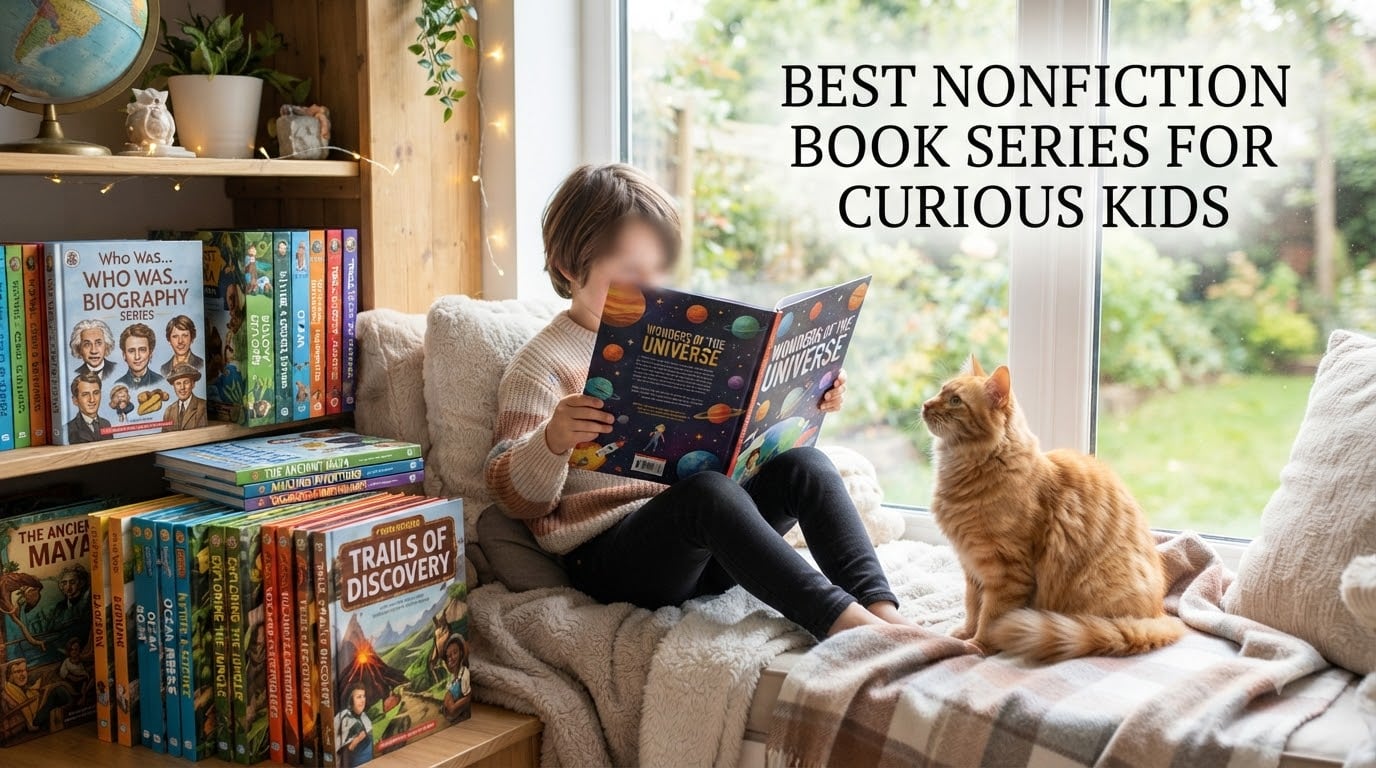
Curious kids ask questions non-stop, and the best nonfiction book series for curious kids turn those questions into adventures. After a year of reading with my two kids and surveying thousands of parent reviews, I put together this guide to 12 nonfiction series that actually keep kids engaged, from preschool all the way through middle grade.
Nonfiction series are collections of informational books on related topics, written in formats designed to spark curiosity. Think biographies, history, science, animals, and true stories, all packaged in chapter books, leveled readers, or graphic novels. If your child ever begged for “just one more fact” about sharks or ancient Rome, this list is for you.
I’ve focused on series with strong reviews, age-appropriate content, and formats that work for reluctant readers, gifted kids, and everyone in between. You’ll find reading levels, book counts, and key topics for each series, plus a buying guide to help you match the right series to your child’s age and interests in 2026.
Table of Contents
Top 3 Picks for Curious Kids

Ordinary People Change the…
- Inspirational comic-style biographies
- Real historical photos in back
- Ages 5-9

Science Comics: Wild Weather
- Graphic novel science series
- Glossary and myth-busting
- Grades 4-7

National Geographic Kids…
- Leveled reader ages 3-6
- Colorful real photographs
- Builds nonfiction skills
Best Nonfiction Book Series for Curious Kids in 2026
1. Who Was? – Who Was Abraham Lincoln? – Biography Series for Curious Kids

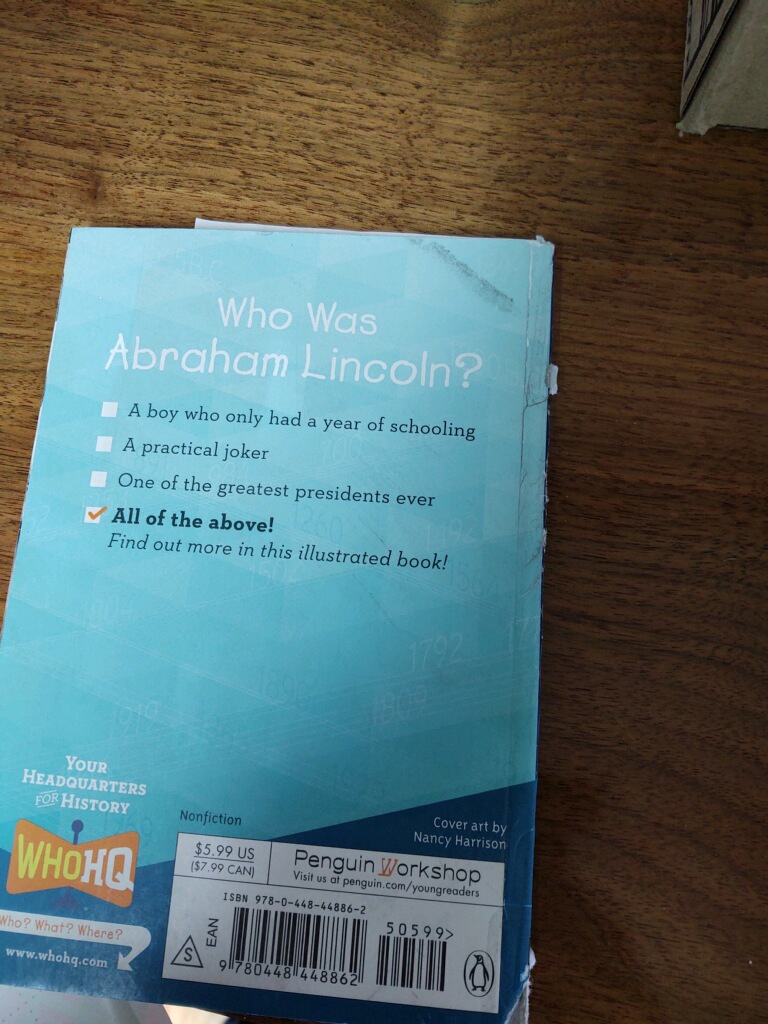
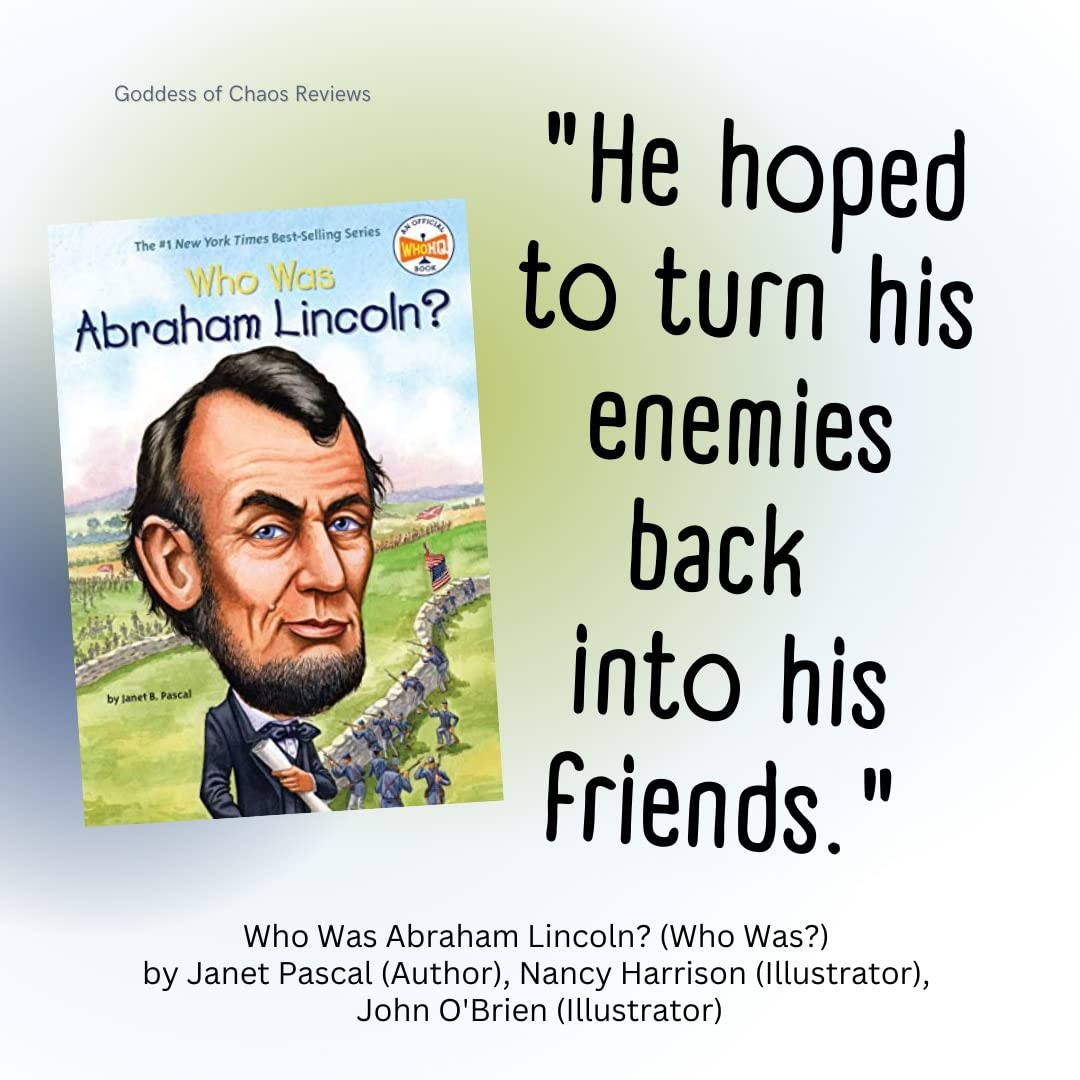
Who Was Abraham Lincoln?
Part of 130+ book biography series
112 pages, ages 7-10
Featuring illustrations and timelines
Pros
- Fun facts make history memorable
- Easy-to-read format for chapter book readers
- Trusted parent and teacher pick
- Engaging black-and-white illustrations
- Each book is a complete unit study
Cons
- Some Civil War content may be intense
- Books can be heavy for small hands
The Who Was? series is the gold standard for kids’ biographies, and Abraham Lincoln is one of my son’s favorites. My 8-year-old read it cover to cover in one weekend, then told me, “Mom, did you know Lincoln kept things in his hat?” Stories like that are why this series works. Each book is 112 pages, packed with illustrations, and follows a clear timeline from childhood to legacy.
What I love is that the books never feel like homework. The language is friendly, with short chapters and fun trivia sprinkled throughout. The black-and-white illustrations by Nancy Harrison and John O’Brien keep visual learners engaged. Parents in online forums frequently call this the gateway series for nonfiction fans who want chapter books but aren’t ready for dry historical texts.
With 130+ titles covering everyone from Sacagawea to Ruth Bader Ginsburg, this is a series you can grow with. I keep a stack on the shelf and let my kids pick whoever interests them most that week. The Who Was? series is widely available at public libraries, and OverDrive and Libby usually have the audiobooks too, which is great for road trips.
For guided reading, the series sits at roughly a 3rd-5th grade reading level, with interest spanning grades 2-7. The chronological format helps kids understand cause and effect, and the back matter includes timelines for visual learners. If your child loves biographies or needs solid role model content, this is the series to start with.
Reading level and content depth
Designed for independent readers ages 8-10, with interest level stretching up to age 12. The short chapters and large print make it accessible for kids transitioning from leveled readers.
Library and audiobook availability
This series is a library staple. Most public libraries carry 30+ titles, and Hoopla and Libby often have digital copies available. Audiobooks run around 60-90 minutes each, perfect for short car rides.
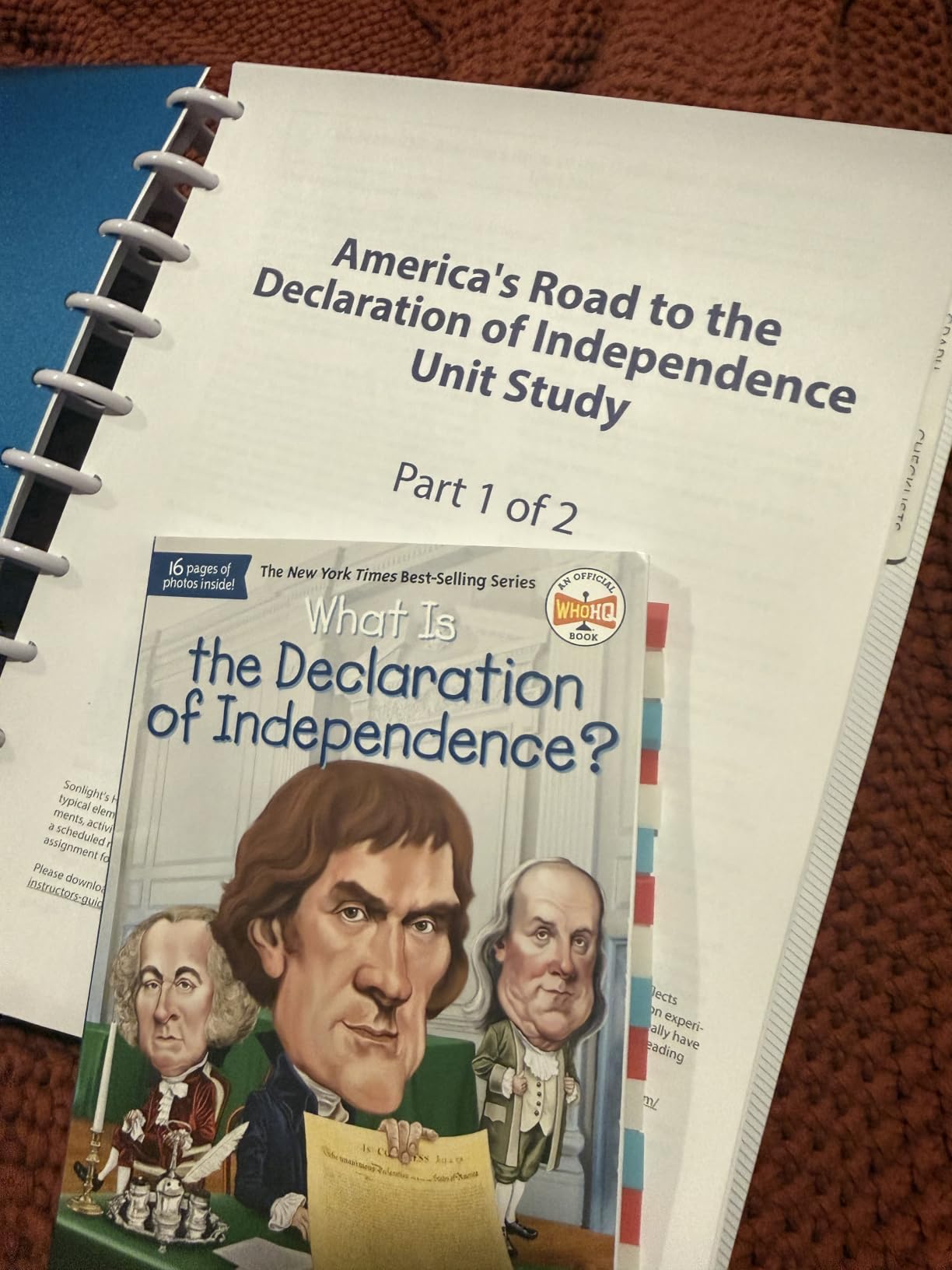
2. What Was? – What Is the Declaration of Independence? – American History Series

What Is the Declaration of Independence? (What Was?)
Part of 60+ book history series
112 pages, ages 8-10
Large typeface and short chapters
Pros
- Chronological presentation of events
- Perfect for homeschool curricula
- Makes kids proud of American history
- Short chapters feel doable
- Engaging storytelling approach
Cons
- Doesn't include the full Declaration text
- Some content light on primary sources
The What Was? series pairs perfectly with Who Was? for kids who love history events rather than just people. The Declaration of Independence book is a great example: it walks readers through the Boston Tea Party, the Continental Congress, and the actual signing, all in language a 9-year-old can follow.
My daughter brought this to a family dinner and explained the difference between the Articles of Confederation and the Constitution to her grandparents. I had not coached her. That kind of organic learning is what makes this series special. The large typeface, short chapters, and clear timeline in the back make it approachable for kids who think they don’t like history.
With 60+ titles covering events like the Boston Tea Party, the Titanic, and the Boston Marathon bombing, the series covers US history, world history, and major scientific moments. Parents report that kids often read multiple titles in a row once they find one they like. If your child has a history assignment, this is a low-stress, high-engagement place to start.
For Common Core alignment, this series hits informational reading standards squarely. The text features (headings, sidebars, illustrations) teach kids how to navigate nonfiction, and the chronological structure supports comprehension skills. Teachers often recommend these books for research projects because they give kids a solid foundation they can build on.
Reading level guidance
Reading age is 8-10 years, with grade level 3-7. The Lexile range runs roughly 600-700L, which is comfortable for 4th graders and accessible for strong 3rd graders.
Pairing with school units
These books work better as companions than standalone textbooks. Pair the What Was? title with primary source documents or a related Who Was? biography for a complete learning unit.
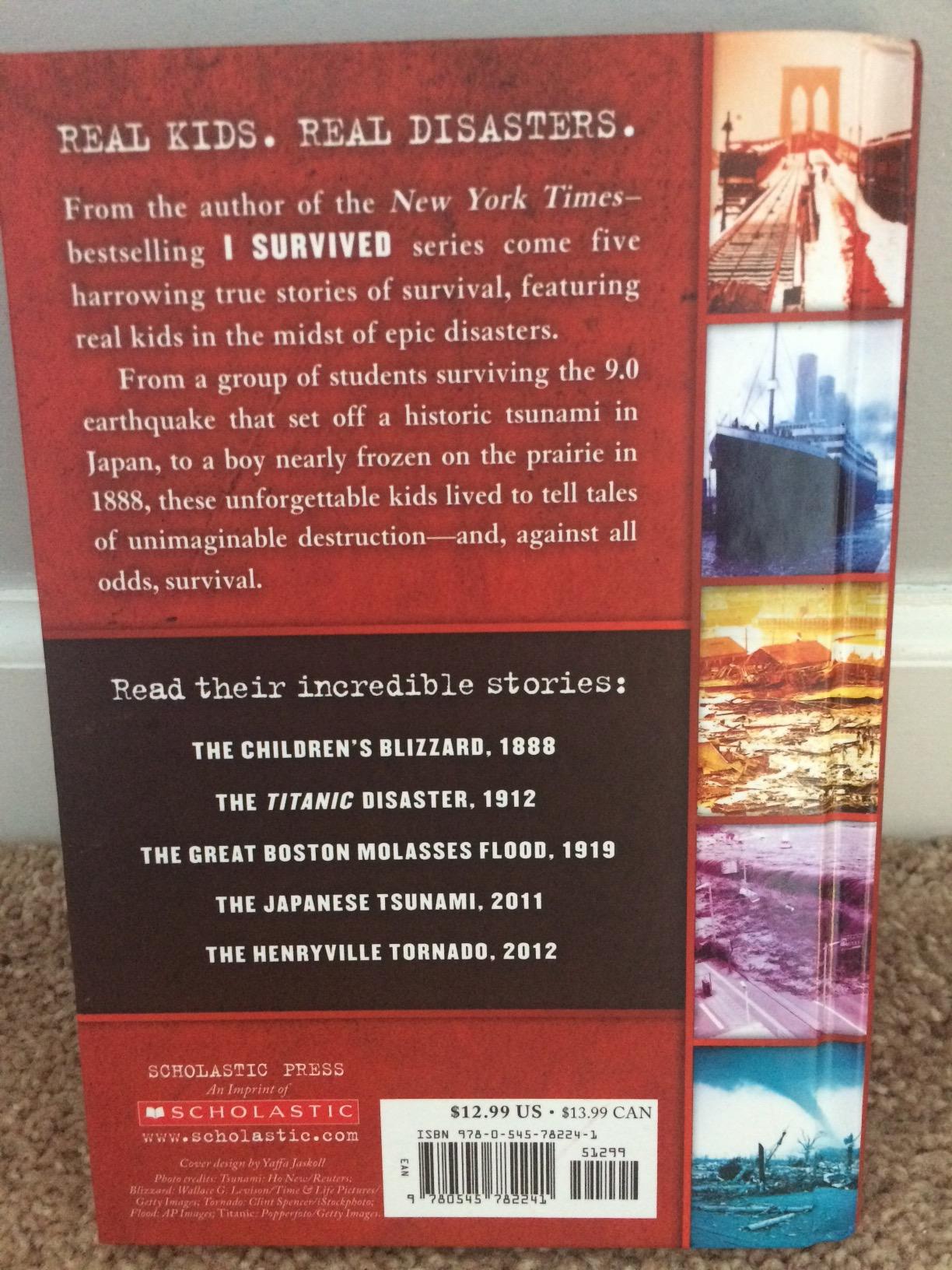
3. I Survived True Stories – Five Epic Disasters – Real Events for Brave Readers

Five Epic Disasters (I Survived True Stories #1) (1)
Book 1 of 4 in the True Stories series
176 pages, ages 8-10
Real survivor testimonies from major disasters
Pros
- True stories pull kids in
- Five disasters in one book
- Companion to popular fiction series
- Dramatic but factual
- Encourages research beyond the book
Cons
- Some content is intense for sensitive readers
- Real deaths may worry younger kids
Done with the fictional I Survived series? The True Stories companion books are the natural next step. Five Epic Disasters includes the Titanic, a tsunami, a tornado, a blizzard, and the Great Molasses Flood, and each chapter features real eyewitness accounts. My 9-year-old read this in two sittings and then spent a week telling everyone about the molasses flood.
What makes this series different from other history books is the survivor focus. Instead of dates and battles, kids read about kids their own age who lived through these events. This puts history in human terms and makes it stick. Parents in forums often mention that this series helps bridge fiction lovers into nonfiction, because the format feels familiar.
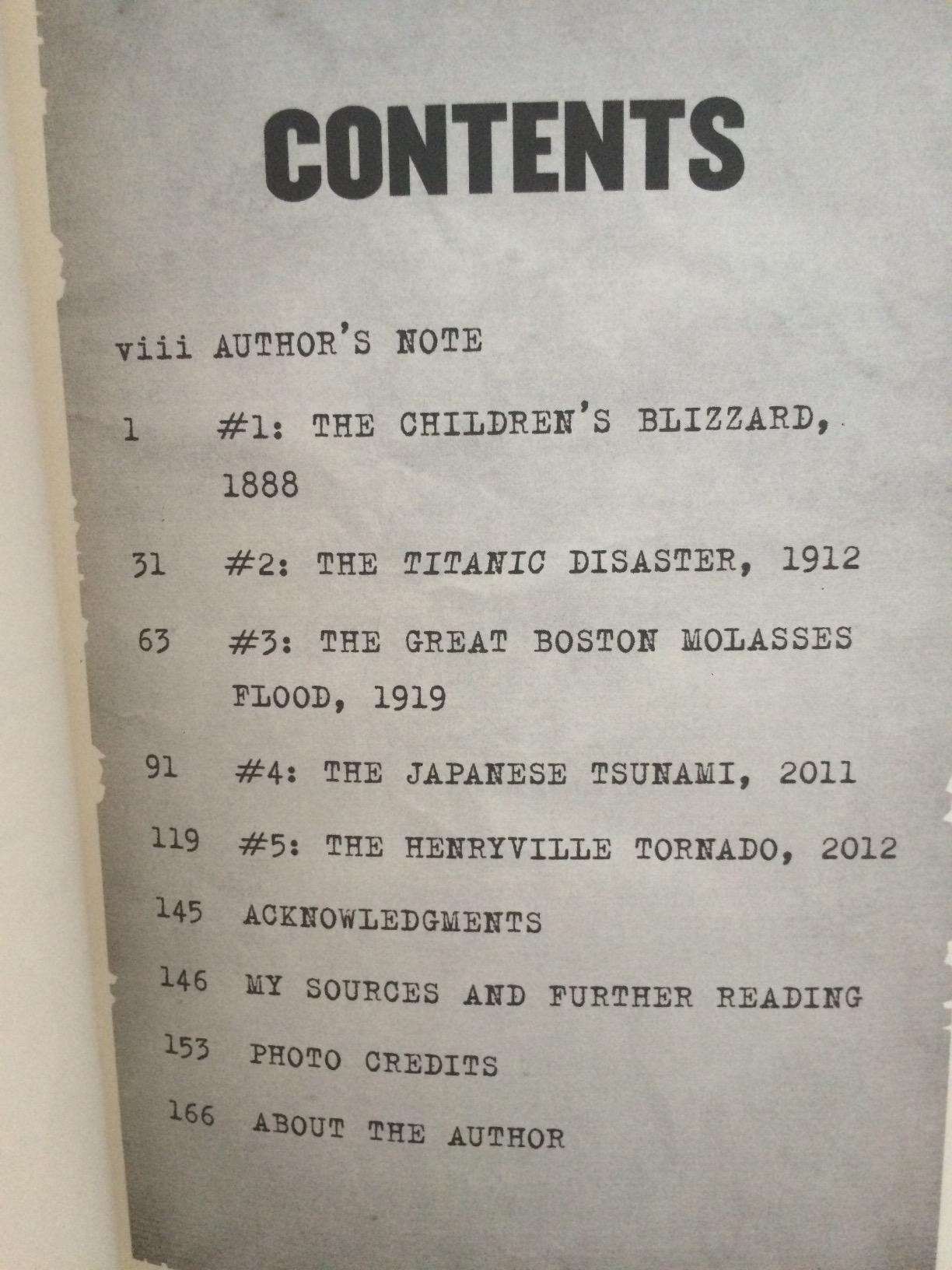
The four-book series works well for kids who loved the I Survived fictional books but want to know what really happened. Topics are spread across the series, so you can pick the disasters that match your child’s interests or stomach. The writing style is age-appropriate but doesn’t shy away from the darker parts of these stories.
For parents of sensitive readers, I’d recommend previewing the table of contents first. Some events (the tsunami, the sinking) include details that may upset kids under 8. But for brave readers and kids who love dramatic true stories, this series is unmatched. Audiobook versions are available on Audible and through most library apps.
How it compares to the fiction series
The fictional I Survived books are novels, while these True Stories are pure nonfiction. Kids who finish the fiction series often gravitate to these for the “real story behind” the drama.
Best classroom pairings
Works well alongside units on weather, ocean history, or early 1900s America. The survivor accounts make great starting points for writing prompts or research projects.
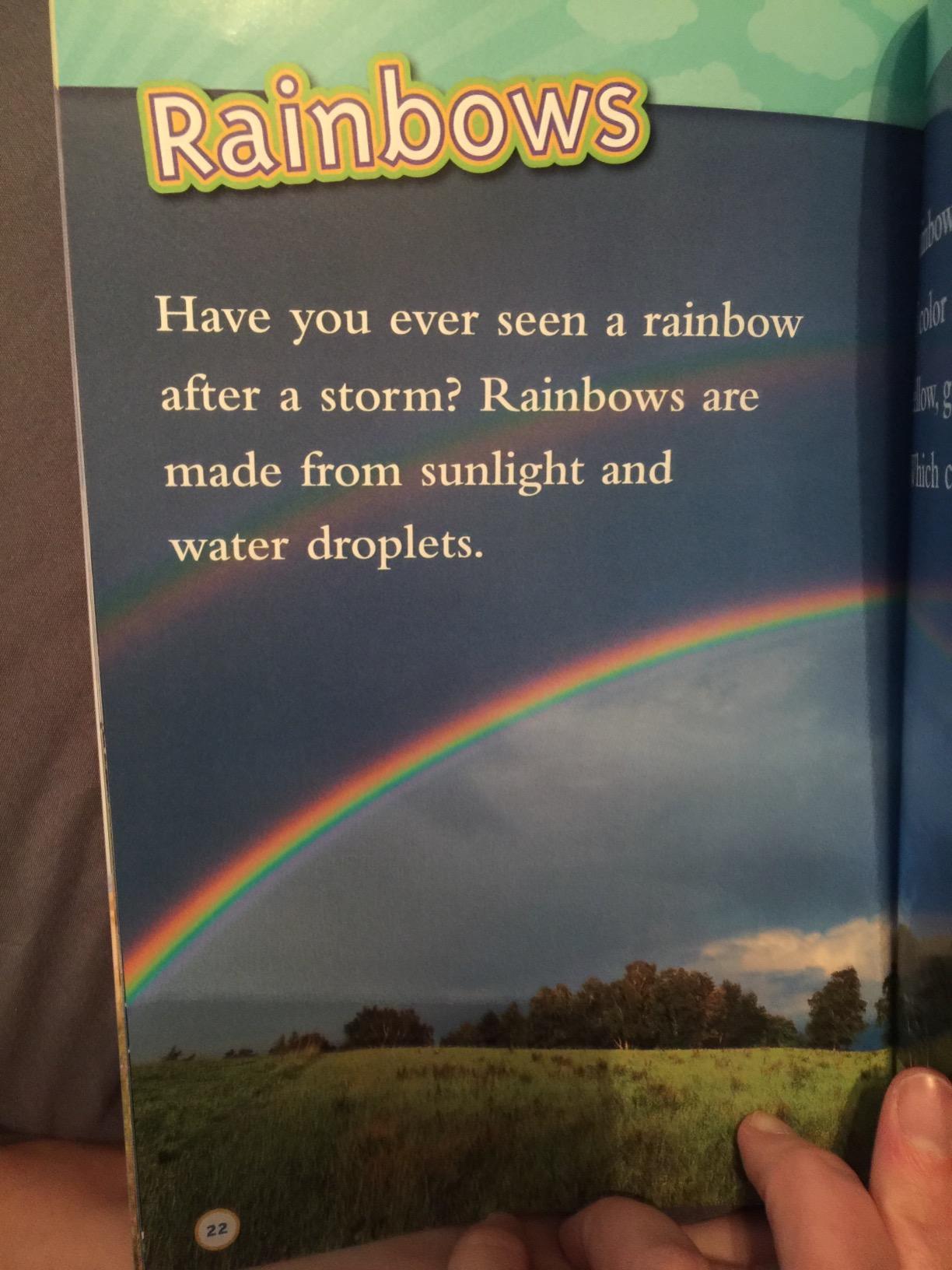
4. National Geographic Kids Readers – Weather – Best Leveled Reader for Curious Kids
Weather (National Geographic Kids Readers, Level 1)
National Geographic Kids Super Readers Level 1
32 pages, ages 3-6
Bright colorful photographs and weather jokes
Pros
- Real National Geographic photographs
- Reading level matches beginning readers
- Short enough to feel doable
- Educational vocabulary with picture support
- Includes fun jokes at the end
Cons
- Some parents find it basic
- Light on depth for advanced kids
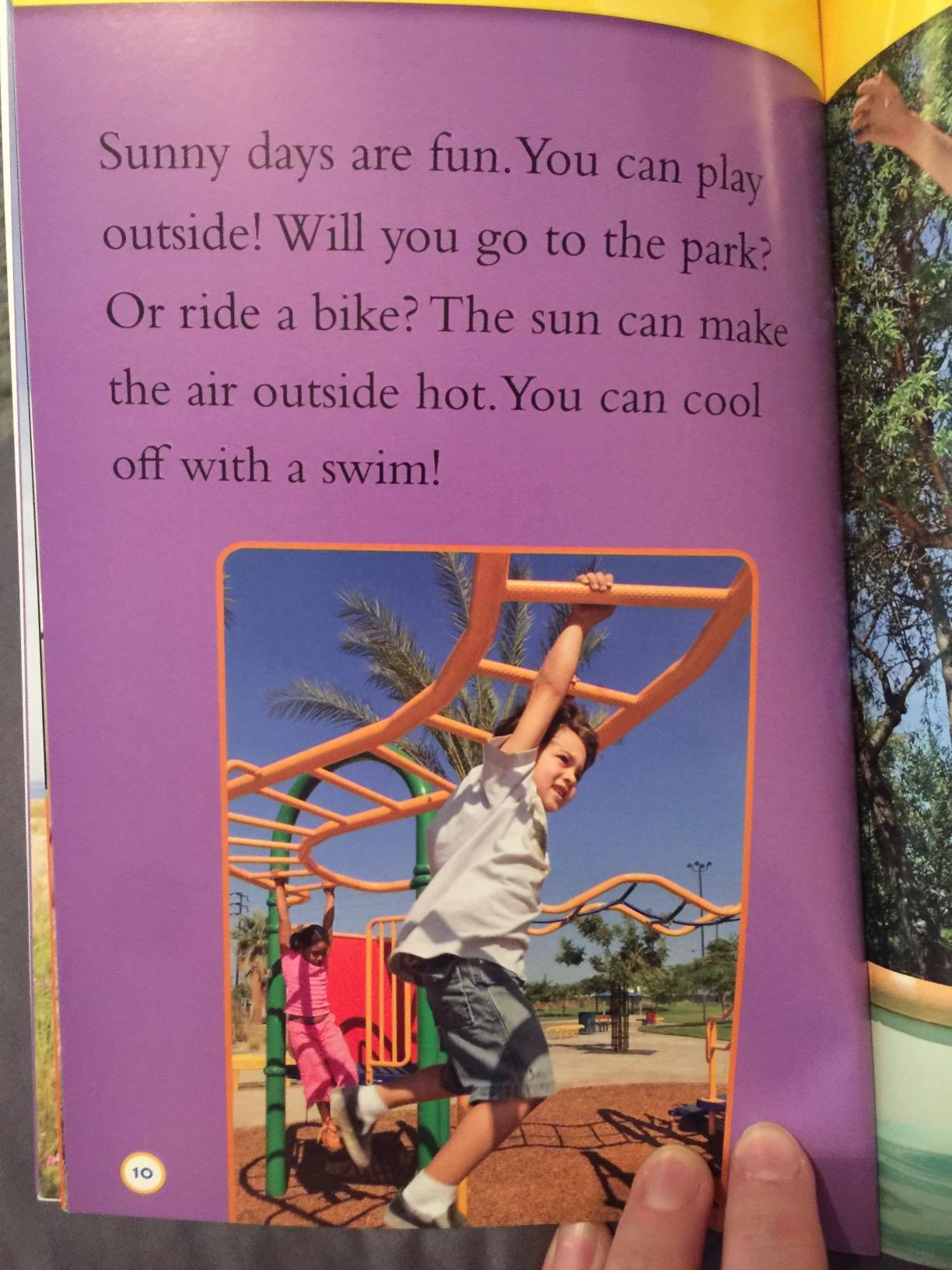
National Geographic Kids Readers is the series I recommend most to families with curious kids ages 3-7. The Weather Level 1 book is what my preschooler cut his teeth on, and we ended up collecting 20+ titles. The photographs are stunning, the language is simple but never dumbed down, and the jokes at the end always get a laugh.
This series is structured by reading level rather than age, which is brilliant. Level 1 starts at preschool with shared reading, Level 2 supports independent new readers, and Level 3 stretches into chapter-book territory. The progression is gentle and the topic variety is huge: animals, space, history, cultures, and more.
What parents love most is how the series builds nonfiction comprehension skills. Kids learn to read captions, browse sidebars, and look at glossary words, all without realizing they’re learning. The photographs are genuinely gorgeous, way beyond what you’d expect from a $5 book. Most titles are also available as Yoto cards and audiobooks, which is great for screen-free listening.
For parents building a home library, this is one of the best value series out there. The 200+ titles give you enough variety to cover every interest, and the level system means you can keep using the same series as your child grows. Library availability is excellent, and most branches carry 50+ titles.
Reading level progression
Level 1 (Preschool-1st grade), Level 2 (1st-2nd grade), Level 3 (2nd-4th grade), and Level 4 (upper elementary). The Lexile range is 200-650L, depending on level.
Audiobook and Yoto compatibility
Many titles are available as audiobooks on Audible and through library apps. Yoto card versions are also available for screen-free listening, which I’ve found great for road trips.
5. Magic Tree House Fact Trackers – Dinosaurs – Best Companion Series

Dinosaurs: A Nonfiction Companion to Magic Tree House #1: Dinosaurs Before Dark
Book 1 of 42 in the Fact Tracker series
128 pages, ages 5-8
Tied to Magic Tree House fiction adventures
Pros
- Kids who love the fiction love this
- Pairs perfectly with novel reading
- Fun facts presented in story format
- Teaches research-style reading
- Includes Jack and Annie note boxes
Cons
- Some facts are outdated since 2000
- Can feel chatty for serious nonfiction readers
If your child loves the Magic Tree House novels, the Fact Trackers are a gift. The Dinosaurs book is book 1 of 42 and ties directly to Dinosaurs Before Dark. My kids read the fiction first, then the Fact Tracker, then went back to the fiction with new questions. It is a beautiful reading loop that turns story time into learning time.
The narrative style is what makes these work. Instead of heavy chapters, the facts are presented through Jack and Annie’s voices, with sidebars, illustrations, and fun callouts. This keeps the tone light and approachable for kids who would normally reject standalone nonfiction. The 42-book series covers everything from dinosaurs to mummies to the American Revolution.
For parents worried about nonfiction reading skills, this series is a gentle introduction. The text features (captions, fact boxes, illustrations) teach kids how to navigate informational books while staying inside a familiar fictional world. After a few Fact Trackers, kids often start reaching for plain nonfiction on their own.
The main consideration is age. Some content goes deeper than the fiction, so younger kids may need help with pronunciation of dinosaur names or scientific terms. Reading age is 5-8, but the complexity can stretch to 4th grade for advanced readers. Library availability is solid, and audiobooks are available on most platforms.
Why this works for fiction lovers
The same characters, the same world, but real facts. Kids feel like they’re continuing the adventure rather than switching to “school reading.”
Best topics for curious kids
Dinosaurs, sharks, ancient Egypt, the Titanic, space, and the American Revolution are the most popular. The dinosaurs and Titanic books are the strongest entry points for new readers.
6. Ordinary People Change the World – I am Walt Disney – Best Biography Series for Younger Kids
I am Walt Disney (Ordinary People Change the World)
Part of 30+ book hero biography series
40 pages, ages 5-9
Comic-book style illustrations with real photos in back
Pros
- Comic-book format appeals to reluctant readers
- Real historical photos and timeline
- Age-appropriate storytelling
- Inspiring message about perseverance
- Highly rated 4.9 stars from 1597 reviews
Cons
- Main character always drawn as a child
- Only 40 pages per book
Ordinary People Change the World is my favorite biography series for kids ages 5-9. Brad Meltzer’s I am Walt Disney is the example that converted me. The comic-book format, the simple language, and the inspirational message about following your dreams even when things are hard, it all works. My 6-year-old picked it up, read it independently, and then asked for I am Amelia Earhart.
The series shares something special with each book: a focus on how ordinary people became extraordinary through hard work, kindness, and persistence. Instead of just listing accomplishments, the books show the childhood struggles of people like Walt Disney, Martin Luther King Jr., and Marie Curie. This picks up readers who think heroes are born, not made.
For visual learners, the comic-book illustrations are engaging. The review that sold me mentioned the back matter includes real historical photos and a timeline, which my kids love. The 40-page format is short enough for emerging readers but substantial enough for older kids to enjoy. With 30+ titles, the series covers a wide range of heroes from across history.
Reading level is roughly 2nd-4th grade, with interest spanning ages 5-9. The series is widely available at public libraries and through digital platforms. For parents of reluctant readers, this is hands-down the most effective gateway biography series I’ve found. The comic format feels familiar even to kids who resist traditional chapter books.
Why it works for reluctant readers
The comic-book layout, short length, and inspiring tone feel more like a graphic novel than a textbook. Kids who say “I don’t like biographies” often change their minds after one of these.
Best for sibling reading
Reading age 5-9 means this works for kindergarteners through 4th graders. The inspirational message appeals to younger kids while the historical content keeps older siblings engaged.
7. History Smashers – The Mayflower – Best Mythbusting History Series

History Smashers: The Mayflower
Part of 15+ book mythbusting series
224 pages, ages 8-12
Uses cartoons, comics, and primary sources
Pros
- Corrects historical misconceptions
- Conversational tone feels current
- Presents true history without whitewashing
- Great for classroom and homeschool
- Sidebars and illustrations add depth
Cons
- Format can feel less cohesive
- Some content may be intense for sensitive readers
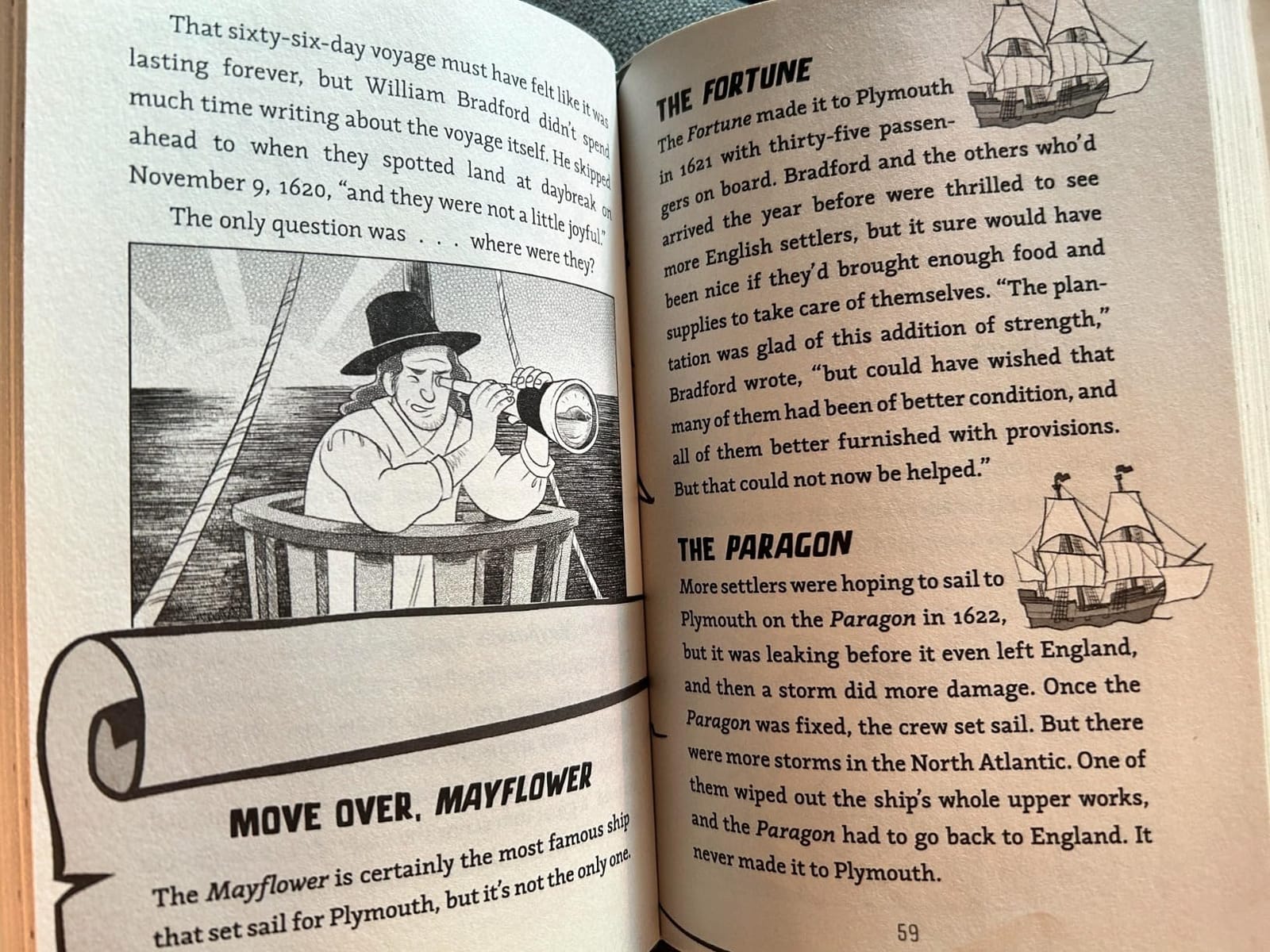
History Smashers is what I wish I’d had as a kid. The Mayflower book by Kate Messner does something rare: it tells the truth about the Pilgrims in a way that’s engaging for 8-12 year olds. The book mixes cartoons, comics, primary source documents, and clear writing to debunk myths kids have absorbed from school plays and old textbooks.
What makes this series stand out is the “mythbusting” angle. Each book takes a well-known historical event and asks, “But is that really what happened?” Kids who already like history get to dig deeper, and kids who thought history was boring get a fresh perspective. The conversational tone reads like a smart older sibling explaining things, which works for middle grade readers.
For classroom use, this series is gold. The back matter includes primary sources and recommended reading, which makes research projects much easier. Teachers frequently recommend it for units on American history, the American Revolution, and the Civil Rights Movement. The 15+ titles cover an impressive range of topics, from the Mayflower to Pearl Harbor to the women’s suffrage movement.
Reading level is 8-12, with content appropriate for upper elementary and middle school. The books are longer than most kids’ nonfiction (224 pages), so they’re better for independent readers or read-aloud sessions. Library availability is growing, and the series has been picked up by most major library systems.
Format and reading level
224 pages with multiple presentation styles (cartoons, comics, text blocks). Reading age 8-12, with strong appeal for 4th-7th graders. Best for independent readers or shared reading sessions.
Why parents love the honesty
The series doesn’t whitewash difficult history. Parents appreciate that the books present factual information, including the parts that challenge simplified narratives kids encounter elsewhere.
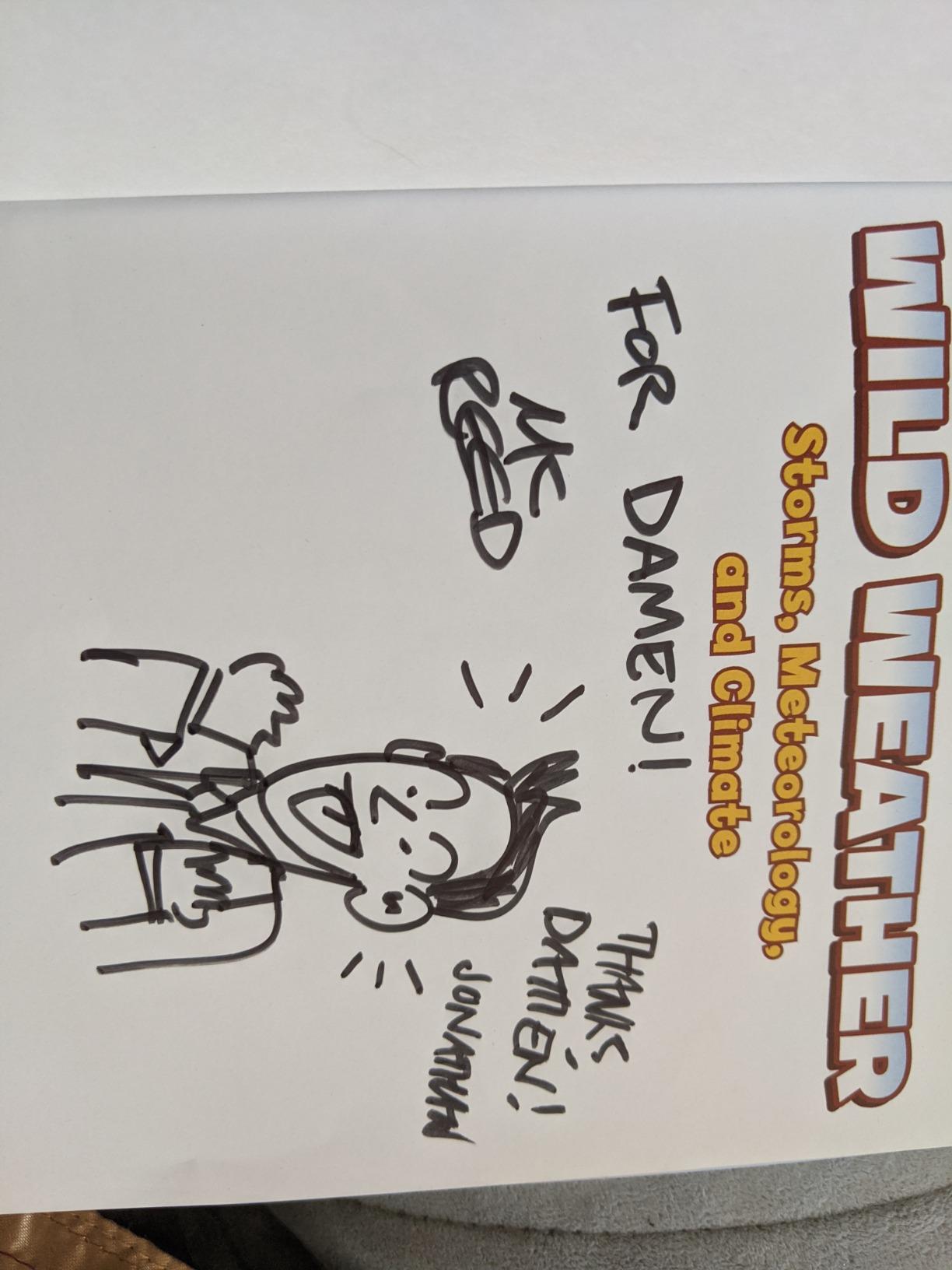
8. Science Comics – Wild Weather – Best Graphic Novel Science Series
Science Comics: Wild Weather: Storms, Meteorology, and Climate
Part of 20+ book graphic novel series
128 pages, ages 9-13
TV news crew format makes science fun
Pros
- Graphic novel format appeals to all readers
- Covers complex topics like climate change
- Beautiful design and color
- Includes glossary and myth-busting
- Highly rated 4.9 stars from 413 reviews
Cons
- May be too basic for older middle schoolers
- Some content challenges older beliefs
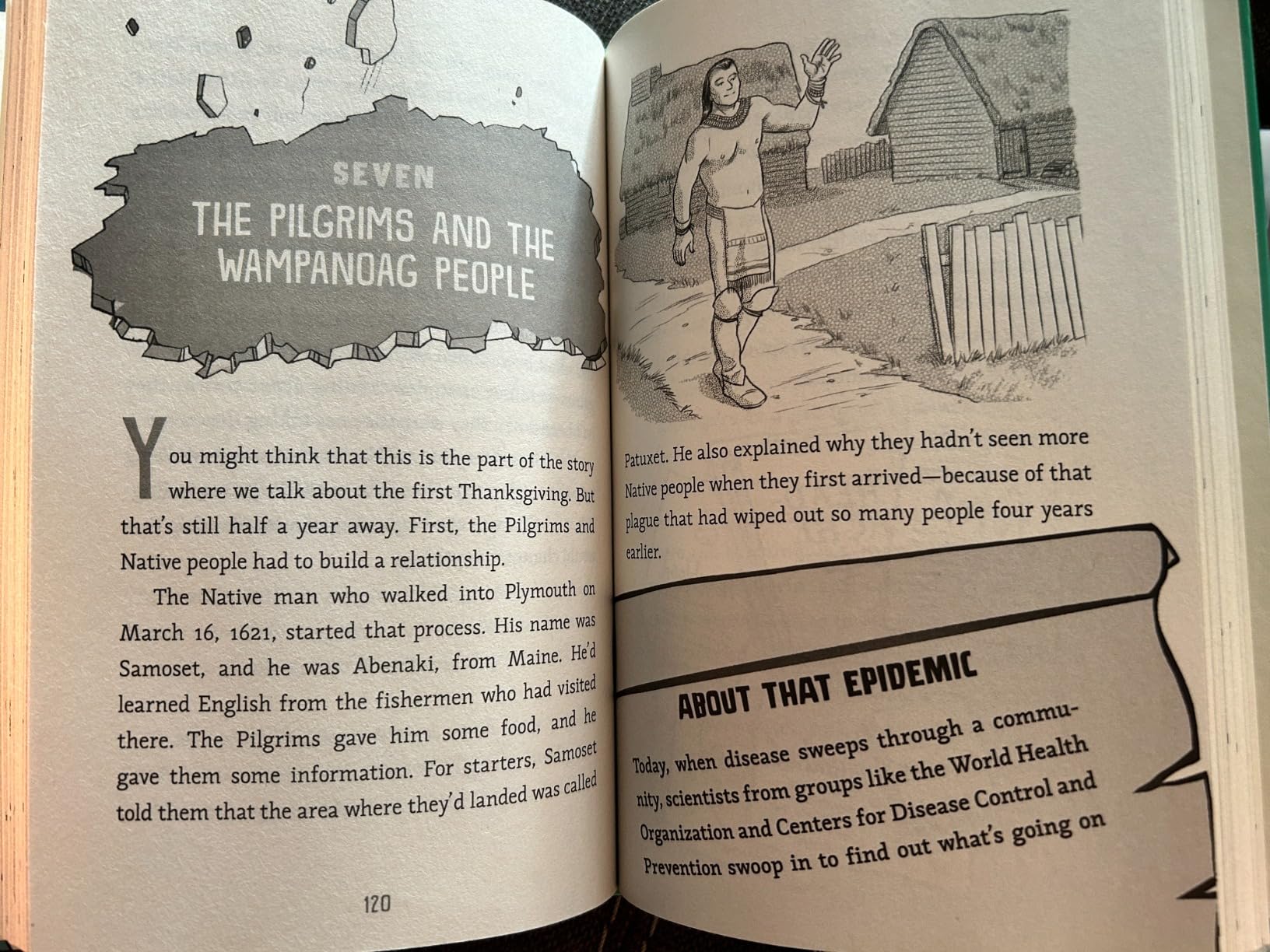
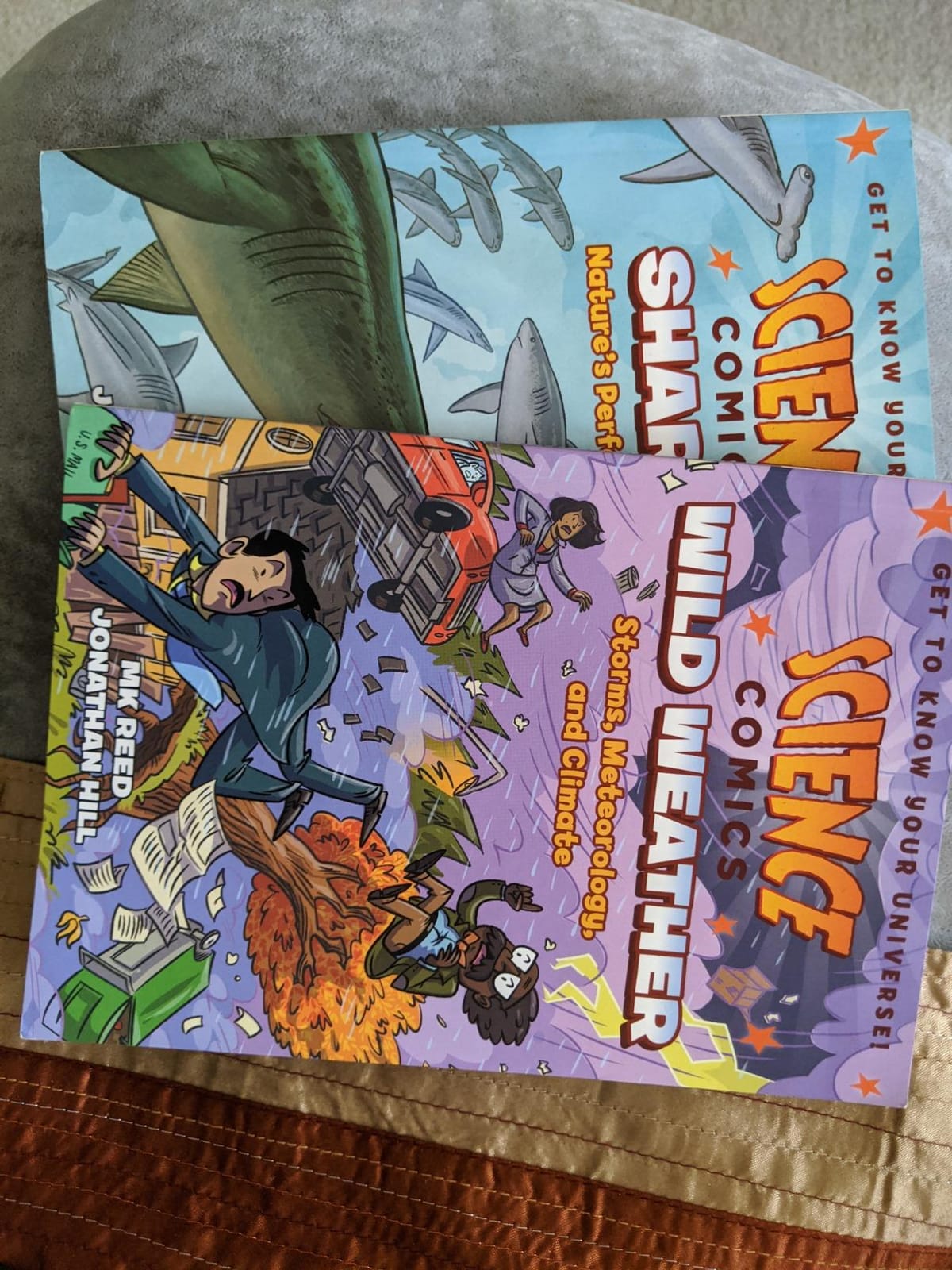
Science Comics is the graphic novel series that finally convinced my daughter to love science. Wild Weather uses a TV news crew narrative to explain the water cycle, cloud formation, tornadoes, and climate change. The format makes complex topics feel like a story, which is exactly what makes it work for curious kids who say they “don’t like science.”
Each book in the 20+ title series covers a single scientific topic in depth. Beyond weather, the series covers dinosaurs, the brain, coral reefs, volcanoes, robotics, and more. The graphic novel format is what makes this series breakthrough for reading-resistant kids. Even my most reluctant reader will pick up a comic book.
The back matter is where this series really shines. Each book includes a glossary, diagrams, and a myth-busting section that addresses common misconceptions. The Wild Weather book, for example, debunks weather myths and includes a section on weather tools. This kind of added value makes the books work for both entertainment and reference.
Reading level is 9-13, with strong appeal for 4th-7th graders. The Lexile range is roughly 500-700L, which is comfortable for most middle grade readers. Library availability is excellent, and the books are popular enough that most public libraries carry multiple titles. For homeschooling families, this series covers science units in an engaging format.
Why the graphic novel format works
Visual learners get the information from illustrations, strong readers get the depth from text, and reluctant readers get the motivation of a comic book format. It’s a genuine win-win.
Best topics beyond weather
The Dinosaurs, Coral Reefs, Brain, and Volcanoes titles are excellent starting points. For older readers, the Plague and Cars titles tackle more complex history and engineering topics.
9. Horrible Histories – Rotten Romans – Best Funny History Series

Rotten Romans (Horrible Histories)
Part of 70+ book Horrible Histories series
192 pages, ages 8-12
Cartoon illustrations and gross facts
Pros
- Humor makes history memorable
- Engaging for reluctant readers
- Cartoon illustrations appeal to visual learners
- Great for school curriculum
- Long-running classic series
Cons
- Kindle edition has formatting issues
- Some jokes may feel disrespectful to cultures
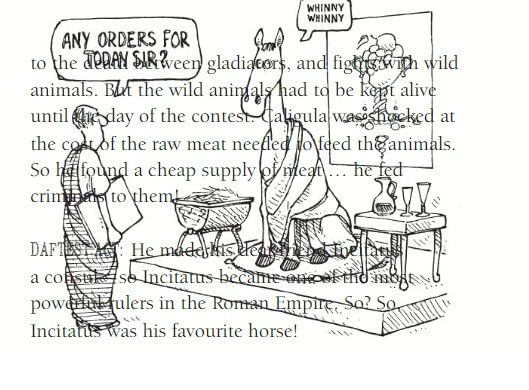
Terry Deary’s Horrible Histories is the series that taught an entire generation of British kids to love history, and it’s still going strong. Rotten Romans is the most popular entry in the US market, and it’s easy to see why. The book covers Roman civilization through gross facts, weird trivia, and cartoon illustrations that make kids laugh out loud.
What I love about this series is the scrappy, irreverent tone. Instead of treating history as a sacred subject, Horrible Histories laughs at the messy, smelly, ridiculous parts of ancient life. Kids who normally think history is boring suddenly want to know more. The 192-page format is longer than most books on this list, so it’s great for sustained reading.
The 70+ title series covers everything from the Terrible Tudors to the Vile Victorians, the Awful Egyptians to the Cut-throat Celts. The newest editions include color illustrations, which make them even more engaging. For visual learners, the cartoon style is a huge draw. Reading level is roughly 8-12, with content appropriate for upper elementary through middle school.
One consideration: the Kindle edition has formatting issues with overlaid text and images. I’d strongly recommend the print edition. For libraries, Horrible Histories is a staple, and most public libraries carry 20+ titles. This is a classic series that has earned its place on this list.
Why the humor works
The jokes are silly, gross, and age-appropriate. Kids remember the funniest facts first, and the educational content sticks because it’s tied to laughter. This is the opposite of dry textbook history.
Best titles for beginning readers
The Rotten Romans, Terrible Tudors, and Vile Victorians are the most popular. For kids who love ancient history, the Awful Egyptians and Cut-throat Celts are excellent starting points.
10. Fly Guy Presents – Sharks – Best Early Reader Nonfiction

Fly Guy Presents: Sharks (Scholastic Reader, Level 2)
Part of 15+ book Fly Guy Presents series
32 pages, ages 5-7
Features the beloved Fly Guy character
Pros
- Beloved character makes nonfiction approachable
- Short format perfect for new readers
- Real photographs of sharks
- Bridges fiction to nonfiction
- Hover between humor and facts
Cons
- Kids may expect regular Fly Guy story format
- Limited content depth
Tedd Arnold’s Fly Guy Presents is the series I recommend to every parent of a 5-7 year old who loves animals but resists nonfiction. The Sharks book uses the beloved Fly Guy character to introduce real facts about sharks. The format feels familiar to kids who love the original Fly Guy fiction series, but the content is genuinely informational.
What makes this series work is the bridge it creates. Kids who love Fly Guy as a character now have a reason to read information about sharks, dinosaurs, snakes, and the White House. The 32-page format is short enough to feel manageable for new readers, and the layout includes real photographs alongside the cartoon Fly Guy character. This is clever design.
For parents of kids in the early stages of reading, this series is a lifesaver. The Scholastic Reader Level 2 format provides just enough challenge without overwhelming kids. The 15+ titles cover a wide range of topics: sharks, dinosaurs, insects, firefighters, the White House, and more. Each book is roughly 30-40 pages, so new readers can finish one in a single sitting.
Reading level is 5-7 years, with strong appeal for kindergarten through 2nd grade. The series is widely available at libraries and through the Scholastic Book Club, which means many kids already have these books at school. Pair Fly Guy Presents with the original Fly Guy fiction for a complete reading progression.
Why the familiar character matters
Kids who love Fly Guy feel like they’re just hanging out with their favorite character, not switching to “school reading.” This makes the transition to nonfiction feel natural rather than forced.
Best titles for animal lovers
Sharks, Dinosaurs, Snakes, Insects, and Bats are the most popular. For kids interested in non-animal topics, the White House and Firefighters titles are surprisingly engaging.
11. You Wouldn’t Want to Be – American Pioneer – Best Cartoon History Series

You Wouldn’t Want to Be an American Pioneer!: A Wilderness You’d Rather Not Tame
Part of 40+ book You Wouldn't Want to Be series
32 pages, ages 8-9
Cartoon illustrations make history memorable
Pros
- Cartoon format engages reluctant readers
- Perfect for homeschool curricula
- Realistic depiction of historical hardships
- Clear and interesting information
- Great supplement for Virginia and US history
Cons
- Feels more like a comic book than textbook
- Stock can be limited
You Wouldn’t Want to Be an American Pioneer is a great example of why this series is a homeschool favorite. The book takes kids through the realities of pioneer life, from the long journey westward to the daily challenges of building a new home. The cartoon illustrations and conversational tone make what could be heavy content feel approachable.
What I appreciate about this series is the way it addresses historical hardships without sugarcoating them. Kids learn about real challenges: harsh winters, food scarcity, dangerous river crossings, and the constant threat of disease. The format is honest in a way that respects kids’ intelligence, which is what makes it work for homeschool families and classroom teachers alike.
The 40+ title series covers major historical eras and roles: American Pioneers, Egyptian Mummies, Greek Philosophers, Viking Explorers, and more. Each book is 32 pages, with a comic-book format and clear information panels. The series is widely used in elementary school history units and is a common recommendation from teachers.
Reading level is 2nd-3rd grade, with content appropriate for ages 8-9. The shorter format makes it accessible for independent readers, and the cartoon illustrations help visual learners engage. One note: stock can be limited for some titles, so I’d recommend checking multiple retailers or your library.
Why this works for homeschool families
The series covers major historical eras in a way that’s engaging but not overwhelming. Each book is a complete unit study in itself, perfect for short history blocks or read-aloud sessions.
Best classroom pairings
Pairs well with state history standards (especially Virginia and US history). The American Colonies, Civil War, and Native American titles are particularly popular for upper elementary.
12. Everything Awesome About – Sharks and Other Underwater Creatures – Best for Animal-Loving Curious Kids

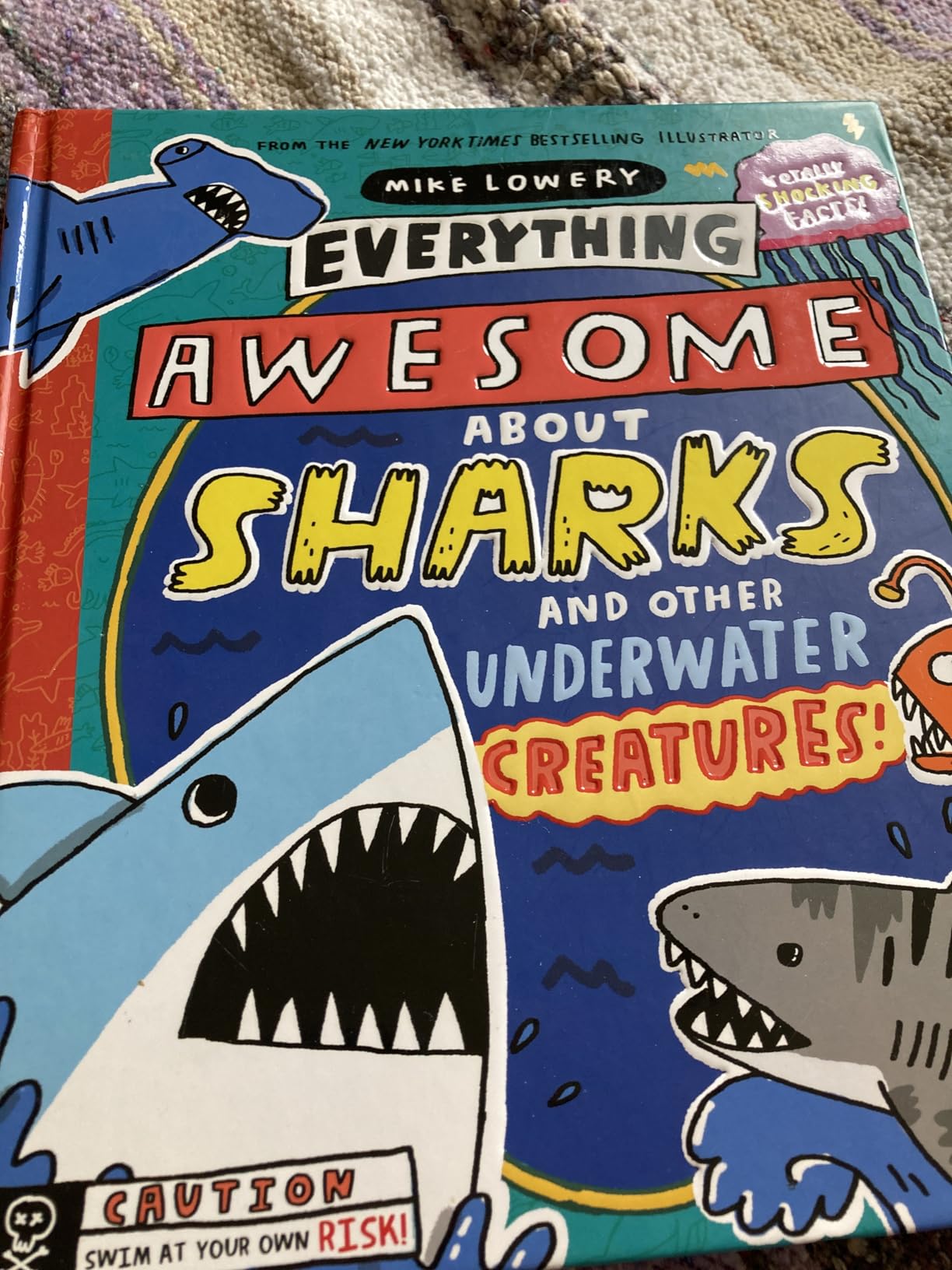
Everything Awesome About Sharks and Other Underwater Creatures! (2)
Part of the 10+ book Everything Awesome series
128 pages, ages 7-10
Mike Lowery's signature fun cartoon style
Pros
- Funny cartoon illustrations make facts memorable
- Packed with interesting trivia
- Great for reluctant readers
- High-quality hardcover with thick pages
- Highly rated 4.9 stars from 503 reviews
Cons
- Limited to sharks and underwater creatures
- Some kids burn through it fast
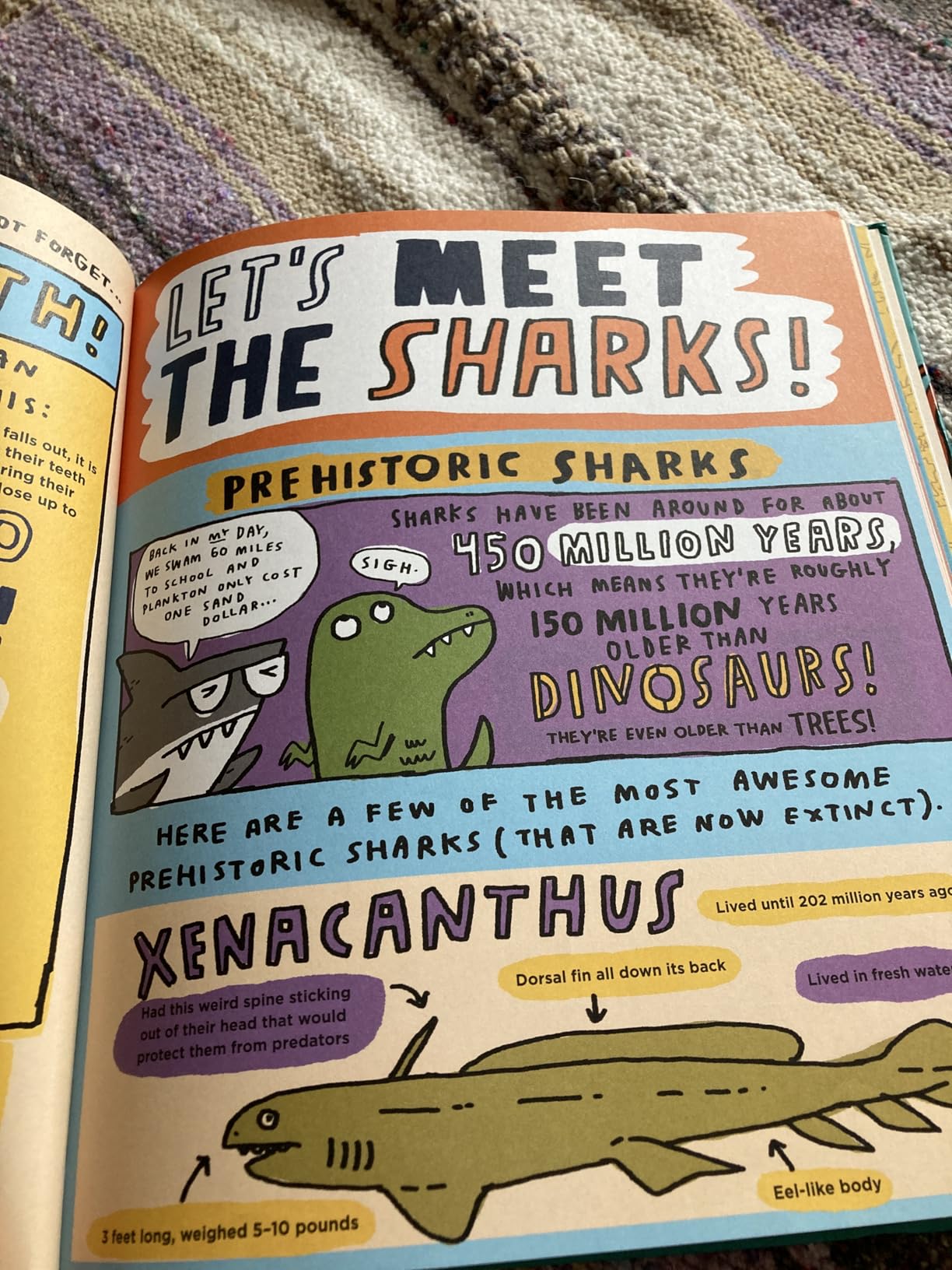
Everything Awesome About Sharks and Other Underwater Creatures is what I recommend to every family with a shark-obsessed kid. Mike Lowery’s signature cartoon style combines silly humor with serious facts, and the result is a book kids can barely put down. My 8-year-old read this cover to cover in one afternoon and then read it again.
What makes this series different is the humor-meets-facts balance. The book includes jokes, sidebars, and quizzes alongside the actual shark facts. Kids learn the real science (shark species, habitat, hunting behaviors) while laughing at the cartoon illustrations. The 128-page format is substantial without being intimidating, and the hardcover design feels special.
The 10+ title series covers dinosaurs, dangerous animals, space, robots, and more. Each book follows the same high-energy format, which makes it easy for kids to find new interests. The series is well-suited for both independent reading and read-aloud sessions, with content that works for siblings of different ages.
Reading level is 2nd-5th grade, with strong appeal for ages 7-10. The high-quality hardcover construction means the books hold up to repeated readings, which is a real bonus for kids who want to come back to their favorites. Library availability is good, and the series is popular enough that most public libraries carry multiple titles.
Why kids love re-reading these books
The fact density is high enough that kids forget specific details and want to come back. The cartoon format also rewards closer reading, with hidden jokes and small details that reveal themselves on a second pass.
Best for reluctant readers
Reviewers consistently mention that even kids who “hate reading” get hooked on this series. The cartoon format feels more like a graphic novel than a textbook, which removes the barrier many struggling readers face.
How to Choose the Best Nonfiction Series for Your Curious Kid
Choosing the right nonfiction series depends on three factors: your child’s age, their reading level, and their specific interests. The 12 series on this list cover ages 3 through 13, so there’s something for every curious kid.
For ages 3-7, start with National Geographic Kids Readers and Fly Guy Presents. The leveled format follows your child’s reading progression, and the colorful photographs make nonfiction feel exciting. Both series are widely available at libraries and have audiobook versions for screen-free listening.
For ages 7-10, the sweet spot is series like Who Was?, What Was?, and Everything Awesome About. These chapter books balance educational content with engaging storytelling, and most have companion titles that you can collect over time. If your child loves a specific topic (sharks, dinosaurs, biographies), there’s a series here for them.
For ages 9-13, shift to Science Comics, History Smashers, and Horrible Histories. These longer, more complex books reward independent readers and work well for middle grade research projects. The graphic novel formats (Science Comics) and mythbusting approaches (History Smashers) keep even older readers engaged.
Match by interest, not just age
The most important factor is your child’s interest. A 9-year-old who loves animals will devour Everything Awesome About Sharks. A 7-year-old who loves biographies will prefer Who Was? Even a perfect age match won’t help if the topic doesn’t click.
Reading level guidance
Reading level is more important than age. Most publishers list grade level and Lexile on the back cover. For chapter books, look for a 100-200L range below your child’s tested Lexile for independent reading comfort. For read-aloud, you can go up 200-300L since you’ll be reading it together.
Library availability matters
Before buying, check your local library catalog. Most public libraries carry 20-50 titles from popular series like Who Was?, National Geographic Kids, and Horrible Histories. Smart parents build a wishlist of series they’re interested in, then borrow first to test what their child loves before committing to a purchase.
Audiobook and Yoto options
Many series on this list have audiobook versions on Audible, Libby, or Hoopla. National Geographic Kids Readers also has Yoto card versions for screen-free listening. Audiobooks are great for road trips and for kids who need an audio-first approach to reading.
Budget-friendly options
The cheapest series on this list are National Geographic Kids Readers (around $5) and Fly Guy Presents (around $6). For longer series with bigger books, Magic Tree House Fact Trackers and Science Comics offer better value per book. Used book sales, library book sales, and Scholastic Book Club are great ways to build a collection affordably.
Frequently Asked Questions
What are some good nonfiction book series for kids?
Good nonfiction book series for kids include Who Was? for biographies, National Geographic Kids Readers for science and animals, Magic Tree House Fact Trackers for kids who love fiction, Science Comics for graphic novel fans, and Horrible Histories for funny history. These series cover ages 3-13 and are available at most public libraries.
What is the most popular nonfiction book for kids?
The Who Was? series is one of the most popular nonfiction book series for kids, with 130+ titles covering biographies of famous people. National Geographic Kids Readers is another bestseller, with 200+ titles covering science, animals, and history for early readers. Both series are widely available at libraries and schools.
What are some good children’s books about being curious?
Books for curious kids include the Ordinary People Change the World series for biographies, Science Comics for science topics, Everything Awesome About for animal facts, and History Smashers for mythbusting history. These series reward curious minds with facts, fun illustrations, and engaging storytelling that encourages further exploration.
What are some good nonfiction books for 7 year olds?
For 7 year olds, good nonfiction series include National Geographic Kids Readers Level 2, Fly Guy Presents, Magic Tree House Fact Trackers, and Ordinary People Change the World. These books work for early readers with shorter formats, real photographs, and engaging illustrations that match 1st-2nd grade reading levels.
What are some good nonfiction books for 9-12 year olds?
For 9-12 year olds, good nonfiction series include Who Was? biographies, What Was? history, History Smashers, Science Comics, Horrible Histories, and Everything Awesome About. These chapter books and graphic novels cover more complex topics while keeping the engaging format that curious middle grade readers love.
Final Thoughts
The best nonfiction book series for curious kids do more than teach facts. They spark questions, build reading stamina, and turn information into stories kids can’t put down. Whether your child loves biographies, animals, history, or science, there’s a series on this list that will meet them where they are.
My top three picks for 2026 are Ordinary People Change the World for its inspirational biographies, Science Comics for its graphic novel approach to science, and National Geographic Kids Readers for their leveled format that grows with your child. Start with whichever series matches your child’s interests, and let their curiosity lead the way. Many of these series are available at your local library, so you can try before you buy.