
Getting a kindergartener excited about reading is one of the most rewarding milestones for a parent, and the right reading workbooks for kindergarten can make all the difference. I have spent months testing activity books with my own kids and comparing notes with other parents, teachers, and homeschool families to figure out which ones actually work. The goal is simple: find workbooks that build real phonics skills, reinforce sight words, and keep a five-year-old engaged long enough to learn something.
Kindergarten is where the foundation for literacy gets built. Children go from recognizing letters to blending sounds, decoding simple words, and memorizing high-frequency sight words. A well-designed workbook guides that progression with age-appropriate activities, colorful illustrations, and a structure that builds confidence page by page. The wrong workbook, on the other hand, can feel like a chore and turn reading into something a child dreads.
In this guide, I cover six of the best reading workbooks for kindergarten available in 2026. I looked at content quality, engagement level, skill coverage, page count, and what real parents had to say in their reviews. Whether you are homeschooling, supplementing classroom learning, or just looking for summer bridge material, there is a workbook here that fits your situation.
Table of Contents
Top 3 Reading Workbooks for Kindergarten
Before we get into the full reviews, here are the three workbooks that stood out the most across all my testing criteria. These picks cover different needs and budgets, so you can find the right fit quickly.


The top three cover the full spectrum: a focused phonics and reading workbook, a massive all-in-one workbook with 320 pages, and a budget-friendly comprehensive option. Let us look at how all six options compare side by side.
Best Reading Workbooks for Kindergarten in 2026
Here is a quick comparison of all six workbooks I reviewed. Each one brings something different to the table in terms of focus, page count, and skill coverage.
| Product | Specs | Action |
|---|---|---|
| My Kindergarten Reading Workbook |
|
Check Latest Price |
 200 Must Know Sight Words Workbook 200 Must Know Sight Words Workbook |
|
Check Latest Price |
 My Sight Words Workbook My Sight Words Workbook |
|
Check Latest Price |
 Kindergarten Big Fun Workbook Kindergarten Big Fun Workbook |
|
Check Latest Price |
 School Zone Big Kindergarten Workbook School Zone Big Kindergarten Workbook |
|
Check Latest Price |
| Brain Quest Workbook: Kindergarten |
|
Check Latest Price |
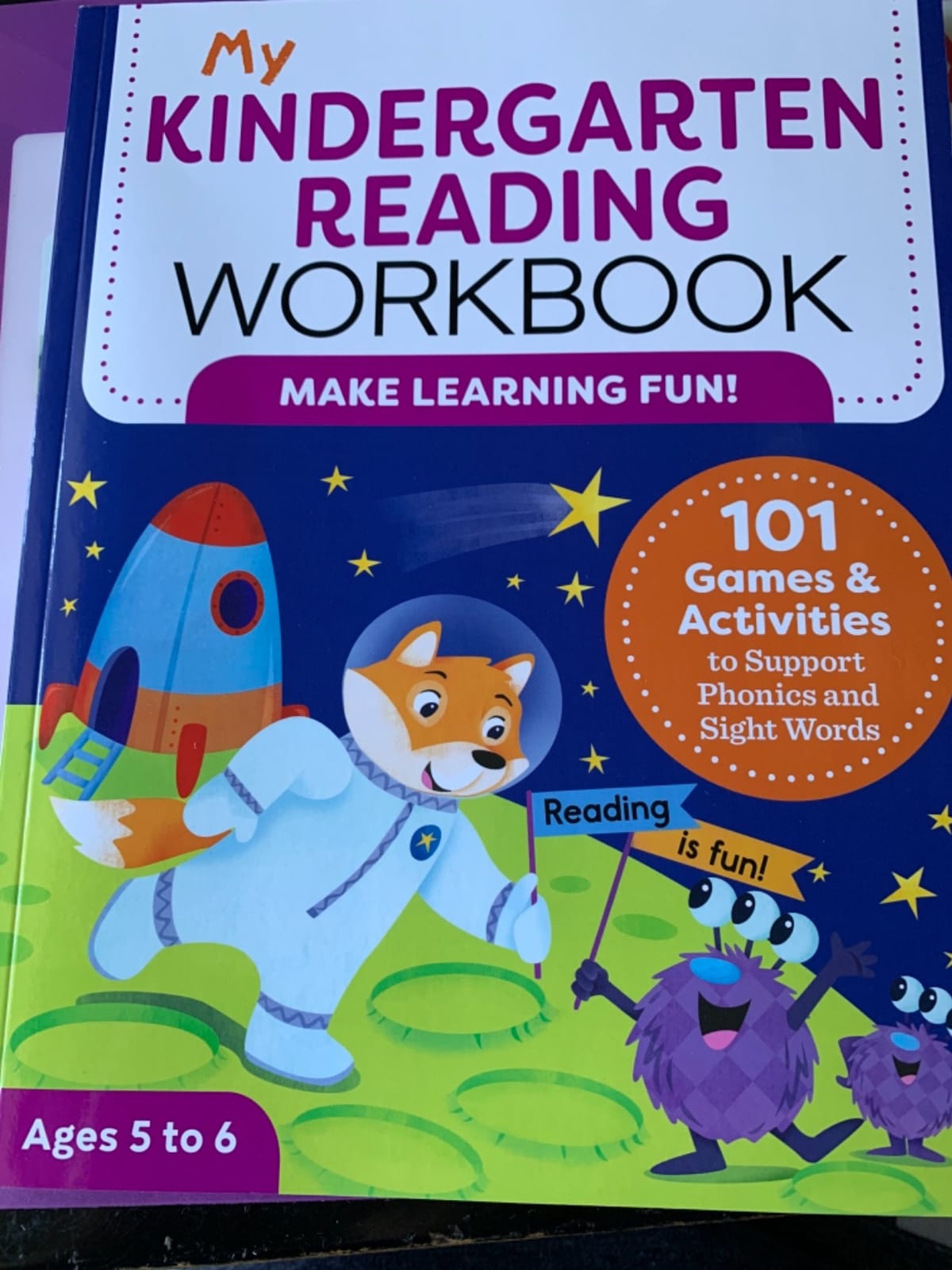
1. My Kindergarten Reading Workbook – Best Overall for Phonics and Reading
My Kindergarten Reading Workbook: 101 Games and Activities to Support Phonics and Sight Words
101 Games and Activities
Phonics and Sight Words
122 Pages
Ages 4-5
Pros
- Fun way to learn letters and sounds
- Variety of activities keeps kids engaged
- Motivating star reward system
- Great for new readers
Cons
- Can become repetitive for some children
- Some coloring sections may not suit all learners
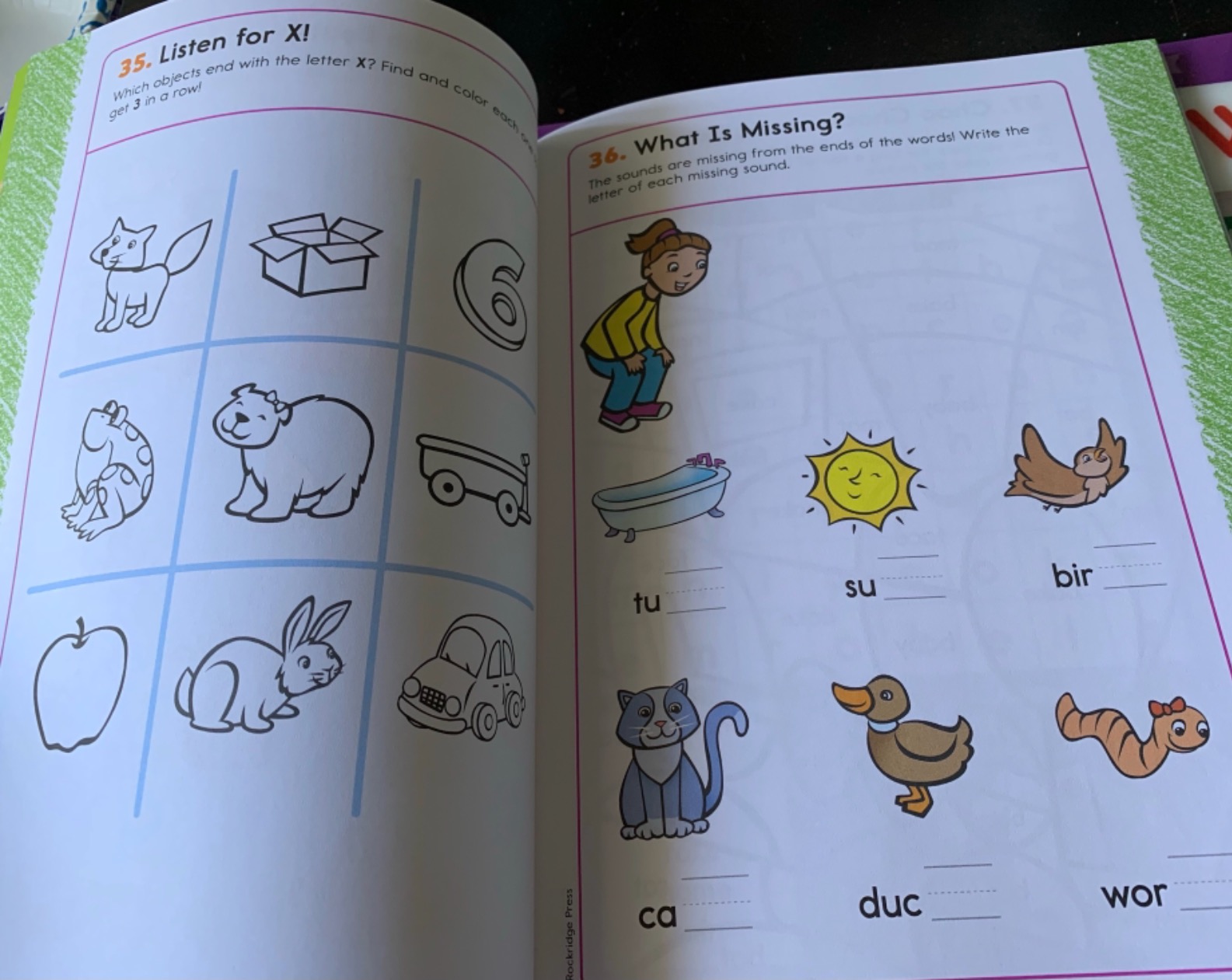
This was the workbook that clicked for my younger child. The 101 games and activities approach made phonics feel like playtime rather than a lesson. Each page introduces a new letter sound or sight word through tracing, matching, coloring, and simple puzzles that a four- or five-year-old can complete without getting frustrated.
What sets this workbook apart is the star reward system. Every time my child finished an activity, there was a star to color in at the bottom of the page. That small reward kept motivation high and gave a tangible sense of progress. I also appreciated that the activities build on each other progressively, so a child who starts with basic letter recognition gradually moves into blending sounds and reading simple words.
The phonics focus is genuinely strong here. Instead of just drilling sight words, the workbook walks children through letter sounds, blending, and word building. That phonics-first approach aligns with what most kindergarten teachers and reading specialists recommend for building lasting reading skills.
My one concern is repetition. After about 60 pages, some of the activity formats start to feel familiar, and a child who catches on quickly might lose interest. I found that breaking the workbook into short sessions of two to three pages kept things fresh. The coloring sections are also a matter of preference; some kids love them, while others just want to move on to the next challenge.
How Much Daily Practice Does This Workbook Support?
Each activity takes about 10 to 15 minutes, making it easy to fit into a daily routine. I recommend one to two pages per day for a child new to reading. The 122 pages give you roughly two to three months of consistent daily practice, which is perfect for a kindergarten school year supplement or summer bridge program.
Does This Workbook Work for Homeschooling?
Yes, and that is one of its biggest strengths. The structured progression from letter sounds to sight words makes it a solid backbone for a homeschool reading curriculum. Several parents in the reviews mentioned using it as their primary phonics resource. You may want to pair it with a broader workbook that covers math and other subjects for a complete kindergarten program.
2. 200 Must Know Sight Words Activity Workbook – Best for Sight Word Mastery
200 Must Know Sight Words Activity Workbook: Learn, Trace & Practice The 200 Most Common High Frequency Words For Kids Learning To Write & Read. | Ages 5-8
200 Sight Words
Trace and Practice Format
112 Pages
Ages 5-8
Pros
- Comprehensive 200 sight word coverage
- Builds penmanship alongside reading
- Colorful and engaging pages
- Great for homework reinforcement
Cons
- Some activities may be advanced for struggling readers
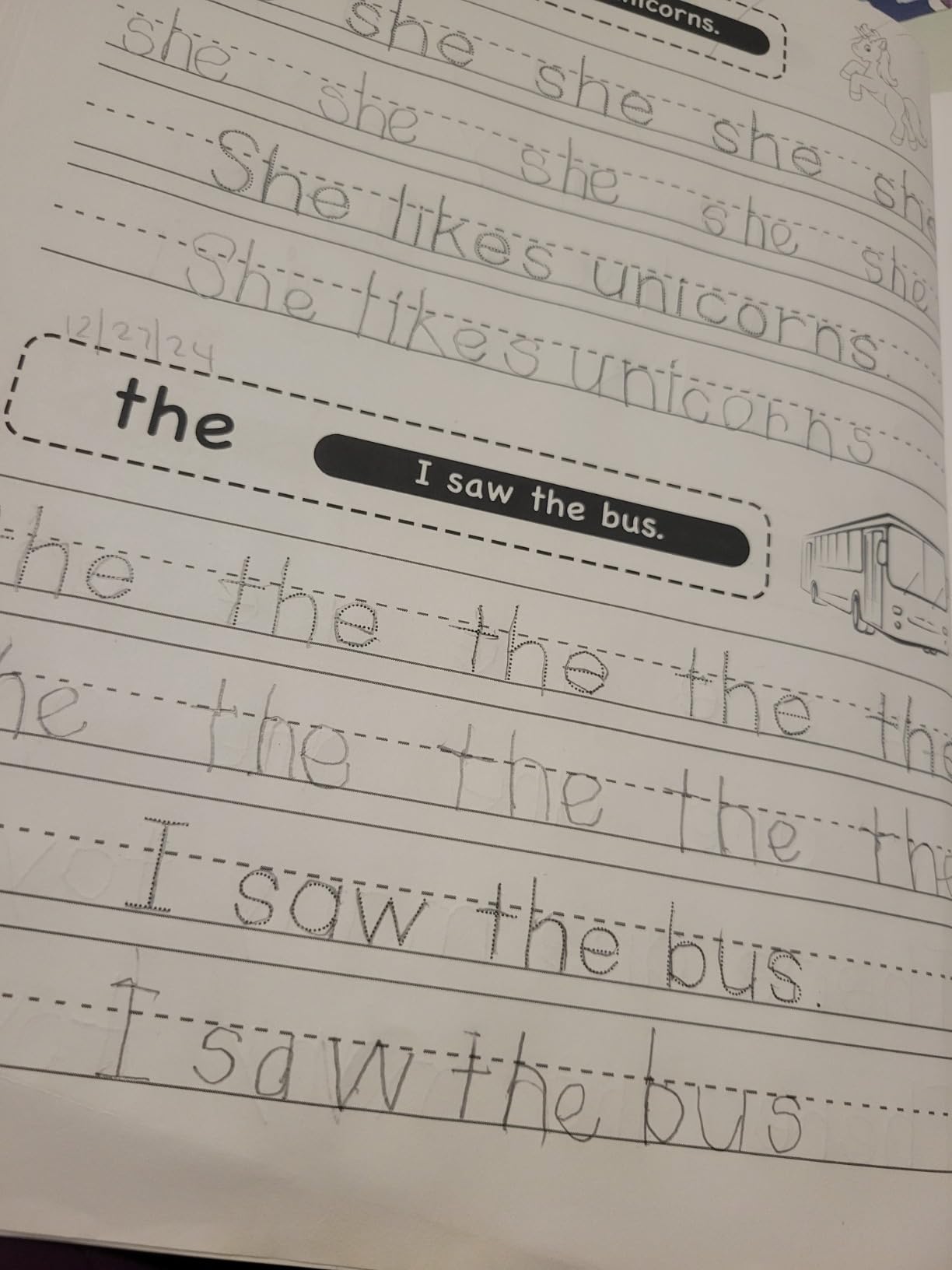
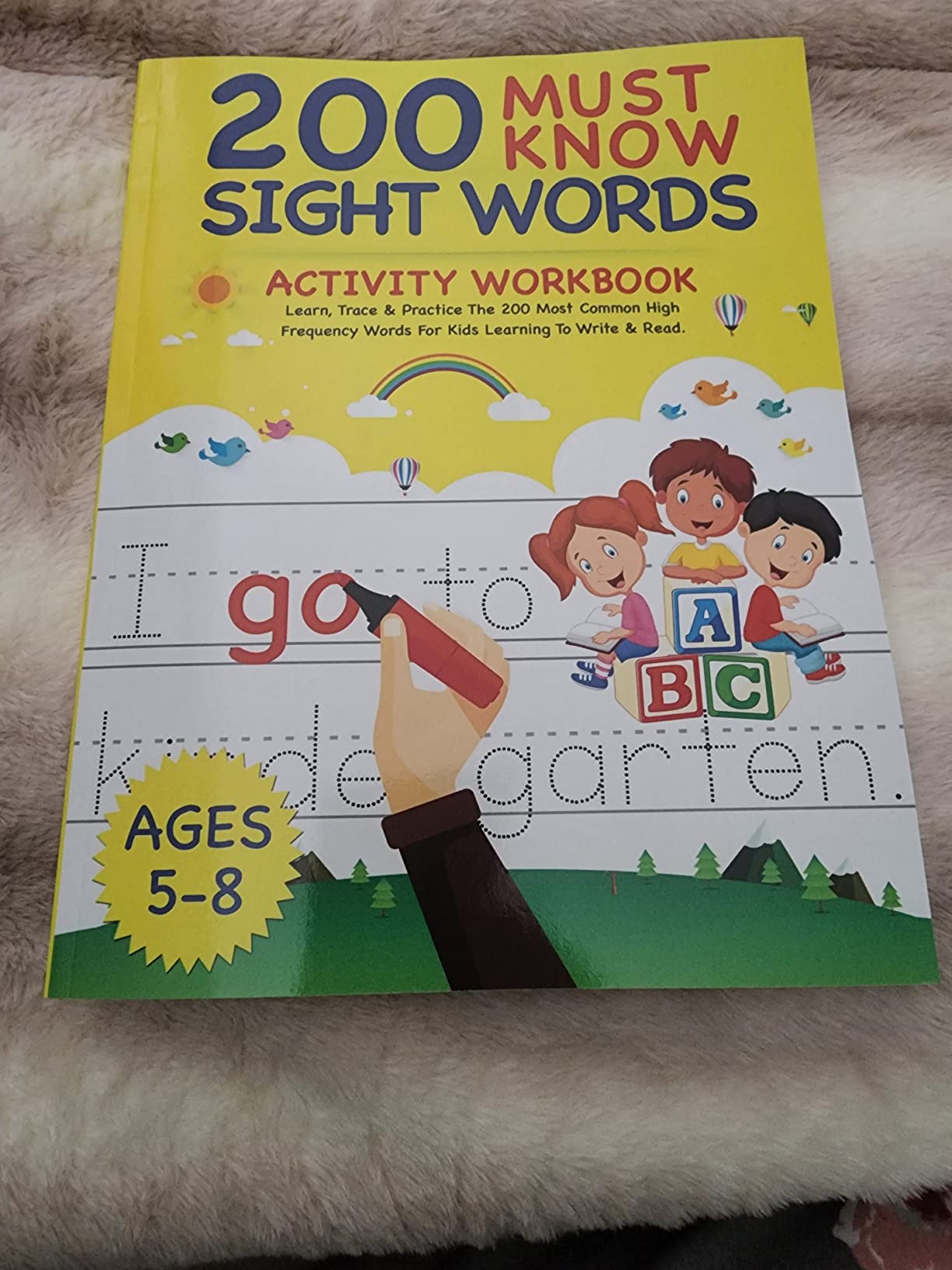
If your child has mastered basic letter sounds and is ready to build reading fluency, this sight words workbook is a powerhouse. It covers 200 of the most common high-frequency words, which account for a huge percentage of the words children encounter in early reading. I was impressed by how the trace-and-practice format pairs reading with handwriting, reinforcing each word through multiple pathways.
The layout is clean and straightforward. Each word gets a dedicated page or section where the child traces the word, writes it independently, and then uses it in a simple activity. This repetition is exactly what sight word memorization requires. My child went from haltingly sounding out words like “the” and “said” to recognizing them instantly within a few weeks of consistent practice.
With nearly 16,000 reviews and an 83 percent five-star rating, this is one of the most parent-tested workbooks on the market. It is also a best seller, which tells you a lot about how widely it is trusted. The penmanship component is a nice bonus because kindergarten is also when children are learning proper letter formation.
The main limitation is that this workbook is sight-word focused, not a complete reading program. It does not teach phonics or blending. If your child is still working on letter sounds, this workbook might feel too advanced. It works best as a supplement to a phonics-based resource or for a child who already has phonics fundamentals in place.
What Reading Level Should My Child Be at Before Starting?
Your child should already recognize most letters and know at least some letter sounds before starting this workbook. The trace-and-practice format assumes a basic familiarity with the alphabet. If your child cannot yet identify letters reliably, start with a phonics or alphabet workbook first and transition to this one once those skills are solid.
Can This Be Used for First Grade Too?
Absolutely. The age range of 5-8 means this workbook spans kindergarten through early second grade. Many parents in the reviews mentioned using it for first grade review and even for older children who need extra sight word reinforcement. The 200 words covered go well beyond the typical kindergarten list, so there is room to grow.
3. My Sight Words Workbook – Best for Interactive Sight Word Learning
My Sight Words Workbook: 101 High-Frequency Words Plus Games & Activities!
101 High-Frequency Words
Trace Write Color Cut
136 Pages
Ages 4-6
Pros
- Hands-on cut-out letter activities
- Tracing and writing practice
- Games and activities included
- Effective for autism spectrum children
Cons
- Pages are not perforated
- Some parents wish cut-out words were on separate pages
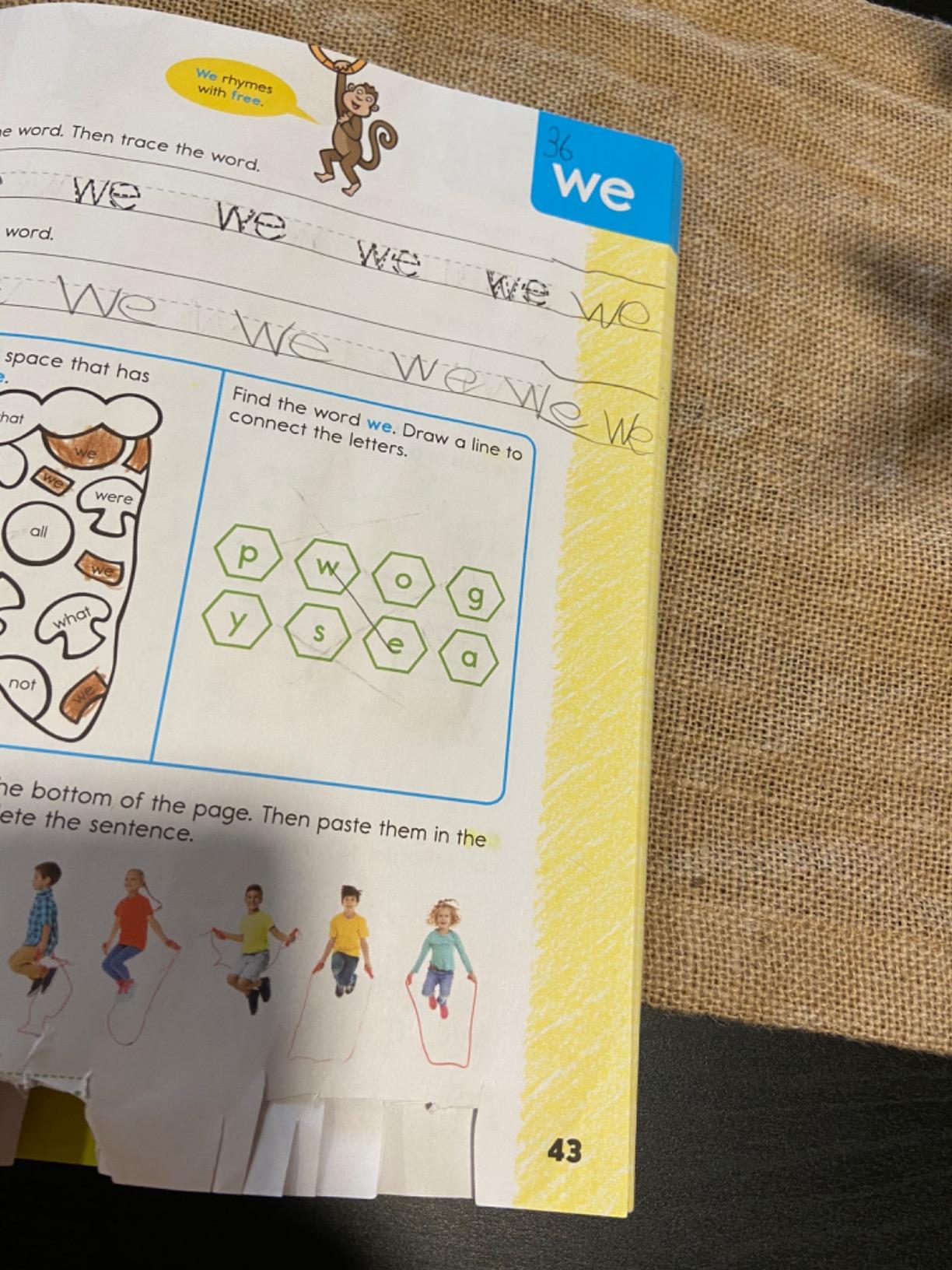
This workbook takes a multi-sensory approach to sight words that goes beyond tracing and writing. Each word comes with opportunities to trace, write, color, and even cut out letters to build the word physically. That hands-on element was a game-changer for my child, who learns better when multiple senses are involved.
The 101 high-frequency words covered here overlap significantly with the Dolch and Fry sight word lists that kindergarten teachers use. The progression feels natural, starting with simpler, shorter words and moving toward more complex ones. The games and activities scattered throughout break up the routine and give children a chance to use the words in different contexts.
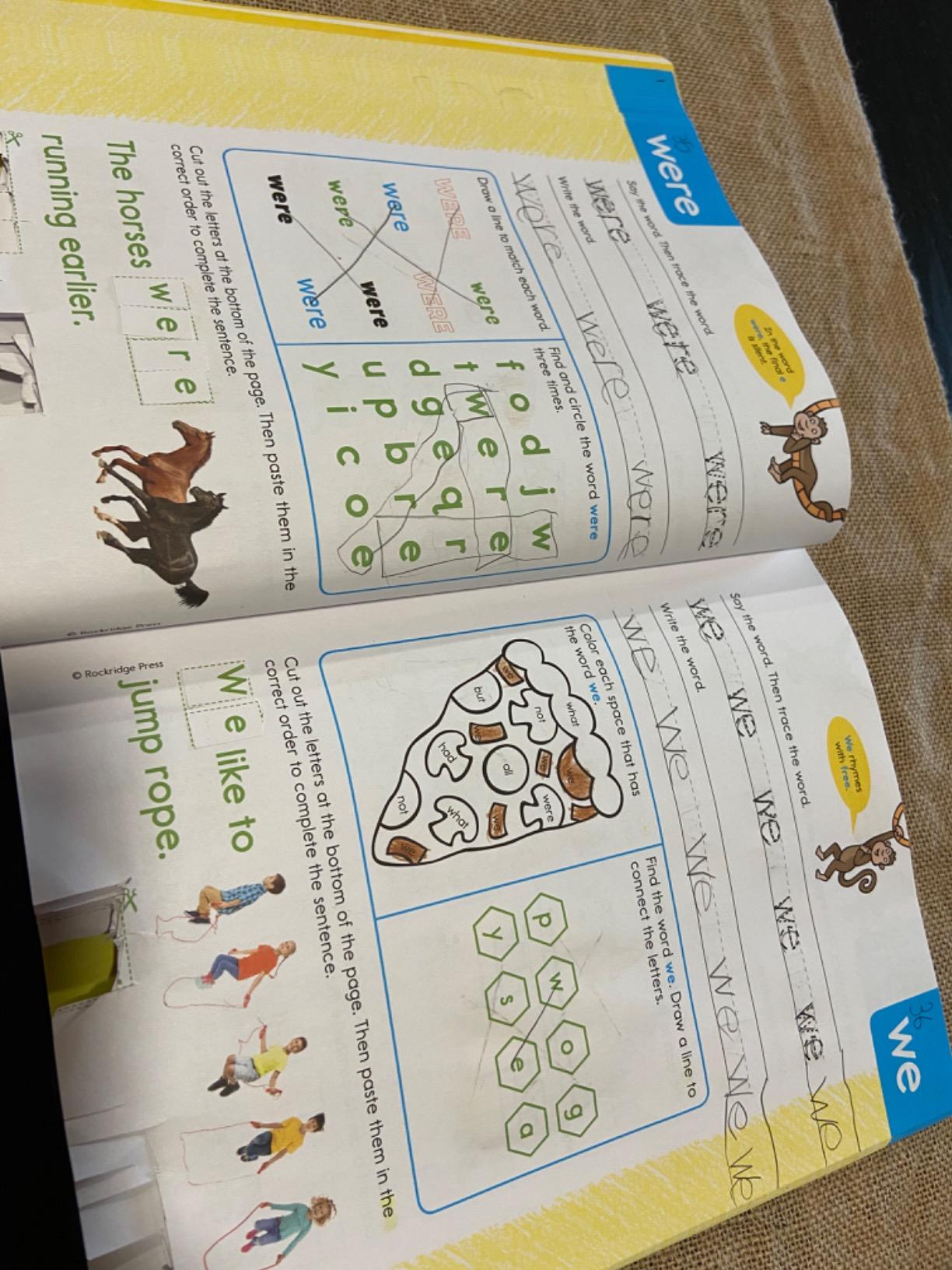
One thing that really stood out in the reviews is how well this workbook works for children with autism and other sensory learning needs. Multiple parents mentioned that the tactile cut-out activities were especially effective for their neurodivergent learners. That kind of specific, real-world feedback is invaluable when you are choosing materials for a child who does not fit the typical learning mold.
The pages are not perforated, which is a real drawback when the workbook includes cut-out activities. I found myself carefully tearing pages out or holding the book open while my child cut along the lines. Some parents mentioned they wished the cut-out words were on separate pages so the main activity pages could stay intact. It is a minor design issue but worth knowing before you buy.
How Does This Compare to Other Sight Word Workbooks?
The main difference is the multi-sensory approach. While most sight word workbooks stick to tracing and writing, this one adds coloring and physical letter manipulation. That makes it more engaging for kinesthetic learners and children who get bored with repetitive pencil-and-paper tasks. The page count of 136 is also slightly higher than average for sight-word-focused books.
Are the Activities Suitable for a Classroom Setting?
Yes, many teachers use this workbook as a literacy center activity or for small group instruction. The variety of activity types means you can assign different tasks to different children based on their levels. Just be aware that the cut-out activities require scissors and some preparation time, so plan accordingly if you are using it with a group.
4. Kindergarten Big Fun Workbook – Most Engaging and Fun
Kindergarten Big Fun Workbook: Prep Workbook with Kindergarten Learning Activities Featuring Tracing Worksheets, Alphabet Practice, Math Activities and Puzzles
256 Pages
Hidden Pictures
Mazes and Matching
Ages 4-5
Pros
- Hidden Pictures puzzles kids love
- Mazes and matching games
- Comprehensive skill coverage
- Colorful and highly engaging pages
Cons
- Binding quality can be inconsistent
Highlights has been making learning fun for generations, and this kindergarten workbook lives up to that reputation. My child was drawn to this one immediately because of the Hidden Pictures puzzles, That’s Silly scenes, and mazes scattered throughout. It does not feel like a workbook to a child; it feels like an activity book that happens to teach reading and math skills.
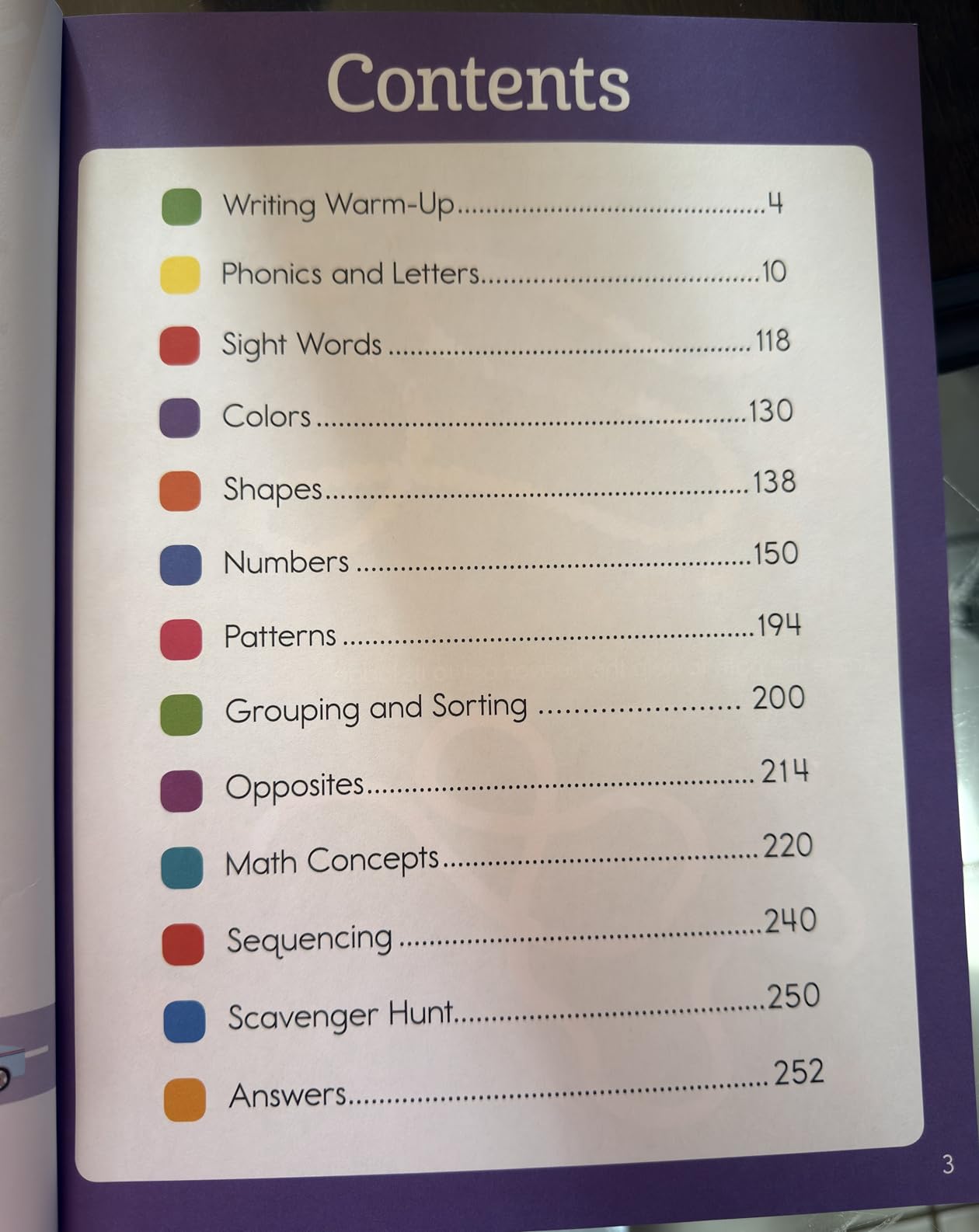
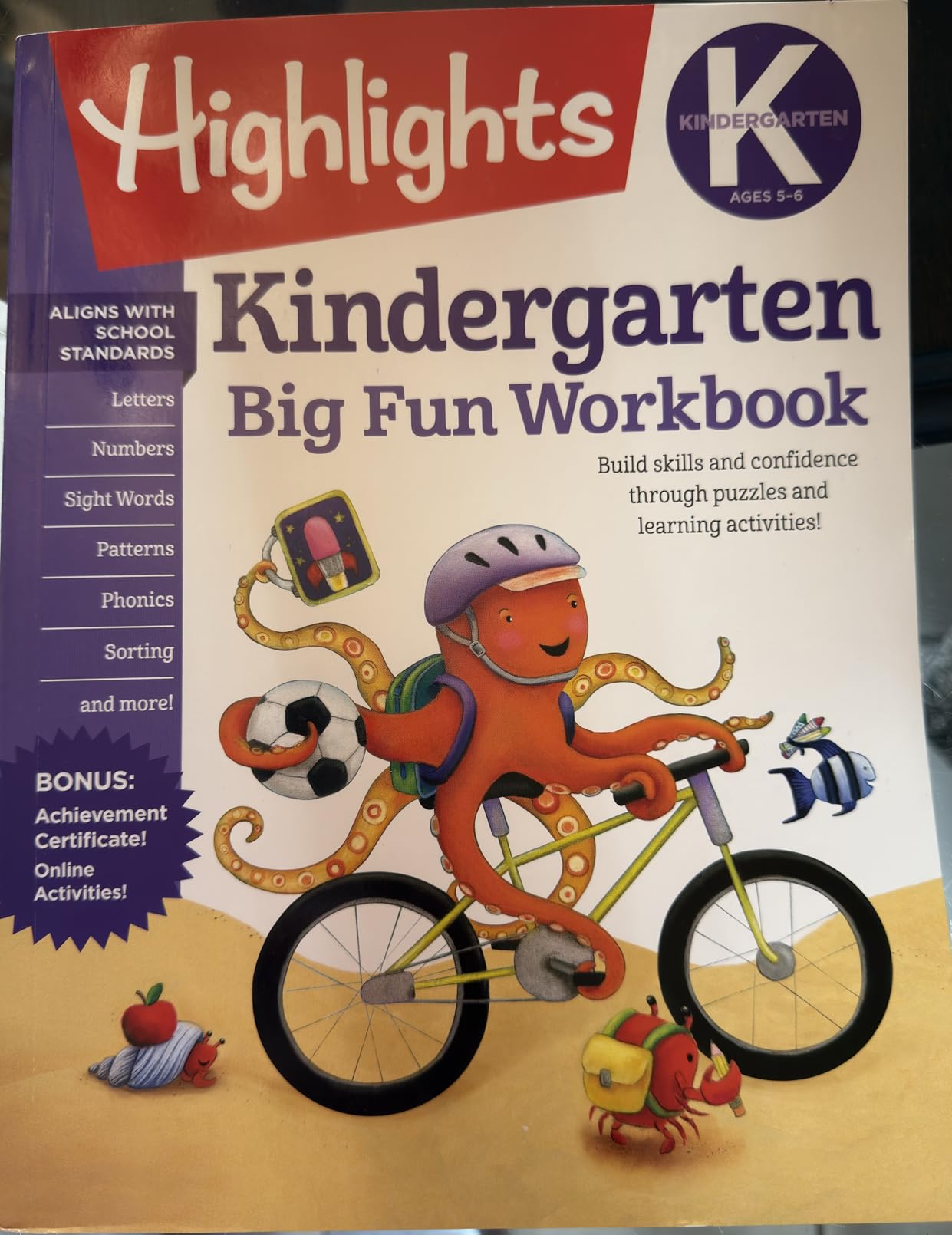
The 256 pages cover a remarkably wide range of skills. Beyond reading and phonics, there is alphabet practice, tracing worksheets, math activities, colors, opposites, and sequencing. This makes it a great all-in-one option if you want a single workbook that touches on multiple kindergarten subjects without needing to buy separate books.
The language arts sections are solid for early reading. Children practice letter recognition, letter sounds, and simple word building through a variety of puzzle formats. The Hidden Pictures puzzles, in particular, require children to identify objects by name, which reinforces vocabulary alongside visual discrimination skills.
The one issue I noticed is binding quality. Several parents mentioned that pages can come loose over time, especially with heavy use. If your child is hard on workbooks, you might want to reinforce the spine with tape or handle it gently. The content quality more than makes up for this physical limitation.
Is This Workbook Better for Reading or Math?
It is genuinely balanced. Roughly half the content focuses on language arts and reading readiness, while the other half covers math concepts like numbers, counting, and patterns. If you are looking specifically for intensive reading practice, you may want to pair this with a phonics-focused workbook. As a general kindergarten preparation tool, it covers all the bases well.
How Does the Difficulty Progress?
The workbook starts with simpler activities like matching and tracing and gradually introduces more complex tasks. The progression is gentle enough that a child can work through it independently once they understand the instructions. I found that the puzzle format naturally adapts to different skill levels because children can engage with the same activity at different depths.
5. School Zone Big Kindergarten Workbook – Best Value and Most Comprehensive
School Zone Big Kindergarten Workbook: 320 Pages, Early Reading and Writing, Numbers 0-20, Basic Math, Matching, Story Order, Ages 5 to 6
320 Pages
Reading and Writing
Numbers 0-20
Ages 5-6
Pros
- 320 pages of comprehensive content
- Trusted School Zone brand
- Covers reading writing and math
- Thousands of positive reviews
Cons
- May lack creative variety compared to other workbooks
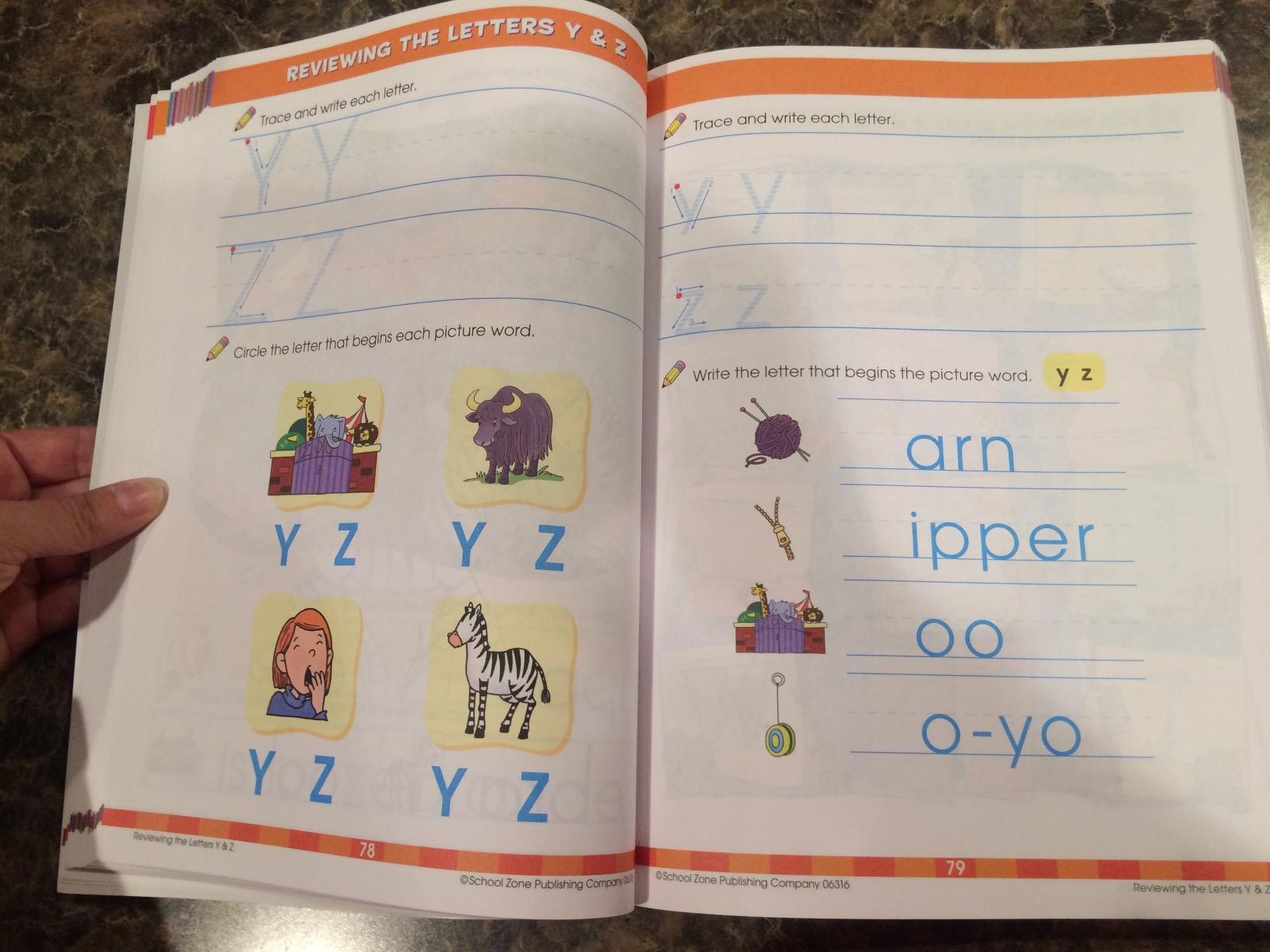
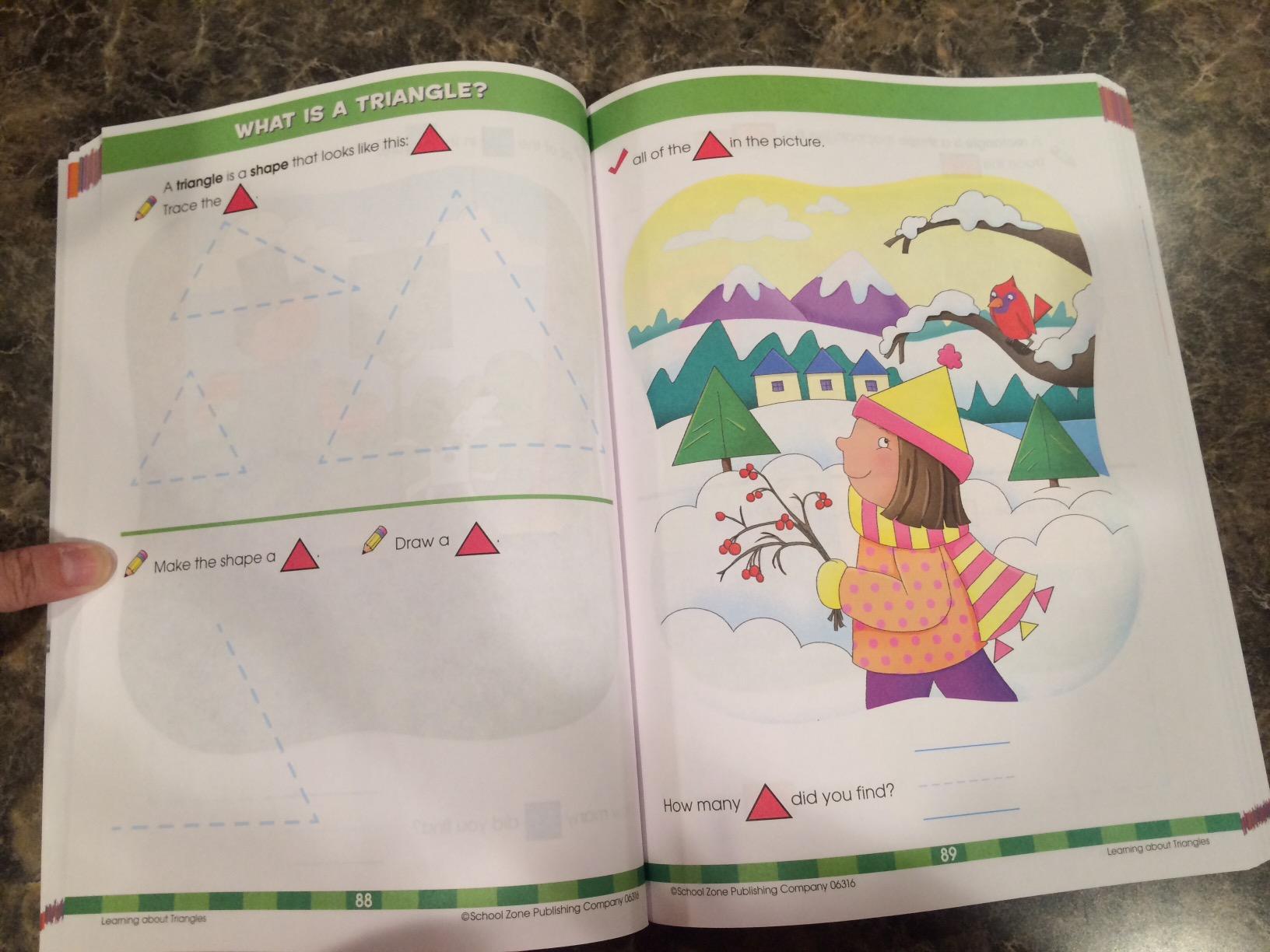
School Zone has been a trusted name in educational workbooks for decades, and this Big Kindergarten Workbook shows why. At 320 pages, it offers more content than almost any other workbook on this list. The reading sections cover early reading and writing, letter recognition, phonics, and story order activities that build comprehension skills from the ground up.
I was struck by how straightforward the activities are. There are no flashy gimmicks or complicated instructions. Each page presents a clear learning task with clean illustrations and plenty of space for a child to write. This simplicity is actually a strength because it means a child can work independently without constant adult guidance.
With over 16,000 reviews and an 87 percent five-star rating, this is the most reviewed and one of the most highly rated workbooks in this category. That kind of sustained parent approval is hard to argue with. The reading content is solid, covering everything from letter sounds to simple sentences, and the math sections add significant value.
The trade-off is that some parents find the activity formats less creative than workbooks from Highlights or Brain Quest. If your child needs puzzles, mazes, and humor to stay engaged, the School Zone approach might feel dry. But if your goal is thorough skill practice with no fluff, this workbook delivers exactly that across 320 pages of content.
How Long Will This Workbook Last?
With 320 pages and a recommended pace of one to two pages per day, this workbook can last an entire school year. That makes it one of the best values per page of any kindergarten workbook available. Even at a faster pace of three pages per day, you are looking at over three months of daily practice from a single book.
Does This Workbook Lay Flat for Easy Writing?
The binding does not lay completely flat on its own, but the pages are designed to work with the book partially open. Some parents break the spine to make it lay flat, or remove pages as needed. The large format gives children plenty of room to write and draw, which is important for kids who are still developing their fine motor skills.
6. Brain Quest Workbook: Kindergarten – Best Budget All-in-One
Brain Quest Workbook: Kindergarten Revised Edition
320 Pages
Math and Language Arts
Science and Social Studies
Ages 4-6
Pros
- 320 pages covering multiple subjects
- Colorful and engaging illustrations
- Perforated pages for easy removal
- Includes stickers and award certificate
Cons
- Perforated pages can separate unexpectedly
- Some activities may be too basic for advanced kindergartners
Brain Quest is known for its trivia card decks, but this kindergarten workbook is equally impressive. At 320 pages covering math, language arts, science, and social studies, it is one of the most comprehensive single workbooks available. The reading sections include phonics practice, letter recognition, sight words, and simple reading comprehension activities.
The color illustrations are among the best I have seen in a kindergarten workbook. Every page feels inviting, with friendly characters and clear visual layouts that help children understand what to do. My child gravitated toward this workbook more than any other when given a choice, which says a lot about its visual appeal.
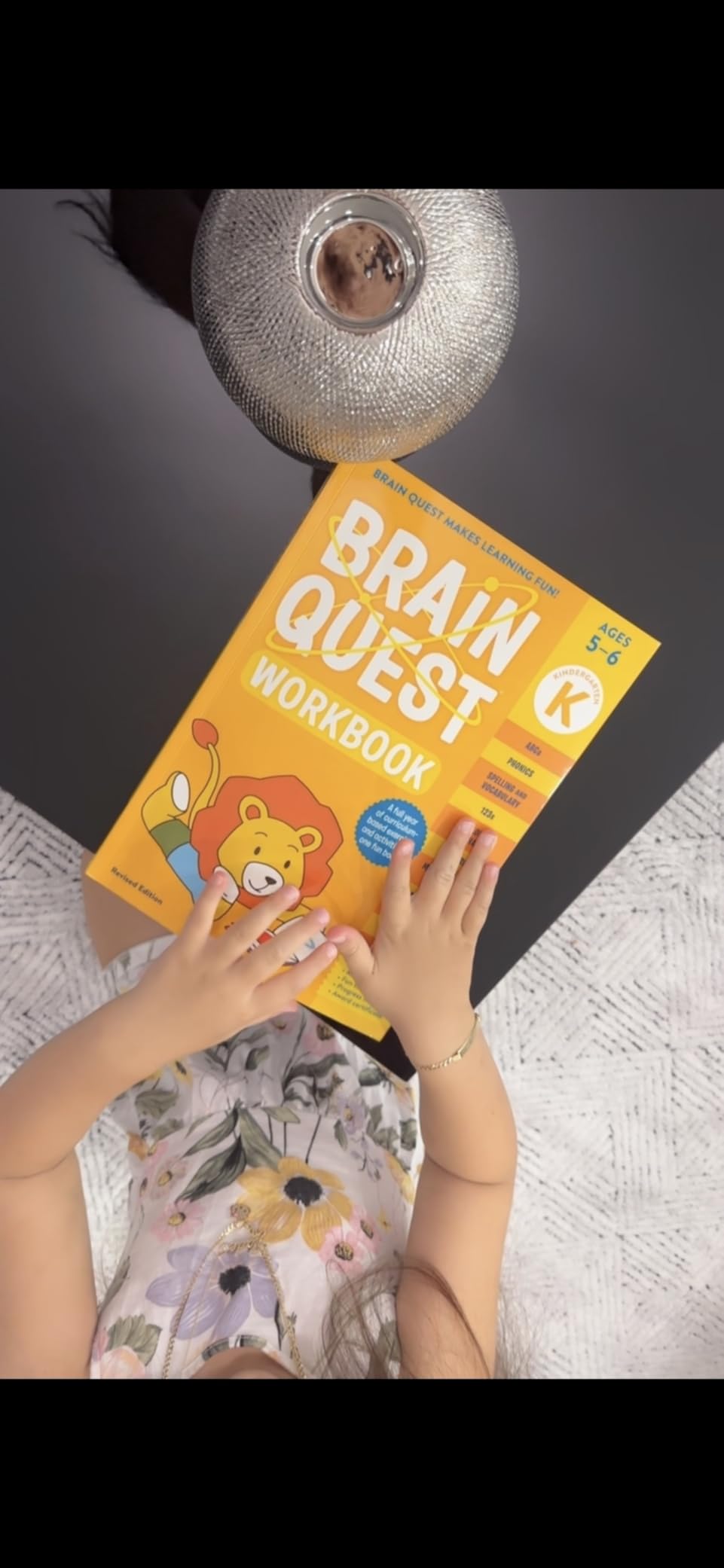
I love the little extras that come with this workbook. The sticker page lets children track their progress with rewards, and the included award certificate gives a sense of accomplishment when the book is finished. These small touches matter because they turn workbook time into something a child looks forward to rather than resists.
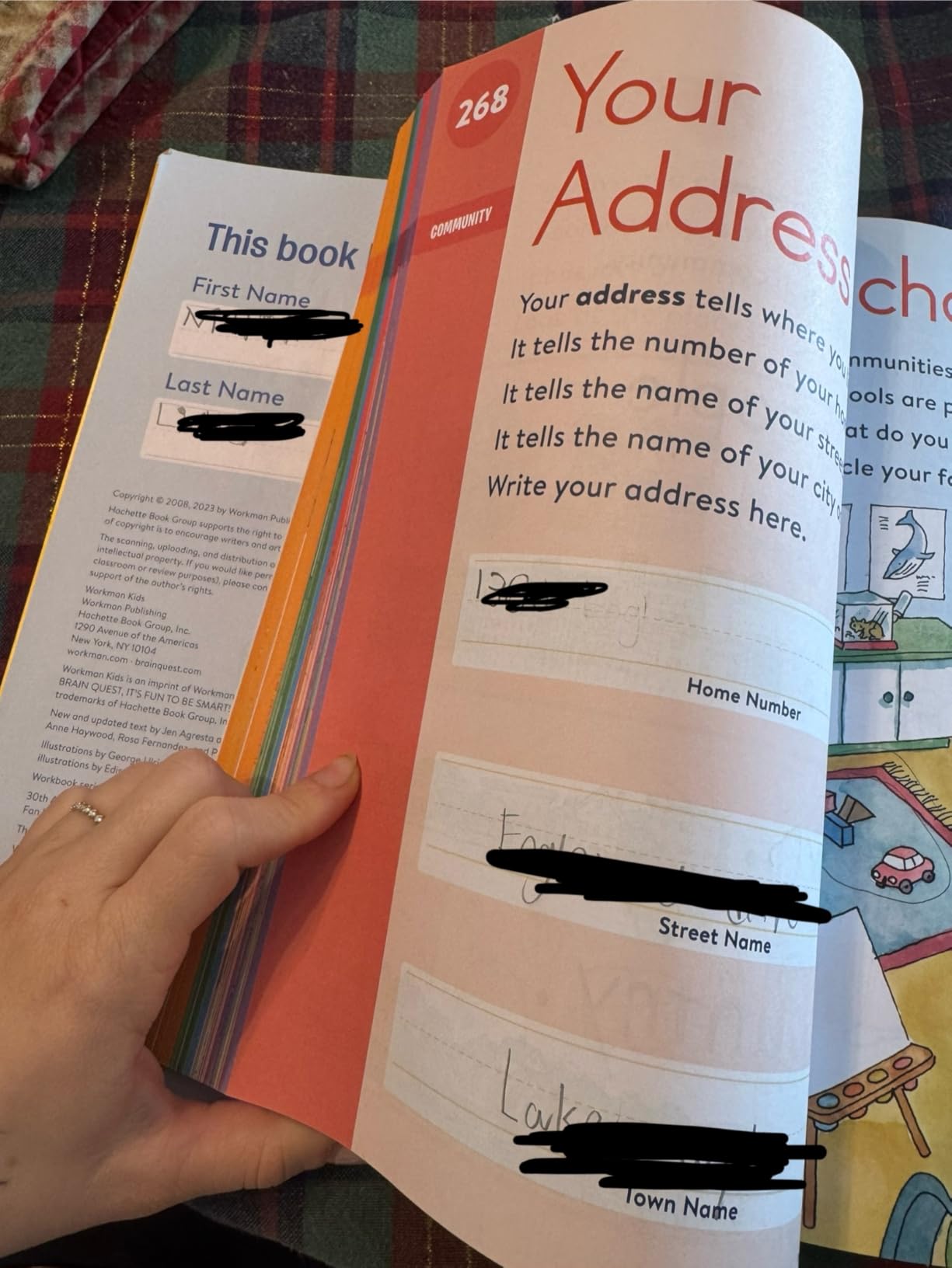
The perforated pages are both a blessing and a curse. They make it easy to remove pages for display or to work on individual sheets, but they can also separate unexpectedly when you do not want them to. I lost a few pages to accidental tearing during regular use. The science and social studies sections are a nice bonus, though some of the activities may feel basic if your child is already reading well.
What Subjects Does This Workbook Actually Cover?
This workbook covers phonics, reading readiness, writing, math, science, and social studies all in one book. The reading sections focus on letter sounds, sight words, and simple comprehension. The math sections cover counting, addition, subtraction, shapes, and patterns. Science and social studies topics include seasons, weather, community helpers, and basic geography.
Is the Revised Edition Different From the Original?
The revised edition updates the content to better align with current kindergarten standards and includes fresh illustrations and activities. If you previously used the original Brain Quest kindergarten workbook, the revised version offers enough new content to justify the upgrade. The core structure remains the same, but the page layouts and activity formats have been refreshed.
How to Choose the Right Reading Workbook for Your Kindergartener
Choosing from the many kindergarten literacy workbooks available comes down to your child’s current skill level, learning style, and your goals. Here is what I learned from testing these workbooks and reading thousands of parent reviews.
Phonics vs Sight Words: Which Does Your Child Need?
Phonics teaches children to sound out words by connecting letters to sounds. Sight words are high-frequency words that children memorize because they do not follow standard phonics rules. Your child needs both. If they are just starting to read, prioritize a phonics-focused workbook like My Kindergarten Reading Workbook. Once phonics basics are in place, add a sight word workbook to build reading speed and fluency.
Matching the Workbook to Your Child’s Skill Level
The age ranges on workbooks are guidelines, not rules. Some four-year-olds are ready for kindergarten workbooks, and some six-year-olds benefit from reviewing foundational material. Look at the sample pages or product images before buying to make sure the difficulty matches where your child is right now. A workbook that is too easy breeds boredom, and one that is too hard creates frustration.
Engagement Features That Actually Work
From my testing, the engagement features that kept my child coming back were stickers, reward stars, puzzles, and cut-out activities. Plain tracing pages are important for practice, but they are not enough to sustain a kindergartener’s interest over weeks of use. Look for workbooks that mix activity types, like Brain Quest with its stickers and Highlights with its Hidden Pictures puzzles.
Page Count and Value Considerations
Page count directly affects how long a workbook lasts and the value per dollar. The 320-page workbooks from School Zone and Brain Quest offer the most content and will last months of daily use. Smaller, focused workbooks like the 200 Must Know Sight Words book are cheaper per skill covered. Think about whether you want one comprehensive workbook or several specialized ones.
Homeschool vs Supplemental Use
If you are homeschooling, you need a workbook that can serve as a primary teaching tool with clear skill progression. My Kindergarten Reading Workbook and School Zone Big Kindergarten Workbook both work well in this role. For supplemental practice alongside a school curriculum, any of the workbooks on this list will do the job. Just pick one that fills the gap your child needs to work on.
Accommodating Different Learning Styles
Children learn differently. Visual learners respond well to colorful, illustrated workbooks like Highlights and Brain Quest. Kinesthetic learners benefit from hands-on activities like the cut-out letter exercises in My Sight Words Workbook. Auditory learners may need you to read instructions aloud and discuss the activities. No single workbook is perfect for every child, so consider how your child learns best when choosing.
Frequently Asked Questions
What are the best workbooks for kindergarteners?
The best workbooks for kindergarteners include My Kindergarten Reading Workbook for phonics, School Zone Big Kindergarten Workbook for comprehensive practice, and Brain Quest Workbook: Kindergarten for an all-in-one budget option. For sight word mastery, the 200 Must Know Sight Words Activity Workbook is a top choice with nearly 16,000 positive reviews.
What is the best reading book for kindergarteners?
The best reading workbook for kindergarteners is My Kindergarten Reading Workbook by Callisto Kids. It offers 101 games and activities that teach phonics and sight words through a progressive, engaging format. The star reward system keeps children motivated, and the phonics-first approach aligns with what reading specialists recommend.
What are some good workbooks for getting ready for kindergarten?
For kindergarten preparation, the Kindergarten Big Fun Workbook from Highlights and the Brain Quest Workbook: Kindergarten are excellent choices. Both cover multiple subjects including reading, math, and writing. The Highlights workbook uses puzzles and games to build skills, while Brain Quest offers 320 pages of colorful activities with stickers and an award certificate.
What is the best curriculum for kindergarten?
The best kindergarten curriculum combines phonics instruction, sight word practice, reading comprehension, and writing. For workbooks, pairing My Kindergarten Reading Workbook for phonics with a comprehensive option like School Zone or Brain Quest gives you solid coverage across all key kindergarten skills.
How long should kindergarten reading practice last?
Kindergarten reading practice should last 10 to 15 minutes per day with a workbook. Short, consistent sessions are more effective than long, infrequent ones. Most activities in the workbooks reviewed here are designed to be completed in one short sitting, making it easy to build a daily reading habit without overwhelming your child.
Final Thoughts on the Best Reading Workbooks for Kindergarten
Finding the right reading workbooks for kindergarten does not have to be overwhelming. My top recommendation is My Kindergarten Reading Workbook for its phonics-focused, game-based approach that genuinely teaches reading skills. For maximum value and content, the School Zone Big Kindergarten Workbook gives you 320 pages of comprehensive practice. And for a budget-friendly all-in-one option, Brain Quest Workbook: Kindergarten covers multiple subjects with engaging illustrations and stickers.
The best workbook is the one your child will actually use. Start with one that matches their current skill level, keep sessions short and consistent, and let their enthusiasm guide you. With any of these six options, you are giving your kindergartener a strong foundation for a lifetime of reading.