
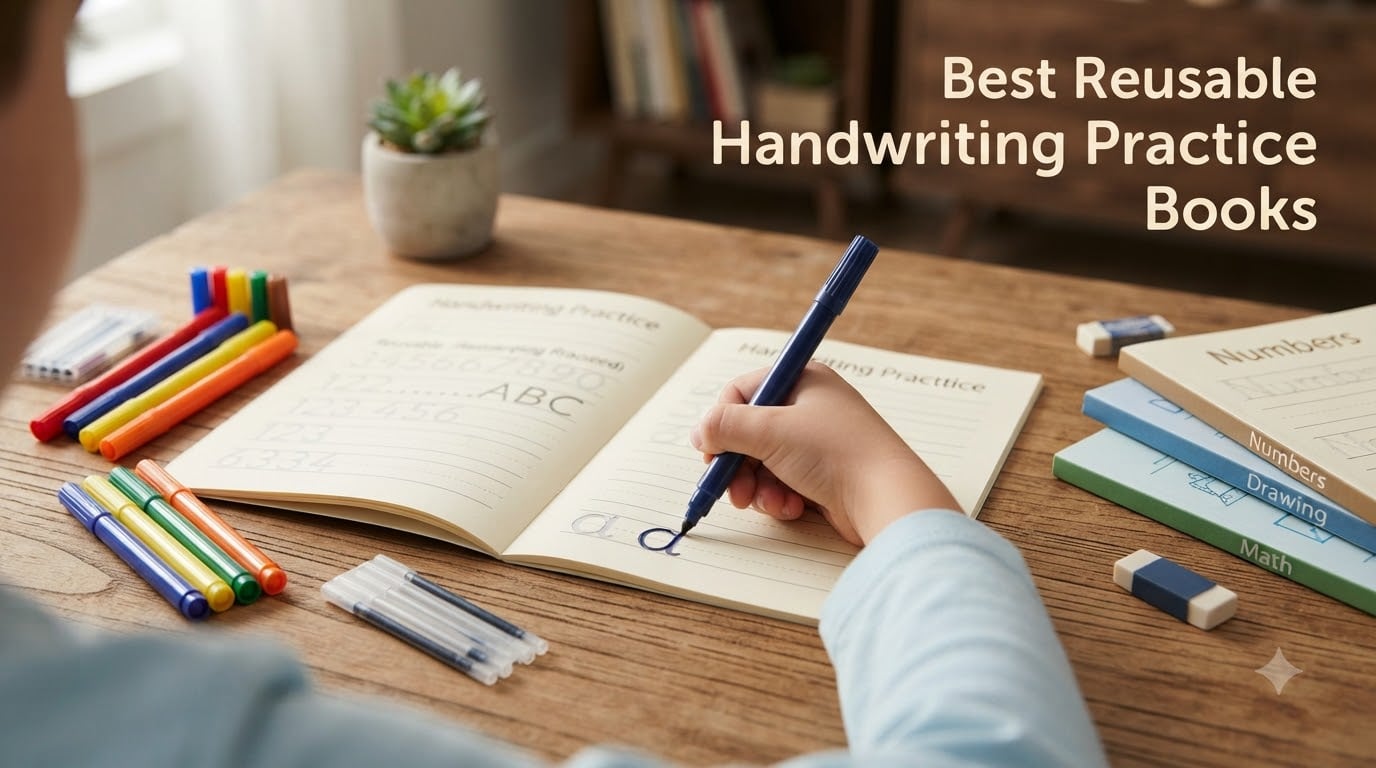
When my daughter was four, she went through three traditional workbooks in a single month. Every page was used once, and then we tossed it. I knew there had to be a better way, so I started looking into reusable handwriting practice books that use disappearing ink and grooved pages.
The best reusable handwriting practice books combine tactile grooved letter guides with magic disappearing ink that fades after about 30 minutes. That means kids can trace the same letters hundreds of times in a single book, building muscle memory without burning through stacks of paper. Our team spent weeks comparing 12 of the most popular options across every age group, from preschool to second grade.
In this guide, we cover grooved magic copybooks that feel like a game, traditional Learning Without Tears workbooks used in thousands of classrooms, and everything in between. Whether you are homeschooling, supplementing schoolwork, or working with a child who has fine motor challenges, you will also want to check our guide to handwriting aids for kids with dysgraphia for additional support tools.
Table of Contents
Top 3 Picks for Reusable Handwriting Practice Books
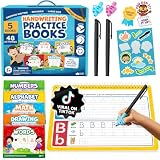
If you want the short version before diving into all 12 products, here are our three favorites. The Momo & Nashi set won our editor’s choice for its comprehensive 5-book bundle and durable grooved pages. The Timetome 6-book set offers the most value with pen grips included. And the GAUENEEN copybook set is our budget pick at a fraction of the cost of most competitors.
Momo & Nashi Magic…
- 5-book set with grooved pages
- Disappearing ink pens included
- Ages 3-7
- 48 activities

Timetome Magic Grooved…
- 6 copybooks with 3 pen grips
- 3D deep groove design
- Ages 3-8
- Ink fades in 20-30 min

GAUENEEN Magic Practice…
- 4-book set with 10 refills
- Auto-disappearing ink
- Ages 3-8
- Alphabet and math
Best Reusable Handwriting Practice Books in 2026
Here is a side-by-side comparison of all 12 books we reviewed. The table covers the key features so you can quickly scan and compare before reading the detailed breakdowns.
| Product | Specs | Action |
|---|---|---|
| Momo & Nashi Magic Grooved Writing Books |
|
Check Latest Price |
| Timetome Magic Grooved 6-Book Set |
|
Check Latest Price |
| GAUENEEN Magic Practice Copybook |
|
Check Latest Price |
 AALGO Reusable Grooved Handwriting Books AALGO Reusable Grooved Handwriting Books |
|
Check Latest Price |
 Handwriting Without Tears My First School Book Handwriting Without Tears My First School Book |
|
Check Latest Price |
 LWT Kick Start Kindergarten LWT Kick Start Kindergarten |
|
Check Latest Price |
 LWT Letters and Numbers for Me LWT Letters and Numbers for Me |
|
Check Latest Price |
 HWT Kindergarten Printing Set HWT Kindergarten Printing Set |
|
Check Latest Price |
 Learning Without Tears My Printing Book Learning Without Tears My Printing Book |
|
Check Latest Price |
 Learning Without Tears Printing Power Learning Without Tears Printing Power |
|
Check Latest Price |
 HWT My Printing Book Student Workbook HWT My Printing Book Student Workbook |
|
Check Latest Price |
 Learning Without Tears Cursive Kickoff Learning Without Tears Cursive Kickoff |
|
Check Latest Price |
1. Momo & Nashi Magic Grooved Writing Practice Books
Magic Grooved Writing Practice Books for Kids 3-7
5-book grooved set
Ages 3-7
Disappearing ink
48 activities
Montessori travel workbook
Pros
- Most comprehensive 5-book set in this roundup
- Deep grooved lines guide every stroke perfectly
- Magic ink fades in about 30 minutes for unlimited reuse
- Durable enough for car rides and travel
- Screen-free quiet activity that holds attention
Cons
- Pens run out faster than expected and need refills
- Higher price point than single-book options
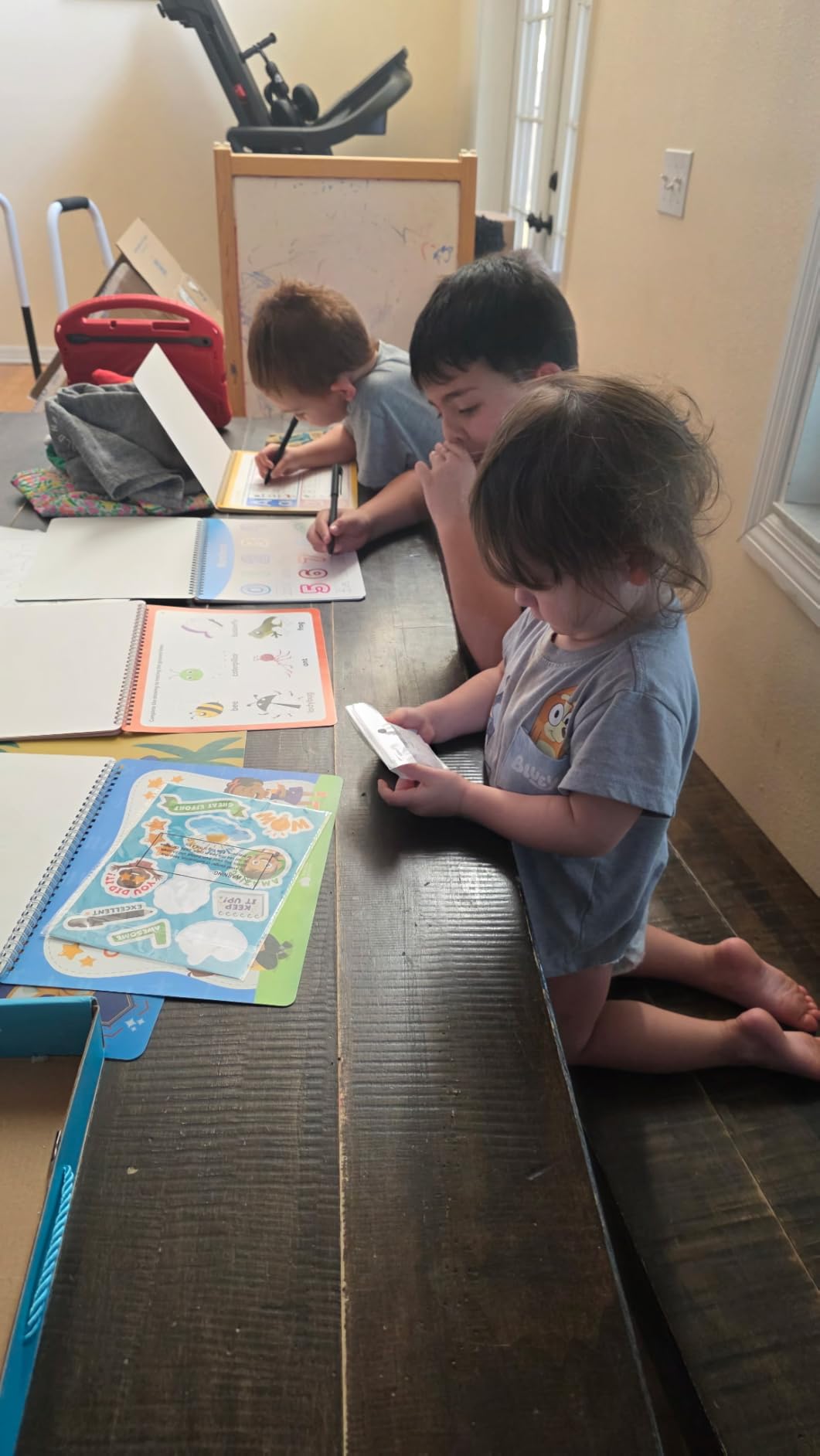
I handed this Momo & Nashi set to my daughter on a long road trip, and she spent over an hour tracing letters without asking for a tablet once. The grooved lines create a physical path that the pen follows, which makes it almost impossible to form a letter incorrectly. That tactile feedback is something traditional flat workbooks simply cannot replicate.
The set includes five books covering alphabet, numbers, addition and subtraction, drawing, and simple words. With 48 activities spread across those books, there is enough variety to keep a young learner interested for months. The disappearing ink genuinely works, fading to blank pages in roughly half an hour so the same page is ready for another round.
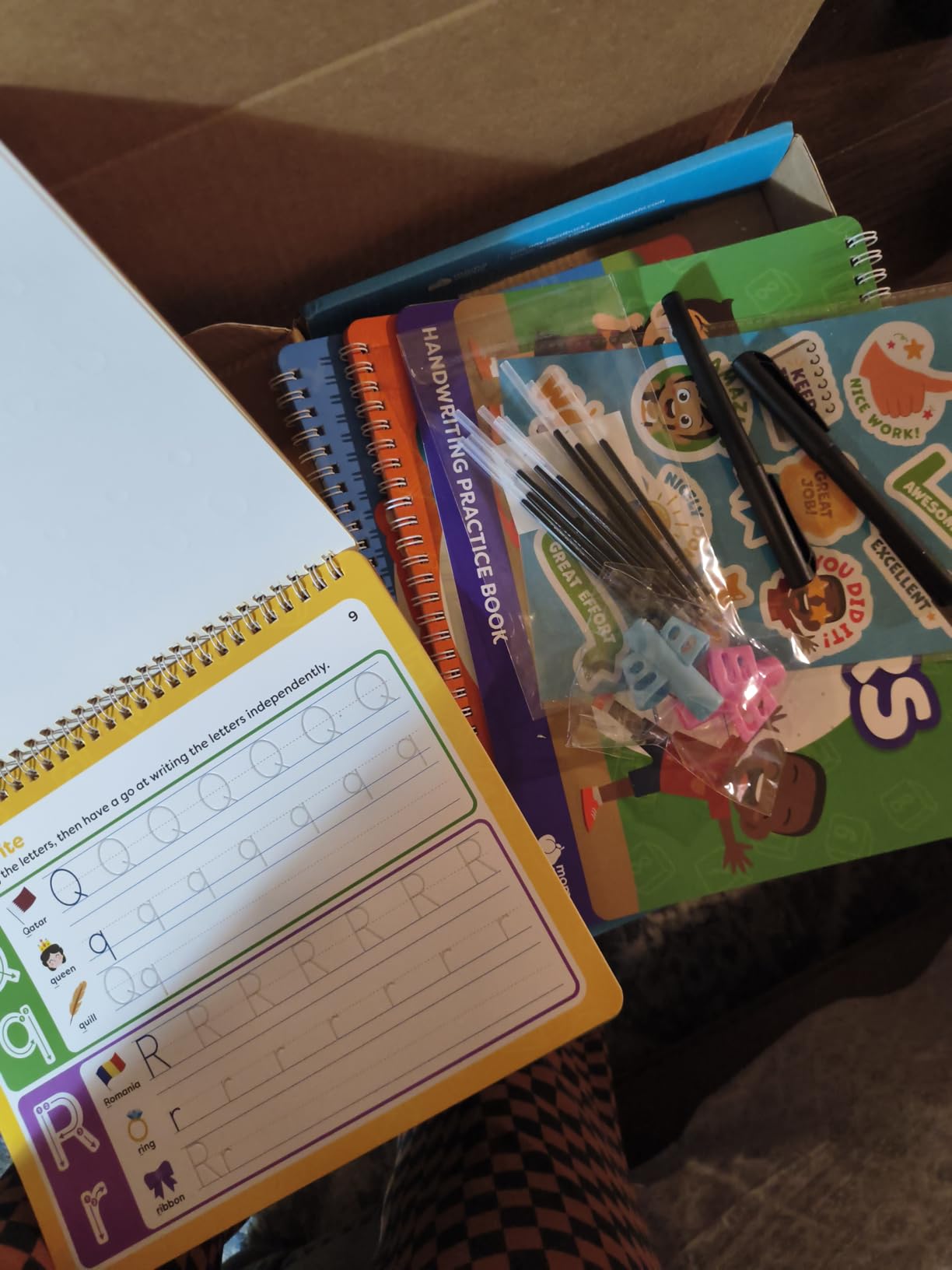
What sets this set apart from cheaper alternatives is the build quality. The pages are thick and hold up to repeated tracing without tearing, and the grooves are deep enough to feel but not so deep that the pen catches on them. One thing to watch is that the included magic pens run dry faster than you might expect, so I recommend ordering refill packs at the same time.
At its price point, you are paying for quantity and durability. If you have multiple children or plan to pass books down, the investment pays off. This is the best reusable handwriting practice book set we tested for families who want a complete curriculum in one purchase.
What Age Range Benefits Most
The Momo & Nashi set is designed for ages 3 to 7, which covers the critical window from preschool through early first grade. The drawing book works well for the youngest users who are still developing pen control, while the addition and subtraction book challenges older kids ready for math concepts.
How the Grooved Pages Compare to Flat Tracing
Unlike flat dotted-line tracing books, the grooved pages in this set physically guide the pen along the correct stroke path. This creates a muscle memory that transfers to writing on plain paper much faster than visual tracing alone. Multiple parents in our research noted this difference after switching from traditional workbooks.
2. Timetome Magic Grooved Writing Practice 6-Book Set
Timetome Magic Grooved Writing Practice Books for Kids 3-8
6 copybooks with pen grips
3D deep groove design
Ages 3-8
Ink fades in 20-30 min
Math and drawing included
Pros
- Six books plus pen grips and six pens in one set
- Upgraded 3D deep groove design for better tactile feedback
- Covers letters numbers math phrases and drawing
- Pen grips help beginners develop proper hold
- Strong value for the number of items included
Cons
- Some books duplicate content found in other sets
- Drawing books are very basic compared to the academic ones
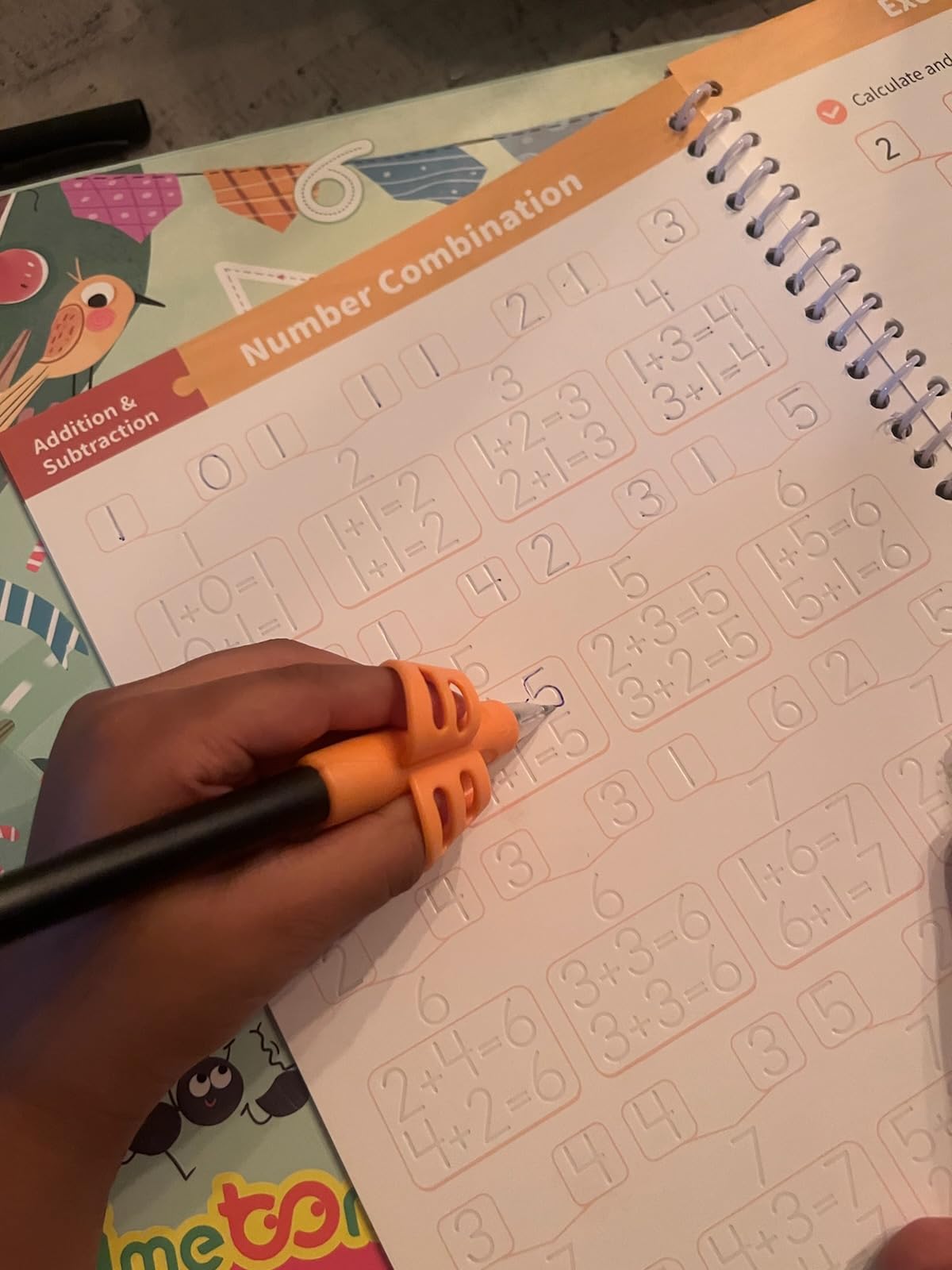
The Timetome set caught my attention because it throws in three silicone pen grips alongside six books and six pens. For kids just starting out, learning the correct pencil grip is half the battle, and having those grips included saves you a separate purchase. My son used the grips on regular pencils after graduating from the magic pens, which extended their usefulness.
The 3D groove design here is slightly deeper than what I found in the Momo & Nashi set. That makes the tactile feedback stronger, which is great for kids who need more sensory input. However, some children found the deeper grooves slightly harder to push through at first.
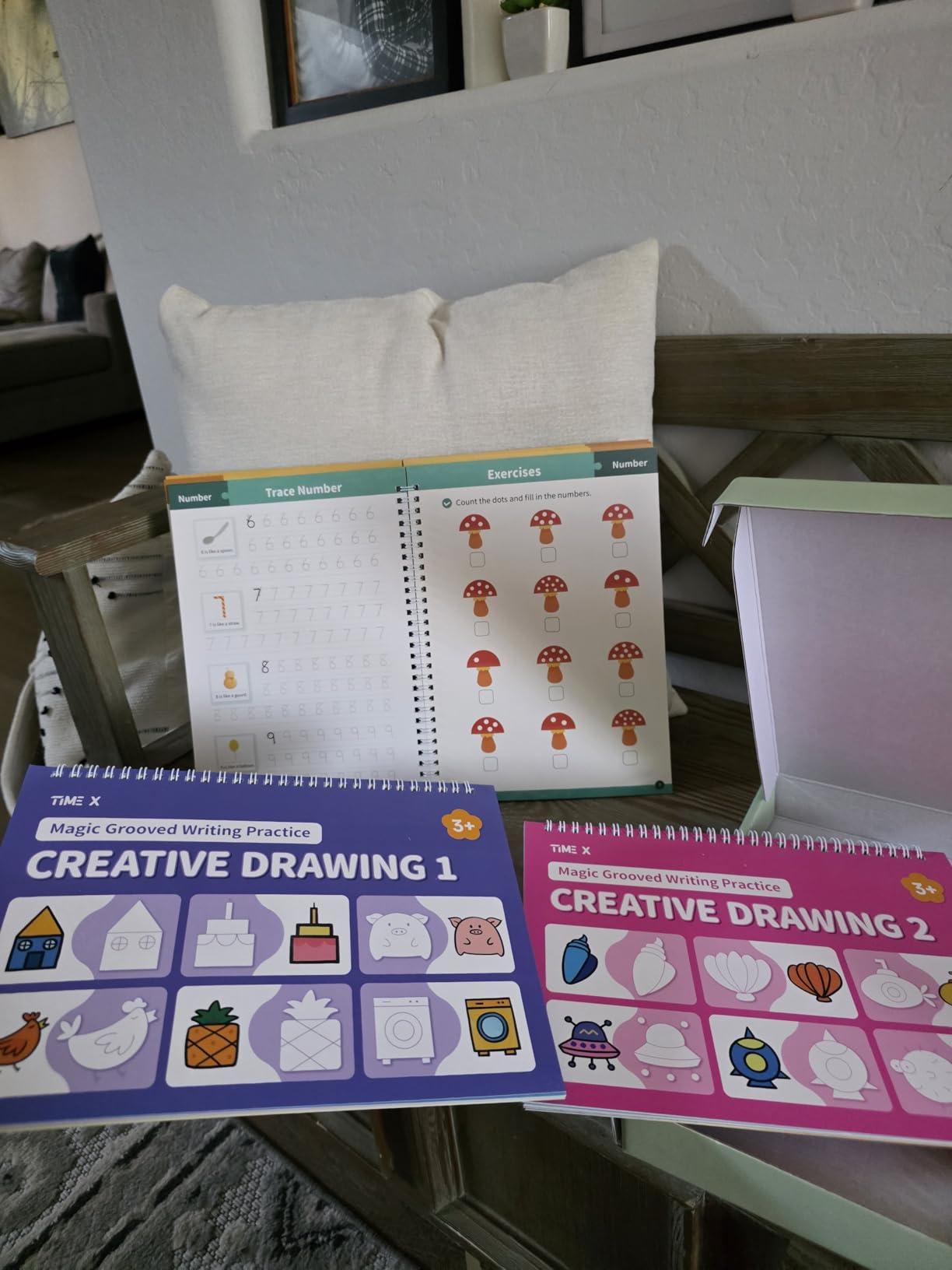
This set covers numbers, addition and subtraction, letters, phrases, and two drawing books. The phrase book is a nice touch because it bridges the gap between single letters and full sentences, something most competing sets skip entirely. The ink fades reliably in 20 to 30 minutes, which matches what the brand claims.
One issue I noticed is that the two drawing books feel like filler compared to the academic content in the other four. They are fine for keeping younger siblings occupied, but if your goal is handwriting improvement, the real value is in the letter and number books. Overall, this is the best reusable handwriting practice book set if you want maximum books and accessories for the price.
Included Pen Grips and Their Impact
The three silicone pen grips are designed for small fingers and slide onto the included magic pens or standard pencils. They force a tripod grip, which is the position occupational therapists recommend for handwriting. Parents in forum discussions consistently called out pen grip training as one of their top priorities for early writers.
Quality of the 3D Groove Depth
Timetome upgraded their groove depth compared to earlier versions, creating a channel you can feel distinctly with a fingertip. This deeper groove provides better resistance feedback, which helps children who press too lightly or too hard. If your child has sensory processing differences, test one page first since the deeper channels can feel different from standard workbooks.
3. AALGO Reusable Grooved Handwriting Books
AALGO Handwriting Book Practice for Kids,Reusable Grooved Handwriting Books
5-book set
Ages 3-8
Grooved design
Disappearing ink
Includes 10 refills
Pros
- Five books covering letters numbers math and pictures
- Ten ink refills included so pens last much longer
- Compact and lightweight for travel
- Grooved design guides proper letter formation
- Strong Amazon rating with over 1600 reviews
Cons
- Paper quality is thinner than premium competitors
- Grooves are shallower than the Timetome set
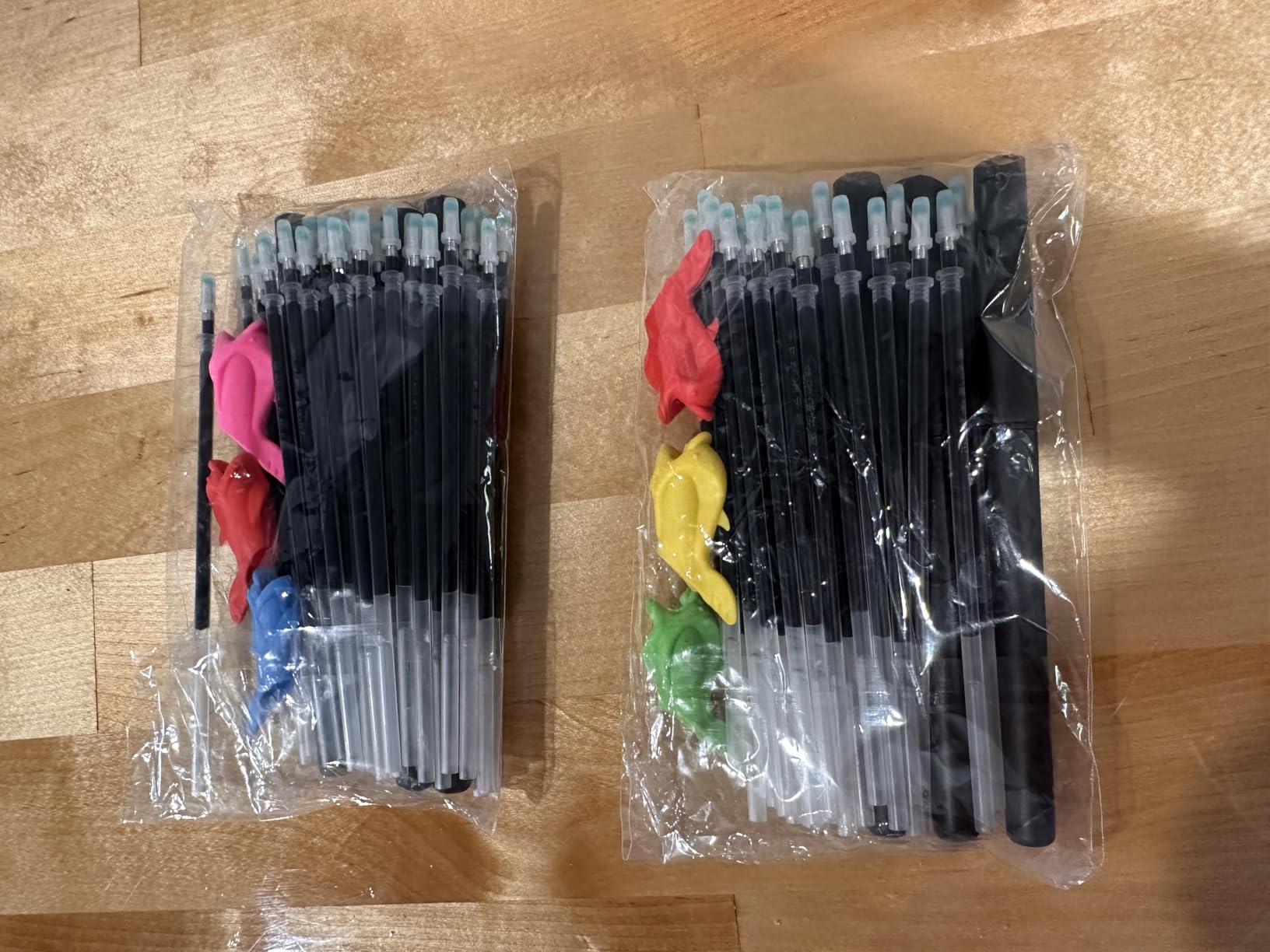
The AALGO set strikes a nice middle ground between the premium Momo & Nashi bundle and the budget GAUENEEN option. You get five books covering addition and subtraction, numbers, a fun picture book, and letters, plus a pen, handle, and ten refills. Those ten refills are the standout feature because they solve the most common complaint about magic copybooks, which is pens running dry.
I tested this set with my younger child who is five, and the shallower grooves were actually easier for her to manage than the deeper channels in the Timetome books. The pen glided smoothly without catching, and she did not get frustrated the way she sometimes does with more resistant surfaces.
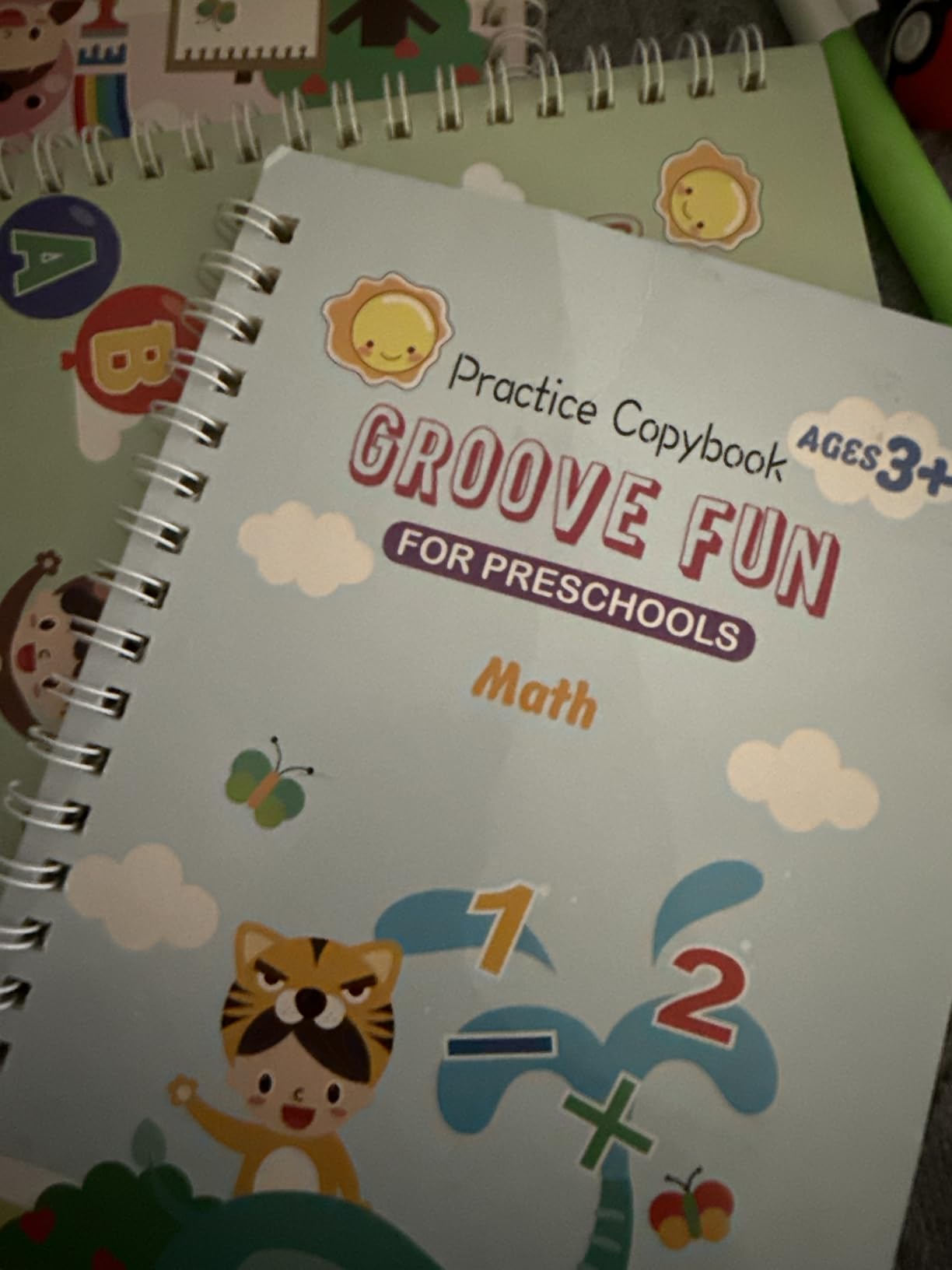
The content covers 26 English letters, daily words, and numbers from 0 to 100. That is a solid range for ages 3 to 8, though the books lean toward the younger end of that spectrum. My seven-year-old found the content too easy, so this set works best for preschool through early kindergarten.
The paper is noticeably thinner than what Momo & Nashi uses. After about a month of daily use, I started seeing wear on the most-traced pages. It is not a dealbreaker given the price, but if you want books that survive multiple children, you may need to handle them more carefully.
Refill System and Long-Term Value
The ten included ink refills mean this set will last significantly longer than competitors that ship with a single pen. Each refill screws into the pen body and provides days of writing. When you eventually run out, replacement refills are inexpensive and easy to find, making this one of the most sustainable options on our list.
Durability for Multiple Children
If you plan to pass these books between siblings, the thinner pages are a concern. We recommend storing them flat rather than stuffing them in a backpack, and keeping younger toddlers away from the pages. For a single child using them over a school year, the durability is adequate for the price point.
4. GAUENEEN Magic Practice Copybook 4-Book Set
GAUENEEN Magic Practice Copybook, Reusable Writing Practice Book, Handwriting Aid for Preschool Kids Age 3-8 (4 Books with Pens)
4-book set
10 refills
Ages 3-8
Auto-disappearing ink
3D groove design
Pros
- Most affordable option in our roundup
- Ten ink refills included for extended use
- Covers alphabet numbers drawing and math
- Thick paper with 3D groove design
- Compact size easy for small hands to manage
Cons
- Only four books compared to five or six in other sets
- Ink quality is inconsistent and sometimes smears
- Lower review volume than premium alternatives
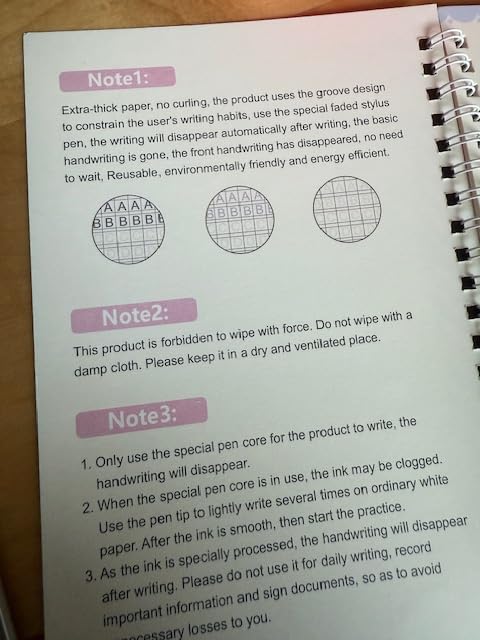
The GAUENEEN set proves that you do not need to spend much to get a functional reusable handwriting practice book. For a fraction of what the premium sets cost, you get four books covering alphabet, numbers, drawing, and math, plus a pen, pen-holding aid, and ten refills. The value per dollar here is hard to beat.
I tested this as a backup set for travel and was pleasantly surprised by how well it held up. The 3D groove design is functional, though not as precise as the Momo & Nashi grooves. The pen-holding aid is a thoughtful inclusion that helps beginners who are still figuring out finger placement.
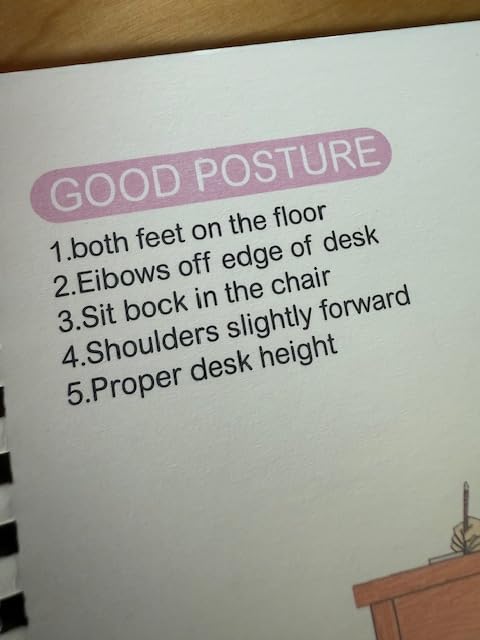
The biggest downside is ink consistency. On some pages, the disappearing ink worked flawlessly and faded within 30 minutes. On others, it left faint ghosting that did not fully clear. This was not a widespread problem, but it happened often enough to note. The thick paper is a plus, though, because it resists tearing better than the AALGO pages.
With only four books, this set covers less ground than the five and six-book competitors. If your child is a quick learner or already has some letter recognition, they may breeze through these quickly. For parents testing whether reusable books work for their child before investing more, this is the ideal starter set.
Is the Lower Price Worth the Trade-offs
The GAUENEEN set trades premium paper quality and deep grooves for a much lower price tag. For families on a tight budget or those testing the reusable book format for the first time, those trade-offs are worth it. The core function of guiding letter formation through grooved pages and disappearing ink still works.
Best Use Case for This Set
This set shines as a travel companion, a first introduction to reusable books, or a supplement to a traditional curriculum. It is not the set I would choose as a primary handwriting program for a full school year, but it excels as an affordable option for short-term practice or for families with multiple children who each need their own set.
5. Handwriting Without Tears My First School Book
Learning Without Tears My First School Book Workbook, Pre-Writing, Pre-K
Pre-K workbook
Crayon tracing
Fading lines
Left-hand friendly
Letters numbers and shapes
Pros
- Developed by occupational therapists and used in thousands of schools
- Fading lines naturally reduce support as skills improve
- Crayon-based approach builds hand strength better than pens
- Explicitly designed for both left and right-handed learners
- Covers letters numbers shapes and colors for kindergarten readiness
Cons
- Not truly reusable like the magic ink books
- Single-use workbook format
- Higher cost per book than grooved copybooks
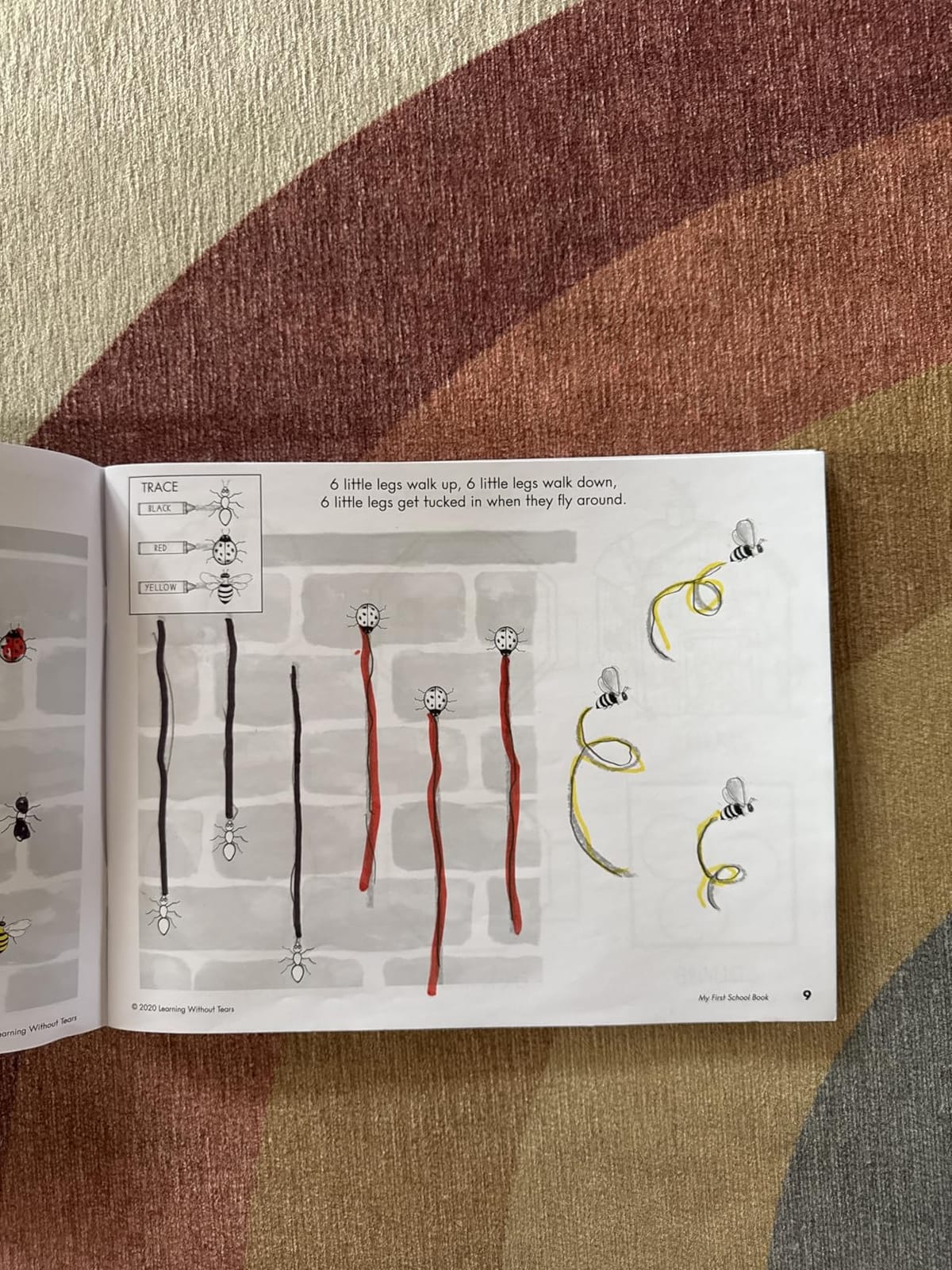
This is where our list shifts from magic ink copybooks to classroom-tested workbooks. Handwriting Without Tears is the gold standard used in school districts across the country, and My First School Book is their entry point for preschoolers. Instead of disappearing ink, this book uses fading lines that gradually disappear as the child traces, encouraging more independent writing.
I used this with my younger child before she was ready for grooved copybooks, and the crayon-based approach was surprisingly effective. Tracing with a crayon requires more pressure and control than a pen, which builds the hand strength needed for later writing. The large letter models are easy for small hands to follow.
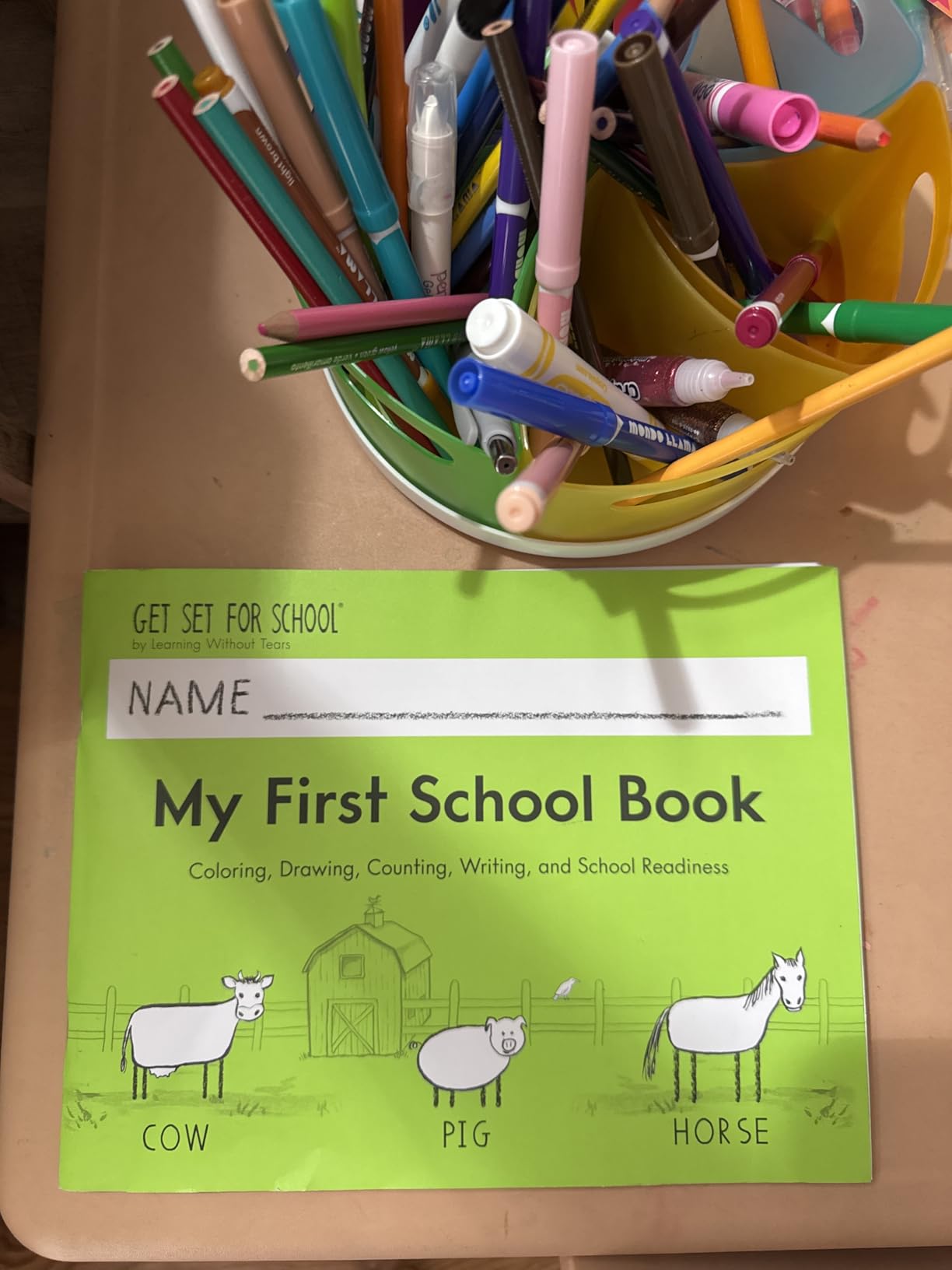
The book introduces letters, numbers, shapes, and colors in a sequence designed by occupational therapists. The progression makes sense: children start with simple shapes and move to more complex letters. Each page includes activities that build school readiness skills beyond handwriting alone.
One important distinction is that this is not a traditional reusable book. The fading line design is self-correcting, meaning the guide lines get lighter as you progress down the page, but each page is used once. However, the pedagogical quality is so high that many parents and teachers consider it worth the single-use format.
Why Occupational Therapists Recommend This Approach
Occupational therapists consistently recommend the Handwriting Without Tears methodology because it breaks letter formation into developmental steps. The fading line technique reduces visual prompts gradually, which trains the brain to produce letters from memory rather than relying on copying. This approach is particularly effective for children with fine motor delays.
How Fading Lines Differ from Grooved Pages
While grooved pages provide physical guidance through tactile channels, fading lines provide visual guidance that diminishes over the course of each exercise. The grooved approach is better for muscle memory through physical repetition, while fading lines are better for cognitive learning and independence. Many families use both approaches at different stages of development.
6. Learning Without Tears Kick Start Kindergarten
Learning Without Tears Kick Start Kindergarten Workbook, Pre-K/TK, Age 4+
Pre-K to TK workbook
Age 4+
Letter sequencing
Tracing activities
Spacing reminders
Pros
- Teaches letters in developmental order not alphabetical
- Friendly shapes keep young learners engaged
- Connects letters to words early on
- Built-in spacing and neatness reminders
- Easy for parents and tutors to follow without training
Cons
- Single-use workbook not reusable with disappearing ink
- Some activities may feel repetitive for advanced children
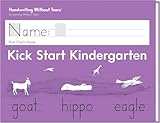
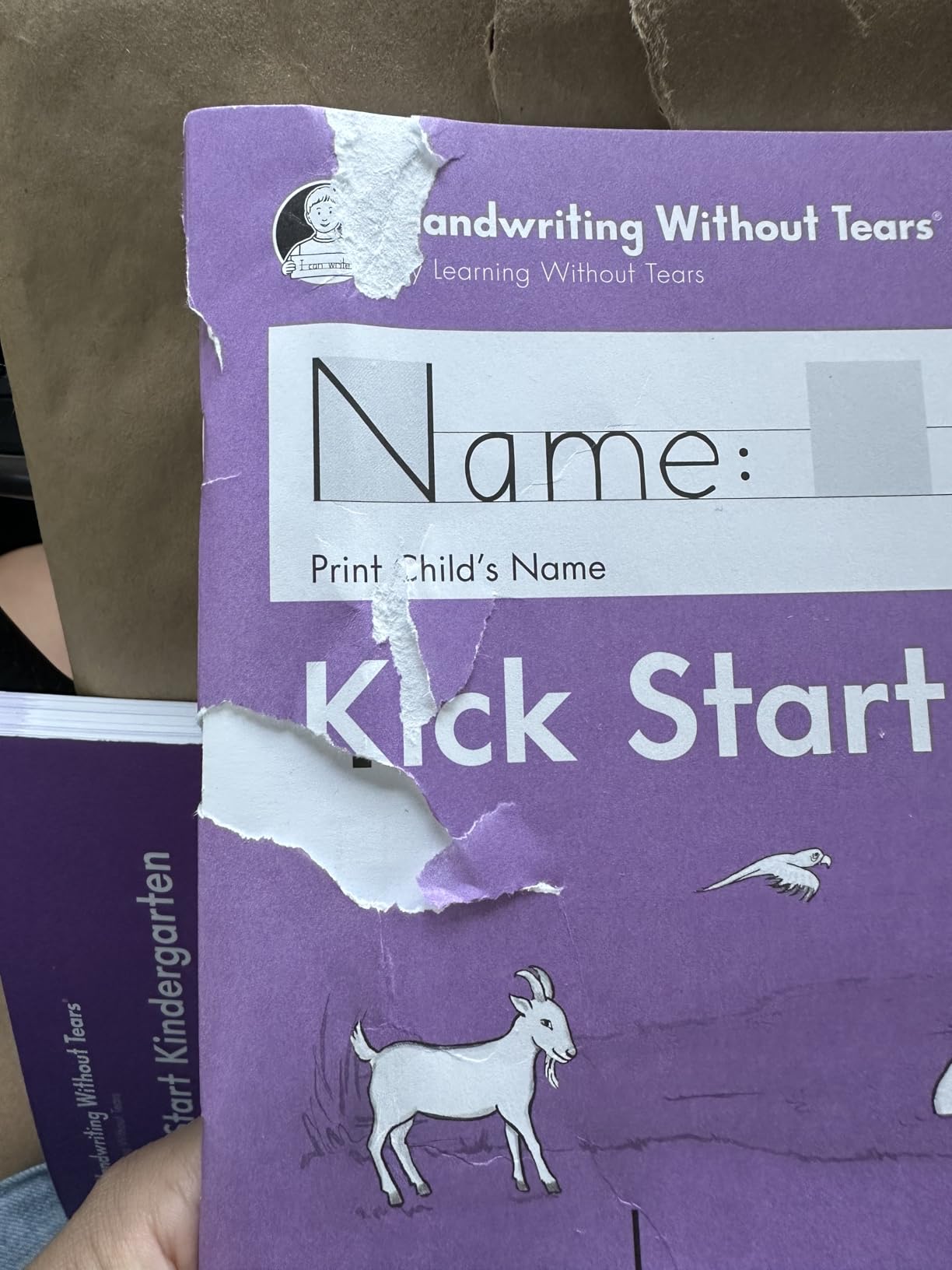
Kick Start Kindergarten fills the gap between the preschool My First School Book and the kindergarten Letters and Numbers for Me workbook. It is designed for that transitional year when a child is four or five and not quite ready for full kindergarten work but has outgrown basic preschool tracing.
What I appreciate most about this book is the letter sequencing. Instead of teaching A through Z, it starts with letters that are easiest to form, like L and T, and builds up to more complex ones. This developmental approach prevents frustration because children master simple strokes before tackling difficult ones.
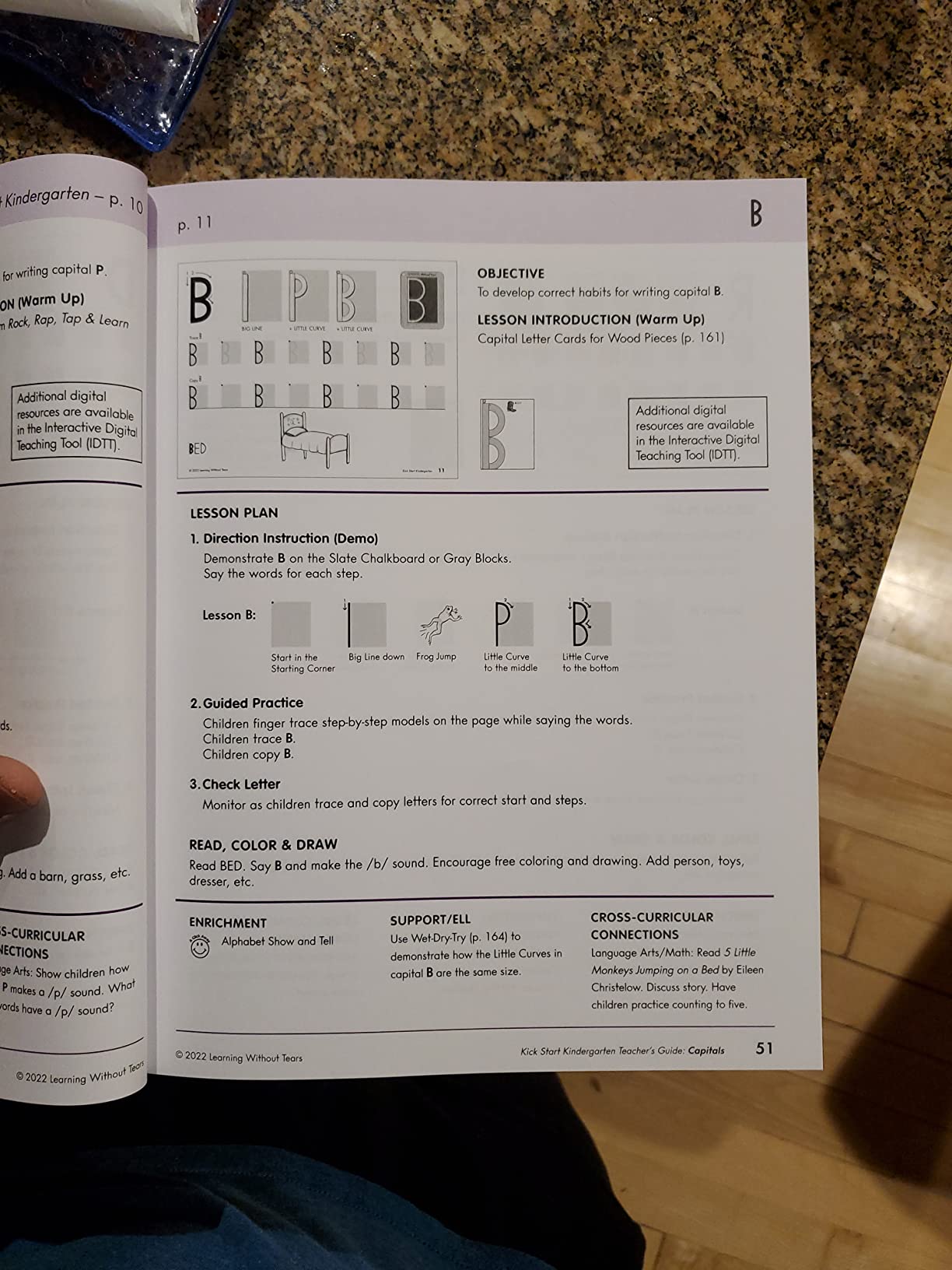
The tracing activities use friendly shapes and visuals that keep young children engaged without feeling like work. Each letter connects to a word quickly, so kids see the purpose behind learning each character. The built-in reminders for spacing and neatness are subtle enough that they do not overwhelm but present enough to build awareness.
Parents who are not trained educators will find this book easy to use. The instructions are clear and the progression is logical, so you do not need to guess what comes next. For homeschool families following the Learning Without Tears sequence, this book is the natural bridge between preschool and kindergarten materials.
Transitioning from Pre-K to Kindergarten
This workbook is specifically designed for the pre-K to transitional kindergarten age group, roughly ages four to five. It assumes the child has basic crayon and pencil control from My First School Book but is not yet ready for the full Letters and Numbers for Me curriculum. If your child skips this stage, the jump to kindergarten-level work can feel abrupt.
Letter Sequencing Logic Explained
The Learning Without Tears method teaches letters in developmental order based on stroke complexity. Capital letters with straight lines come first, followed by letters with curves, then letters with diagonal lines. This order matches how children naturally develop motor control and reduces the frustration of tackling difficult letters too early.
7. Learning Without Tears Letters and Numbers for Me
Learning Without Tears Letters & Numbers for Me Workbook, Kindergarten
Kindergarten workbook
Capitals and lowercase
Finger trace approach
Double lines
Self-assessment boxes
Pros
- Finger tracing step before writing builds tactile memory
- Double line system simplifies letter placement
- Self-assessment boxes build ownership and pride
- Fun verbal clues for each letter
- Designed specifically for kindergarten developmental level
Cons
- Not reusable in the disappearing ink sense
- Double line system differs from traditional triple-line format
Letters and Numbers for Me is the core kindergarten workbook in the Learning Without Tears series. What makes it unique is the finger tracing step that precedes every writing exercise. Children trace each letter with their finger first, feeling the motion before picking up a pencil. This multi-sensory approach builds a stronger neural pathway than writing alone.
The double line system is a hallmark of the Handwriting Without Tears method. Instead of the traditional top, middle, and bottom lines, this book uses just two lines. The idea is that fewer lines mean fewer visual distractions and more focus on letter shape and proportion.
My daughter used this book in her kindergarten class, and the self-assessment boxes were her favorite part. After completing a line of letters, she would circle her best one. That simple act of self-evaluation taught her to look critically at her own work and take pride in improvement, which is a skill that extends far beyond handwriting.
The verbal clues for each letter are another standout feature. Instead of just showing a letter to copy, the book provides a short verbal prompt that describes how to form it. These clues give children a script they can say to themselves as they write, which reinforces correct stroke order through multiple learning channels.
Who Benefits from the Double Line System
The double line system works best for children who get confused or overwhelmed by traditional three-line formats. By removing the middle dashed line, the focus shifts entirely to letter height and shape. However, if your child’s school uses traditional triple-line paper, you may need to help them transition between the two formats.
Finger Tracing as a Pre-Writing Step
The finger tracing step is grounded in research showing that tactile learning reinforces motor memory. By feeling the letter shape with a finger before attempting it with a pencil, children develop a physical understanding of the stroke pattern. This step is especially valuable for children who struggle with fine motor control or who learn better through hands-on experiences.
8. Handwriting Without Tears Kindergarten Printing Set
Handwriting Without Tears Kindergarten Printing Set, Workbook/Guide/Journal
Workbook plus guide plus journal
Tiny pencils included
Desk strip
Ages 5+
Homeschool and OT
Pros
- Complete set with workbook guide and writing journal
- Tiny pencils are perfectly sized for kindergarten hands
- Desk strip provides reference at home or school
- Short simple daily lessons work well for busy families
- Clear parent instructions require no teaching background
Cons
- Most expensive single-grade option in this roundup
- Not reusable with disappearing ink
- May duplicate materials you already have
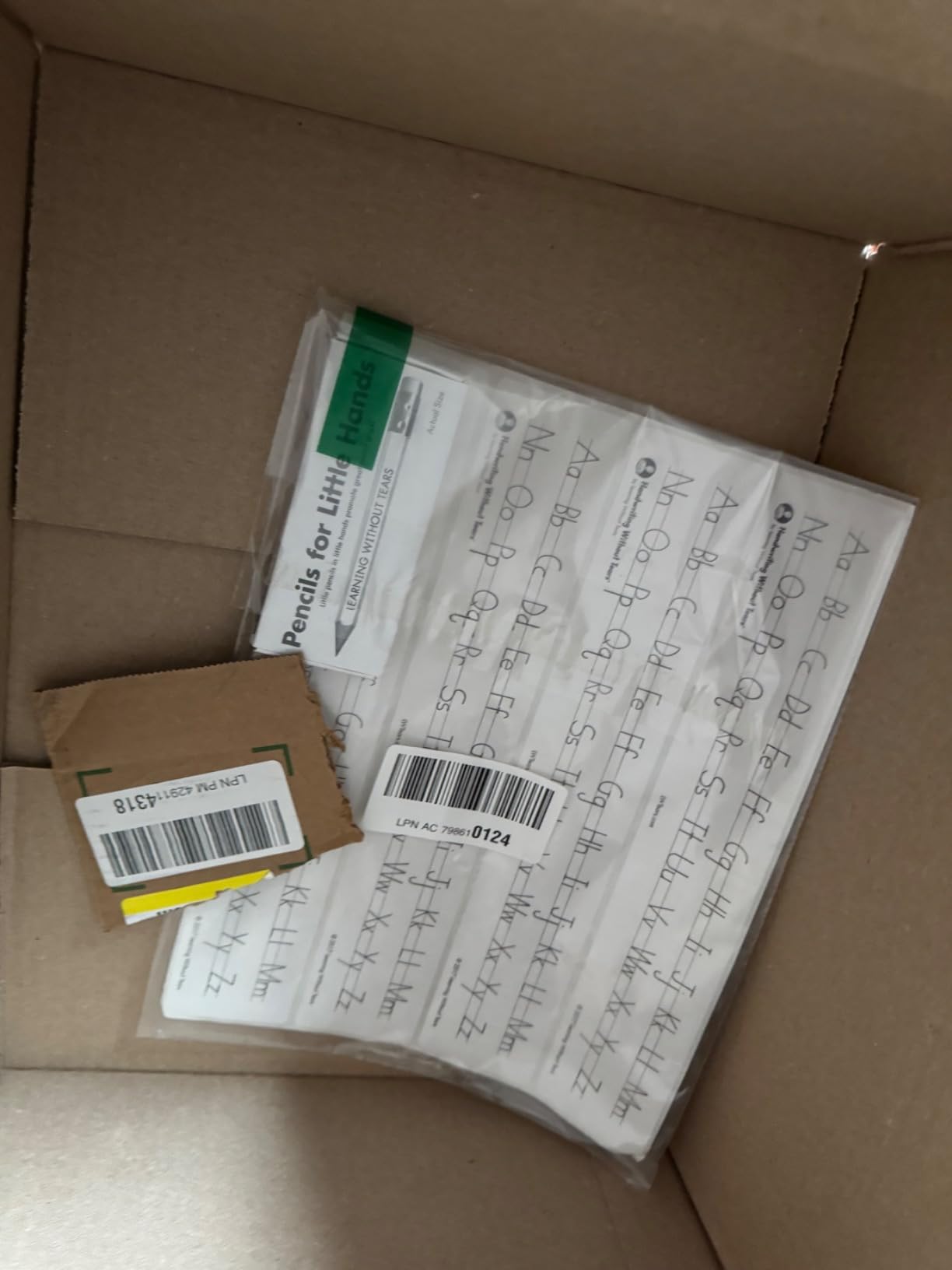
The Kindergarten Printing Set is a bundle that includes the Letters and Numbers for Me workbook, a teaching guide, and a writing journal. It also comes with the signature Handwriting Without Tears tiny pencils and a desk strip. If you are starting from scratch and want everything in one box, this is the package to get.
The tiny pencils deserve special mention. They are short, which forces children to grip near the tip and prevents the fist grip that many beginners default to. My son resisted using standard pencils because they were too long and unwieldy, but these short ones felt natural in his hand immediately.
The teaching guide is what makes this set worth the premium price. It walks parents through each lesson with clear instructions and tips for common struggles. If you have never taught handwriting before, this guide removes the guesswork and gives you confidence that you are doing it right.
The writing journal provides additional practice space beyond what the workbook offers. We used it for free writing and copy work, which let my child apply what she learned in the workbook to her own creative writing. The desk strip is a simple reference tool that lives on our homework table and reminds her of letter formations during other assignments.
What Is Included in the Bundle
The set includes the Letters and Numbers for Me student workbook, a writing journal for additional practice, a teaching guide for the parent or tutor, a set of two tiny pencils sized for small hands, and a desk strip with letter formations. The teaching guide alone is valuable because it explains the methodology and provides tips for correcting common errors.
Is the Teaching Guide Worth the Extra Cost
If you are a trained teacher, you may not need the guide. But for parents and tutors, the guide is what turns a good workbook into a complete handwriting program. It explains why each step matters and how to handle resistance or frustration. For homeschool families, this guide is essential because it provides the instructional framework that a classroom teacher would normally provide.
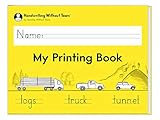
9. Learning Without Tears My Printing Book
Learning Without Tears My Printing Book Workbook, 1st Grade+, Age 6+
1st Grade+
Step-by-step letters
Left-hand friendly
Sentence writing
Self-assessment
Pros
- Left-hand friendly design that works for all children
- Built-in sentence writing teaches practical application
- Step-by-step letter formation with fun verbal cues
- Self-assessment boxes encourage independence
- Integrates capitalization and punctuation with handwriting
Cons
- Not reusable with disappearing ink technology
- Some pages have limited practice space per letter
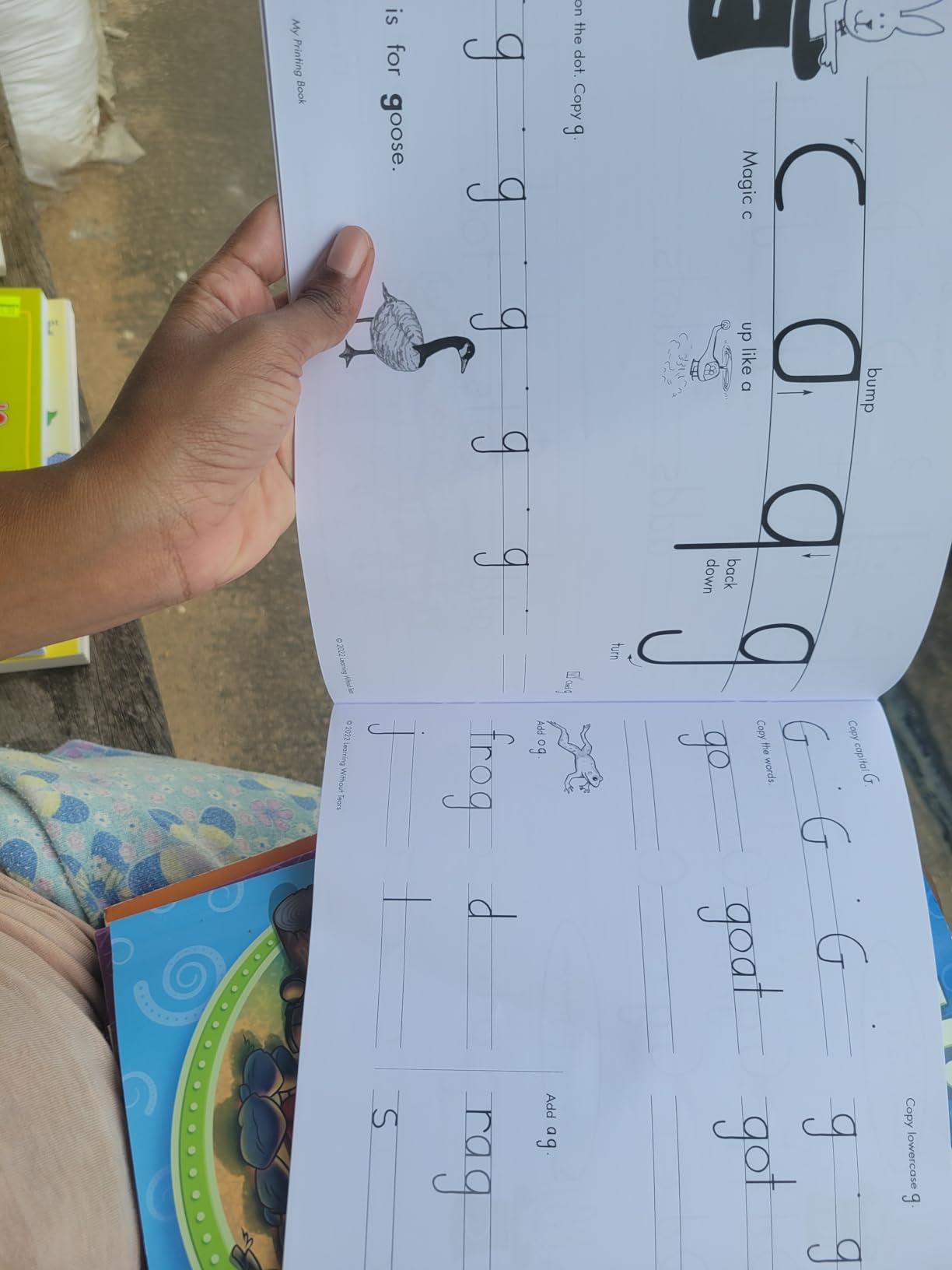
My Printing Book picks up where the kindergarten workbook leaves off, targeting first graders who know their letters but need to refine their printing. The book emphasizes lowercase letters, which is where most first graders need the most work because lowercase letters are harder to form consistently than capitals.
The left-hand friendly design is a big deal. Left-handed children often smudge their work because their hand drags across what they just wrote. This book accounts for that by adjusting the layout and providing models that work for both orientations. As someone who tested these with a left-handed child, I can confirm the difference is noticeable.
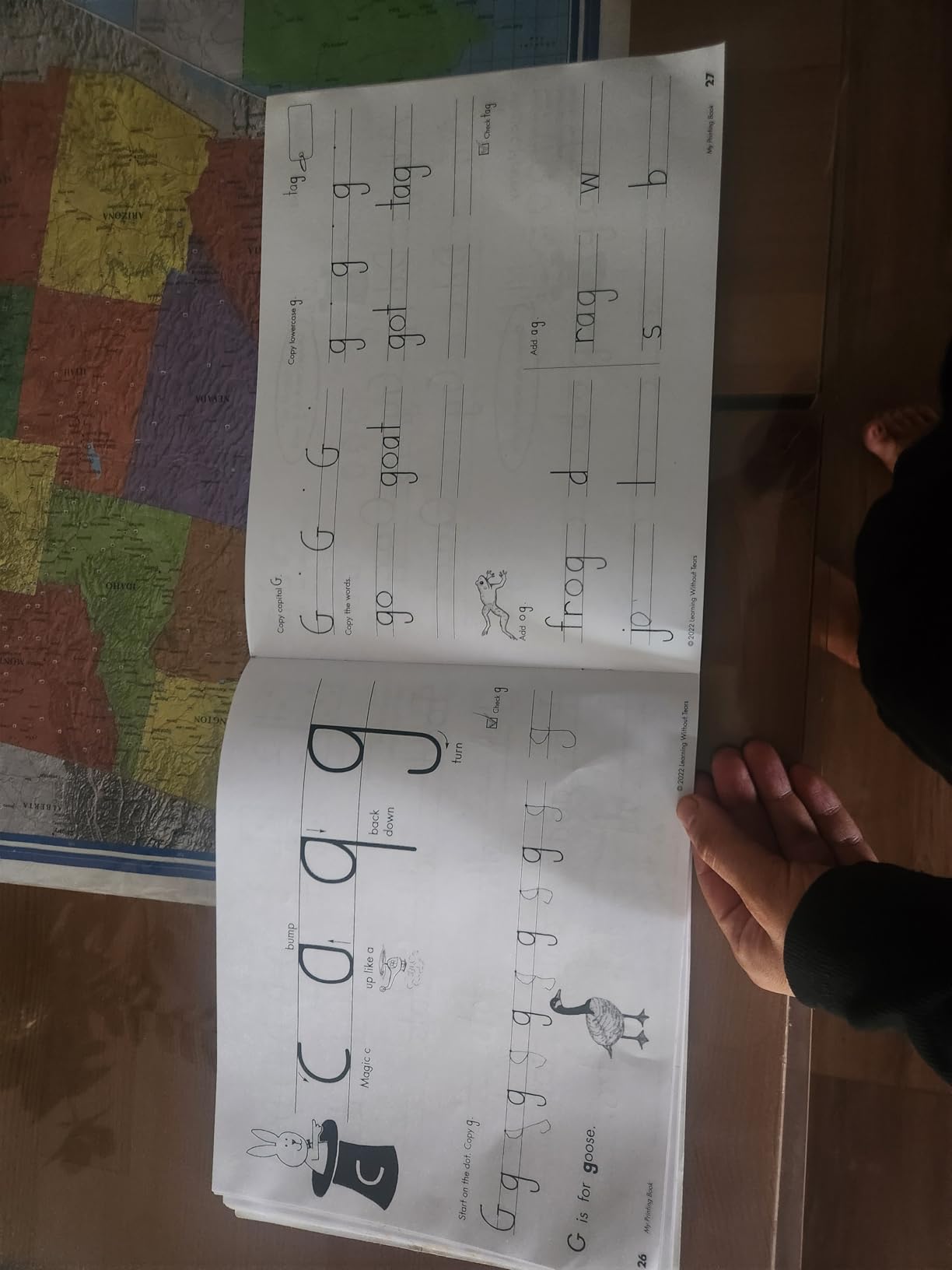
Beyond letter formation, the book integrates sentence writing, capitalization, and punctuation into the handwriting exercises. This means your child is not just copying isolated letters but practicing real writing skills. The combination makes the practice feel purposeful rather than repetitive.
The verbal cues for each letter are carryovers from the kindergarten book but expanded for first-grade level. These cues give children a mental script they can repeat as they write, reinforcing correct stroke order. The self-assessment boxes continue here, which helps children track their own progress and feel ownership over their improvement.
Left-Handed Friendly Features
The left-hand friendly design includes page layouts that position letter models where left-handed writers can see them without smudging, and stroke instructions that account for the different angle at which left-handed writers approach the page. This is one of the few handwriting workbooks that explicitly addresses left-handed needs, which is a gap our forum research identified as being overlooked by most competitors.
Integration with Language Arts Skills
Each handwriting lesson in this book includes a language arts component, whether that is writing a complete sentence, practicing capitalization rules, or working on punctuation. This integration means your child is learning multiple skills simultaneously, which is more efficient than teaching handwriting and language arts separately. For homeschool families, this dual-purpose approach saves planning time.
10. Learning Without Tears Printing Power
Learning Without Tears Printing Power Workbook, 2nd Grade+, Age 7+
2nd Grade+
Age 7+
Grammar and sentences
Clean printing focus
Learn and Check boxes
Pros
- Focuses on clean neat printing that many second graders need
- Grammar lessons integrated with handwriting practice
- Learn and Check boxes support independent work
- Engaging lessons that do not feel like drill work
- Strong support for both home and classroom use
Cons
- Not reusable with disappearing ink
- Assumes prior completion of first-grade handwriting work
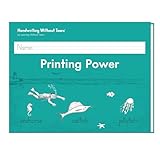
Printing Power is the highest-rated product in our entire roundup with a 4.9 star rating. It targets second graders who can form letters but need to focus on neatness, spacing, and legibility. This is the stage where handwriting transitions from learning letters to producing clean, readable work.
The Learn and Check boxes are the defining feature of this book. After learning a new concept, children check their own work in a designated box. This self-monitoring builds the habit of reviewing and correcting, which is a skill that applies to all academic work, not just handwriting.
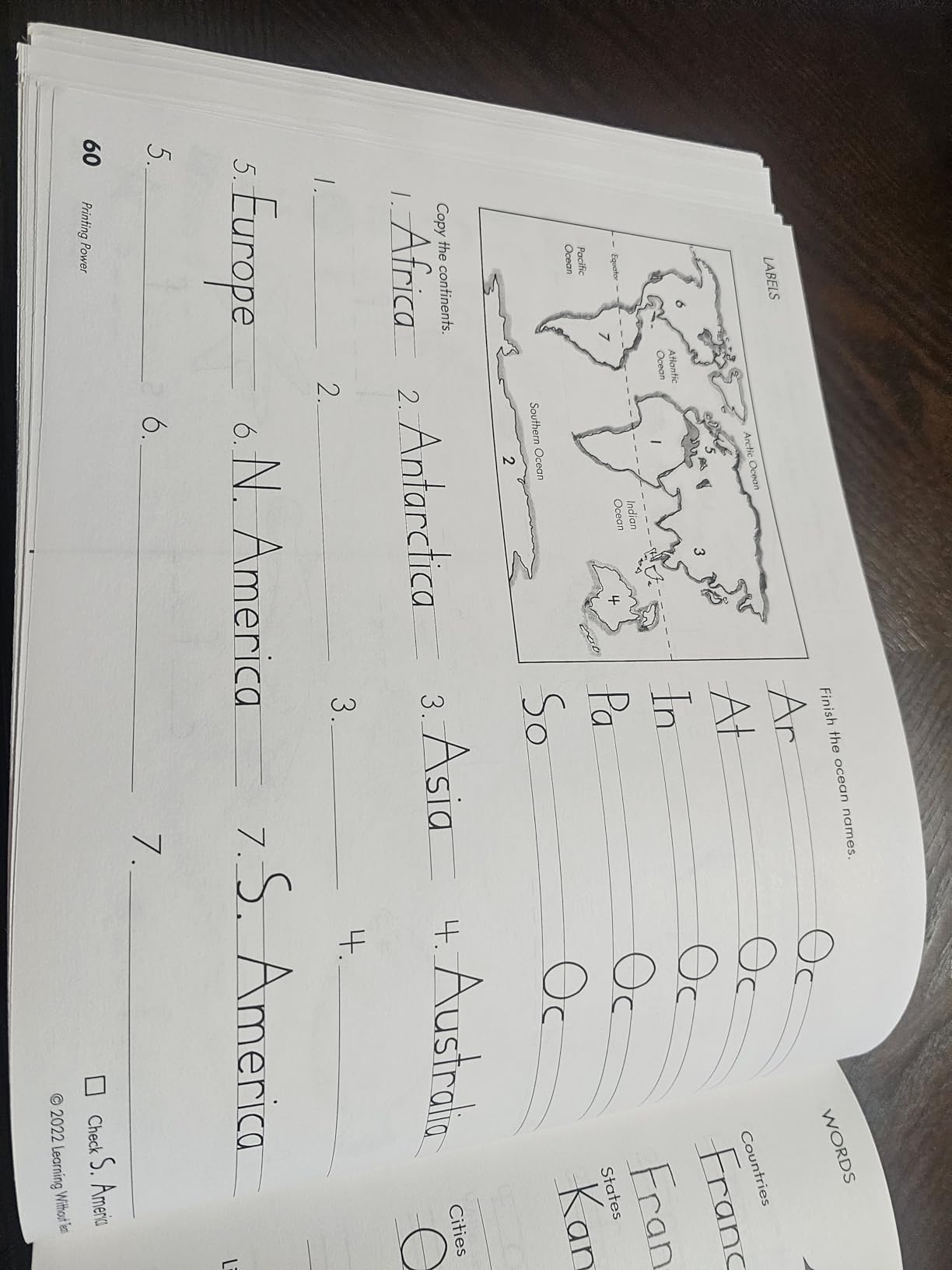
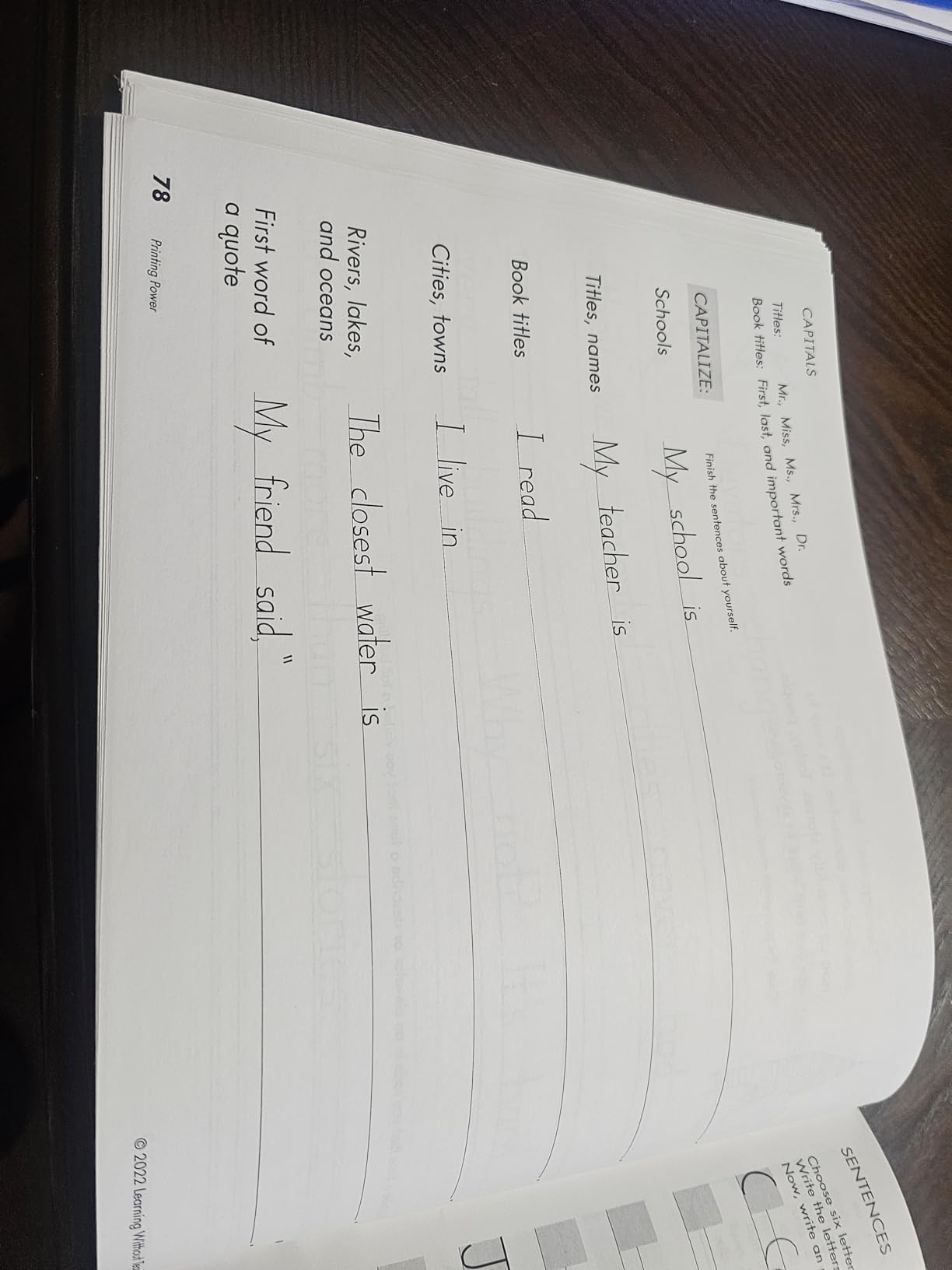
I appreciate that this book does not just drill letters in isolation. Each lesson includes grammar work, sentence construction, and real writing tasks. My second grader was practicing proper noun capitalization while simultaneously improving her letter formation, which made the handwriting practice feel relevant rather than busywork.
The book assumes your child has completed first-grade handwriting work. If you are jumping into the Learning Without Tears series at second grade without prior books, your child may need some adjustment time. The pacing is appropriate for children who have the foundational skills and are ready to refine their technique.
What Makes This the Highest Rated Book
Printing Power earns its 4.9 rating because it solves a specific problem that parents and teachers consistently identify: second graders who can write but produce messy, inconsistent work. The focus on clean printing, combined with grammar integration and self-assessment, delivers measurable improvement in a short timeframe. Parents report seeing visible differences within weeks.
Learn and Check System Benefits
The Learn and Check system teaches children to independently evaluate their own handwriting. After completing an exercise, they compare their work to a model and note areas for improvement. This self-correction habit reduces dependence on adult feedback and helps children internalize quality standards. For classroom teachers, this system also reduces the grading burden.
11. Handwriting Without Tears My Printing Book Student Workbook
Learning Without Tears – My Printing Book Student Workbook – Handwriting Without Tears Series – 1st Grade Writing Book – Capital and Lowercase Letters, Language Arts Lessons – for School or Home Use
1st Grade
Lowercase emphasis
Language arts integration
Multiple line styles
Expanded writing space
Pros
- Expanded writing room compared to earlier editions
- Emphasizes lowercase letters in words and sentences
- Combines handwriting with broader language arts lessons
- Practice pages teach writing on different line styles
- Digital instruction opportunities available
Cons
- Limited stock availability at times
- Not reusable with disappearing ink
- Older edition of the curriculum
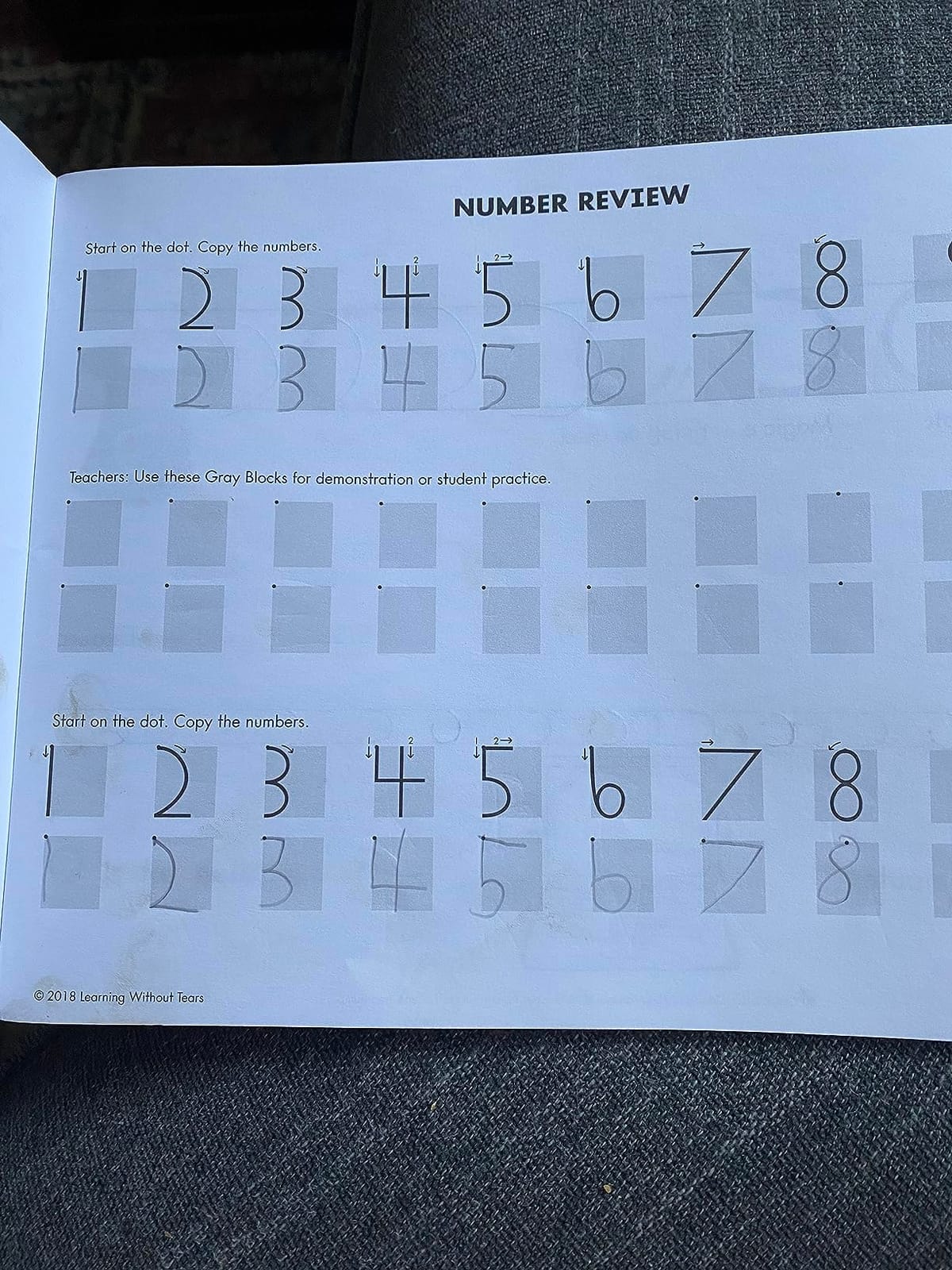
This is the earlier edition of the My Printing Book curriculum, and it remains popular with over 800 reviews. The expanded writing space is the main advantage over the newer edition, giving first graders more room to practice each letter and word. For children who write large or need extra space, this version may actually work better than the updated one.
The emphasis on lowercase letters in context is what makes this workbook effective. Instead of drilling lowercase letters in isolation, children practice them within real words and sentences. This approach reinforces both letter formation and spelling simultaneously, which is more efficient than separating the skills.
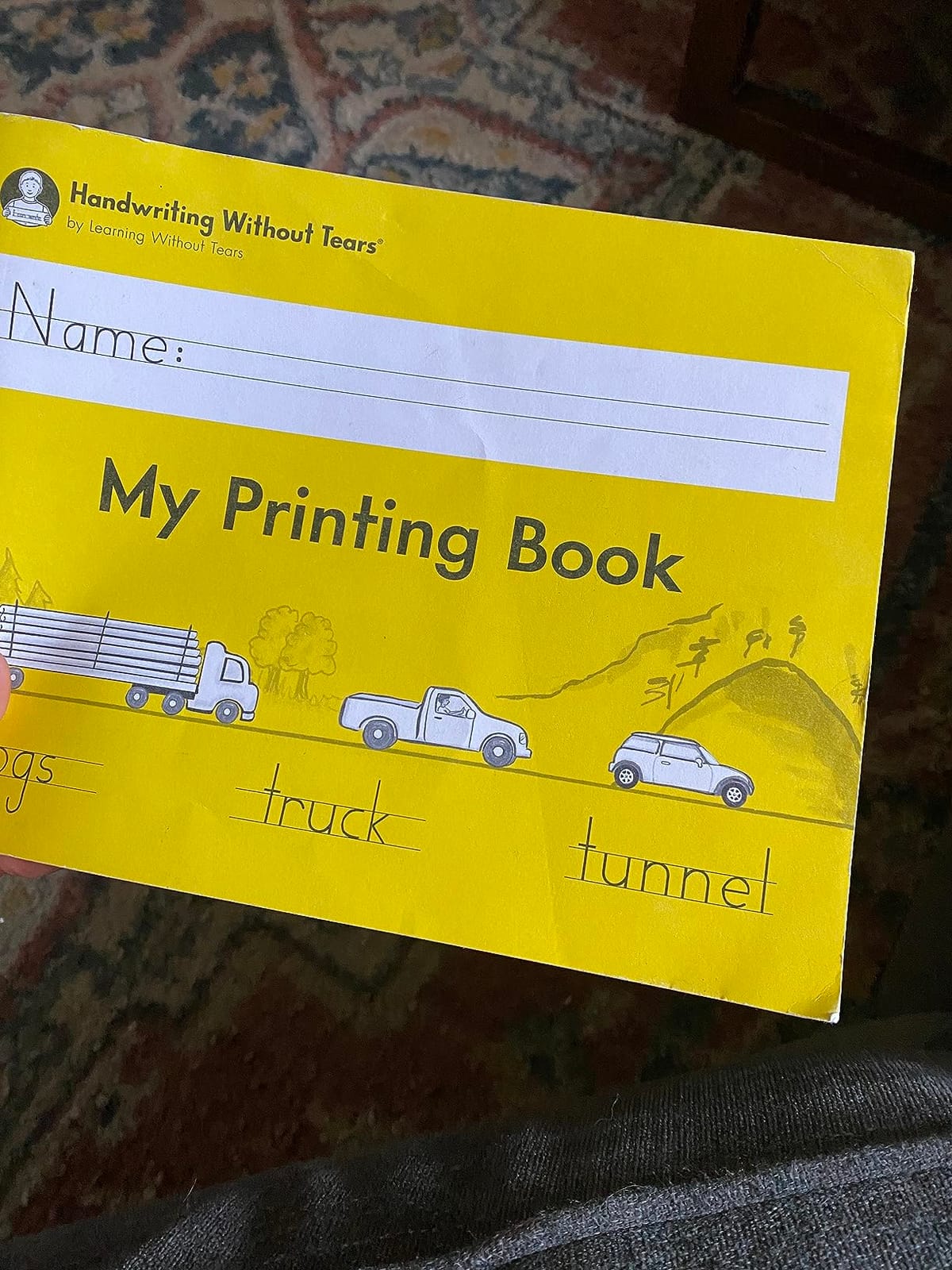
One feature that sets this edition apart is the variety of line styles used throughout the book. Children practice writing on different types of lines, which prepares them for the varied paper formats they will encounter in school and in life. This flexibility is something the newer editions have streamlined but not eliminated.
The digital instruction opportunities referenced in the product description refer to companion materials that some schools provide. If you are using this at home, you may not have access to those digital components. However, the workbook stands on its own as a complete handwriting program for first grade.
Differences Between This and the Newer Edition
The older edition offers more writing space per exercise and uses a wider variety of line styles. The newer edition has updated graphics, refined lesson sequences, and better integration with current digital teaching tools. If your priority is practice space, choose this edition. If you want the latest methodology, go with the newer version.
Stock Availability Considerations
This workbook sometimes has limited stock because it is an older edition that has been partially replaced. If you see it available and it fits your needs, grab it. The older content is still pedagogically sound, and some teachers actually prefer the expanded writing space over the newer format.
12. Learning Without Tears Cursive Kickoff
Learning Without Tears Cursive Kickoff Workbook, 2nd Grade+, Age 7+
2nd Grade+
Age 7+
Print to cursive transition
Paragraphs and poems
Self-check tools
Pros
- Bridges print and cursive with a clear multisensory approach
- Real-world writing tasks include paragraphs poems and letters
- Teaches letter connections not just individual cursive letters
- Self-check tools build independence
- Builds confidence through structured repetition
Cons
- Not reusable with disappearing ink
- Cursive may not be required in all school districts
- Some children resist cursive initially
Cursive Kickoff is the only cursive workbook on our list, and it fills an important niche. Even though many schools have de-emphasized cursive, research shows that cursive writing improves reading fluency and helps children with dyslexia distinguish between letters like b and d. This book makes the transition from print to cursive smooth and logical.
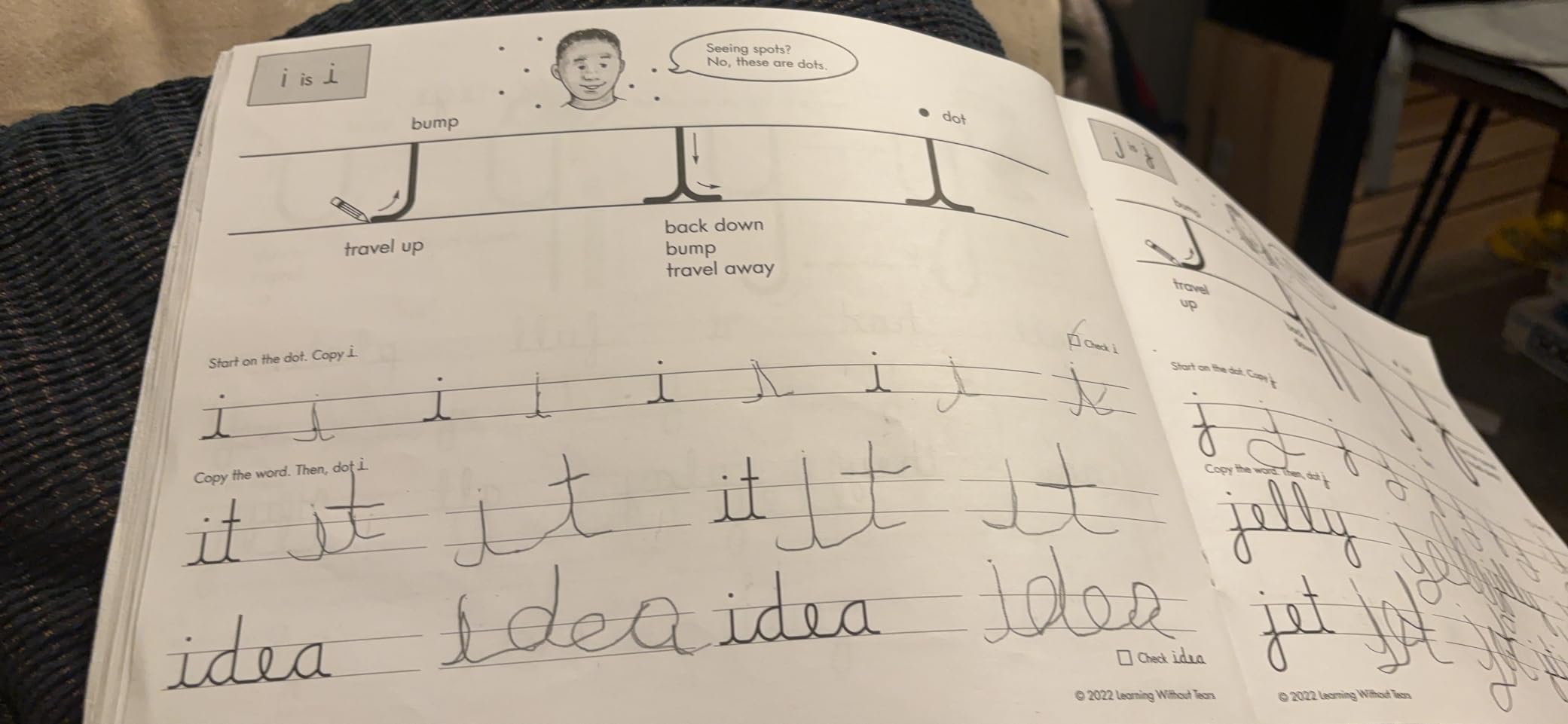
The multisensory approach means children do not just copy cursive letters from a model. They trace, say, and write each letter, engaging multiple senses in the learning process. The letter connection exercises are particularly valuable because connecting letters smoothly is the hardest part of cursive to master.
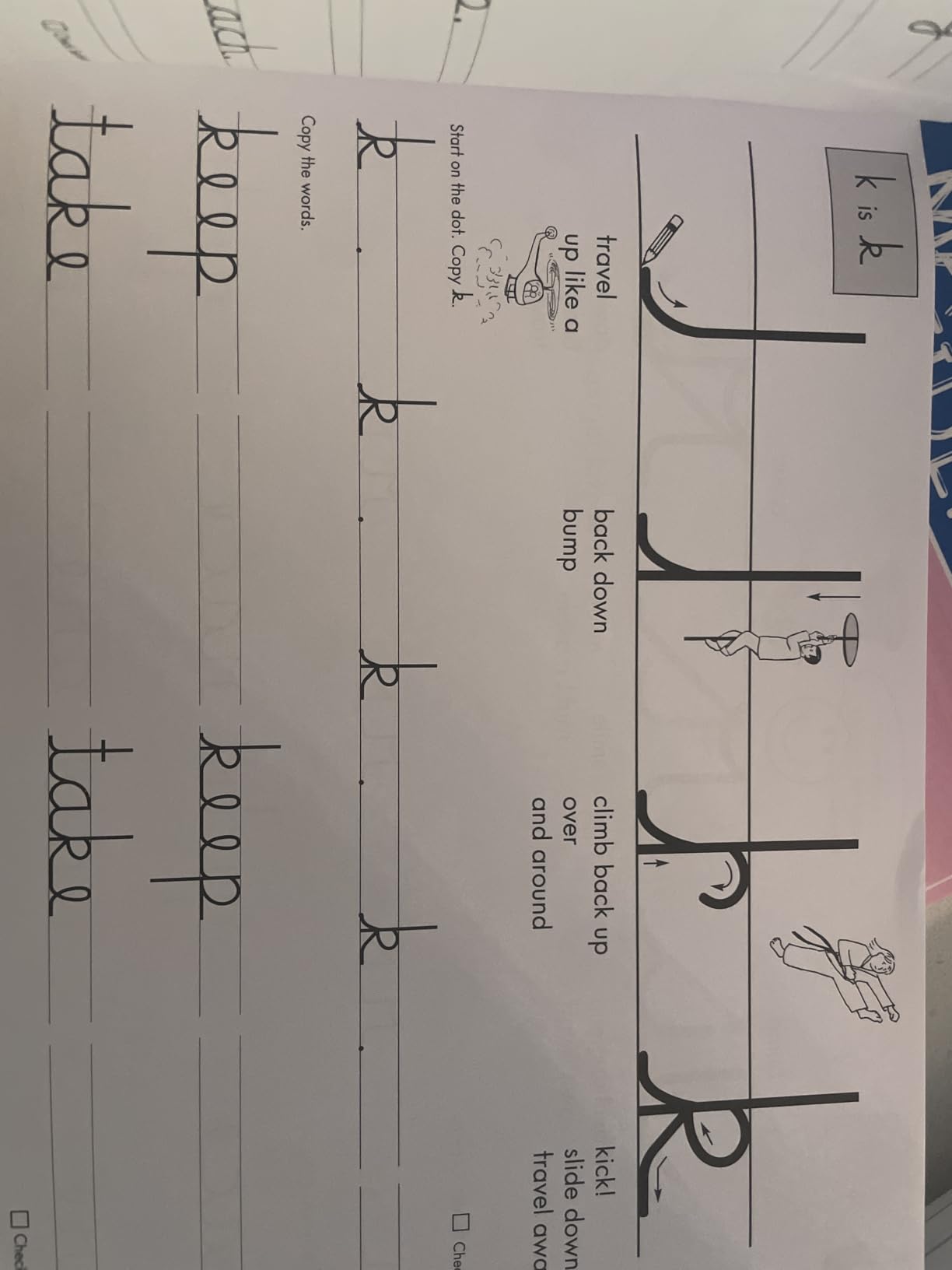
I appreciated that this book includes real-world writing tasks like paragraphs, poems, and letters. My daughter wrote an actual letter to her grandmother as part of a cursive exercise, which gave the practice real meaning. That context made her want to write neatly because the output mattered to her.
The structure and spacing instruction is excellent. Cursive requires consistent slant and spacing between letters, and this book teaches those skills explicitly rather than assuming children will figure them out. The self-check tools let children evaluate their own slant and spacing, building awareness of these subtle but important elements of cursive writing.
Why Cursive Still Matters in 2026
Research continues to show that cursive writing engages different brain pathways than printing or typing. For children with learning differences, cursive can reduce letter reversals and improve reading fluency. Even in districts that do not require cursive, many parents choose to teach it at home because of these cognitive benefits and the ability to read historical documents and family letters.
Print to Cursive Transition Method
Cursive Kickoff uses a bridge approach that connects each print letter to its cursive counterpart. Children learn the cursive version of letters they already know, then practice connecting them. This method is less overwhelming than starting cursive from scratch and leverages the motor memory children have already built through print practice.
How to Choose the Right Reusable Handwriting Practice Book
Choosing among the best reusable handwriting practice books comes down to your child’s age, learning style, and your budget. After testing 12 options and digging through hundreds of parent reviews, I identified the key factors that should drive your decision. Here is what matters most.
Grooved Copybooks vs Traditional Workbooks
The first decision is between grooved magic copybooks with disappearing ink and traditional workbooks like Learning Without Tears. Grooved books are truly reusable and let children practice the same page hundreds of times, which is perfect for building muscle memory through repetition. Traditional workbooks are single-use but offer superior pedagogical structure, verbal cues, and integration with other language arts skills.
Many families use both. Start with grooved copybooks for raw letter formation practice, then use traditional workbooks for structured skill development. This combination gives you the cost savings of reusable books and the educational quality of a classroom-tested curriculum.
Matching the Book to Your Child’s Age and Stage
For ages 3 to 5, grooved copybooks and the Handwriting Without Tears My First School Book are ideal because they focus on basic letter shapes and pen control. For ages 5 to 7, the Learning Without Tears kindergarten and first-grade workbooks provide the structured progression children need at this critical stage.
For ages 7 and up, Printing Power and Cursive Kickoff address the refinement and cursive skills that older children need. If you have a child who is between stages, the Kick Start Kindergarten book is designed specifically for that gap year between pre-K and kindergarten.
Print vs Cursive Considerations
Most children should master print before starting cursive, typically around second grade or age 7. If your school district teaches cursive, the Cursive Kickoff book aligns with that timeline. If your school does not teach cursive but you want your child to learn it, this book provides everything you need to teach it at home.
Left-Handed Writer Needs
This is an area where almost no competitor provides guidance, and it matters. Left-handed children face unique challenges including smudging and different stroke angles. The Learning Without Tears workbooks are explicitly designed for both left and right-handed writers, making them the strongest choice for left-handed children. Among the grooved copybooks, none specifically address left-handed needs, though the grooved format does provide physical guidance that helps regardless of hand dominance.
Homeschool and Occupational Therapy Use
For homeschool families, the Learning Without Tears sequence provides a complete curriculum from pre-K through second grade with teaching guides that require no prior training. For occupational therapy, the multi-sensory approach of both grooved books and the Learning Without Tears method supports children with fine motor delays and sensory processing differences. If your child has specific challenges like dysgraphia, consider exploring additional handwriting aids for kids with dysgraphia alongside these practice books.
Frequently Asked Questions
What is the best book for handwriting practice?
The best reusable handwriting practice book depends on your child’s age and needs. For preschoolers, the Momo u0026amp; Nashi Magic Grooved set offers the most comprehensive reusable experience. For school-age children, the Learning Without Tears series provides classroom-tested instruction with progressive skill development.
Do grooved handwriting practice books work?
Yes, grooved handwriting books work by providing tactile feedback that guides the pen along correct letter stroke paths. This physical guidance builds muscle memory faster than visual tracing alone. Research and parent testimonials consistently show improved letter formation after regular practice with grooved pages.
What are some good workbooks for improving handwriting?
The best workbooks for improving handwriting include the Learning Without Tears series for structured classroom-quality instruction and the Timetome and Momo u0026amp; Nashi grooved copybook sets for reusable practice. For second graders specifically, Printing Power by Learning Without Tears is the highest-rated option with a 4.9 star average.
What are some good books for adults to improve their handwriting?
While the books in this guide focus on children, adults seeking handwriting improvement can benefit from the same principles of muscle memory and guided practice. The grooved copybook format works for adults because the disappearing ink allows unlimited repetition. Adults should look for books that do not feel juvenile, which is a common complaint from adult learners seeking practice materials.
At what age should children start handwriting practice?
Children can begin pre-writing activities as early as age 3 with crayon-based books like Handwriting Without Tears My First School Book. Formal letter tracing with grooved copybooks works well starting around age 4. Most children are ready for structured handwriting workbooks between ages 5 and 6 during kindergarten.
Wrapping Up
After reviewing all 12 products, three stand out as the best reusable handwriting practice books for 2026. The Momo & Nashi Magic Grooved set is our editor’s choice for its comprehensive 5-book bundle and deep tactile grooves. The Timetome 6-book set delivers the best value with included pen grips and six books. And the Learning Without Tears series remains the classroom gold standard for structured handwriting instruction.
For families who want truly reusable books, the grooved copybook sets with disappearing ink are the way to go. For those who prioritize pedagogical quality and classroom-tested methods, the Learning Without Tears workbooks are worth every penny even though they are single-use. Many families benefit from using both types at different stages of their child’s development.
Whatever you choose, consistent daily practice is what produces results. Even ten minutes a day with any of these books will build the muscle memory and confidence your child needs for a lifetime of legible handwriting. Pick the book that matches your child’s age and learning style, and start tracing.