
I have spent years watching students light up when learning feels like play instead of work. Word building games turn vocabulary drills into something kids actually ask for, and the right game can fill a five-minute gap or anchor an entire literacy center. After testing dozens of options in real classrooms, I narrowed this list to the ten that consistently deliver engagement, skill-building, and durability.
Finding the best word building games for a classroom means looking at more than just fun factor. Teachers on Reddit and BoardGameGeek repeatedly mention the same frustrations: games that fall apart after one semester, activities that only work for one grade level, and products that need constant internet access. I built this guide to solve those problems by covering physical games that work offline, adapt across grade levels, and survive daily classroom use.
Each pick below includes the grade range it fits best, the specific literacy skills it targets, and honest notes on where it shines or falls short. Whether you teach kindergarten phonics or middle school ELA, you will find options here that fit your students and your budget in 2026.
Table of Contents
Top 3 Picks for Best Word Building Games for a Classroom


Word Building Games for a Classroom in 2026
| Product | Specs | Action |
|---|---|---|
| Bananagrams Classic Word Game |
|
Check Latest Price |
 Tile Lock Scrabble Board Game Tile Lock Scrabble Board Game |
|
Check Latest Price |
 Boggle Classic Game Boggle Classic Game |
|
Check Latest Price |
 Educational Insights Word Building Dominoes Educational Insights Word Building Dominoes |
|
Check Latest Price |
 Scrabble Junior Board Game Scrabble Junior Board Game |
|
Check Latest Price |
 Big Boggle Big Boggle |
|
Check Latest Price |
 Junior Learning Spelligator Word Building Game Junior Learning Spelligator Word Building Game |
|
Check Latest Price |
 Learning Resources Snap It Up Phonics Learning Resources Snap It Up Phonics |
|
Check Latest Price |
| Learning Resources Sight Word Swat |
|
Check Latest Price |
 Educational Insights Phonics Dominoes Educational Insights Phonics Dominoes |
|
Check Latest Price |
1. Bananagrams Classic Word Game – Fast-Paced Vocabulary Builder
Bananagrams Classic Word Game, 144 Tiles in Banana Pouch, Travel Game
Ages 7+
Grades 2-8
1-8 players
No board needed
Pros
- Races teach rapid word recall
- Works for mixed ability groups
- Portable banana pouch
- Tiles are tough and wipeable
Cons
- Letter distribution can frustrate beginners
- No scoring tray included
I first brought Bananagrams into a fourth-grade classroom three years ago, and it has been the most requested activity ever since. The concept is simple: each player builds their own crossword grid as fast as possible, then calls “peel” to draw new tiles. Students who normally freeze during spelling tests suddenly race to spell longer words because the competitive pace makes it feel like a sport rather than a quiz.
What makes this one of the best word building games for a classroom is how it scales across skill levels without rule changes. Advanced students build complex grids while struggling spellers work on three-letter words at the same table. Teachers on Reddit consistently praise this adaptability, and the 26,800 reviews on Amazon echo the same sentiment.
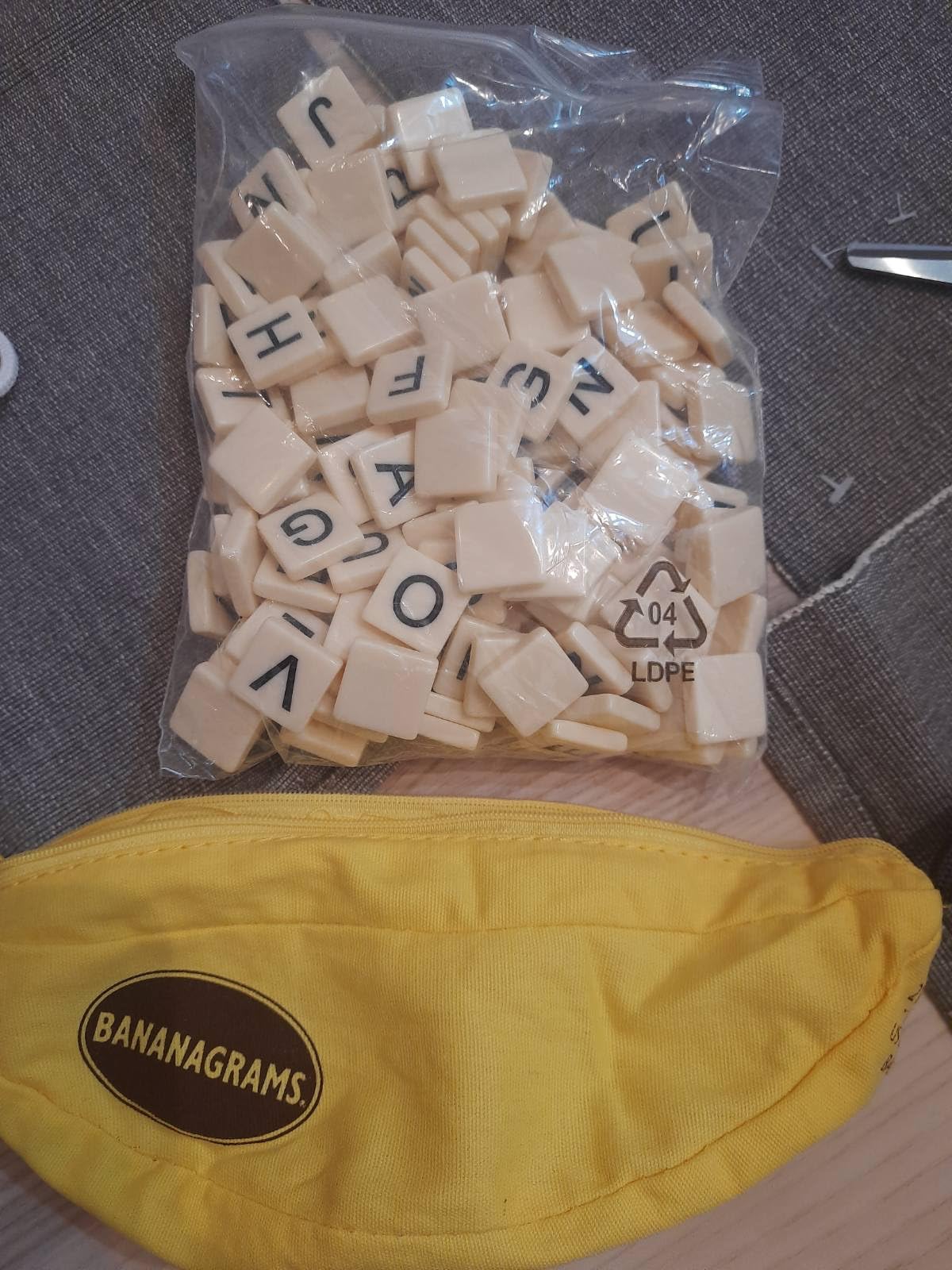
The tiles themselves are solid and withstand daily handling. I have seen sets survive being dropped on tile floors, swept into bins, and left in hot cars without cracking. The banana pouch keeps everything contained, which matters when you are managing multiple literacy centers at once.
The main limitation is that the standard letter distribution assumes basic vocabulary. Kindergarten and first-grade students can struggle with the speed. I recommend it most strongly for grades 2 through 8, where most students can spell independently.

How to use it in literacy centers
Set up a station with one Bananagrams pouch and a timer. Pairs play head-to-head while a third student acts as judge, checking that every word is valid. Rotate roles every ten minutes so each student practices building, checking, and time management.
Adapting for different reading levels
For lower-level readers, remove the speed element and let students build words cooperatively without a timer. You can also pre-sort tiles to include only common letters, or challenge advanced students to use a minimum word length of five letters.
2. Tile Lock Scrabble Board Game – Classic Strategy for Older Students
Tile Lock Scrabble Board Game, Board Holds Tiles in Place, Game for 2-4 Players, Minimum Age 8 and Up, Number of Players: 2-4, by Winning Moves Games USA
Ages 8+
Grades 4-12
2-4 players
Tiles lock in place
Pros
- Locking tiles prevent board bumps
- Classic gameplay builds deep vocabulary
- Scoring rewards strategy
- Grows with student ability
Cons
- Games run 45+ minutes
- Requires sustained focus
- Higher price point
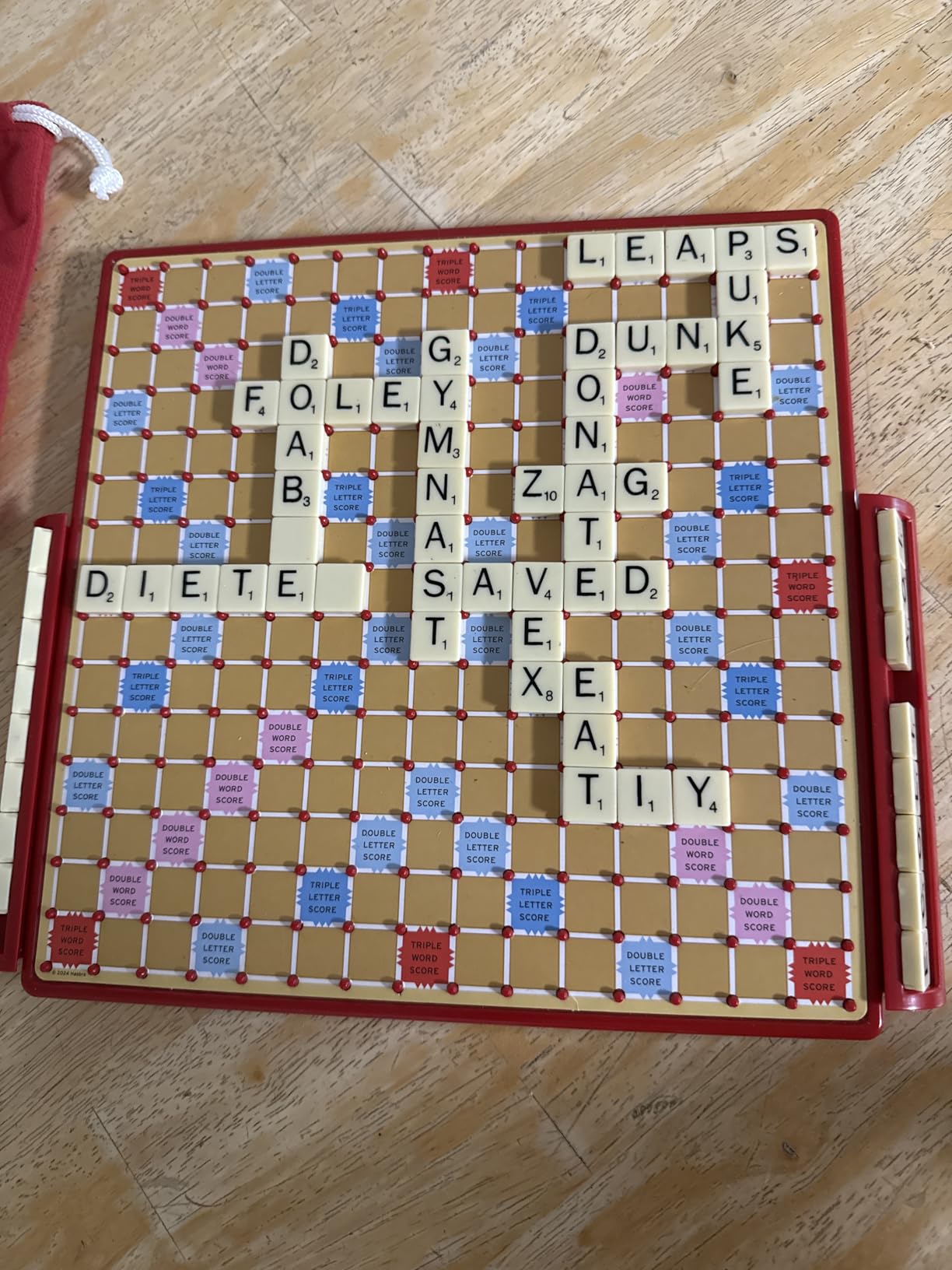
Scrabble is the gold standard for vocabulary games, and this Tile Lock version fixes the one problem teachers hate: tiles sliding when students bump the table. I tested this with a middle school ELA class, and the locking grid meant groups of four could play without restarting every time someone shifted their chair.
The strategic depth here is unmatched. Students are not just spelling words; they are calculating point values, planning tile placement, and learning to balance common letters against high-scoring ones. Teachers report that even reluctant participants get invested once they see a triple word score opportunity.
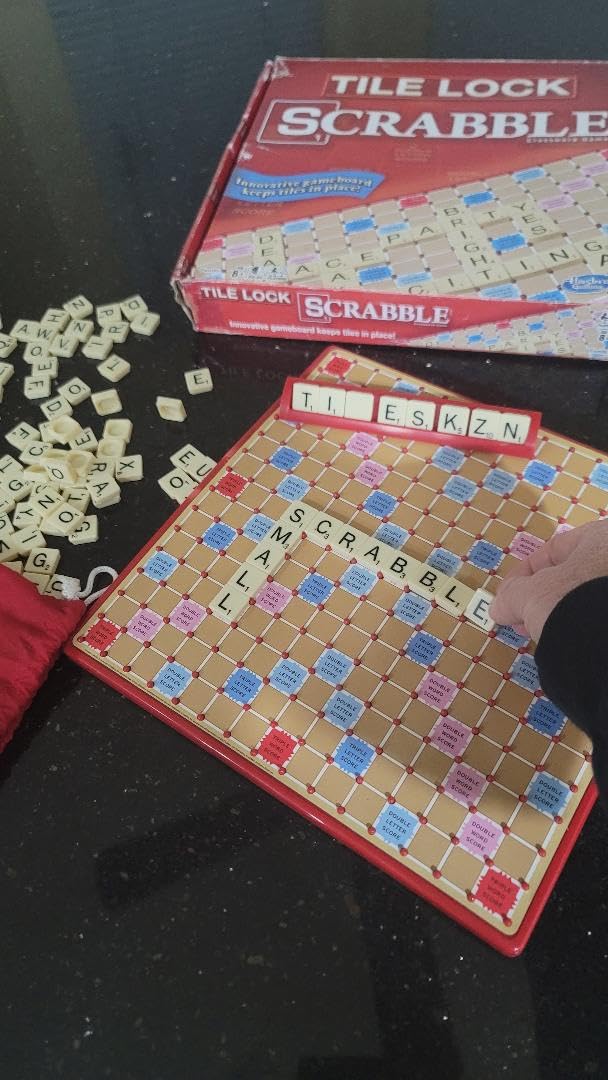
Tile Lock Scrabble earns its premium tag through build quality and classroom-friendly design. The recessed grid holds tiles firmly, and the rotating board (if you add a lazy Susan underneath) lets everyone read the play area. Over 10,800 reviews back up the durability claims.
The trade-off is time. A single game can run 45 minutes or more, which makes this better for Friday enrichment blocks or after-school programs than for quick warm-ups. Younger students may also lose interest before the game concludes.
Running a Scrabble tournament in class
Organize a bracket-style tournament over several weeks. Each Friday, pairs play one game and winners advance. This structure keeps engagement high across the semester and gives students something to look forward to while practicing vocabulary every round.
Differentiating with dictionary rules
Allow struggling spellers to use a student dictionary during their turn, while advanced players play without one. You can also create a classroom word bank of acceptable two-letter words, which levels the playing field and teaches Scrabble-specific strategy.
3. Boggle Classic Game – Quick Grid Word Search
Hasbro Gaming Boggle Classic Game Brown/a, standart
Ages 8+
Grades 3-8
2+ players
3-minute rounds
Pros
- Fast rounds fit any schedule
- No reading level limits
- Encourages word pattern recognition
- Extremely affordable
Cons
- Plastic grid can crack
- Timer is loud
- Small print on cubes
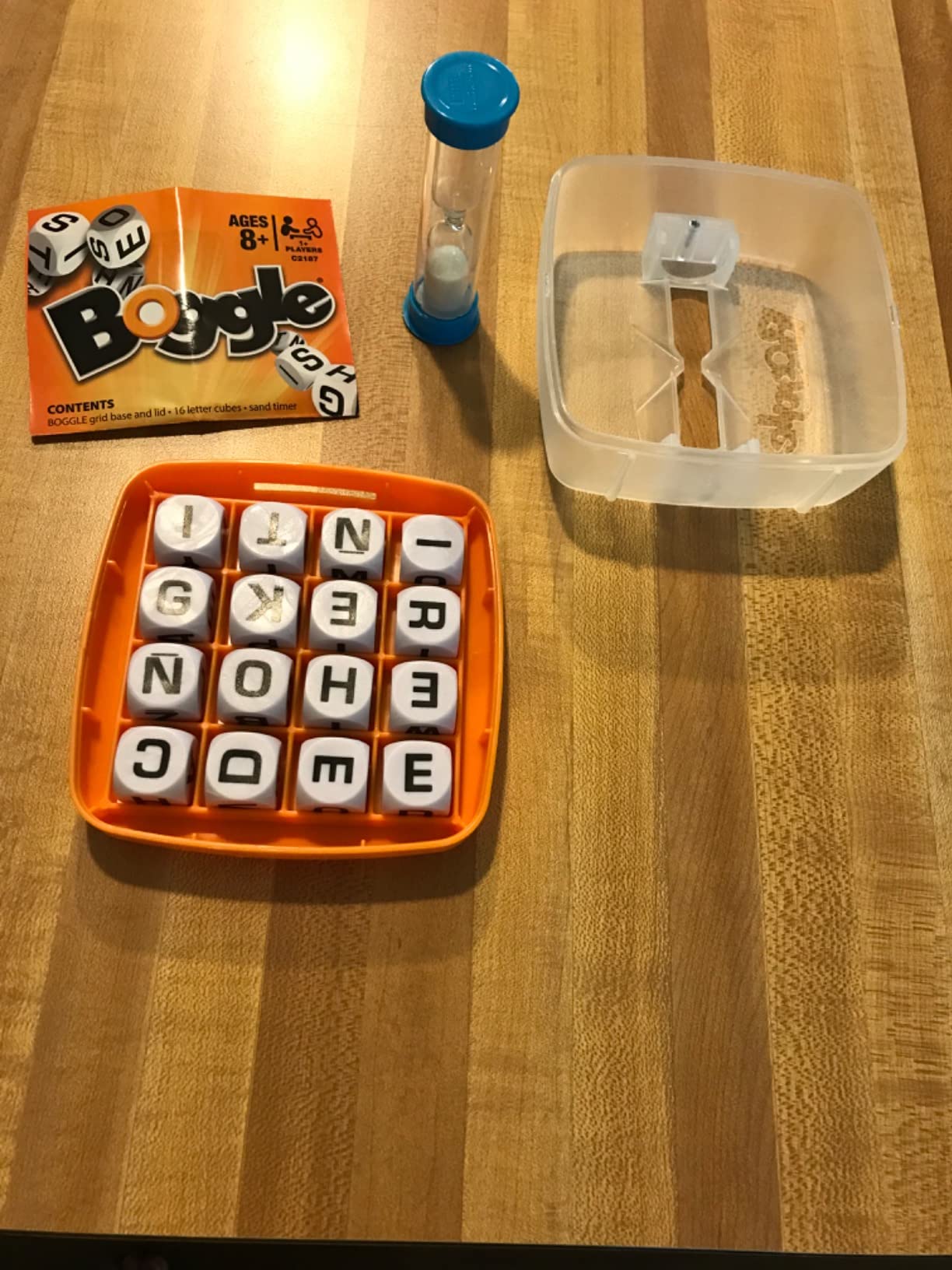
Boggle is the teacher’s secret weapon for five-minute transitions. Shake the grid, flip the timer, and students hunt for connected words before the sand runs out. I keep a set on my desk for those awkward three-minute gaps between activities, and students treat it like a race against the clock.
The beauty of Boggle is that every student succeeds at their own level. A third-grader might find “cat” while an eighth-grader spots “cater” and “caterpillar” in the same grid. This makes it one of the most versatile word building games for a classroom with mixed reading abilities.
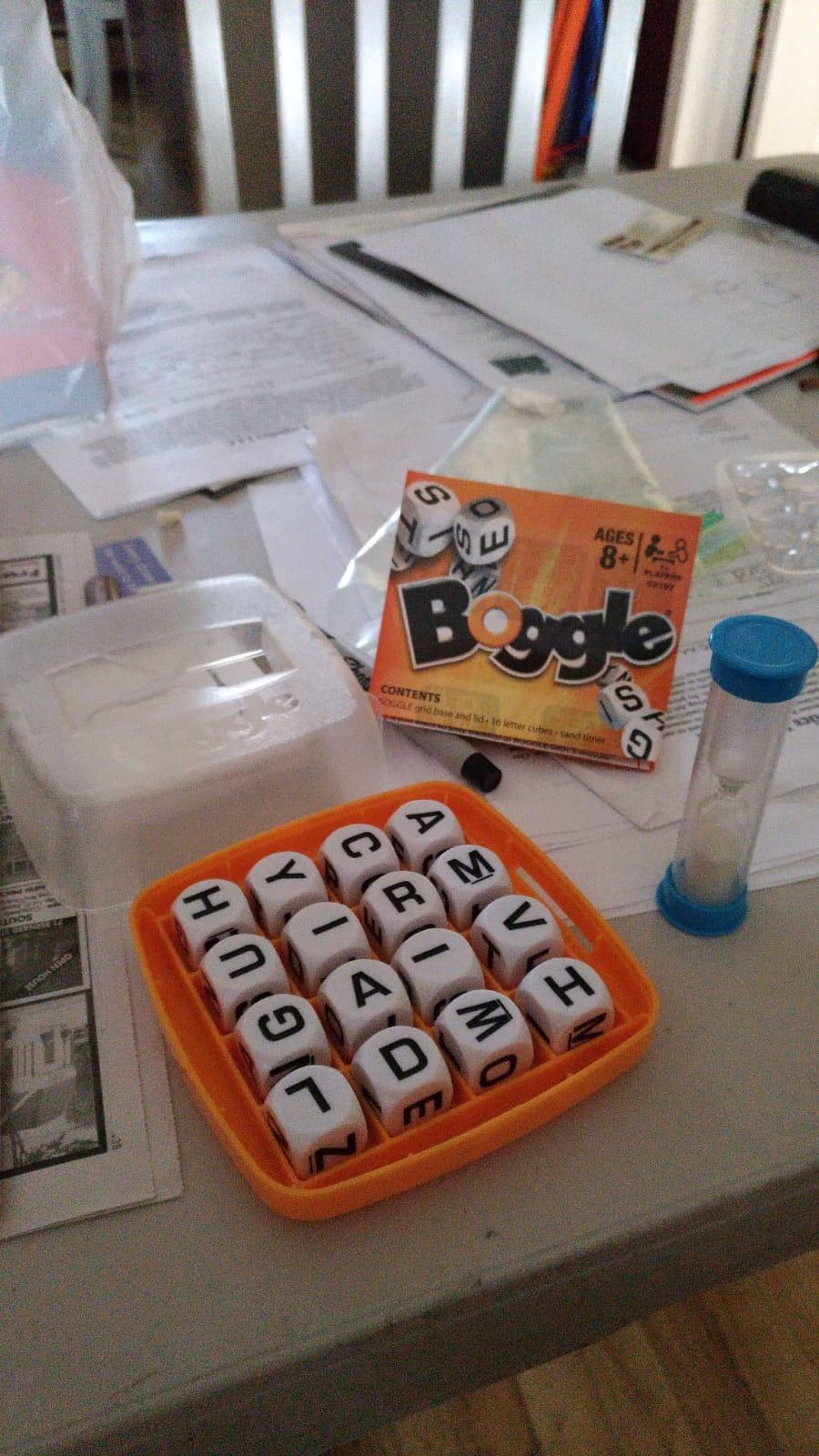
At under $15 retail, Boggle delivers more engagement per dollar than almost anything else on this list. The 9,500+ reviews and 4.8-star rating confirm what teachers already know: this game simply works. The cubes use standard print, so students practice recognizing letters without picture clues.
The main weakness is the plastic housing. After a year of daily shaking, the grid lid can develop stress cracks. I recommend teaching students to shake gently rather than violently, and keeping a backup set on hand.
Making Boggle a daily routine
Display the Boggle grid on a document camera each morning. Give students three minutes to write down as many words as they can find. Collect the lists weekly and award points for unique words nobody else found. This routine builds daily vocabulary practice in under five minutes.
Extending to team competition
Split the class into teams of four. Each team gets one grid and has two minutes to generate a collective word list. Teams then read their words aloud, crossing off any duplicates other teams also found. The team with the most unique words wins.
4. Educational Insights Word Building Dominoes – Hands-On Morpheme Practice
Educational Insights Word Building Dominoes
Ages 6+
Grades K-3
1-4 players
Prefix and suffix tiles
Pros
- Teaches prefixes and suffixes physically
- Color-coded for easy sorting
- Durable plastic dominoes
- No reading level prerequisite for play
Cons
- Instructions could be clearer
- Limited game variations
- Smaller tile count
Word Building Dominoes tackles something most games skip: morpheme awareness. Students physically connect a root word to a prefix or suffix, then read the new word they created. I used this with second-graders who were just learning that “un-” changes meaning, and the domino format made the concept click faster than any worksheet.
The tiles are color-coded, which helps non-readers match pieces before they can sound them out. A kindergartner can match colors while a third-grader focuses on meaning. This dual-access design makes the set useful across a wide primary grade range.
The durability is solid. These are thick plastic dominoes, not cardboard, so they survive being stepped on, chewed on, and shoved into bins. After months of center use, none of our tiles have lost their color or cracked.
Where it falls short is game variety. The included instructions cover one basic chaining activity, and teachers will need to invent their own variations. The 151-review count also suggests this is a niche product compared to mainstream games like Boggle or Bananagrams.
Building a word wall with dominoes
Have small groups build chains across a table, connecting roots to prefixes and suffixes. Photograph the longest chain each group creates and post it on a classroom word wall. Students love seeing their work displayed, and it reinforces the morpheme patterns visually.
Using for assessment
Ask students to build three words using a specific prefix, then explain what each word means. This gives you a quick formative assessment of morpheme understanding without a formal quiz, and students experience it as play rather than testing.
5. Scrabble Junior Board Game – Gentle Introduction to Word Building
Hasbro Gaming Scrabble Junior Board Game | 2-4 Players | Family Educational Word Games for Kids | Back to School Gifts for Classroom | Ages 5+
Ages 5+
Grades K-4
2-4 players
Double-sided board
Pros
- Two skill levels on one board
- Picture clues support beginners
- Letter matching builds confidence
- Kid-friendly tile sizes
Cons
- Side one is very guided
- Limited replay after skill growth
- Cardboard tiles less durable
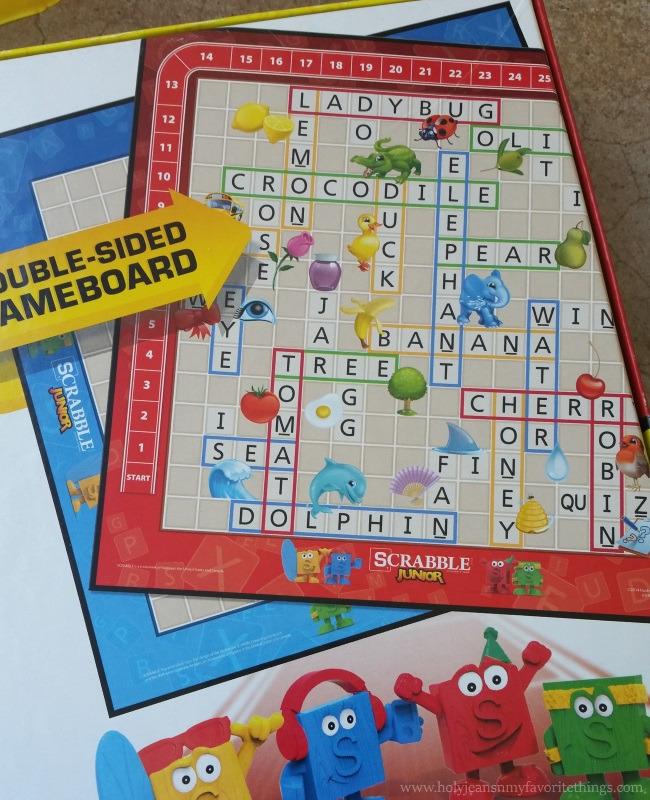
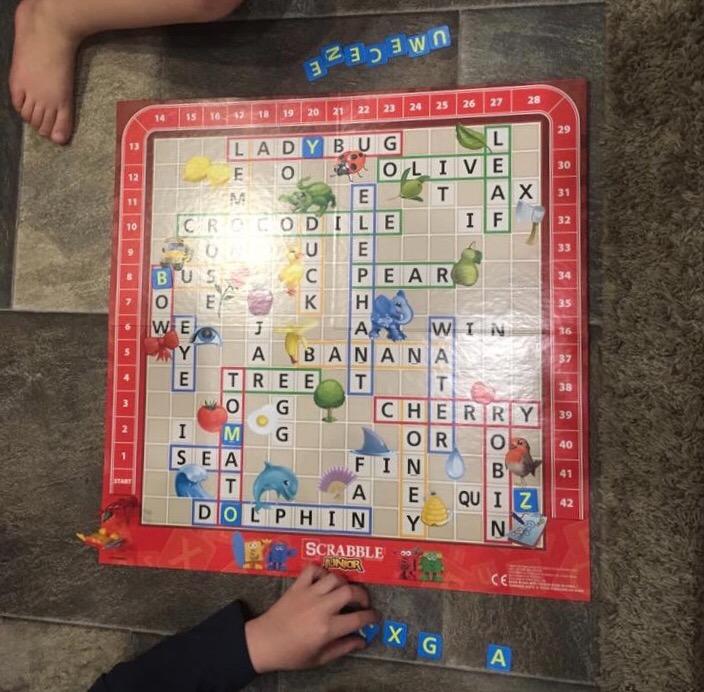
Scrabble Junior solves a real problem: standard Scrabble is too hard for young children, but they want to play the “big kid” game. The double-sided board offers a guided side where students match letters to pre-printed words, and an open side where they build freely like the original.
I tested the guided side with a kindergarten class, and the picture clues helped non-readers participate confidently. By mid-year, those same students were ready to flip the board and attempt the open side. This grow-with-me design gives the game a longer classroom lifespan than most early literacy products.
The 12,900+ reviews at 4.7 stars tell you this game resonates with families and teachers alike. The tile sizes are easy for small hands to manipulate, and the word choices on the guided side cover common sight words and simple vocabulary.
The weakness is that once students master the guided side, the open side is essentially simplified Scrabble without the strategic scoring depth. The cardboard tiles also show wear faster than the plastic pieces in the original version.
Transitioning from guided to free play
Start all students on the guided side for the first month. Once a student can complete the board without help, invite them to try the open side with a partner. This natural progression builds confidence and prevents the frustration that stops kids from engaging with word games.
Pairing with phonics instruction
Use the guided side alongside your phonics curriculum. If you are teaching short-a words one week, focus only on the short-a words printed on the board. This ties the game directly to your instructional sequence rather than treating it as a standalone activity.
6. Big Boggle – Expanded Grid for Advanced Word Hunters
Big Boggle, with 5×5 Grid and 25 Letter Cubes, by Winning Moves Games USA
Ages 8+
Grades 4-12
2+ players
5x5 grid with 25 cubes
Pros
- Larger grid means longer words
- Includes 4-letter minimum rule
- Double letter cube adds depth
- Better for older students
Cons
- Higher price than classic Boggle
- 4-letter minimum frustrates some
- Cubes still small print
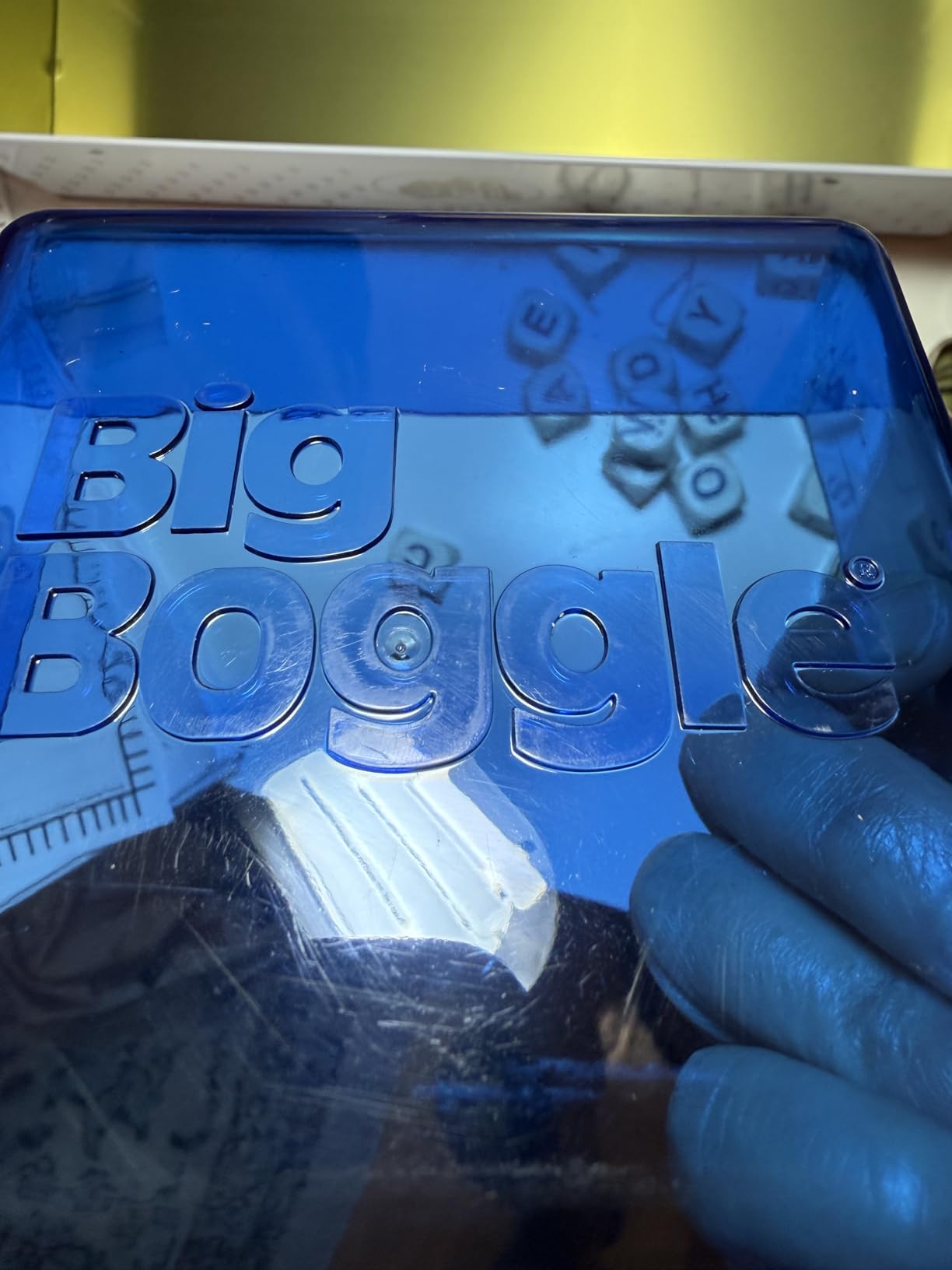
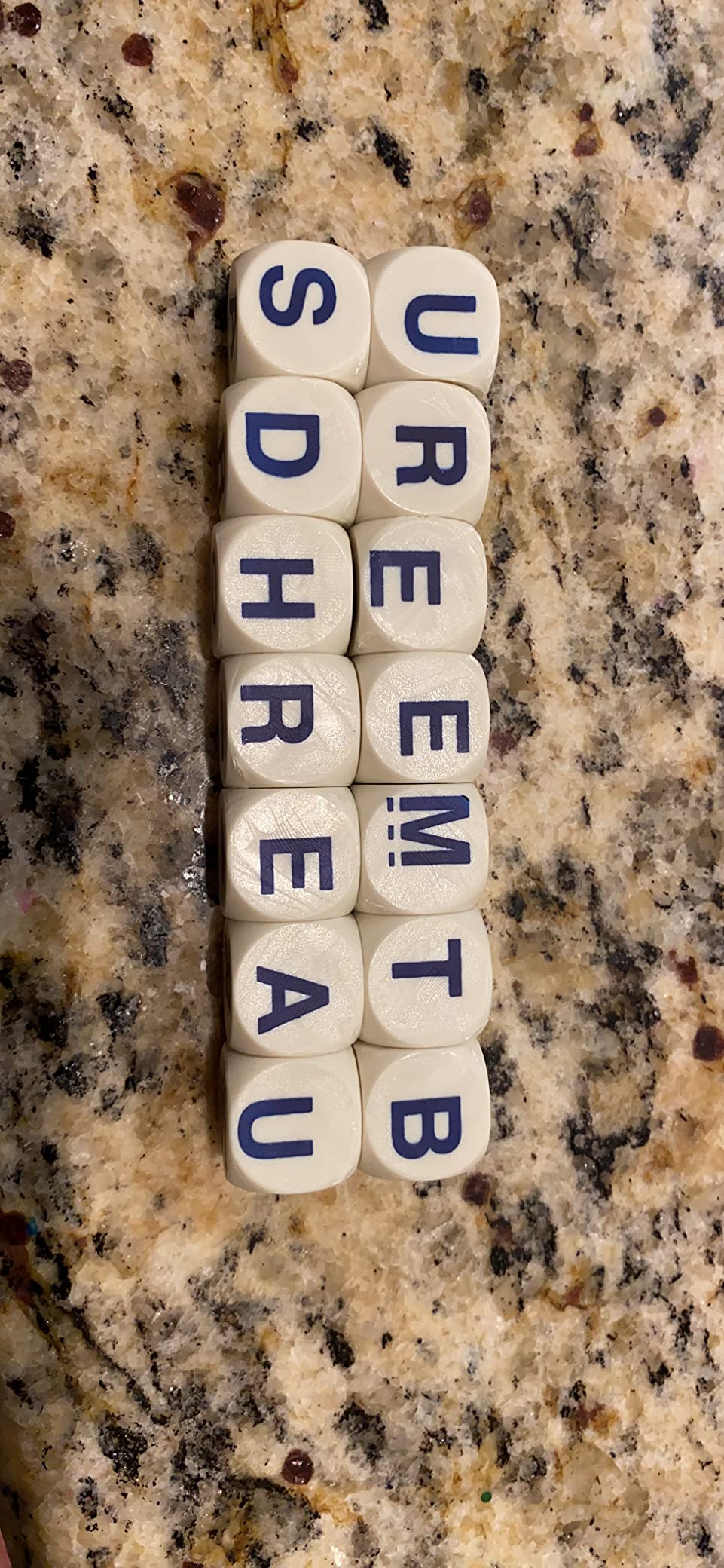
Big Boggle takes everything great about classic Boggle and scales it up for older students. The 5×5 grid gives players 25 letters to work with instead of 16, and the four-letter minimum rule pushes students past simple words into multi-syllable territory. I brought this into a seventh-grade classroom, and students who dismissed regular Boggle as “too easy” suddenly had a real challenge.
The inclusion of a double-letter cube (showing “Qu”) adds a strategic layer. Students must decide whether to build around that cube or avoid it, which mirrors the planning skills they need in writing and editing. The 5,300+ reviews confirm that word game enthusiasts consider this the superior version.
For a classroom focused on vocabulary building games, Big Boggle rewards students who know longer words. This naturally incentivizes vocabulary expansion, because students who learn new words start finding them on the grid. The game becomes a tool for motivation, not just practice.
The trade-off is cost. Big Boggle runs noticeably higher than classic Boggle, and the four-letter minimum can frustrate students who are still building confidence. I recommend it for grades 4 and up where most students have solid spelling foundations.
Creating a word-length challenge
Award bonus points based on word length: four letters earn one point, five letters earn two, six letters earn three, and so on. This scoring system pushes advanced students to hunt for the longest possible word rather than settling for the first four-letter find.
Building vocabulary from results
After each round, have students circle the three longest words they found. Add those words to a weekly vocabulary list, with students responsible for defining and using each one in a sentence. This turns game results directly into instructional content.
7. Junior Learning Spelligator Word Building Game – Phonics Spelling Practice
Junior Learning Spelligator – Phonics Word Building Game for Ages 5-9
Ages 5+
Grades 1-3
2-4 players
Word tiles and alligator game pieces
Pros
- Tiles show onset and rime patterns
- Supports phonics-based spelling
- Self-checking design
- Colorful and engaging for young learners
Cons
- Small piece count
- Limited replay value
- Instructions need clarification
Spelligator approaches word building from a phonics-first perspective. Instead of individual letters, tiles show onset and rime patterns (like “c” and “at”) that snap together to form complete words. I used this with first-graders who were struggling with consonant-vowel-consonant patterns, and the physical act of snapping pieces together reinforced the sounds in a way flashcards never could.
The game includes alligator characters that students move around a board as they spell words correctly. This adds a light competitive element without the pressure of speed-based games like Snap It Up. Students who need processing time appreciate the turn-based structure.
The self-checking design is a major plus for independent center work. Students can verify their own answers without teacher intervention, which frees you to work with other groups. The 791 reviews at 4.6 stars suggest a satisfied niche audience.
The limitation is scope. With a smaller set of tiles, students cycle through the available words relatively quickly. Teachers will need to supplement with additional word lists or combine multiple sets for larger classes.
Integrating with phonics sequences
Sort the tiles to match your current phonics unit. If you are teaching short-i patterns, pull only tiles that create short-i words. This targeted approach ensures the game reinforces exactly what you taught that week rather than scattering practice across unrelated patterns.
Using for small-group intervention
Pull three or four students who need extra phonics support and play Spelligator as a guided group. You can model thinking aloud (“I have the sound ‘at,’ what letter could go in front?”) and give immediate feedback. This makes the game a dual-purpose tool for both practice and intervention.
8. Learning Resources Snap It Up Phonics – Speed Card Game for Word Families
Learning Resources Snap It Up Phonics Word Families
Ages 6+
Grades K-2
2-6 players
Word family card game
Pros
- Teaches word family patterns
- Fast-paced card matching
- Colorful durable cards
- No reading prerequisite to start
Cons
- Can overwhelm slow processors
- Cards bend with heavy use
- Single word family focus per round
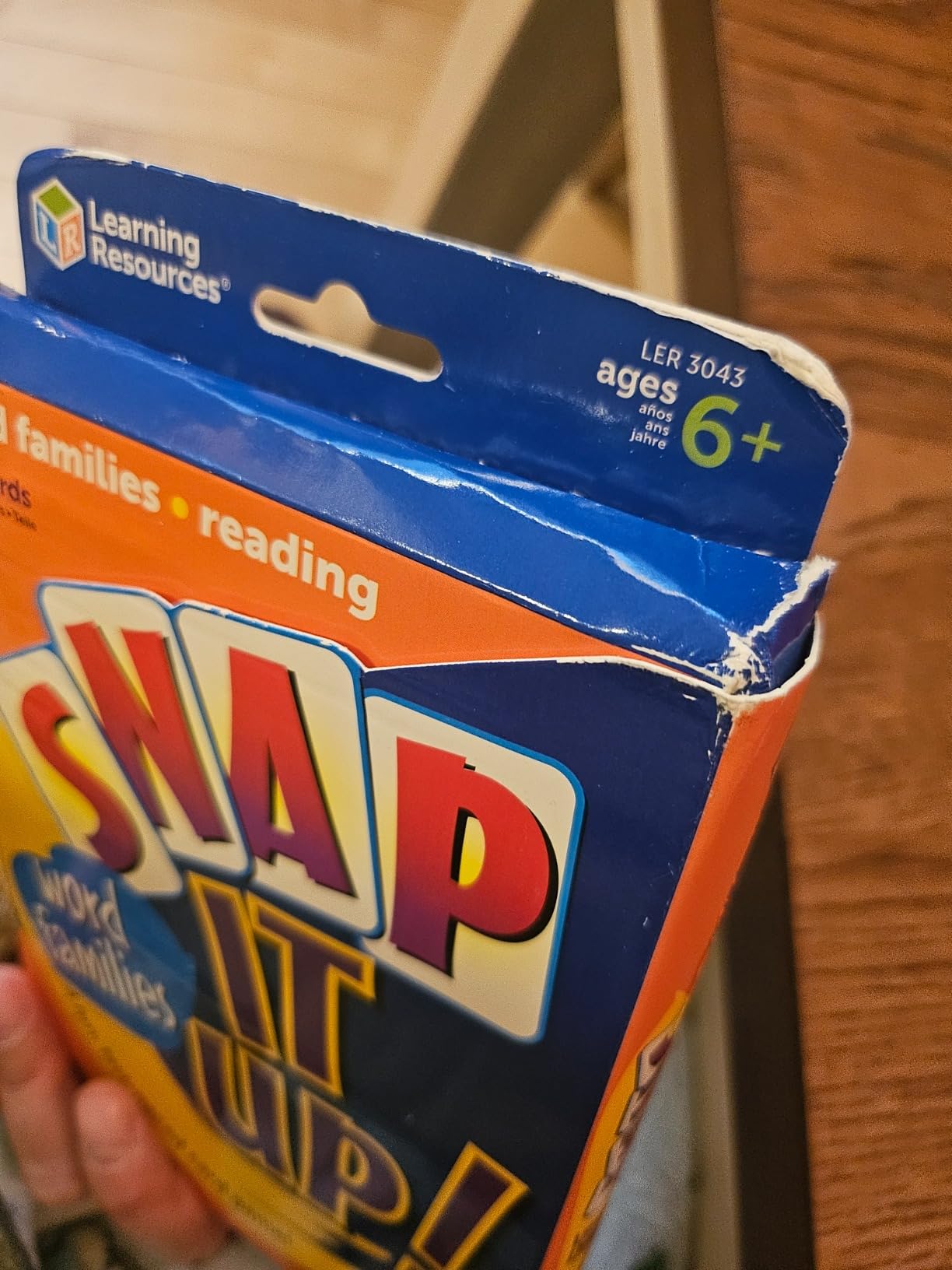
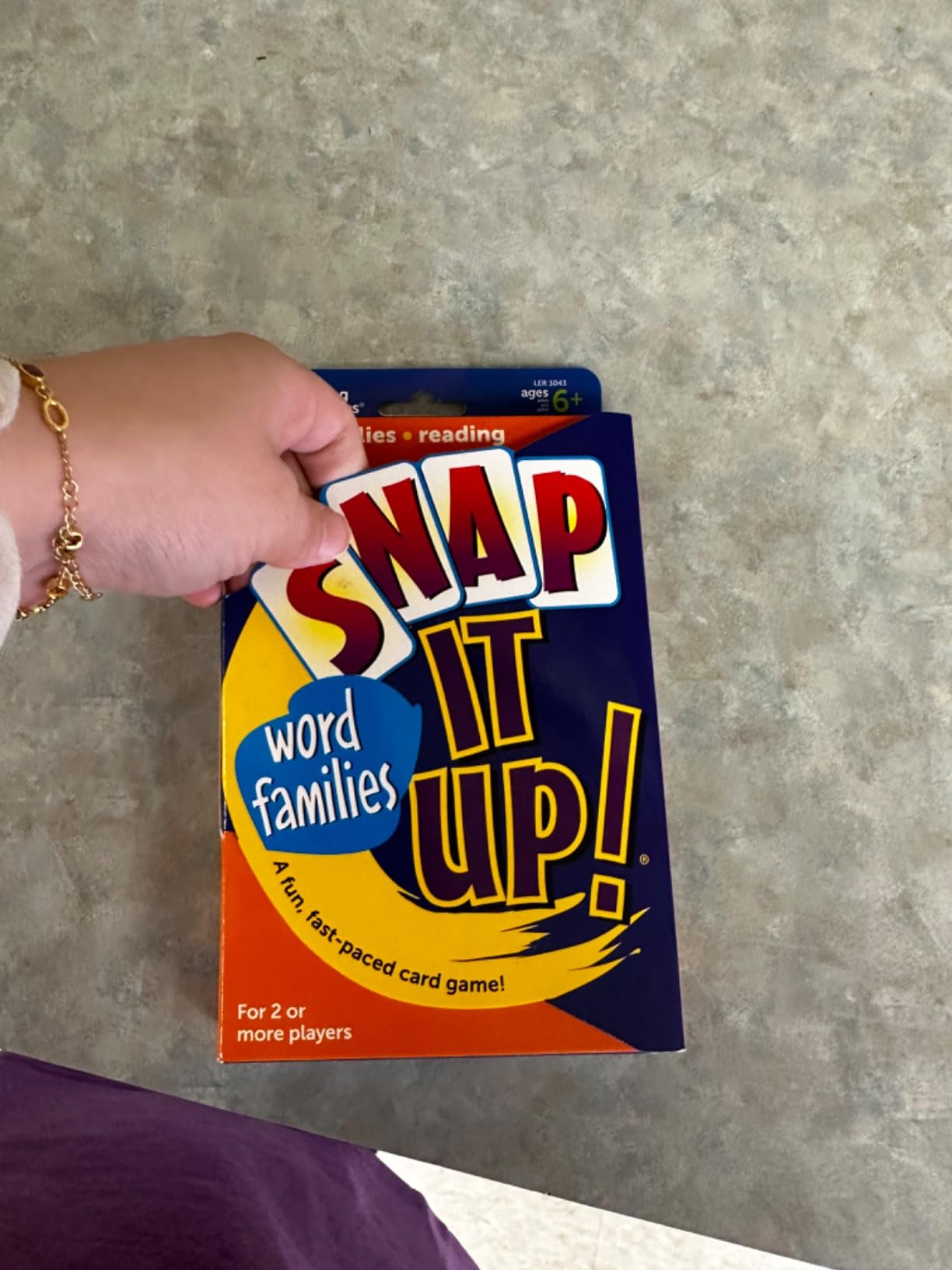
Snap It Up Phonics turns word family practice into a card-snapping race. Each round focuses on one word family (like “-at” or “-ug”), and players compete to snap down cards that create real words. I watched a group of first-graders who normally avoided word work beg for another round because the speed element made it feel like a real game.
The card-based format means setup and cleanup take under a minute, which teachers on Reddit consistently cite as a top priority. No boards, no timers, no small pieces to lose. Just deal the cards and play. The 2,100+ reviews at 4.7 stars reflect how well this simplicity works.
For classrooms focused on word building games, Snap It Up targets a specific skill: rapid recognition of word family patterns. This is foundational for reading fluency, and the speed format forces automaticity in a way that worksheets cannot match.
The drawback is that fast-paced play can stress students who need more processing time. I recommend pairing slower thinkers with patient partners, or playing cooperatively where the whole group works together to snap words before time runs out.
Organizing by word family units
Label storage bags by word family and pull the matching set during each phonics unit. This keeps the cards organized and lets you quickly grab the exact pattern your students are learning that week without sorting through the entire deck.
Adding a writing component
After each round, have students write down every word their group created. This extends the activity from oral recognition to written spelling practice, doubling the learning value without adding materials or setup time.
9. Learning Resources Sight Word Swat – Active Sight Word Game
Learning Resources Sight Word Swat! The Original Sight Words Swatting Game
Ages 5+
Grades K-2
2-4 players
Fly swatters and 110 word cards
Pros
- Combines movement with learning
- 110 double-sided sight word cards
- Highly engaging for wiggly students
- Durable swatters
Cons
- Can get loud
- Requires floor or table space
- Cards scatter easily
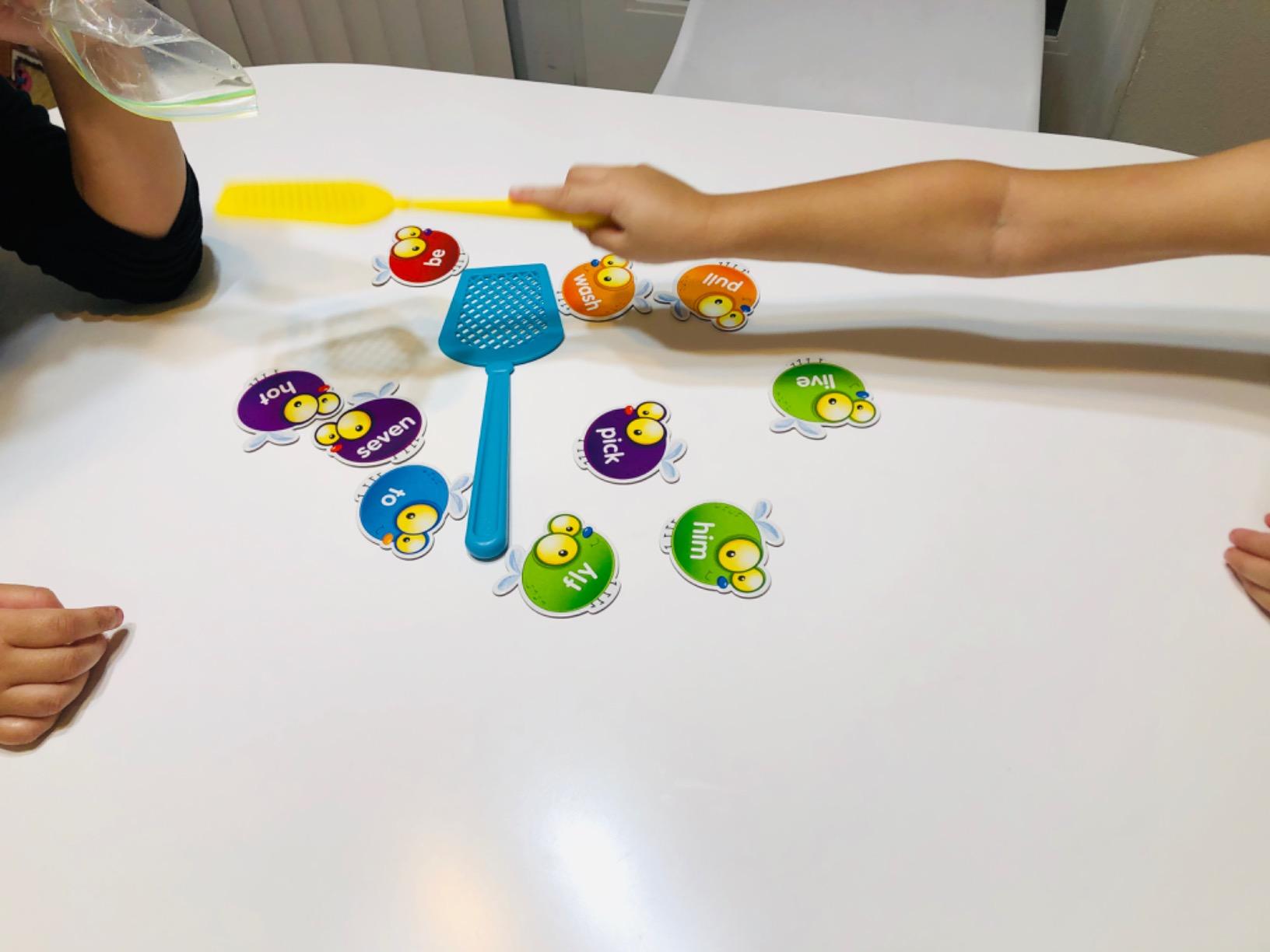
Sight Word Swat is the most physically active game on this list, and that is exactly why it works. Students use fly swatters to swat the correct sight word card as you call it out. I introduced this to a kindergarten class full of students who could not sit still for more than five minutes, and their engagement lasted the entire center rotation.
The 110 double-sided word cards cover the most common sight words that students must memorize for reading fluency. Because these words do not follow phonics rules, repetition is the only path to mastery. Swatting them with a fly swatter makes that repetition feel like play instead of drill.
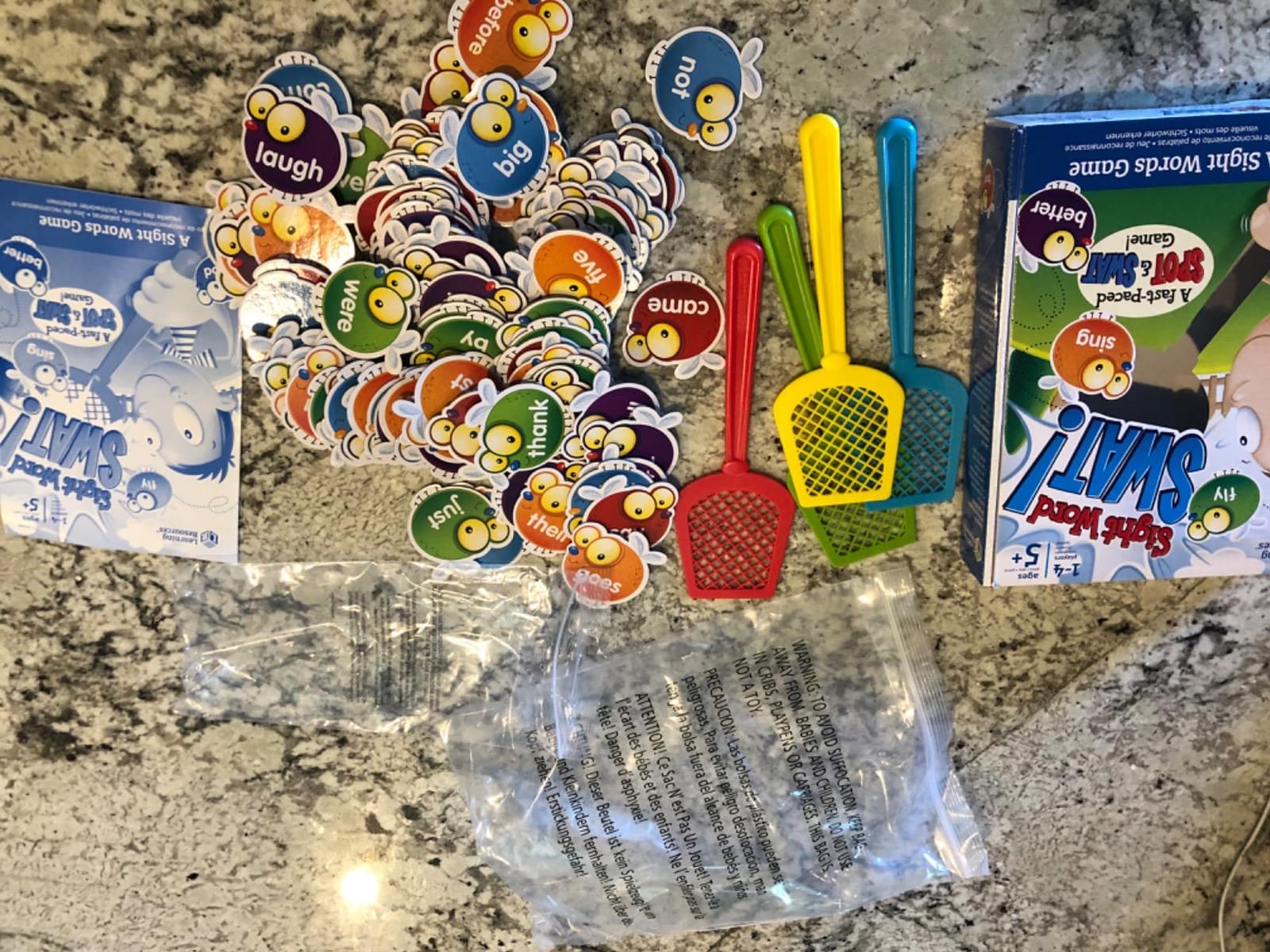
With over 10,200 reviews and a 4.8-star rating, Sight Word Swat has earned its place as a classroom staple. The swatters are sturdy plastic that holds up to enthusiastic swatting, and the cards are thick enough to survive being scattered and collected daily.
The downside is noise and space. Students get excited, and swatting makes a satisfying smack that carries across the room. You will need floor space or a large table, and neighboring classes may hear the action.
Managing the chaos in small spaces
Spread the word cards on a designated table rather than the floor. Assign each student a specific swatter color and call words one at a time. This structured approach prevents the free-for-all that can erupt when four students swarm the same card simultaneously.
Progressing through difficulty levels
Start with the first 25 sight words (the most common) for the first quarter. Add the next 25 in quarter two, and so on. This incremental approach ensures students build a strong foundation before facing the full 110-word set, and it gives you clear benchmarks for progress monitoring.
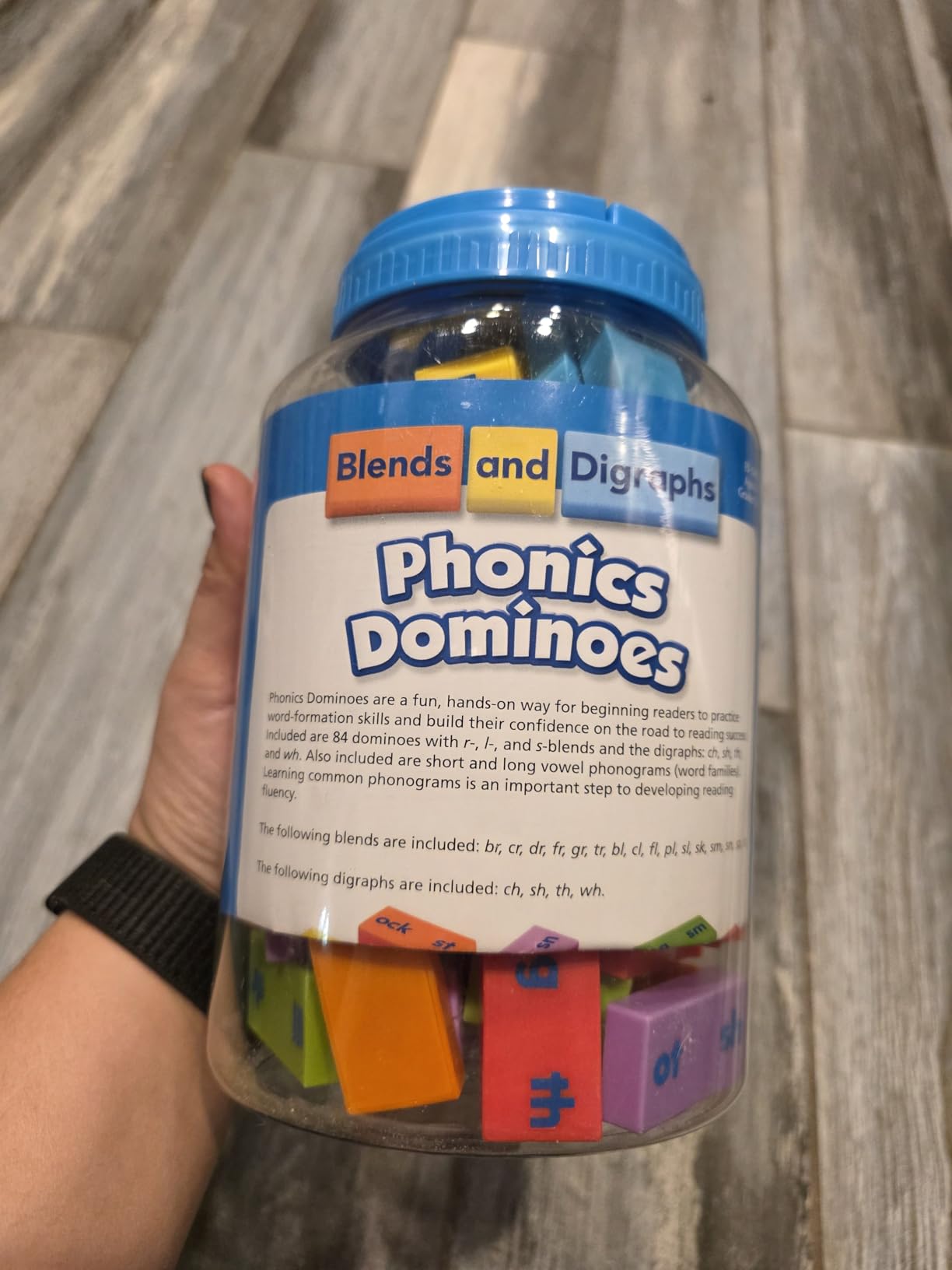
10. Educational Insights Phonics Dominoes: Blends and Digraphs – Advanced Phonics Practice
Educational Insights Phonics Dominoes: Blends & Digraphs – First Grade Phonics Games for Kids Ages 6-8, Learn to Read Phonemic Awareness Manipulatives, 1st Grade Learning Toys, Word-Building Tiles
Ages 6+
Grades K-3
1-4 players
84 dominoes with blends and digraphs
Pros
- Targets blends and digraphs specifically
- 84 dominoes for extended play
- Color-coded by word part
- Sturdy plastic construction
Cons
- Instructions are minimal
- Can be too advanced for true beginners
- Storage bucket lacks divider
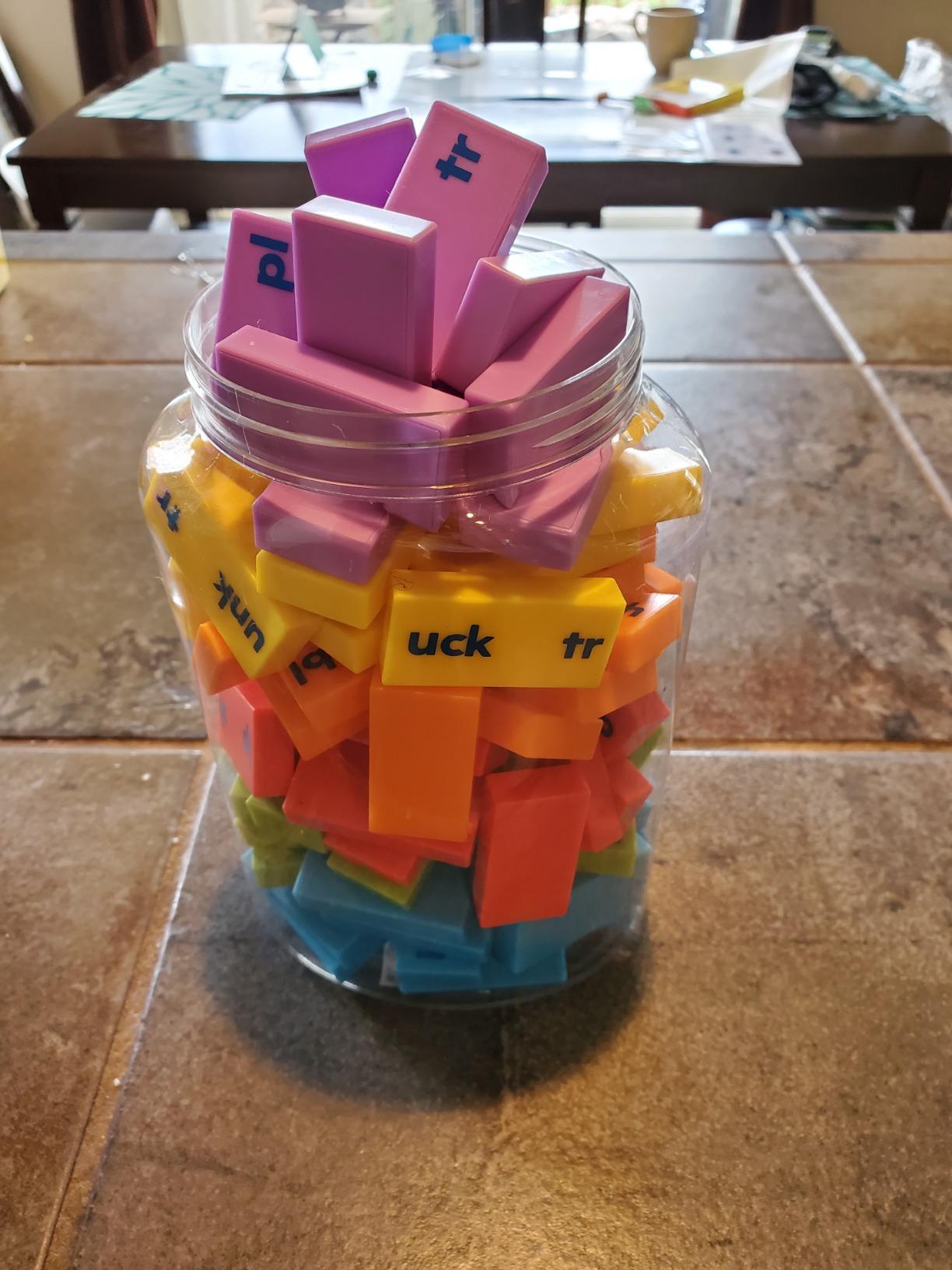
Phonics Dominoes: Blends and Digraphs fills a gap that most word games ignore entirely. Once students master simple CVC words (like “cat” and “dog”), the next hurdle is blends (like “bl” and “st”) and digraphs (like “ch” and “sh”). This set gives students physical tiles to practice exactly those patterns. I used it with second-graders who could read simple words but stumbled on consonant clusters, and the domino chaining format made the patterns visible and tangible.
The 84 dominoes provide enough variety for extended play, and the color coding helps students identify word parts at a glance. Root words, beginning blends, and ending blends each get their own color, so students can self-check as they build chains.
Teachers who use structured phonics programs will appreciate how cleanly this set maps to standard instructional sequences. Whether you use Orton-Gillingham, Words Their Way, or another phonics framework, you can sort the dominoes to match your current unit.
The main weakness is the included instructions, which are minimal. Teachers will need to create their own activity structures, though the domino format is intuitive enough that most students figure out chaining quickly. The 929 reviews suggest a smaller but dedicated user base.
Sorting by phonics feature
Before play, have students sort the dominoes by feature: beginning blends, ending blends, and digraphs. This sorting activity itself builds phonological awareness and gives students a clear mental model of the patterns they will practice during the game.
Creating collaborative word chains
Have the whole class work together to build one massive word chain that stretches across the classroom floor. Each student adds one domino, reading the word they create aloud before the next student takes a turn. This collaborative format removes competition pressure and builds a shared sense of accomplishment.
How to Choose Word Building Games for Your Classroom
Selecting the right word building games for a classroom comes down to four factors: grade level, target skills, group dynamics, and practical constraints like budget and storage space. I have seen teachers waste money on games that looked great online but sat unused because they did not fit the actual classroom workflow.
Start by identifying the specific literacy skills your students need most. If your class struggles with sight word recognition, games like Sight Word Swat target that directly. If the gap is in phonics patterns, Snap It Up Phonics and the Phonics Dominoes sets are better investments. For vocabulary expansion with older students, Scrabble and Big Boggle build word knowledge through strategic play.
Consider your typical group sizes. Games that support two to four players work well in literacy centers where you rotate small groups. If you need whole-class activities, look for games like Boggle that scale up by projecting the grid on a document camera. Teachers on Reddit repeatedly emphasize that no-prep games earn their keep because you can start playing within seconds of pulling them out.
Durability matters more than you might expect. Cardboard tiles bend, plastic grids crack, and cardboard boards tear. Games that see daily classroom use need to survive being handled by dozens of students. Prioritize plastic components over cardboard, and look for storage solutions (like the Bananagrams pouch) that keep pieces contained between sessions.
Budget-wise, the games on this list range from around $12 to $27. If you are building a classroom game library from scratch, start with two or three versatile options that cover different grade levels and skill areas. Bananagrams, Boggle, and Sight Word Swat cover grades K-8 between them and cost less than $50 total.
Finally, think about whether you need offline play. Several teachers in forum discussions mentioned internet connectivity issues as a daily reality. Every game on this list works without WiFi, which means you can rely on them regardless of your school’s technology situation.
Frequently Asked Questions
What are some fun word games I can play in the classroom?
The best word building games for a classroom include Bananagrams for fast-paced vocabulary building, Boggle for quick five-minute rounds, Sight Word Swat for active sight word practice, and Scrabble for strategic vocabulary development. These games work offline, adapt across grade levels, and require minimal setup time.
What are some fun word building games for kids?
Fun word building games for kids include Bananagrams, Boggle, Scrabble Junior, Snap It Up Phonics, and Sight Word Swat. Younger children (ages 5-7) enjoy Scrabble Junior and Sight Word Swat because they include picture clues and physical movement. Older kids (ages 8 and up) prefer Bananagrams and Boggle for their competitive speed elements.
What is the best game for building vocabulary?
Scrabble is widely considered the best game for building vocabulary because it rewards players for knowing longer, higher-value words. Bananagrams is a strong alternative for classrooms because it plays faster and supports more students simultaneously. Both games push students to expand their word knowledge through strategic play.
What are some good interactive games for classrooms?
Good interactive classroom word games include Sight Word Swat (which combines movement with learning), Bananagrams (which uses a competitive racing format), and Boggle (which works for whole-class participation via document camera). These games keep students physically or mentally active while building literacy skills, and they work without internet access.
Final Thoughts on Word Building Games for 2026
The best word building games for a classroom are the ones your students ask to play again and again. Bananagrams remains my top pick for its speed, adaptability, and near-perfect 4.9-star rating across 26,800 reviews. Boggle delivers the best value at under $15, and Sight Word Swat gets kindergartners moving while mastering essential sight words.
Whatever you choose, the goal is the same: make vocabulary and spelling feel like play rather than work. When students are having fun, they practice longer, retain more, and develop the word confidence that carries into every other subject. Pick one or two games from this list to start, and watch how quickly they become the highlight of your literacy block in 2026.