
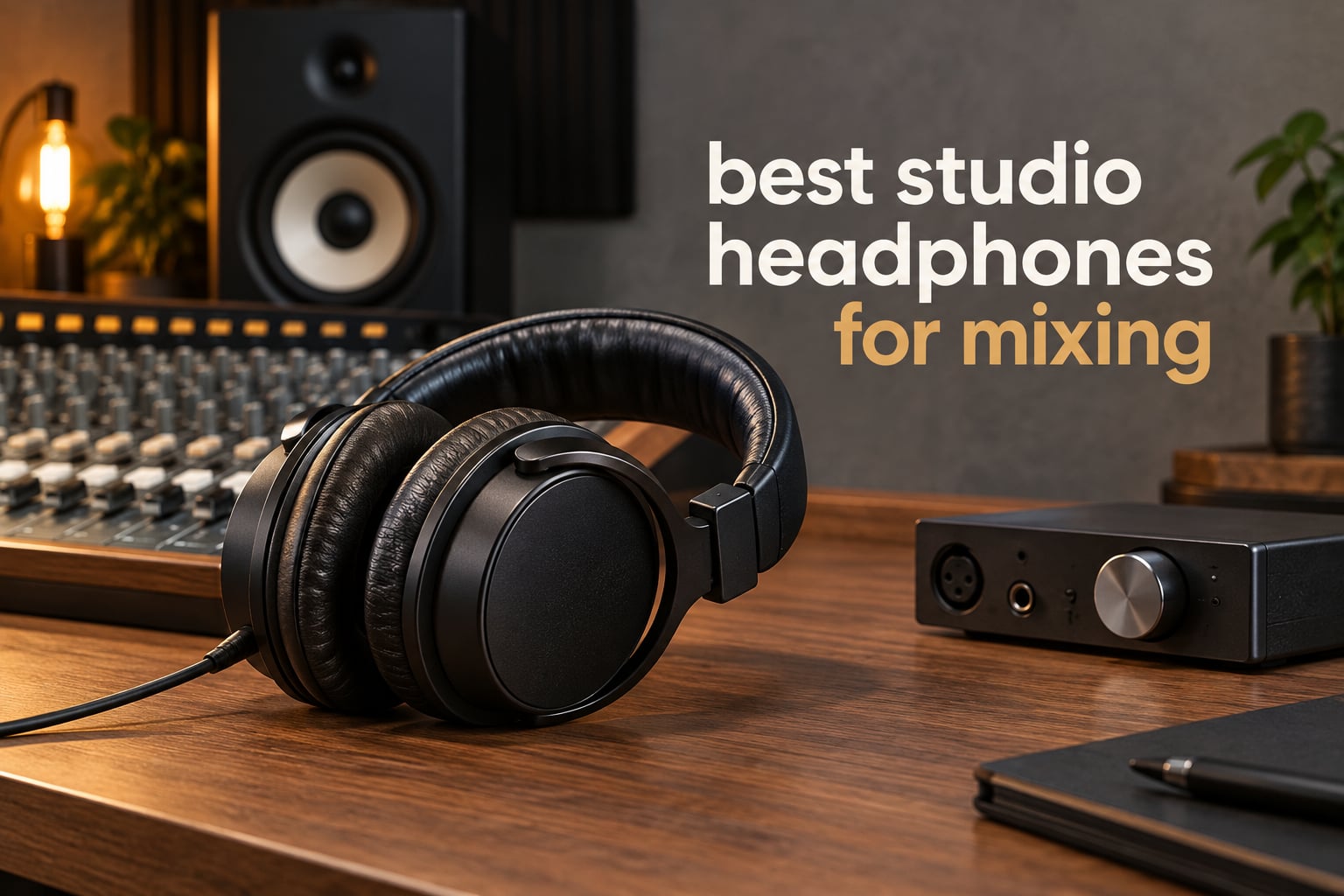
Short answer: the Audio-Technica ATH-M50x is the best studio headphone for mixing for most people in 2026. It is neutral, it weighs 0.29 kg, its cable unscrews, and its 38 ohm impedance means almost any interface will drive it to a working level. If your room is treated enough to take an open-back, the beyerdynamic DT 990 Pro gives you a bigger soundstage for stereo imaging, but you will want an amp. If you record as well as mix, the DT 770 Pro 80 Ohm covers both jobs in one pair.
A studio headphone earns its place by not flattering you. Consumer headphones usually carry a lifted bass and a lifted treble with a scooped midrange, and when you mix on those you learn to pull frequencies that only needed pulling on that specific pair. A flat, uncoloured monitor has no such trap, so what you hear on it is closer to what the mix actually contains.
We spent weeks with these twelve pairs across tracking, editing and mix-review work, and every spec and rating on this page was checked in September 2026. Each pick states its impedance and whether it needs an amp, because that single fact decides whether a pair works in your room or sits on the shelf. We also flag the traps: the famous tracking headphone that engineers quietly avoid for mixing, and the comfortable-looking closed-backs that fatigue you by hour three.
If you are also shopping for everyday listening, our over-ear headphone guide for teens and students covers comfort and volume limits, which are the two things that matter most outside the studio.
Table of Contents
Top 3 Picks for Mixing in September 2026

Best Studio Headphones for Mixing at a Glance (September 2026)
The table below is the whole list in one view: design type, impedance, driver and the job we would hand each pair. Impedance is the column to read first, because it decides whether your audio interface can push the headphones hard enough for critical listening.
| Product | Specs | Action |
|---|---|---|
| Audio-Technica ATH-M50x |
|
Check Latest Price |
 Sony MDR-7506 Sony MDR-7506 |
|
Check Latest Price |
 Audio-Technica ATH-M20x Audio-Technica ATH-M20x |
|
Check Latest Price |
 beyerdynamic DT 990 Pro beyerdynamic DT 990 Pro |
|
Check Latest Price |
 beyerdynamic DT 770 Pro 80 Ohm beyerdynamic DT 770 Pro 80 Ohm |
|
Check Latest Price |
 Audio-Technica ATH-M40x Audio-Technica ATH-M40x |
|
Check Latest Price |
 AKG K240STUDIO AKG K240STUDIO |
|
Check Latest Price |
 Sennheiser HD 280 Pro Sennheiser HD 280 Pro |
|
Check Latest Price |
 TASCAM TH-02 TASCAM TH-02 |
|
Check Latest Price |
 Shure SRH440A Shure SRH440A |
|
Check Latest Price |
 Sennheiser HD 490 PRO Sennheiser HD 490 PRO |
|
Check Latest Price |
 Sony MDR-M1 Sony MDR-M1 |
|
Check Latest Price |
1. Audio-Technica ATH-M50x – Best Overall for Mixing
Audio-Technica ATH-M50X Professional Studio Monitor Headphones, Black, Professional Grade, Critically Acclaimed, with Detachable Cable
38 ohm
45 mm dynamic driver
20 Hz - 28,000 Hz
Detachable cable
Pros
- Neutral
- detailed monitor sound with accurate bass
- 45 mm drivers with rare earth magnets and copper clad aluminum voice coils
- Circumaural cups deliver strong sound isolation
- 90 degree swivelling earcups for one-ear monitoring
- Detachable cable and foldable design
Cons
- Heavier clamping feel than lighter closed-back rivals
- Flat studio tuning is not tuned for boosted-bass casual listening
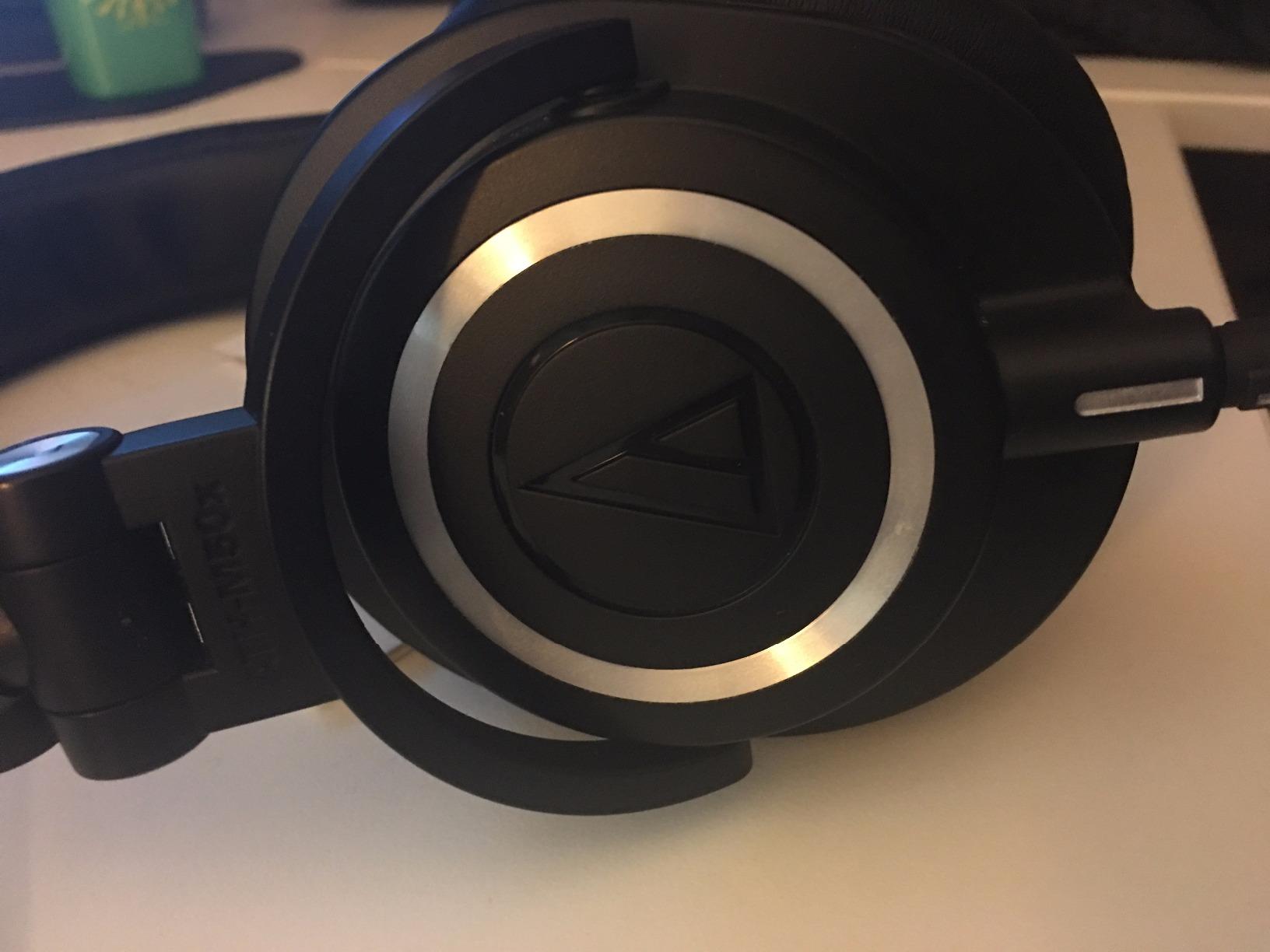
The M50x is the pair we end up recommending when a producer asks for one headphone to do everything. It has been the reference closed-back in a lot of home studios for years, and after extended use the reason is obvious: nothing about it is showy. The bass is present without swelling, the mids sit where you put them, and there is no treble gloss pulling your attention to cymbals that are already too loud.
At 0.29 kg with a self-adjusting style headband, it stays comfortable through a full working day, which matters more than most spec sheets admit. The 90 degree swivel is genuinely useful during tracking, letting you fold one cup back and keep an ear on the room.
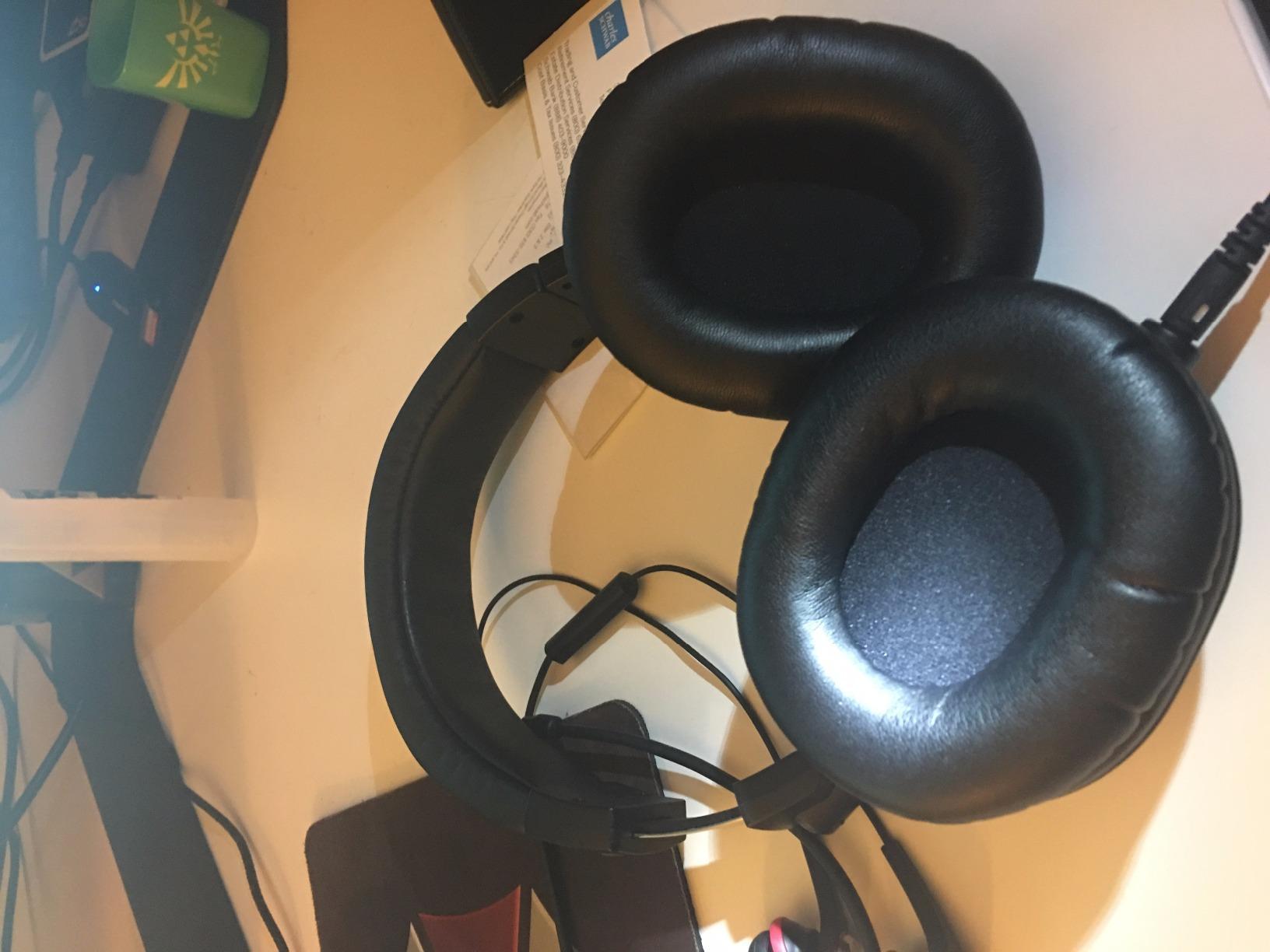
Technically it is a straightforward design and that is the appeal. Forty-five millimeter dynamic drivers with rare earth magnets, 99 dB sensitivity, 38 ohm impedance and a 20 Hz to 28,000 Hz range. Nothing here demands a separate amplifier, which is the practical difference between this and the open-backs further down the list.
The build is aluminium rather than plastic, and the two year warranty covers parts and labour. Ear pads and headband material are rated for studio duty, and because the cable detaches at the cup, a torn lead is a cheap fix instead of a retirement.
What you get for a mid-range studio budget
You get a headphone that holds up in a treated room and in an untreated one, because closed cups block a meaningful amount of room noise and monitor spill. That makes it the safer default for a bedroom studio where a door closes rather than a control room where it does not.
It is also the pick we recommend for a first serious mix budget, since there is no amp purchase hiding behind it. The money goes into the headphone instead of a dongle.
Where the M50x will frustrate you
Owners frequently note that the cups feel heavier and clamp more firmly than lighter closed-backs. If you wear glasses or have a larger head, that pressure can turn into a dull ache after two hours, and pads are the first thing to change if it does.
Second, this is a flat monitor and it will never sound exciting on a boosted-bass master. That is the correct behaviour for mixing work, but it can feel like a downgrade during a long listening session away from the desk.
2. Sony MDR-7506 – Best for Tracking, Not for Mix Decisions
Sony MDR7506 Professional Large Diaphragm Headphone
63 ohm
40 mm dynamic driver
10 Hz - 20,000 Hz
Fixed coiled cord
Pros
- Exceptionally light at 8 ounces
- Closed design rejects external noise well
- Folds flat into an included soft case
- Thick coiled cord is durable
- Revealing and highly detailed
Cons
- Non-detachable coiled cable cannot be replaced
- Less deep bass than competing studio headphones
- Ear pads wear out and need replacing
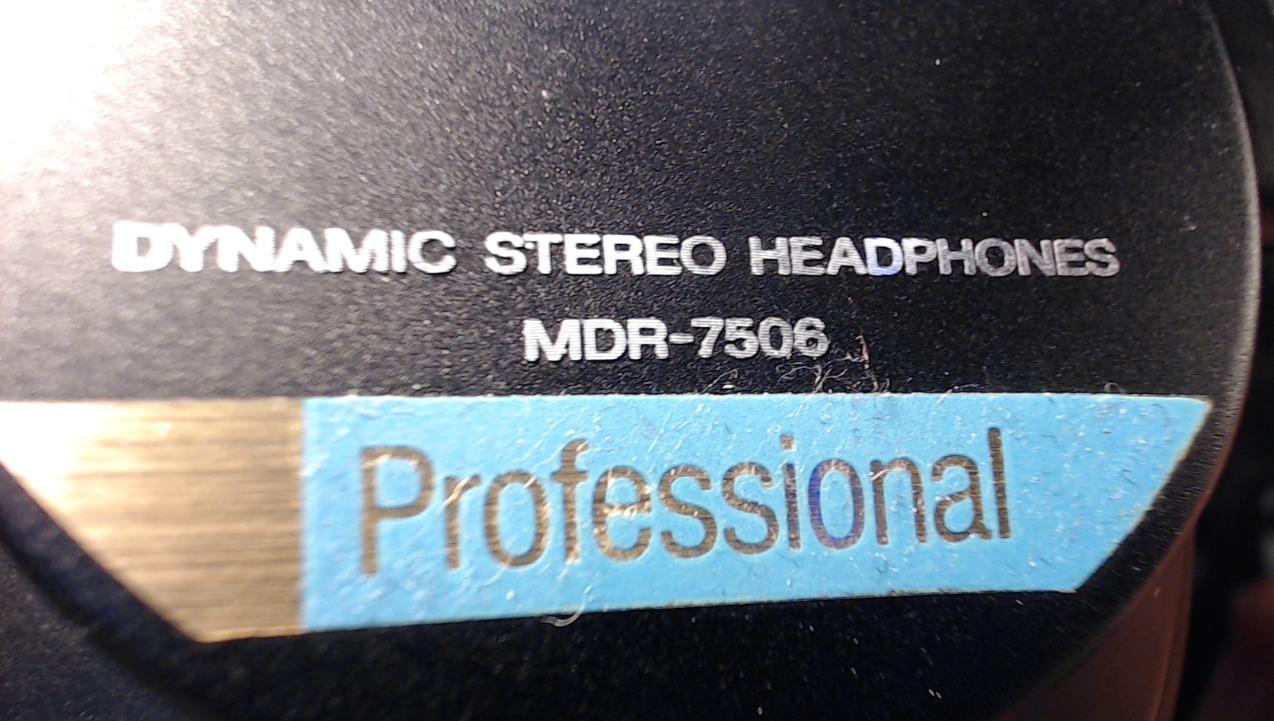
The MDR-7506 is still the headphone you see on a drummer’s head or hanging off a vocal stand, and for recording it is hard to argue with. It weighs 8 ounces, it blocks a good share of outside noise passively, and it folds into a soft case small enough to live in a laptop bag.
It is also the pair we most often see recommended to beginners as a mixing headphone, and that is the advice we push back on. Mixing engineers repeatedly point out that its midrange emphasis shades judgements, and our own listening agrees that reverb tails and sibilance are easier to over-correct on it than on a flatter pair.
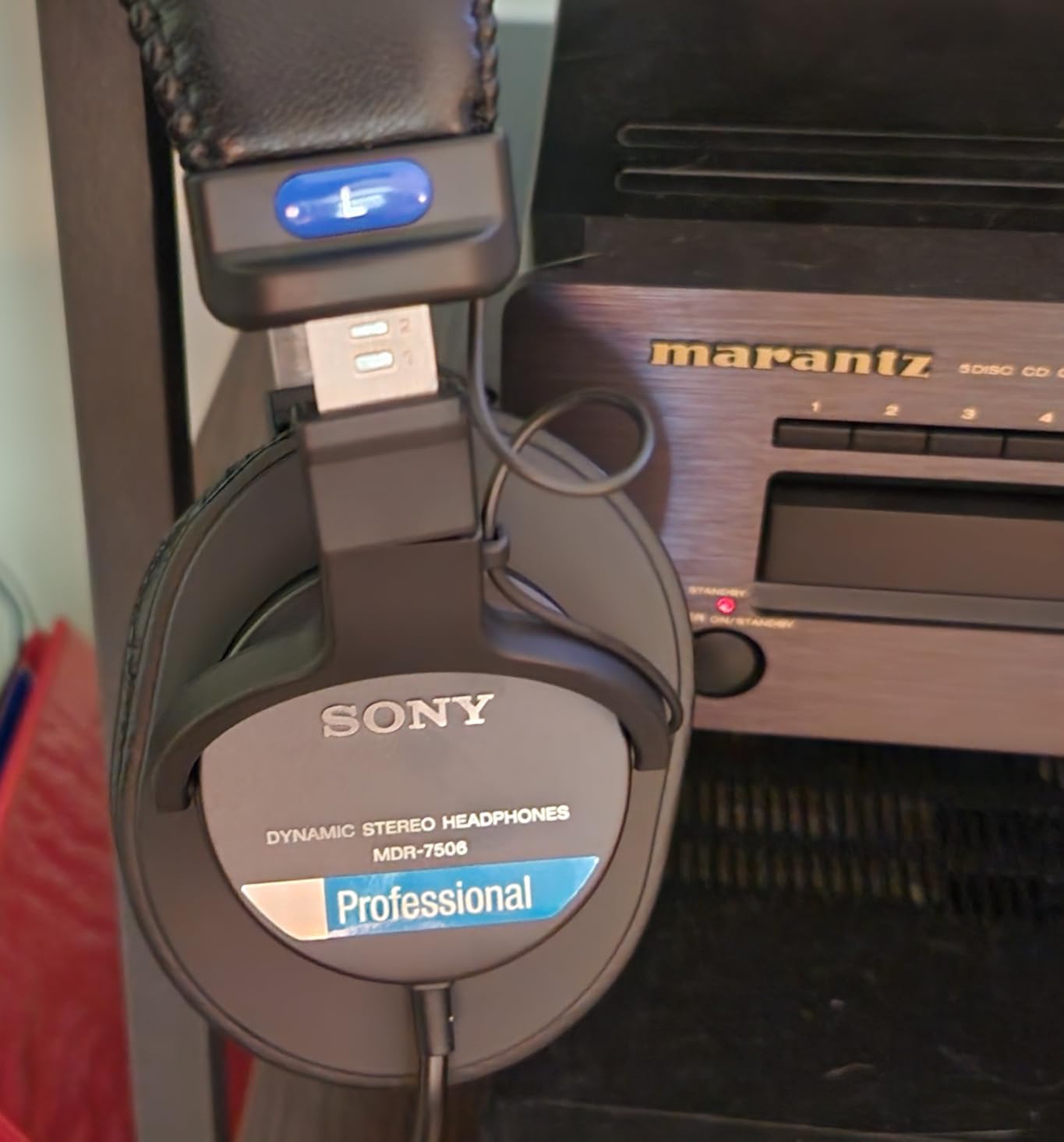
Technically you are looking at 40 mm neodymium dynamic drivers, 63 ohm impedance and a 10 Hz to 20,000 Hz range, with a 9.8 foot coiled cord that ends in a gold plated plug and includes a quarter inch adapter. It is passive noise cancelling, wired, and the warranty is 90 days, which is the shortest here.
The low end is the other half of the concern. Bass extension is shallower than the M50x or the DT 990, and GearSpace users list bass and low-mid definition among their criteria for mixing headphones, which is exactly where this pair is thinnest.
When the 7506 is still the right call
Recording. Full stop. For tracking a vocalist, a drummer or a guitar player, passive isolation and low weight matter far more than frequency neutrality, and very few pairs combine both as cheaply as this one.
It is also a fine second pair for someone whose main headphone is open-back, because the two tasks rarely happen in the same room state.
Why we would not choose it to mix an album
The fixed coiled cable is the practical problem. When the cord finally fails at the cup, the whole headphone is finished, and that end of life tends to arrive earlier than owners expect.
Then there is the tone. It is a revealing headphone, but not a flat one, so the corrections you make on it do not map cleanly to a neutral playback system.
3. Audio-Technica ATH-M20x – Most Versatile for Mixing
Audio-Technica ATH-M20x Professional Studio Monitor Headphones, Black
47 ohm
40 mm dynamic driver
15 - 20,000 Hz
210 g
Pros
- Well balanced monitor sound at an entry price
- Lightweight at 210 g with soft pads
- Good sound isolation with little leakage
- Metal reinforced construction
- Two year parts and labour warranty
Cons
- Non-detachable cable
- Flat signature has less bass than the M40x or M50x
- Can feel tight for glasses wearers
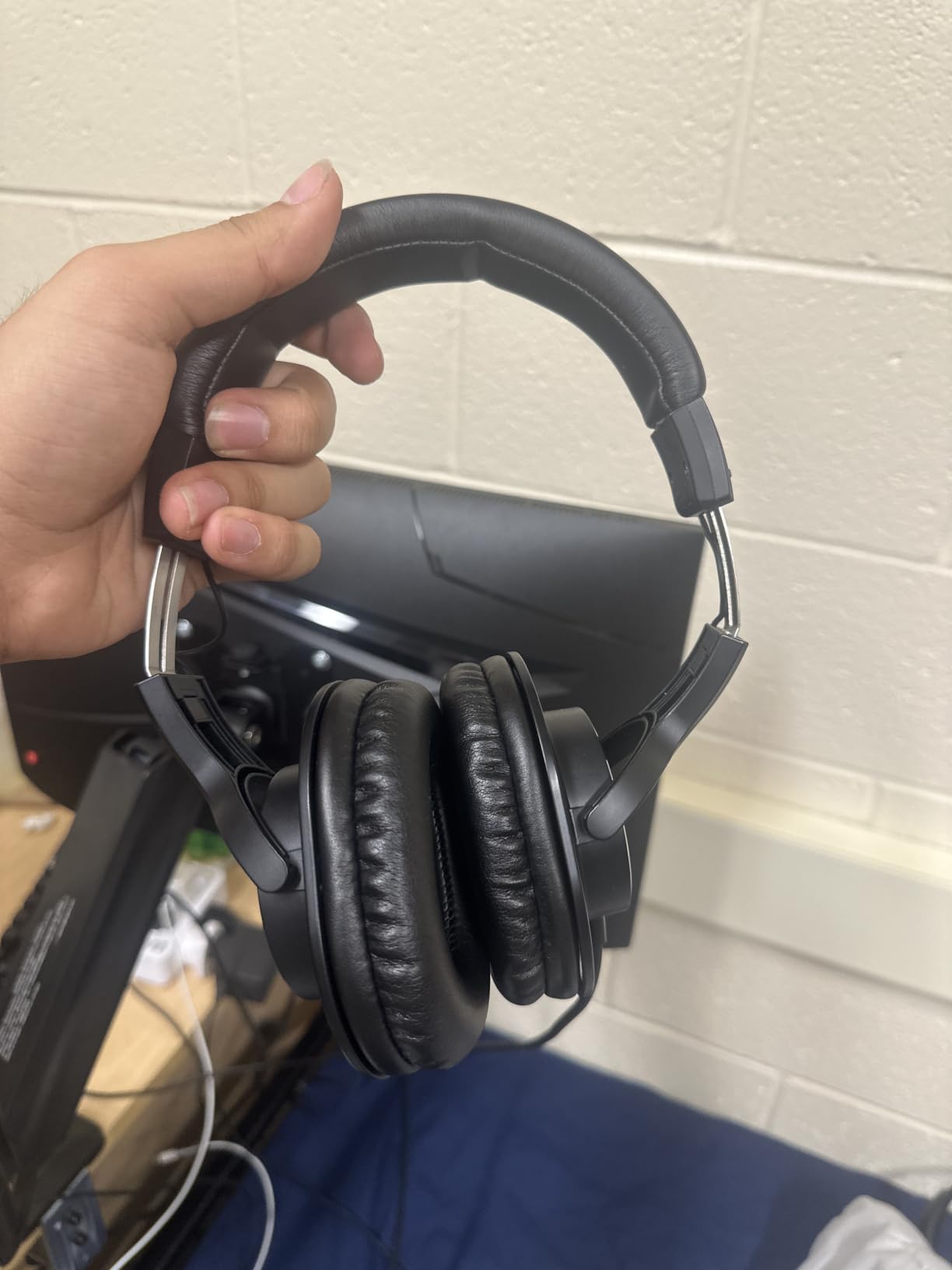
The M20x is the cheapest way to stop mixing on coloured consumer headphones. It is deliberately plain: a 40 mm dynamic driver, a circumaural cup, a single side cable exit and a two year warranty. Nothing about it is premium, and nothing about it will mislead you in a way that costs you a mix.
For a first studio, a podcast setup or a student room, this is the pair we recommend without hesitation. It is also the one we suggest when someone wants closed-back isolation and has no budget for an amp.
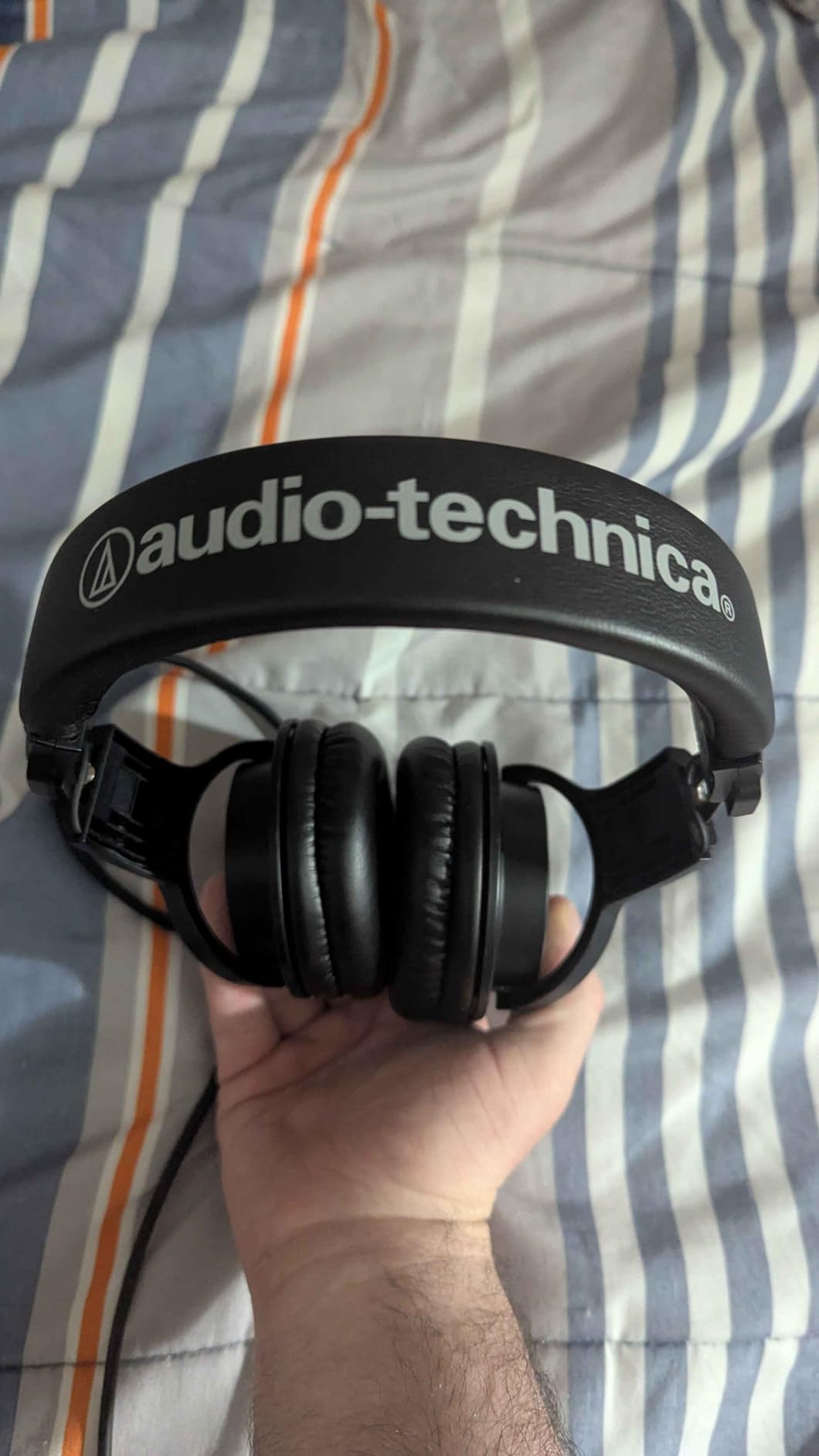
Numbers first: 47 ohm impedance, 96 dB sensitivity, 15 Hz to 20,000 Hz response, 210 g. That sensitivity and impedance combination is the reason it reaches a comfortable monitoring level from a basic interface, and it is the reason the M20x suits laptop-based work as well as a desk setup.
The design is tuned for enhanced low frequency performance relative to a flat studio reference, which helps the smaller drivers sound fuller than their size suggests. It is still a monitor signature rather than a smiley curve.
What you give up by starting here
Resolution. On dense arrangements, the M20x tells you a mix is balanced but does not tell you which instrument is masking which. It is a decision-making headphone for broad balance and edit decisions, not a mastering reference.
It also ships with a long fixed cable. Reviewers regularly note the lead is longer than most people need and that it cannot be swapped, so plan your desk layout around the headphone rather than the other way round.
What to check in the first week
Comfort is the real question here. At 210 g it is light, but the smaller cups and firmer headband can feel tight after a couple of hours, particularly if you wear glasses.
If pressure becomes an issue, upgrade path matters. Audio-Technica keeps spare parts available for the M-series, so pads and headband material are replaceable rather than disposable.
4. beyerdynamic DT 990 Pro – Best Open-Back for Mixing
beyerdynamic DT 990 Pro (250 Ohm), Open-Back Studio Headphones, Black
250 ohm
5 Hz - 35,000 Hz
Open-back
96 db sensitivity
Pros
- Exceptionally wide stereo image revealing placement and depth
- Fast
- tight bass with clear note separation
- Velour pads stay comfortable through long sessions
- Replaceable pads
- headband and driver
- Two year warranty
Cons
- 250 ohm needs an amp or capable interface for full volume
- Open-back leaks sound in and out
- Velour pads are harder to clean
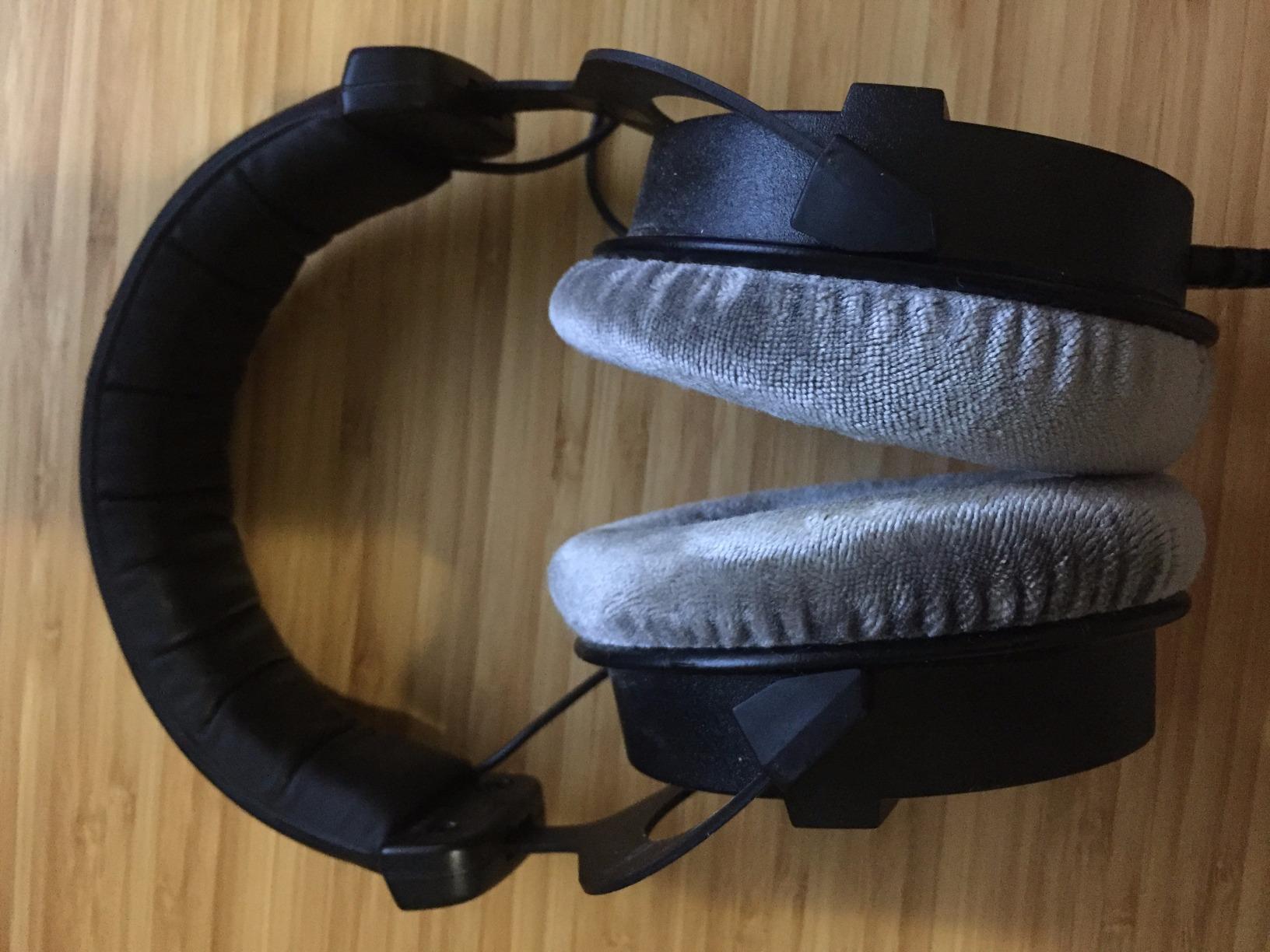
The DT 990 Pro is the open-back we reach for when a mix has to be judged in three dimensions. Because the cups vent freely, there is no pressure build-up against the ear canal colouring the low end, and the result is a soundstage that genuinely surrounds you rather than sitting between your ears.
That width changes mix decisions. You can hear where a reverb tail sits, whether a double is truly doubled, and how wide a stereo synth actually is. On a closed-back, much of that is guesswork.
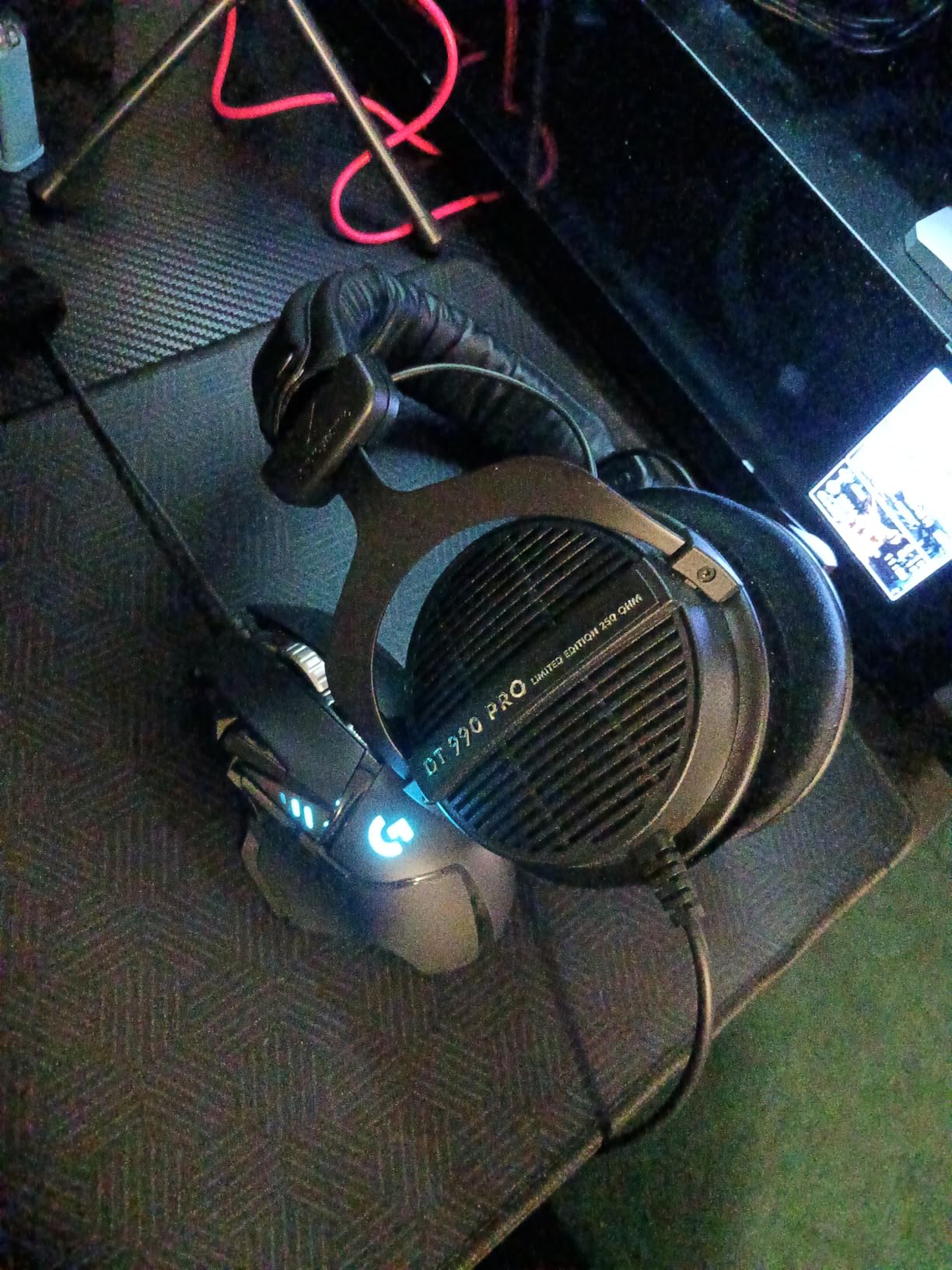
The technical story is a 250 ohm dynamic driver with 96 dB sensitivity and a 5 Hz to 35,000 Hz range, built in Germany on a spring steel headband with velour pads. The 3 m coiled cable is fixed, and the cups use a two pin connector, so pads, headband and driver are all replaceable.
That impedance is the reason this pick is flagged rather than quietly recommended. At 250 ohm the headphone asks for real current, and forum engineers consistently note that the Pro X version is easier to drive while this one benefits from a proper amp.
What a wide soundstage actually changes
Imaging. Drums and panning sit in identifiable places, and you catch bleed and early reflections between the notes instead of averaging them into a smear. For orchestral, film and acoustic work this is the single most useful property on this list.
It is also why we would never reach for an open-back in an untreated bedroom. You will be monitoring the room as much as the mix, and the monitors will leak back into your ears.
Where the impedance requirement bites
On a small interface, 250 ohm at 96 dB may simply not reach a level where you trust your judgement on quiet passages, and undriven headphones are not the same instrument as driven ones.
There is a second cost. A velour pad on an open cup traps more heat than a light closed-back, and reviewers with large soundstages and larger heads note that the clamp grows uncomfortable late in a long session.
5. beyerdynamic DT 770 Pro 80 Ohm – Best Value for Tracking and Mixing
beyerdynamic DT 770 Pro Studio Headphones (80 Ohm, Black)
80 ohm
5 Hz - 35,000 Hz
Closed-back
9.5 ounces
Pros
- Balanced
- warm and punchy without heavy amplification
- Very strong passive isolation with minimal leakage
- Fully serviceable with replaceable pads
- headbands and drivers
- Spring steel construction built for years
- Two year warranty
Cons
- Very bulky and not portable
- Fixed 3 m cable with no detachable option
- Very high frequencies lack sparkle
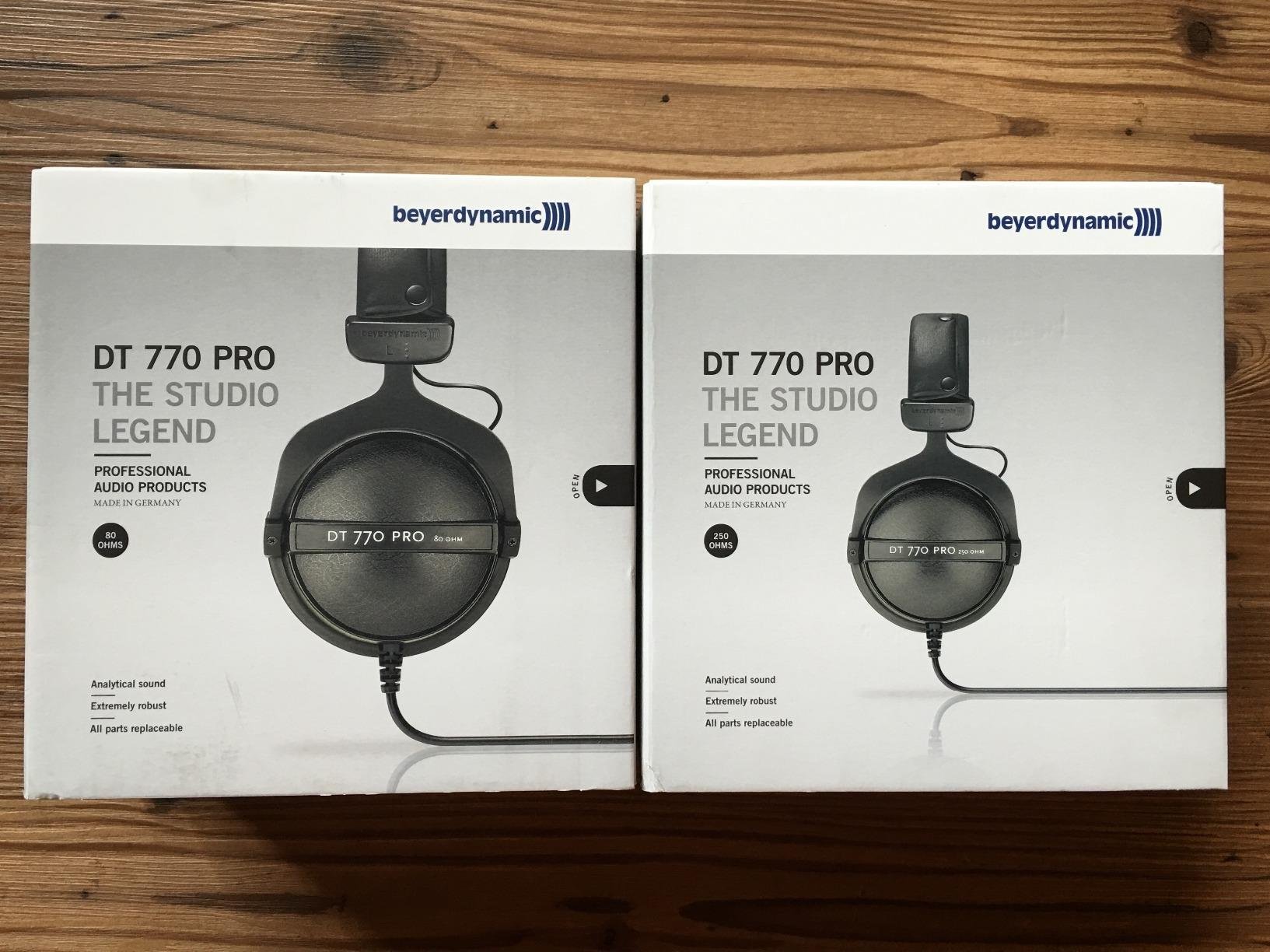
The 80 ohm DT 770 Pro is the answer to the question engineers ask most often on audio forums: what single pair covers tracking and mixing without compromise. It is a closed-back with genuinely serious isolation, so a drummer can play to it without the mix leaking into the room microphones.
Because 80 ohm sits in the middle of the impedance range, it is comfortable on almost any interface or small amp. You do not need to plan an equipment chain around it, which is why it works so well as a first professional purchase.
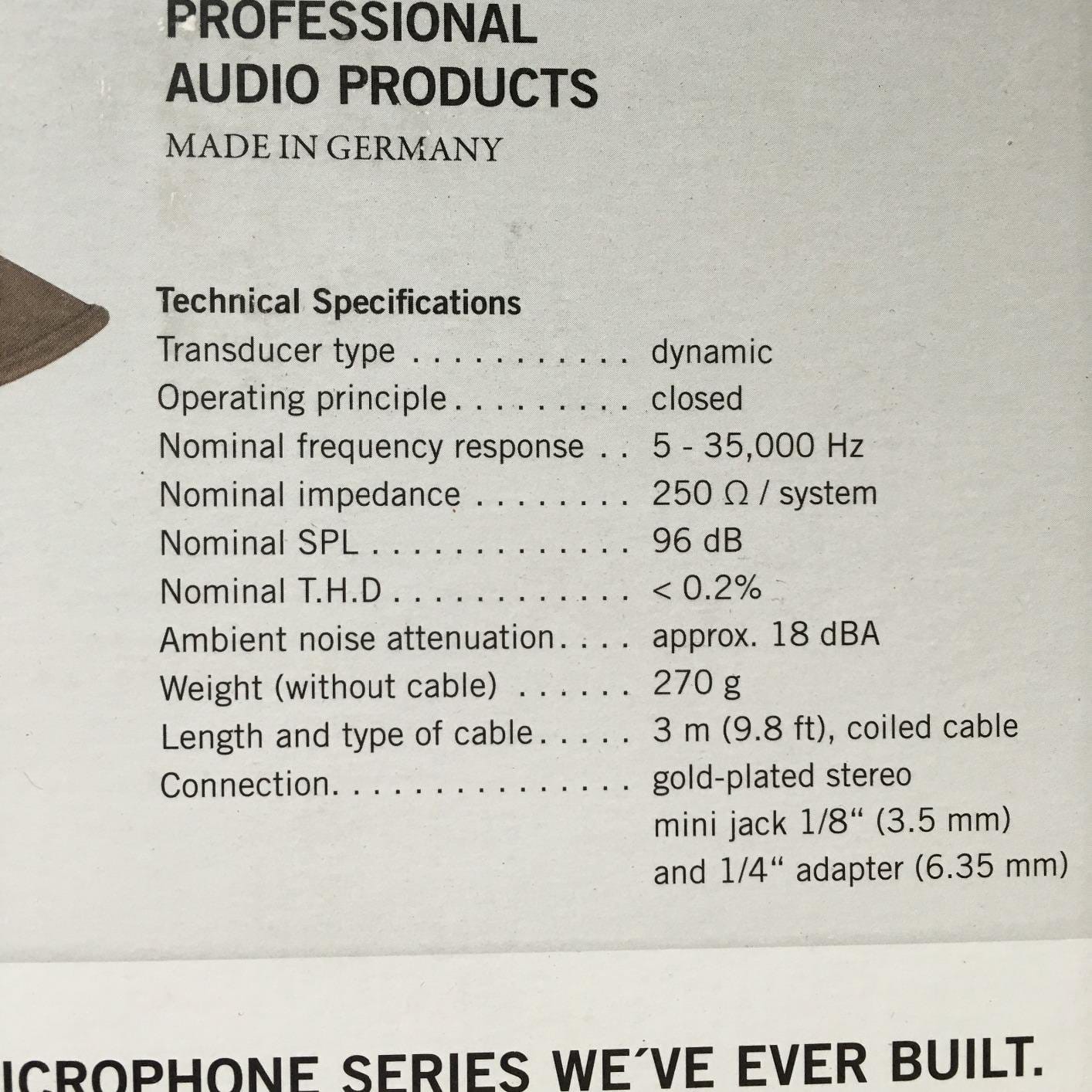
It shares the DT 990 Pro’s 5 Hz to 35,000 Hz range and 96 dB sensitivity, with a dynamic driver in a closed plastic and faux leather shell. The 3 m straight cable is fixed and terminates in a 3.5 mm plug with a quarter inch adapter pre-fitted, and a drawstring bag is included.
The sound is warmer and more relaxed than the open-backs on this list, with less sparkle in the very top end. For mixing pop and rock that warmth is often flattering; for a bright mix it can hide sibilance for an hour before you catch it.
Why serviceability matters over five years
The cups, headband and drivers are all replaceable, and the spring steel frame is the kind of hardware that survives a decade of abuse. Pads will still wear out, but a replacement pad turns a dead headphone into a working one for very little.
That is a different ownership story from the 7506, where the cable is the failure point, and it is why long-tenure owners on forums talk about this model in terms of repairs rather than replacements.
Where the DT 770 falls behind
It is 9.5 ounces of solid, bulky hardware that does not fold and the cups do not swivel. Packing it for a location mix or a coffee shop session is genuinely awkward.
Isolation also has a cost. Reviewers note the pads can run warm over long sessions, and the clamping force is on the firm side for long heads, so comfort is a trade you accept for the leak-free monitoring.
6. Audio-Technica ATH-M40x – Best for Flat, Amp-Free Accuracy
Audio-Technica ATH-M40x Professional Studio Monitor Headphone, Black, with Cutting Edge Engineering, 90 Degree Swiveling Earcups, Pro-Grade Earpads/Headband, Detachable Cables Included
35 ohm
40 mm dynamic driver
15 - 24,000 Hz
0.24 kg
Pros
- Highly accurate
- flat response for mixing and mastering
- High sensitivity means no DAC or amp is needed
- Detachable lock-in cables
- straight and coiled included
- Comfortable for long sessions even with glasses
- Angled drivers give a wide soundstage and separation
Cons
- Floppy design cannot be worn one-handed
- Swivel hinges on the plastic can crack over years
- Flat bass can feel thin for casual listening
The M40x is the most aggressively neutral closed-back on this list, and if your work is broadcast, podcast or spoken word where accuracy is judged against a threshold rather than a preference, that neutrality is the whole point. Nothing is pushed forward to sound impressive.
It is also the easiest of the Audio-Technica closed-backs to live with. At 35 ohm and 98 dB sensitivity it produces ample level from a modest interface, and at 0.24 kg it is light enough that we often reach for it during long edit sessions.
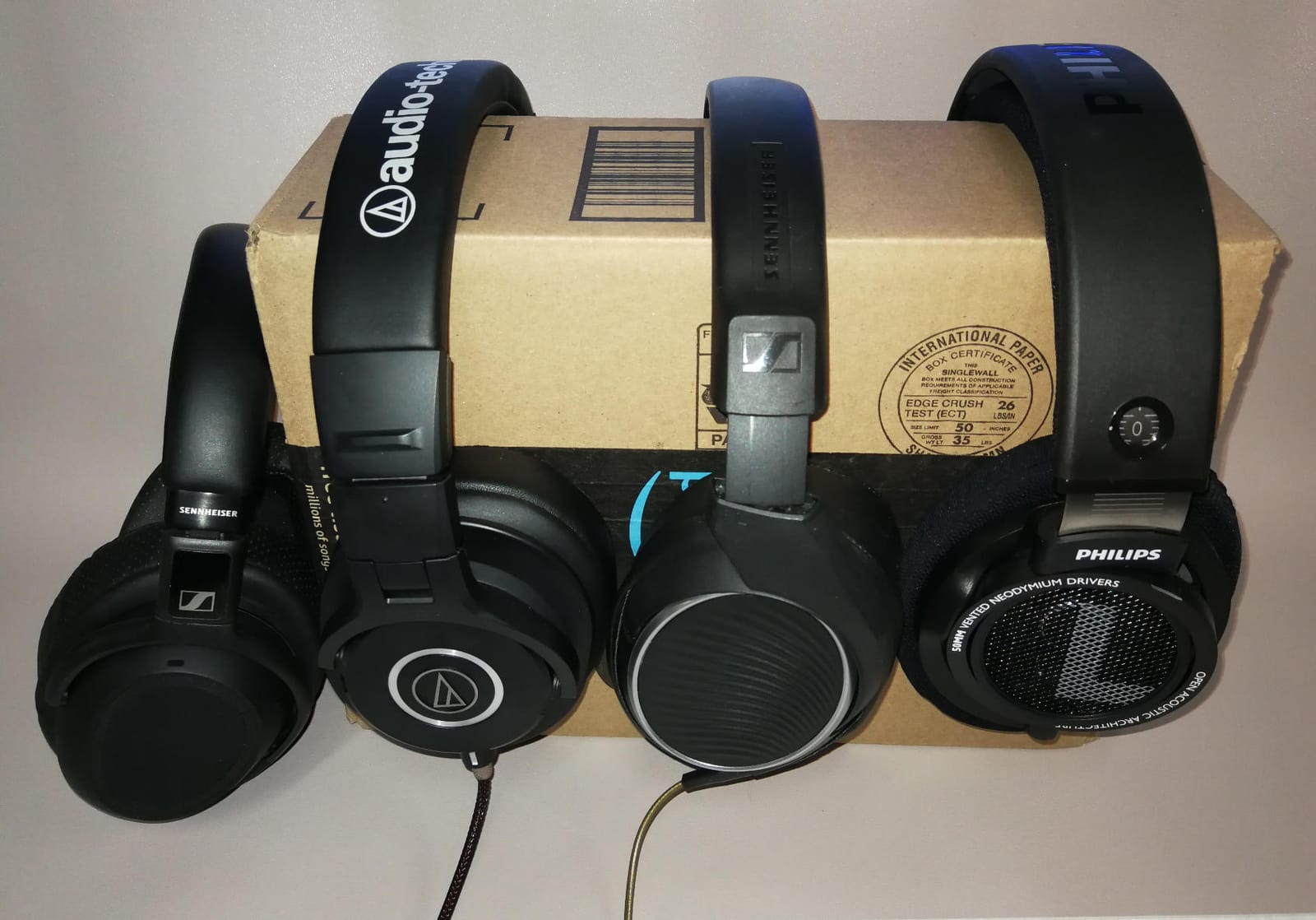
The driver is a 40 mm dynamic unit with rare earth magnets and copper clad aluminum voice coils, and the circumaural aluminium cups are angled to place the driver correctly on the ear, which is where the instrument separation comes from. Response runs 15 Hz to 24,000 Hz.
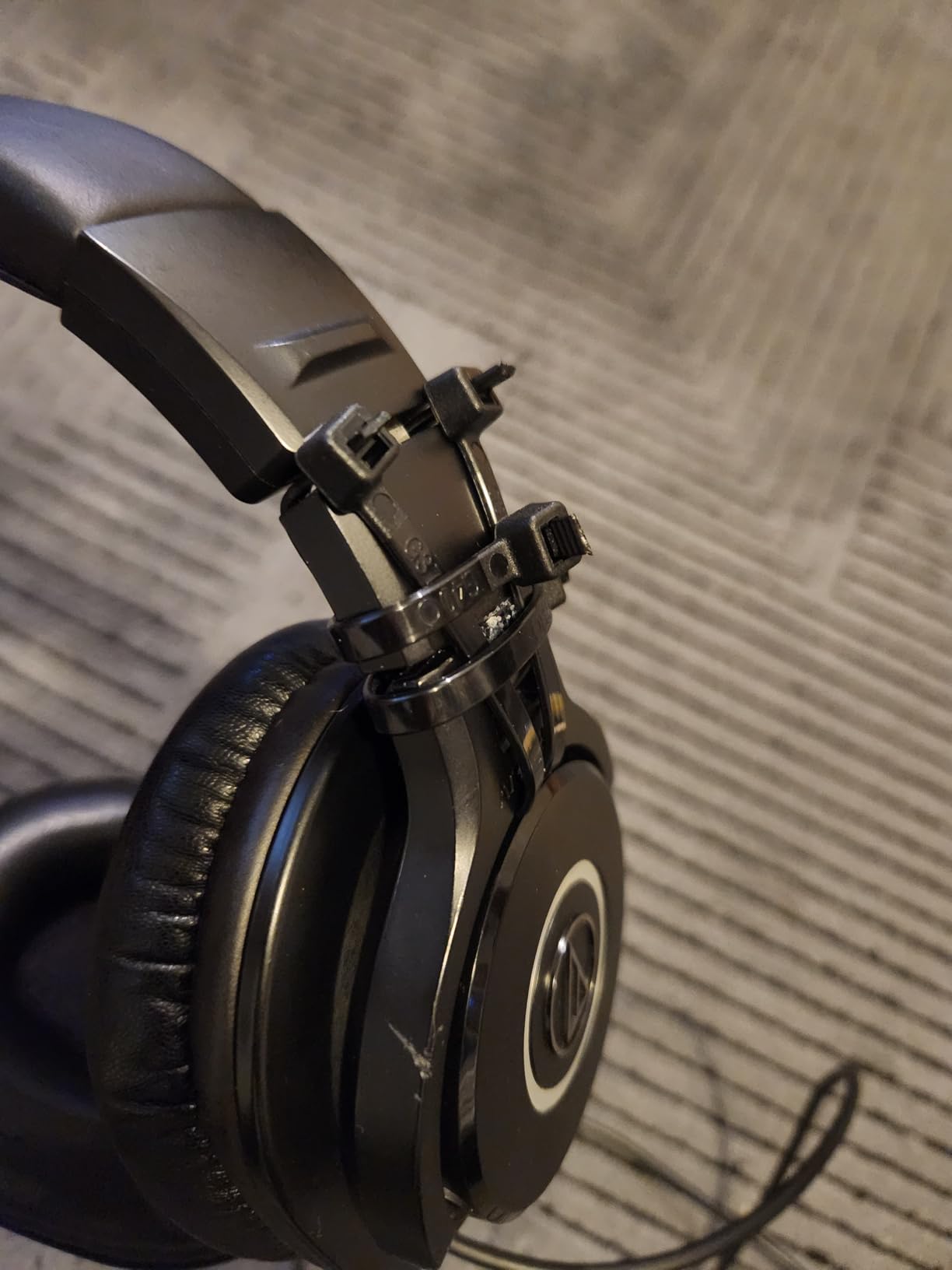
Cables lock in with a screw-in connector rather than a push fit, and both a straight and a coiled lead are included in the box alongside a protective case. Audio-Technica lists spare part availability for seven years, which matters more than it sounds when a hinge eventually fails.
When flat is the right call
Dialogue editing and broadcast delivery. When a level has to sit where a spec says it should, a headphone with any tilt in its midrange makes that judgement harder, and the M40x has the least of it here.
It also suits mastering-adjacent work at a desk, where you want to hear a mix as it is rather than as a monitor would present it.
What to watch for over time
The swivel hinges are the known weak point. Reviewers report the plastic joint can crack after years, so treat the cups gently and avoid yanking them into position.
The second issue is the fit. The headband is loose by design, which means the headphones cannot be worn on one ear while tracking. For that, the M50x is the better tool.
7. AKG K240STUDIO – Best Semi-Open for an Untreated Room
AKG K240STUDIO Semi-Open Studio Headphones
55 ohm
30 mm Varimotion driver
15 Hz - 25 kHz
104 db sensitivity
Pros
- Very neutral
- flat response suited to mixing and editing
- Extremely light self-adjusting headband
- Detachable cable with an easy-to-source spare
- Large soundstage with clear instrument separation
- Stainless steel build at a low weight
Cons
- Semi-open design leaks sound both ways
- Bass is light and lacks sub-bass weight
- Pleather pads can run warm in long sessions
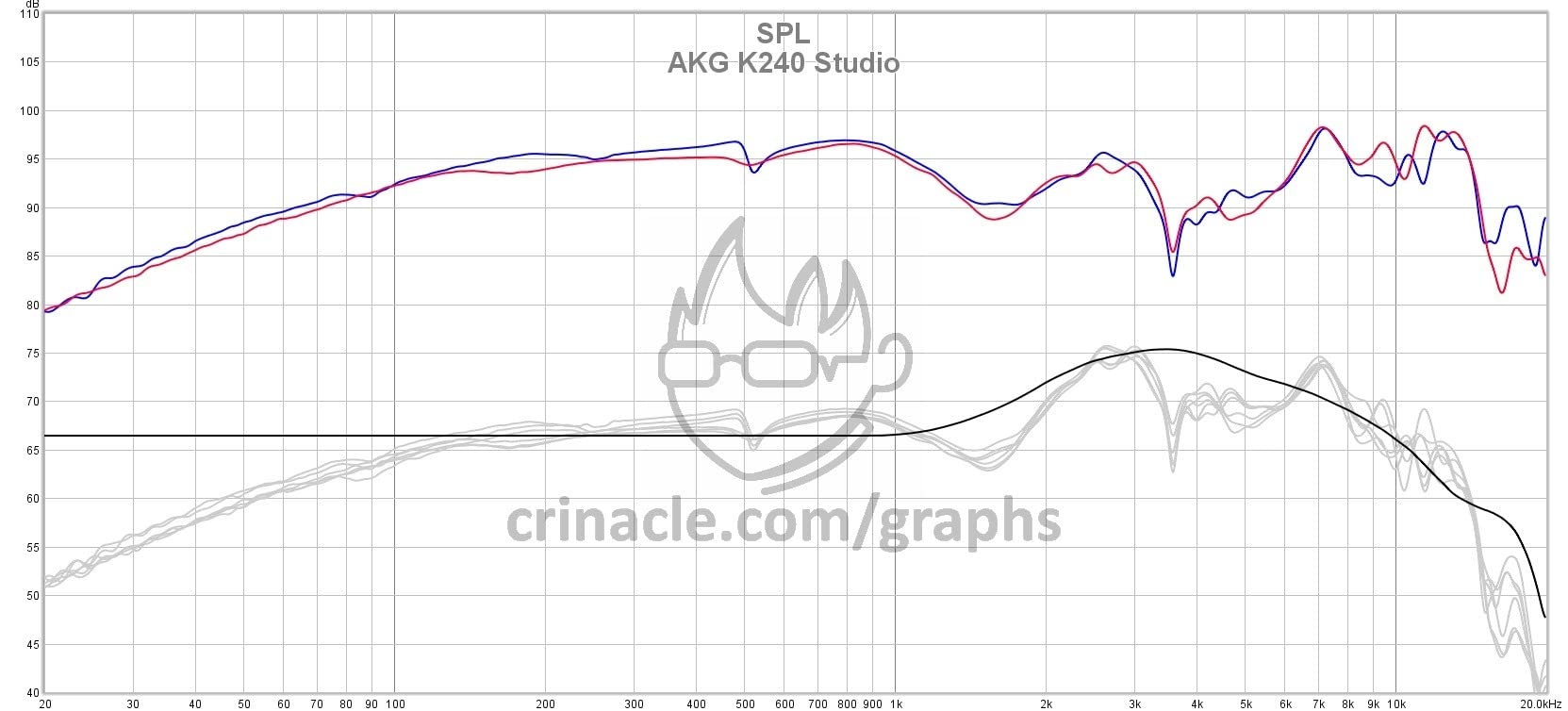
The K240 sits between the two camps, and for many home studios that middle ground is the practical answer. A semi-open cup gives up some of the sealed isolation of a closed-back in exchange for a wider, more open presentation than a small closed driver can produce.
It is also the pair we suggest when someone insists on working at night in a shared flat. It is not silent, but it is far less of a broadcasting problem than a full open-back, and it is completely unusable for live tracking of a loud source.
Inside is a 30 mm XXL transducer with AKG Varimotion diaphragms, rated at 55 ohm and 104 dB sensitivity across 15 Hz to 25 kHz. That sensitivity figure is the highest in the group, which is why it reaches monitoring level so easily and why it pairs well with laptop and small interface setups.
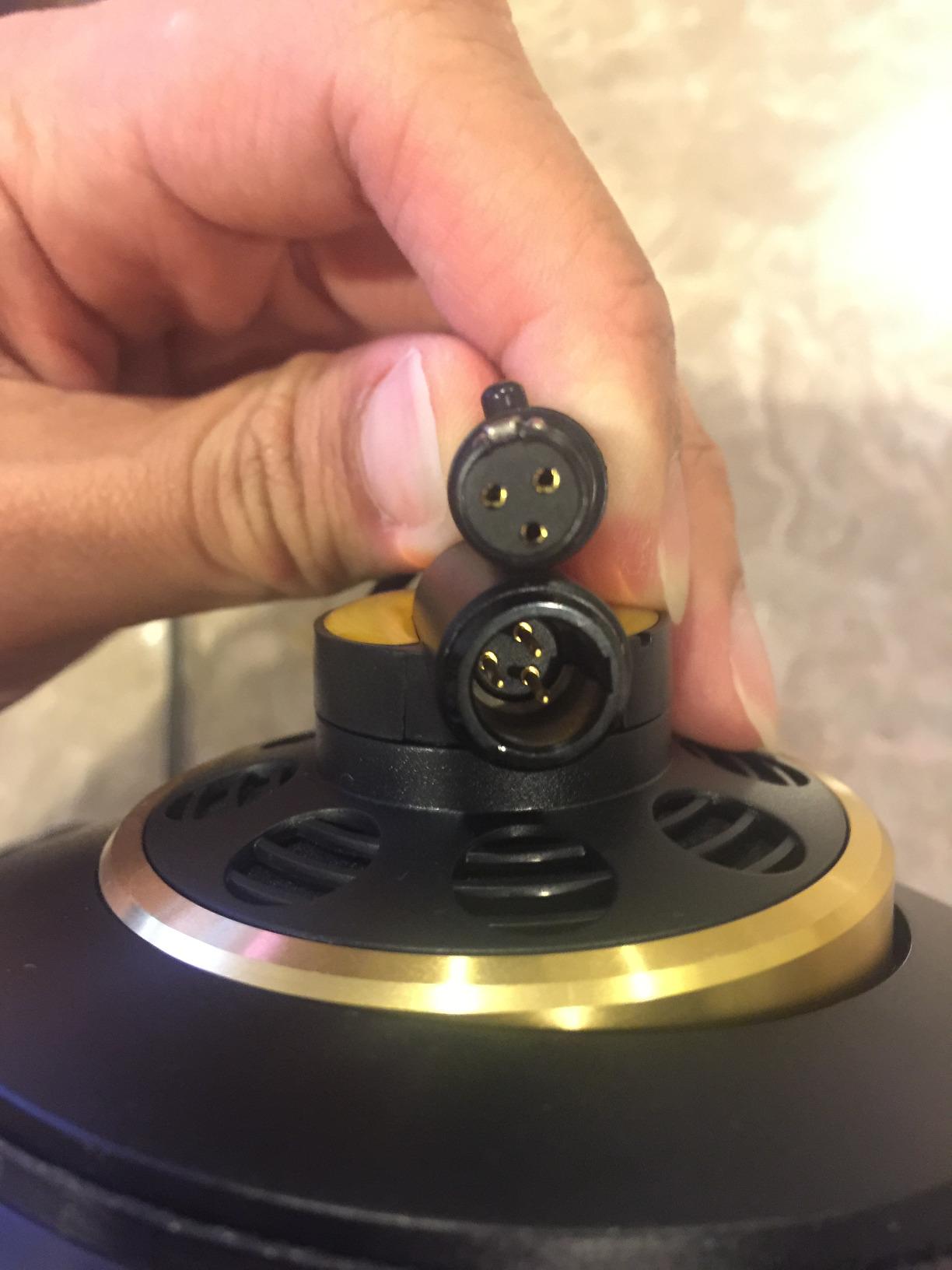
The headband is self-adjusting rather than slider-based, and at 240 g the pair nearly disappears on the head. The 3 m cable is detachable and a spare is easy to source, and the build uses stainless steel rather than the plastic most competitors rely on.
Why a semi-open makes sense here
It solves the loud-neighbour problem. You get a sense of air and placement around instruments that a small closed-back cannot give you, and you do not broadcast the entire low end of your mix to the person in the next flat.
For editing and mix review in a domestic room, that is a genuinely better trade than most buyers realise.
Where the light low end shows up
Reviewers repeatedly note the bass is light and sub-bass has little weight, which is the expected cost of a small semi-open driver. If you are mastering low-end-heavy material, check that range on another reference.
Some listeners also find the highs slightly harsh, and the pleather pads are the least comfortable thing about the package over a very long day.
8. Sennheiser HD 280 Pro – Best for Isolation
Sennheiser HD 280 Pro Headphone, Black
64 ohm
8 Hz - 25 kHz
Up to 32 dB attenuation
Detachable cord
Pros
- Class-leading passive attenuation of up to 32 dB
- Warm
- natural and well balanced sound
- Collapsible cups for one-handed monitoring
- Earpads
- headband padding and cord are replaceable
- Two year warranty
Cons
- Heavy fixed coiled cable
- Vinyl headband and pads can flake or crack
- Treble slightly recessed against modern rivals
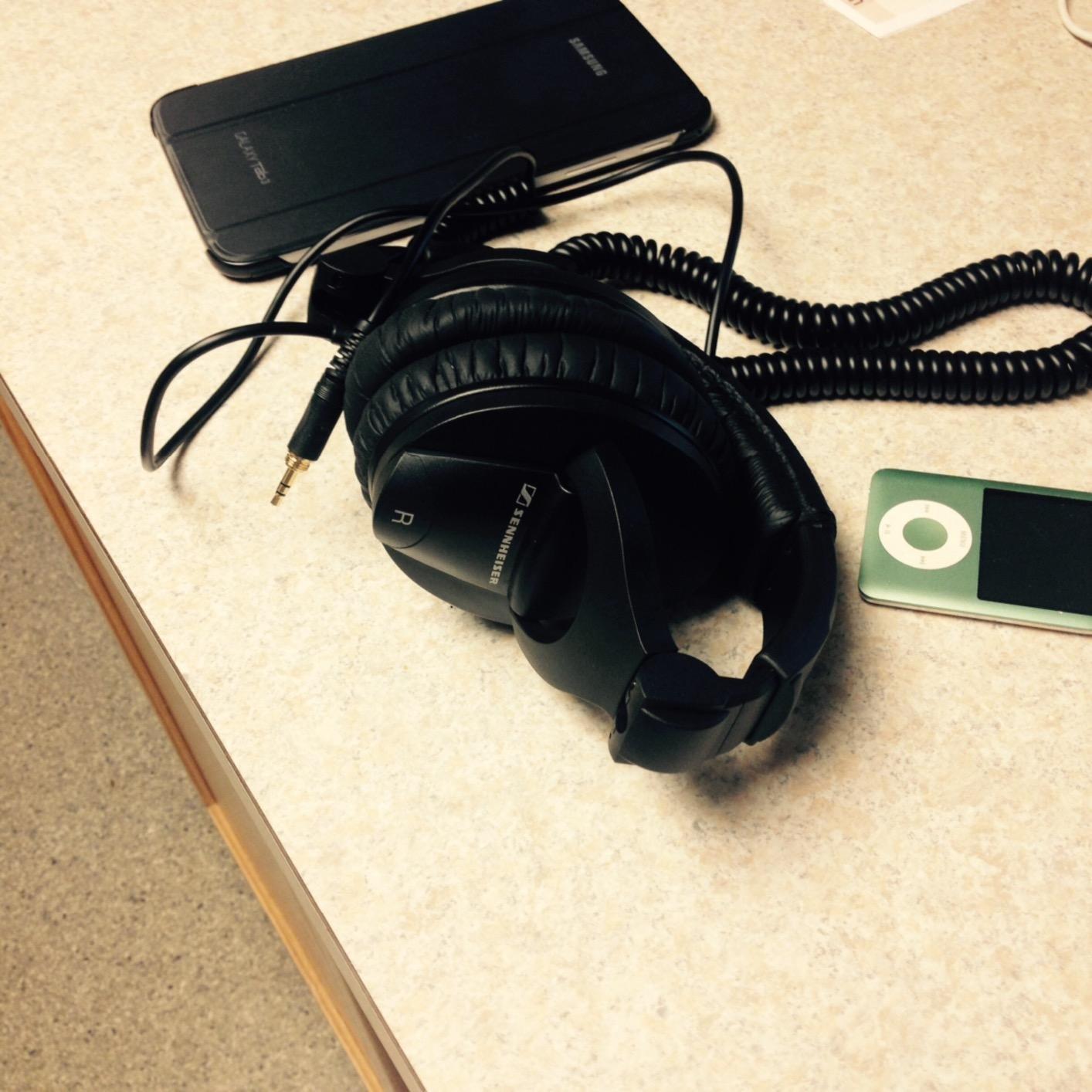
Isolation is the HD 280 Pro’s entire argument, and it makes the case well. Up to 32 dB of passive attenuation is more than any other pair on this list, which is the difference between hearing a take and hearing only the take.
That is why you still see it on drum risers and on vocalists who record in shared rooms. It is the pair to buy when the environment is the problem rather than the headphone.
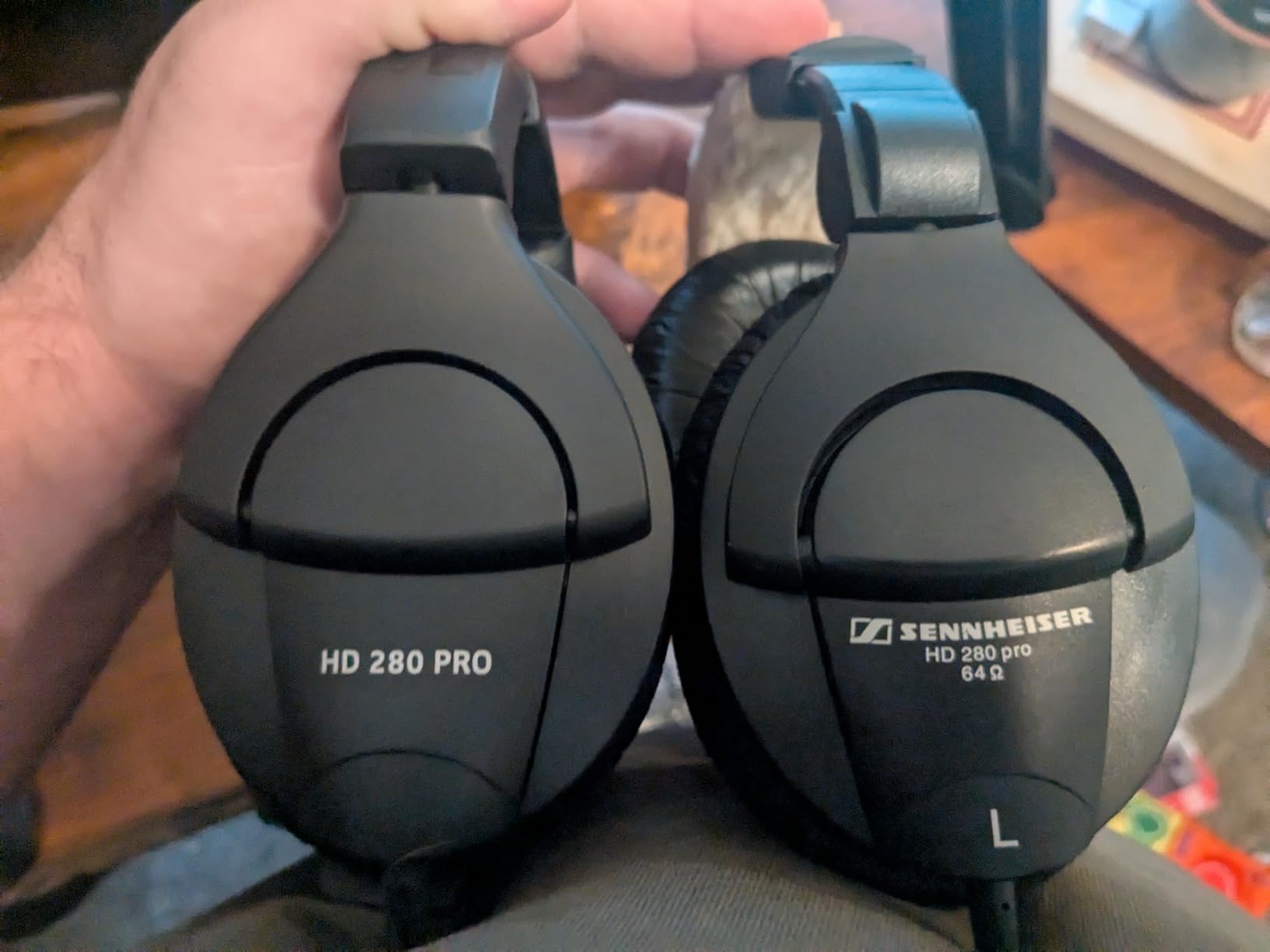
The dynamic driver covers 8 Hz to 25 kHz at 64 ohm, wired with a 3.3 m coiled cord and a quarter inch jack. The tuning is warm and natural with strong imaging, which makes it forgiving on bright mixes even though the top end sits slightly back.
Everything that wears out is replaceable: the ear pads, the headband padding and the cord itself. That matters here because the parts that do wear out on this model are the synthetic ones, not the mechanism.
When 32 dB changes the work
Tracking a loud source in a shared space. A guitarist playing through a loud amp, a drummer rehearsing in a room with no isolation, a vocalist in a live room. In each case the isolation is doing the job that acoustic treatment would otherwise do.
For editing and mixing in a noisy house, the same rating is valuable for a completely different reason, which is a less obvious benefit.
Where the age shows
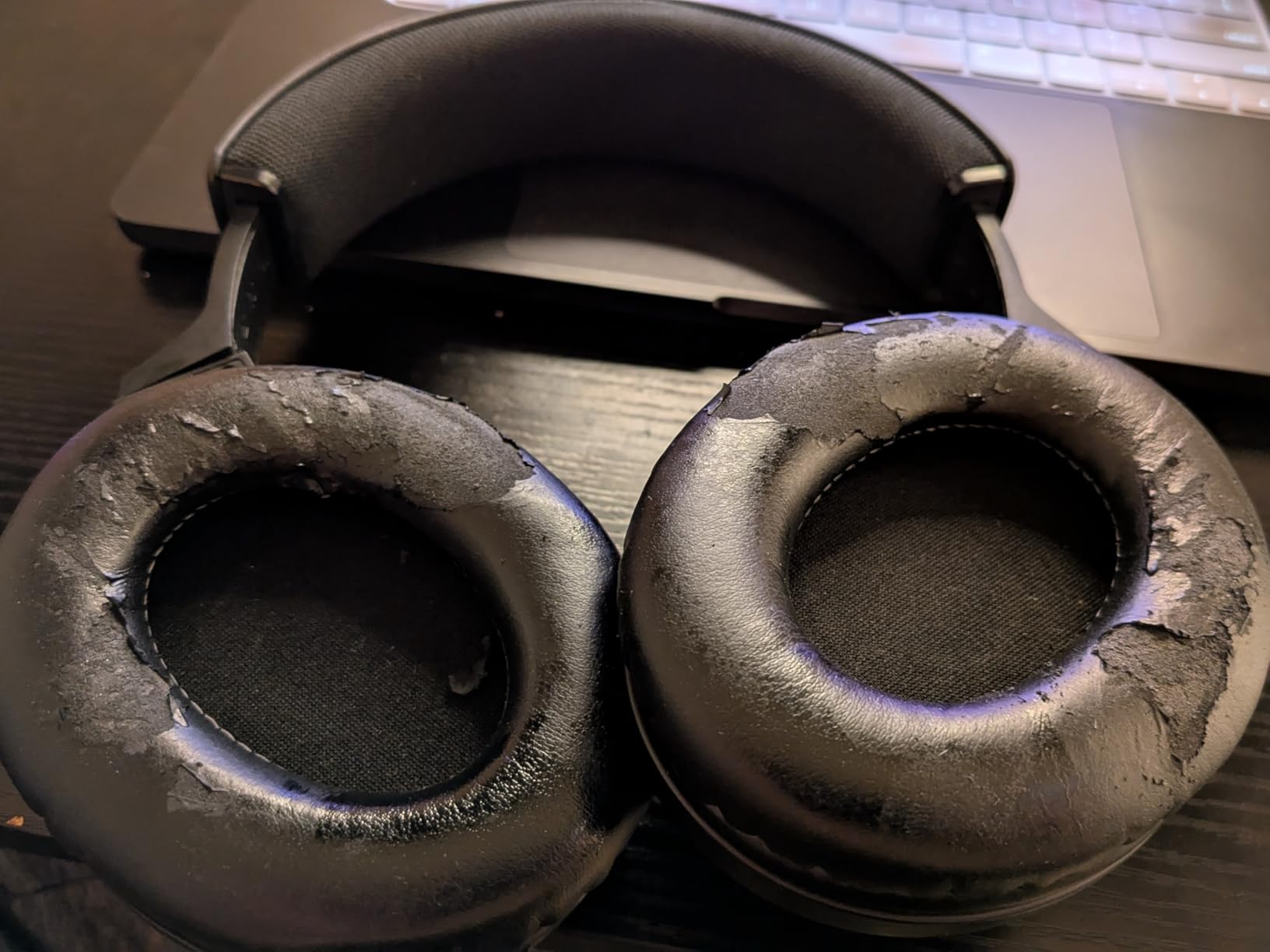
The vinyl headband and pad covering are the weak point. Reviewers note the padding can flake and crack with age, and replacement pads are an extra cost on top of the headphone.
The fixed coiled cord is also heavy and awkward away from a desk, so this is a studio headphone in the strictest sense of the word.
9. TASCAM TH-02 – Best Starter Headphone
TASCAM TH-02 Professional Studio Monitor Headphones, Wired, Over Ear — for Recording, Podcast, DJ, Music and Guitar, with 1/4 Inch Jack Adapter
32 ohm
50 mm dynamic driver
18 Hz - 22 kHz
Retractable cable
Pros
- Monitor-style sound well beyond its tier
- Closed design with better isolation than open alternatives
- Folds flat for transport
- Padded headband and ear pads
- Includes a quarter inch adapter
Cons
- Small ear pads with thin foam cause pressure after an hour
- Tight clamping force out of the box
- Thin plastic construction
The TH-02 exists for a specific situation: someone setting up a rehearsal room, a podcast desk or a teaching space who needs accurate, isolated monitoring and not much else. At 32 ohm it drives from almost anything, including a phone or a laptop, and the sound is a genuine monitor signature rather than an entertainment curve.
It is the least refined headphone here, and we would not choose it for a mixing room. As a first or backup pair, though, it does a surprising amount of the job for very little.

The driver is a 50 mm dynamic unit, which is unusually large for the tier, with 18 Hz to 22,000 Hz response and 98 dB sensitivity. The cable retracts into the body, the design folds for transport, and a snap-on adapter for quarter inch outputs is included.
Warranty coverage is one year, which is the shortest of the group, and the enclosure is plastic throughout. Nothing here is built to be passed between engineers for a decade.
Where it is genuinely the right tool
Guitar practice with an amp model, backing track monitoring, podcast editing and any rehearsal space where leakage matters more than finesse. The closed design contains the low end far better than an open-back of the same price would.
Because the impedance is low, it also works as a mobile check pair for someone who mixes in different rooms and only wants to carry one cable.
Where the comfort rating drops
The pads are the issue. They are small with thin foam, and owners commonly report pressure after 30 to 60 minutes, which is well short of a working session.
Clamping force is also tight out of the box, especially on larger heads, and the long cable is not convenient for portable use. Budget for pads if you plan to wear these for hours.
10. Shure SRH440A – Best Transparent Closed-Back
Shure SRH440A Over-Ear Wired Studio Headphones for Recording
40 ohm
10 Hz - 22,000 Hz
102 db sensitivity
Detachable locking cable
Pros
- Accurate
- transparent and flat studio signature
- Comfortable circumaural fit for long sessions
- Detachable locking cable that survives pulls
- Rugged build with a two year warranty
- Works for mixing
- tracking
- podcasting and amp plugins
Cons
- Passive isolation is modest for loud environments
- Large cups can feel hot over multi-hour sessions
- Limited bass extension against open-back references
The SRH440A is the Shure take on a closed monitor, and it does something the cheaper M20x and M40x do not: it stays uncoloured at higher listening levels, which is where decisions about breathiness and sibilance actually get made.
It is a strong choice for spoken-word work and podcast editing, where the judgement is about articulation rather than ambience, and it doubles as a tracking headphone because the cup is closed.
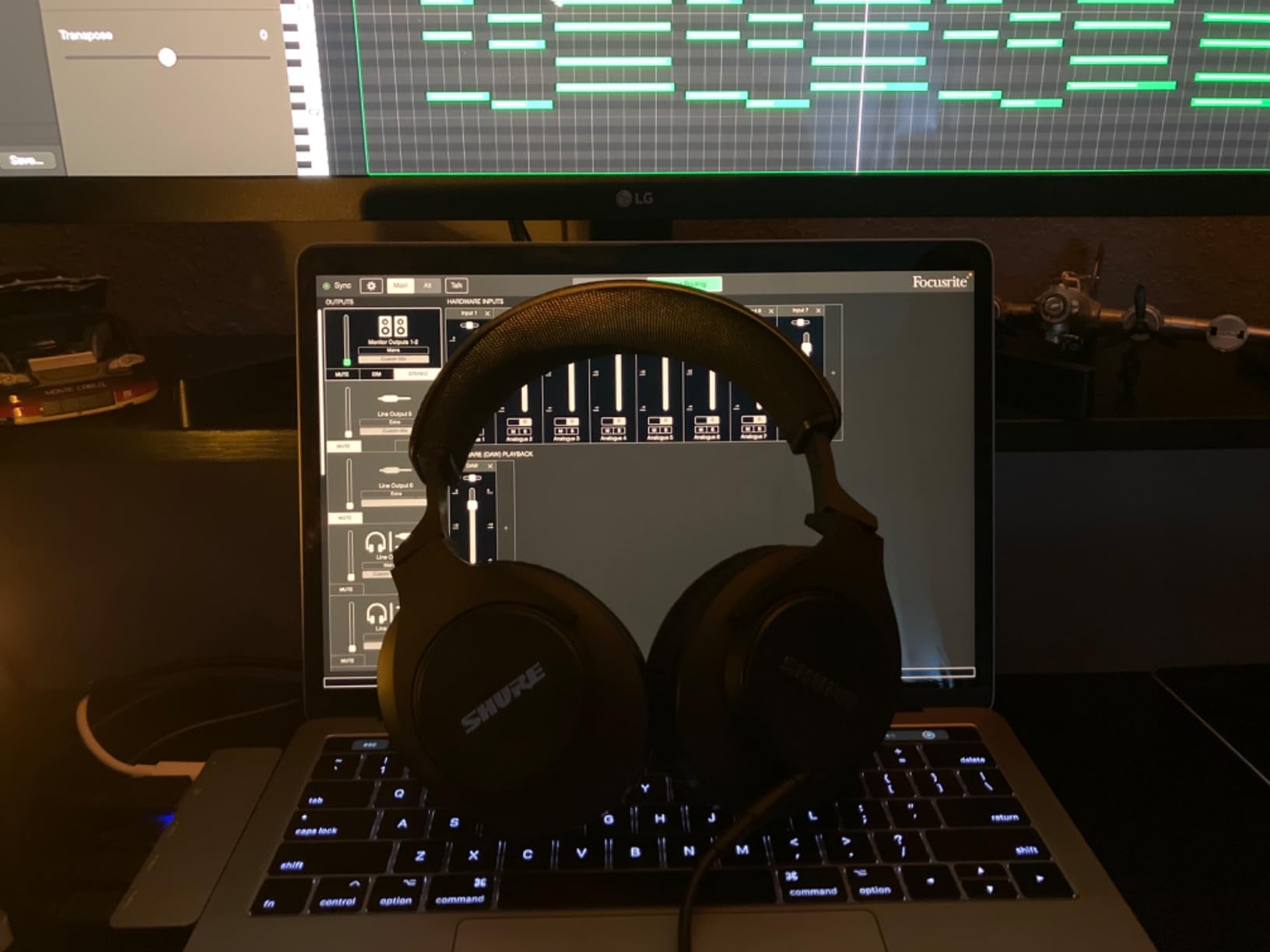
Numbers: 40 ohm impedance, 102 dB sensitivity and a 10 Hz to 22,000 Hz range from a dynamic driver. The cable is detachable with a locking fit and a quarter inch jack plus adapter, and Shure backs the pair with a two year limited warranty.
Weight is 8.96 ounces and the headband adjusts, though the profile is tall and reviewers note the cups run warm over a multi-hour session. There is no wireless option, which is a feature in a control room.
Why podcast editors gravitate here
It resolves detail without adding gloss. When a mouth click or a plosive is the problem, you want a headphone that shows you the artefact rather than smoothing it into the voice, and the transparent tuning here does that.
The locking cable connector is also the right design for a desk that gets used by several people, where a push-fit cable is eventually pulled out of the cup.
What to weigh before choosing
The isolation is modest. In a genuinely loud environment you will be mixing against the room, and for those situations the HD 280 Pro is the better buy.
Bass extension is also limited compared with the open-back references on this list, so check the low end of any electronic or hip-hop mix elsewhere. The review base is smaller than the established models, so treat the long-term parts story as less certain.
11. Sennheiser HD 490 PRO – Best for Reference Accuracy
HD 490 PRO Open-Back Professional Headphone
130 ohm
5 Hz - 36,000 Hz
Open-back
200 g
Pros
- Exceptionally wide
- dimensional soundstage with precise localisation
- Uncoloured response from 5 Hz to 36 kHz
- Two pad sets for mixing and producing
- Open-frame architecture lowers distortion and resonance
- Washable
- replaceable pads and FSC-certified packaging
Cons
- Open-back provides essentially no passive isolation
- 130 ohm benefits from a capable amplifier
- 200 g feels heavy on long sessions
The HD 490 PRO is the newest open-back on this list and the most explicitly engineered for mixing. The dual pad sets are the idea worth understanding: one set is shaped for producing and the other for mixing, and swapping them changes both comfort and the perceived high-mid detail.
For mastering, orchestration and any work where placement and low-end definition decide the result, that kind of adjustability is unusually useful. The aluminium open-frame construction is there to lower total harmonic distortion and cut resonance.
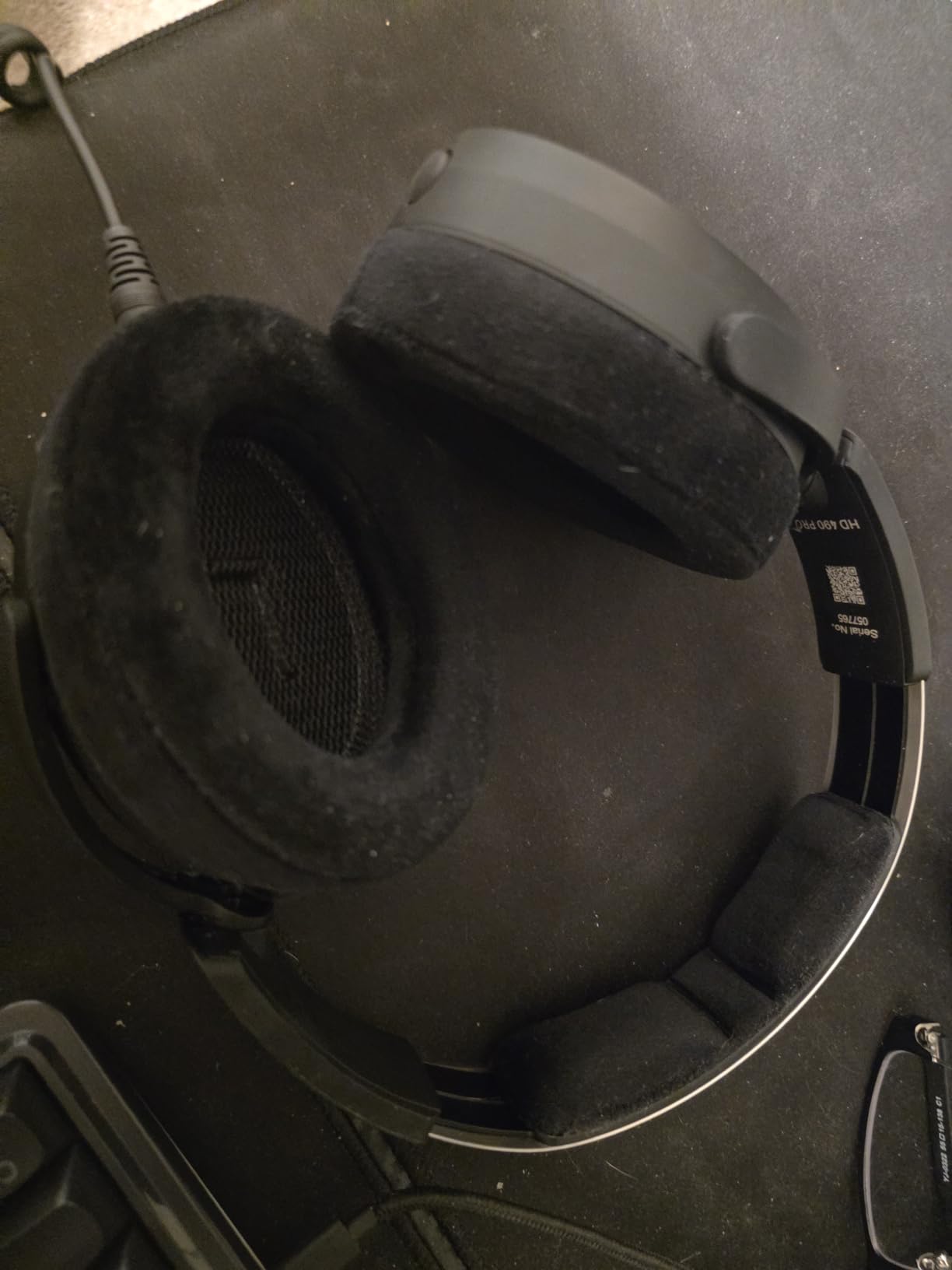
Specified at 130 ohm and 105 dB sensitivity with a 5 Hz to 36,000 Hz uncoloured response, and a low-frequency cylinder system that gives the bass definition without the usual open-back boom. It weighs 200 g, which is light for an open-back of this class.
Cables attach on both the left and right cups, so a single-sided cable is possible for one-ear monitoring, and the 1.8 m lead uses a coiled structure designed to block cable-borne noise. An adapter is included.
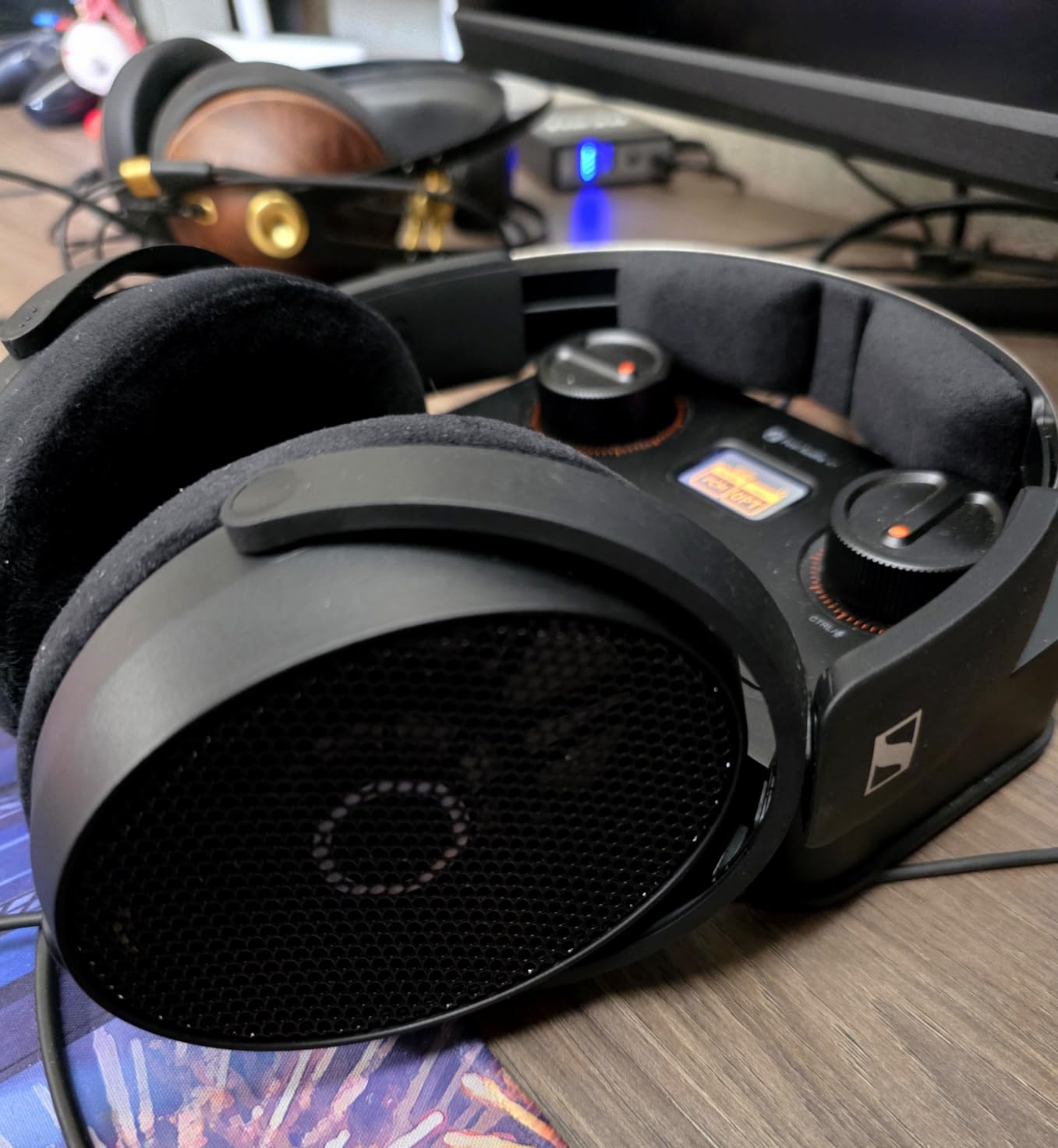
What the two pad sets actually change
Switching pads is a fast way to move between mixing and casual monitoring. The producing set is typically the more relaxed, and the mixing set is thinner and more revealing, so you can work a mix for an hour and then step back without changing headphones.
It also solves pad wear cheaply. Both sets are washable and replaceable, which is a long-term ownership point the fixed-pad models cannot match.
Where the 130 ohm load costs you
You will likely want an amp. At 130 ohm the pair still reaches useful level from many interfaces, but owners note a capable amplifier improves the result, so treat an amp as part of the cost of this pick.
It is also the lightest-weight but most format-dependent option here. With an open-back frame you get no isolation from monitor bleed, and at 200 g the clamp is noticeable over a full day on an open design.
12. Sony MDR-M1 – Best for Mixing on the Move
Sony MDR-M1 Professional Reference Closed Monitor Headphones
50 ohm
40 mm dynamic driver
5 Hz - 80,000 Hz
216 g
Pros
- Exceptionally light at roughly 216 g
- Closed isolation makes it usable for tracking
- Two detachable cable lengths with screw-in connectors
- Replaceable earpads and stainless steel construction
- Non-harsh treble and well separated mids
Cons
- Some listeners find the bass-forward signature too coloured
- Treble sibilance on some recordings
- Supplied pleather pads run warm
The MDR-M1 is the newest closed-back on this list and the one built specifically for people who do not sit at a desk eight hours a day. At 216 g it is one of the lightest monitoring headphones we have worked with, and the closed acoustic structure means you can use it for tracking as well as review.
Two detachable cables of different lengths ship in the box, with screw-in connectors that stay put when the cable gets yanked by a stand or a door. That is a small detail that changes how often you replace a pair.
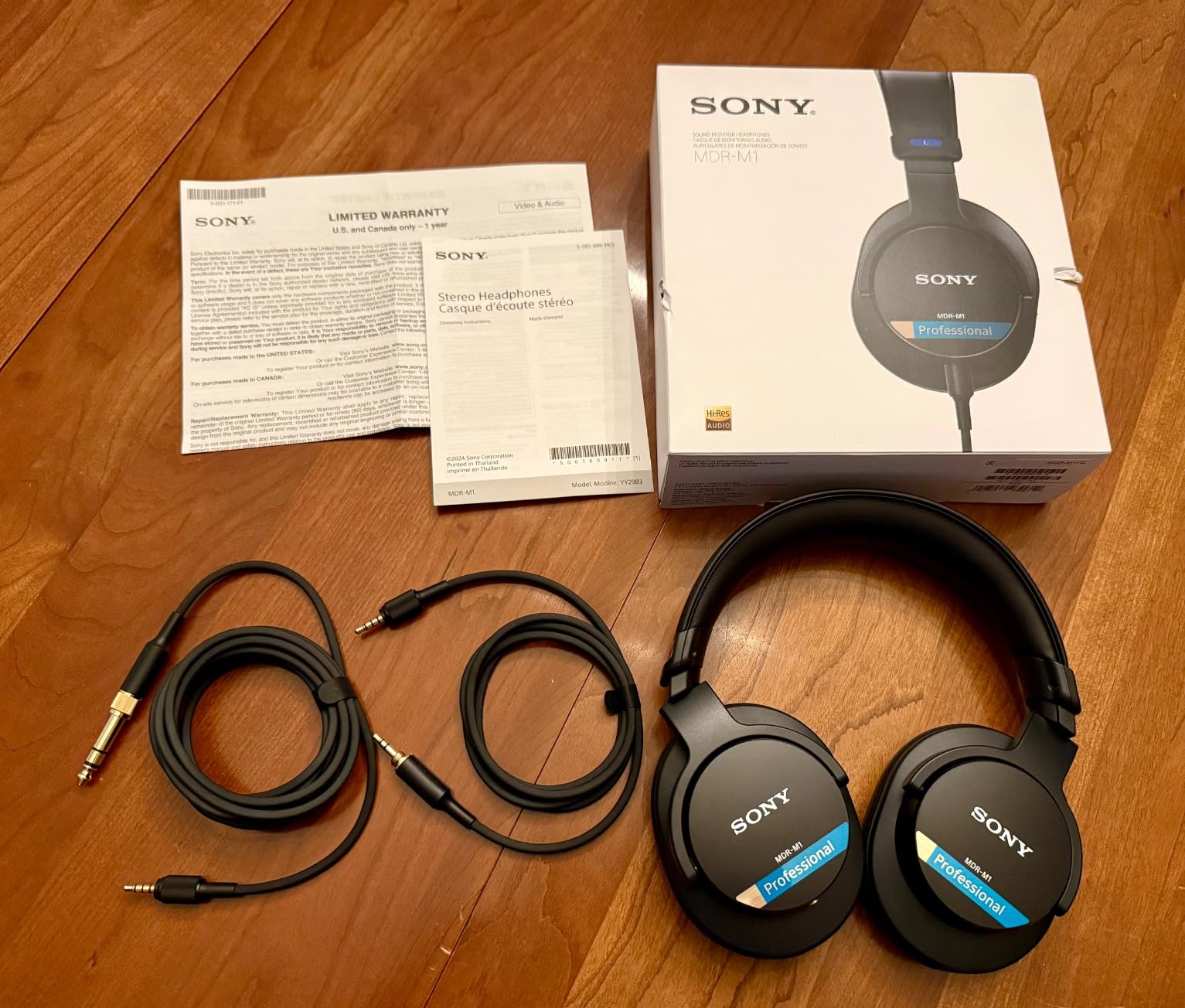
The 40 mm dynamic driver is specified for playback from 5 Hz to 80,000 Hz, which is far beyond what mixing decisions depend on, at 50 ohm and 102 dB sensitivity. That impedance is a good middle ground, and it plays well from a decent interface while a small dedicated DAC or amp improves the result further.
Drivers sit angled inside the cup, ear pads are easily replaced, and the yoke is stainless steel. The trade-off is a one year warranty, the shortest of the newer models here.
Why a wideband closed-back suits a travelling setup
It covers the practical range with real extension in both directions, so a mix checked on it in a hotel room holds up better than one checked on a small closed driver. Combined with the low weight, that is what makes it credible for location work.
Because the cup is closed, you also get usable isolation for recording, which is a dual role the open-backs on this list cannot offer.
Where tonal preference enters
Reviewers disagree about the tuning, and this is a preference headphone more than a reference one. A minority feel the bass is overdone and masks the mids, and others report sibilance that needs correcting out of the box.
Both complaints are pad and EQ issues more than driver issues, and the pads are replaceable. Test it against a flat reference before committing.
How to Choose Studio Headphones for Mixing?
Flatness beats everything else. Look for a deliberately uncoloured response rather than a pleasant one. The consumer smiley curve is the single reason beginners re-cut mixes that are already correct, and no amount of build quality compensates for it.
Impedance decides your equipment list. Anything up to about 50 ohm is comfortable from a typical interface. Between 60 and 80 ohm you should be fine but volume headroom shrinks. At 130 ohm and above, plan on an amp, because an undriven headphone is a different instrument than a driven one. If you are choosing headphones for a school or shared setup, our classroom headphone guide covers the shared-space considerations in more detail.
Cable attachment decides longevity. A detachable or locking cable means a damaged lead costs almost nothing. A fixed cable is the most common reason a five year old studio headphone gets thrown away.
Pads and comfort decide your working day. Clamping force, pad depth and heat are the three things that end a session early. The heaviest complaint we saw in owner reports was pressure after an hour, not a sound problem.
Consider the two-pair route. Forum consensus is unusually consistent here: engineers work with a closed-back for tracking and an open-back for mixing, and describe any single pair as a compromise. If the budget exists, a mid-range closed-back plus a mid-range open-back beats one expensive pair, and the M50x with the DT 770 Pro 80 Ohm is the pairing we would build first.
Budget for ownership, not just the headphone. Ear pads flatten and crack, usually within a couple of years of daily use. Models with replaceable pads, a detachable cable and published spare parts are cheaper to own over five years than a cheaper pair that has to be thrown away.
Open-Back vs Closed-Back Headphones for Mixing
Open-back, neutral and reasonably low impedance headphones are the best choice for mixing, because the open grille lets sound pass freely so no pressure builds up in the ear canal to colour the low end, and the result is a wider, more natural soundstage. Closed-back models win on isolation, and closed-back is the right answer for tracking.
An open-back cup is a grille rather than a sealed shell. Nothing is sealed, so the driver moves the air in front of it and the room moves the air behind it without obstruction. That removes a compression effect which some listeners hear as boost in the bass and upper mids.
The same property is the problem. Sound goes out of the headphone and into the room, and room noise comes in. In an untreated bedroom, monitors bleed through, cars pass, and the open design will happily reproduce all of it inside the mix.
Closed-backs trade that openness for a sealed cup, which attenuates the room and stops your mix leaking onto a microphone during a take. The cost is a narrower stage, a smaller sense of depth and, in many models, a touch more bass coloration from the enclosed volume.
Live sound is a different job again. A monitor engineer needs to hear the room and the crowd, not an isolated version of it, which is why the closed-back answer in this article does not transfer to that use case.
Do You Need a Headphone Amp for These Picks?
You need an amp if your interface cannot reach a comfortable monitoring level, and the rule of thumb is that anything above roughly 80 ohm deserves one. Below 50 ohm, almost any interface with a headphone output will do the job.
Impedance is measured in ohms and represents how much the driver resists the current the amplifier sends. Higher impedance means less current is needed for a given voltage, which in practice means a quieter output on a given amp, and eventually a limit where you start mixing quieter than you realise.
Here is where each pick sits. The easiest to drive are the TASCAM TH-02 at 32 ohm, the ATH-M40x at 35 ohm, the ATH-M50x at 38 ohm, the Shure SRH440A at 40 ohm, the ATH-M20x at 47 ohm, the Sony MDR-M1 at 50 ohm and the AKG K240 at 55 ohm. All of those will work from a basic interface.
The middle group, the Sony MDR-7506 at 63 ohm, the Sennheiser HD 280 Pro at 64 ohm and the DT 770 Pro at 80 ohm, will run from most interfaces at moderate levels. The two that genuinely want amplification are the HD 490 PRO at 130 ohm and the DT 990 Pro at 250 ohm.
Forum advice converges on the same point from a different direction. The DT 990 Pro X is regularly praised for working well without an expensive desktop amp, while the HD 600 and HD 650 class of headphone is described as wanting one, because the difference is a matter of current rather than brand.
The 60-60 Rule and Ear Fatigue
The 60-60 rule is a listening habit, not a specification: roughly 60 minutes of continuous listening at no more than 60 percent of your device maximum, followed by a 60 second reset before you continue.
Fatigue is the real threat to mix quality, not comfort. As your ears tire, your internal loudness reference drifts, and the mix you approved at hour six is not the mix you would sign off on after a night of sleep. Long sessions on revealing headphones accelerate that drift, which is ironic, because the accurate pair is the one that exposes the problem sooner.
In practice, level discipline matters more than the clock. Set your monitoring level so the loudest moment in the densest track is comfortable, then refuse to push it during the quiet passages, because that is where the drift begins. If the same headphone is shared with younger listeners at home, our volume-limiting headphone guide covers the hardware side of keeping levels safe.
Physical breaks help as much as volume limits. Stand up, take your headphones off, let your ears equalise, and come back to the mix after a few minutes. Owner reports of pressure points and heat build-up are the mechanical counterpart to the same problem.
What Headphones Cannot Tell You About a Mix?
Headphones show you detail, depth and balance, and they do it well. They cannot show you how a mix behaves in a room, on a small speaker in a kitchen, or on the phone speaker your listener will actually use. That is a translation problem, and no headphone solves it.
Close monitors and good headphones also disagree by design. Monitors add room influence and cross with the room acoustics. Headphones remove the room entirely. Both are wrong in different ways, which is why cross-checking is the answer.
The safe hybrid is simple. Work the balance, the arrangement and the low end on headphones, then check the translation on the least flattering playback you own at the lowest level you can tolerate. If it survives both, it will survive most systems in between.
Bluetooth has no place in any of this. Wireless encoding adds latency and compression artefacts, and tracking on it is simply unreliable. Keep the wired chain for the work.
Frequently Asked Questions
What are the best headphones for sound mixing?
The Audio-Technica ATH-M50x is the best all-round choice for most home and project studios because it is neutral, light at 0.29 kg, detachable-cabled and low impedance at 38 ohm, so it needs no separate amp. For a bigger soundstage in a treated room, the beyerdynamic DT 990 Pro is our open-back pick and does benefit from an amp. For tracking as well as mixing, the DT 770 Pro 80 Ohm covers both with strong isolation.
What type of headphones are best for mixing?
Open-back, neutral, reasonably low impedance headphones are best for mixing. The open grille prevents pressure building up in the ear canal, which colours the low end, and gives a wider soundstage for judging stereo placement. Closed-back headphones are better for tracking, where isolation from the microphone matters more than imaging.
What is the 60-60 rule for headphones?
The 60-60 rule is a listening habit rather than a specification: listen for about 60 minutes at no more than 60 percent of your device maximum volume, then take a 60 second break. It limits ear fatigue, which is what causes your internal loudness reference to drift over a long mixing session and leads you to approve a mix you would reject the next morning.
What are the best headphones for live sound mixing?
Live sound is a different job from studio mixing, because you need to hear the room and the audience rather than an isolated signal. A closed-back headphone with strong passive attenuation, such as the Sennheiser HD 280 Pro with up to 32 dB, is the usual choice for a monitor position. For studio mixing, the picks in this guide are the ones to compare.
Do I need a headphone amp for studio headphones?
You need one if your interface cannot reach a comfortable monitoring level, and the threshold is roughly 80 ohm. Everything at 55 ohm or below on this list, including the Audio-Technica models and the Shure SRH440A, drives easily from a basic interface. The Sennheiser HD 490 PRO at 130 ohm and the DT 990 Pro at 250 ohm both benefit from a capable amplifier.
Can I mix a whole project on headphones alone?
Yes, for balance, arrangement and editing decisions, provided your room is quiet and your headphone is neutral. What headphones cannot show you is how a mix behaves in a room or on a small speaker, so cross-check on the least flattering playback you own before you sign anything off.
Final Verdict
If you are buying one pair of best studio headphones for mixing and nothing else, the Audio-Technica ATH-M50x is the answer. It is neutral, serviceable, light enough for a full day and low impedance enough that your existing interface is the whole signal chain.
Move up to the beyerdynamic DT 990 Pro when your room can take an open-back and you have an amp to drive it, because the soundstage it gives you will change how you judge depth and placement. Add the DT 770 Pro 80 Ohm as a tracking pair, and you have the closed-back and open-back workflow that working engineers describe as the only honest way to do it.
Whatever you choose, wear the headphones for an hour before you trust them, keep the level disciplined, and cross-check the translation on something other than the monitors. That habit will do more for your mixes in 2026 than any specification on this page.